
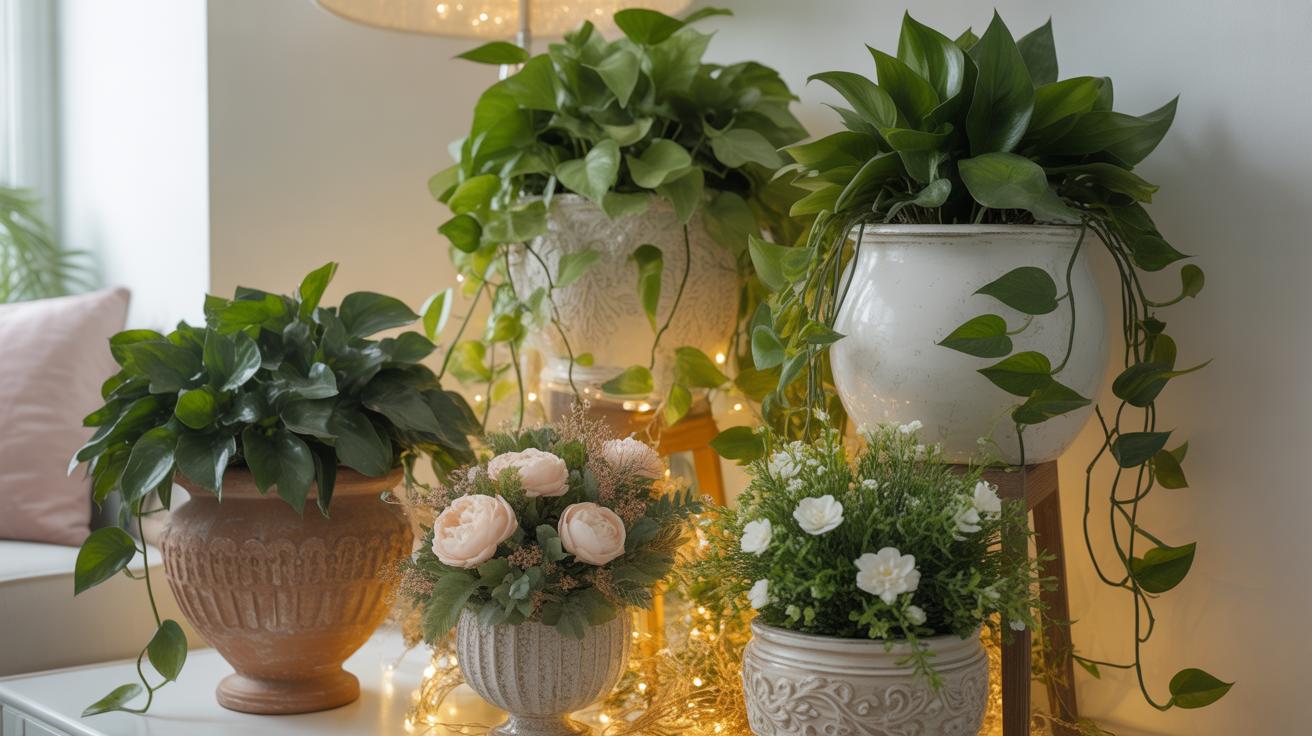
Why Trailing Plants Are The Unsung Heroes Of Event DCor
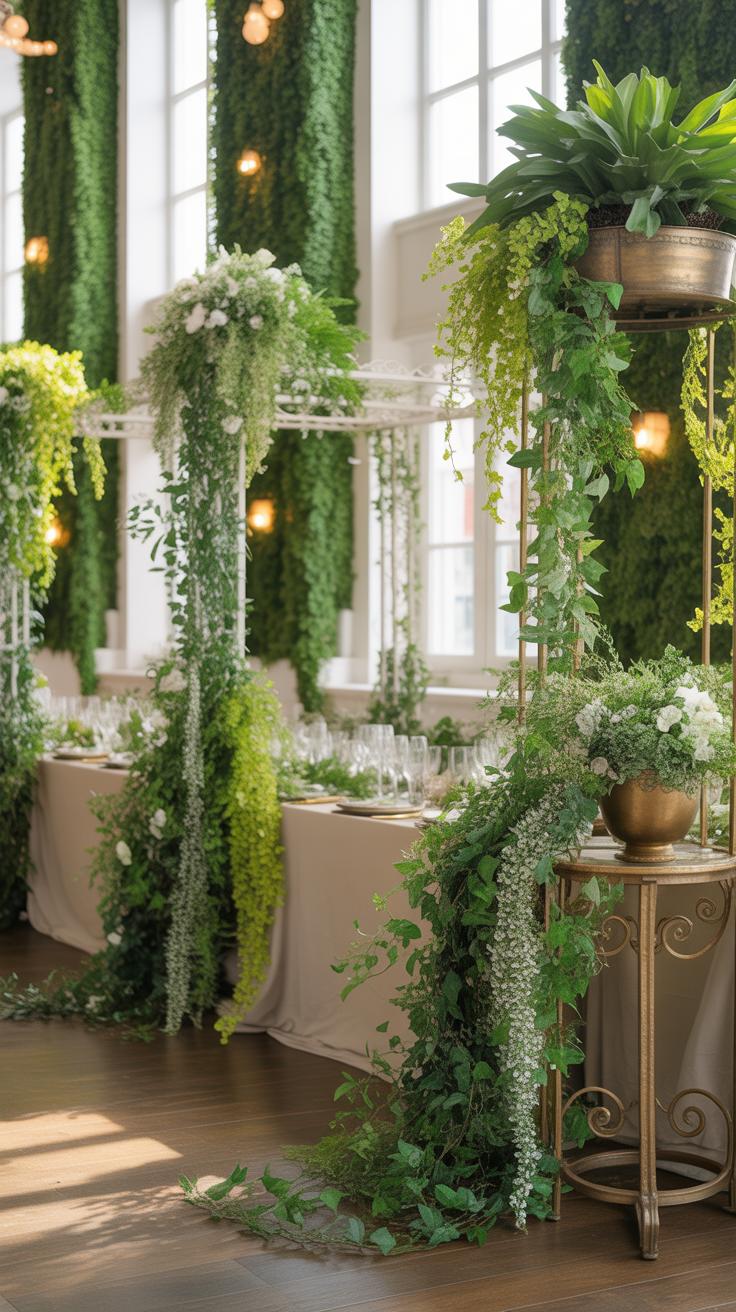
The Natural Appeal Of Cascading Foliage In Styled Spaces
Trailing houseplants provide immediate vertical scale without requiring expensive structural construction. Designers use species like Epipremnum aureum to soften harsh architectural lines in modern event halls. These plants drape over ledges and beams to create a sense of enclosure. This technique mirrors the principles of the Biophilic Design movement. It focuses on human connections to nature in built environments to lower stress levels.
The physical form of cascading vines breaks the visual monotony of flat walls. Event planners use greenery to fill negative space efficiently. This approach is more cost-effective than large floral sprays or custom cabinetry. Real foliage signals authenticity and high production value to guests. Strategic placement of hanging greenery directs the eye toward key event features. It creates a cohesive look across large venues with minimal effort.
How Trailing Plants Add Depth And Movement To Static Arrangements
Trailing plants introduce dynamic energy into fixed interior setups. Standard floral centerpieces often remain rigid and contained. Vines like Hedera helix allow for organic growth patterns that bridge the gap between furniture pieces. This movement guides the guest’s gaze through the room. It prevents the eye from stopping at a single point. This strategy mimics natural landscapes where ground cover and overhead canopies connect different elevations.
Designers utilize trailing foliage to layer textures and build visual depth. Thin, wire-like stems or thick, waxy leaves offer contrast against hard surfaces like glass and metal. This layering hides unsightly cables and structural supports common in event production. It creates a polished finish that feels intentional rather than cluttered. Movement from air currents adds a sensory layer that static decor cannot provide. Practical application ensures every corner of a space feels active.

Best Hanging Trailing Plants To Feature At Celebrations
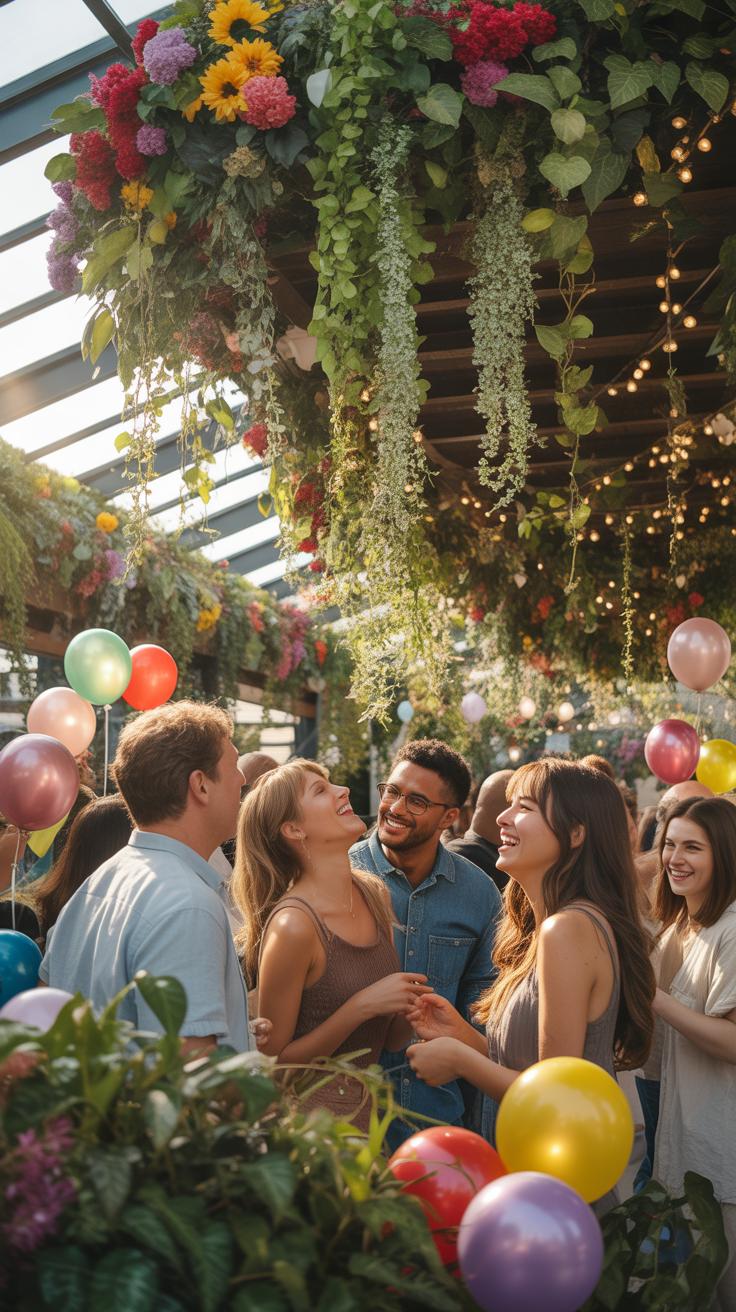
Top Hanging Trailing Plants That Thrive Indoors During Events
Event spaces often suffer from low light and dry air. You must select durable species that maintain their structure without constant misting or natural sunlight. High-traffic celebrations require plants with flexible stems that do not snap if guests brush against them. Focus on high-contrast foliage to ensure the greenery stands out against formal decor and artificial lighting setups used in event halls.
- Epipremnum aureum: Known as Golden Pothos, this plant survives in low light and resists wilting. Its thick waxy leaves handle temperature shifts from air conditioning or heating units. It stays vibrant for hours without water.
- Chlorophytum comosum: The Spider Plant offers a distinct architectural shape for modern events. It produces small plantlets on long stems that create a tiered vertical effect. It is non-toxic to pets and children at gatherings.
- Philodendron hederaceum: Heartleaf Philodendron provides a classic romantic look with deep green foliage. The vines grow rapidly and drape evenly over the sides of elevated containers. It is highly tolerant of dark corners in large banquet rooms.
- Hedera helix: English Ivy serves traditional or formal themes effectively. Its woody stems allow for precise positioning around architectural features like pillars or archways. It maintains its deep color under harsh indoor spotlights and flash photography.
- Tradescantia zebrina: Use this species when the event color palette requires purple or silver tones. The sparkling leaf surface catches artificial light well. It adds a metallic shimmer to tablescapes or hanging displays without needing external floral enhancements.
Position these plants at least six feet above the floor to prevent physical damage. Use heavy-duty hooks or industrial-grade monofilament to secure the weight of the damp soil. Check moisture levels forty-eight hours before the event to prevent water from dripping onto guests. Strategic placement near entryways creates immediate impact. Grouping multiple pots together hides plastic nursery liners and creates a denser appearance for photos.
Let us be grateful to the people who make us happy; they are the charming gardeners who make our souls blossom.
How To Display Hanging Trailing Plants For Maximum Visual Impact
Utilize the architectural principles of the Mid-Century Modern movement to guide your plant placement. Use macrame hangers or minimalist metal hoops to draw the eye upward and fill empty vertical space. High ceilings in event venues often look cold or sterile. Hanging plants break up flat wall surfaces and soften hard angles without taking up valuable floor space needed for tables and foot traffic.

Integrate lighting fixtures directly into your hanging displays to highlight leaf textures. Use warm-toned LED uplights to project leaf shadows onto the ceiling for a dramatic effect. Secure vines along tension wires to create living curtains that divide large rooms into intimate zones. This tactic improves acoustics by dampening sound echoes in open halls. Always hide the cultivation pots inside decorative vessels that match the celebration theme.
Vine Plants Indoor Decorating With Living Green Curtains
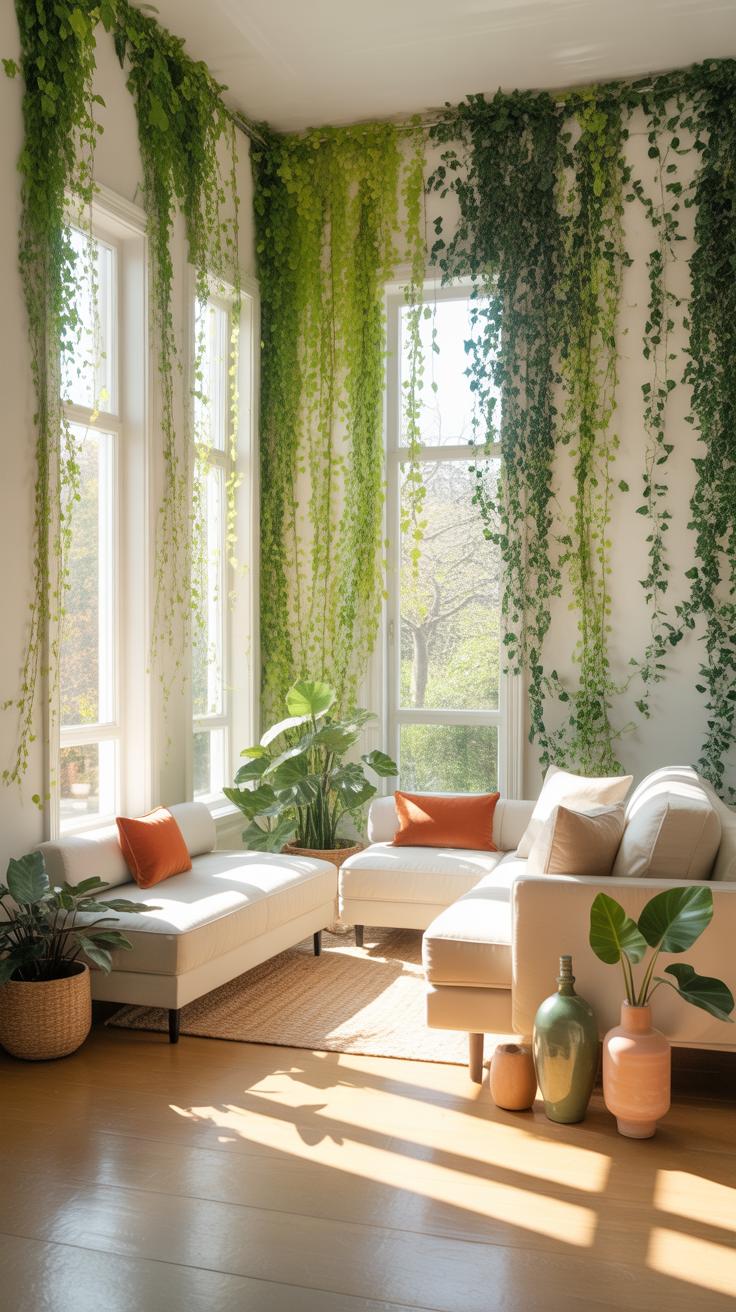
Using Vine Plants Indoor To Frame Doorways, Arches, And Tables
Strategically place vine plants indoor to define entryways and paths. Install hidden wall clips or tension wires to guide stems along door frames. Use fast-growing species like Heartleaf Philodendron for rapid coverage. These plants create a natural threshold that signals a shift in the event space. Ensure the vines do not obstruct foot traffic. Secure the stems firmly to prevent guests from snagging clothing.
For tables, use trailing species to soften hard edges and create vertical depth. Drape long vines over the sides of buffet tables to hide structural supports. Position plants in elevated containers to allow foliage to cascade toward the floor. This technique mirrors the Art Nouveau style by emphasizing curved organic lines. Use heavy pots to prevent the weight of long vines from tipping the display.
Caring For Vine Plants Indoor Before And After Your Special Event
Prepare plants two weeks before the event to ensure peak health. Prune dead leaves and clean foliage with a damp cloth to remove dust. Water the plants thoroughly three days before the gathering. This timing prevents soggy soil from leaking through decorative covers. Monitor light levels in the temporary setup. Avoid placing delicate vines near heaters or drafty air conditioning vents.

Relocate the plants to their permanent growing sites immediately after the event ends. Trim back any stems damaged by handling or movement. Check for pests that might have arrived on rented furniture or decor. Resume a standard fertilization schedule once the plants stabilize. If vines were trained onto temporary structures, gently untangle them. Re-stake the plants to support new growth and maintain structural integrity.
Trailing Philodendron A Timeless Choice For Elegant Occasions
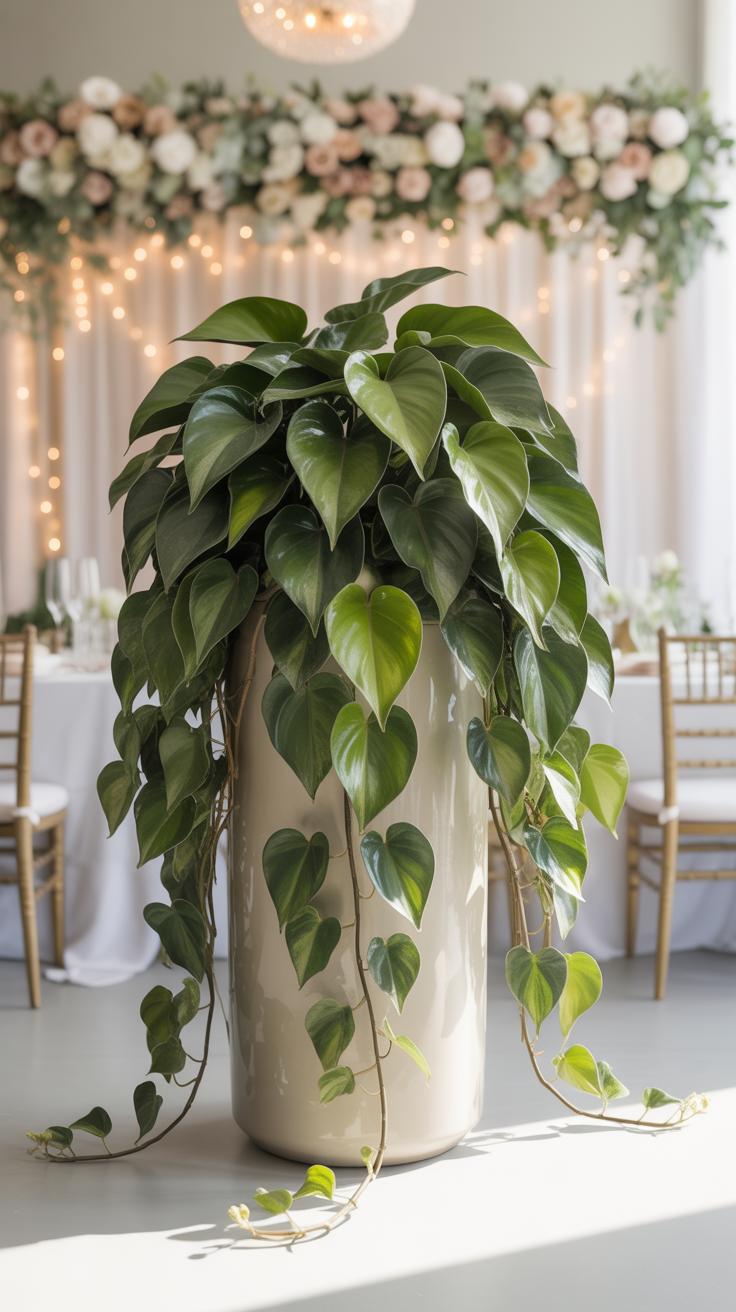
Why The Trailing Philodendron Is A Crowd Pleasing DéCor Staple
Trailing Philodendrons offer high visual impact with minimal maintenance. These plants handle low light and low humidity better than most tropical species. Their heart-shaped leaves create a consistent pattern that fits many design styles. Event planners choose them because they do not wilt quickly after being moved. They survive hours in climate-controlled venues without losing their deep green color or structural integrity.
The plant carries historical weight in interior design. It gained massive popularity during the Mid-Century Modern movement of the 1950s. Designers used its vining habit to soften the sharp lines of modernist furniture. Today, it remains a staple for its durability and clean aesthetic. It provides a lush look without the high cost of floral arrangements. Use it to fill large gaps in any venue floor plan.
Styling The Hanging Philodendron For Weddings, Showers, And Parties
For weddings, use the vines to create living runners on long tables. Drape the foliage over the edges of wooden banquet tables to hide hardware. Secure the stems with discreet floral wire to guide their direction. The deep green leaves contrast well against white linens and metallic accents. This setup provides a sophisticated look that lasts throughout the ceremony and the reception.
Incorporate these plants into vertical displays for showers and parties. Hang pots at varying heights to create a photo backdrop or room divider. Use terracotta or ceramic vessels to match the specific event theme. Prune the vines to specific lengths to maintain a clean appearance. These plants transition well from the event space back to a domestic setting. They serve as functional decor and long-term gifts.
Curating A Plant Aesthetic That Matches Your OccasionS Theme
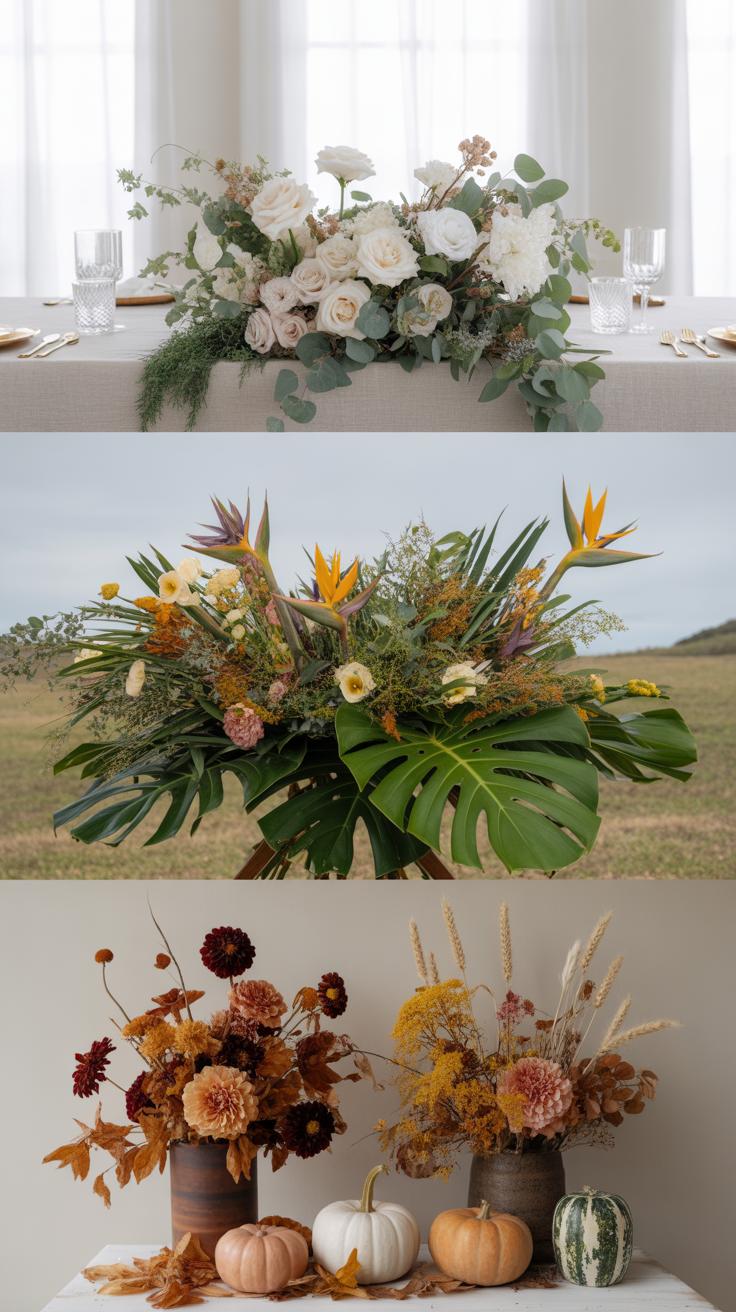
Matching Foliage Tones And Textures To Your Event Color Palette
Color theory dictates the mood of your event. Use Trailing Houseplants to reinforce these visual cues. Silver foliage like Scindapsus pictus fits modern or winter themes. Deep green vines like Heartleaf Philodendron support classic and formal settings. Chartreuse varieties like Neon Pothos create high energy for celebrations. Contrast leaf shapes against your backdrop to build depth. Round leaves soften hard lines while pointed leaves add sharp edge.
Select textures that mirror your event materials. Fine, thin stems like String of Hearts pair well with lace or delicate fabrics. Thick, waxy leaves like Hoya carnosa match polished wood or industrial metal surfaces. Use matte foliage to absorb light and prevent glare in high-flash photography areas. Glossy leaves reflect light and brighten dim venues. Match the plant vigor to the space size to avoid visual clutter.
Combining Trailing Houseplants With Flowers For A Cohesive Plant Aesthetic
Integrate Trailing Houseplants with cut flowers to add structural movement. Flowers provide the focal point while vines provide the frame. Use the spill effect to hide mechanics like floral foam or plastic pots. Woody vines like Ivy offer firm support for heavy blooms. Softer vines move with air currents to create dynamic displays. This technique stretches your floral budget by using long-lasting greenery to fill gaps.

Balance the botanical density to keep the design clean. Pair small-leafed trailers with large, bold flowers like Peonies or Proteas. Use large-leafed Monstera adansonii to ground delicate fillers like Baby’s Breath. Maintain a singular color story to ensure a professional finish. Keep stems hydrated by using water tubes hidden within the foliage. Tactical placement ensures the greenery looks like a natural extension of the floral arrangement rather than an afterthought.
Vining Tropical Plants That Make A Statement At Indoor Gatherings
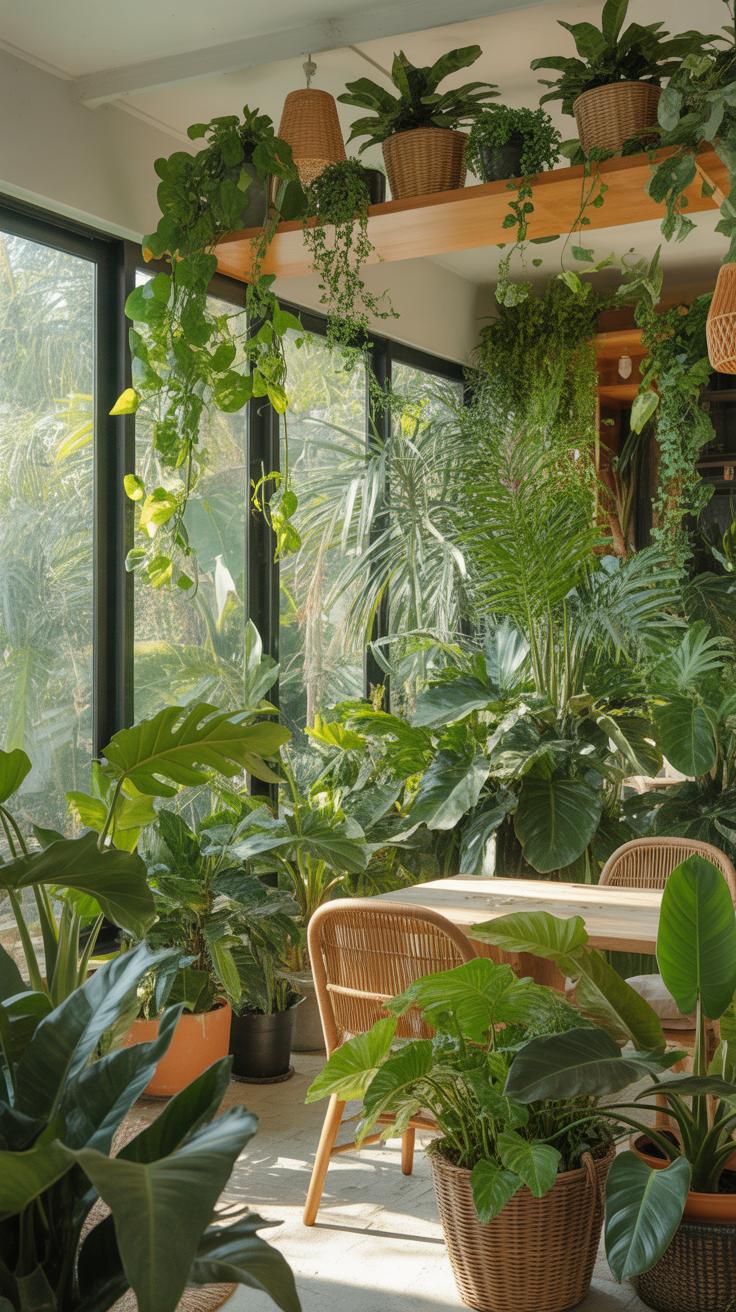
Popular Vining Tropical Plants That Double As DéCor And Conversation Starters
Monstera adansonii and Philodendron hederaceum dominate modern event spaces. These species offer structural complexity through leaf fenestrations and heart shapes. Large specimens create immediate vertical interest on mantels or pedestals. Their rapid growth rates make them affordable options for covering large surface areas. Unlike standard table centerpieces, these living vines bridge the gap between architectural elements and soft decor.
Hoya carnosa and Scindapsus pictus serve as high-end visual accents. These plants feature waxy textures and silver variegation that catch indoor lighting. Designers use them to soften harsh lines in minimalist or mid-century modern settings. They work well in hanging installations above dining areas. Their durability ensures they remain upright and vibrant throughout long gatherings. Choose these varieties to signal sophistication without the maintenance needs of fragile floral arrangements.
Humidity And Light Tips For Keeping Vining Tropical Plants Lush During Events
Maintain plant health by managing environmental stress during the event. Indoor gatherings often cause temperature spikes and drop humidity levels. Mist the foliage two hours before guests arrive to give leaves a fresh sheen. Do not place tropical vines near air conditioning vents or heaters. Rapid airflow dries out the soil and causes leaves to curl or brown.

Position plants in bright indirect light to maintain leaf color and posture. Direct sun scorches tropical foliage through glass. Low light causes stems to stretch and look thin over time. Use LED grow lights if the venue lacks windows. These lights provide the necessary spectrum without generating excessive heat. Consistent light levels prevent the plant from dropping leaves during or after the special occasion.
Plant Inspo Creative Ways To Style Trailing Houseplants For Any Milestone
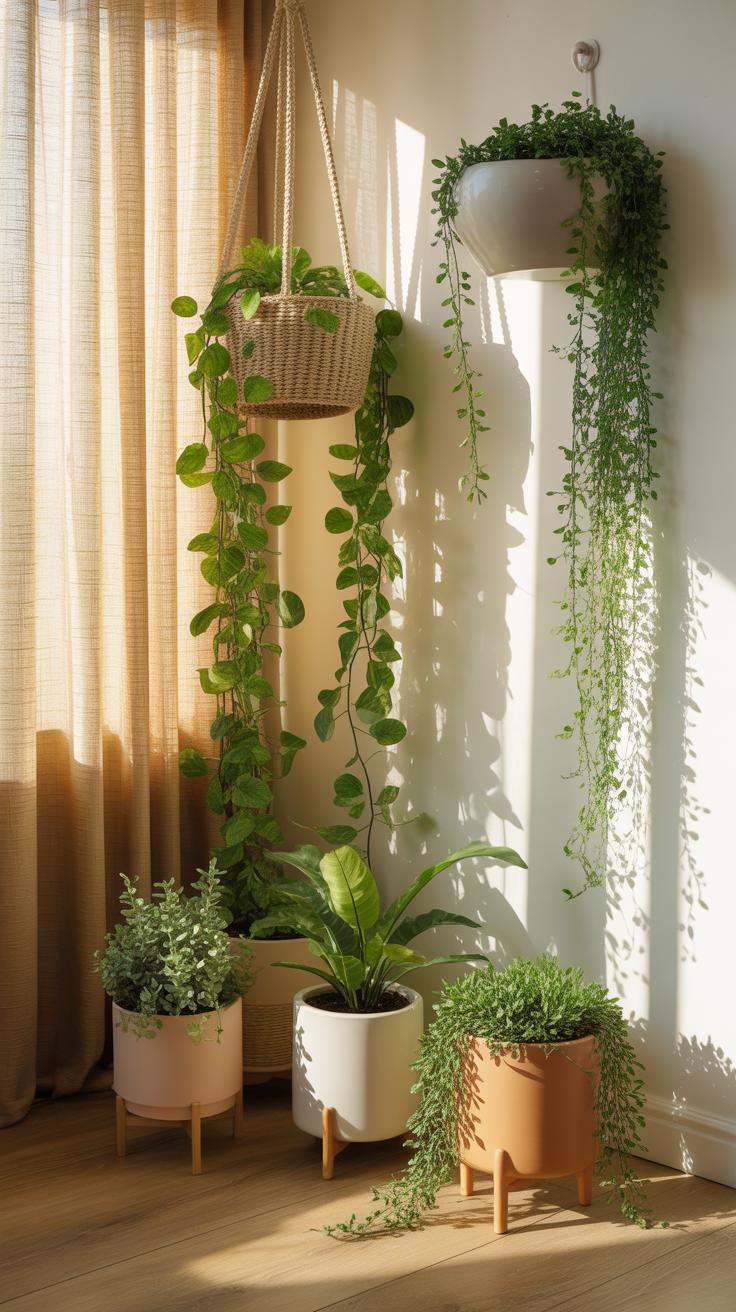
Plant Inspo Ideas For Birthdays, Anniversaries, And Holiday Gatherings
Trailing houseplants offer more than permanent home decor. Use them as temporary living centerpieces for major life events. Their natural growth habit allows for vertical and horizontal movement across a tablescape or venue. You can manipulate vines to direct the eye toward specific focal points like cake displays or guest books. This strategy replaces expensive cut flowers with long-lasting assets you can keep.
- Living Table Runners: Lay pothos or heartleaf philodendron vines down the center of a dining table. These species tolerate low light and handling for the duration of a dinner party. They create a lush green base that outlasts traditional floral arrangements.
- Backdrop Frameworks: Use English ivy to frame a photo booth or entrance. Secure the flexible stems to a wooden trellis or wire grid. This creates an organic border for guests taking commemorative photos during anniversaries or birthdays.
- Tiered Cake Stands: Wrap variegated string of pearls around the base of dessert displays. The cascading beads mimic jewelry and provide a high-contrast texture against white icing or ceramic. This works well for formal celebrations and weddings.
- Holiday Mantels: Drape hoya vines across a fireplace mantel during winter gatherings. Hoya leaves have a thick, waxy cuticle that resists drying out near heat sources. These plants provide a modern alternative to traditional pine boughs and wreaths.
- Candelabra Accents: Intertwine spider plant runners with metallic candle holders. Ensure the foliage remains clear of open flames. The arched stems add dramatic height and visual interest to a formal anniversary dinner setting without blocking guest sightlines.
Select species based on the lighting at your event location. If the party is outdoors in summer, use sun-tolerant plants like silver falls dichondra. For dim indoor restaurants, stick to tropical vines that handle low light without wilting. Prepare the plants two days before the event by cleaning the leaves with water. This ensures they look sharp and healthy for the celebration.
DIY Plant Installations That Turn Trailing Houseplants Into Focal Points
Modern interior design uses plants as structural elements rather than just accessories. You can create a living wall using a grid system and multiple trailing plants in hidden pockets. This technique follows the biophilic design movement which focuses on human connection to nature. Use galvanized steel mesh or wooden slats as the mounting hardware. Ensure the structure can support the weight of wet soil.

Industrial styling often pairs trailing vines with raw materials like copper or concrete. Suspend plants from the ceiling using leather straps or minimalist metal hooks. This moves the greenery into the upper third of the room to maximize floor space. Position these installations near windows where light hits the leaves from above. This mimics the way these plants grow underneath forest canopies in their natural tropical habitats.
Hanging Pothos Plants Indoor The Most Versatile Trailing Plant For Events

Why Hanging Pothos Plants Indoor Work For Nearly Every Occasion And Setting
Hanging pothos plants indoor provide unmatched reliability for event planners. These plants tolerate low light and irregular watering schedules. This resilience makes them perfect for long installations or multi-day conventions. They maintain their structure and color without wilting quickly. You can move them between different environments without causing immediate stress or leaf drop. No other trailing plant offers this level of durability.
Tactically, pothos vines bridge the gap between industrial structures and organic design. Use them to hide unsightly cables, pipes, or stage scaffolding. The thick stems wrap around beams and pillars with ease. They create immediate vertical interest in large halls. Designers rely on their rapid growth to fill empty spaces cheaply. Their waxy leaves reflect artificial light well, which improves the brightness of indoor venues.
Pothos Varieties To Know And How Their Leaf Patterns Enhance Event Decor
Different pothos cultivars offer specific aesthetic advantages for themed events. The Golden Pothos features yellow variegation that complements warm lighting schemes. Its heart-shaped leaves add density to backdrops. For modern or minimalist settings, the Marble Queen provides a high-contrast white and green pattern. This variety mimics the look of expensive stone. It draws the eye toward specific focal points like entryways or podiums.

Leaf color dictates the mood of the event space. Neon Pothos offers a bright chartreuse hue that pops against dark backgrounds. Use it for high-energy tech launches or modern parties. Satin Pothos, known as Scindapsus pictus, brings a silver sheen and metallic texture. This variety fits luxury weddings or high-end corporate dinners. Selecting the right leaf pattern ensures the greenery matches the formal requirements of the occasion.
Caring For Your Trailing Houseplants Before During And After The Event
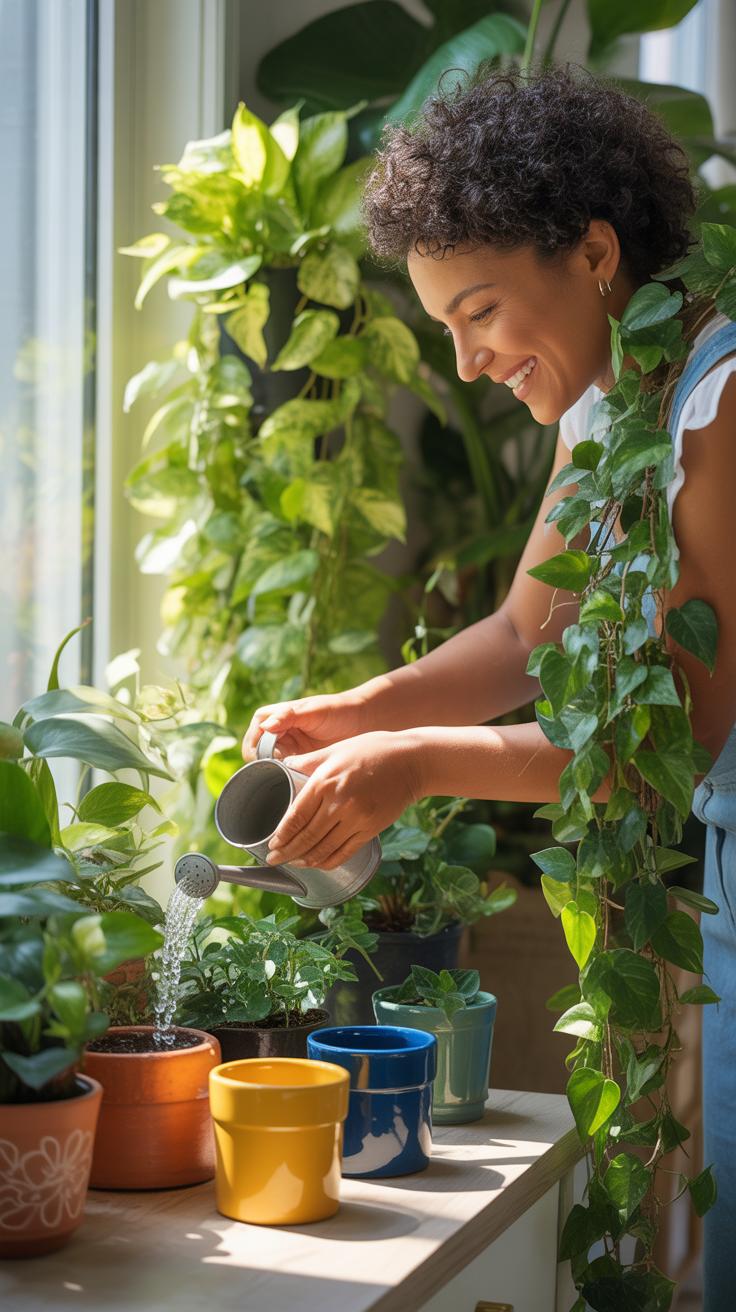
Pre Event Preparation Tips To Keep Trailing Houseplants Looking Their Best
Hydrate your plants forty-eight hours before the event starts. Deep watering ensures the soil stays moist during the celebration. Wipe every leaf with a damp cloth to remove dust and debris. Clean leaves photosynthesize better and reflect light more effectively. Prune any yellow or brown foliage using sterilized shears. This focuses the energy of the plant on healthy growth and improves the overall visual profile.
Check for pests like mealybugs or spider mites under the trailing vines. Secure long trailers with clear floral wire or Command hooks to prevent tripping hazards. Position your plants away from direct heat vents or cold drafts. Sudden temperature changes cause leaf drop in sensitive species like Hoya or Tradescantia. Ensure the decorative pots have drainage or use a hidden liner to prevent root rot from standing water.
What To Do With Your Trailing Houseplants Once The Celebration Is Over
Assess each plant for physical damage or soil compaction immediately after the guests leave. Move the plants back to their original lighting conditions. Most trailing species require bright, indirect light to maintain leaf variegation and vine strength. If you used them in dark corners for the event, they need a recovery period in a sunnier spot. Trim any vines that became tangled or crushed during the movement process.
Flush the soil with fresh water to remove any spilled beverages or debris. Check the moisture levels with a finger or probe before adding more water. Resume your regular fertilization schedule during the growing season. Do not repot the plants immediately as this causes double stress. Watch for signs of shock like drooping leaves or dry stems. Allow the plants to stabilize for two weeks before making any major structural changes.
Frequently Asked Questions

Which trailing houseplants are easiest for beginners to use as event decor?
If you are new to greenery, the Heartleaf Philodendron and Pothos are excellent trailing houseplants for any special occasion. These varieties are incredibly resilient and can handle the temporary lighting changes often found in event venues. Their flexible vines are easy to drape across tables or mantels, providing a lush, romantic aesthetic without requiring expert horticultural skills or constant maintenance throughout your celebration.
How can I safely secure trailing vines to walls or arches without damaging the plant?
To create a stunning living backdrop, use clear command hooks or floral wire to gently guide your trailing houseplants along a structure. Avoid tight ties that could crush the delicate stems. Instead, loosely loop the vines over the supports to allow for natural movement. This technique creates a professional, cascading look while ensuring your plants remain healthy enough to return to your permanent indoor garden after the festivities end.
Is it possible to decorate a large venue with greenery on a limited budget?
Absolutely! You can achieve a high-end look affordably by purchasing fast-growing species like English Ivy or Spider Plants in smaller nursery pots. Use decorative baskets or fabric wraps to hide the plastic containers, then elevate them on pedestals to maximize their visual impact. Propagating your own plants months in advance is another cost-effective way to accumulate enough lush foliage to transform your space into a botanical paradise.