
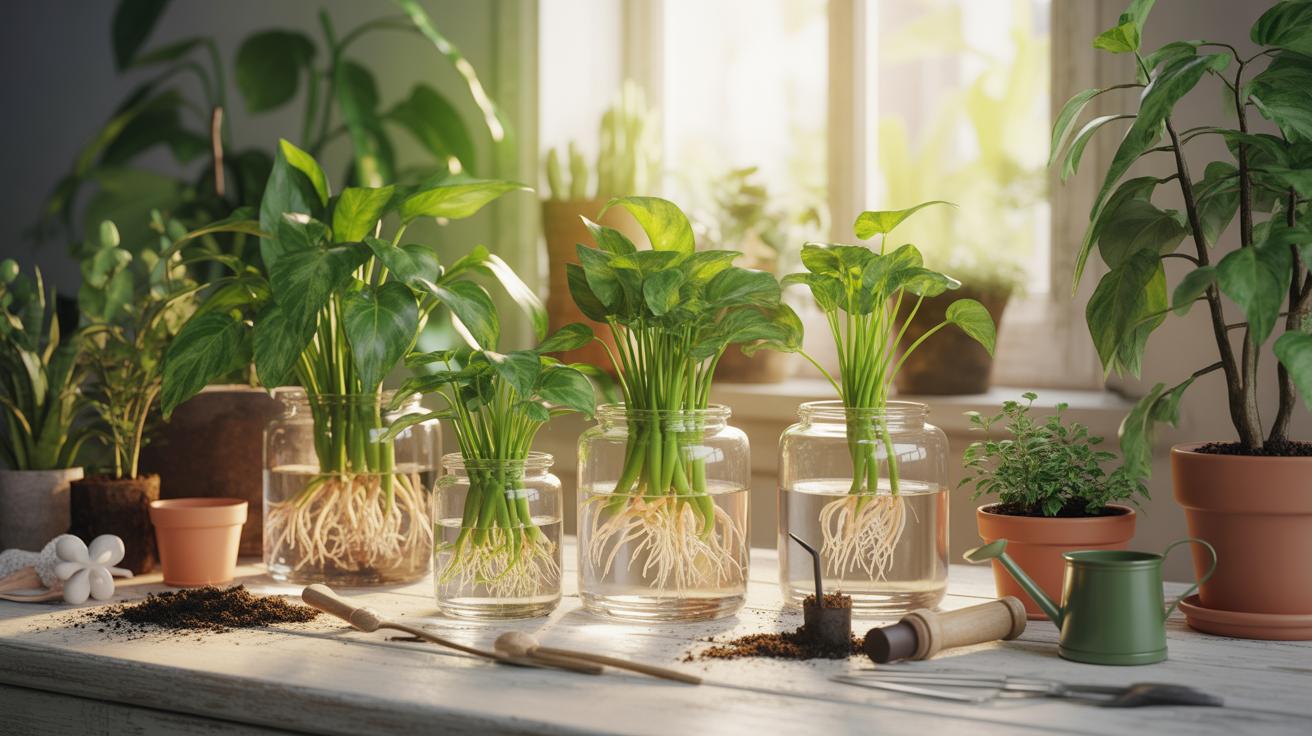
What Is Plant Propagation And Why Every Plant Lover Should Try It

Understanding The Science Behind Plant Propagation
Plant propagation is the process of creating new plants from existing ones. It relies on two main methods: sexual and asexual reproduction. Sexual propagation involves seeds and genetic variation. Asexual propagation uses vegetative parts like stems, leaves, or roots. This method creates genetic clones of the parent plant. Success depends on the ability of plant cells to regenerate missing parts under specific conditions.
Meristematic tissue is the engine of asexual propagation. These undifferentiated cells exist in nodes and root tips. When you cut a plant, these cells receive signals to form new roots or shoots. Environmental factors like moisture, light, and temperature dictate how quickly these cells transform. Proper technique exploits this biological response to ensure the survival of the new cutting. You are essentially hacking the natural growth cycle.
The Real Benefits Of Growing New Plants From Existing Ones
Propagation offers a strategic way to increase your plant inventory without spending capital. You can multiply rare or expensive species using materials you already own. This process allows you to replace aging or leggy plants with fresh growth. By taking cuttings, you also encourage the parent plant to grow fuller and bushier. It is a practical tool for maintaining the health and aesthetics of your indoor garden.
Beyond cost savings, propagation acts as an insurance policy for your collection. If a mother plant dies from disease or pest infestation, you have genetic backups ready. It also provides a consistent source of gifts for other enthusiasts. Mastering this skill gives you total control over the lifecycle of your greenery. You no longer rely on commercial nurseries for every new addition. It turns a hobby into a repeatable system.

The Most Popular Plant Propagation Ideas For Indoor Gardeners
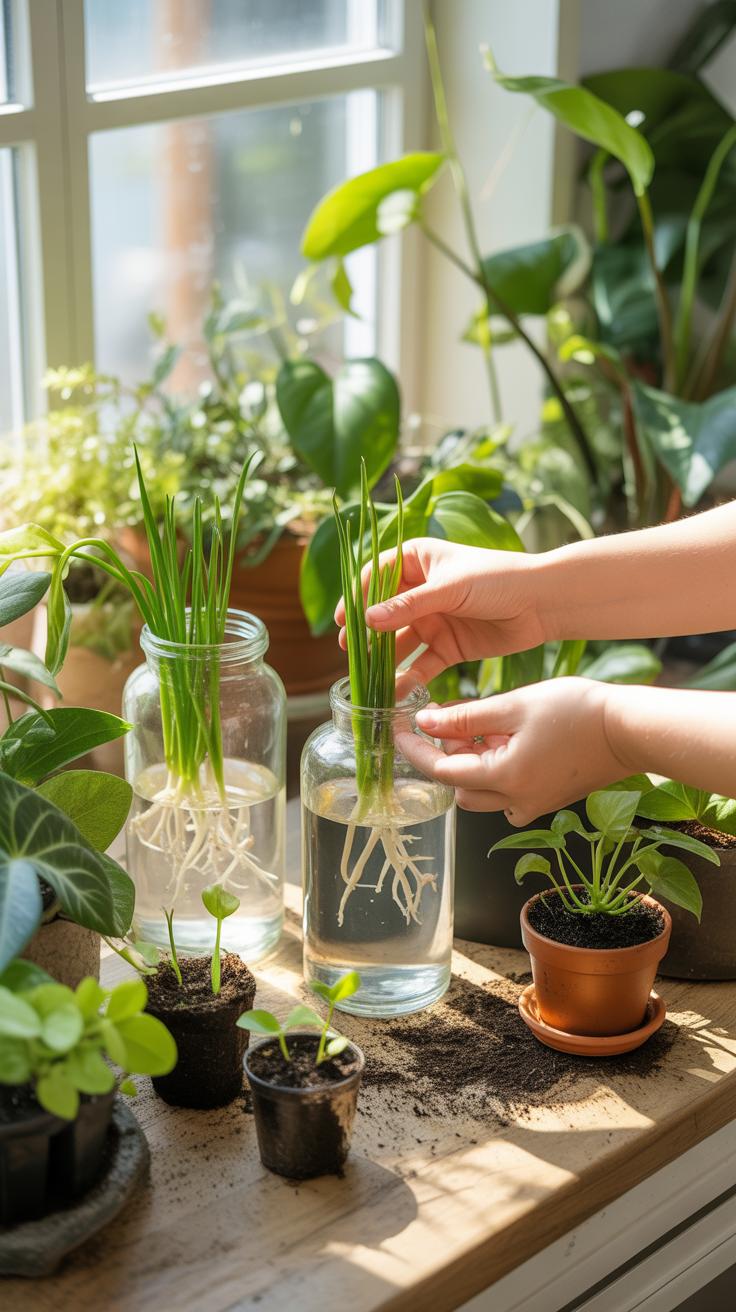
Soil Propagation Vs. Water Propagation: Which Method Works Best
Water propagation offers a clear view of root development. You place a cutting in a vessel of clean water and wait for roots to emerge. This method works well for Pothos and Philodendrons because it prevents dehydration during the initial stage. It carries a low risk of initial fungal rot. However, water roots are often brittle and struggle when moved to soil.
Soil propagation involves placing cuttings directly into a moist growing medium. This technique forces the plant to develop stronger root systems immediately. Professional growers prefer this for succulents and woody stems. It eliminates the shock of transitioning from water to dirt. You must maintain consistent humidity to succeed here. Use a dome or plastic bag to trap moisture around the new cutting for best results.
Division, Offsets, And Layering: Alternative Propagation Approaches Worth Knowing
Division and offsets provide the fastest way to get large plants. You physically separate a mature plant into smaller, complete units. Each piece must have its own roots and foliage to survive. This works best for Snake Plants and Peace Lilies. Offsets are baby plants that grow at the base of the mother. Removing them allows the parent plant to focus energy on new growth.

Air layering is a technical method for leggy or valuable tropicals. You wound a stem while it remains attached to the main plant. Wrap the wound in moist moss and plastic until roots form inside the wrap. This reduces risk because the mother plant supports the branch during the process. Once roots are visible, you cut the stem and pot it. This method provides a high success rate for large specimens.
Propagating Plants From Cuttings A Step By Step Breakdown
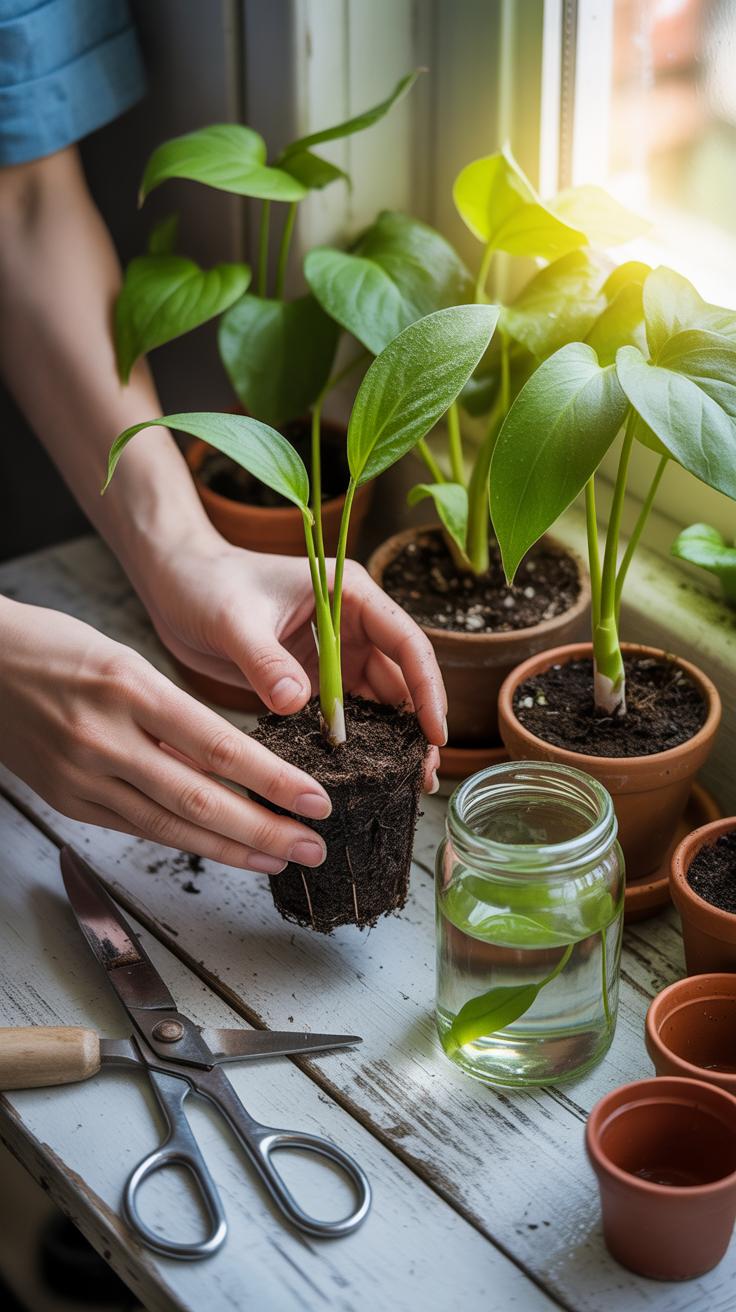
How To Take A Healthy Stem Or Leaf Cutting Without Harming The Parent Plant
Target the most vigorous growth on the parent plant during the active growing season. Identify a healthy node where the leaf meets the stem. This area contains the concentrated undifferentiated cells necessary for root development. Use a sharp blade to make a clean 45 degree angle cut just below the node. A clean cut prevents crushing the vascular tissue and ensures the parent plant heals quickly.
Sterilize your tools before and after every cut to prevent the spread of pathogens. Remove the lower leaves from your cutting to expose the nodes. This step reduces moisture loss through transpiration and prevents submerged foliage from rotting. Ensure the parent plant remains hydrated and stable after the procedure. Only take up to twenty percent of the total foliage to avoid shocking the root system of the mother plant.
Essential Tools And Materials You Need Before You Start Propagating From Cuttings
Successful propagation requires specific hardware to maintain a sterile environment and promote rapid root growth. Speed and precision prevent tissue necrosis. You must gather all materials before making your first cut. High quality tools ensure the parent plant survives the harvest and the cutting thrives in its new medium. Preparation eliminates the risk of infection and increases your total success rate across different plant species.
- Shears or Scalpels: Use surgical steel or high carbon blades for maximum precision. Dull blades crush the plant cells and invite fungal infections into the open wound. Always wipe the metal surface with seventy percent isopropyl alcohol before touching the plant tissue.
- Rooting Hormone: This synthetic auxin mimics natural plant chemicals to stimulate root cell production. Apply liquid or powder to the cut end to speed up the process and strengthen the initial root structure. It also provides a protective barrier against soil borne diseases.
- Propagation Medium: Select a sterile substrate like perlite, vermiculite, or coarse sand to allow for oxygen flow. These materials provide the physical support needed while holding enough moisture to keep the cutting hydrated. Avoid heavy garden soils which lack proper drainage and air pockets.
- Misting Bottle: Use a fine mist spray to maintain high humidity around the cutting foliage. Since the cutting has no roots yet, it must absorb some moisture through its leaves to stay alive. Use distilled or filtered water to prevent mineral buildup on the leaf surfaces.
- Heat Mat: Place a waterproof heating mat under the propagation tray to maintain a consistent soil temperature. Bottom heat encourages faster metabolic activity in the root zone. This tool is vital for tropical species that require warmth to trigger the growth of new cellular structures.

Organize these items in a clean workspace with bright indirect light. Direct sunlight will scorch unrooted cuttings because they cannot yet transport water effectively. Monitor the temperature and humidity levels daily once you place the cuttings into their medium. Consistent environmental control is the only way to ensure high survival rates. Replace any stagnating water or moldy substrate immediately to protect the healthy tissue from total failure.
Easy Indoor Plant Propagation The Best Low Maintenance Plants To Start With
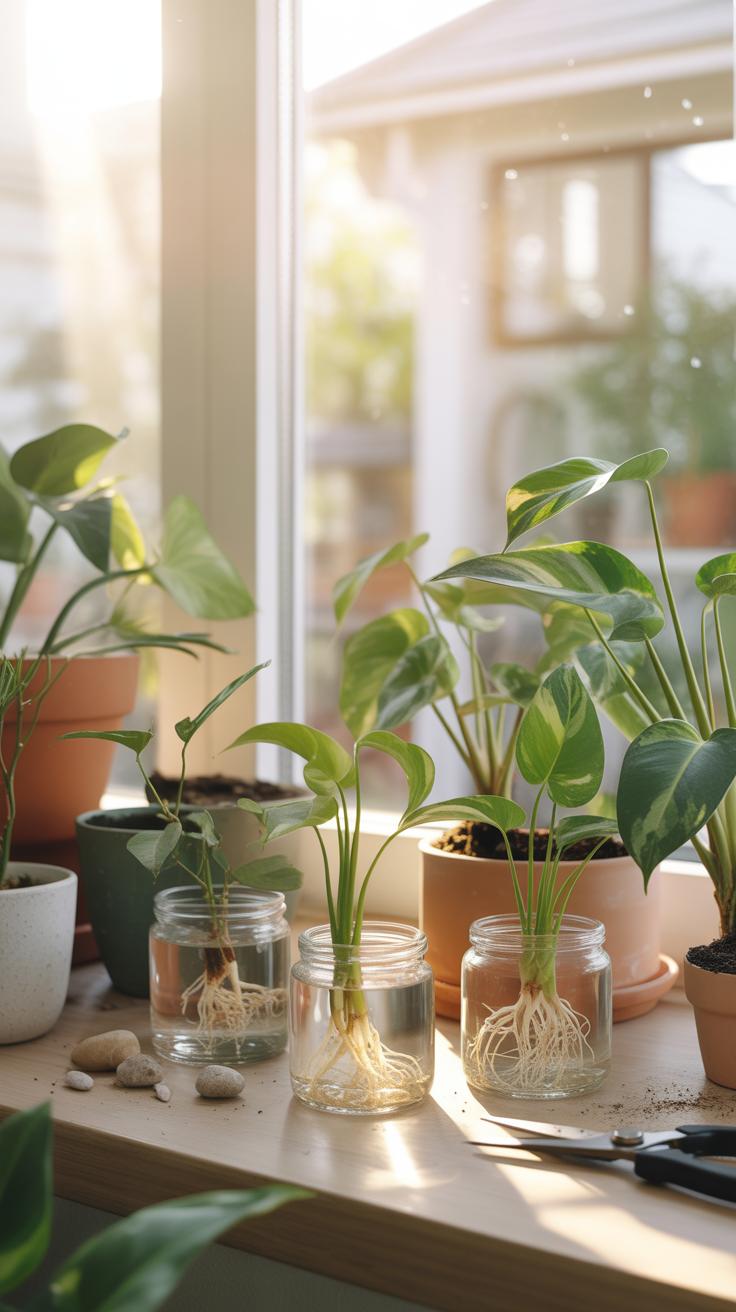
Top Beginner Friendly Houseplants That Root Quickly And Reliably
Reliability in propagation depends on available nodes and hormonal activity. Tradescantia zebrina and Heartleaf Philodendron offer the highest success rates for novices. These species contain high concentrations of natural rooting hormones. You can see results in water within seven days. Fast cell division at the nodal tissue ensures the plant establishes a root system before rot can set in.
Successful propagation requires selecting plants with visible aerial roots or prominent nodes. Snake plants and ZZ plants take longer but remain resilient against neglect. You simply cut a leaf or a rhizome and wait for callus formation. These plants tolerate low light and irregular watering during the transition. Focus on these species to minimize early failures and build technical confidence in your cloning skills.
To plant a garden is to believe in tomorrow. In every small cutting we nurture, we carry forward the quiet legacy of the earth into our own homes.
Why Spider Plants, Pothos, And Succulents Are The Gateway To Easy Indoor Plant Propagation
Spider plants produce specialized offsets called spiderettes that feature pre-formed root nubs. This biological head start removes the guesswork from the process. You just pin the offset to soil or rest it in water. Pothos utilizes a similar advantage with clear nodes along every vine. These plants adapt quickly to new environments because their vascular systems are highly flexible and durable.

Succulents offer a different tactical advantage through leaf propagation. A single healthy leaf can generate an entirely new organism through asexual reproduction. This method requires almost zero equipment or specialized care. You place the leaf on dry soil and let it air dry. The plant uses stored water and nutrients to grow. These three groups prove that biology does the hard work for you.
Pothos Plant Care And Propagation The Houseplant That Practically Grows Itself
How To Propagate Pothos In Water And Soil For Guaranteed Success
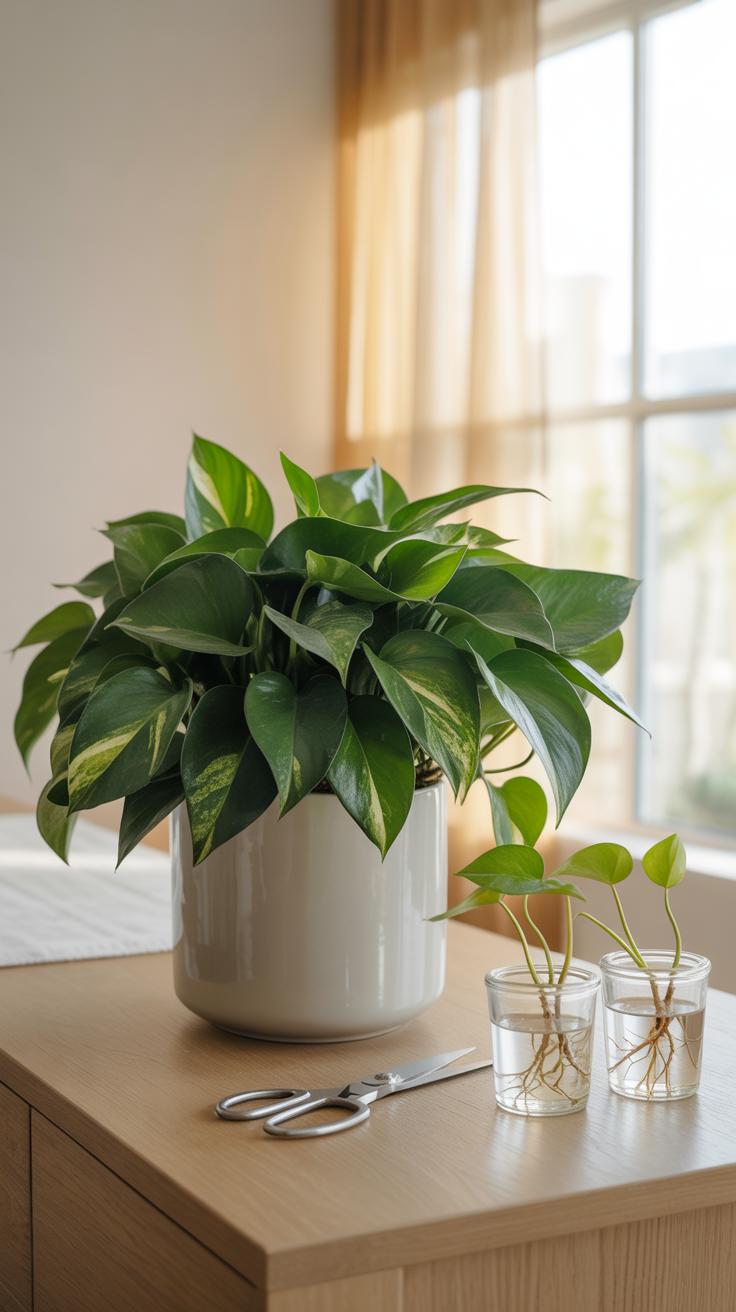
Pothos propagation relies on identifying the node. This small brown bump on the stem contains the necessary cells for root development. Cut a vine segment below a node using sharp shears. Ensure the cutting has at least two leaves to support energy production. Remove the bottom leaf to expose the node. Place this section into a glass of clean water.
Soil propagation requires a different tactical approach. Dip the exposed node in rooting hormone to accelerate cellular growth. Insert the cutting directly into a moist potting mix. Maintain high humidity by covering the pot with a clear plastic bag. This creates a greenhouse effect that prevents the cutting from drying out. Roots typically emerge within three weeks under these specific conditions.
Pothos Plant Care After Propagation: Light, Watering, And Soil Requirements
Established pothos plants need bright indirect light for optimal growth. Direct sunlight burns the foliage and reduces variegation. Move the plant to a spot near a north or east window. If the leaves turn solid green, the plant requires more light. Low light slows growth but does not usually kill the plant. Monitor leaf color to determine if the location works well.

Watering frequency depends on soil moisture levels. Allow the top two inches of soil to dry completely before adding water. Stick a finger into the dirt to check the moisture depth. Overwatering leads to root rot which kills the plant quickly. Use a well-draining potting mix containing peat moss and perlite. This combination ensures oxygen reaches the roots while holding enough water.
House Plant Propagation In Water What You Need To Know
How Water Propagation Works And Which Houseplants Respond Best To It
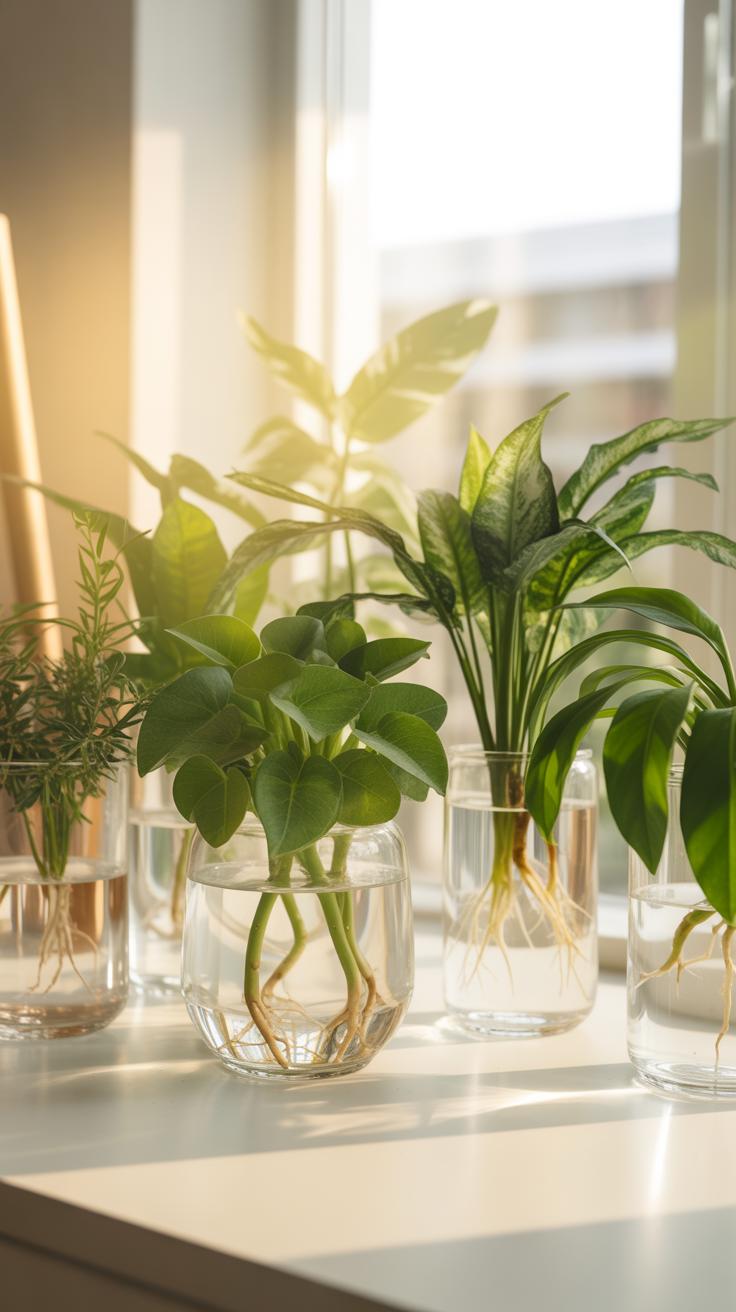
Water propagation exploits the plant ability to grow adventitious roots from stem tissue. You place a cutting with at least one node into a vessel of clean water. The node contains undifferentiated cells called meristems. These cells react to the liquid environment by shifting their growth pattern. They stop producing stem tissue and begin forming a root system to absorb hydration.
Soft-stemmed tropical plants yield the highest success rates with this method. Pothos and Heartleaf Philodendron are primary candidates because they contain high levels of natural rooting hormones. Monstera deliciosa and various Tradescantia species also transition quickly to water. These plants evolved in humid rainforests. Their genetic makeup allows them to develop roots in low oxygen environments. Use this technique for these specific species to ensure fast results.
Common Water Propagation Mistakes And How To Avoid Them
Low oxygen levels cause most water propagation failures. Water loses oxygen over time. Stagnant water breeds anaerobic bacteria that cause stem rot. You must replace the water every five to seven days. Use room temperature filtered water to avoid chlorine shock. If the stem turns mushy or black, the tissue is dead. Cut back to healthy tissue and start again with fresh liquid.

Poor light placement also halts root development. Do not place cuttings in direct sunlight. High heat cooks the delicate new tissue and allows algae to bloom. Algae competes with the plant for nutrients and oxygen. Place your vessels in bright indirect light. This provides enough energy for photosynthesis without stressing the cutting. Maintain a consistent temperature between sixty five and seventy five degrees Fahrenheit for optimal cell division.
Plant Hacks To Speed Up Root Development And Improve Propagation Success
Using Rooting Hormone: Does It Actually Make A Difference
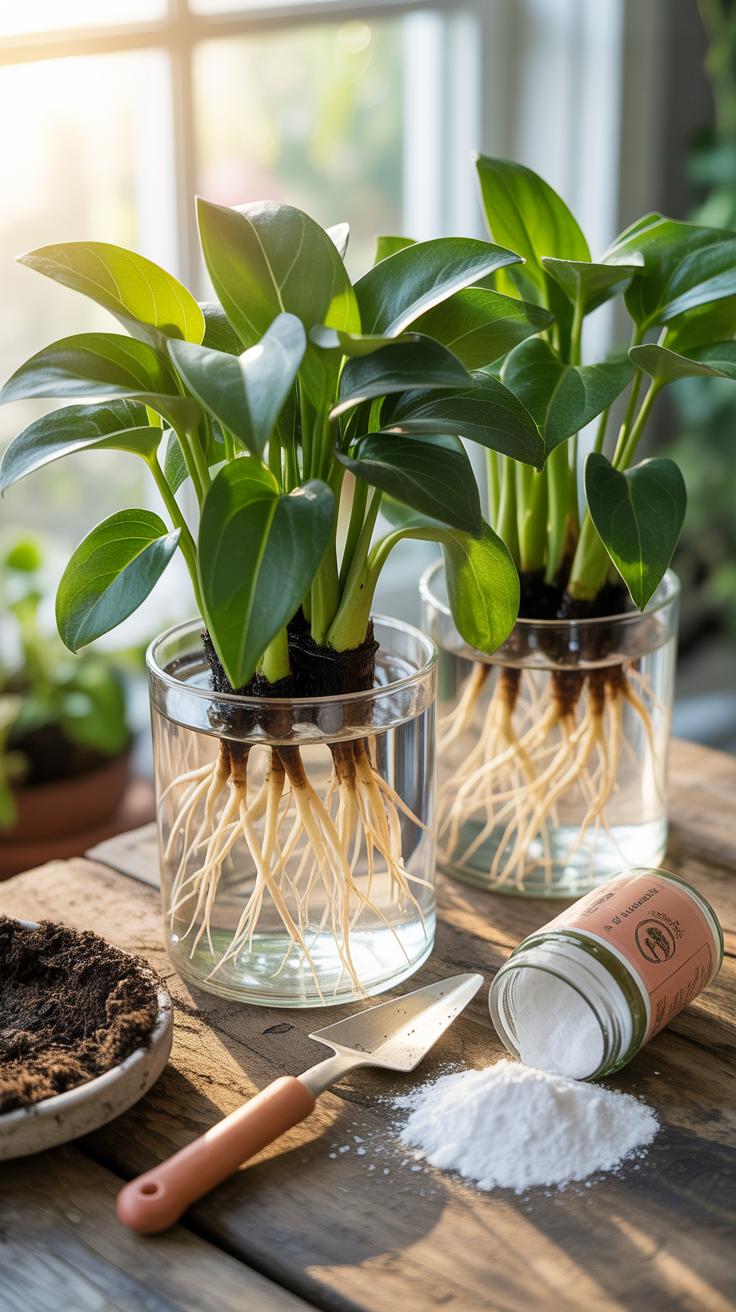
Rooting hormones contain synthetic auxins that mimic natural plant growth regulators. Indole-3-butyric acid is the most common active ingredient found in commercial powders and gels. These chemicals signal the plant to stop producing leaf cells and start producing root cells at the node. This process reduces the time a cutting remains vulnerable to rot or dehydration in the substrate.
You must choose the correct concentration for your specific plant species. Softwood cuttings require low concentrations while hardwood cuttings need stronger doses to penetrate bark. Applying too much hormone can burn the delicate stem tissue and stall growth entirely. Speed of root initiation increases significantly with these products. They provide a strategic advantage when working with difficult species that root slowly or fail easily.
Natural Plant Hacks Like Honey, Aloe Vera, And Humidity Tents That Support Root Growth
Natural additives and environmental controls provide low-cost ways to protect cuttings. Honey serves as a natural antiseptic and antifungal agent that prevents pathogens from entering the open wound of a stem. Aloe vera contains enzymes and salicylic acid that stimulate the plant immune system. These methods focus on protecting the cutting while it uses its own energy to develop new root systems.
- Honey: Application of raw honey to the cut end provides a physical barrier against bacteria. Its natural sugar content does not feed the plant but its antimicrobial properties prevent the stem from rotting in water or soil.
- Aloe Vera: Fresh aloe gel contains salicylic acid which triggers a systemic acquired resistance in the cutting. It acts as a mild rooting stimulant and keeps the tissue hydrated during the initial phase of the propagation process.
- Humidity Tents: Placing a clear plastic bag or dome over the plant traps transpired moisture. This creates a high-humidity microclimate that prevents the leaves from wilting. It allows the cutting to focus all energy on root production.
- Cinnamon: Ground cinnamon acts as a natural fungicide when dusted on the cut end or mixed into the soil. It prevents damping off disease and keeps the growth medium clean. This protecting layer stops fungal spores from killing new roots.
- Willow Water: Steeping young willow branches in water releases natural indolebutyric acid into the liquid. Using this water for your cuttings provides a biological boost similar to commercial hormones. It is a proven historical method for increasing success rates.

Environmental factors determine the ultimate success of these natural hacks. Bottom heat from a propagation mat speeds up chemical reactions within the plant cells. This warmth encourages faster cell division at the base of the stem. Use these hacks in combination with bright indirect light to maximize results. High light levels provide the energy needed for the cutting to process these natural stimulants effectively.
Plant Care Houseplant Tips After Propagation Keeping Your New Cuttings Alive
How To Transition A Rooted Cutting Into Soil Without Causing Transplant Shock
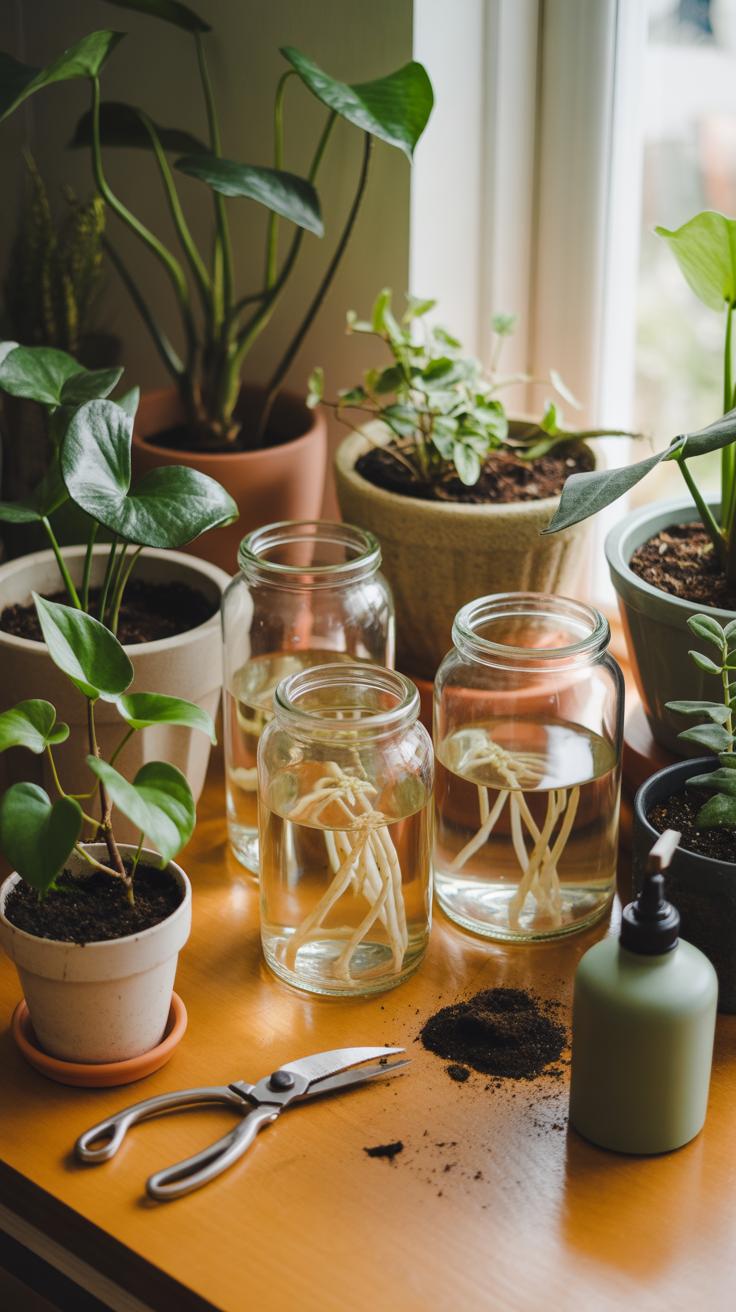
Water-grown roots lack the specialized structures needed to pull nutrients from dense soil. These roots are fragile and prone to collapse when moved. You must select a light, peat-based or coco coir potting mix to reduce resistance. Pre-moisten the medium before planting to ensure immediate contact between the roots and moisture. Avoid packing the soil too tightly around the stem.
Minimize shock by keeping the soil consistently damp for the first fourteen days. This moisture allows the aquatic roots to adapt to the new substrate slowly. Do not use fertilizer during this sensitive window. Mineral salts can burn young root hairs and kill the plant. Place the pot in a stable environment. Movement or temperature swings will stall growth and lead to plant death.
Light, Humidity, And Watering Schedules That Support Newly Propagated Houseplants
Newly potted cuttings require bright, indirect light to fuel root expansion. Direct sunlight will overheat the foliage and cause rapid dehydration. Use a sheer curtain or move the plant three feet from a window. Photosynthesis must continue at a steady rate without scorching the leaves. High light levels provide the energy necessary for the plant to establish its primary root system.

Control the environment to reduce water loss through the leaves. High humidity levels prevent the cutting from wilting while its roots are weak. Use a plastic dome or a humidifier to maintain moisture levels above sixty percent. Check the soil daily and water when the top half-inch feels dry. Consistency is vital. Fluctuating between bone-dry and saturated soil will rot the new root system.
Propagating Plants From Uncommon Houseplant Varieties Fiddle Leaf Figs Monsteras And More
How To Successfully Propagate Monstera Deliciosa Using Node Cuttings
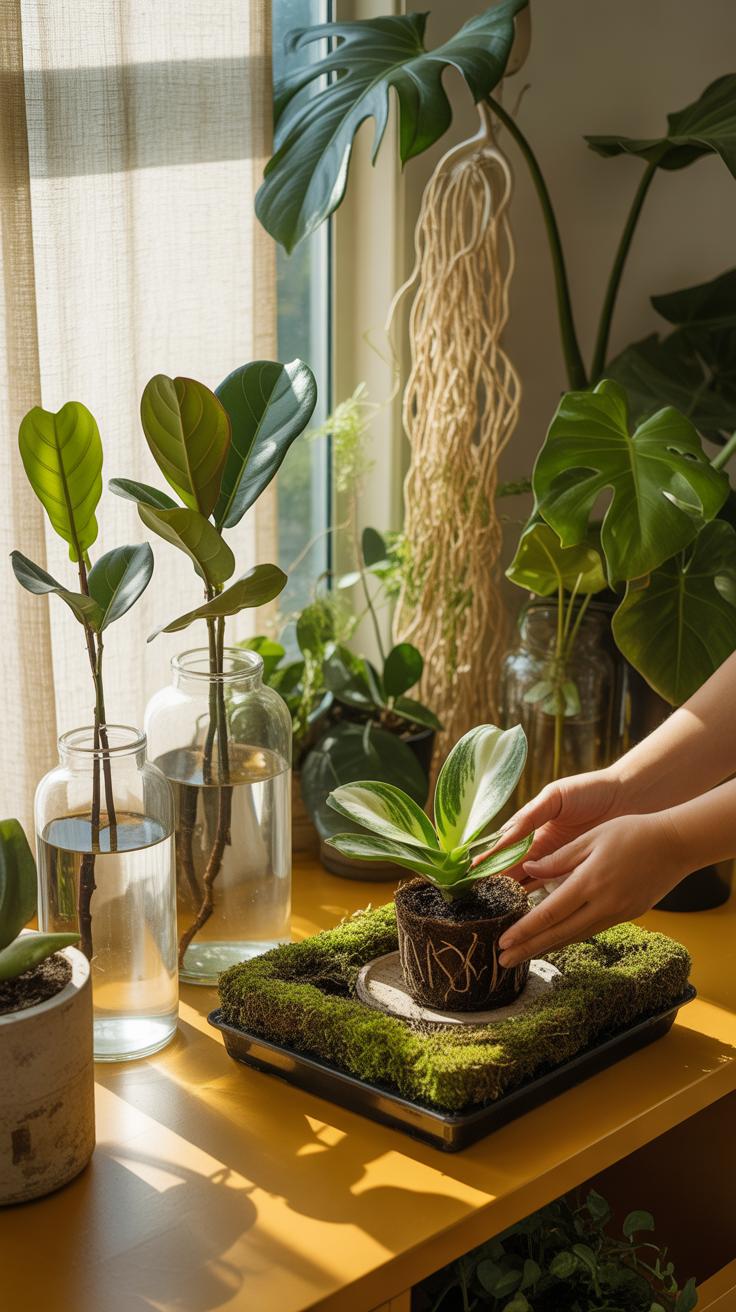
Monstera deliciosa requires a node for successful propagation. You cannot grow a new plant from a leaf or petiole alone. Locate a node where the leaf meets the main stem. Use a sterilized blade to cut just below this point. Ensure the cutting has at least one healthy leaf and one visible node. Aerial roots attached to the node will accelerate the rooting process significantly.
Place the cutting in clean water or moist sphagnum moss. Keep the node submerged but ensure the leaf remains dry to prevent rot. Change the water weekly to maintain high oxygen levels. Roots must reach two inches in length before you move the plant to soil. Maintain bright indirect light and warm temperatures to trigger fast cell division and new growth.
Fiddle Leaf Fig And ZZ Plant Propagation: Patience Required Methods That Actually Work
Fiddle leaf figs respond best to stem cuttings taken during active growth phases. Cut a six-inch tip containing two leaves. Remove the bottom leaf to expose the node. Place the stem in water and keep it in a warm spot. Expect to wait six to eight weeks for root development. Do not move the cutting or change its environment during this sensitive period.
ZZ plants propagate through leaf cuttings or rhizome division. Leaf propagation is the slowest method available. Snip a healthy leaf and insert the base into well-draining soil. It takes several months for a new underground rhizome to form. Keep the soil barely moist to avoid fungal issues. Division is faster but requires a mature plant with multiple established tubers to split apart.
Troubleshooting Your Houseplant Propagation Why Cuttings Fail And How To Fix It
The Most Common Reasons Cuttings Rot, Wilt, Or Refuse To Root
Pathogens cause most propagation failures. Bacteria and fungi thrive in stagnant water or dirty soil. They attack the cut site and turn tissue into mush. This process blocks the vascular system of the plant. Water cannot reach the leaves. You see wilting even though the medium is wet. Cold temperatures also slow down cellular division. This delay prevents roots from forming quickly.
Light and oxygen levels dictate success. Low light prevents the cutting from making energy via photosynthesis. Without energy the plant cannot grow new root cells. Too much light scorches the foliage before roots exist to hydrate it. Lack of oxygen in water or heavy soil suffocates young roots. Using dirty tools introduces diseases immediately. You must maintain balance between moisture, warmth, and sterile conditions.
How To Revive A Struggling Cutting And Give It A Second Chance At Survival
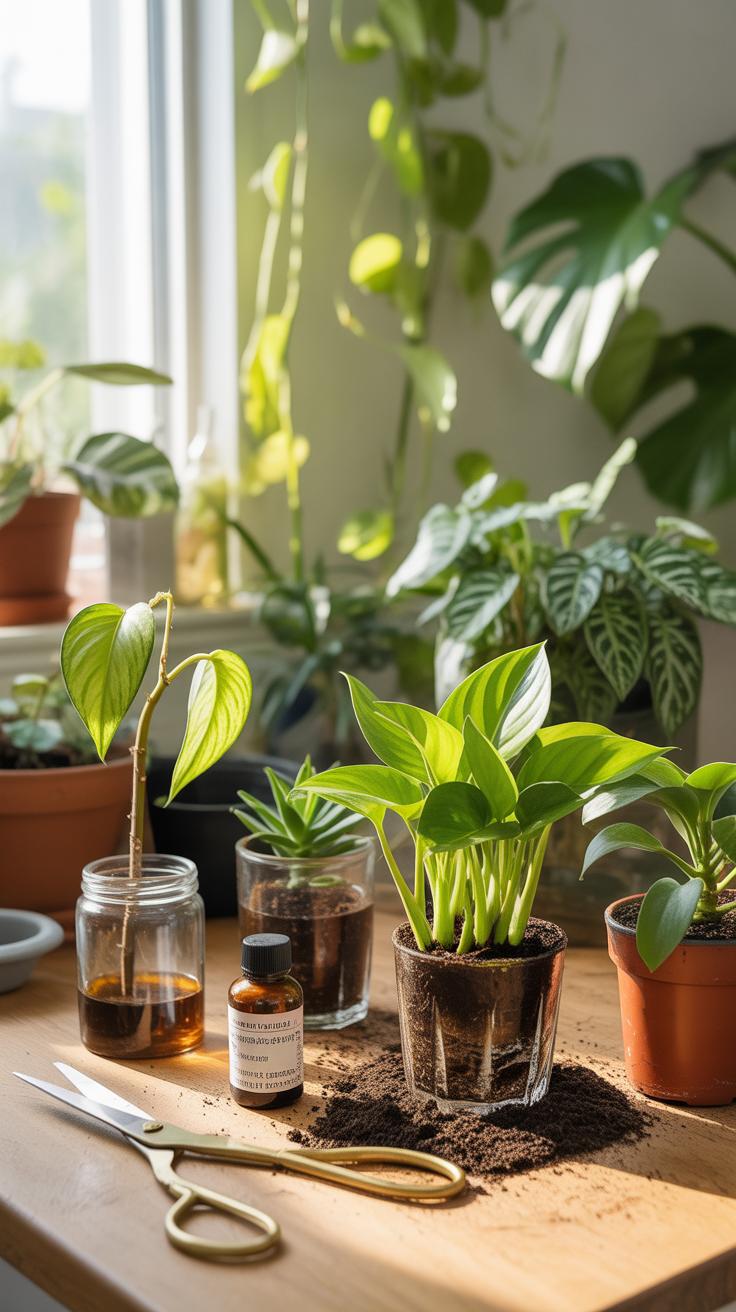
Act fast when you see brown slime or drooping leaves. Remove the cutting from the medium and inspect the base. Use a sterilized blade to cut away all soft or dark tissue. You must reach firm and healthy green or white flesh. Dispose of the old water or soil to prevent reinfection. Rinse the remaining stem under clean water to remove any lingering spores.
Apply a light coating of cinnamon or rooting hormone to the fresh cut. These act as fungicides and growth stimulants. Place the cutting in a smaller container with fresh distilled water or sterile perlite. Increase the ambient temperature to stimulate root expansion. Provide bright but indirect light to support energy production. Monitor the water level daily. Consistent care often forces a second round of successful root development.
Frequently Asked Questions

What exactly is houseplant propagation and is it difficult for beginners?
Houseplant propagation is the rewarding process of creating new baby plants from your existing parent greenery. While it might sound technical, it is actually quite simple for beginners to master. By using methods like water rooting or soil division, you can multiply your collection without spending a dime. Most common indoor varieties, such as Pothos or Spider Plants, are incredibly resilient and eager to grow with just a little patience.
What are the easiest methods to propagate my indoor plants at home?
The most popular method for houseplant propagation is water rooting, where you place a stem cutting with a node into a jar of clean water. For succulents, leaf propagation works best by letting a leaf callous before placing it on drainage-friendly soil. Alternatively, if your plant has multiple stems growing from the base, you can use the division method to gently separate the root ball into two entirely new individual plants.
Do I need to buy expensive tools or kits to start propagating plants?
Not at all! One of the best things about this hobby is that it is incredibly budget-friendly. You likely already have everything you need at home, such as clean scissors or a sharp knife, glass jars, and basic potting soil. While some enthusiasts purchase rooting hormones to speed up the process, they are entirely optional. With a bit of recycled glassware and bright indirect light, anyone can enjoy successful plant growth.