Why Beginner Plants Are The Perfect Starting Point For Any Home
The Growing Popularity Of Houseplants In Modern Home DéCor
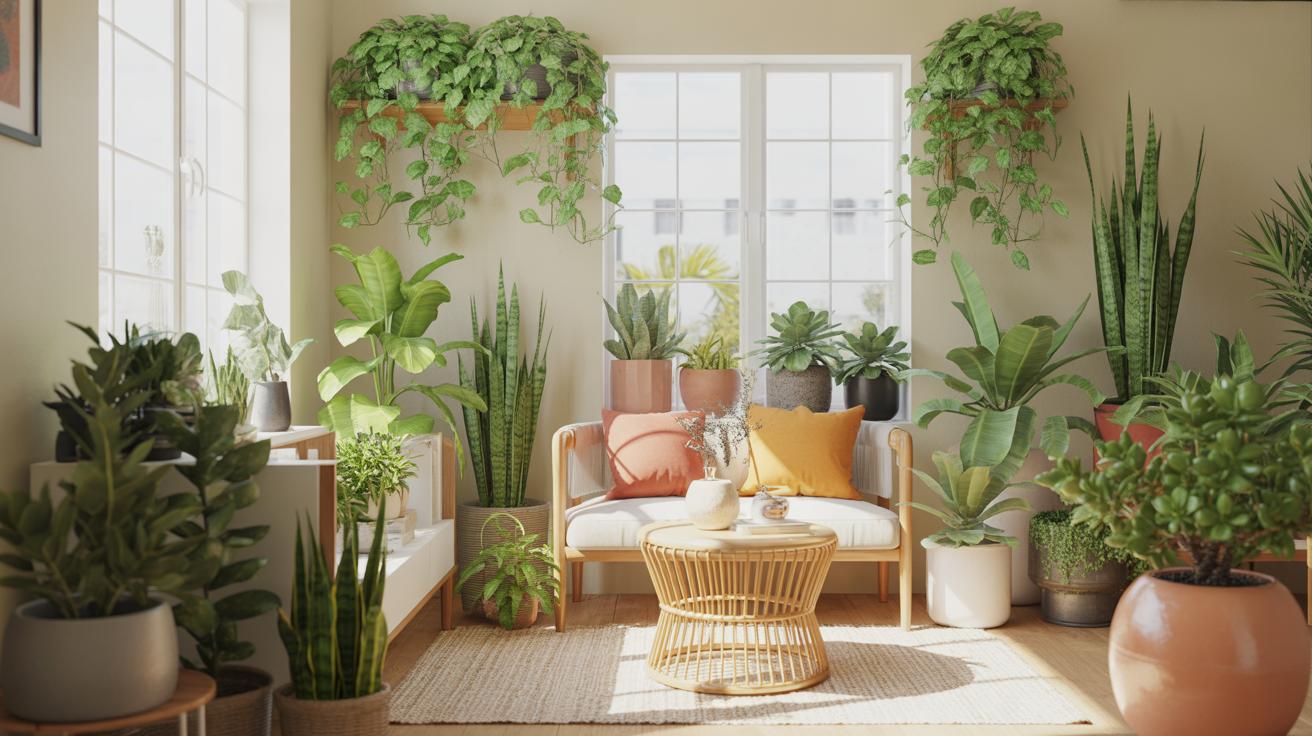
Modern home design prioritizes biological integration to soften industrial materials like concrete and steel. Interior trends now focus on wellness and air quality. Designers use greenery to create focal points in minimalist spaces. Plants fill empty corners and add natural texture to clean lines. This shift follows the Biophilic Design movement. It connects occupants to nature through literal green elements.
Function drives the current demand for indoor greenery. Plants thrive in specific light levels found in standard urban apartments. Sustainable living movements encourage people to bring nature indoors. Greenery works as a versatile tool for staging homes. It improves the resale value of properties by making spaces feel lived in. High demand has stabilized the supply chain for durable tropical species.
How Beginner Houseplants Build Confidence For New Plant Parents
Beginner plants survive common mistakes like underwatering or low light. These species have resilient genetic traits. They tolerate the dry air found in climate controlled homes. Success with these hardy varieties prevents early frustration. It allows owners to learn basic biological signals without losing their investment. Strategic growers start with low stakes plants to master the learning curve.
Mastery of water cycles and lighting comes from consistent observation. Hardier plants provide clear visual cues when they need care. This feedback loop teaches owners how to manage more delicate species later. Establishing a routine creates a foundation for a larger collection. Reliable growth reinforces the desire to keep expanding the indoor garden. High survival rates ensure long term engagement with the hobby.
The Best Plants For Indoors That Thrive In Low Light Conditions
Why The Pothos Is One Of The Most Forgiving Low Light Houseplants
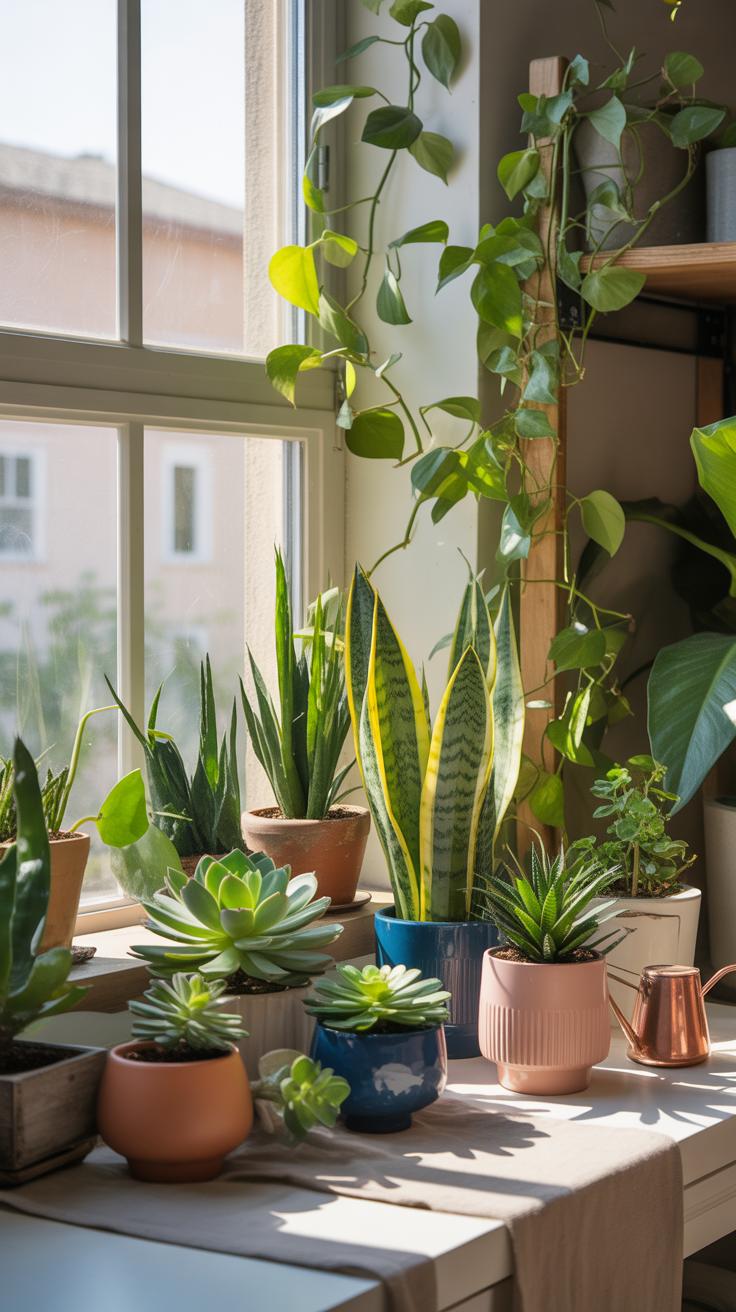
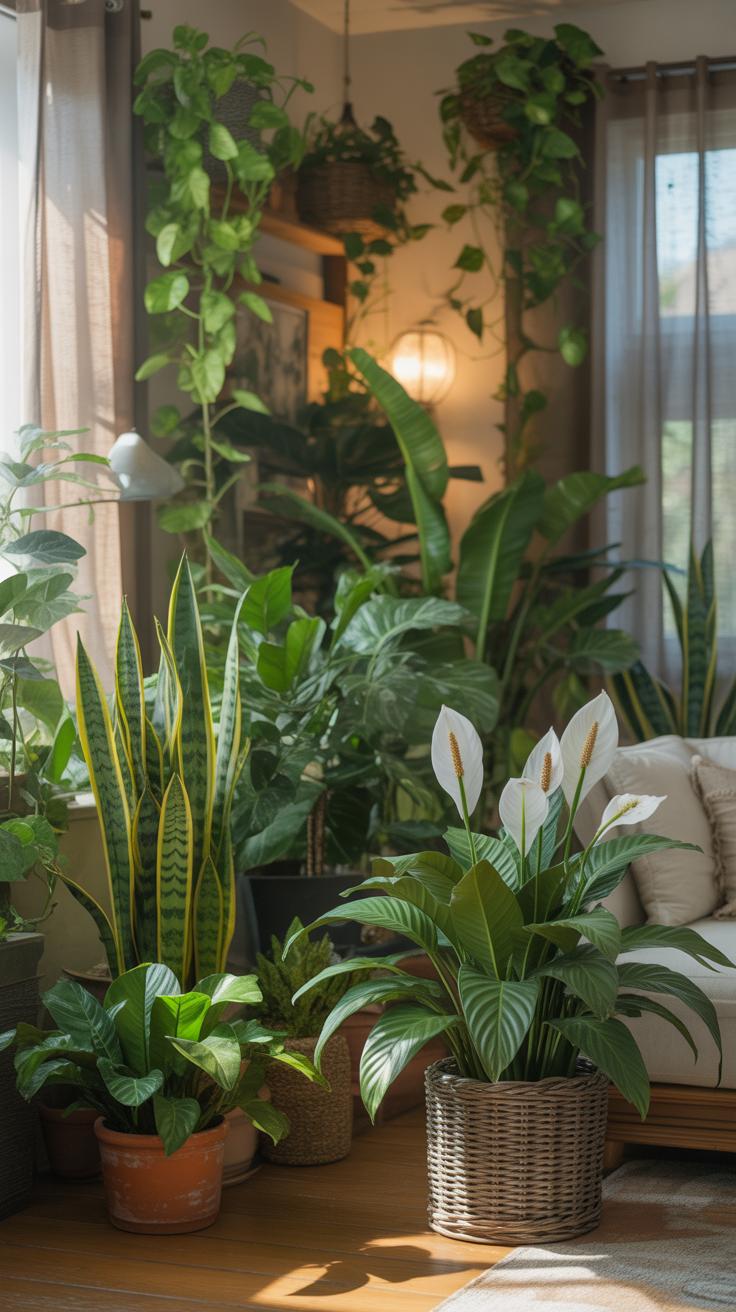
The Pothos thrives in low light because it evolved under dense forest canopies. It adapts to indoor spots where other plants fail. This plant stores water in its thick stems and leaves. You do not need to water it often. It handles neglect well and recovers fast from underwatering. This makes it a tactical choice for busy homeowners who want greenery without constant maintenance.
Position the Pothos in corners or on high shelves. It grows long vines that you can prune to keep it full. Low light slows its growth but does not kill it. Avoid overwatering to prevent root rot in dark areas. Darker green varieties perform best in dim rooms. They have more chlorophyll to process limited light. Use well-draining soil and a pot with holes for the best results.
Snake Plants And Their Remarkable Ability To Survive In Dim Spaces
Snake plants are famous for surviving in near-complete darkness. They use a specific type of photosynthesis called Crassulacean Acid Metabolism. This allows them to swap gases at night to save water. They are tough and resist pests and diseases. Designers often use them in minimalist or mid-century modern spaces. Their vertical shape adds structure to rooms. They do not require frequent feeding or repotting to stay healthy.
Treat the snake plant as a set-and-forget asset. It prefers dry soil and can go weeks without water. It handles low light better than almost any other species. This plant will not drop leaves when light levels change. It is ideal for offices and hallways with no windows. Pick a heavy pot to balance its tall leaves. Do not get water in the center of the plant. This prevents rot in cool, dark environments.
Best Indoor Plants That Double As Stunning Style Statements
How The Fiddle Leaf Fig Became A Staple Of Contemporary Interior Design
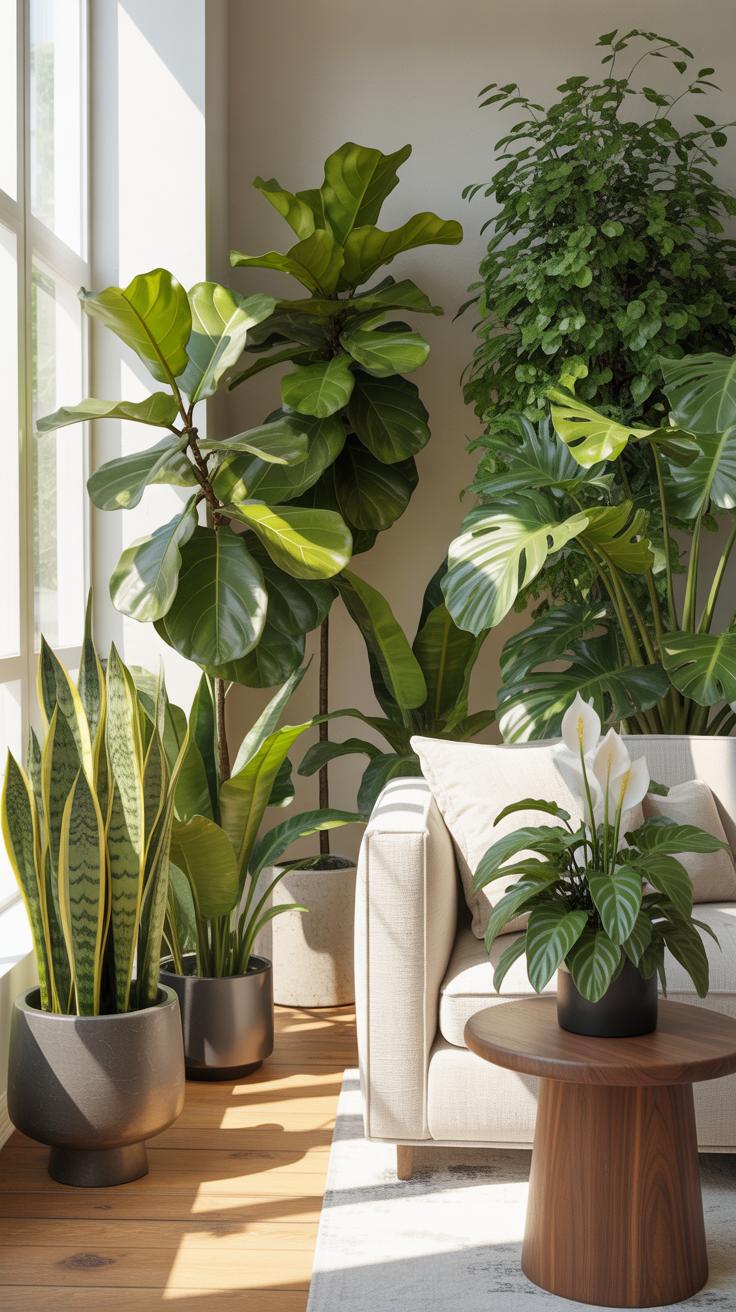
The Fiddle Leaf Fig rose to fame during the mid-2000s within the Minimalist design movement. High-end lifestyle magazines and professional stagers chose this plant for its vertical growth and large leaves. These physical traits allow it to fill empty corners without creating visual clutter. The plant provides a structural element that mimics expensive furniture. It anchors a room and adds height.
Professional designers use this species to create contrast against white walls and neutral pallets. Its architectural shape fits well with Mid-Century Modern decor. You must place it near a bright window to maintain its form. Without enough light, the tree loses leaves and its sculptural value drops. It remains a top choice for luxury residential projects due to its scale and clean lines.
Using The Monstera Deliciosa To Create A Bold Tropical Focal Point
The Monstera Deliciosa defines the Modern Bohemian and Urban Jungle styles. Its unique leaf holes create immediate visual interest and deep shadows. Designers use this plant to break up the straight lines seen in modern architecture. It serves as a living sculpture in a room. The plant grows wide rather than just tall. This habit helps it dominate a large footprint easily.
You can control the growth of a Monstera using moss poles or timber stakes. This keeps the plant upright and organized for smaller spaces. Use a heavy ceramic pot to balance the weight of its thick stems. The dark green foliage complements industrial materials like concrete and steel. It offers a high-impact look for a low financial investment. This makes it a primary tool for staging homes.
Easy Indoor Plants That Require Minimal Watering And Attention
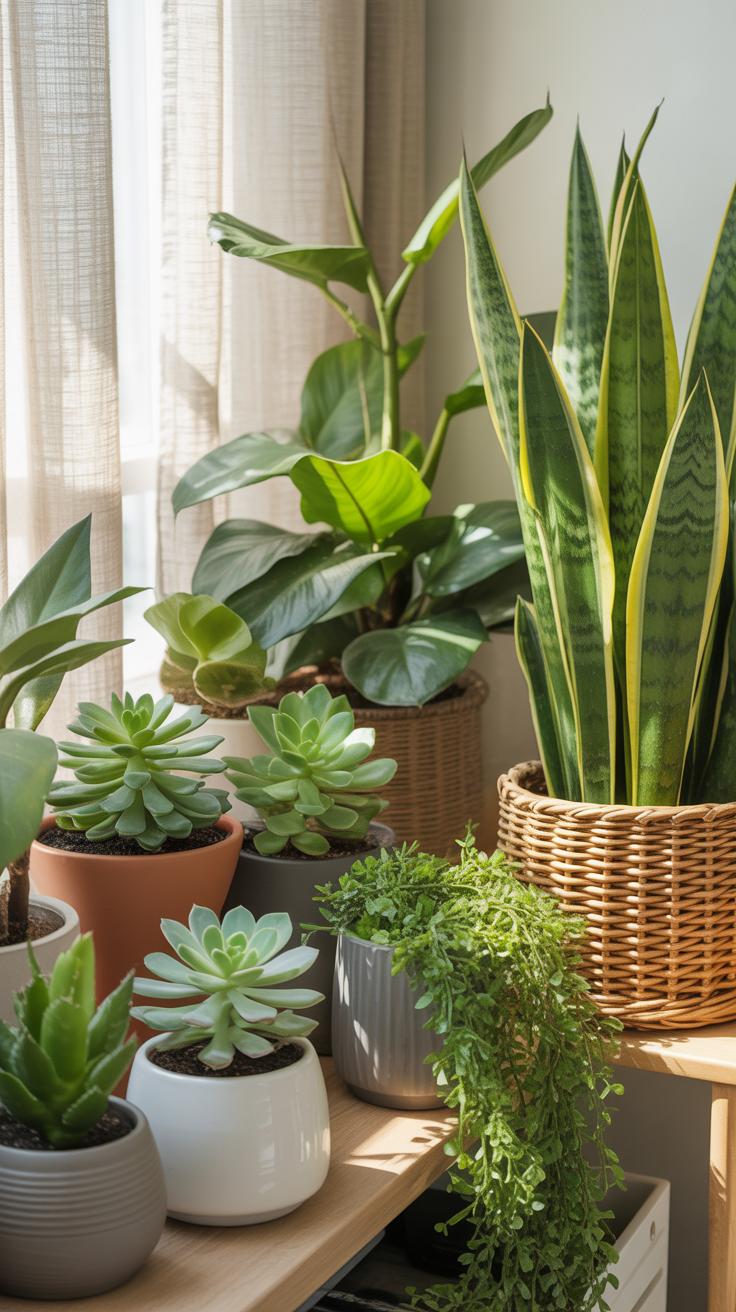
Why Succulents And Cacti Are Among The Most Easy To Care For House Plants
Succulents and cacti evolved in arid environments with very little rainfall. These plants use thick stems and fleshy leaves to store water for long periods. This biological adaptation means they do not need regular watering schedules. They thrive on neglect and survive easily in dry indoor air. Most varieties only require water once the soil has completely dried out through every layer.
Light provides the primary energy source for these desert species. They perform best on southern windowsills where they receive direct sun for several hours daily. Low water needs reduce the risk of root rot common in other houseplants. You only need to provide well-draining soil and a pot with drainage holes. These plants fit modern minimalist design styles because they maintain their shape without frequent pruning.
The ZZ Plant And Why Its Drought Tolerance Makes It Ideal For Busy Households
The ZZ plant features thick underground rhizomes that act like water tanks. These potato-like structures store moisture to keep the plant alive during extreme droughts. You can ignore this plant for weeks without causing structural damage or leaf drop. It handles low light levels better than most succulents. This makes it a versatile choice for office spaces or hallways with limited natural light.
Busy owners benefit from the slow growth rate of this species. It does not quickly outgrow its container or require frequent repotting. The waxy coating on the leaves prevents water loss through evaporation. It resists most common household pests and tolerates varying humidity levels. You should only water it when the potting mix is dry to the touch. This plant offers high visual impact with very low physical maintenance.
Essential Indoor Plant Care Tips Every Beginner Should Know
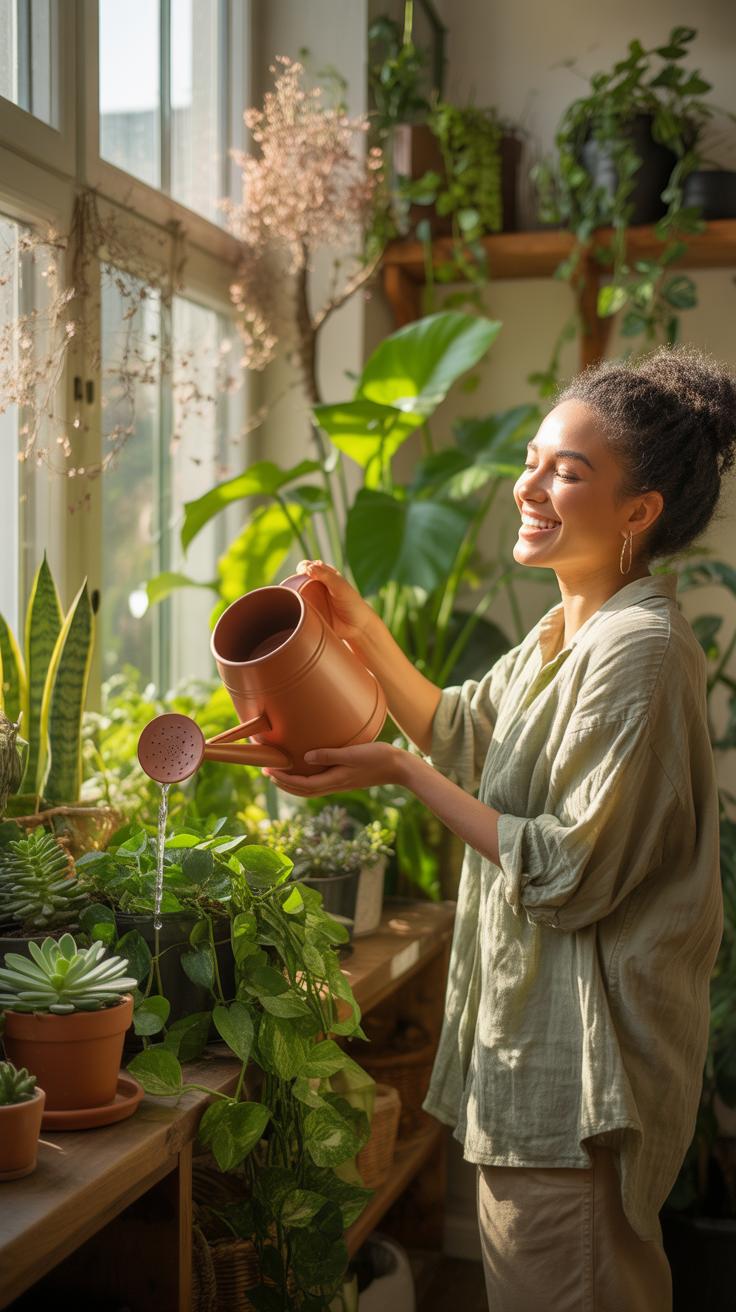
Understanding Watering Frequency, Soil Type, And Drainage For Healthy Plants
Overwatering remains the primary cause of houseplant death for beginners. Most tropical plants require soil to dry out partially before the next watering session. Use your finger to check the top two inches of soil moisture. High-quality potting soil must contain perlite or pumice to prevent compaction. Proper soil structure ensures oxygen reaches the roots. Aeration is vital for preventing the growth of anaerobic bacteria.
Every pot must feature at least one drainage hole. Plastic nursery liners inside decorative pots provide the best utility for beginners. Water should flow freely through the bottom of the container. Never allow a plant to sit in standing water within a saucer or cachepot. This practice leads to root rot within days. Empty excess water immediately to keep the root system firm and functional.
A Beginner’S Guide To Light Requirements And Seasonal Indoor Plant Care
Light exposure determines the metabolic rate of your houseplants. Photosynthesis happens faster in bright spaces. South-facing windows offer the most intense light for sun-loving species. East or west windows provide moderate exposure suitable for most foliage. Keep plants away from dark corners where they cannot produce energy. Growth slows significantly during winter months because natural light levels drop and temperatures change.
- Bright Direct Light: Place desert cacti and succulents on southern windowsills. These plants evolved in arid environments and require intense solar energy to prevent stretching. They can handle high heat near glass without leaf scorch through the peak afternoon hours.
- Bright Indirect Light: Position most tropical houseplants two to five feet from a window. This mimics the filtered light found under forest canopies. It provides enough energy for growth while protecting thin leaves from burning under the hot afternoon sun.
- Low Light: Select Snake Plants or ZZ Plants for areas with minimal natural light. These species survive by processing energy more slowly than others. They still require some light to live, as no plant can survive in a room with zero windows.
- Seasonal Watering Adustment: Reduce watering frequency during the winter dormant season. Plants absorb less water when they stop active growth. Cold soil stays wet longer, which increases the risk of fungal infections. Check soil moisture more frequently during the summer heat.
- Humidity Management: Use pebble trays or grouping to increase local moisture. Indoor heating systems strip moisture from the air during winter. Many tropical plants require higher humidity levels to prevent brown leaf tips. Misting is ineffective as it only raises humidity for a few minutes.
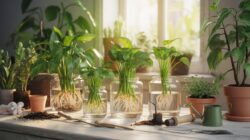
Adjust your maintenance routine based on the changing seasons. Spring marks the beginning of the growing season when fertilization should start. Apply a balanced liquid fertilizer once a month during this period. Stop feeding in late autumn when plant growth stalls. Wipe dust off leaves with a damp cloth to maximize light absorption. Clean leaves breathe better and photosynthesize more efficiently than dirty ones.
Choosing The Right Potted Houseplants For Your Space And Lifestyle
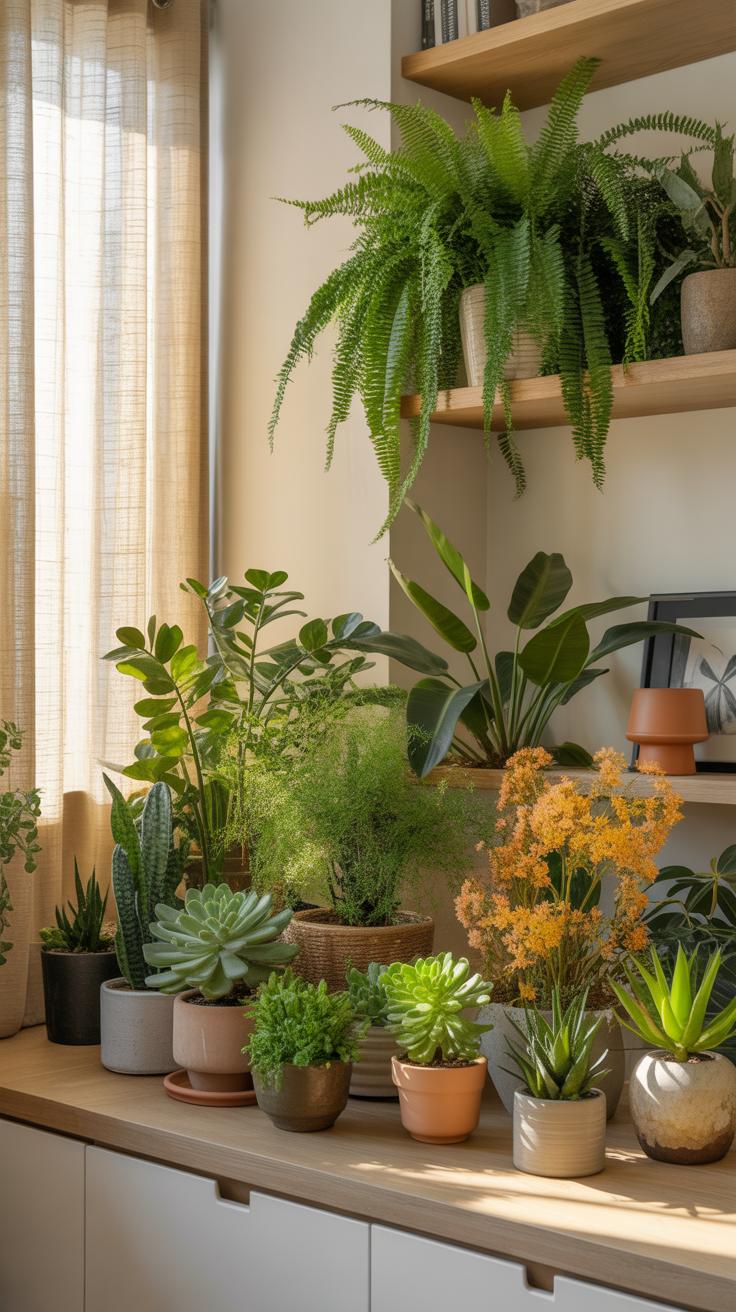
Matching Potted Houseplants To Your Home Aesthetic And Room Size
Room volume dictates plant scale. Small rooms feel cluttered with large floor plants like the Monstera deliciosa. Use vertical space in tight quarters with trailing ivy or spider plants. Large rooms require architectural plants to fill voids. A tall Dracaena or Fiddle Leaf Fig acts as a living pillar. Match the leaf texture to your furniture lines. Sharp leaves suit modern styles while round leaves soften industrial spaces.
Light levels must guide your aesthetic choices. High-ceiling lofts often have large windows for sun-loving succulents. Basements or hallways require low-light species like the Snake Plant or ZZ Plant. Do not place a desert plant in a dark corner to meet a design goal. The plant will fail. Group plants in odd numbers to create a natural look. Use height variations to build visual depth without taking up extra floor area.
To plant a garden is to believe in tomorrow, and even a single leaf can turn a house into a soulful home.
Selecting The Best Pots And Containers To Complement Your Indoor Plants
Pot selection affects plant health and room design. Use porous materials like terracotta for plants that need dry soil. Non-porous ceramic or plastic suits moisture-loving species. Ensure every pot has drainage holes to prevent root rot. Match the pot diameter to the current root ball size. A pot that is too large holds excess water. This leads to fungal growth and plant death.
- Terracotta: These clay pots breathe well and wick moisture away from the roots. They are ideal for beginners who tend to overwater. The orange hue fits Mediterranean and rustic styles. They are heavy and stable for top-heavy plants.
- Glazed Ceramic: These containers hold moisture longer than raw clay. They come in every color to match specific room palettes. Use them for tropical plants like Pothos that prefer consistent dampness. They lack the breathability of unglazed options.
- Plastic Liners: Use cheap plastic nursery pots inside decorative cachepots. This method allows you to remove the plant for easy watering and drainage. It protects expensive furniture from water damage. You can swap the outer pot easily as your style changes.
- Concrete: This material provides a heavy base for tall floor plants. It fits industrial and minimalist aesthetics perfectly. Concrete is porous but very heavy to move. It may leach lime into the soil, which helps neutralize acidic potting mixes.
- Fiberglass: These pots offer a high-end look without the weight of stone or ceramic. They are highly durable and weather-resistant. Use them for large indoor trees where mobility is necessary. They are non-porous and retain water effectively for thirsty plants.
Consider the weight of the container before filling it with soil. Heavy pots stay upright but damage floors if dragged. Use rolling plant stands for large containers to ensure you can clean the space. Always place a saucer under every pot to catch overflow. Water damage to wood floors is permanent and expensive. Your container choice must balance the biological needs of the plant with the functional requirements of your home.
Real Indoor Plants Versus Artificial Why Authentic Greenery Wins
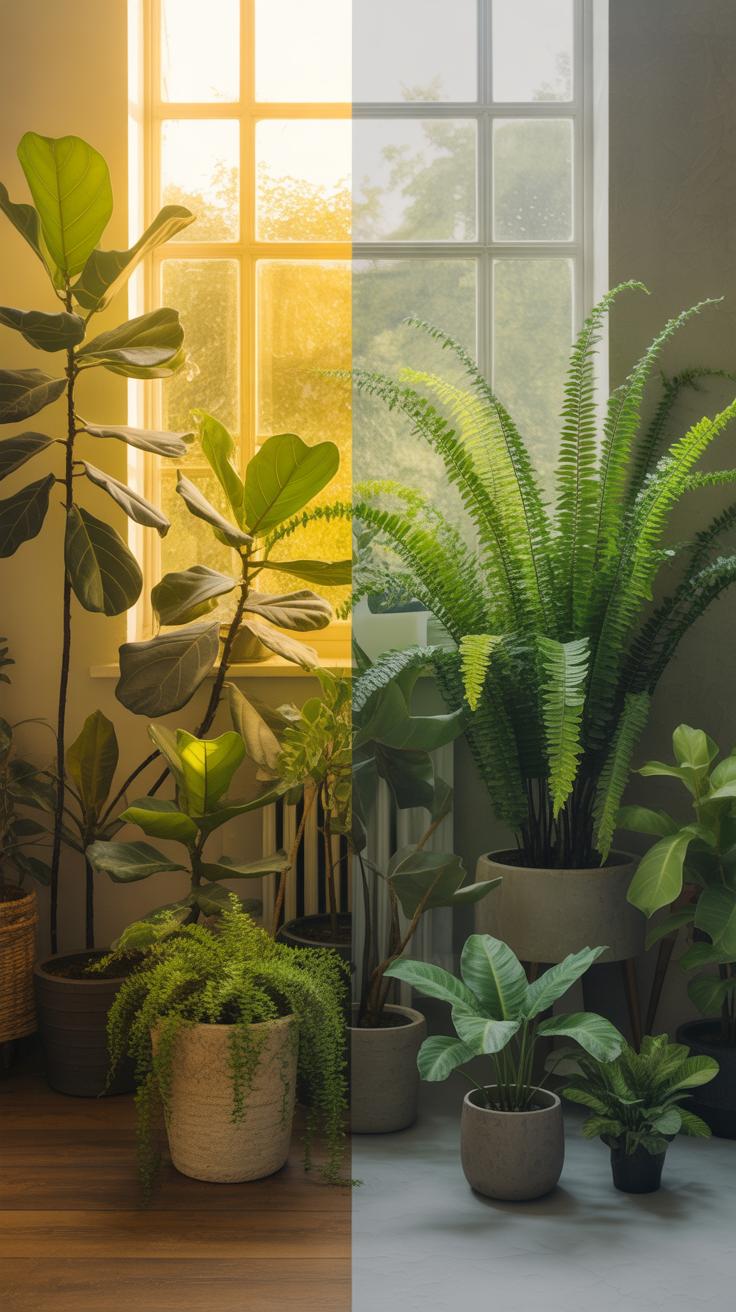
The Proven Air Quality And Wellbeing Benefits Of Real Indoor Plants
Real plants act as biological filters. NASA research confirms that common species remove volatile organic compounds like formaldehyde and benzene from indoor air. Plastic plants provide no such function. Living foliage also regulates indoor humidity through transpiration. This process releases moisture into the air. Controlled humidity improves respiratory health and prevents dry skin. Artificial versions only collect dust and allergens over time.
Living greenery provides measurable psychological advantages. Studies show that interacting with soil and plants reduces human stress levels. The presence of real vegetation lowers blood pressure and increases focus. This is a primary tenet of biophilic design. Authentic plants provide a tangible connection to nature that synthetic materials cannot replicate. You gain a functional asset for your mental health when you choose living organisms.
Why Authentic Indoor Houseplants Create A More Inviting And Living Home Environment
Designers prioritize real plants for their dynamic qualities. Authentic greenery changes with the seasons. It grows, produces new leaves, and shifts in color. These subtle variations create a sense of time and vitality in a room. Modern minimalist and mid-century modern movements rely on this organic texture. Artificial plants look static and flat. They fail to provide the depth required for high-end interior design.
Real plants signal quality and attentiveness. A thriving plant shows that the inhabitant cares for their environment. Synthetic plants often use cheap polymers that off-gas chemicals. These materials degrade and fade when exposed to sunlight. Real leaves interact with light naturally. Choose authentic plants to build a sophisticated space. They offer an evolving aesthetic that improves your home value and daily living experience.
Top Indoor Houseplants To Elevate Every Room In Your Home
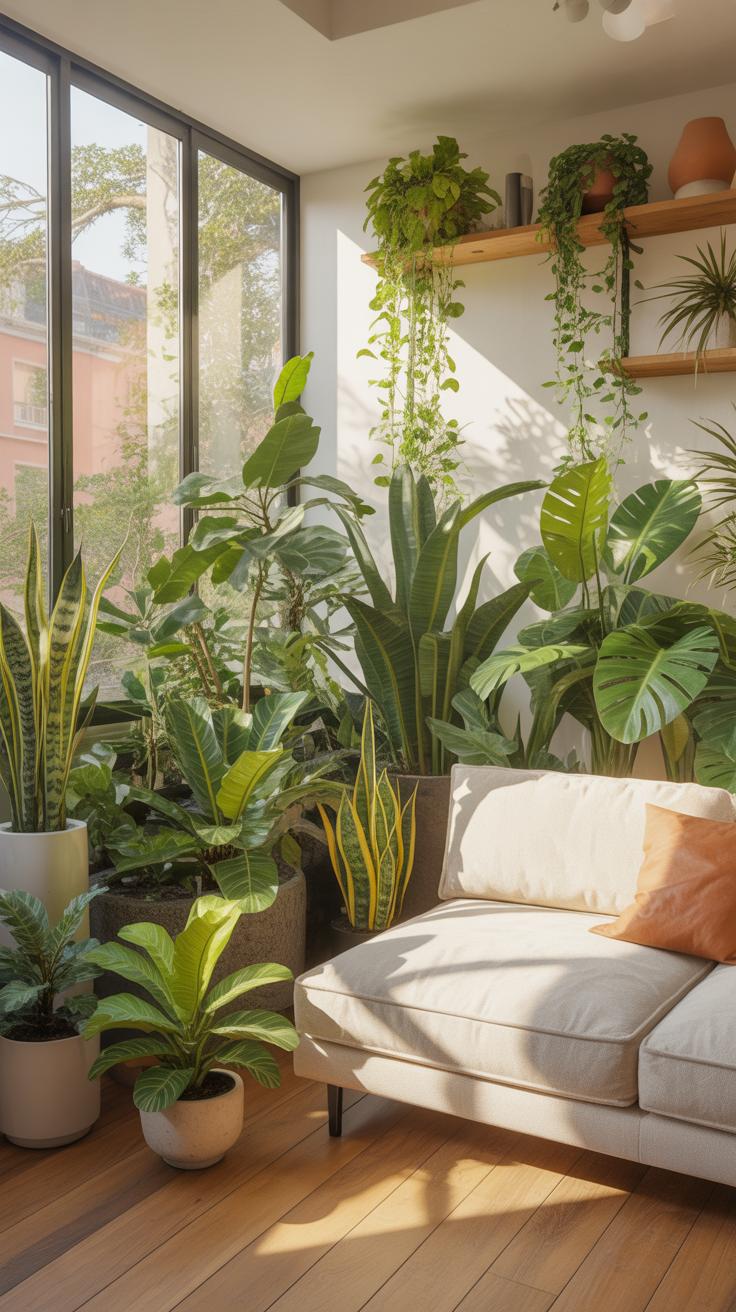
The Best Beginner Houseplants For Bedrooms, Bathrooms, And Living Spaces
Select plants based on the specific microclimate of each room. Bedrooms require plants like Sansevieria that tolerate lower light levels and maintain nighttime oxygen cycles. These plants thrive with minimal intervention and survive dry indoor air. Living rooms often have larger windows. This allows for species like the Monstera deliciosa or Ficus elastica. These selections provide structural scale without requiring expert horticultural skills or expensive equipment.
Bathrooms present high humidity and varying light. The Chlorophytum comosum and various ferns handle moisture well. They utilize the steam from showers to stay hydrated. Avoid placing desert succulents in bathrooms as excess moisture causes root rot. Match the plant biology to the room function to ensure survival. Focus on light availability first. Then consider humidity. This tactical approach reduces plant death and maintains a clean aesthetic across your home.
How To Style And Arrange Indoor Houseplants For Maximum Visual Impact
Effective styling uses the Rule of Three to create balance. Group plants with different heights and leaf textures to generate visual interest. Place taller plants like the Dracaena in corners to soften sharp architectural lines. Use Mid-Century Modern stands to lift smaller pots off the ground. This creates vertical layers. It also makes small spaces feel larger. Proper elevation ensures every plant receives adequate airflow and light.

Utilize various materials for containers to match your interior design. Terracotta offers a classic look and assists with soil drainage. Ceramic pots provide bold colors and clean lines for modern aesthetics. Avoid overcrowding surfaces. Leave enough negative space to prevent a cluttered appearance. Strategic placement near mirrors can double the visual impact of your greenery. Always prioritize the health of the plant over the desired decor location.
Frequently Asked Questions

What are the easiest low-maintenance plants for someone with a “black thumb”?
If you are new to indoor gardening, the best beginner houseplants are those that tolerate neglect, such as the Snake Plant or ZZ Plant. These hardy varieties thrive in low light and only require occasional watering, making them nearly impossible to kill. Starting with these resilient species helps build your confidence as a plant parent while instantly elevating your home’s aesthetic with lush, architectural greenery that requires minimal effort.
How do I know when it is time to water my indoor plants?
The most reliable method for caring for beginner houseplants is the finger test. Simply insert your finger one to two inches into the soil; if it feels dry, it is time to water. Consistency is key, but remember that overwatering is a common mistake for novices. Always ensure your decorative pots have drainage holes to prevent root rot, ensuring your stylish greenery stays vibrant and healthy throughout every season.
Can I decorate my home with beautiful plants on a tight budget?
Absolutely! Creating a stylish indoor jungle does not have to be expensive. Many affordable options are available at local hardware stores or through plant-swapping communities. You can also save money by purchasing smaller “starter” plants and watching them grow over time. Propagating cuttings from a friend’s Pothos or Spider Plant is another cost-effective way to expand your collection and bring natural beauty into your living space for free.