Why Houseplant Display Shelving Is The Perfect Starting Point For Plant Decor Indoor
How Shelving Transforms A Bare Wall Into A Living Feature
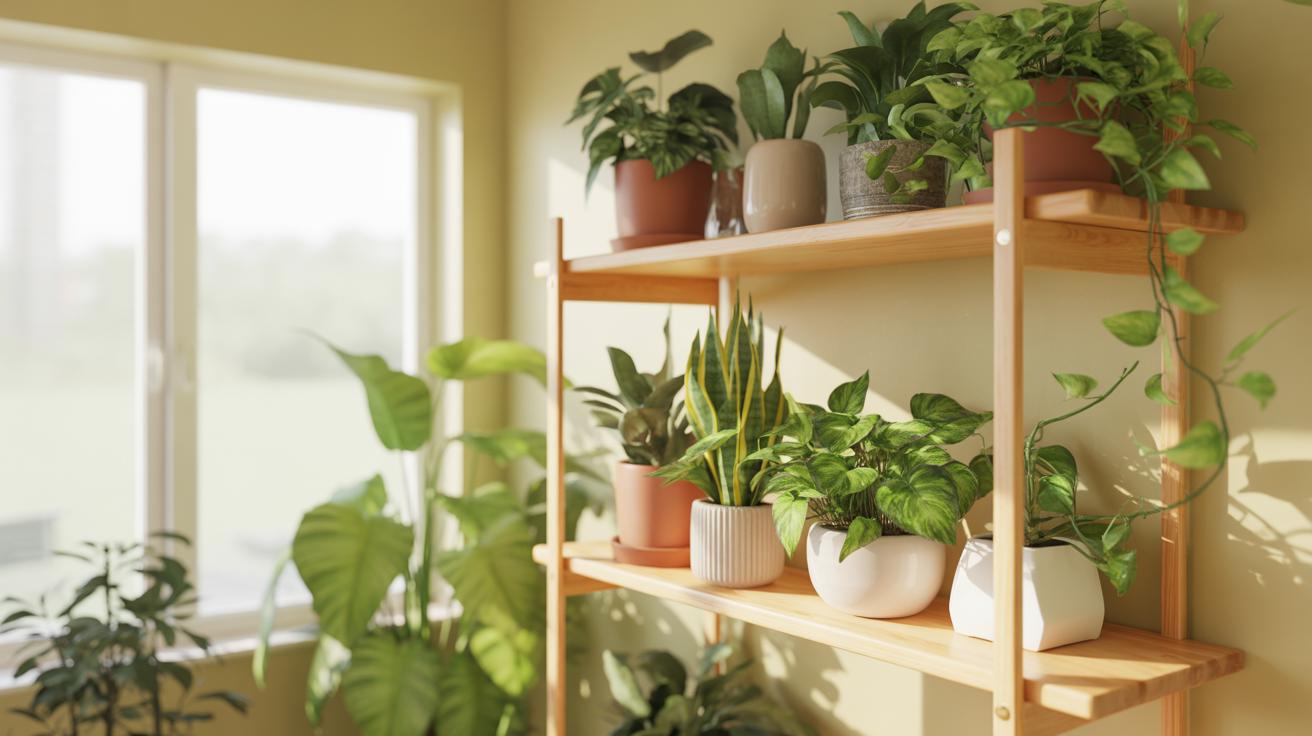
Shelving units convert empty vertical space into a functional focal point. Bare walls often lack visual interest and depth. By installing shelves, you create a dedicated framework for greenery. Designers call this vertical interest. It forces the eye to move upward and across the room. This technique makes small spaces feel larger and more purposeful. You treat the wall as a canvas for natural textures.
A shelf acts as a structural anchor for your indoor garden. Without a shelf, plants often look scattered or disorganized. Proper placement allows you to layer different species at varying heights. This creates a cohesive look that mimics natural environments. You control the light exposure by choosing the exact wall height. Effective shelving turns a chaotic collection into a curated gallery. It provides immediate aesthetic structure.
The Practical Benefits Of Shelving Over Floor Based Plant Displays
Floor displays consume valuable real estate in high traffic areas. Large pots on the ground create trip hazards and block walking paths. Shelving lifts the plants away from the floor surface. This protects your flooring from water damage and soil spills. It also keeps toxic plants away from pets and small children. Elevated plants receive better airflow than those tucked into low corners. Vertical storage maximizes every square foot.
Shelving simplifies routine plant maintenance and cleaning tasks. You can reach multiple plants at once without bending or kneeling. Most floor plants trap dust and debris underneath their heavy containers. Wall mounted or free standing shelves allow for easy sweeping and mopping. You can also organize plants by their light and water needs on different tiers. This systematic approach ensures your plants survive. It turns maintenance into a streamlined process.
Understanding The Basics Of House Plants Decor And Shelf Styling
What Makes A Plant Display Visually Balanced And Appealing
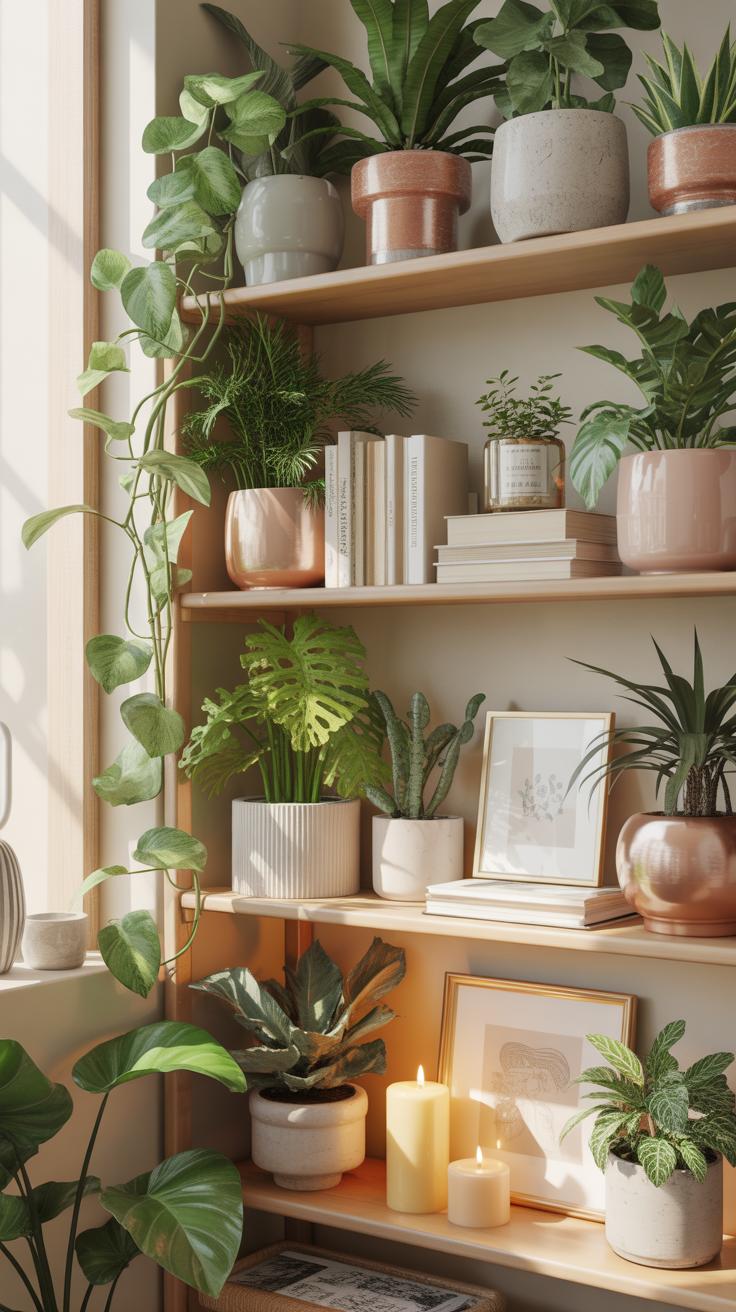
Visual balance depends on how you distribute weight across the shelf. Human eyes seek stability in a layout. You achieve this by placing heavier pots at the bottom or the ends of the shelf. This creates a solid foundation for the eyes. Avoid placing all large items on one side. Symmetry is not required but proportional spacing is necessary to prevent a cluttered look.
Light levels dictate the arrangement of your Houseplant Display Shelving. You must place plants with high light needs closest to the light source. This functional requirement often overrides pure aesthetics. Use the rule of thirds to guide the eye across the display. Grouping items in odd numbers like three or five creates a natural flow. This method prevents the arrangement from looking too forced or clinical.
How To Mix Plant Heights, Textures, And Pot Sizes On A Shelf
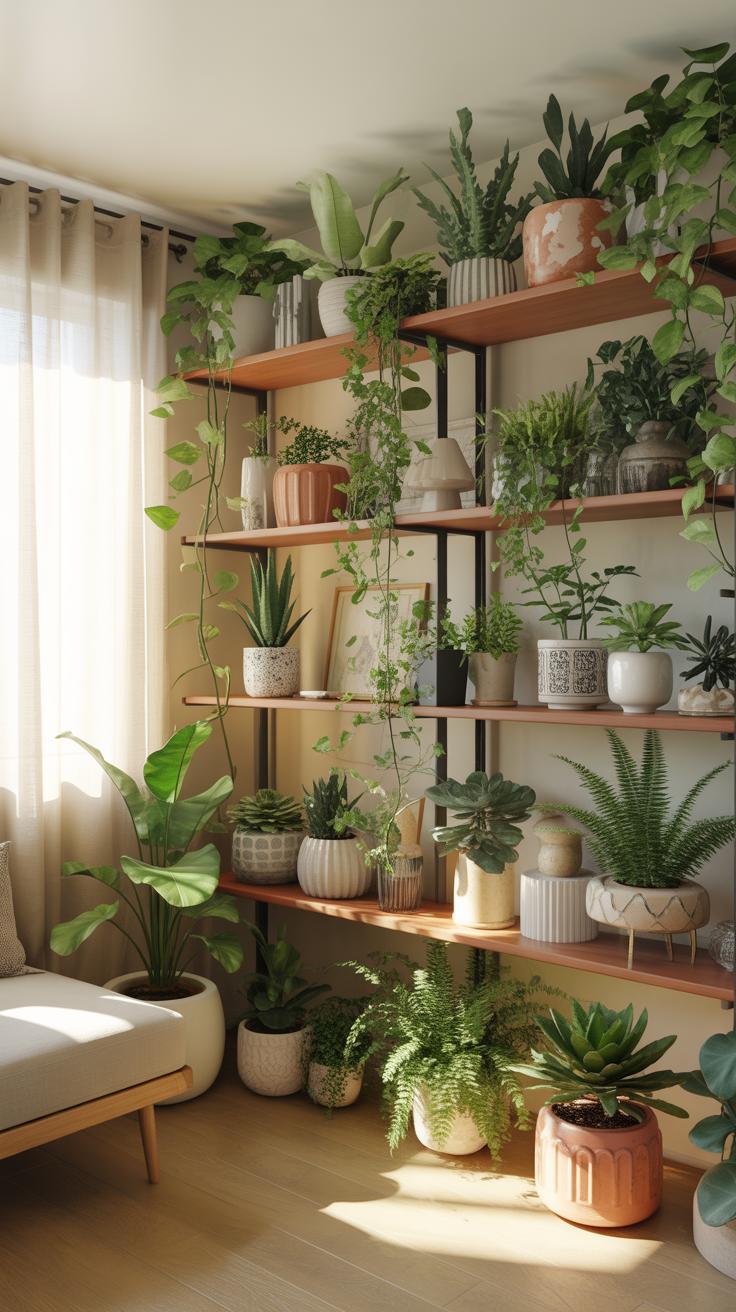
Effective styling requires variance in height to fill vertical space. Do not line up plants of the same size in a row. Use trailing plants like Pothos or Philodendron to soften the hard edges of the shelving. Place tall, upright plants in the back or center to create a focal point. Using blocks or books can adjust the height of smaller pots.
Texture provides depth to a flat shelf surface. Mix broad, shiny leaves with fine, feathery foliage to create contrast. You should use a consistent color palette for pots to maintain cohesion. Select a primary material like terracotta, ceramic, or stone. Varying the shapes and sizes of these pots will add interest without clashing. Keep the design grounded by matching the pot weight to the shelf capacity.
Choosing The Right Plant Shelves For Your Space And Skill Level

Floating Shelves Vs. Freestanding Units: Which Suits Beginners Best
Freestanding units provide the most stability for high density plant collections. These structures distribute weight directly to the floor. This eliminates the risk of wall failure from heavy pots and wet soil. Beginners should choose tiered racks or wire shelving for maximum airflow. These units allow you to move your entire display easily when light patterns change throughout the year.
Floating shelves offer a clean aesthetic but require precise installation into wall studs. They work best for lighter foliage and smaller pots. Beginners often underestimate the combined weight of water and ceramic containers. Use floating shelves only if you can drill securely into a solid substrate. Without proper anchoring, moisture and weight will cause the shelf to lean or collapse entirely.
Key Materials To Look For When Buying Beginner Friendly Plant Shelves
Material selection determines the lifespan of your Houseplant Display Shelving. Beginners must prioritize water resistance and weight capacity. Untreated wood will rot or warp when exposed to drainage runoff. Metal and plastic options handle moisture better over long periods. Look for powder coated finishes to prevent rust. Ensure every surface can withstand frequent wiping and accidental spills.
- Powder Coated Steel: This material resists rust and corrosion from humidity and liquid contact. It provides high load bearing capacity for heavy terracotta pots. The finish stays intact even with frequent cleaning and movement.
- Pressure Treated Wood: Standard wood rots quickly in high moisture environments. Pressure treated or sealed woods like teak and cedar handle dampness better. These materials prevent fungal growth that can jump from the shelf to your plants.
- Tempered Glass: Glass allows light to pass through to lower tiers in a display. It does not absorb water or stains from fertilizer runoff. Always ensure the glass is tempered to handle the thermal stress of indoor environments.
- Heavy Duty Plastic: Specialized resin shelving is impervious to water damage and chemical fertilizers. It is lightweight and easy to sanitize if pests or mold appear. This material is ideal for propagation stations or high humidity greenhouses.
- Galvanized Wire: Wire shelving prevents water from pooling under pots. This airflow reduces the risk of root rot and soil gnats. It is a functional choice for beginners focused on plant health over interior design aesthetics.
Avoid porous materials like particle board or MDF for your display. These engineered woods swell and crumble when they get wet. They cannot support the weight of multiple saturated plants over time. Invest in solid metals or treated woods to ensure your shelving remains level. Stable shelves prevent accidents and keep your plant collection safe from falling.
How To Create A Stunning Plant Wall As A Focal Point In Any Room
Planning Your Plant Wall Layout Before You Hang A Single Shelf
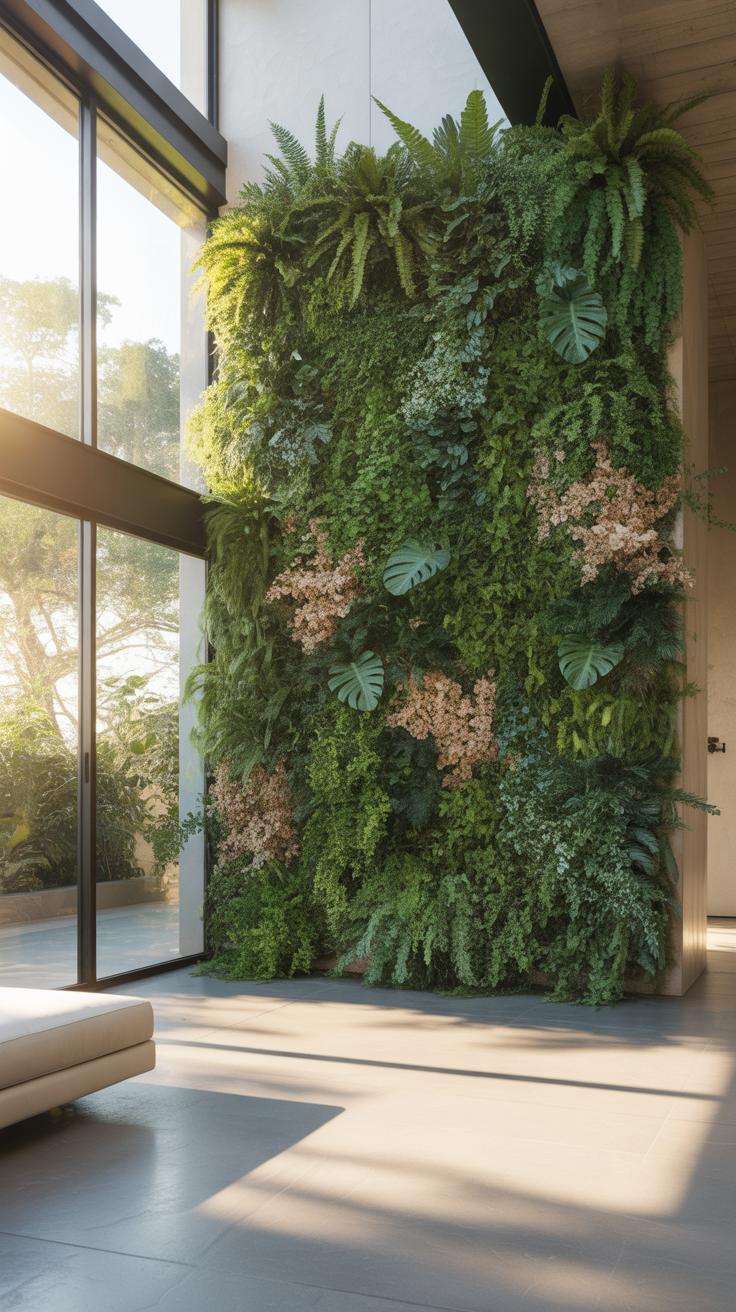
Strategic placement starts with measuring light levels across your chosen wall. Use a light meter to find hotspots and shadows. Map these zones before selecting shelf heights. High shelves receive heat and less light. Lower shelves stay cooler and darker. Align your shelf placement with the specific biological needs of your plant collection to ensure long term growth and health.
Visual balance determines the impact of your plant wall. Avoid perfect symmetry which looks rigid and artificial. Use a staggered layout to create a natural flow. Draw your plan on the wall using painter tape to visualize the scale. Leave enough vertical space between shelves for plant growth. Mature plants need room for upward leaves and trailing vines to hang without obstruction.
Weight Limits, Wall Anchors, And Safety Basics Every Beginner Should Know
Weight calculation is the most critical safety step. A gallon of wet soil weighs roughly ten pounds. Add the weight of a ceramic pot and the shelf itself. Total weight often exceeds the capacity of standard nails. You must find the wall studs using a magnetic or electronic stud finder. Fasten brackets directly into these wood studs to prevent the shelf from pulling out.
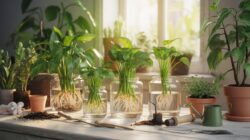
Drywall alone cannot support heavy plant displays. Use toggle bolts or heavy duty threaded anchors if you cannot find a stud. Avoid plastic expansion plugs for overhead loads. Check the manufacturer load rating on every bracket you buy. Periodically inspect the hardware for signs of sagging or loosening. Moisture from watering can weaken plaster over time so ensure your shelves have waterproof surfaces.
Best Indoor Plants Styling Tips For A Room With Plants That Feels Curated
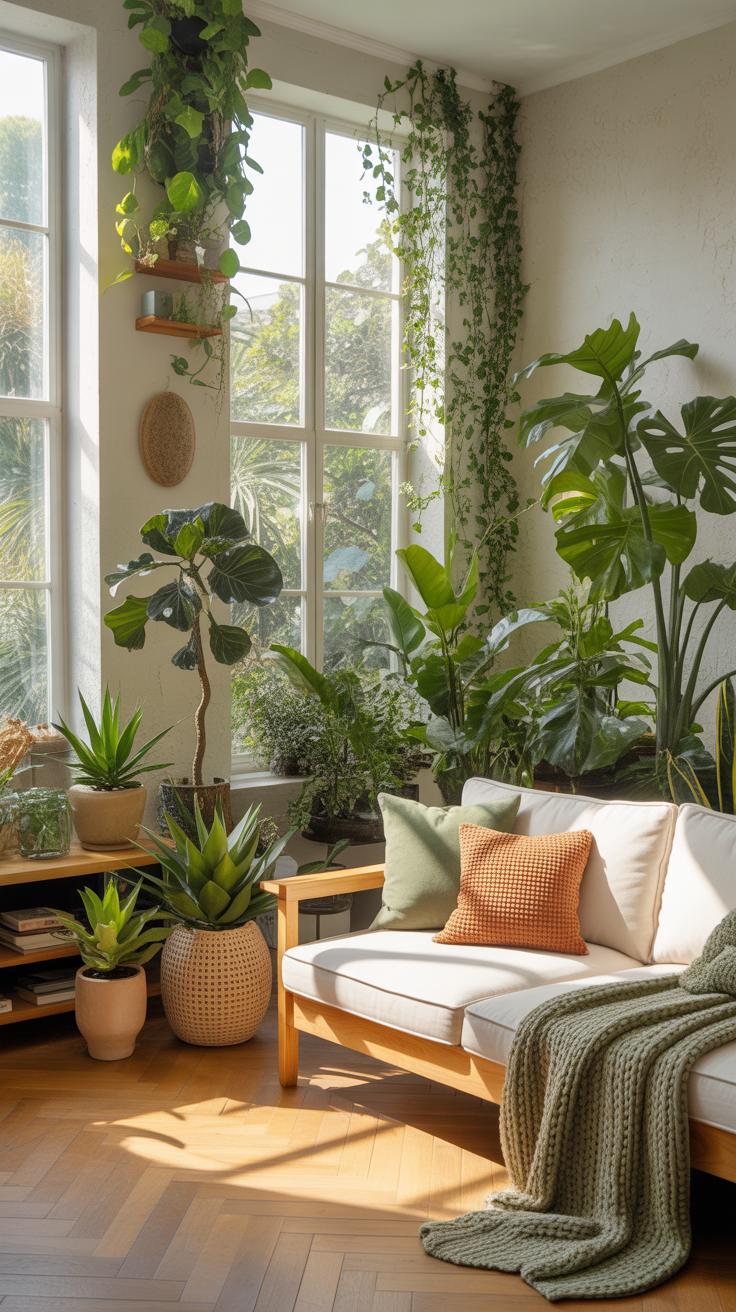
Using Trailing Upright And Bushy Plants Together For Shelf Depth
Effective shelving relies on the rule of three height planes. You must utilize vertical space with upright species like Sansevieria to lead the eye upward. Place these at the back or ends of the shelf for structural support. Use bushy plants like Calathea to fill the middle ground. These mid-sized plants provide the density needed to hide shelf brackets and hardware.
Trailing plants like Epipremnum aureum add a downward dimension. These vines break the hard horizontal lines of the wood or metal shelving unit. By mixing these three growth habits, you create a three-dimensional effect. This technique prevents the display from looking flat or sparse. Layering heights forces the viewer to move their eyes across the entire arrangement. This creates a professional look.
How Pot Color And Material Choices Tie Your Shelf Display Together
Containers act as the visual bridge between your plants and the room architecture. Use a consistent material palette to create a cohesive look. Terracotta provides a Mediterranean or mid-century feel and offers high breathability for roots. Ceramic pots with matte finishes minimize glare from indoor lighting. Keep the color palette narrow. Using only two or three complementary tones prevents the shelf from looking cluttered.
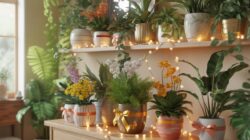
Material choice also dictates the health of your display. Stone and concrete pots are heavy and stabilize top-heavy upright plants. Plastic liners inside decorative cachepots allow you to swap plants without repotting the entire collection. Match the pot texture to the shelf surface. Rough wood shelves pair well with smooth glazed pots. Metal shelves benefit from the organic texture of unglazed clay or woven fiber baskets.
Wohnzimmer Pflanzen Living Room Plant Shelving Inspiration And Ideas

Why The Living Room Is The Ideal Space For Your First Plant Shelf Display
Living rooms offer the most stable environment for houseplant display shelving because they usually have consistent temperatures and light levels. Large windows in these rooms provide the necessary light for photosynthesis. You can monitor the health of your plants easily because you spend most of your time in this area. This visibility ensures you do not miss watering schedules or early signs of pests.
Strategic placement of shelves in the living room maximizes vertical space without blocking foot traffic. You can use narrow wall units or corner shelves to turn dead space into a functional display area. This placement keeps your floor clear and prevents the room from feeling cluttered. A central shelving unit also creates a natural focal point that anchors the design of your entire living space.
Like the simple wooden shelves of my childhood, a modest ledge is all the invitation a leaf needs to start its climb. Even the smallest corner becomes a sanctuary when we give our green friends a simple place to call home.
Adapting European Living Room Plant Styling Trends For Smaller Homes
The Bauhaus movement influences modern European plant styling by prioritizing function and clean lines. Small homes benefit from modular shelving systems made of steel or light woods like birch. These materials reflect light and make small rooms feel larger. You should choose slim profiles that carry weight but stay visually light. Use wall-mounted rails to keep the floor surface open and easy to clean.
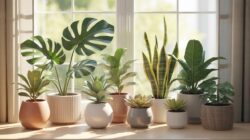
French and Scandinavian styles often utilize high-density vertical groupings to create a lush look in limited square footage. You can achieve this by using tiered ladder shelves or ceiling-mounted hardware. Grouping plants together increases local humidity levels through transpiration. This technique helps tropical plants thrive in dry indoor air. Scale your pots to match the shelf depth to maintain balance and prevent accidents in narrow walkways.
Selecting The Best Plants For Indoor Plant Shelves Based On Light Conditions
Low Light Tolerant Plants That Thrive On Shelves Away From Windows
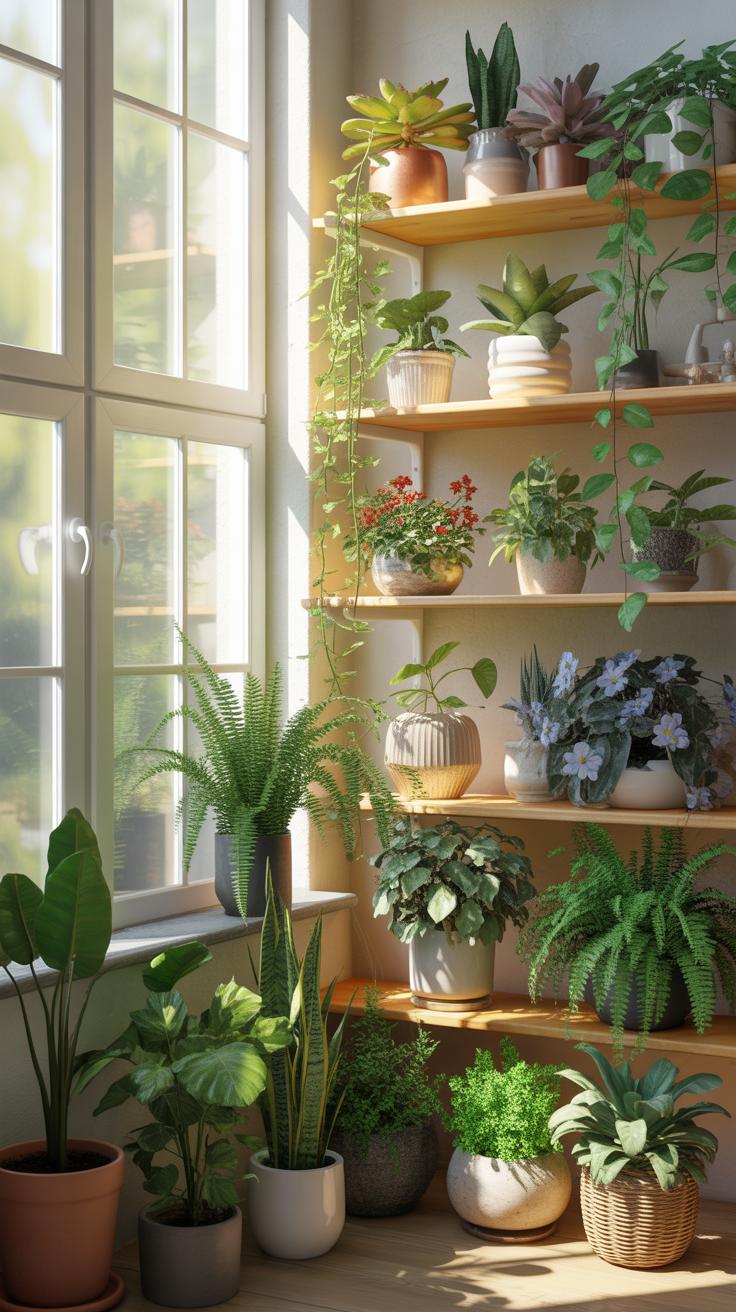
Low light areas sit more than ten feet from a window or face north. Most plants fail here because they cannot photosynthesize enough food. You must select species that evolved on forest floors under heavy canopy cover. These plants survive with minimal energy. They maintain deep green leaves to trap every available photon. Avoid variegated plants for these shelf positions because they require more light.
Functional shelf design in dark corners relies on hardy foliage. Snake plants and ZZ plants handle neglect and low light levels without dropping leaves. Do not overwater these specimens. Evaporation happens slowly away from sun heat. Wet soil leads to root rot in stagnant air. Place these on lower shelves or in hallways. They keep their shape and do not stretch toward light sources aggressively.
Top Beginner Plant Picks For Bright Indirect Light Shelf Positions
Bright indirect light is the gold standard for most houseplant display shelving. This light hits a wall or floor before reaching the shelf. It provides high energy without burning delicate leaf tissues. Position your shelves near east-facing windows or several feet back from south-facing glass. This setup supports the widest variety of species. It allows for faster growth and more vibrant leaf patterns.
- Pothos: This vine is a staple for shelving. It grows quickly and trails over edges. It handles various light levels but thrives in bright spots. You can easily propagate stems to fill more shelf space.
- Monstera Deliciosa: This plant adds structural scale to larger shelving units. Its split leaves create a bold visual impact. It requires sturdy support as it ages. It signals health through consistent new leaf production in good light.
- Spider Plant: These plants produce offshoots that hang down. They are perfect for top shelf placement. They filter indoor air effectively and tolerate occasional underwatering. The arching leaves add movement and texture to any horizontal display.
- Peace Lily: This species indicates water needs by wilting slightly. It produces white blooms when light levels are sufficient. It prefers consistent moisture and stable temperatures. It fits well on middle shelves where you can monitor soil dampness daily.
- Philodendron Brasil: This heart-leaf climber features yellow variegation. The colors stay bold and bright in indirect sun. It looks best when the vines drape down a bookshelf or wall rack. It resists pests better than many other tropical species.

Proper placement ensures your plants do not stretch or lose color. Rotate your pots every two weeks to keep growth even. If a plant leans toward the window, it needs more light. Grouping plants on a shelf creates a microclimate with higher humidity. This benefits tropical species and reduces brown leaf tips. Check soil moisture before adding water to prevent saturated roots on lower shelves.
Building Beautiful Planter Arrangements That Look Intentional Not Cluttered
The Rule Of Odd Numbers And How It Applies To Shelf Planter Arrangements
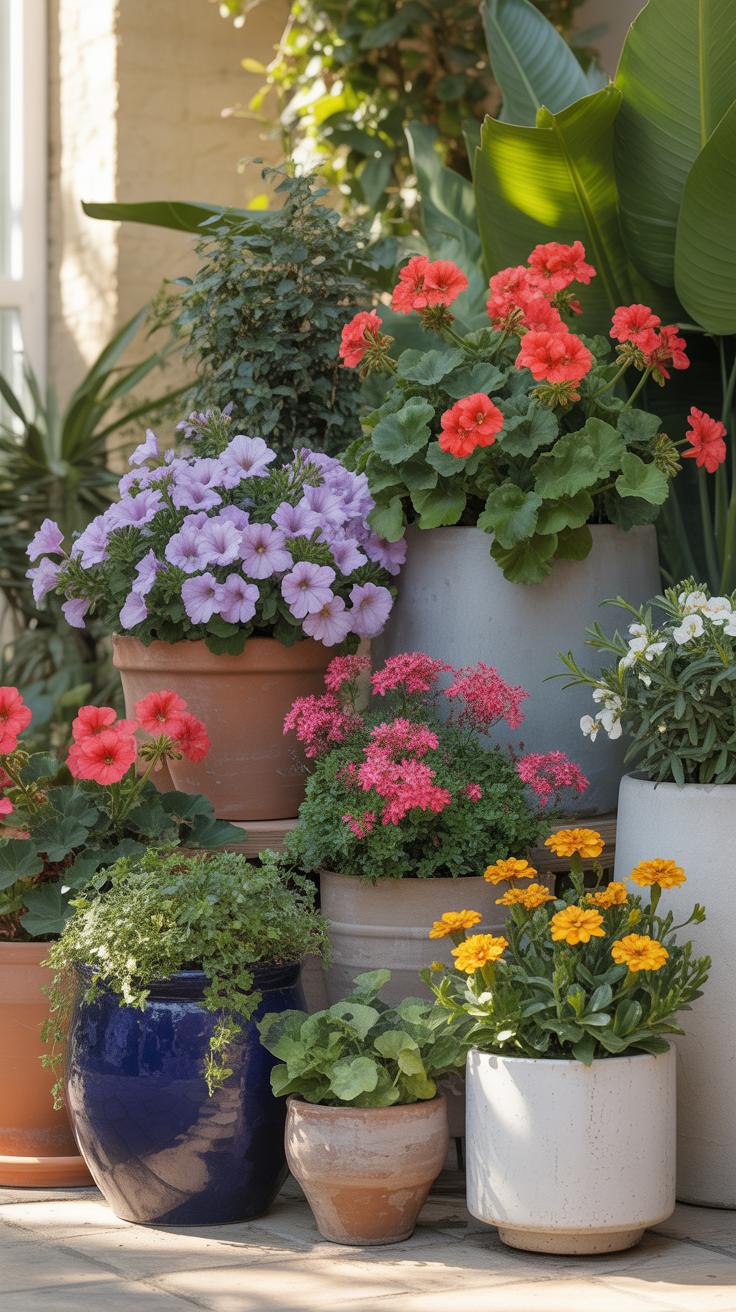
Human brains process odd-numbered groupings more effectively than even ones. Groups of three or five create a natural focal point that prevents the eye from wandering. This technique stems from classic floral design and visual merchandising. It forces the viewer to see the arrangement as a single unit rather than a messy line of individual pots. You create balance without using boring symmetry.
Vary the heights of your plants within these three-piece sets. Place a tall Sansevieria next to a medium-sized Pothos and a small succulent. This creates a triangular silhouette that looks stable and professional. Avoid placing three plants of the same height together. Uniformity creates a flat look that feels like a retail store shelf rather than a curated home display. Use height to lead the eye.
Adding Non Plant Elements Like Stones, Books, And Candles To Your Display
Integrate inanimate objects to break up the green texture of your houseplant display shelving. Hard surfaces like ceramic candles or smooth river stones provide a necessary visual break. This practice follows the principles of the Arts and Crafts movement where natural materials meet functional home goods. Standard books provide flat horizontal planes. Use them as risers to lift smaller pots and create tiered levels on a single shelf.
Negative space is your most important tool when adding decor. Do not fill every square inch of the shelf surface. Leave gaps between a stack of books and a trailing ivy plant to let the arrangement breathe. Choose items with different finishes like matte wood or polished metal to contrast with organic leaf shapes. This strategy prevents the shelf from looking like an overgrown jungle. It maintains a clean and modern aesthetic.
Maintaining Your Houseplant Display Shelving So It Stays Fresh Year Round

Simple Seasonal Refresh Strategies To Keep Your Shelf Display Looking New
Light levels change significantly between summer and winter. You must move sun-loving plants to the highest shelves during winter to capture limited natural light. Lower light plants should move to the bottom or further back as the sun stays lower on the horizon. This rotation prevents leggy growth and ensures your foliage remains dense. Watch for leaf burn during peak summer months when window light intensifies.
Rotate each pot 90 degrees every month to ensure even growth. Plants naturally lean toward light sources and become lopsided without manual intervention. Swap out decorative accents or outer pots to match the current season. This keeps the display visually interesting without requiring new plant purchases. Grouping plants by water needs during the dry winter months also simplifies your maintenance routine and improves local humidity.
Watering, Dust, And Drainage Management For Plants Living On Shelves
Watering on shelves requires precision to avoid damaging your hardware. Always use saucers or cachepots to catch excess moisture and protect wood or metal surfaces. Puddled water causes rot and rust on shelf materials. Use a long-neck watering can for better reach and control. This tool prevents spills and reaches the back of deep units. Never water until you feel the soil to verify actual moisture levels.
Dust accumulates quickly on leaves and shelf surfaces. Heavy dust blocks sunlight and reduces a plant’s ability to photosynthesize. Wipe leaves with a damp cloth every two weeks to keep them functional. Use this time to wipe down the shelving unit itself. Clean surfaces prevent the buildup of pests and mold. Focused cleaning preserves the structural integrity of your Houseplant Display Shelving while keeping your plants healthy and vibrant.
Frequently Asked Questions

What are the best types of shelves for someone just starting their indoor garden?
For beginners, the best houseplant display shelving focuses on stability and light access. Opt for open-backed tiered stands or ladder shelves, as these allow sunlight to reach every leaf while providing plenty of vertical space. Look for materials like treated wood or powder-coated metal that can withstand occasional moisture from misting. Simple, freestanding units are ideal because they require no complex wall mounting and can be easily moved to follow the seasonal light.
How do I arrange my plants on a shelf to keep them healthy?
Successful houseplant display shelving requires more than just aesthetics; it’s about microclimates. Place sun-loving succulents on top shelves where light is strongest, and tuck low-light ferns or pothos on lower levels. Ensure you leave enough clearance between the top of the plant and the shelf above to allow for proper airflow and natural growth. Grouping plants with similar humidity needs together also creates a beneficial environment that helps them thrive collectively.
Can I create an attractive plant display if I am on a tight budget?
Absolutely! You don’t need expensive built-ins to showcase your greenery. Repurposing old wooden crates, using basic floating shelves from a hardware store, or refreshing a thrifted bookshelf with a coat of waterproof paint are all cost-effective ways to get started. Focus on varying the heights of your pots to add visual interest. Clever styling can make even the most affordable shelving unit look like a high-end designer feature in your home.