
Understanding The Basics Of House Plant Care Before Special Occasions
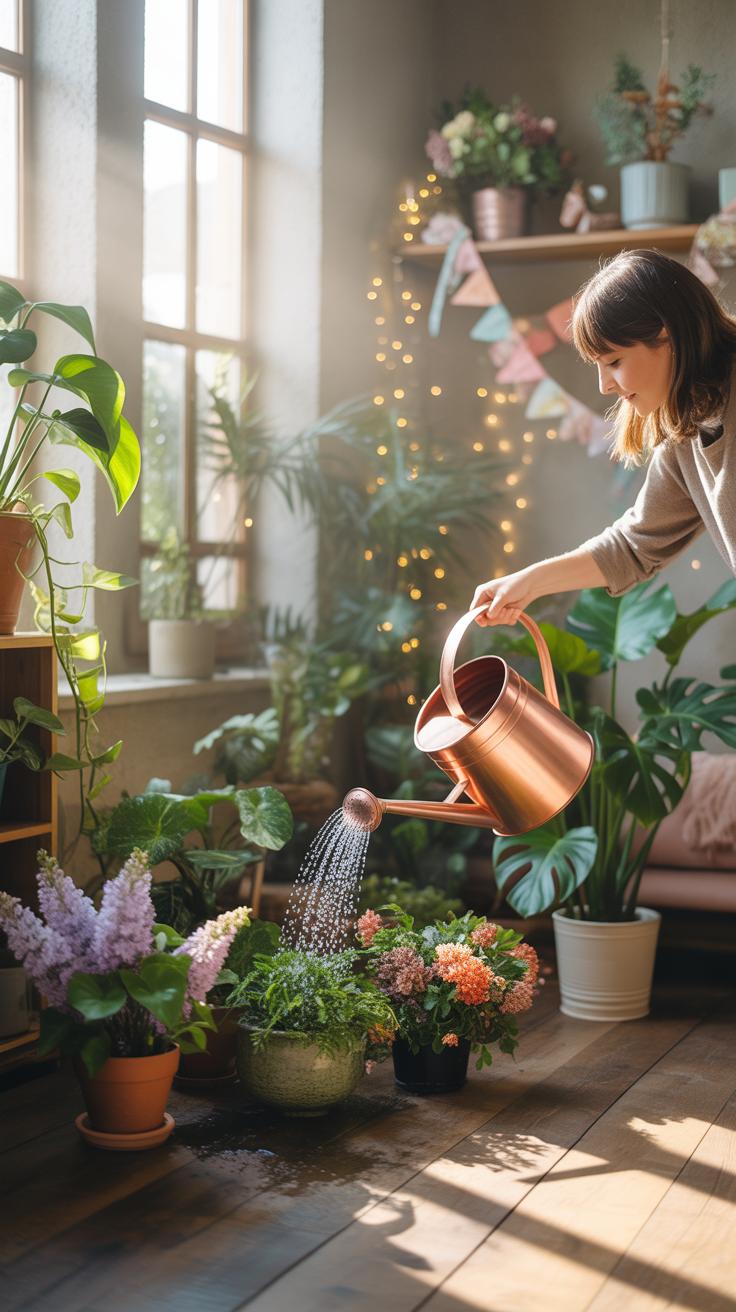
Why Consistent Watering Routines Matter For Household Plants
Plants require physiological stability to maintain structural integrity and color. Sudden changes in watering schedules cause stress that leads to leaf drop or wilting. This Houseplant Watering Guide emphasizes consistency because it prevents the buildup of mineral salts in the soil. Stable moisture levels support the microscopic root hairs that absorb nutrients. Maintaining a predictable routine ensures your plants remain visually vibrant for guests.
Inconsistent watering triggers defensive responses in plants. Overwatering suffocates roots by displacing oxygen in the soil pores. Underwatering forces the plant to shut down its stomata to conserve water. This stops growth and causes browning on leaf tips. You must establish a baseline moisture level weeks before an event. Healthy plants withstand the temporary environmental shifts often caused by parties or decorations in your home.
How Plant Biology Determines Watering Frequency And Volume
Root systems and leaf structures dictate how much water a plant needs. Succulents store water in fleshy tissues and require infrequent soaking. Tropical plants with broad leaves lose moisture rapidly through transpiration and need higher humidity. Soil type also influences water retention. Sandy soils drain quickly while peat-based mixes hold water longer. Understanding these biological traits allows you to calibrate your watering volume for each specific species.
Light intensity and room temperature drive the rate of photosynthesis. Higher light levels increase the demand for water as the plant processes energy faster. During dormant winter months, metabolic rates drop and plants require less hydration. You should monitor the top two inches of soil to gauge moisture levels. Match your watering volume to the size of the container and the plant’s growth stage to prevent root rot.
Building Your Plant Watering Chart For Year Round Occasion Planning
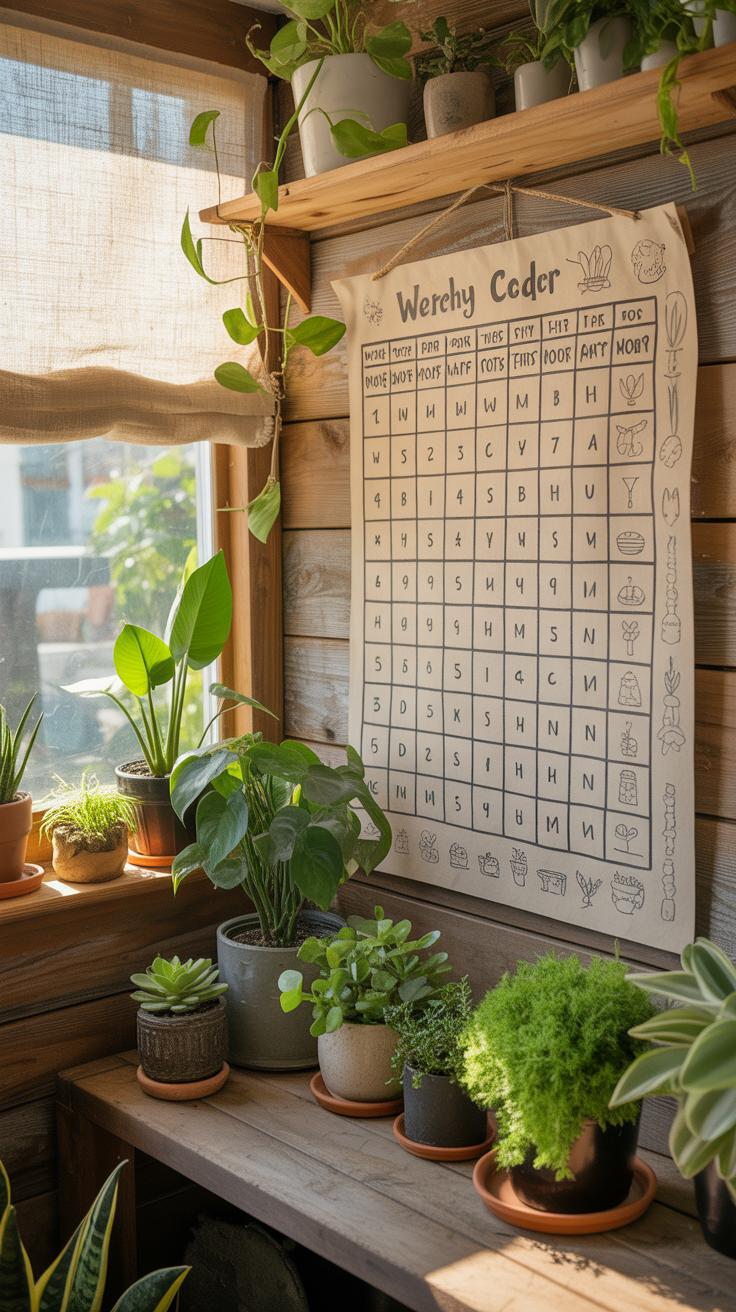
How To Design A Seasonal Plant Watering Chart That Works For Your Home
A seasonal watering chart must account for light intensity and humidity changes. Your home environment shifts when the sun angle changes or the heat turns on. These variables dictate how fast soil dries out. You should group plants by their water needs on a single axis. Use the other axis for months or specific holiday events. This structure allows you to see upcoming maintenance peaks.
The chart needs physical durability if kept near your plants. Use laminated paper or a digital spreadsheet to prevent water damage. Map out your home by zones based on window orientation. South-facing rooms require more frequent checks than north-facing areas. Update the chart every three months to reflect the dormant or active growth phases. This prevents overwatering during the dark winter months when plants grow slowly.
Tracking Soil Moisture And Watering Intervals Using A Simple Chart System
Effective tracking relies on objective data rather than a fixed schedule. Use the finger test or a moisture meter to check the root zone. Record the date and the moisture level on your chart. This creates a history of how fast each pot loses water. You will eventually see patterns that predict when a plant needs hydration before a big event or a long weekend.
Interval tracking identifies which plants are heavy drinkers. This data helps you plan your time during busy social seasons. If a plant consistently dries out every four days, mark that trend clearly. Accurate records stop the guesswork that leads to root rot. High-quality charts help you delegate care to others if you travel for holidays. Clear data ensures your collection survives while you focus on other tasks.
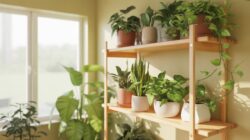
Plant Care Houseplant Tips For Decorating During The Holiday Season
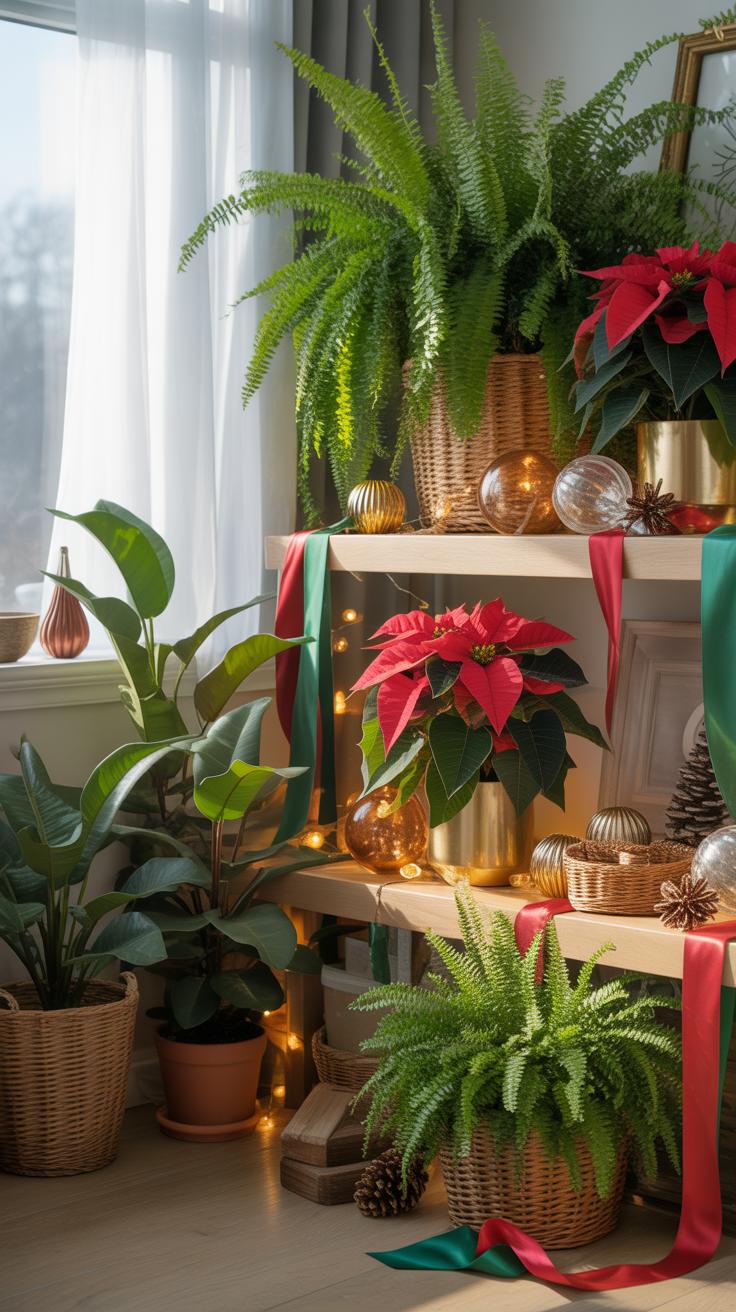
Preparing Your Houseplants For Holiday Display Without Disrupting Their Water Needs
Holiday decor often forces plants into new locations. Move plants away from heaters and drafty doors to maintain moisture levels. Increased indoor heat speeds up soil drying through evaporation. Check soil moisture daily with a finger or probe. You must ensure the root ball remains hydrated despite the change in environment. Relocation often causes stress that alters how much a plant drinks.
Do not overwater to compensate for festive heat. Low winter light slows down plant metabolism and growth. Plants need less water in December than in July. Saturate the soil only when the top two inches feel dry. Use drainage saucers to protect furniture while allowing excess water to escape. Keep decorative pot covers clear of standing water. This prevents root rot from destroying your display mid season.
Best Holiday Friendly Houseplants That Thrive Under Festive Indoor Conditions
Select plants that tolerate dry air and low light for seasonal displays. The Poinsettia remains a standard choice for its ability to handle typical indoor temperatures. These plants require consistent soil moisture without sitting in water. Place them in bright indirect light to maintain their colorful bracts. Avoid placing them near cold windows or hot radiators. These temperature swings cause premature leaf drop and kill the display.
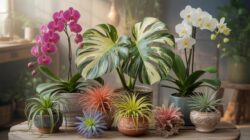
Christmas Cactus and Amaryllis provide reliable blooms with minimal maintenance. These species thrive in the stable environments found in most modern homes. Water these plants only when the soil surface dries out completely. Overwatering ends the blooming cycle early and rots bulbs or stems. Maintain high humidity around these plants if your heater runs constantly. Use a pebble tray to increase local moisture without soaking the roots directly.
Watering Indoor Plants Correctly When Hosting Guests At Home
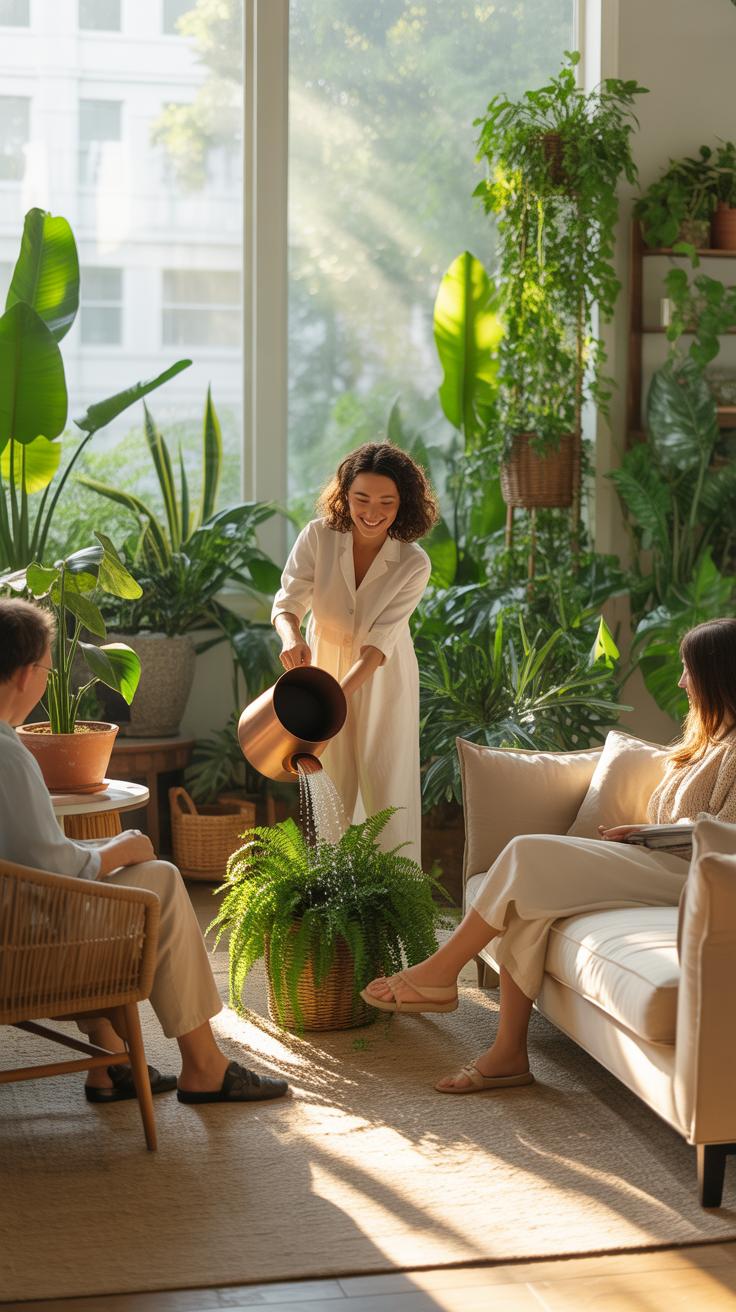
How To Pre Water Your Indoor Plants Before A Dinner Party Or Celebration
Water your plants 48 hours before your guests arrive. This timing allows the soil to absorb moisture fully without leaving the surface muddy or damp. Wet soil can emit earthy odors that clash with food scents during a dinner party. It also prevents water from leaking out of drainage holes onto your clean floors or furniture while you entertain your friends.
Check the moisture levels of each plant individually using the finger test. Only add water if the top inch of soil feels dry to the touch. Avoid overwatering for aesthetic reasons before a big event. Excess water causes root stress and leads to yellowing leaves within days. A stable plant looks best. Proper hydration ensures leaves remain turgid and vibrant throughout the entire celebration.
Self Watering Pots And Wicking Systems That Keep Plants Healthy During Busy Event Days
Self-watering pots provide a consistent moisture supply through a built-in reservoir at the base. These systems use capillary action to pull water upward into the root zone as needed. This technology eliminates the need for manual watering on busy days. You can focus on event preparations while the plant regulates its own hydration. It prevents the common mistake of underwatering due to a hectic schedule.
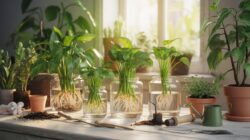
Wicking systems offer a low-tech alternative using cotton or nylon cords. One end of the cord sits in a water container while the other stays buried in the soil. This method maintains steady humidity levels for moisture-loving species like ferns or peace lilies. It is a reliable strategy for keeping plants healthy when you cannot monitor them closely. Use these tools to maintain a professional appearance for your greenery.
Inside House Plants That Make Stunning Centerpieces For Special Events
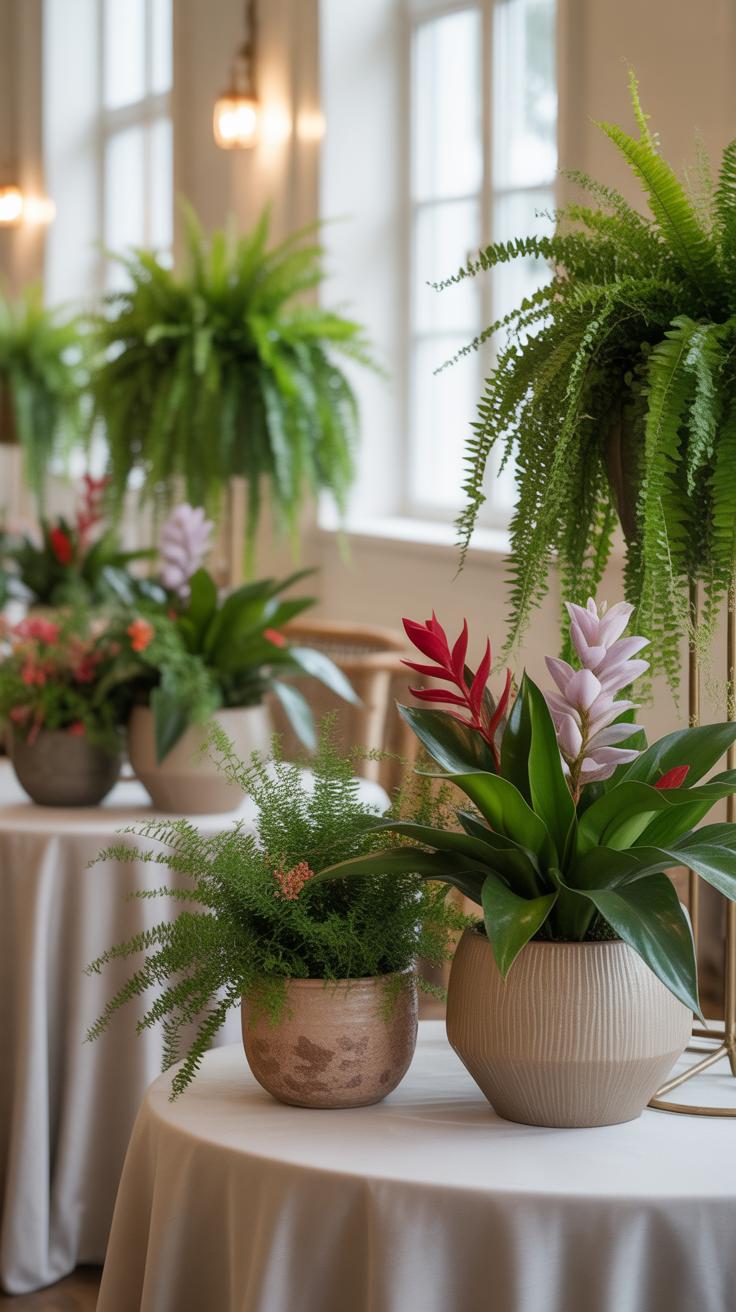
Choosing The Right Inside House Plants Based On Their Watering Needs And Visual Impact
Select plants that match the environment of your venue. High-intensity lighting and air conditioning dry out soil quickly. Use drought-tolerant species like Sansevieria or Zamioculcas zamiifolia for long events. These varieties maintain structural integrity without frequent hydration. They look sharp and professional under harsh indoor lights. Choosing the right plant prevents wilting during the middle of your scheduled event.
Match the water requirements to the container type used for the display. Tropical plants like Spathiphyllum require consistent moisture but suffer in decorative pots lacking drainage. Use these only if you can monitor the soil dampness before the guests arrive. Succulents offer a safer bet for low-maintenance beauty. They store water in their leaves and survive well in dry indoor air throughout the entire day.
How To Style And Water Tabletop Plants Without Creating Mess During Events
Manage moisture levels before placing plants on tabletops. Water your centerpieces twenty-four hours in advance. This timing allows the soil to reach field capacity while draining excess liquid. It prevents leaks on expensive linens or wooden surfaces. Use a moisture meter to verify the root zone is damp but not saturated. Dry the exterior of the decorative pot thoroughly before setting it down.
Utilize cachepots to hide functional plastic nursery liners. This double-potting technique traps any residual drainage and protects the table surface. Real design movements like Mid-Century Modern often use raised stands to keep moisture away from wood furniture. Place a cork or felt pad under the pot as a secondary barrier. These practical steps ensure the plants stay hydrated without risking stains or water damage to the venue.
Growing Plants Indoors For Gifting Watering Prep Before You Give Them Away
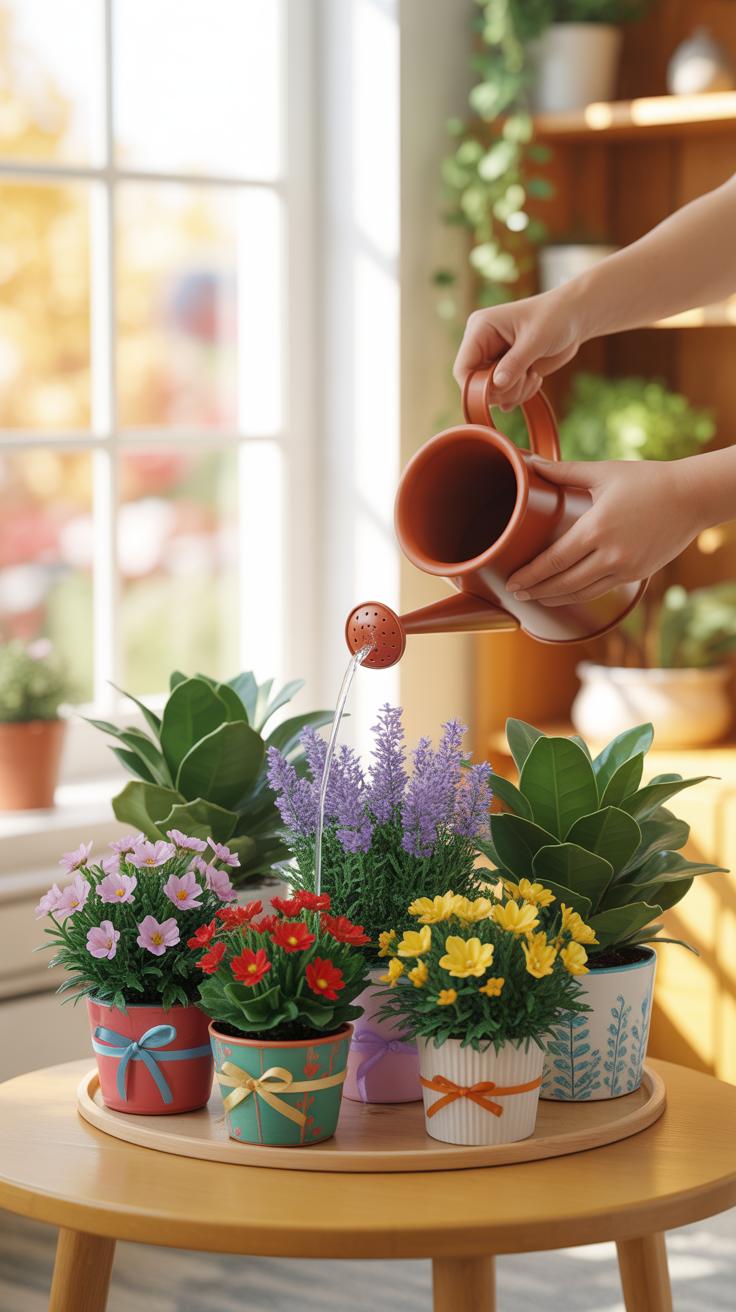
How Proper Watering Before Gifting Extends The Life Of A Plant Gift
Gifted plants often face immediate stress from transport and new environments. A plant with dry soil loses turgor pressure. This makes the foliage wilt and increases the risk of shock. Proper saturation forty-eight hours before delivery creates a moisture buffer. This reservoir allows the plant to survive temperature swings during transit. It keeps cells hydrated while the new owner learns the care routine.
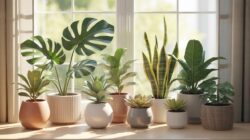
Avoid gifting a plant in soaking wet soil. Excessive water in the root zone leads to messy leaks during transport. It also creates a breeding ground for fungus gnats in the recipient’s home. You must achieve a balance where the soil is damp but the top inch is not muddy. This tactical preparation ensures the plant looks healthy upon arrival. It gives the recipient a three-day window before they must act.
Top Gifting Ready Indoor Plants And Their Specific Pre Gift Watering Requirements
Selecting the right species determines the success of your gift. Different plants have unique metabolic rates that dictate their pre-gift hydration needs. You must calibrate your watering schedule based on the physiological requirements of the specific variety. Succulents and tropicals have opposite needs. Match the water volume to the species to ensure the plant arrives in peak condition for the new owner.
- Snake Plant: Water this plant five days before gifting. It stores water in its rhizomes and leaves. Soil must be completely dry to the touch before you hand it over. This prevents accidental root rot if the new owner waters it again immediately.
- Peace Lily: Saturate the soil two days before delivery. These plants show visible distress and wilt when thirsty. Deep watering ensures the leaves stay upright and glossy during the transition. Drain all excess water from the decorative pot to prevent stagnant pools at the bottom.
- Pothos: Provide a standard watering three days prior to the event. This species is resilient but prefers slightly moist soil during moves. Check the drainage holes to ensure no water drips out during transport. A stable moisture level prevents yellowing leaves caused by sudden environmental changes.
- Jade Plant: Hydrate sparingly one week before gifting. As a succulent, it carries its own water supply in thick stems. Bone-dry soil is safer for transport than wet soil. This timing allows the plant to remain firm without the risk of dropping leaves due to sudden over-hydration.
- ZZ Plant: Apply water ten days before the giveaway. Its underground tubers hold significant moisture reserves. The soil should feel dry and light. This strategy protects the plant from rot if it sits in a low-light area in the recipient’s home. It is the most durable choice for new keepers.
Final inspections prevent common gifting failures. Check the weight of the pot to confirm moisture levels. A heavy pot indicates recent watering while a light pot signals a need for more. Clean the leaves with a damp cloth to remove hard water spots. This improves the appearance and allows for better transpiration. Your goal is to deliver a self-sustaining asset that survives the initial move.
Caring For Inside Plants During Summer Outdoor Gatherings And Garden Parties
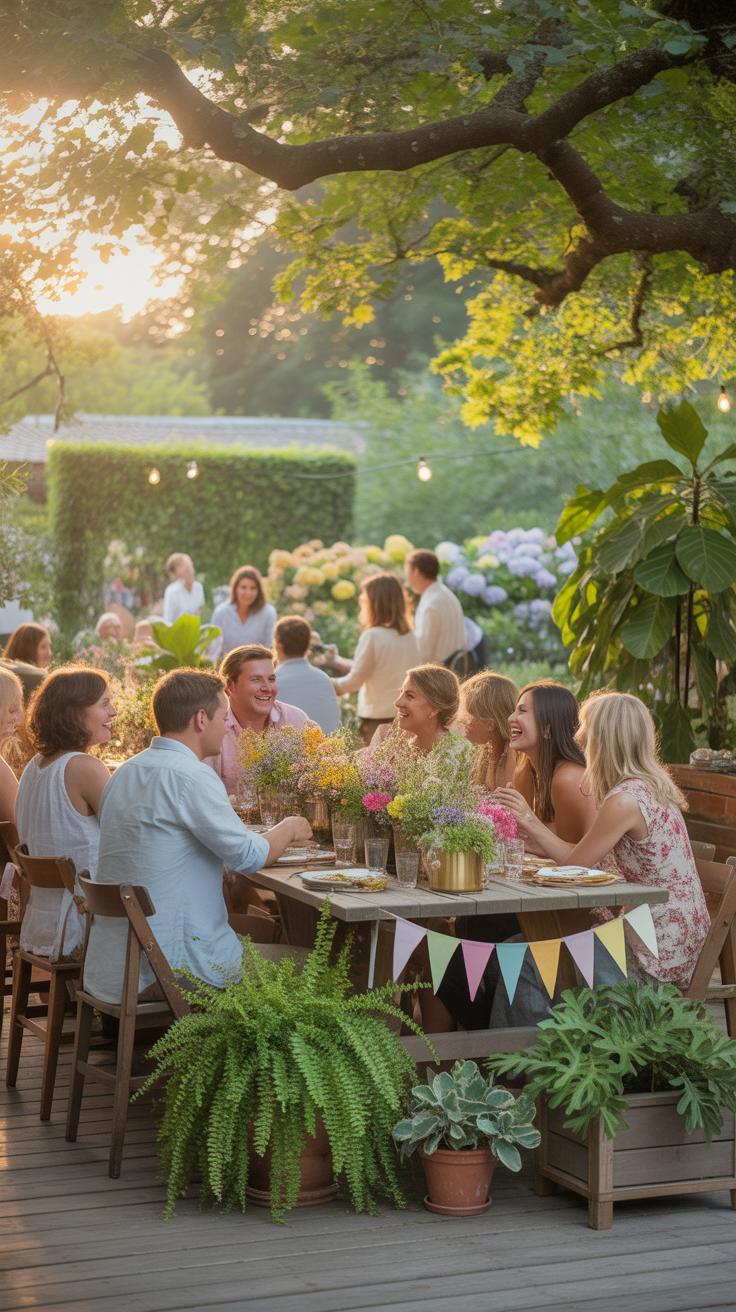
How Heat And Sunlight During Summer Events Affect Indoor Plant Hydration

Summer events expose indoor plants to harsh environmental shifts. High temperatures increase the rate of transpiration. This process pulls moisture out of leaves faster than roots can absorb it. Direct sunlight during garden parties can scorch foliage not acclimated to UV rays. Increased airflow from being outside also dries out the top level of the soil. You must track moisture levels more frequently during these periods.
Plants lose hydration rapidly when humidity drops and heat rises. The soil acts like a sponge losing water to the dry air. Wilting is the first sign of heat stress in most tropical varieties. Dry air pulls moisture from the leaf cells until they lose structural integrity. You need to monitor the pot weight to gauge water loss accurately. Heavy pots indicate moisture. Light pots signal an immediate need for deep watering.
Transition Watering Strategies For Moving Inside Plants Temporarily Outdoors
You must hydrate your plants forty eight hours before moving them outside. This preparation ensures the cells are turgid and ready for heat stress. Saturate the root ball until water flows from the drainage holes. Empty the saucers to prevent root rot from standing water. This pre-party soak creates a moisture reservoir within the potting medium. Stable hydration levels prevent the plant from shocking when the environment changes.
Avoid watering your plants while they sit in direct afternoon sun. Water droplets on leaves can act like magnifying glasses and cause burns. Focus on bottom watering to ensure the core of the root system stays cool. Check the soil every three hours during the event. Move the plants back inside as soon as the gathering ends. Give them a light misting once they return to a climate-controlled room to restore local humidity.
A Complete Plant Watering Guide For Weddings And Milestone Celebrations
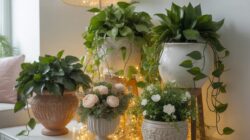
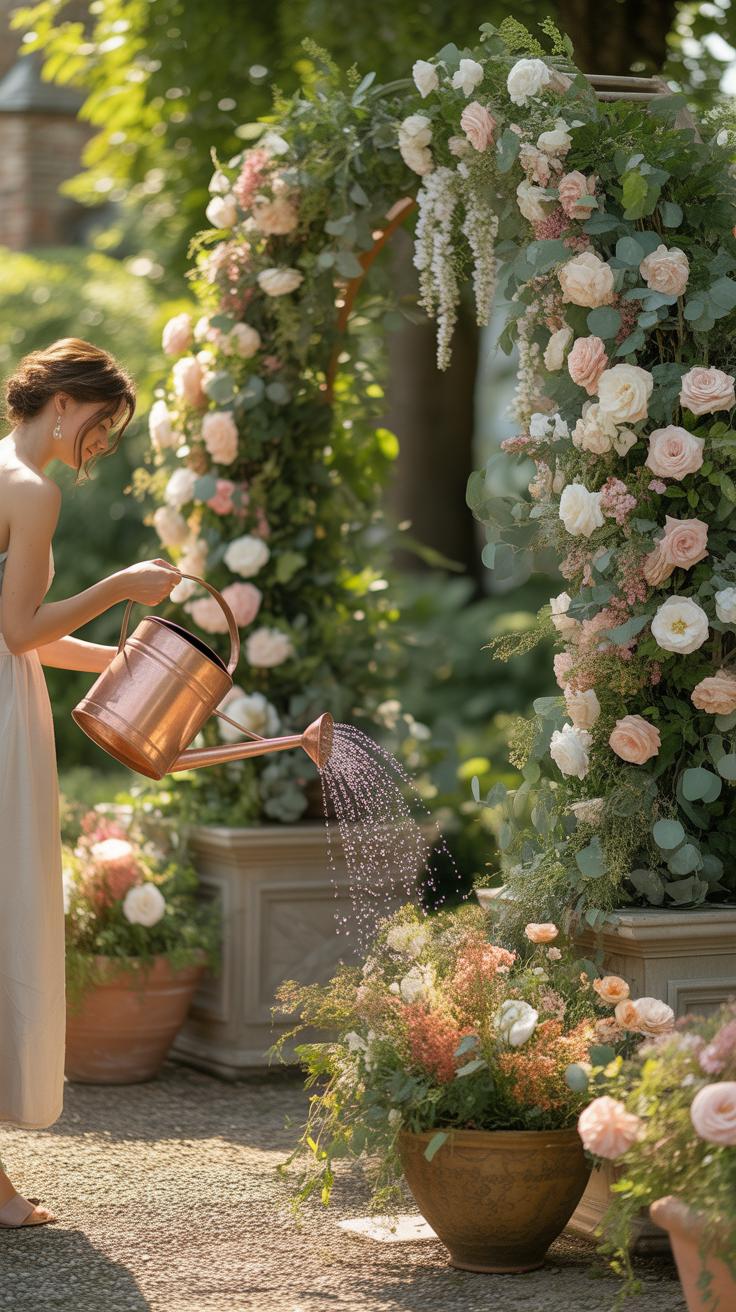
How To Incorporate Living Houseplants Into Wedding DéCor While Keeping Them Hydrated
Wedding venues often lack the humidity and light levels required for tropical plants. Use decorative cachepots to hide plastic nursery liners and prevent water leaks onto expensive linens. Proper hydration starts forty-eight hours before the event. Deeply soak the root balls to ensure the soil remains moist throughout the celebration. Avoid watering on the day of the event to prevent messy drips or overflow.
Designers must select plants that handle stress well. Pothos and Snake Plants tolerate low light and dry air for several hours. If you use ferns or mosses, apply a light foliar mist right before guests arrive. This keeps the foliage crisp under harsh event lighting. Strategic placement away from heat vents or drafty doorways prevents rapid moisture loss. Steady temperatures help the plants maintain their structural integrity during the ceremony.
Love is like a delicate plant that needs a little extra care and attention to truly bloom during our most cherished celebrations.
Step By Step Watering Plan For Large Plant Collections Used In Event Venues
Large event rentals require a strict schedule to avoid plant death or property damage. Start by assessing the soil moisture of every specimen upon delivery. Use a long-nozzle watering can or a portable pressure sprayer for precision. This equipment allows you to reach the center of dense foliage without splashing. Log each plant’s status to coordinate care across the venue staff.
- Pre-Event Saturation: Fully hydrate the root systems two days before the setup begins. This ensures the substrate is heavy and stable for transport. Moist soil also acts as a thermal buffer against fluctuating venue temperatures during the installation phase.
- Visual Inspection: Check for drooping leaves or dry surface soil every morning of the event. Look for yellowing stems which indicate overwatering from previous days. Catching these signs early prevents permanent damage to expensive statement plants like Fiddle Leaf Figs or Palms.
- Strategic Bottom Watering: Place small plants in shallow trays filled with an inch of water for twenty minutes. This method allows the roots to pull moisture upward without wetting the top foliage. It eliminates the risk of water spotting on decorative leaves or pedestals.
- Post-Set Breakdown Care: Inspect soil immediately after the event ends to counter the drying effects of stage lights. Transport can shock plants through wind or temperature shifts. Add a small amount of water to stabilize the root zone before loading the collection into trucks.
- Drainage Management: Use absorbent liners inside all decorative containers to catch excess runoff. Standing water damages venue floors and causes root rot in many houseplant species. Always verify that outer pots have no cracks or holes before placing them on delicate event surfaces.
Standardize the watering volume for each pot size to maintain consistency. Instruct your team to water only when the top inch of soil feels dry to the touch. This prevents the common mistake of over-saturating plants in low-light environments. Documentation ensures no plant is missed or double-watered. Proper execution of this plan keeps the collection healthy for the duration of the multi-day milestone event.
Seasonal Household Plants And Their Unique Watering Demands Through The Year
How Winter Dormancy And Summer Growth Cycles Change Your Watering Approach
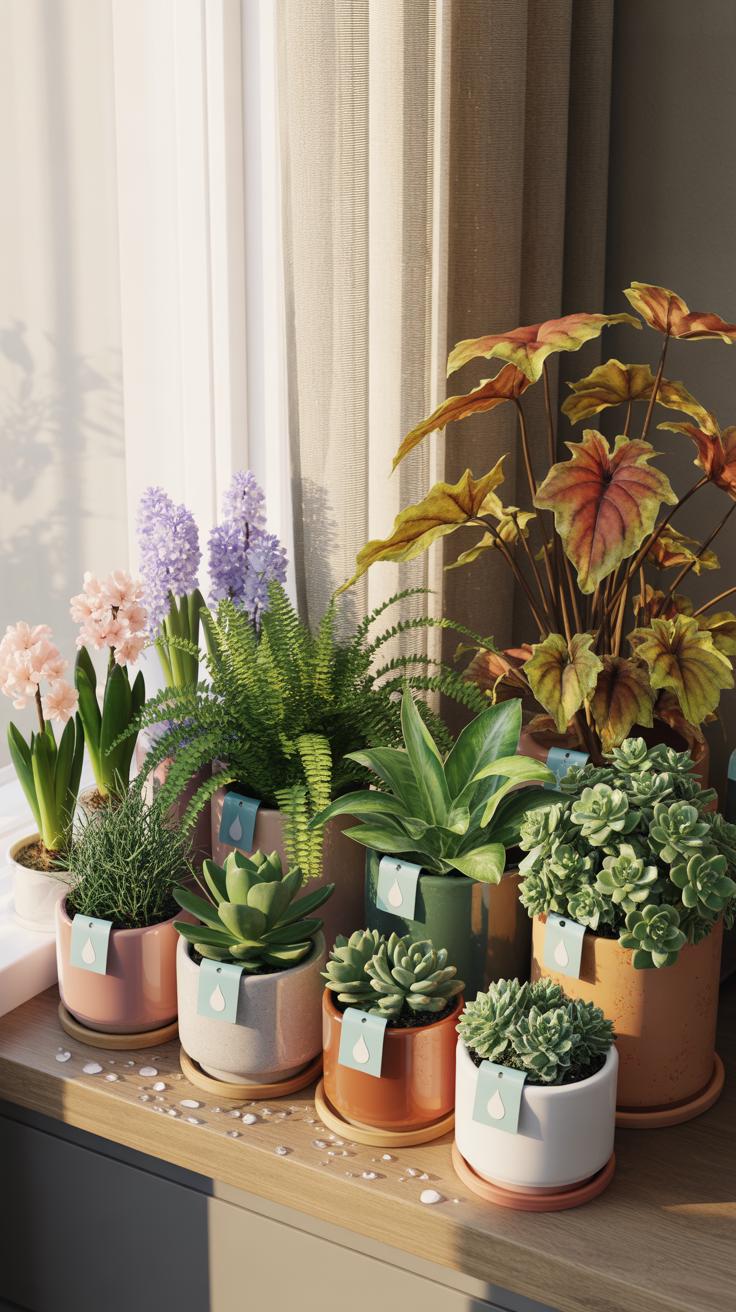
Light levels decline during winter. Plants enter a dormancy phase to conserve energy. Their metabolic rate slows down significantly. This means they consume much less water than in active months. Evaporation also slows due to cooler air temperatures. You must check soil depth before adding water. Overwatering during this quiet phase causes root rot. Feel the soil two inches down to ensure it is actually dry.
Rising temperatures and longer days trigger the summer growth cycle. Plants produce new leaves and stems rapidly during this period. Transpiration rates increase as the sun pulls moisture through the foliage. You must increase watering frequency to keep up with this demand. Fast-draining soil prevents water from sitting too long. Consistent moisture supports the high energy needs of the plant. Monitor pots daily during heat waves to prevent wilt.
Matching Household Plant Varieties To Seasonal Occasions Based On Their Water Tolerance
Holiday plants require specific care based on their biology. The Poinsettia needs consistent soil moisture but dislikes wet feet. It is sensitive to environmental shifts during winter parties. Amaryllis bulbs store water in their thick bases. You only water them when the top soil feels dry. Overwatering these festive plants leads to fungal growth. Use room temperature water to avoid shocking the root systems during cold winter months.
Summer events often feature tropical species like Hibiscus or Palms. These plants thrive in high humidity and damp soil. They handle the heat of outdoor gatherings if they stay hydrated. Succulents work well for dry autumn displays because they hold water in their leaves. They survive missed waterings during busy holiday schedules. Select your plants based on how much time you have for upkeep. Low-maintenance varieties suit high-activity seasons best for busy owners.
Common Watering Mistakes That Damage Houseplants During Special Occasions
How Overwatering Before An Event Can Lead To Root Rot And Leaf Drop
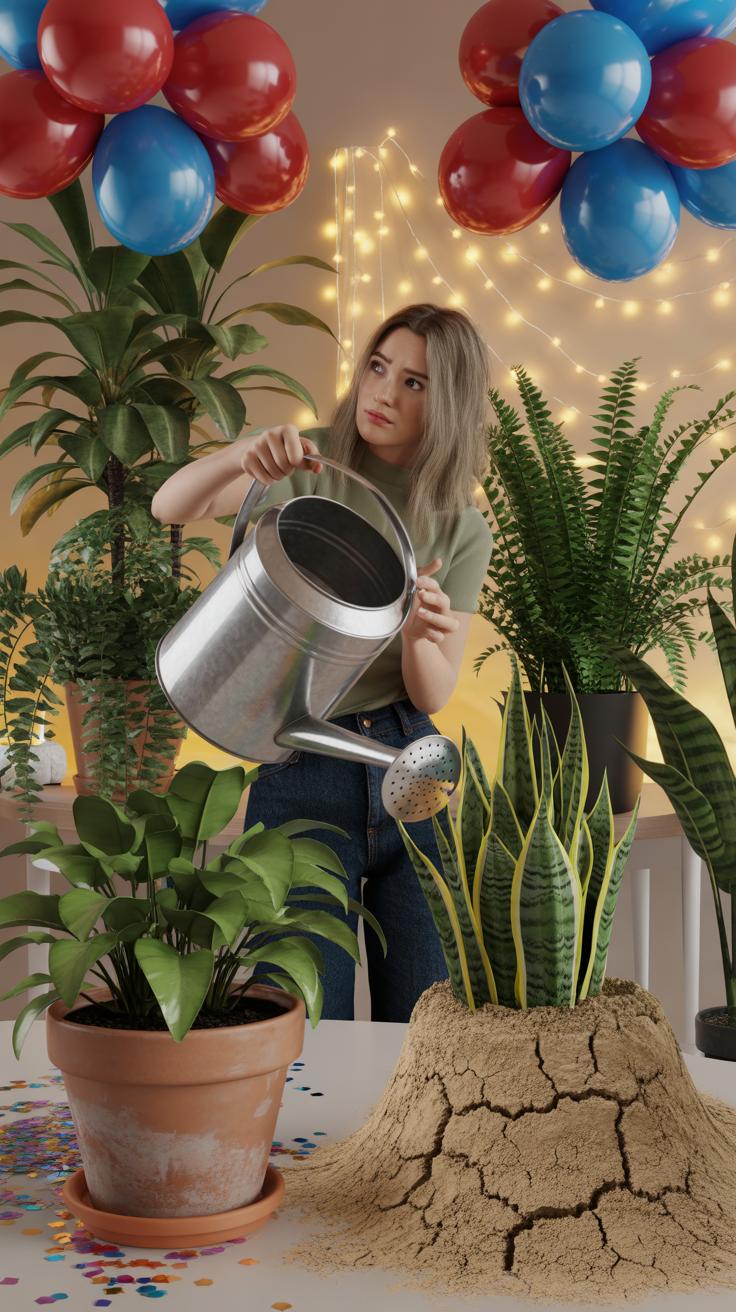
Hosts often flood plant pots with water before an event starts. This mistake stems from a desire to keep plants looking fresh for guests. Excessive water displaces oxygen in the soil pores. Plant roots require this oxygen to survive and function correctly. Without it, the roots begin to suffocate and die. This damage prevents the plant from absorbing any nutrients later.
Waterlogged soil encourages the growth of anaerobic fungi and bacteria. These pathogens attack the weakened root system and cause active rot. You will notice the plant leaves turning yellow or dropping suddenly during your event. The plant looks wilted even though the soil is soaking wet. Do not attempt to fix this by adding more water. You must allow the soil to dry out completely.
Signs Your Plant Was Underwatered During An Occasion And How To Revive It
Busy schedules during special occasions often lead to total neglect of plant care. High room temperatures from guests and lighting accelerate water evaporation from the soil. Dehydrated plants show clear signs of distress through drooping stems and crisp leaf edges. The soil will pull away from the sides of the pot as it shrinks. You must act quickly to stop permanent cellular damage within the foliage.
Revive an underwatered plant by using the bottom watering technique. Place the nursery pot in a basin of tepid water for thirty minutes. This method ensures the dry root ball absorbs moisture evenly without leaving dry pockets. Drain all excess water from the decorative container to prevent future rot. Avoid using fertilizers on a stressed plant. Wait until the plant stands upright again before resuming your standard feeding schedule.
Frequently Asked Questions

How do I keep my plants hydrated if I’m away for a long weekend?
If you are taking a short trip, the best approach in this houseplant watering guide is to group your plants together in a shady spot. This creates a localized microclimate with higher humidity, slowing down evaporation. Thoroughly water them right before you leave, and cover the soil with a thin layer of damp mulch or moss to help retain moisture until you return home.
What is the easiest way to make a DIY self-watering system for my plants?
You can easily create a “wicking system” using cotton rope and a water jug. Place one end of the cotton cord deep into the soil and the other end into a container of water positioned slightly higher than the plant pot. Capillary action will slowly draw moisture into the soil as needed, providing a reliable houseplant watering guide for when you cannot manually tend to your indoor garden.
Can I maintain a consistent watering schedule using everyday household items?
Absolutely! You don’t need expensive gadgets to keep your plants happy during special events. An empty wine bottle or plastic soda bottle can be repurposed into a slow-release reservoir. Simply fill the bottle with water, quickly flip it, and plunge the neck deep into the pot. This budget-friendly solution ensures your plants receive a steady supply of moisture without costing you a single penny.