
Why Houseplant Care Is Having A Major Moment In Modern Homes
The Rise Of Indoor Gardening As A Lifestyle Trend
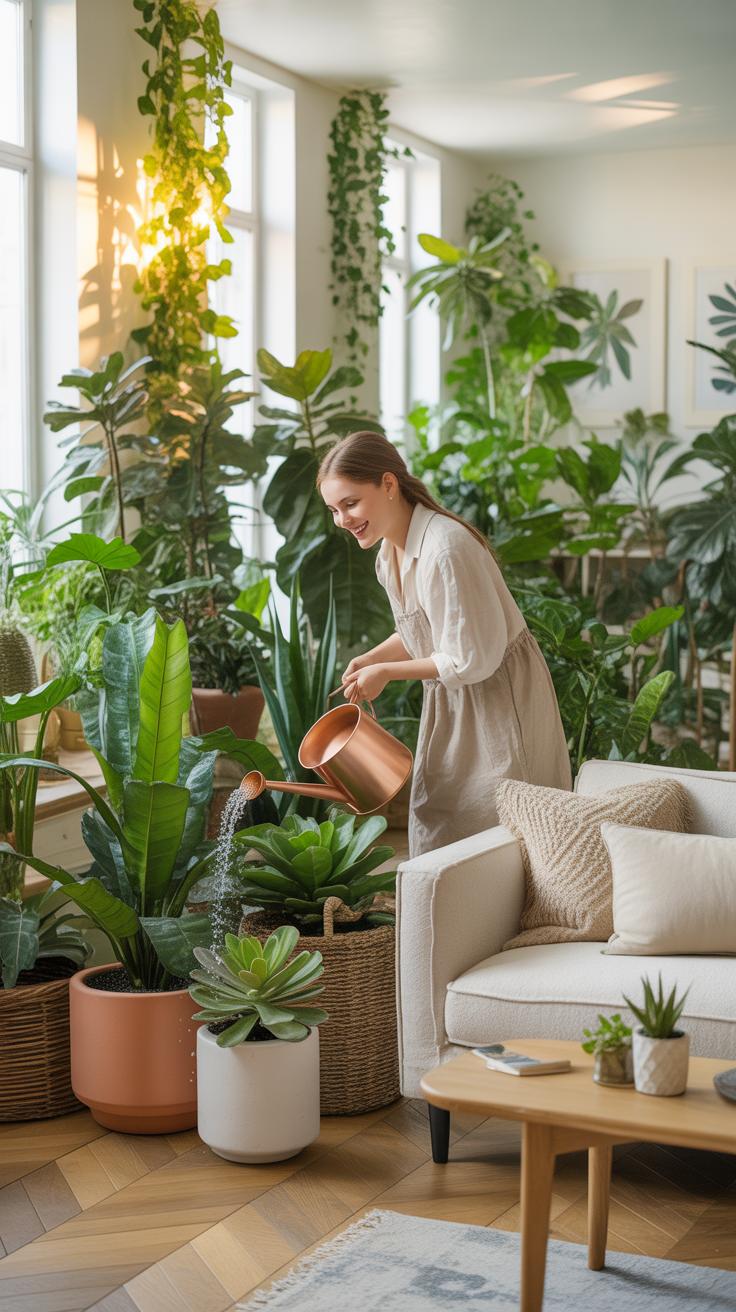
Modern urban living often lacks access to private outdoor space. Small apartments and high-density housing drive the demand for indoor nature. Houseplant Care Tips allow residents to control their environment. Technology makes this trend easier to manage. Smart sensors and specialized LED lights keep plants alive in dark rooms. People now treat greenery as a core element of interior design rather than a simple hobby.
The Biophilic Design movement fuels this growth. Architects and decorators integrate living walls into offices and homes to improve air quality. Social media platforms accelerate the spread of rare plant species. Collectors view high-end plants as status symbols or investments. This shift changes plants from temporary decor into permanent household assets. Maintenance knowledge is now a necessary skill for the modern homeowner who values sustainable living.
How Houseplants Positively Impact Mental And Physical Well Being
Plants provide measurable benefits to the home environment. They increase humidity levels through transpiration which helps skin and respiratory health. NASA studies confirm that specific plants remove toxins like formaldehyde and benzene from the air. These biological filters work around the clock without using electricity. Removing these pollutants creates a cleaner breathing space. This functional benefit drives many people to start learning basic Houseplant Care Tips.
Caring for living things reduces cortisol levels and lowers stress. The act of watering and pruning forces a rhythmic routine that stabilizes the mind. Schools and hospitals use plants to speed up recovery times and improve focus. Natural green colors soothe the eyes after long hours of screen time. These psychological advantages make indoor gardening a practical tool for mental health maintenance. Plants serve a dual role as air purifiers and stress relievers.
Understanding Plant Needs Before You Bring One Home
Matching The Right Plant To Your Home’S Light Conditions
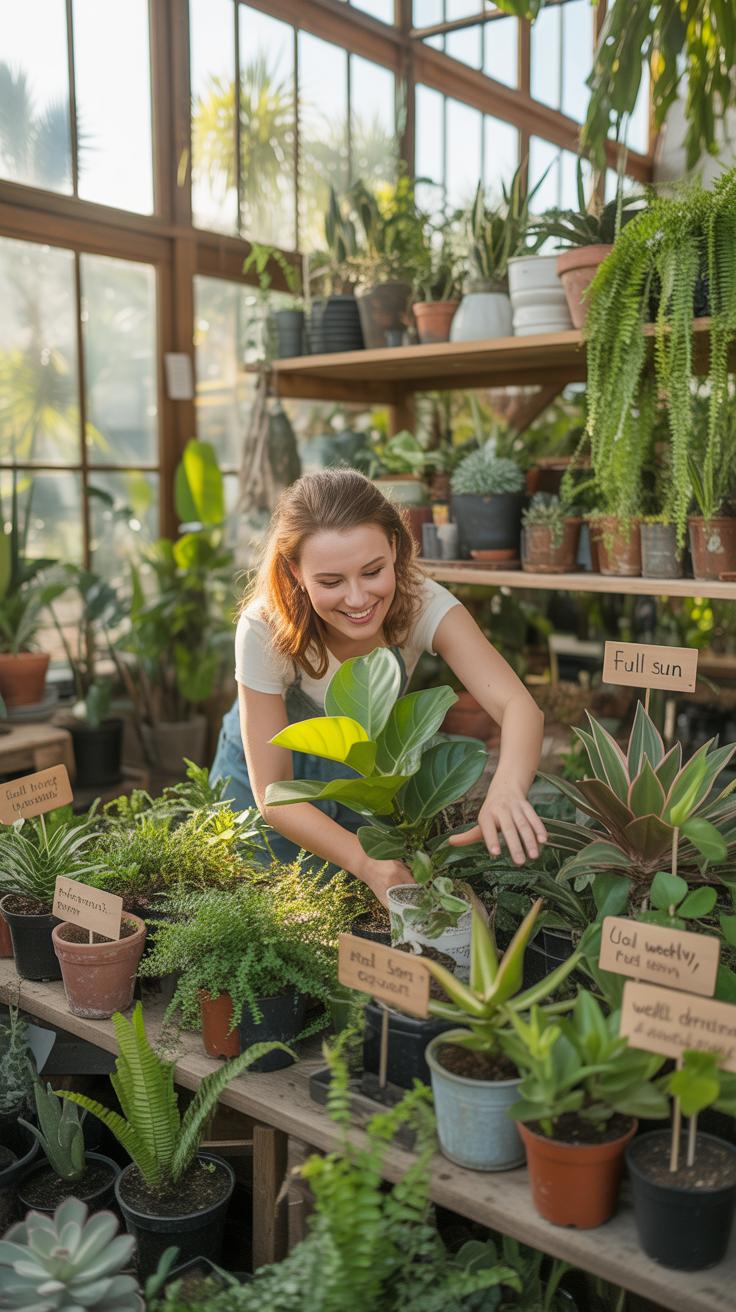
Light is the primary fuel source for every houseplant. You must measure the intensity and duration of light in your specific space before buying. Most indoor environments offer low to medium light. South-facing windows provide the strongest rays. North-facing windows offer the weakest light. You cannot force a desert cactus to thrive in a dark corner. It will fail every time.
Assess your windows for obstructions like trees or buildings. These blocks reduce the actual light reaching your plants. Check the light at different times of the day. A spot that looks bright at noon might be dark by three. Use a light meter or a phone app for an accurate reading. Matching the light level to the species is the only way to ensure long-term survival.
Why Knowing Your Plant’S Native Habitat Changes Everything
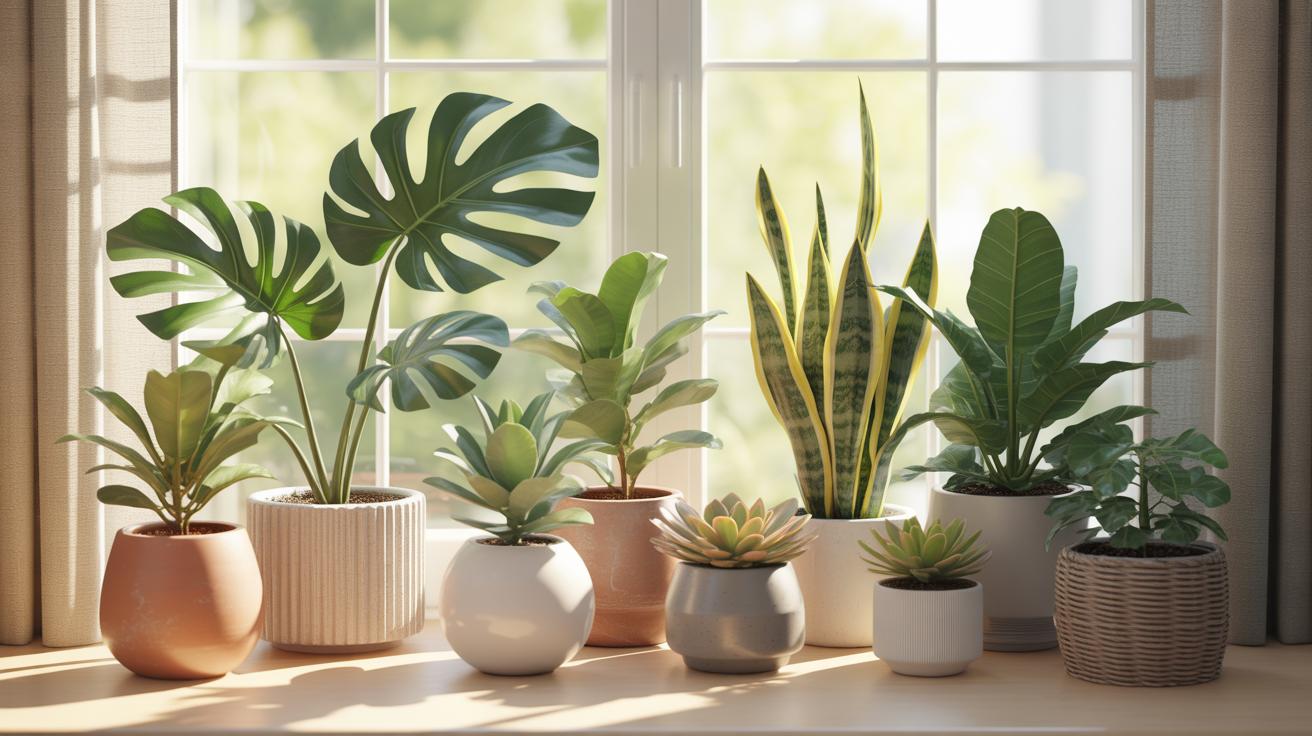
Every houseplant originated in a specific wild climate. Modern Houseplant Care Tips rely on replicating these original conditions. Tropical plants like Monstera come from rainforest floors. They need high humidity and dappled sunlight. Desert plants like Sansevieria grew in dry, rocky soils. They handle neglect and low water well. You must research the origin of a plant to understand its physiological requirements.
Native habitats dictate soil needs and watering cycles. Rainforest plants require well-draining soil rich in organic matter. They do not tolerate bone-dry roots for long periods. Mediterranean plants prefer grittier soil that allows air to reach the roots. If you ignore the natural history of the plant, you will likely overwater or underwater it. Success starts with mimicking the moisture and temperature of the plant’s ancestral home.
Watering Smarter The Most Misunderstood Part Of House Plant Care
How To Read Your Plant’S Soil Moisture Before Reaching For The Watering Can
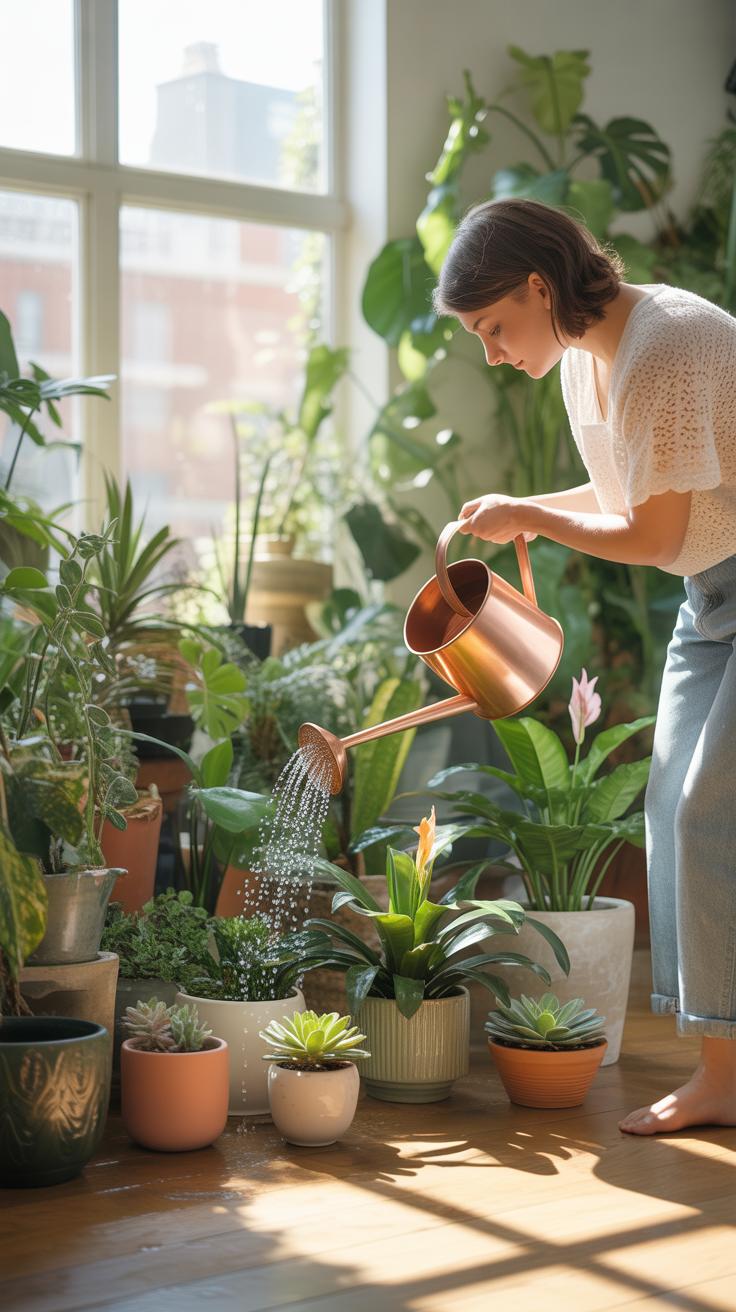
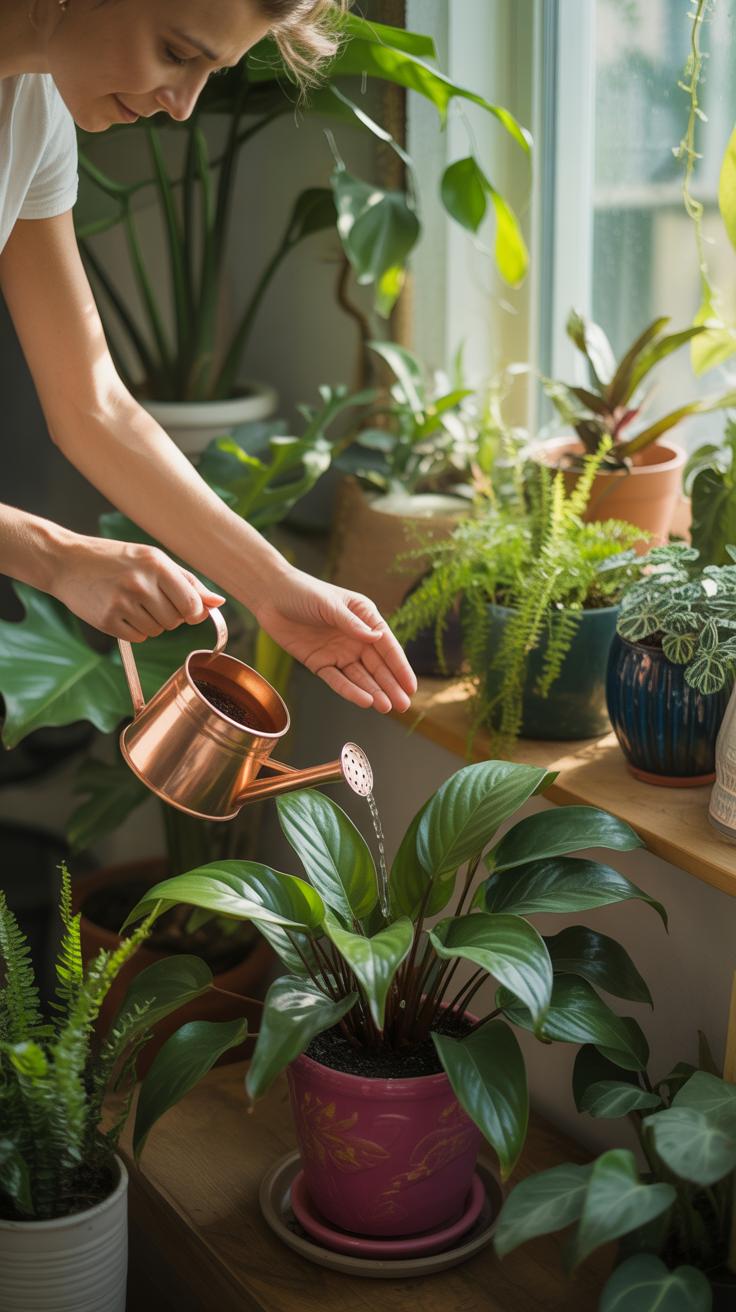
Stop watering on a fixed schedule. Use your finger to check the top two inches of soil instead. Dry soil feels light and crumbly. Wet soil feels heavy and sticks to your skin. Many growers use a wooden chopstick to test deeper levels. If the stick comes out clean, the soil is dry. If it shows damp spots, wait another two days.
Weight provides the most accurate data for potted plants. Lift the pot immediately after watering to feel its maximum weight. Lift it again three days later to track the change. A light pot indicates the plant has consumed most available water. Professional nurseries use this method to avoid waste. Digital moisture meters work but often fail in dense clay or highly porous soil mixes.
Overwatering Vs. Underwatering: How To Tell The Difference And Fix It
Underwatering and overwatering look similar but have distinct physical markers. Underwatering causes dry, brittle leaf edges and drooping stems. The soil usually pulls away from the edges of the pot. To fix this, soak the entire root ball in a basin of water for twenty minutes. This ensures the dry peat moss rehydrates fully. Fast drainage is essential for recovery.
Overwatering is more dangerous because it causes root rot. Look for yellowing lower leaves that feel soft or mushy. The soil might smell like sulfur or decay. Stop watering immediately and remove any standing water from the saucer. If the damage is severe, prune the black roots and repot into fresh soil. Use containers with drainage holes to prevent future stagnant water buildup.
Indoor Plant Care And The Growing Science Of Soil And Potting Mixes
Why Standard Potting Soil Is Not Always The Best Choice For Every Houseplant
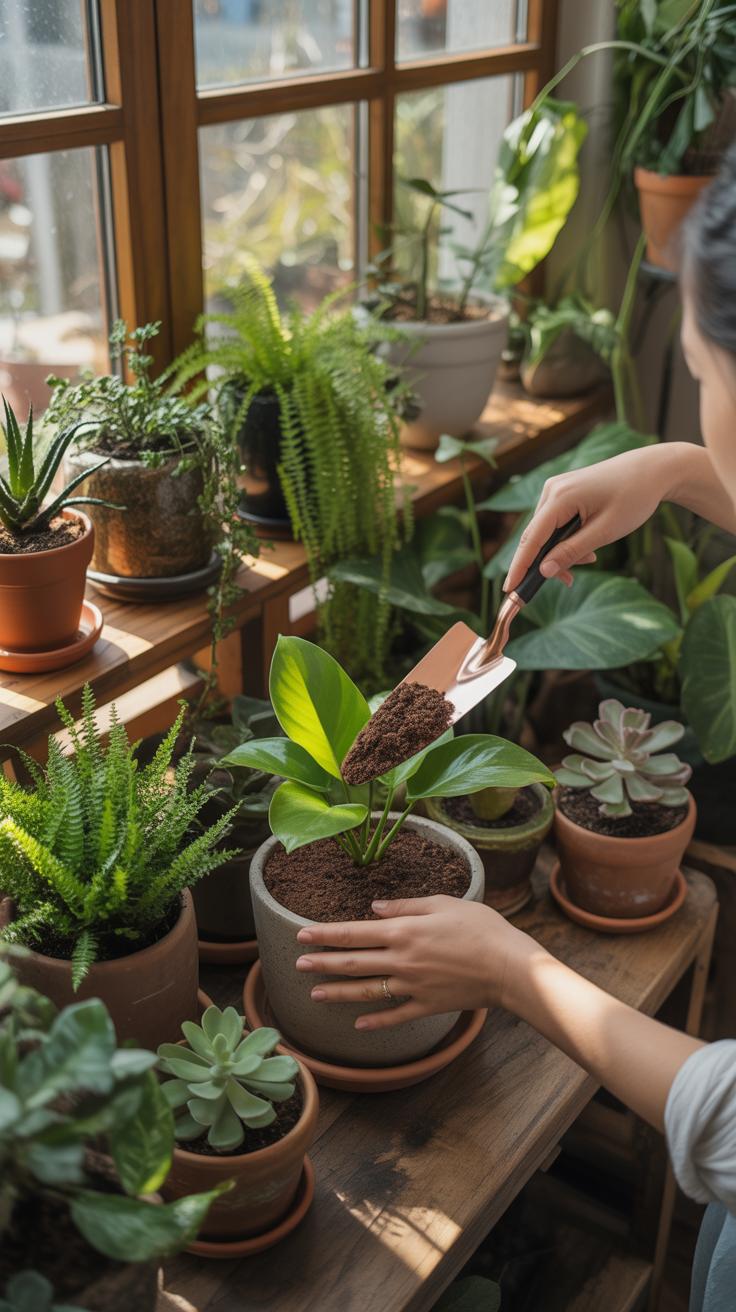
Standard retail potting soil often contains high amounts of peat moss. This material holds too much water for many tropical species. Excess moisture around the roots blocks oxygen flow. This leads to anaerobic conditions and root rot. Most indoor environments lack the high airflow found in nature. You must adjust your substrate to compensate for lower evaporation rates inside a home.
Different plants require varying levels of drainage and acidity. Epiphytes like orchids or monsteras grow on trees in the wild. They need large air pockets to stay healthy. Traditional soil packs too tightly around their roots. This compaction kills the root hairs responsible for water uptake. Successful houseplant care tips now focus on creating custom blends. These mixes mimic a plant’s specific natural habitat for better growth.
Trending Soil Amendments That Are Transforming How Indoor Plants Grow
Modern growers now use specific additives to control the physical properties of their media. These materials change how much water and air the roots receive. Moving away from heavy soil reduces the risk of common fungal issues. Tactical selection of these components allows for precise moisture management. You can build a mix that fits your specific watering habits and home humidity levels.
- Perlite: This volcanic glass expands when heated to create lightweight white granules. It creates permanent air pockets in the mix. Use it to increase drainage and prevent soil compaction over time.
- Orchid Bark: These chunks of fir or pine bark provide structural integrity to the substrate. Larger pieces create the massive gaps that climbing plants need. It breaks down slowly and adds slight acidity to the mix.
- Horticultural Charcoal: This carbon-rich material improves drainage and filters impurities from the water. It prevents the soil from becoming sour by absorbing excess salts and chemicals. It also helps manage odors in wet potting media.
- Coconut Coir: This renewable fiber serves as a sustainable alternative to peat moss. It absorbs water easily but stays fluffier than traditional soil. It has a neutral pH level that makes nutrient management much easier for growers.
- Pumice: This heavy volcanic rock provides excellent aeration without floating to the top of the pot. It holds tiny amounts of water in its pores while letting the rest drain away. It provides weight to stabilize top-heavy plants.
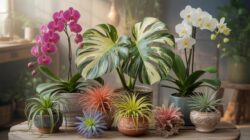
Smart growers use these materials to build custom environments for every pot. Mixing these amendments prevents the soil from collapsing into a dense block. This mechanical stability ensures the root system can expand without resistance. High-performance substrates lead to faster growth and fewer pest problems. Shift your focus from the plant to the soil to see immediate results in your indoor garden.
House Plant Care Tips For Fertilizing Without Causing More Harm Than Good
Understanding Macronutrients And What NPK Ratios Actually Mean For Your Plants
Fertilizer labels display three numbers representing nitrogen, phosphorus, and potassium. Nitrogen drives foliage growth and green coloring. Phosphorus supports root development and flower production. Potassium regulates water movement and overall plant health. Most indoor plants require a balanced ratio to maintain steady growth. Specialized formulas like African violet or cactus food adjust these ratios to suit specific metabolic needs. Use the right ratio to prevent lanky stems.
High salt buildup from synthetic fertilizers damages sensitive roots over time. You must flush the soil with distilled water regularly to remove these deposits. Brown leaf tips often signal over-fertilization rather than underwatering. Liquid fertilizers offer immediate nutrient access while slow-release granules provide steady feeding over several months. Choose the delivery method that matches your maintenance schedule. Always dilute liquid fertilizer to half strength to avoid chemical root burns.
Seasonal Feeding Schedules That Keep Houseplants Healthy Year Round
Houseplants follow light cycles that dictate their nutritional requirements. Most tropical plants grow actively from spring through early autumn. Feed your plants every two to four weeks during this period. Light levels remain high and temperatures stay warm. These conditions allow plants to process nutrients efficiently. Stop fertilizing when growth slows down in the winter. Forcing growth during low light periods creates weak and vulnerable plant tissues.
Resume feeding when you see new leaves emerge in the spring. This timing aligns with the natural surge in solar energy. Check the local climate because indoor environments vary by region. If you use artificial grow lights, your plants might need light feeding throughout the winter. Always water the soil before applying fertilizer to prevent direct contact with dry roots. This technique protects the root system from shock and ensures even nutrient distribution.
Growing Plants Indoors Successfully With Better Humidity And Temperature Control
Why Humidity Levels Matter More Than Most Indoor Gardeners Realize
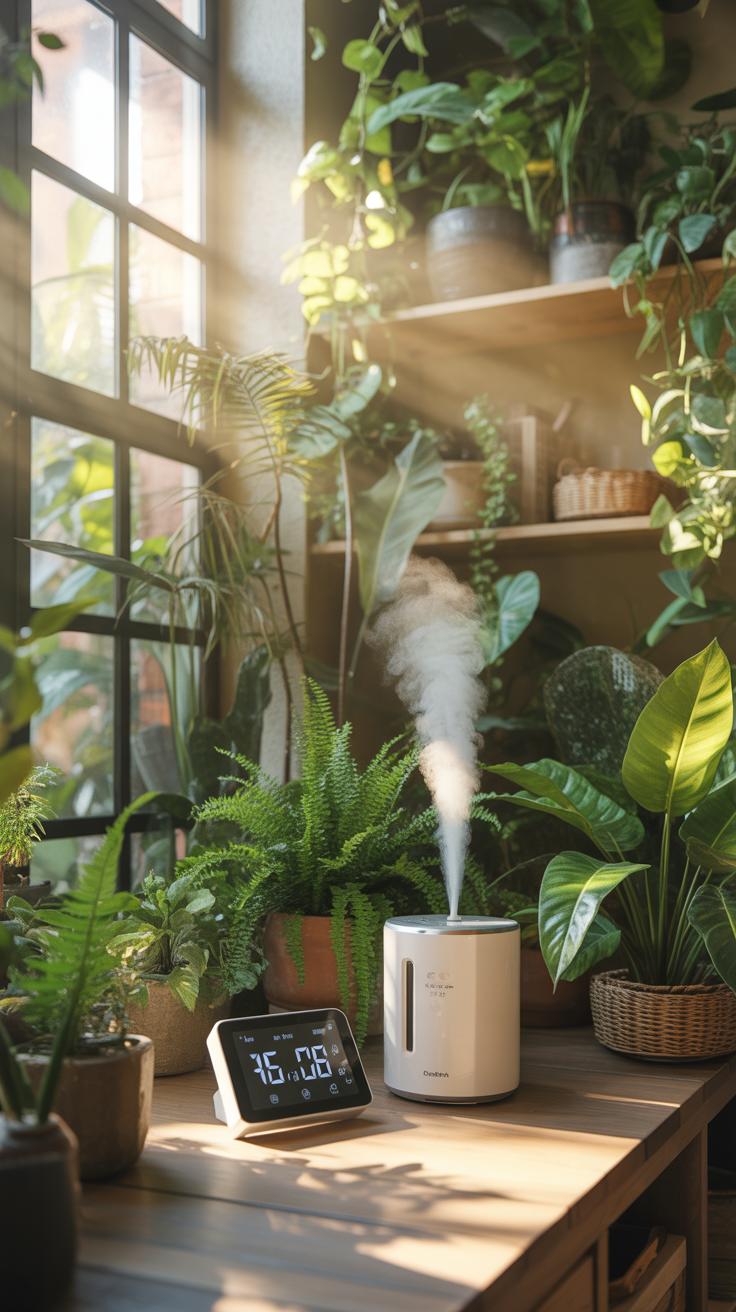
Tropical houseplants evolved in environments with constant high moisture. Most homes maintain humidity levels between thirty and forty percent. Most tropical species require at least fifty to sixty percent to thrive. When air is too dry, plants lose water faster than roots can absorb it. This imbalance causes brown leaf tips and stunted growth. You must manage this moisture gap to maintain plant health.
Increasing humidity reduces the transpiration rate of your plants. Higher moisture levels allow stomata to stay open for gas exchange without excessive water loss. Grouping plants together creates a localized microclimate. You can also use pebble trays or humidifiers to stabilize the environment. Do not rely on misting as it provides only temporary relief and can encourage fungal pathogens on the leaf surface.
To nurture a garden is to feed not just the body, but the soul. Following the gentle wisdom of nature’s newest rhythms allows us to grow alongside our quiet, green companions.
How Heating And Cooling Systems In Your Home Secretly Stress Your Plants
Central heating and air conditioning create rapid temperature swings. Forced air systems pull moisture out of the room quickly. This process shocks the plant vascular system. Significant shifts in heat or cold trigger leaf drop and dormancy. You must keep plants away from vents and drafty windows. Stable temperatures are more important for growth than specific high heat levels.
Air conditioners act as giant dehumidifiers during summer months. This creates a hidden winter environment for your plants even in July. Sudden blasts of cold air damage cell walls in sensitive species. Space heaters pose a similar threat by scorching foliage. Position your greenery in areas with consistent airflow but no direct contact with mechanical drafts. Monitor your thermostat to prevent extreme night time drops.
Houseplant Tips And Tricks For Spotting And Treating Common Pests Early
The Most Common Houseplant Pests And The Early Warning Signs To Watch For
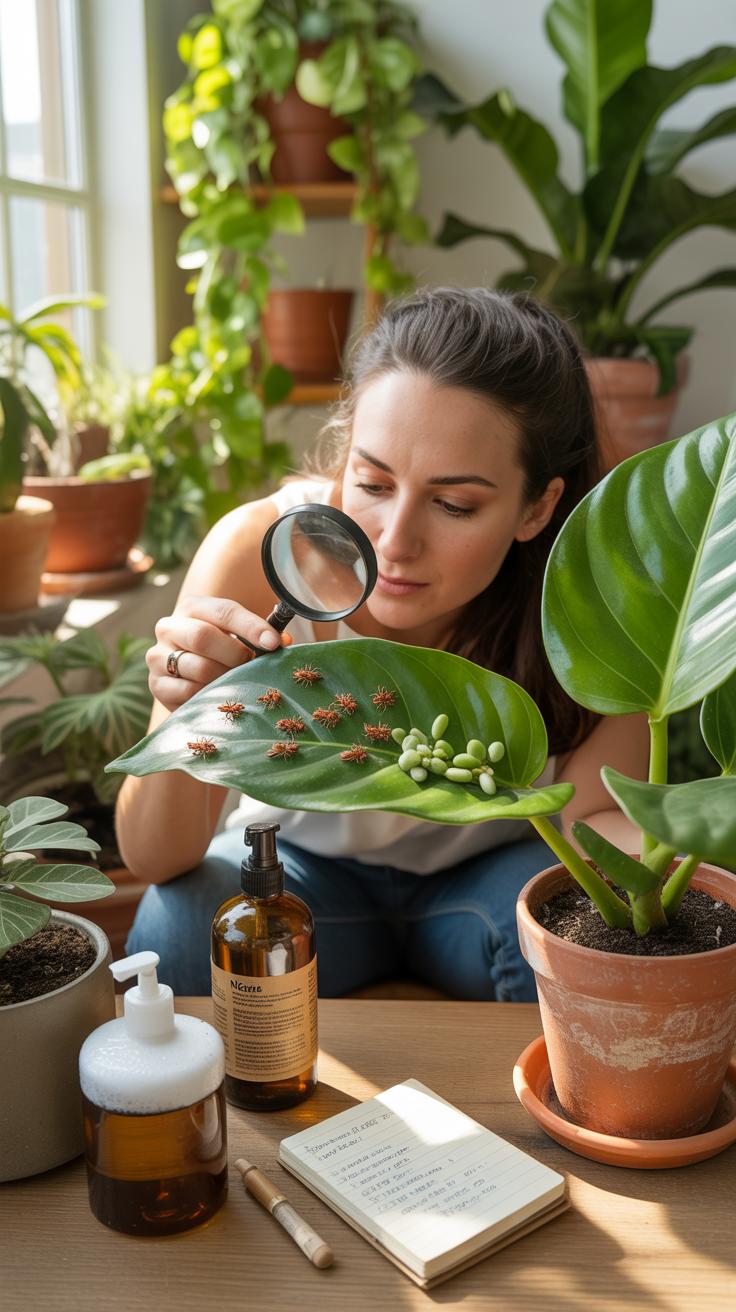
Houseplant pests thrive in stable indoor environments. Early detection prevents a full collapse of your indoor garden. Inspect the undersides of leaves and leaf axils weekly. Look for sticky residue or webbing that indicates an active infestation. Small pinprick yellow spots on leaves often signal sap-sucking insects are feeding. Identifying specific damage patterns allows you to deploy the correct Houseplant Care Tips immediately.
- Spider Mites: These arachnids create fine silken webs between stems and leaves. They thrive in dry, warm conditions and cause leaves to turn yellow and drop. Check the undersides of leaves for tiny moving specks that look like dust.
- Mealybugs: These insects look like small white cotton tufts on plant stems or leaf joints. They secrete honeydew which leads to black sooty mold growth. Check hidden crevices where leaves meet the main plant stalk for clusters of white wax.
- Aphids: These soft-bodied pests congregate on new growth and flower buds. They suck plant juices causing distorted leaves and stunted development. Look for sticky residue on the leaves or the floor beneath the plant to find these green or black insects.
- Fungus Gnats: These small black flies hang around the soil surface and jump when disturbed. Their larvae live in the top inch of damp potting soil and feed on root hairs. Overwatering is the primary cause for these persistent pests in indoor settings.
- Thrips: These slender insects pierce leaf cells and leave behind silver or bronze metallic streaks. They move quickly and are difficult to see with the naked eye. Look for tiny black fecal spots on the leaf surface as a definite sign of their presence.
Healthy plants withstand pest pressure better than stressed ones. Maintain proper humidity and light to keep cellular walls strong. Quarantine new plants for fourteen days before moving them into your main collection. This prevents the spread of invisible eggs or larvae. Use a magnifying glass during your routine checks to find pests before they multiply. Rapid intervention is the only way to save infected foliage.
Natural And Low Toxicity Pest Control Methods That Actually Work Indoors
Physical removal is the first step in organic pest management. Use a strong stream of water to knock aphids and spider mites off the leaves. Rubbing alcohol on a cotton swab kills mealybugs and scale on contact by dissolving their protective shells. These manual methods reduce pest populations without using harsh chemicals. Consistency is more important than the specific product you choose for initial treatment.

Apply horticultural oils or insecticidal soaps for larger infestations. These products smother insects by blocking their breathing pores. You must cover every surface of the plant for the treatment to work effectively. Neem oil acts as a systemic repellent and disrupts the growth cycle of many harmful insects. Reapply every seven days to catch new pests as they hatch from eggs hidden in the soil.
Plant Care Houseplant Trends Shaping The Future Of Indoor Gardening
How Technology Like Soil Sensors And Grow Lights Is Changing Plant Care At Home
Modern growers use soil sensors to remove the guesswork from watering. These devices measure moisture at the root level and send data to smartphones. This prevents overwatering, which is the leading cause of plant death. It also allows owners to manage large collections with less effort. Automated systems ensure plants get exactly what they need. Technology bridges the gap for beginners who lack experience reading plant signals.
Full-spectrum LED grow lights allow people to grow plants in dark rooms. These lights mimic natural sunlight without using much electricity. They provide specific wavelengths that trigger plant growth and flowering. Owners can now keep tropical plants healthy in any climate. Smart timers and dimmers automate the light cycle to match nature. This shift makes indoor gardening possible for people living in urban apartments with limited windows.
The Shift Toward Sustainable And Eco Friendly Houseplant Practices
Environmentally conscious growers are moving away from peat-based potting soils. Harvesting peat moss destroys natural carbon sinks and harms the planet. People now choose coconut coir and wood fiber as renewable alternatives. These materials hold water well and do not damage ecosystems. Growers also focus on plastic-free pots made from terra cotta or recycled fibers. Reducing waste has become a core priority for the modern indoor gardener.
Organic fertilizers are replacing synthetic chemicals in many homes. Natural options like seaweed extract and worm castings build long-term soil health. These inputs are safer for pets and children. Growers also use integrated pest management instead of harsh sprays. This involves using beneficial insects or neem oil to control bugs. Sustainable habits ensure that indoor gardening helps the environment rather than hurting it through chemical runoff or plastic waste.
Frequently Asked Questions

What are the most important houseplant care tips for a beginner?
The foundation of modern greenery care starts with understanding light and water requirements. Beginners often struggle with overwatering, so one of our favorite houseplant care tips is to always check the top two inches of soil for dryness before adding more water. Additionally, placing your leafy friends in bright, indirect light ensures they photosynthesize efficiently without burning their foliage, helping your indoor garden thrive effortlessly from day one.
How can I accurately tell when my indoor plants need to be repotted?
You will know it is time to upgrade your plant’s home when you see roots circling the surface or peeking through the bottom drainage holes. Another sign is when water runs straight through the pot without soaking in. When repotting, choose a container only two inches larger than the current one. Fresh, high-quality soil is essential here to provide the nutrients needed for continued healthy growth.
Is it possible to maintain a beautiful indoor jungle on a tight budget?
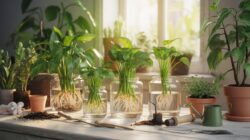
Absolutely! You don’t need expensive gadgets to succeed. Many effective houseplant care tips involve using household items, such as repurposing plastic containers as nursery pots or using lukewarm tap water that has sat out overnight. You can also grow your collection for free through propagation. Simply take stem cuttings from existing plants and root them in a glass of water to expand your home greenery without spending a dime.