
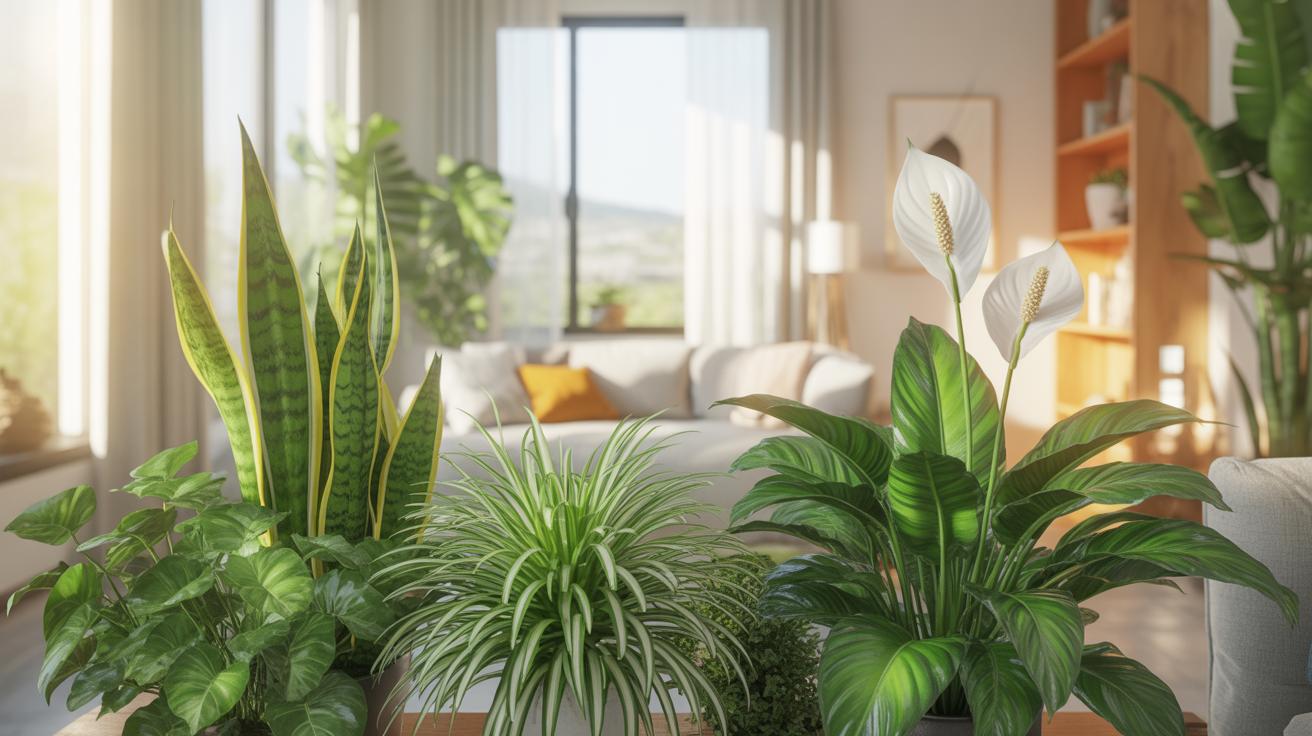
What Are Air Purifying Plants And How Do They Work
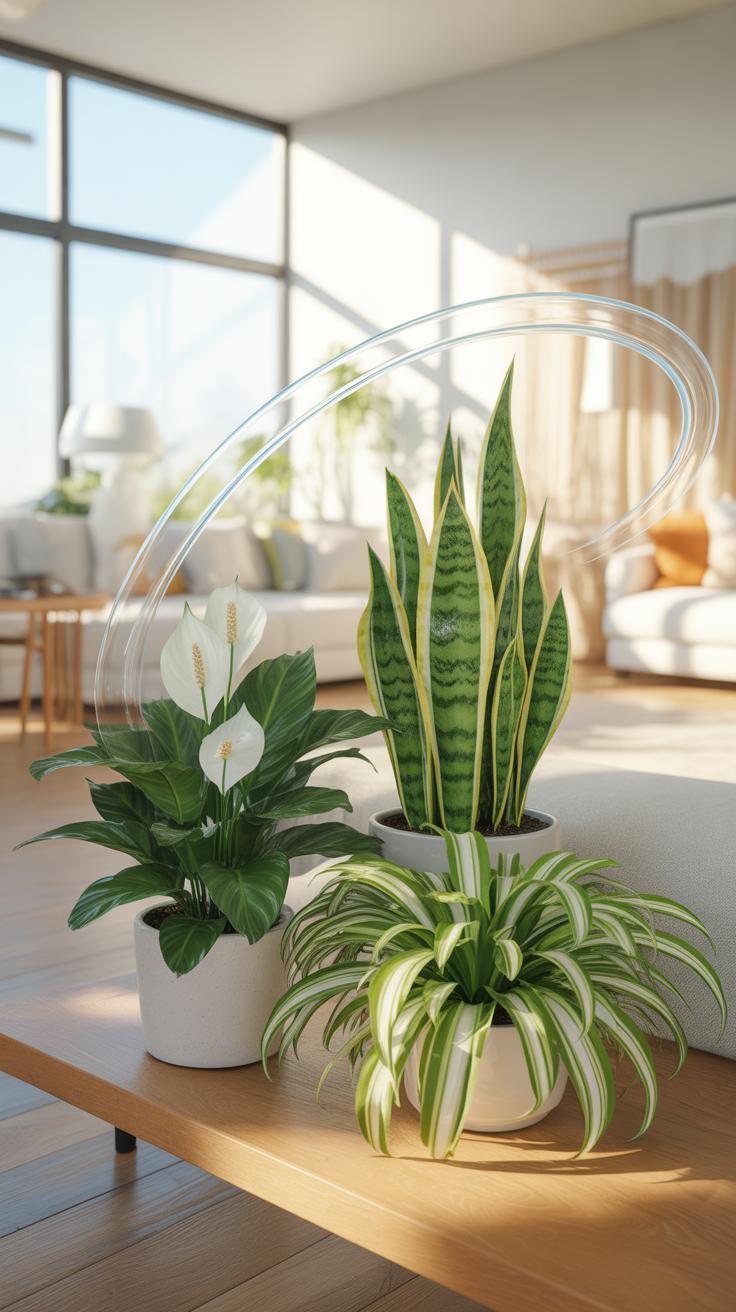
The Science Behind How Plants Filter Indoor Air
Plants process indoor air through a cycle called photosynthesis. They take in carbon dioxide and release oxygen through tiny pores in their leaves known as stomata. This gas exchange is the primary mechanism for renewing air quality. During this process, plants also absorb certain airborne chemicals. They pull these pollutants down into their root systems where specialized microbes break them down.
Soil bacteria play the most significant role in removing toxins from the air. While leaves absorb some gases, the root zone does the heavy lifting. Plants move air toward their roots through a process called translocation. This system neutralizes volatile organic compounds found in common household items. This biological filtration happens continuously as long as the plant remains healthy and receives sufficient light.
What The NASA Clean Air Study Actually Found About Purifying Plants
NASA conducted the Clean Air Study in 1989 to find ways to clean air in space stations. They tested common plants in small, airtight plexiglass chambers. The results showed that certain species successfully removed chemicals like benzene, formaldehyde, and trichloroethylene. Researchers discovered that plant roots and potting soil microbes were more effective than the foliage alone at eliminating these specific indoor toxins.
Modern scientists clarify that a standard home is not a sealed lab environment. You would need hundreds of plants to replicate the air exchange rates of the NASA study in a typical house. The study proves plants have the biological capacity to filter air, but their real-world impact is limited by space volume. Use these findings to select effective species, but do not rely on them as your only ventilation.

Why Indoor Air Quality Matters More Than You Think
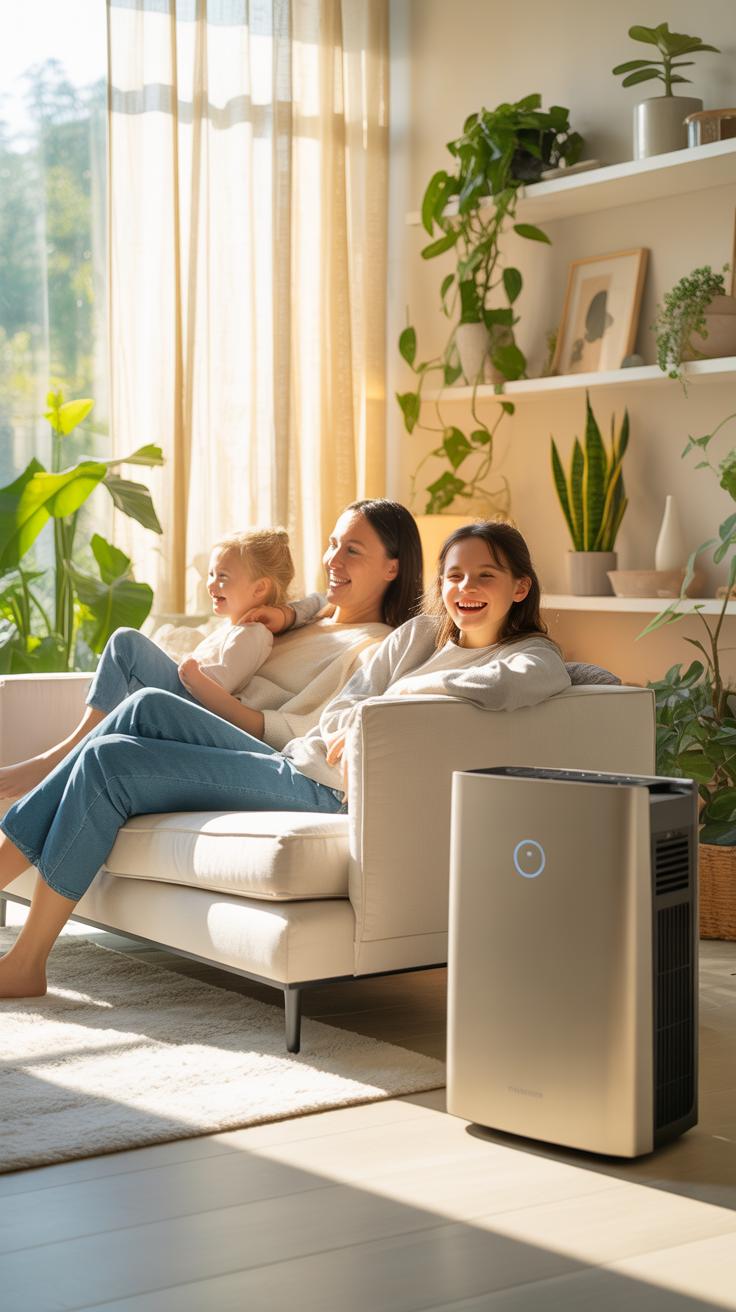
Common Indoor Air Pollutants Found In The Average Home
Modern building techniques focus on energy efficiency. This creates airtight seals that trap harmful gases inside. Common pollutants include formaldehyde found in pressed wood furniture and carpets. Benzene often enters through paints and synthetic fibers. Trichloroethylene appears in many household cleaners and adhesives. These chemicals off-gas steadily over several years. People breathe these toxins every day without noticing a scent.
Carbon monoxide and nitrogen dioxide also build up from gas stoves or heaters. Dust and mold spores thrive in damp or poorly ventilated corners. Traditional cleaning supplies add volatile organic compounds to the air supply. Even common items like printers or plastic floor mats release small chemical traces. These particles stay trapped in your living space. Household air often contains higher toxin levels than the air outside.
To plant a garden is to believe in tomorrow and fill your home with the quiet, living breath of nature.
How Poor Indoor Air Quality Affects Your Health Over Time
Brief exposure to indoor pollutants causes immediate symptoms. Many people experience dry eyes or itchy throats. This often feels like a minor cold or seasonal allergy. People also report headaches and dizziness during long work days. Doctors call this phenomenon Sick Building Syndrome. It occurs when people spend several hours inside contaminated structures. Health improves quickly once the person leaves the building.

Long term exposure presents much greater risks for your body. Chronic breathing of these toxins leads to permanent respiratory damage. You might develop heart disease or recurring lung infections. Some chemicals found in building materials are known carcinogens. These health issues develop slowly over many years of exposure. Identifying the source of the problem is the only way to protect your long term physical health.
The Best Air Purifying Plants For Every Home Environment
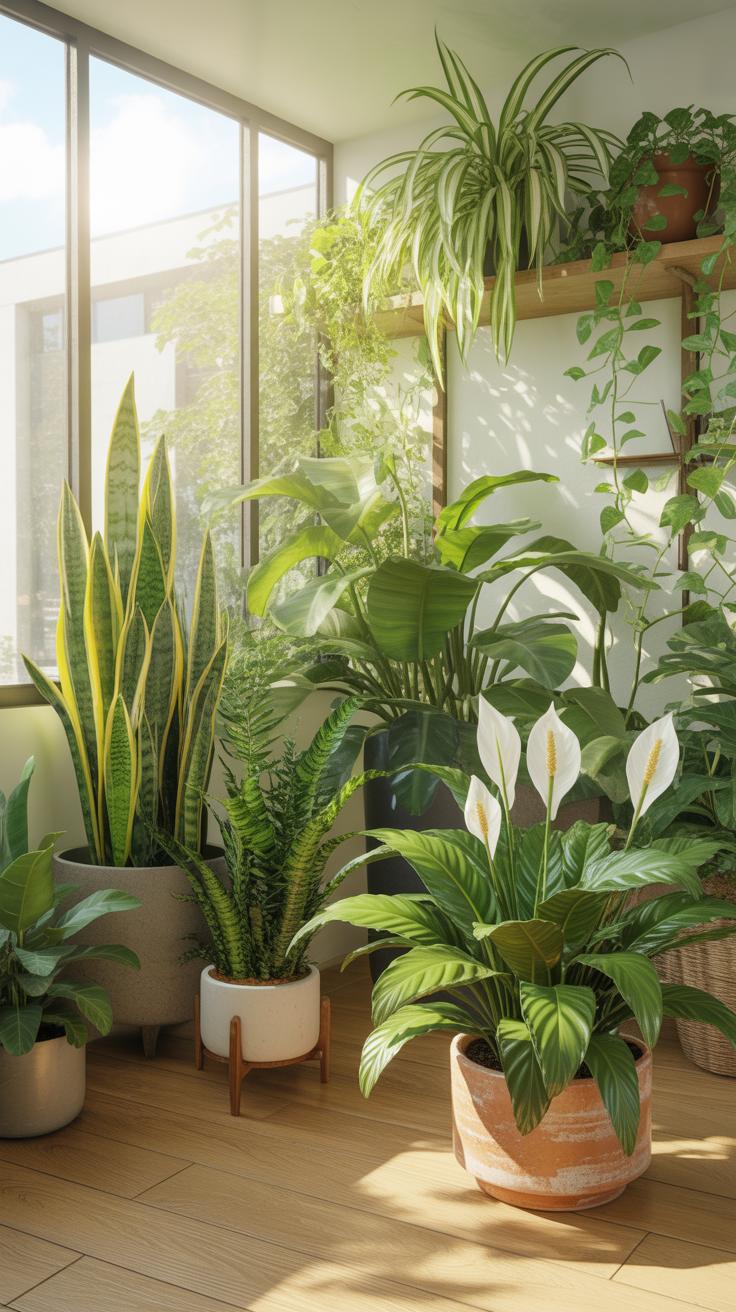
Top Air Purifying House Plants For Low Light Rooms
Low light rooms often trap stagnant air and pollutants like formaldehyde. You need resilient species that photosynthesize efficiently with minimal solar energy. The Snake Plant and ZZ Plant are the primary choices here. These plants possess thick cuticles that prevent water loss. They survive in corners where other plants die. Their biological processes continue in dim settings to pull toxins from your indoor breathing zone.
Position these plants in north facing rooms or windowless offices. They tolerate neglect while they scrub the air. Most low light plants grow slowly so they require less fertilizer. Do not overwater them because slow growth means low water usage. Use well draining soil to prevent root rot in these cool areas. These tactics ensure your air stays clean without requiring constant maintenance or high light bills.
Best Indoor Plants For Bright And Sun Filled Spaces
Bright spaces allow for high metabolic rates in plants. This speed increases the rate of gas exchange and toxin removal. The Aloe Vera and Areca Palm thrive in direct or bright indirect light. These plants process carbon dioxide and chemicals like benzene quickly during the day. High light levels trigger the stomata to open wide. This action maximizes the volume of air filtered every hour.

Place these high performance species near south facing windows for maximum effect. Direct sun can scorch some leaves so monitor for brown spots. Use clay pots to help soil dry out between waterings in these warm spots. Brighter light means the plant needs more water to sustain its filtration work. High light plants serve as the heavy lifters for air purification in large open floor plans.
Plants That Clean Indoor Air A Room By Room Breakdown
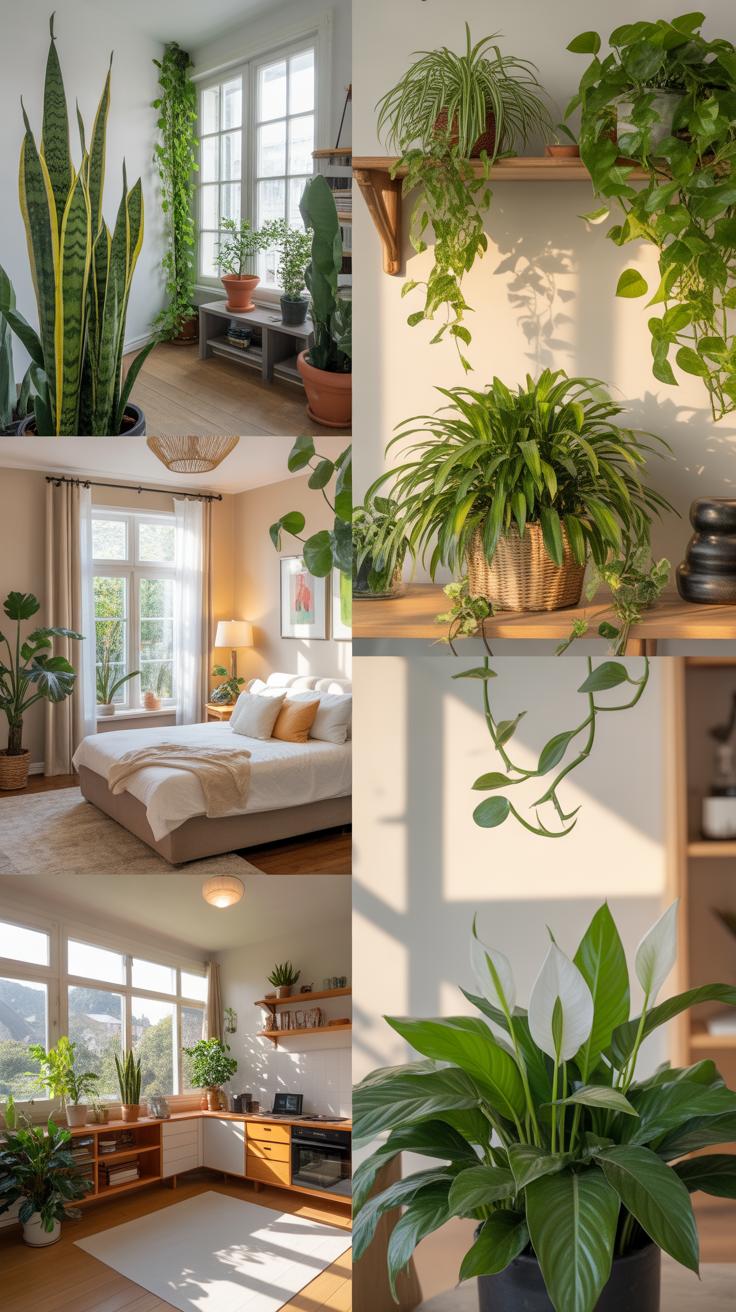
The Best Plants For Purifying Air In Bedrooms And Living Rooms
Bedrooms require plants that manage gas exchange at night. Most plants release carbon dioxide when the sun goes down. Sansevieria and Aloe Vera are different. They perform Crassulacean Acid Metabolism. This process allows them to absorb carbon dioxide and release oxygen during the night. This improves the air quality while you sleep. Place these species near the bed for the best tactical results.
Living rooms often contain furniture and carpets that off-gas volatile organic compounds. Formaldehyde and benzene migrate from adhesives and synthetic fibers into your breathing zone. Large-leaf plants like the Rubber Plant and Peace Lily excel here. Their high transpiration rates move air through the soil. Microbes in the roots then break down these toxins. Use these plants to target high-traffic zones with dense furniture.
Plants For Clean Air In Kitchens, Bathrooms, And Home Offices
Kitchens and bathrooms present unique chemical challenges. Cooking gas and household cleaners release nitrogen dioxide and ammonia. The Spider Plant is highly effective at removing carbon monoxide and xylene from kitchen air. In bathrooms, high humidity levels can trap airborne pollutants. Ferns thrive in these damp conditions. They strip chemicals from the air while regulating moisture levels to prevent the buildup of mold spores.
Home offices contain electronics that release ozone and flame retardants. Plastic casings and printer inks contribute to poor air quality in small workspaces. The Pothos plant is a durable choice for these environments. It tolerates low light and targets ozone molecules effectively. English Ivy also works well on shelves to capture airborne fecal particles and toxins. Proper plant placement reduces eye strain and improves mental focus during long shifts.
Indoor Plants Air Purifying Understanding Toxin Removal By Plant Species
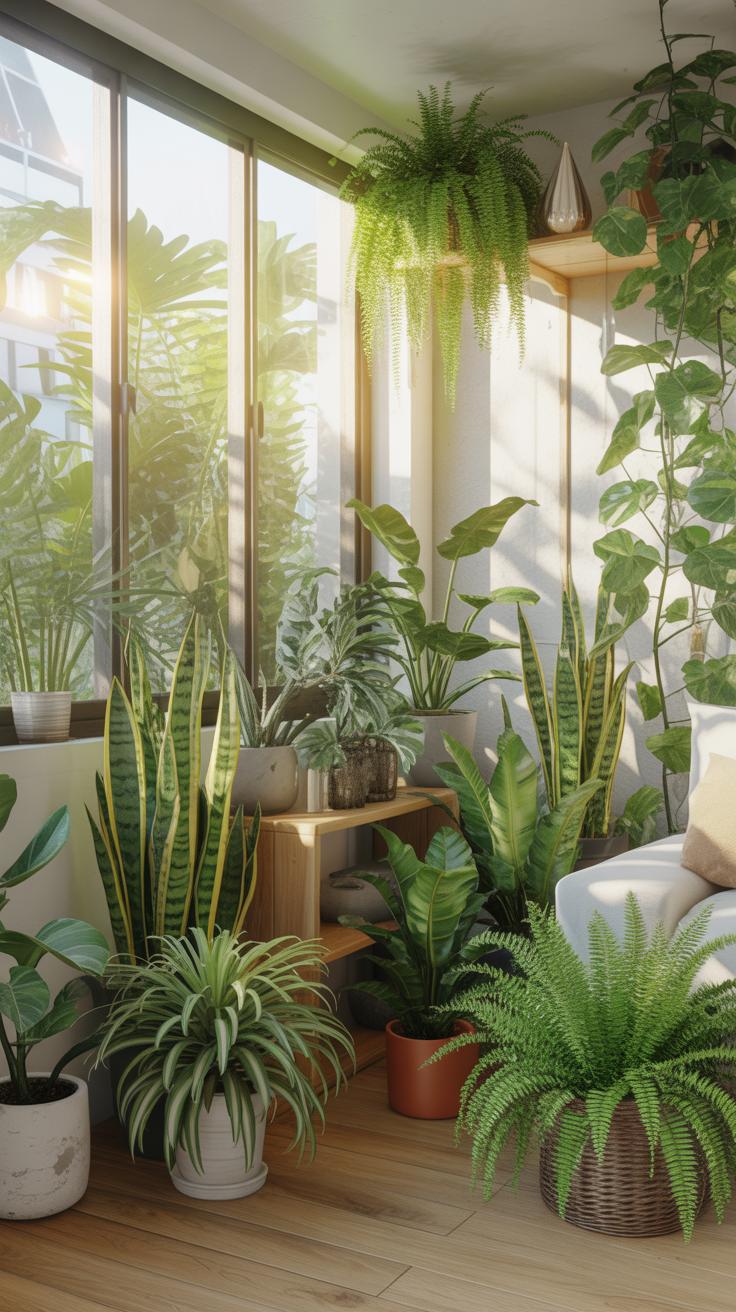
Which Plants Best Absorb Formaldehyde, Benzene, And Ammonia
Formaldehyde appears in carpets and plywood. The Boston Fern and Spider Plant excel at pulling this gas from the air. These species utilize their large leaf surface area to trap particles. They convert toxins into food for the plant through metabolic processes. You must place these plants in high risk areas like freshly painted rooms. Proper placement ensures the best air cleaning results.
Benzene often comes from inks, oils, and detergents. The Peace Lily and English Ivy target this specific chemical effectively. For ammonia, the Lady Palm is the superior choice. This chemical often lingers in bathroom cleaners and floor waxes. You need a mix of these species to cover the full spectrum of indoor pollutants. Select the right plant based on the specific chemicals used in your home.
How Different Plant Species Target Specific Airborne Chemicals
Plants do not just sit there. They act as biological filters. Microbes living in the soil and on the roots do most of the heavy lifting. These organisms break down complex chemicals into harmless components. The plant then absorbs these broken down elements through its root system. This process is called phytoremediation. It turns a toxic environment into a stable ecosystem for the inhabitants.

Different leaf structures determine which chemicals a plant handles best. Waxy leaves often repel moisture but can trap dust. Thin, porous leaves allow for faster gas exchange. You should choose plants with high transpiration rates to move air through the foliage. This movement brings more toxins into contact with the plant surfaces. A diverse collection of species maximizes the volume of air scrubbed each hour in your office.
How To Care For Your Air Purifying House Plants To Maximize Their Benefits
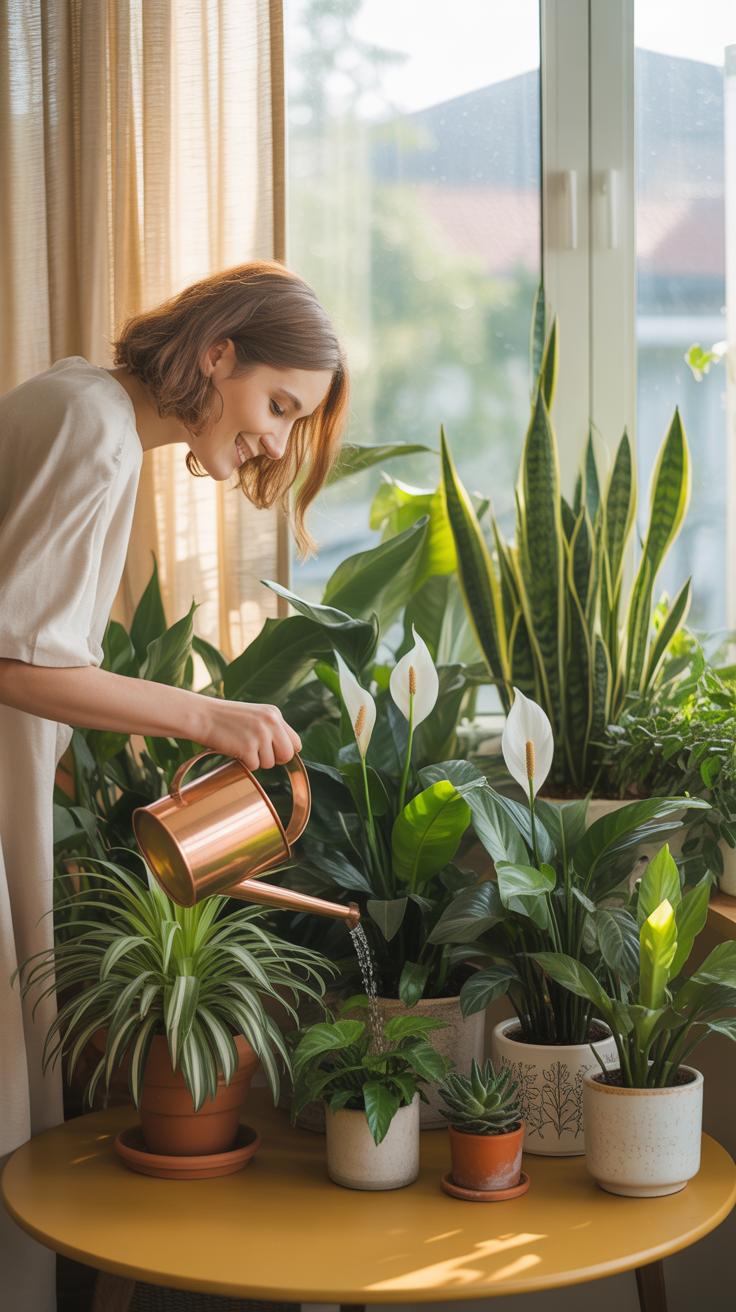
Essential Watering, Light, And Soil Tips For Healthy Purifying Plants
Healthy plants process toxins faster than dying ones. To keep air purification at peak levels, you must match the plant to its specific biological needs. Most air purifying species originate from tropical forest floors. They require stable temperatures and well-draining soil to prevent root rot. Proper drainage ensures oxygen reaches the roots. This oxygen is vital for the soil microbes that assist in breaking down airborne chemicals.
- Light Requirements: Match species to light intensity to maintain high photosynthesis rates. Low light slows down toxin absorption. Snake plants tolerate dim corners, while Ficus species require bright, indirect sun to stay productive.
- Proper Drainage: Use pots with holes to prevent stagnant water at the bottom. Waterlogged soil kills beneficial microbes and causes root decay. Use a high quality potting mix containing perlite or peat moss for aeration.
- Watering Consistency: Check soil moisture before adding water to avoid overwatering. Most indoor plants prefer the top inch of soil to dry out. Consistent hydration keeps the stomata open for gas exchange during the day.
- Strategic Placement: Group plants together to increase local humidity naturally. Keep them away from cold drafts or dry heating vents. Harsh temperature swings stress the plant and reduce its ability to filter indoor pollutants effectively.
- Soil Microbes: Maintain organic matter in the soil to support healthy bacteria. Research shows that microbes around plant roots do much of the heavy lifting in VOC removal. Do not use heavy pesticides that kill these essential organisms.
Nutrient management directly affects leaf surface area and growth speed. Use a balanced liquid fertilizer during the active growing season to support new foliage. Avoid over-fertilizing during winter months when plant metabolism slows down. Larger leaves provide more surface area for gas exchange. If a plant stops growing, its ability to scrub the air diminishes. Prune dead leaves immediately to redirect energy to healthy, active growth sections.
How Dust On Leaves Reduces A Plant’S Air Filtering Effectiveness
Dust acts as a physical barrier on the leaf surface. It blocks sunlight and clogs the stomata, which are the tiny pores plants use to breathe. When stomata are blocked, the plant cannot absorb carbon dioxide or volatile organic compounds effectively. A thick layer of dust reduces the rate of photosynthesis. This slows down the entire metabolic process of the plant and stalls air purification.

Wipe leaves regularly with a damp cloth to maintain efficiency. Use plain water rather than commercial leaf shine products. These oils can further clog pores and attract more dust over time. For plants with small leaves, use a gentle lukewarm shower to rinse away debris. Clean leaves absorb more light and process air pollutants at a much higher rate. This simple maintenance task ensures your biological filters operate at maximum capacity.
Plants For Purifying Air Pet Safe And Child Friendly Options
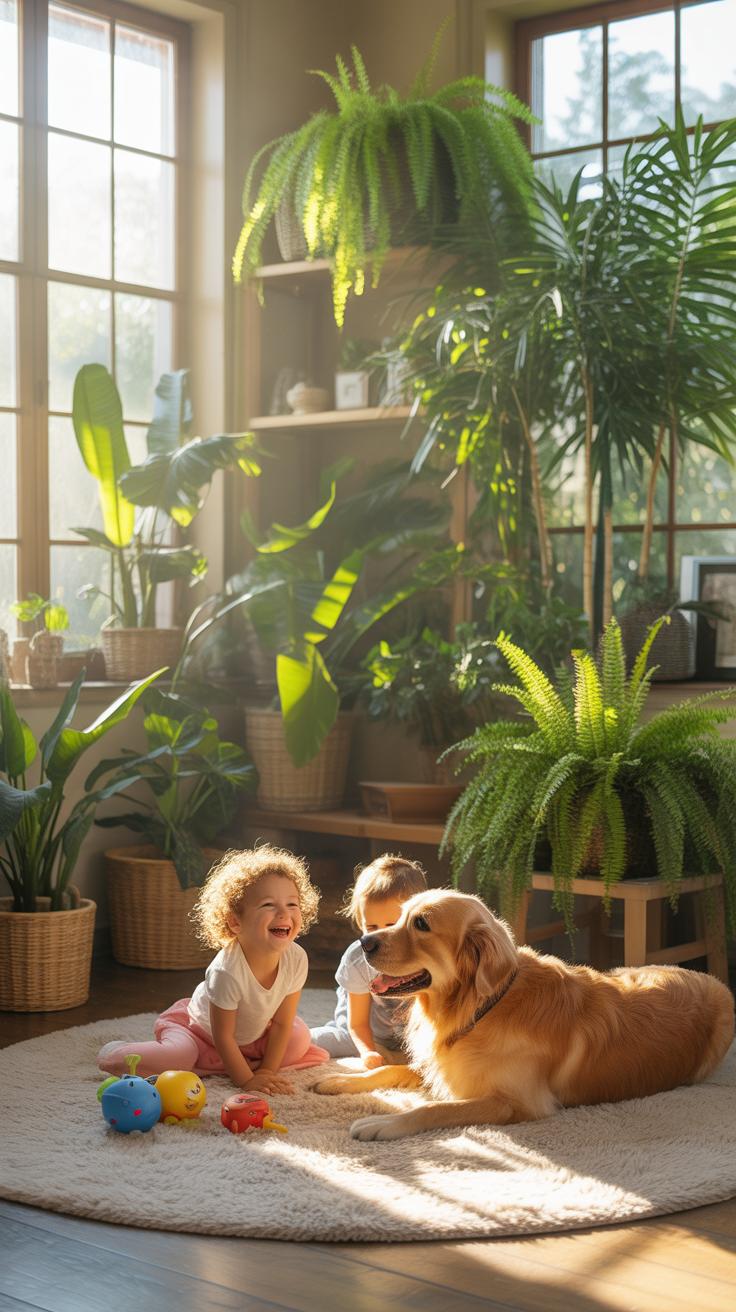
Non Toxic Air Purifying Plants That Are Safe Around Cats And Dogs
Pet owners must select plants that lack insoluble calcium oxalate crystals or toxic alkaloids. The Spider Plant is a primary example of a safe oxygenator. It effectively removes formaldehyde and xylene from indoor environments. This plant does not harm cats or dogs if they chew the leaves. It provides a tactical solution for clean air without risking emergency veterinary visits or long-term organ damage.
The Areca Palm and Boston Fern offer high transpiration rates and superior toxin filtration. These species are completely non-toxic to household animals according to ASPCA standards. They process carbon dioxide and common household VOCs efficiently. Strategic placement of these plants allows for maximum airflow purification in high-traffic areas. You gain the benefits of natural air scrubbing while maintaining a secure environment for all living pets.
Popular Air Purifying Plants To Avoid If You Have Small Children Or Pets
Common air scrubbers like the Peace Lily and Pothos contain dangerous needle-like crystals. These crystals cause immediate mouth pain, swelling, and respiratory distress if ingested by children or animals. Snake Plants are highly effective for nighttime oxygen production but contain saponins. Saponins cause nausea and vomiting when consumed. These plants require high-shelf placement or complete removal from homes with curious toddlers and active pets.

The Philodendron and Dieffenbachia are staples in modern interior design due to their low maintenance. However, they are high-risk specimens for families. Ingestion leads to severe throat swelling and potential airway obstruction in small humans and animals. You must prioritize safety over aesthetic trends or filtration speed. Switch these out for documented non-toxic varieties. This eliminates the risk of accidental poisoning while still meeting your air quality goals.
How Many Best Indoor Plants Do You Need To Improve Air Quality
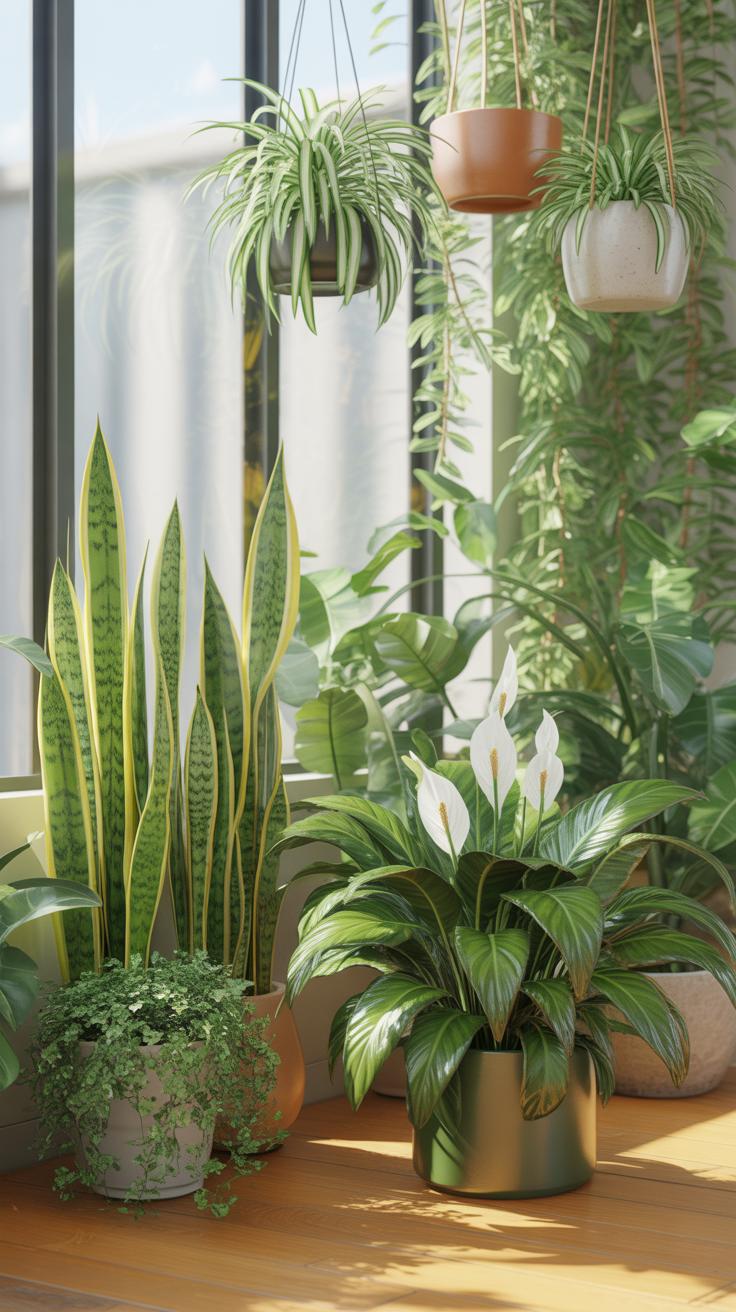
Understanding Plant Density Recommendations Per Square Foot Of Space
NASA research from the late 1980s provides the baseline for plant density. Scientists suggests using at least one large plant for every one hundred square feet of indoor space. This ratio targets the removal of common toxins like formaldehyde and benzene. One large plant usually means a specimen in an eight to ten inch diameter pot. Smaller plants require higher numbers to match this effect.
You must view your home as a closed system to see results. Modern buildings trap air and pollutants inside. Placing a single small succulent on a desk will not change the air quality in a standard bedroom. You need to group several plants together to create a functional biofilter. Strategic placement near air sources helps maximize the scrub rate. Consistent density is the key to clean air.
Why Combining Multiple Plant Species Delivers Better Air Purification Results
Different plants specialize in removing specific gases. Some species excel at filtering carbon monoxide while others target trichloroethylene or xylene. Using a single species creates a gap in your defense. A diverse collection acts like a broad spectrum filter. It ensures you capture a wider range of harmful chemicals. Variety also improves the overall health of the indoor ecosystem.

Root microbes play a massive role in cleaning the air. Different plant types support different microbial communities in the soil. These microbes break down pollutants that the leaves absorb. Mixing species increases the diversity of these helpful bacteria. Better microbial life leads to faster toxin processing. You achieve a cleaner environment by layering different foliage types. This tactical approach yields the best measurable data.
Best Air Purifying Plants Vs Mechanical Air Purifiers What Works Better
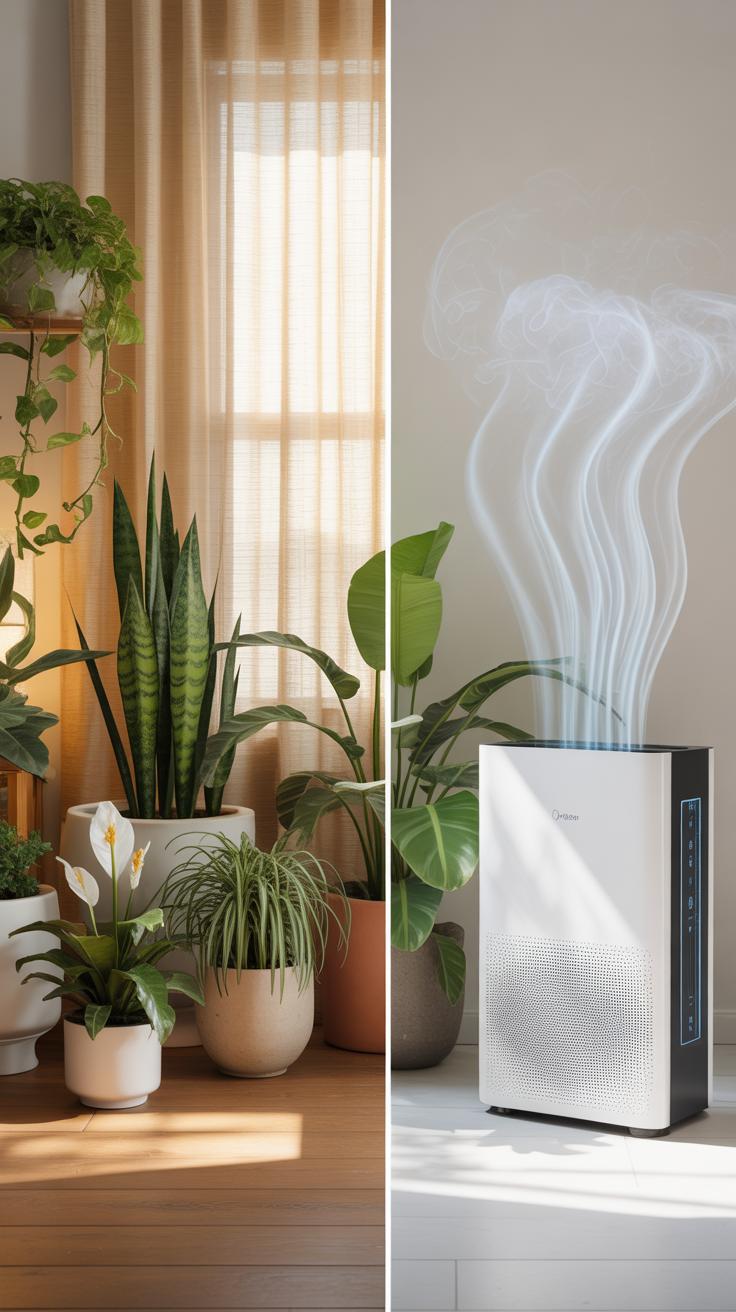
How Houseplants And HEPA Air Purifiers Compare In Real World Conditions
Mechanical HEPA filters and air purifying houseplants solve different problems. HEPA filters specialize in removing fine particulate matter like dust, pollen, and mold spores from the air. These machines use powerful fans to cycle the entire volume of a room several times per hour. This speed makes them superior for immediate relief from allergens. They thrive in large spaces where high airflow is necessary for safety and comfort.
Houseplants tackle gaseous pollutants known as Volatile Organic Compounds or VOCs. NASA research proved that roots and soil microbes absorb chemicals like benzene and formaldehyde. However, plants work slowly and lack the high-volume air movement of a machine. You would need dozens of large plants to match the exchange rate of one small air purifier. Plants offer a biological solution for long-term gas removal rather than a fast mechanical fix.
Why Using Plants And Air Purifiers Together Delivers The Best Results
A hybrid strategy provides the most effective indoor air quality management. Mechanical filters pull large particles out of the air but often fail to trap smaller chemical molecules. Plants fill this gap by absorbing those chemicals through their leaves and root systems. By combining both methods, you address the full spectrum of indoor pollutants. This tactical approach ensures your air is clean of both physical debris and invisible toxic gases.
- Particulate Removal: HEPA filters are the primary defense against physical debris. They trap 99.97 percent of particles sized 0.3 microns or larger. This includes household dust, pet dander, and seasonal pollen that plants cannot effectively filter at scale.
- VOC Absorption: Plants excel at removing trace amounts of toxic gases emitted by furniture and carpets. Species like the Peace Lily or Snake Plant take in these chemicals during regular gas exchange. This provides a constant bio-filter for sneaky indoor toxins.
- Humidity Regulation: Plants release moisture through a process called transpiration. This naturally increases humidity levels in dry indoor environments. Proper moisture helps keep human respiratory tracts healthy. Mechanical air purifiers do not add moisture and often dry out the room air.
- Oxygen Production: Plants perform photosynthesis to convert carbon dioxide into fresh oxygen. Mechanical purifiers only move existing air around without changing its chemical makeup. Adding plants improves the actual quality of the air you breathe by enriching the oxygen levels.
- Energy Efficiency: Houseplants operate without electricity and work twenty-four hours a day for free. While air purifiers require a power source and regular filter changes, plants grow and sustain themselves with basic care. They provide a low-cost secondary layer of filtration for any room.
Deploying these two tools together creates a balanced ecosystem. The air purifier handles the heavy lifting of clearing smoke and dust during the day. Meanwhile, the plants provide steady chemical filtration and humidity around the clock. This combination reduces the strain on your mechanical equipment and extends filter life. Focus on placing plants in areas with high VOC sources and machines in high-traffic dust zones.
Getting Started With Air Purifying Plants Choosing The Right Plant For Your Lifestyle
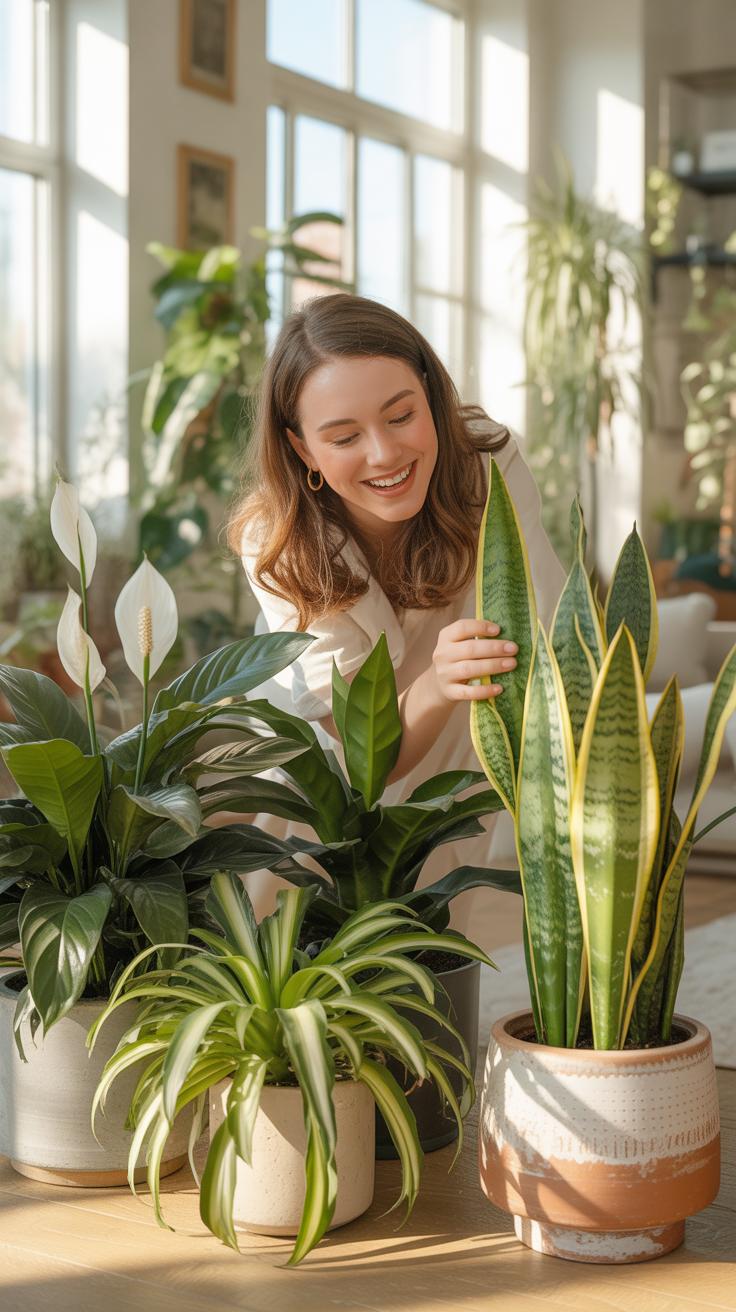
Matching Plants To Experience And Schedule
Success depends on matching plant biology to your daily habits. Beginners should select species with high tolerance for neglect and low light. The Snake Plant and ZZ Plant survive weeks without water and still filter toxins. These plants use Crassulacean Acid Metabolism to exchange gases at night. This makes them ideal for bedrooms. Choose these if your schedule is unpredictable or if you travel often for work.
Experienced growers can manage species with higher transpiration rates and specific humidity needs. Peace Lilies and Boston Ferns remove formaldehyde effectively but require consistent soil moisture. They fail quickly in dry environments or if you skip watering sessions. Map your home for light levels before buying. Match the light intensity of your windows to the specific physiological requirements of the plant. Failure to do this kills the plant regardless of its purifying power.
Where To Buy Healthy Plants And What To Look For
Purchase plants from specialized nurseries rather than big-box retailers when possible. Nurseries provide better pest management and climate control. Check the undersides of leaves for spider mites or scale insects before buying. These pests compromise the health of the plant and reduce its ability to filter air. Inspect the root system by gently lifting the plant from its pot. White roots indicate health while brown mushy roots signal rot.
Avoid plants with yellowing leaf edges or salt buildup on the soil surface. These signs indicate poor water quality or over-fertilization. Select specimens with new growth at the tips to ensure the plant is actively photosynthesizing. Active growth maximizes the removal of Volatile Organic Compounds from your indoor air. Transport your plants in a temperature-controlled vehicle. Exposure to extreme cold or heat during the drive home causes immediate cellular damage and leaf drop.
Frequently Asked Questions

Which air purifying houseplants are best for beginners with low light?
If you are new to indoor gardening, the Snake Plant and ZZ Plant are exceptional choices. These resilient air purifying houseplants thrive in low-light conditions and require very little water, making them nearly indestructible. They effectively filter common household toxins while adding a touch of modern greenery to your space, providing a stress-free way for beginners to improve their indoor air quality without needing a green thumb.
How many plants do I need to effectively clean the air in a room?
To see a measurable difference in air quality, experts generally recommend placing two to three medium-sized air purifying houseplants for every 100 square feet of living space. Distributing them throughout your home ensures better filtration of volatile organic compounds. For the best results, focus on high-traffic areas like bedrooms and living rooms, and remember to keep the leaves dust-free so the plants can breathe and filter efficiently.
Are air purifying houseplants safe to keep around pets?
Not all air purifying houseplants are pet-safe, so it’s worth checking before you buy. Snake plants and pothos, while excellent air filters, are mildly toxic if chewed by cats or dogs. Safer alternatives include spider plants and Boston ferns, which offer similar purifying benefits without the same risk, making them a better choice for pet-friendly households.