
What Makes Rare Houseplants So Special Compared To Everyday Varieties

The Defining Traits That Separate Rare House Plants From Common Ones
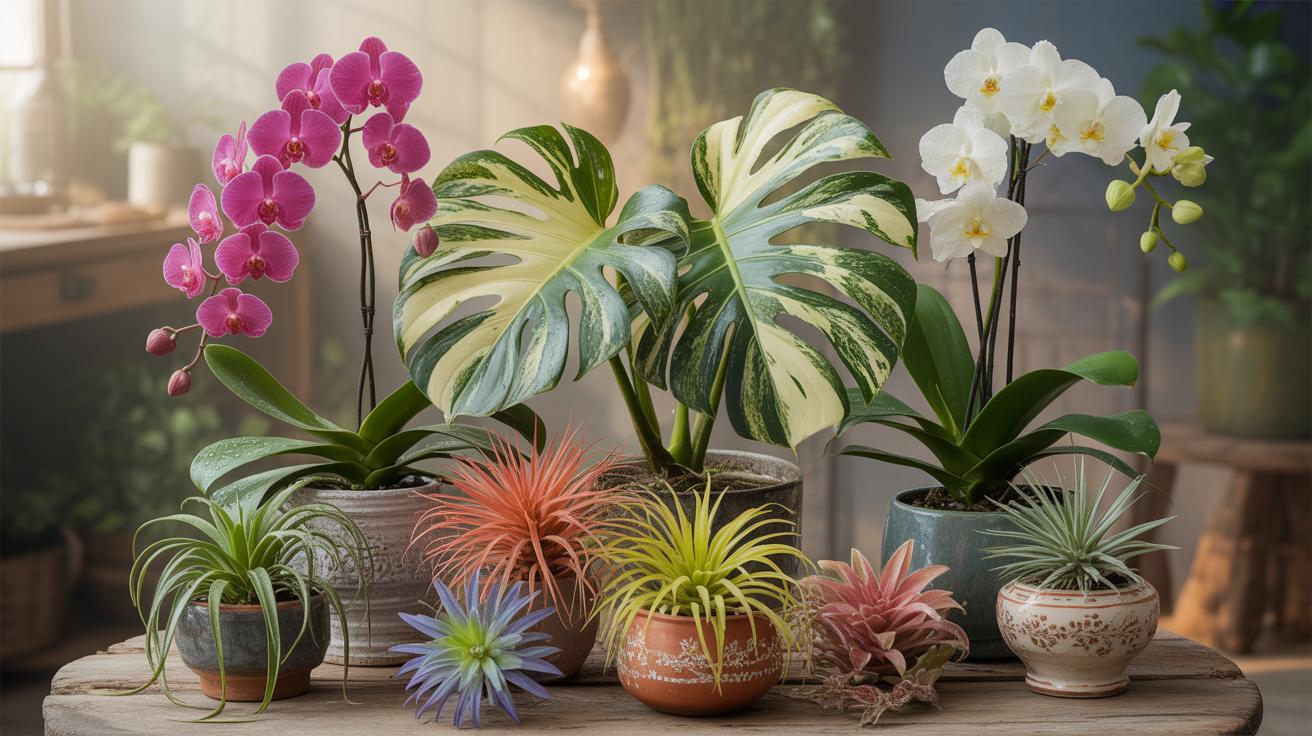
Common plants grow fast and survive in many conditions. Nurseries mass produce them for big stores. Rare plants often lack this resilience. They possess specific physiological traits like unstable variegation or unique leaf shapes. These traits result from natural mutations or slow growth rates. You cannot easily replicate these features in large laboratory settings. This makes them distinct from the standard green foliage found in grocery stores.
Physical differences go beyond color. Rare specimens often require precise humidity levels and specific soil mixes to maintain their appearance. While a common ivy grows in most rooms, a rare aroid might need a controlled greenhouse. These plants show specialized evolutionary paths from small geographic regions. Collectors value these traits because they represent a break from the uniform look of mass market greenery.
Why Scarcity And Unique Genetics Drive The Demand For Rare Indoor Plants
Scarcity controls the price and prestige of indoor plants. When a plant has a genetic mutation like fenestration or silver veining, it grows slower. Slower growth means fewer cuttings for sellers to offer. Low supply meets high demand from collectors who want a unique aesthetic. Genetic instability also plays a role. Plants that might revert to plain green are harder to find in a perfect state.
Market demand remains high for plants with proven lineage. Buyers look for specific genetic markers that ensure the plant keeps its rare look as it matures. Natural limits on how fast these plants reproduce keep them out of big box stores. This supply wall forces enthusiasts to buy from specialized growers. The difficulty of propagation ensures these varieties maintain their status as premium assets rather than household staples.

Top Rare Houseplants That Double As Stunning Living Gifts For Birthdays
Monstera Obliqua And Philodendron Gloriosum As Statement Birthday Botanicals
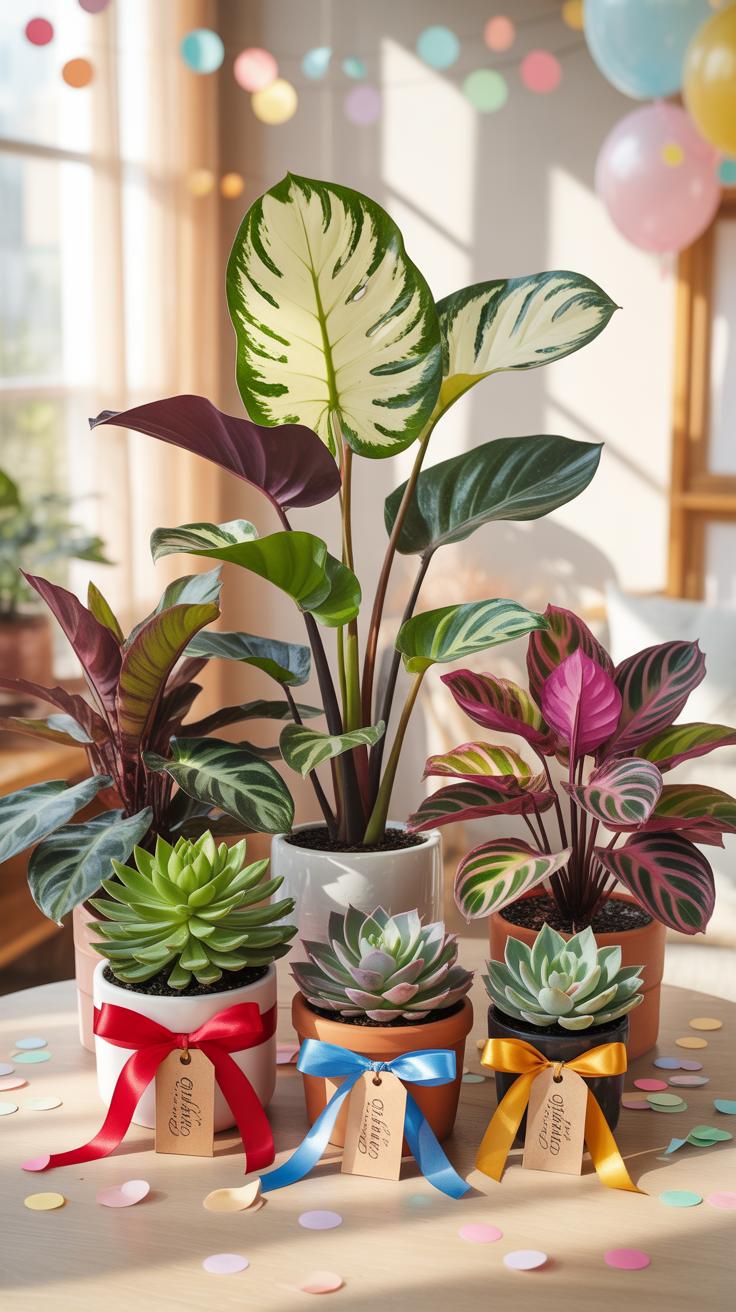
Monstera obliqua serves as a premier gift for serious collectors. This species features more negative space than leaf tissue. Its extreme fenestration creates a skeletonized look. Collectors value the Peruvian form for its delicate structure. You must provide high humidity for this plant to survive. It represents a high-status acquisition in the horticultural world. Use this plant for recipients who own specialized greenhouse cabinets.
Philodendron gloriosum offers a different visual impact through size and texture. Large heart-shaped leaves feel like velvet to the touch. White veins contrast sharply against deep green backgrounds. As a terrestrial crawler, it requires a long rectangular pot for proper growth. This plant fits mid-century modern design themes perfectly. It provides a massive sculptural presence in any indoor space. Buy this for someone with ample room.
How To Present Rare House Plants Beautifully For A Birthday Celebration
Presentation must match the value of the specimen. Use heavy terracotta or handmade ceramic pots to ground the gift. Avoid plastic nursery liners for the final handover. Select a neutral color palette to let the foliage take center stage. High-end materials like unglazed clay or stone reflect a Brutalist design aesthetic. These materials also regulate soil moisture effectively for the plant health.
Standard gift wrapping fails with living inventory. Translucent vellum paper protects delicate leaves without crushing them. Secure the top of the pot with sphagnum moss to prevent soil spills during transit. Include a technical care card printed on heavy cardstock. Detail the specific light, water, and humidity requirements for the species. Accurate data ensures the recipient maintains the investment. Professional packaging reflects the rarity of the botanical.

Unique House Plants That Elevate Wedding DCor And Bridal Gifting
Rare Blooming House Plants Indoor Like The Anthurium Crystallinum For Wedding Tables
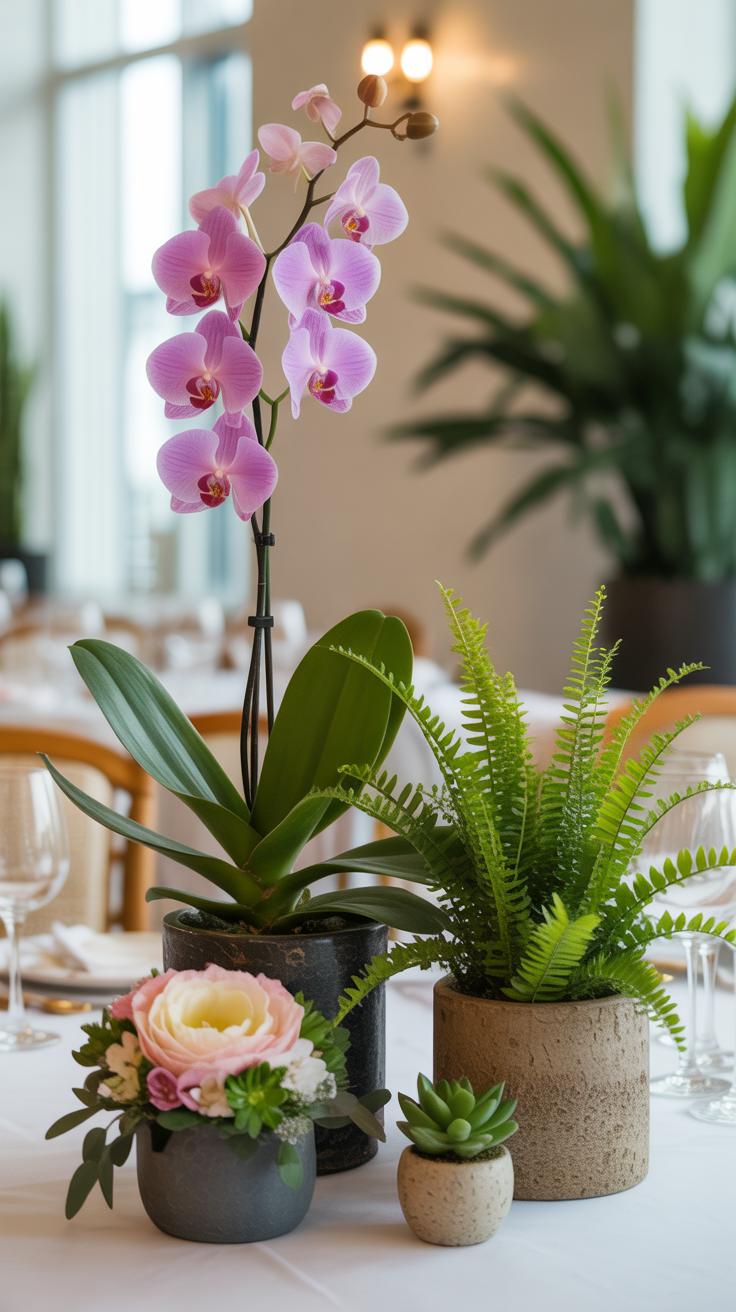
Anthurium crystallinum serves as a superior alternative to common floral centerpieces. These plants feature large velvet leaves with silver veins that catch light in dining rooms. Their architectural shape provides height without blocking guest views across the table. Use them to create a modern aesthetic that traditional cut roses cannot achieve. They thrive in low light conditions typically found in wedding venues.
Placing rare indoor plants on wedding tables reduces waste after the event concludes. Guests or the bridal party can take these living specimens home to grow for years. This practice aligns with sustainable design trends seen in luxury events. Ensure each pot uses high quality ceramic or stone to match the theme. These plants maintain their structure and color for the entire duration of the ceremony.
Choosing Symbolic Indoor Plants That Represent Love Longevity And New Beginnings
Plants with heart shaped foliage offer direct symbolism for wedding gifts. The Monstera adansonii represents long life and deep roots through its climbing growth habit. These specimens show the growth of a new marriage over time. Select plants with high genetic stability to ensure they survive the transition to a new home. Proper plant selection shows thought and care for the couple’s shared future.

Longevity is the primary goal when choosing a bridal gift. Rare species like the Hoya kerrii symbolize love because of their natural heart shape. These plants require minimal water and can live for decades under the right conditions. They serve as a permanent reminder of the wedding date. Avoid fickle plants that die easily in standard home environments. Stick to hardy but visually striking rare varieties.
Cool House Plants To Gift For Housewarmings That Leave A Lasting Impression

Architectural Indoor Plants Like The Alocasia Frydek That Transform A New Home
The Alocasia micholitziana Frydek dictates the visual energy of a room. Its deep green velvet leaves provide a sharp contrast against modern white walls. The white veins create a geometric pattern that aligns with minimalist design principles. This plant functions as living sculpture rather than simple decor. It anchors an empty corner and provides immediate scale to high ceilings or large entryways.
New homeowners often lack established interior styling. Rare houseplants fill this void by providing a focal point. The Frydek requires bright indirect light to maintain its dark pigment and structural integrity. Placing it near north or east windows ensures the foliage does not burn. Its upright growth habit saves floor space while maximizing vertical visual impact. This makes it a strategic gift for urban apartments.
Care Tips For Cool House Plants Gifted During A Housewarming Celebration
Successful gifting requires providing the recipient with actionable maintenance steps. Rare plants often fail due to improper hydration or light exposure. You must explain that these species have specific physiological needs. High humidity and stable temperatures are non-negotiable for tropical varieties. Providing a small humidity tray or a digital hygrometer alongside the plant ensures the new owner can monitor the environment effectively.
- Light Calibration: Position the plant in a spot with bright indirect sunlight. Harsh direct rays destroy the delicate leaf tissues of rare specimens. A location three feet from a south facing window provides the ideal balance for growth and health.
- Watering Schedule: Check the soil moisture levels before adding water. Stick your finger two inches deep into the medium to feel for dampness. Only water when the top layer feels dry to the touch to prevent root rot and fungal issues.
- Humidity Control: Maintain a humidity level between sixty and eighty percent for tropical plants. Grouping plants together or using a humidifier prevents brown leaf edges. This is critical during winter months when indoor heating systems dry out the air significantly.
- Drainage Management: Ensure the decorative pot has functional drainage holes at the bottom. Stagnant water at the base of the container kills the root system quickly. Use a high quality aroid mix containing orchid bark and perlite to facilitate rapid water movement.
- Pest Monitoring: Inspect the undersides of leaves weekly for signs of spider mites or thrips. Early detection allows for easy treatment with neem oil or insecticidal soap. Clean the leaves with a damp cloth to remove dust and improve the photosynthesis process.

Explain the importance of acclimation to the new owner. Moving a plant into a new house causes environmental stress. The plant might drop a leaf as it adjusts to different airflow and light levels. Advise the recipient to avoid repotting for at least thirty days. This waiting period allows the root system to stabilize. Proper initial care ensures the gift survives long after the party ends.
Funky Plants That Make Thoughtful And Conversation Starting Holiday Gifts
Unusual Succulents And Cacti Varieties That Surprise And Delight During The Holidays
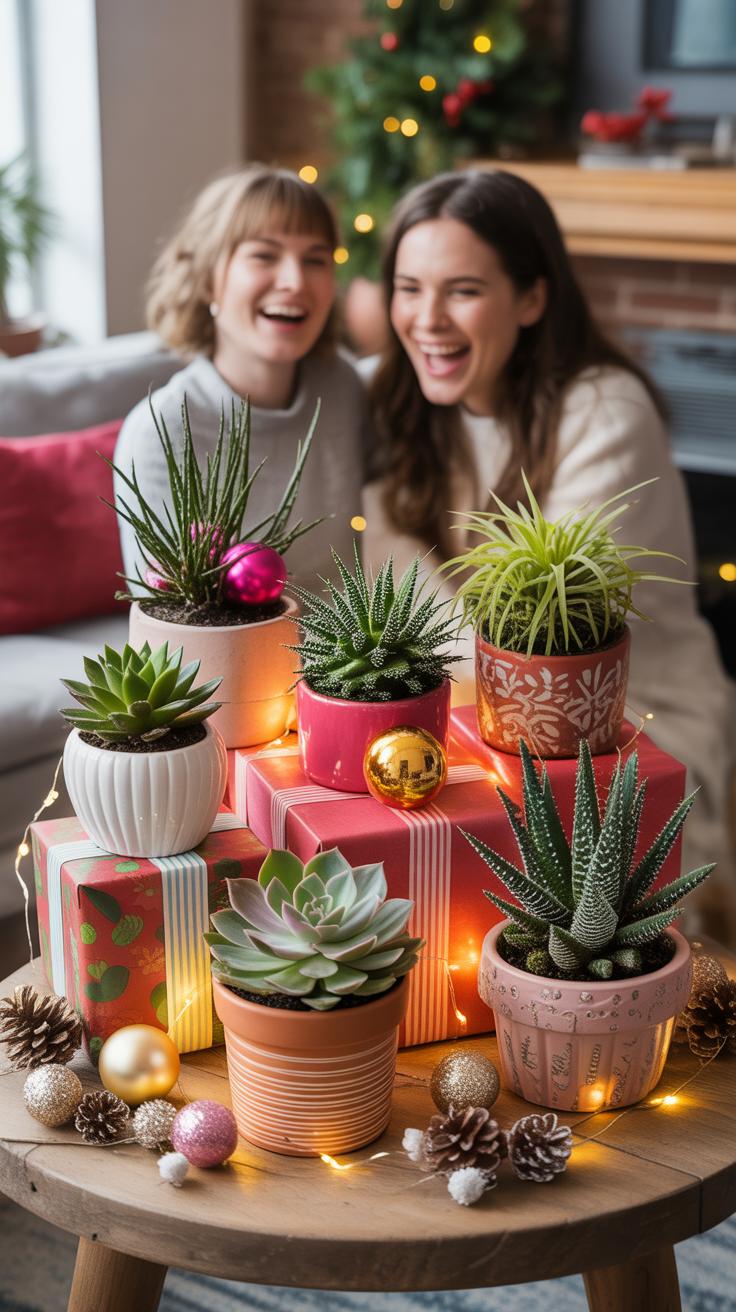
The Euphorbia obesa and Myrtillocactus geometrizans f. fukurokuryuzinoku offer architectural geometry that defies standard plant shapes. These species serve as living sculptures for holiday decor. Their slow growth rates make them ideal for small indoor spaces and modern apartments. Collectors value these plants because they require minimal maintenance while providing a high visual impact. You give a permanent design piece rather than a temporary decoration.
Choose crested or variegated forms to increase the rarity of the gift. Crested cacti like the Mammillaria elongata cristata feature brain-like structures that spark immediate discussion. These mutations happen naturally but remain rare in commercial nurseries. Match these plants with stone or concrete pots to emphasize their rugged textures. This pairing highlights the contrast between organic life and industrial materials. Tactical gift choices focus on longevity and visual interest.
To plant a garden is to believe in tomorrow, and choosing a rare bloom for a life’s milestone turns a simple memory into a living legacy.
Why Funky Plants Like Lithops And Living Stones Are Perfect For The Festive Season

Lithops thrive in gravel and mimic the appearance of small pebbles found in southern Africa. They utilize a specialized window on their top surface to allow sunlight into the plant body. This adaptation makes them a technical marvel for any plant enthusiast. During the winter season, these plants often enter a dormant phase or begin a new growth cycle. This timing allows the owner to watch a fascinating biological process.
These plants work well as gifts because they fit into tiny footprint containers. You can create a miniature landscape in a small glass bowl or ceramic dish. They do not need frequent watering during the cold months, which prevents common beginner mistakes like root rot. Their unique camouflage strategy serves as an excellent starting point for holiday conversations. These species prove that nature creates highly efficient and visually striking designs.
Rare Indoor Plants That Honor Milestones Like Graduations And Anniversaries
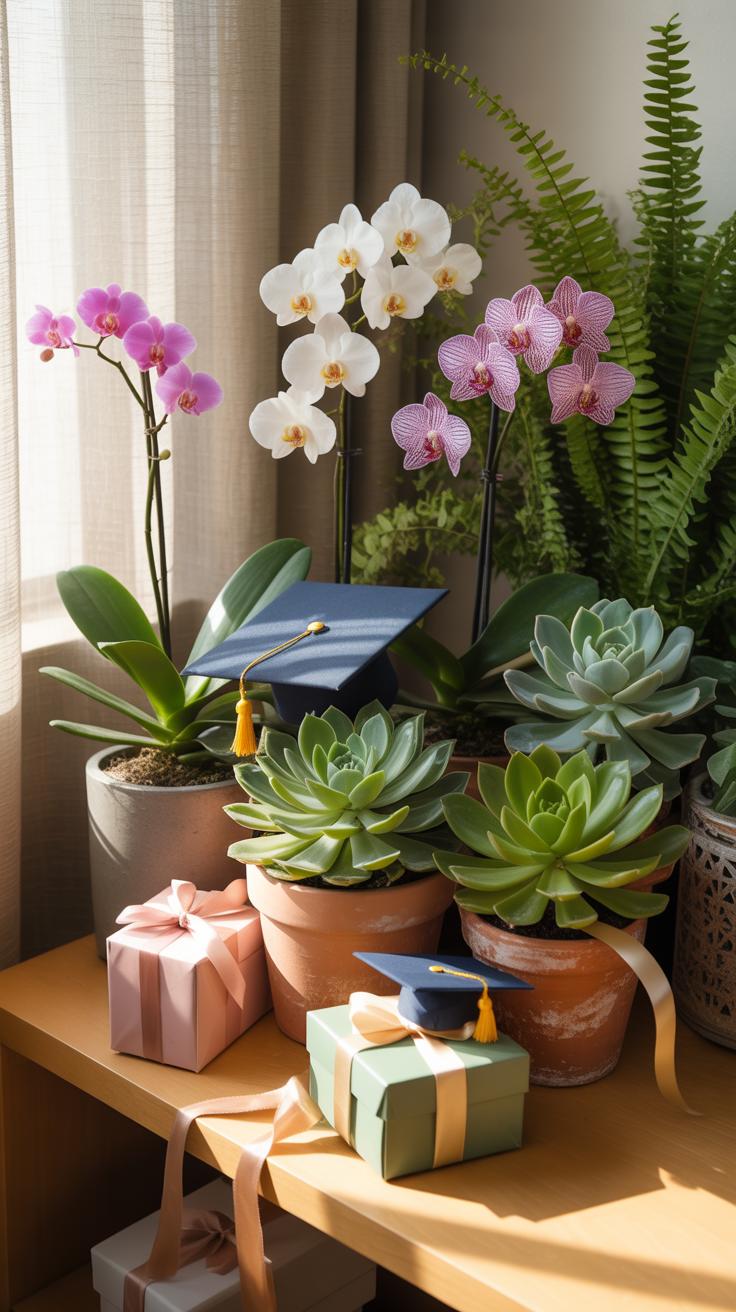
Long Living Rare Indoor Plants That Grow Alongside Lifes Greatest Achievements
Choose plants with extreme longevity to mark major life events. Certain species like the Monstera deliciosa variegata can live for decades with proper care. These plants provide a visual timeline of a persons career or marriage. Their slow growth rates ensure they remain manageable indoors while increasing in value. Rare plants act as living assets that appreciate as they mature over several years.

Focus on woody or hemiepiphytic species for maximum durability. The Philodendron spiritus sancti is a prime example of a long term investment plant. It survives for years and maintains its structural integrity. Avoid short lived annuals or delicate ferns for milestones. You need a specimen that can withstand environmental changes over twenty years. A hardy rare plant serves as a permanent reminder of a specific achievement.
Pairing Rare Houseplants With Personalized Pots To Commemorate Special Milestones
The container must match the plants rarity and the events importance. Use materials like high fired stoneware or hand thrown terracotta for longevity. These materials breathe well and protect sensitive root systems of expensive specimens. Custom engravings on stone or metal plates provide clear historical context. This turns a botanical specimen into a documented heirloom. Proper drainage remains the top priority for plant health.
Select a pot size that allows for two years of growth. Do not overpot rare plants as this leads to root rot. Modern minimalist designs often suit the architectural lines of rare aroids. Use neutral colors to keep the focus on the unique foliage patterns. High quality glazed ceramic prevents moisture loss in dry indoor climates. This strategic pairing ensures the plant survives long enough to become a family legacy.
House Plants That Carry Cultural And Symbolic Meaning Across Global Celebrations
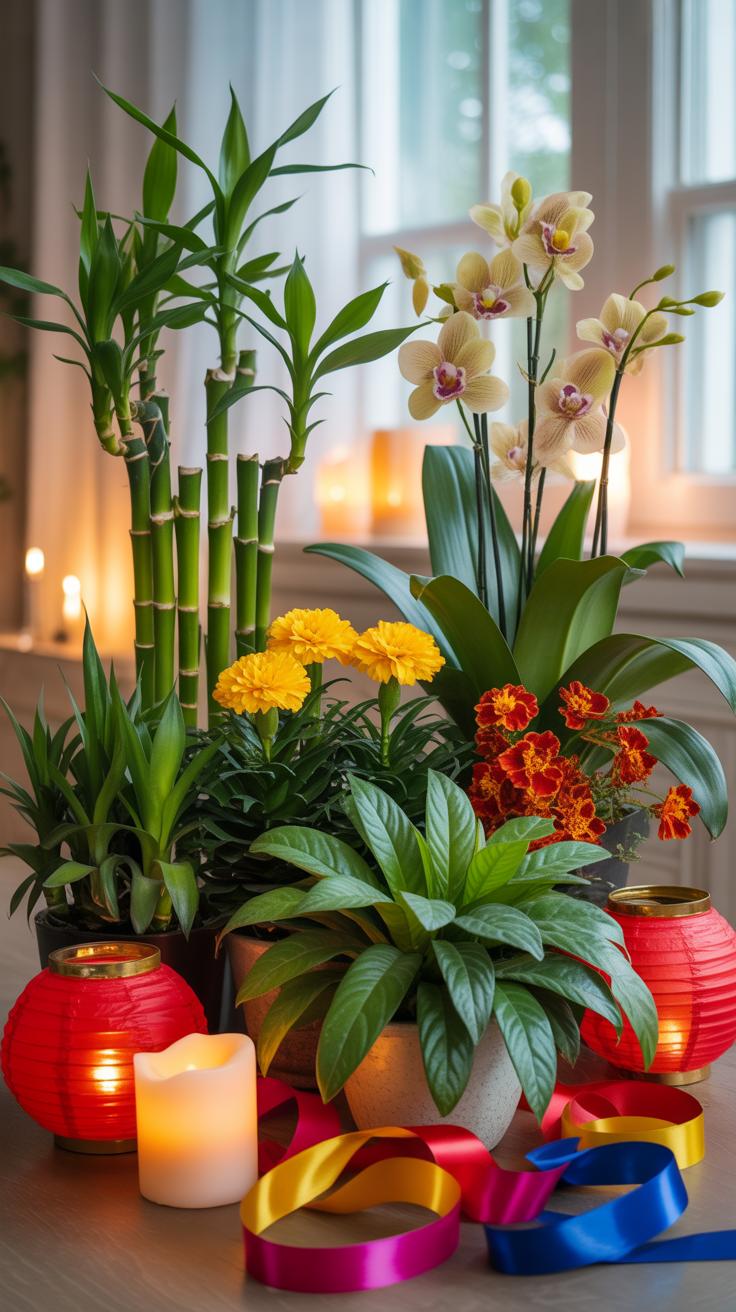
The Role Of House Plants In Cultural Ceremonies From Lunar New Year To Diwali
Cultural ceremonies often use specific foliage to represent prosperity and protection. During Lunar New Year, practitioners display citrus trees and lucky bamboo to invite wealth. These plants act as physical anchors for traditional beliefs. They serve more than a decorative purpose. People select them based on their shape and color. Red and gold accents on these plants align with the festive theme of luck.

In South Asian traditions like Diwali, plants like the Holy Basil or Mango leaves play a vital role. These species signify purity and the removal of negative energy. Families place them at entryways to bless the home and guests. Using live greenery ensures a connection to nature during spiritual rites. This tradition keeps ancient botanical knowledge alive in modern urban settings. Collectors value these plants for their historical weight.
Rare Botanicals With Deep Symbolic Roots Worth Gifting At Cultural Events
Gifting rare plants adds a layer of exclusivity to cultural exchanges. A high value specimen shows deep respect for the recipient. It moves beyond standard gifts by offering a living legacy. These plants often mirror the growth and longevity desired in a communal celebration. Choosing a rare variety demonstrates effort and knowledge of the specific tradition. It signals a sophisticated understanding of botanical history.
- Variegated Pachira Aquatica: This rare version of the Money Tree represents wealth in East Asian cultures. The white and green leaves increase its value and visual impact. It fits perfectly in business openings or new home celebrations to signify financial success and stability.
- Anthurium Crystallinum: This plant features velvet leaves with silver veins that resemble precious stones. Many cultures view heart shaped leaves as symbols of hospitality and kindness. Its rare status makes it a premium gift for weddings or significant family gatherings where bonds are honored.
- Black Bat Flower: This unique Tacca chantrieri species carries deep meaning in various folklore traditions. People often associate its dark petals with mystery and the protective power of the unseen. It serves as a bold statement piece for events focusing on transformation or new beginnings.
- Phalaenopsis Orchid Varieties: Rare blue or spotted orchids symbolize elegance and fertility in many global societies. These blooms appear frequently at spring festivals and marriage ceremonies. Their long lasting flowers represent endurance and the lasting nature of important relationships or business partnerships.
- Aglaonema Pictum Tricolor: Known as the camouflage plant, this rare species represents resilience and adaptability. Its three distinct shades of green make it a highly sought after collector item. Gifting this plant during milestones signifies the ability to thrive under various life pressures and changes.
Strategic plant selection ensures the gift remains relevant for years. Rare plants require specific care which encourages a long term commitment from the owner. This creates a lasting bond between the giver and the receiver. High end botanicals serve as status symbols in many circles. They provide a conversation starter that bridges the gap between modern decor and ancient symbolism. Select species that match the environmental conditions of the recipient.
Where To Source And How To Care For Rare Houseplants After The Occasion
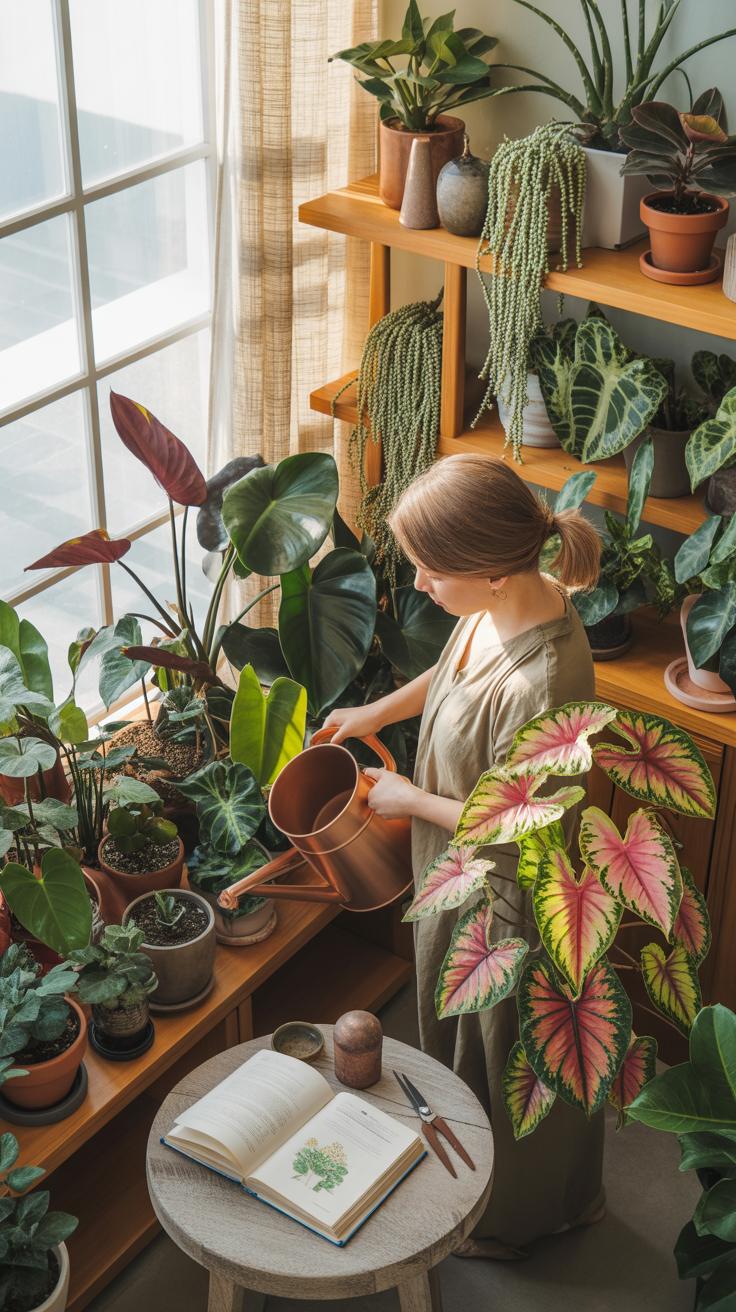
Trusted Places To Find Authentic And Ethically Sourced Rare House Plants
Finding genuine rare specimens requires vetting sellers beyond surface-level aesthetics. Use dedicated online marketplaces that offer buyer protection and verify seller ratings. Prioritize domestic nurseries that focus on tissue culture or local propagation to avoid illegally poached wild plants. Check for reputable export permits if buying internationally. Established botanical shops often provide more accurate lineage data than generic big-box retailers or unverified social media accounts.

Research the specific grower history for any high-value purchase. Avoid sellers who do not provide clear photos of the actual plant you will receive. Look for specialists who document the plant health and root structure before shipping. Healthy inventory should come from greenhouses with controlled environments rather than hobbyist setups. Secure packaging is a non-negotiable requirement to ensure the plant survives the transit process without thermal shock.
Essential Long Term Care Practices To Keep Your Rare Houseplants Thriving
Success with rare plants depends on mimicking their native environment through precise humidity and light control. Most tropical rarities require a minimum of sixty percent humidity to prevent leaf browning. Use specialized substrates like chunky aroid mixes instead of standard potting soil to ensure oxygen reaches the roots. Monitor light levels with a digital meter to avoid burning variegated foliage while maintaining the energy needed for growth.
Consistency prevents plant decline after the initial acclimation period. Establish a watering schedule based on soil moisture depth rather than a fixed calendar. Use distilled water or rainwater for sensitive species to prevent mineral buildup on delicate leaves. Implement preventative pest management by inspecting leaf undersides and nodes weekly. Quarantine all new arrivals for at least fourteen days to protect the rest of your collection from potential infestations.
Frequently Asked Questions

What are the best rare houseplants for someone just starting their collection?
If you are new to the world of rare houseplants, look for varieties that offer unique aesthetics without demanding expert-level care. The Philodendron ‘Pink Princess’ or the Monstera adansonii are fantastic entry points. These plants provide striking variegation and architectural interest, making them perfect for celebrating a milestone while remaining relatively resilient to minor fluctuations in light or watering schedules as you learn their specific needs.
How do I safely transport rare houseplants when giving them as a gift?
To protect rare houseplants during travel, start by securing the soil with damp paper towels and plastic wrap to prevent spills. Place the pot inside a sturdy box and use bubble wrap or tissue paper to cushion the delicate foliage. If you are gifting during winter, consider adding a heat pack. Ensuring the plant remains upright and stable prevents bruising, ensuring it arrives at the special occasion looking absolutely pristine.
Are there any affordable ways to source rare houseplants for a special event?
Finding budget-friendly rare houseplants is possible if you look beyond established nurseries. Consider purchasing unrooted cuttings or “wet sticks” from online enthusiast communities or local plant swaps. Many collectors sell smaller specimens at a fraction of the cost of mature plants. This approach allows you to grow a high-value plant over time, making it a thoughtful, evolving gift that fits a more modest budget while remaining truly unique.