Why Inside Plants Are The Secret Ingredient For Occasion Based Home DCor
The Psychological And Aesthetic Impact Of Living Plants At Celebrations
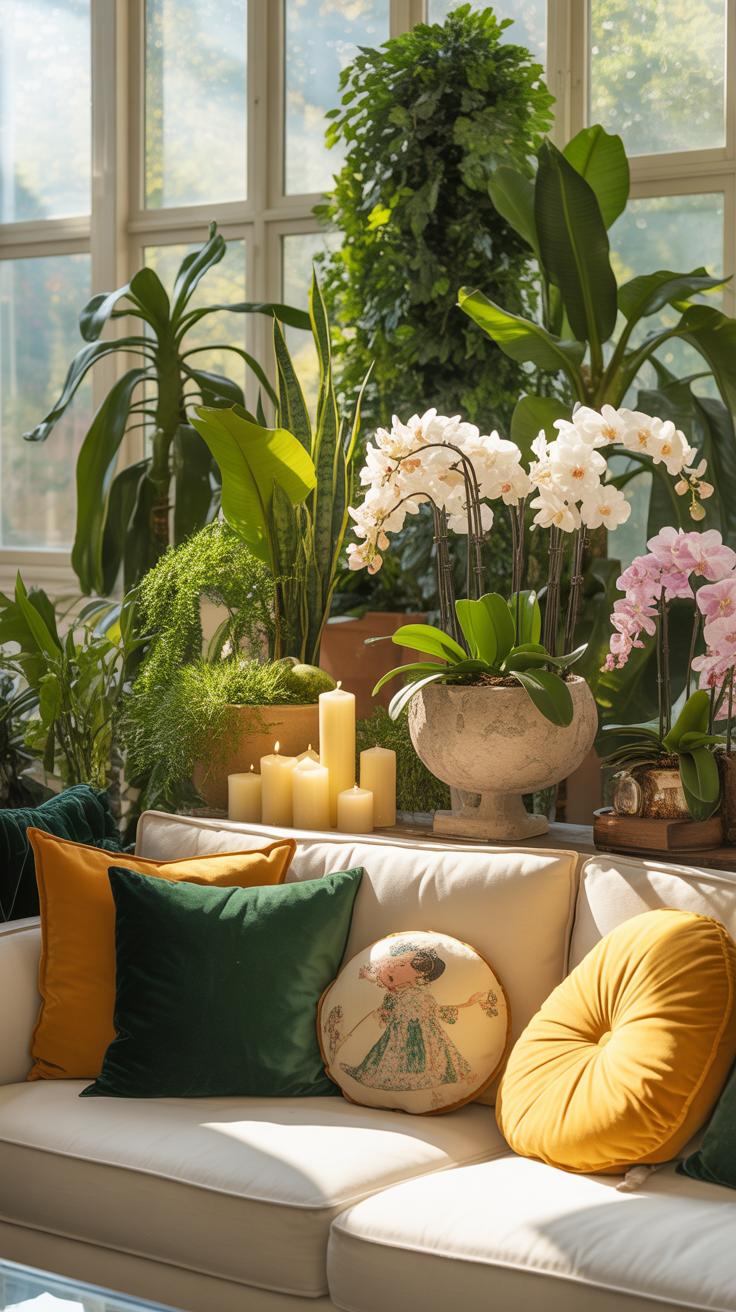
Living plants alter the mood of a room through Biophilic Design principles. This design movement focuses on our innate link to nature. Guests feel more relaxed in spaces with visible greenery. Plants regulate humidity and absorb sound, which helps manage the noise of a crowded party. Their presence reduces physiological stress markers and creates a welcoming atmosphere that artificial decorations cannot replicate.
Strategically placed plants draw the eye to specific focal points. Use large foliage to frame entryways or stage areas. Small potted varieties add texture to surfaces without cluttering the visual field. Greenery provides a neutral backdrop that complements any color palette. This versatility allows you to build a cohesive theme. Consistent use of plants creates a professional and high-end look for any special event.
How Houseplants Differ From Cut Flowers As Long Lasting DéCor Elements
Cut flowers create immediate waste. They begin to decay the moment you display them. Houseplants remain vibrant throughout the entire event cycle. You can prep them weeks in advance without fear of wilting. This durability makes them a superior investment for multi-day celebrations. They offer structural height and architectural interest that soft floral stems lack. Potted plants provide a robust and permanent aesthetic.
Potted plants transition from event decor to permanent home features. You do not throw them away after the guests leave. This makes them a sustainable choice for modern hosting. They maintain their value and continue to grow, unlike expensive floral arrangements that end up in the trash. Using living plants saves money over time and reduces the environmental footprint of your home styling and social gatherings.

Seasonal Plant Decor Indoor Themes That Suit Every Celebration
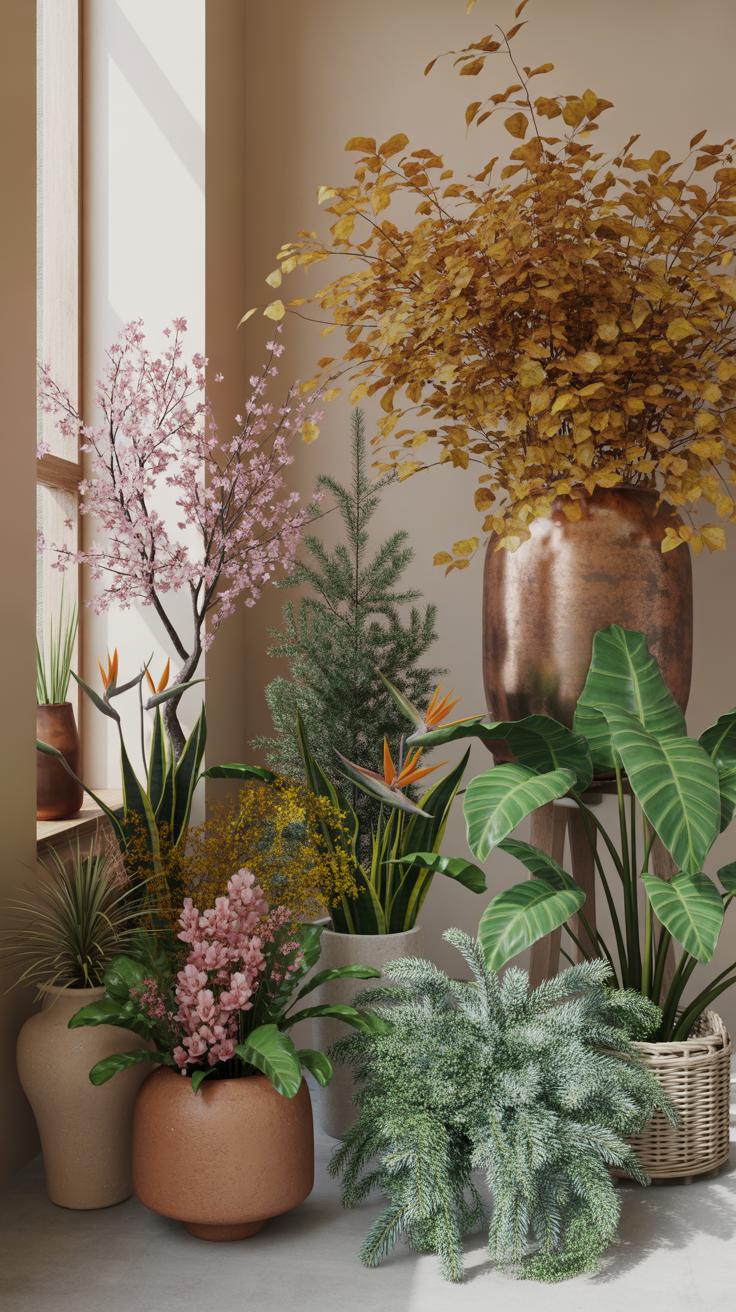
Matching Plant Varieties To Seasonal Occasions Like Winter Holidays And Spring Gatherings
Houseplant styling ideas require selecting species based on environmental durability and cultural relevance. Winter events rely on conifers and hardy evergreens like Norfolk Island Pines. These plants survive low light and dry indoor air common in December. You must match the plant physiology to the room climate. High-traffic parties require tough varieties like Sansevieria. These plants withstand accidental bumps and neglect during busy hosting weeks.
Spring gatherings demand soft textures and high-growth energy. Ferns and early-season bulbs like Paperwhites provide immediate vertical interest and a sense of renewal. You must time your purchases for maximum impact. Buying plants in their peak growth phase ensures they act as architectural focal points. Use heavy stone planters for spring displays to stabilize top-heavy growth. This tactical choice prevents spills in crowded event spaces during your celebration.
Using Foliage Color And Bloom Cycles To Align With Seasonal Event Palettes
Color coordination is a technical requirement for high-level styling. Deep greens and silver-toned foliage like Eucalyptus or Pilea provide a neutral base for winter celebrations. These tones contrast against warm lighting and heavy wood furniture. You should select plants with variegated leaves to add visual depth without using artificial dyes. Natural leaf patterns offer a sophisticated aesthetic that supports formal event themes during the colder months.

Synchronize bloom cycles with your event calendar to maximize color impact. Use Tropicals like Bromeliads or Anthuriums for summer events to provide vibrant reds and oranges. These plants bloom for weeks and sustain their color throughout long festivities. Proper hydration and light exposure ensure these colors remain saturated under indoor conditions. Focus on leaf texture to complement the color palette. Matte leaves absorb light while waxy leaves reflect it into the room.
Home Plant Display Arrangements That Create A Stunning Focal Point
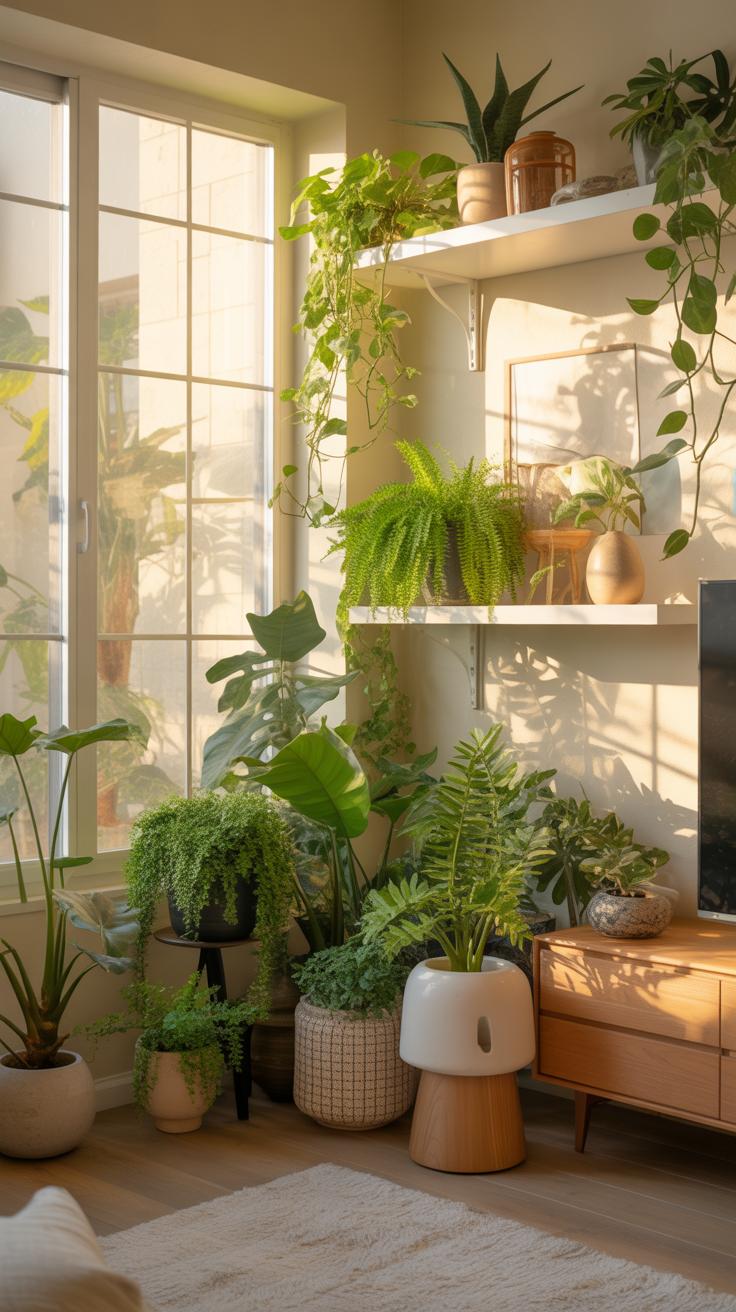
Designing A Tiered Or Layered Plant Display For Dining Tables And Entryways
Tiered displays use vertical space to maximize visual impact on flat surfaces. Start with the tallest plant in the center or back to establish a clear anchor. Arrange smaller plants around the base to create a pyramid shape. This technique draws the eye upward and makes the collection look like one cohesive unit. Use varying heights to prevent the arrangement from looking flat.
Layering requires placing plants with different leaf textures together. Put broad-leaf species next to fine-textured ferns to create contrast. Maintain a consistent color palette to ensure the display looks intentional for special events. Ensure every plant remains visible by staggering their positions. This strategy works well in entryways where guests see the display from multiple angles as they enter the room.
Choosing The Right Vessels Stands And Risers To Elevate Your Plant Display
Vessels and stands dictate the structural integrity of your display. Select heavy materials like ceramic or stone for base layers to prevent tipping. Use acrylic or metal risers to lift specific plants without adding visual bulk. Mid-century modern pedestals provide clean lines that fit most formal settings. Proper elevation allows trailing vines to hang freely without touching the table surface or blocking other plants.

Risers also solve lighting issues in deep rooms. Lifting a plant closer to a light source keeps it healthy during long events. Match the finish of your stands to the existing hardware in the room. This creates a professional look that integrates with the architecture. Wood risers add warmth while glass stands disappear into the background. Choose functional supports that can handle the weight of wet soil.
Crafting A Cohesive Plant Aesthetic For Weddings And Anniversaries
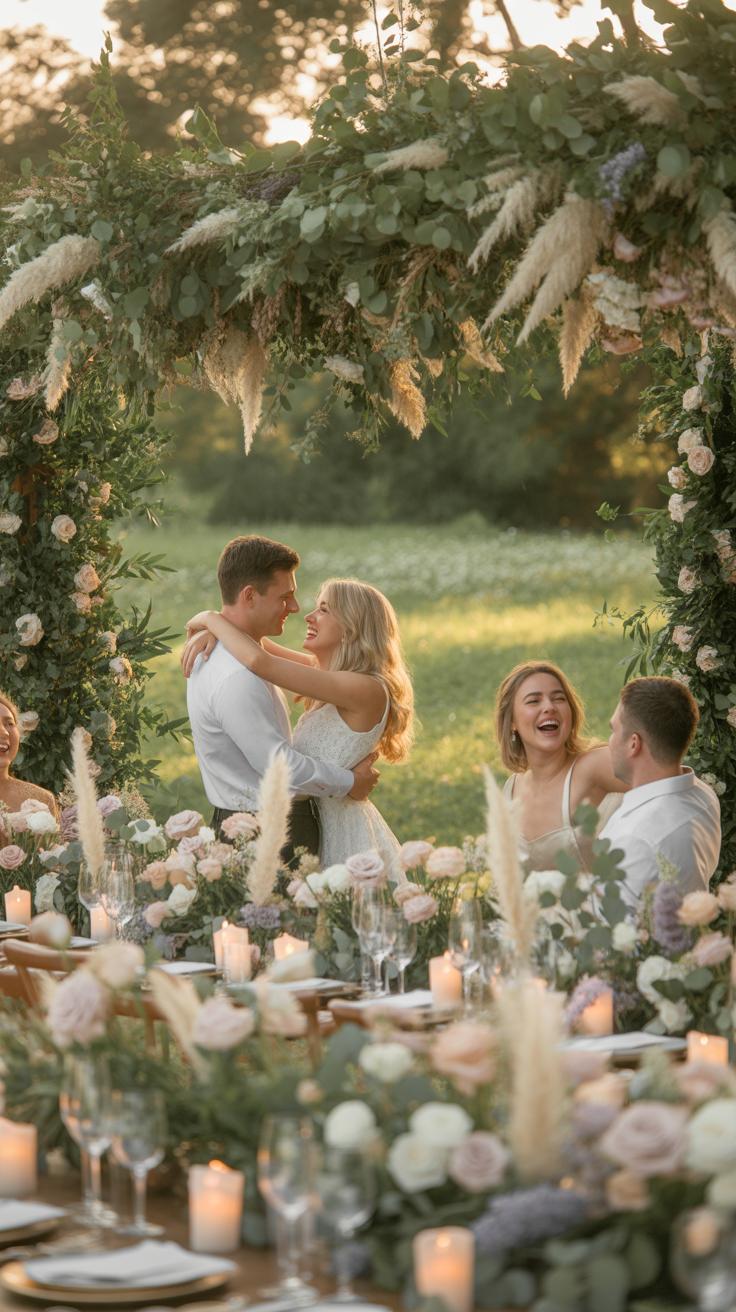
Plant Species That Naturally Complement Romantic And Elegant Event Themes
Select plants with architectural shapes and consistent textures to build a high-end look. The Fiddle Leaf Fig offers broad leaves that serve as bold structural anchors in large venues. Use Peace Lilies for their dark foliage and white spathes which signal classic elegance. These species transition easily from the ceremony to the reception. They provide a living backdrop that photographs better than silk alternatives.
Avoid chaotic textures that distract the eye during formal photos. Focus on the Silver Feather Philodendron or Olive Trees for a muted color palette. Olive trees carry historical weight as symbols of peace and health. This makes them ideal for anniversary themes where longevity is the message. Stick to one or two species to maintain visual order. Scale the plant size to the ceiling height to ensure balance.
Pairing Planters, Ribbons, And Candles To Enhance Your Wedding Plant Aesthetic
The planter material dictates the design style. Use unglazed terracotta for a rustic Mediterranean feel or polished marble for Neoclassical formality. Choose heavy containers to prevent tipping in high-traffic areas. Match the planter color to the table linens to create a seamless visual line. This strategy integrates the Houseplant Styling Ideas into the overall architecture of the room. Consistency in vessel shape prevents the room from looking cluttered.
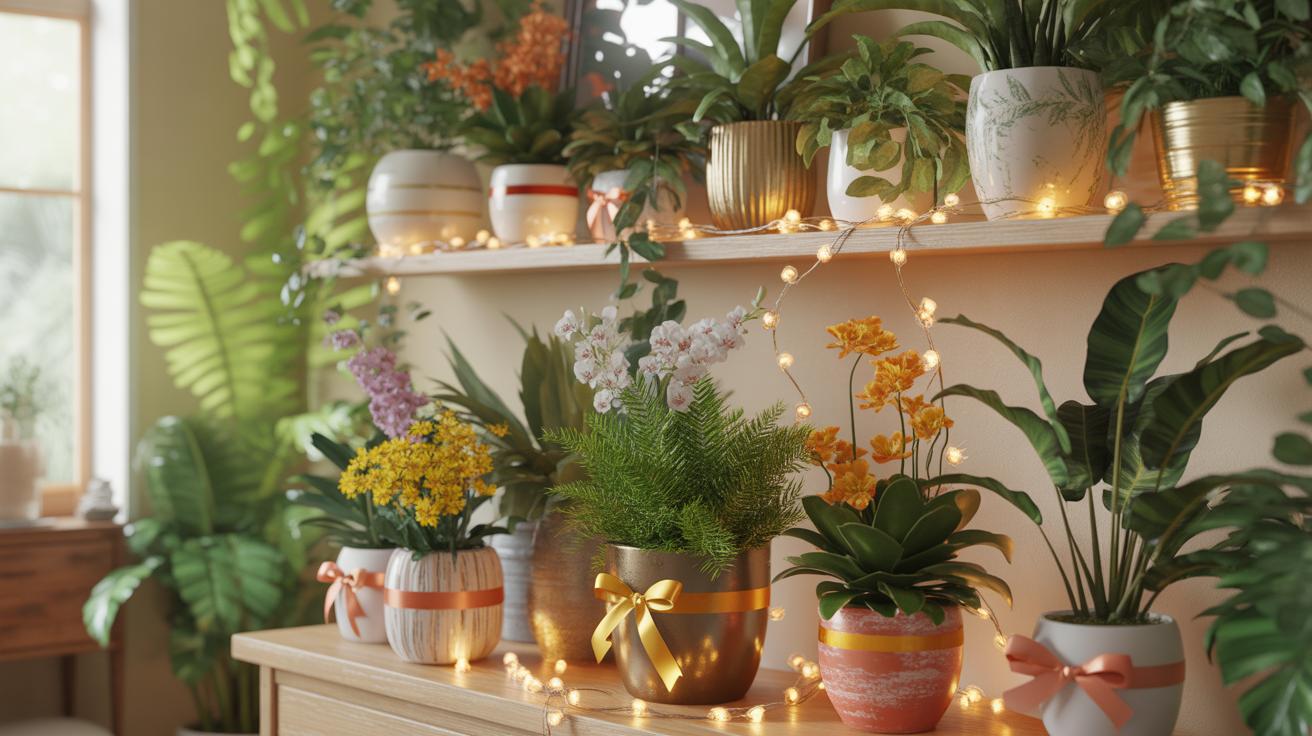
Use silk or velvet ribbons to tie the plants into the wedding color scheme. Apply ribbons directly to the base of the stems or around the rim of the pot. Place low-heat LED candles near the foliage to highlight leaf textures after sunset. Do not let open flames touch the leaves to avoid scorch marks or fire hazards. Grouping three different heights of candles creates depth. This lighting technique draws the eye toward the greenery at night.
Fun And Festive Plant Ideas For Birthdays Baby Showers And Holidays
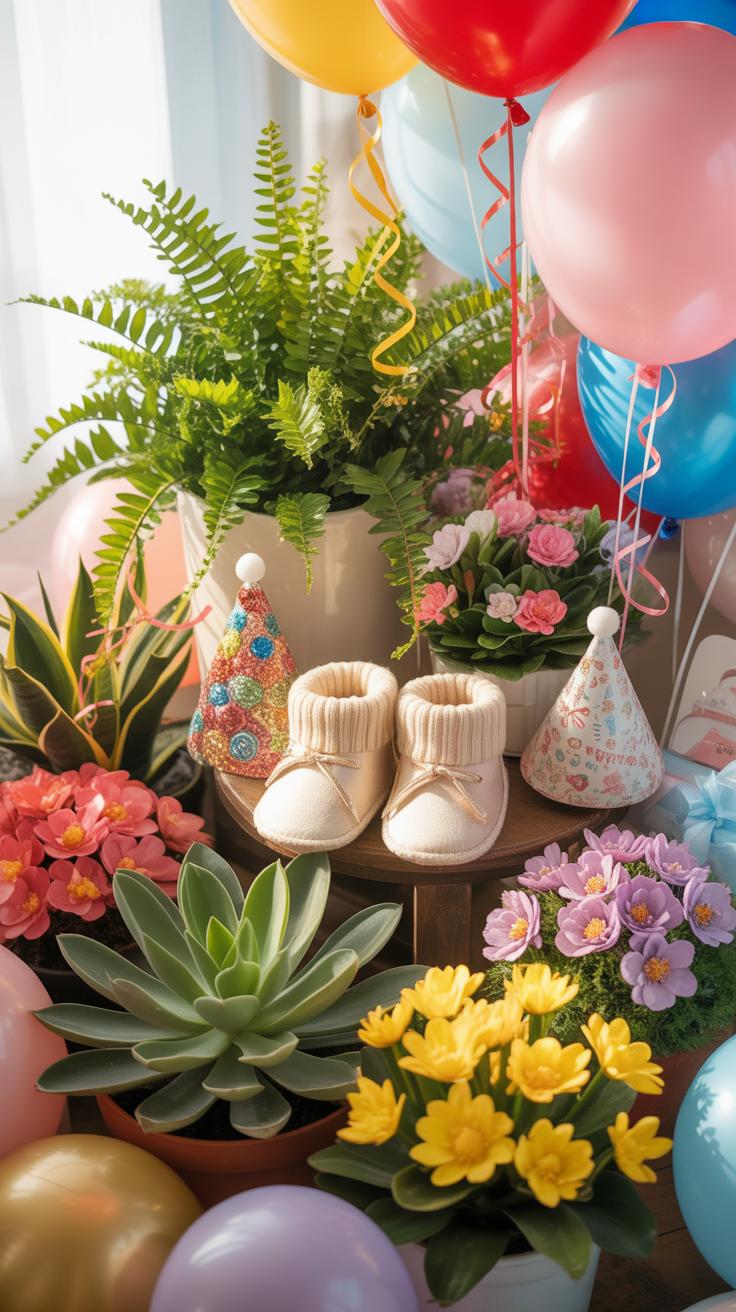
Personalizing Potted Plants As Centerpieces And Gifting Pieces For Milestone Events
Milestone events require decor that doubles as a permanent memento. Use terracotta or ceramic pots to provide a neutral base for customization. Use stamps or permanent ink to mark pots with dates and names. This creates a direct connection between the plant and the event. Select species like Jade or Sansevieria for their long lifespans. These plants ensure the gift survives for years.
Tactical placement involves clustering small pots in the center of the table. vary the height of the pots to create visual interest without blocking sightlines. Surround the base of the pots with moss or smooth river stones. This hides the plastic nursery liners and gives a high end look. Use natural twine to attach name cards. This method works for weddings and anniversaries.
Top Plant Ideas For Adding A Playful, Colorful Touch To Casual Celebrations
Casual celebrations benefit from plants with high contrast and unique textures. Focus on species that offer immediate visual impact through foliage color or shape. These choices create a high energy atmosphere for birthdays and showers. Avoid finicky plants that require high humidity or precise light. Stick to durable options that handle movement well. Use colorful cachepots to match the party theme quickly.
- Bromeliads: These tropical plants provide a sharp burst of color through their central bracts. They are physically sturdy and survive well in various indoor lighting conditions. Use them to replace short lived floral arrangements on food tables.
- Nerve Plants: Fittonia species feature bright pink or white veins against dark green leaves. They fit perfectly in small decorative containers for baby showers. Their compact size makes them ideal for tight spaces like drink stations or shelves.
- Polka Dot Plants: These plants offer spotted pink or red foliage that mimics confetti. They are inexpensive and easy to find at most garden centers. Mass them together in a single large bowl to create a focal point for a dessert table.
- Croton: Crotons feature leathery leaves in shades of yellow, orange, and red. They work best for autumn holidays or outdoor summer parties. The bold colors provide a natural palette that eliminates the need for plastic streamers or balloons.
- String of Pearls: This succulent provides a unique draping effect that mimics jewelry or garlands. Use it on high mantels or hanging baskets during festive gatherings. The geometric shape of the leaves adds a modern look to any casual setting.

Arrange these plants in odd numbers to follow standard design principles. Place larger specimens on the floor to fill empty corners. Use smaller varieties to fill gaps on tables and counters. Use light colored pots to make the plant colors pop. Maintain a consistent pot material to keep the look cohesive. This strategy ensures the decor looks intentional and professional throughout the event space.
How To Arrange House Plants For Maximum Visual Impact During Events
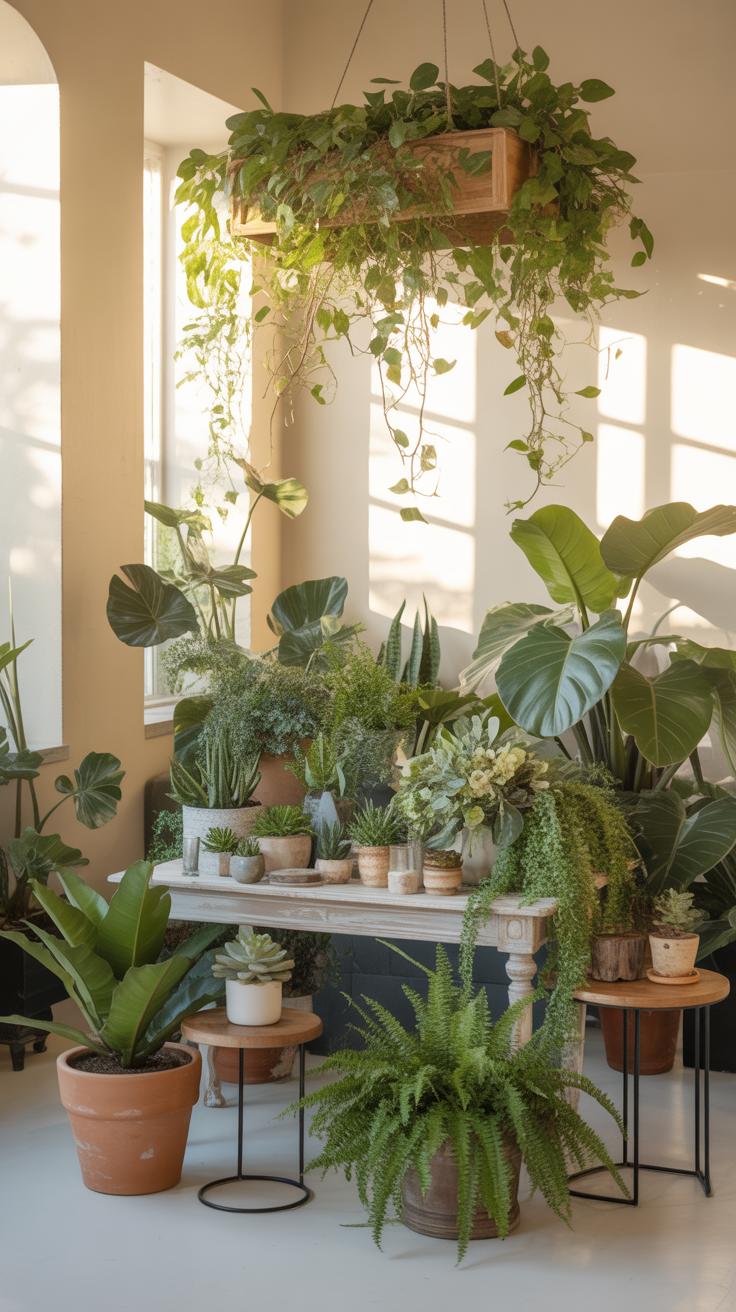
The Rule Of Odd Numbers And Height Variation When Grouping Plants Together
Tactical plant styling relies on the rule of three. Humans process odd numbers faster than even ones. Even groupings create symmetry that feels stiff or clinical. Odd numbers create a natural triangle that keeps the eye moving. Place three or five plants of different species together to create a focal point. This method forces the viewer to engage with the entire arrangement.
Height variation adds depth to these groupings. Use pedestals or plant stands to elevate smaller pots. Place a tall Monstera or Ficus behind shorter ferns and succulents. This vertical layering mimics how plants grow in nature. It prevents the display from looking flat and two dimensional. Use the tallest plant as the anchor and scale down to create a cohesive visual hierarchy for guests.
Using Negative Space And Flow To Guide Guests’ Eyes Through Your Plant Arrangement
Negative space is the empty area around your plants. Do not crowd every corner with greenery. Empty space gives the eyes a place to rest. It makes the plants you do display look more important. Strategic gaps prevent the room from feeling cluttered or overwhelming. This balance is critical for events where guests need room to move and talk without hitting leaves.

Flow determines how people navigate the room. Use large floor plants to mark pathways or define seating areas. Place plants at different eye levels to lead the gaze across the space. Low plants on coffee tables and hanging plants from the ceiling create a full field of vision. This technique directs movement and keeps people looking at your design. Proper spacing ensures your arrangement looks intentional and professional.
Plant Styling Ideas For Outdoor Dinners Garden Parties And Patio Events
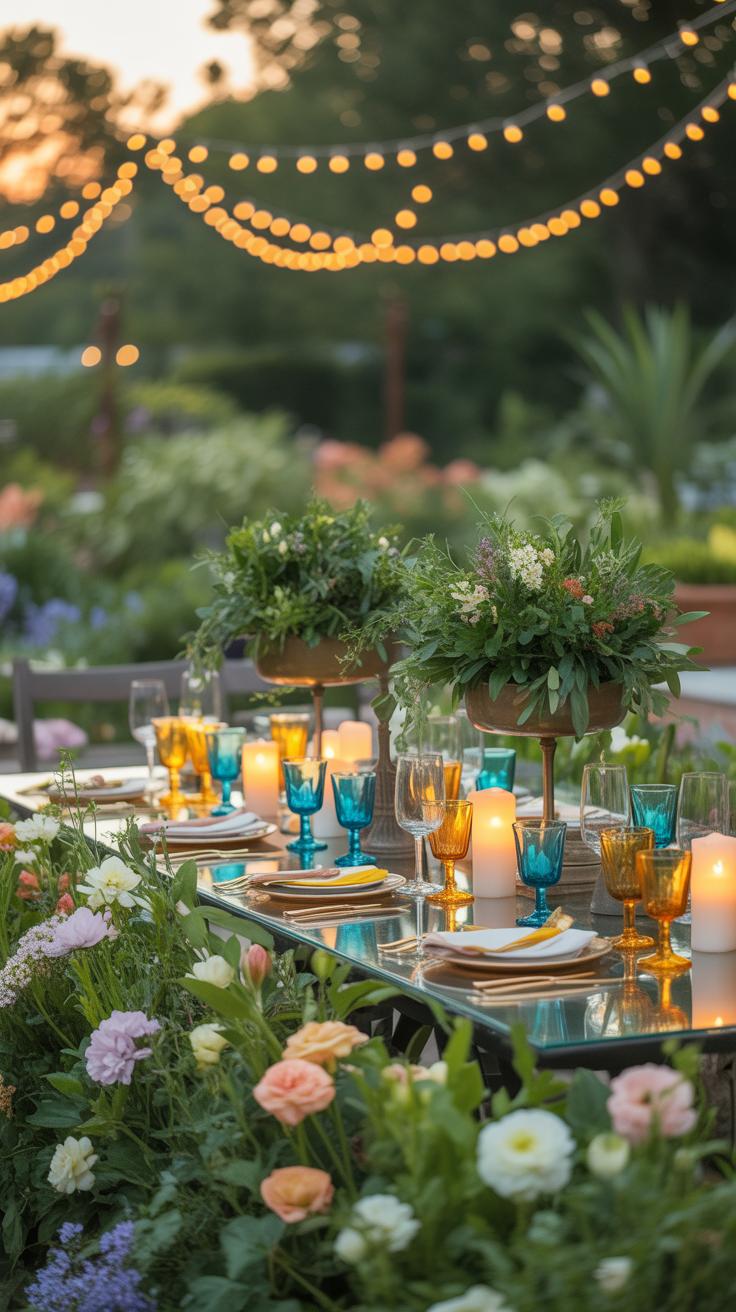
Transitioning Indoor Houseplants Safely To Outdoor Event Spaces
Moving indoor plants outside requires a process called hardening off. Sudden exposure to direct sunlight burns tropical leaves. Most houseplants live in controlled temperatures and low light. You must place them in total shade for the first few days. Monitor wind speeds to prevent pots from tipping over. Wind also dries out soil faster than indoor air. Check moisture levels every few hours during the event.
Avoid extreme temperature swings during evening parties. Bring sensitive species like Calathea or Ficus back inside if temperatures drop below sixty degrees. Pests also pose a risk during outdoor transitions. Inspect every leaf and the soil surface before returning plants to their permanent indoor spots. This prevents bringing spider mites or ants into your home. Use heavy decorative cachepots to provide stability against gusts and uneven patio surfaces.
Essential Steps For Setting Up A Styled Plant Display At An Outdoor Gathering
Strategic placement turns standard greenery into high-end decor. Use height to create visual boundaries in open outdoor spaces. Group plants in odd numbers to follow established design principles. Ensure plants do not block sightlines across dining tables. Use tiered stands or reclaimed wood crates to lift smaller specimens. This creates a lush vertical effect and keeps foliage away from foot traffic areas.
- Scale Assessment: Match the size of the plant to the outdoor architecture. Large Monstera or palms belong in corners to soften sharp patio edges. Smaller succulents work better as individual place settings or clustered centerpieces on low coffee tables.
- Lighting Integration: Position plants near soft artificial light sources. Use uplighting to cast dramatic shadows of palm fronds against garden walls. Avoid placing foliage too close to open flames or high-heat patio heaters to prevent scorched leaves and fire hazards.
- Surface Stability: Level every pot on patios or grass. Use flat stones or shims under decorative containers to prevent wobbling on textured pavers. Top-heavy plants like Fiddle Leaf Figs need heavy ceramic or stone pots to stay upright during active social gatherings.
- Color Coordination: Select plant vessels that match your event color palette. Terracotta offers a Mediterranean feel for casual garden dinners. Black or metallic containers provide a modern look for formal evening events. Use consistent materials to create a unified and professional appearance.
- Hydration Strategy: Water all plants thoroughly two hours before the event starts. Outdoor heat evaporates moisture quickly and causes wilting. Distressed plants look unprofessional and ruin the aesthetic. Hydrated soil also adds weight to the base of the pot for better overall stability.

Organize the layout to guide guest movement. Place large floor plants at entry points to signal transition zones. Use trailing plants like Pothos on high ledges or buffet tables to add movement. Avoid placing plants with thorns or sap near walkways. Keep the design functional so guests can move and talk freely. Professional styling balances visual impact with the practical needs of the event space.
Plants Styling Tips For Small Spaces Apartments And Compact Venues
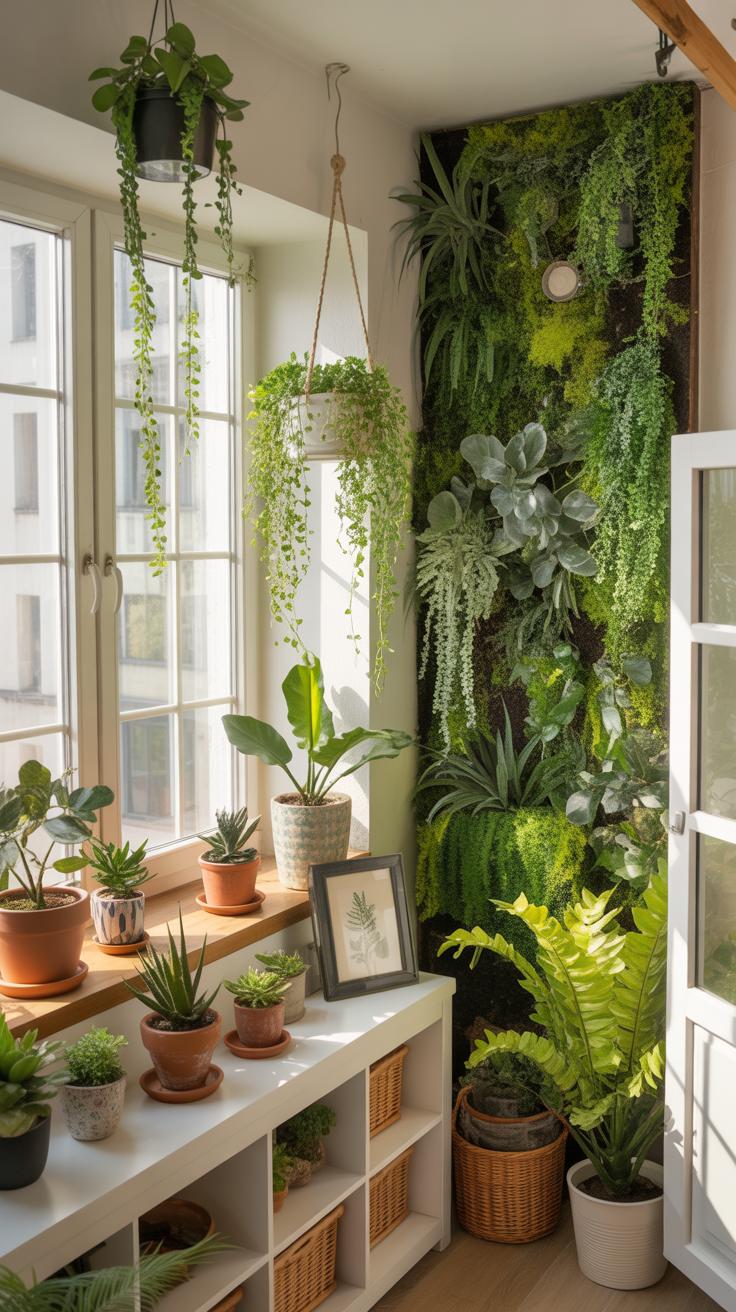
Vertical Shelving, Hanging Planters, And Wall Mounted Solutions For Tight Spaces
Vertical styling preserves valuable floor real estate in narrow rooms. Use wall-mounted tension poles or floating shelves to elevate greenery. This technique mimics the tiering found in mid-century modern design. Place trailing species like Epipremnum aureum on high ledges. This draws the eye upward to create the illusion of height. Secure brackets into wall studs to prevent heavy ceramic pots from falling.
Hanging planters offer a tactical advantage in compact venues. Use ceiling hooks to suspend foliage over dining areas or corners. Use macrame or steel cables to match the industrial or bohemian aesthetic of the space. Position plants at varying heights to break up flat walls. This layered approach creates depth without cluttering walkways. Ensure hooks support the weight of saturated soil after routine watering.
When we bring nature into our celebrations, we bridge the gap between our homes and the magic of the wild. To style a room with greenery for a special day is to weave a living memory that grows long after the party ends.
How To Create A Lush, Full Atmosphere With Fewer Plants In Compact Interiors
Maximize visual impact by selecting large leaf varieties. A single Monstera deliciosa occupies more visual volume than five small succulents. Use oversized foliage to anchor a corner. This creates a focal point that defines the room. Position large plants near mirrors to double the perceived density of the greenery. Mirrors reflect light and foliage to make a small apartment feel like a dense garden.
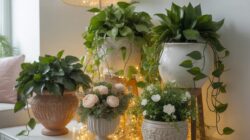
Group plants with different textures together in one large container. This technique is called mixed planting. It creates a miniature landscape in a single footprint. Place taller plants in the back and spilling varieties at the edge. Use consistent pot colors to maintain a clean look. This strategy delivers a full atmosphere without scattered clutter. You save space while achieving a high-end designer result.
Indoor Plants Styling Bedroom And Private Spaces For Intimate Occasions
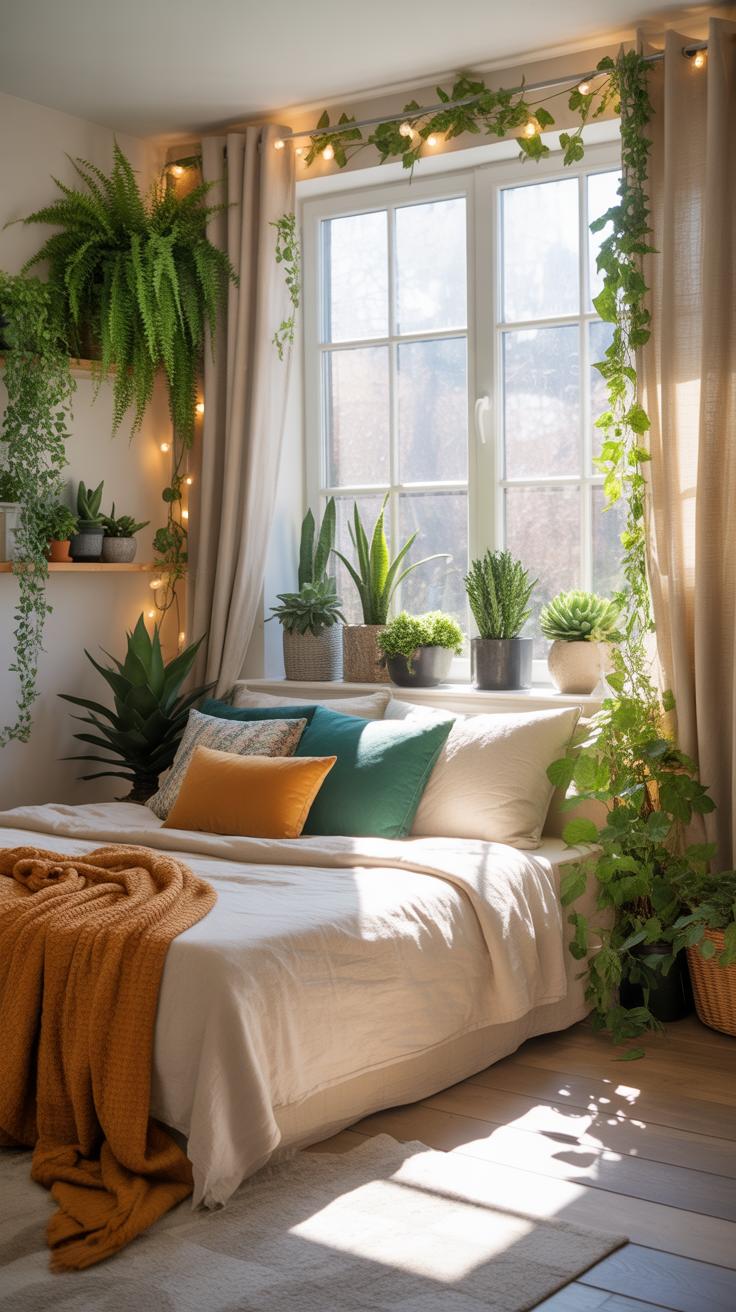
Best Low Light And Air Purifying Plants Suited For Bedroom Occasion Styling
Select species that thrive with minimal sunlight for bedroom settings. Sansevieria and Aspidistra elatior tolerate low light and irregular watering. These plants maintain their structural integrity in darker corners. NASA research confirms certain varieties remove toxins like formaldehyde and benzene from the air. High oxygen production at night improves sleep quality. Choose these functional greens to ensure the decor remains fresh during multi-day events.
Consistency in leaf texture creates a cohesive look. Avoid plants with heavy pollen or strong scents that may trigger allergies during intimate gatherings. Dracaena trifasciata and Chlorophytum comosum work well because they require little maintenance. Their upright or trailing habits allow for flexible placement on high shelves or bedside tables. Use these hardy options to keep the focus on the occasion rather than plant care requirements.
Creating A Romantic Or Celebratory Bedroom Atmosphere With Thoughtful Plant Placement
Strategic placement directs the eye toward focal points like the bed or a seating area. Frame the headboard with tall, arching palms to create a canopy effect. This technique uses vertical space and adds privacy. Group plants in odd numbers to provide visual balance. Set small specimens on nightstands to bring nature closer to the line of sight. Use clean, ceramic containers to match the room aesthetic.
Lighting determines the success of your plant arrangement. Use soft, warm uplighting to cast shadows of foliage against the walls. This creates a dramatic backdrop without expensive renovations. Avoid cluttering paths or walkways with large floor pots. Keep the layout open and functional. Integrate trailing vines on high ledges to soften sharp architectural lines. These methods turn a standard bedroom into a curated space for special celebrations.
Frequently Asked Questions

How can I start using plants to decorate for a party if I am a beginner?
Starting with houseplant styling ideas is easier than you think. Begin by using your existing greenery as natural centerpieces for your dining or dessert table. Small succulents or trailing ivy can be tucked into Tiered trays to add height and texture. For a festive touch, simply wrap nursery pots in decorative burlap or colorful fabric to instantly elevate your plants so they match your event’s specific color palette or theme perfectly.
What are some creative ways to incorporate lights into my plant displays for an evening event?
To create a magical atmosphere, try weaving battery-operated LED fairy lights through the foliage of sturdy plants like Monsteras or Ficus trees. This is one of the most effective houseplant styling ideas for evening soirées. Ensure the lights are heat-free to protect the leaves. You can also place small spotlights at the base of large floor plants to cast dramatic, architectural shadows against your walls, providing sophisticated ambient lighting for your guests.
Can I style a festive plant display on a tight budget without buying new greenery?
Absolutely! You can refresh your current collection by “dressing up” your plants with affordable accessories. Try adding seasonal picks, ribbons, or even hanging lightweight ornaments from stronger branches. Another great tip is to group various plants together on a decorative rug or tray to create a lush, focal “plant jungle” look. Repurposing household items like vintage crates or colorful scarves to cover plain pots can transform your greenery for any special occasion affordably.