
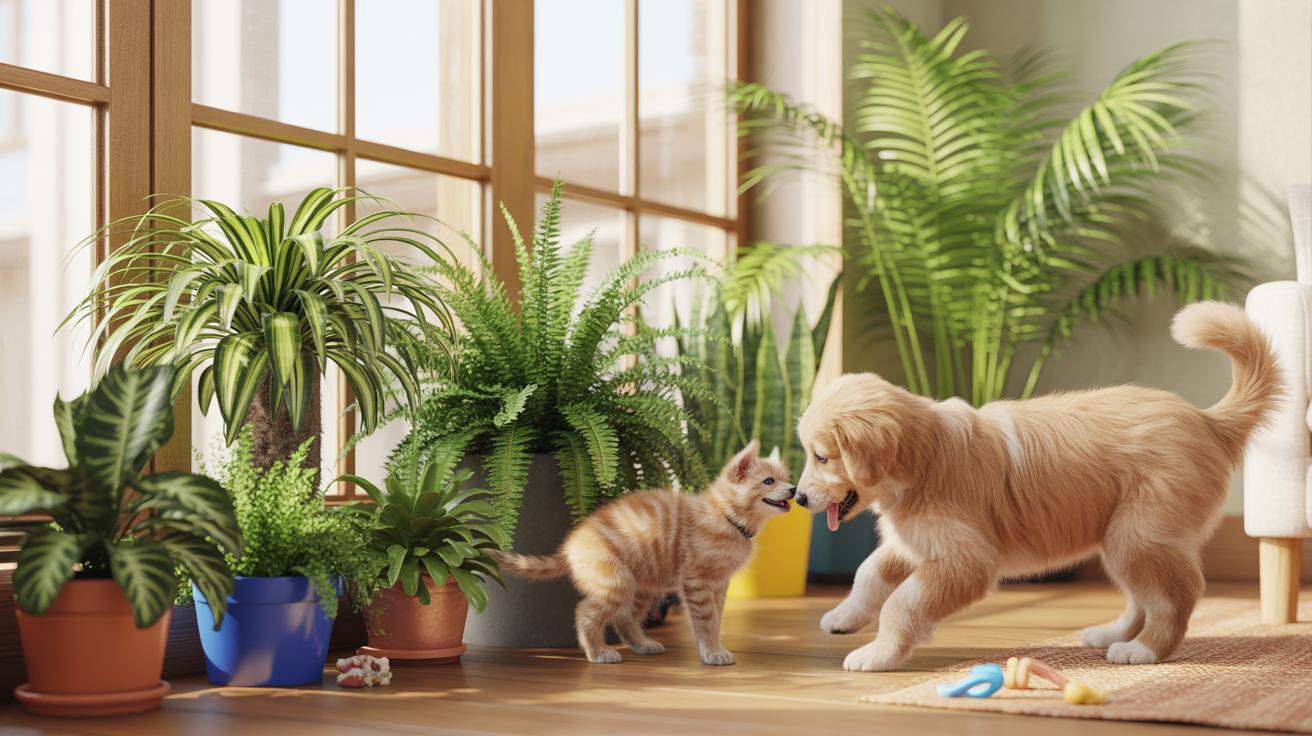
Why Pet Safe Plants Are Dominating Modern Home DCor In 2024
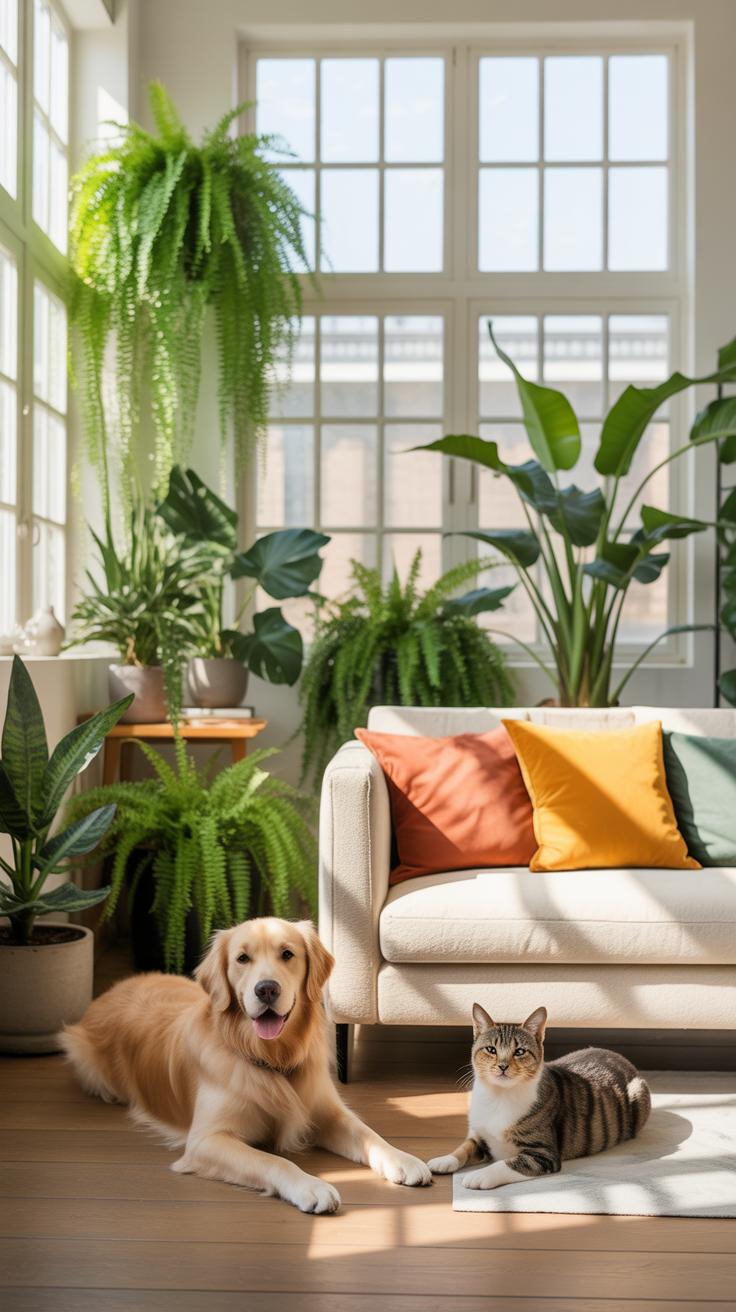
The Growing Awareness Around Pet Safety And Indoor Greenery
Pet owners now prioritize animal health over aesthetic trends. Veterinary data shows that common plants like lilies and sago palms cause severe organ failure in cats and dogs. Owners realize that traditional décor often contains hidden toxins. This shift forces a change in buying habits. People research species before they spend money. They want greenery that does not require emergency medical visits.
This movement aligns with the rise of pet humanization. People treat animals like family members. They design their living spaces to be functional for all residents. Designers now curate plant lists that exclude toxic varieties. Shops label inventory specifically for pet safety. This transparency helps buyers make fast decisions. Safety is no longer an afterthought. It is a core requirement for modern interior design.
How Social Media Is Driving The Pet Safe Houseplants Movement
Social media platforms change how people select indoor plants. Creators share high quality images of pet safe spaces. This visual proof shows that safe plants look just as good as toxic ones. Short videos explain the risks of popular species. This rapid information sharing educates millions of people quickly. It creates a new standard for responsible plant ownership. Influencers now focus on functionality.
Digital communities hold brands accountable for their marketing. Users flag posts that feature dangerous plants near animals. This peer monitoring forces nursery owners to update their labels. Social trends move fast and demand immediate safety. People want beautiful homes that do not harm their pets. Modern décor must be safe for the camera and the cat. The trend focuses on transparency and health.
Understanding What Makes A Houseplant Truly Pet Safe
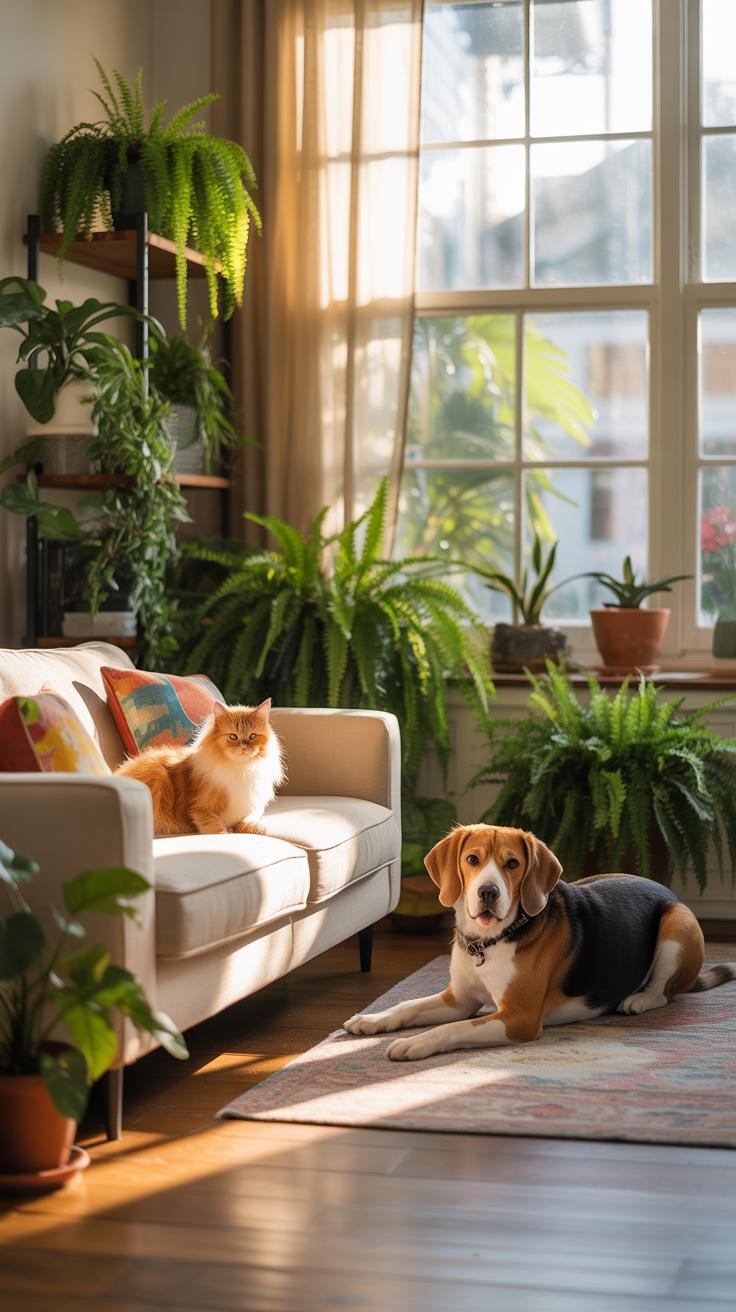
The Science Behind Plant Toxicity And How It Affects Pets
Plant toxicity depends on specific chemical compounds. Many plants contain insoluble calcium oxalate crystals. These needles pierce the mouth and throat upon chewing. Other plants use saponins or glycosides to deter predators. When a pet eats these, their body reacts to the foreign chemicals. This causes symptoms ranging from mild drooling to organ failure. Knowing these chemicals helps you understand the genuine risk level.
Veterinary toxicology classifies these reactions based on the biological system affected. Some toxins target the gastrointestinal tract and cause vomiting. Others enter the bloodstream and affect the kidneys or heart. Cats and dogs lack certain liver enzymes to process these toxins effectively. This metabolic difference makes plants that are harmless to humans dangerous to pets. You must choose plants that lack these specific chemical defense mechanisms.
How To Read ASPCA Toxicity Guidelines Before Buying Safe House Plants
The ASPCA maintains the gold standard database for plant safety. They categorize species into toxic and non toxic groups for specific animals. You must search by the scientific name of the plant. Common names vary by region and cause dangerous confusion. The database lists symptoms for dogs, cats, and horses separately. Always verify every new plant against this professional registry before bringing it home.
A non toxic rating means the plant lacks known systemic poisons. However, any plant material can cause mild stomach upset if eaten in large amounts. Focus on the clinical signs listed in the toxic category. If a plant causes tremors or heart issues, keep it out of the house. Look for plants with a clear non toxic status for your specific pet type. This data removes guesswork and ensures house safety.
Spider Plants The Classic Pet Friendly House Plants Making A Stylish Comeback
Why Spider Plants Are Celebrated For Being Non Toxic To Cats And Dogs
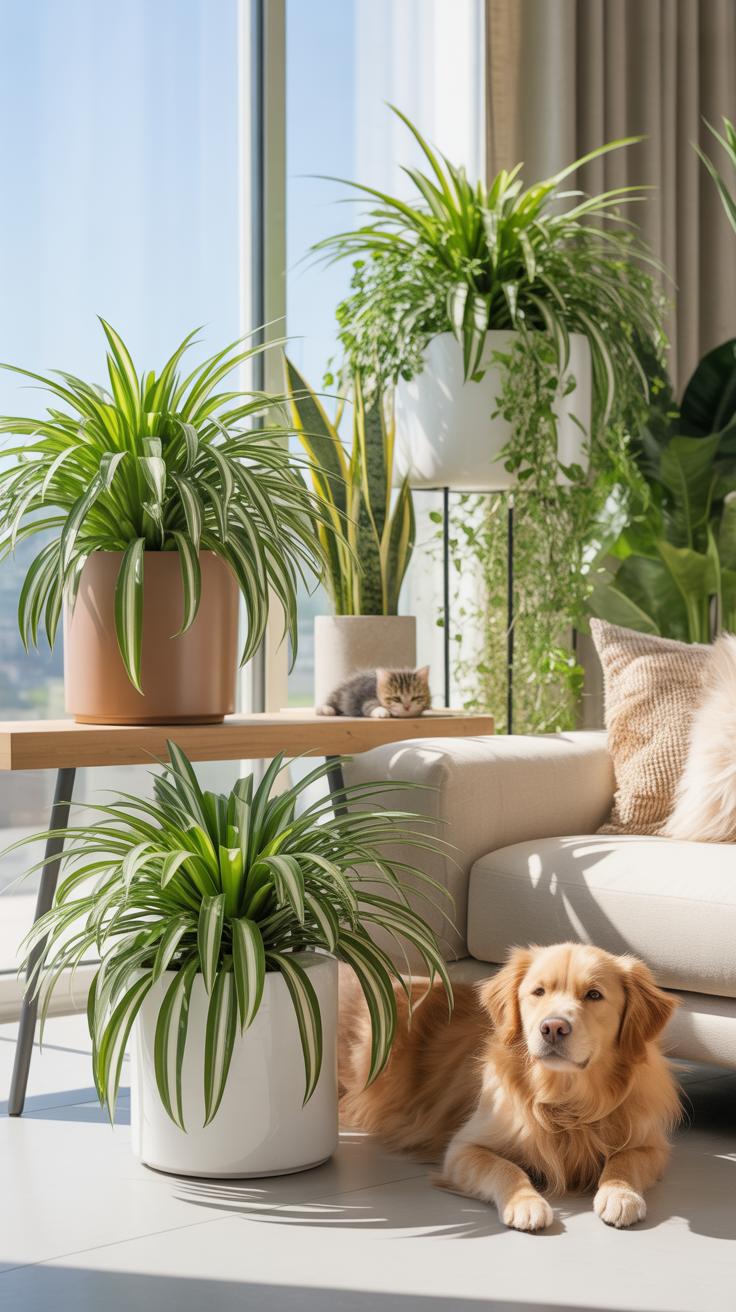
Spider plants hold a verified non-toxic status according to the ASPCA. This classification applies to both Chlorophytum comosum and its various cultivars. Unlike many tropical plants that contain insoluble calcium oxalates, spider plants do not cause internal damage if ingested. This makes them a primary choice for households with Curious pets. The plant’s hardy nature ensures it survives occasional nibbling without dying.
While biologically safe, spider plants contain mild chemical compounds similar to opium. These compounds often attract cats because they produce a mild hallucinogenic effect. You should monitor your pet to prevent excessive consumption. Eating too much foliage can lead to upset stomachs or vomiting in dogs and cats. Strategic placement remains the best way to manage this behavior. Safety does not mean the plant should be a regular snack.
Creative Ways To Display Spider Plants In A Pet Friendly Home
High placement is the most effective strategy for managing pet access to spider plants. Hanging macrame planters utilize vertical space and keep long leaves away from jumping cats. This method mimics the Mid-Century Modern design era when these plants first became popular interior staples. Wall-mounted shelves also offer a solid platform that prevents pets from tipping over heavy pots. Use sturdy anchors to ensure the weight holds.
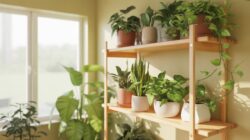
Pedestal stands allow you to incorporate height without drilling into walls. Select heavy bases that a running dog cannot easily knock over. You can also place spider plants on top of high furniture like armoires or bookshelves. This protects the plant’s delicate “babies” or offsets that dangle from the long stems. These offsets are the most tempting part for many pets. Proper elevation secures both the plant and the animal.
Parlor Palm The Elegant Pet Safe House Plant Trending In Interior Design
What Makes The Parlor Palm A Consistently Safe And Low Maintenance Choice
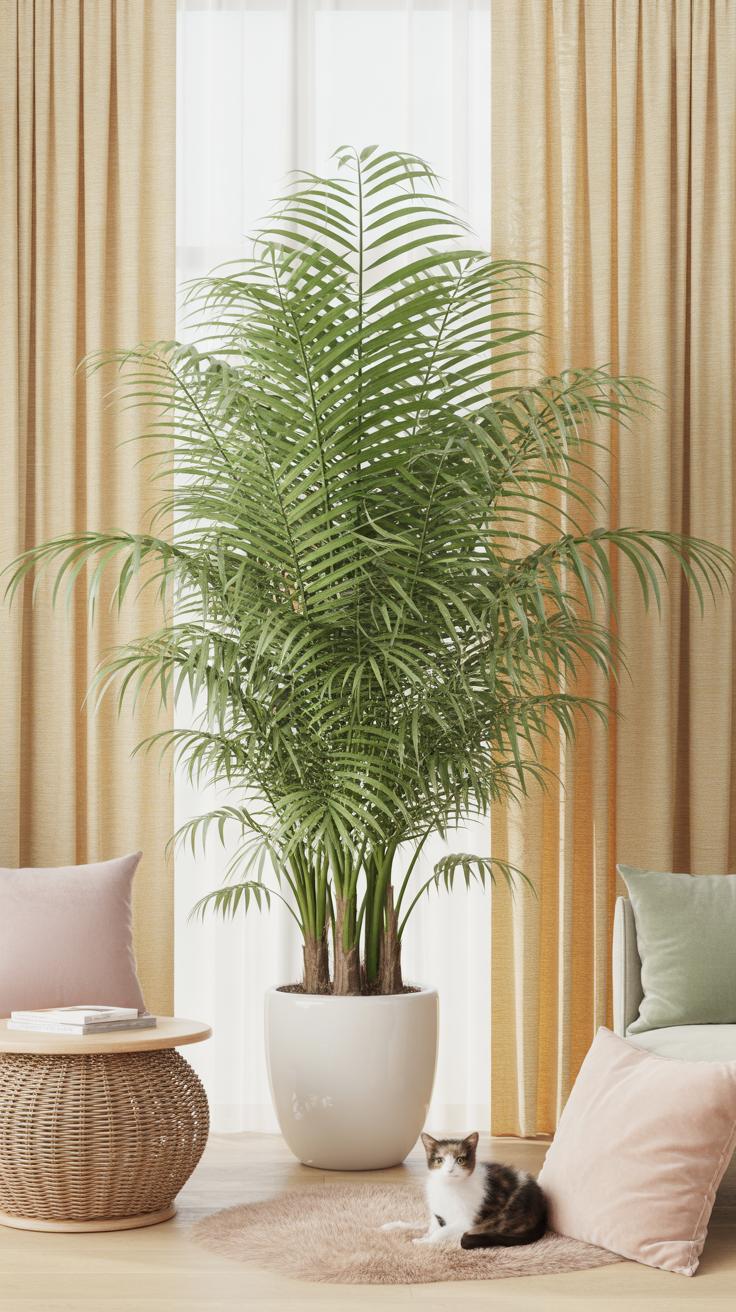
The Parlor Palm remains a primary recommendation for pet owners because it contains no toxic compounds. Its scientific name is Chamaedorea elegans. The ASPCA confirms this plant is non-toxic to dogs and cats. Unlike many tropical plants, it lacks calcium oxalate crystals. This means if a pet chews on the fronds, they will not suffer from chemical irritation or systemic poisoning.
Maintenance requirements are minimal for this species. It thrives in low light and handles average indoor humidity well. You only need to water it when the top inch of soil feels dry. Overwatering is the main cause of failure. Its slow growth rate means it will not outgrow its space quickly. This stability makes it a reliable asset for long-term interior plant styling.
Styling Tips For Incorporating Parlor Palm Into Modern And Bohemian Interiors
Interior designers use the Parlor Palm to add vertical interest without overwhelming a room. In modern settings, use matte black or white ceramic pots with clean lines. This emphasizes the architectural spray of the fronds. Position the plant on mid-century sideboards or glass desks. The fine texture of the leaves breaks up the hard surfaces and sharp angles common in contemporary office or living spaces.
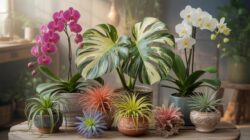
In bohemian designs, use natural materials like woven seagrass or terra cotta. Group the palm with other non-toxic plants of varying heights to create a lush look. Its Victorian-era history adds a vintage feel to eclectic rooms. Place it in a corner or near a bookshelf to soften the area. The plant provides a soft visual layer that complements layered rugs and textured fabrics effectively.
The Truth About The Snake Plant And Pet Safety In Your Home
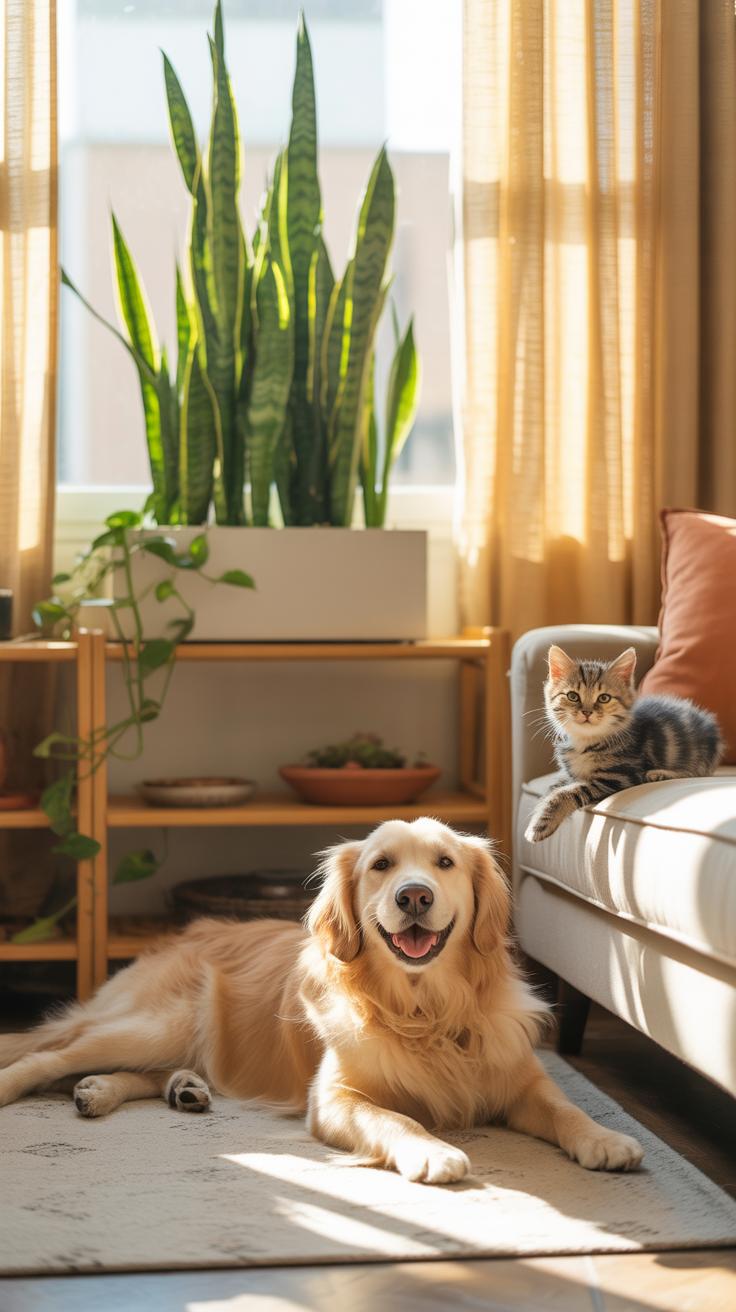
Understanding Why The Snake Plant Is Considered Mildly Toxic To Pets
The snake plant contains chemical compounds called saponins. These natural chemicals protect the plant from insects and fungi. When a cat or dog chews on the leaves, these saponins cause immediate irritation. The reaction is typically gastrointestinal. Pets often experience nausea, vomiting, and diarrhea. While rarely fatal, the plant causes significant physical distress for animals. Owners must keep these plants out of reach.
Pet owners often mistake the snake plant for a safe option because of its air-cleaning reputation. This is a tactical error in a multi-pet household. The plant produces a bitter taste to discourage eating, but some pets persist. If a pet swallows large amounts, the throat may swell. This leads to drooling and loss of appetite. Monitor your space for chewed leaf edges to identify exposure early.
Safer Alternatives To The Snake Plant That Offer Similar Aesthetic Appeal
The cast iron plant is the best direct substitute for the snake plant. It shares the same vertical growth habit and dark green color. This species tolerates low light and irregular watering schedules. Most importantly, it is non-toxic to cats and dogs. You get the structural look of a snake plant without any chemical risk. Use it in floor planters to fill vertical space safely.
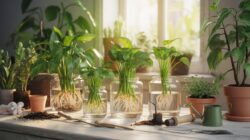
The spider plant offers another viable option for pet-safe greenery. While its leaves are thinner, it provides the same hardy resilience. It thrives in various light conditions and produces clean lines in your interior design. Every part of the spider plant is safe for domestic animals. It allows you to maintain an organic aesthetic while ensuring the health of your pets. This choice eliminates medical risks entirely.
Top Trending Pet Safe Houseplants You Should Add To Your Collection Right Now

A Curated List Of The Most Popular Non Toxic Houseplants For Pet Owners
Pet owners now prioritize safety without sacrificing aesthetics. The market has shifted toward species that offer architectural interest and air purification while remaining 100 percent non-toxic. Modern plant enthusiasts choose these varieties because they are durable and safe for cats and dogs. You must select plants that fit your lighting conditions to ensure they thrive long term.
- Spider Plant: This resilient species handles varying light levels well. It produces small plantlets that hang from the main stems. Cats often find the leaves tempting to chew but the plant is completely safe.
- Boston Fern: These plants thrive in high humidity and indirect light. They provide a lush green texture to bathrooms or kitchens. They are non-toxic to pets and have remained popular since the Victorian era.
- Calathea: Known for striking foliage patterns and movement. These plants fold their leaves at night and are entirely safe for animals. They require consistent moisture and filtered light to maintain their vibrant leaf colors.
- Parlor Palm: This slow-growing palm adds a tropical look to any room. It tolerates lower light better than most other palm varieties. It is a safe alternative to the toxic Sago Palm which owners must strictly avoid.
- Hoya Kerrii: This succulent variety features thick heart-shaped leaves. Owners often buy single rooted leaves or full vines. They are safe for pets and require very little water compared to tropical ferns or leafy foliage plants.
Proper placement maximizes the health of these non-toxic species. Use heavy ceramic pots for tall plants like palms to prevent pets from tipping them over during play. Grouping moisture-loving plants together creates a localized microclimate that benefits the foliage. This strategic approach keeps your pets safe while maintaining a professional home garden design.
What To Look For When Shopping For New Pet Friendly House Plants
Verify every plant purchase with its scientific name rather than common names. Retailers often use misleading labels that do not indicate toxicity levels. Use databases like the ASPCA list to check the genus and species before bringing a plant home. This step removes risk and ensures the safety of your animals. Check the soil for pests before finalizing any purchase at the nursery.

Inspect the physical condition of the plant to buy for longevity. Look for firm stems and vibrant leaves without brown edges or yellowing. Healthy plants adapt faster to new environments and resist disease better. Avoid plants with visible mold or standing water in the drainage tray. High-quality specimens require less maintenance and provide immediate visual impact in your living space.
How To Design A Stunning Indoor Garden Using Only Pet Safe Plants

Layering Heights And Textures With Non Toxic Greenery For A Lush Look
Create depth by grouping plants with contrasting leaf shapes and growth habits. Use the Parlor Palm or Areca Palm as a structural anchor to provide vertical height. Place these on the floor to establish a canopy. Surround the base with mid-sized species like the Boston Fern. The arching fronds of the fern soften the rigid stems of the palms and hide empty soil space.
Avoid flat arrangements by mixing leaf textures. Combine the glossy, thick leaves of a Peperomia with the delicate, thin foliage of a Spider Plant. Place smaller pots on pedestals or floating shelves to break the horizontal line of sight. This technique mimics natural forest floors where sunlight filters through different levels. Using varying heights keeps toxic-free greenery visually interesting without requiring dangerous chemical fertilizers or pesticides.
Room By Room Guide To Placing Pet Safe House Plants For Maximum Impact
Maximize light exposure and functional space when placing plants in specific rooms. Keep the humidity-loving Calathea in the bathroom where steam supports its health. Soft light from frosted windows prevents leaf burn. In high-traffic areas like kitchens, use sturdy herbs such as Basil or Rosemary on windowsills. These provide culinary utility and remain safe if a cat or dog investigates the scent.
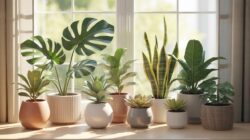
Place large floor plants like the Money Tree in living room corners to anchor the furniture layout. Keep plants off the floor in hallways to prevent pets from knocking them over during play. Use hanging planters for trailing species like the Burro’s Tail in bedrooms. This keeps the greenery away from curious paws while utilizing vertical space. Strategic placement ensures plant survival and maintains a clean, organized home.
Pet Safety Best Practices Every Plant Loving Pet Owner Should Know
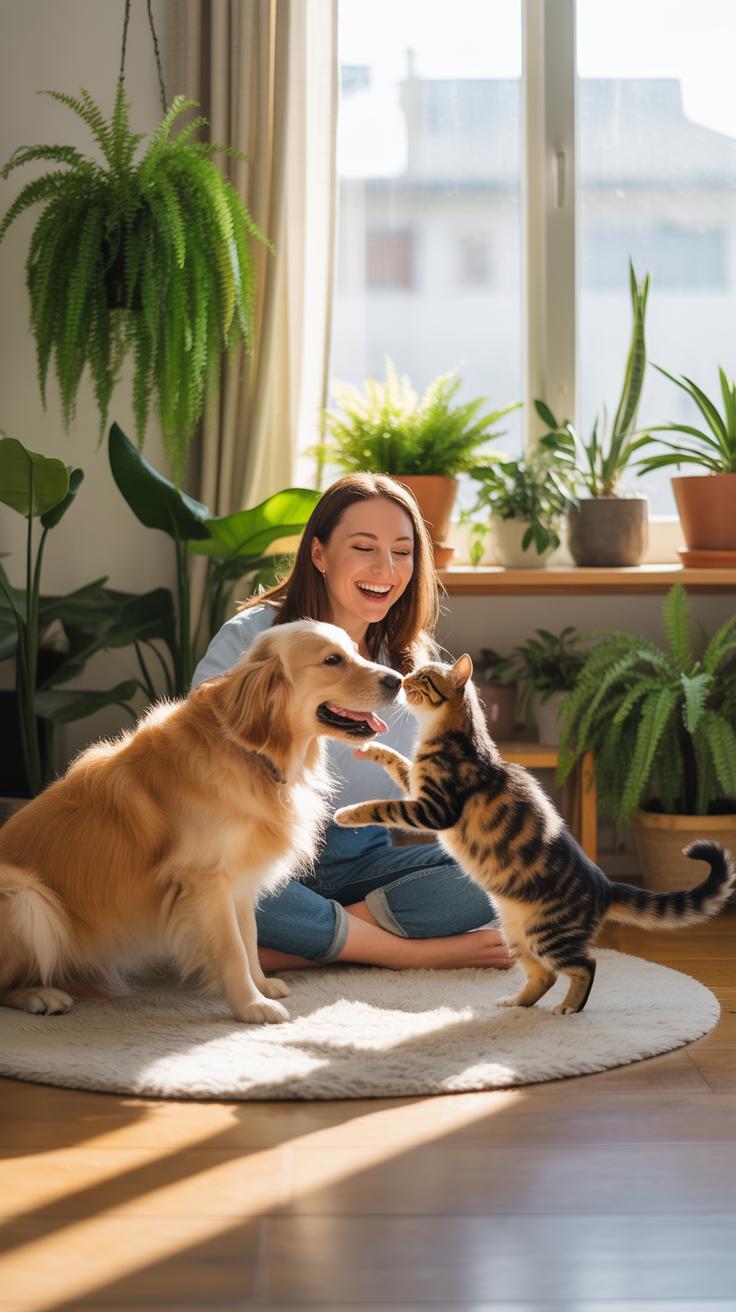
How To Recognize Signs Of Plant Ingestion Distress In Cats And Dogs
Pet owners must identify physical symptoms of plant poisoning immediately to prevent organ damage. Common indicators include sudden drooling, pawing at the mouth, or swelling of the tongue and lips. These reactions often occur within minutes of contact with irritating sap or needles. Gastrointestinal upset like vomiting and diarrhea follows as the body attempts to purge the toxins. You must monitor your pet for these changes.
Neurological and systemic signs require urgent veterinary intervention. Look for lethargy, weakness, or loss of balance. Some toxic plants cause rapid heart rates or breathing difficulties that lead to collapse. In severe cases, pets experience tremors or seizures from chemical compounds affecting the central nervous system. Do not wait for symptoms to worsen. Collect a sample of the plant and call a professional toxicologist or your local emergency vet.
The beauty of a home is found in the harmony between our beloved pets and the greenery that nurtures our souls. Bringing nature indoors should always be a safe embrace for every member of the family.
Essential Pet Safety Habits To Adopt When Living With Indoor Plants
Modern interior design often integrates greenery into living spaces, but pets require specific physical barriers for safety. Even plants labeled as safe can cause mild stomach upset if consumed in large quantities. You must strategically place greenery to minimize interaction. Utilizing vertical space through shelving and ceiling hooks keeps foliage away from curious animals. High placement remains the most effective way to prevent accidental ingestion or digging.
- Use Vertical Mounting: Install sturdy wall shelves or ceiling hooks to elevate plants. This method utilizes the vertical plane to remove greenery from the reach of dogs and less agile cats. It effectively separates the pet from potential hazards.
- Apply Bitter Deterrents: Spray plant leaves and pots with non-toxic bitter agents. These products create an unpleasant taste that discourages chewing habits. It reinforces a negative association with the plant without causing any physical harm to your pet or the foliage.
- Secure Heavy Containers: Use heavy ceramic or stone pots to prevent tipping during play. Unsecured lightweight plastic pots can fall and shatter if a pet bumps them. Stable containers reduce the risk of injury from falling objects or broken shards on the floor.
- Manage Falling Debris: Trim dead leaves and flowers before they drop to the ground. Pets often find fallen plant matter on the floor and eat it out of boredom. Consistent pruning removes the opportunity for your pet to scavenge and consume unknown organic materials.
- Label Every Species: Keep the original nursery tags or create your own labels for each plant. Accurate identification is critical if an emergency occurs. You need the exact scientific name to help veterinarians provide the correct treatment for specific toxins in the plant.
Stable environments require more than just choosing the right species. You should establish dedicated zones for pet activity that are completely free of decorative vegetation. Providing safe alternatives like organic cat grass or spider plants can redirect a pet’s natural urge to chew. Combine these physical deterrents with consistent training to ensure your house remains a controlled and safe environment. Proactive management results in a much lower risk of plant-related injuries.
Caring For Your Pet Safe Houseplants To Keep Them Healthy And Thriving

Watering, Light, And Soil Requirements For The Most Popular Non Toxic Plants
Popular pet safe options like spider plants and parlor palms require specific environmental conditions to survive. Most non-toxic tropical plants need bright, indirect sunlight to maintain their foliage and prevent leaf drop. Direct sun often scorches leaves, while low light stunts growth significantly. Use a well-draining potting mix containing peat moss or coco coir. This setup prevents water from sitting around the roots, which causes rot and plant death.
Watering schedules must adapt to the seasonal needs of the plant. Allow the top inch of soil to dry before adding more water. Ferns prefer consistent moisture and high humidity, whereas succulents like Haworthia need completely dry soil between sessions. Overwatering remains the primary cause of plant failure in indoor spaces. Check soil moisture daily with a finger or a probe. Proper drainage holes are mandatory for every container used.
Common Mistakes Pet Owners Make When Maintaining Safe House Plants
Owners often assume pet safe means indestructible. They place plants in high-traffic areas where pets knock them over or chew the leaves. While the plant will not poison the animal, physical damage kills the plant and creates a mess. Many owners also use synthetic fertilizers that contain harmful chemicals. These substances can irritate a pet’s skin or stomach if they touch the treated soil. Switch to organic alternatives to ensure total safety.
Another frequent error involves neglecting dust accumulation on leaves. Dust blocks sunlight and prevents the plant from breathing. Clean leaves weekly with a damp cloth to keep the plant healthy. Owners also forget to check for pests like spider mites or gnats. These insects stress the plant and can spread through the home quickly. Inspect the undersides of leaves regularly. Treat any infestations immediately with neem oil or insecticidal soap.
Where To Buy High Quality Pet Friendly House Plants And What To Avoid
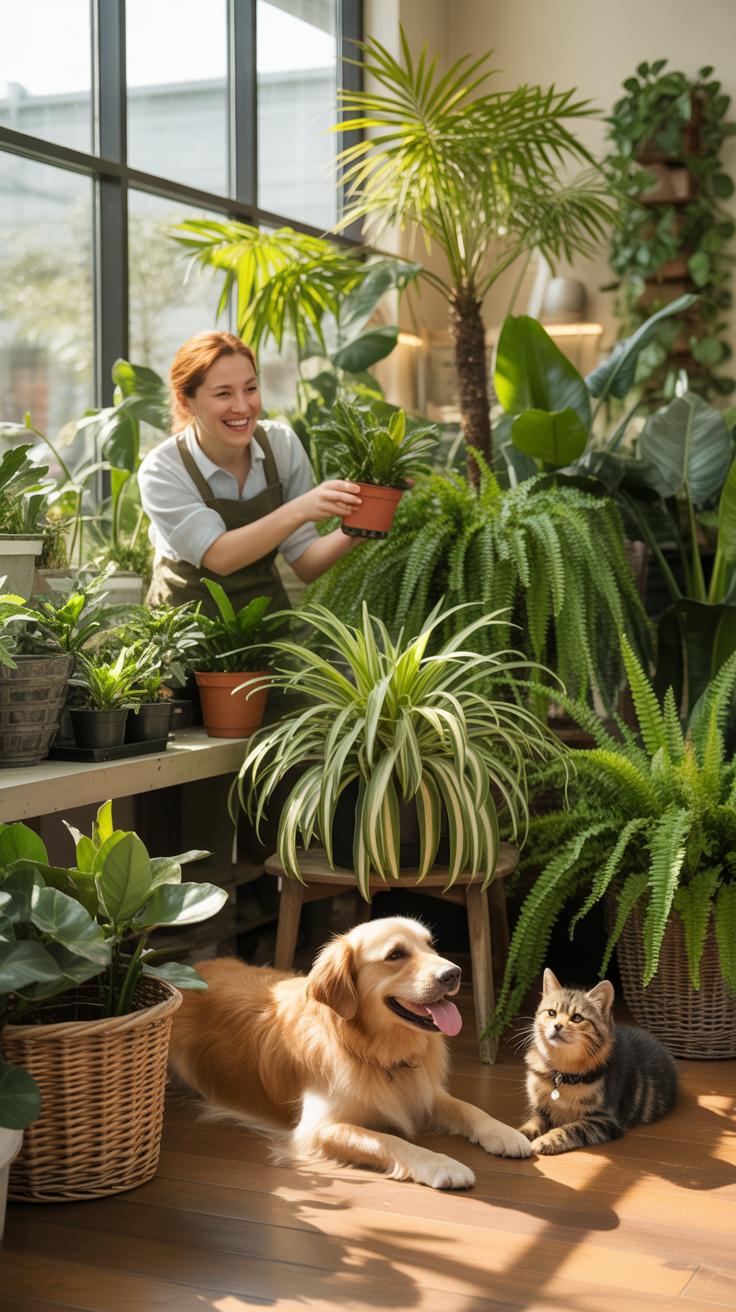
Trusted Retailers And Online Shops Known For Accurately Labeling Non Toxic Plants
Established nurseries and specialized online vendors provide the most reliable inventory for pet owners. Industry leaders like The Sill and Bloomscape categorize their entire catalogs by toxicity levels. These companies use internal botanical experts to verify species names before shipping. You get accuracy that big-box stores often lack. Proper labeling ensures you do not bring a toxic lookalike into your home by mistake.
Digital marketplaces like Etsy require more scrutiny but offer access to rare non-toxic specimens. Stick to shops with high ratings and specific botanical nomenclature. Avoid sellers who only use vague common names. Professional growers will provide the Latin name of the plant. This allows you to cross-reference the species against the ASPCA database. Precise identification is your primary defense against accidental pet poisoning.
Red Flags To Watch For When Purchasing Pet Safe Houseplants From Unknown Sources
Mislabeled inventory is the most significant risk at discount retailers and grocery stores. These outlets often use generic tags like Tropical Foliage or Assorted Greenery. Never trust a tag that lacks a specific species name. If you cannot identify the plant with total certainty, do not buy it. Many toxic plants look nearly identical to safe ones. A mistake here leads to high veterinary bills.
Check for signs of systemic pesticides or chemical shines on the leaves. Unknown sellers often treat plants with industrial chemicals to keep them looking fresh during transport. These residues are dangerous if your cat or dog chews on the foliage. Look for organic certification or ask the seller about their pest control methods. If the seller cannot explain their cultivation process, look for a more transparent source.
Frequently Asked Questions

Which pet safe houseplants are easiest for beginners to keep alive?
If you are new to plant parenthood, the Spider Plant and the Parlor Palm are excellent starting points. These pet safe houseplants are incredibly resilient and thrive in a variety of lighting conditions. They are non-toxic to cats and dogs, meaning you can enjoy lush, tropical greenery in your home without worrying about your furry friends nibbling on the leaves. They are forgiving, beautiful, and perfectly safe for a busy household.
How can I display my pet safe houseplants to keep them away from curious paws?
Even when choosing pet safe houseplants, it is often best to keep them out of reach to protect the plant’s health. Consider using stylish macramé hanging planters or placing your pots on high floating shelves and mantels. Utilizing heavy ceramic pots can also prevent playful pets from knocking them over. This specialized styling ensures your home looks like a curated urban jungle while keeping both your foliage and your pets completely out of harm’s way.
Are there affordable pet safe houseplants available at big-box garden centers?
Absolutely! You don’t need a massive budget to create a pet-friendly oasis. Common varieties like Boston Ferns and various Calathea species are widely available at affordable prices in most local hardware stores and nurseries. Many of these budget-friendly options come in smaller starter pots, allowing you to grow your collection over time. Just be sure to double-check the scientific name on the tag to ensure the variety is truly non-toxic before purchasing.