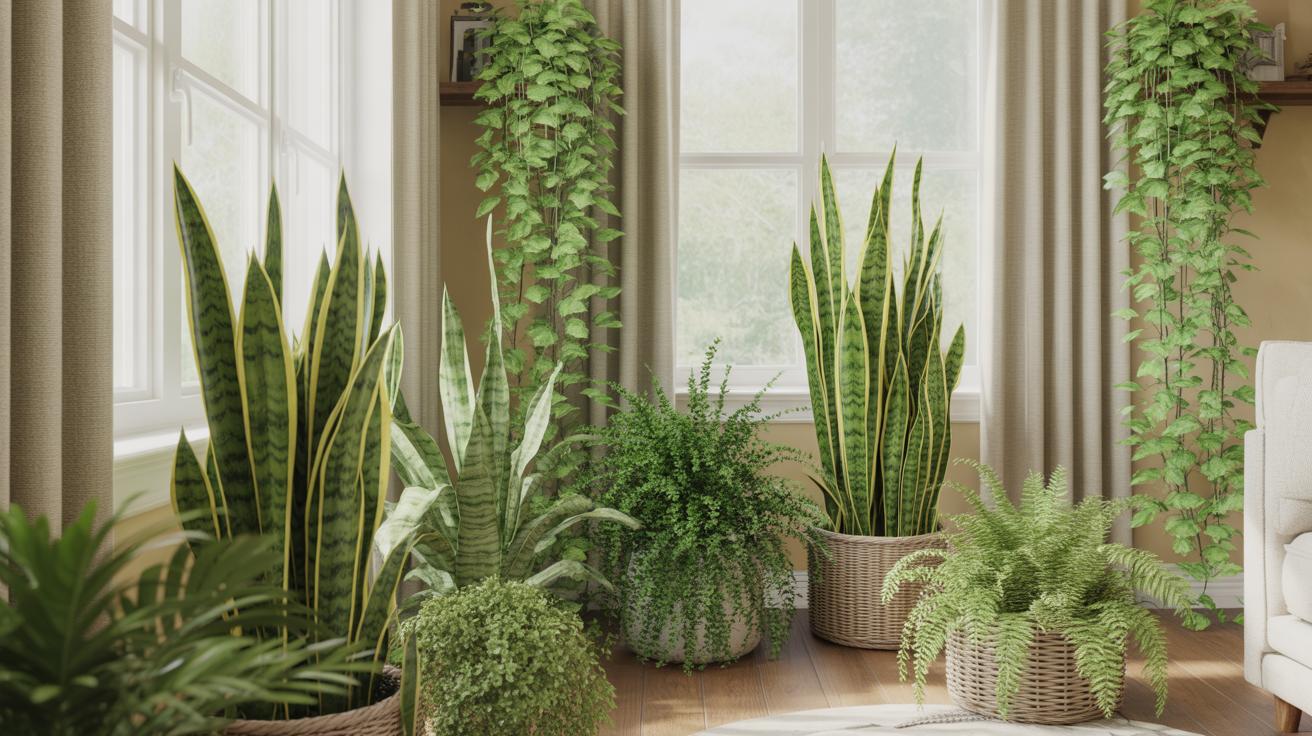
Understanding What Low Light Houseplants Actually Need To Survive
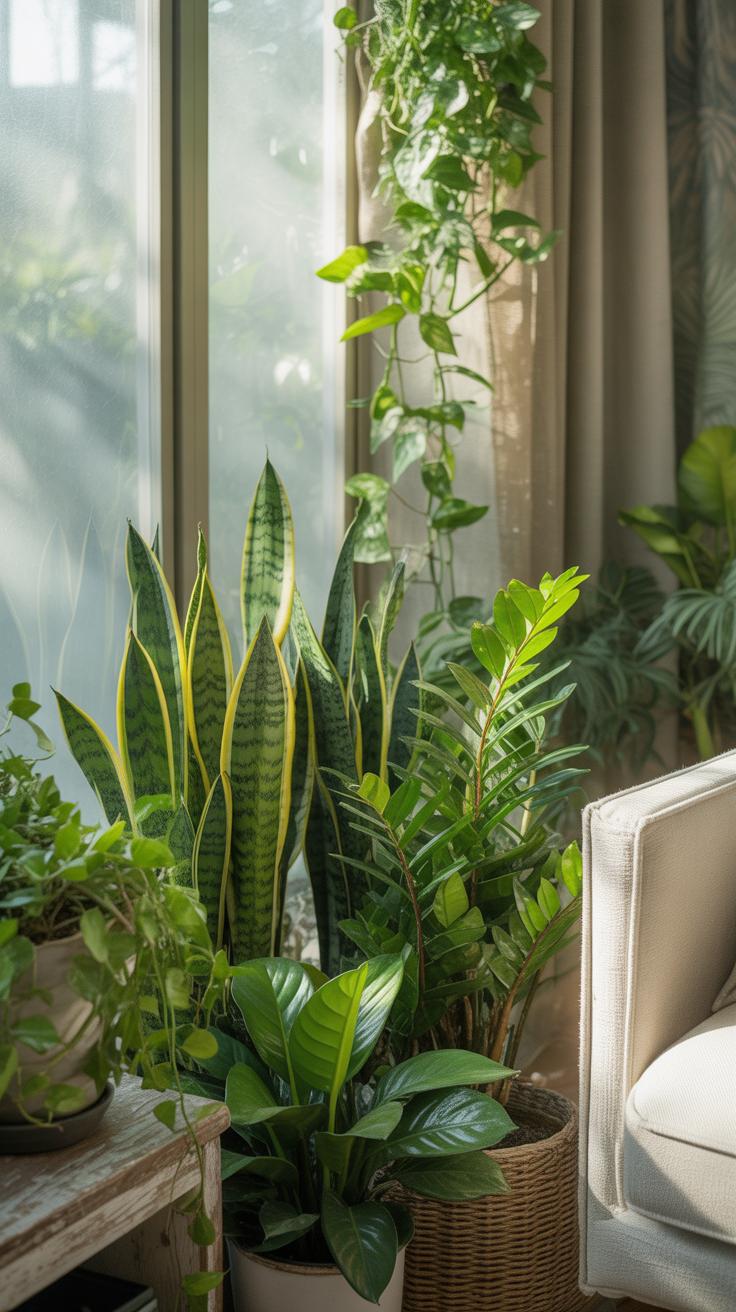
What Does Low Light Really Mean For Household Plants
Low light does not mean total darkness. In a home, low light refers to north-facing windows or spots deep inside a room. These areas receive indirect light rather than hot sun rays. You can usually read a book in these zones without a lamp during the day. However, photons are scarce here. Plants must work harder to capture the energy they need.
Identify several intensities within your home. North windows provide steady but weak light. East and west windows offer brief periods of intensity. Low light plants evolved on forest floors under thick leaf layers. They adapted to survive on leftover light. Placing them in a dark closet or a windowless bathroom kills them. They still require consistent light exposure to function and maintain their cell structure.
How Light Intensity Affects Plant Growth And Leaf Development Indoors
Light intensity dictates how fast a plant grows. Low light slows down photosynthesis significantly. This creates a trade-off for the plant. It will stop producing new leaves to save energy. You might see long stems reaching toward the nearest window. This is called etiolation. It shows the plant is starving for more light. Weak stems cannot support healthy foliage over time.
Leaf color and size change based on light levels. Many low light plants have dark green leaves. This happens because they need more chlorophyll to catch limited light. If light drops too low, the plant will drop its older leaves. It does this to survive. Variegated plants often lose their white spots in low light. They turn solid green to maximize their ability to produce food.
The Best Indoor Plants That Naturally Thrive In Low Light Conditions

Top Hardy Best Indoor Plants That Require Minimal Sunlight
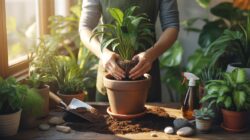
Low light plants survive where others fail. These species maintain high chlorophyll density to capture limited photons. Selecting the right species prevents leaf drop and leggy growth. You must prioritize plants with dark green foliage. Darker leaves often indicate a higher capacity for photosynthesis in dim corners. These options represent the most durable selections for office interiors and windowless hallways.
- Snake Plant: This succulent stores water in thick leaves and handles extreme neglect. It tolerates deep shade and irregular watering schedules without wilting. Sansevieria species are the industry standard for durability in commercial spaces with minimal natural light.
- ZZ Plant: Zamioculcas zamiifolia features waxy leaves that reflect light to maximize absorption. It grows slowly but maintains a deep green color in dark rooms. Its underground rhizomes store water for months during dry periods.
- Pothos: Epipremnum aureum is a versatile vine that thrives in low light. It signals water needs by drooping slightly but recovers quickly. Its ability to grow in water or soil makes it a flexible tool for indoor design.
- Cast Iron Plant: Aspidistra elatior earned its name by surviving harsh Victorian era conditions. It handles low light, dust, and temperature fluctuations without dying. This plant is the best choice for areas with zero direct sun exposure.
- Peace Lily: Spathiphyllum species adapt to low light environments by producing large dark leaves. While they need more water than succulents, they signal thirst clearly. They remain a staple for interior decorators seeking height and texture in shaded spots.
Proper placement ensures these plants remain healthy over time. Do not move low light plants into direct sun suddenly. This causes leaf scorch and permanent tissue damage. Keep them away from cold drafts and heating vents. These hardy species require less fertilizer because they grow slowly. Excess nutrients build up in the soil and burn the roots when light levels remain low for long periods.
Why Certain Plant Species Are Naturally Adapted To Shaded Environments
Most low light houseplants originated on tropical forest floors. Thick forest canopies block nearly all direct sunlight from reaching the ground. These plants evolved to survive on filtered light and forest debris. Their biological makeup prioritizes efficient energy use over rapid growth. They developed broad leaves to increase surface area for light collection. This evolutionary history makes them perfect for modern indoor living.
These species utilize a specialized cellular structure to process dim light. They often have high concentrations of light harvesting pigments. Some plants feature purple or red undersides to bounce light back through their cells. This double exposure maximize every available photon. Because they grow under trees, they also handle consistent temperatures well. They do not require the seasonal shifts that high light plants need to trigger growth cycles.
How To Choose The Right Low Light House Plants For Your Space
Matching Low Light Plants To Room Size, Layout, And Function
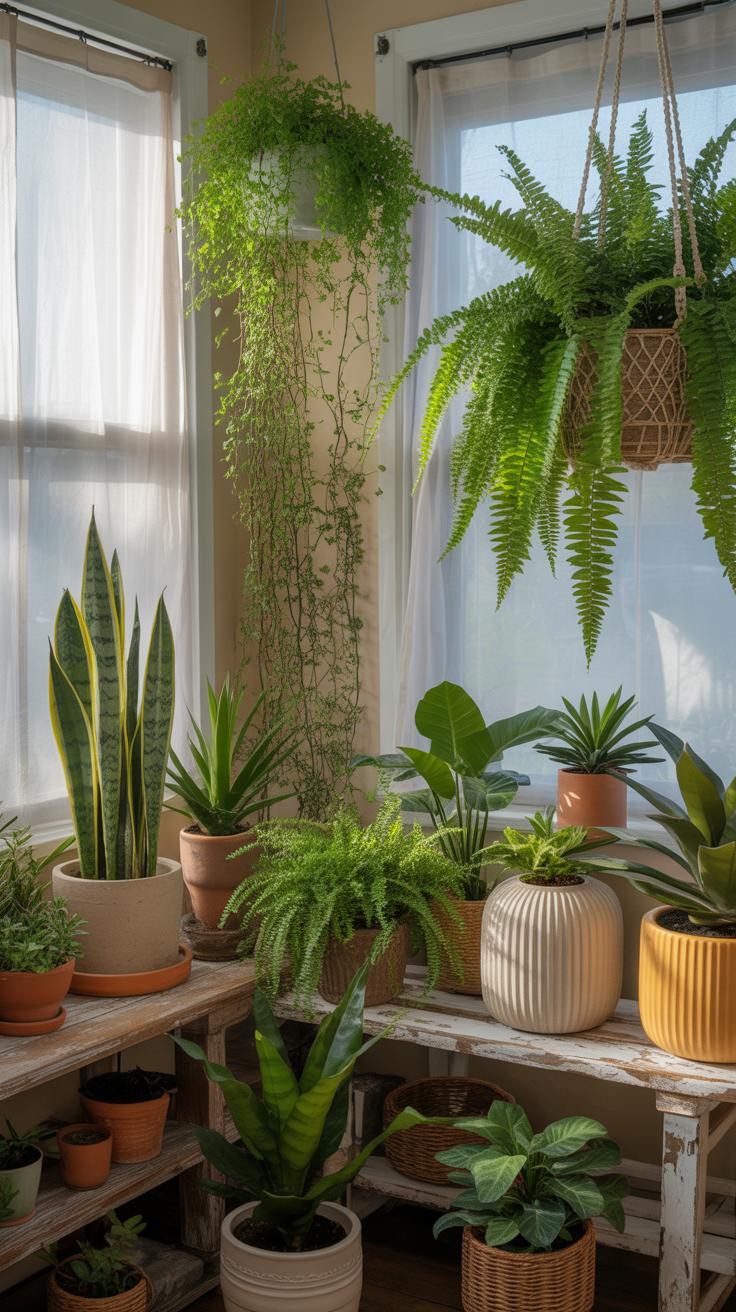
Room volume dictates plant selection. Large floor plants like the Sansevieria thrive in corners where bulky furniture limits light. These vertical growers consume minimal floor space while filling height. Smaller rooms require compact species like the ZZ plant. These plants handle stagnant air better than most. Match the plant growth habit to the foot traffic of the area. High traffic zones need resilient, sturdy foliage.
Functional design requires placing plants where they survive, not just where they look good. Bedrooms often stay dark during the day, making them ideal for Aspidistra elatior. This species handles fluctuating temperatures and low light without dropping leaves. Avoid placing leafy plants in narrow hallways where people will bump the foliage. Physical damage invites pests and disease. Choose sleek, upright varieties for tight corridors to maintain plant health.
How To Assess The Natural Light Levels In Any Room Before Buying
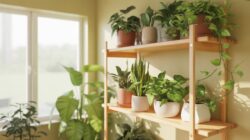
Identify your window orientation to determine light intensity. North facing windows provide consistent but weak light. This environment suits most low light houseplants perfectly. South facing windows deliver intense rays that scorch shade loving species. Observe how far light penetrates the room at noon. Light levels drop significantly just three feet away from any glass source. Use this distance to categorize your zones.
The shadow test provides immediate data on light quality. Place your hand one foot above a white surface during peak daylight. A soft, blurry shadow indicates low light. A sharp, clear shadow means the light is too bright for these species. If you see no shadow at all, the area is too dark for any living plant. Most low light plants require at least 50 foot candles to maintain basic biological functions.
Essential Plant Care Houseplant Tips For Low Light Environments
Watering Schedules And Soil Moisture Management For Low Light Plants
Low light reduces the rate of photosynthesis. This slows down the metabolic process of the plant. Because the plant grows slowly, it consumes very little water. Most people kill low light plants by watering on a fixed schedule. You must wait for the soil to dry out significantly before adding more water. Adding water to wet soil leads to root rot.
Check moisture levels by sticking a finger two inches into the soil. If it feels damp, do not water. Use pots with drainage holes to allow excess liquid to escape. Plastic or glazed ceramic pots hold moisture longer than terracotta. Adjust your watering frequency when the seasons change. Evaporation happens slower in winter. Keep the soil airy to ensure roots get enough oxygen.
Fertilizing And Feeding Your Houseplants In Darker Indoor Conditions
Plants in low light do not need much food. Fertilizer supports new growth, but light drives that growth. If you provide heavy nutrients without enough light, salt builds up in the soil. This salt burns the roots and damages the foliage. Stop all fertilizing during the winter months. Only feed the plant when you see visible signs of active new leaf development.
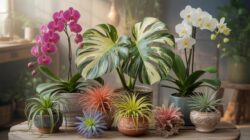
Use a balanced liquid fertilizer diluted to half the recommended strength. Overfeeding causes weak and leggy stems because the plant cannot support the rapid growth. Synthetic fertilizers can cause chemical burns if applied to dry soil. Always water the plant first to protect the root system. Switch to organic options for a slower release of nutrients. Monitor the leaves for brown tips or yellowing.
Growing Plants Indoors Successfully With Smart Placement Strategies
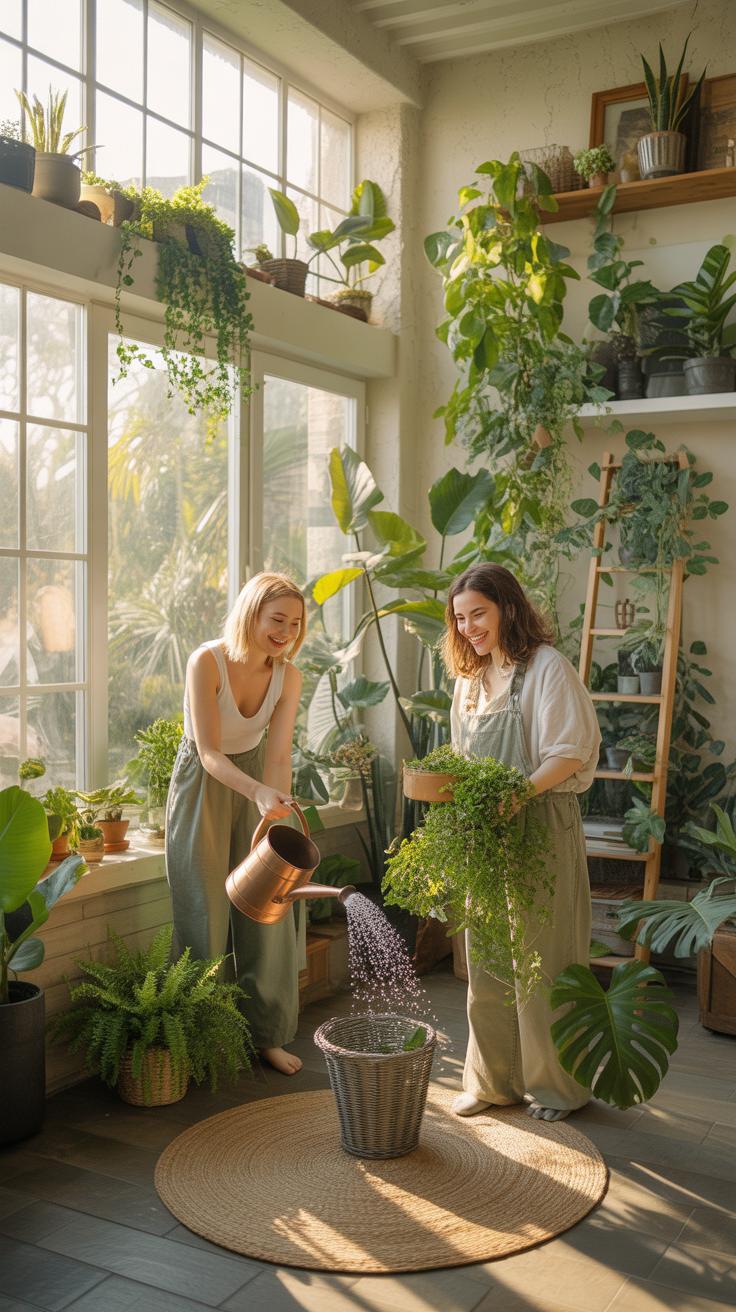
How Room Orientation And Window Position Impact Growing Plants Indoors
Room orientation dictates the volume of photosynthetically active radiation available to your plants. North facing windows provide the most consistent but weakest light intensity throughout the day. This stable environment suits low light species because it prevents leaf scorch. You must place plants within three feet of these windows to maximize absorption. Moving a plant just five feet back reduces usable light by over fifty percent.
South facing windows deliver the highest intensity and longest duration of direct sunlight. While these are often too hot for low light plants, you can utilize the room corners. Positions far from the glass or behind sheer curtains provide the bright indirect light many species require. East and west windows offer intermediate light levels. Morning sun from the east stays cool while western afternoon sun carries high heat levels.
Even in the dimly lit corners of a quiet room, a leaf can find the strength to turn toward the memory of the sun. Deep beauty does not always require the brightest light to grow.
Using Mirrors And Reflective Surfaces To Boost Light For Inside Plants
Strategic use of mirrors increases the reach of natural light in dark rooms. You should position a large mirror directly opposite a window to bounce light into deep corners. This technique does not create new energy but redirects existing photons to plant leaves. Reflective surfaces help equalize light distribution in a space. This prevents plants from leaning too aggressively toward a single light source.
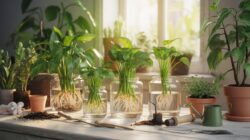
High gloss white paint on walls offers the best reflective properties for indoor gardening. Matte or dark colors absorb light and reduce the energy available for plant growth. Use glass tables or metallic planters to further scatter light within the room. These materials ensure that lower leaves receive some illumination. Proper placement of reflective assets can raise the foot-candle readings in a typical low light environment significantly.
Air Purifying Plants That Also Perform Well In Low Light Settings
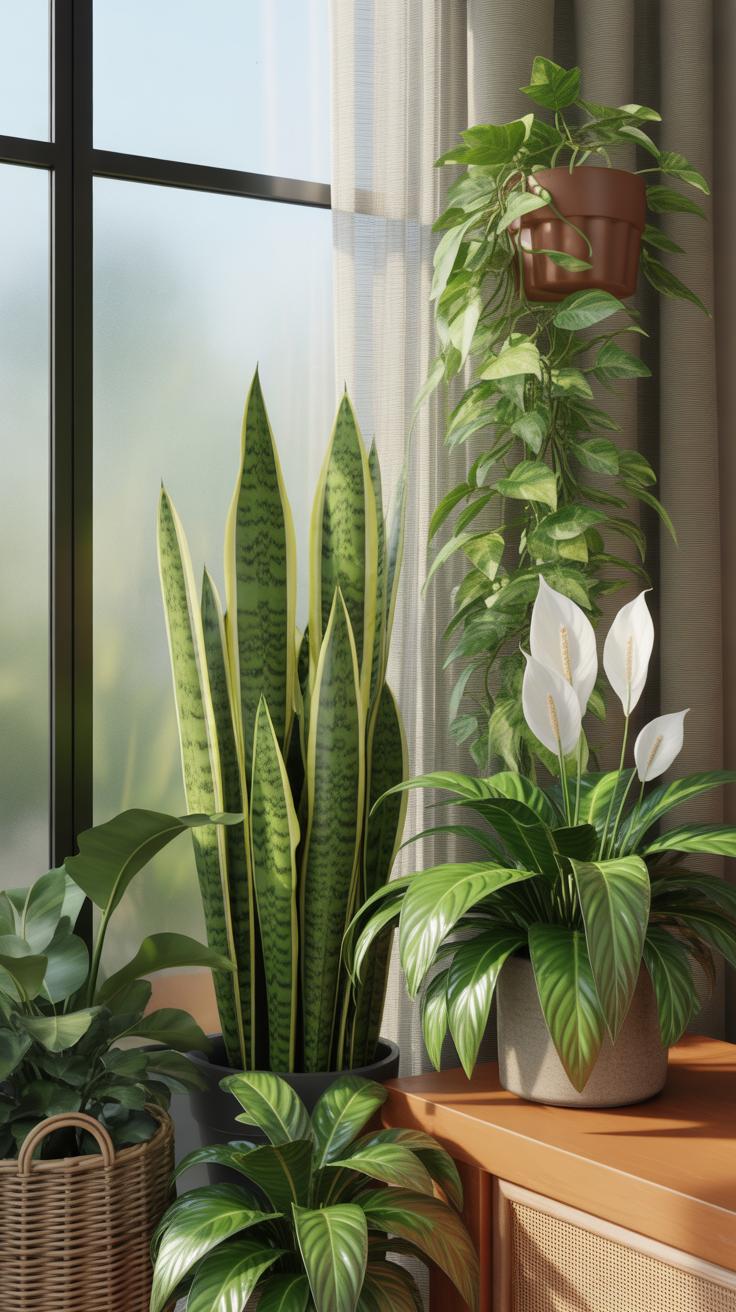
How Air Purifying Plants Like Peace Lily And Snake Plant Filter Indoor Air
Peace Lilies and Snake Plants use specialized biological processes to remove toxins from the air. These plants absorb volatile organic compounds through their leaves and transport them to the root zone. Once there, microbes in the soil break down these harmful chemicals. This system works effectively in low light. You gain cleaner air without needing direct sun. These plants specifically target benzene and formaldehyde.
The Peace Lily excels at humidity regulation while filtering airborne mold spores. It pulls pollutants directly into its plant tissue for processing. The Snake Plant operates differently by converting carbon dioxide into oxygen during the night. This unique metabolic pathway makes it ideal for bedrooms. Both species require minimal light to maintain these filtration functions. They provide a high return on investment for indoor environments.
The Science Behind How Indoor Plants Improve Air Quality In Enclosed Spaces
NASA research confirms that indoor plants reduce concentrations of common household toxins. Plants utilize a process called phytoremediation to neutralize gases. They intake air through small leaf pores called stomata. This movement cycles the air and captures particulate matter. Microorganisms living in the potting medium do the heavy lifting. They digest the pollutants and turn them into food for the plant.

Low light plants have a slow metabolism that allows them to survive in dim corners. This slow growth does not stop their ability to clean the air. They continuously process indoor pollutants from paints, carpets, and cleaning supplies. Air quality improves as the plant establishes its root system. Scientific data shows that even one plant per one hundred square feet makes a measurable difference.
How To Style And Display Plants That Grow In Low Light Indoors
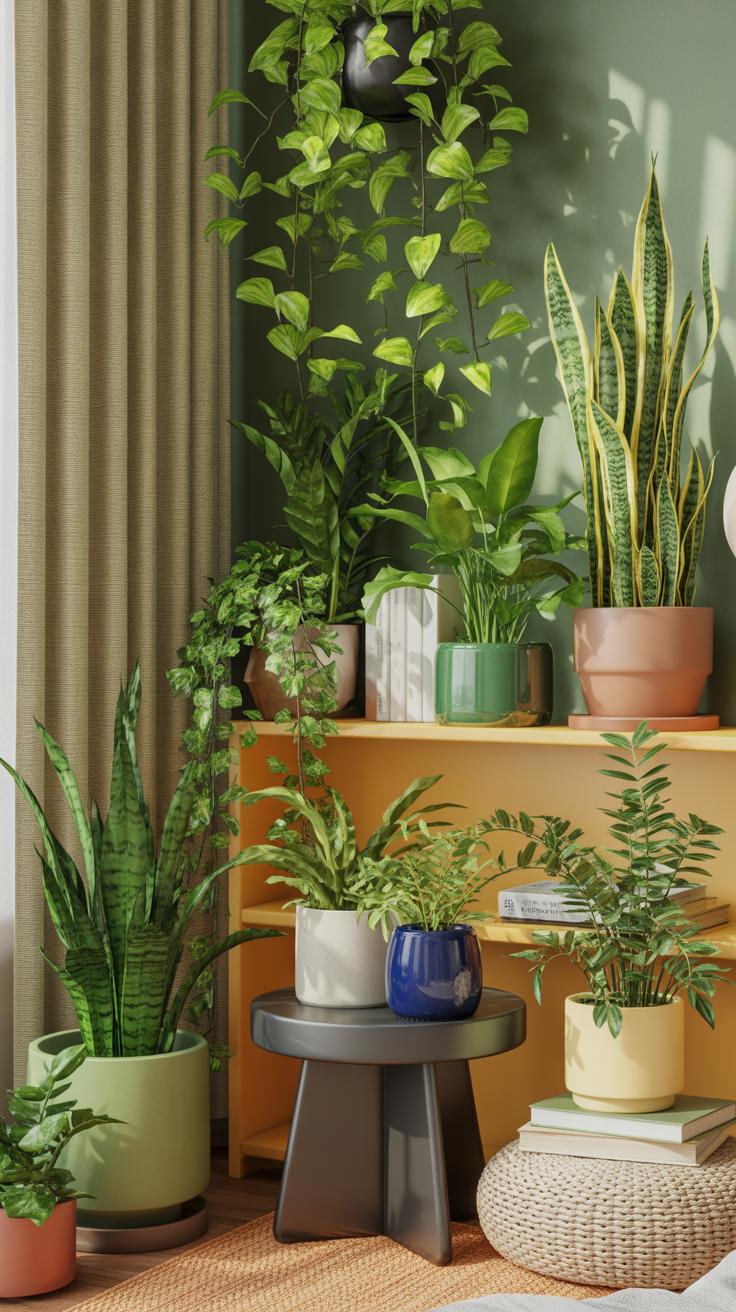
Creative Display Ideas For Showcasing Low Light Plants In Every Room
Strategic placement maximizes the visual impact of shade-tolerant species. These plants often feature dark green foliage to capture limited photons. Placing them against light-colored walls creates a high-contrast look. Utilize vertical height to keep floor space clear in tight hallways or bathrooms. Proper grouping creates a microclimate that helps maintain necessary humidity levels for tropical varieties.
- Wall-Mounted Sconces: Install specialized planters directly onto walls to treat foliage like living art. This method works well for vining plants like Philodendron cordatum. It keeps surfaces clear and utilizes vertical space in dark corridors where floor light is non-existent.
- Tiered Plant Stands: Use multi-level stands to create a dense canopy effect in corners. This technique allows you to stack several low-light plants in a compact footprint. It mimics the natural forest floor environment where these species originally evolved under heavy tree cover.
- Bathroom Shelf Integration: Place humidity-loving plants like Ferns or Sansevieria on open shelving. Bathrooms often have frosted glass or small windows that provide perfect low-intensity light. The natural moisture from showers reduces the need for constant misting while adding texture to hard surfaces.
- Suspended Macrame Hangers: Hang trailing plants from ceiling hooks near north-facing windows. This 1970s design revival serves a functional purpose by catching the highest available light in a room. It draws the eye upward and adds movement to stagnant corners or unused window frames.
- Bookshelf Interspersing: Tuck small pots between book collections on deep shelves. Low-light plants like ZZ plants thrive in these recessed areas where other species would fail. This method adds organic shapes to the rigid horizontal lines of library shelving without requiring direct sun exposure.
Rotate these plants ninety degrees every month to ensure even growth. Lack of rotation causes plants to lean toward the light source and become leggy. Use mirrors effectively to bounce ambient light into deep corners. This simple trick doubles the available light for your plants. Grouping plants with different leaf shapes adds visual depth to your collection without requiring high maintenance.
Choosing The Right Pots, Planters, And Containers For Indoor Aesthetics
Selection of the correct vessel prevents root rot and complements your interior design. Low-light environments mean slower evaporation rates for soil moisture. Non-porous materials like glazed ceramic or plastic hold water longer than terracotta. You must match the container material to the watering needs of the specific plant. Use pots with drainage holes to avoid stagnant water at the root zone.
Incorporate design movements like Brutalism or Mid-Century Modern through container choices. Concrete planters offer a raw aesthetic and heavy stability for tall Snake Plants. Use pedestals to elevate smaller specimens to eye level for better visibility. Match the pot color to your wall paint for a seamless look. Alternatively, use bold metallic finishes to reflect precious light back onto the foliage in dim rooms.
Common Problems When Caring For Inside Plants In Low Light And How To Fix Them
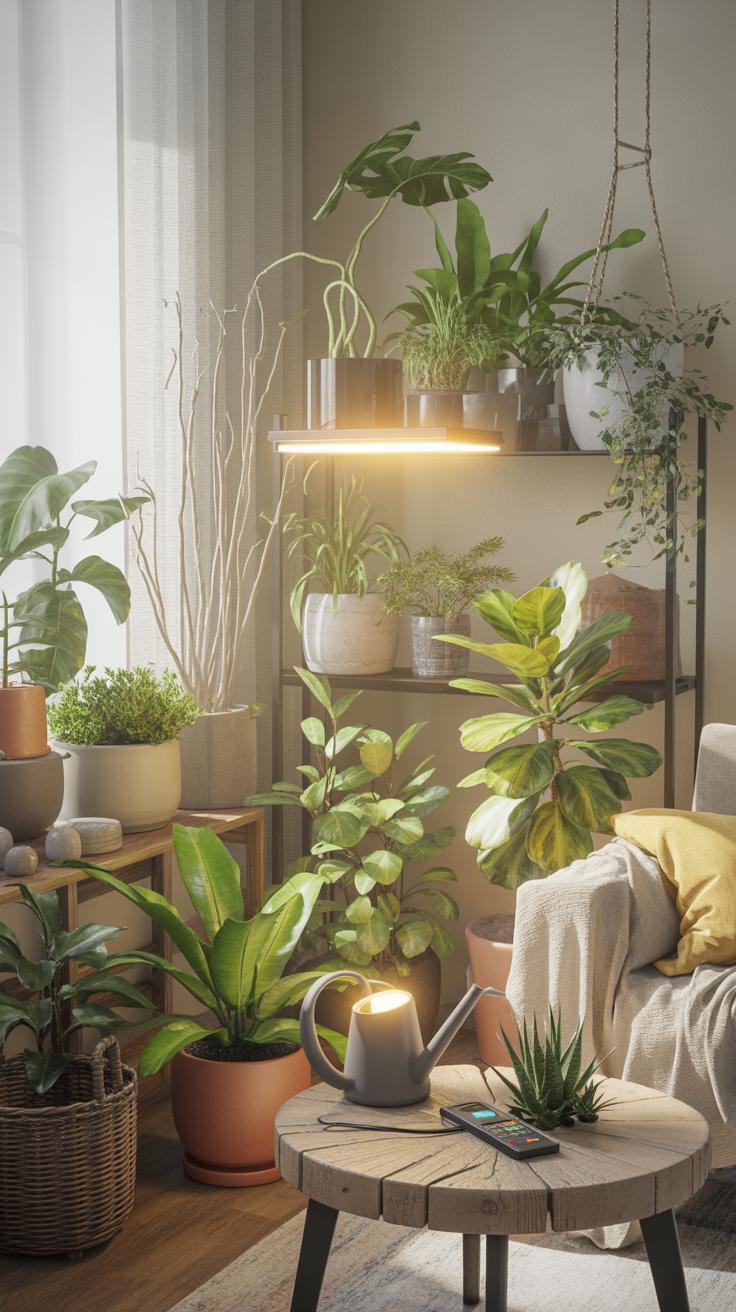
Identifying Signs Of Light Stress, Overwatering, And Root Issues In Houseplants
Low light levels slow down plant metabolism and water consumption. You will notice light stress when stems become thin and stretch toward the nearest window. This search for energy weakens the cellular structure of the plant. Leaves often turn pale or lose their variegation. Small new growth indicates the plant lacks the fuel to produce full sized foliage. Check these signs weekly to prevent permanent damage.
Overwatering is the primary killer of indoor plants in dark corners. Wet soil prevents oxygen from reaching the roots and causes decay. You can identify root rot by a foul smell or black mushy stems. Yellow lower leaves often signal that the soil remains too saturated for too long. Stick your finger two inches into the dirt. If it feels wet after ten days, you have a drainage problem.
How To Revive A Struggling Low Light Houseplant Back To Full Health
Immediate intervention starts with moisture control and lighting adjustments. Remove the plant from its pot to inspect the root system. Cut away any black or slimy roots with sterilized shears. Replant the specimen in fresh well draining soil and a clean container. Move the plant to a brighter spot with indirect light for two weeks. This boost in energy helps the plant recover from the stress of decay.

Stop all fertilization while the plant is in distress. Extra nutrients burn weakened roots and cause further salt buildup in the soil. Prune away dead or dying leaves to redirect energy to healthy growth points. Monitor the weight of the pot to determine when to water next. A light pot means the soil is dry. Consistent observation and minimal interference allow the plant to stabilize its internal systems naturally.
Propagating And Expanding Your Low Light Plants Collection At Home
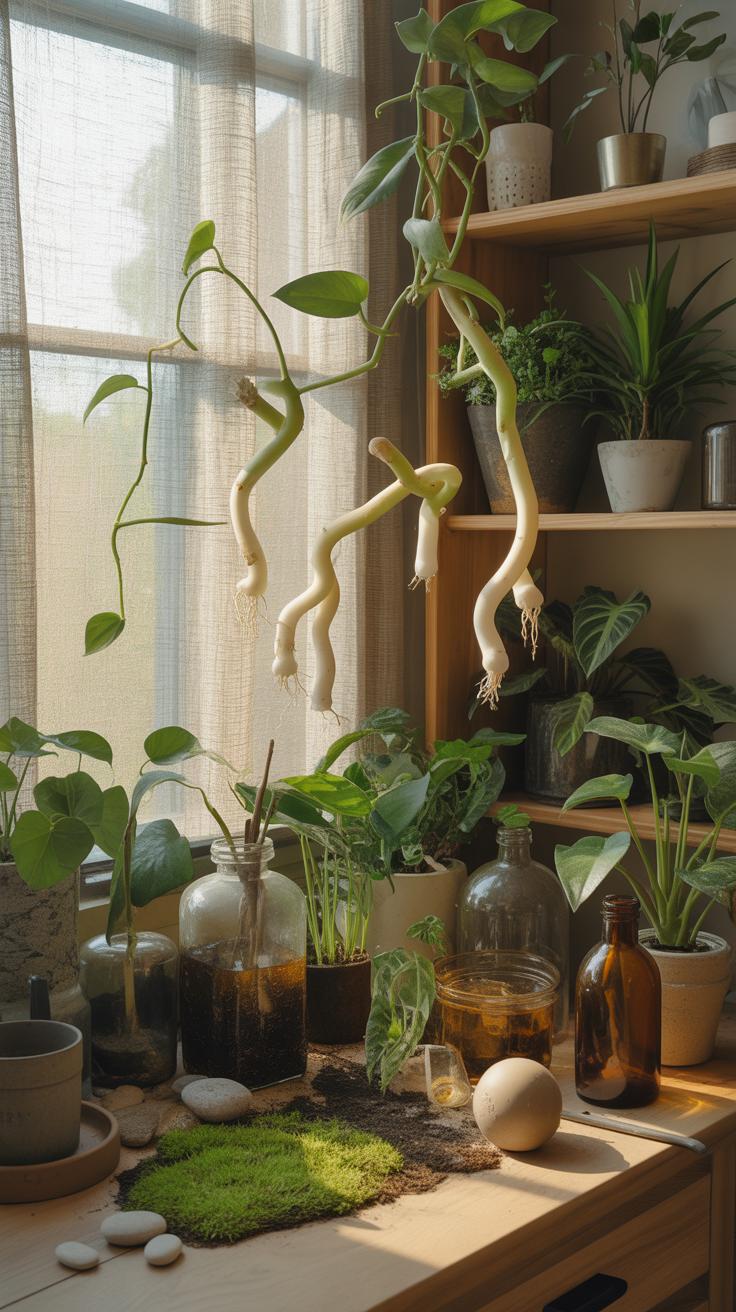
Simple Propagation Methods That Work Well For Common Low Light Houseplants
Most low light plants thrive with stem cuttings or division. For species like Pothos or Heartleaf Philodendron, cut a stem with at least two nodes. Place the cutting in clean water. Roots will emerge from the nodes within weeks. This method is reliable and requires minimal equipment. Keep the water fresh to prevent rot. Ensure the cutting receives indirect light during this phase.
Snake plants and ZZ plants require more patience. You can propagate these through leaf cuttings or rhizome division. For division, pull the plant from its pot. Slice the thick root structures into sections with a sharp knife. Each section must have attached leaves. This technique creates mature plants faster than leaf cuttings. It also prevents overcrowding in the original pot over several years.
How To Transition New Cuttings Into Thriving Standalone Household Plants
Moving a water-rooted cutting to soil requires careful timing. Wait until roots reach two inches in length. Prepare a small pot with well-draining potting mix. Soil provides the nutrients that water lacks. Gently pack the soil around the fragile roots. Water the soil immediately to settle the particles. Keep the media moist for the first two weeks to reduce transplant shock.
Once the plant establishes a root system, reduce the watering frequency. Low light plants have slow metabolisms. Overwatering at this stage kills the new root hairs. Observe the new growth for signs of health. Stable green leaves indicate the transition worked. Do not use fertilizer for at least two months. Let the plant adapt to its permanent container and light levels before adding nutrients.
Frequently Asked Questions

Which low light houseplants are best for a beginner to start with?
If you are new to indoor gardening, the Snake Plant and ZZ Plant are your best bets. These hardy low light houseplants are incredibly forgiving, as they can tolerate neglect and thrive in dim corners where other greenery might struggle. Their slow growth rate and minimal water requirements make them perfect for building confidence before you move on to more delicate species like Pothos or elegant Peace Lilies.
How do I know if my low light houseplants are getting enough sun?
Monitoring your plants’ physical appearance is key to their success. While low light houseplants are adapted to darker spaces, they still need some indirect energy. If you notice your plant becoming “leggy”—meaning the stems are stretching excessively toward the nearest window—or if the leaves begin to lose their vibrant variegation and turn a dull, solid green, it is a sign they need a slightly brighter spot to thrive.
Can I create a beautiful indoor garden on a tight budget?
Absolutely! You can easily build a stunning collection without spending a fortune by purchasing smaller starter plants, which are significantly cheaper than mature specimens. Additionally, many popular varieties like Pothos or Heartleaf Philodendron are very easy to propagate. By taking stem cuttings and rooting them in water, you can multiply your greenery for free, eventually filling your entire home with lush, healthy foliage on a very small budget.