What Is Statement Planter Styling And Why It Matters For Your Home

Understanding The Role Of A Statement Planter In Interior And Exterior Design
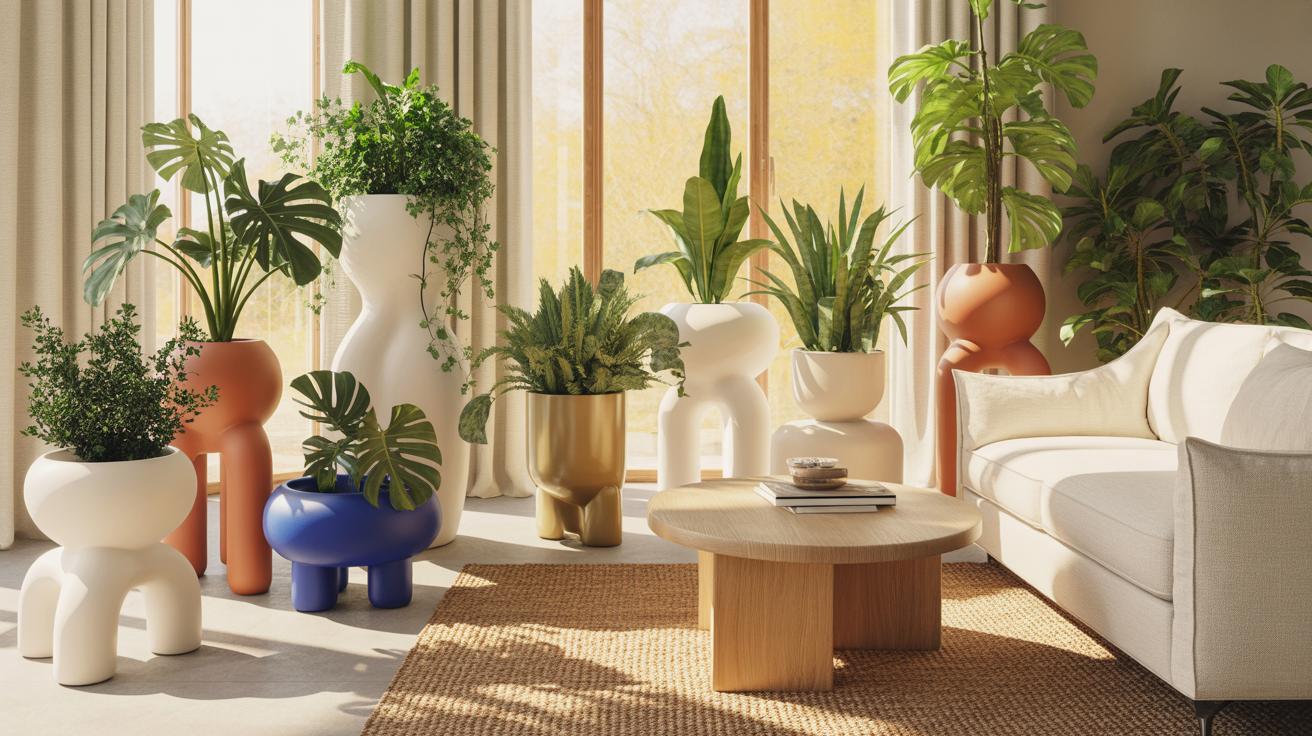
A statement planter acts as a primary focal point in a space. Designers use these large scale vessels to anchor a room or define an outdoor boundary. Unlike standard pots, statement planters dictate the visual flow of an area. They create structural height and add texture where furniture or architecture may feel flat. You must treat the planter as a piece of sculpture rather than a simple container.
Material choice and scale are the two most critical factors in this discipline. Concrete, fiberglass, and lead offer different weight and durability profiles for specific environments. A heavy stone planter provides stability in high wind outdoor zones. A sleek ceramic or metallic finished pot elevates a minimalist interior. Use these objects to transition between hard architectural lines and organic plant life. This creates a balanced, professional look.
How Statement Planter Styling Has Evolved From Simple Gardening Into A Design Movement
Historically, planters served only a functional purpose for food or basic greenery. The shift began with the formal gardens of the Renaissance which used grand urns for symmetry. Later, the Mid-Century Modern movement introduced geometric shapes and raised pedestals. These designs moved the focus from the plant to the vessel itself. Contemporary styling now treats these items as high value assets in luxury home staging and commercial architecture.
Modern styling focuses on the intentional marriage of vessel architecture and botanical form. You no longer just buy a pot that fits a root ball. You select a size and shape that complements your ceiling height or floor plan. Industrial shifts allow for lightweight composite materials that mimic heavy stone. This shift enables homeowners to place massive, impactful pieces on balconies or upper floors without structural risk. Professional styling now prioritizes this technical and visual integration.
Choosing Large Pots For Plants That Make A Bold Visual Impact
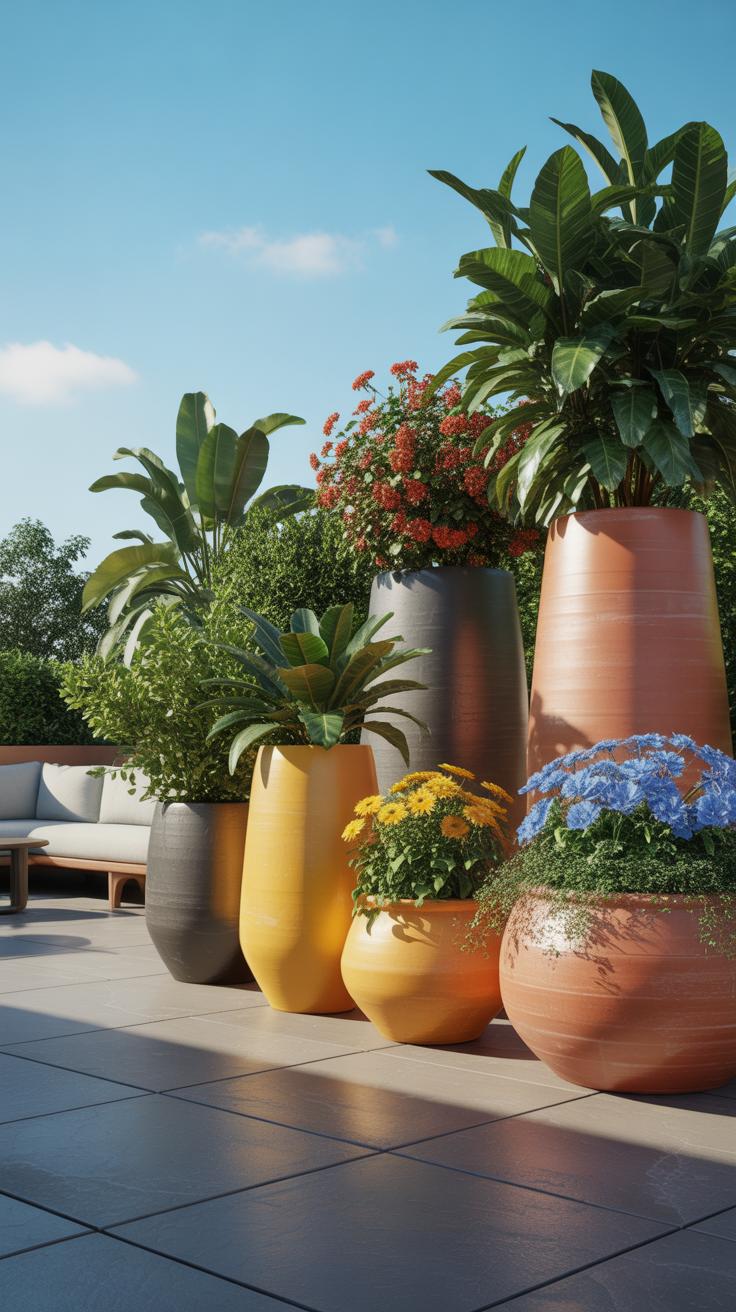
How To Select The Right Size And Scale Of Large Pots For Plants In Any Room Or Garden
Scale dictates the success of statement planter styling. A pot must maintain a ratio of at least one third the height of the room to register as a focal point. Small pots in large rooms create visual clutter and lose their impact. Match the diameter of the vessel to the spread of the plant canopy. Ensure the base provides enough stability to prevent tipping in high traffic areas.
Outdoor environments require even larger dimensions to compete with natural horizons and architecture. Use oversized pots to define boundaries or anchor corners. Large vessels hold more soil which regulates temperature and moisture levels for the root system. This thermal mass protects plants during cold snaps or heat waves. Select heavy materials like concrete or thick terracotta for windy locations. Proper scale ensures the planter commands the necessary attention.
Best Plant Varieties That Thrive And Look Stunning In Large Statement Pots
Structural plants with clear architectural lines work best in large pots. The Ficus Lyrata offers broad leaves that fill vertical space effectively. For a minimalist aesthetic, use the Sansevieria because of its upright growth and low water needs. These species handle the confined root space of a pot while maintaining a dominant physical presence. They provide the height required to balance the mass of a large container.
European design often utilizes citrus trees or pruned boxwoods for a formal look. These plants respond well to container life and offer seasonal interest. Palms like the Kentia or Rhapis excelsa bring a softer texture while still reaching impressive heights. Ensure the plant choice matches the light levels of the specific spot. A healthy plant is the only way to achieve a high end look. Large pots deserve vigorous specimens.
The Timeless Appeal Of Stone Planters For A Sophisticated Home Aesthetic
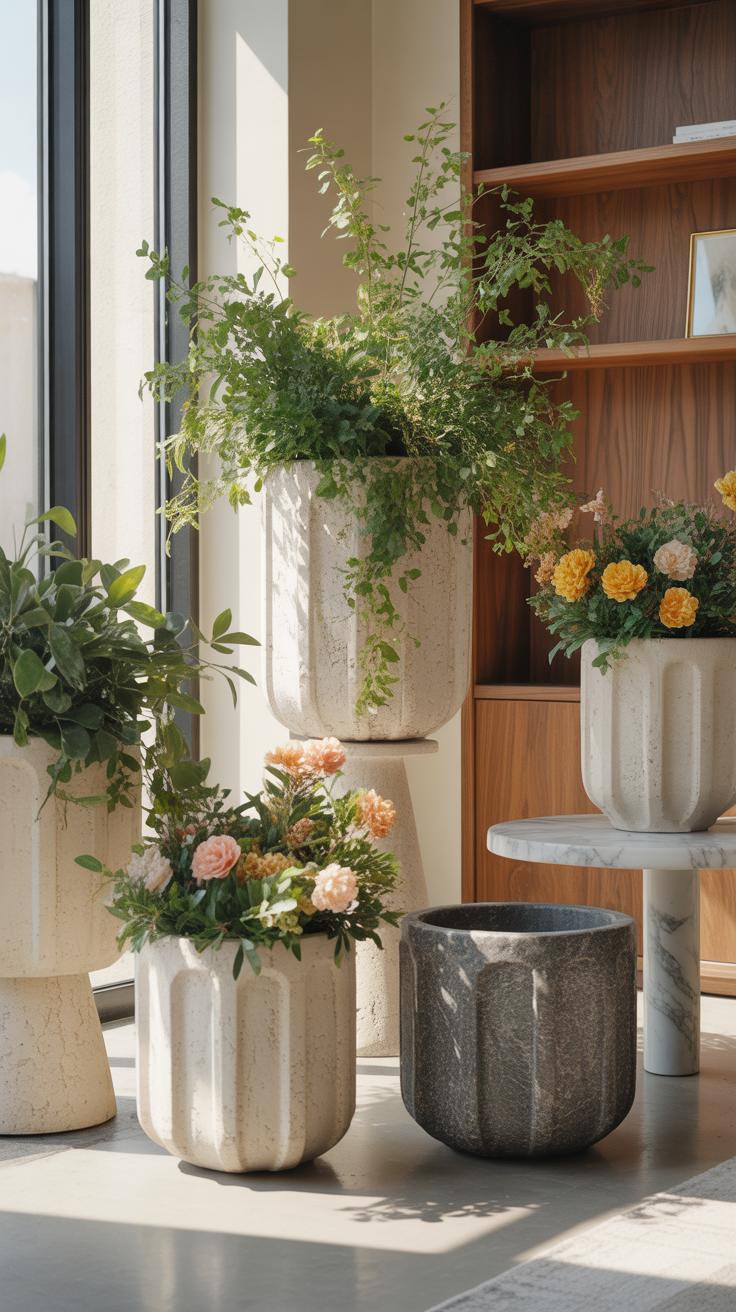
Why Stone Planters Add Texture, Weight, And Permanence To Your Design Scheme
Stone planters provide immediate visual stability to a room. Natural materials like limestone, granite, and sandstone possess unique mineral veining and granular textures. These physical traits create a tactile contrast against smooth drywall and glass surfaces. Designers use stone to ground a space because its physical weight prevents the arrangement from looking temporary. A heavy stone vessel signals permanence and high value.
The history of stone basins dates back to Ancient Greece and Rome. These civilizations used carved marble and volcanic rock to display flora in public courts. Today, using stone mimics this Neoclassical durability. Synthetic materials often fail to replicate the organic cooling properties of genuine stone. Stone absorbs and releases heat slowly. This thermal mass protects root systems from sudden temperature shifts while providing a premium aesthetic finish.
How To Style Stone Planters Both Indoors And In Outdoor Garden Settings
Effective indoor styling requires strategic placement. Scale stone planters to match large architectural features like fireplaces or entryways. Avoid placing heavy stone on delicate flooring without protective padding or a recessed base. Position these vessels in corners to soften harsh angles. Choose plants with structured leaves like the Fiddle Leaf Fig. The solid stone base balances the airy height of the foliage and prevents tipping.
Outdoor styling relies on weathering and patina. Place stone planters along paths or at transition points between the house and garden. Natural stone reacts to local humidity and sunlight. Over time, it may develop moss or change color. This process integrates the planter into the landscape. Group different heights together to create a focal point. Use stone to unify separate outdoor areas through consistent material choice and repeated geometric shapes.
Drawing Inspiration From The Restaurant Planter Trend To Style Your Own Space
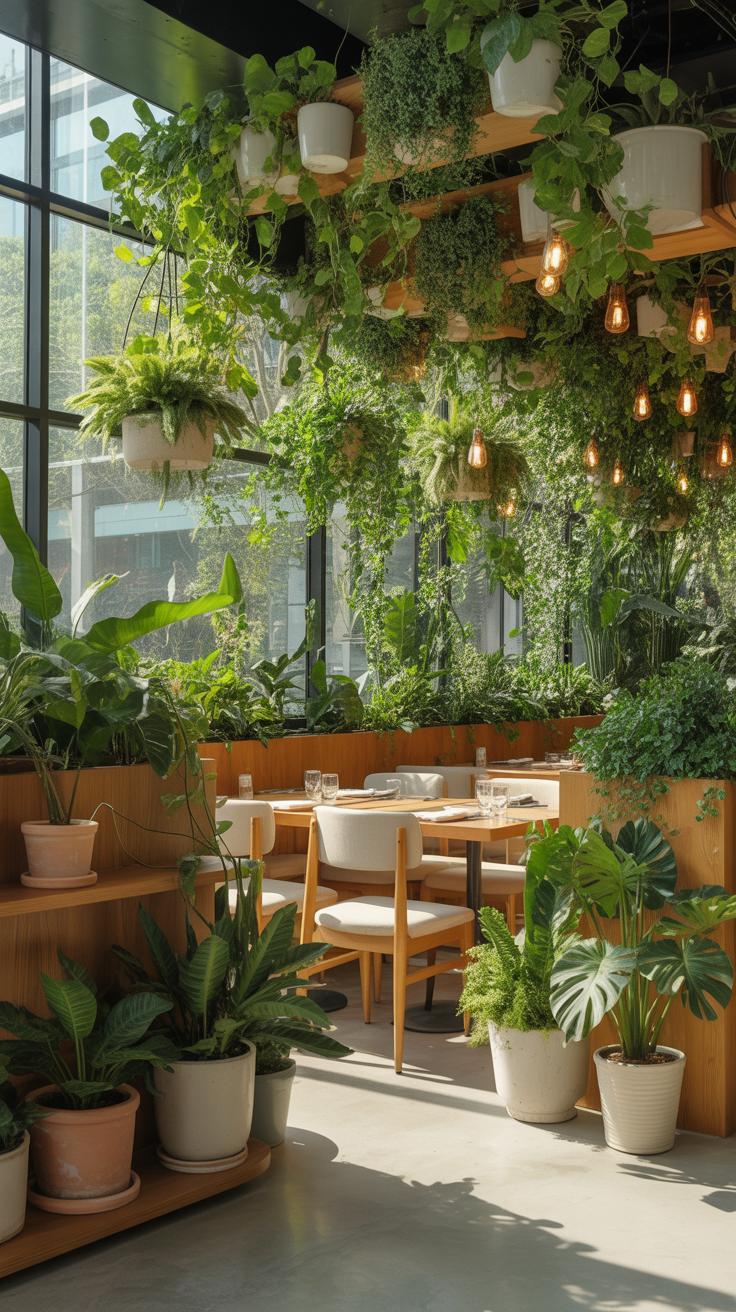
What Makes The Restaurant Planter Aesthetic So Visually Compelling And Easy To Recreate
Restaurant greenery works because it defines space without building permanent walls. High-end dining rooms use large-scale planters to create privacy and manage foot traffic. These installations use repetition to create a sense of order. This approach is easy to copy at home. You only need a few identical pots and the same plant species. This setup creates an immediate professional look.
Professional designers choose plants based on high-impact silhouettes. They prioritize structural plants like Sansevieria or Ficus lyrata. These plants have clean lines that match modern architecture. Restaurants also use lighting to highlight these green features. You can replicate this by placing small spotlights at the base of your planters. This technique adds depth and focuses the eye on your greenery after dark.
Key Design Principles Borrowed From Commercial Spaces That Work Beautifully At Home
Commercial spaces use the principle of scale to command attention. They avoid small, cluttered pots. Instead, they use massive containers that anchor the room. You should select one or two oversized planters for your living area. This creates a clear focal point. Matching the planter material to your floor or walls creates a seamless look. This strategy makes your room feel larger and more intentional.
Zoning is another vital tactic used in hospitality design. Use tall planters to separate your home office from your living space. This creates a physical barrier that does not block light. Professionals often use troughs or long rectangular pots for this purpose. Stick to a monochromatic color palette for the containers. Neutral tones like charcoal, terracotta, or concrete work best. These colors allow the green foliage to stand out.
Outdoor Pots Ideas And Planters Ideas Outdoor That Elevate Your Garden Or Patio
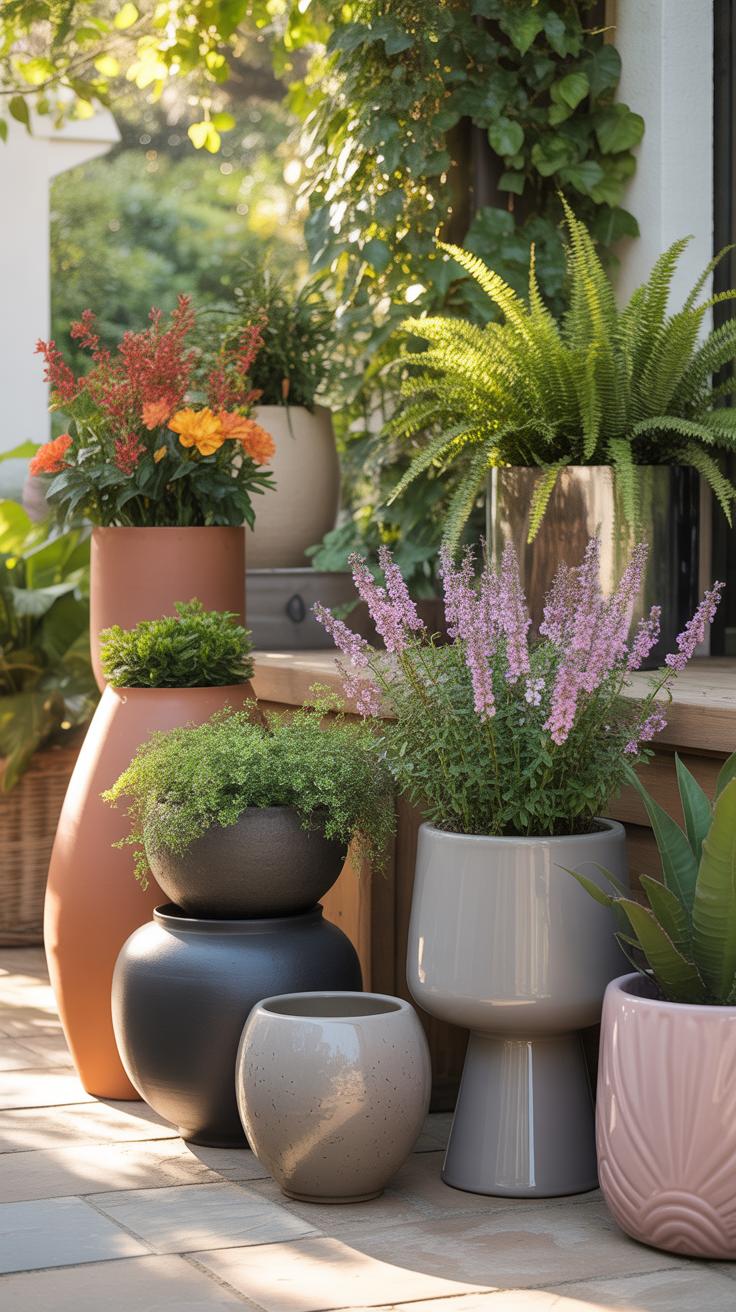
Top Outdoor Pots Ideas For Creating Focal Points On Patios, Decks, And Entranceways
Strategic placement of oversized containers defines the architectural flow of outdoor spaces. Large scale planters break up flat surfaces and direct foot traffic toward entry points. Use heavy materials like cast stone or corten steel to ensure stability against wind and physical impact. These vessels act as permanent anchors in a landscape design. Choose shapes that contrast with your home architecture to create visual tension.
- Oversized Glazed Urns: Use high fire ceramic urns to anchor patio corners. These heavy pieces provide vertical interest and tolerate extreme temperature shifts without cracking. The reflective surface adds light to shaded areas.
- Corten Steel Troughs: Select weathered steel for a modern industrial look. This material develops a protective rust layer that prevents deep corrosion. Its orange hue provides a sharp contrast to green foliage and structured hedges.
- Cast Stone Pedestals: Elevate smaller containers on stone plinths to create a formal focal point. This technique mimics classical French garden design and adds height to entranceways. It forces the eye upward and improves site lines.
- Concrete Geometry: Deploy brutalist concrete cubes to define the edges of a deck. Raw concrete offers a neutral backdrop that highlights the texture of ornamental grasses. This material is durable and requires zero maintenance over decades.
- Lead Finished Planters: Install traditional lead styled boxes for a timeless English garden aesthetic. These planters work best in pairs flanking a doorway. Their muted gray tone complements brickwork and stone masonry without competing for attention.
Positioning planters in odd numbered groups creates a more natural visual balance than even numbering. Align your largest pot with a primary window or door to establish a clear sightline. Ensure the container size matches the scale of the building to avoid looking cluttered. Quality outdoor pots serve as the structural bones of your garden during dormant winter months.
How To Arrange Planters Ideas Outdoor For A Layered And Cohesive Garden Look
Effective layering requires varying heights and widths to mimic natural plant growth patterns. Start with the tallest vessel at the back or center to establish a skeleton. Place medium pots around the base to hide the lower stems of larger plants. This staggered approach creates depth and masks the hardware of irrigation systems. Mixing textures like matte stone and glossy ceramic adds sophisticated visual complexity.
Maintain cohesion by sticking to a limited color palette or a single material family. Use different shapes within that material to provide variety without causing visual chaos. Group pots in clusters of three or five to create a unified mass. Repeat these clusters at intervals to lead the eye through the garden. This repetition creates a professional rhythm found in high end landscape architecture projects.
Using A Giant Snake Plant As A Statement Piece In Your Home Greenery Collection
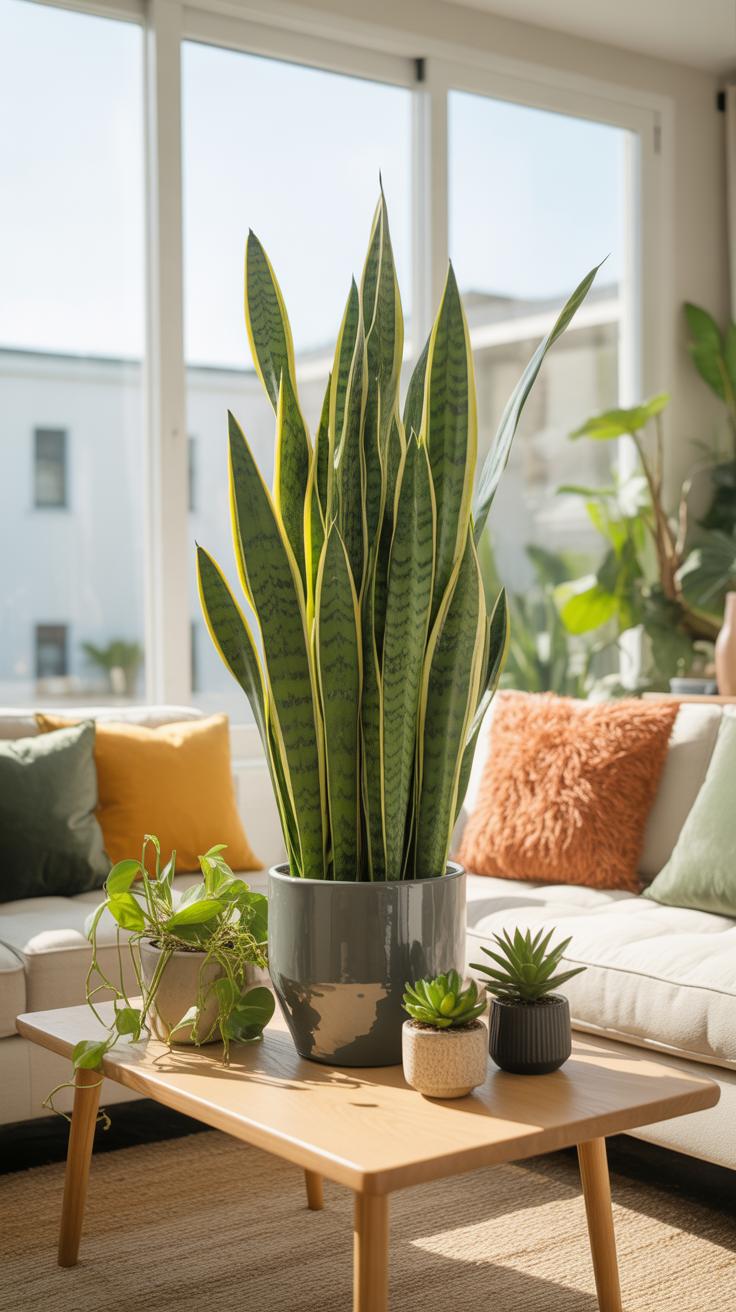
Why The Giant Snake Plant Is One Of The Most Striking And Low Maintenance Statement Plants Available
The Giant Snake Plant, specifically the Sansevieria trifasciata Laurentii, offers immediate structural impact. Its stiff and sword-like leaves provide vertical lines that draw the eye upward. This architectural form fits Mid-Century Modern and Minimalist design styles. The plant thrives in diverse light conditions from low light to direct sun. Its physiological makeup allows it to survive long periods without water by storing moisture in its thick foliage.
This species is a durable choice for high-traffic areas because it lacks fragile stems. The leaves resist pests and tolerate temperature shifts that kill other tropical plants. It serves as a permanent anchor in a room due to its slow growth and longevity. Owners gain a consistent visual element that does not require seasonal pruning or complex feeding schedules. It produces a clean silhouette that remains stable for years.
How To Style Home Greenery Around A Giant Snake Plant For Maximum Dramatic Effect
Create a hierarchy by placing the Giant Snake Plant in the tallest position. Use it as a central pillar and surround it with trailing or soft-textured plants. This contrast highlights the rigid nature of the Sansevieria. Pair it with Pothos or Philodendrons to soften the edges of the planter. This layering technique builds a lush look without cluttering the floor space. Focus on varying heights to keep the arrangement dynamic.
Select a planter that complements the verticality of the leaves. Cylindrical floor pots in concrete or matte ceramic work best for this effect. Position the plant against a plain wall to emphasize its shadow and shape. Do not crowd the base with too many small pots. Leave enough negative space so the primary plant remains the focus. This strategic placement ensures the greenery looks intentional rather than accidental in your living space.
Styling Plants Indoors To Create A Lush And Welcoming Atmosphere
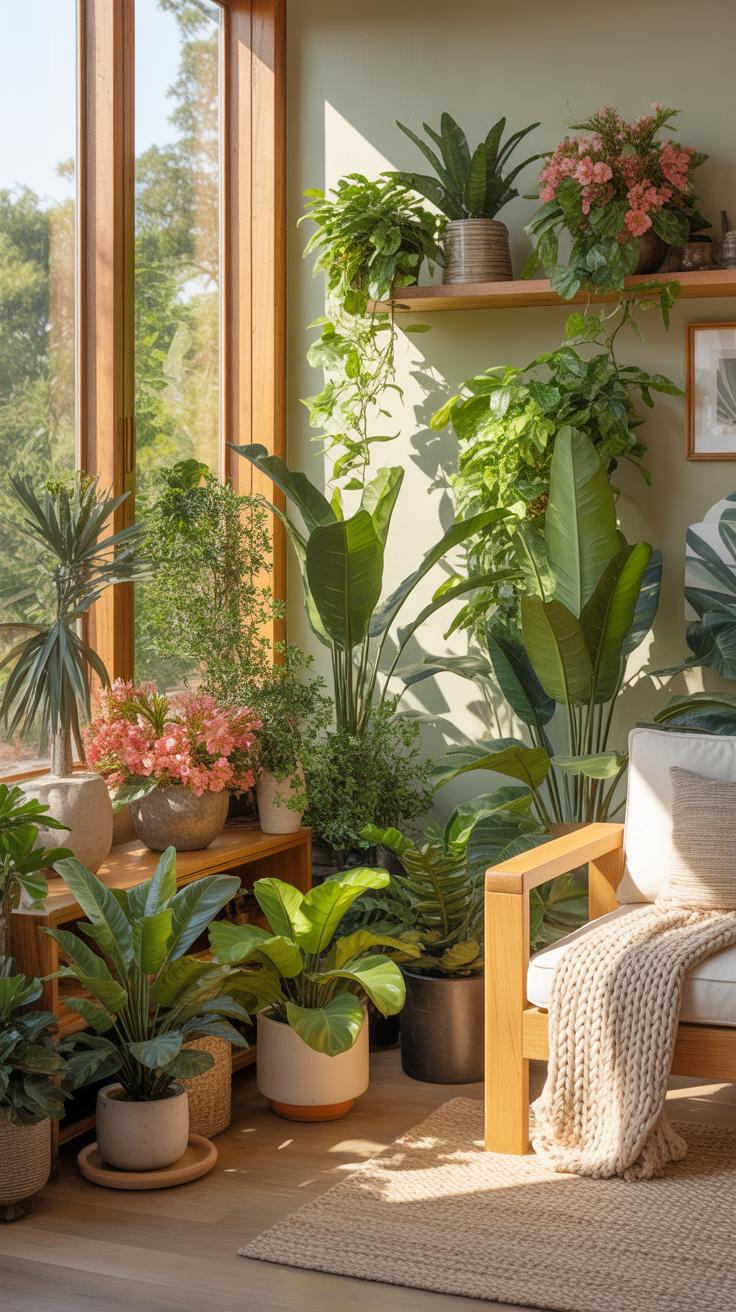
How Placing Plants Indoors In Statement Planters Improves Both Aesthetics And Air Quality
Statement planters serve as focal points that anchor a room. They bridge the gap between architecture and nature. Large vessels made of terracotta or stone provide thermal mass and grounding. These containers hold enough soil to support substantial root systems. Healthy roots lead to robust foliage. Large leaves maximize surface area for light absorption. This process creates a visual anchor for any interior design scheme.
Indoor plants remove volatile organic compounds from the air. Research shows that soil microbes and leaf surfaces capture toxins like formaldehyde. Using high quality statement planters allows for proper drainage and aeration. Good airflow prevents root rot and maintains plant health. Vibrant plants release moisture through transpiration. This process naturally regulates humidity levels in dry indoor environments. Better air quality improves focus and reduces physical stress.
A beautiful plant in a striking planter is like a long-lost memory brought back to life, grounding each room with soul and grace. The artistry of the vessel is what truly turns a simple house into a storied, stylish home.
Smart Placement Strategies For Styling Plants Inside Home Decor In Every Room
Strategic placement dictates how a person moves through a space. Use large planters to define boundaries in open floor plans. Set heavy pots in corners to soften sharp architectural angles. Ensure containers sit near natural light sources for longevity. Use pedestals to vary heights and create visual hierarchy. Proper scale prevents a room from feeling cluttered or empty. Match planter materials to existing hardware.
- Entryway Anchors: Position a large floor planter near the front door to establish an immediate sense of arrival. Use upright species like the Snake Plant or Fiddle Leaf Fig. This creates a vertical line that draws the eye upward and makes low ceilings feel higher.
- Living Room Focal Points: Place a statement planter next to the main seating area to balance heavy furniture. High-fire ceramic or concrete pots add texture. This placement creates a natural conversation starter and fills empty voids between sofas and side tables without blocking traffic.
- Kitchen Humidity Zones: Utilize smaller statement pots on islands or shelving near sinks. Herbs or tropical varieties thrive in the higher humidity and light found in kitchens. Choose non-porous glazed ceramic or metal to withstand frequent cleaning and splashes from food preparation.
- Bedroom Sanctuary Layouts: Set low-profile statement planters in corners or near windows to induce a sense of calm. Choose muted tones and matte finishes. Focus on plants that release oxygen at night to assist with sleep quality while keeping the floor plan open and unobstructed.
- Home Office Productivity: Place a single bold planter within the peripheral vision of your desk. Greenery reduces eye strain during long periods of screen work. Select a clean, geometric planter design that matches your office furniture to maintain a professional and organized atmosphere.

Avoid placing planters in high-traffic pathways where they obstruct movement. Check the weight capacity of floors before installing heavy stone or metal containers. Use felt pads under pots to protect hardwood from scratches and moisture. Consistency in planter style creates a cohesive look across different rooms. Rotate plants every few weeks to ensure even light exposure. Smart placement maximizes both the lifespan of the plant and the impact of the decor.
Mixing Materials Colors And Heights For A Cohesive Statement Planter Styling Scheme
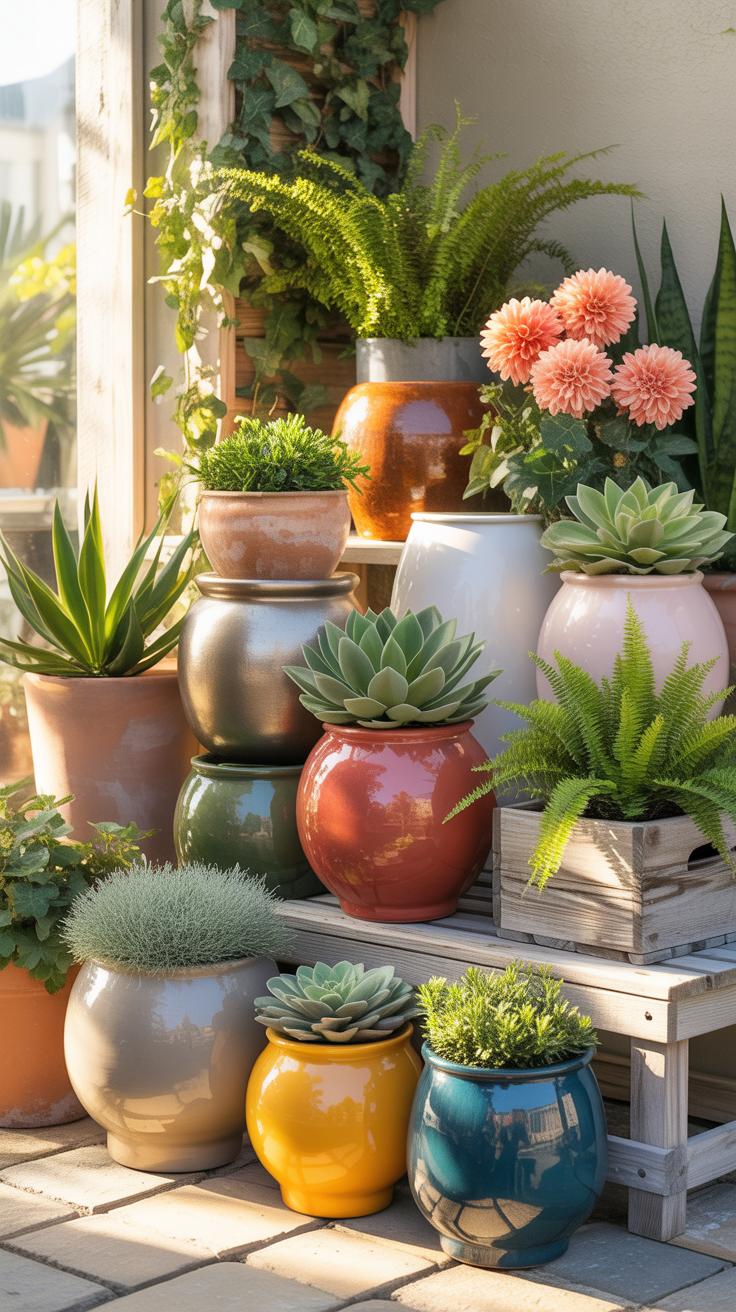
How To Combine Different Planter Materials Such As Ceramic, Metal, And Terracotta Without Clashing
Successful material mixing relies on a shared visual element. Choose one dominant color or a consistent finish to unite diverse textures. Industrial metal pairs well with glazed ceramic if both share a cool tone. Terracotta provides a grounded earthy base that balances more reflective surfaces. Keep the color palette tight to prevent the arrangement from looking like a random collection of pots.
Placement determines how these materials interact in a room. Distribute heavy materials like stone or concrete at the base of your display. Light materials like thin metal or wicker belong on higher shelves or stands. This strategy follows principles from the Bauhaus movement where form follows function. Maintain a clear hierarchy between your focal piece and supporting vessels. Proper spacing prevents visual clutter between different finishes.
Using Varying Plant Heights And Textures To Create Visual Depth And Balance In Your Styling
Height variation forces the eye to move through the entire display. Place tall, vertical plants like Snake Plants or Fiddle Leaf Figs in the background. Use mid-sized foliage to bridge the gap between floor level and eye level. This layering technique mimics natural growth patterns found in forest floors. Use pedestals or plant stands to elevate smaller containers. Fixed heights create a stagnant and boring visual field.

Contrast leaf textures to build depth within the arrangement. Pair broad, glossy leaves with fine, feathery ferns for immediate impact. Matte foliage absorbs light while waxy leaves reflect it. This contrast creates a more dynamic look without adding extra color. Balance a heavy, dense plant with a sparse, sculptural branch. Strategic positioning ensures every plant remains visible. Avoid grouping plants with identical leaf shapes to maintain distinct layers.
Frequently Asked Questions
What exactly defines a statement planter in home decor?
A statement planter is a bold, eye-catching vessel designed to serve as a focal point in a room. Unlike standard pots, these pieces often feature unique textures, oversized scales, or vibrant colors that command attention. Mastering statement planter styling involves choosing a container that reflects your personal aesthetic while complementing your plant’s natural form, effectively turning a simple houseplant into a breathtaking piece of living architectural art.
How do I choose the right spot for statement planter styling?
For successful statement planter styling, prioritize locations with enough physical space to let the piece breathe, such as an empty corner or beside a sofa. Ensure the spot meets your plant’s light requirements while providing a high-contrast background to help the vessel pop. Using a pedestal or grouping the large pot with smaller, neutral containers can also create a layered, professional look that draws the eye exactly where you want it.
Can I achieve a high-end look with statement planters on a budget?
Absolutely! You don’t need designer price tags to create a luxury feel. Look for affordable terracotta or plastic pots with interesting silhouettes and use DIY techniques like faux-stone spray paint or textured plaster finishes to elevate their appearance. Another budget-friendly tip is to use a large, inexpensive basket as a decorative outer shell. This allows you to experiment with bold proportions and creative textures without overspending on premium ceramic materials.