
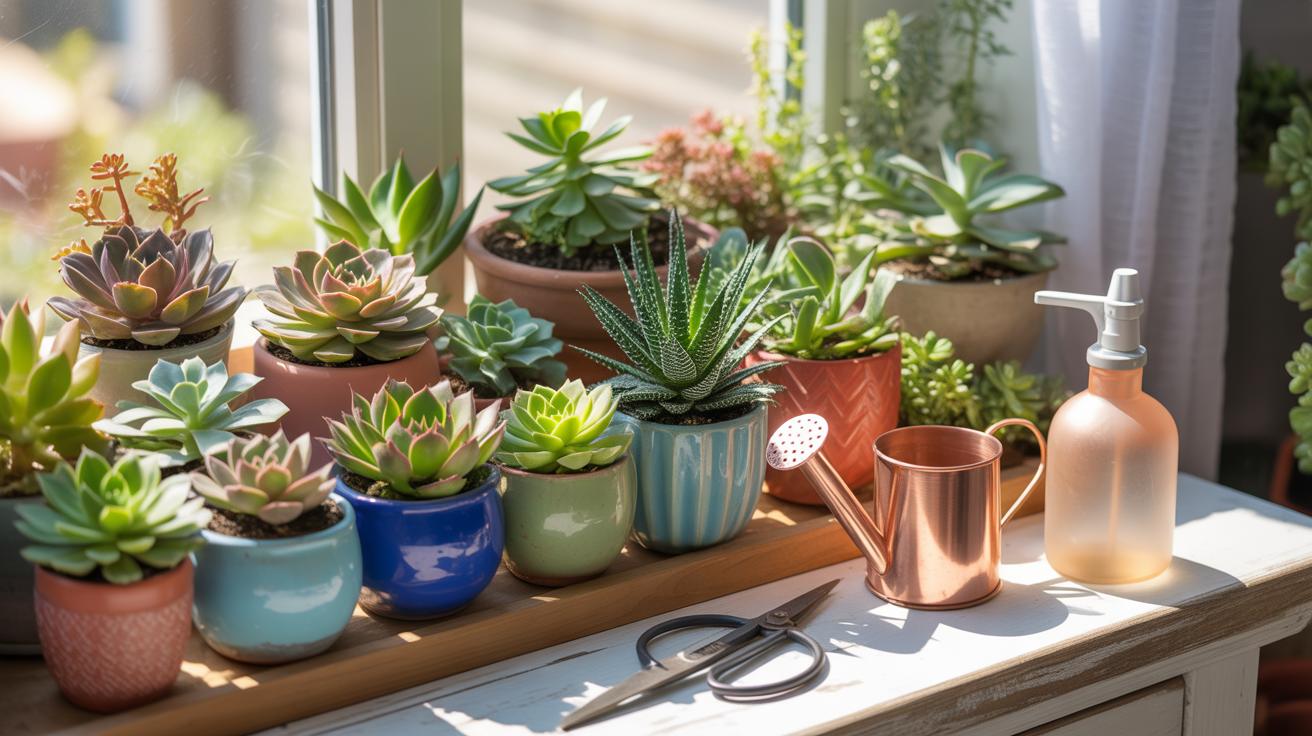
Succulent Care For Beginners Where To Start With Confidence
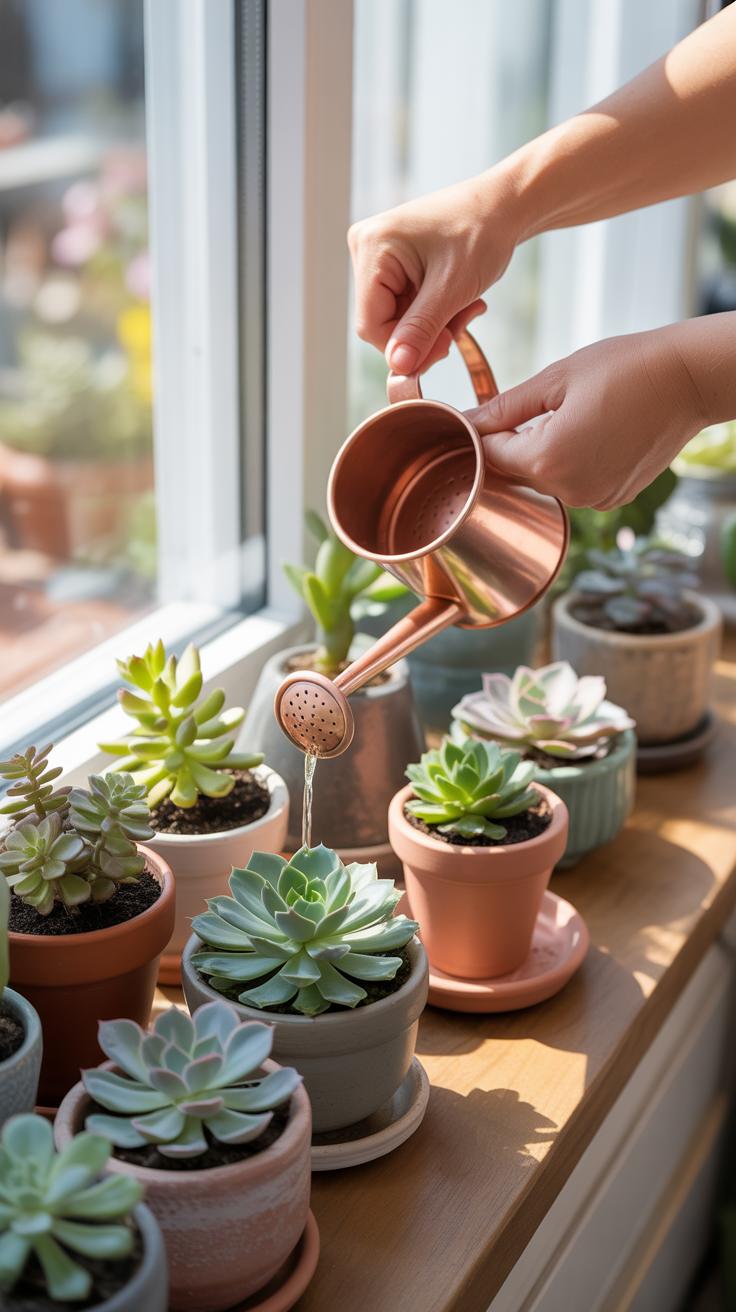
Understanding What Makes Succulents Unique As A Plant Family
Succulents store water in specialized tissues within their leaves, stems, or roots. This biological trait allows them to survive in arid climates with limited rainfall. Most species originate from regions with high sun exposure and well-draining soil. Their unique cellular structure dictates their care requirements. You must treat them differently than standard houseplants because their physiology revolves around water conservation and drought resistance.
These plants prioritize survival over rapid growth. They use a specific type of photosynthesis called Crassulacean Acid Metabolism. This process involves opening pores at night rather than during the day to prevent moisture loss. Understanding this metabolic cycle explains why they need less frequent watering. Overwatering causes cells to burst and triggers rot. You succeed by mimicking their natural dry environments and respecting their slow biological pace.
The First Steps Every New Succulent Owner Should Take
Begin by evaluating your light sources. Succulents require significant sun exposure to maintain their structural integrity and color. Place new plants near south-facing or west-facing windows. Without enough light, succulents stretch and lose their compact shape. This process is called etiolation. If natural light is insufficient, you must provide artificial grow lights. Proper light is the primary foundation for long-term succulent health.
Select a container with drainage holes immediately. Never use pots without holes because trapped water kills the root system. Use a gritty soil mix specifically for cacti and succulents to ensure fast drainage. Check the moisture level by inserting a finger two inches into the soil. Only water when the substrate is completely dry. Consistent monitoring of soil moisture and light levels prevents the most common beginner mistakes.
Succulent Care Indoor How To Keep Your Plants Happy Inside Your Home
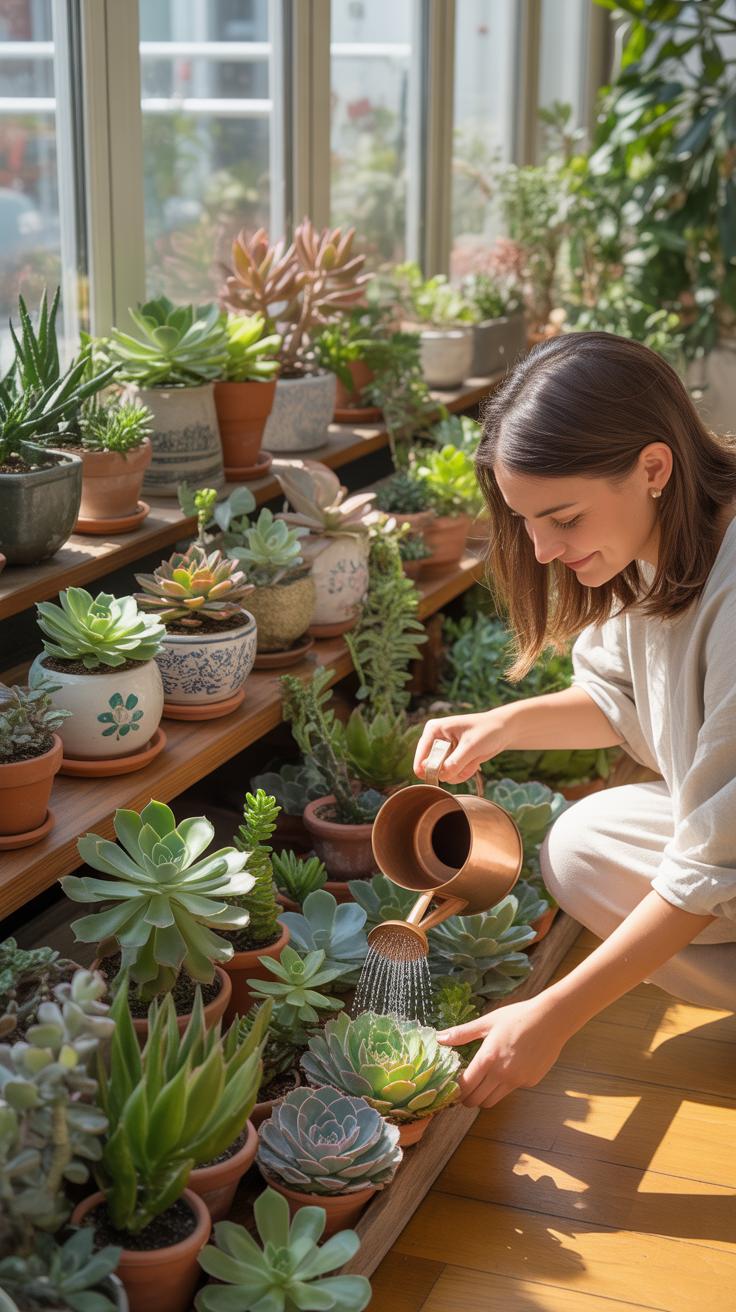
Choosing The Right Window And Light Exposure For Indoor Succulents
Indoor succulents require intense light to maintain their structural integrity. Position your plants in a south-facing window for maximum sun exposure. This location provides the consistent solar energy needed for photosynthesis. East or west windows offer moderate light but may cause plants to stretch. Inadequate light results in etiolation where stems grow weak and thin. You must monitor light levels daily.
Rotate your pots every week to ensure even growth on all sides. This tactic prevents the plant from leaning toward the light source permanently. If your home lacks natural light, use full-spectrum LED growth lamps. Position these lights six to twelve inches above the foliage. High-intensity light maintains deep colors and compact shapes. Move plants away from the glass if the afternoon sun becomes too hot.
Temperature And Humidity Levels That Support Healthy Indoor Growth
Maintain indoor temperatures between sixty and eighty degrees Fahrenheit for optimal health. Succulents thrive in environments that mimic their native arid habitats. Avoid placing plants near air conditioning vents or heating units. Sudden shifts in temperature cause physical stress and drop leaves. Stable environments promote steady metabolic rates. Your home temperature usually suits most common varieties perfectly. Proper airflow prevents stagnant air pockets.

Low humidity is vital for prevents rot and fungal infections. Aim for humidity levels below fifty percent inside your home. High moisture in the air stops the soil from drying out properly between waterings. Bathrooms and kitchens are often too humid for desert species. Use a small fan to increase circulation if the air feels damp. Correct atmospheric conditions reduce the risk of pest infestations and mold.
How To Take Care Of Succulents Outdoors In Any Climate
Sun Exposure Guidelines For Outdoor Succulents Across Different Seasons
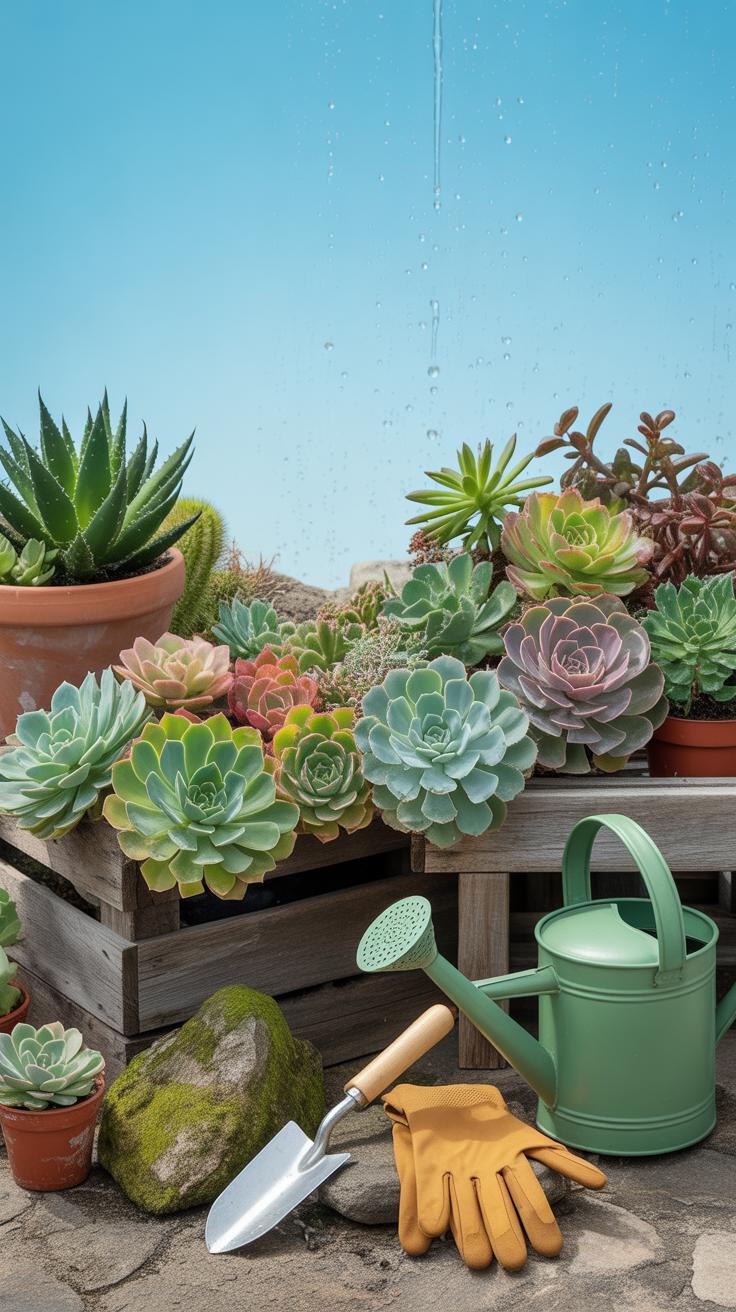
Outdoor succulents require specific light management to prevent leaf scorch or stretching. During the spring and summer active growth phases, most species need six hours of morning sun. This intensity provides enough energy for photosynthesis without the danger of midday heat damage. You must monitor light levels as the earth shifts its tilt. High desert species handle more sun than forest varieties.
Winter brings lower light levels and shorter days. Move pots to southern exposures to maximize available radiation. Lack of light causes etiolation, where the plant grows weak and leggy. If the sun remains too weak, reduce watering to trigger a dormant state. This stops the succulent from trying to grow in poor conditions. Proper seasonal positioning ensures the plant maintains its structural integrity and color.
Protecting Outdoor Succulents From Frost, Excessive Rain, And Heat Stress
Sudden temperature drops kill succulents by freezing the water stored in their cells. Use frost cloths or burlap to trap ground heat when nights fall below forty degrees. Move portable containers under eaves or into garages during cold snaps. Dry soil handles cold better than wet soil. Stop all irrigation if a freeze is coming. This tactic prevents root rot and ice crystal formation.
Excessive rain causes immediate root decay in non-porous soils. Elevate pots to ensure drainage holes stay clear of debris. In high heat, succulents enter a survival mode and stop absorbing water. Avoid drenching soil during a heatwave, as this steams the roots. Instead, provide thirty percent shade cloth to lower surface temperatures. Strategic protection prevents physical scarring and keeps the root system functional.
Taking Care Of Succulents House Plants Best Practices For Every Room
Selecting The Best Containers And Drainage Systems For House Succulents
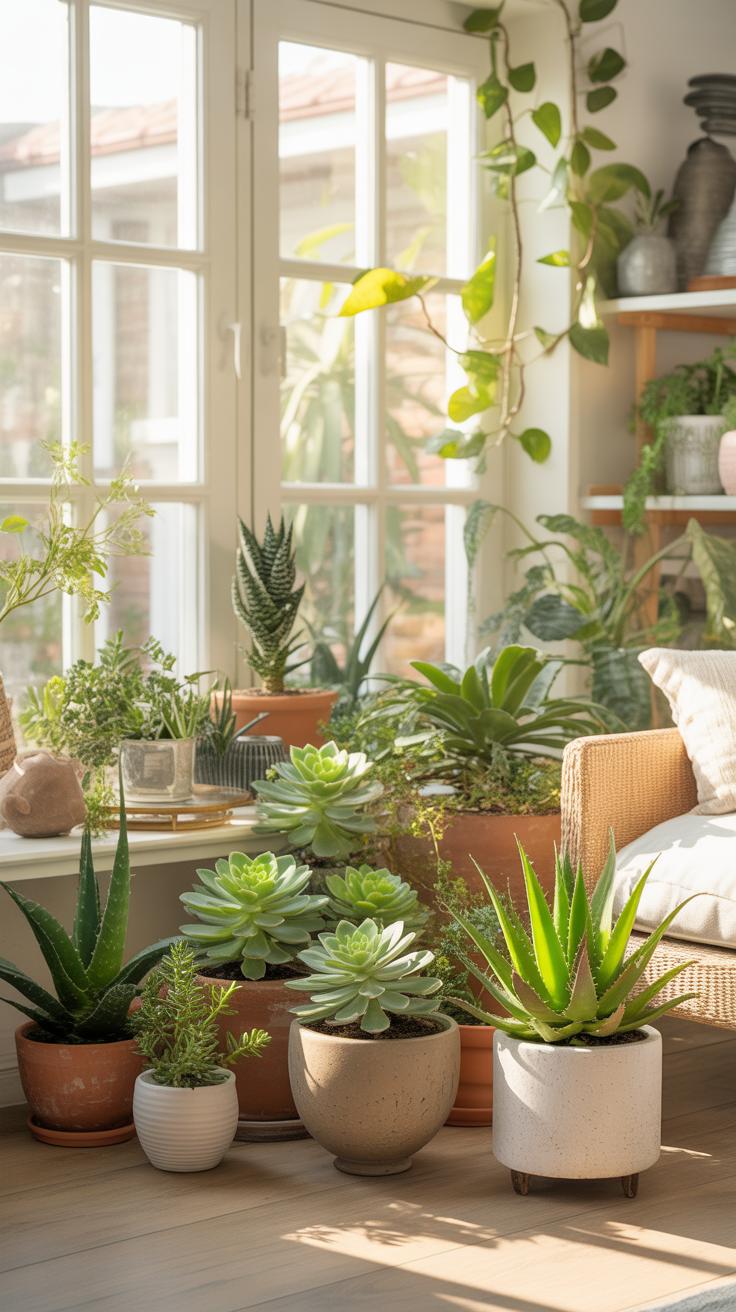
Succulents die in standing water. You must prioritize drainage over visual appeal. Terracotta remains the industry standard because the porous clay pulls excess moisture away from the roots. Avoid glass jars or glazed ceramic pots without holes. These trap humidity and trigger root rot within weeks. Always verify that every container has at least one large exit hole at the bottom.
Drainage systems extend beyond the pot itself. Do not put rocks at the bottom of a holeless pot. This creates a perched water table that drowns roots faster. Use a tray to catch water and empty it immediately. If the container lacks a hole, use the cachepot method. Keep the plant in a plastic nursery liner inside the decorative pot for easy removal.
How To Arrange Succulent Houseplants For Both Aesthetics And Health
Successful arrangements group plants with identical light and water needs. Do not mix desert cacti with tropical succulents like Haworthia. High-light species require south-facing windows for ten hours of daily exposure. Low-light varieties perform better near east or west windows. Placing mismatched plants in one pot leads to the death of the weaker species. Proper spacing ensures each plant receives adequate airflow.
Aesthetics should never compromise plant health. Use the thriller, filler, and spiller method but leave two inches between each stem. This gap prevents pests like mealybugs from spreading between leaves. Arrange plants so the tallest species do not shade the smaller ones. Rotate the entire pot 90 degrees every week. This prevents leaning and ensures the plant grows straight toward the primary light source.
How To Care For Succulents Indoors Watering The Right Way
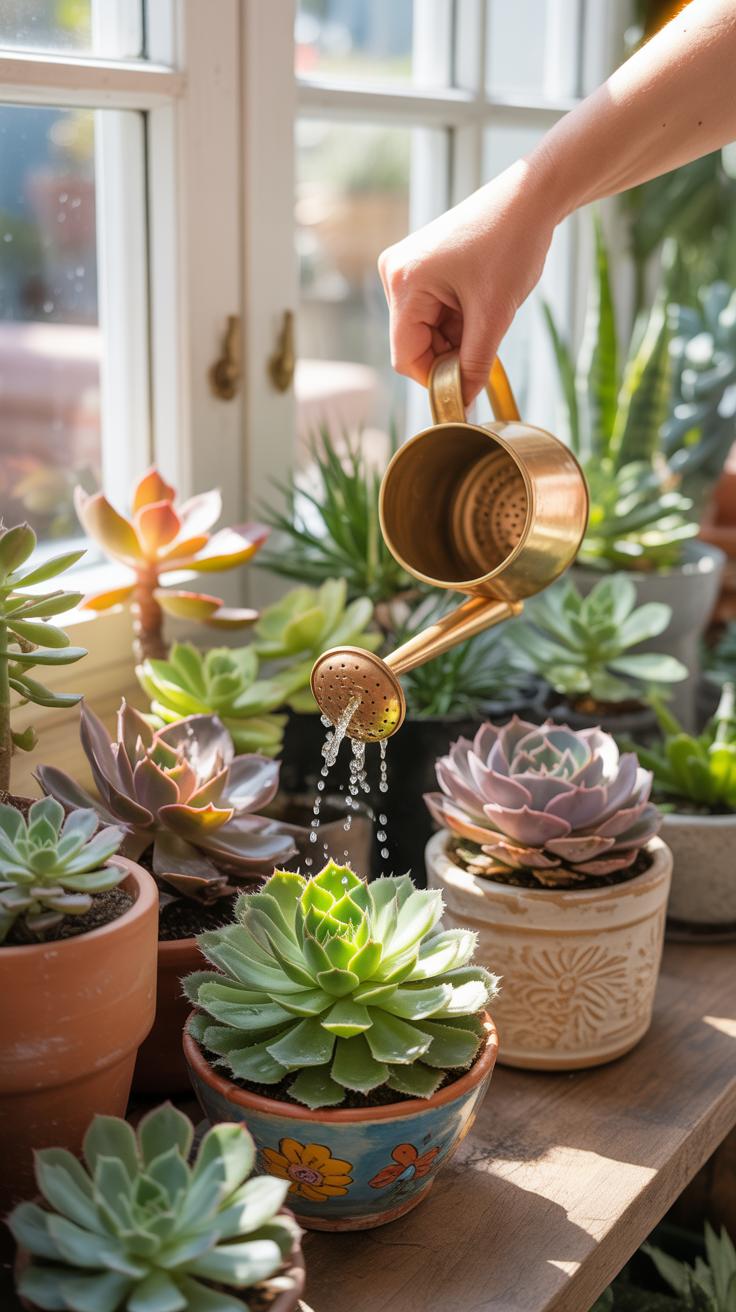
The Soak And Dry Watering Method Explained For Indoor Succulents
The soak and dry method mimics natural desert rain cycles. You must pour water onto the soil until it drains out of the bottom holes. This ensures the entire root system receives moisture rather than just the top layer. Stop immediately once water flows freely from the drainage port. This thorough saturation encourages deep root growth and keeps the plant stable over time.
Wait for the soil to dry out completely before you water again. Stick your finger or a wooden chopstick two inches into the substrate to check for moisture. If the soil feels damp or sticks to the tool, do not add water. Indoor succulents require less frequent watering than outdoor plants due to lower light and airflow. Most indoor varieties need water every two or three weeks.
Common Watering Mistakes That Lead To Root Rot And How To Avoid Them
Root rot occurs when soil remains saturated for too long. This lack of oxygen kills the roots and allows fungus to grow. Avoid watering on a fixed calendar schedule. Environmental factors like humidity and season change how fast soil dries. Overwatering is the most common cause of succulent death. You must use pots with drainage holes and well-draining gritty soil to prevent standing water.
Misting is another tactical error to avoid. Succulents take in water through their roots, not their leaves. Spraying water on the foliage creates a humid environment that invites pests and rot. If you see yellow, mushy leaves, stop watering immediately. Allow the soil to dry out or repot the plant in fresh, dry substrate. Healthy succulents have firm, plump leaves. Dark or translucent spots indicate cell collapse from excess water.
Cute Succulent Plant Care Trending Varieties And How To Maintain Them
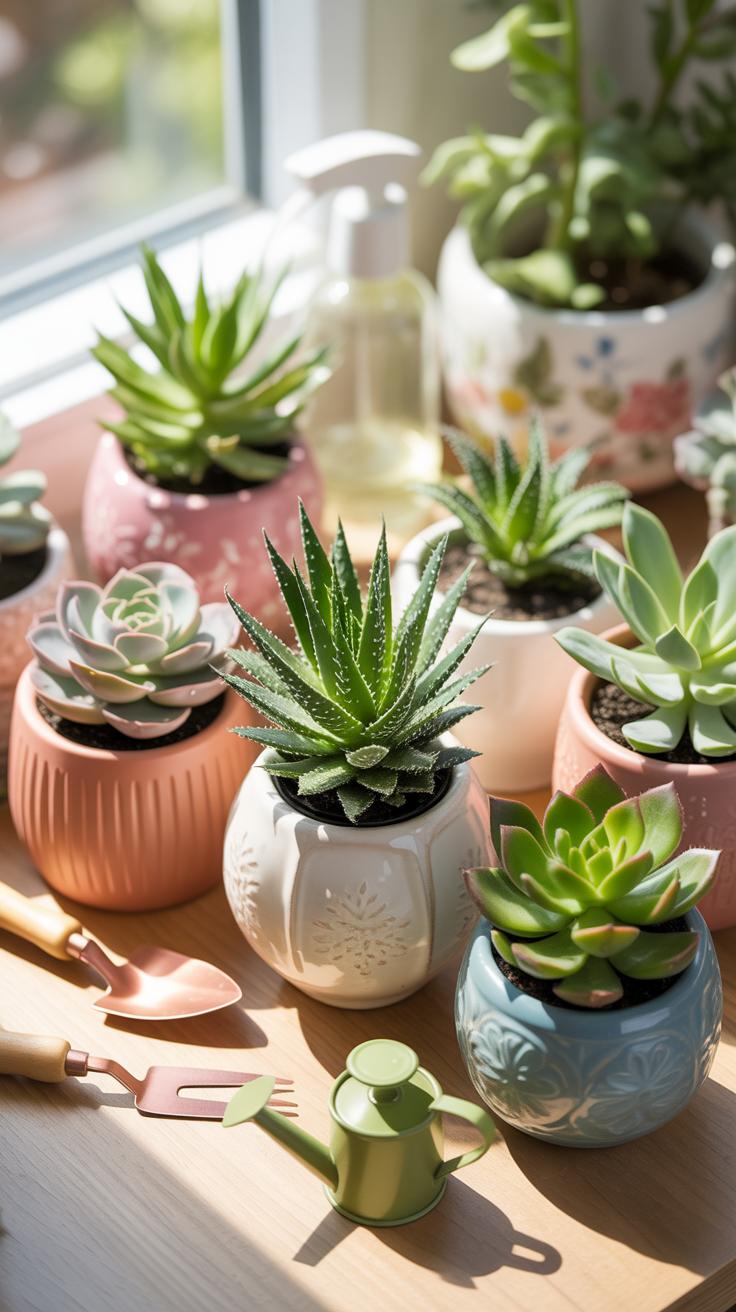
Popular And Visually Striking Succulent Varieties Worth Growing Right Now
Collectors currently prioritize geometry and color over size. Echeveria Laui remains a top choice due to its thick white powdery coating called farina. This coating protects the plant from sun damage and water loss. Haworthia Cooperi is also trending because its translucent leaf tips look like glass bubbles. These plants thrive in indoor settings with indirect light. They fit small spaces and minimal design layouts.
Monilaria Moniliforme attracts attention because its early growth stage resembles rabbit ears. This variety enters a dormant state during summer to survive heat. Crassula Umbella features a unique cup-shaped leaf structure that captures dew. Growers value these species for their distinct physical traits and slow growth rates. Most of these plants belong to the Crassulaceae family. They require precise environmental controls to maintain their visual appeal.
Care Nuances That Keep Decorative And Compact Succulent Varieties Thriving
Compact succulents require specific soil drainage to prevent root rot. You must use a mix of perlite, pumice, and coarse sand. Standard potting soil holds too much moisture for these small root systems. Use unglazed terracotta pots to allow better airflow through the vessel walls. This material helps the soil dry out faster between waterings. Proper airflow prevents fungal growth in tight leaf rosettes.

Light exposure affects the color and shape of decorative varieties. Strong sunlight creates stress colors like red and purple through anthocyanin production. Insufficient light causes etiolation where the plant stretches and loses its compact form. You should rotate the pots weekly to ensure even growth on all sides. Use specialized grow lights if natural sun is unavailable. Consistent monitoring of leaf firmness helps you time watering sessions accurately.
Succulent Care Tips Soil Fertilizing And Repotting Done Right
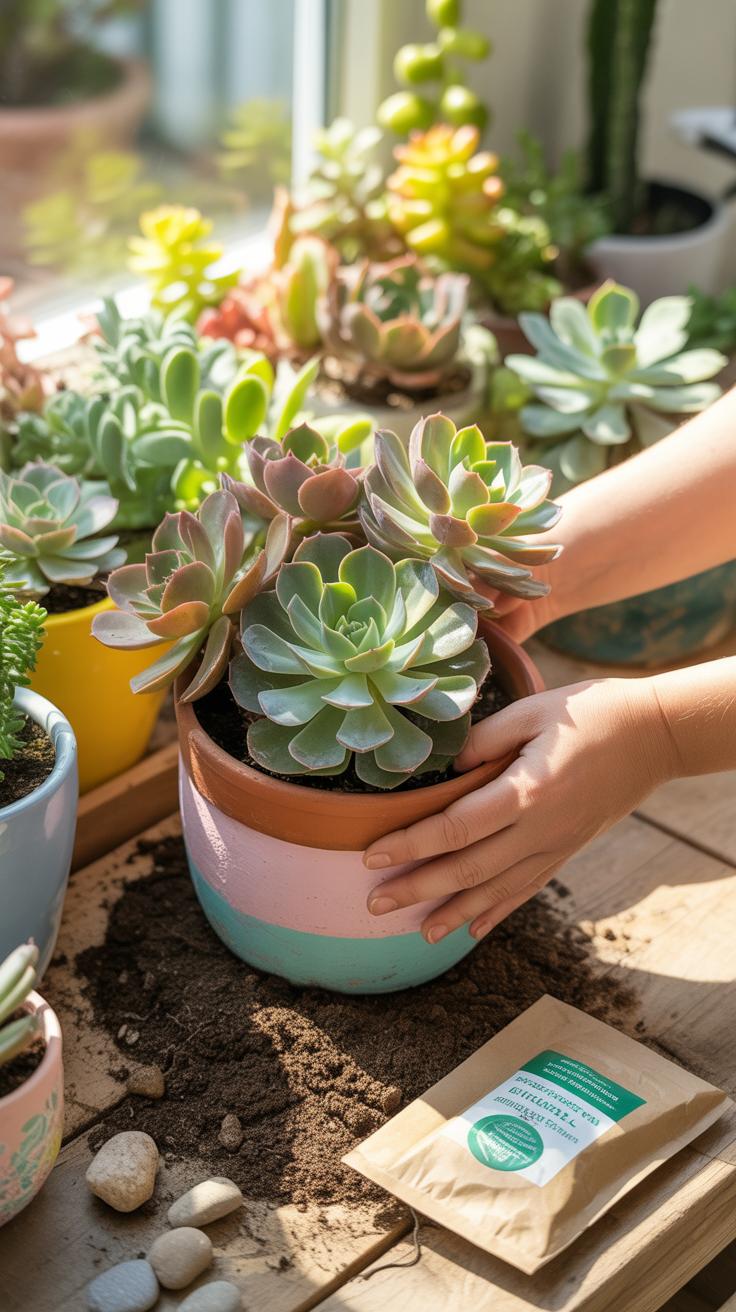
Why Well Draining Soil Is Non Negotiable For Succulent Health
Succulents evolved in arid regions with porous ground. Standard potting soil holds too much water for these plants. Excess moisture around the roots causes cellular collapse and fungal growth. You must use a substrate that allows air to reach the root system. Proper drainage prevents root rot which is the primary cause of succulent death in home environments.
Effective soil mixes use inorganic materials like perlite or pumice to create gaps. These gaps allow water to flow through the pot quickly. You want the soil to dry out completely within a few days of watering. Organic matter should remain low to prevent mineral buildup and moisture retention. Proper soil structure ensures your plant thrives by mimicking its natural desert habitat.
Essential Repotting And Fertilizing Tips Every Succulent Owner Should Follow
Succulents require specific timing and techniques for maintenance tasks. Repotting should occur during the active growing season to reduce transplant shock. This process refreshes the nutrients and provides more space for root expansion. Fertilizing provides the minerals that soil loses over time. You must apply these methods with precision to avoid damaging the delicate root systems of your plants.
- Pot Selection: Choose containers with large drainage holes at the bottom. Terracotta is the best material because it is porous and helps moisture evaporate from the sides of the pot quickly.
- Root Inspection: Remove old soil from the roots during repotting. Check for brown or mushy sections which indicate rot. Use clean shears to trim away any dead tissue before placing the plant in new soil.
- Acclimation Period: Wait at least one week before watering a newly repotted succulent. This delay allows any roots damaged during the move to callous over. Watering immediately can lead to infections and plant death.
- Fertilizer Type: Use a balanced liquid fertilizer diluted to half strength. High nitrogen blends cause weak and leggy growth. Low nitrogen formulas with phosphorus and potassium support structural integrity and healthy flowering cycles.
- Seasonal Timing: Only fertilize during the spring and summer months. Succulents enter a dormant state during the winter and cannot process extra nutrients. Adding fertilizer during dormancy leads to salt buildup and root burn.
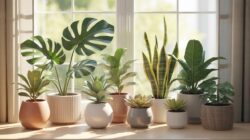
Always check the root ball height when placing the plant in a new container. The base of the succulent should sit level with the rim of the pot. Deep planting leads to stem rot while shallow planting causes instability. Apply top dressing like fine gravel to keep the bottom leaves off the damp soil. Consistent maintenance routines prevent long term health issues for your collection.
Succulent Care Identifying And Treating Common Pests And Diseases
The Most Common Pests That Affect Succulents And How To Spot Them Early
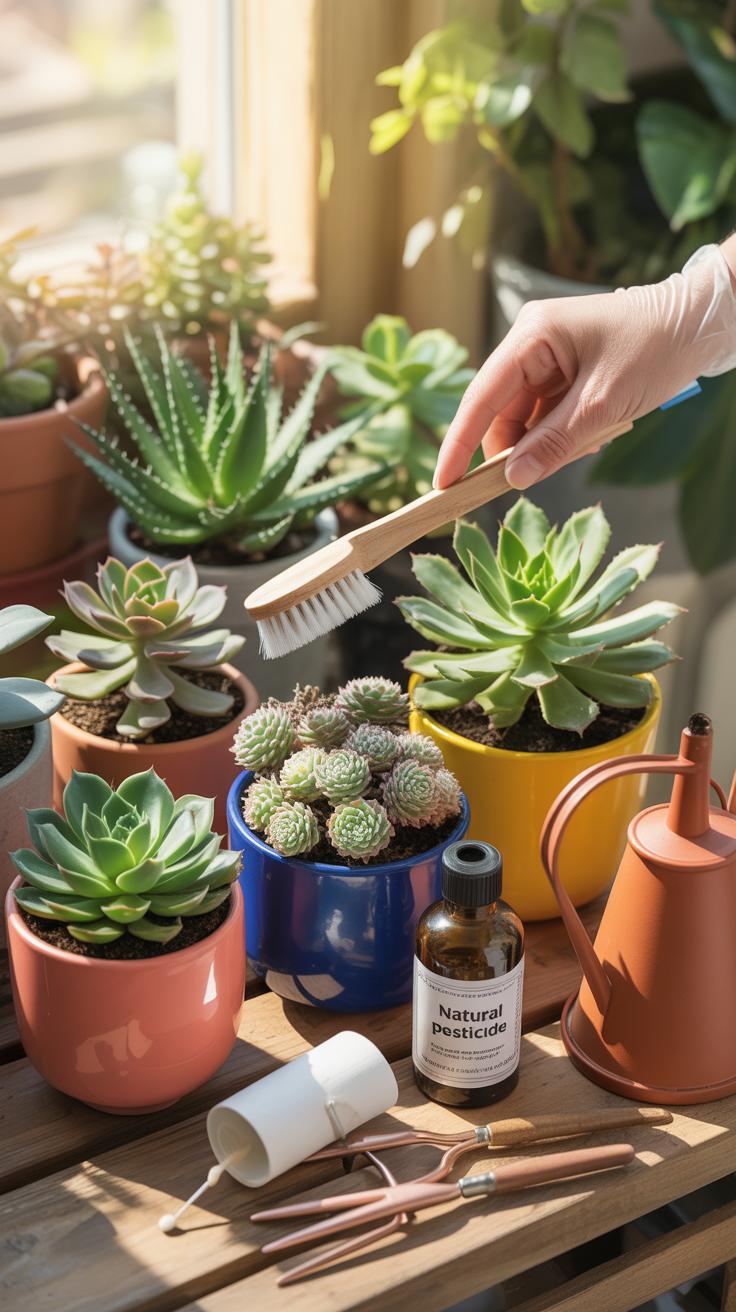
Succulents face unique pest challenges because of their water storage. High sugar content in the sap attracts sucking insects. You must inspect your plants weekly. Check the leaf axils and the underside of foliage. Early detection prevents a small colony from becoming a full infestation. Look for sticky residue or distorted new growth. These signs indicate that pests are active.
- Mealybugs: These insects look like tiny bits of white cotton. They hide in the crevices where leaves meet the stem. They suck the sap and weaken the plant structure quickly. You will see stunted growth and yellowing leaves if they remain untreated.
- Spider Mites: These microscopic arachnids thrive in dry conditions. You will notice very fine webbing between leaves or tiny red dots moving on the surface. They cause stippling damage which appears as small pale spots across the skin of the succulent.
- Aphids: These small green or black insects cluster on new growth and flower buds. They reproduce rapidly and excrete honeydew. This sticky substance often leads to black sooty mold growth. Check the center of the rosette where the most tender growth resides.
- Scale Insects: These pests appear as small brown bumps on the stems or leaves. They have a hard protective shell that makes them look like part of the plant. They do not move once they settle. Use a fingernail to see if the bump scrapes off easily.
- Fungus Gnats: These small black flies hover around the soil surface. They indicate that your substrate is staying too wet for too long. While the flies are annoying, their larvae live in the soil and eat the delicate root hairs of your succulents.
Isolation is your primary defense strategy. Move any infested plant away from your healthy collection immediately. Pests jump between pots through physical contact or air currents. Clean your tools with rubbing alcohol after working on a sick plant. This prevents cross contamination. Constant monitoring ensures your succulents remain healthy and vigorous. Check new plants for at least two weeks before adding them to your main group.
To plant a garden is to believe in tomorrow, and keeping pace with the newest ways to nurture our resilient little succulents honors that timeless hope. Just as we grow, these desert gems remind us that with the right modern care, beauty can thrive in even the quietest corners of our memories.
Natural And Chemical Treatment Options For Keeping Succulents Disease Free
Control pests using a calculated approach. Start with the least toxic methods first. Use a cotton swab dipped in seventy percent isopropyl alcohol to kill mealybugs on contact. This evaporates quickly and rarely damages the plant skin. For larger infestations, use insecticidal soap or neem oil. Apply these treatments in the evening to avoid leaf burn from the sun. Consistency is vital for success.

Fungal diseases like root rot require immediate surgery. Remove the plant from the soil and cut away any black or mushy parts. Use clean shears for every cut. Let the healthy tissue callus for several days before replanting in fresh dry soil. Apply a copper based fungicide for persistent infections. Always ensure your pots have drainage holes to prevent these issues from starting. Dry conditions are your best defense.
Easy Succulent Care Guide Propagation And Long Term Growth Strategies
How To Propagate Succulents From Leaves And Offsets Successfully
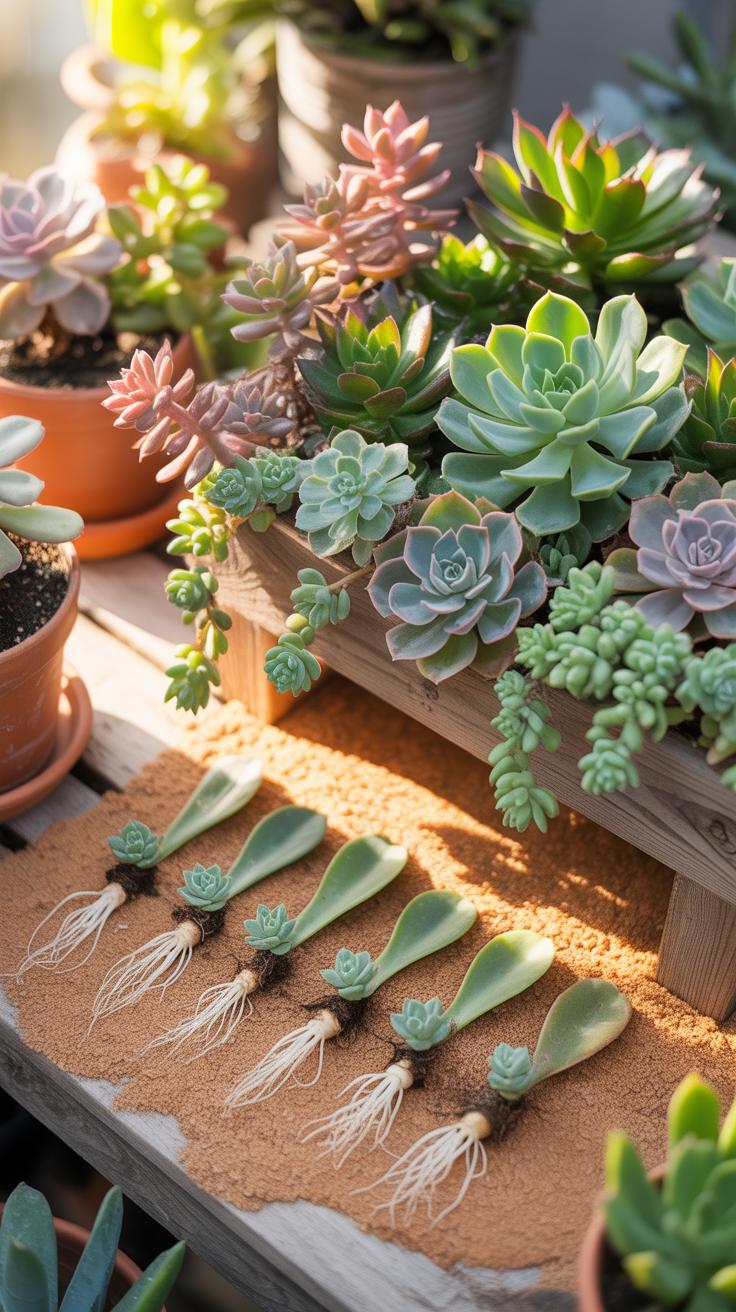
Leaf propagation requires a clean break from the mother plant. Twist the leaf gently until it snaps off entirely. Do not leave any tissue behind. Place the leaf on a dry tray away from direct sun. Wait three days for the wound to callus. This prevents rot when you move it to soil. Once callused, lay the leaf on top of well-draining cactus mix.
Offsets represent the fastest way to grow your collection. These small pups grow at the base of mature plants. Use a sharp, sterile blade to cut the pup away from the main stem. Ensure the offset has a small root system if possible. Let the cut end dry for forty-eight hours. Plant the pup in a small pot and wait one week before watering to ensure root health.
Building A Long Term Succulent Care Routine That Ensures Lasting Growth
Successful long-term growth depends on strict watering schedules. Only water when the soil feels bone dry throughout the entire pot. Use the soak and dry method to mimic desert rain cycles. Pour water until it drains out of the bottom holes. This flushes mineral salts and encourages deep root expansion. Avoid misting because trapped moisture on leaves causes fungal infections and rapid tissue decay.
Light exposure dictates the shape and color of your plants. Most species need at least six hours of bright, indirect sunlight daily. Move plants closer to windows if they start stretching toward the light. This stretching is called etiolation and weakens the internal structure. Rotate the pots every two weeks. This ensures all sides receive equal energy. Consistent light prevents lopsided growth and maintains the plant compact form.
Frequently Asked Questions

What are the most important basics for keeping a new succulent alive?
The most critical succulent care tips for beginners involve mastering light and water. These desert beauties crave at least six hours of bright, indirect sunlight daily to maintain their vibrant colors and compact shapes. Always ensure you are using a gritty, well-draining soil mix and a container with drainage holes to prevent root rot. Remember, it is much safer to underwater your plants than to drown them with too much love.
How should I properly water my succulents to ensure they thrive?
To water correctly, use the “soak and dry” method. Drench the soil thoroughly until water runs out of the drainage holes at the bottom of the pot. Then, wait until the soil is completely bone-dry before watering again. This technique mimics natural rainfall patterns and is one of the most effective succulent care tips for promoting deep, healthy root growth while preventing the foliage from becoming mushy or translucent.
Can I grow a beautiful succulent collection if I am on a tight budget?
Absolutely! You don’t need expensive designer planters or rare species to start a stunning indoor garden. One of the best ways to grow your collection for free is through propagation. Simply take healthy leaf cuttings, let them callous over, and place them on top of moist soil to grow new plantlets. Reusing household items like tea tins or ceramic mugs as pots is another budget-friendly way to display your greenery beautifully.