
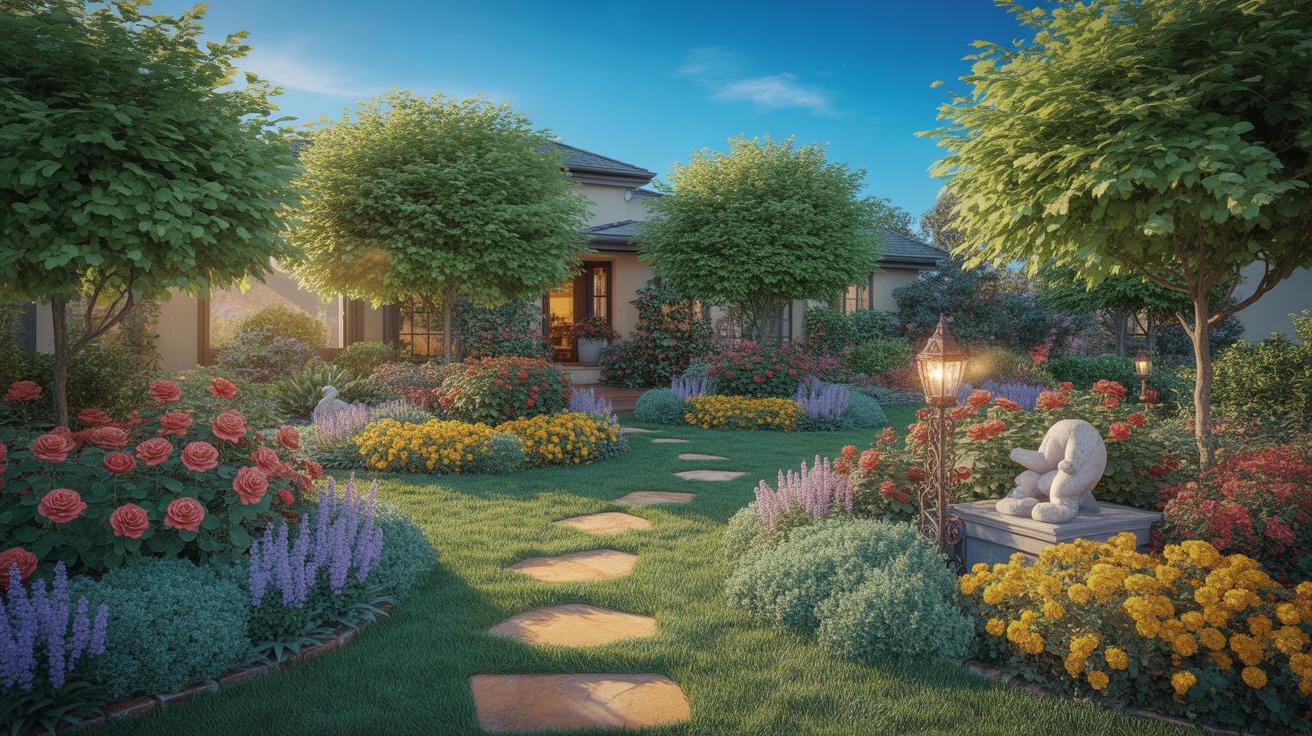
Understanding The Basics Of Front Yard Garden Design
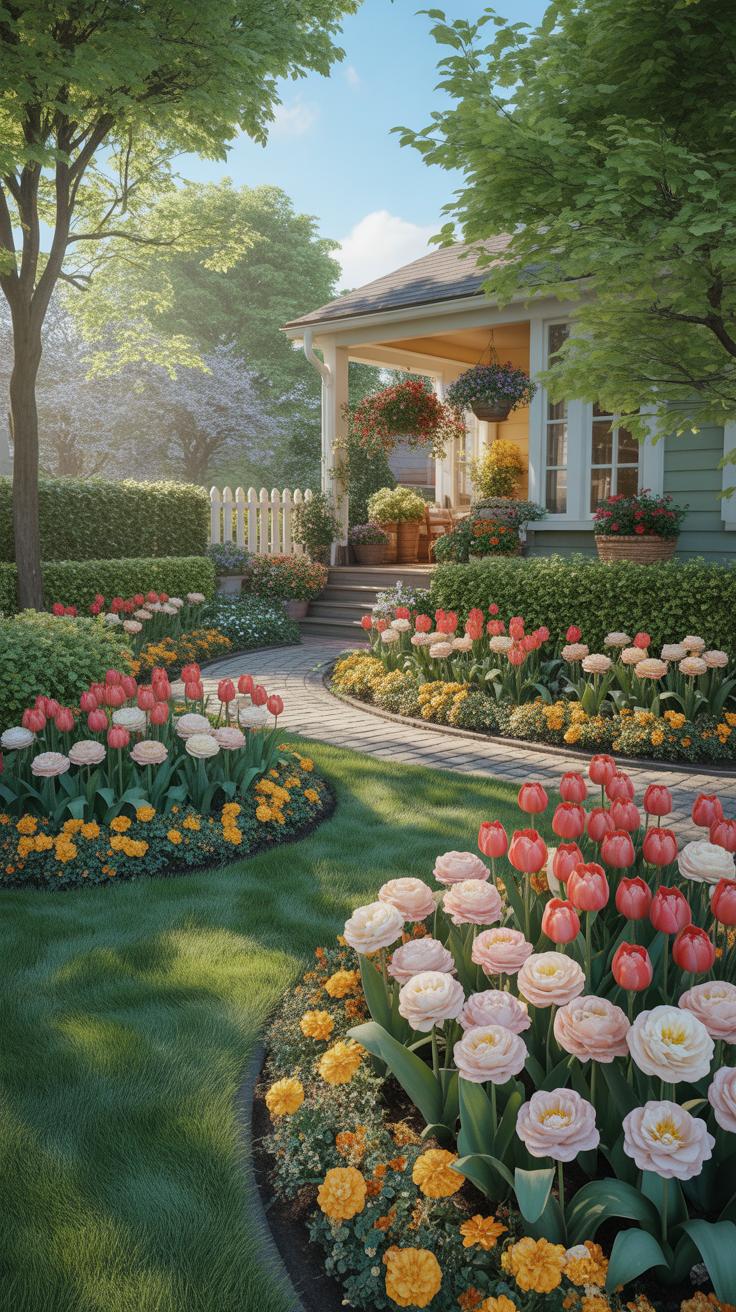
What Makes A Front Yard Garden Design Successful
Successful design balances structural bones with seasonal interest. You must integrate the house architecture with the surrounding landscape. Use hardscaping to define the movement of people. Permanent features like stone walls or paved paths provide visual weight during winter months. A clear focal point directs the eye toward the primary entrance. This creates a logical flow that visitors follow without confusion or hesitation.
Curb appeal relies on scale and proportion. Small plants against a large house disappear. Large trees in a tiny yard overwhelm the structure. Select plants that maintain their shape without constant pruning. Group species with similar water and light needs to simplify maintenance. Your design must serve the property year-round. Evergreen shrubs provide the necessary structure while perennial flowers offer temporary color and texture.
How To Assess Your Front Yard Space Before You Begin
Start with a physical site analysis. Measure the dimensions of the yard and note the location of underground utilities. Identify the primary sun exposure throughout the day. South facing yards receive intense heat while north facing areas stay in shadow. Check the soil drainage by digging a hole and filling it with water. Proper assessment prevents expensive plant loss and drainage issues later.
Document the existing architectural style of your home. Traditional homes require symmetrical layouts and formal lines. Modern structures benefit from asymmetrical groupings and minimalist plant palettes. Note the views from inside the house looking out. Your garden should enhance these vistas while providing necessary privacy from the street. Consider local zoning laws and homeowner association rules before you purchase any materials or start digging.
Inspiring Front House Garden Ideas For Every Home Style
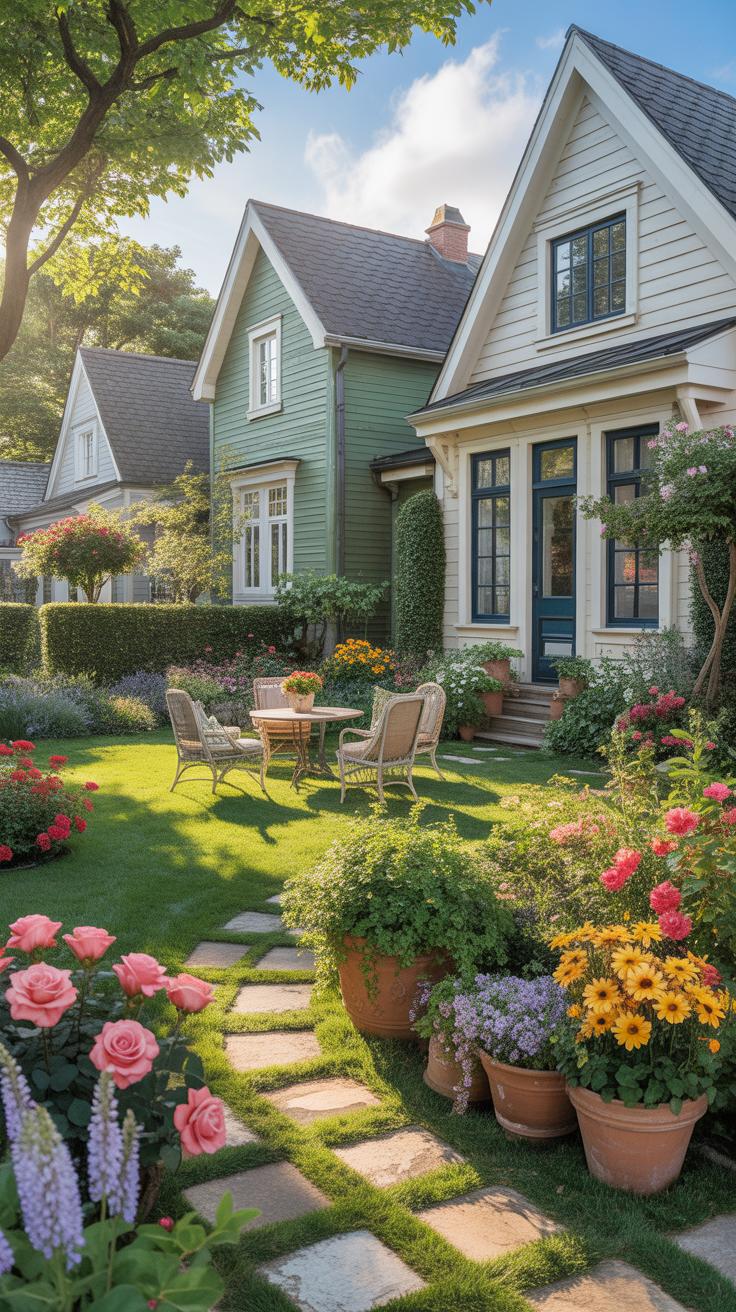
Matching Garden Styles To Your Home Architecture
Architecture dictates your garden landscape. Craftsman homes require natural materials like stone and wood to match their handcrafted look. Modern homes need sharp lines and a limited color palette. Victorian styles support dense and colorful floral displays. Matching your plants to the house era creates visual balance. A mismatch makes the property look disorganized. Poor planning wastes money on plants that do not fit.
Strategic placement highlights structural features. Use low shrubs to frame deep porches on bungalows. Install tall upright evergreens to soften the sharp corners of contemporary steel buildings. Hardscape materials must also match. Use clay brick for colonial styles and poured concrete for mid-century designs. This creates a unified look from the street to the door. Every design choice must support the existing building shape.
Seasonal Planting Strategies That Keep Your Front Garden Looking Great Year Round
Year-round curb appeal requires a structured planting layers. You must use at least forty percent evergreens. These plants provide the skeleton of the garden during winter months. Boxwoods and hollies keep their color when perennials die back. Without this structural base, your front yard looks empty for five months. Strategic placement ensures the yard remains green and defined even in freezing temperatures or heavy snow.

Layer your flowering cycles to avoid gaps in color. Plant early spring bulbs like crocus followed by summer-blooming shrubs like hydrangea. Add ornamental grasses for texture in the fall. These grasses stay standing through winter winds. This rotation ensures constant visual interest. Use hardscaping like stone walls to provide permanent shape. A successful garden relies on timing various growth habits to mask dormant plants throughout the changing seasons.
Creative Landscape Ideas Along Sidewalk To Boost Curb Appeal
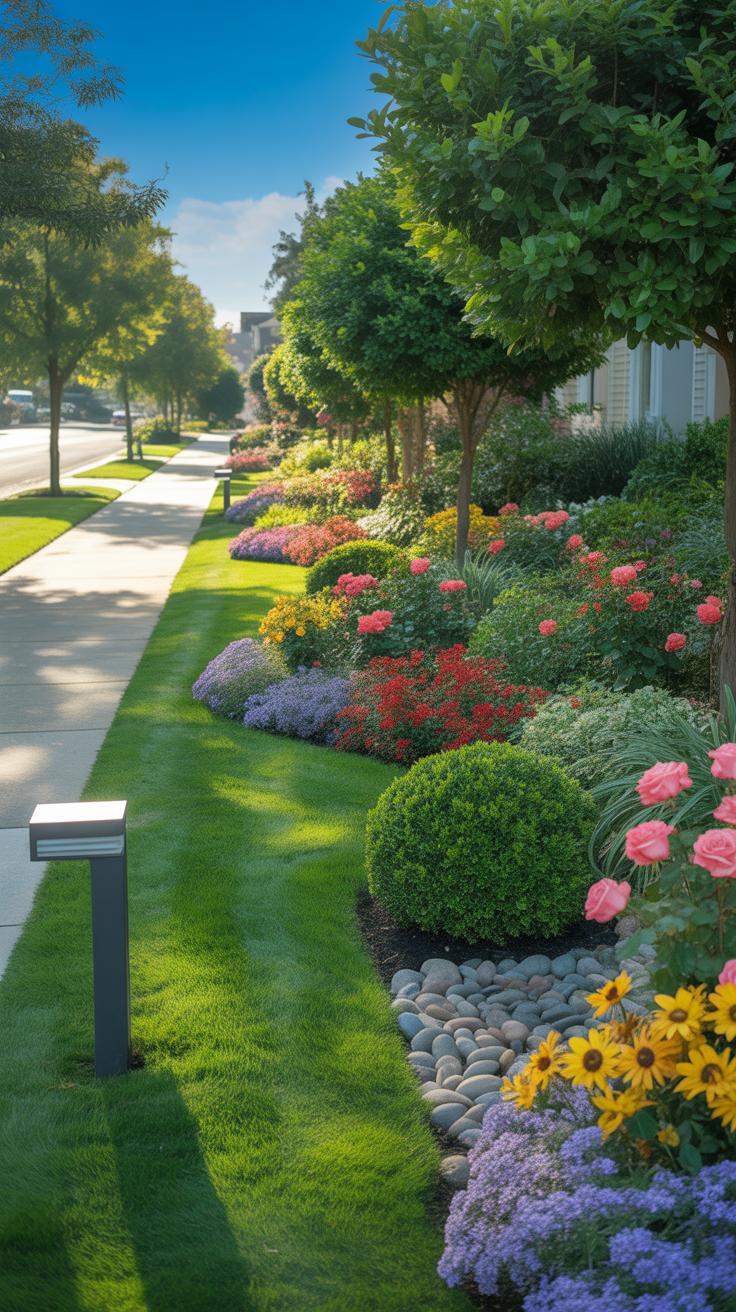
Choosing The Right Border Plants For Sidewalk Edges
Select plants that survive harsh conditions near pavement. Concrete absorbs heat and dries out soil quickly. Use drought-tolerant species like lavender or stonecrop to handle these high temperatures. Low-growing perennials prevent safety hazards by keeping sightlines clear for drivers and pedestrians. Avoid plants with thorns or messy fruit that drop onto the walking surface. These choices reduce maintenance and keep the path clean.
Layer plants by height to create visual depth along the walkway. Place the shortest groundcovers closest to the edge to prevent tripping. Use mid-sized ornamental grasses behind them for movement and texture. Mass planting a single species creates a bold, modern look. Mixing three complementary colors offers a more traditional cottage aesthetic. Always check the mature width of plants to ensure they do not overgrow the sidewalk width.
Using Pathways And Edging Materials To Define Sidewalk Landscapes
Physical borders provide a clean break between the lawn and the planting bed. Steel edging creates a thin, nearly invisible line used in modern design. Poured concrete or brick pavers offer a wider, more traditional look. These materials stop grass roots from invading the garden area. Edging also keeps mulch and soil from washing onto the sidewalk during heavy rain. Clean lines define the space professionally.

Hardscape materials must match the architectural style of the home. Use flagstone or cobblestone for rustic properties to add historical character. Choose smooth, oversized concrete slabs for contemporary structures to emphasize scale. Proper installation requires digging a shallow trench and backfilling with gravel for drainage. This prevents shifting during freeze and thaw cycles. Sturdy borders protect your plant investment and provide a polished finish to the landscape.
Garden Landscaping Ideas That Add Structure And Beauty
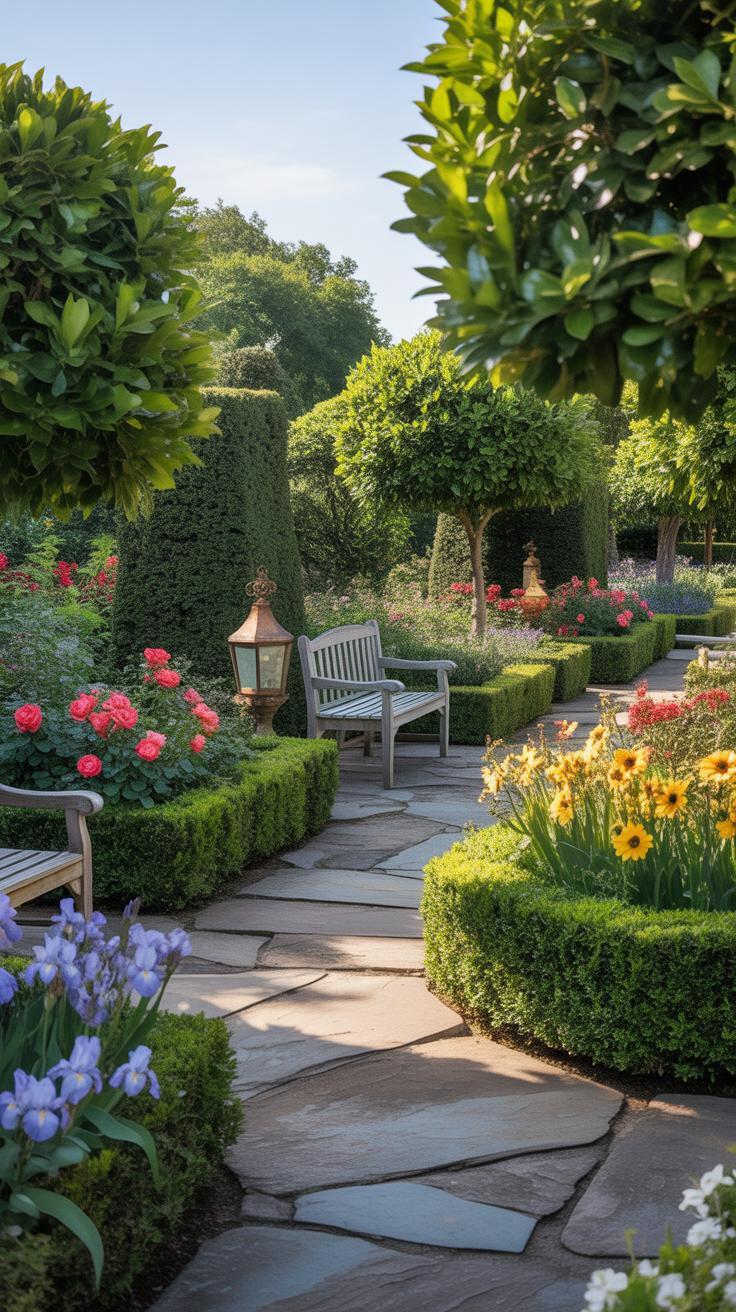
Incorporating Hardscaping Elements Like Walls, Fences, And Trellises
Hardscaping provides the permanent framework for a functional front yard. Retaining walls level sloped terrain to prevent soil erosion and create planting pockets. Low stone walls define property boundaries without blocking sightlines. Use materials that match the home architecture for a cohesive look. Natural stone offers durability while concrete blocks provide a modern aesthetic. These structures anchor the garden during winter months when plants go dormant.
Vertical elements like trellises and fences direct movement and add privacy. A wooden trellis supports climbing plants to soften harsh building edges. Fences serve as a backdrop for mixed borders and control pedestrian flow. Select rot-resistant woods like cedar or powder-coated metals for long-term stability. Proper installation requires sinking posts below the frost line to ensure the structure remains level. Use these hard assets to create distinct outdoor rooms.
Essential Tips For Layering Plants To Create Depth And Visual Interest
Layering mimics natural ecosystems by organizing plants by height and growth habit. High-quality design places tall shrubs or small trees at the rear to establish a green backdrop. Mid-sized perennials fill the center ground to bridge the gap between heights. Groundcovers at the front edge hide bare soil and suppress weed growth. This systematic approach ensures every plant receives adequate sunlight and remains visible from the street.
- Background Anchors: Use evergreen shrubs or tall ornamental grasses to create a permanent wall of green. These species provide year-round structure and hide foundations or utility boxes. Select varieties that reach at least four feet in height to establish a solid visual boundary.
- Mid-Story Fillers: Focus on herbaceous perennials and small shrubs that grow two to three feet tall. These plants add seasonal color and texture through foliage. Group species with similar water needs together to simplify maintenance. Contrast leaf shapes to build immediate visual tension.
- Edging Plants: Position low-growing species along the front of the border to create a clean finish. Use mounding perennials or creeping groundcovers that stay under twelve inches. These plants soften the transition between garden beds and walkways or driveways.
- Specimen Focal Points: Place one or two unique plants off-center to draw the eye through the space. Choose trees with interesting bark or shrubs with bold flowering cycles. A well-placed specimen breaks the repetition of the layers and creates a professional finish.
- Vertical Accents: Interspersed tall, narrow plants within the middle layers to add height without taking up much ground space. Use columnar evergreens or upright perennials like foxglove. These spikes provide a change in rhythm and prevent the garden from looking flat.
Effective layering requires understanding the mature size of every species. Overcrowding leads to poor air circulation and plant disease. Allow enough space between the layers for healthy root development and easy pruning access. Consider the bloom times for each level to ensure color persists throughout the growing season. A successful three-tier system increases the perceived size of the front yard by maximizing vertical space and creating complex textures.
Smart Small Front Yard Garden Ideas For Compact Spaces
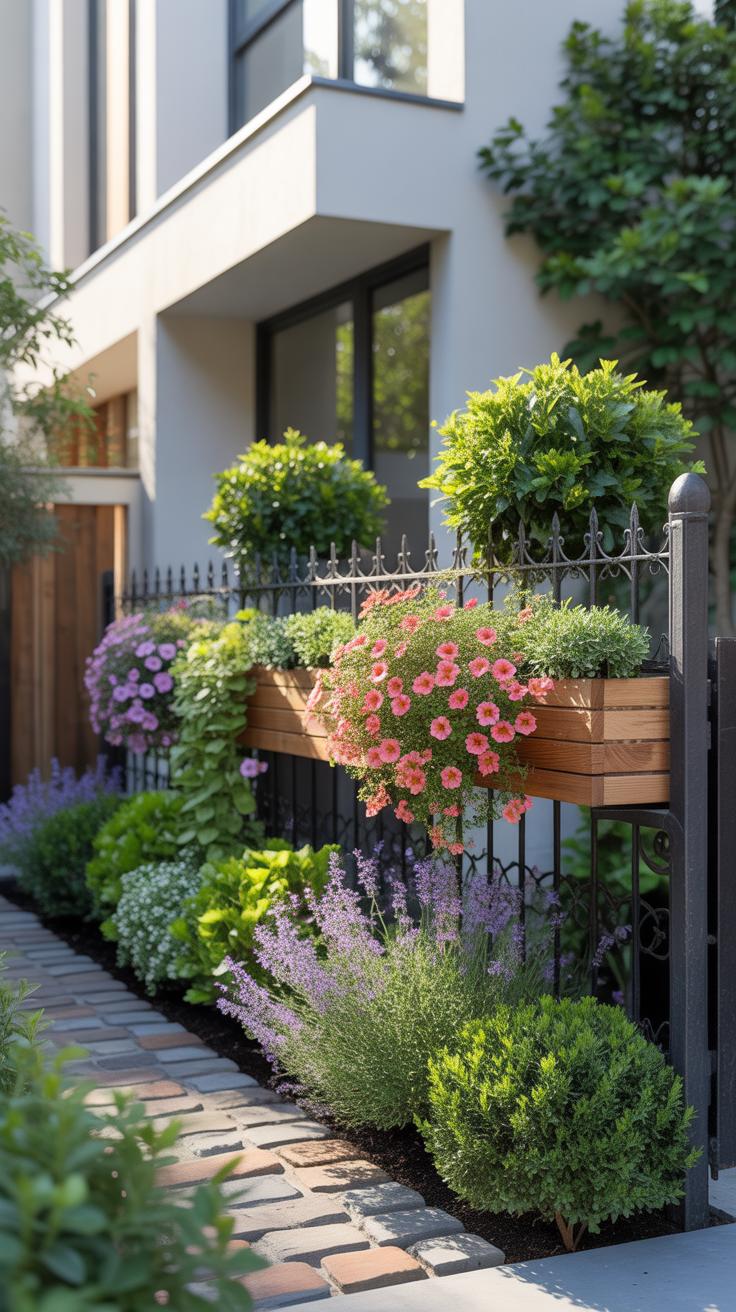
Maximizing Impact With Vertical Gardening In Small Front Yards
Vertical gardening utilizes the Z-axis to expand planting area without consuming floor space. You must install structural supports like wall-mounted trellises or wooden obelisks. These fixtures draw the eye upward and create the illusion of height. Use sturdy hardware to anchor these systems against the house facade. This method provides privacy and hides architectural flaws while maintaining a clean footprint on the ground.
Select specific climbing species like clematis or star jasmine for year-round structure. Fasten wires or mesh grids to masonry using eye bolts and anchors. This tactical approach prevents plants from damaging the siding through direct contact. Vertical layers also improve air circulation around the foliage. This reduces disease risk in tight quarters. Every inch of wall space serves as a functional asset for your total design.
A front yard is a handshake to the neighborhood, a living invitation that tells the story of your home before the door even opens. Your garden is the simplest way to plant a little beauty for every passerby to share.
Low Maintenance Plant Choices That Thrive In Compact Front Gardens
Dwarf cultivars offer predictable growth patterns essential for tight spaces. Select Boxwood or Japanese Holly for structured hedges that require minimal pruning. These evergreens maintain a consistent shape and provide winter interest. Prioritize plants with non-invasive root systems to protect nearby walkways and utility lines. Focus on species that tolerate your specific local soil conditions to reduce the need for fertilizers and amendments.

Perennials like Heuchera and Liriope generate dense ground cover to suppress weed growth effectively. These varieties survive intermittent drought and handle foot traffic near entryways. Map out your sun exposure before purchasing any stock. Place shade-tolerant hostas in north-facing corners and heat-resistant succulents in sunny spots. Strategic plant selection minimizes your weekly labor. It ensures the garden remains orderly without constant intervention or expensive replacement.
Tree Ring Landscaping And Stone Tree Ring Design Ideas
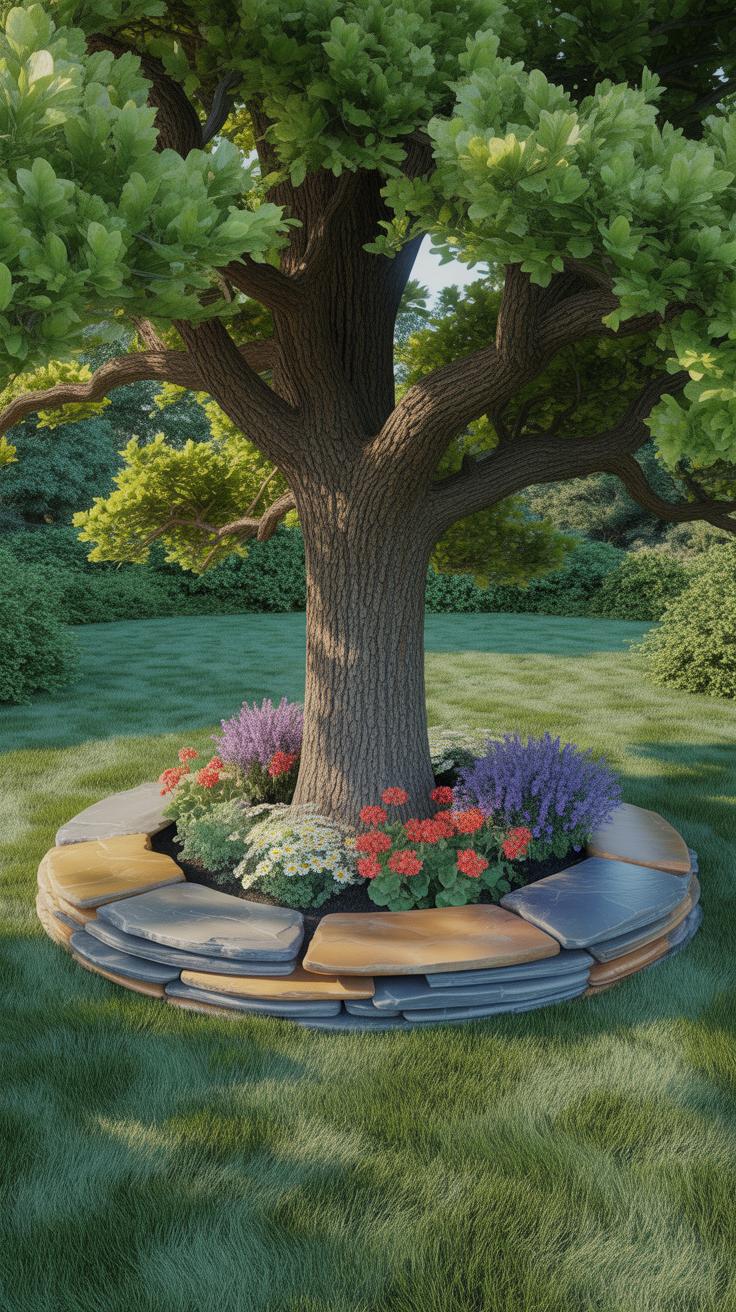
How To Build A Stone Tree Ring That Protects And Beautifies Your Trees
Excavate a shallow trench around the tree drip line to stabilize the stone perimeter. Avoid digging deep near the trunk to prevent root damage. Use natural fieldstone or concrete pavers for the wall material. These heavy materials stay in place without chemical adhesives. Ensure the ring has a diameter large enough to allow for future trunk girth expansion. Lack of space chokes trees.
Level the first layer of stones to ensure structural integrity. Stack additional layers with offset joints to prevent collapses. Do not pile soil or mulch against the tree flare. Excess moisture at the base causes bark rot and fungal infections. Fill the center with three inches of organic mulch. Keep the mulch two inches away from the wood. This setup prevents mower damage and conserves vital soil moisture.
Planting Ground Covers And Flowers Within Tree Rings For Added Color
Select shade tolerant plants that thrive in the specific microclimate under the tree canopy. Choose shallow rooted perennials like hostas or coral bells. These species do not compete aggressively with the tree for water and nutrients. Avoid aggressive vines that climb the trunk and steal sunlight. Use small starter plants to minimize soil disturbance during the installation process. Respect the existing root architecture at all times.

Monitor soil moisture levels frequently after planting. The tree canopy often acts as an umbrella that blocks rain from reaching the ground covers. Supplemental irrigation is necessary during the first growing season. Apply a thin layer of compost before planting to provide immediate nutrients. This strategy improves the soil structure without raising the grade significantly. Healthy ground covers reduce weed growth and lower maintenance requirements for the front yard.
Rocks And Plants Landscaping For A Low Maintenance Front Yard
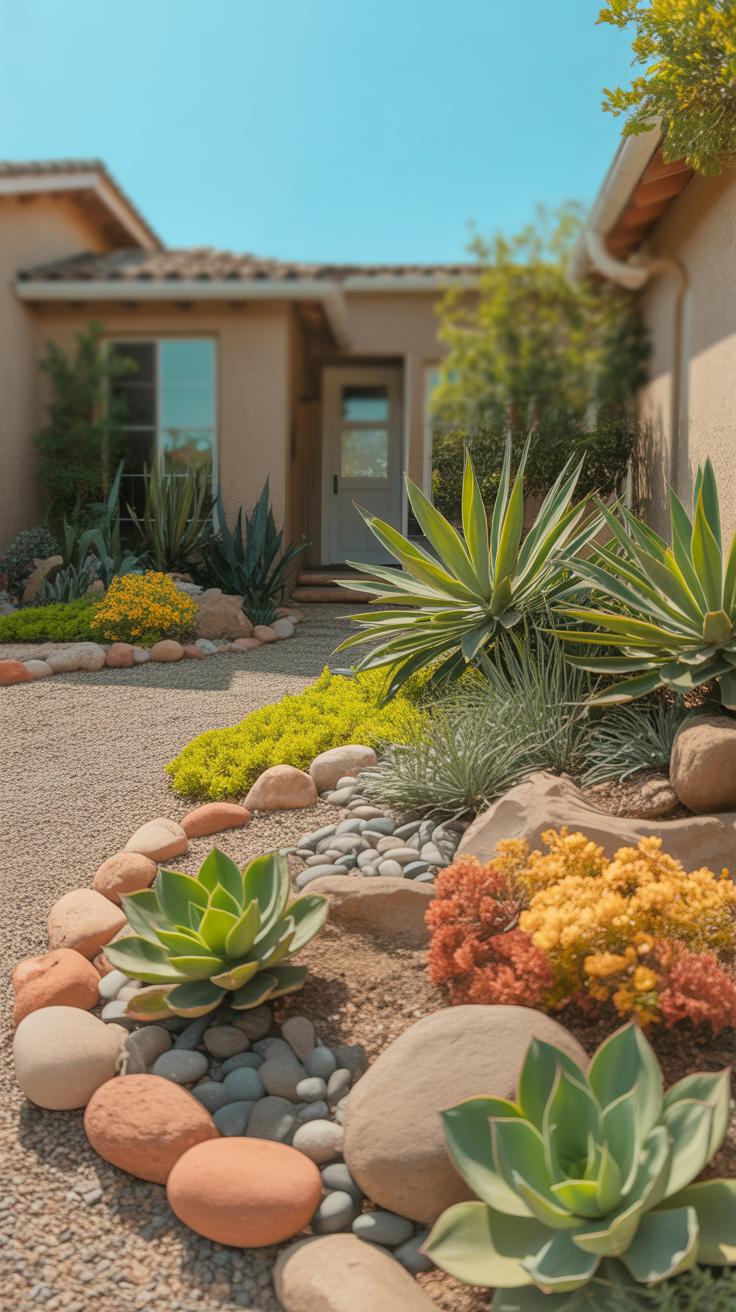
Best Types Of Rocks And Stones To Use In Front Yard Landscaping
Rock selection dictates the drainage and thermal regulation of your front yard. Harder stones like granite and river rock last longer than soft limestone. You must choose materials that handle local weather without breaking down. Select a size that stays in place during heavy rain. Proper stone choice reduces your long-term labor and prevents soil erosion near your home foundation.
- River Rock: These smooth stones come in various grey and brown tones. They work best for drainage swales or dry creek beds. Their weight prevents them from washing away during heavy storms or high winds.
- Pea Gravel: This small rounded stone provides a comfortable walking surface for paths. It is cheap and easy to spread over large areas. You must use a border to keep the small stones from migrating into the grass.
- Decomposed Granite: This fine material packs down to create a firm and stable surface. It offers a rustic look and excellent permeability for water. It is a top choice for xeriscaping and Mediterranean style garden designs.
- Lava Rock: This porous rock is very lightweight and holds heat well. It provides a sharp texture and deep red or black colors. Use it in areas where you want to suppress weeds and maintain high soil temperature.
- Crushed Granite: These angular stones lock together better than rounded rocks. They provide a modern and clean aesthetic for contemporary homes. The sharp edges prevent the stones from rolling underfoot when used on flat garden surfaces.
Layering different stone sizes creates visual depth and functional stability. Use large boulders as anchors to ground the design. Fill the gaps with smaller gravel or pebbles to cover the weed barrier completely. This method mimics natural geological patterns found in dry climates. Always install a heavy-duty geotextile fabric beneath the rocks. This step stops the stones from sinking into the soil.
Pairing Drought Tolerant Plants With Rocks For A Natural, Cohesive Look
Strategic plant placement around rocks prevents a sterile graveyard appearance. Group plants with similar water needs to maximize efficiency. Use the rocks to create microclimates for your vegetation. Large stones absorb heat during the day and release it at night. This heat protects delicate roots from frost damage. Place succulents or desert shrubs near these heat-retaining boulders for better survival rates.

Achieve a professional look by burying rocks one-third deep into the soil. This technique makes the landscape look established and natural rather than scattered. Select plants like lavender, agave, or ornamental grasses that thrive in rocky soil. These species require minimal pruning and little water once established. Position them in clusters to break up the hard texture of the stone. This creates a balanced and functional front yard.
Practical Front Of House Gardening Ideas For Long Term Success
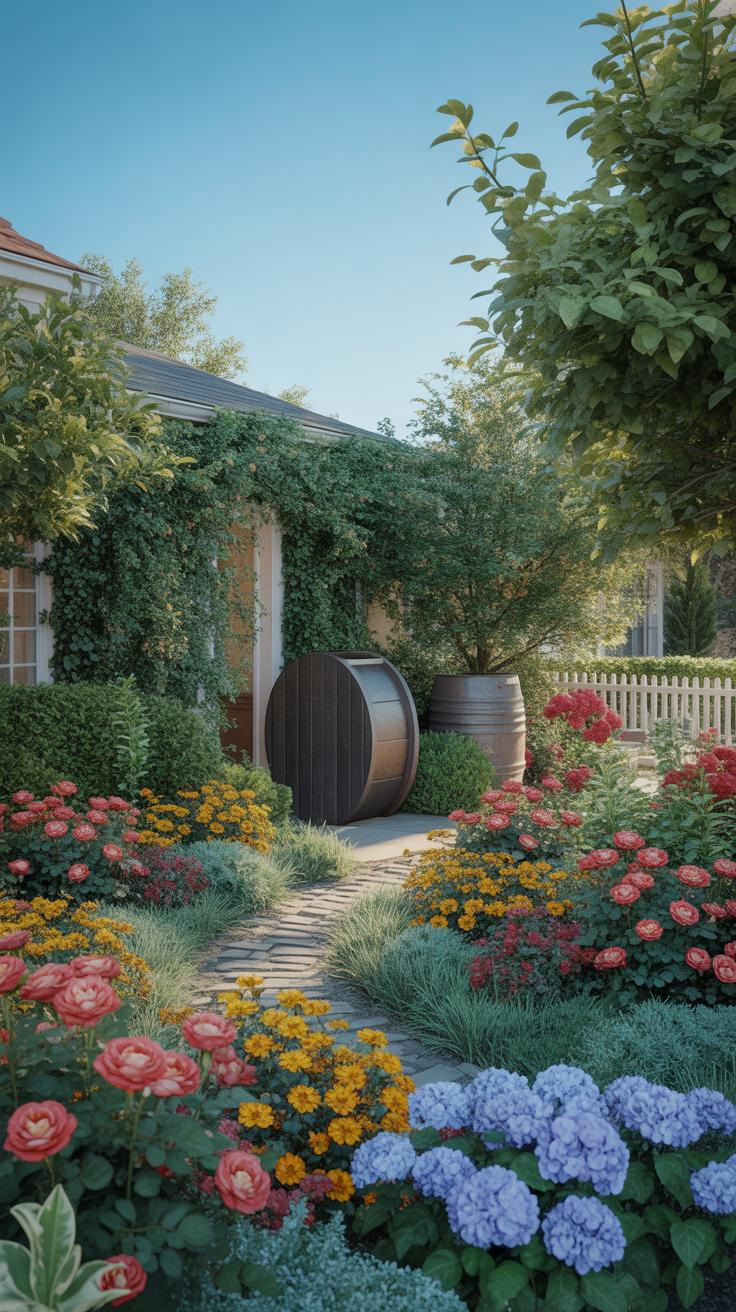
Irrigation And Watering Solutions To Keep Your Front Garden Healthy
Hand watering wastes time and water. Smart Front Yard Garden Design relies on drip irrigation systems. These systems deliver water directly to the root zone. This prevents evaporation and fungal diseases on foliage. Install a programmable timer to automate the process. Mechanical timers work but smart controllers adjust for local weather. This hardware ensures plants survive summer heat without constant human intervention.
Group plants by their water needs to increase efficiency. This technique is called hydrozoning. Put thirsty plants together and drought-tolerant species in another zone. This prevents overwatering and root rot in desert-friendly plants. Use pressure-compensating emitters for gardens on slopes. These tools maintain steady flow regardless of elevation changes. Mulch heavily around all irrigation lines. Thick mulch layers hold moisture in the soil and protect plastic tubing from sunlight.
Seasonal Maintenance Routines That Preserve Your Garden’S Beauty Over Time
Success requires a strict maintenance schedule. Every spring you must prune dead wood and apply fresh mulch. Mulch regulates soil temperature and stops weed growth. Check your irrigation lines for leaks or clogs before the heat arrives. Fertilize based on specific plant needs rather than using general mixes. High-quality soil testing reveals exactly what nutrients your front yard lacks. Direct action prevents wasted money on unnecessary chemicals.

Fall maintenance prepares the garden for winter dormancy. Remove spent annuals and cut back perennials after the first frost. Clean your garden tools to prevent the spread of pathogens. Sharpen shears to ensure clean cuts that heal quickly. Turn off exterior water lines in freezing climates to prevent pipe bursts. Clear fallen leaves from evergreen shrubs to stop moisture traps. Consistent tidying prevents pests from nesting near your home foundation during cold months.
Frequently Asked Questions

Where should I begin when planning a new front yard garden design?
The best place to start is by assessing your home’s architectural style and the amount of sunlight your space receives. A successful front yard garden design balances structure with color. Begin by sketching a basic layout that includes a clear pathway to your entrance. Focus on grouping plants with similar water needs together, ensuring you choose varieties that complement your home’s exterior palette to create an inviting first impression.
How do I choose the right plants to improve my home’s curb appeal?
To achieve a professional look, layer your plants by placing taller shrubs or small trees near the house and shorter perennials toward the edge of the yard. Incorporating a mix of evergreen foliage and seasonal blooms ensures your front yard garden design remains attractive throughout the entire year. Always consider the mature size of each plant to prevent overcrowding and ensure your windows and walkways remain clear as the garden grows.
Can I create a beautiful front yard on a limited budget?
Absolutely! You can achieve a high-end look without overspending by starting with small “starter” plants or seeds rather than mature specimens. Focus your budget on a few structural focal points, like a specimen tree or high-quality mulch, which instantly polishes the space. Using recycled materials for garden edging and dividing existing perennials are also cost-effective ways to fill out your landscape while maintaining a sophisticated and cohesive aesthetic.