
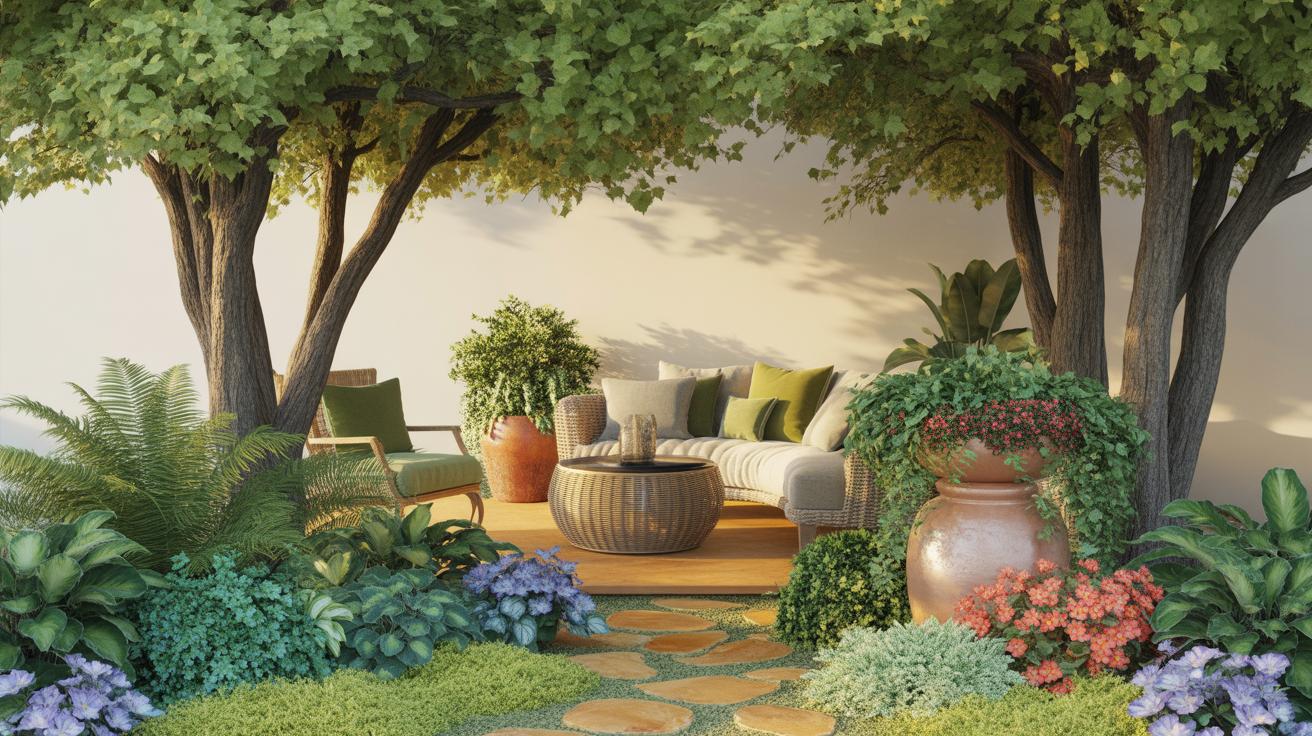
Understanding Shade Garden Design Types Of Shade And What They Mean For Your Garden
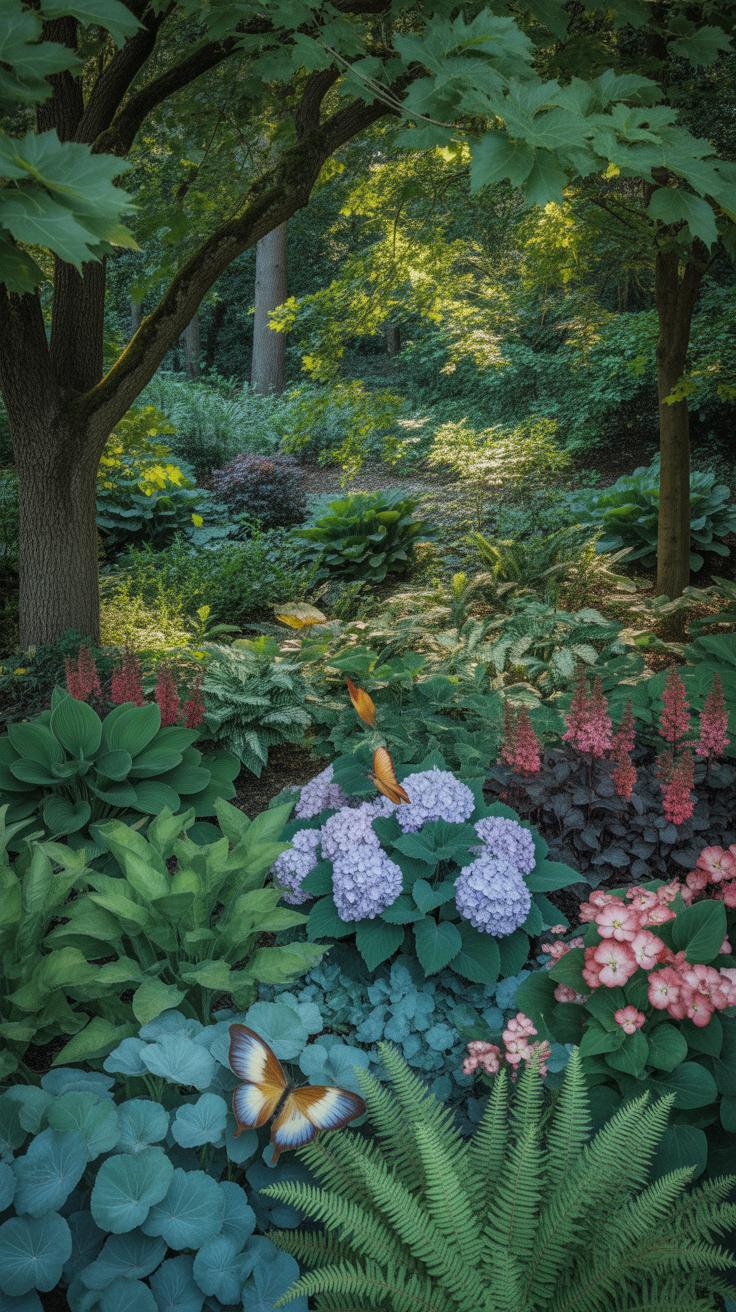
Full Shade Vs. Part Shade Garden: Knowing The Difference Before You Plant
Shade Garden Design requires precise light measurement. Full shade means an area receives less than three hours of direct sunlight daily. This often occurs under dense evergreen canopies or northern building faces. Plants in these zones rely on reflected light. You must select species with high chlorophyll efficiency to survive. Mistaking full shade for partial shade leads to stunted growth and eventual plant death.
Partial shade zones receive between three and six hours of sun. The timing of this light dictates your plant choices. Morning sun is cool and beneficial for most woodland species. Afternoon sun is harsh and increases transpiration rates. You must match the plant heat tolerance to the specific hours of exposure. Designing for partial shade allows for greater variety in foliage color and bloom production.
How Light Patterns In Your Yard Shape Your Shade Garden Design Layout
Light patterns change with the seasons and the sun angle. High summer sun creates smaller shadows than the low winter sun. Structural elements like fences and walls create fixed shade boundaries. Deciduous trees offer shifting light levels throughout the year. You must track these movements across a full growth cycle. Mapping these shadows prevents you from placing sun-sensitive plants in future hot spots.
Dappled shade provides a filtered light effect through tree leaves. This environment mimics the natural forest floor and supports the widest range of shade plants. Successful Shade Garden Design utilizes these moving light pockets to prevent leaf scorch. You should place your most delicate specimens under high-canopy trees. This strategy ensures they receive bright light without the thermal stress of direct rays. Strategic placement maximizes plant health and aesthetics.
Shady Garden Ideas Drawing Inspiration From NatureS Own Woodland Floors
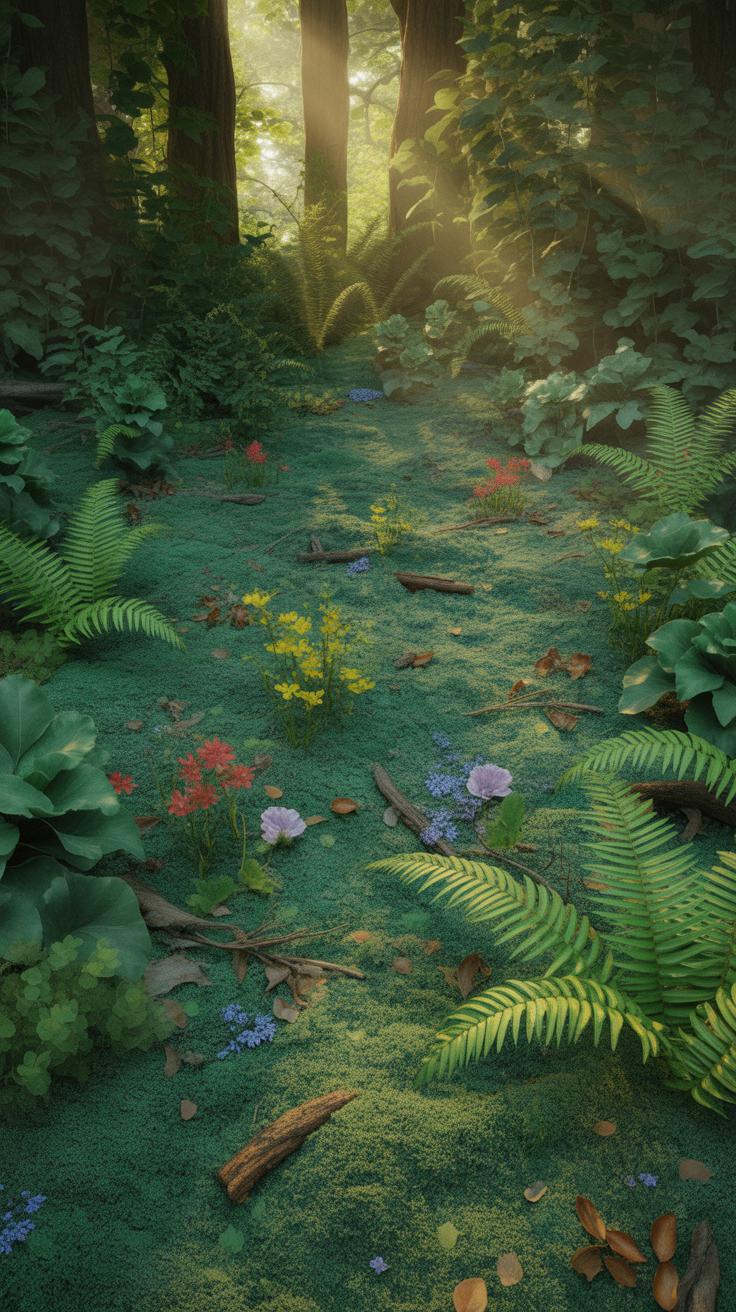
Using Layered Planting To Mimic Natural Woodland Aesthetics In A Shady Garden
Replicate the vertical structure of a forest to maximize space and health. Start with the canopy layer using tall trees to filter sunlight. Plant understory trees and large shrubs beneath them. This creates a staggered height system. It protects smaller plants from harsh wind and direct heat. Use specific native species to ensure the system survives without excessive human intervention or chemical support.
Ground-level management requires herbaceous perennials and bulbs. These plants thrive in the leaf mold created by the upper layers. Place low-growing mosses or creepers at the very bottom. This prevents soil erosion and keeps roots cool. Proper layering allows different species to occupy the same footprint safely. You gain more visual depth by following this biological blueprint. It mimics a stable ecosystem.
Color, Texture, And Foliage: The Core Elements Of Eye Catching Shady Garden Ideas
Shift focus from flowers to foliage to maintain visual interest. Shade gardens often lack bright blooms for most of the year. Use variegated leaves with white or silver edges to reflect limited light. This brightens dark corners naturally. Contrast broad, flat leaves with fine, feathery fronds. For example, pair large hostas with delicate ferns. This structural tension creates a sophisticated and intentional look.

Incorporate different shades of green to build depth. Dark greens recede while light chartreuse tones pop forward. Use matte and glossy finishes to manipulate how viewers see the space. Shiny leaves act like mirrors to catch stray sunbeams. This technique makes a small shade garden feel larger. Strategic planting ensures the garden looks good in every season. Focus on leaf shape and durability for the best results.
Small Shade Garden Ideas Making The Most Of Limited Space Under A Canopy
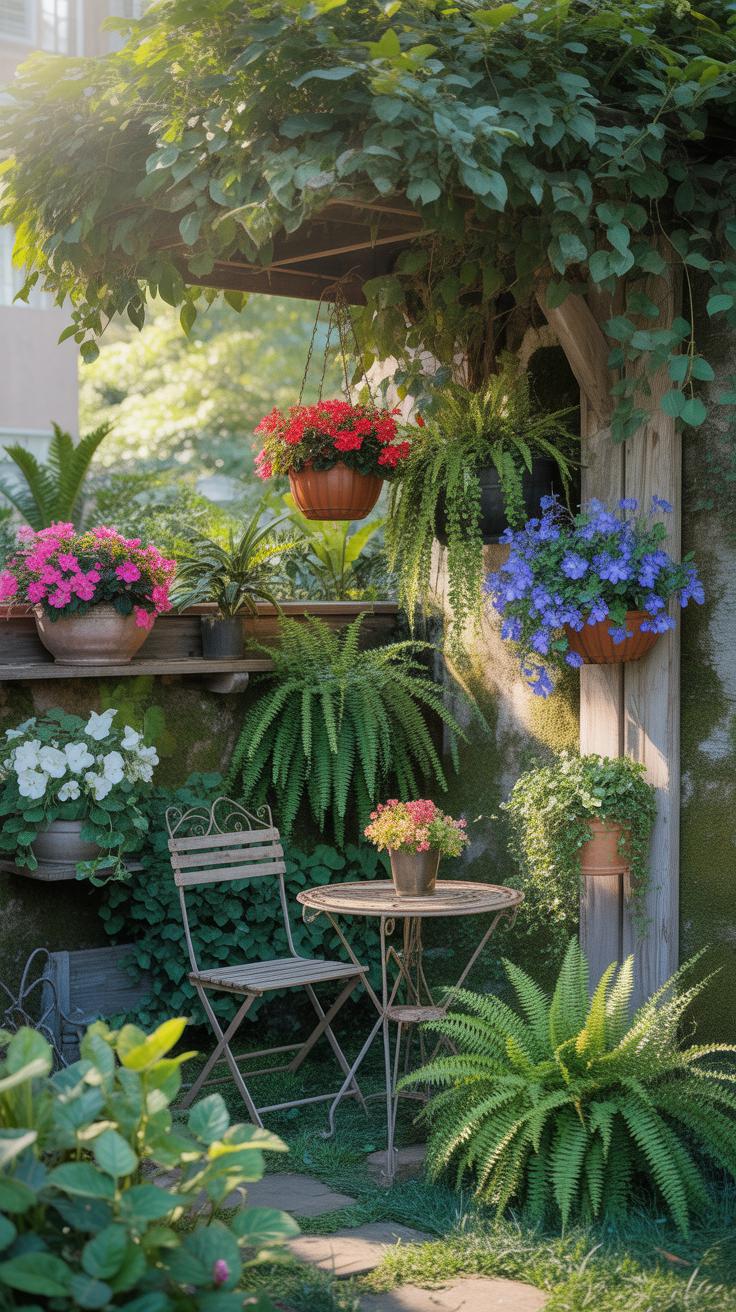
Vertical Planting Strategies That Open Up Small Shade Gardens
Vertical design maximizes square footage in dim environments. Use trellises and wall-mounted planters to draw the eye upward. This technique removes clutter from the ground level. Choose materials like powder-coated steel or rot-resistant cedar for longevity. Fasten these structures securely to boundary walls or fences. This creates a green backdrop without consuming valuable floor space. It also improves air circulation for plants.
Select climbing species that tolerate low light levels. Ivy and climbing hydrangea are reliable choices for northern exposures. Secure these plants with wires or lightweight mesh. Position containers at the base of vertical structures to manage soil quality. This approach allows you to control moisture levels more effectively than planting in poor soil. Use reflective surfaces behind greenery to bounce available light into the canopy.
Choosing Compact Shade Tolerant Plants That Thrive In Tight Spaces
Small plots require plants that maintain their shape without aggressive spreading. Select slow-growing varieties to reduce maintenance and prevent overcrowding. Look for dwarf cultivars of traditional shade staples like hostas or ferns. Focus on leaf texture and color contrast to create visual depth. Deep greens and whites stand out in dark corners. These selections ensure the garden looks intentional rather than overgrown or messy.
Place the smallest specimens at the front of the border. Use mid-sized shrubs like Sarcococca for year-round structure. These plants occupy minimal footprints while providing height and fragrance. Group plants with similar water needs together to simplify irrigation. Check the mature width of every plant before purchasing. Proper spacing prevents the competition for nutrients that often kills plants in tight quarters. Strategic placement keeps the path clear.
Shade Garden Design Layout Planning Your Space With Structure And Flow
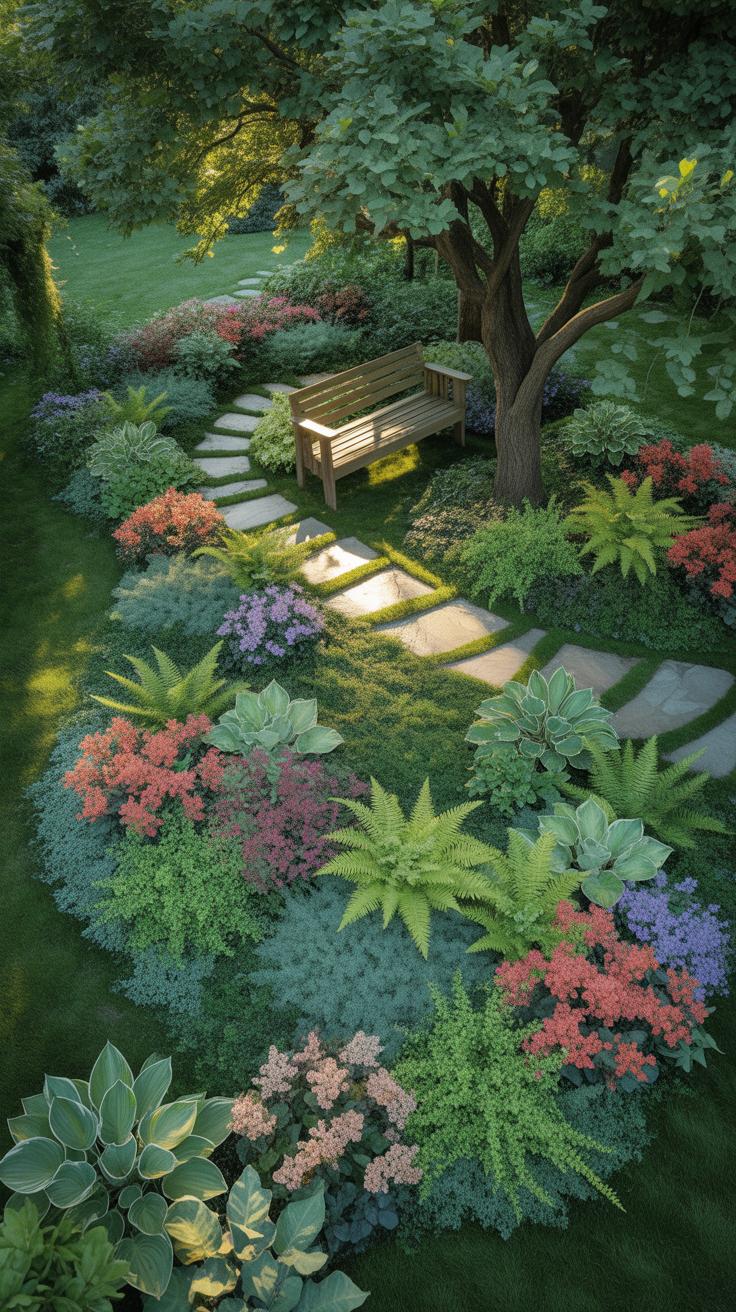
How To Map Out A Functional And Visually Balanced Shade Garden Plans Layout
Smart shade garden design starts with light mapping. Observe your yard at three different times during the day. Identify areas of deep shade, dappled light, and part sun. You must match plant needs to these specific zones. Use a grid to plot permanent structures like trees and buildings. This data prevents costly mistakes and ensures your plants survive long term.
Balance requires placing larger elements first to anchor the space. Use the rule of thirds to position specimen plants or shrubs. This technique creates a natural flow that guides the eye through the garden. Avoid overcrowding your layout to allow for air circulation and future growth. Proper spacing reduces disease and maintenance tasks. A clear plan ensures every square foot serves a purpose.
Pathways, Focal Points, And Borders: The Building Blocks Of A Strong Layout
Structural elements define the garden shape when plants are dormant. Pathways provide access and prevent soil compaction in delicate shade zones. Use light colored materials like gravel or light stone to brighten dark corners. Focal points give the eye a place to rest and establish a clear destination. Well defined borders separate garden beds from turf and keep invasive roots contained.
- Permeable Pathways: Use materials like loose gravel or wood chips. These allow water to reach tree roots while providing a stable walking surface. Narrow paths create intimacy while wide paths feel formal and open.
- Light Reflecting Materials: Incorporate light colored stone or white pebbles in dark areas. These surfaces reflect available light onto foliage. This technique improves visibility and boosts growth in low light environments.
- Hardscape Focal Points: Install stone benches or birdbaths to anchor the design. These objects provide year round interest when perennials disappear in winter. Place them at the end of paths to create a logical finish.
- Defined Edge Borders: Use metal edging or bricks to create clean lines. These borders stop lawn grass from creeping into shade beds. A sharp edge makes the garden look professional and organized regardless of the planting style.
- Layered Verticality: Utilize structures like trellises or low walls to build height. Shade gardens often lack vertical interest compared to sunny borders. Adding these elements maximizes small spaces and creates a sense of enclosure.
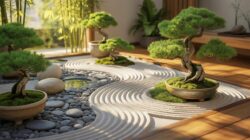
Strategic placement of these building blocks ensures the garden looks intentional. Select materials that match your home architecture for a cohesive look. Use borders to create distinct rooms within the landscape. This organization makes maintenance easier and improves properties values. High quality hardscaping provides the skeleton that supports your softscape. Stick to durable materials that withstand moisture and frequent shade.
Shade Garden Design Layout Backyards Tailoring Your Design To A Back Garden Setting
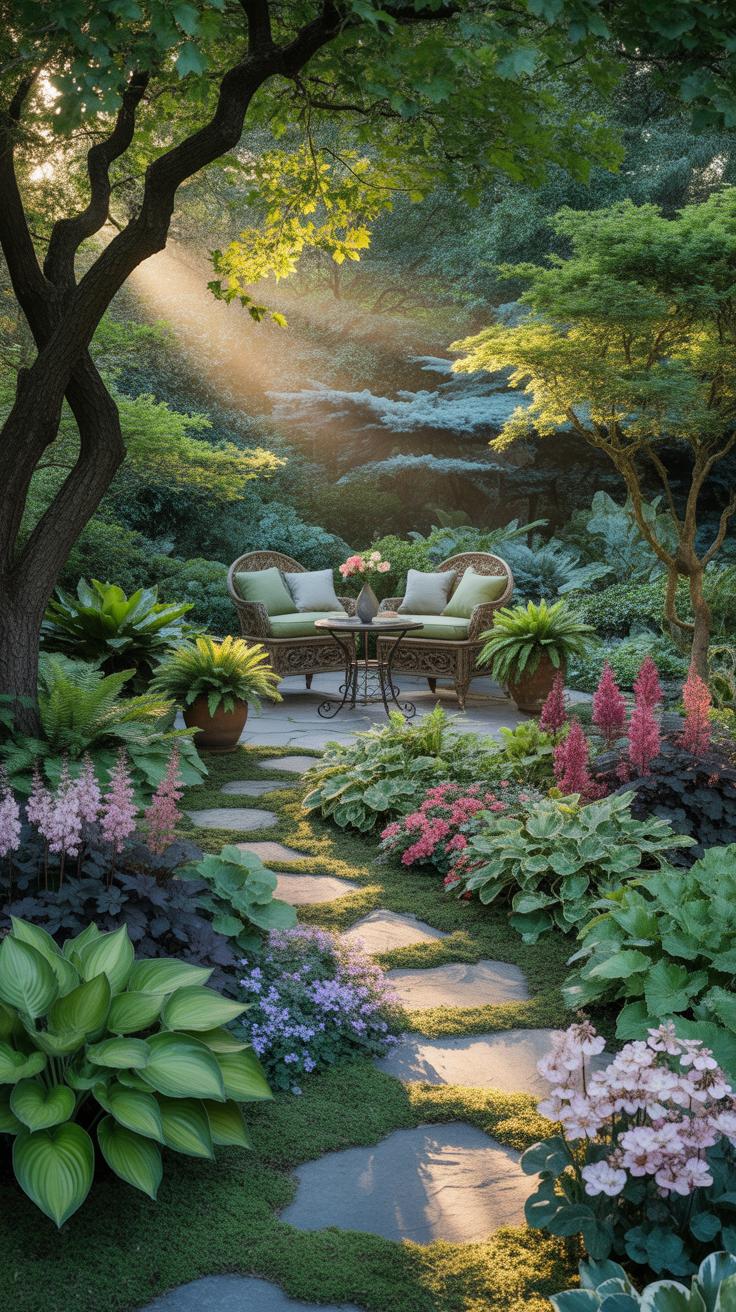
Working With Existing Trees And Structures In Your Backyard Shade Garden
Large trees dictate the root zones and water availability in your backyard. Map the drip line of every tree before you plant. Feeder roots sit near the surface and compete for nutrients. Digging large holes damages these roots and harms the tree canopy. Use small starter plants to minimize soil disruption. Focus on dry shade species that tolerate low moisture under established wood.
Walls and fences create microclimates through rain shadows and heat reflection. North-facing walls remain cool and damp throughout the year. Use these vertical surfaces for climbing hydrangeas or trellis systems. Check soil pH near concrete foundations as lime leaching affects plant health. Distance your beds from wooden structures to prevent rot. Proper airflow between foliage and buildings stops fungal growth and pest nesting.
Zoning A Backyard Shade Garden For Both Beauty And Practical Everyday Use
Divide your backyard into functional zones based on light levels and foot traffic. High-use areas like patios need resilient ground covers or hardscaping. Use flagstone or gravel for paths to prevent soil compaction in wet shade zones. Place delicate ferns and hostas in low-traffic corners. This layout preserves plant health while maintaining a clear walking path. Clear boundaries stop guests from stepping on soft stems.

Group plants with similar water needs together to simplify maintenance. Put thirsty plants near your water source to reduce hose dragging. Use taller evergreens as a backdrop to hide utility boxes or compost bins. This strategy creates a visual anchor for the garden. Repeat textures and colors across different zones to create a unified look. Strategic placement ensures the backyard remains a functional space for relaxation and utility.
Small Shade Garden Design Elegant Solutions For Compact Urban And Suburban Plots
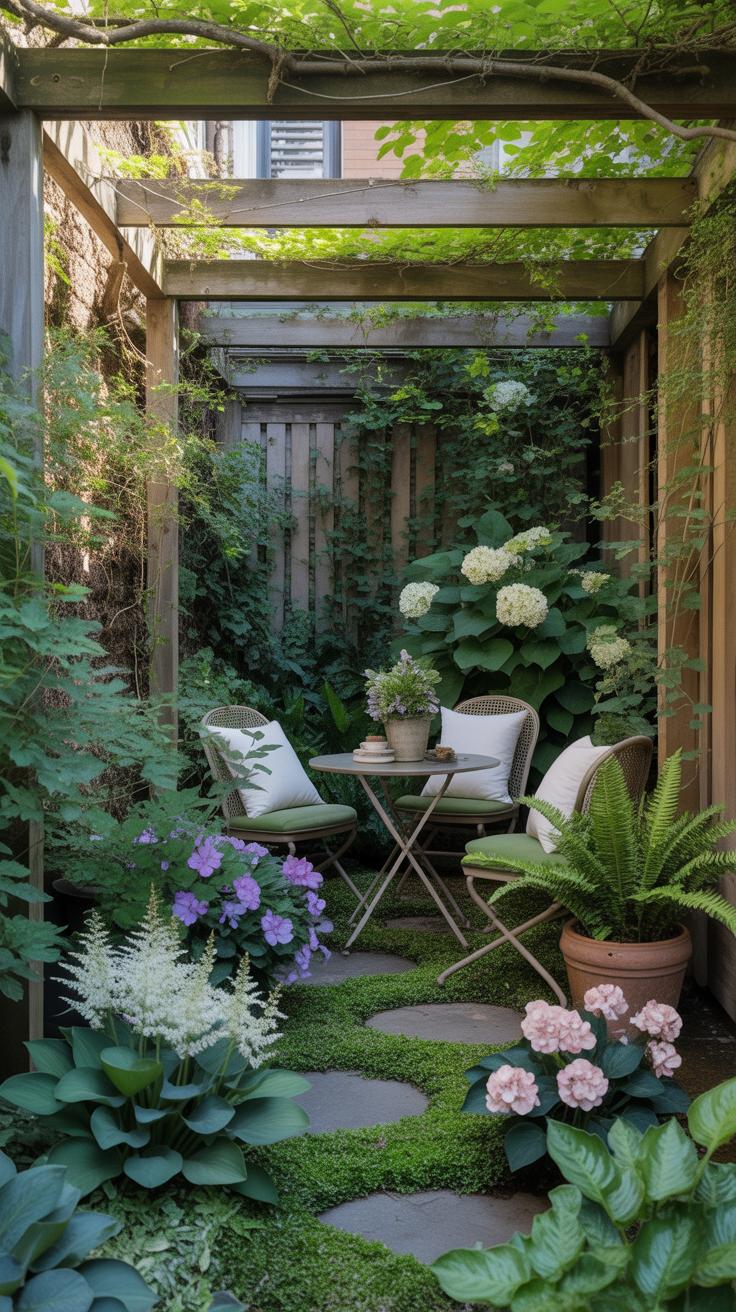
Container Gardening In Shade: A Smart Approach For Small Shade Garden Design
Container gardening solves the problem of poor soil and limited space in urban shade gardens. You control the drainage and nutrient levels perfectly in a pot. Use heavy terracotta or glazed ceramic to retain moisture in dry shade areas. Move these vessels to track seasonal light shifts. This flexibility ensures plants like Hostas or Heucheras receive the exact light levels required for survival.
Placement strategy dictates the success of a compact shade layout. Group containers in odd numbers to create visual depth without cluttering the floor. Elevate smaller pots on stands to create vertical layers of foliage. This technique maximizes every square inch of a small patio or balcony. Focus on high-quality potting mixes that prevent root rot. Proper drainage is vital because water evaporates slowly in shaded environments.
Using Mirrors, Light Colors, And Reflective Surfaces To Brighten A Small Shade Garden
Strategic use of reflective surfaces increases ambient light in dark corners. Install weather-resistant mirrors on boundary walls to create the illusion of more space. Position these mirrors to catch light from open sky areas rather than direct sun. This redirects brightness onto ground-level plants that usually struggle. Choose frames made of treated wood or metal to withstand moisture. Mirrors also add a modern architectural element to the plot.

Light-colored materials improve visibility and mood in shaded zones. Use white gravel, pale limestone, or light grey paving to bounce light upward. Contrast dark green foliage against cream-colored walls to make the space feel larger. Avoid dark wood stains or black mulch as they absorb limited light. Bright surfaces stay cooler and highlight the textures of shade-loving species. This tactical color choice transforms a dim enclosure into a functional outdoor room.
Best Shade Garden Ideas Top Plant Combinations For A Lush And Stylish Look
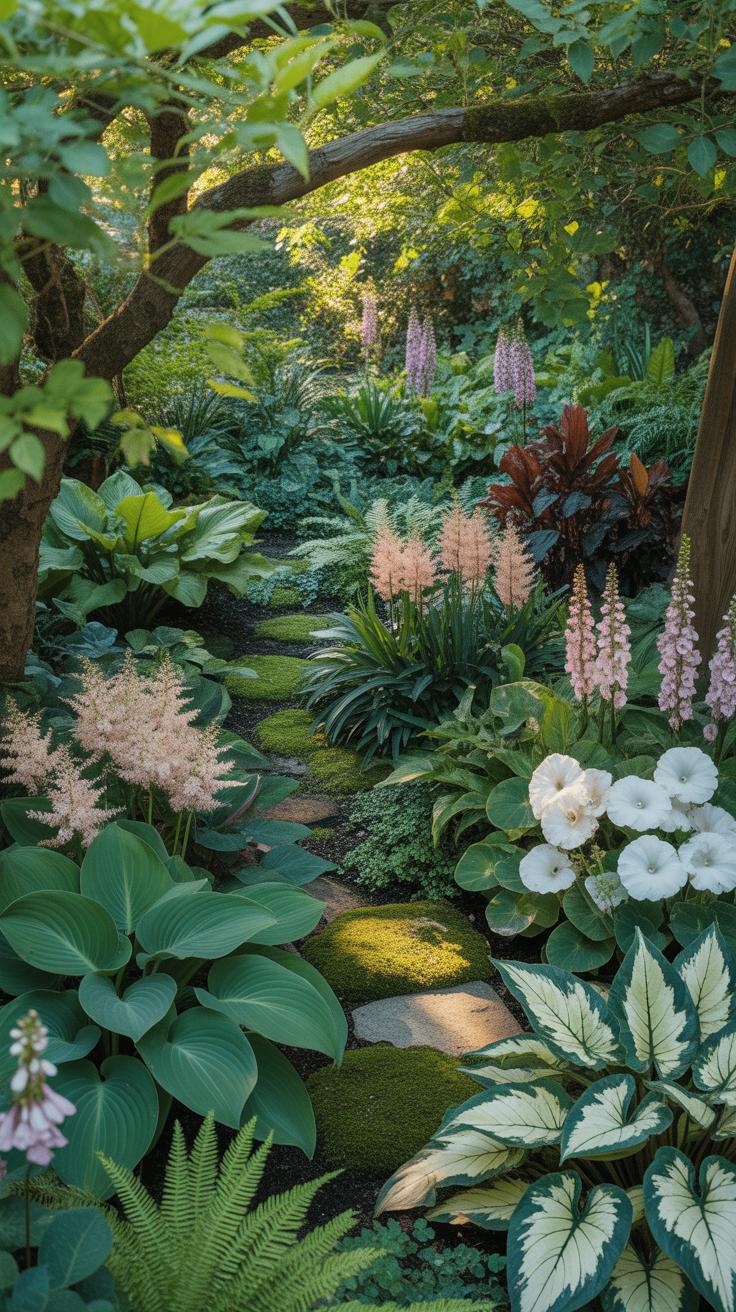
Tried And Tested Shade Loving Plant Pairings That Deliver Year Round Interest
Strategic planting requires a focus on structural contrast and bloom timing. You must select species that thrive in low light while offering diverse textures. Effective pairings use broad leaves against fine needles to prevent visual stagnation. Focus on hardiness zones and soil moisture levels to ensure long term survival. These combinations create architectural depth and maintain aesthetic value even during dormant winter months.
- Hosta and Astilbe: This classic pairing works because of contrasting foliage. The broad, solid leaves of the Hosta provide a sturdy base for the feathery, upright flower plumes of the Astilbe. Both plants thrive in moist, acidic soil and prefer dappled sunlight for optimal growth.
- Bleeding Heart and Japanese Painted Fern: Use this combination for early spring impact. The arching stems of the Bleeding Heart bloom before the canopy fully closes. The silvery fronds of the fern then fill the gap as the Bleeding Heart goes dormant in the heat of summer.
- Heuchera and Carex: This pairing relies on color rather than flowers. Heuchera offers year round foliage in purple, lime, or bronze tones. Carex provides a grassy, fountain like texture that softens the edges of the broad leaf perennials. Both tolerate drier shade conditions once they are established.
- Hellebores and Galanthus: These plants provide critical interest in late winter. Hellebores feature evergreen leathery leaves and early cup shaped flowers. Snowdrops emerge through the frost to add bright white spots. This combination ensures your shade garden design looks intentional during the coldest months of the year.
- Hydrangea Macrophylla and Boxwood: Use these for structural height and bulk. Boxwood provides a formal, evergreen frame that stays green all year. The large Hydrangea blooms add massive color hits in the summer. This mix creates a sophisticated look common in traditional European estate gardens.
Avoid planting species with conflicting water needs in the same bed. Grouping plants by their cultural requirements reduces maintenance labor and prevents root rot. Use repetitive patterns of these pairings to lead the eye through the space. This technique creates a cohesive narrative and makes small gardens feel larger. Proper spacing at planting ensures air circulation and reduces the risk of fungal infections.
Where the sun relents, a quiet elegance takes root in the cool embrace of the shadows. The best shade garden design is not a lack of light, but a presence of peace that makes a stylish home feel like a sanctuary.
Incorporating Ground Covers And Ferns To Unify Your Shade Garden Design
Ground covers and ferns serve as the glue for your shade garden design. They eliminate empty soil patches and suppress weed growth through natural competition. Use low growing species like Vinca Minor or Pachysandra to create a consistent green carpet. This visual foundation allows taller specimen plants to stand out. Consistent ground cover coverage also regulates soil temperature and retains essential moisture.

Ferns provide the mid level texture necessary for a professional finish. Species like the Ostrich Fern or Autumn Fern offer verticality without blocking sightlines. Their intricate fronds break up the heavy appearance of large leaved perennials. Position ferns in clusters to mimic natural woodland patterns. This tactical placement creates flow and movement within the garden. Reliable fern selections ensure the design remains resilient across various seasons.
Part Shade Garden Planting Designing For Spaces That Receive Dappled Or Morning Light
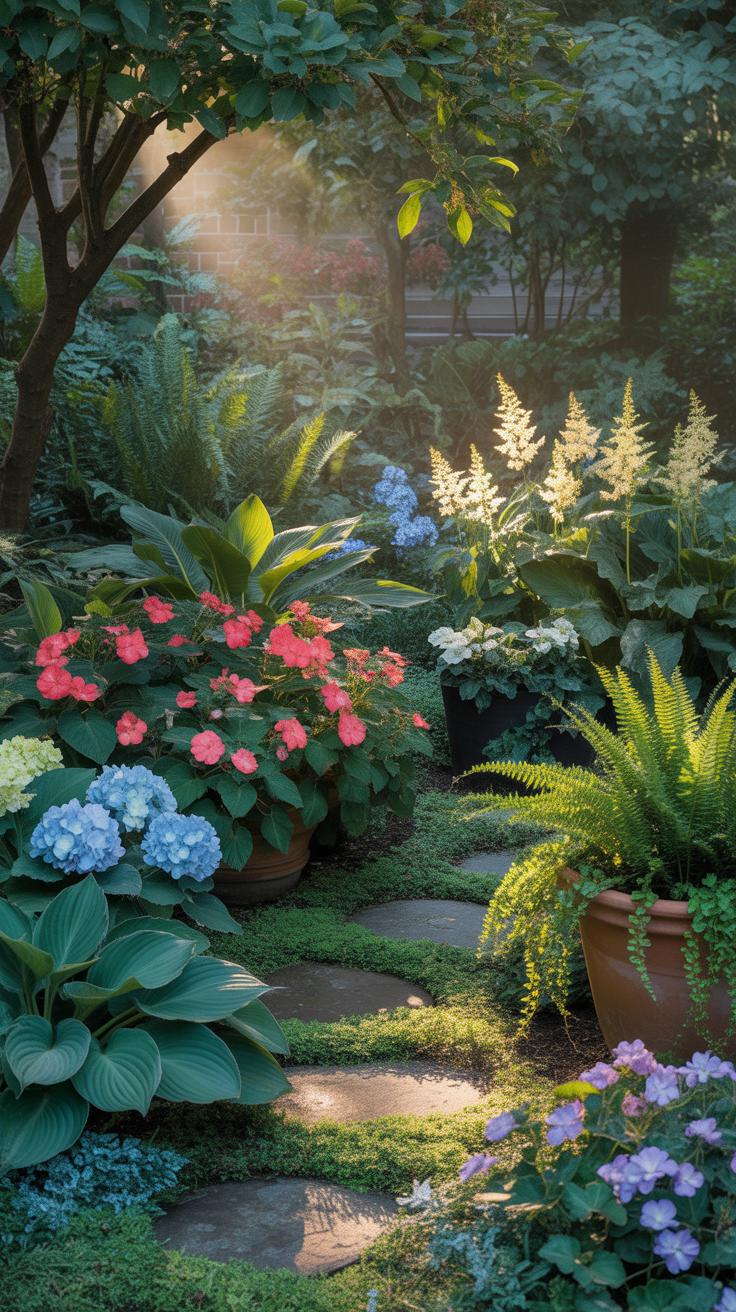
Selecting Versatile Plants That Perform Well In A Part Shade Garden Environment
Successful part shade gardens rely on plants that tolerate varying light levels without scorching or losing color. You must select species that handle four to six hours of sunlight. Morning sun is less intense than afternoon sun. Plants like Hydrangea macrophylla thrive in these conditions. They need the morning light to produce buds but require afternoon shelter to prevent wilting. Choose plants with high leaf durability.
Focus on foliage plants that provide structure throughout the growing season. Heuchera and Tiarella offer stable leaf color across different light intensities. These species Bridge the gap between full sun and deep shade. You must monitor soil moisture carefully in part shade zones. Increased sunlight leads to faster evaporation compared to full shade. Use mulch to keep root systems cool and maintain even hydration for these mid light performers.
Transitioning From Sun To Shade: How To Create A Seamless Planting Gradient
Building a seamless gradient requires a tactical shift in plant density and leaf size. Start at the sunniest edge with fine textured plants that tolerate heat. Gradually introduce medium textured species as the canopy coverage increases. This visual blending prevents a harsh line between different zones. Use repeat groups of plants that span both light levels to pull the eye through the space.

Select transitional species like Geranium or Hellebores that adapt to diverse conditions. These plants act as stabilizers in your design. Position taller shrubs at the rear of the gradient to cast natural shadows. This mimicry of forest edge ecology creates a professional look. Ensure your irrigation zones reflect the light transition. Sunny areas need more water than the shaded interior. Match your watering schedule to these specific solar exposures.
Maintaining Small Shade Gardens Practical Care Tips To Keep Your Design Looking Its Best
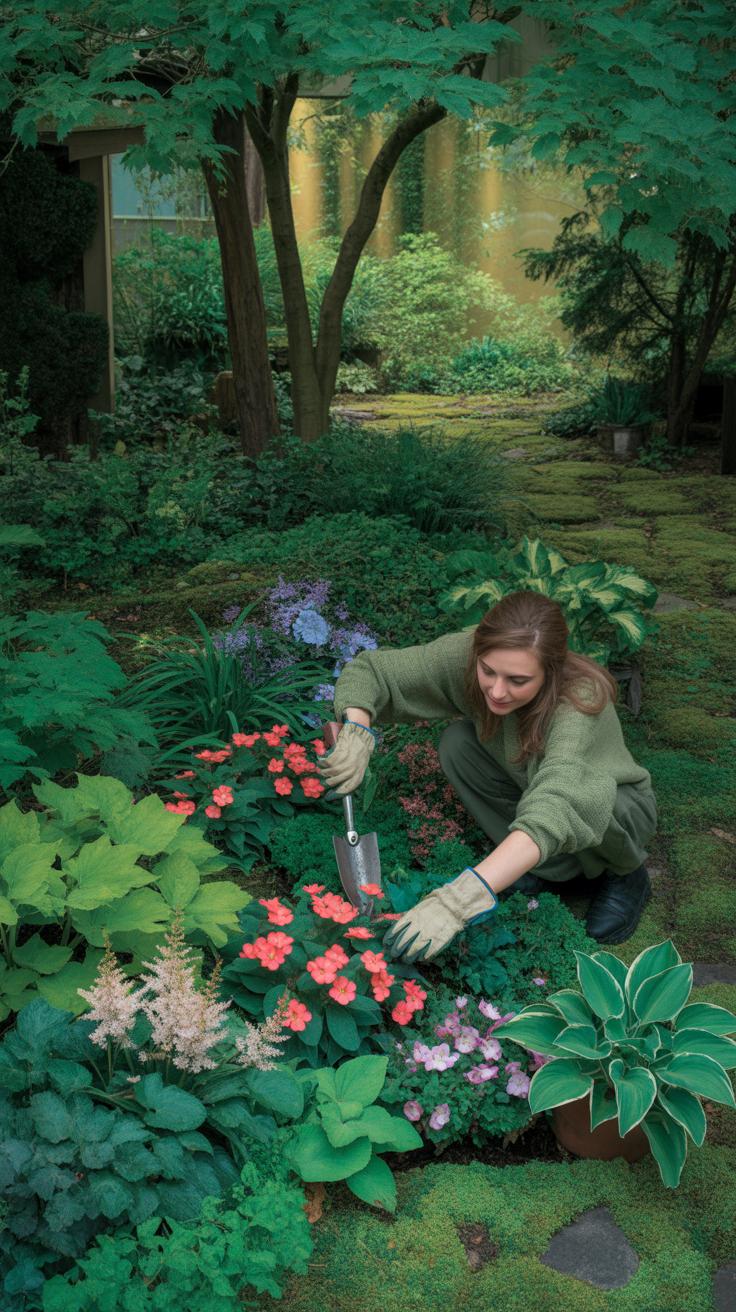
Soil Preparation And Moisture Management In Shaded Garden Areas
Shade garden design depends on high soil quality. Lack of sunlight means plants cannot process water quickly. You must ensure drainage is perfect to prevent root rot. Incorporate organic matter like leaf mold or compost before planting. This improves structure and adds necessary nutrients. Heavy clay soils require grit or perlite to increase aeration. Never plant directly into compacted, dry earth.
Watering shade gardens requires precision. Evaporation rates are lower in dark areas but tree roots often compete for moisture. Check the soil depth manually before adding water. Use drip irrigation to deliver moisture directly to the root zone. Overwatering creates fungal issues in cool environments. Mulch helps regulate temperature and holds moisture during dry spells. Apply two inches of wood chips or pine bark annually.
Seasonal Maintenance Routines That Preserve The Health And Style Of Small Shade Gardens
Spring maintenance focuses on cleaning and renewal. Remove dead leaves from evergreen perennials to allow new growth. Cut back ornamental grasses and ferns before fresh fronds emerge. Apply a balanced organic fertilizer to support the initial growth surge. This is also the best time to divide overcrowded hostas or hellebores. Proper spacing maintains the clean lines of your original landscape design.
Winter preparation protects your investment. Clean up fallen debris to eliminate habitats for slugs and snails. These pests thrive in damp, shaded environments. Apply a fresh layer of mulch to insulate roots against freezing temperatures. Prune overhanging tree branches to manage light levels for the following year. Consistent thinning of the canopy ensures your shade plants receive enough dappled light to survive and bloom.
Frequently Asked Questions

What are the best plants to start with for a shade garden?
For beginners, the secret to a successful shade garden design is choosing hardy perennials that thrive in low light. Hostas are a fantastic starting point because they offer incredible leaf variety, from deep forest green to bright chartreuse. You can also incorporate Bleeding Hearts for early spring color or Ferns for delicate texture. These plants are relatively low-maintenance, allowing you to build a lush, stylish foundation without needing expert gardening skills.
How can I create visual interest in a garden with limited sunlight?
To master your shade garden design, focus on contrasting textures and variegated foliage rather than just blooms. Since flowers are often fewer in the shade, use light-colored leaves or silver-toned plants like Brunnera to brighten dark corners. Layering is also key; place taller shrubs in the back, medium ferns in the middle, and creeping groundcovers in the front. This creates a sophisticated, multi-dimensional look that feels purposeful and professionally curated.
Can I design a stylish shade garden on a tight budget?
Absolutely! You can achieve a high-end look without a massive investment by focusing on plant division and smart hardware choices. Many shade-loving perennials, like Hostas and Coral Bells, can be easily divided every few years to fill more space for free. Additionally, focus on affordable design elements like DIY gravel paths or upcycled containers. Using mulch also provides a clean, finished appearance that instantly elevates the overall aesthetic of your outdoor space.