
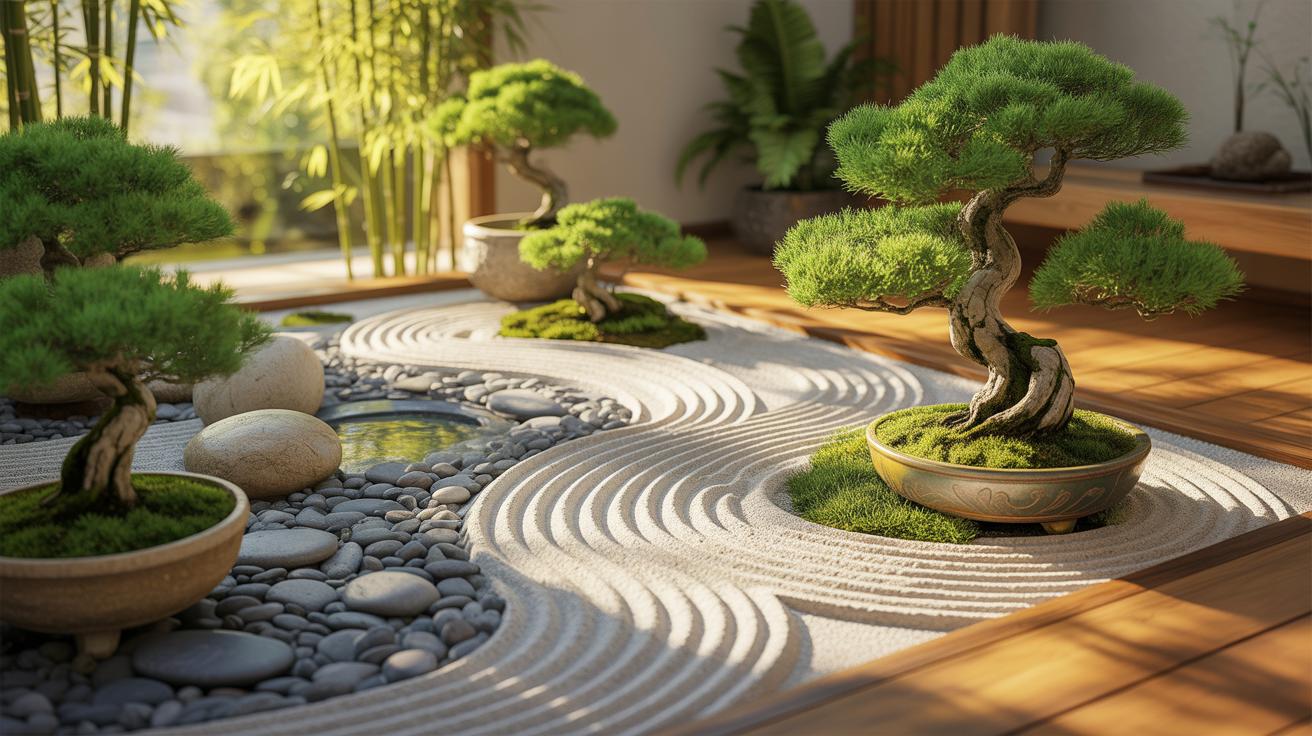
What Is Zen Garden Design And Where Did It Come From
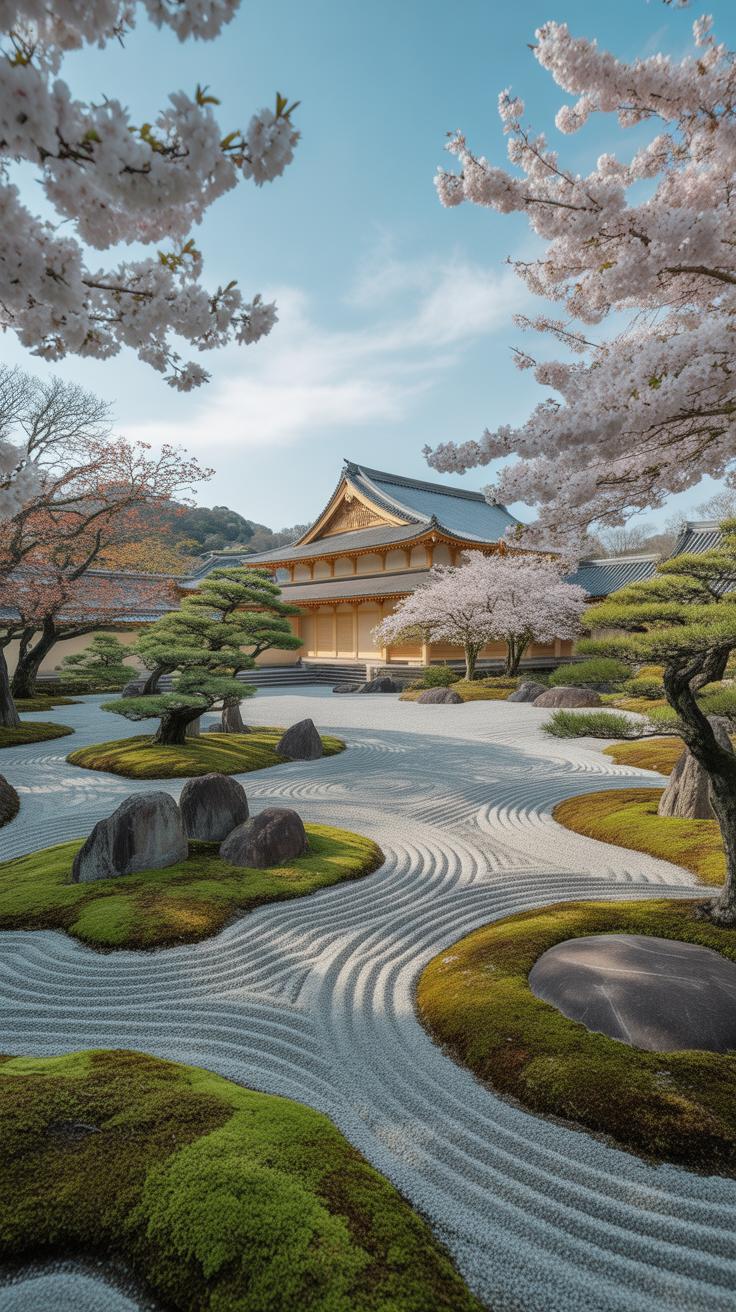
The Origins Of Zen Gardens In Japanese Buddhist Culture
Zen gardens emerged in Japan during the Muromachi period between the 14th and 16th centuries. Zen Buddhist monks created these dry landscapes, known as karesansui, to aid in meditation and contemplation. These spaces do not use water. Instead, they represent nature through symbolic materials. Monks rake gravel to mimic waves. Large stones represent mountains or islands. These gardens serve as physical tools for spiritual discipline.
The design moved away from the lush, flowing gardens of the earlier Heian period. Monks focused on the concept of emptiness and austerity. By stripping away distractions, they created a controlled environment for focus. Every rock placement follows strict rules of composition and balance. Historically, these gardens existed within temple grounds. They were viewed from a single fixed position on a porch. This perspective forced the viewer to focus inward.
How Traditional Zen Principles Translate Into Modern Garden Design
Modern Zen Garden Design applies ancient spatial logic to contemporary urban environments. Designers prioritize minimalism to reduce visual noise in high-stress lifestyle settings. Today, the focus remains on essential elements like stone, sand, and wood. You do not need a temple to use these methods. Small backyard corners or indoor containers now host these layouts. The goal is still the same. You create a quiet space for mental clarity.
Current trends integrate these traditional concepts with durable modern materials. Designers use concrete, steel, and weathered wood alongside natural stone. They apply the principle of Ma, or negative space, to prevent clutter. This ensures the garden remains manageable and functional. You can use these techniques to solve space issues in small homes. The strategy relies on clean lines and a limited color palette. This approach makes maintenance easy and keeps the aesthetic sharp.

Core Elements Of A Zen Rock Garden You Need To Know
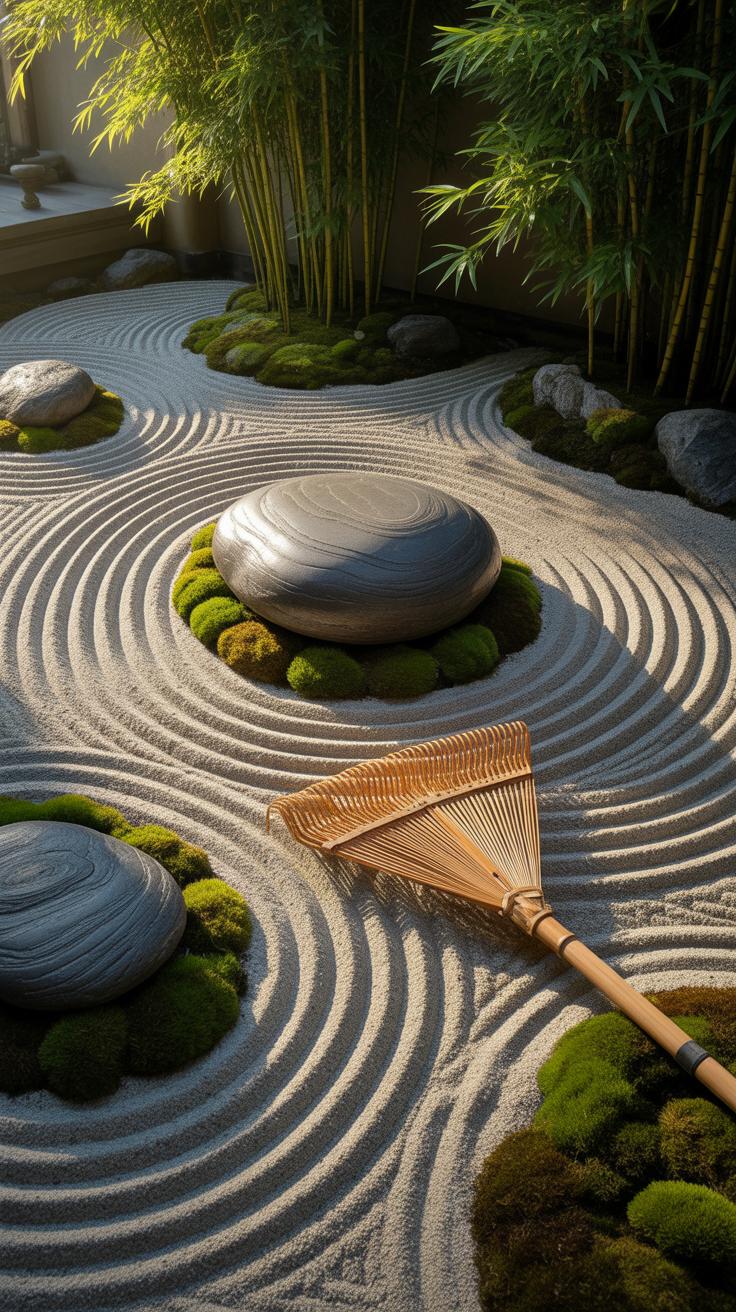
The Role Of Raked Gravel And Sand In A Zen Rock Garden
Gravel and sand represent water in dry landscapes known as karesansui. Builders use light colored granite gravel called shirakawa-suna because it resists wind and rain. This material allows for crisp patterns that define the garden layout. You must select crushed stone over rounded river pebbles. Crushed stone locks together and holds the shape of your rake marks for longer periods.
Raking requires specialized wooden tools called hoke. These tools create deep ridges that mimic ocean waves or flowing rivers around stone islands. Circular patterns around rocks signify ripples from an impact. Straight lines represent calm water or open sea. You must rake with a steady hand to maintain equal depth. Uniform lines create a sense of vastness and order within the small garden footprint.
Choosing And Placing Rocks To Create Balance And Meaning
Rock selection determines the structural integrity of a karesansui garden. You must use weathered stones that look old and natural. Avoid stones with sharp fresh cuts or bright colors. Look for igneous rocks like basalt or granite with heavy textures. These stones represent mountains or islands. Grouping usually follows odd numbers like three or five to avoid artificial symmetry and maintain visual tension.

Placement follows strict rules of height and orientation. You must bury the base of each rock to make it look like it grew from the earth. Tall vertical stones act as focal points while flat stones provide horizontal stability. Do not lay stones in straight lines. Stagger them to create depth and perspective. Proper positioning creates a sense of permanence and weight that anchors the entire outdoor space.
How To Create A Japanese Rock Garden In Your Own Backyard
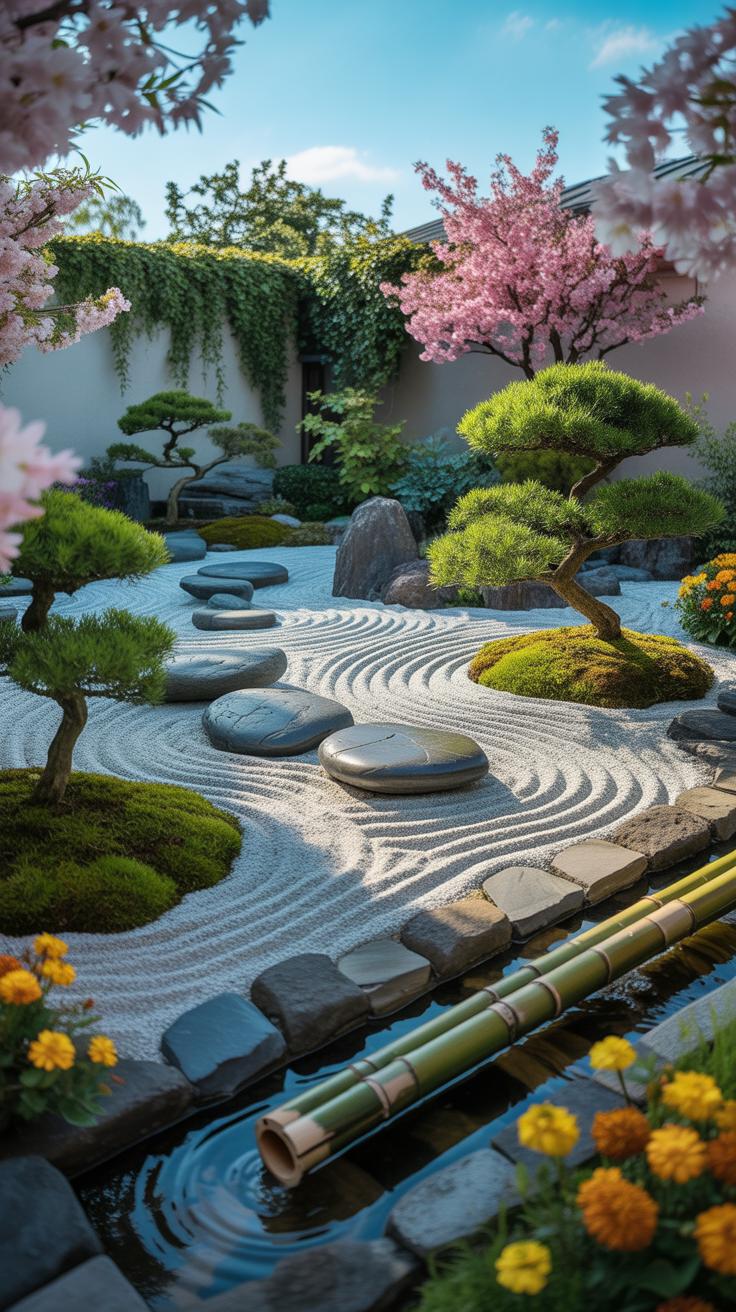
Selecting The Right Space And Scale For A Japanese Rock Garden
Site selection dictates the entire project outcome. Karesansui gardens require flat, well-drained ground to prevent water pooling on the gravel surface. Choose a confined area with clear boundaries like walls or fences to define the frame. Shadows from nearby structures influence the visual depth of the stones throughout the day. Avoid placing the garden directly under messy trees that drop heavy debris.
Scale must align with the viewpoint of the observer. Traditional Zen gardens are meant for contemplation from a specific porch or window. Small backyards benefit from minimalist arrangements that do not crowd the perimeter. Ensure the space allows for a distinct background, middle ground, and foreground. Proportional balance between the empty gravel space and the stone clusters creates the necessary tension for authentic design.
Essential Materials And Tools Needed To Build Your Japanese Rock Garden
Successful construction depends on sourcing specific geological materials. You need igneous rocks with weathered faces to act as the primary structural elements. Avoid rounded river stones for the main focal points. The base consists of crushed granite or pea gravel rather than beach sand. This material weight ensures the raked patterns hold their shape against wind and light rain.
- Decomposed Granite: Select fine-grade crushed granite in gray or white tones. This material provides the necessary friction to maintain deep, crisp rake lines. It drains water quickly and stays stable underfoot during maintenance tasks inside the garden perimeter.
- Weathered Fieldstones: Source large rocks with jagged edges and moss growth. These stones represent mountains or islands in the landscape. Select a primary triad consisting of one tall vertical stone flanked by two smaller horizontal stones for a traditional height hierarchy.
- Landscape Fabric: Use a heavy-duty geotextile membrane beneath the gravel layer. This fabric prevents soil from mixing with your clean stone surface over time. It also inhibits weed growth which destroys the minimalist aesthetic and requires frequent manual labor to manage.
- Wooden Zen Rake: Build or buy a wide-toothed rake made from cedar or oak. Teeth should be spaced two to three inches apart to create deep furrows. The weight of a wooden rake provides more control than plastic alternatives when pulling long straight lines.
- Hardwood Edging: Install a physical border made of timber or stone blocks. This edge contains the gravel and keeps it separate from surrounding lawn or dirt. A clean border defines the sacred space and prevents external contamination from encroaching on the rock arrangement.

Prepare the ground by removing all grass and four inches of topsoil. Compact the earth before laying the landscape fabric to prevent future sinking. Place your largest stones first, burying them one-third deep to make them look rooted in the earth. Pour the gravel last and level it before starting the raking process. Methodical preparation ensures the garden lasts decades without major structural failure.
Inspiring Zen Backyard Ideas For Small And Large Spaces
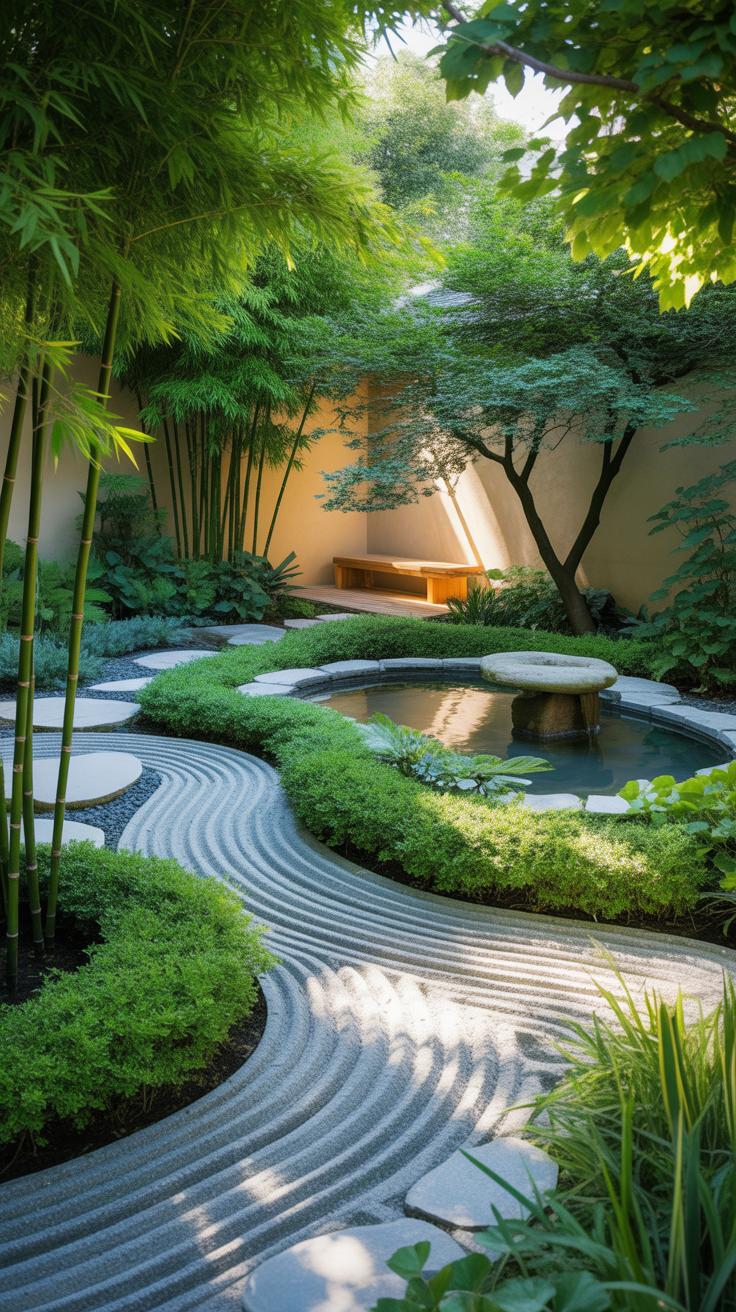
Designing A Compact Zen Backyard For Urban Homes And Courtyards
Urban Zen gardens require vertical focus and scale control. Use the Tsubo-niwa style found in traditional Japanese merchant houses. This style fits into tiny courtyards or enclosed patios. Focus on one primary element like a stone lantern or a single maple tree. Use dark river stones to frame bright moss patches. This creates high contrast without using much physical space.
Select materials that do not overwhelm the area. Use fine-grained gravel for raking patterns known as Samon. Small spaces need clear boundaries provided by bamboo fencing or stone walls. Avoid many colors to prevent visual clutter. Monochrome palettes keep the space feeling open. Strategic lighting highlights textures like rough bark or smooth stone at night. This extends the garden utility into the evening.
Expanding The Zen Backyard Experience Across Larger Landscape Areas
Large Zen gardens use the Shakkei technique to incorporate distant views. Use large boulders to represent islands in a dry landscape sea. These stones must have deep footings to look natural. Place them in odd-numbered groups to follow traditional aesthetics. Construct winding paths using flat stepping stones called Nobedan. This forces visitors to slow down and observe specific garden viewpoints.

Distribute empty space to maintain the concept of Ma. Large areas often fail because designers add too much detail. Use hills to create different zones within one yard. Connect these zones with bridges or gravel transitions. Add water features like a Tsukubai or a small pond for sound. Ensure every plant serves a structural purpose. Keep the center open to preserve the sense of calm.
Plants That Work Best In An Outdoor Zen Garden
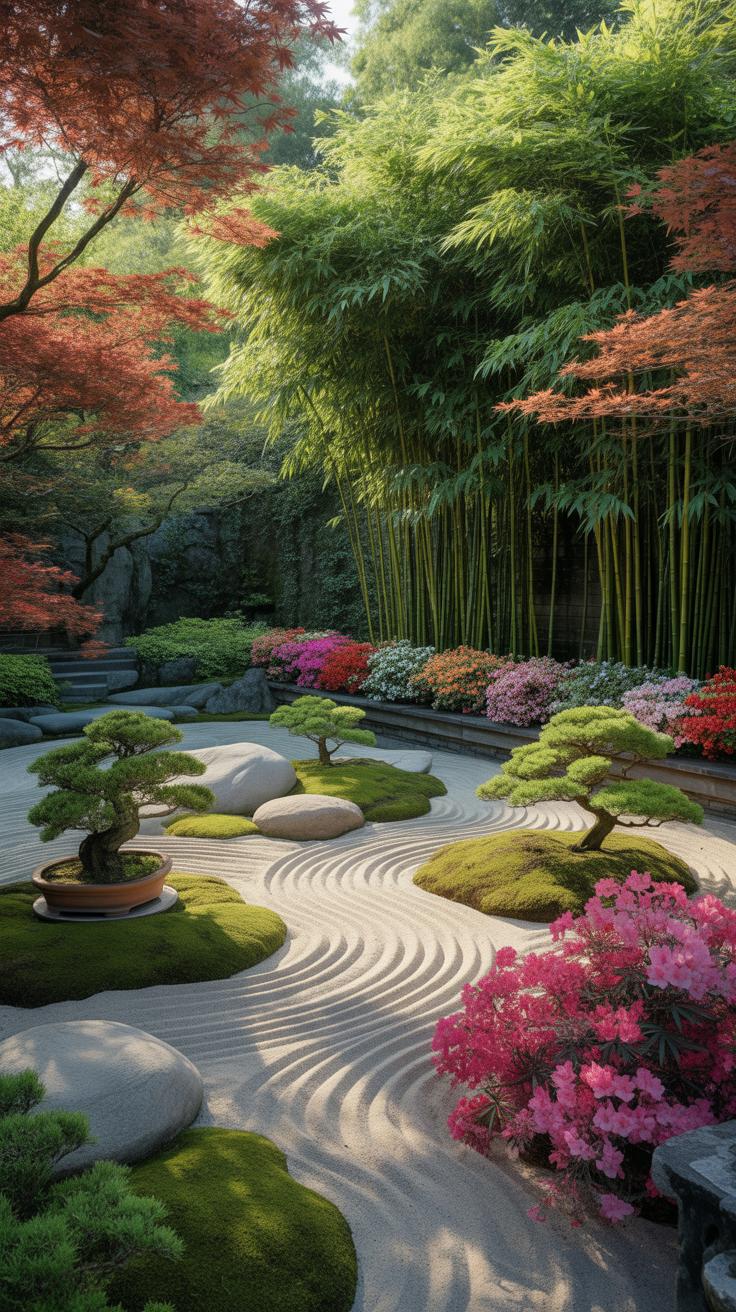
Low Maintenance Greenery That Complements An Outdoor Zen Garden
Select evergreen shrubs to maintain year round structural integrity. These plants provide a consistent backdrop for the garden. Boxwood and Japanese Holly work well because they tolerate heavy pruning. You can shape them into rounded forms known as karikomi. This technique mimics the shape of hills or clouds. Evergreen species ensure the garden remains visual during winter months.
Focus on foliage over flowers to reduce debris and maintenance time. Traditional Zen spaces prioritize shades of green to encourage calm. Avoid messy fruit trees or plants with heavy seasonal leaf drop. Choose slow growing species to minimize trimming schedules. Junipers are ideal because they thrive in poor soil and require little water once established. Strategic plant placement reduces competition for nutrients.
Using Moss Bamboo And Ornamental Grasses For Authentic Texture
Moss serves as the preferred ground cover for shaded Zen environments. It creates a soft green carpet that suggests age and permanence. Use species like Leucobryum glaucum to cover soil between rocks. If your site has too much sun use Scotch Moss as a hardy substitute. Moss stabilizes the soil and retains moisture for nearby plants without requiring frequent mowing.

Bamboo and grasses add vertical movement and sound to the design. Use clumping bamboo varieties to prevent invasive root spreading. These tall stalks provide privacy and act as windbreaks. Fountains or breezes move the leaves to create a soothing rustle. Japanese Forest Grass adds a softer texture to path edges. These elements bridge the gap between heavy stone features and delicate ground covers.
Water Features That Elevate Your Zen Backyard Landscaping
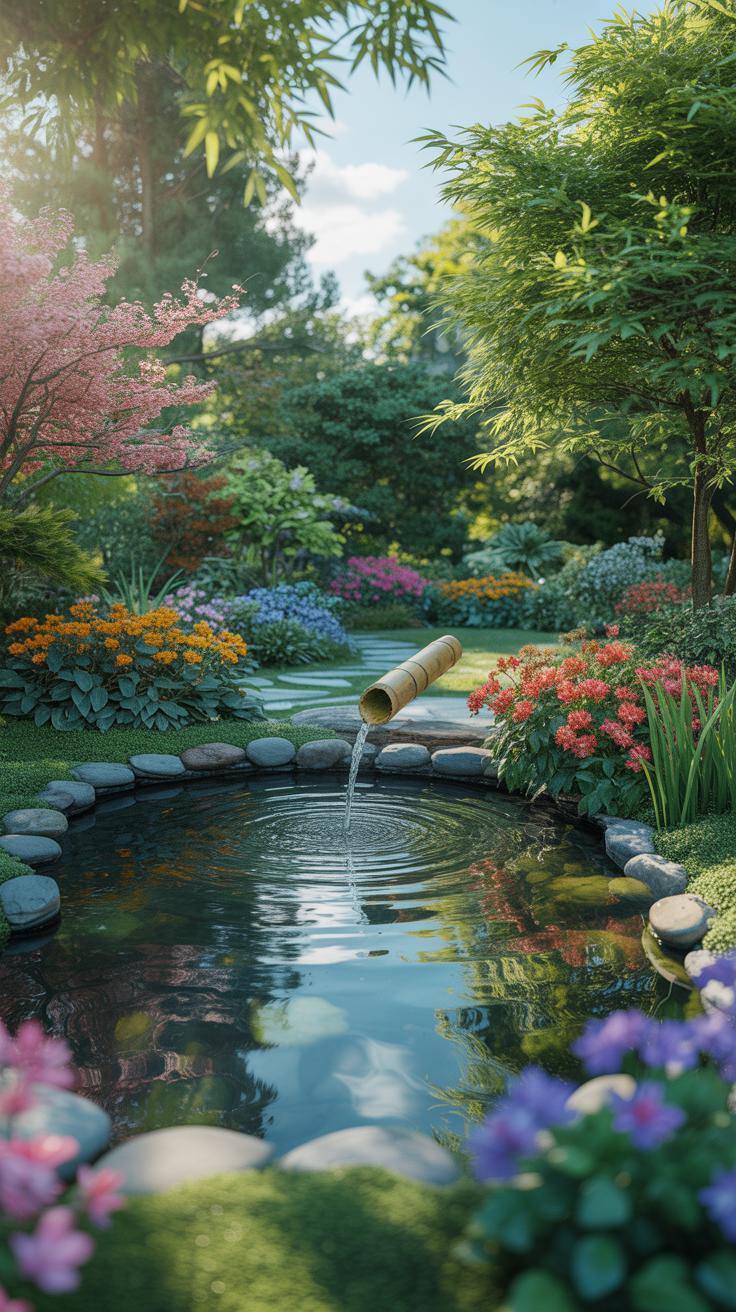
The Symbolism Of Water In Zen Backyard Landscaping And Garden Philosophy
Water represents the flow of life and the passage of time. In traditional Zen design, it serves as a focal point for meditation. Flowing water creates white noise that masks outside distractions. This sound helps practitioners focus on the present moment. Most Japanese gardens use water to signify purity and renewal. Even in dry gardens, gravel patterns mimic ripples to suggest watery movement.
The placement of water follows strict rules of natural balance. Designers often position water features to reflect the sky or nearby trees. This technique doubles the visual space and brings light into shaded areas. Stagnant water is avoided because it represents blocked energy. Constant movement ensures the garden feels alive and healthy. You must treat water as a living element that connects the earth to the atmosphere.
To create a garden is to search for a lost paradise where even the smallest stone can bring back the quiet stillness of home.
Practical Water Feature Options From Koi Ponds To Bamboo Fountains
Koi ponds require significant maintenance but offer deep cultural value. These ponds need filtration systems to keep the water clear and the fish healthy. Large stones should line the edges to hide pond liners and create a natural look. You must provide shade for the fish to prevent overheating during summer months. Deep water protects fish from predators and stabilizes temperatures throughout the year.

Bamboo fountains provide a simpler way to introduce movement. The shishi-odoshi or deer scarer uses a pivoting bamboo tube that strikes a stone. This rhythmic sound creates a sense of time and order in the landscape. Tsukubai stone basins allow for ritual hand washing before entering a tea garden. These features work well in small spaces where large ponds are not feasible. Choose high quality stone to ensure long term durability.
Zen Garden Ideas Backyard Pathways Bridges And Flow
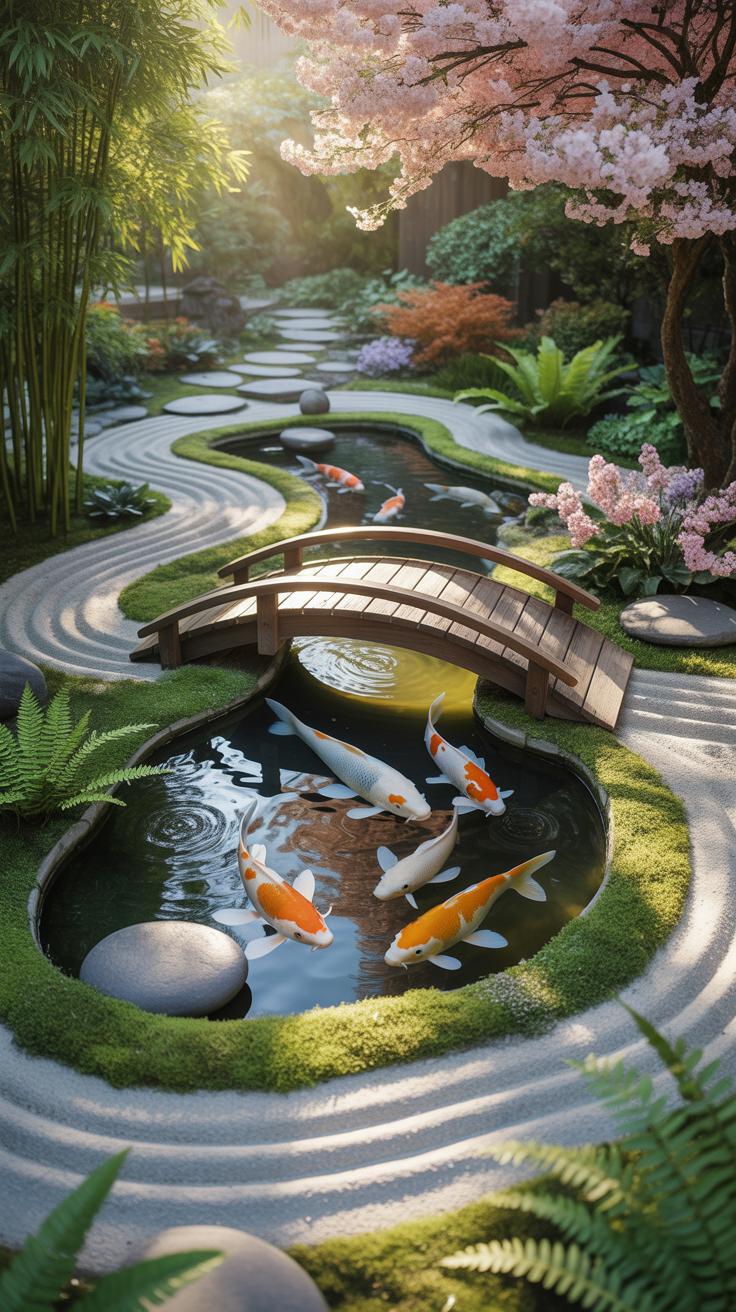
How Stepping Stone Pathways Guide Movement And Focus In The Garden
Zen garden design uses stone pathways to control pace and perspective. These paths are known as nobedan or roji. Designers place stones at specific intervals to force the visitor to watch their feet. This act pulls the mind into the present moment. Irregular spacing prevents a brisk walking speed. Slow movement allows for better observation of the surrounding stone and sand features.
Materials must be natural and flat. Granite or slate work best for stability. You should partially bury each stone to ensure it does not wobble. Stability represents a firm mind. The path should never follow a perfectly straight line. Curves create hidden views and manage the flow of energy throughout the space. Tactical placement of stones dictates where the guest stops to view the main garden.
Incorporating Wooden Bridges And Arches Into Your Zen Garden Ideas Backyard Layout
Bridges symbolize a transition between the physical world and a spiritual state. In a dry landscape garden, a bridge often crosses a river made of raked gravel. This adds vertical depth to a flat space. You should choose cedar or cypress for durability and traditional accuracy. Bridges can be flat or slightly arched. A heavy stone slab also works as a primitive bridge for a minimalist look.

Arches and gates act as visual markers for entry points. They separate different zones of the garden. Use a simple torii or a round moon gate to frame a specific view. Correct placement creates a sense of enclosure and privacy. You must align these structures with the main axis of the path. This ensures the design feels balanced. High quality joinery is more important than decorative carvings.
Lighting Lanterns And Ambiance In A Japanese Stone Garden
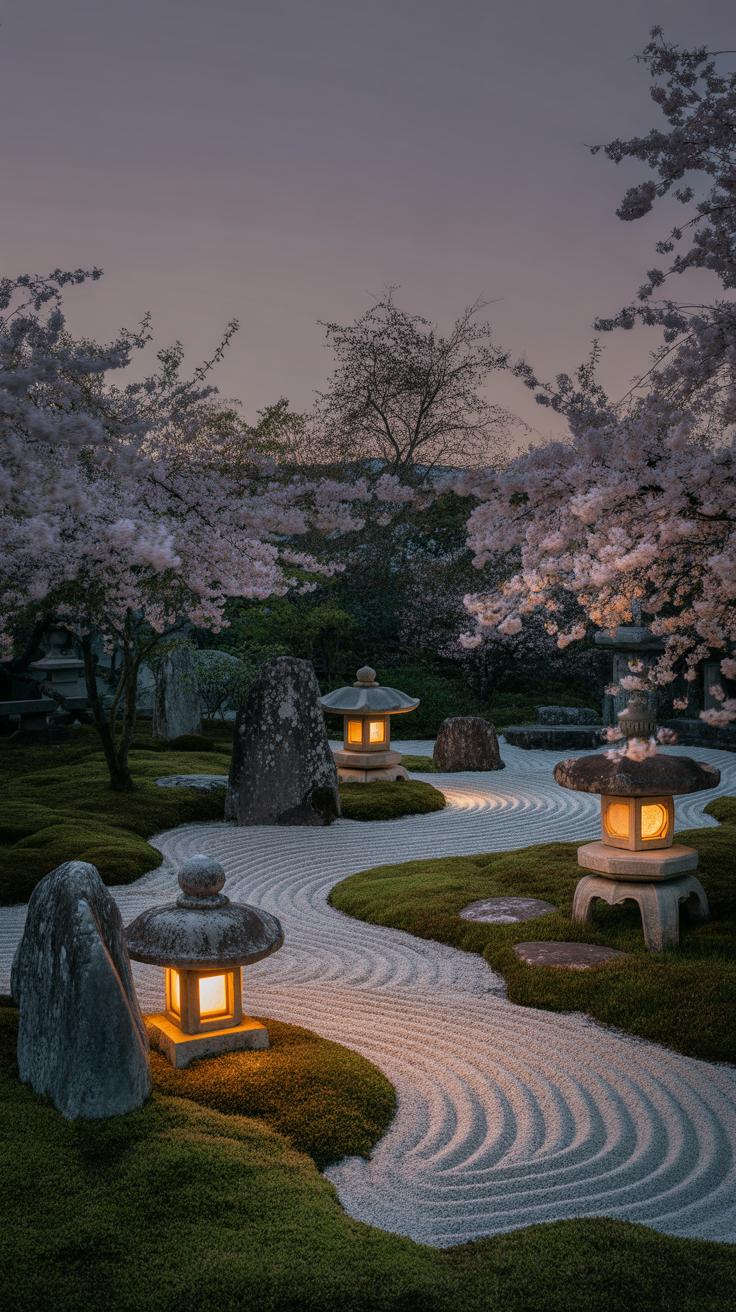
The Cultural Significance Of Stone Lanterns In A Japanese Stone Garden
Stone lanterns or ishi-doro originated in Buddhist temples and later shifted into tea gardens. During the Azuchi-Momoyama period, tea masters integrated them into secular spaces to guide guests at night. These structures provide a visual anchor in a dry landscape. Designers use them to establish scale and create a vertical contrast against flat gravel beds or low moss mounds.
The material choice matters for authenticity. Properly sourced granite weathers over time and grows lichen. This process reflects the concept of wabi-sabi which finds value in age and imperfection. Position a lantern near a water basin or a path junction. This placement serves a functional purpose while following traditional layout rules. The lantern represents a stable element within a shifting natural world.
Modern Lighting Techniques That Enhance The Nighttime Zen Atmosphere
Modern Zen Garden Design requires subtle execution to maintain tranquility. Do not use bright floodlights or colored LEDs. High-contrast shadows ruin the intended calm of the space. Instead, use low-voltage fixtures hidden within the foliage or behind rocks. Position lights to graze the surface of raked gravel. This technique highlights the rhythmic patterns of the sand and adds depth through shadow.

Focused uplighting on a single specimen tree creates a strong focal point after dark. Maintain a warm color temperature between 2700K and 3000K to mimic natural firelight. Avoid direct glare toward the viewing area to prevent eye strain. Use directional shields on lamps to control the spill of light. Effective lighting hides the source and focuses purely on the textures of the stone and wood.
Adapting Your Zen Backyard Design For Different Climates
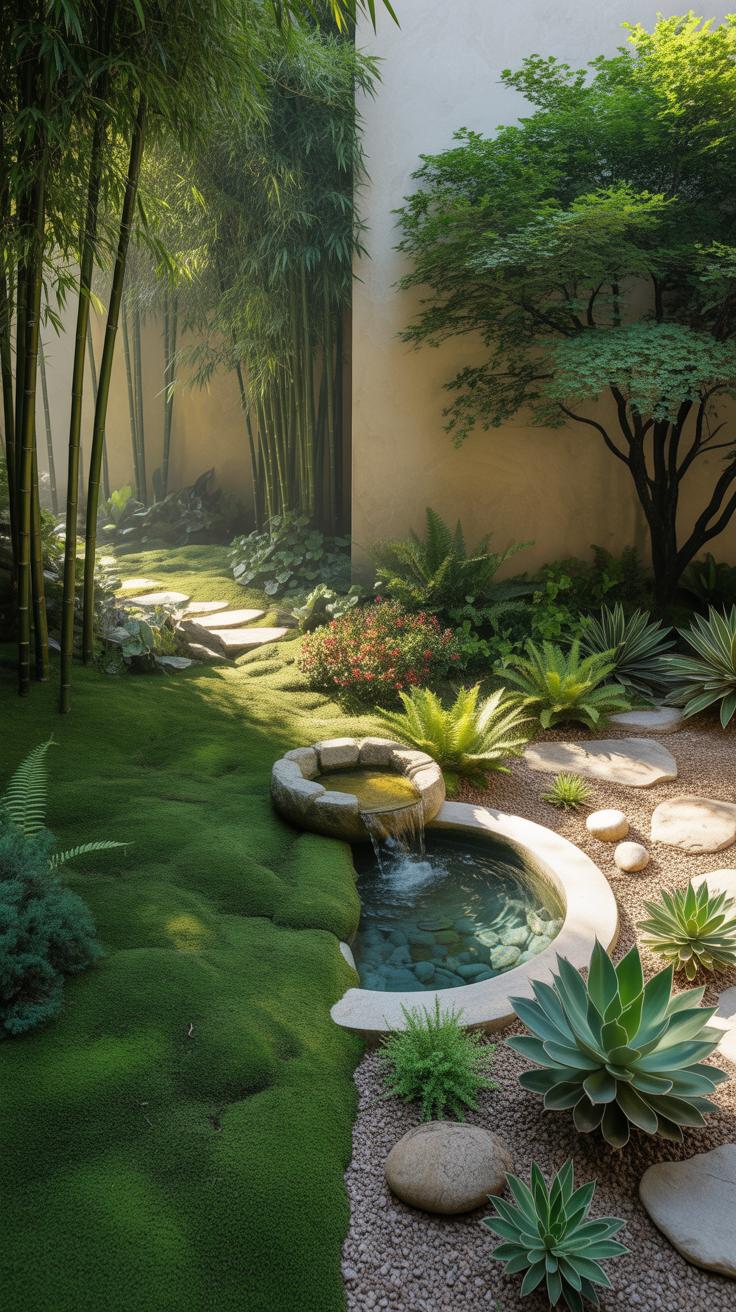
Zen Garden Design Strategies For Hot, Dry, And Desert Climates
Arid climates require a shift from moisture-dependent moss to drought-tolerant materials. Replace traditional Kyoto moss with decomposed granite or fine gravel. These materials mimic the texture of water without evaporation loss. Use local stone instead of imported boulders to ensure thermal stability. Subsurface irrigation systems prevent water waste while supporting structural plants. This approach maintains the aesthetic of the Muromachi period while respecting local water restrictions.
Select plants that survive intense sun and low humidity. Yucca and agave provide the structural geometry found in Japanese pine. These succulents offer sharp lines and clear shadows essential for a karesansui style. Arrange rocks to create small shaded microclimates for sensitive roots. Use dark volcanic rock to absorb heat or light limestone to reflect it. Proper stone placement reduces soil temperature and protects the limited vegetation in your dry landscape.
Top Tips For Maintaining A Zen Backyard Through Seasonal Changes
Seasonal shifts demand specific maintenance to keep the garden clean and functional. Debris accumulation destroys the visual clarity of a rock garden. You must remove organic matter immediately to prevent staining the gravel beds. Cold weather and heavy rain can shift the placement of smaller stones and disrupt rake patterns. Consistent upkeep ensures the garden serves its purpose as a space for focus regardless of the outdoor temperature.
- Raking frequency: Redraw the sand or gravel patterns after every heavy wind or rain event. Use a deep wooden rake to maintain the ridges. Proper depth prevents the underlying soil from mixing with your clean surface aggregate.
- Snow management: Allow snow to settle on stone lanterns and large boulders to appreciate the wabi-sabi aesthetic. Do not use chemical de-icers near garden rocks. These salts cause mineral scaling and damage the natural patina of the stones.
- Leaf removal: Use a soft blower or manual brush to clear fallen leaves from moss and gravel. Decaying leaves change the soil pH and promote unwanted weed growth. Maintaining a clear surface is critical for the minimalist visual impact.
- Pruning cycles: Trim structural trees and shrubs during their dormant winter phase. This practice follows traditional Japanese Niwaki techniques. Clear branching allows light to reach the ground layer. It also emphasizes the skeletal form of the plant during the winter.
- Drainage inspection: Check all gravel pits and subterranean drains before the wet season begins. Standing water ruins the karesansui effect and can shift heavy boulders. Ensure the ground slopes away from the central viewing area to prevent flooding.
Frozen ground requires you to pause all heavy stone movement to avoid soil compaction. Protect fragile ceramic basins from cracking by draining them before the first hard frost. If you use bamboo water features, disassemble them to prevent splitting in low temperatures. Rebuild these elements in spring to signal the transition of seasons. Your maintenance schedule must align with the local weather patterns to preserve the structural integrity of the design.
Budget Friendly Zen Garden Design Ideas Anyone Can Start Today
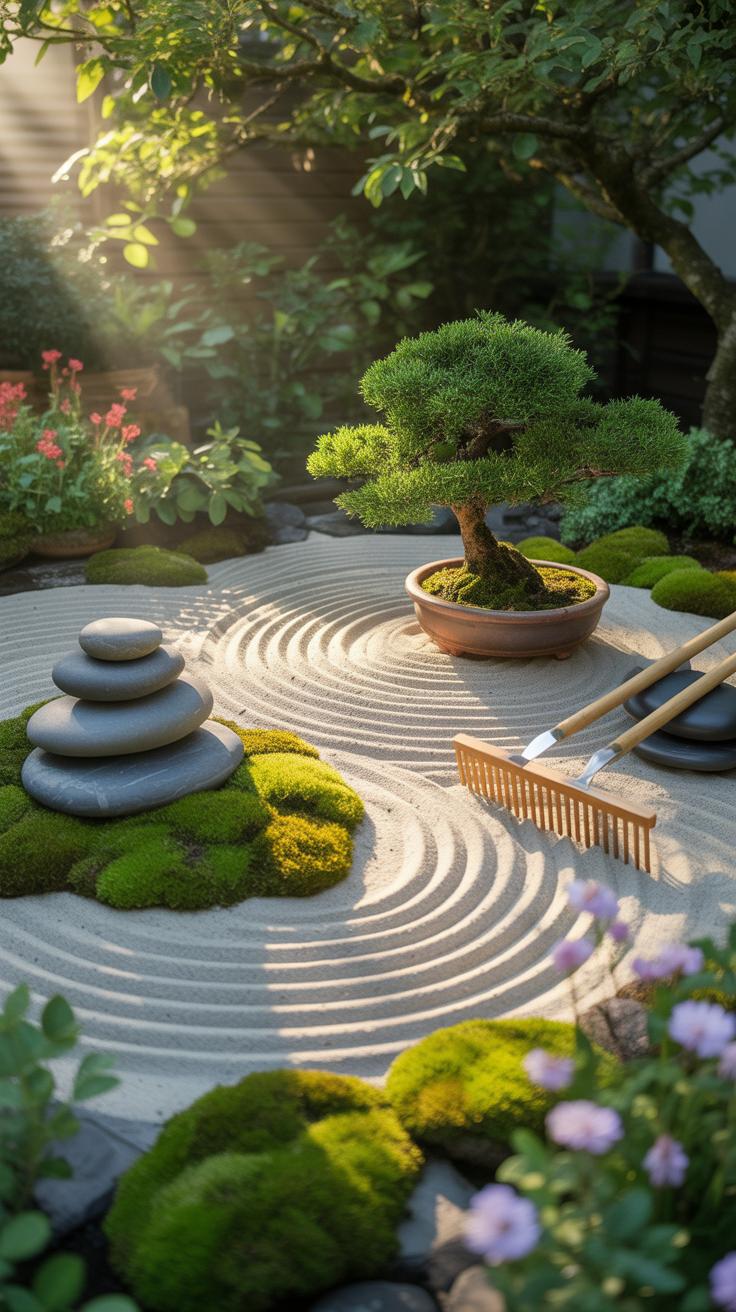
DIY Zen Garden Design Approaches Using Affordable And Recycled Materials
Build your garden using local materials to save on transport costs. Use decomposed granite or pea gravel instead of expensive imported sand. These materials hold rake patterns well and resist wind displacement. Seek out weathered rocks from construction sites or local riverbeds with permission. Authentic Zen aesthetics value natural wear and moss over polished finishes. You can find high-quality stones without spending significant capital at high-end nurseries.
Repurpose old wood to create boundaries or simple bridges. Cedar or redwood scraps work best because they resist rot naturally without chemical treatments. Use these leftovers to build a low fence or a small platform for a stone. Focus on the placement of each item rather than the quantity of materials. Proper spacing creates the necessary void known as ma in Japanese design. This strategic emptiness defines the entire space.
When To Bring In A Professional Landscape Designer For Your Zen Garden
Hire a professional when your site has complex drainage issues or steep slopes. Zen gardens require a flat or perfectly graded base to prevent water pooling. Improper grading ruins the gravel patterns and damages structural elements over time. A designer ensures the foundation remains stable through all seasons. Professional help is also vital if you plan to install heavy stone features that require mechanical lifting equipment or deep footings.
Experts understand the historical placement of rocks based on the Sakuteiki manual. They know how to orient stones so they look natural and grounded. If you want a garden that mirrors specific Muromachi period styles, a consultant provides technical accuracy. They prevent common mistakes like using the wrong plant species for your climate zone. Seek help to ensure your investment lasts for decades and maintains its philosophical integrity through precise execution.
Frequently Asked Questions

What are the essential elements needed for a traditional Zen garden?
At its core, Zen garden design focuses on simplicity and symbolism. The most essential elements are rock (ishi), sand or gravel (suna), and greenery like moss or evergreens. These components represent mountains, water, and islands. By minimizing clutter and focusing on natural textures, you create a meditative space that encourages mindfulness. The goal is to evoke a sense of calm through a balanced, minimalist arrangement that allows for quiet reflection.
How do I maintain the sand or gravel patterns in my Zen garden?
Maintaining your Zen garden design requires a rhythmic practice called “samon,” or the art of raking. Use a wooden rake to create deep, flowing lines that mimic ripples in water. It is best to rake when the gravel is slightly damp to ensure the patterns hold their shape. Regular maintenance involves removing fallen leaves and debris immediately to keep the surface pristine, preserving the intentional, serene atmosphere of your sanctuary.
Can I create a Zen garden if I have a very small budget or limited space?
Absolutely. You do not need a sprawling backyard to embrace Zen garden design. For small spaces, consider a tabletop version or a dedicated corner on a balcony using a shallow wooden frame filled with fine sand and a few smooth stones. You can source local rocks and affordable gravel from home improvement stores. By focusing on a single focal point rather than complex landscaping, you can create a tranquil retreat quite affordably.