
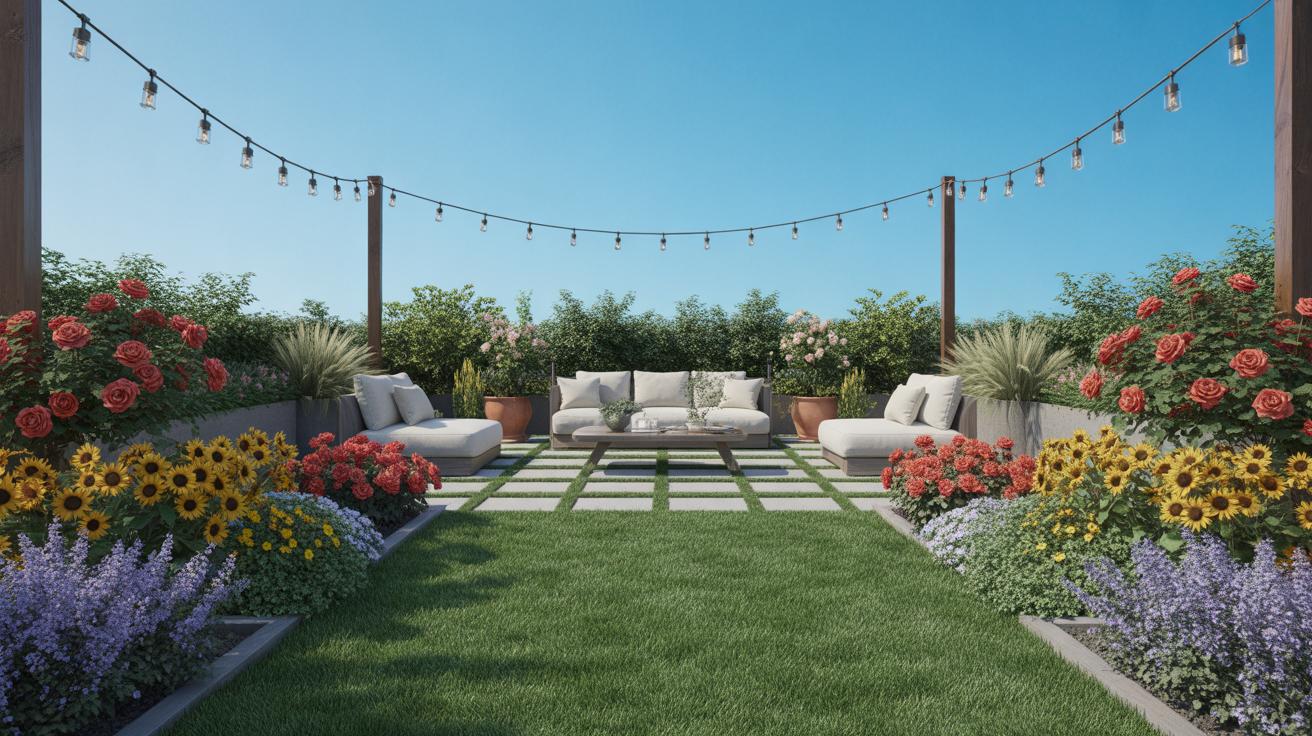
Understanding The Foundations Of Backyard Landscaping Ideas That Truly Work
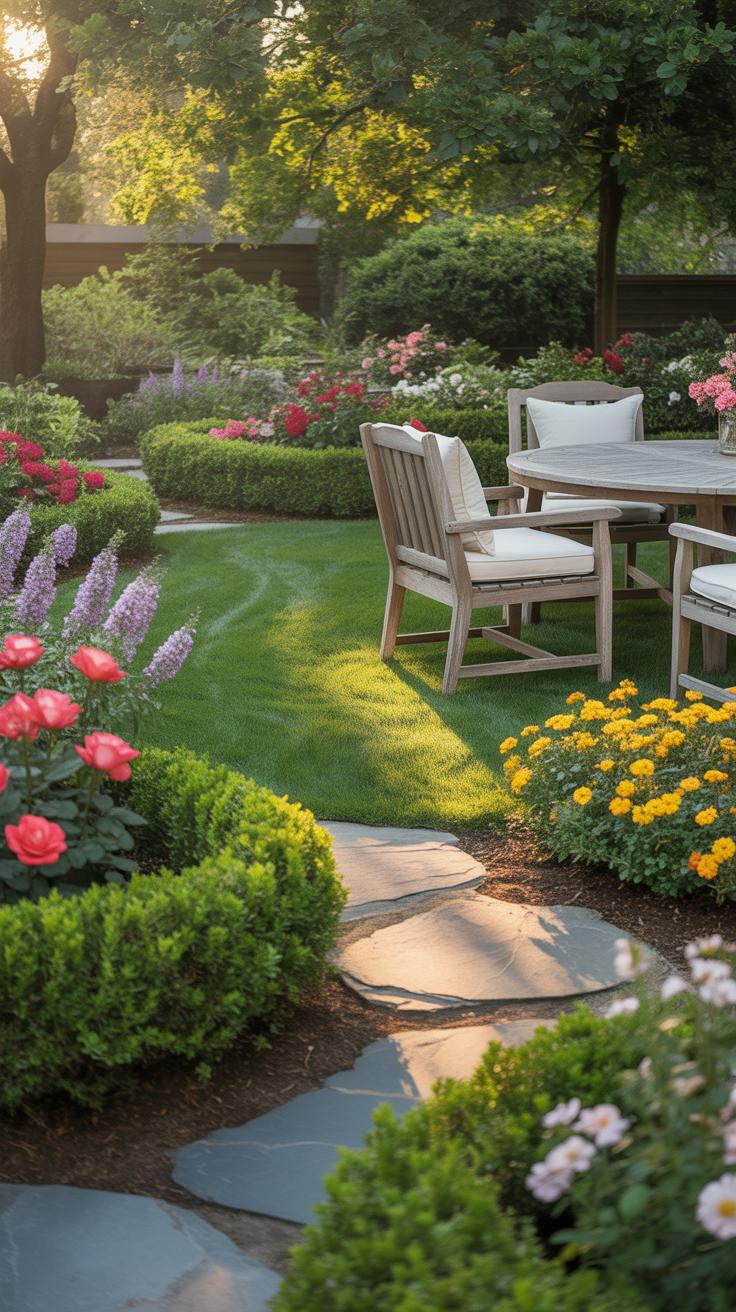
How To Assess Your Backyard Space Before Planning Any Design
Site analysis dictates every design choice. You must measure the precise dimensions of your lot to identify buildable areas. Note the location of underground utility lines and existing structures. Study the sun’s path across your yard throughout the day. High-noon sun affects plant survival while afternoon shade influences where you place seating. You cannot ignore these environmental factors.
Drainage is your next tactical priority. Identify the lowest points in your yard where water pools after rain. You must grade the land away from your home foundation to prevent structural damage. Analyze your soil type by performing a simple ribbon test. Sandy soil drains fast while clay holds moisture. These physical constraints determine your budget for irrigation and hardscape materials.
Matching Your Garden Design To Your Homes Architectural Style
Your garden must function as an extension of your home architecture. A Mid-Century Modern house requires clean lines and geometric shapes. Use concrete pavers and structural plants like agave to mirror the minimalist aesthetic. A Colonial or Victorian home demands traditional symmetry. Boxwood hedges and brick pathways create a formal look that respects historical proportions. Incompatible styles create visual friction.
Choose materials that exist in your home’s construction. Match stone veneers or wood species to maintain design continuity. Native plants work best because they thrive in your local climate without excessive maintenance. Use mass plantings to create bold visual blocks for modern homes. Use mixed perennial borders for heritage properties. Strategic alignment between house and garden increases total property value and improves curb appeal.
Embracing The Modern Backyard Clean Lines Open Space And Intentional Planting
Key Characteristics That Define A Modern Backyard Aesthetic
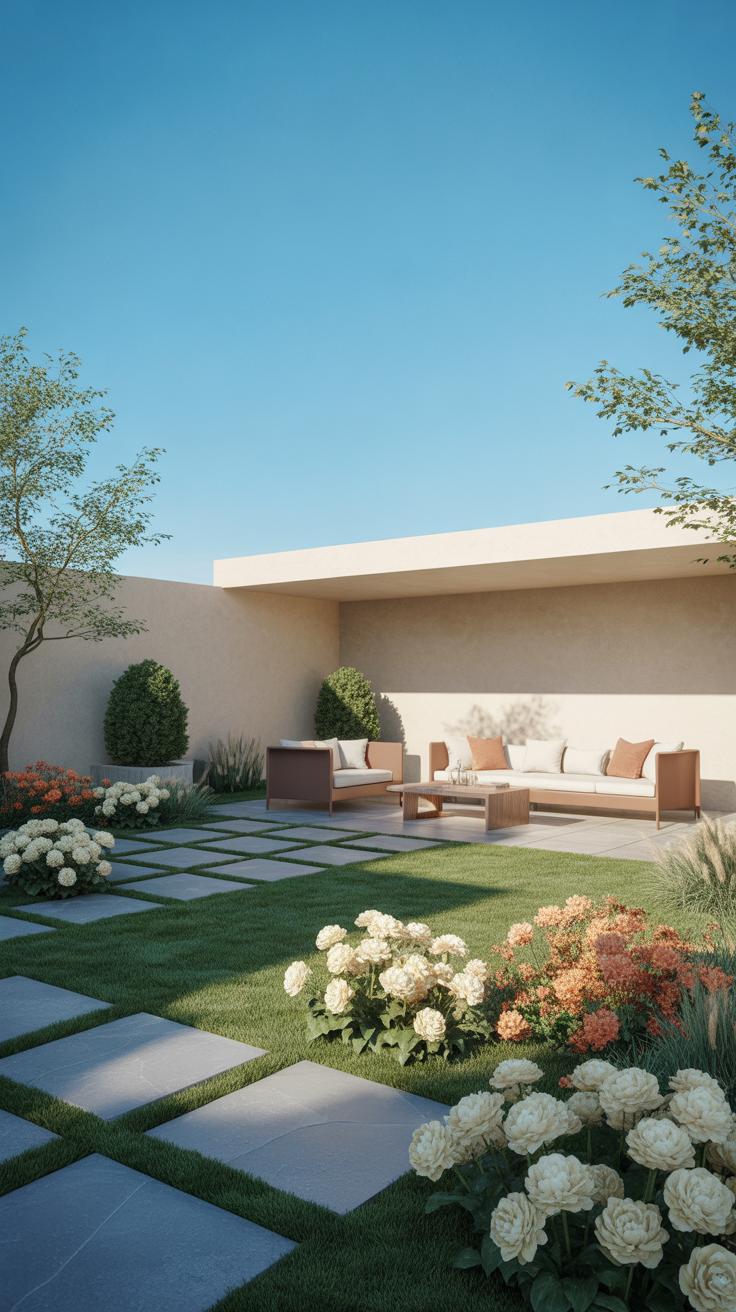
Modern design prioritizes function and geometry over decorative excess. You must use straight lines and right angles to define the space. This approach stems from the Mid-Century Modern movement. It emphasizes a seamless flow between the indoor and outdoor environments. Open floor plans in the yard reduce clutter. Professionals focus on scale and proportion to create a sense of order and calm.
Intentional planting defines this aesthetic through restraint. You choose plants based on their structural form rather than just their color. Use mass plantings of a single species to create a bold visual impact. Avoid the chaotic look of traditional cottage gardens. Modern spaces use negative space to highlight specific architectural features. This strategy ensures the landscape looks deliberate and stays easy to maintain year-round.
Choosing The Right Materials For A Sleek And Contemporary Outdoor Look
Select materials that offer high durability and neutral tones. Poured concrete and large-format pavers are the industry standard for modern surfacing. These choices provide a smooth texture that complements minimalist architecture. Natural stone like slate or basalt adds a premium feel while maintaining a monochromatic palette. Avoid busy patterns that distract the eye. Consistent material use ties different zones together.

Metal and wood provide necessary contrast in a modern backyard layout. Use weather-resistant woods like ipe or cedar for horizontal slat fencing. This adds warmth without breaking the clean line requirement. Incorporate black powder-coated steel or Corten steel for raised planters and edging. These materials age well and require little upkeep. Mixing cold stone with warm wood creates a balanced and sophisticated professional environment.
Modern Backyard Landscaping How To Blend Function With Visual Appeal
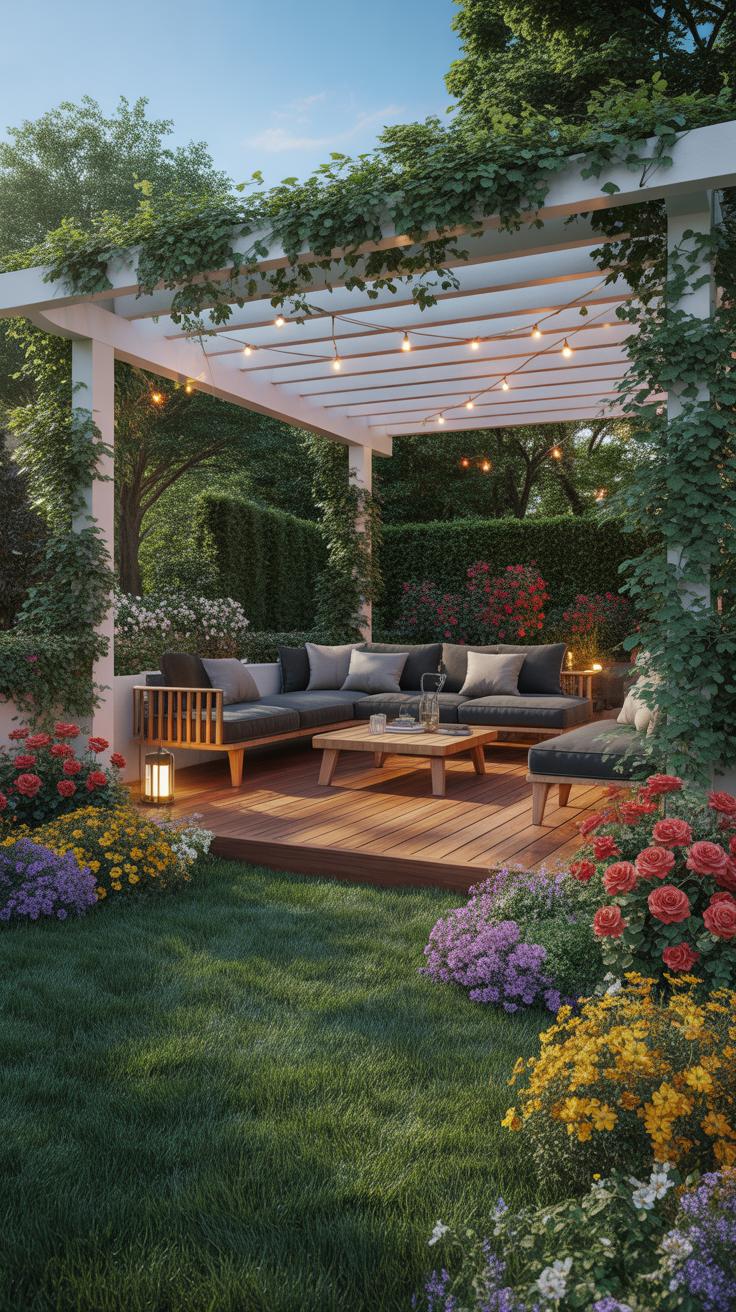
Zoning Your Backyard Into Purposeful Areas For Relaxation And Entertainment
Modern backyard design relies on tactical zoning to maximize small or large footprints. You must treat the outdoor space like an indoor floor plan. Define specific areas for cooking, dining, and lounging. Use physical shifts in ground material to signal these changes. A gravel area indicates a fire pit zone. A raised deck signals a dining area. This structure prevents dead space and improves garden utility.
Clear boundaries create a sense of order and privacy. Use vertical elements like hornbeam hedges or slatted timber screens to block neighbors. These screens also act as windbreaks for seating areas. Position your high-traffic zones closest to the house doors for better flow. Place quiet zones like reading nooks at the back of the lot. Smart zoning ensures your backyard serves multiple functions without feeling cluttered or disorganized.
Incorporating Hardscaping Elements Like Pathways, Patios, And Retaining Walls
Hardscaping provides the permanent bones of any backyard garden design. Start with the patio because it is your primary hub. Use large-format natural stone or porcelain pavers for a clean look. These materials resist weather and require little maintenance. Ensure you slope all hard surfaces away from the house foundation. Proper drainage prevents water damage and soil erosion during heavy rains. This step is non-negotiable for long-term stability.
Pathways dictate how people move through your space. Use straight lines for a modern feel or organic curves to soften the landscape. Retaining walls solve grade issues on sloped lots. Build them from concrete blocks or gabion baskets to hold back earth effectively. These walls also create extra seating ledges. High-quality hardscaping increases property value more than plantings alone. Focus your budget on these durable structures to ensure the garden lasts for decades.
Gardening Ideas Backyard Selecting Plants That Thrive And Elevate Your Garden
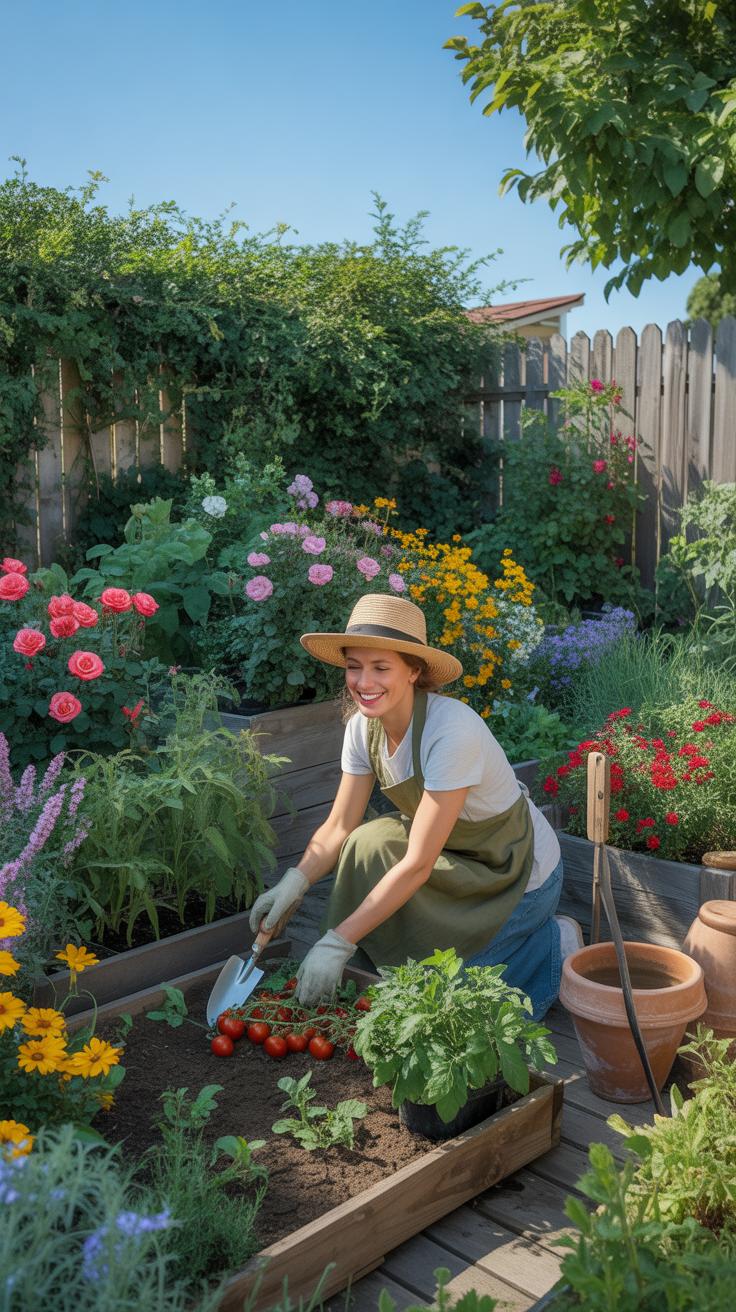
How To Choose Native And Climate Appropriate Plants For A Low Maintenance Garden
Native plants thrive because they evolved in your specific local soil and climate conditions. They require less water and fewer chemical fertilizers than exotic species. You save money and time on maintenance by choosing plants that belong in your region. These plants also support local pollinators like bees and birds. Research your local hardiness zone before buying anything. This ensures survival during peak winter and summer.
Check your soil drainage and its pH level before you plant. Sand and clay affect how roots grow and how water moves. Group plants with similar water needs together to increase efficiency. This technique is called hydrozoning. It prevents overwatering some plants while others starve for moisture. Proper placement reduces the risk of root rot and fungal diseases. Smart plant selection creates a resilient garden that survives without constant human intervention.
Using Layered Planting Techniques To Add Depth And Year Round Color
Layered planting mimics natural forest structures to create visual density. Start with a canopy or tall backdrop of trees and large shrubs. These provide structure and privacy for the yard. Use mid-sized perennial plants to bridge the gap between high and low levels. This vertical organization makes a small space feel much larger. It also hides fences or unattractive walls. Structural planting keeps the garden looking full even in winter.
Include groundcovers and low bulbs to fill every inch of soil. This prevents weed growth by blocking sunlight from reaching the ground. Use evergreen species to maintain a green base throughout the cold months. Mix leaf textures and shapes to create contrast without relying only on short-lived flowers. High-density planting protects the soil from erosion and keeps it cool. Proper layering ensures the garden remains functional and attractive during all four seasons.
Garden Designs Ideas Creative Layouts That Make Every Backyard Feel Unique
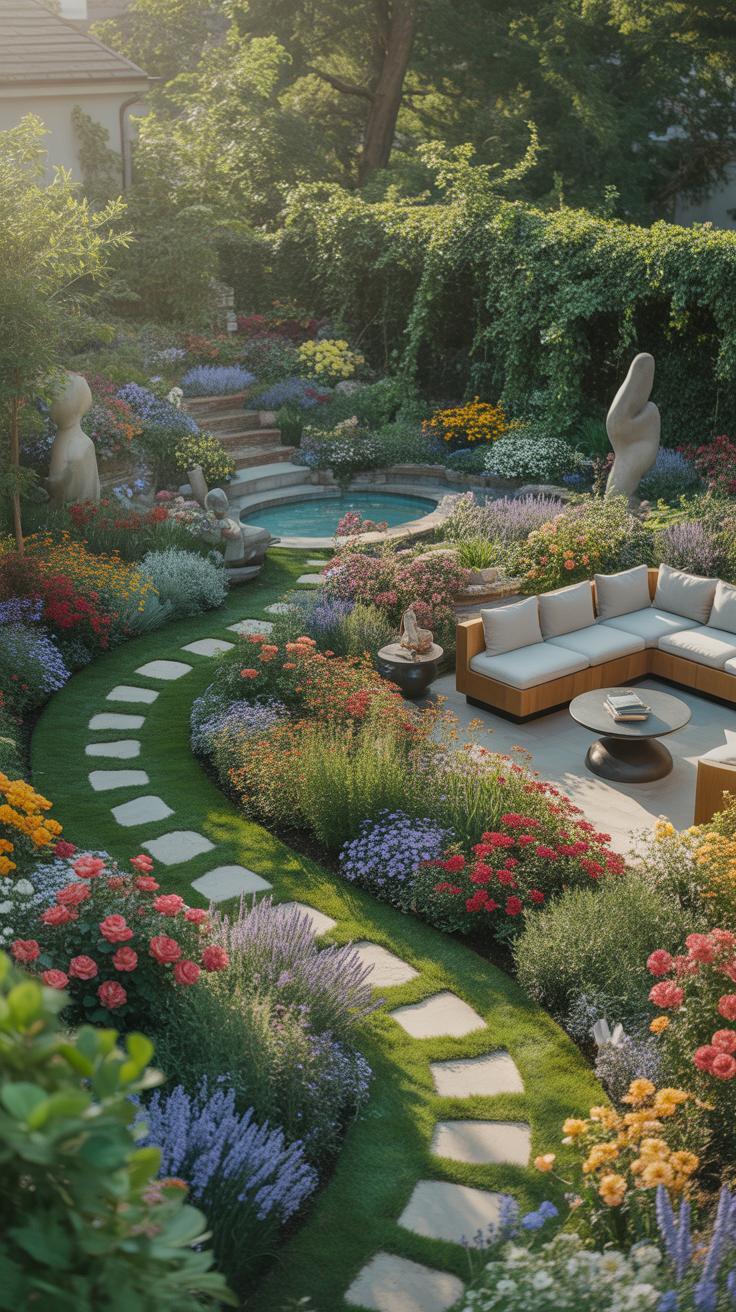
Popular Garden Layout Styles From Formal Symmetry To Naturalistic Flow
Formal garden layouts rely on geometric precision and axial lines. This style originated in the Italian Renaissance and French Baroque periods. Designers use clipped hedges, straight paths, and mirrored planting beds to create order. These layouts work best for flat terrain where visual balance is the priority. You must maintain these spaces strictly to preserve the intended geometric impact and clean lines.
Naturalistic layouts reject straight lines in favor of organic shapes and curved paths. This approach mimics wild landscapes and ecosystems. Designers prioritize biodiversity by using native plants that thrive without heavy chemical intervention. You should use this style to soften the transition between built structures and the surrounding environment. It requires less pruning but demands a deep understanding of local plant sociology and soil conditions.
Essential Design Tips For Small, Medium, And Large Backyard Spaces
Backyard garden design requires scaling your elements to the physical dimensions of the plot. Small yards demand vertical solutions to maximize floor area. Medium spaces benefit from distinct zones that break up the view. Large properties require bold mass plantings and wide pathways to prevent the design from looking sparse. You must select materials that match the architectural weight of your home for a cohesive look.
- Vertical Structures: Use trellises, arbors, and green walls in confined areas. This strategy moves the eye upward and frees up ground space for seating or narrow walkways. It creates depth without increasing the actual footprint of the garden.
- Zonal Division: Divide medium yards into functional rooms using low hedges or hardscape transitions. Each zone should serve a clear purpose like dining or lounging. This technique makes a mid-sized space feel more expansive and organized than a single open lawn.
- Mass Planting: Install large groups of the same species in expansive backyards. Repeat these clusters to create a sense of rhythm and visual continuity. Small, scattered plants look messy in large fields, whereas massing provides professional-grade impact and easier maintenance.
- Focal Points: Place large statues, specimen trees, or water features at the end of sightlines. This draws the viewer through the space and gives the eye a place to rest. Proper placement prevents large areas from feeling empty or poorly planned.
- Pathway Width: Scale your walking paths to the size of the yard. Small yards use eighteen-inch stepping stones to save space. Large estates require four-foot wide paths to accommodate two people walking side-by-side. Correct widths ensure the garden feels comfortable and accessible.

Smart layout choices determine how you interact with your outdoor environment every day. Balance your hardscape surfaces with soft planting areas to manage water runoff and heat. High-quality materials like stone or cedar provide longevity and reduce long-term repair costs. Always verify your local climate zone before selecting permanent plants. A tactical design ensures your backyard remains functional and aesthetically pleasing for several decades.
JardinerA En Macetas Elevating Your Backyard With Container Gardening
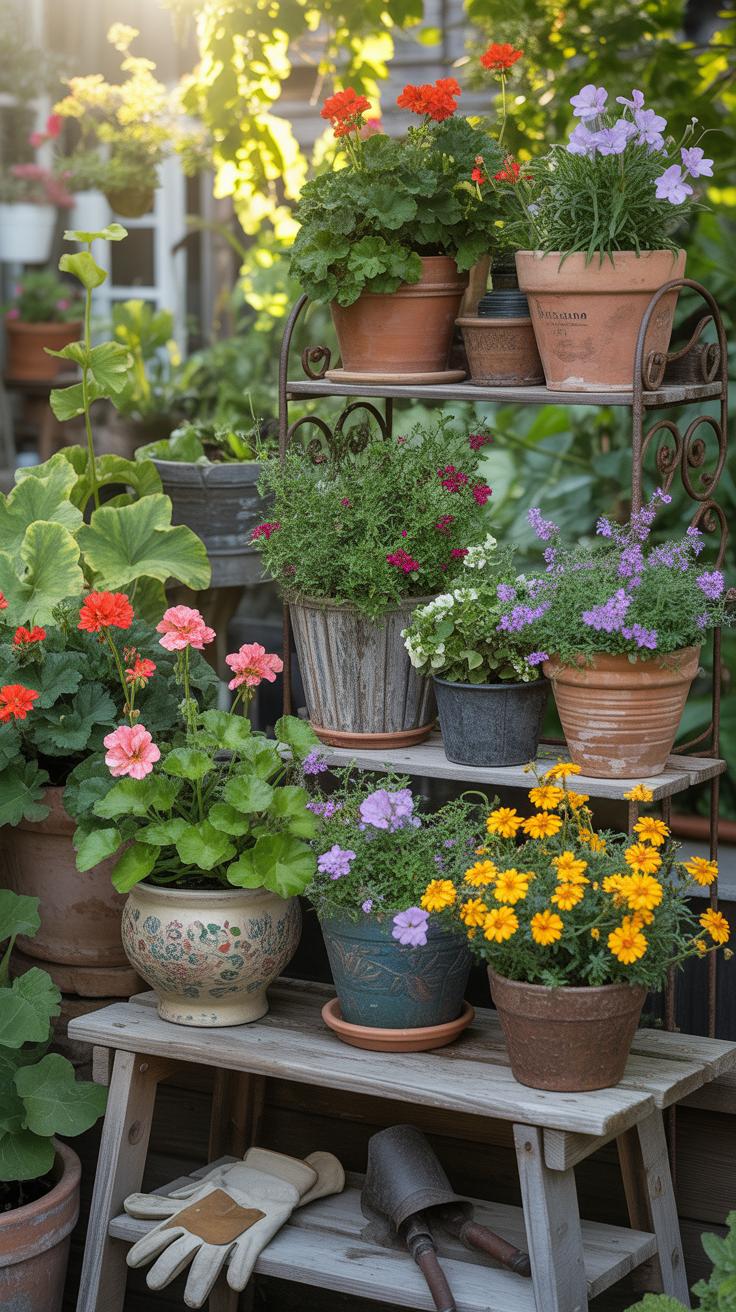
Why Container Gardening Is A Versatile Solution For Any Backyard Size
Container gardening solves spatial constraints by utilizing vertical and horizontal planes. You control the soil quality and drainage regardless of the existing ground conditions. This methods allows you to grow plants on concrete, wood decks, or balconies. It eliminates the need for heavy tilling or permanent land alteration. You gain the ability to move plants based on seasonal sun patterns or social needs.
Mobility offers a strategic advantage for climate management. You can protect sensitive species from frost or extreme heat by relocating pots to sheltered areas. This flexibility extends the growing season beyond traditional limits. It also reduces pest pressure and soil-borne diseases found in natural earth. Small backyards benefit from the visual depth created by varying pot heights. You maximize every square inch of available outdoor territory.
Best Plants And Pot Combinations For A Stylish Container Garden Display
Strategic plant selection depends on matching the root system to the vessel volume. Large terracotta pots provide breathability for Mediterranean herbs like rosemary and lavender. These materials regulate temperature and prevent root rot. Modern fiberglass planters offer a lightweight solution for tall architectural plants like bamboo or grasses. Consistent aesthetics require grouping pots in odd numbers to create a focused visual impact for visitors.
- Terra Cotta and Mediterranean Herbs: Porous clay walls allow air and moisture to move through the soil. Use these for drought-tolerant plants like thyme, oregano, and sage. This classic combination prevents soggy roots and mimics natural rocky environments.
- Glazed Ceramic and Tropical Foliage: Thick glaze traps moisture inside the pot. This environment suits water-loving plants like hostas, ferns, or caladiums. The vibrant colors of the ceramic enhance the deep green hues of the broad leaves.
- Wooden Plaster Boxes and Edibles: Cedar and redwood naturally resist decay and insects. Large wooden troughs provide enough depth for root vegetables or dwarf fruit trees. These containers integrate well with wooden decks and provide a rustic, structured look.
- Fiberglass Planters and Ornamental Grasses: Modern fiberglass is durable and light. It handles the aggressive root systems of ornamental grasses without cracking. Use sleek, tall towers to create privacy screens or to define specific zones in the backyard.
- Concrete Pots and Succulents: Heavy concrete provides stability for top-heavy plants and resists wind. The alkaline nature of concrete suits many succulents and cacti. These vessels develop a natural patina over time that adds historical character to the garden.

Proper drainage remains the most critical factor for container success. Every pot must have exit holes to prevent water stagnation. Use high-quality potting mix instead of garden soil to ensure nutrient density and aeration. Layering different heights creates a tiered effect that mimics natural landscapes. Maintenance involves regular pruning and consistent fertilization due to limited soil volume. High-quality containers serve as permanent furniture that anchors your overall design.
Tiered Deck With Fire Pit Designing A Multi Level Outdoor Living Experience
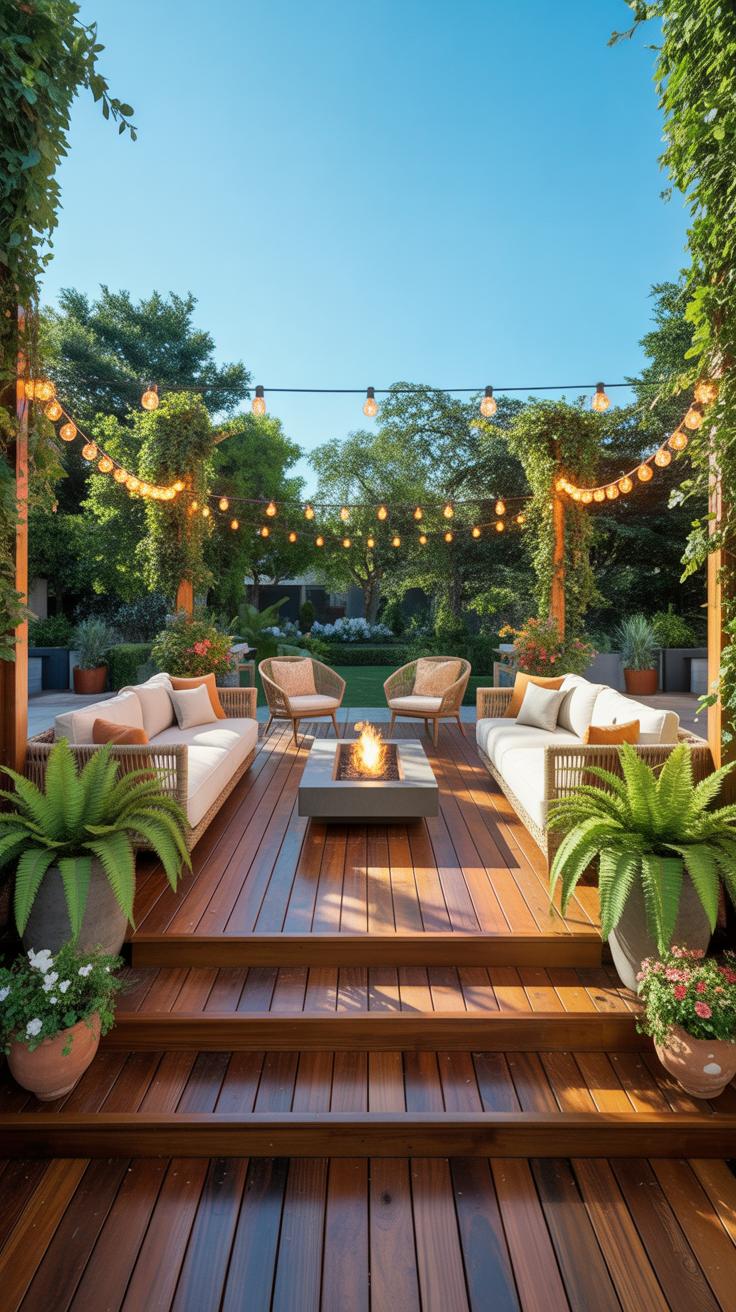
How A Tiered Deck Adds Dimension And Functionality To Your Backyard Garden
Tiered decks solve grading issues on sloped lots. They replace steep hills with usable flat platforms. This design separates activities without using walls. You place the dining area on the top level near the kitchen. The lower level serves as a private lounge. This tactical layout improves traffic flow. It prevents guests from crowding in one single area during social gatherings.
A multi-level structure adds visual depth to a flat Backyard Garden Design. It creates different sightlines across the property. Designers use vertical changes to hide bulky items like pool pumps or storage bins. Low-profile stairs connect the levels safely. Using different board orientations on each level defines the space even further. This method provides a clear transition between quiet zones and active zones.
Integrating A Fire Pit Into Your Deck Design For Warmth And Ambiance
Placing a fire pit on a deck requires specific safety protocols. You must install a heat shield or a non-combustible base. Stone, brick, or metal pads protect the wood or composite decking from heat damage. Most builders recommend gas-powered pits for decks to avoid flying embers. Proper clearance from railings and house walls is mandatory for fire safety and local building codes.
The fire pit acts as the primary focal point for the lower tier. It extends the usability of the backyard into the winter months. Smart placement allows for built-in perimeter seating. This saves floor space and eliminates the need for bulky chairs. Ensure the gas line runs under the joists during the initial construction phase. This keeps the design clean and avoids dangerous tripping hazards on the deck.
Backyard Home Garden Growing Food And Beauty In The Same Outdoor Space
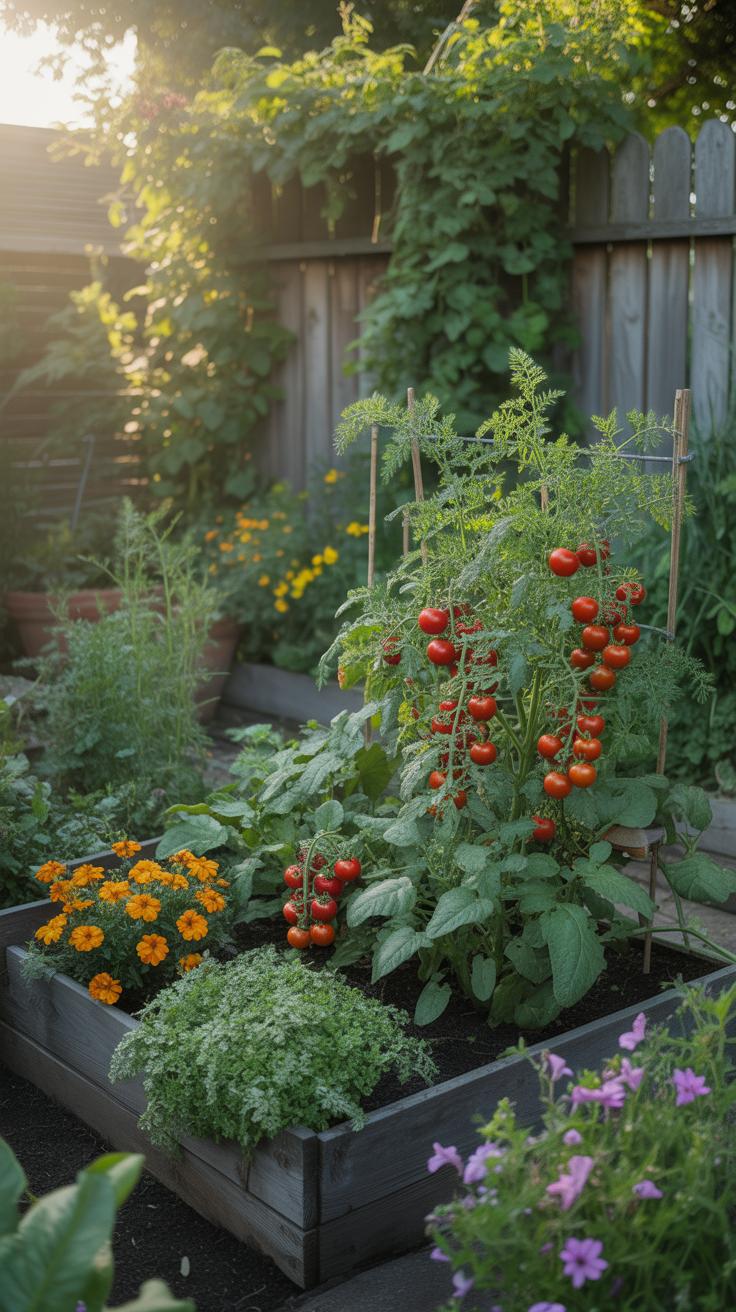
How To Design A Productive Vegetable And Herb Garden That Looks Beautiful
Structure your vegetable garden using geometric patterns to maintain order. Use raised beds built from durable cedar or stone to create clean lines. These materials last longer and keep the space looking tidy year round. Align your beds in a grid or U-shape to optimize space and accessibility. Permanent pathways made of gravel or brick define the zones and prevent mud.
Group your edible plants based on their height and growth habits. Place tall crops like corn or pole beans at the north end to avoid shading smaller plants. Use sturdy metal trellises for climbing vegetables to add vertical interest and save ground space. Keep herbs near the kitchen entrance for quick access. A planned layout prevents the messy look often found in traditional food patches.
Combining Edible Plants With Ornamental Flowers For A Stunning Home Garden
Integrate food crops directly into your flower beds to mimic the French potager style. Use kale and chard for their structural leaves and bold colors. These edible greens provide texture that rivals many ornamental shrubs. Mix purple cabbage with blue flowers for high visual contrast. This technique maximizes every inch of your soil while keeping the entire landscape looking like a finished garden.

Plant marigolds and nasturtiums alongside your vegetables to deter pests naturally. These flowers add color and serve a functional purpose by attracting beneficial insects. Use low growing herbs like thyme or oregano as ground cover around taller perennials. This layers the garden and suppresses weeds without using chemicals. Mixing species creates a resilient ecosystem that stays productive and attractive throughout the growing season.
Backyard With Jacuzzi And Fire Pit Designing A Luxury Outdoor Retreat At Home
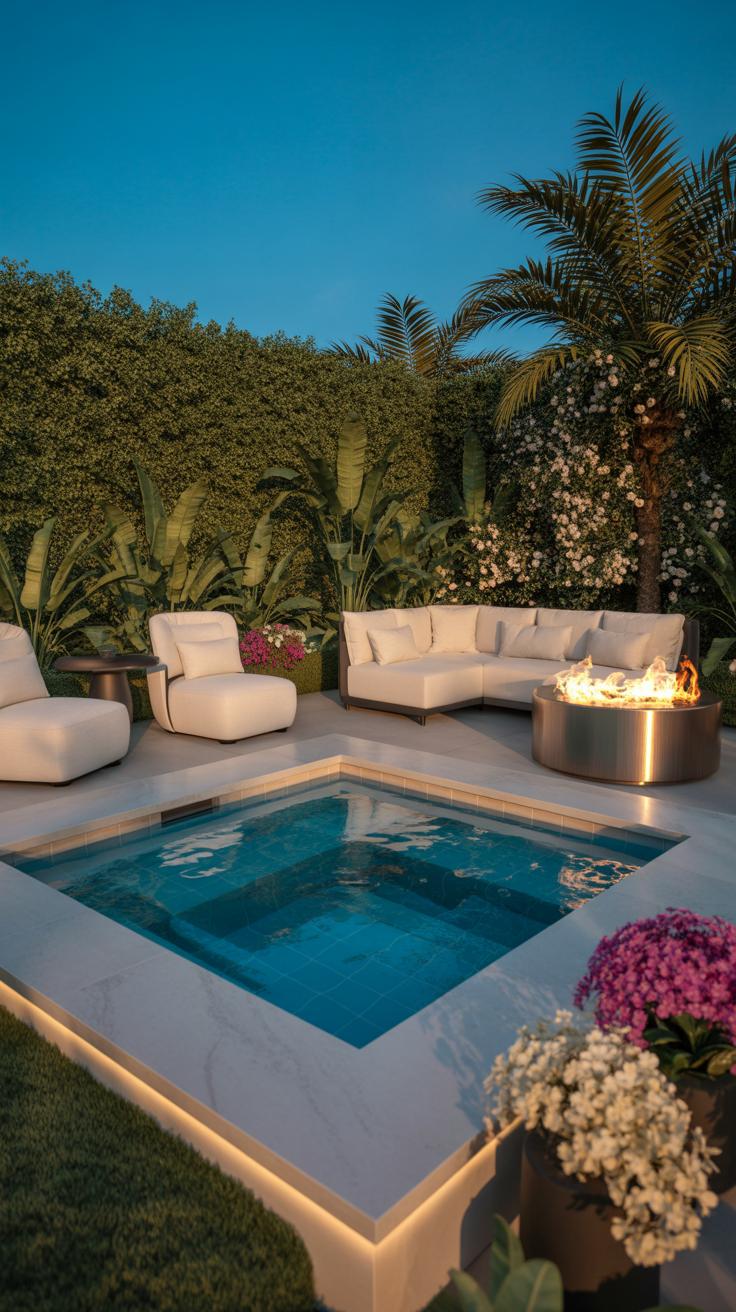
Planning The Layout Of A Backyard That Features Both A Jacuzzi And A Fire Pit
Effective layout design requires strict functional zoning to manage heat and moisture. Place the jacuzzi on a reinforced concrete pad near the home to minimize plumbing costs. Keep the fire pit at least ten feet away from any structures or low-hanging trees. This separation prevents smoke from bothering bathers and ensures fire safety. Use a clear transition zone between these two high-traffic focal points.
Circulation paths must stay wide and slip-resistant. Use stone pavers or brushed concrete to connect the water and fire areas. High-use zones require proper drainage to prevent water from pooling near the fire pit. Slope the ground away from the jacuzzi to protect the foundation of the home. Smart positioning uses natural wind patterns to carry smoke away from the seating areas. This layout maximizes utility and comfort.
To plant a garden is to believe in tomorrow, weaving the grace of the past into the elegance of a home. A stylish garden is not just a design but a living legacy of beauty and peace.
Landscaping And Lighting Strategies To Enhance A Luxury Backyard Setting
Strategic planting creates privacy and structural depth without obstructing views. Use tall evergreens or cedar fencing to block wind and neighbors. Choose plants with low litter production to keep the jacuzzi water clean. Avoid trees with invasive roots that damage underground pipes or gas lines. Hardscaping materials like slate or textured tile offer durability and a high-end look. Modern gardens use minimalist plant palettes for clean lines.
Lighting must prioritize safety and atmosphere through layered fixtures. Install low-voltage LED path lights to mark walkways between the fire and water zones. Use recessed lights around the jacuzzi base to prevent trips in the dark. Up-light trees to create visual height and soft ambient glow. Avoid bright floodlights that cause glare. Dimmable controls allow you to adjust the intensity based on the specific time of night.
Sustainable Backyard Garden Design Eco Friendly Practices For The Stylish Homeowner
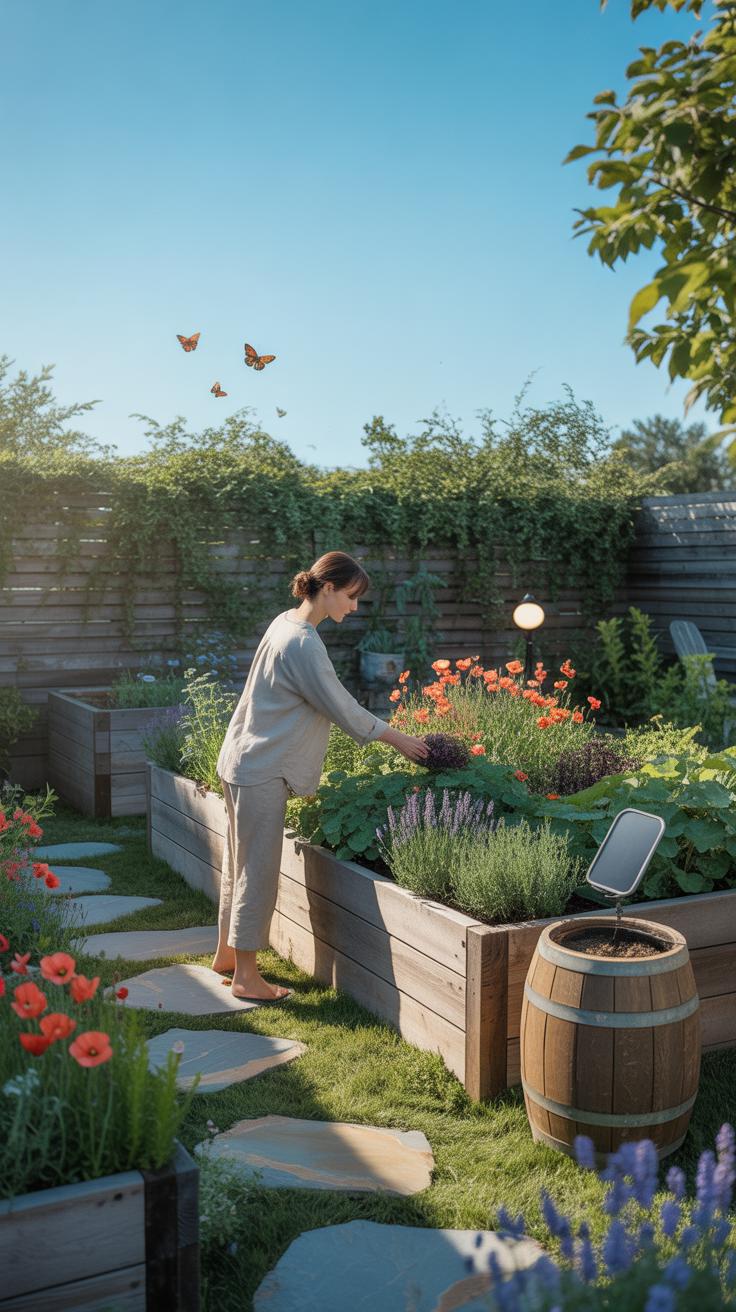
Water Conservation Techniques Including Drip Irrigation And Rain Gardens
Efficiency starts with precision. Drip irrigation delivers water directly to the root zone of your plants. This method reduces evaporation and prevents runoff. You waste less water compared to traditional spray heads. Smart controllers adjust schedules based on local weather data. This technology ensures you only water when necessary. Proper zoning groups plants by their specific hydration needs to avoid overwatering.
Rain gardens manage stormwater on your property. These shallow depressions capture runoff from roofs and driveways. Native plants with deep roots filter pollutants before the water enters the ground. This process recharges local groundwater and prevents erosion. You reduce the load on municipal sewer systems during heavy rain. Correct soil composition is vital for drainage. Use a mix of sand and compost to ensure performance.
Using Recycled Materials And Organic Practices To Build A Greener Backyard
Sustainable design requires smart material choices. Reclaimed wood and salvaged stone add character without the carbon footprint of new manufacturing. Use permeable pavers to prevent standing water and allow soil respiration. Composite decking made from recycled plastics offers durability and low maintenance. These choices keep waste out of landfills. High quality recycled materials provide a high end look while supporting environmental goals.
Eliminate synthetic chemicals through organic soil management. Compost creates a nutrient dense foundation for all plant life. This practice improves soil structure and water retention naturally. Integrated pest management uses beneficial insects to control outbreaks. This replaces toxic pesticides that harm local ecosystems. Healthy soil produces resilient plants that require fewer inputs over time. Focus on biology rather than chemistry to maintain your backyard landscape.
Frequently Asked Questions

What are the essential elements of a successful backyard garden design for beginners?
A great backyard garden design starts with understanding your environment, specifically sunlight patterns and soil quality. Beginners should focus on creating a focal point, such as a cozy seating area or a specimen tree, to anchor the space. Integrating a mix of perennials and evergreen shrubs ensures year-round structure. Always consider your lifestyle needs first to ensure the layout remains both functional for your family and aesthetically pleasing for your home.
How can I create a functional layout that balances aesthetics and utility?
To achieve a professional-looking backyard garden design, use the “room” concept by partitioning your outdoor space into zones for dining, lounging, and planting. Define these areas using natural borders like hedges, ornamental grasses, or stone pathways. This structured approach helps maintain a stylish flow while ensuring every square foot serves a purpose. Incorporating varied heights and textures through layered planting will add depth and visual interest to your overall landscape.
Is it possible to design an upscale garden look on a limited budget?
Absolutely! You can achieve a high-end look without a massive investment by prioritizing smart DIY projects. Focus on painting existing fences, using mulch for a clean finish, and buying younger plants that will grow into the space over time. Repurposing vintage containers or building your own raised beds adds unique character. Selecting a cohesive color palette for your flowers and textiles is a cost-effective way to create an expensive, curated atmosphere.