
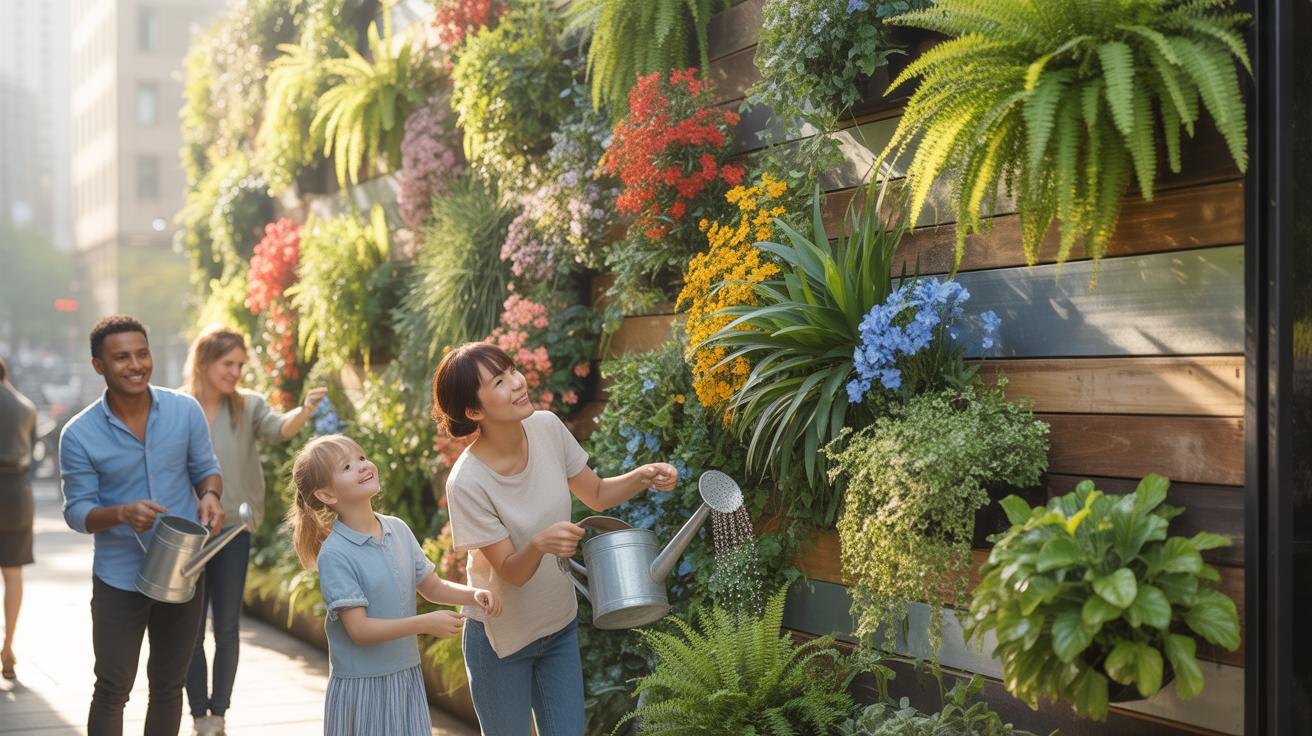
What Is Vertical Garden Design And Why Is It Gaining Popularity
The Origins And Evolution Of Vertical Gardening
Plants have climbed walls for centuries. Ancient civilizations used trellises and terracing to maximize food production in limited spaces. The Hanging Gardens of Babylon serve as an early historical reference for elevated planting. Mediterranean cultures grew vines and ivy on stone walls to cool buildings naturally. These early methods focused on survival and climate control rather than pure aesthetics or high-tech systems.
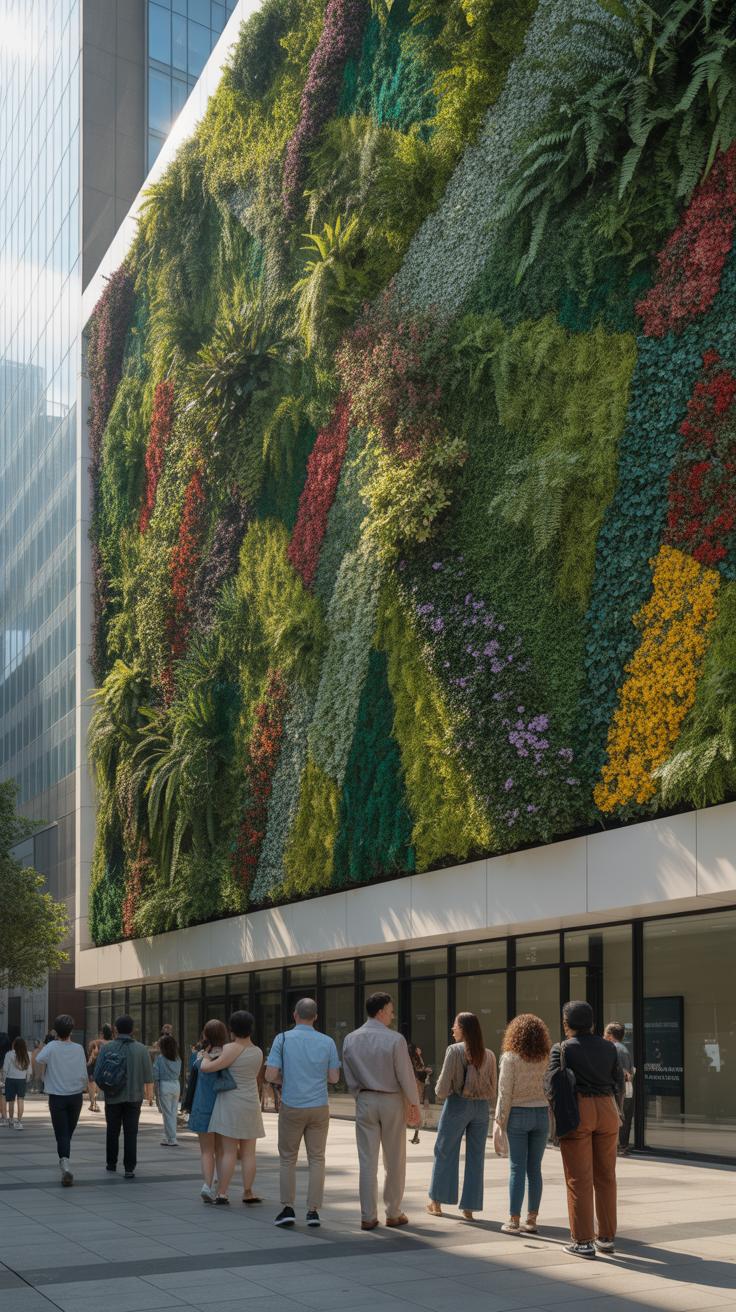
Modern vertical gardening changed in the late twentieth century. French botanist Patrick Blanc pioneered the hydroponic felt system. This shifted the practice from soil-based climbing plants to complex living walls. Engineers began integrating these systems into urban architecture to combat concrete heat and lack of ground space. Today, technology allows for automated irrigation and precise nutrient delivery. We now treat vertical surfaces as productive agricultural and ecological assets.
Key Benefits Of Growing Plants Vertically In Modern Spaces
Vertical design solves the problem of limited ground footprint. Urban density forces green spaces upward. High-rise buildings and small apartments use wall surfaces to improve air quality and reduce noise. Foliage acts as a natural sound barrier in loud cities. Plants also lower building temperatures by shading the exterior skin. This reduces the energy needed for cooling during summer months.
Strategically placed green walls drive economic value. Offices with greenery report higher employee productivity and lower stress levels. Retail spaces use these designs to attract foot traffic and increase dwell time. Beyond aesthetics, these systems filter indoor pollutants and capture dust. Growing upward maximizes yield in small-scale urban farming. It turns dead wall space into a functional tool for health and environmental efficiency.
Planning Your Vertical Green Wall Outdoor Setup From Scratch
How To Assess Your Wall Space, Sunlight, And Climate Conditions
Structural integrity is your first priority. You must confirm the wall can support the saturated weight of the system. Wet soil and hardware add significant load. Check for moisture barriers to prevent water damage to your building surface. Measure the exact dimensions to determine the number of modules or pockets needed. Identify your local hardiness zone to select plants that survive winter.
Sunlight exposure dictates your entire plant palette. Track the sun for a full day to identify light patterns. South facing walls receive intense heat and require drought tolerant species. North facing walls stay cool and need shade loving plants. Fast moving winds will dry out your foliage. Inspect the area for nearby water sources and electrical outlets. These utilities are essential for automated irrigation timers.
Setting A Realistic Budget And Timeline For Your Outdoor Green Wall
Financial planning prevents project stalls. Allocate funds for the support structure, irrigation components, and high quality growing media. Professional grade felt systems or modular trays cost more upfront but last longer. Plants represent a recurring cost if you choose seasonal annuals over hardy perennials. Include a contingency fund for unexpected plumbing fittings or specialized mounting hardware. Cheap materials often fail under UV exposure.

Expect a tiered timeline for installation. Physical hardware mounting takes one to two days for most residential setups. Irrigation testing requires another full day to ensure no leaks exist. Plan for a four week acclimation period after planting. During this phase, you must monitor water levels daily. Total project completion from design to full growth usually spans three months. Rushing the process leads to systemic plant failure.
Choosing The Right Structure For Your Vertical Garden Design Outdoors
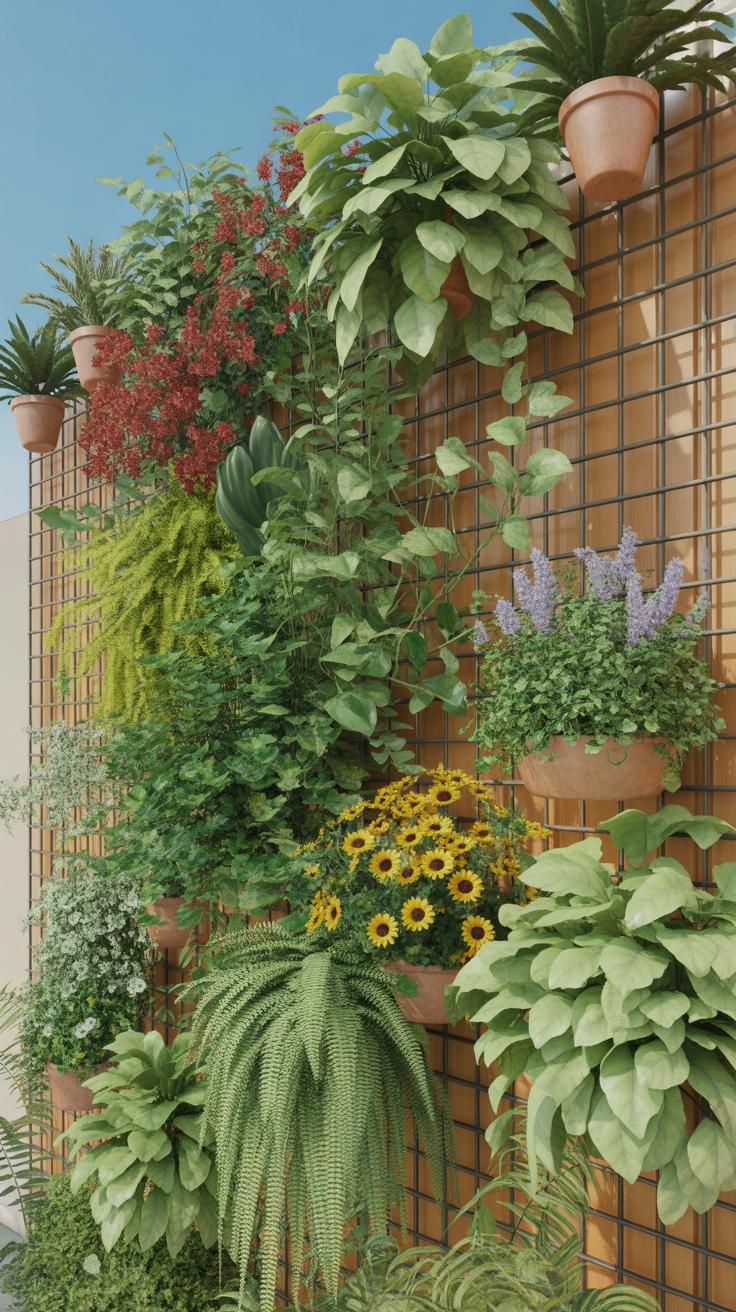
Comparing Freestanding Frames, Trellis Systems, And Mounted Panel Structures
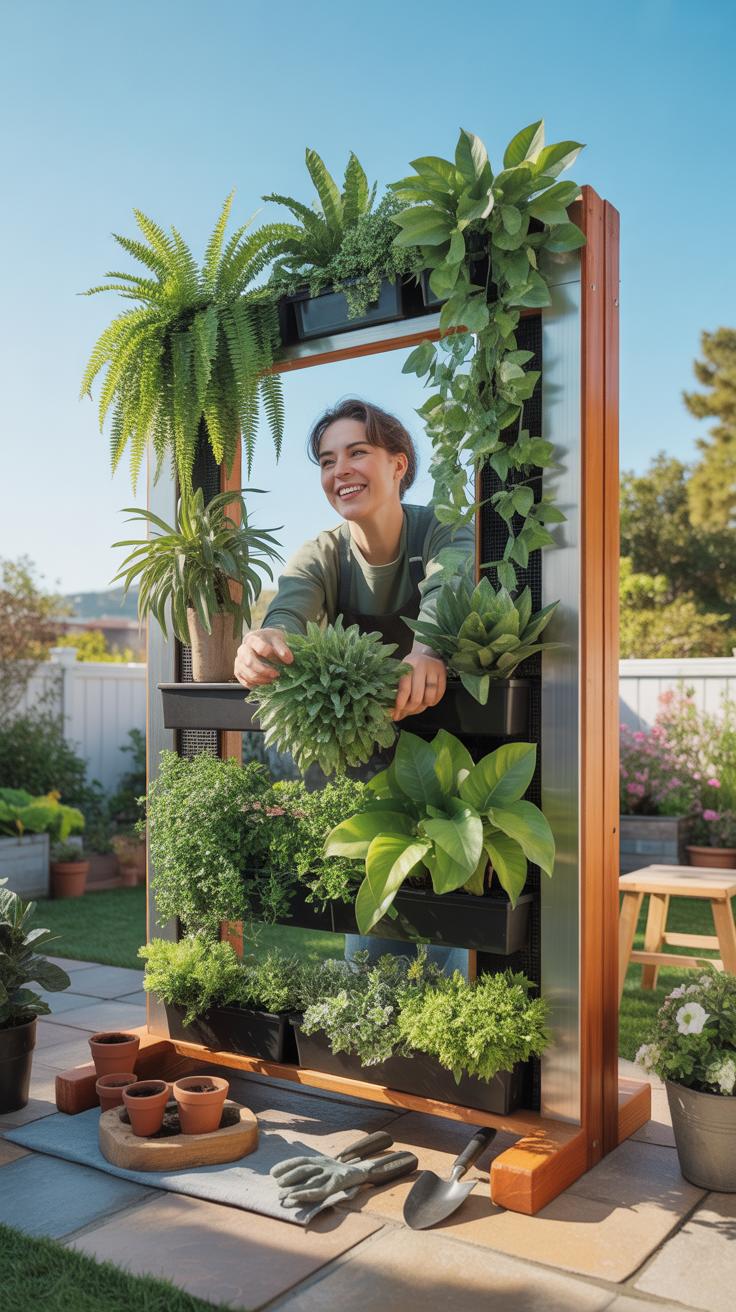
Freestanding frames provide the most flexibility for outdoor spaces. These structures do not require attachment to a building. They act as room dividers or privacy screens. You can move them to optimize sun exposure. Heavy duty A-frame designs prevent tipping during high winds. Trellis systems use simple grids or wires. They support climbing plants that naturally grab surfaces. This method costs less but offers less soil volume.
Mounted panel structures attach directly to exterior walls or fences. Patrick Blanc pioneered this vertical garden design using felt layers. Modern systems use rigid plastic modules or trays. These units hold more substrate and support diverse plant species. You must install a moisture barrier between the panel and the wall. This prevents water damage to the building facade. Panels create a seamless green wall appearance for high end projects.
How To Select Materials That Withstand Outdoor Weather And Humidity
Outdoor structures face constant UV rays and moisture. Untreated wood will rot within two seasons. Choose cedar or redwood for natural rot resistance. Use powder coated steel or aluminum for metal frames. These metals resist rust and structural fatigue. Avoid cheap plastics that become brittle in the sun. Marine grade stainless steel hardware prevents corrosion at joints. High quality materials ensure the system stays safe and upright.

Selection depends on your local climate and humidity levels. Humid environments require breathable materials to stop mold growth. Closed cell plastics work well for water retention in dry areas. Felt pockets dry out fast and need frequent irrigation. Consider the weight of wet soil when choosing supports. A saturated vertical garden weighs three times more than its dry state. Use galvanized fasteners to secure any structure to a masonry wall.
Best Plants To Use For A Thriving Garden Vertical Wall
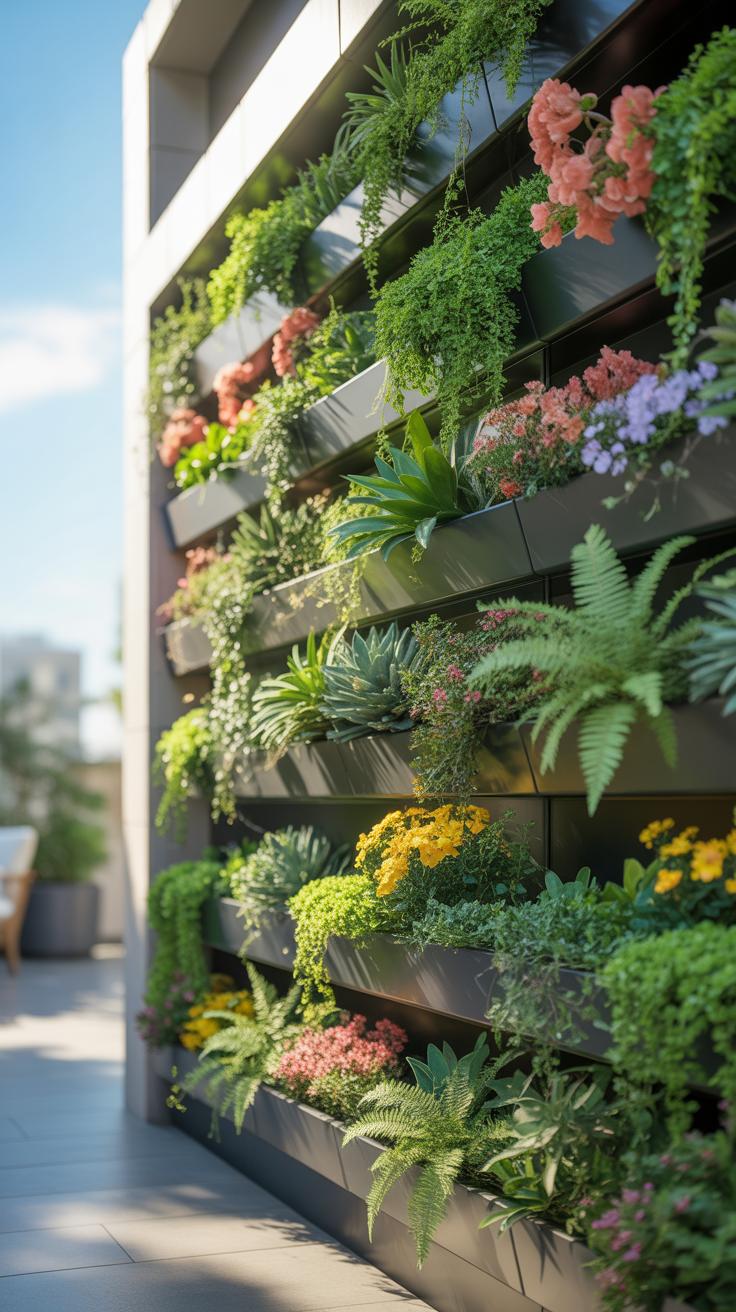
Top Trailing, Climbing, And Cascading Plants For Vertical Walls
Select species based on their root structure and stem flexibility. Trailing plants hide hardware by draping over the edges of containers or pockets. Climbing plants use tendrils or adhesive pads to scale flat surfaces. These choices determine the long-term maintenance needs of the wall. Proper selection ensures the foliage covers the entire structure quickly. This creates a full and lush appearance.
- Golden Pothos: This species handles low light and irregular watering cycles well. Its vines grow rapidly and drape downward to hide structural components. It remains a staple in professional interior vertical wall projects due to its extreme resilience.
- English Ivy: This classic climber uses aerial roots to grip surfaces securely. It provides dense green coverage and survives in cooler temperatures. Designers use it for exterior walls where a permanent green facade is the primary goal.
- Creeping Fig: This plant creates a flat carpet of green foliage against masonry or wood. It grows vigorously and requires regular pruning to maintain its shape. It is the best choice for achieving a thin and tight profile.
- Lipstick Plant: This cascading variety adds a splash of color with its unique red blooms. It thrives in humid environments and prefers indirect light. It works well in residential living walls where visual variety is a priority.
- Philodendron Cordatum: This heart-shaped trailing plant offers a soft texture and deep green color. It is highly adaptable to indoor environments and recovers quickly from pruning. It fills gaps between larger plants to create a seamless green surface.
Gravity dictates how these plants move across the wall. You must secure heavy climbers to a secondary trellis or mesh system. Do not allow aggressive vines to grow into building joints or siding. Regular trimming keeps the growth within the designated frame. High-performance walls rely on a mix of these species to ensure aesthetic density and mechanical stability throughout the year.
How To Group Plants By Water Needs And Growth Habits For Visual Balance
Hydro-zoning is the most critical factor for vertical garden success. You must place water-heavy species at the bottom of the wall. Gravity pulls moisture downward within any vertical system. This results in the lower levels staying wet longer than the top layers. Plant drought-tolerant species at the highest points to prevent root rot. This strategic placement ensures every plant receives the correct moisture.
Growth habits also determine the visual longevity of the installation. Do not place fast-growing vines next to slow-growing ferns. The aggressive species will quickly shade out and kill the smaller plants. Group plants with similar light requirements to avoid bare patches. Place larger, bushier plants in the center to create a focal point. Balance the textures across the surface to maintain a professional and clean appearance.
Creative Outdoor Plant Wall Ideas To Inspire Your Next Project
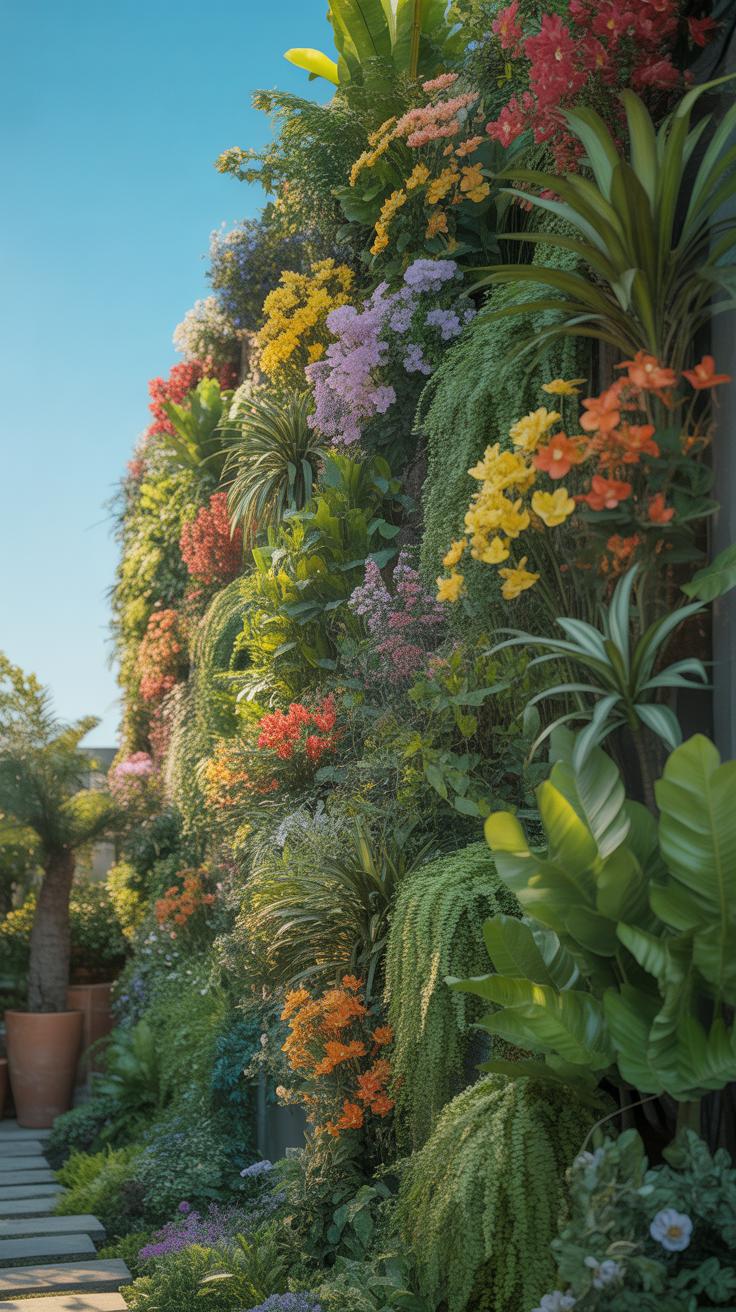
Using Color, Texture, And Layering Techniques To Create Visual Impact
Strategic plant selection drives the aesthetic success of a vertical garden. Contrast dark foliage against light surfaces to define the structure of the installation. Group plants with similar water needs to ensure uniform growth and color retention. Use large leaf varieties like Hostas to create depth and shadows. These shadows make a flat wall look three-dimensional. Proper placement prevents the design from looking cluttered or messy.
Place weeping or trailing plants at the top of the wall to soften hard edges. Layering involves placing fine-textured plants next to coarse-textured ones. This technique draws the eye across the entire installation. Use monochromatic color schemes to create a modern and professional look. Use complementary colors like purple and yellow for high energy areas. Tactical layering ensures the garden looks full even during early growth stages.
Incorporating Edible Plants And Herbs Into Your Outdoor Plant Wall
Edible vertical gardens require specific placement based on sunlight and accessibility. Position heavy producers like strawberries in reinforced pockets to support their weight. Plant hardy herbs like rosemary and thyme in the highest spots. These plants tolerate wind and drying better than leafy greens. Ensure the irrigation system delivers water consistently to all edible zones. Edible plants need more nutrients than decorative foliage to thrive.

Group crops by harvest cycles to keep the wall looking productive year-round. Replace spent annuals quickly to avoid gaps in the greenery. Small leafy greens like lettuce and spinach grow well in shallow vertical systems. Use organic growing media to ensure the safety of the food produced. Strategic herb placement allows for easy harvesting near outdoor kitchens. This practical approach combines functional food production with high-end exterior design.
Wall Garden Ideas For Small Balconies Patios And Courtyards
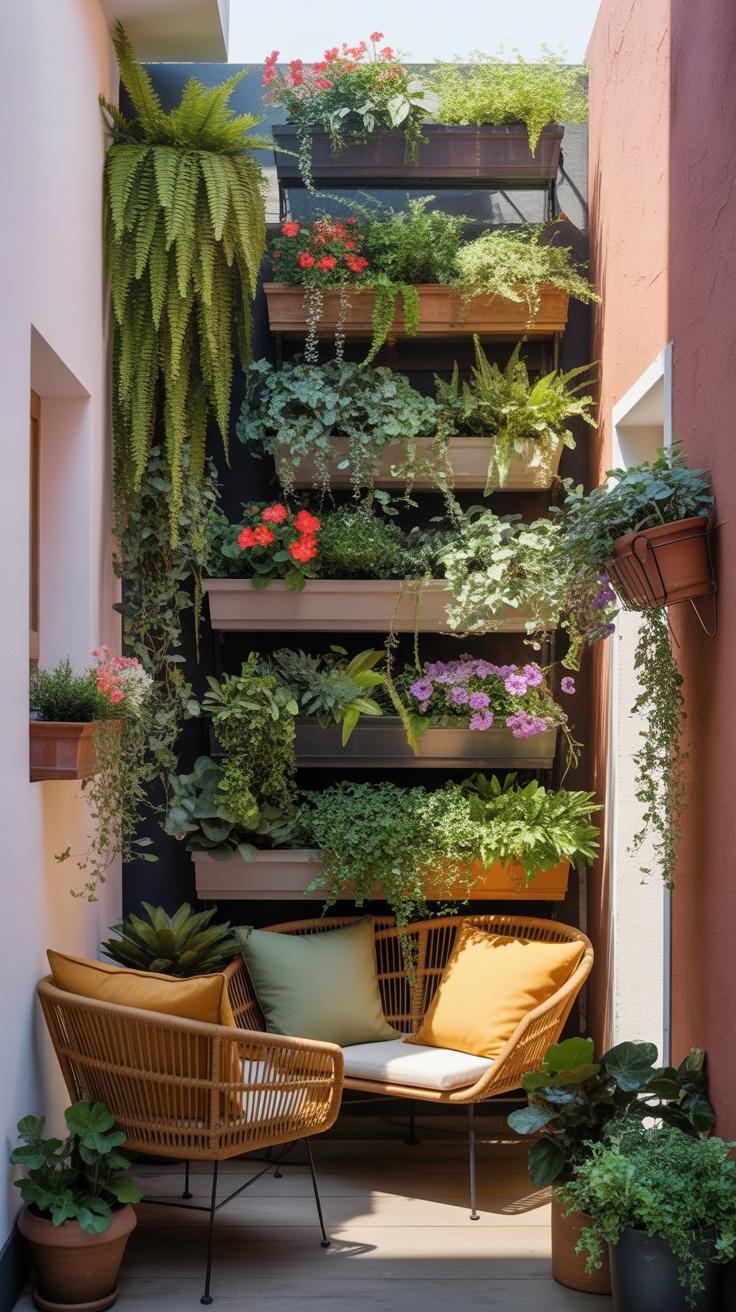
Space Saving Wall Garden Configurations That Work In Compact Areas
Small balconies require vertical solutions to keep floor space clear for movement. A tiered ladder rack offers a simple footprint while maximizing vertical height. Use the highest rungs for trailing plants like ivy to create a green curtain effect. This setup allows for easy irrigation access. It prevents water from pooling on your balcony floor by directing drainage toward lower levels.
A grid-based trellis system works best for narrow courtyards with limited sunlight. Fasten a steel mesh or wooden lattice directly to the masonry. Secure climbing plants like jasmine or clematis to the structure. This configuration provides a thin profile that does not obstruct walkways. Choose materials that resist rust or rot to ensure the garden lasts through multiple seasons without requiring structural repairs.
How To Use Containers, Pockets, And Modular Panels On Rental Friendly Walls
Renters must avoid drilling into exterior surfaces to keep their security deposits. Use freestanding modular panels that lean against the wall or stand on weighted feet. These frames support heavy pots without permanent fasteners. You can rearrange the modules as your plant collection grows. This flexibility makes the garden portable for your next move. It keeps the building structure completely intact.

Felt pocket systems offer a lightweight alternative for railings and fences. Secure these breathable pouches using heavy-duty zip ties or over-the-door hooks. The fabric allows roots to breathe and prevents soil compaction. Modular plastic containers with clip-on brackets also work well on standard metal balustrades. These methods transform dead space into productive zones without violating lease agreements. Focus on lightweight soil mixes to reduce structural strain.
Irrigation And Maintenance Essentials For A Healthy Vertical Wall Garden
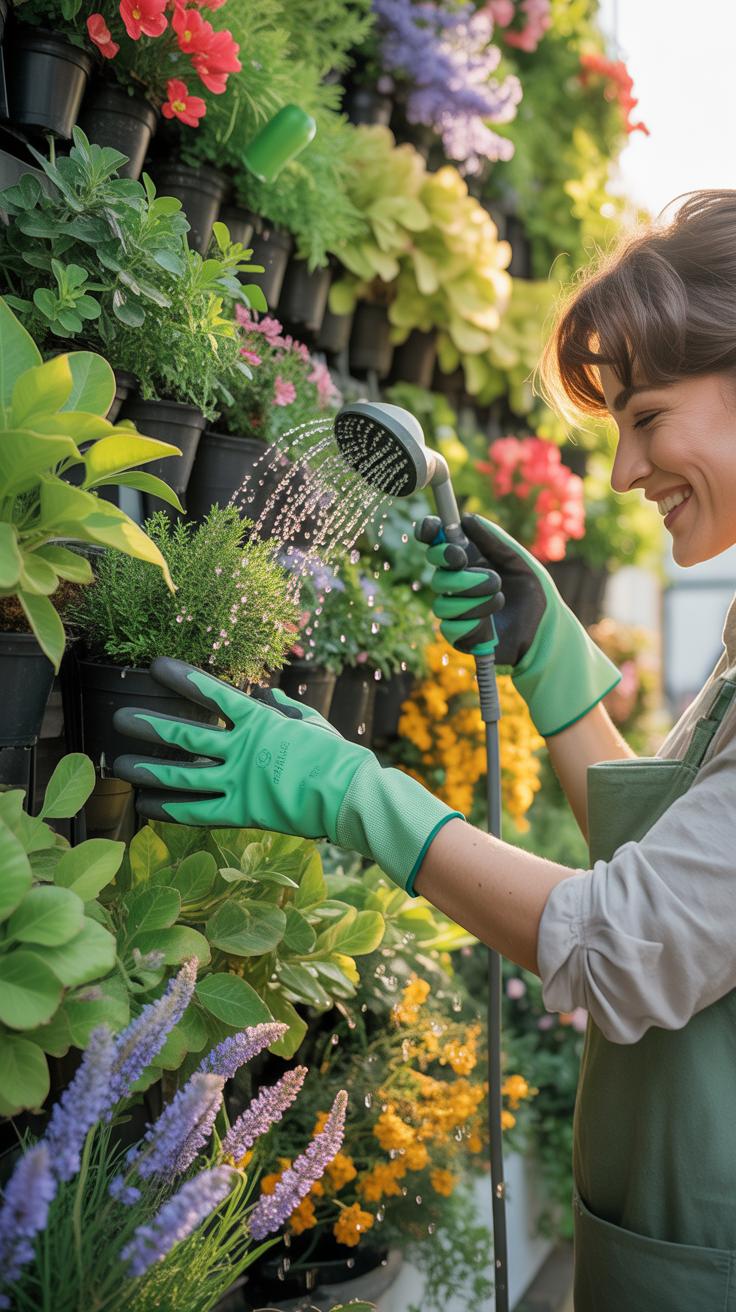
How Drip Irrigation And Self Watering Systems Keep Vertical Gardens Thriving
Vertical gardens lose water faster than ground plots due to gravity and air exposure. Drip irrigation solves this by delivering water directly to the root zone through a network of tubes and emitters. This method prevents soil erosion and reduces water waste by up to seventy percent compared to manual spraying. Automation ensures consistent moisture levels even in high heat or wind.
Self-watering systems use a reservoir and wicking mechanism to draw water upward. This setup works well for modular units and indoor panels where plumbing access is limited. It provides a steady supply of hydration based on the plant needs rather than a fixed schedule. Constant moisture prevents root shock and helps the vertical garden design maintain structural integrity over long periods.
To plant a garden is to believe in tomorrow, watching your dreams climb toward the sun. Even the smallest wall can become a tapestry of living memories.
A Practical Seasonal Maintenance Routine For Your Vertical Wall Garden
Living walls require scheduled intervention to prevent plant loss and mechanical failure. Small issues like a clogged emitter can kill an entire section of the wall in days. Regular checks ensure the structure remains safe and the plants stay healthy. Proper maintenance involves monitoring the technical hardware and the biological health of the foliage throughout the changing year.
- System Flush: Run high pressure water through your irrigation lines once every season. This removes mineral deposits and algae buildup that cause clogs. Clean lines guarantee every plant receives the right amount of water without dry spots.
- Pruning and Deadheading: Remove dead leaves and spent flowers every two weeks during the growing season. This prevents pests from nesting in decaying matter. Proper thinning also allows light to reach the lower levels of your vertical garden design.
- Nutrient Calibration: Add liquid fertilizer to your reservoir or injector system every month. Vertical gardens use hydroponic or thin soil substrates that deplete minerals quickly. Regular feeding keeps leaves green and supports the root systems in tight growing spaces.
- Structural Inspection: Check mounting brackets and waterproofing layers for signs of wear or moisture damage twice a year. Water weight can shift the balance of the wall over time. Tightening hardware prevents the vertical structure from pulling away from the main building.
- Pest Management: Inspect the undersides of leaves for common pests like spider mites or aphids. Vertical density allows infestations to spread rapidly across the entire surface. Use horticultural oils or insecticidal soaps at the first sign of an outbreak.

Winter preparation is critical for outdoor vertical gardens in cold climates. Drain all irrigation lines before the first frost to prevent pipes from bursting. Move sensitive species indoors or apply protective covers to the structure. Monitoring the pump system during the off-season ensures a quick restart in the spring. Consistent upkeep protects your financial investment and keeps the wall looking professional.
How To Design A Stunning Indoor Waterfall Garden As A Living Feature Wall
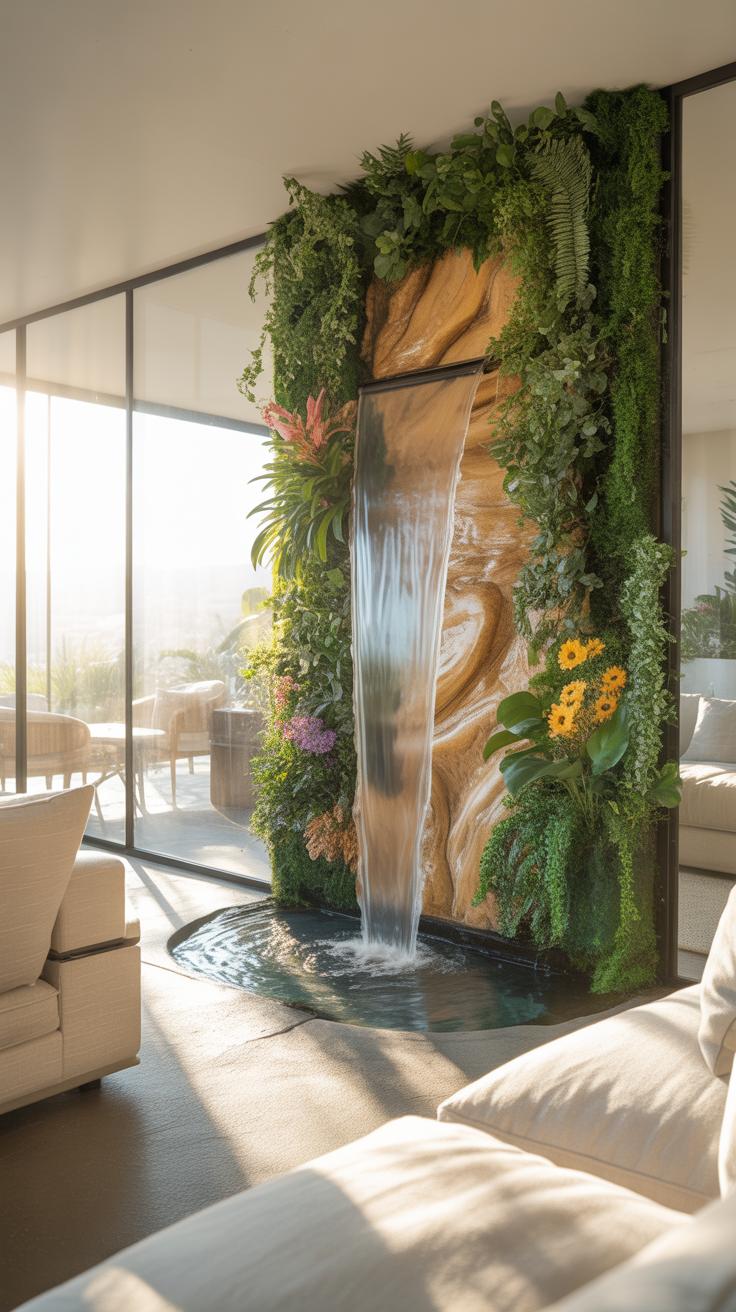
Combining Water Features And Lush Greenery For A Calming Indoor Environment
Indoor waterfall gardens integrate recirculating water systems with vertical hydroponic panels. These systems use a closed loop to move water from a base reservoir to the top of the wall. Gravity then pulls the water down a textured surface or through planting media. This constant movement oxygenates the water. It also keeps plant roots moist without traditional soil. A successful design ensures the water flow remains consistent.
Strategically placing stone or slate behind the foliage creates a natural aesthetic. Modern designs often use stainless steel or glass backings to direct water flow. These materials prevent water from splashing onto interior flooring. You must seal all surrounding surfaces to prevent mold growth. Proper integration reduces ambient noise and improves air quality. High quality pumps ensure the system operates quietly while keeping the living wall healthy and vibrant.
Lighting Humidity Control And Plant Selection For Indoor Waterfall Gardens
Light is the most critical factor for plant survival in indoor water features. Vertical gardens usually require full spectrum LED grow lights. Position these lights to provide even coverage across the entire wall. Without enough light the plants will rot due to high moisture levels. You must monitor the room’s humidity constantly. Use exhaust fans or dehumidifiers to keep levels between forty and sixty percent to protect the building structure.

Select plants that thrive in high humidity and constant moisture. Tropical species like ferns and philodendrons work best for these environments. Avoid succulents or dry climate plants because they will die in a waterfall setup. Check the water pH levels weekly to ensure plant health. Hard water minerals can build up on the leaves and mechanical parts. Use distilled or filtered water to keep the system running efficiently for years.
Common Mistakes To Avoid When Building Your Vertical Gardening System
Structural And Weight Load Errors That Can Damage Walls And Frameworks
Engineers frequently see failures because designers underestimate saturated weight. A vertical garden uses soil or felt that holds massive amounts of water. This weight increases significantly after irrigation or heavy rain. You must calculate the maximum load of the structure when fully soaked. Standard drywall or thin fences cannot support these heavy systems. Fasten your frames directly into studs or structural masonry.
Waterproofing is another critical failure point in vertical design. Moisture trapped between the garden frame and the wall causes rot or mold. It destroys building envelopes and creates expensive repairs. Always install a vapor barrier or a physical air gap between the garden and the wall. This protects the building from humidity. Use stainless steel or galvanized hardware to prevent rust from weakening the supports over time.
Plant Overcrowding Poor Drainage And Other Pitfalls That Kill Vertical Gardens
Planting too many species in one area causes immediate competition. Roots need space to breathe and access nutrients. Overcrowding blocks airflow and creates a breeding ground for pests and fungus. Select plants based on their growth rate and mature size. Ensure every plant receives the correct light level for its specific needs. Mixing shade plants with sun lovers in one system leads to total crop failure.
Improper drainage causes root rot and system death. Gravity pulls water down to the bottom rows while the top rows dry out. You must design a system that manages this water flow evenly. Hydroponic setups require precise pump timing to avoid drowning roots. Check your irrigation lines for clogs regularly. If the water cannot escape the bottom basins, the entire garden will eventually fail from anaerobic soil conditions.
Frequently Asked Questions

What are the best plants for a beginner starting a vertical garden?
If you are new to vertical garden design, start with hardy, low-maintenance species like Pothos, Philodendron, or succulents. These plants are forgiving and adapt well to being grown upright. For an outdoor herb wall, mint and basil are excellent choices. Selecting plants with similar light and water requirements ensures your living wall thrives, making your initial foray into vertical landscaping both rewarding and visually impressive.
How do I ensure proper irrigation for my vertical garden design?
Effective irrigation is crucial for longevity. Most experts recommend a drip irrigation system or a recirculating hydroponic setup to provide consistent moisture. When planning your vertical garden design, place plants with higher water needs at the bottom, as gravity causes excess moisture to pool there. Alternatively, for smaller indoor felt pockets, manual misting can work, provided you have a waterproof barrier to protect your interior walls from potential water damage.
Can I create a vertical garden if I am on a strict budget?
Absolutely! You can achieve a stunning look without a professional installation by using repurposed materials. Upcycling wooden pallets, plastic soda bottles, or old hanging shoe organizers are affordable ways to start. Simple DIY projects allow you to experiment with different layouts without a heavy financial commitment. With a little creativity, you can build a lush, green sanctuary that looks high-end while using basic, everyday items found around your home.