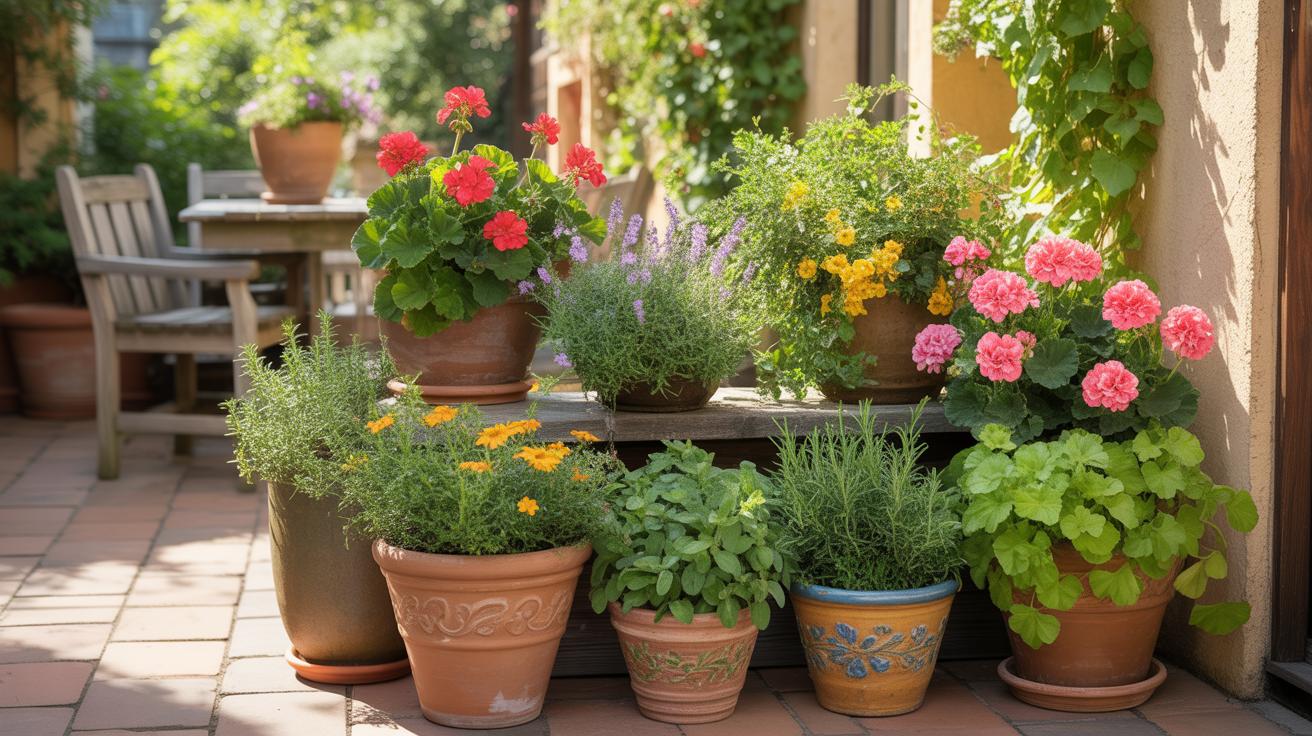
What Is Container Garden Design And Why It Matters
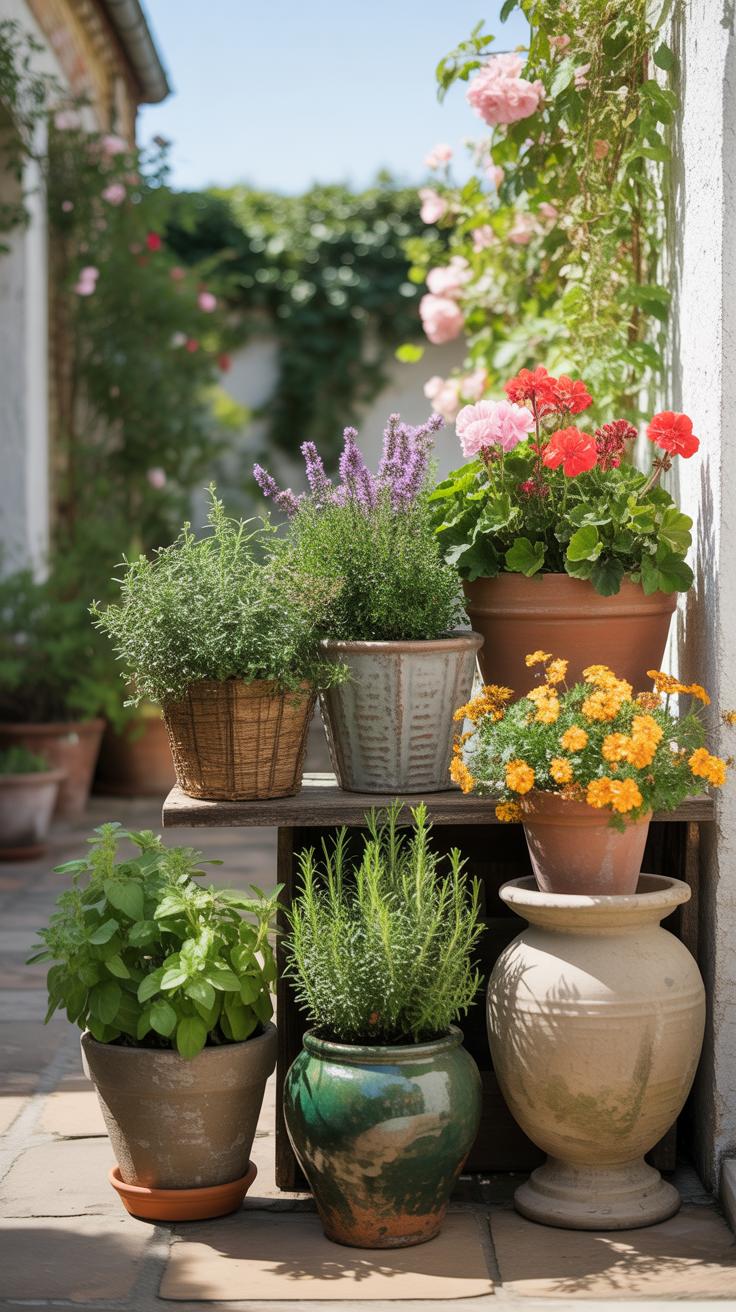
Understanding The Basics Of Container Garden Design
Container garden design is the planned arrangement of plants within portable vessels rather than open ground. This practice dates back to ancient Egypt and Rome where growers used terracotta pots for mobility and environmental control. Modern design focuses on the relationship between the plant, the substrate, and the container material. Designers must balance aesthetic form with technical requirements like drainage, root space, and weight distribution.
Strategic design requires selecting specific materials like wood, metal, ceramic, or plastic to manage soil temperature and moisture retention. You must group plants based on shared cultural requirements such as sunlight intensity and irrigation needs. This method allows you to create microclimates in areas where traditional gardening is impossible. Effective design treats each pot as a controlled ecosystem that supports plant health through precise nutrient management.
How Container Gardening Transforms Any Outdoor Space
A well-executed container strategy changes the functional utility of any paved or limited surface. You can use large planters to create privacy screens or define pathways on flat rooftops and balconies. These mobile elements allow you to adjust the layout as environmental conditions change throughout the seasons. Strategic placement of containers directs foot traffic and hides structural flaws in buildings while providing immediate visual impact.
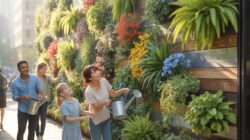
Pots allow for vertical expansion in cramped urban areas by using tiered stands and wall-mounted systems. This approach increases the total biomass of a small footprint without requiring major land excavation. By controlling the height and position of the greenery, you bring nature into the immediate eye line of the occupants. This transformation turns dead zones like concrete pads into productive, high-value assets for any residential or commercial property.
Exploring Garden Styles That Inspire Container Arrangements
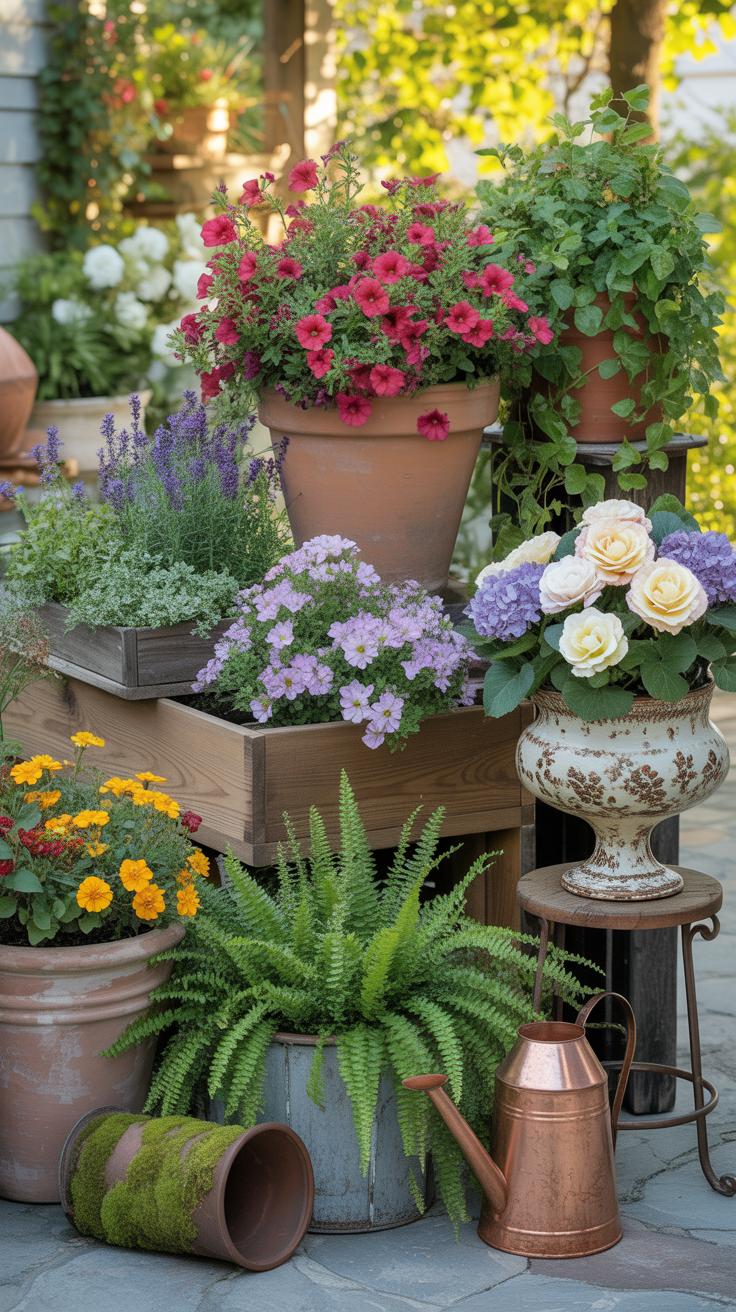
Matching Your Container Garden To Popular Garden Styles
Your home architecture dictates your container choices. A modern house requires geometric pots with clean lines. Traditional homes pair well with classic shapes like urns. Consistency creates visual order and increases property value. You must select materials that reflect the existing building textures. Wood, stone, and metal serve different structural and aesthetic purposes. Choose one dominant material to ensure a cohesive look across your space.
Strategic placement reinforces the chosen style. Align pots in straight rows for a modern feel. Group different sizes together for a natural look. Every pot must serve a specific function in the layout. Use large scale containers as focal points in open areas. Small pots work best on tables or window sills. Proper scaling keeps the arrangement from looking cluttered. Match the volume of the plant to the size of the container.
How Formal Cottage And Mediterranean Styles Translate To Containers
Formal styles rely on symmetry and repetition. Use mirrored pairs of identical pots to frame entryways. The 17th-century French landscape movement heavily influences this look. Focus on evergreen plants like boxwood or shaped topiary. Use stone or high-quality cast iron containers. These materials provide the weight and permanence needed for a structured environment. Maintain strict pruning habits to keep the sharp lines required by this specific style.

The cottage style uses variety and density. This English tradition mixes colors and textures without strict rules. Use weathered terracotta or wooden barrels to achieve this look. Pack containers with a mix of flowers and herbs. The Mediterranean style focuses on heat-tolerant plants like lavender and olive trees. Use unglazed clay pots to manage moisture levels effectively. Both styles prioritize a lived-in feel over rigid geometric perfection.
Choosing The Right Plant Container Ideas Outdoors
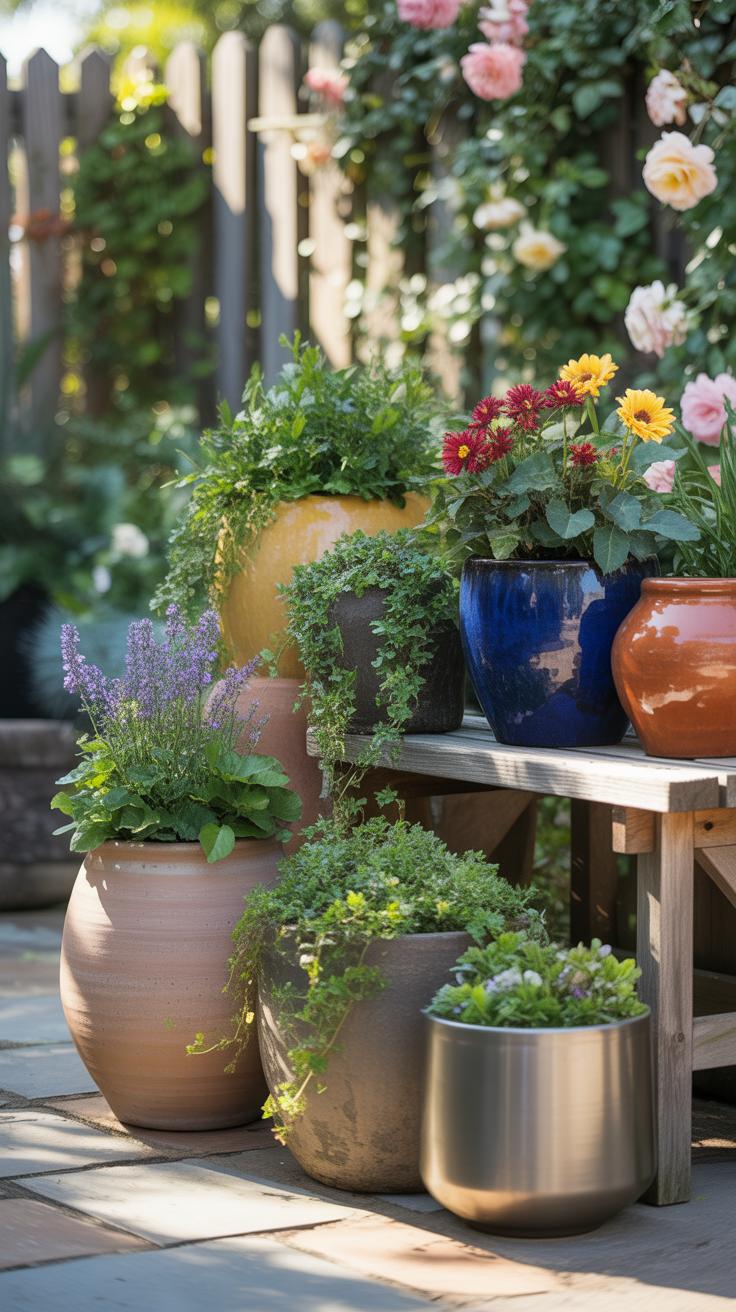
Materials And Sizes: Selecting The Best Containers For Outdoor Use
Container selection dictates your plant health and maintenance schedule. High-quality materials protect root systems from temperature spikes and moisture loss. You must match the container size to the mature root ball of your plant. Small pots dry out too fast in summer heat. Large pots provide a stable thermal mass. Select materials based on your local climate and physical strength.
- Terra Cotta: These porous clay pots allow roots to breathe and prevent soil rot. They are classic Mediterranean tools used for centuries. Use them for plants that prefer dry soil like lavender or succulents. Be aware that they crack in freezing winter temperatures.
- Glazed Ceramic: These heavy pots retain moisture better than unglazed clay. The thick walls offer excellent insulation against heat. They come in various colors to match modern or traditional landscapes. Ensure the glaze is lead-free and rated for outdoor use to avoid peeling.
- Concrete: This material provides extreme durability and weight. It is ideal for windy locations or public spaces where theft is a concern. Concrete is naturally alkaline. You must leach it with water before planting to prevent high pH levels from damaging sensitive acid-loving plants.
- Wood: Cedar and redwood are naturally rot-resistant and offer a rustic look. Wood provides superior insulation for root systems in both hot and cold weather. Always use stainless steel screws to prevent rust streaks. Avoid chemically treated lumber which can leach toxins into your garden soil.
- Fiberglass: This modern material is lightweight and extremely strong. It mimics the look of stone or lead without the heavy weight. It is the best choice for rooftop gardens or balconies with weight limits. Professionals use fiberglass because it withstands extreme temperature shifts without cracking.
Standardize your pot sizes to streamline irrigation and aesthetics. Aim for a minimum diameter of twelve inches for most outdoor perennials. This volume holds enough soil to buffer against drought. Deep containers support taproots and provide stability for tall species. Consistency in material creates a unified design language across your outdoor space. Choose your containers before you buy your plants.
Drainage, Weight, And Weather Resistance In Outdoor Containers
Proper drainage is the most critical factor for plant survival. Every outdoor container must have at least one hole in the bottom. Without drainage, water displaces oxygen and drowns the roots. Use pot feet or risers to lift containers off the ground. This prevents staining on your deck and allows water to flow away freely. Never block holes with large rocks or broken shards.
Weight and weather resistance determine the longevity of your investment. Heavy pots stay upright during high winds but are difficult to move. Use lightweight resin or fiberglass if you plan to rearrange your layout seasonally. Ensure your chosen material survives the local freeze-thaw cycle. UV-resistant coatings prevent plastic and composite pots from becoming brittle in the sun. Invest in frost-proof materials for year-round outdoor displays.
The Art Of Container Gardening Flowers For Stunning Displays
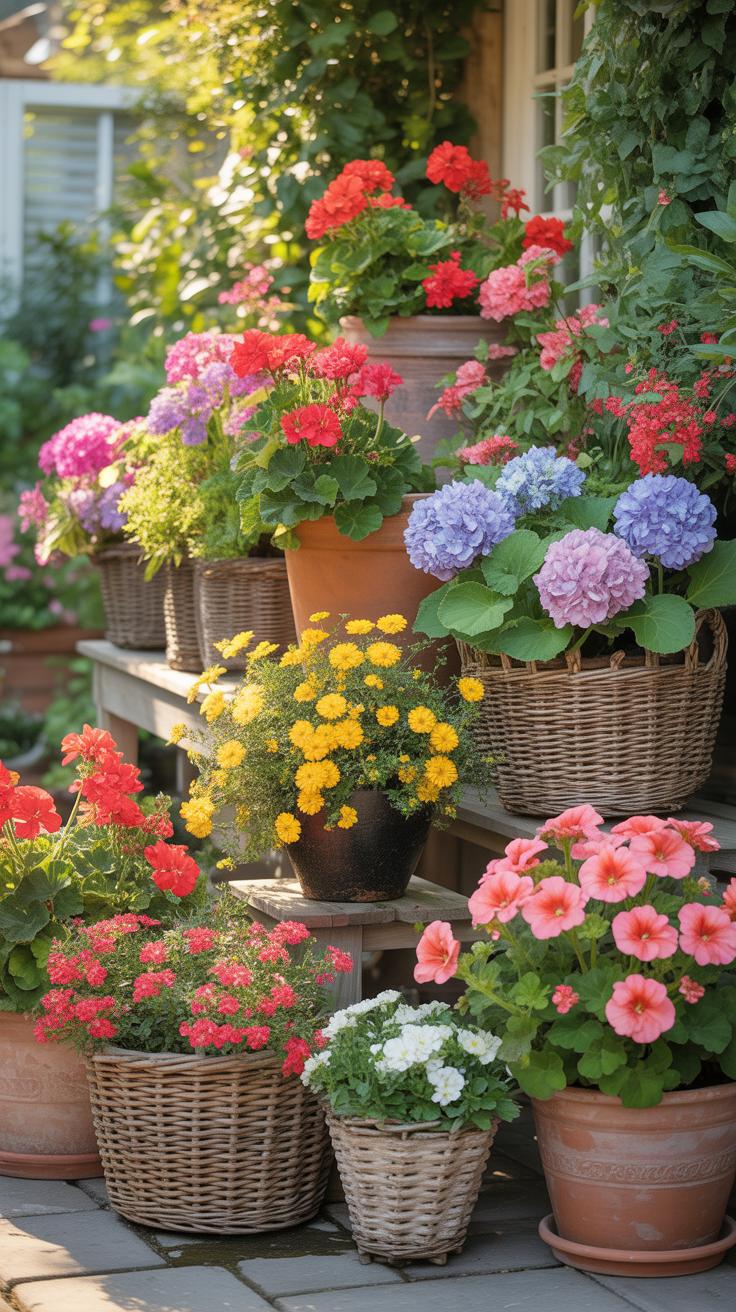
Selecting Flowering Plants That Thrive In Containers
Successful container garden design starts with root space management. Pots restrict root growth more than open soil. You must choose species with compact root systems. Avoid large perennials with aggressive taproots. These plants will fail as they become root bound quickly. Select varieties bred for patio use. These genetics prioritize bloom density over broad root spread. This ensures the plant stays healthy in small volumes.
Environmental matching is the next tactical step. Containers dry out faster than the ground. High evaporation rates stress plants in porous materials like terracotta. Choose flowers with high drought tolerance for sunny spots. Match the flower to the light profile of the specific location. A shade plant in a sun baked pot will die within days. Check the heat rating of the cultivar to ensure it survives midday temperature spikes.
Combining Color, Texture, And Height For Eye Catching Container Flowers
Visual impact relies on the thriller filler and spiller method. This design technique creates layers within the pot. Place one tall focal plant in the center or back. Surround it with mid sized mounding plants to hide the soil. Add trailing varieties to soften the edges of the container. This vertical strategy maximizes the limited horizontal footprint. It forces the eye to move upward and creates a full look.
Color theory dictates the emotional response of the display. Use complementary colors like blue and orange for high contrast. This makes the container stand out from a distance. Use monochromatic schemes for a sophisticated aesthetic. Mix leaf textures to maintain interest when flowers are not in bloom. Coarse leaves provide a bold backdrop for fine petaled flowers. This tactile contrast keeps the design from looking flat or messy.
Spotlight On Geraniums A Classic Choice For Container Gardens
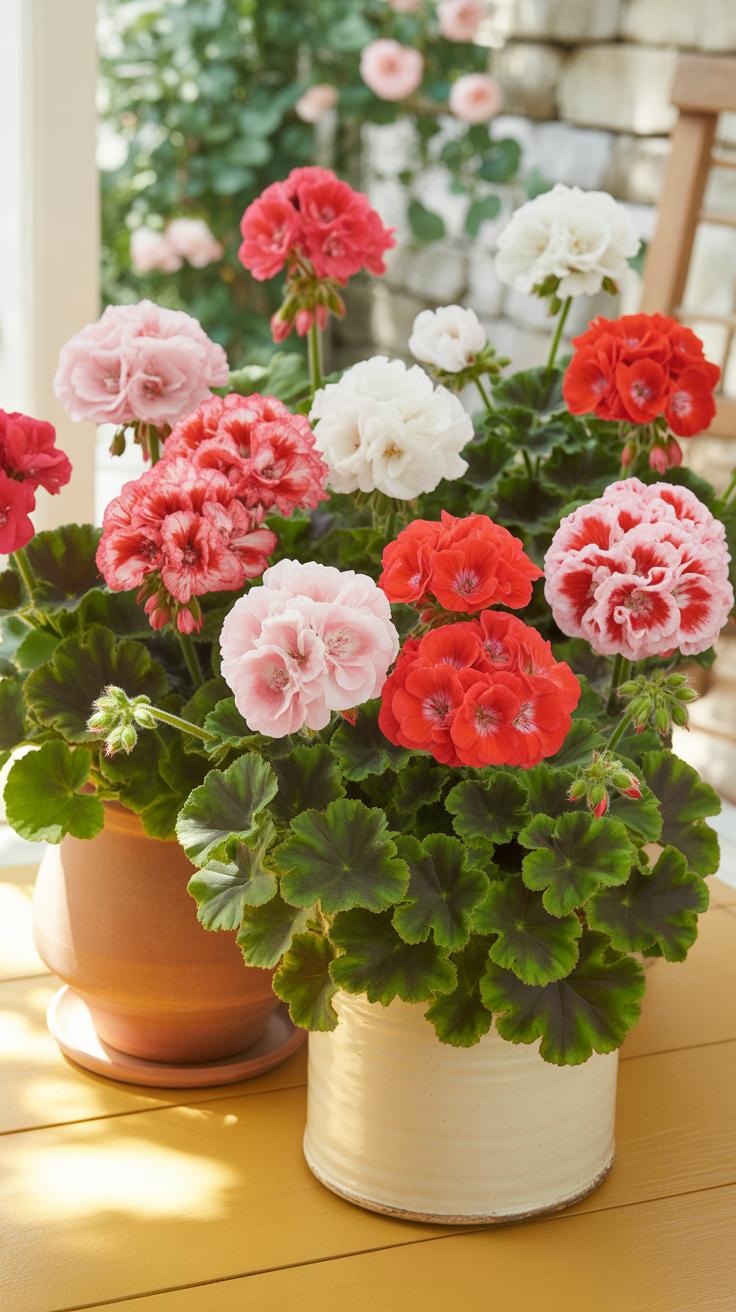
Why Geraniums Remain A Favorite Among Garden Lovers
Pelargoniums, commonly called geraniums, dominate container garden design due to their extreme durability. These plants originated in South Africa and thrive in high heat and dry conditions. They provide long bloom cycles that last from spring until first frost. Designers choose them because they offer reliable structure and saturated colors. Their thick stems and leathery leaves store water efficiently for urban environments.
Geraniums align with formal and Mediterranean design styles. They provide a predictable growth habit that simplifies the planning process for large scale pots. The plant creates a strong focal point without requiring support structures or trellis systems. You can find varieties with scented foliage or variegated leaves to add sensory layers. They resist most common pests and diseases that plague other ornamental container plants.
The glory of gardening: hands in the dirt, head in the sun, heart with nature. To nurture a garden in even the smallest vessel is to feed not just the body, but the soul.
How To Grow And Care For Geraniums In Containers
Successful geranium cultivation starts with light and drainage. These plants require at least six hours of direct sunlight each day to produce blooms. Use a high quality potting mix specifically formulated for drainage to prevent root rot. Large containers work best because they offer stability and space for root expansion. Avoid over-watering by checking the top two inches of soil for dryness.
- Light Exposure: Place containers in south or west facing locations to maximize sun intake. Insufficient light leads to leggy stems and fewer flowers. Full sun ensures the plant maintains a compact and bushy shape throughout the season.
- Watering Schedule: Allow the soil to dry out completely between watering cycles to mimic natural conditions. Saturate the soil until water runs out of the bottom drainage holes. Never let the pots sit in standing water or saucers for long periods.
- Soil Composition: Use a peat based potting medium blended with perlite or coarse sand for aeration. Native garden soil is too heavy and will compact in a container. Good airflow within the soil promotes healthy root respiration and prevents fungal growth.
- Deadheading Technique: Remove spent flower stalks at the base of the stem regularly. This process redirects the energy of the plant back into new bud formation. It keeps the container looking clean and prevents the spread of gray mold.
- Fertilization Strategy: Apply a balanced water soluble fertilizer every two weeks during the peak growing season. Container plants lose nutrients quickly through frequent watering and drainage. High phosphorus formulas support continuous blooming rather than just leaf growth.

Prune your geraniums back by one third if they become sparse or overgrown. This aggressive cut stimulates fresh growth and more flower sites. Monitor the foliage for signs of aphids or spider mites during hot spells. Move pots indoors or to a garage before the first hard freeze if you want to overwinter them. Proper maintenance ensures your container garden design remains vibrant and architecturally sound.
Backyard Garden Design With Containers As A Central Feature
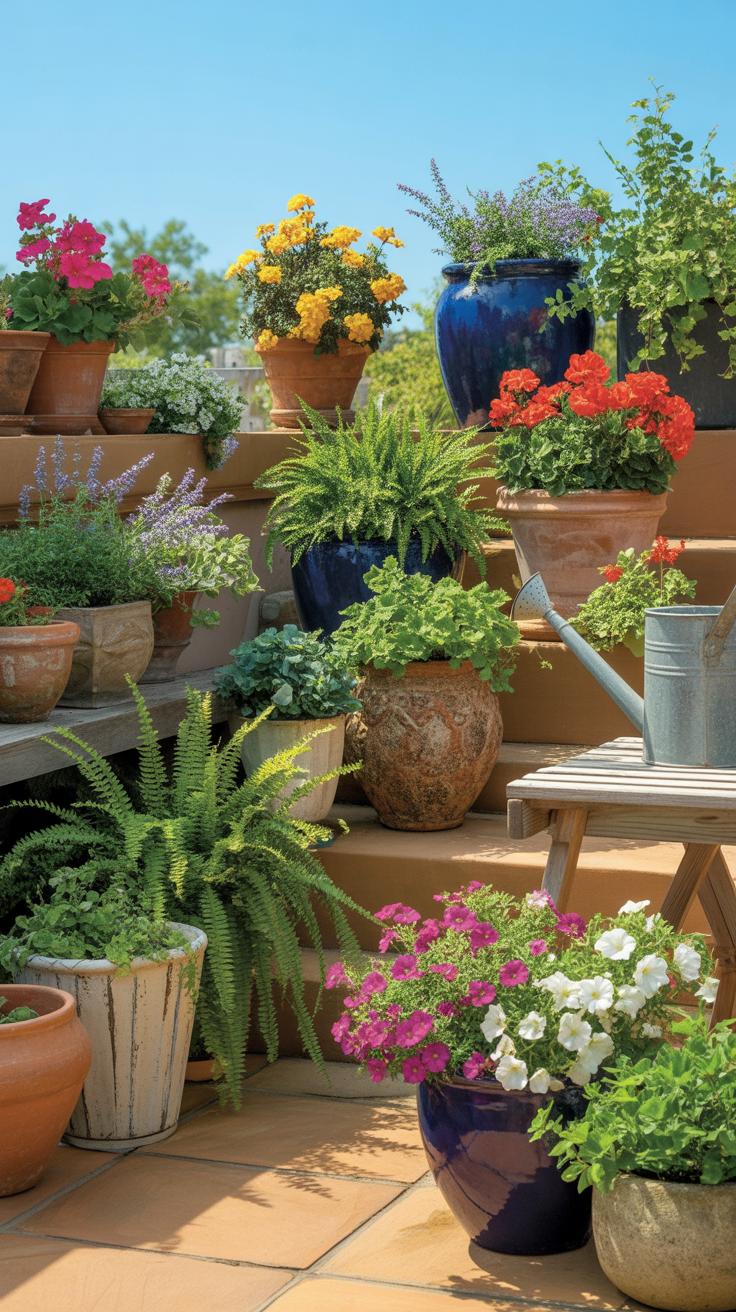
Using Containers To Define Zones In Your Backyard Garden Design
Large containers create instant physical barriers in open backyard spaces. They act as movable walls to separate dining areas from relaxation spots. Use heavy planters like cast stone or glazed ceramic to stop foot traffic effectively. Trough containers work best for long straight lines. They mimic the function of a hedge without the wait time for plant growth and development.
Strategic placement dictates movement through the garden. Line a pathway with matching pots to guide guests toward a specific focal point. This technique mimics the formal Italian Renaissance style where symmetry creates a sense of order. Use scale to your advantage here. Tall vessels create privacy screens while low bowls maintain sightlines across the yard. This control allows you to manage how people experience your outdoor space.
Seasonal Container Strategies For A Year Round Backyard Display
Succession planting ensures your backyard never looks empty or dead. You must swap out cool-season plants like violas for heat-tolerant species as temperatures rise. Rotate pots in and out of the main display area based on their peak performance. Keep a staging area out of sight for plants that are not in bloom. This tactical rotation keeps the central garden feature looking vibrant during every month.
Structural elements maintain visual interest during winter months. Use evergreen shrubs like boxwood or needles like dwarf conifers in heavy frost-resistant pots. These plants provide architectural shape when deciduous plants lose their leaves. Incorporate hardscape materials like colorful glazed pottery to add color when the ground is gray. Solid design relies on these permanent shapes to hold the garden together through the harshest weather conditions.
Essential Care Tips Every Plant Lover Should Know
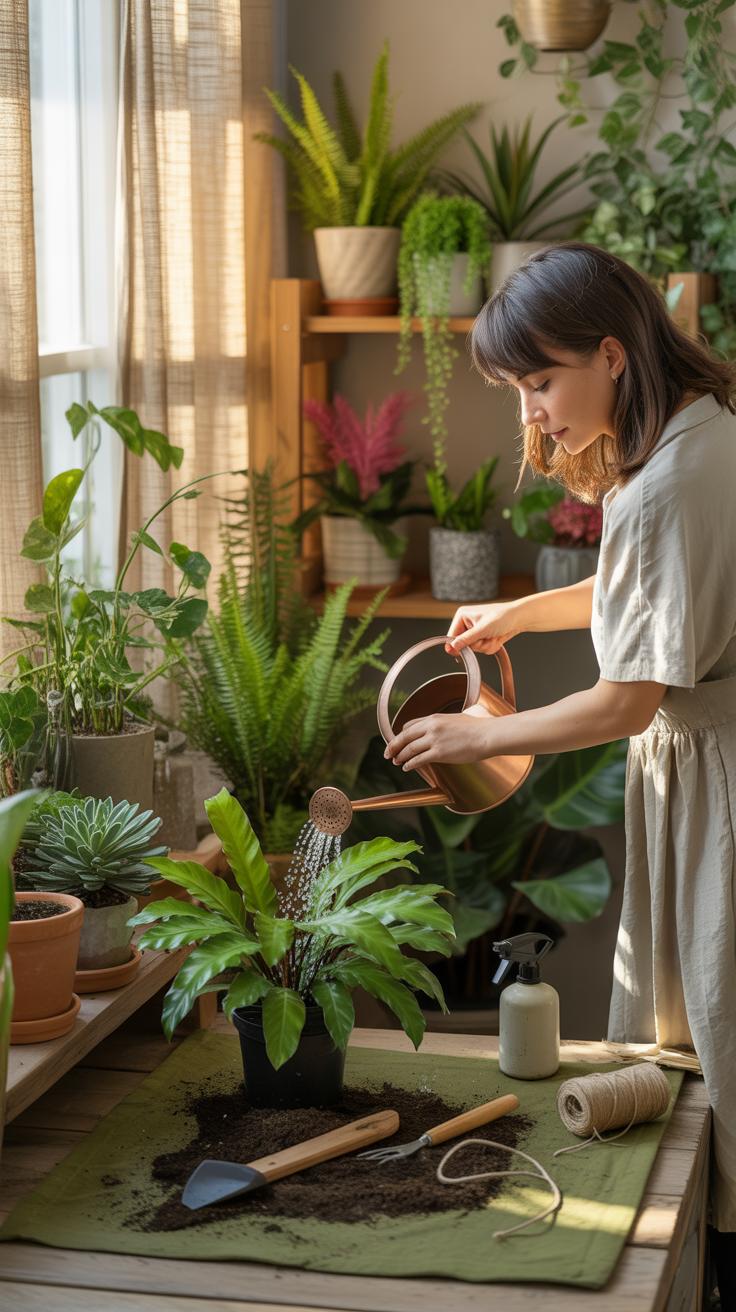
Watering, Feeding, And Soil Mixes For Healthy Container Plants
Container plants rely entirely on the limited resources within their pots. Use a high quality potting mix containing peat moss or coconut coir for moisture retention. Add perlite or vermiculite to ensure proper aeration. Never use standard garden soil in a container. Garden soil is too dense and will suffocate roots by preventing oxygen flow. Proper drainage is the most vital technical requirement.
Watering schedules must adapt to environmental changes. Check the top inch of soil daily. If it feels dry, apply water until it runs out the bottom drainage holes. This flushing action prevents salt buildup. Feeding requires water soluble or slow release fertilizers containing nitrogen, phosphorus, and potassium. Containers lose nutrients quickly through frequent watering. Regular fertilization maintains plant health throughout the peak growing season.
Common Container Gardening Mistakes And How To Avoid Them
The biggest mistake is choosing pots without drainage holes. Water sits at the bottom and causes root rot. Always verify your container has an exit path for excess moisture. Another common error is overcrowding plants in a single vessel. Competition for nutrients and space stunts growth. Research the mature size of every species before planting to ensure there is enough room.
Light exposure is often mismanaged. Plants labeled for full sun need at least six hours of direct light. Moving pots to match shifting sun patterns across the seasons is a tactical necessity. Avoid light colored plastic pots in hot climates as they can overheat the root system. Use clay or wood to provide better thermal insulation. Proper maintenance prevents pests and disease from taking hold quickly.
Creative Container Garden Design Ideas For Every Garden Lover
Upcycled And Unconventional Containers That Add Character
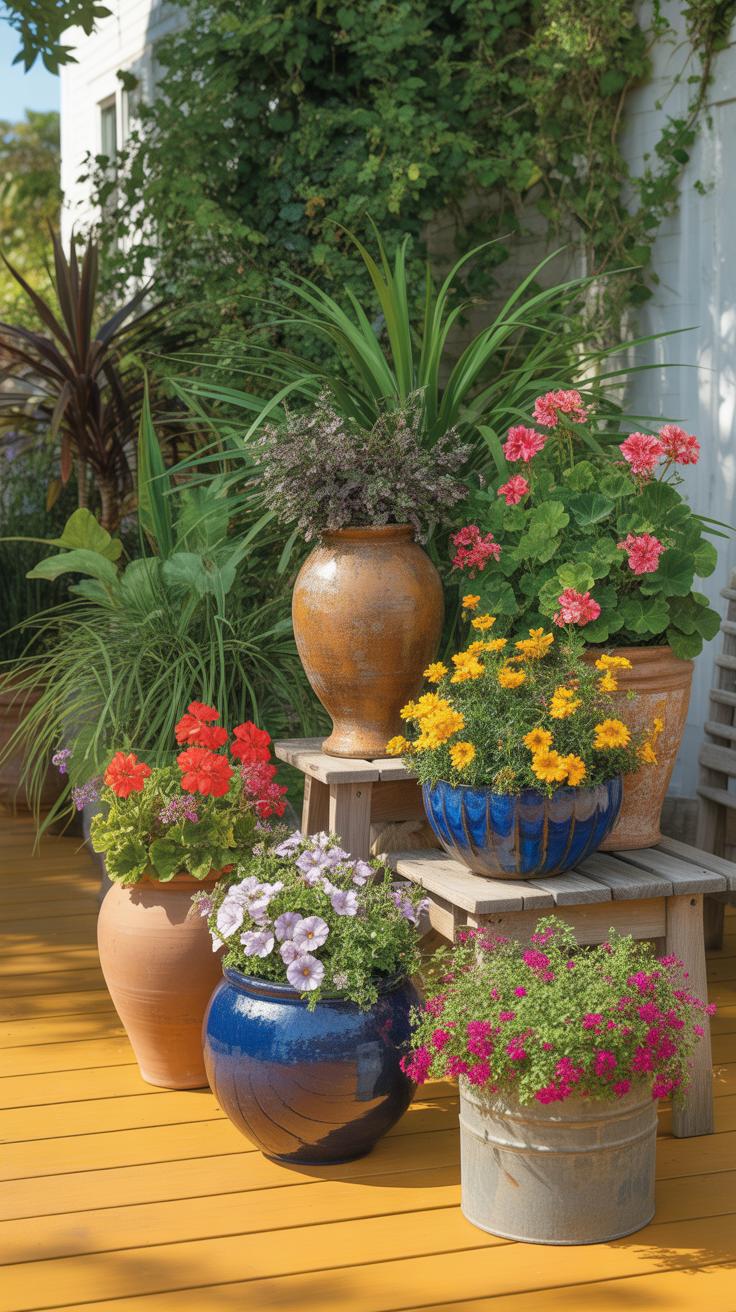
Upcycling materials into planters turns industrial waste into functional tools. Metal stock tanks offer high volume and durability for deep rooted plants. Wooden crates provide excellent drainage but require liners to prevent rot. Use found objects like galvanized buckets or concrete blocks to control costs. Ensure every vessel has drainage holes to prevent root rot. Proper preparation ensures these items last for several growing seasons.
Industrial and salvage design movements prove that utility creates beauty. Select materials that withstand constant moisture and UV exposure. Avoid treated wood containing arsenic or lead based paints for edible crops. Use thick plastic liners for porous materials like terracotta or wood to retain moisture. Drill holes using a masonry bit for stone or a metal bit for steel. Strategic material choices ensure the container supports plant health.
Designing Container Groupings That Create A Cohesive Garden Story
Group containers using the rule of three to create visual balance. Place the tallest pot in the back to establish a structural anchor. Use odd numbers because they appear more natural to the human eye. Vary the heights of your vessels to move the gaze through the space. Consistently use one specific material or color to tie different plant species together. This strategy creates a unified look.
Tactical placement improves the microclimate for your plants. Grouping pots together increases local humidity and reduces water loss from evaporation. Use risers or pot feet to ensure airflow and drainage beneath the heavy vessels. Arrange plants with similar light and water requirements in the same cluster. This simplifies your maintenance routine and keeps the plants healthy. Position your strongest focal points at eye level for maximum impact.
Frequently Asked Questions

What are the basic principles of container garden design for beginners?
Effective container garden design often follows the “thriller, filler, spiller” formula. Start with a bold focal point (the thriller), surround it with mounded plants to add volume (the filler), and finish with trailing varieties that drape over the edges (the spiller). By combining these three elements, you can create a professional-looking, multi-dimensional arrangement that provides visual interest and texture to any small patio, balcony, or entryway.
How do I choose the right pots and potting soil for my layout?
Selection is critical for success. Always choose containers with drainage holes to prevent root rot and match the pot size to the plant’s mature growth. For your container garden design, avoid using standard garden soil, which is too heavy and compacts easily. Instead, use a high-quality potting mix formulated with perlite or peat moss to ensure proper aeration and moisture retention, allowing roots to thrive in confined environments.
Is it possible to create a beautiful container garden on a tight budget?
Absolutely! You can achieve stunning results by upcycling household items like old wooden crates, galvanized buckets, or ceramic bowls as unique planters. To keep costs low, focused on perennial plants that return each year or start your display from seeds rather than expensive nursery starts. Strategic placement and creative grouping of mismatched pots can produce a high-end look without a significant financial investment in premium designer materials.