
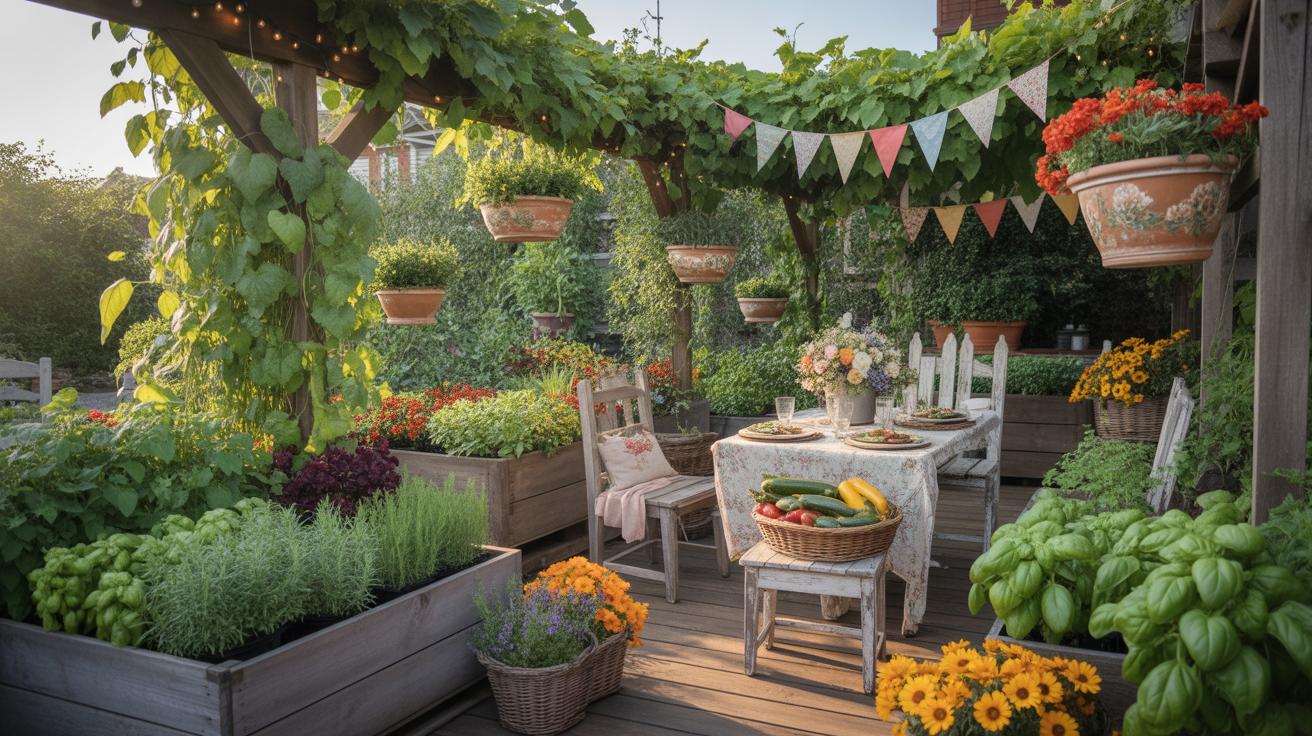
What Is A Kitchen Garden And Why It Elevates Special Occasions
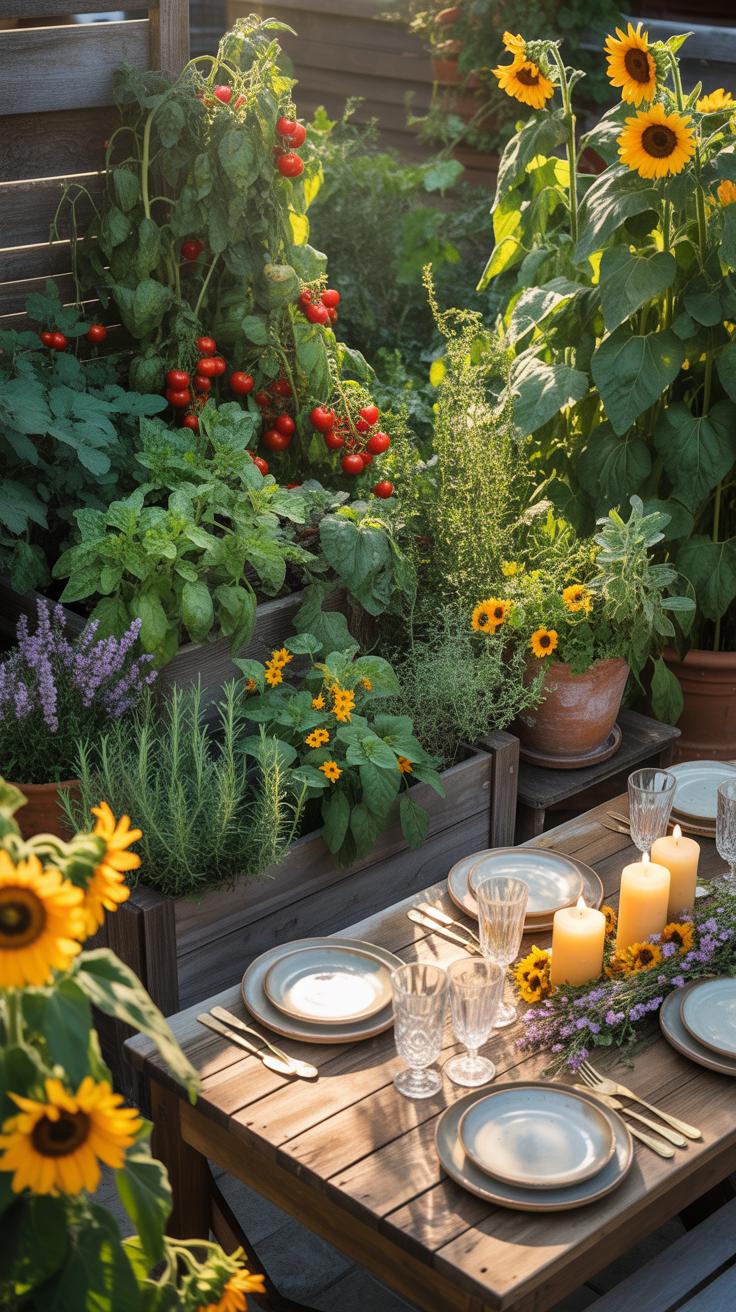
The History And Purpose Of A Kitchen Garden
A kitchen garden or potager is a functional space separate from the main lawn. Historically, these gardens date back to the medieval era and the French Renaissance. They provide immediate access to herbs, vegetables, and fruits for cooking. Unlike a standard farm, the kitchen garden integrates aesthetic beauty with utility. Homeowners place them close to the house to keep ingredients within reach for daily preparation.
Designers utilize geometric layouts and permanent structures like stone walls or raised beds. This organization ensures the space remains productive and organized throughout the year. The primary goal is nutritional self-sufficiency and efficiency. By growing food on a small scale, you control the soil quality and harvest time. This historical approach focuses on high yield and visual order to benefit the household and the chef.
How A Kitchen Garden Adds Freshness And Meaning To Celebrations
A kitchen garden provides superior ingredients that commercial markets cannot match. Serving food harvested minutes before a meal enhances the sensory experience for guests. Fresh herbs and edible flowers provide natural garnishes and intense aromas. This proximity eliminates the carbon footprint and quality loss of shipping produce. Using your site for ingredients shows a high level of care for guest health and culinary standards.
The garden serves as a living backdrop for hosting events. Guests see the origin of their meal, which creates a deeper connection to the food. This transparency builds trust and acts as a conversation starter. You can theme celebrations around specific seasonal harvests like heirloom tomatoes or winter greens. Planning your planting schedule around these events ensures a custom supply of menu items. This strategy provides a unique and authentic atmosphere.

Easy Kitchen Garden Ideas To Get Started Before Your Next Event
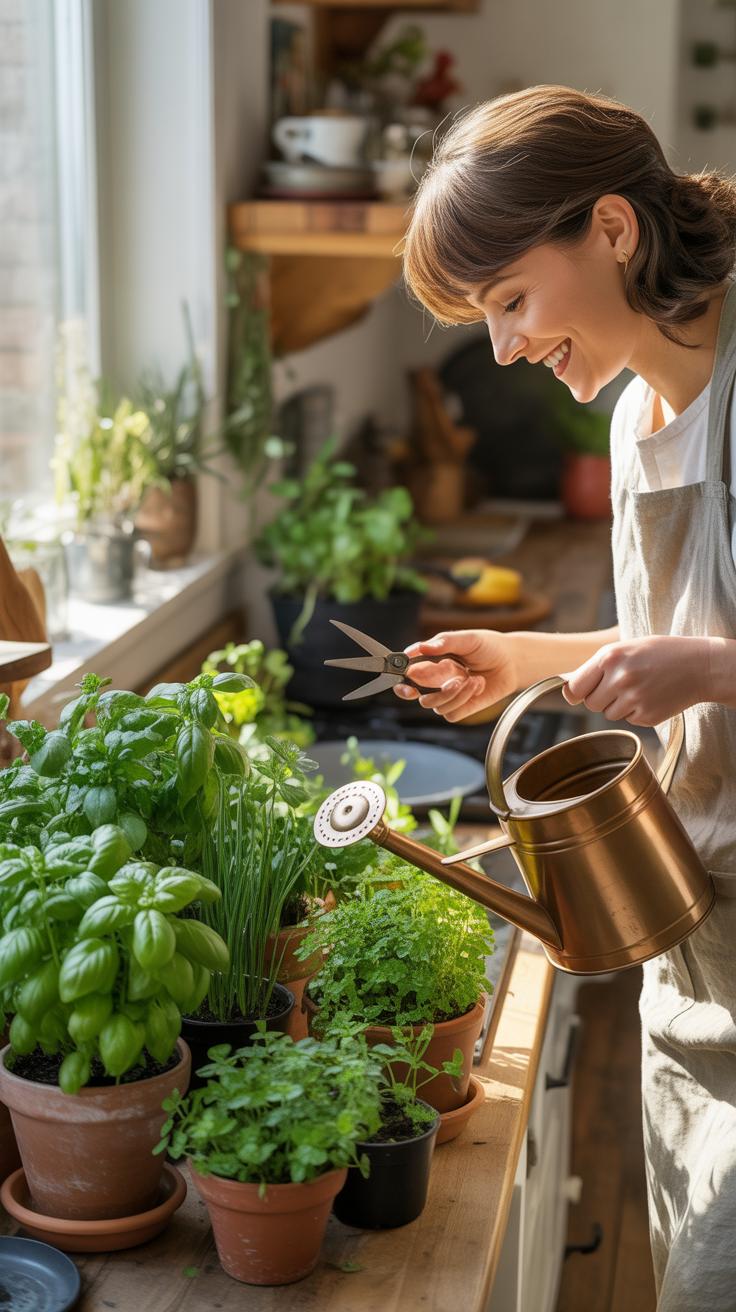
Beginner Friendly Plants That Thrive Quickly For Event Readiness
Select fast growing leafy greens and radishes to meet tight deadlines. Radishes often reach maturity in twenty five days. Loose leaf lettuce and arugula provide harvestable bulk within four weeks. Microgreens deliver usable garnishes in ten days when grown in shallow trays. These choices ensure your kitchen garden design produces visible results before your guests arrive. Focus on these varieties to guarantee success.
Prioritize nursery starts over seeds if the event is less than thirty days away. Established seedlings provide an immediate visual impact and reduce the risk of germination failure. Herbs like mint and basil grow rapidly in warm conditions. They offer high sensory value through scent and color. Use these reliable plants to fill gaps in your borders. Targeted planting ensures the garden looks full and mature.
Simple Setup Strategies That Deliver Big Results With Minimal Effort
Utilize large containers to establish an instant kitchen garden design. Pots allow for precise soil control and drainage management. Grouping containers creates a dense focal point that draws the eye. Use organic potting mix to provide immediate nutrients to your plants. This strategy avoids the labor of tilling compacted ground soil. It allows you to move the garden for optimal light.

Incorporate vertical structures like trellises or obelisks to maximize visual space. Climbing plants grow upward to create a green wall effect quickly. This technique adds architectural depth to small areas without requiring large footprints. Cedar and metal are durable material choices for these frames. Position these elements near the dining area for maximum impact. Vertical growth makes the garden look larger and more professional for guests.
Small Kitchen Garden Ideas For Compact Spaces With Big Impact
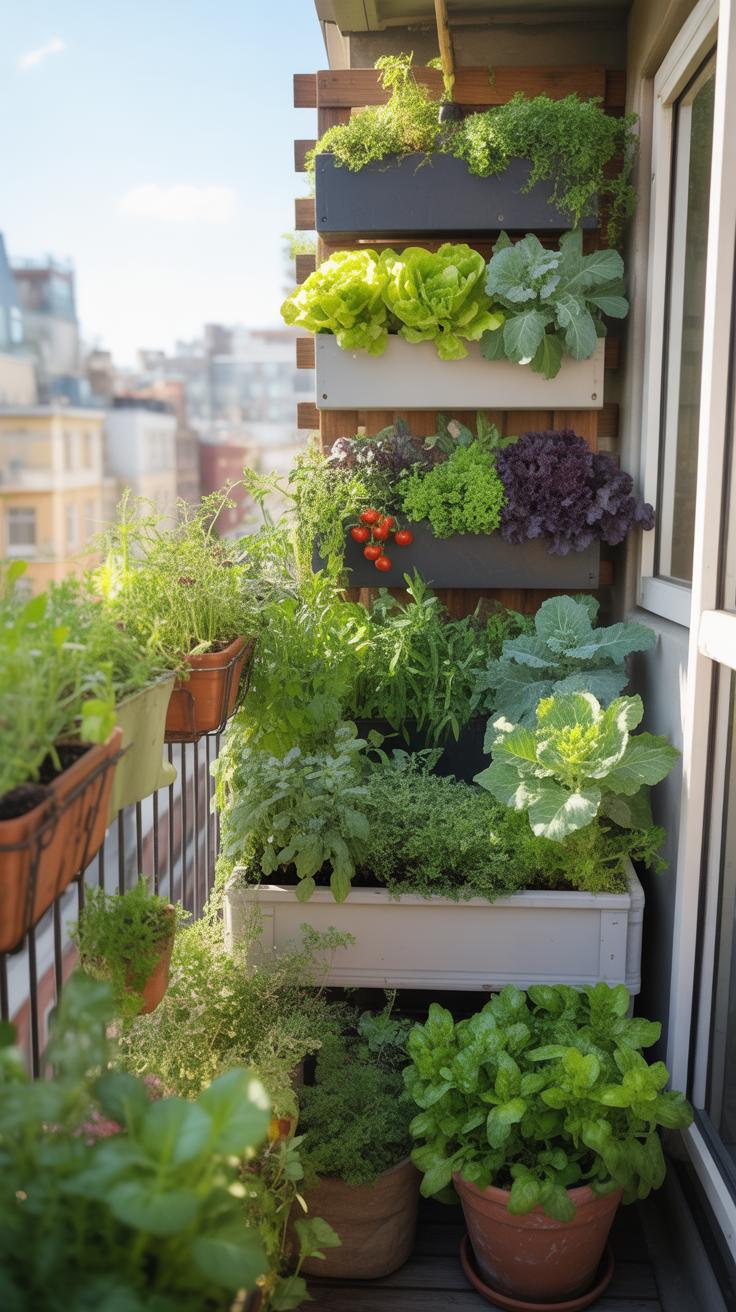
Maximizing Vertical Space With Raised Beds And Tiered Planters
Vertical growth increases yield per square foot. Use cedar or galvanized steel for raised beds to ensure durability. Position taller structures at the north end of the garden. This prevents shadows from falling on smaller plants. Tiered systems allow for distinct drainage zones. Group plants with similar water needs on the same levels. This strategic layering optimizes resources in a small kitchen garden design footprint.
Training climbers on trellises saves ground space. Use cattle panels or A-frame supports for heavy crops like squash and cucumbers. Structural height adds visual depth to small areas. Secure these frames directly into the raised bed corners for maximum stability. Proper air circulation reduces fungal disease in dense plantings. Prune bottom leaves to encourage upward growth. Verticality turns a narrow walkway into a high production food zone.
Container Gardening Techniques That Work In Patios And Balconies
Select containers based on root depth requirements. Greens and herbs need only six inches of soil. Root crops like carrots require at least twelve inches. Use high quality potting mix instead of garden soil. This ensures proper aeration and prevents compaction in closed systems. Drill drainage holes if they are missing. Controlled environments allow for precise nutrient management via liquid fertilizers or compost tea applications.
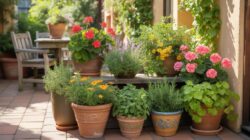
Place heavy pots on wheeled dollies to track sunlight shifts. Most vegetables need six to eight hours of direct light daily. Grouping pots creates a humid microclimate that reduces water evaporation. Use drip irrigation lines to automate watering schedules. This prevents the boom and bust cycle of hand watering. Focus on dwarf or patio varieties bred for limited space. Strategic placement ensures a high harvest from a minimal footprint.
Planning A Kitchen Garden Around Seasonal Occasions And Harvests
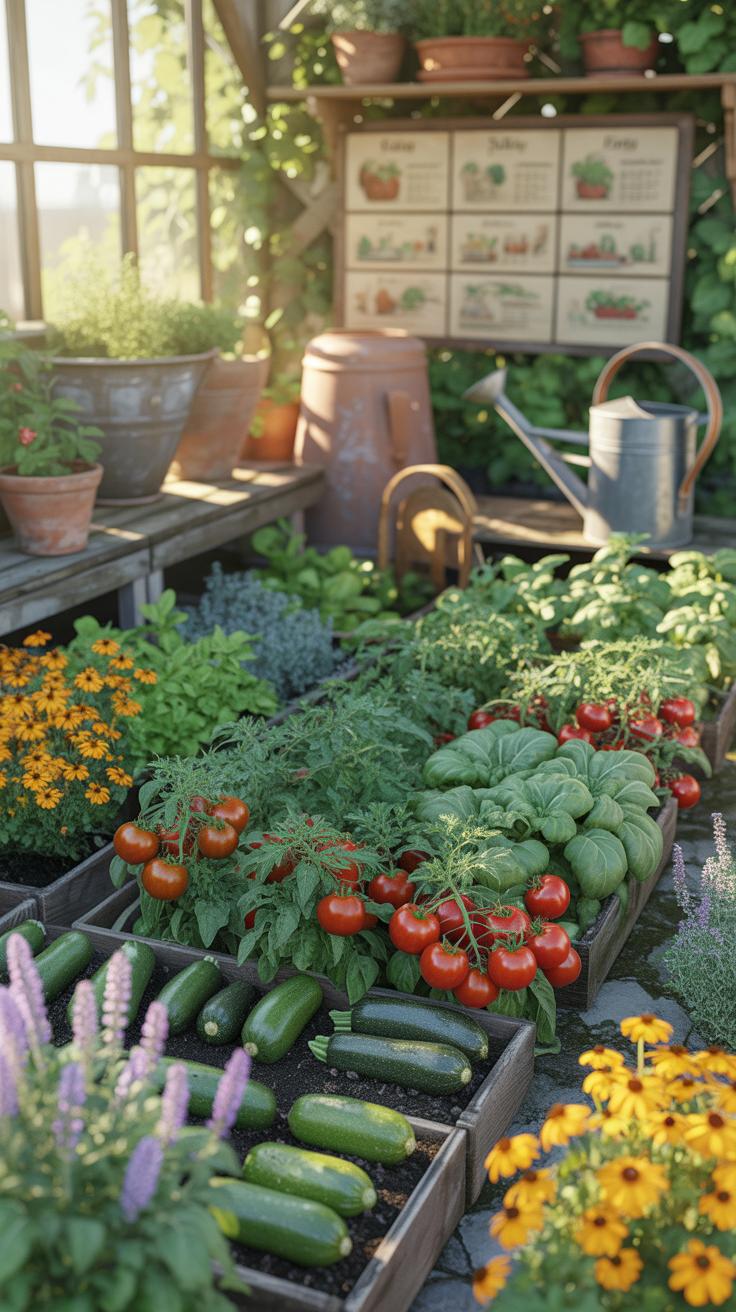
How To Map Your Planting Calendar Around Key Celebration Dates
Successful kitchen garden design requires backwards mapping from your event date. Identify the specific day you need the harvest. Locate the average frost dates for your local hardiness zone. Subtract the days to maturity listed on your seed packets from your event date. Add a fourteen day buffer for weather fluctuations. This tactical timeline ensures your crops peak exactly when guests arrive.
- Maturity Windows: Different cultivars have specific growth durations. Choose early maturing varieties for spring events. Use late season crops for autumn holidays. This precision prevents harvesting immature produce or dealing with overripe rot.
- Staggered Sowing: Plant seeds in intervals rather than all at once. This technique provides a continuous supply of fresh ingredients. It mitigates the risk of a single crop failure ruining your entire celebration menu.
- Soil Temperature Tracking: Use a soil thermometer to determine planting windows accurately. Seeds sown in cold soil germinate slowly or rot. Matching your planting schedule to actual soil conditions speeds up the growth cycle for your event.
- Hardiness Zone Data: Reference your specific regional climate data. Historical first and last frost dates dictate what you can grow outdoors. Aligning your celebration dates with these natural windows reduces the need for expensive climate control.
- Succession Planting Patterns: Replace harvested crops immediately with fast growing greens. This keeps the garden looking full and productive for multiple events. It maximizes the utility of limited square footage in small kitchen garden designs.
Account for light levels changing throughout the seasons. Sun angles shift and day length decreases in late summer. This slows down plant growth significantly. You must adjust your harvest expectations for November events compared to June celebrations. Use cold frames or row covers to extend the harvest window if your event falls after the first frost date.
Choosing The Right Crops To Mature In Time For Seasonal Events
Select varieties based on their proven performance and growth habits. For spring weddings or luncheons, focus on cool season crops like radishes and peas. These plants thrive in lower temperatures and reach maturity quickly. For summer parties, prioritize high yield vegetables like cherry tomatoes and basil. These items provide high visual impact and culinary utility during the hottest months of the year.

Match your crop selection to the specific scale of your gathering. Large events require high volume producers that take up minimal space. Herbs like rosemary and thyme offer year round structure and flavor. Root vegetables provide a stable harvest window for winter holidays. These choices ensure the garden remains functional and attractive. Strategic variety selection eliminates the gap between your design goals and your actual harvest.
Kitchen Garden Layout Ideas That Are Both Functional And Beautiful
Classic Formal Layouts With Symmetrical Beds And Clear Pathways
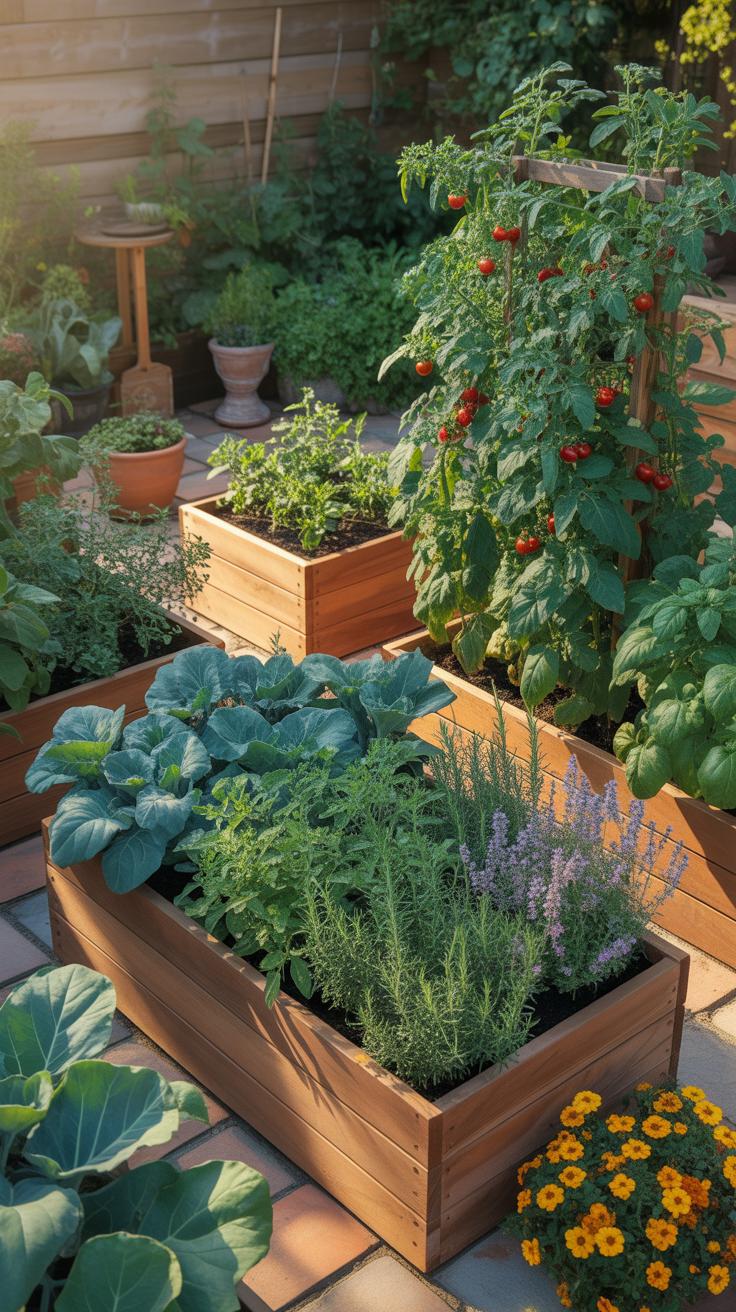
Formal kitchen garden design relies on geometry and structure. The Potager style from 17th-century France uses central axes to divide the space into equal quadrants. This layout makes crop rotation simple because each bed holds a specific plant family. Hardscaped paths made of brick or crushed stone provide stable footing for heavy harvests. These fixed borders prevent soil compaction by keeping foot traffic away from root zones.
Symmetry serves a tactical purpose beyond appearance. It allows for precise irrigation and uniform sunlight exposure across the growing area. Use permanent boxwood hedging or wooden frames to define the edges. This structural framework holds the garden together during winter months when annual crops vanish. A central focal point like a sundial or fountain acts as a navigational marker. This layout works best for flat sites with ample open space.
Informal And Organic Layout Styles That Encourage Natural Growth
Informal layouts ditch straight lines for curves and fluid shapes. These designs often follow the natural contours of the land to manage water runoff. Permaculture principles guide this approach by placing plants in beneficial guilds rather than isolated rows. You mix herbs, flowers, and vegetables to confuse pests and improve soil health. This style mimics a natural ecosystem to reduce the need for external fertilizers or chemical interventions.

High density planting maximizes every square inch of available soil. You use soft edges and woodchip paths that can be moved as the garden expands. This flexibility allows you to adapt to changing light patterns or drainage issues over time. Intercropping fast growing greens between slower maturing plants prevents weeds from establishing. The organic layout requires less initial infrastructure but more consistent observation to ensure the diverse plant species do not compete.
Kitchen Garden Design Principles That Make Celebrations Come Alive
Using Color, Texture, And Edible Flowers To Enhance Visual Appeal
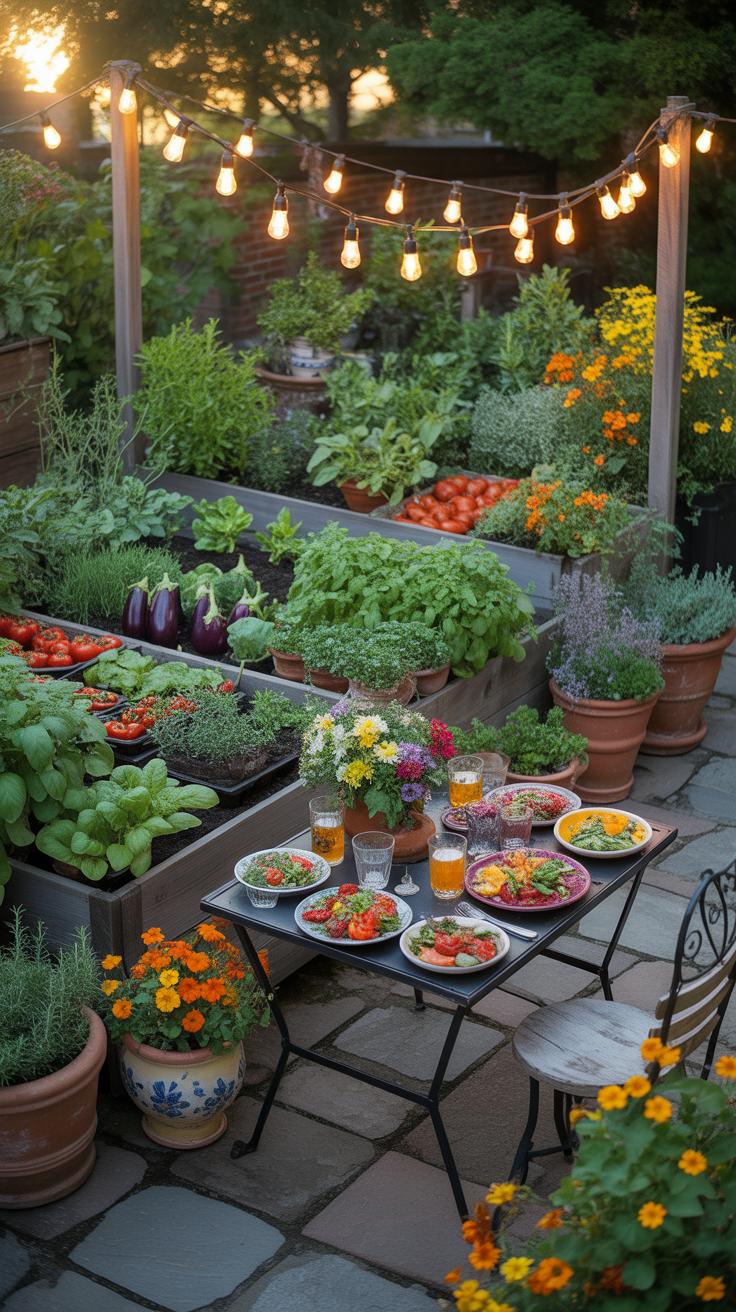
Designers use planting layers to build visual depth for events. Monochromatic palettes create a formal feel popular in French parterre gardens. Use purple kale and dark opal basil to ground the space. Bright edible flowers like nasturtiums and pansies provide pops of color. Contrast fine textured carrot ferns against broad rhubarb leaves. This variety transforms a food source into a decorative backdrop for guests.
Select plants based on their peak bloom during the event month. Marigolds and calendula offer high visibility and survive heavy summer heat. Place these at the ends of raised beds to define the garden borders. Strategic color placement guides the eye through the layout. Repeat specific colors to create a sense of order and professional intent. This method ensures the garden looks curated rather than random.
A garden is a grand canvas where the earth’s bounty meets the artistry of celebration, turning every harvest into a masterpiece for the table. To plant a creative kitchen garden is to weave a tapestry of flavors and memories that will grace your most cherished gatherings.
Integrating Herbs, Vegetables, And Aromatics For A Sensory Experience
Aromatics drive the guest experience through scent and interaction. Plant lemon verbena and mint along walkways where brushing against leaves releases oils. This creates a natural fragrance wall without synthetic sprays. Proximity to seating areas allows visitors to smell the garden while they talk. Focus on high impact herbs like rosemary and sage for their strong woody scent. These plants also provide structure throughout the year.

Tactile elements encourage guests to engage with the environment. Use soft lamb’s ear or feathery dill to invite touch. Ensure paths are wide enough for two people to walk comfortably. This design choice prevents damage to the plants during social gatherings. Keep harvest ready vegetables at eye level for visual interest. Seeing ripe produce creates a connection between the soil and the plate. This makes the celebration feel more grounded.
Cottage Kitchen Garden Style For Rustic And Intimate Gatherings
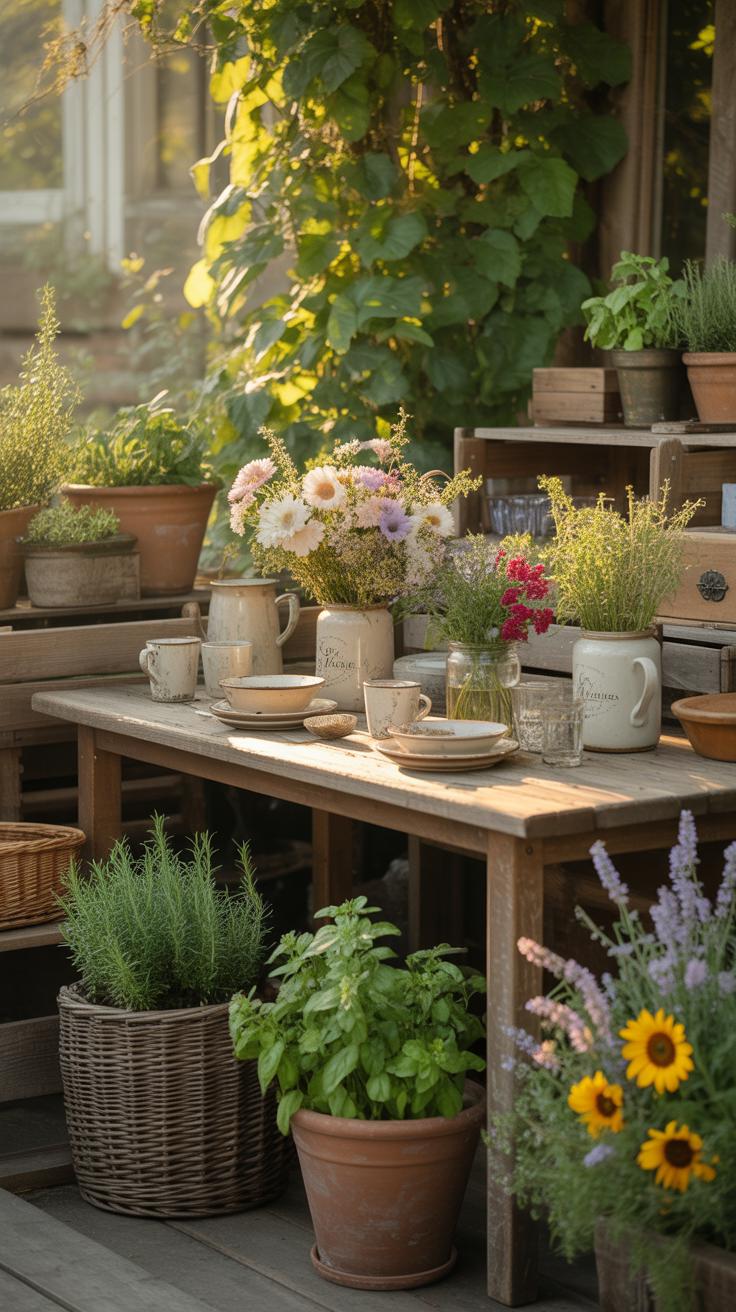
Defining The Cottage Garden Aesthetic And Its Charm For Occasions
The cottage kitchen garden design prioritizes function and dense planting. This style originated from laborers who needed to maximize small plots for food and medicine. The layout ignores formal geometry in favor of packed beds. This creates a closed environment. Close spacing suppresses weeds and retains soil moisture. For events, this density provides natural privacy and a backdrop that feels lived in.
Tactically, the cottage style relies on the mixing of crops. You blur the lines between edible and ornamental plants. This approach creates a relaxed atmosphere for guests. The lack of rigid lines makes a space feel approachable rather than stiff. You use every square inch of soil to produce biomass. This layout works best for small gatherings because it feels full and established.
Plants And Features That Bring The Cottage Kitchen Garden To Life
Standard cottage designs use specific materials and plant varieties to achieve a functional look. You must select hardy perennials and self-seeding annuals to maintain the desired density. Structures like wattle fencing or timber obelisks provide necessary vertical support for climbing legumes and vines. These features add height to the garden without requiring expensive masonry. Focus on traditional materials like brick, gravel, and reclaimed wood.
- Heritage Fruit Trees: Plant dwarf varieties of apple or pear trees to provide structure. These trees offer shade for seating areas and produce edible crops. Their gnarled branches give the garden an established and historical feel during outdoor events.
- Self Seeding Herbs: Use borage, calendula, and dill to fill gaps between larger plants. These herbs spread naturally and attract pollinators. They provide edible flowers for garnishing food and drinks served during your intimate gatherings.
- Vertical Trellising: Install cedar or willow teepees for climbing peas and beans. Vertical growth maximizes yields in small footprints. These structures create visual interest and break up the horizontal plane of the garden beds for guests.
- Natural Stone Edging: Use local fieldstone or reclaimed bricks to define path boundaries. Low borders keep gravel or mulch in place. This prevents soil compaction in the growing areas while giving visitors a clear place to walk and stand.
- Companion Planting: Group roses with garlic or chives to deter pests naturally. This technique eliminates the need for harsh chemicals in a dining space. It ensures the environment remains safe and pleasant for guests sitting near the vegetation.

Effective cottage kitchen garden design uses high-density planting to reduce maintenance over time. You should prioritize heirloom varieties that offer unique textures and colors. This diversity ensures the garden remains productive and visually interesting throughout the growing season. Use organic mulches like straw or shredded bark to regulate soil temperature. Proper planning ensures the garden remains a functional workspace that also serves as a premium hosting venue.
Brick Outdoor Kitchen And Brick Kitchen Outdoor Designs For Entertaining
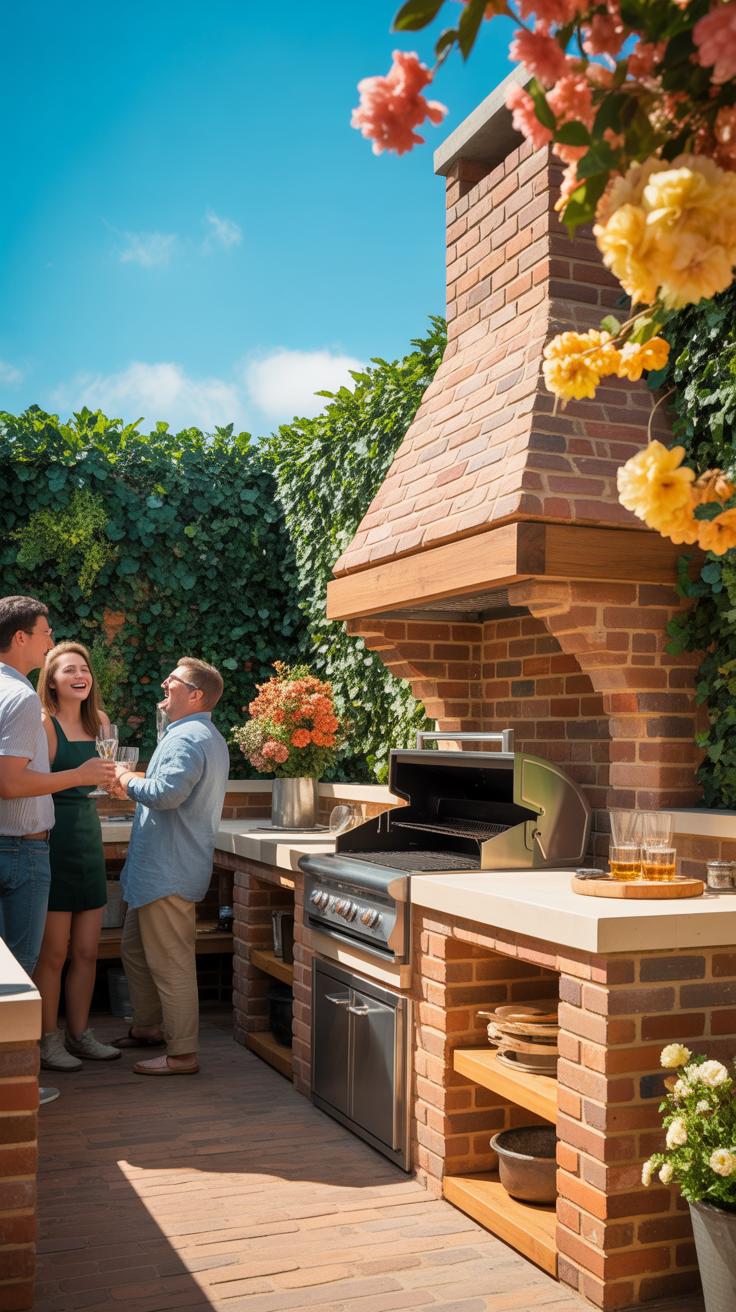
Why A Brick Outdoor Kitchen Is A Timeless Addition To Your Garden Space
Brick offers superior thermal mass and structural integrity for outdoor cooking. This material withstands extreme temperature shifts without cracking as wood or cheap stone might. Builders have used clay bricks for centuries because they resist fire and rot. Professional designers choose brick for permanent installations. It provides a stable base for heavy pizza ovens and commercial grade grills used during large social gatherings.
A brick installation increases property value through longevity. Unlike metal modular kits, masonry becomes a permanent part of the landscape architecture. It mirrors classic English and colonial garden styles. Brick requires minimal maintenance over decades. You only need to repoint the mortar every twenty years. This durability makes it the most cost effective choice for homeowners who want an entertaining space that lasts for generations.
How To Pair A Brick Kitchen Outdoor Setup With Your Kitchen Garden Layout
Position the brick kitchen near your herb beds for maximum efficiency. High traffic zones require wide paths between the cooking island and the planting rows. Use matched brick pavers for the flooring to create a unified design. This move connects the prep area directly to the production zone. Proximity matters when you need fresh ingredients during live cooking events. It reduces the time spent moving across the yard.

Maintain a clear physical boundary between the masonry and the soil. High heat from grills can dry out adjacent plants. Build raised brick planters to bridge the gap between the kitchen and the garden beds. This creates a cohesive visual flow. It also keeps pests away from the food prep surfaces. Proper drainage is essential where the hardscape meets the dirt. Use gravel transitions to prevent water from pooling near the brick foundations.
Frequently Asked Questions

How can I start a kitchen garden if I’ve never grown plants before?
Beginning your journey is easier than you think. Start by selecting a sunny spot near your back door or on a windowsill. Focus on resilient, versatile herbs like mint, basil, and rosemary that look beautiful and smell wonderful. By choosing a simple kitchen garden design with sturdy containers, you can create a lush, edible backdrop that adds a fresh, living element to your home just in time for your next gathering.
How do I arrange my plants to create a decorative look for an event?
To elevate your space for a special occasion, use the “thriller, filler, spiller” method within your kitchen garden design. Place a tall, structural plant like lemongrass in the center, surround it with colorful kale or chard, and allow trailing nasturtiums to spill over the edges. This layered approach creates a sophisticated, lush aesthetic that functions as both a gourmet resource for your menu and a stunning focal point for your guests.
Can I design a festive kitchen garden on a tight budget?
Absolutely! You don’t need expensive raised beds to make an impact. Repurpose vintage crates, galvanized buckets, or terracotta pots found at thrift stores to add character. Growing from seeds rather than mature nursery plants saves significant money while allowing you to choose unique, heirloom varieties. Incorporating string lights or simple ribbon accents can instantly transform your affordable herb collection into a celebratory display that feels high-end and intentional.