
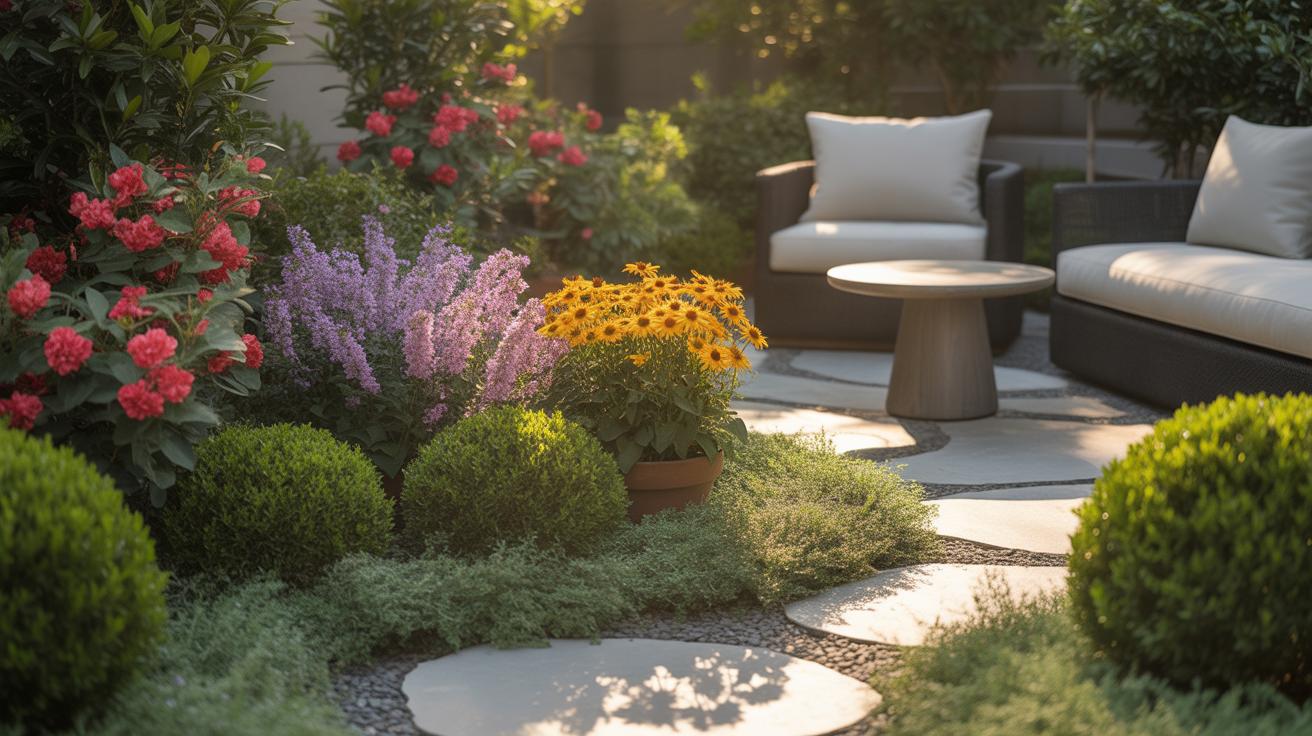
Understanding The Principles Of Small Gardens Ideas Design
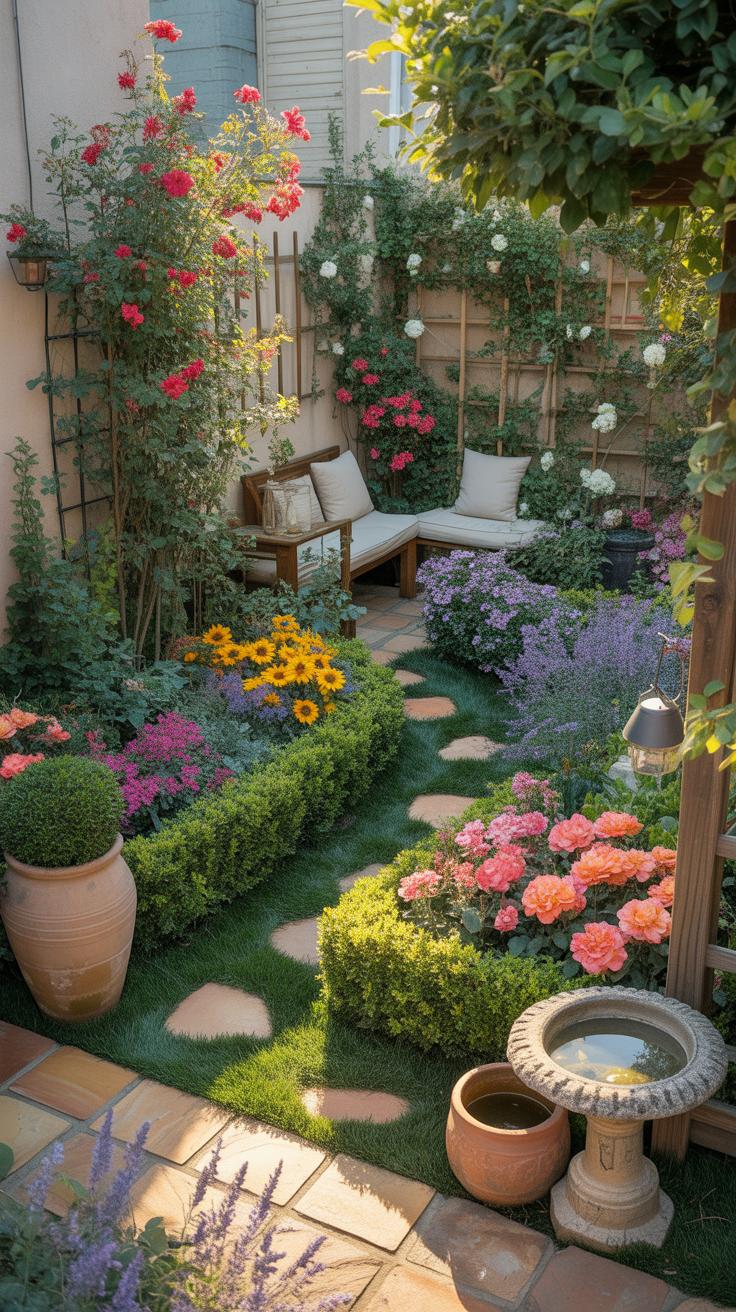
Why Scale And Proportion Matter In A Compact Garden
Scale dictates how objects relate to the total available area. In small garden design, oversized furniture or large leaf plants overwhelm the site. This makes the space feel smaller than its actual footprint. You must match the size of your elements to the perimeter of the plot. Use mid-sized features to ground the eye without blocking visual lines or physical movement across the landscape.
Proportion focuses on the relationship between different design elements. A large paved area paired with tiny planting beds creates a visual imbalance. Architects use the Golden Ratio to ensure hardware and greenery feel unified. Balance your hardscaping with softscaping to maintain a natural look. Proper proportion ensures that no single feature dominates the view. This creates a cohesive environment that feels intentional rather than cluttered.
How To Define Zones And Create A Sense Of Flow In Limited Space
Zoning breaks a small plot into functional rooms. Use different floor materials to signal a change in purpose. Transitioning from stone pavers to wooden decking tells the brain a new area has started. Low walls or planter boxes act as dividers without blocking the view. This technique makes the garden feel larger by forcing the eye to move through multiple distinct sections.
Flow determines how quickly people move through the space. Straight paths draw the eye directly to the boundary and highlight small dimensions. Meandering paths or diagonal layouts trick the mind into perceiving more depth. Position focal points at the end of these paths to provide a sense of destination. This strategic movement keeps the space from feeling cramped. It turns a simple backyard into a complex and usable landscape.
Choosing The Right Layout With Small Gardens Design Principles
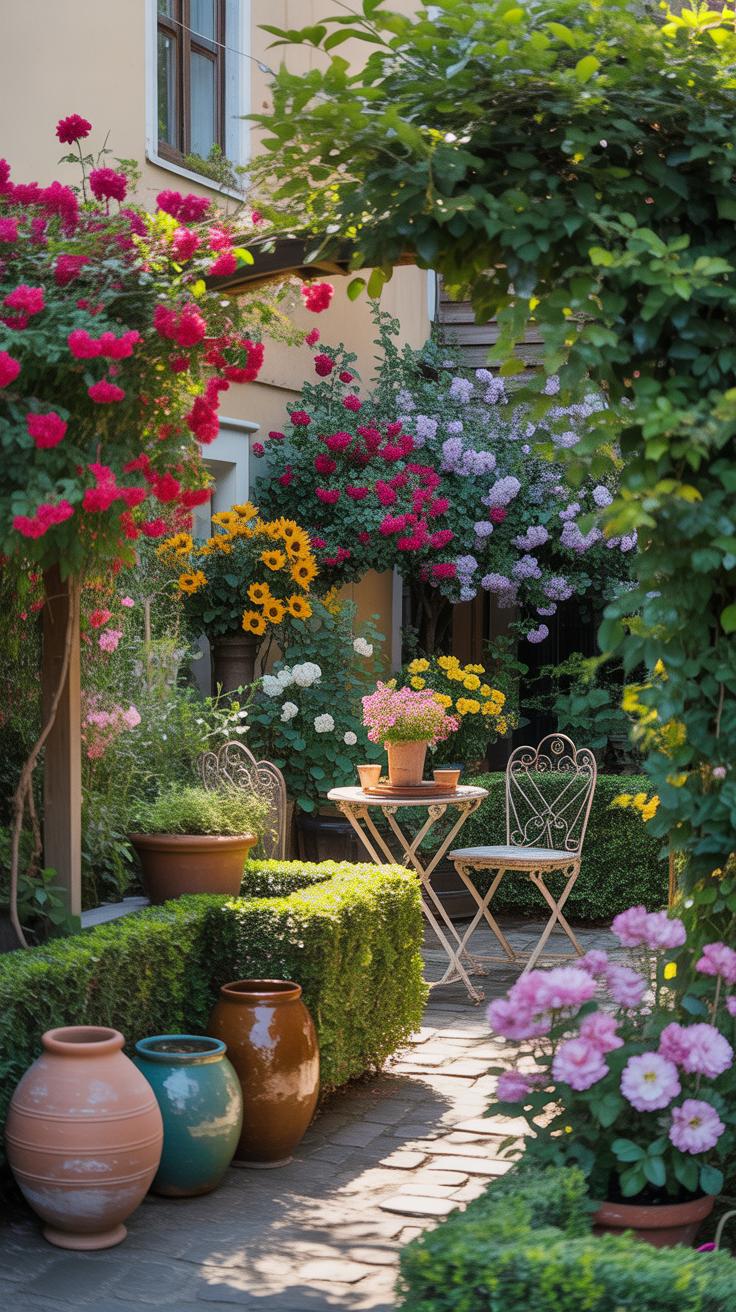
Formal Vs. Informal Garden Layouts: Which Works Best For Small Spaces
Formal layouts rely on axial symmetry and geometric precision. This style dates back to French and Italian Renaissance traditions. In small footprints, a formal structure creates an immediate sense of order. You use straight lines and clipped hedges to define boundaries clearly. This prevents the space from looking cluttered or neglected. Symmetry allows the eye to process the entire area quickly and efficiently.
Informal layouts use asymmetrical balance and organic shapes. This approach stems from the English Landscape Movement. It works well if you want to soften hard boundaries with dense planting. However, informal designs require careful management to avoid a cramped feeling. You must use distinct layers to create depth. A central lawn or patio acts as a necessary anchor for the surrounding loose textures and varied heights.
Using Diagonal And Curved Lines To Make A Garden Feel Larger
Diagonal lines trick the eye by extending the longest possible sightline across the plot. When you set paving or decking at a 45 degree angle to the house, the boundary feels further away. This tactical shift breaks the boxy constraints of a standard rectangular lot. Designers use this method to divert attention from narrow widths. It forces the viewer to look across the space rather than just into it.

Circular and curved lines create a sense of movement in tight quarters. A circular central lawn or patio pushes the planting beds into the corners. This hides the actual perimeter of the garden and creates a feeling of mystery. Large sweeping curves prevent the eye from stopping at the walls. These shapes provide a clear path for travel. They make a compact area feel like a series of distinct and expansive zones.
Going Up The Power Of Vertical Planting In Small Gardens
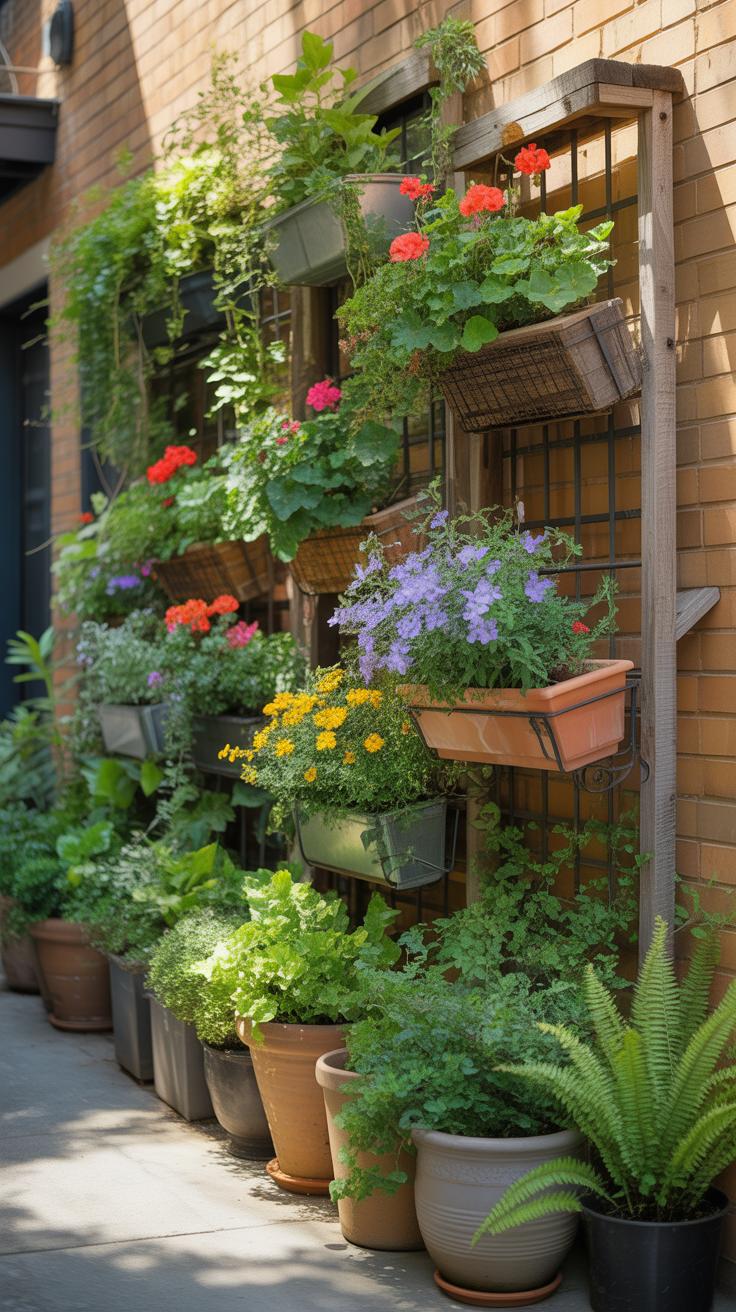
Trellises, Climbing Plants, And Living Walls That Maximize Vertical Space
Small garden design requires a shift from horizontal to vertical thinking. You must treat walls and fences as usable floor space. Trellises provide immediate height and structural support for heavy vines. Living walls utilize modular pockets or hydroponic systems to cover flat surfaces with dense foliage. These methods hide ugly boundaries while doubling your plantable area without taking up any actual ground space.
Structural choices must match the weight of your intended plants. Lightweight timber trellises work for seasonal annuals but fail under woody perennials. Stainless steel cable systems offer a modern look and last decades. Use spacers to keep structures off the wall. This allows air to flow behind the leaves. Proper airflow prevents fungal diseases and protects your home from moisture damage caused by trapped humidity.
Best Climbing And Wall Plants For A Vertical Garden Structure
Select plants based on their climbing mechanism and the local climate. Twining plants need thin wires or poles to wrap around. Self-clinging species use adhesive pads to stick to brick or stone. Choose species that provide a high density of leaves to maximize the cooling effect and sound insulation. Strategic selection ensures your vertical garden remains functional and visually appealing throughout the year.
- Trachelospermum Jasminoides: This evergreen climber provides dense leaf coverage and fragrant white flowers. It uses twining stems to grip onto wire frameworks or wooden trellises. It thrives in sun or partial shade and maintains its structure throughout the winter months.
- Parthenocissus Tricuspidata: Commonly known as Boston Ivy, this deciduous plant uses adhesive pads to scale flat masonry walls. It provides intense red foliage in the fall. It is ideal for covering large vertical surfaces without the need for complex support wires.
- Clematis Vitalba: This vigorous climber uses its leaf stalks to wrap around thin supports. It offers a high volume of flowers and grows quickly to cover fences. You must provide a sturdy trellis to manage its weight as the plant matures over several years.
- Hedera Helix: English Ivy is a reliable evergreen that clings to surfaces using aerial roots. It creates a thick green blanket that offers excellent privacy and insulation. It is highly shade-tolerant and works well in overshadowed urban courtyards where sun is limited.
- Hydrangea Anomala Petiolaris: This climbing hydrangea is a deciduous woody vine that produces white flower clusters. It uses adventitious roots to attach to rough surfaces like stone. It grows slowly at first but becomes a massive architectural feature that requires very little maintenance.

Match the irrigation system to the plant density. Vertical gardens dry out faster than ground beds due to wind exposure. Drip irrigation lines installed at the top of the structure ensure even water distribution. Group plants with similar water needs together to prevent root rot. This tactical approach keeps your wall healthy and reduces the manual labor required to maintain a lush appearance.
Landscape Designs For Small Gardens That Feel Expansive And Elegant
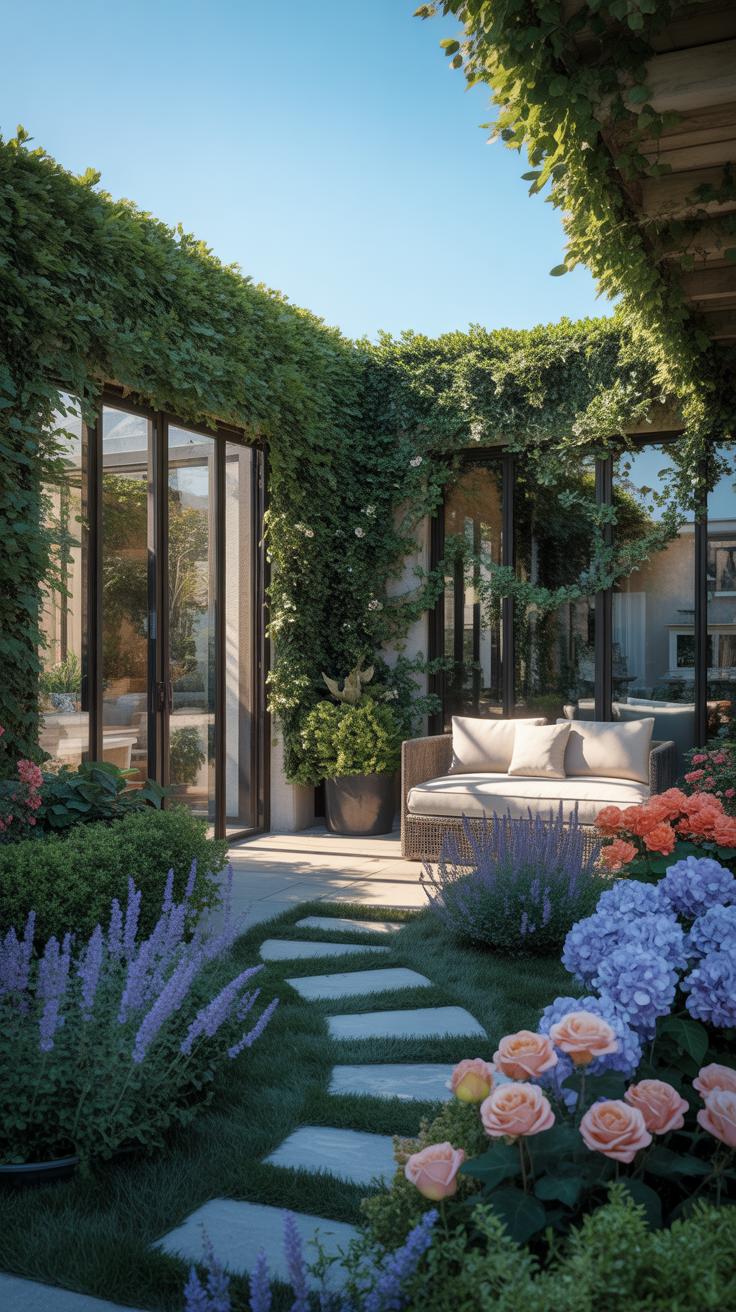
How Hardscaping Elements Like Pathways And Patios Shape A Small Landscape
Hardscaping defines the structural skeleton of a small garden. Use a central axis to draw the eye toward a focal point. This technique comes from formal French garden history. It creates a sense of depth in tight quarters. Strategic geometry forces the brain to perceive more distance. Linear paths make a narrow lot feel longer. Wide patios make a shallow lot feel deeper.
Strong borders prevent a cluttered look. Use low stone walls or timber edges to separate zones. These physical barriers create rooms within the landscape. Distinct zones signify purpose and order. A defined patio area provides a clean floor for furniture. Clean lines reduce visual noise. This structural clarity is the most effective way to manage a compact footprint. It ensures every square inch works hard.
Selecting Ground Cover And Surface Materials To Enhance Visual Space
Material selection dictates perceived volume. Large format pavers minimize grout lines. Fewer lines create a smoother visual flow across the floor. This technique mimics the minimalist aesthetic found in modern Japanese design. Darker stones like slate pull the eye down and ground the space. Lighter materials like limestone reflect light to brighten dark corners. Uniform materials make the entire area feel like one cohesive unit.
Ground cover plants bridge the gap between hard surfaces and vertical growth. Use low-profile species like Irish Moss or Thyme between stepping stones. These plants soften hard edges without occupying vertical space. They maintain a flat plane of sight. This keeps the horizon clear and open. Avoid chunky gravel in high traffic areas. Smooth textures provide a more polished finish. Consistency in material choice prevents the garden from looking fragmented.
Practical Small Garden Landscaping Ideas For Stylish Curb Appeal
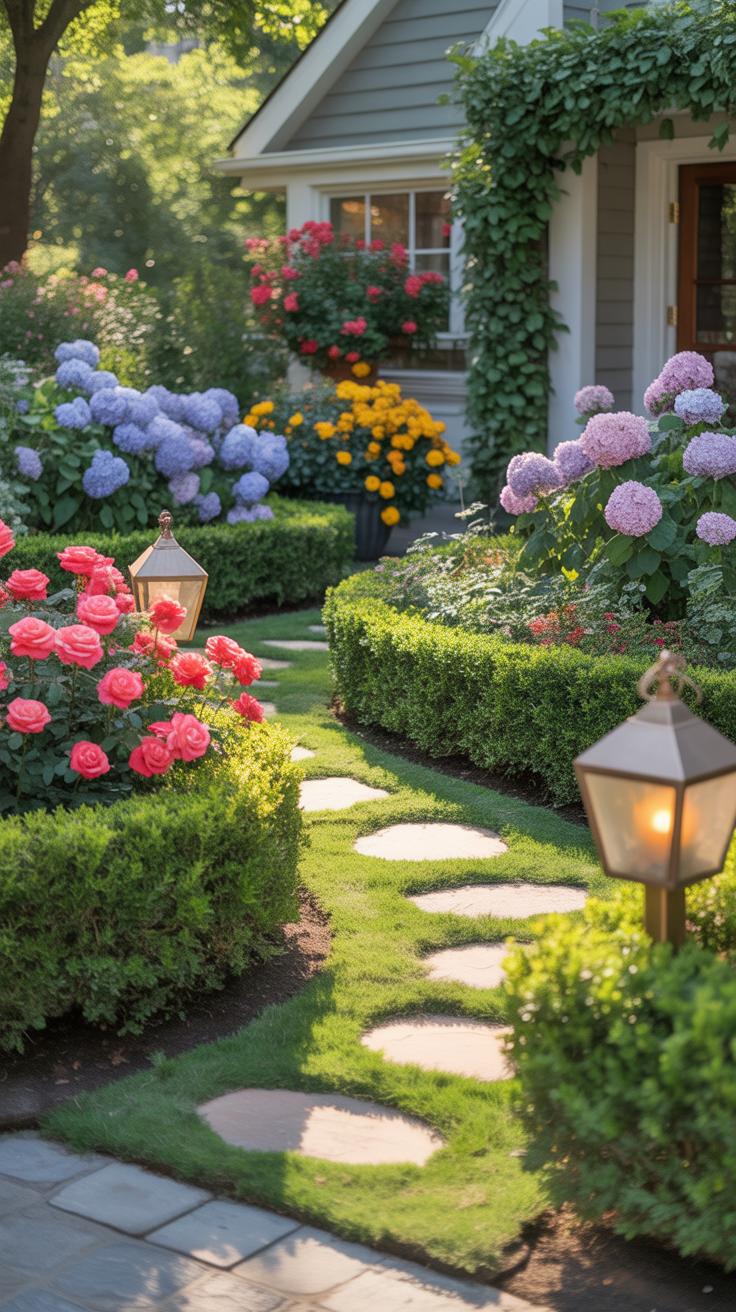
Layering Plants By Height To Add Depth And Dimension To Your Garden
Vertical layering maximizes limited square footage. Place the tallest specimens at the back of the border or against walls. Use structural shrubs or columnar trees for this rear tier. Medium height perennials fill the center ground. They bridge the gap between structures and the floor. This arrangement forces the eye to move upward. It creates the illusion of more space through verticality.
Ground covers and low edging plants define the front border. Use species like creeping thyme or sedum to soften hard edges. These low plants hide bare soil and anchor the design. Proper height graduation prevents larger plants from shading out smaller ones. This technique ensures every plant receives adequate light. It also creates a dense look that blocks weeds and reduces maintenance needs.
Seasonal Planting Strategies To Keep Your Small Garden Looking Great Year Round
Strategic planting ensures visual interest during every month. Hardscape elements like stone and wood provide structure during winter. Use evergreen shrubs to maintain green color when deciduous plants lose leaves. Boxwood and yew are standard choices for permanent form. Integrate spring bulbs like tulips and narcissus for early color. These bulbs take up zero space after they finish blooming and dormant periods begin.
Summer success requires a mix of long blooming perennials and hardy annuals. Select plants with architectural seed heads for autumn interest. Ornamental grasses provide movement and texture during the late season. These grasses stay upright through most winter weather. Group plants by water needs to increase survival rates. A well planned rotation prevents gaps in the garden canopy. Consistent coverage keeps the curb appeal high in all seasons.
Making The Most Of Small Garden Area Ideas For Functional Outdoor Living
Incorporating Seating, Dining, And Relaxation Spots In A Compact Garden
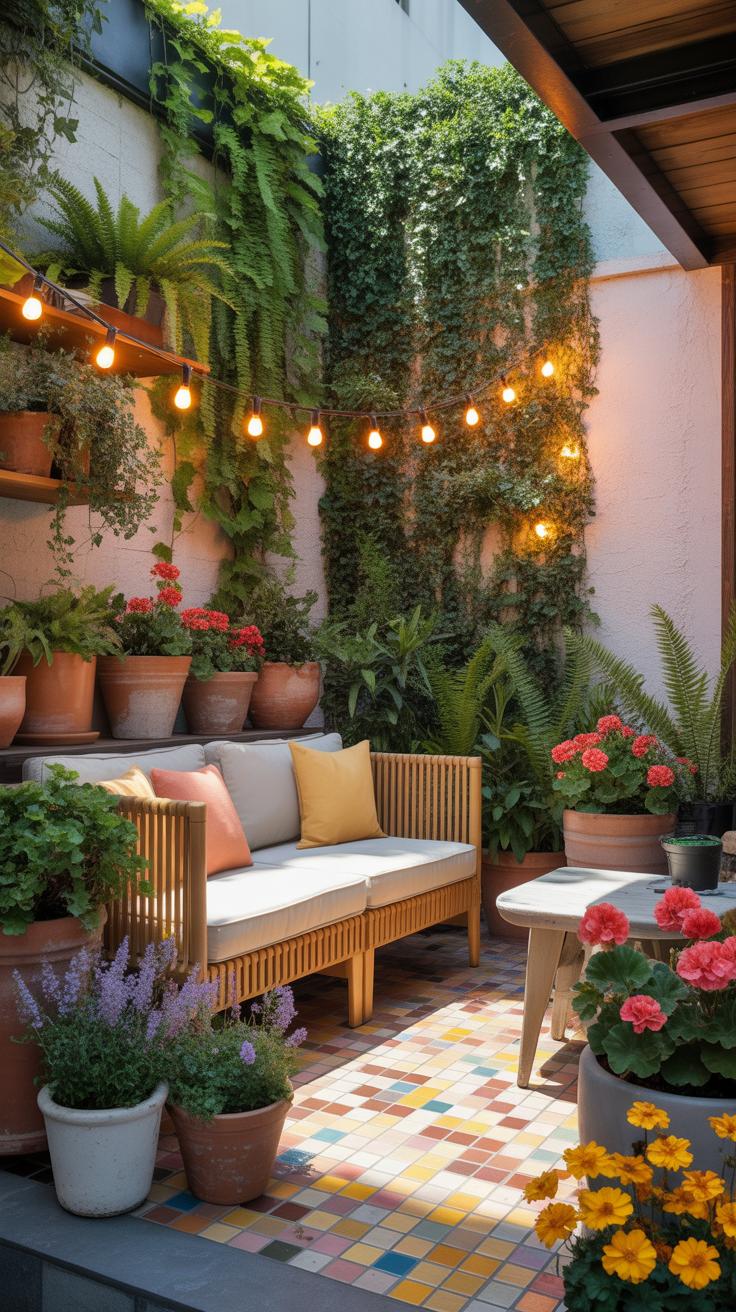
Zoning creates functionality in tight spaces. Define specific areas for eating and resting to avoid a cluttered look. Use physical markers like different paving materials or outdoor rugs to separate these zones. Built-in perimeter seating saves floor space compared to bulky chairs. Place benches along walls or fences to keep the center of the garden open and airy for movement.
Strategic furniture placement dictates the flow of a Small Garden Design. Orient dining sets toward a focal point like a water feature or specialized planting bed. This directs the eye away from property boundaries. Choose low-profile furniture to maintain clear sightlines across the yard. High backs block views and make small areas feel cramped. Proper scale ensures every piece of furniture has a clear purpose.
Smart Storage And Multi Use Furniture Solutions For Small Garden Areas
Small gardens require furniture that performs multiple tasks. Every square inch must justify its presence. Select pieces that offer hidden storage or change shape based on your immediate needs. This approach reduces visual noise and keeps the area organized. Fixed structures can also serve as storage units. This keeps tools and cushions out of sight while providing a sturdy surface for daily use.
- Storage Benches: Use wooden or resin benches with hollow bases. These units provide comfortable seating for several people while hiding garden tools, soil bags, or seasonal cushions from rain and sun.
- Folding Bistro Sets: Choose slim metal or wood tables and chairs that collapse flat. This allows you to clear the floor space quickly for other activities like exercise or large social gatherings.
- Wall-Mounted Desks: Install a drop-down table on a sturdy fence or masonry wall. These surfaces function as a potting station or a dining spot and fold away completely when you do not need them.
- Nesting Tables: Identify sets of tables that slide underneath each other. This configuration offers extra surface area for guests during parties but occupies the footprint of a single small table during normal daily use.
- Planter Privacy Screens: Utilize tall, wheeled planters with integrated trellises. These mobile units act as green walls to block neighbors and move easily to reshape the layout of your functional outdoor living area.

Durability is vital for multi-use items. Choose weather-resistant materials like teak, powder-coated aluminum, or high-density polyethylene. These materials endure heavy use and constant exposure without degrading. Effective storage protects your investment from moisture and UV damage. Prioritize modular designs that you can rearrange as your household needs change. Systematic organization transforms a cramped backyard into a highly efficient and versatile living environment for the modern home.
Ideas For Small Gardens Landscape Design Using Water And Light Features
How Small Water Features Like Fountains And Ponds Add Ambience Without Overwhelming The Space
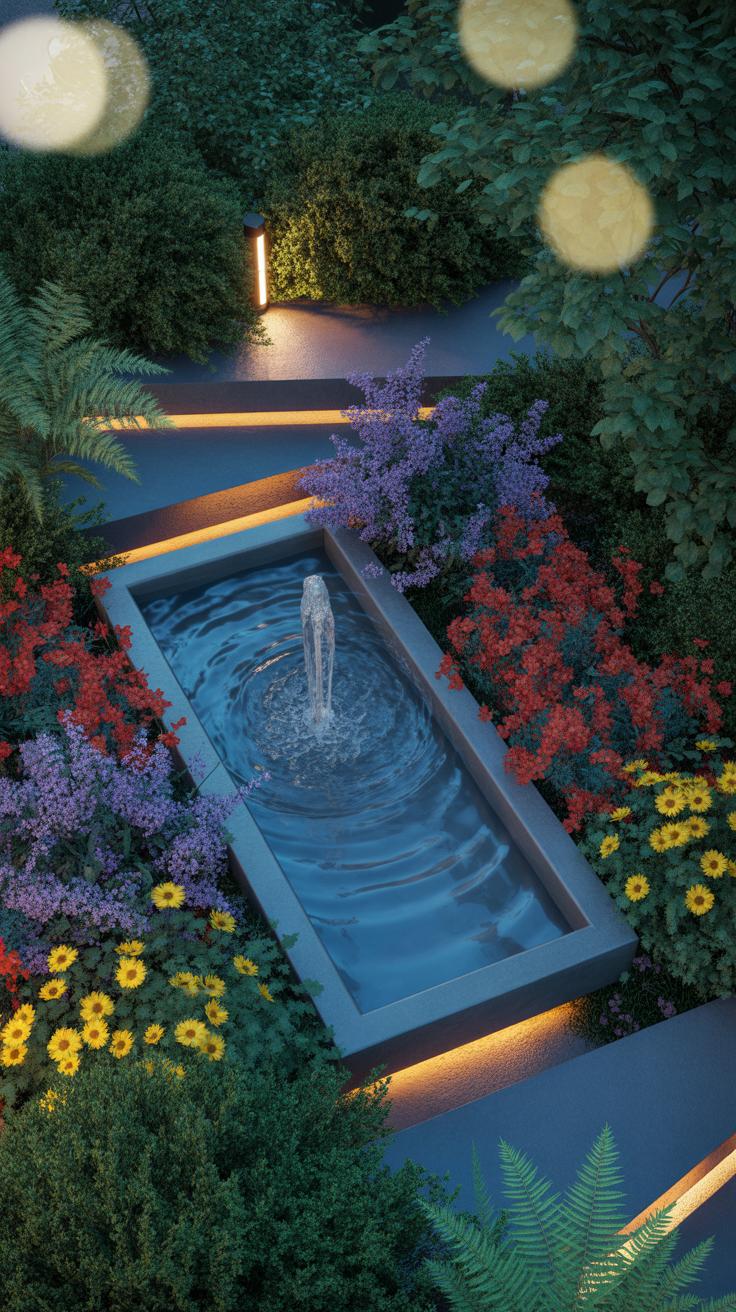
Water features in small gardens must scale to the footprint to avoid clutter. Wall-mounted fountains save ground space while providing mask noise for urban properties. Self-contained basins eliminate the need for complex plumbing or large excavations. Use tiered designs to move water vertically rather than horizontally. This approach maximizes visual impact and sensory input without sacrificing valuable square footage for seating or plants.
Modern materials like weathered steel or cast stone fit contemporary designs. These surfaces allow water to cling and roll, which reduces splash and prevents water loss. Position these units in corners or against boundaries to serve as focal points. Recirculating pumps keep water moving to prevent stagnation and insect breeding. Strategic placement ensures the sound carries throughout the area while keeping the physical hardware discrete.
Using Garden Lighting To Extend Usability And Add Drama To Your Outdoor Space
Proper lighting transforms a compact garden into a functional room after dark. Use directional spotlights to highlight architectural plants or textured walls. This technique creates depth by pulling the eye toward the boundaries of the space. Low-voltage LED systems offer high efficiency and easy installation in tight areas. Avoid overhead floodlights that flatten the landscape and cause glare for neighbors or visitors.

Layered lighting provides the best results for small environments. Combine path lights for safety with recessed uplighting for a dramatic effect on trees. Moonlighting from high branches mimics natural night cycles and softens the hard edges of fences. Control these zones independently to change the mood for different activities. High-quality fixtures withstand weather and ensure the garden remains safe and accessible during every season of the year.
Designing A Small Backyard Garden Oasis For Rest And Retreat
Creating Privacy And Enclosure In A Small Backyard Using Plants And Screens
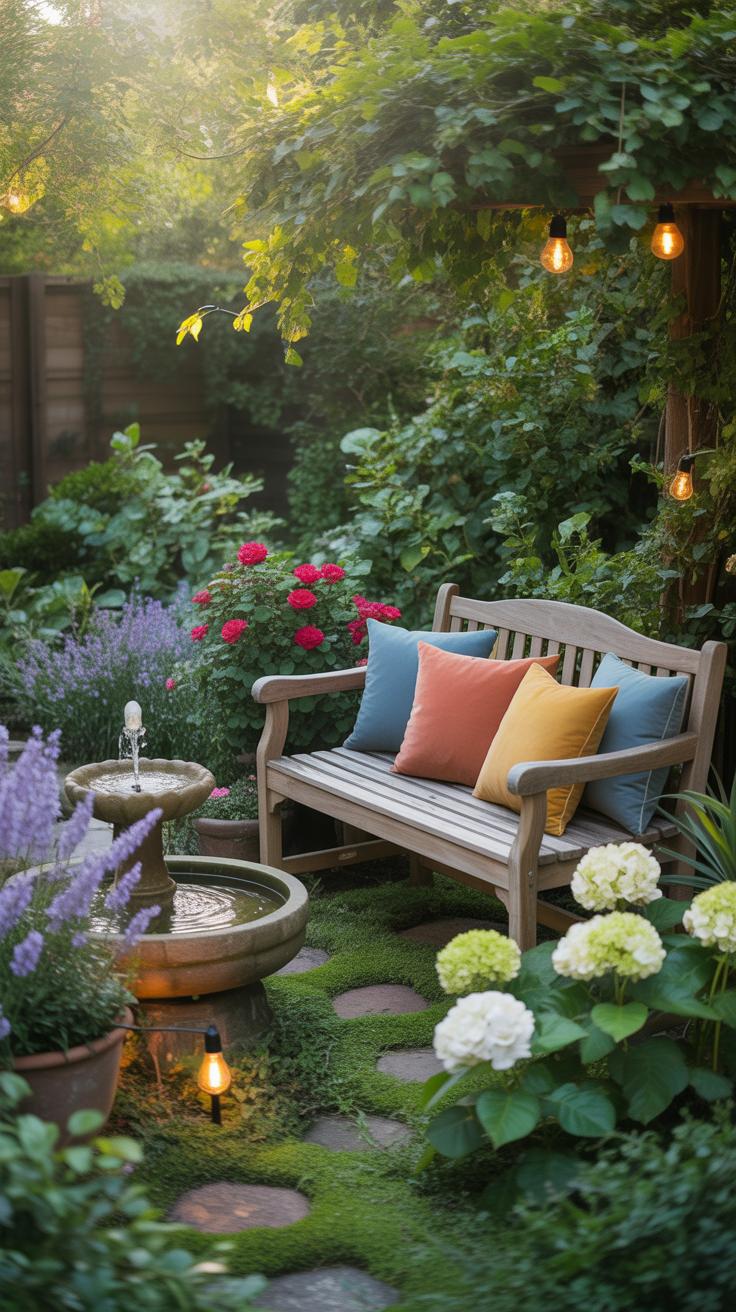
Vertical boundaries define a small garden. Use hornbeam or narrow arborvitae to create living walls without losing floor space. These plants grow tall but stay slim. This technique creates a green enclosure that blocks neighbors. High fences are common but feel heavy. Pleached trees offer a better solution. They provide a canopy of leaves on raised stems to hide upper windows.
Combine timber slats with climbing plants for strategic screening. Use cedar or pressure-treated wood for durability. Horizontal slats make a narrow yard look wider. Space the slats two inches apart to let light through while maintaining privacy. Grow evergreen climbers like star jasmine or ivy on these frames. These plants stay green all year. They soften hard edges and prevent the space from feeling like a cage.
To plant a garden is to believe in tomorrow, weaving a tapestry of style and serenity into the small corners of home.
Incorporating Sensory Elements Like Fragrance, Texture, And Sound Into Your Garden Oasis
Sensory design shifts the focus from size to experience. Install a recirculating wall fountain to block city noise. The sound of moving water creates a mental boundary. Select plants with distinct leaf textures to add depth. Use fine-leafed ferns against bold hostas. This contrast forces the eye to move around the space. It makes a tiny backyard feel much larger and more complex.

Fragrance provides an invisible layer of luxury. Plant lavender or rosemary near seating areas where foot traffic releases their oils. Use night-blooming jasmine or honeysuckle for evening use. These scents change the mood without taking up physical room. Avoid overplanting one single smell. Choose species that bloom at different times of the year. This ensures the sensory experience lasts from spring through late autumn.
Maintaining And Evolving Small Garden Areas Over Time
Low Maintenance Planting Choices That Keep Small Garden Areas Looking Polished
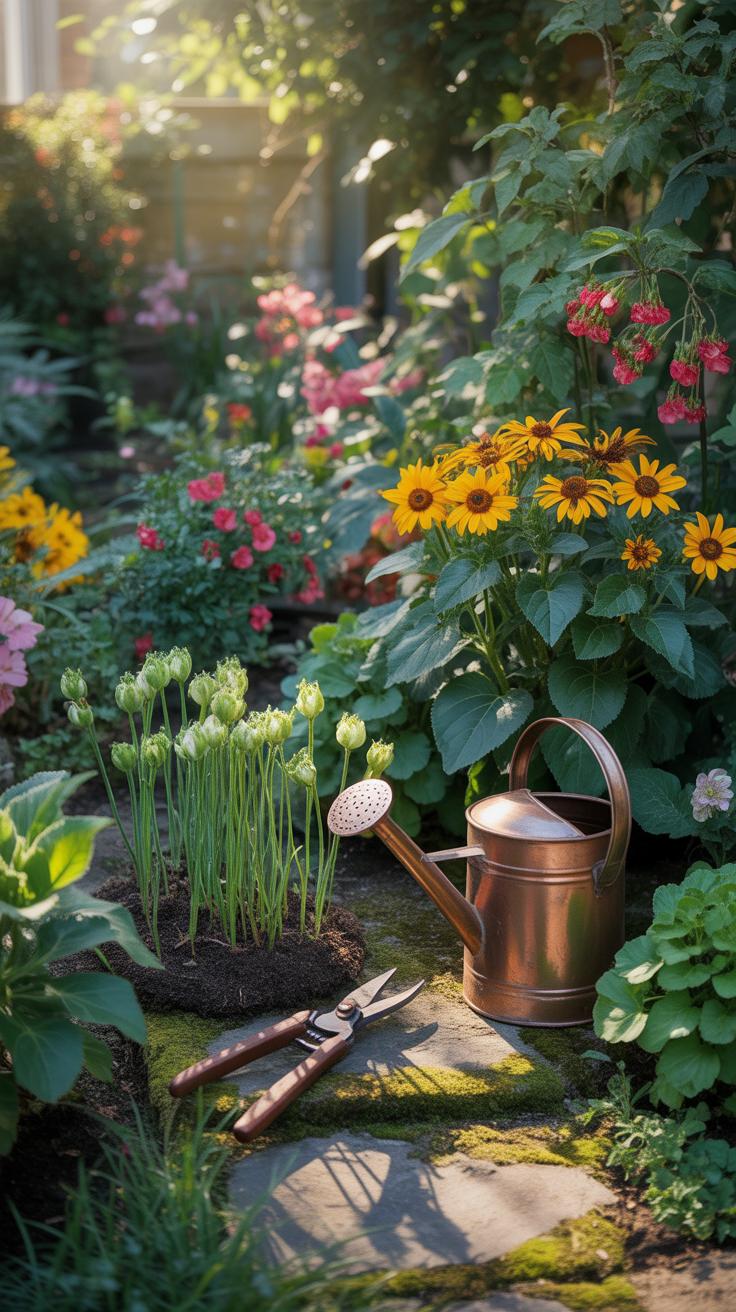
Select slow growing species to minimize pruning and waste. Evergreens like Buxus or Taxus provide year round structure without constant seasonal cleanup. Use ground covers such as Vinca minor to suppress weeds naturally. These plants colonize bare soil and reduce the need for mulching. Choose site specific plants that thrive in your existing light and soil conditions to avoid chemical interventions.
Automated drip irrigation ensures consistent moisture levels while saving time. This system delivers water directly to the roots and prevents fungal diseases on foliage. Grouping plants with similar water needs reduces total resource consumption. Use gravel or stone mulches to create a clean look that lasts for years. These materials do not decompose like wood chips and keep the garden looking professional with zero effort.
How To Refresh And Evolve Your Small Garden Design As Your Needs And Style Change
Small gardens must adapt to your current lifestyle. Swap large lawn sections for permeable paving to create dining zones. Movable planters allow you to test new layouts before committing to permanent changes. Use a modular approach by keeping structural hedges fixed while rotating seasonal color in pots. This flexibility keeps the space functional as family requirements shift from play areas to social hubs.
Updating hardscape materials provides an immediate aesthetic shift. Replace dated timber with sleek porcelain tiles for a modern look. Integrate vertical elements like trellises or green walls to add planting space without losing floor area. Reflective surfaces and light colored paints brighten dark corners and make the footprint feel larger. Evaluate your garden every three years to identify underused zones and repurpose them effectively.
Frequently Asked Questions

What are the most important things to consider when planning a small garden design?
When starting a small garden design, focus on scale and functionality. Begin by identifying how you will use the area, whether for dining or relaxation. Choose a focal point, like a sculptural plant or a water feature, to draw the eye and create depth. Using a consistent color palette and repeating certain plants will help the space feel cohesive and intentional rather than cluttered or overwhelming for your home.
How can I make a tiny backyard or balcony feel more spacious?
To maximize your small garden design, think vertically. Use trellises, wall-mounted planters, and hanging baskets to draw the eye upward, freeing up valuable floor space. Incorporating mirrors can also create an illusion of depth, making a compact area feel much larger. Additionally, using large-format paving stones instead of small bricks can minimize visual clutter, resulting in a clean, contemporary look that feels airy and open rather than cramped.
Is it possible to create a stylish outdoor area on a limited budget?
Absolutely. You can achieve a high-end look without a large investment by focusing on “upcycling” and smart plant choices. Use affordable gravel for pathways or paint existing fences in a chic dark hue to make greenery pop. Buying younger plants is more cost-effective than purchasing mature ones, and DIY pallet furniture adds a rustic, trendy touch. With a bit of creativity, a beautiful outdoor retreat is accessible to everyone.