What Makes Terrarium Plant Ideas So Popular In Modern Home DCor
The Rise Of Indoor Miniature Gardens And Why They Resonate
Indoor miniature gardens provide a controlled environment for specific plant species. This trend relies on the Wardian case concept from the nineteenth century. Modern interest grows because these setups require less work than traditional gardening. People want greenery without the risk of failure. Closed systems recycle moisture and nutrients. This efficiency makes them a top choice for busy professionals who value aesthetics and biology.
Tactical appeal drives the popularity of these glass vessels. They act as living art pieces in minimalist design. Homeowners use them to create focal points on shelves or desks. High quality glass protects delicate ferns and mosses from dry indoor air. Users appreciate the self sustaining nature of the ecosystem. It provides a direct connection to the outdoors without needing a backyard or sunlight heavy balcony.
How Terrariums Bring Nature Into Small Living Spaces
Urban living limits access to private green space. Apartment dwellers now use glass containers to maximize small footprints. These vessels fit on tiny surfaces where large pots fail. They solve the problem of low humidity caused by central heating. Tropical plants thrive inside despite harsh indoor conditions. This makes them a practical tool for interior styling in dense cities where square footage is expensive.
Strategic placement of these units changes the feel of a room. Designers use vertical glass shapes to draw the eye upward in tight quarters. They function as portable nature stations that residents can move easily. Low maintenance needs mean they serve people with limited time. They offer a high visual return on a very low resource investment. This is why glass gardens remain a dominant force in modern apartment décor.
Closed Terrarium Ideas DIY How To Build Your Own From Scratch
Choosing The Right Glass Container For A DIY Closed Terrarium
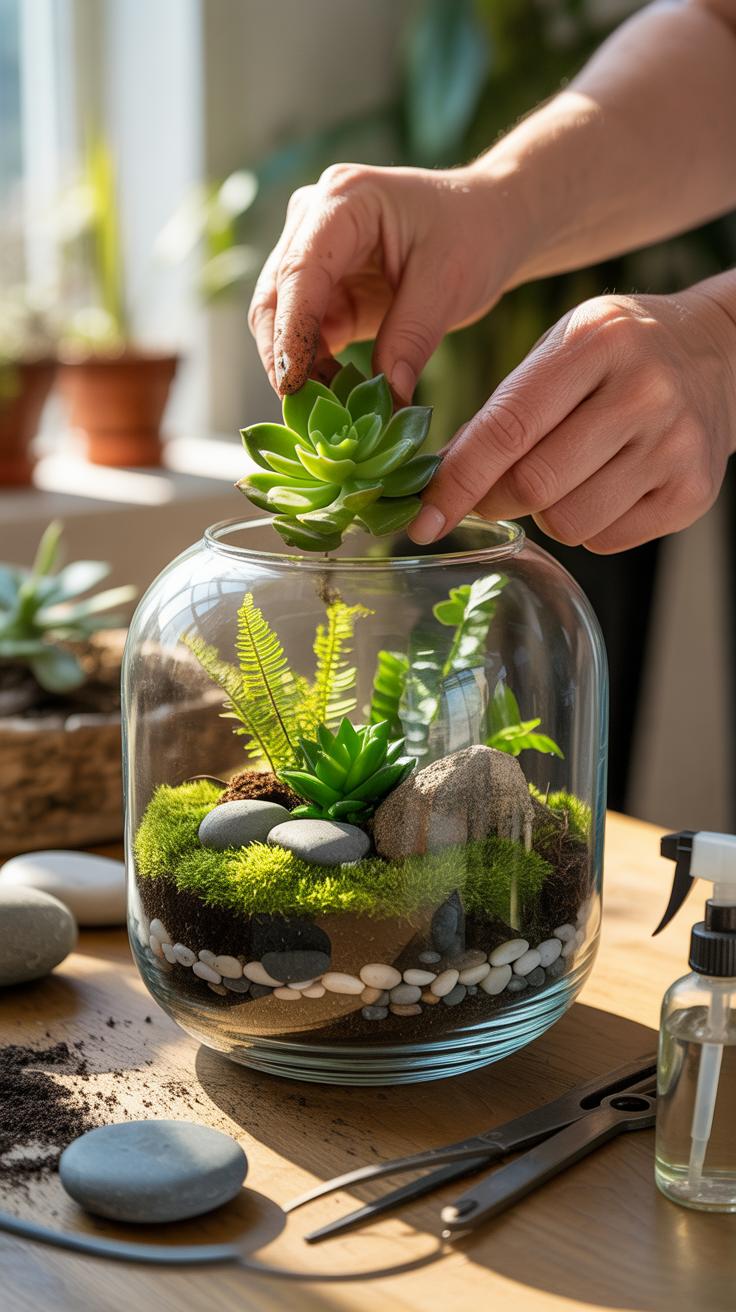
The glass container serves as the primary structural component of your miniature ecosystem. You must select clear glass to allow maximum light penetration for photosynthesis. Avoid tinted or frosted glass because it blocks vital UV rays. A tight-fitting lid is mandatory to trap moisture and maintain the water cycle. Without a proper seal, the humidity levels drop and the interior plants will wilt and die quickly.
Check the opening size before you buy a vessel. Large openings allow easy access for hands and tools during the planting phase. Narrow necks look sleek but require long tweezers and specialized skill to navigate. Ensure the glass is thick enough to withstand pressure changes. Historically, the Wardian case used heavy glass and metal frames to protect plants during long sea voyages. Modern jars must mimic this durability.
Essential Materials And Layering Steps For A Healthy Closed Terrarium
Success depends on the vertical arrangement of specific materials to prevent root rot and mold. The first layer must provide drainage because closed systems have no exit holes for excess water. You need a physical barrier between the drainage layer and the soil to keep the system clean. Skipping these foundational steps leads to stagnant water and anaerobic bacteria growth which eventually kills all vegetation inside.
- Drainage Layer: Use small stones or pea gravel at the very bottom. This one-inch layer creates a reservoir for excess water to sit away from the plant roots. Proper drainage prevents the soil from becoming a saturated mud pit that suffocates your chosen plants.
- Activated Charcoal: Spread a thin layer of horticultural charcoal over the stones. This material acts as a chemical filter to remove toxins and odors from the water and air. It is essential for keeping the enclosed environment smelling fresh and preventing fungal outbreaks.
- Substrate Barrier: Install a fine mesh screen or a layer of dried sphagnum moss. This barrier prevents the heavy potting soil from sifting down into the drainage gravel. Without this layer, the drainage area fills with dirt and the system loses its primary functional purpose.
- Potting Soil: Add a high-quality sterile potting mix specifically designed for indoor plants. Avoid using backyard dirt which contains pests and pathogens. This layer provides the nutrients and physical support the roots need to grow within the controlled glass environment.
- Plant Selection: Choose slow-growing species that thrive in high humidity and low light. Great options include ferns, mosses, and nerve plants. Place them into the soil and firm the ground around the base to remove air pockets that can cause roots to dry out.
Finalize the build by adding decorative elements like bark or slate for a natural look. Lightly mist the interior with distilled water before sealing the lid to start the rain cycle. Place the finished unit in bright but indirect sunlight. Direct sun will bake the plants inside the glass. Monitor the glass for condensation to ensure the moisture level remains balanced for long-term survival.
Plant Terrarium Basics Understanding Open Vs Closed Ecosystems
What Happens Inside A Closed Terrarium’S Self Sustaining Cycle
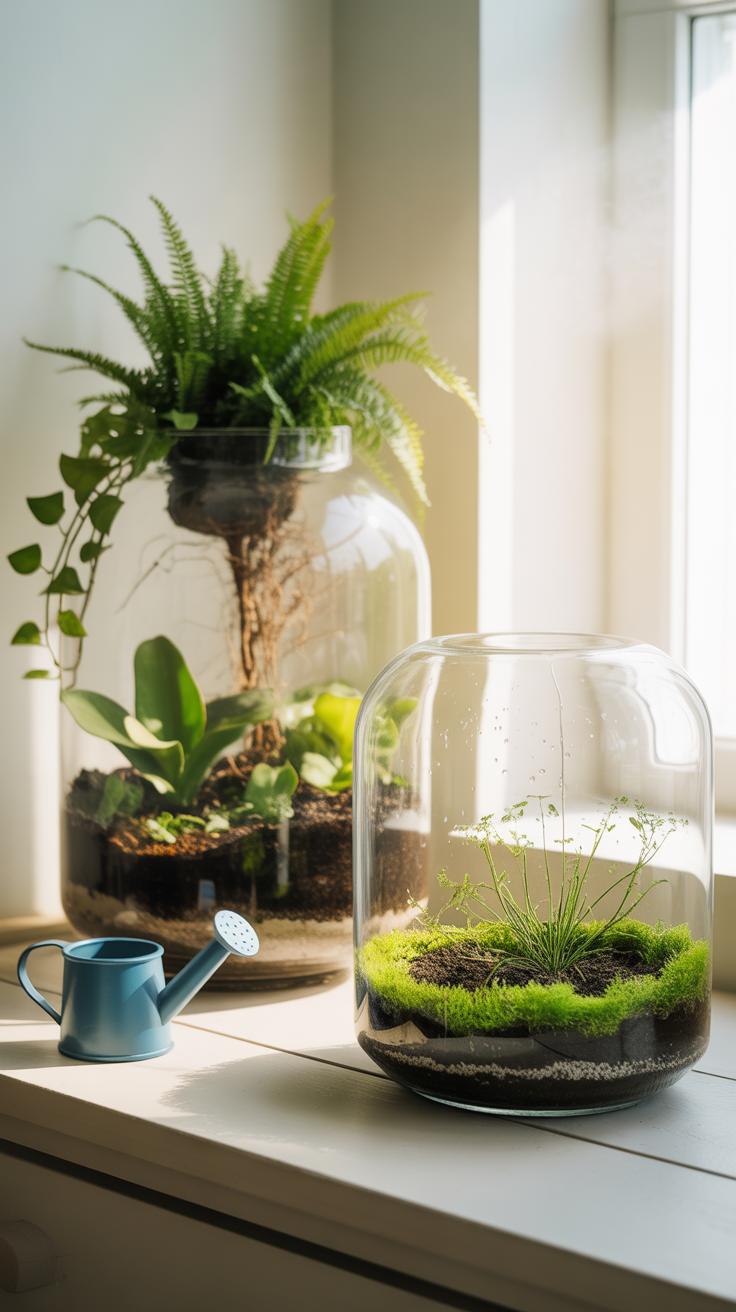
A closed terrarium functions as a miniature greenhouse using the water cycle. Moisture evaporates from the soil and plant leaves then condenses on the glass walls. This water drips back into the soil to hydrate the roots again. This process creates a constant supply of moisture. You rarely need to add water once the system reaches a stable internal balance.
Photosynthesis drives the gas exchange within the sealed container. Plants consume carbon dioxide and release oxygen during the day. At night they respire by taking in oxygen and releasing carbon dioxide. This closed loop allows the ecosystem to survive without fresh air. Decomposing organic matter in the soil provides necessary nutrients. Successful setups use tropical plants that thrive in high humidity and low light.
Why Open Terrariums Suit Cacti And Drought Tolerant Plants Better
Open terrariums prioritize airflow and low humidity levels. Desert plants like cacti and succulents rot quickly in trapped moisture. These containers have wide openings to prevent condensation from forming on the glass. Excessive humidity triggers fungal growth and root decay in arid species. Strategic drainage layers use gravel or sand to pull water away from sensitive roots. These designs mimic dry natural environments.
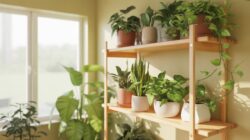
Light requirements also dictate the need for an open vessel. Cacti need intense direct sunlight which would overheat a closed glass jar. High temperatures inside a sealed container cook sun-loving plants. Open containers allow heat to escape while providing the necessary brightness. Soil in these systems must dry out completely between watering sessions. This setup ensures the health of plants adapted to rocky or sandy soils.
Closed Terrarium Ideas Unique Designs That Go Beyond The Ordinary
Geometric Glass Terrariums And Their Growing Design Appeal
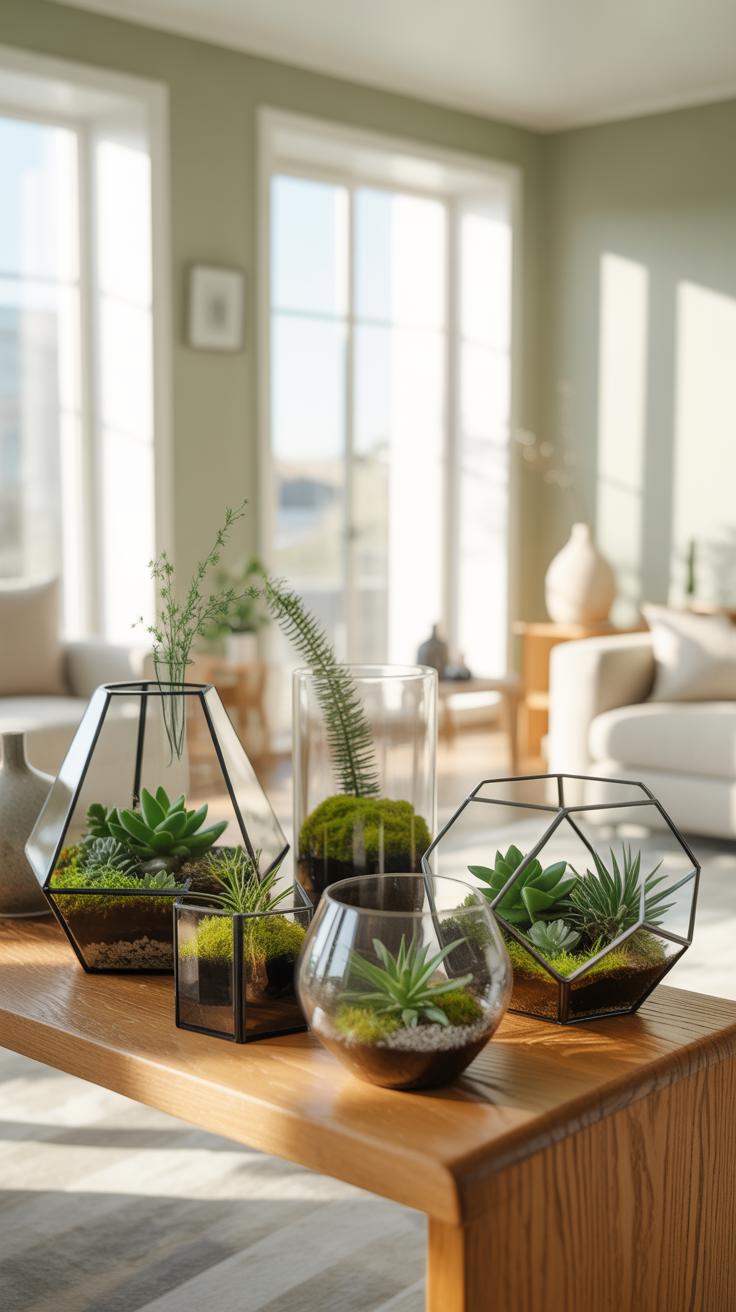
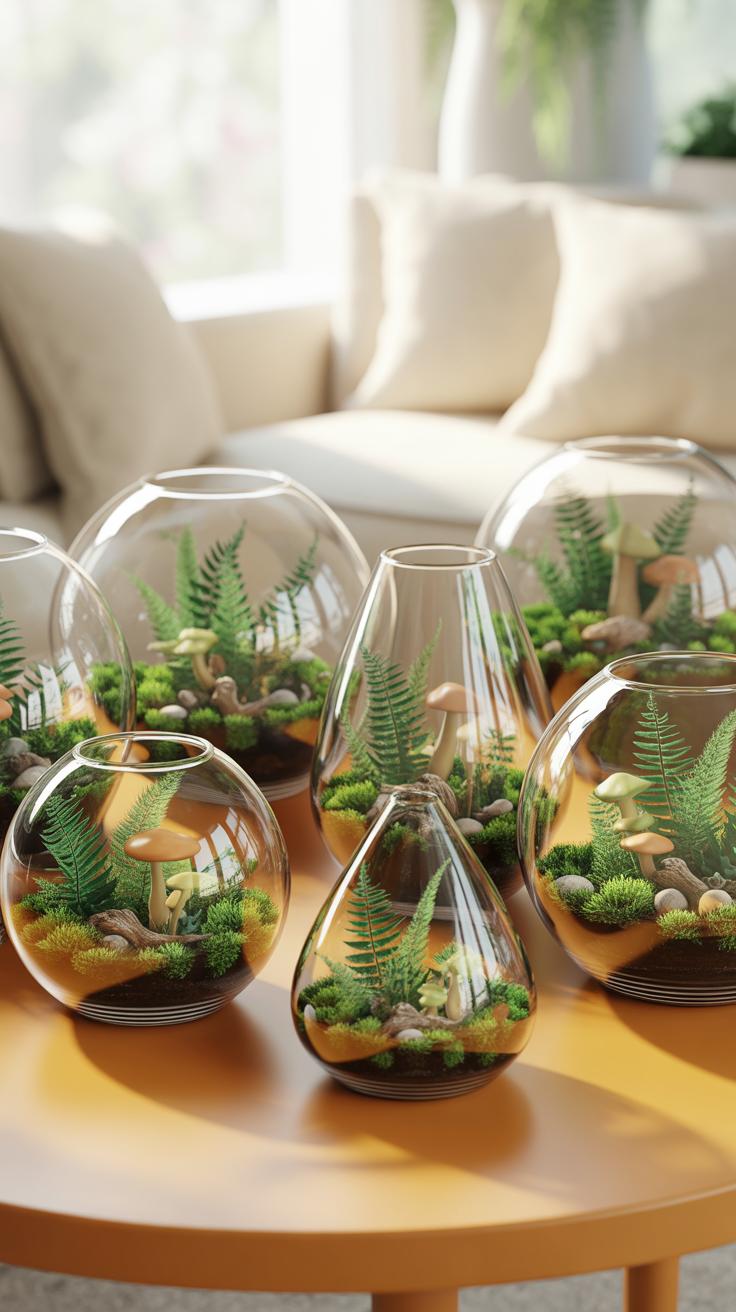
Geometric glass containers dominate modern Terrarium Plant Ideas because they offer structural discipline. These vessels use soldered glass panes held together by metal frames. This technique mirrors the traditional Tiffany style from the late nineteenth century. The sharp angles create a visual frame for humidity-loving plants. This contrast between rigid metal lines and soft organic moss provides immediate visual impact.
Designers select these shapes to maximize light penetration from multiple angles. The flat surfaces reduce the distortion common in spherical glass bowls. You must ensure the solder is lead-free for safety. Most geometric designs feature a hinged door or a removable panel for easy maintenance. These vessels work best for slow-growing tropical species. They turn a simple plant arrangement into a professional architectural statement.
Repurposed Vessels As Unique Terrarium Containers Worth Trying
Smart strategists look beyond standard garden shop inventory to find unique glass. Vintage apothecary jars and chemistry beakers offer high-quality borosilicate glass. This material resists thermal shock and provides excellent clarity. Scouring antique markets for heavy glass jars from the Victorian era connects your project to the roots of the Wardian case. These thick walls help maintain a stable internal temperature for delicate fern species.
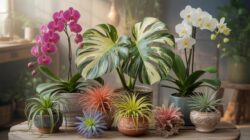
You can also repurpose large spirit bottles or specialty kitchen carafes. Narrow neck bottles create a challenging but rewarding microclimate. This restricted airflow builds high humidity levels quickly. Always clean repurposed glass with a mild vinegar solution to remove historical residues. Check for cracks or chips that could fail under the pressure of moisture. Using salvaged glass reduces waste and creates a one-of-a-kind display that standard retail kits cannot match.
DIY Succulent Terrarium Best Succulent Varieties And How To Style Them
Top Succulent Species That Thrive In Open Terrarium Conditions
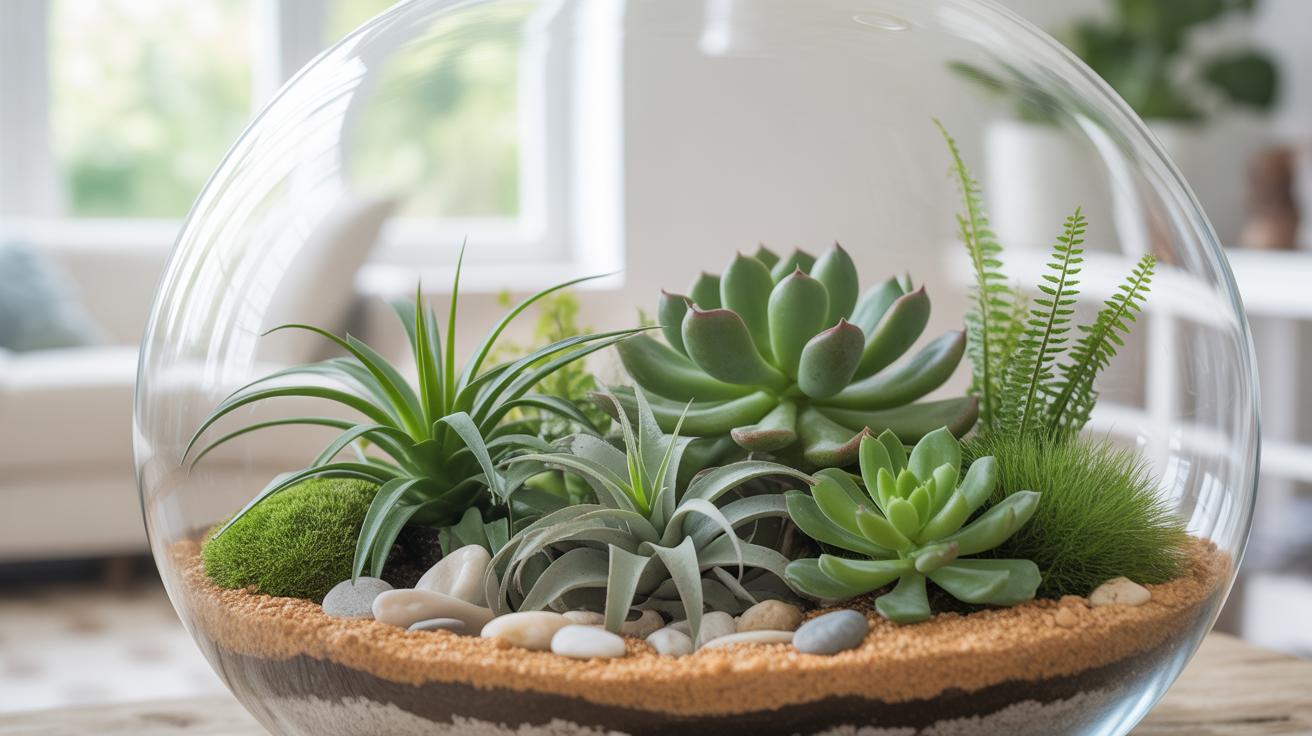
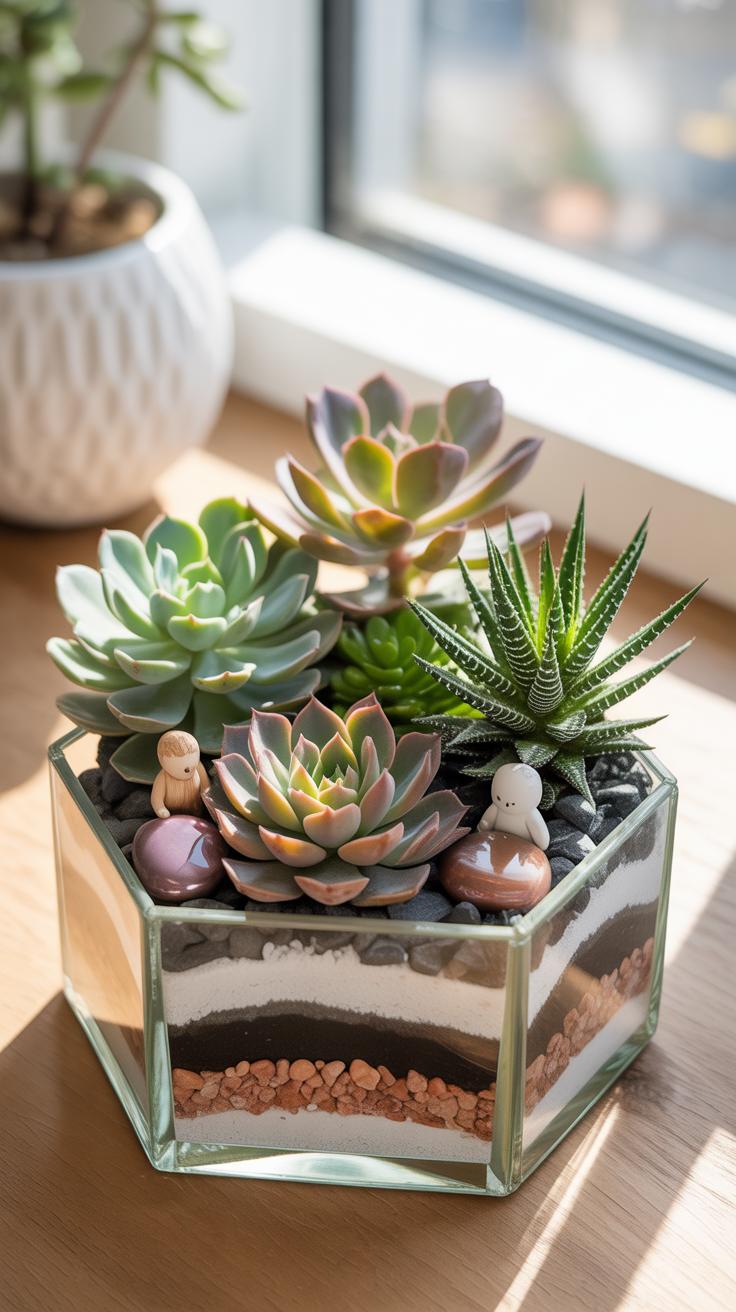
Succulents die in traditional closed terrariums due to high humidity and stagnant air. You must use open glass containers to ensure proper airflow and moisture evaporation. This mimics their natural arid habitats and prevents root rot. Choose species that share similar light requirements and growth rates. These plants need sandy soil mixes that drain quickly. Proper selection determines the long term health of your display.
- Echeveria: These rosette forming plants offer distinct geometry and varied colors. They require bright light to maintain their tight shape. If light is too low, the stems stretch and ruin the visual design.
- Haworthia: These hardy plants tolerate lower light levels than most succulents. They feature thick fleshy leaves with white ridges or translucent windows. They grow slowly and stay compact which makes them ideal for small glass vessels.
- Crassula Ovata: Commonly known as Jade, these plants develop thick woody stems over time. They provide structural height and stability to a terrarium layout. You can prune them easily to maintain a specific scale within your glass container.
- Sedum: These trailing or matted plants work well as ground cover. They fill gaps between larger focal plants and spill over the edges of the glass. Use them to soften the hard lines of rocks and decorative elements.
- Gasteria: These succulents have tongue shaped leaves with rough textures. They are extremely drought tolerant and survive neglect better than softer varieties. Their slow growth rate ensures they will not outgrow the terrarium space quickly or crowd other species.
Avoid mixing succulents with tropical plants like ferns or moss. Tropicals need wet soil while succulents need dry cycles. This contrast leads to certain failure for one group. Focus on desert species that store water in their leaves. Stick to a grit heavy substrate instead of standard potting soil. This strategy keeps moisture away from the plant base and prevents fungal infections.
Arranging Succulents By Height And Color For Maximum Visual Impact
Place your tallest plants in the back or center of the vessel depending on the viewing angle. Use structural species like Jade or upright Sansevieria to create a vertical anchor. This draws the eye upward and makes the small space feel larger. Position medium rosettes around the base of these taller plants to build layers within the design. High contrast between heights creates professional depth.
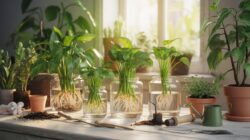
Vary the colors to prevent a flat look. Pair pale green Echeveria with deep red or purple Crassula varieties. Use gray or blue toned succulents to break up bright greens. Group plants with similar textures together for a clean aesthetic. Add top dressing like crushed granite or lava rock to hide the soil. This clean finish highlights the plant colors and mimics natural desert landscapes across the globe.
Beautiful Terrariums Plants And Combinations That Create Stunning Displays
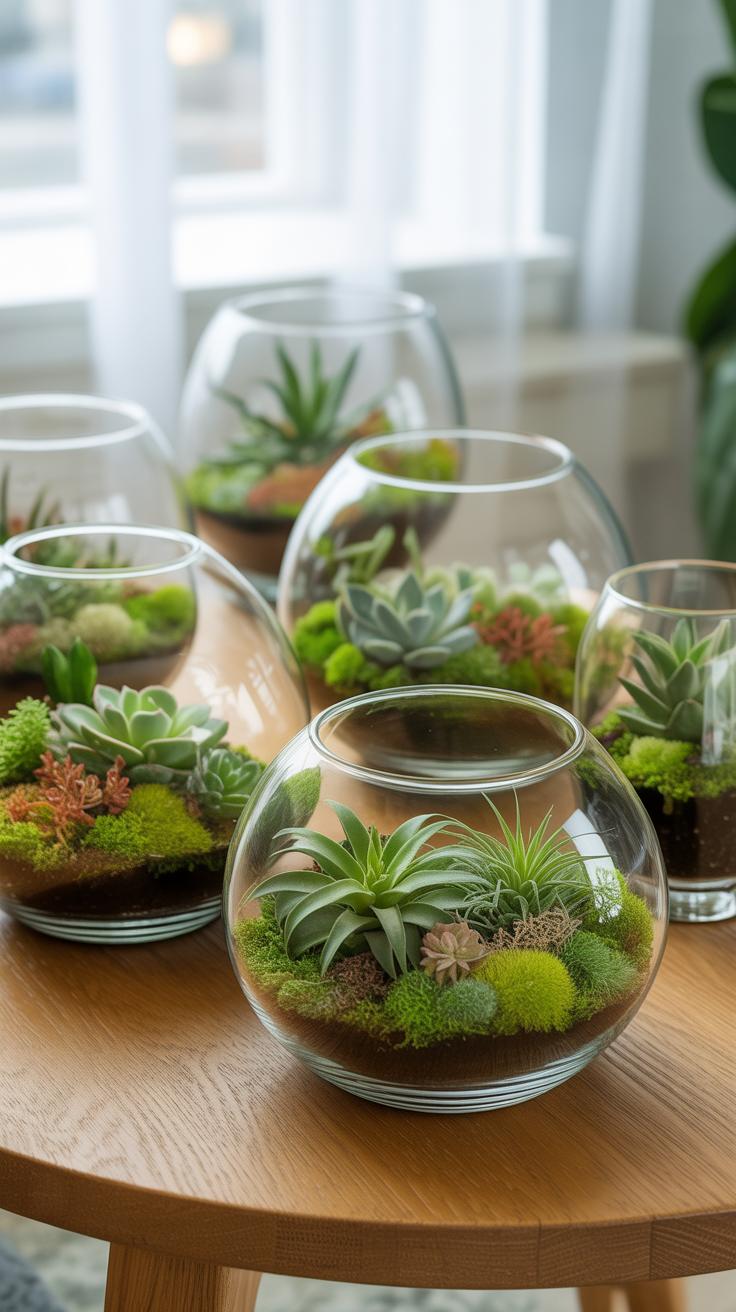
Ferns, Mosses, And Tropical Plants That Create Lush Terrarium Landscapes
Closed terrariums require plants that thrive in high humidity and low light. Ferns like the Lemon Button or Maidenhair work best because they stay small. These plants mimic the forest floor environment. You must select species that handle constant moisture without rotting. Proper drainage layers prevent water from pooling at the roots. Tropical plants provide the structural foundation for a healthy ecosystem.
Moss serves as the primary ground cover for professional displays. Sheet moss and Cushion moss stabilize the soil and retain necessary moisture levels. These bryophytes do not have traditional roots. They absorb water directly through their leaves from the humid air. Pairing moss with Nerve plants offers a color contrast. The dark green shades of moss make the bright leaf veins stand out.
Using Decorative Stones, Bark, And Figurines To Elevate Terrarium Aesthetics
Hardscaping defines the visual scale of your Terrarium Plant Ideas. Professional builders use dragon stone or slate to create miniature cliffs. These materials provide texture and help anchor the soil slopes. Natural wood like spider wood or cork bark adds height. It also offers a surface for climbing plants to attach. Choose inert rocks that will not change the water chemistry.
Strategic placement of hardscape elements creates focal points for the eye. Use larger stones in the back to build depth and perspective. This technique makes a small glass container look like a vast landscape. Figurines or small architectural models add a human element to the scene. Ensure all decorative items are non-porous to prevent mold growth. High-quality materials resist the humid environment inside the glass.
Large Terrarium Ideas Designing Statement Pieces For Bold Spaces
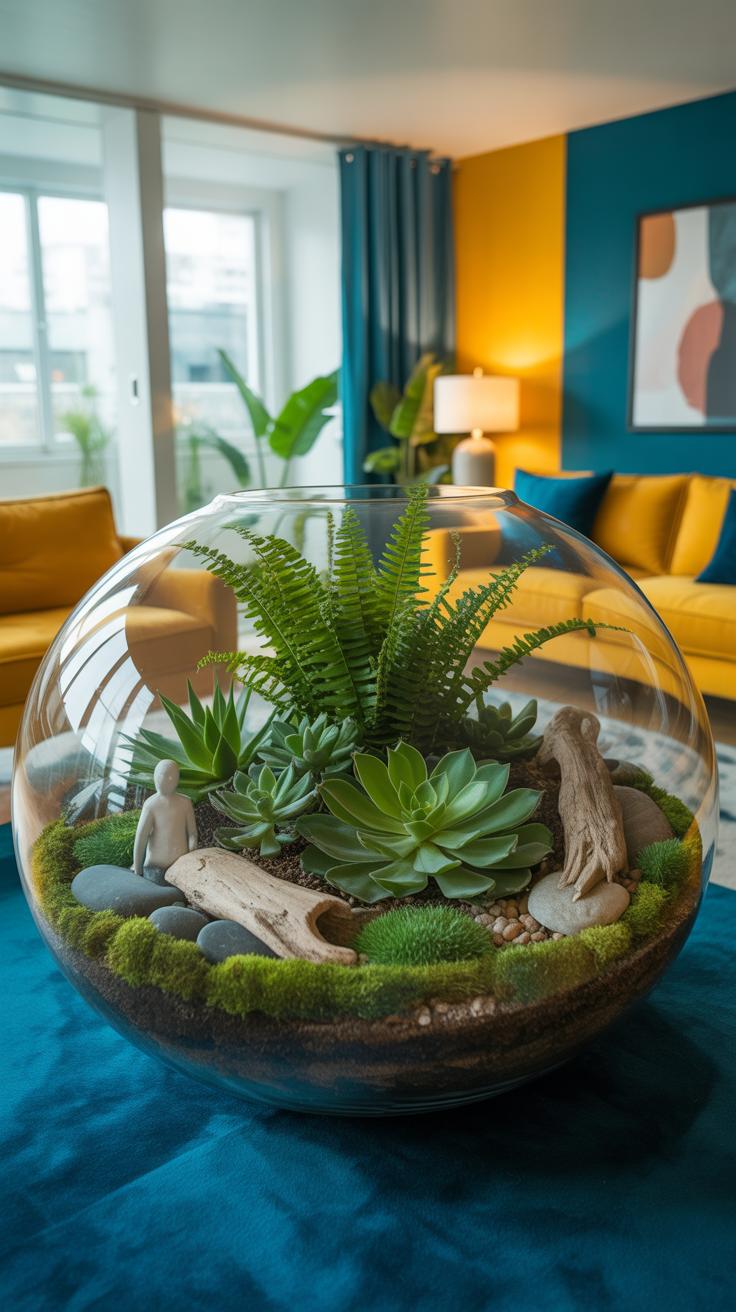
Floor Standing And Cabinet Terrariums As Living Room Focal Points
Large floor terrariums shift the focus from small tabletop accents to permanent furniture. These builds use heavy tempered glass and reinforced frames to support significant soil weight. Builders often repurpose vintage apothecary cabinets or industrial display cases for this purpose. This scale allows you to create a complete ecosystem. You must plan for floor load capacity and proximity to natural light sources before installation.
Lighting and airflow are the core technical challenges for these units. Integrated LED panels provide consistent PAR levels for bottom-dwelling plants. Internal fans prevent stagnant air and fungal outbreaks in large volumes of space. You should automate these systems using smart plugs to maintain a stable climate. High-quality seals on doors prevent moisture loss and protect your home flooring from water damage or high local humidity.
To create a terrarium is to capture a tiny piece of the forest’s ancient memory within a glass world of your own. These miniature gardens are whispers of the wild that we bring home to keep our spirits rooted and bright.
Plant Pairing Strategies That Work Best In Oversized Terrarium Builds
Oversized builds require a hierarchical planting strategy to ensure long term survival. Start with a canopy layer using tall species like Ficus religiosa or large ferns. These plants provide shade and structure for the middle layer. Use climbing vines like Monstera adansonii to fill vertical gaps and hide hardware. This layered approach mimics a natural forest floor. It creates microclimates that support a wider variety of specialized species.
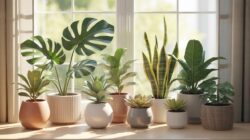
Selection depends on uniform humidity and temperature requirements across all species. Never mix desert succulents with tropical humidity lovers in a large enclosure. Focus on ground cover plants like Selaginella to maintain soil moisture levels. Choose slow-growing cultivars to reduce the frequency of heavy pruning. Large spaces allow for larger root systems. Ensure your drainage layer is deep enough to prevent root rot in these bigger specimens.
Terrarium Plants DIY Ongoing Care Tips To Keep Your Terrarium Thriving
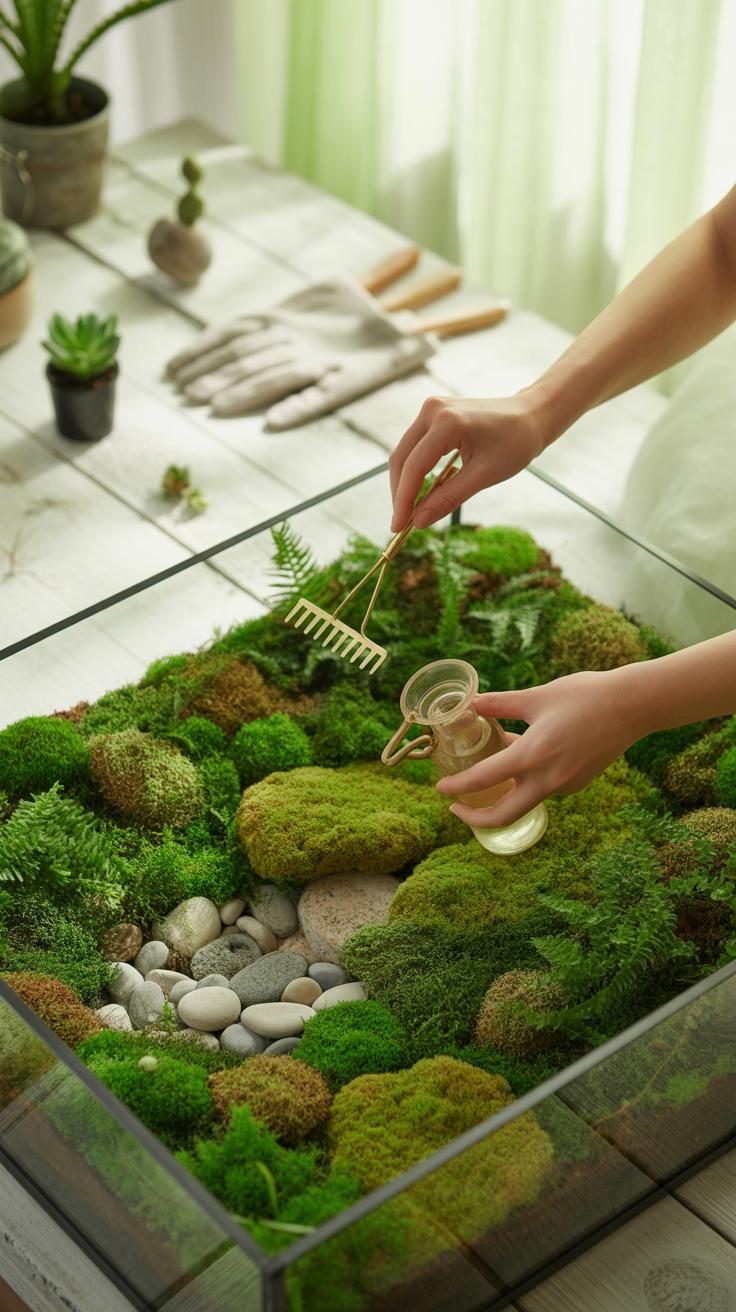
How To Monitor Humidity, Light, And Watering In A DIY Terrarium
Humidity levels require physical observation of the glass walls. Clear glass indicates dry soil while heavy droplets mean too much water. A light fog on the glass every morning shows a healthy cycle. Wipe away excess water if the glass stays opaque for days. Open the lid for one hour to vent the system. Proper balance prevents root rot and maintains the internal climate.
Indirect light is the only safe option for glass containers. Direct sun creates a greenhouse effect that cooks plants quickly. Place your terrarium near a north or east window for steady exposure. Rotate the vessel every week to ensure even growth. Use a spray bottle for watering instead of pouring. This method prevents over saturation of the drainage layer. Only add water when the soil looks light brown.
Common Terrarium Plant Problems And How To Fix Them Naturally
Mold and fungus are the primary threats in closed systems. Remove any decaying leaves or fuzzy growth immediately with long tweezers. Increase airflow by leaving the top off for several hours. You can introduce springtails as a natural solution. These tiny insects eat mold and decaying matter. They act as a cleanup crew for your ecosystem. This biological control keeps the environment stable without using harsh chemicals.
Leggy growth suggests your plants are reaching for more light. Move the container to a brighter spot or prune the stems. Pruning promotes bushier growth and keeps plants away from the glass. If leaves turn yellow, you are likely overwatering. Stop adding moisture and let the soil dry out. Always use distilled water to avoid mineral buildup on the glass. Brown leaf tips indicate the humidity is too low for tropical species.
Frequently Asked Questions

What are the best low-maintenance plants for someone starting their first terrarium?
If you are new to indoor gardening, the best terrarium plant ideas involve hardy species like Fittonia or small ferns. These plants thrive in high humidity and indirect light, making them perfect for closed glass environments. Asparagus ferns and mosses are also excellent choices for beginners because they are incredibly resilient and slow-growing, allowing you to enjoy a beautiful, lush miniature ecosystem with very little daily maintenance or specialized equipment.
How do I arrange layers properly to ensure my terrarium plants stay healthy?
Proper drainage is essential for long-term plant health. Start by placing a one-inch layer of decorative pebbles at the bottom, followed by a thin layer of horticultural charcoal to filter the air. Add a piece of mesh or moss before topping it with high-quality potting soil. When implementing your favorite terrarium plant ideas, ensure you leave enough space between each plant to allow for natural growth and adequate airflow within the container.
Can I create a beautiful indoor garden on a limited budget?
Absolutely! You can find affordable terrarium plant ideas by shopping at local nurseries for “fairy garden” miniatures or propagating your own cuttings from existing houseplants like Pothos or Spider plants. Repurposing glassware from thrift stores, such as old pickle jars or goldfish bowls, adds a unique vintage charm without the high price tag. With a bit of creativity, you can build a stunning, professional-looking botanical display for just a few dollars.