

Fun Outdoor Activities for Fitness
Exploring things to do outside offers a great mix of fun and fitness. Outdoor activities let you enjoy fresh air, nature, and get moving. Whether you like walking, biking, or trying new sports, being outdoors breaks the routine and lifts your mood.
This article guides you through many outdoor activities that keep you active and entertained. You’ll find ideas that suit different interests and fitness levels. It’s about feeling good while enjoying the open spaces around you. Let’s dive into activities that boost health and bring joy outside.
Walking And Hiking
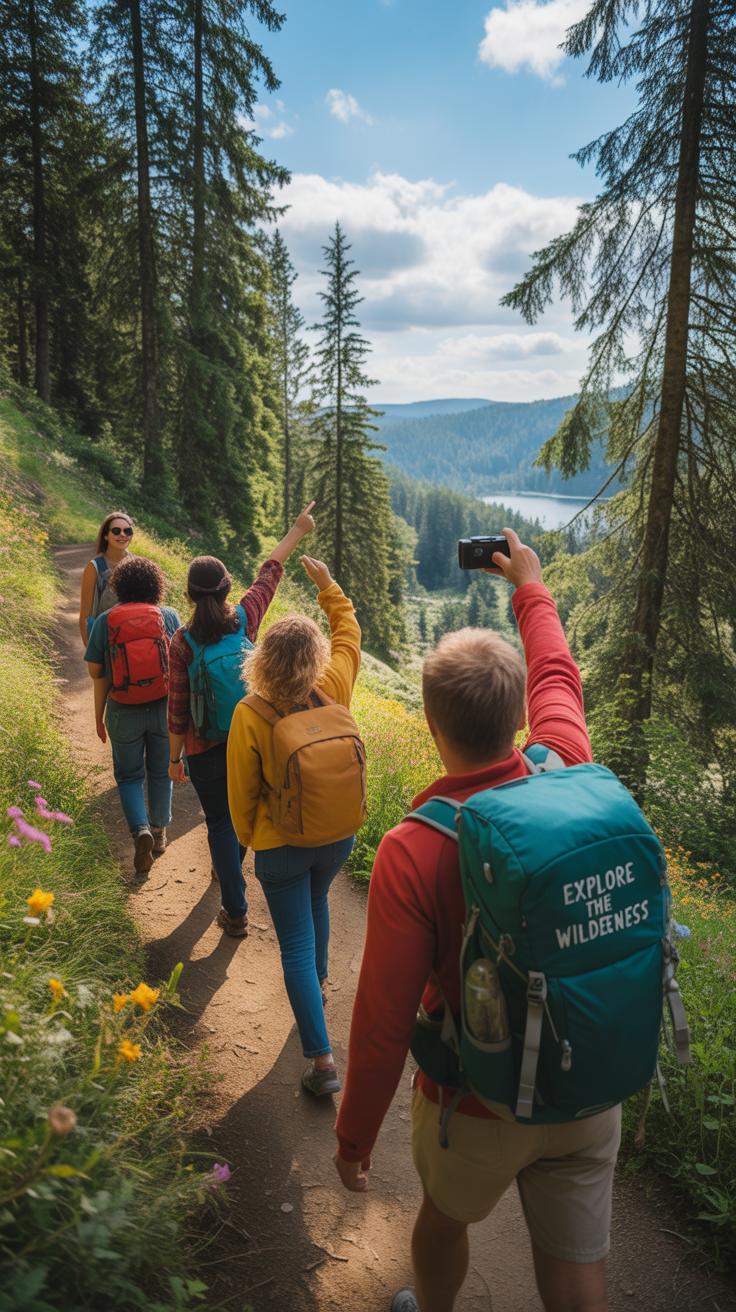
Walking and hiking are straightforward ways to get outside and move your body, no matter your age or fitness level. They offer a chance to clear your mind while improving health, but it’s more than just putting one foot in front of the other. Walking is accessible—just pick a safe, pleasant route and lace up a pair of comfortable shoes. Those early steps might feel slow or awkward, but that’s okay. You can even break your walks into shorter segments if time or energy is tight.
For walking: consider sidewalks, local parks, or community paths with good lighting and flat surfaces. Bringing water and dressing in layers can make your walks more comfortable. It’s surprising how fresh air and steady pace help with mood and energy. You might notice your thoughts slowing down or clearing up. Of course, the best time to walk varies by person—maybe mornings, maybe just before dinner—but that’s part of the freedom.
Hiking steps it up with uneven trails, changing terrain, and a bit more challenge. It’s not just a longer walk. With a backpack, sturdy boots, and perhaps trekking poles, you can tackle gentle hills or more rugged paths. Hiking builds strength, endurance, and balance in ways walking often doesn’t. The variety in nature trails can offer new sights with every outing, keeping things interesting or even inspiring that second hike the next weekend.
Try local nature preserves or state parks to start. The trail length and difficulty can vary widely, so you can choose something easy or a bit tougher, depending on how you feel that day. For all ages and fitness levels, hiking can be rewarding without being overwhelming. It’s about finding your pace, noticing your surroundings, and sometimes dealing with a little dirt on your boots—that’s just part of the fun.
Biking Outdoors
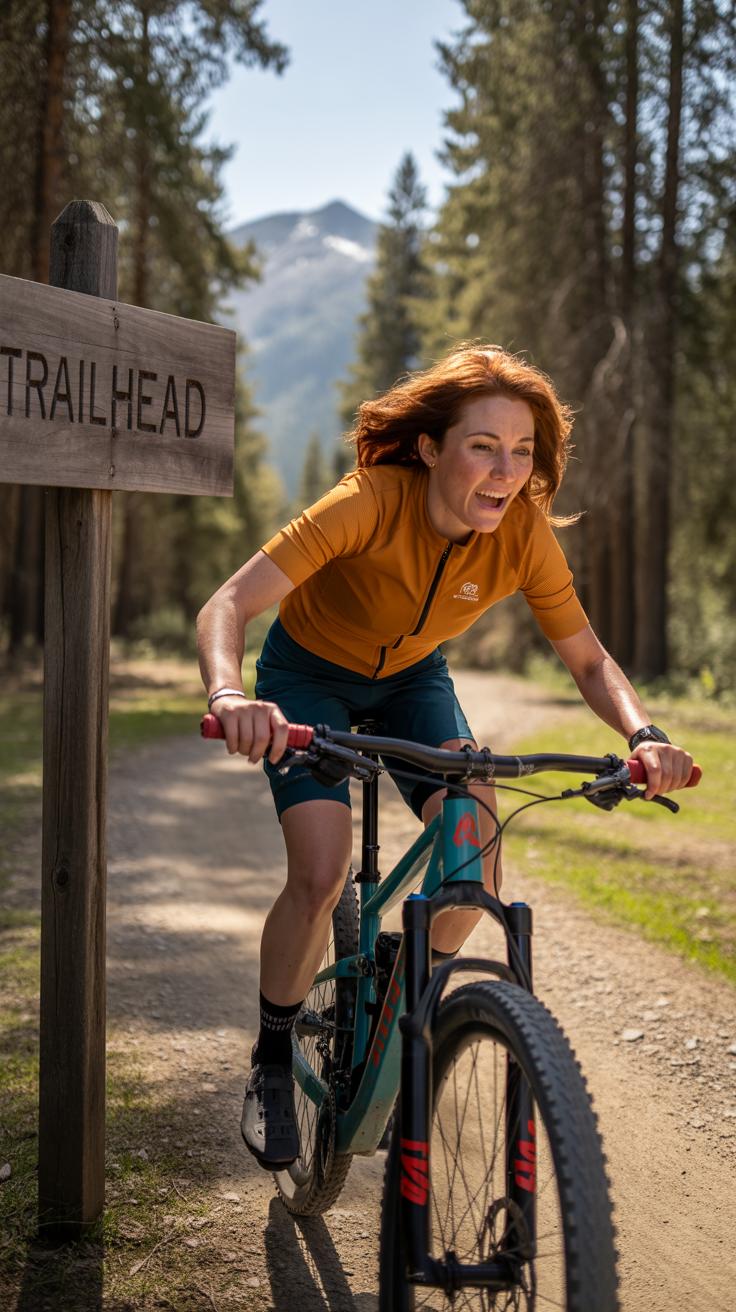
Casual Bike Rides
Taking a casual bike ride can be surprisingly refreshing. Think about cruising through your local park or slowly pedaling around your neighborhood. The gear? You really only need a reliable bike, a helmet, and maybe a water bottle. Sometimes, I forget how simple it can be.
Safe riding means watching out for cars, signaling turns, and wearing bright clothes if the light is low. Easy routes with smooth paths reduce stress, which makes the ride more enjoyable, not just exercise. You don’t have to push hard or cover miles to feel better. Sometimes, just being outside with the breeze and sights is enough.
Casual rides can help improve your stamina gently over time. You’re working your legs, balancing, and getting your heart rate up—but often without the strain you might expect. Have you noticed how a quick spin can lift your mood? It’s subtle but real.
Mountain Biking Basics
Mountain biking is a whole other world. It’s rougher, rawer, and sometimes a bit intimidating if you aren’t used to trails. What sets it apart? The terrain: uneven paths, rocks, roots, and sometimes steep climbs that test your muscles and nerves.
This kind of biking really challenges your balance and strength. You’re not just pedaling forward but constantly adjusting your body, gripping the handlebars tightly, and staying alert. It’s almost like a workout disguised as an adventure.
It’s exhausting in a good way, but also oddly rewarding. You may fall or slow down, but then you push yourself to try a tricky section again. It’s as much mental as physical. And when you finally reach the top or clear a rough patch? That feeling sticks.
Both casual and mountain biking blend exercise with the outdoors differently. Which one fits you better might depend on your mood, fitness, or even the bike you own. But either way, it’s a chance to move—breathe fresh air—and just be outside. Have you thought about where your next ride might take you?
Outdoor Sports Games


Playing outdoor sports can be a great way to mix fun and fitness, whether you’re with a group or just by yourself. Sports like soccer, basketball, and frisbee are accessible and don’t demand a lot of gear or special spaces. Soccer’s constant running builds endurance, while basketball’s quick bursts and jumps improve agility and coordination. Frisbee, on the other hand, can easily shift between casual tossing or a more intense game like Ultimate Frisbee, which pushes your speed and teamwork.
What I find interesting is how these games often feel less like exercise and more like just enjoying yourself outside. But you’re still moving, sweating, and working muscles you might forget about while sitting at a desk. Maybe you don’t have a team? No problem. You can practice dribbling a basketball solo, or simply throw a frisbee back and forth with a friend. It’s a flexible way to stay active, in my experience. Have you tried mixing up your usual routine with one of these? It might surprise you how quickly time passes.
Team Sports Fun
Playing team sports outside hits two birds with one stone: fitness and social skills. When you’re part of a team, every practice or game becomes a shared experience, not just a workout. Your body moves differently when you try to keep up with others, and the focus shifts from just exercise to cooperation and strategy. It’s a bit like getting your cardio and your chat time done at once.
Also, being outdoors usually adds an extra layer of energy. You feel the fresh air, hear the sounds of nature or the city around you, and that can boost your mood while you’re hustling on the field. Sometimes, the competition makes you push harder than you would alone. But, oddly enough, losing a friendly game can still feel like a win if you’ve connected with teammates. Does that mean team sports are more about bonding than fitness? Maybe, though both seem to happen side by side.
Solo Outdoor Games
Not everyone thrives in a team environment, so solo games outdoors offer a good alternative. Take frisbee alone—a simple disc and an open space can become a personal challenge, whether you’re working on accuracy or distance. Badminton is another option. It’s light on equipment, and even if you don’t have a partner, practicing serves or footwork can keep you active.
These games often demand focus and repetition, which can be oddly calming. You might find your mind clears as your body moves, making fitness feel less like a chore. Plus, solo play sets its own pace—you decide how hard or how long to push yourself without worrying about others. Have you noticed how some days you want company, and other times, just your own rhythm? These games fit both moods pretty well.
Water Activities

Swimming Outdoors
Swimming, whether in a pool or a lake, offers a workout that suits almost everyone. You don’t have to be a pro to benefit. Just moving through water eases strain on joints, which makes swimming an option for all ages and fitness levels. It’s a full-body exercise that really gets your heart rate up without pounding your knees or hips. This is why many people with arthritis or injuries find it easier to stay active in water.
Swimming outdoors also adds fresh air and natural surroundings, which can boost your mood. For beginners, starting with short intervals and focusing on basic strokes like freestyle or backstroke helps build endurance gradually. Have you ever noticed how calm swimming feels when you focus on your breathing? It’s almost meditative, yet physically demanding.
Kayaking And Canoeing
Kayaking and canoeing might seem similar but they offer subtly different experiences. Both involve paddling a small boat on rivers, lakes, or coastal waters. You’ll need a kayak or canoe, a paddle, and a life jacket—basic gear but essential. If you’re unsure which is right, try a tandem canoe or a stable kayak first to get your balance.

Physically, these activities work your upper body, especially shoulders, arms, and core. Paddling builds strength and endurance, often without feeling like a workout; many just enjoy the quiet and scenery. From my own experience, it can be surprisingly peaceful but also tiring if you’re not used to it. Beginners should practice paddling techniques on calm water before heading out further. Small challenges like steering and maintaining rhythm add a layer of focus that’s both engaging and beneficial.
Running And Jogging
Benefits Of Jogging
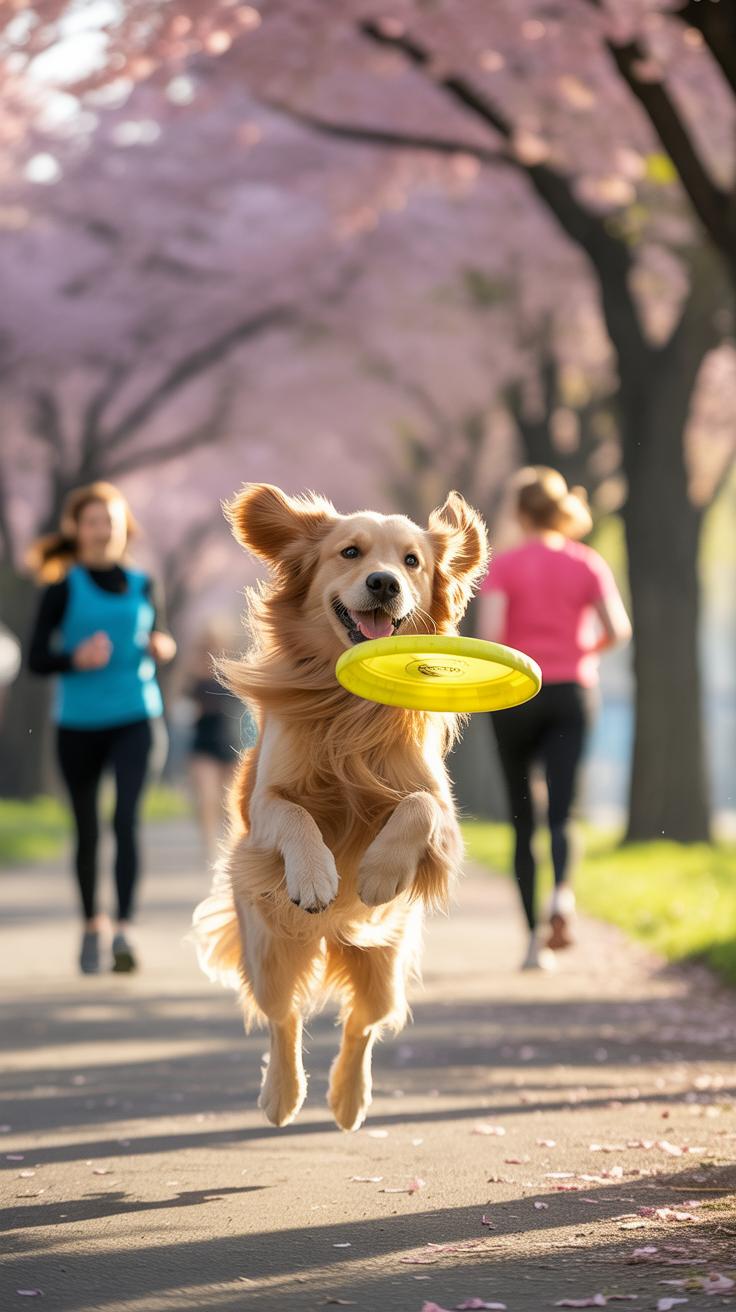
Jogging outdoors does more than just burn calories—you’re giving your heart a good workout, which can help lower blood pressure and improve circulation. Endurance builds gradually, and you’ll probably notice that daily tasks feel easier after some consistent jogging. There’s also a mood boost involved. Maybe it’s the fresh air or the rhythm of your steps, but jogging often helps reduce stress and can lift your spirits on a rough day. It might not fix everything, but it’s a simple way to add a little balance when life gets hectic.
Running Tips For Beginners
If you’re thinking about starting running, don’t rush out for the fastest pace. It’s fine—better even—to start slow and listen to your body. Try walking for a few minutes before you jog, then alternate jogging and walking until your stamina improves. Picking the right shoes actually makes a difference. Go for cushioned running shoes that fit well; your feet will thank you. Don’t skip warming up—simple stretches and a brisk five-minute walk can help ease your muscles into the session. And yes, consistency often beats intensity early on. A few short runs each week can build a habit more reliably than one long, painful session.
Camping And Nature Trails
Planning A Campout
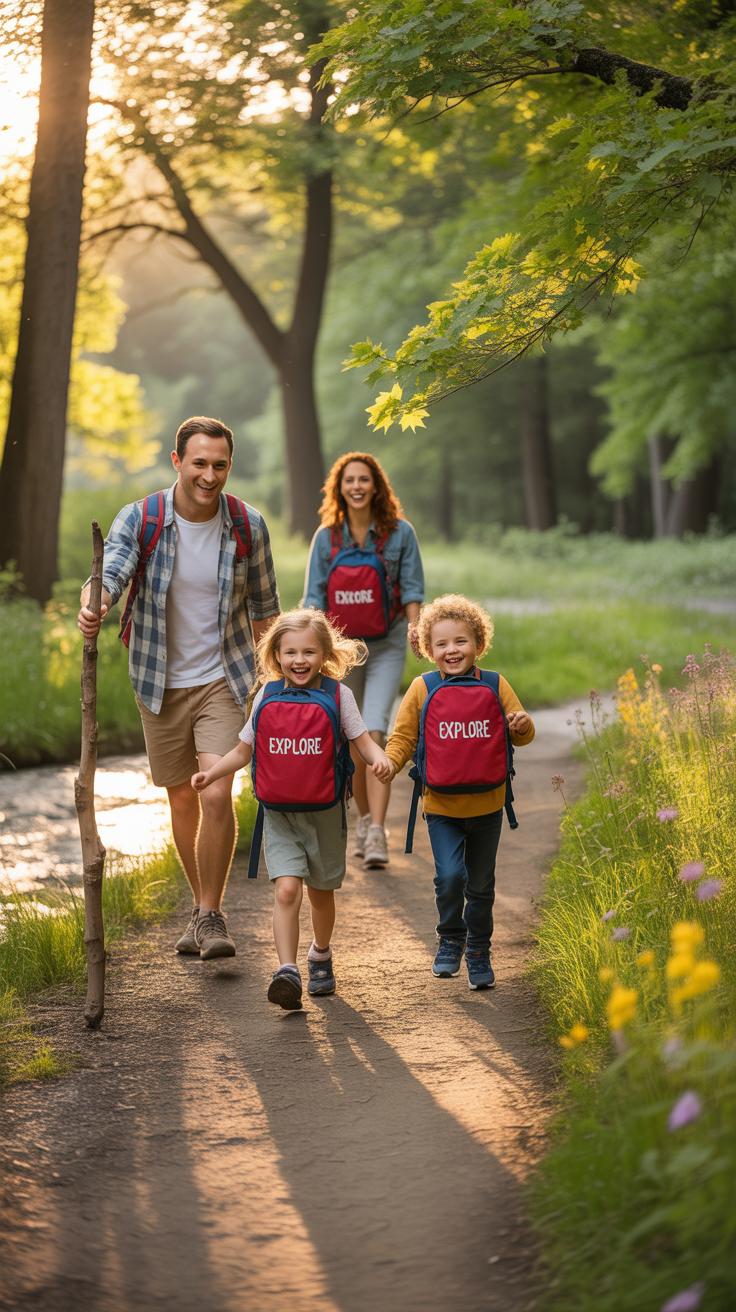
Camping outside can be a refreshing way to unplug and get moving. When you’re planning a campout, start by picking the right spot. Look for a site that’s safe, flat, and close enough to water—but not too close, unless you want to deal with bugs all night.

For gear, keep it simple but practical. A tent that suits the weather, a sleeping bag rated for the temperature, and a sturdy pair of shoes usually do the trick. Don’t forget essentials like a flashlight, some food, and a first aid kit. It might feel like overpacking, but a little prep goes a long way.
Safety-wise, mention where you’re going to someone. Check the weather before you leave. Stay aware of your surroundings. It’s easy to get caught up in adventure but being a little cautious helps you avoid problems.
Exploring Nature Trails
Walking or hiking on nature trails is more than just exercise; it connects you to the environment in ways that a treadmill never will. Try to slow down and really look around. Birds, plants, insects—they all offer little surprises if you’re paying attention.
It’s a quiet activity but can be surprisingly engaging. You might feel your mind relax, stress dropping as you move through the trees or along a creek. Plus, fresh air and uneven ground put your muscles and balance to work, adding subtle physical benefits without it feeling like a workout.
Not to mention, spending time outside seems to improve mood and sometimes creativity. Ever noticed how a simple walk in the woods can clear your head? That’s not just coincidence. Maybe it’s the combination of movement and nature—and maybe that’s why these trails keep pulling so many people back.
Fitness Boot Camps Group Workouts in the Fresh Air
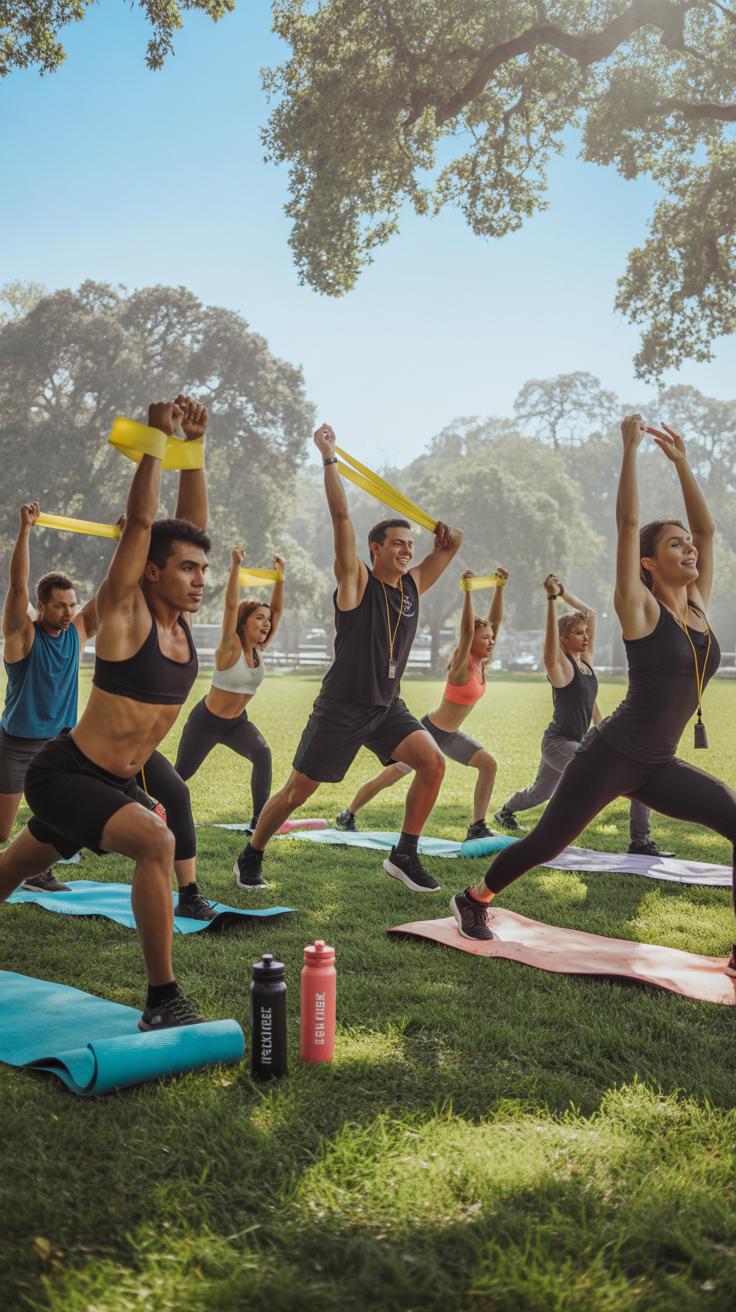

Fitness boot camps bring a unique energy to outdoor exercise. These sessions usually mix strength, cardio, and agility drills, all done in circuits or rounds. You might find yourself sprinting, then dropping for push-ups, followed by jumping jacks or lunges. The variety keeps things interesting, though it can be tough—especially when you’re doing it alongside others.
One of the best parts about boot camps is the group atmosphere. Exercising outdoors with people who are sweating just as much can push you harder. You might think you’re done, but then someone close by picks up the pace, and you somehow find a second wind. That kind of motivation almost feels contagious.
Typical boot camp workouts include:
- Bodyweight exercises like planks and squats
- Short sprints mixed with recovery walks
- Circuit training combining strength and cardio
- Partner drills or small group challenges
Preparing for these workouts means wearing comfortable clothes, bringing water, and maybe packing a towel. Be ready to move quickly and often. Sometimes you’ll surprise yourself by enjoying the challenge, other times you might just drag your feet. Still, being outdoors with others makes it easier to keep going.
Yoga And Meditation Outside
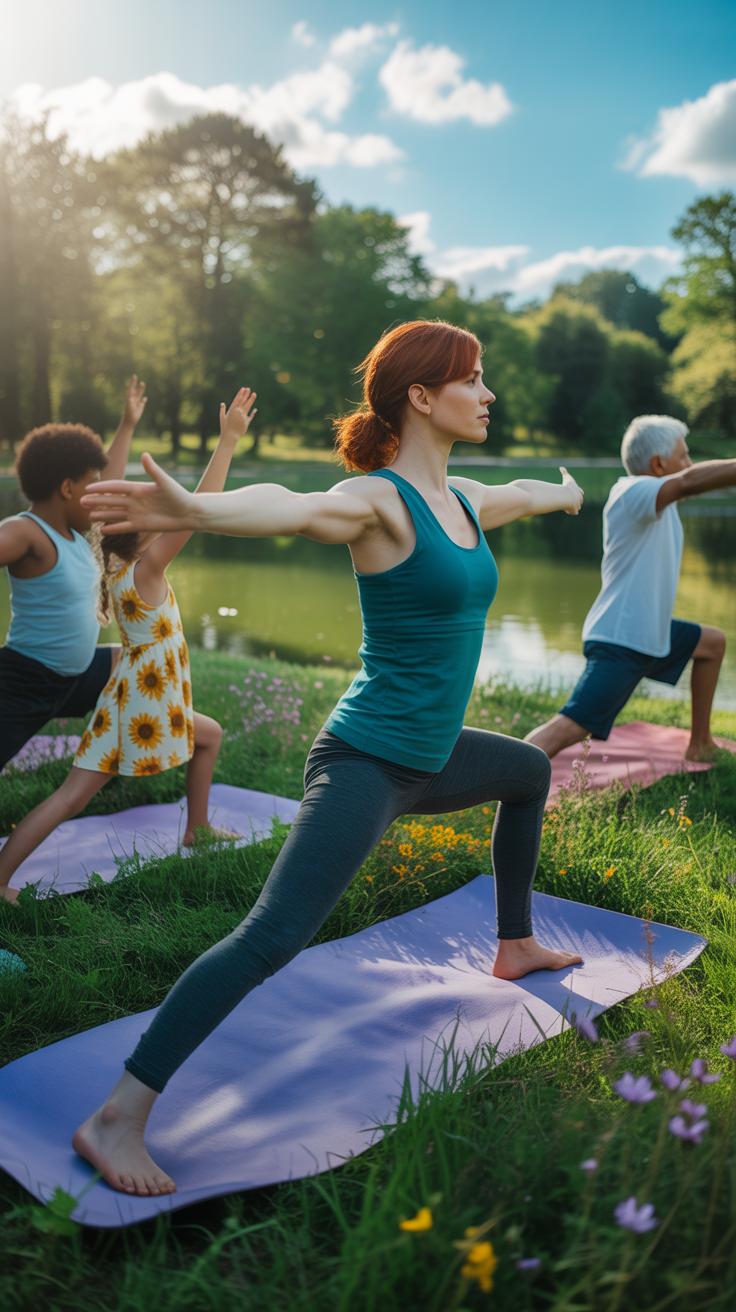

Practicing yoga and meditation outside can shift your mental and physical health in unexpected ways. Fresh air and natural sounds ground your mind, sometimes better than a quiet room. You might find your thoughts slowing down—or oddly, wandering more, which isn’t always bad. Sunlight helps wake you up gently, and the uneven ground encourages small adjustments in balance that a studio floor wouldn’t.
Simple yoga poses work well outdoors. Think of Mountain Pose, where you stand tall and rooted, feeling the earth beneath your feet. Then try Child’s Pose, a quiet stretch that lets you melt toward the grass or dirt. Warrior II is another good one; it helps build focus while you face whatever’s beyond your field of vision. These poses don’t require a mat and keep you connected to your environment.
Meditating outside can range from sitting quietly on a bench to a walking meditation through a shady trail. Nature’s unpredictability—birdsong, a breeze, distant chatter—can either distract or deepen your focus. Maybe try closing your eyes and tuning into the smells or the rustling leaves. Nature nudges you toward presence in a way that’s both calming and… well, sometimes a bit raw. But that’s part of the point, isn’t it? Finding stillness in an ever-moving world.
Exploring Local Parks

Activities At Parks
If you look around any local park, you’ll usually find a bunch of options to keep moving—whether that’s intentional exercise or just playing around. Walking paths are often the simplest, but really useful. Some parks have smooth, flat routes perfect for a brisk walk or a quick jog. Others might weave through trees or beside a pond, which makes the stroll nicer, if a bit slower.
Playgrounds aren’t just for kids. Adults can often join in, whether it’s helping little ones or just climbing on the equipment themselves. Then there are exercise stations scattered here and there. These can range from pull-up bars to balance beams—sometimes you stumble on them and end doing a few reps without meaning to.
Social gatherings happen too. Maybe it’s a park yoga group or an informal morning run club. Sometimes you’ll see people setting up games like frisbee or soccer, or even picnics turning into mini dance parties. Parks are oddly good at pulling people out of their routines.
Making The Most Of Your Visit
Choosing when to go matters. Early mornings tend to be peaceful, with fewer people and cooler air. Before sunset can be great too, especially in spring or fall. But weekends? They’re usually pretty busy, so if you want quiet, maybe avoid those.
Try to bring others along. A friend or family member boosts motivation, and it doesn’t need to be a formal plan. Just asking, “Want to join me for a walk?” can turn a solo lunch break into something more enjoyable. Throw in a dog, if you can; pets have a way of making these outings feel less like exercise and more like a break.
Sometimes, just sitting on a bench and watching the activity around you feels like its own kind of outdoor fun. Parks often surprise you if you’re open to discovering how to use them beyond the usual jog.
Conclusions
Outdoor activities give you more than just exercise. They bring happiness from connecting with nature and friends. From gentle walks to challenging hikes, there’s something outside for everyone. These activities improve your body and mind by reducing stress and increasing energy.
Try to include some outdoor fun in your days. Choose activities that excite you and fit your pace. Moving outside is a simple way to stay fit and enjoy each moment. Start today and discover how good being outdoors can feel.