

Scavenger Hunt Ideas for Outdoor Adventure Activities
Scavenger hunts are games where you search for specific items or complete tasks from a list made by the game organizer. These games are great for outdoor fun because they get you moving and exploring your surroundings. The goal is to find as many items as possible or finish the list first. You can play with friends, family, or in teams.
In this article, you will find simple and exciting scavenger hunt ideas for outdoor adventures. You will learn how to create your own hunt, add fun challenges, and keep everyone engaged. These ideas will help you enjoy the fresh air while having a great time searching for hidden treasures.
Choosing Your Location
Picking the right spot for a scavenger hunt can make or break the experience. You want somewhere that feels open enough to move around but still offers enough hiding places or clues to keep things interesting. Think about how much ground you want players to cover and whether the terrain matches the group’s age and energy.
For example, a park with trees, benches, and playgrounds provides natural checkpoints and diverse hiding spots. On the other hand, a wide open field might feel a bit empty, unless you add props or markers yourself. Sometimes, a neighborhood block can work well if it’s safe and has enough variety to explore.

Also consider the weather. Some locations handle rain or sun better than others. Shady areas can be a relief on warm days, but they might pose visibility challenges for spotting clues.
Accessibility matters too. If kids or older adults are joining, make sure paths aren’t too rough. And don’t overlook practical things like parking, bathrooms, or picnic areas nearby—these little details often get forgotten but really influence how comfortable everyone feels.
Have you ever started a hunt only to realize the chosen spot was either too confusing or just dull? Choosing thoughtfully can save you from that kind of disappointment.
Safe and Accessible Spots
Picking a good outdoor spot for a scavenger hunt means balancing fun with safety—something you might overlook until it’s too late. Think about where everyone can easily get to without trouble. Maybe consider places with clear paths or open spaces where it’s easy to keep track of participants. If you’re planning for kids, a fenced park or a community garden might work well. For adults, something a little wilder could be interesting, but that raises questions about potential hazards. Are there any dangerous plants or uneven terrain? Or maybe a nearby road that could be a problem? It’s worth walking the area ahead of time, even if it seems fine on paper.
Accessibility goes beyond just parking spots. Think about whether the place is suitable for everyone who’ll join, including those with limited mobility or those who might get tired quickly. Are there benches or shaded areas where people can rest? These small details can matter a lot. I once planned a hunt in a park that seemed perfect, but the absence of even a single water fountain made people uncomfortable after a while. You really want to avoid those kinds of oversights.
Nature vs Urban Settings
Choosing between a natural setting and an urban location can shape the entire experience—and each has its quirks. Nature parks offer greenery, fresh air, and lots of natural objects to find—pinecones, leaves, animal tracks. But they also come with unpredictable elements—mud, insects, maybe a little too much quiet for some groups. Plus, staying on trails matters because it’s easier to get lost, or disturb wildlife without meaning to.

Urban environments, on the other hand, provide a different kind of challenge: you might hunt for specific signs, interesting door knockers, or colors on buildings. There’s usually better lighting, and probably more spots for participants to grab snacks when they need. But cities can bring distractions that reduce focus or cause safety concerns—traffic, crowded sidewalks, or difficult-to-navigate alleys. Also, people might overlook subtle cues amid the hustle. So, which works better really depends on the vibe you want.
Sometimes mixing both settings works well too. Maybe start in a green space, then wind up somewhere urban for a change of pace. It’s not always about picking one or the other. Walking through landscapes that shift can offer fresh energy, but it calls for extra planning to keep things smooth and safe. What kind of adventure do you want your group to remember?
Creating the Item List

Making the list of items or tasks for your scavenger hunt is probably more fun than you might expect. It’s a chance to be creative but also practical—you want players engaged, not bored or stuck. Think about things that actually exist in your chosen outdoor spot. If it’s a park, leaves in different shapes or specific rocks might work. If it’s a backyard, maybe pine cones or certain flowers fit better. I usually jot down a bunch of common things first, then narrow it down after imagining how easy or hard they are to find.
Simple objects usually do the trick. Look for stuff like:
- Acorns or pine needles
- Colorful leaves or smooth stones
- Feathers or sticks shaped like a letter
- Flower petals or seeds

These are things that almost anyone can spot but might take some look and luck, depending on the season or place. The list doesn’t have to be long either—sometimes fewer items make the game flow better.
Adding tasks can shake things up. Ask players to do quick challenges, like:
- Sing a short song or recite a rhyme before moving on
- Hop five times or spin around twice
- Take a photo of something funny or unusual they spot
- Draw a shape with a twig or arrange a few stones in a pattern
Tasks like these bring energy and sometimes laughter. And, honestly, they make the hunt a bit unpredictable—which often is what keeps people hooked. You might wonder if too many tasks slow the pace. Sometimes they do, but that can be good if you want less competition and more casual fun.
Setting Rules and Teams

Clear and Simple Rules
When you’re organizing a scavenger hunt, the rules should be straightforward. Everyone, from kids to adults, needs to grasp what’s expected without feeling overwhelmed. For instance, you might say: “Find each item on the list and check it off” or “Take a photo of the item instead of bringing it back.” Keeping it simple reduces confusion and speeds up the start of the game. Sometimes people overcomplicate things with too many restrictions—try to avoid that. You want the game to flow naturally. It might also help to decide if players can ask for hints or if time limits apply. These small choices shape how competitive or cooperative the hunt will feel.

Another detail: be clear about boundaries. For example, set the area where searching is allowed so no one wanders off or feels lost. This keeps everything fair and safe. Don’t hesitate to repeat the rules verbally, especially for younger players. It might seem obvious to you, but hearing it twice can make a difference.
Forming Teams
How you group players often depends on how many people join. If you have a small crowd, playing individually can be fun—it makes the hunt faster and more personal. But with larger groups, teams usually work better. Teams mix skills, encourage communication, and cut down the chaos. You could split people randomly to mix things up or let players choose their own teammates if social dynamics matter more. Sometimes, pairing someone experienced with a newbie can balance things out.
Teams of two or three tend to work well—large groups might get distracted or slow down. It also makes it easier to assign turns or roles, like who keeps the list or who snaps the photos. Keep an eye on fairness; you don’t want one team stacked with all the fastest or most observant players. Balancing is tricky, I know, but it’s worth a little thought before the game begins. Ultimately, the goal is for everyone to have fun—not just to win.
Using Themes for Creativity

Giving your scavenger hunt a theme can change the whole feel of the game. It’s not just about finding objects anymore; suddenly, there’s a story or a vibe to follow. Themes act like a creative lens, kind of like wearing different glasses to see the same backyard as a jungle or a treasure island. They pull the players deeper into the experience, making each clue and item more meaningful—not just random stuff to find.
Popular Theme Ideas
Some themes are easier to work with because they have clear symbols and ideas you can lean on. Take nature, for example—simple, but rich. You can ask youngsters to find certain leaves, rocks, or signs of animals. Pirates also make for an adventurous hunt, where you hide “gold coins” and write clues on aged paper. Holidays offer seasonal twists; a Halloween hunt might involve spooky items, while a Christmas hunt can focus on ornaments or candy canes.

Other themes might pop up unexpectedly too—like a detective mystery where players solve mini-puzzles, or a space exploration theme guided by stars and planets. Picking something familiar sometimes helps, but pushing boundaries can be fun, even if it feels a bit out of reach at first.
Customizing Clues and Items
Once you settle on a theme, tailoring your clues and objects becomes almost second nature, though it takes some thought. For instance, in a pirate hunt, clues could be rhyming messages hidden inside bottles or maps leading to “buried” treasures. Meanwhile, a nature hunt’s clues might refer to the environment: “Find the tree where the red leaf rests.”
You can get playful with how clues appear—drawing pictures, writing in code, or using props matching your theme. Objects themselves don’t have to be expensive or complex. A simple pinecone can become a “magical amulet” in a forest-themed hunt. You want the items and clues to feel connected, but not forced. The balance between creativity and practicality might be tricky. Sometimes, you start strong but realize mid-way you need to tweak things, which is perfectly normal.
Themes also help when you want to adjust difficulty. Making clues a bit harder by involving theme knowledge can challenge experienced players. On the flip side, scaling back to simpler hints keeps it approachable. Think about your players and maybe experiment a little. What’s the most surprising theme you’ve seen work? I remember a “time traveler” hunt that kept everyone guessing—definitely one for the books.
Incorporating Technology


Using technology can add a fresh dimension to your scavenger hunt, making it more interactive and, if you want, a bit more challenging. Cameras or phones let you set up photo challenges where participants must capture specific moments or objects. For example, you could ask players to snap a picture of something red, a quirky shadow, or a group selfie with a friendly passerby. It turns the hunt into a creative exercise, not just a checklist of items.
GPS devices and smartphone apps open doors to geocaching-style hunts. You provide coordinates, and players use their devices to find hidden containers or clues. This layer of navigation adds a sense of discovery that’s different from just searching around visually. I’ve noticed teams often get more engaged, especially when the hunt involves a bit of strategy about which cache to hit first.
Using these tools does raise questions, though. Does relying on technology distract from appreciating nature? Or does it help bring a new group of people outdoors in a way they wouldn’t otherwise engage? Maybe a balance is key. Let the tech serve the experience, not take it over. After all, the point is fun and adventure, however you get there.
Engaging All Ages
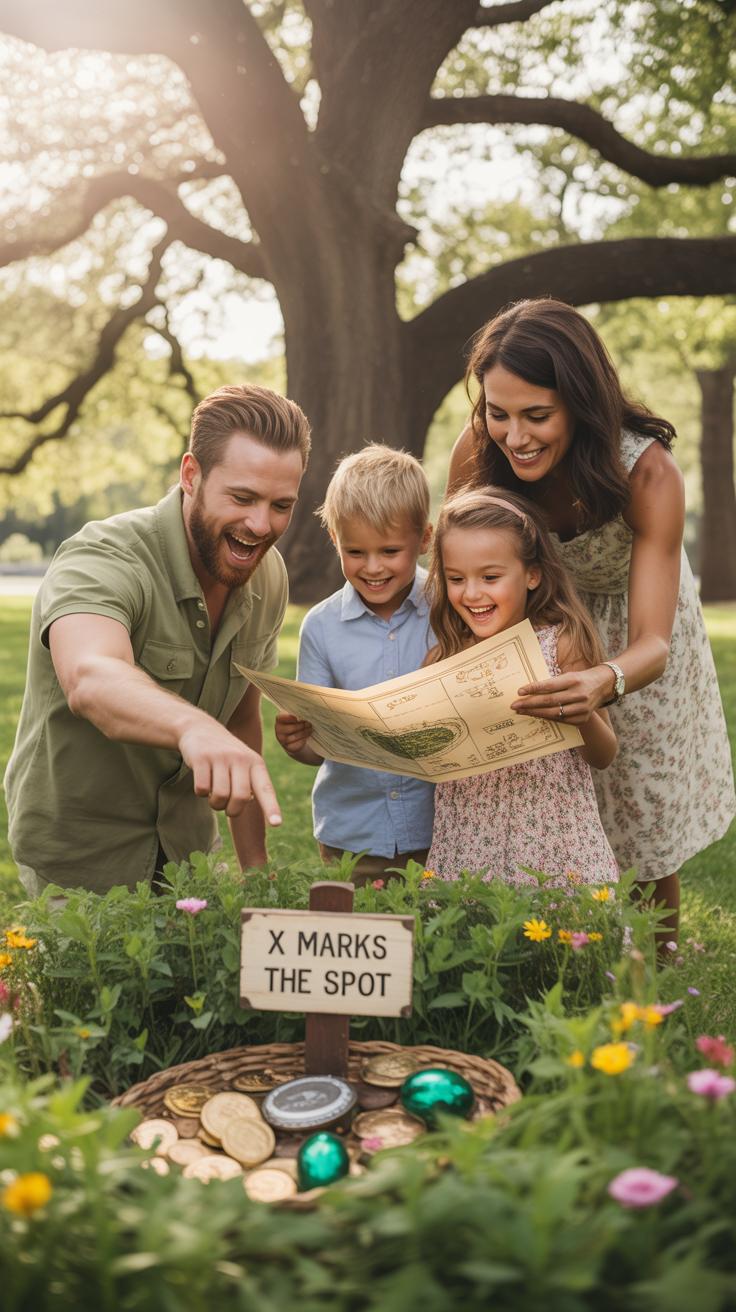
Bringing kids and adults into the same scavenger hunt can feel tricky at times, right? But it’s really about striking a balance—making challenges simple enough for younger ones but still fun for adults. One way is to create mixed task lists, where items vary in difficulty or require different skills.

For example:
- Ask kids to find colorful leaves or simple objects, while adults search for more specific plants or landmarks.
- Include picture or riddle clues that adults can enjoy solving, but also some straightforward items for children to spot quickly.
- Let adults help younger players with tricky parts but still encourage them to explore and discover on their own.
It might feel like adults end up either bored or over-helpful, but small moments of letting everyone share the spotlight can keep things lively and fair. And don’t forget—sometimes the youngest players surprise you. They pick up on things grown-ups miss.
Adapting Difficulty
Adjusting the difficulty can make or break the fun, especially when ages and skills vary a lot. One approach is tiered clues or tasks—easy ones for kids, more complex for adults or older kids. You could hand out separate lists or mix all tasks but assign points based on difficulty.
Try ideas like these:
- Children find common items like acorns or feathers.
- Teens or adults track bird calls or look for specific types of rocks.
- Include a ‘wild card’ challenge that anyone can attempt, like taking a creative photo or building a small sculpture from natural items.
Giving options can make sure no one feels left behind or frustrated. You might even surprise yourself with how well some tasks work for different ages.
Encouraging Teamwork
Team activities can really shape the experience. They push players to talk, plan, and figure stuff out together. Try forming groups mixing adults and kids rather than separating by age. Maybe:
- Assign roles like navigator, clue reader, or collector to engage everyone.
- Have team challenges where everyone’s input is needed to solve puzzles or find items.
- Encourage sharing discoveries and celebrating small wins as a group instead of racing against each other.

Sometimes, the simplest group tasks create the best moments—when someone helps another spot a hidden object or all work together to decode a riddle. Those moments stick, I think, because the game becomes less about winning and more about working together.
Keeping Players Motivated

Keeping everyone’s enthusiasm alive during a scavenger hunt can be tricky. You want to avoid the slump where players lose focus or slow down. One way is to sprinkle small surprises along the route—maybe a quick mini-challenge or a funny riddle that breaks up the routine. I’ve noticed that switching from just searching for objects to including physical tasks, like balancing on a log or spotting a bird sound, really wakes people up. It changes the rhythm and keeps things from feeling too repetitive.
Rewards play a big part too. Offering small treats like stickers, simple snacks, or even quirky certificates can push players to keep going. Sometimes the prize isn’t about the gift itself but the recognition; hearing “Well done!” or “You nailed that one!” can be oddly motivating. You might even think about giving out rewards not just at the end but throughout the game to keep energy steady.
Mixing up the challenges also keeps curiosity alive. When the hunt includes a mix of easy finds and tricky puzzles, it keeps the brain engaged. Plus, varying the pace—slower searches followed by quick sprints—adds a bit of unpredictability. I guess it mirrors how we naturally get bored with monotony, so throwing in new types of tasks or unexpected clues keeps the game lively.
Wrapping Up The Hunt
When the scavenger hunt comes to an end, it’s time to gather everyone together and take a moment to appreciate what’s been accomplished. You might feel a mix of relief and excitement as teams start to finish, tired but proud. Don’t rush this part—it’s where all the effort really pays off.
Reviewing the Results
Checking off completed tasks can be straightforward or a bit messy, depending on your setup. If you used score sheets or photos, now’s the time to compare them. Maybe ask each team to share a quick highlight or their favorite find—it helps reinforce the sense of achievement. When you share final scores, try to keep it lighthearted. Sometimes the team with the fewest points actually had the most fun, and that counts too.
You could write scores on a whiteboard or just spread papers out on a picnic table for everyone to see. This makes the results feel more interactive. And if disputes come up about a certain item, simply turn it into a small story or joke to keep things friendly.
Celebration Ideas
After everyone knows how they did, a simple celebration helps close the day nicely. Gathering for group photos is popular—it captures faces full of dirt and smiles, memories frozen in time. You don’t need fancy equipment; a phone camera works fine here. Maybe stage a goofy pose or a trophy moment, something that feels fun, not forced.
Sharing snacks outdoors adds a relaxed vibe. Something easy, like fruit, cookies, or trail mix, invites everyone to unwind and chat about the hunt. You might want to bring a blanket to sit on, so people can settle in comfortably. It encourages natural conversation—“Did you see that weird leaf?” or “That clue totally threw me off.” It’s these little exchanges that turn a game into a shared adventure.
Conclusions
Scavenger hunts combine excitement and adventure all in one outdoor game. By using creative ideas and easy-to-follow steps, you can make a scavenger hunt that everyone enjoys. Remember to tailor the list to the players’ ages and interests for the best experience.
Planning a scavenger hunt can turn any outdoor space into a place for fun and teamwork. Keep the game simple, encourage creativity, and most of all, enjoy the time spent exploring and playing with others. Your next outdoor outing can become a great memory thanks to a well-planned scavenger hunt.