The Health and Fitness Benefits of Solo Travel
Solo travel offers more than just the thrill of exploring new places alone. It can be a powerful tool for improving your overall health and fitness. By stepping out on your own, you open up opportunities to tailor your journey to meet your personal wellness goals, whether through physical activity, healthy eating, or mindfulness.
In this article, you will discover how traveling solo can boost your physical fitness, heart health, and mental well-being. The benefits you gain on the road can strengthen your lifestyle habits, inspire new healthy routines, and enhance your journey toward better health and fitness.
Active Exploration
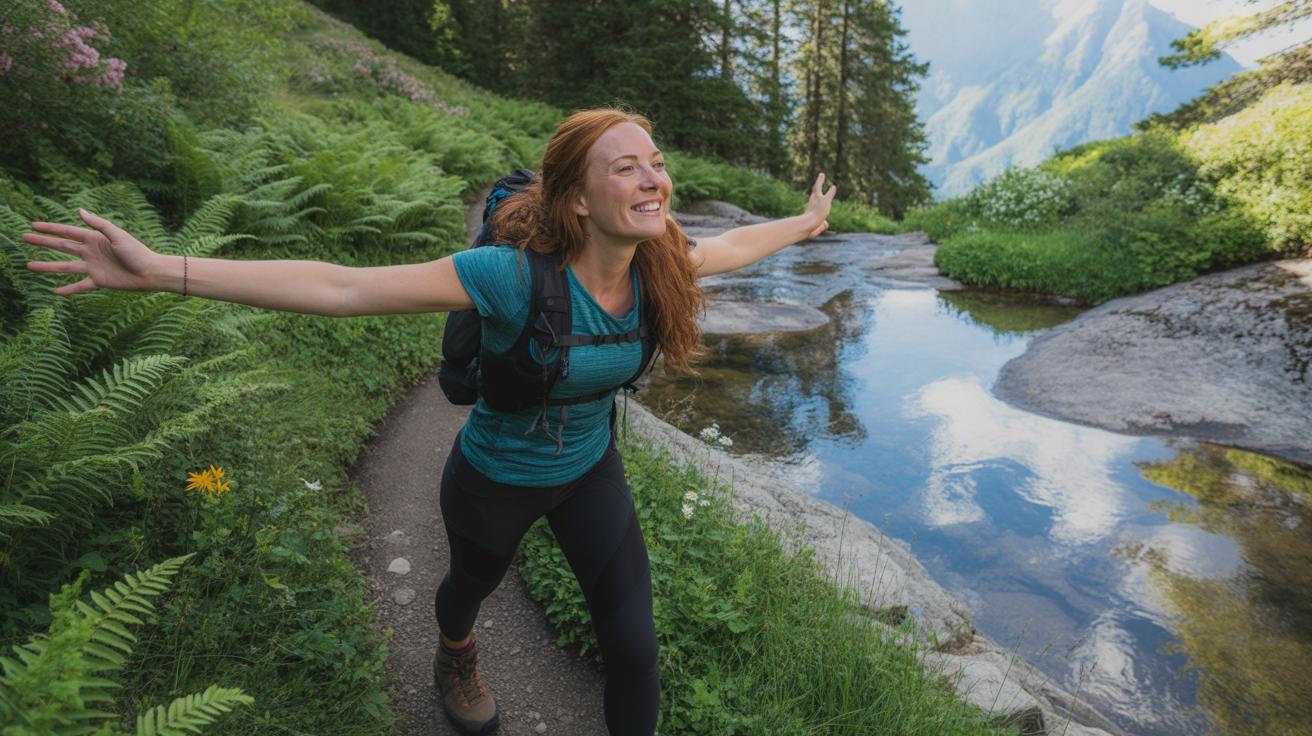
Solo travel often turns into a natural invitation to move. Without anyone else’s pace or plans to worry about, you might find yourself walking longer distances, wandering through streets, and hiking up trails just because you feel like it. It’s a kind of freedom that nudges your body to stay active almost without thinking. This kind of movement strengthens your muscles and gets your heart pumping, improving cardiovascular health even if it doesn’t feel like formal exercise.
Imagine spending your days exploring at your own rhythm—pausing to take in a view, climbing steps to a hilltop, or navigating uneven terrain. These activities demand strength from various muscle groups, from legs to core, and build endurance over time. It’s less about rigid workouts and more about everyday motions becoming your fitness routine.

Each sightseeing tour, every hike, or simply the act of exploring a city on foot adds up. Your heart works harder, blood circulation improves, and lung capacity gets a workout too. All those hours spent walking or climbing stairs aren’t just travel details, they’re subtle yet effective ways to boost your health while satisfying your curiosity.
Walking and Hiking Benefits
When you travel solo, walking and hiking tend to become your default mode for getting around. Without the constraint of following a group, you may discover routes that take you through parks, forests, or less touristy spots that require a bit of effort to reach. This kind of movement improves muscle tone—especially in your legs and lower body—and builds endurance steadily. It’s not fast or forced; it’s regular, consistent movement that really counts.
There’s something almost meditative about walking alone in new places. Your mind can wander as your body works. Over days or weeks, you might notice that hills don’t tire you as quickly, or that your balance feels better on uneven paths. This slow progression in fitness can be surprisingly rewarding, especially when combined with the excitement of discovery.
Cardio Impact of Exploration
Exploring on foot means your cardiovascular system gets ongoing, gentle exercise. This doesn’t require setting aside extra time to train; it happens while you’re out and about. Climbing stairs, walking long distances, and even standing as you explore museums or markets all contribute to keeping your heart and lungs in shape.
Keeping your body moving naturally throughout the day supports heart health by improving circulation and reducing resting heart rate over time. It also benefits lung capacity, making breathing easier and more efficient. Think about how you might feel more energized after a full day on your feet, despite the exercise not feeling strenuous.
Have you ever noticed that after several days of walking through a city or hiking a trail alone, you feel fitter without actively trying to exercise? That’s the kind of slow-building health benefit solo travel can offer—movement without pressure, which might just be what you need to stick with it.
Eating Well on Your Own

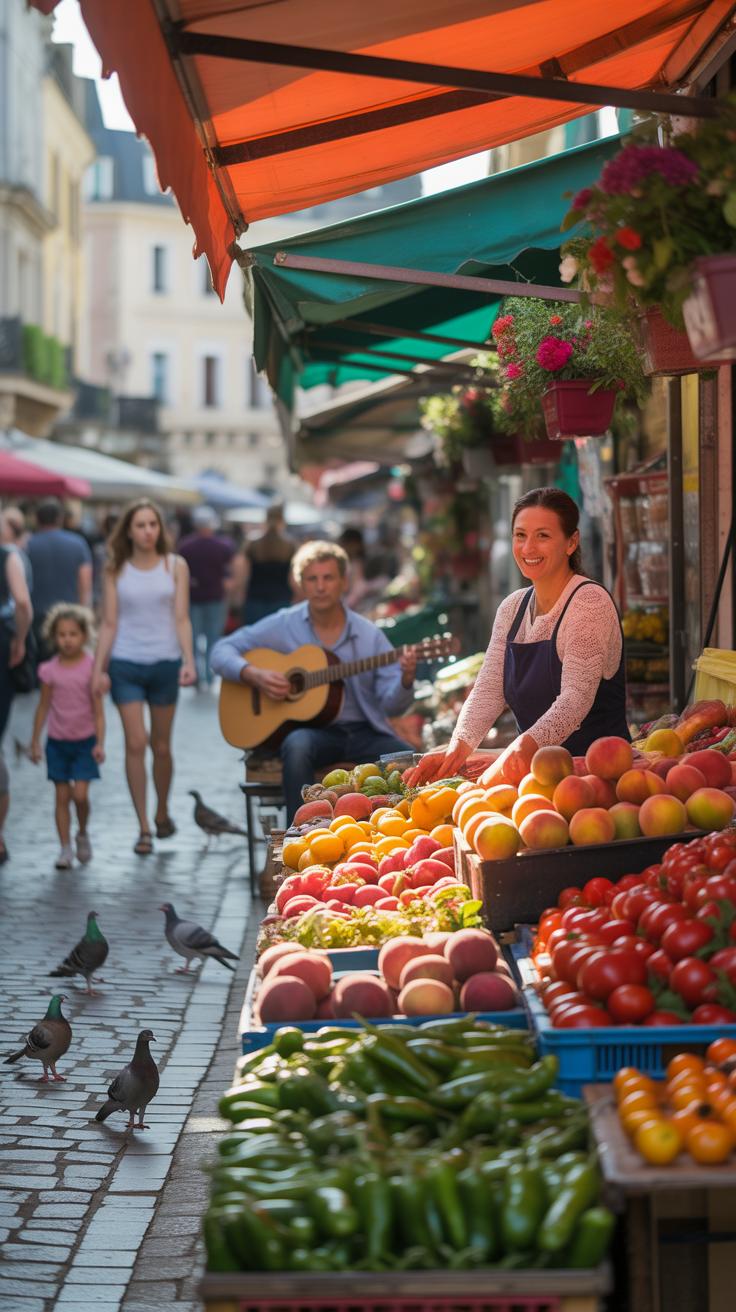
Traveling solo offers a unique chance to focus on your nutrition in a way that can be pretty hard when you’re with others. When you’re on your own, you decide exactly what goes on your plate—and that control helps you make choices that match your dietary needs or preferences. No concessions to someone else’s cravings or schedules. You can pick meals that energize you for the day ahead or help you recover after a long walk around town.
Sometimes, I find myself hesitating because I’m worried about missing out on social dining experiences. But then, it turns out exploring local markets or small eateries alone gives you more freedom to try things you might overlook in a group setting. Maybe it’s tasting fresh vegetables or fruits cooked differently, dishes rich in nutrients you didn’t expect to find. You can seek out those hidden gems that fit your health goals—things fresh, simple, less processed.
Here are a few ways solo travel makes eating well easier:
- Full say in where and what you eat without compromise.
- Flexibility to experiment with local nutritious foods without pressure.
- Time to focus on how your body reacts, adjusting if needed.
- Chance to try fresh ingredients or traditional meals that nourish differently.

Isn’t that kind of freedom what many of us want? Even if sometimes it feels a bit lonely choosing meals alone, it also means you can truly tune into what your body wants. Maybe next time, you’ll notice things about your eating that surprise you.
Mental Clarity

Traveling solo often clears the mental fog we carry around daily. Without the usual distractions, your mind has space to breathe—quiet moments stretch longer, and thoughts can wander without rush. You might find yourself reflecting on things you rarely consider, like what truly matters or where you want to head next in life.
Being alone in new places can lower stress in ways that feel almost accidental. When you’re focused on navigating unfamiliar streets or simply soaking in the scenery, worries fade, sometimes without you even noticing. New surroundings often break old patterns of thinking, nudging your brain to reset. It’s not always peaceful—sometimes your mind races—but that’s part of the process, I suppose.
Facing challenges without anyone else around can shake up your confidence. Solving problems on your own—from catching a bus to sorting out a booking mix-up—makes you realize your own resourcefulness. That sense of “I got this” grows a bit stronger each time, sometimes boosting self-esteem in small but meaningful ways. And when things don’t go perfectly? You learn resilience firsthand. It’s not about being flawless but about knowing you can handle life, even the unexpected bits.
Mindful Movement

Solo travel creates a unique space for mindfulness during physical activity. When you’re alone, there’s a sort of quiet that’s hard to find in daily life. That stillness lets you focus fully on your body moving—whether it’s yoga, stretching, or just standing still and breathing deep. Without the distractions of others, it’s easier to tune in to what your muscles feel like, what your breath sounds like, and how your mind settles in real time.
Practicing Yoga Away
Imagine unrolling your mat on a quiet beach or beneath a canopy of trees. Stretching out in these natural settings while traveling solo does more than just improve flexibility. It deepens the connection between mind and body. You notice the subtle shifts in balance and posture as you move with your surroundings. The fresh air, unfamiliar scents, and soft sounds invite a kind of presence that’s hard to mimic indoors. Some days the poses come easily; other times they feel awkward or wobbly. But that’s part of the process. You learn patience with yourself, noticing progress without judgment.
Outdoor Meditation Benefits
Meditating in a new environment can do strange things to your mental focus. The novelty may distract at first—what’s that bird call? Is the breeze too cold?—but gradually your mind settles into a sharper calm. You become more aware of the present moment because everything is unfamiliar and demands your attention. Out there, away from routine and noise, meditation often feels more vibrant, even if it’s just for a few minutes. And that boost in mental clarity adds layers to your relaxation, helping stress melt away differently than it would in a quiet room back home.
Sleep and Recovery
Setting Your Own Sleep Schedule
Traveling alone means you can tune into your body’s natural rhythms, without feeling pressured to keep up with someone else’s pace. You might find yourself going to bed earlier after a long day of exploring or waking up just when the light feels right for you. There’s a quiet freedom in deciding when to sleep and when to rise, especially if you usually juggle other people’s schedules at home. Of course, this flexibility can sometimes lead to irregular sleep, especially when adapting to new time zones or excitement about the place, but generally, solo travel lets you listen more closely to your personal sleep needs.
Rest for Physical Gains
Rest plays a major role in muscle recovery—something you might have experienced when muscles ache more after ignoring rest days. When you’re on a solo trip, stress tends to drop, or at least it did for me, and less stress means your body gets a better chance to heal and rebuild after physical activity. Whether you’re hiking, biking, or just walking through unfamiliar streets, proper sleep helps your muscles repair and your energy return so you can keep moving the next day. That said, not every traveler prioritizes rest, and sometimes solo adventurers push themselves too far, chasing experiences while ignoring signs of fatigue. Still, the choice is yours, and having control over your schedule often nudges you towards better recovery—even if it’s just a quiet afternoon nap in your room.
Social Health on the Road


Traveling alone pushes you into situations where you have to reach out and connect, sometimes when you least expect it. Meeting strangers in a foreign place isn’t always easy—there’s a certain vulnerability to it that almost forces you to develop better communication skills. Maybe you start with a simple smile at a café or a shared subway ride, and suddenly you find yourself exchanging stories, advice, or even just small talk that brightens your day. These moments build confidence in how you interact, helping you open up emotionally when back home too.
When you’re alone, every encounter holds more weight. You notice details in conversations more deeply because they’re your main social outlet. That awareness can make it easier to recognize others’ feelings and respond with empathy, which is something that often slips by when you’re in your usual comfort zone.
Being immersed in new cultures also stretches your mind. You might find yourself questioning your own assumptions or habits just by observing different ways of life. This can make you more adaptable mentally, more willing to accept ambiguity, and more patient with yourself and others. It’s not all smooth—sometimes it feels confusing or even frustrating—but that uncertainty is part of what shapes emotional growth.
- Engaging sincerely with locals improves listening skills and emotional insight.
- Simple interactions provide unexpected emotional support and reduce feelings of isolation.
- Exposure to new customs challenges your viewpoints, enhancing mental flexibility.
- Learning to navigate unfamiliar social norms deepens empathy toward diverse perspectives.
So when you meet someone abroad, it’s not just a travel story—it’s a step toward being more socially aware and emotionally balanced. Have you ever noticed how a brief conversation with a stranger can leave a lasting impact? Solo travel makes those chances happen more often, shaping your social health in subtle but meaningful ways.
Goal Setting and Achievement

Traveling alone sets the stage for your health and fitness goals to become deeply personal challenges. Without someone else guiding you or competing against you, the motivation comes straight from within—which can be both freeing and intimidating. You’re forced to confront what drives you, what you want, and how far you’re willing to push. It’s not just about checking off exercises; it’s a mental test as much as a physical one.
When you’re solo, you’ve got room to define your own targets, shifting them as your mood and energy shift. Some days, a quick walk feels like a win. Other days, you might surprise yourself with a longer run or a swim. That flexibility keeps your fitness journey honest and slightly unpredictable, which is refreshing.
Planning Fitness Goals
Setting small, clear goals—daily or weekly—helps you stay on track. For example:
- Walk a certain number of steps exploring a city
- Do morning stretches on your hotel balcony
- Fit in a short workout before dark
These plans often change on the road—weather, delays, or simply not feeling up to it. But planning first constructs a kind of framework to fall back on, so you don’t lose momentum. And yes, even on vacation, some structure can prevent you from slipping into total inactivity.
Tracking Progress Alone
Without a workout buddy, you become your own coach and referee. Logging your exercises, meals, or even jotting down how you feel mentally each day can reveal patterns you wouldn’t notice otherwise. You might realize that a morning run boosts your mood more than coffee, or that skipping a meal leaves you sluggish for sightseeing.

This self-monitoring is a quiet but powerful form of feedback. It allows you to adjust without pressure or judgment. On solo trips, I’ve found that writing brief notes about workouts or meals made me more mindful. There’s something about holding yourself accountable when no one else is watching. It builds confidence, too—knowing you can set a target and meet it on your own, in an unfamiliar place.
Safety and Preparedness

Travel Safety Skills
When you travel alone, your sense of awareness sharpens quickly. There’s no one else to rely on, so you start noticing details you might overlook otherwise—like which streets feel safe, or how people behave in different environments. You develop habits that guard your physical well-being, such as keeping your belongings close or avoiding risky places after dark.
It’s not just about avoiding danger, but learning to trust your instincts. Maybe you’ve had moments where something felt off but you doubted yourself. Solo travel pushes you to listen, to pause, and make smarter choices. You carry those lessons with you beyond the trip; they trickle into your daily routines.
Emergency Preparedness
Preparing for emergencies adds a layer of calm that’s hard to find otherwise. Knowing you have a plan if something goes wrong—whether it’s a medical issue, lost documents, or transport hiccups—something about that reduces stress. You might pack a small first aid kit, memorize emergency numbers, or share your itinerary with someone you trust.

This readiness doesn’t just protect your trip; it nourishes your confidence. It’s a quiet mental reassurance that stays with you, easing anxiety in unfamiliar places. Do you think about what you’d do if your phone died or you got separated in a crowd? Solo travel makes those scenarios less scary because you’ve rehearsed them, even if only in your mind.
Creative Expression
Solo travel offers a unique space for creative expression. When you’re on your own, away from familiar faces and routines, it’s easier to tap into your thoughts and feelings. This freedom can push you to explore outlets like journaling, photography, or drawing—each helping your mental health and personal growth in small but meaningful ways.
Travel Journaling
Writing about your trips is more than noting places or events. It’s a way to process what you experience—sometimes raw, sometimes confusing. Putting words down can clarify emotions that feel tangled in the moment. I found that simple journal entries became a kind of conversation with myself, helping me make sense of everything from excitement to homesickness. You might notice patterns in your thoughts or discover insights that otherwise slip by. There’s something about reflecting that makes the whole solo travel experience feel richer, if not a little less lonely.
Photography and Art
Capturing what you see, whether through a camera lens or sketchbook, also plays a strong role in calming the mind. Focusing on details—the way light hits a street corner or the lines of a building—encourages presence. It slows down racing thoughts. I remember pausing just to frame a shot or outline a quick sketch, and found those moments soothing in a way that helped clear mental clutter. While it might start as a hobby, this creative habit can become a tool to unwind and even gain clarity, long after the trip is over. Sometimes, your best photos or drawings emerge from impromptu moments—you don’t always need a plan.
Sustaining Healthy Habits
Solo travel often pushes you to build new routines—whether it’s morning stretches by the beach or exploring cities on foot. These habits don’t just disappear when you’re back home. The challenge lies in keeping them alive amid daily distractions.
When traveling alone, you tend to rely on your own motivation. This kind of self-discipline can be surprisingly long-lasting if you find ways to connect those habits to your everyday environment. For example:
- Keep a mini journal of exercises or healthy meals discovered during travel.
- Set small reminders that echo your travel routines, like walking instead of driving for short trips.
- Use portable gear, such as resistance bands or a yoga mat, to recreate travel workouts at home.
You might wonder if these solo travel patterns are just temporary curiosities. Maybe some are, but others can anchor a more consistent lifestyle—especially if you adapt them instead of trying to copy-paste exactly what you did abroad.
Maintaining Fitness Post-Travel
After returning home, it’s tempting to slip into old habits—and that’s where the real test begins. One tip that helped me was setting clear, manageable goals instead of aiming to match travel-level activity right away. Here are some practical ideas:
- Schedule your workouts like appointments. Solo travel often forces this discipline, so keep that calendar mindset.
- Try to recall the physical activities you enjoyed most—perhaps hiking or swimming—and find local alternatives.
- Stay connected with the mindset of exploration. Change up your routes or try new classes to keep boredom away.
You don’t need to replicate intense routines immediately. Even small, consistent movements count and can slowly build momentum.
Healthy Mindset for Life
Solo travel offers more than just new places; it cultivates a mindset that supports health and fitness beyond the trip. You learn to listen to your body’s signals without external pressure and accept imperfections in your efforts.
This mindset often translates into a gentler, more patient approach to your goals at home. You might find yourself less fixated on immediate results and more open to gradual progress. Also, traveling alone encourages adaptability—you get used to adjusting plans and expectations, which can help handle setbacks in your fitness journey.
Is it possible to maintain this mindset permanently? That depends on how much you integrate these lessons into your life afterward. Solo travel sometimes feels like a break from reality, but it can also offer clues about how to live more intentionally every day.
Conclusions
Your solo travel experience can bring lasting improvements to your health and fitness journey. It encourages you to be active daily, try new exercises, and focus on your mental health by enjoying solitude and discovering yourself. When you travel alone, your choices center on your needs, which helps build healthier habits.
Taking a trip alone challenges you to grow stronger, both physically and mentally. It offers a chance to reset your routine, recharge your mind, and increase your motivation for a healthier life. As you plan your next solo adventure, consider how each trip can move you closer to your health and fitness goals.