

Camping Games You Can Play With Friends and Family
Camping offers a unique opportunity to connect with friends and family in nature. The fun grows when you include games that everyone can enjoy. These camping games bring laughter, teamwork, and friendly competition to your outdoor adventures.
You don’t need high-tech gear or lots of space. Simple, creative games can make your camping trip memorable. Let’s explore camping games that are easy to set up and fun for all ages, helping you bond and create lasting memories.
Benefits of Camping Games
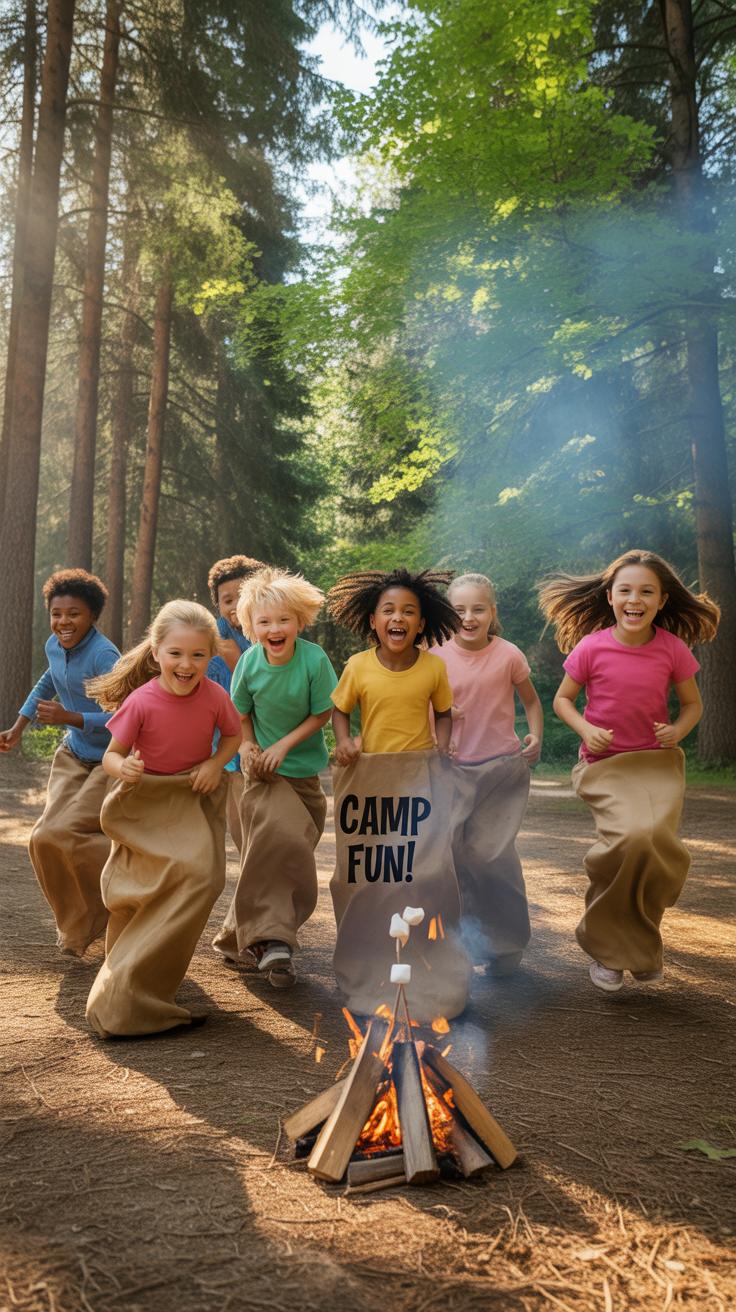
Playing camping games with your friends and family does more than just fill time—it brings people closer. When you’re out in nature, away from screens and daily distractions, these games let you focus on each other. You might notice how a simple game of tag or a scavenger hunt sparks laughter and genuine conversations. It’s those moments where you catch someone’s smile or share a spontaneous plan that build stronger bonds.
Besides connecting emotionally, camping games get everyone moving. Running after a frisbee or darting around for a quick challenge pushes your body in ways sitting indoors rarely does. That fresh air combined with activity can boost your energy more than you expect. Even a slow-paced game encourages muscles to stretch and hearts to pump, which probably feels good after a day of driving or sitting by the tent.
But it’s not just about feeling good physically or bonding right away. Sometimes these games leave subtle impressions—kids learning teamwork without realizing, adults shaking off stress bit by bit. You might find yourself more patient or more willing to try new things next day because your body and mind got that little nudge outdoors. Have you ever noticed how a simple campfire game can somehow lighten the mood or break the ice? That’s part of what makes camping games worth your time.
Simple Classic Games
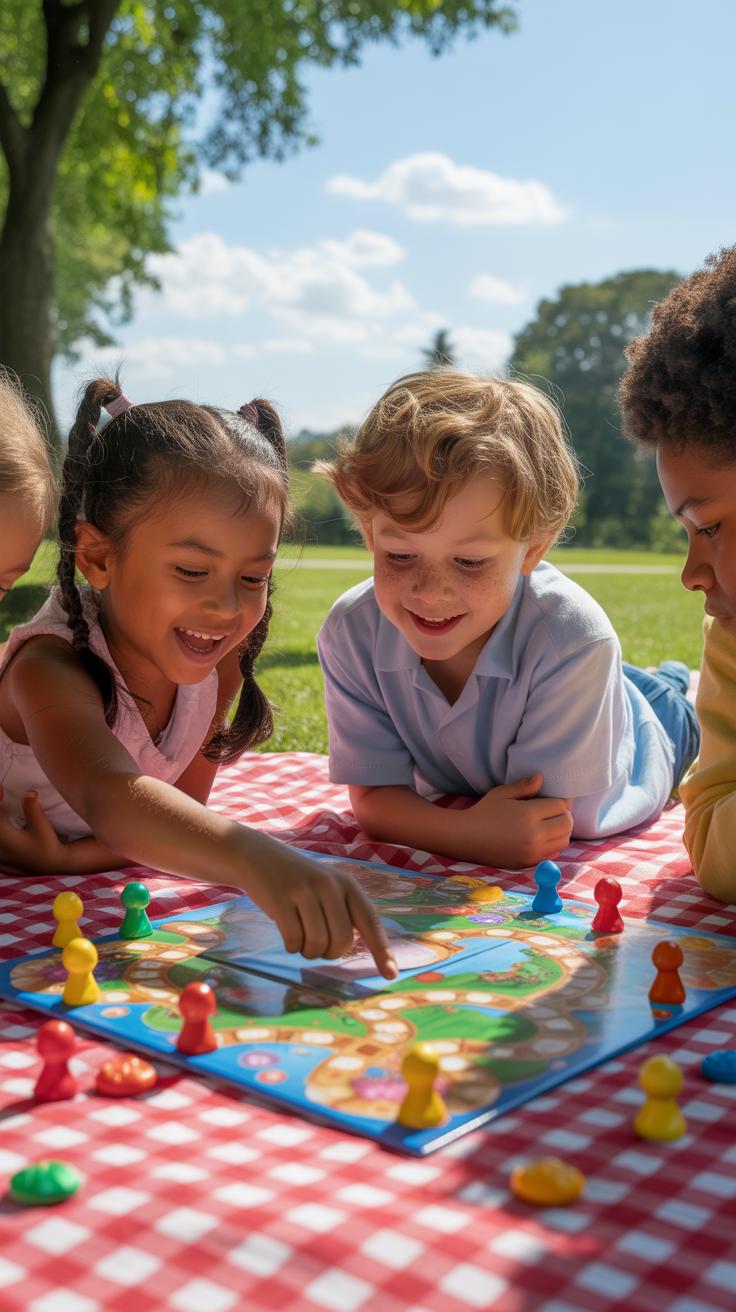
Classic camping games often need very little gear and work well for all ages. Think about tag—simple, active, and easy to start whenever. But you might want to mix it up a bit, especially around trees or tents. Variations like Freeze Tag, where players must stay still when caught, add a bit of challenge. Or maybe Shadow Tag, where you tag someone’s shadow instead of the person. These versions change the pace and strategy, which can keep everyone guessing.
Scavenger hunts also fit perfectly for outdoor fun. They use the natural environment, turning sticks, leaves, or rocks into prizes. Planning one? You might jot down simple items like “a smooth stone” or “a pinecone with a funny shape.” It’s rewarding to watch kids and adults scout around, getting quietly competitive and cooperative at the same time. Some hunts get elaborate, with clues and riddles, but you can keep it light. That way, everyone can jump in without too much explanation or planning. It’s surprising how even a small list sparks big smiles and energetic searches.
Team Building Games
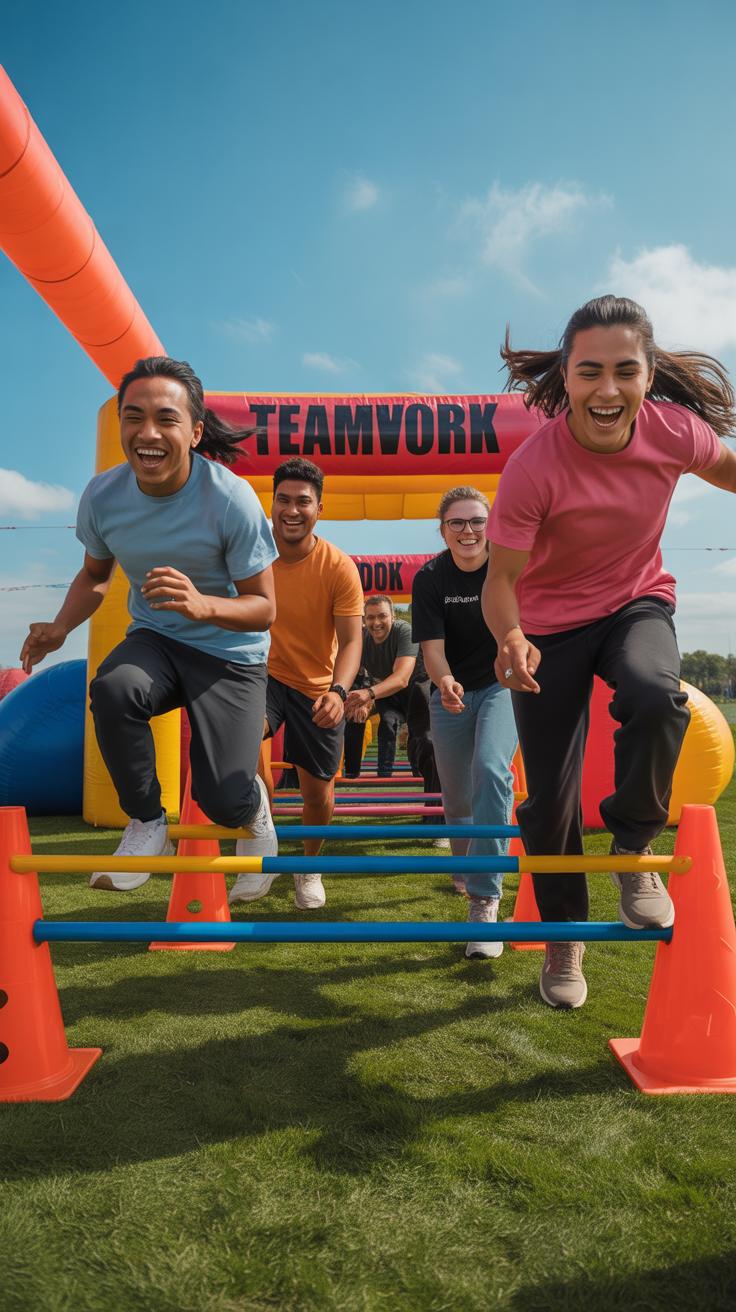

Team-based camping games tend to break the ice in a way that throws everyone into cooperative mode. They push players to work together and solve little challenges that pop up during the game. This isn’t just about winning; it sneaks in a bit of problem-solving and communication, sometimes without you even realizing it. You might be surprised at how a simple game can reveal who naturally steps up to lead, or who excels at listening more than talking.
Games like relay races, for example, don’t just get everyone moving. They demand coordination between teammates, quick handoffs, and sometimes a touch of strategy to decide the order of players or how to tackle a tricky section. Setting up a relay race is easy: mark a clear course, split into teams, and think of fun variations, such as balancing a stick or hopping on one foot. The challenge comes in keeping the pace and encouraging others — and often, that’s where the best memories form.
Trust exercises, on the other hand, dive a bit deeper. Something as straightforward as the classic trust fall or a partnered blindfold walk can feel surprisingly intense. You get to see how reliable someone truly is when your balance depends on them, or how easily you let yourself rely on others. These moments often spark laughter, sometimes awkwardness, but they also build real confidence within the group. Would you have guessed that simple games could make people open up and lean on each other?
Creative Storytelling Games
Campfire Tales
Sitting around the campfire presents a perfect chance to build stories together. You can start with a simple opening line—maybe something like “On this very night, deep in the woods, something unusual happened…”—and then pass the story baton to the next person. Each camper adds their twist, a character, or an unexpected event. It doesn’t require a plot map or careful planning, just listening and jumping in when it’s your turn.

These sessions tend to grow in surprising ways. One night, a quiet cousin might spur the group with a dramatic twist. Other times, the story stumbles before being pulled back on track by the most imaginative storyteller in the circle. That kind of unpredictability keeps everyone engaged, because no one really knows where the story will go next.
If your group is hesitant at first, try setting a loose theme—mysteries, forest creatures, or even silly scenarios like talking boots. It’s the shared laughter and unexpected turns that make campfire tales memorable, not the perfect story.
Improv Games
Improv games bring a different flavor to evening entertainment. They don’t just spark creativity, but often lead to bursts of laughter that echo through the campsite. One popular game is “Fortunately, Unfortunately,” where one person offers a fortunate event, and the next follows with an unfortunate twist. It keeps players on their toes and often reveals surprising connections.
Another favorite is “Freeze,” where two people start acting out a scene, and anyone watching can yell “freeze” to swap places and change the scene entirely. It’s silly, often random, and can get quite hilarious when someone makes an unexpectedly clever move. You don’t need to be a performer or confident speaker; the awkward moments often make it more fun.
Improv encourages quick thinking but also openness to whatever unfolds. In a way, it breaks the usual shapes of conversation around the fire, offering a kind of freedom that feels refreshing after a day of hiking or setting up camp.
Active Outdoor Challenges
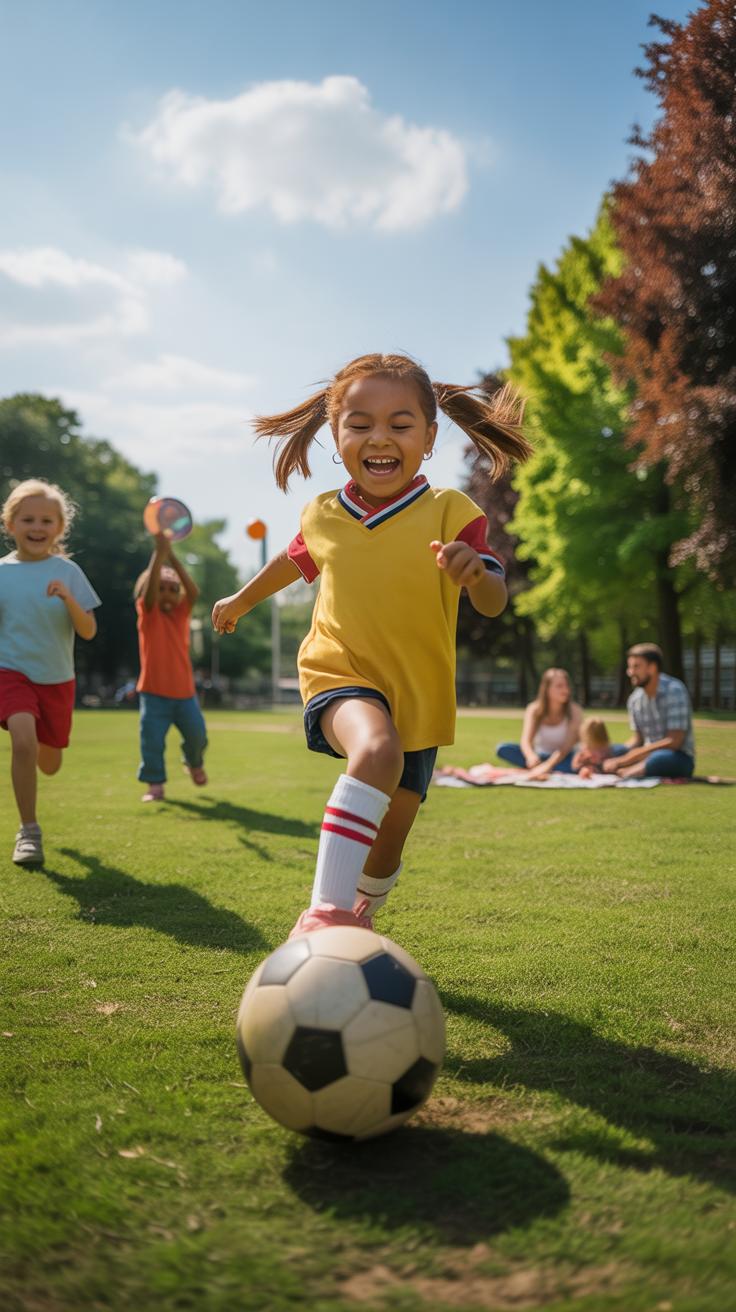

Adding some physical games to your camping trip can shake things up a bit. When everyone’s ready to stretch their legs, setting up an obstacle course might be just the thing. Think about using what’s around you—logs to balance on, rocks to hop between, or trees to zigzag through. It doesn’t have to be complicated. Even a simple path made by arranging sticks or marking boundaries with stones can turn into a fun challenge. You might be surprised how competitive—or clumsy—people get.
For example, last summer, I once made a course with a fallen branch as a limbo bar and tree trunks as stepping stones. It broke the ice and got everyone laughing, even the least sporty among us. You don’t need special gear; nature provides plenty of options. The key is to keep it safe, flexible, and maybe a little unpredictable.
Obstacle Courses
Creating obstacle courses outdoors only requires a bit of creativity. Observe your surroundings and decide which natural elements you can turn into challenges.
- Balance on fallen logs or rocks without falling off.
- Crawl under low branches or through narrow gaps between trees.
- Jump over small ditches or streams.
- Set up a “zigzag run” between evenly spaced trees.
Encourage everyone to time themselves or compete in teams. The course can be adjusted depending on ages and abilities, making it inclusive but still challenging. Sometimes, changing the rules mid-game—like hopping on one foot or carrying a small object—can keep things fresh.
Frisbee and Ball Games
Frisbee and ball games are classic for a reason—they get people moving, laughing, and just plain enjoying the outdoors. But, the typical toss can get old if you’re camping for several days. So, mix it up a bit with variations or even new rules.
- Try “Frisbee Golf”—set targets like trees, rocks, or backpacks and count throws to hit each one.
- Use the frisbee for team challenges like a relay where teammates pass the disc at set distances.
- Play a tag game where the person with the ball has to tag others without throwing it.
- Introduce “keep-away” or simple catch and dodge rounds, but outdoors, the stakes feel different.

These games might seem straightforward but watching people adapt to the terrain, or trying to catch a frisbee in the wind, adds unexpected twists. Plus, they’re great for breaking long periods of sitting or hiking while keeping everyone involved—even kids and adults.
Have you noticed how play changes outside on uneven ground? It’s like nature offers its own rules. Maybe that unpredictability is what keeps us hooked.
Quiet Campfire Games
When the campfire crackles low and the night settles in, it’s nice to slow things down. Quiet campfire games give you that chance to relax without losing the fun or the company of friends and family. These games don’t need much space, or bursts of energy, but they still keep everyone engaged.
Memory and Trivia
Memory and trivia games fit the calm nighttime mood perfectly. You might try a simple “I’m going on a trip…” memory chain, where each player adds an item to a long list, testing how well everyone remembers what came before. It’s often hilarious to see who forgets first.

Trivia can also spark interesting stories or debates. Try asking questions about nature, camp history, or even random facts about each other’s lives. Sometimes the best outcome is the conversation it leads to, not necessarily who “wins.” It’s a nice way to learn something new or just tease each other a bit.
Card and Word Games
Pull out a deck of cards or a small word game set, and you’ll find plenty of options for low-key fun. Simple games like Go Fish, Rummy, or Crazy Eights work well for all ages and usually don’t last too long, so they fit the calm vibe.
If you want to mix words and a bit of thinking, try games like 20 Questions or word associations. They challenge the mind but remain relaxed enough for a campfire setting. Plus, no one needs to rush or compete too hard, which feels right after a day outdoors.
When you gather around the fire, these quiet games make the night feel cozy without requiring energy you might no longer have. It’s a nice balance between fun and rest.
Games for Young Children
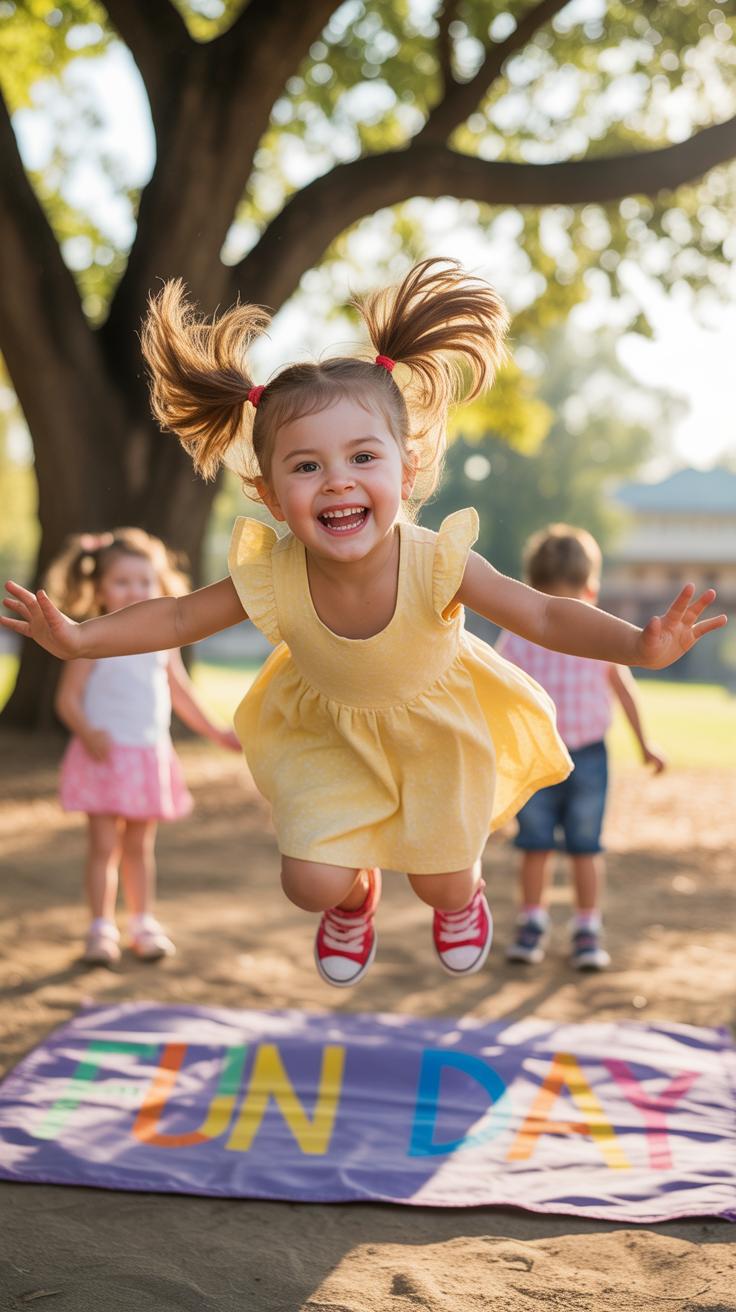

Keeping young children entertained during camping can be a bit tricky—you want games that are safe but still engaging enough to hold their attention. Simple activities that connect them to nature work best. For example, Nature Bingo is a fun way to get kids looking closely at their surroundings. You start by creating bingo cards with pictures or names of things they might spot outside, like pinecones, birds, or specific leaves. As they walk around, they check off items when they find them. It’s a game that gently encourages observation without rushing or competition.
Another easy game is Follow the Leader. One child takes the lead, moving around and making motions—maybe jumping over rocks or mimicking animal movements. The others watch carefully and do the same. It’s not just about copying; it helps kids notice details, coordinate their bodies, and sometimes, it even sparks a lot of laughter when someone adds a funny twist. Both games keep energy levels balanced, so kids stay interested but not overwhelmed.
Preparing for Camping Games
Choosing Approachable Games
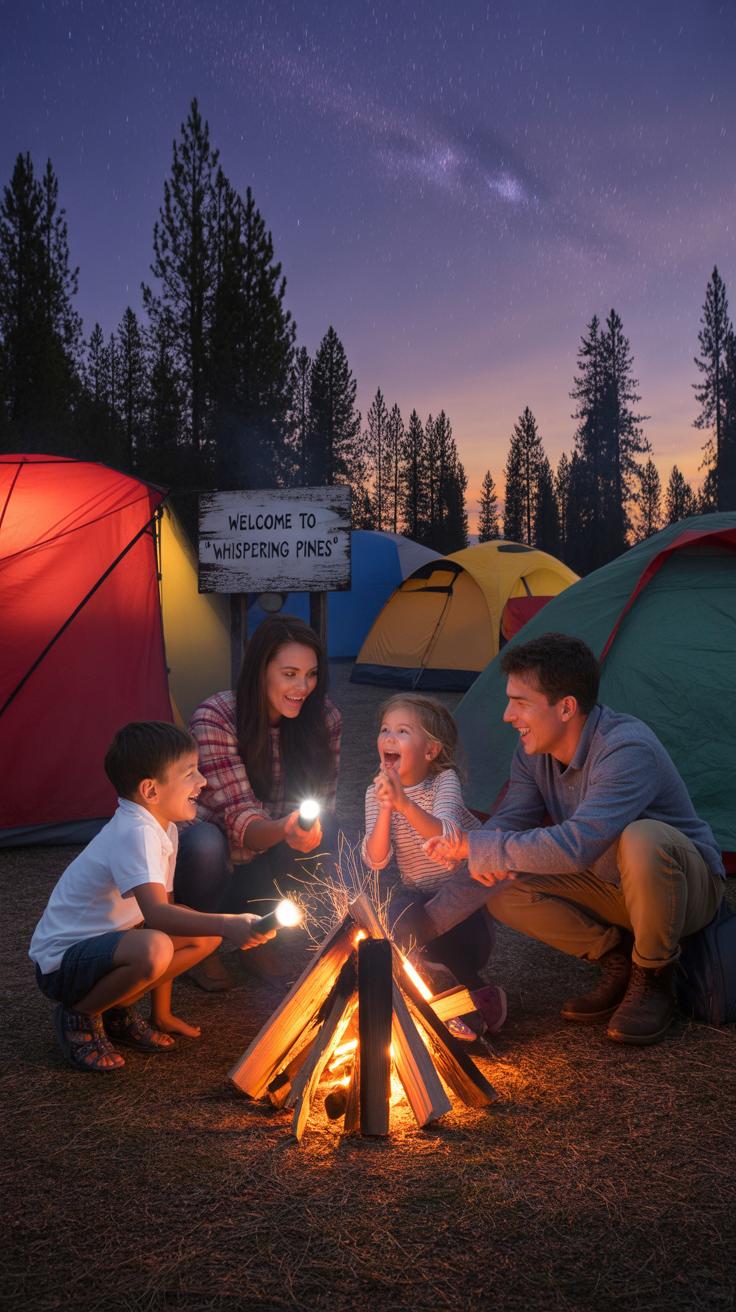
When picking games for camping, think about who’s joining in. You want games that don’t leave anyone out—whether that’s a five-year-old or a grandparent. Something simple like a scavenger hunt can work well, because it’s flexible and can be made easier or harder. But then again, some might prefer a quieter game, like charades or a nature quiz. It’s tricky to find a perfect fit for everyone, so sometimes having a few options ready helps. You might even ask your group what they’d want to play ahead of time, to avoid surprises.
Games that encourage teamwork rather than competition often keep things light, especially if people aren’t in the mood to “win.” Also, consider the setting; some games need open space, others work better around the campsite or campfire. The key is to have variety and to stay open to changing plans if something feels off.
Gathering Equipment
Packing for camping games means thinking small but useful. A few essentials usually cover a wide range of activities, like:
- A deck of cards or travel board games for a break from physical play
- Simple sports gear—a frisbee, a ball, or jump ropes
- Paper and pencils for drawing or writing games
- A flashlight if you plan on playing at dusk or after dark
- Sticky notes or small objects to use as game pieces

Sometimes natural items found nearby can double as game props, like sticks or pinecones. But having your own stash means you’re not stuck if the ground is wet or the area is messy. Plus, some games might need more specific gear, and that’s when planning ahead helps avoid last-minute runs to the store or awkward improvising.
Thinking about how much you can carry without overpacking is also important. You don’t want your car packed so full you can’t find the marshmallows. So pack smart, but don’t be afraid to bring a little extra—especially things that can entertain when people are just hanging out. It’s often the spontaneous moments sparked by a simple game that become the best memories.
Conclusions
Camping games have a special way of bringing people closer outdoors. Whether classic or new, these activities break the ice, foster teamwork, and add joy to your trip. They encourage everyone to participate, creating shared stories and laughter around the campfire.
Next time you go camping, try the games discussed here. They are designed for all skill levels and ages. Bring your friends and family closer together while enjoying the fresh air and beautiful surroundings. Your camping experience will be more fun and meaningful.