
The Health and Fitness Benefits of Hiking
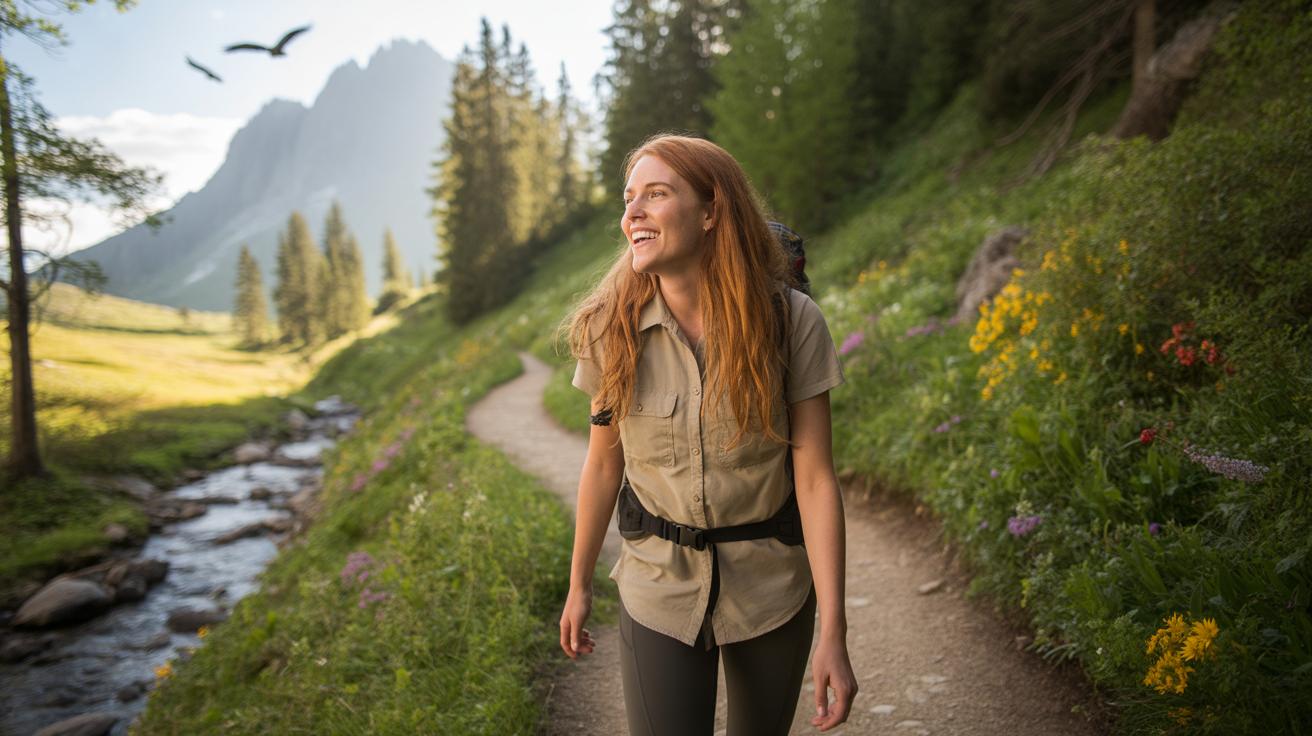
Hiking is a long walk usually done on trails or paths in nature. More than just fun, hiking can make your health and fitness better. It helps your body and your mind in many ways. This article talks about these benefits and shows why hiking can be a great part of your health and fitness routine.
From making your heart stronger to helping you feel less stressed, hiking offers many good effects. We will learn how hiking helps your body stay fit and your mind stay calm. We will also discuss tips to start hiking safely and how it fits with your overall fitness journey.
Health Boosts from Hiking

Hiking works your whole body in a natural way. When you walk on trails, your heart starts pumping harder. This helps strengthen it over time. Your muscles, especially in your legs and core, get used more than when you walk on flat ground.
Going uphill or over uneven ground makes your bones work harder too. This can improve bone density, which might help lower the risk of osteoporosis later. When you breathe in fresh air on a hike, your lungs expand more deeply than usual, improving how well they work.

Regular hiking can lower blood pressure and reduce the chance of heart disease. It also helps control weight since you burn calories moving over varied terrain. For example, a long walk up a hill can burn more calories than an hour on a treadmill, even if the pace feels slower.
Because hiking challenges your balance and strength, it can reduce falls by improving coordination. Plus, being outdoors might encourage you to keep up exercise habits longer. It’s easier to stick with something you enjoy, right?
Have you ever noticed how tired your legs feel after a day on the trail? That’s your muscles getting stronger bit by bit. It’s not all about speed or distance—sometimes just moving over rocks or roots makes a big difference.
Some studies link hiking to lower chances of diabetes and better overall fitness. So next time you’re thinking about health, think beyond the gym. Nature offers a simple, effective way to help your body stay fit and healthy.
Physical Health Benefits


Hiking can do quite a lot for your body, even if you don’t notice it right away. When you set off on a trail, your heart starts working harder to pump blood, which over time makes it stronger. Think of it like a muscle getting regular exercise—it adapts and grows more efficient. This means better circulation and improved heart health, which can lower the chances of heart disease and high blood pressure.
Your lungs also get a workout. As you breathe in fresh air and climb hills, they expand and take in more oxygen. Over weeks and months of hiking, your lung capacity often improves. You may find yourself less breathless on steep paths, a sign your body is adjusting. This helps reduce risks like asthma flare-ups and other respiratory problems.
Muscles get involved too. Hiking uses your legs the most—your calves, thighs, and even hips work to keep you moving on uneven ground. You’re not just putting one foot in front of the other; you’re balancing, stepping up rocks or roots, and sometimes using poles that engage your arms. This builds muscle strength little by little.
And don’t forget your bones. The weight-bearing nature of hiking helps maintain bone density. This can be important in preventing diseases like osteoporosis, especially as you get older. Putting consistent, gentle stress on your bones encourages them to stay strong.
So, when you think about it, hiking hits several aspects of your physical health at once. Could there be a better way to exercise your heart, lungs, muscles, and bones all while enjoying the outdoors? Maybe not, but it depends on your trail and pace. Still, it’s hard to argue that a few hours on foot can leave you feeling healthier in a way that lasts.
Mental Health Benefits

Lower Stress
When you go outside and hike, something about the fresh air and open space helps calm your mind. It’s not just about exercise — being in nature can actually lower the stress you feel from day-to-day life. You might notice your shoulders relaxing or your breathing becoming slower without even trying.

For example, after a hike, many people say they feel less tense or worried. Maybe it’s because distractions from work or phones fade away. Or perhaps the gentle sounds of birds or rustling leaves make your brain shift gears. It’s simple but powerful. Hiking gives your mind a break from constant noise and pressure.
Better Mood and Focus
Hiking also seems to raise your mood. You may feel happier or even a bit lighter in spirit. This could be because your brain releases chemicals linked to feeling good when you move and breathe fresh air.
Plus, spending time walking in nature can help you focus better afterward. Some people find that problems feel less overwhelming and creativity might pop up more easily. It’s almost like your mind clears up, even after just one short walk.
Have you noticed how a simple hike can make small worries seem less important? It’s not magic — it’s your brain responding to a change in environment and activity. So, if you want a mood boost or a sharper mind, hiking might be worth trying more often.
Hiking and Overall Fitness
Hiking as Workout
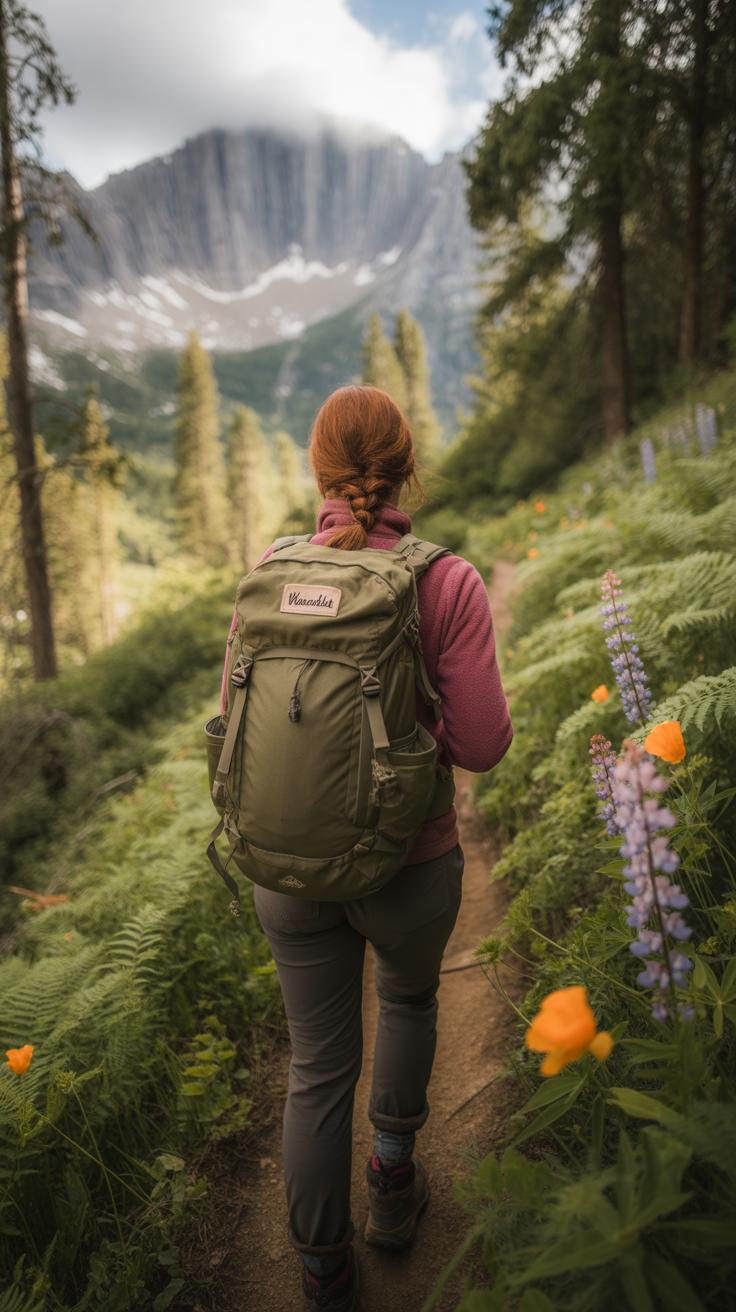
Hiking is more than just walking outdoors. It can be a solid aerobic workout that makes your heart pump and lungs work harder. When you hike uphill or add some weight with a backpack, your muscles start to work in ways regular walking doesn’t. This builds endurance, both cardiovascular and muscular. You might notice your legs getting stronger over time—especially your calves, thighs, and even your core. It’s not just about speed or distance; changing terrain challenges balance and stability, which works smaller muscle groups too.

One thing to consider: hiking intensity varies a lot. A flat trail might be easy, while steep or rocky paths can push your fitness more. So, this exercise adapts to different fitness levels in a way that, honestly, some gym workouts don’t.
Hiking with Other Exercises
Hiking alone is great, but it’s even better when combined with other activities. For example, you can do strength training on non-hiking days to boost muscle power, which helps when climbing steep trails. Stretching or yoga can improve flexibility and prevent stiffness after hikes.
Trying to fit in some cardio without leaving your neighborhood? A jog or bike ride complements hiking well by working different muscle groups. Maybe, on the weekends you hike, and during the week, you do lighter workouts to keep moving without burning out. This mix makes your fitness routine more balanced and keeps things interesting—because honestly, doing the same exercise every day can get a bit dull.
So, what does your current routine look like? Could adding hiking bring that extra spark to your fitness journey?
How to Start Hiking


Choosing Trails
Pick trails that feel manageable at first. Start with shorter paths, maybe one to three miles. Think about how much time you want to spend. Look for trails labeled “easy” or “beginner.” These usually have less steep climbs and smoother surfaces.
It helps to check online maps or trail reviews. Some sites show how hard each trail is. If you want, ask friends or local hiking groups for suggestions. Don’t rush into long or tough hikes right away. You can always try something harder later, once you get a bit more comfortable.
Basic Gear
You don’t need fancy stuff to start. Good shoes matter most. Pick footwear with solid grip and support. Running shoes can work in a pinch, but hiking shoes are better if you can get them.

Bring water. Maybe a bottle or a small pack with a water bladder. Staying hydrated is key, even on easy walks. Wear clothes you can move in. Layers work well so you can add or remove them as you go. Avoid cotton—it holds sweat and gets cold.
Simple things like sunscreen, a hat, and snacks can make a difference too. You might forget some of this at first, and that’s okay. You’ll learn what you like to carry over time.
Planning is part of the process. Think about when you’ll go. Morning hikes are often cooler and less crowded. Let someone know where you’ll be—that’s smart no matter the trail.
Hiking Safety Tips

Staying Safe on Trails
When you hike, it’s really better to stay on the marked trails. I’ve seen people wander off just to explore, but that can lead to getting lost or damaging plants. Trails are there to guide you safely through the area. Plus, the path helps you avoid tricky spots, like loose rocks or slippery mud. Watching your steps matters too. Even on easy trails, you might trip over roots or uneven ground. It’s easy to forget how uneven nature can be until you stumble. So, take your time—fast doesn’t always mean safer when you’re hiking.
Preparing Well
Before you head out, there are a few simple things to check. Look at the weather report so you’re not caught in rain or strong wind; I learned this the hard way once, when a sunny morning suddenly turned stormy. Also, tell someone your plan—where you’re going and when you expect to be back. It doesn’t have to be complicated, just a quick text or call helps if anything goes wrong. And don’t forget water. Carry enough to keep you hydrated. I sometimes underestimate how thirsty hiking can make you, especially on sunny days. A water bottle or two will do, but think about the length and difficulty of your hike.
Hiking for All Ages
Kids and Hiking
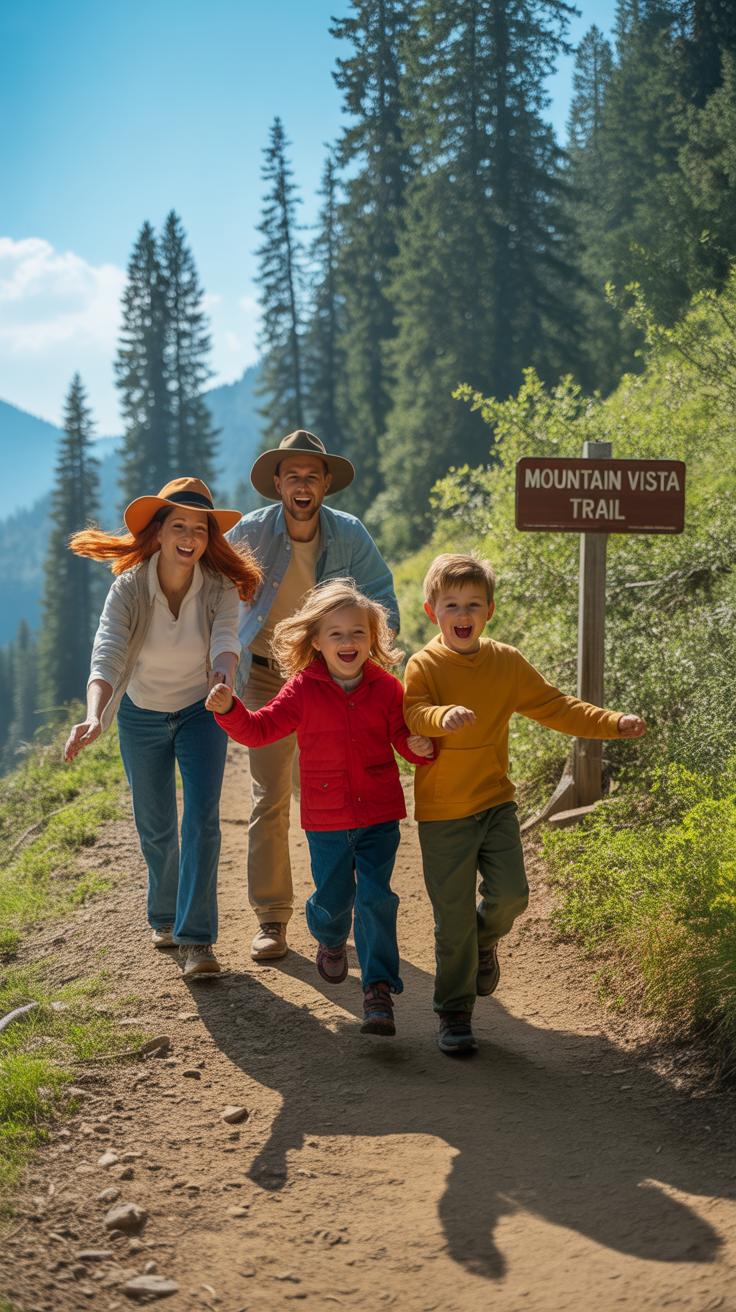
Hiking can be a great way for kids to spend time outdoors and get moving. When children walk on trails, they use their muscles and burn energy, which helps them stay healthy. Plus, being outside lets them explore nature, which many kids find fun and interesting. You might notice that kids get curious about the plants, bugs, or animals they see along the way. This curiosity can make a walk feel more like an adventure than exercise.

Also, hiking can help kids learn to focus and enjoy quiet moments, something that is not always easy with busy lives. Even a short walk can improve their mood and make them feel less restless. Have you ever felt calmer after a short walk? Kids often feel the same way, sometimes without even realizing it.
Older Adults Hiking
For older people, hiking offers more than just physical benefits. Walking on trails can help keep muscles strong, which is important for daily tasks like climbing stairs or carrying groceries. It also improves balance, which might help reduce the chance of falls. I’ve seen people say they feel more confident after a few weeks of regular walks, even if they started slowly.
Mood also tends to improve with hiking. Being in nature can lift spirits and reduce feelings of stress or loneliness. Sometimes, the simple rhythm of walking among trees helps clear the mind. And while hiking might seem tiring at first, many older adults find it gives them more energy in the long run. Do you think spending time outside could change how someone feels inside? For many, it really does.
Keep Hiking Enjoyable
Hiking Socially
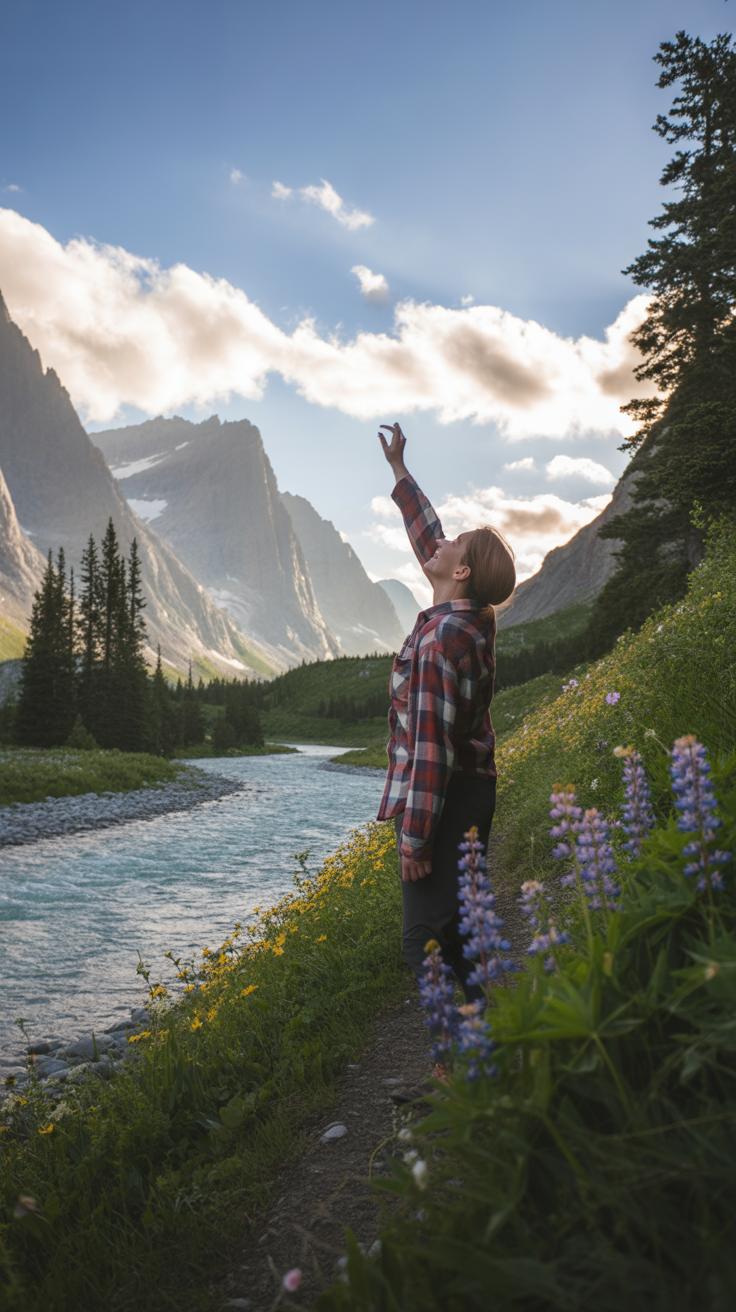
Hiking with friends or groups often makes the experience more fun. When you walk together, the time seems to pass faster. Conversations distract from tired legs, and sharing little moments—like spotting a bird or a unique rock—feels better with others. You notice things differently when someone points them out, or when you laugh over small mishaps along the way.

There’s also a sense of safety when hiking with company. You might feel more confident trying slightly harder paths or venturing farther than you would on your own. Plus, group hikes create chances to meet new people. You never know when a casual hike turns into a lasting friendship or an opportunity to join a local hiking club.
Trying New Trails
Sticking to the same trail every time may get a bit dull after a while, so why not try something new? Exploring different trails gives fresh views, sounds, and challenges. One day it could be a gentle forest path; the next, a rocky hill or a stream crossing. These changes keep your hikes from feeling repetitive.
New trails can also help you discover places you didn’t know existed nearby—maybe a hidden waterfall or a quiet meadow. Sometimes the unknown makes you a little nervous, but that’s okay—it often makes the hike more rewarding. Trying new routes also helps you learn about different landscapes and plants, keeping your curiosity alive.
Have you thought about setting simple goals too? Like walking a little further each time or reaching a certain viewpoint? Goals can nudge you forward without making the trip feel like work. It’s fine if you don’t always meet them; they’re just there to keep things interesting.
Conclusions
Hiking offers many benefits to your body and mind. It helps your muscles and heart grow stronger and gives you a chance to enjoy fresh air and sunlight. Hiking also can lower stress and make your mood better. It is an activity that fits many fitness levels and can be done alone or with friends.
Adding hiking to your fitness plan can help you move more and sit less. It gives you a simple way to stay active and enjoy nature. Try to find a trail near you and start with short hikes. You will likely find hiking helps you feel healthier and happier in your daily life.