
Outdoor Stage Ideas for Your Next Adventure Event
Planning an outdoor adventure event means creating an exciting space where everyone can enjoy the experience. One key feature is the outdoor stage. This space will be the center where performances, speeches, or entertainment take place. Having the right ideas for your outdoor stage can make your event a hit.
In this article, you will learn about different ways to design and set up your outdoor stage. From picking the perfect spot to choosing materials and decorations, these tips will help you create an unforgettable stage for your adventure event. Let’s explore the best ideas to make your outdoor stage stand out and serve your event well.
Finding the Best Location

Audience Size and Visibility
Picking the right spot for your outdoor stage really depends on how many people you expect. For a small gathering, a spot closer to the audience works fine—there’s less distance to cover, so people feel more connected. But when you’re expecting hundreds or thousands, you’ll want to think about spreading out the crowd so everyone can see and hear clearly.
Clear sightlines are key. You don’t want anyone stuck behind a pillar or a tree trunk, straining to catch a glimpse. Sometimes, raising the stage just a few feet solves many problems. It’s not just about height though; angle matters too. You want the audience to have an unobstructed view without craning their necks.
Using the Surroundings
The natural features around your site can actually boost the whole experience. For example:
- Trees can create a cozy backdrop and offer shade during hot days, though you’ll need to make sure they don’t block too much light or sound.
- Hills or gentle slopes serve as natural seating areas, which can be great for visibility and comfort.
- Water bodies nearby might add nice ambiance but might bring in tricky reflections or sound echoes.
Sometimes, using what’s already there turns the stage area into something unique, feels less forced. I once saw a stage nestled among tall pines where the trees framed the performers perfectly—felt almost intentional, but really, it was just smart placement.
On the flip side, relying too much on the landscape might complicate logistics or restrict how the stage is set up. It’s a balancing act—nature helps, but it doesn’t replace practical planning.
Choosing Materials and Construction
Durable and Weather-Resistant Materials
When building an outdoor stage, the choice of materials can make or break your setup over time. Wood often comes to mind first—pressure-treated lumber resists rot and pests pretty well. Still, it needs regular sealing to hold up against rain and sun, and sometimes it warps or cracks despite best efforts. Metal frames, like steel or aluminum, offer strong support and tend to last longer without much fuss. Steel is tough but can rust if not coated properly; aluminum resists corrosion better but might not handle heavy loads quite the same way.
Composite materials—think recycled plastic or fiberglass blends—are less common but intriguing. They don’t absorb water, don’t warp, and are low on maintenance. The downside? They can be pricier and sometimes lack the natural appeal of wood. I once helped set up a stage with composite decking—it stayed solid through a sudden storm, but some crew said it felt less stable underfoot.
Building a Safe Structure
Safety can’t be an afterthought with an outdoor stage. The frame needs proper anchoring—whether you’re using stakes for soft ground or concrete pads for harder surfaces. Without a secure base, wind or even a jumpy crowd could cause trouble. Also, consider guardrails if your stage sits a foot or more above the ground to prevent falls.

Load-bearing capacity matters, too. The stage should support not just equipment but performers, sometimes in groups. Use cross-bracing to reduce wobble and test the structure under weight before the event. I recall a small festival where a line of musicians crowded on-stage mid-show and the platform shifted noticeably—it wasn’t dangerous but definitely unsettling.
Lastly, if your stage has steps or ramps, make sure they’re stable and non-slip. It might seem tedious, but these bits reduce risk and keep things running smoothly. You want a stage that sustains the fun, not causes a scramble or injury.
Stage Size and Layout
Deciding on the right size and layout for your outdoor stage depends largely on what kind of performances you’re expecting. A small acoustic set won’t need nearly as much space as a full band with dancers, lighting rigs, and equipment. Think about the number of performers, instruments, and gear to estimate the footprint you’ll need. You might imagine a few extra feet for movement or props—it’s easy to underestimate how much room artists need to feel comfortable.
Different events bring different demands. A spoken word show or small ensemble can thrive on a compact stage, while a theatrical production might require depth and wings for quick scene changes. Sometimes, a simple rectangular platform works, but other times, you need more complex layouts with wings or multiple levels. The shape influences visibility and engagement—a long narrow stage fits some shows, but a square or even round stage works better in other cases.

Flexibility goes a long way. You can design a modular stage that adjusts to various acts, with removable sections or adjustable risers. Maybe the front can extend for solo performers or retract for a full band. Parts that fold or slide give you options, although that adds some complexity to construction. Have you thought about whether your stage can easily shift from one layout to another? If not, you might find yourself limited the next time you host something different.
Lighting and Sound Setup
Basic Lighting Tips
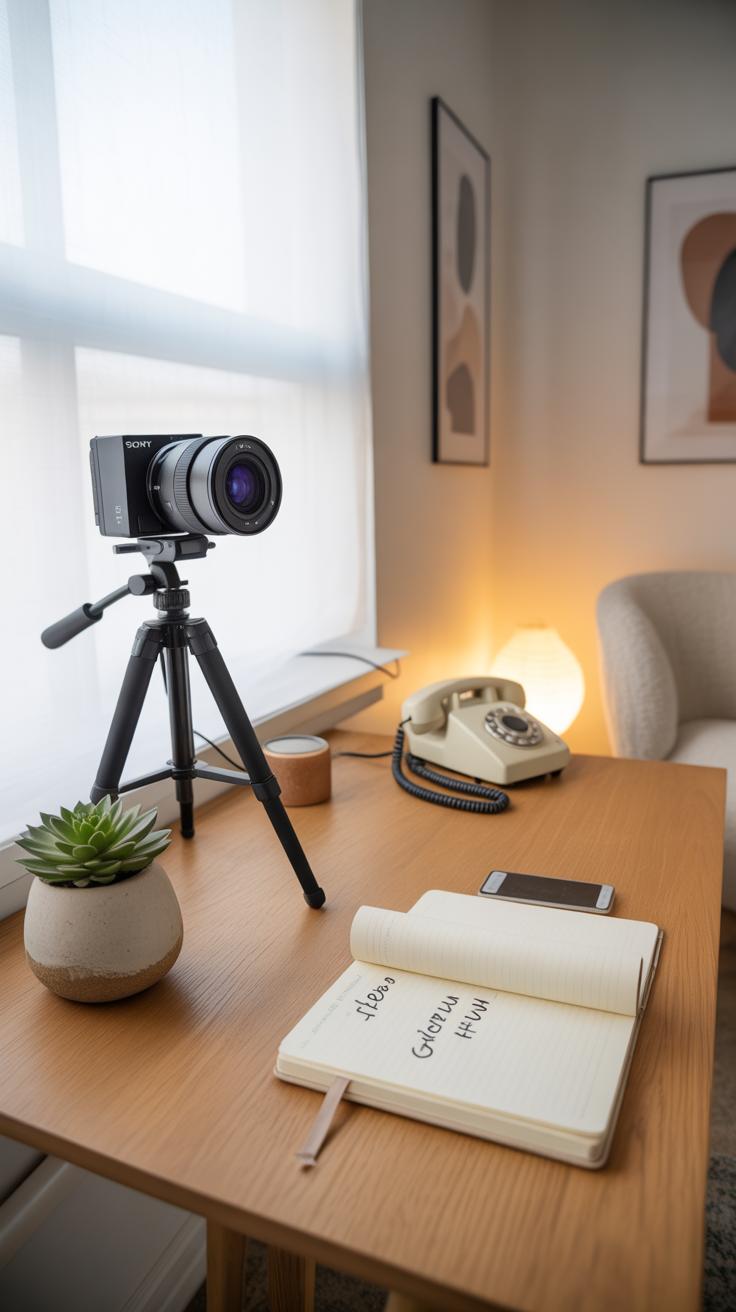
Lighting outdoors can be tricky because you’re dealing with changing natural light and open space. Simple techniques often work best—you don’t need a complicated rig. Consider some soft floodlights or LED strips along the edges of the stage to improve visibility without overpowering the scene. These can help focus attention on performers while keeping the ambiance natural.
Think about color temperature too. Warm tones tend to feel inviting and calm, while cooler lights might energize the crowd. You don’t have to commit fully to one or the other; mixing soft warm and neutral white lights can subtly shift the mood as the sun sets. If you have some lights with dimmers, use them to adjust throughout the event or for different performances.
It’s easy to overlook shadows—which can mess with visibility. Try positioning lamps at different angles to reduce harsh shadows on faces. If you want to add interest, spotlights can highlight specific performers or props without lighting the whole stage, but use them sparingly.
Sound Quality and Placement
Sound outdoors is unpredictable. Without walls or ceilings, audio can scatter, making it harder for your audience to catch every word or note. Speaker placement is crucial. Usually, setting up speakers at either side of the stage works well. Elevate them a bit so the sound travels over the heads of the crowd rather than directly into their ears.

Directional speakers can help focus sound where you want it, reducing noise bleed into nearby areas. If your crowd spreads out to the back, adding delay speakers further back can maintain even sound levels. It’s not always necessary but can be helpful depending on your event size.
Test your setup in advance, if possible. Walk around the audience area and listen for spots where sound drops or echoes oddly. Adjust speaker angles or volume in those places. Keep your mixing area close enough to monitor the sound in real-time; it’s tough to manage from far away without knowing what people actually hear.
Decorating Your Outdoor Stage
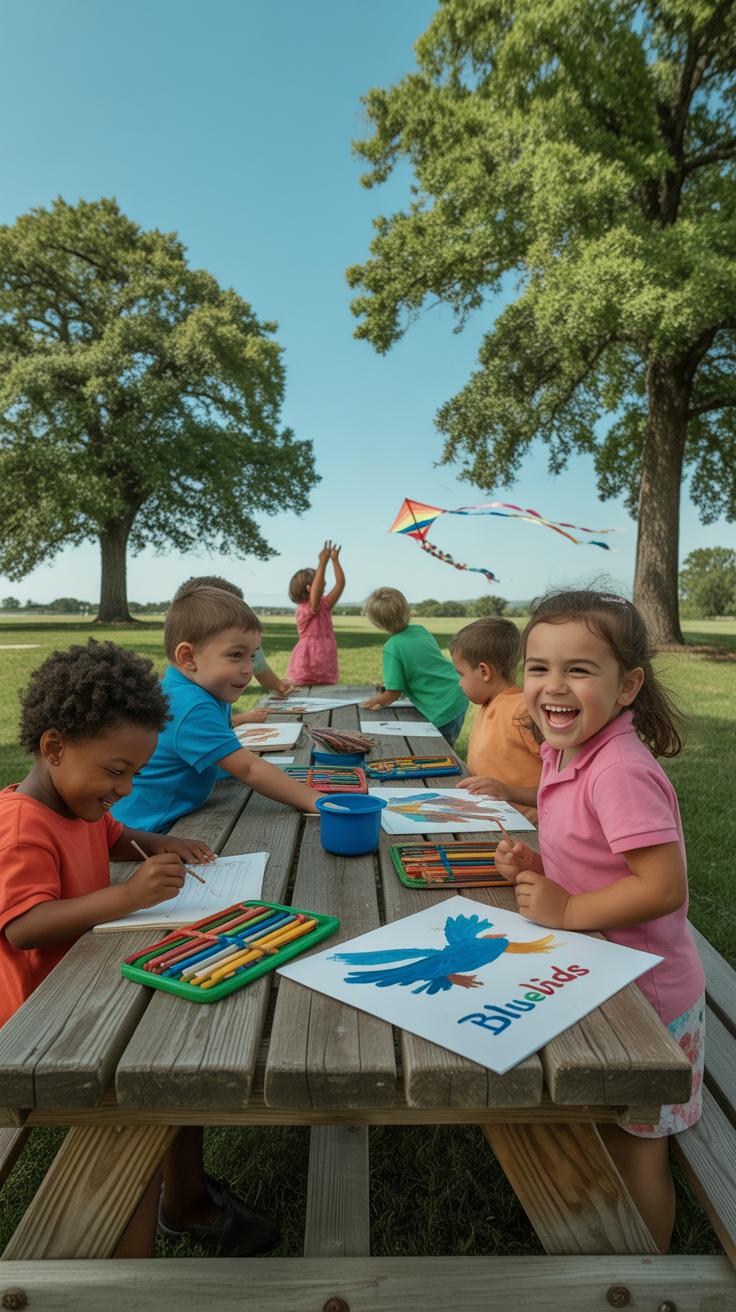
When it comes to dressing up your outdoor stage, the vibe you create can really pull your whole event together—or make it feel off. You want the decorations to reflect the adventure theme but without going overboard. Sometimes, simple details work best, like carefully chosen colors and a few well-placed banners. For example, if your event celebrates a forest trek, deep greens and earthy browns can work wonders. Props like climbing ropes, maps, or even faux campfires can subtly hint at adventure without cluttering the space.
Think about banners that don’t just hang there but interact with the space—maybe tied to poles or fluttering slightly with the breeze. It adds a touch of natural movement and keeps things feeling alive. Colors don’t have to scream “adventure,” just enough to hint at it, like muted oranges or rust reds paired with neutral tones. Too bright, and you risk losing the rugged, outdoorsy feel.
Theme-Based Decorations
Picking the right colors and props is a bit like telling a story without words. If your adventure is mountain climbing, visuals like miniature carabiners, ropes, or helmets placed around the stage can gently reinforce the theme. Banners with hand-drawn style maps or compass designs bring in that exploratory mood. You might want to balance bold colors with natural textures to avoid the stage feeling artificial.

For instance:
- Use tan or canvas-colored fabrics for backdrop curtains to suggest tents or shelters.
- Hang pennants in coordinating colors that match your event logo or imagery.
- Scatter a few sturdy wooden crates or barrels to feel like gear storage.
Props don’t need to be flashy. Actually, too many flashy items might distract the audience or make the stage look cluttered. Less can often feel more, especially outside when the environment already distracts a little.
Natural Decorations
Nature offers more than just a setting—it can be part of your decoration. Bringing plants or flowers on stage can soften hard edges and blend the stage into its surroundings. Potted ferns, wildflowers, or small shrubs can work well, especially if they fit the local area. I once saw a stage with moss-covered stones and small logs arranged around—it wasn’t elaborate, but it created a cozy feeling that matched the woodland theme perfectly.
Consider using:
- Local greenery to avoid clashing with the environment or looking out of place.
- Simple flower arrangements in muted tones to keep things understated.
- Driftwood or branches to add rustic texture without overpowering performers.
The goal isn’t to overwhelm but to create a seamless feel, like the stage belongs there. It’s easy to get caught up trying to decorate the stage perfectly, but sometimes the surroundings already give you a lot to work with—you just have to nudge it a bit in the right direction.
Weather Protection Solutions
Shelters and Canopies
When planning your outdoor stage, covering it with some kind of shelter feels almost necessary. Think tents, canopies, or a simple roof structure. They don’t just block the sun—though that’s a big win on hot days—but also guard against unexpected rain and gusty winds.

Pop-up tents can be quick fixes but might struggle if wind picks up. More permanent or semi-permanent canopy frames offer stronger support and peace of mind. Sometimes, adding side panels helps against sideways rain or wind, though it might limit airflow a bit.
I’ve seen stages where performers appreciated the shade, especially during midday events under the blazing sun. It keeps them cooler and less tired, which can really affect their performance quality. But on the flip side, a canopy might cast awkward shadows affecting lighting, so placement matters here.
Weather-Proof Equipment
Choosing gear that can handle outdoor conditions isn’t just smart—it’s essential. Speakers and lights with water-resistant housings make a real difference. If you can’t find weather-proof versions, treating standard equipment with waterproof covers or protective coatings helps.
Also, cables and connectors deserve attention. Rain and moisture can cause shorts or malfunctions. Using sealed connectors or covering them well can save you from last-minute technical headaches.
Sun exposure matters too. Electronics can overheat if left under direct sunlight for hours. Positioning equipment in shaded areas or using cooling fans may be worth considering.

Do you always account for sudden weather changes? Maybe not everyone does, but a bit of preparation can make your event smoother—and performers less stressed.
Audience Seating and Comfort

When setting up seating for your outdoor stage, think about how people will actually use the space. It’s not just about putting down chairs or benches. You want to help your audience feel relaxed and able to focus on the event. Sometimes, a simple patch of grass can work well, especially for casual or family-friendly gatherings, but that depends on your crowd and the weather you expect.
Seating Arrangements
There are several ways to arrange seating:
- Benches: Great for a communal feel. They encourage conversation but can be less flexible. Position them in rows, but stagger them slightly so each row has a clear view.
- Individual chairs: These provide personal space and can be moved around. You might group them in clusters or rows spaced carefully for sight lines.
- Grass or picnic areas: Letting people bring blankets or low chairs adds a relaxed vibe. Be sure the ground is level, and offer some clear sightlines—no one likes leaning around a tall stranger.
Sometimes mixing these options works best. Like chairs up front for those who want a closer experience and grass at the back for families or folks just taking it easy.
Providing Shade and Amenities
Shade makes a big difference, but it’s tricky outdoors. You could set up pop-up canopies or rent tents, especially near seating clusters where folks tend to linger. Trees can help if they’re around, but don’t count on them alone.
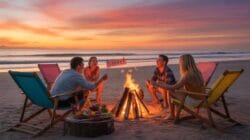
Comfort often means having quick access to refreshments and rest spots. If your event runs several hours, plan for water stations or small food stands nearby. A few benches scattered away from the crowd let people rest and recharge. It may seem small, but these details help keep attention focused and energy up.
What kind of comfort you can provide might depend on the location and your budget, but even small touches—like a shady spot or water—often make audiences stick around longer and come back next time. And thinking about how people interact with the space will guide you better than any checklist.
Safety and Accessibility
Emergency Plans and Equipment
When planning your outdoor stage, emergency readiness can’t be an afterthought. You want to have obvious exits clearly marked, with enough space for a quick evacuation. Think about putting in place fire extinguishers near electrical gear, first aid kits easily available, and maybe even a dedicated medical tent nearby if the event is big enough. It’s also wise to train your staff in basic emergency procedures — they don’t need to be paramedics, but knowing how to respond calmly can make a real difference.
Some organizers overlook the importance of weather-related emergencies. For instance, sudden storms can disrupt an event and create risks. Having a plan to secure the stage, cover equipment, or move the crowd safely is worth spending time on. You might not need all these measures for a small gathering, but preparing for worst-case scenarios gives peace of mind.
Accessibility Features
Making your stage accessible means thinking beyond a simple ramp, though ramps are crucial. Ensure paths to the stage are wide enough and free from loose gravel or unexpected obstacles. Those in wheelchairs or with limited mobility should not have to struggle to get to the best vantage points.
Consider placing reserved seating areas specifically designed for various accessibility needs. Sometimes the challenge is not just reaching the stage but having good sightlines and audio quality once there. If your budget allows, adding hearing assistance devices or sign language interpreters can open the experience to more people.
It’s also good to remember that accessibility is not a one-size-fits-all deal. What works for one person might not work for another. Maybe you don’t have everything perfectly set up yet, but trying to engage with local disability groups or testers can help spot issues before the event day. After all, accessibility is ongoing, and your next event can improve on the last.
Event Planning and Coordination

When organizing an outdoor adventure event, the schedule can make or break the experience. You want your performances to flow naturally—not rushed, but not dragging on either. Think about spacing acts so the audience never feels overwhelmed or bored. Sometimes, less is more. A few well-timed breaks allow people to breathe, grab a snack, or chat without losing interest.
Creating that perfect schedule means knowing your performers and how long their sets usually take. It helps to build in a buffer — things rarely run exactly on time, right? You might find yourself adjusting on the fly if a set runs long or technical trouble pops up.
On the other hand, clear communication among your team is what holds everything together. Everyone—from stage managers to sound technicians—needs to be on the same page. I once watched an event where a misread cue had the wrong band on stage for ten minutes. It threw the audience off more than the delay itself.
- Keep your communication channels open and simple—walkie-talkies or headsets work well outdoors.
- Make sure performers know their call times and who to report to.
- Stage managers should have updated schedules and contact lists always handy.
- Run through transitions ahead of time with your technical crew to catch any gaps.
- Check in often; last-minute changes happen, and sharing info quickly prevents confusion.
Do you ever wonder if having a little extra downtime might actually keep the crowd more engaged? Maybe some unpredictability adds to the adventure. Organizing an outdoor stage event isn’t just about strict timing—it’s about balancing structure with flexibility, and teamwork with trust.
Conclusions
Your outdoor stage can be a strong anchor for your event. When you pick a great location, you help guests see and hear everything clearly. Using good materials means your stage will last through weather and time. With the right decorations and setup, your stage can fit your event’s theme and mood.
Think about what your event needs. Use these ideas to make your outdoor stage both useful and fun. Planning well will make your adventure event smoother and more enjoyable for everyone. Now, you have the insights to build a stage that supports your event and excites your guests.