
Outdoor Games You Can Play With Friends and Family
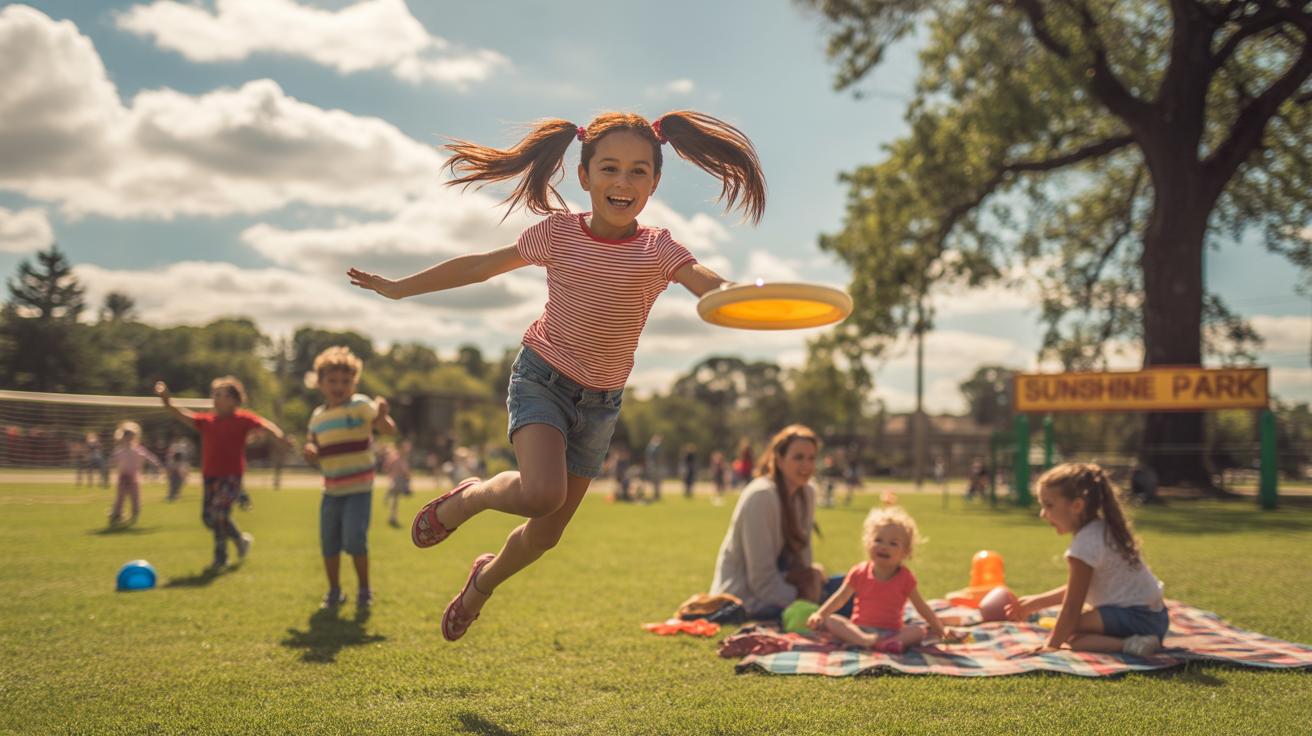
Outdoor games bring people together. When you play outside, you get fresh air, energy, and fun all in one. Whether with friends or family, outdoor games help you laugh, move, and enjoy time together.
This article explores many outdoor games you can play right now. From classic games you grew up with to new games you can learn fast. Each game has simple tools and clear rules. You will find ideas to get your group playing and making memories.
Benefits of Outdoor Play
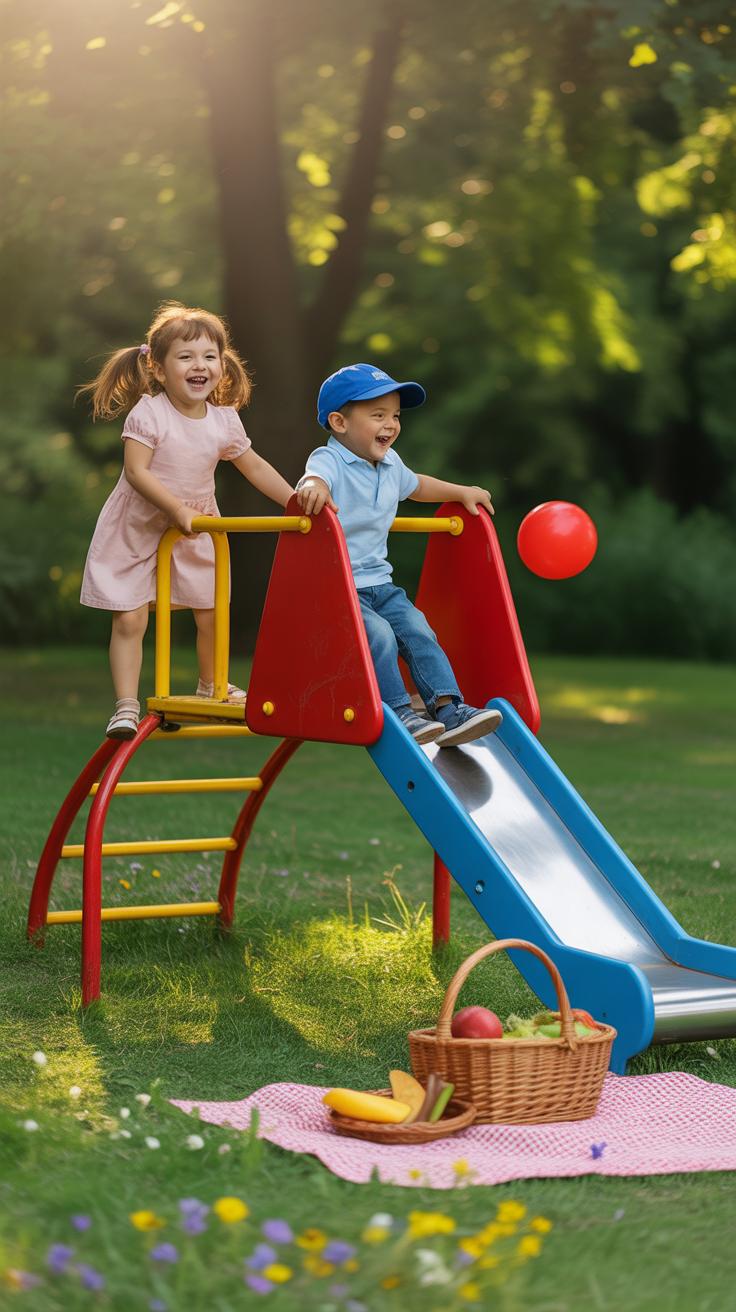
Playing games outside does more than just fill time—it can actually make you feel better in real ways. When you run around in the fresh air, your body gets moving, improving your fitness without it feeling like a workout. Games like catch or frisbee sharpen your hand-eye coordination naturally. That quick reflex to catch the ball or dodge a tag isn’t just fun; it helps your brain and body work together.
Stress? It’s common, right? But stepping outside and being active can help melt some of that tension away. Even something as simple as walking around playing a group game can lower your stress levels, maybe because your mind focuses less on worries and more on the moment.
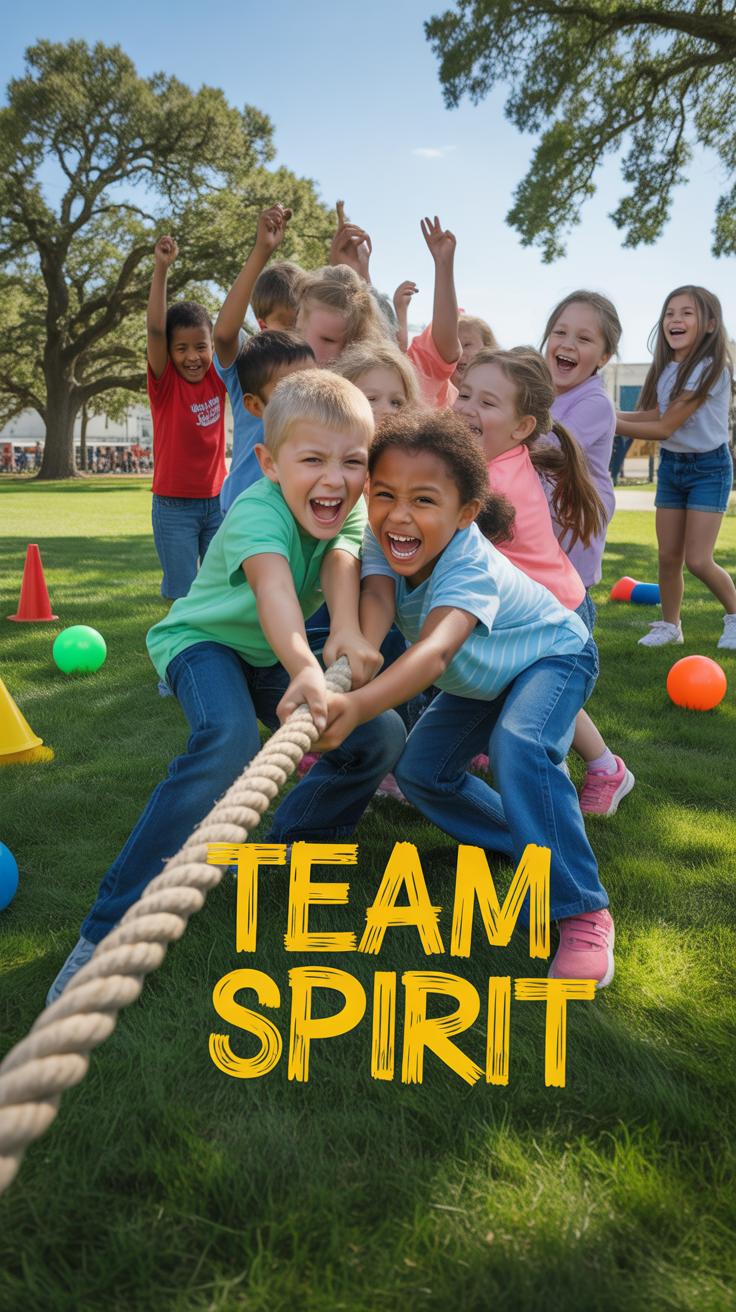
On top of that, outdoor games bring people closer. Have you noticed how working as a team in a game like relay races or tug-of-war changes how you feel about your friends or family? You cheer each other on and figure out strategies together. These moments build trust and make relationships stronger. Sometimes, laughter from a silly mistake or shared challenge is all it takes to deepen a bond.
So, next time you’re outside with friends or family, think about these benefits. Maybe pick a game that’s easy to jump into, then watch how your body feels better and your connections grow, almost without you really trying.
Classic Outdoor Games
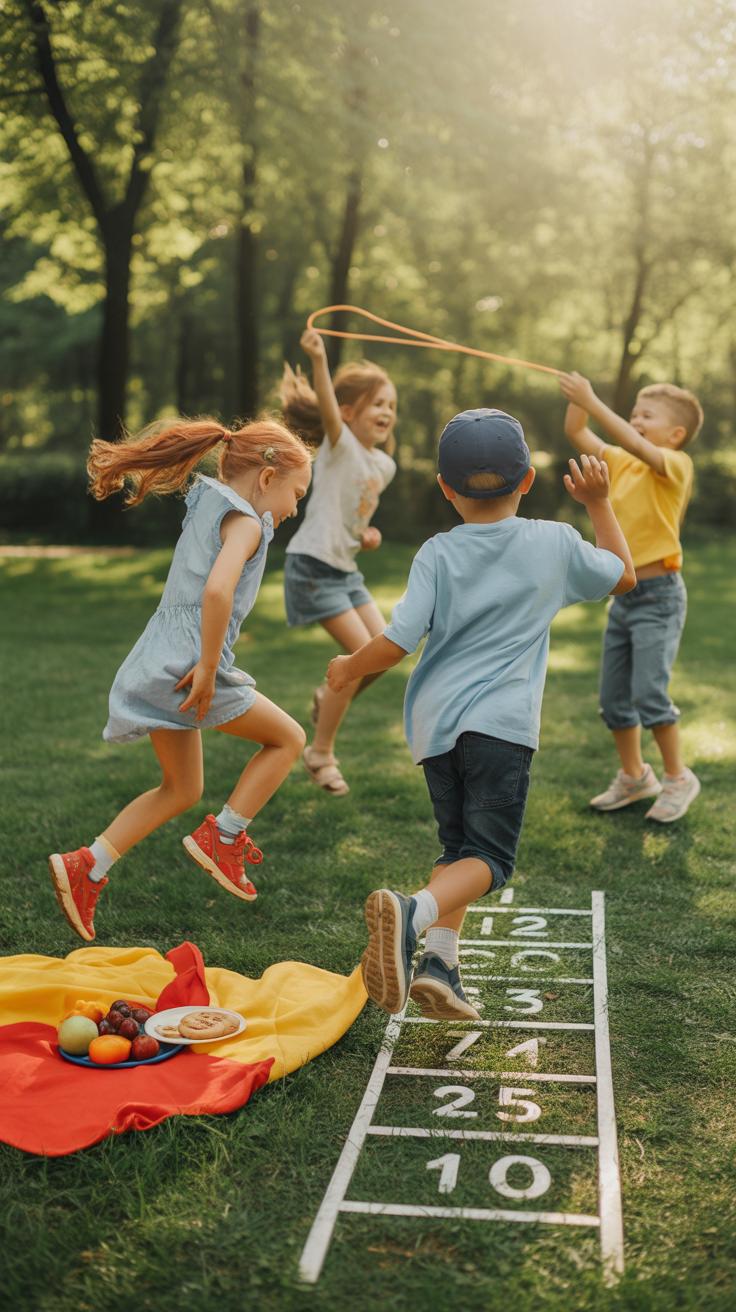
Some outdoor games have stayed popular for decades—tag, hide and seek, kickball—because they’re simple, fun, and easy to set up. You don’t need much, just a space to run around, and suddenly, you have hours of entertainment.
Take tag, for example. One player is “it” and must chase the others, trying to tag someone to pass the role along. Sometimes rules change, like freeze tag, where tagged players have to stand still until freed. Kids often love tag because it’s fast-paced and gets everyone moving. It’s a game that can end abruptly or go on forever, which keeps the excitement alive.

Hide and seek offers a different kind of thrill. One person closes their eyes and counts—usually to 20 or 30—while everyone else hides. When the seeker calls “ready or not, here I come,” the hunt begins. It’s not just about hiding well, but also about timing—should you duck behind a tree or try a riskier spot? This tension makes hide and seek feel fresh every time, even if you know the usual hiding places.
Then there’s kickball, which blends running with a bit of teamwork. All you need is a ball, some bases (even just markers on the ground), and two teams. Much like baseball but simpler, players kick the ball and run bases to score. It’s a good way to get everyone involved, even those who aren’t big on catching or throwing.
These games don’t require fancy equipment or long explanations. They’re about moving, laughing, and sometimes catching your breath after a sprint. Which one do you remember playing most often? Or maybe there’s a variation you liked better? Those little twists often make classic games feel personal and new again.
TeamBased Outdoor Games
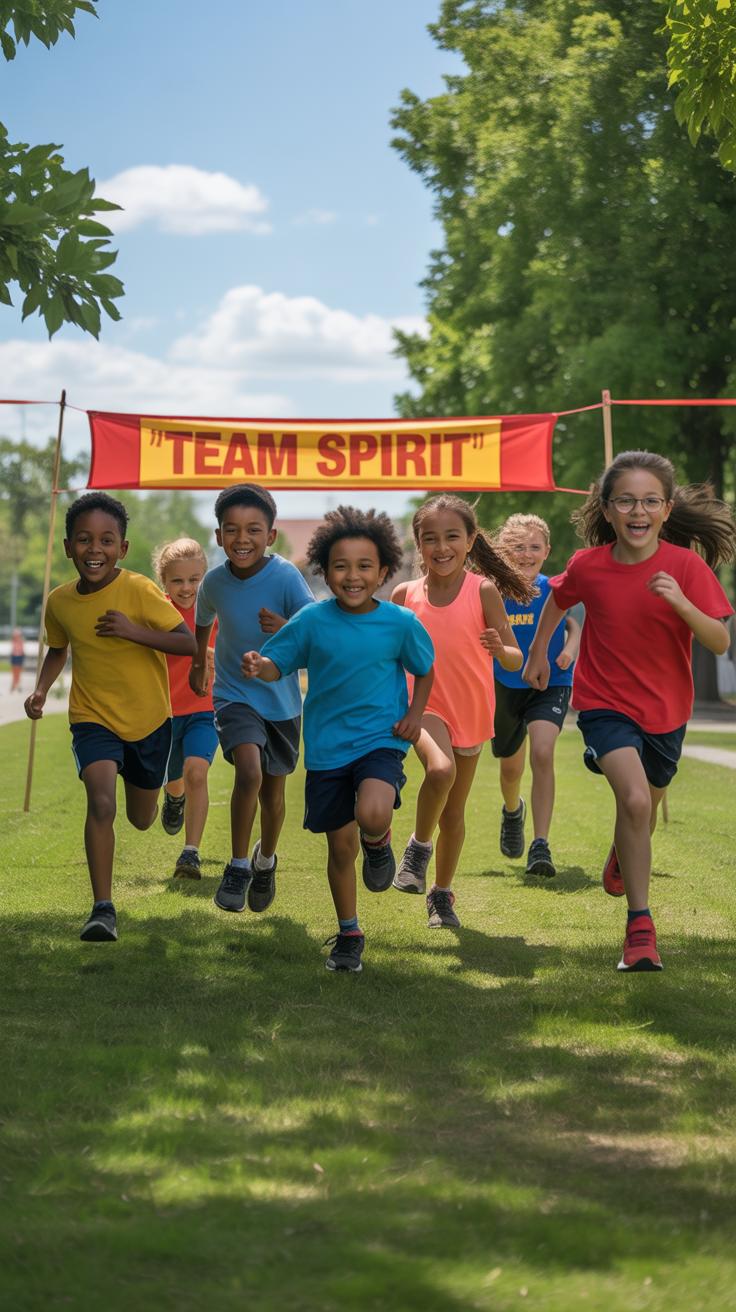
Playing games in teams brings a unique energy outdoors. You’re not just running around for yourself; you’re working with others toward a shared goal. It can be frustrating at times—like when someone misses an easy pass—but there’s something about pulling together that makes triumph sweeter. Simple rules often work best, so everyone stays engaged without confusion.
Soccer Basics
If you’re new to soccer, think of it as a game where two teams try to score by kicking a ball into the other team’s net. You can’t use your hands unless you’re the goalkeeper. Matches often last about 30 or 40 minutes each half, but for casual play, you can shorten that. The biggest part is passing and moving—if someone hogs the ball, the fun can fade fast.

Playing outside adds fresh air and space to sprint, which feels different from kicking around indoors. Running on grass can soften falls and makes the game less predictable, with uneven terrain encouraging quick thinking. Plus, soccer builds endurance and teamwork in ways solo games just don’t.
Capture the Flag
This one always sparks a little chaos. You divide into two teams, and each hides a flag somewhere in your territory. The goal? Sneak into the other team’s area, grab their flag, and bring it back safely—while avoiding being tagged and sent to “jail.” The boundaries can be basic, like visible lines or landmarks. Keeping it simple prevents arguments.
What makes capture the flag really fun is the mix of sneaking and strategy. Do you send a fast runner to grab the flag or double up defenders to protect your own? The balance changes every game. I’ve seen friends switch between cautious and wild tactics on the fly, which keeps everyone guessing.
Games with Minimal Equipment
Simon Says
Simon Says is a simple yet surprisingly engaging game. One person acts as “Simon” and gives commands, like “Simon says touch your nose” or “Simon says jump.” The trick is, players only follow commands when they start with “Simon says.” If the command is given without those words, anyone who follows it is out of the game. It’s a quick way to test your focus and listening skills.

The game can get unexpectedly challenging because you have to stay sharp and filter out what’s relevant. I’ve noticed that children and adults alike find it fun but also a bit frustrating when they accidentally react too fast. It’s a neat way to practice paying attention, especially in a noisy or distracting outdoor setting. Plus, you don’t need anything besides your voice and some space—perfect when you’re caught without gear.
Jump Rope Fun
Jump rope is often thought of as a solo activity, but it easily becomes a group game too. You can challenge friends to keep the rhythm going or try different jump patterns together. There’s Basic Jump, Double Dutch, and even inventing new rhythms, which can get pretty entertaining. It’s a surprisingly vigorous workout, one that blends cardiovascular exercise with coordination.
Besides the health benefits—you’re getting your heart rate up and improving timing—jump rope games help build endurance and leg strength. It’s one of those activities that feels casual but can be pretty tough after a while. Most people underestimate how tiring it really is until they’ve been at it for a few minutes. And since all you need is a rope, it’s one of the easiest ways to get moving outside without dragging along a bunch of stuff.
Ball Games for Friends

Ball games have a way of bringing people together, especially when there’s room outside to run, throw, and laugh. Take dodgeball, for instance. It’s simple: two teams, a bunch of soft balls, and a space to dodge and duck. The goal is to hit opponents with the ball while avoiding getting hit yourself. But there’s more to it than just throwing wild—timing, positioning, and teamwork matter. You might find that standing still isn’t quite as safe as it seems, and quick reflexes can make all the difference. I’ve seen games turn around just because someone caught a ball nobody expected.

Four square, on the other hand, keeps things smaller but just as competitive. Four players line up in a square divided into numbered zones. The ball bounces between players, each trying not to let it drop in their zone. You also get to choose between gentle taps and powerful hits. It’s a classic playground game that’s easy to learn but tricky to master. The shifts between calm and fast moments somehow keep you hooked—even after years of playing.
Then there’s bocce ball—a slower pace but no less fun. Rolling balls close to a smaller target ball, called the pallino, requires some technique and strategy. It’s less about speed and more about precision and planning your next move. Perfect for a mixed-age group where energy levels may vary, but everyone can join in.
Outdoor Games for Small Spaces
When you don’t have a big yard or park area, outdoor games like lawn darts, horseshoes, and ring toss can fit perfectly into smaller spaces. These games don’t need much room but still bring plenty of fun and friendly competition.
Lawn Darts Rules
Lawn darts involves throwing weighted darts toward a target on the ground. To set up, place two circular target rings about 10 to 15 feet apart. Each player gets a set of three darts.

Throw the darts underhand, aiming to land them inside the ring or as close as possible. Points add up based on where the darts land. But here’s the tricky part—you must be careful with safety. Always keep the throwing area clear and never throw darts near people or pets. Some prefer plastic tips for a safer alternative, especially when kids play.
Horseshoes and Ring Toss
Horseshoes is simple: set two stakes about 40 feet apart (or less for smaller spaces). Players toss horseshoes trying to ring the stake or land as close as possible. Setup takes minutes, and it encourages low-key but focused competition.
Ring toss, sometimes overlooked, works well in tiny yards. Put stakes or bottles in a row, stand a few feet back, and try to loop rings around them. You can adjust distance and targets for beginners or skilled players.
Both games require little gear and can be paused quickly if needed. They also invite lots of casual conversation, which is one of the best parts of playing outside, right?
Creative Outdoor Game Ideas
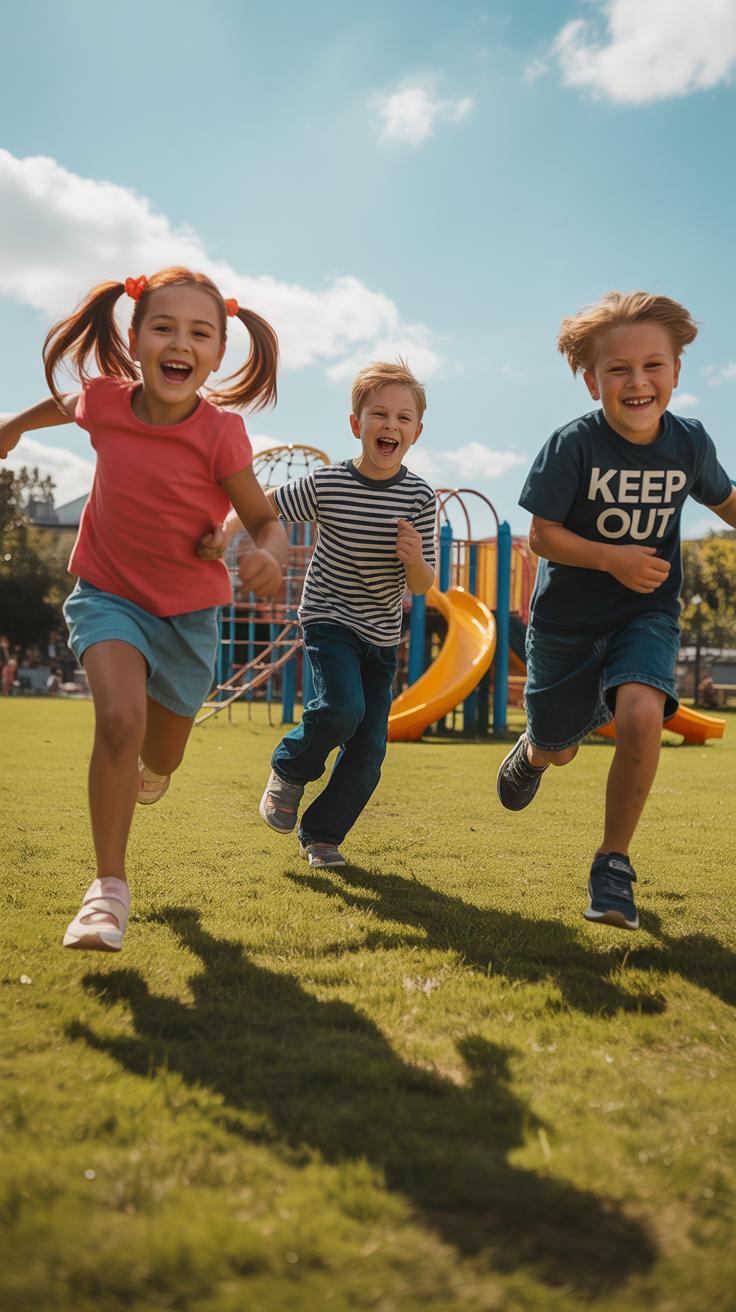

When you’ve played a game a few times, it can start to feel a bit… predictable. Maybe you want to shake things up without losing the fun. One way is to make your own rules. That could mean changing how scoring works or adding new ways to win. For example, in a game of tag, what if you had safe zones where players have to do a quick challenge before rejoining? Simple shifts like that can make the game feel fresh again.
Sometimes setting challenges adds another layer of fun. Think about turning a normal race into an obstacle course by using things around you—cones, sticks, even ropes. Or try timing certain parts of a game to see if players can beat their best times. This can bring out a bit of friendly competition without much extra setup. It might seem like extra effort, but most people enjoy the small twists — it breaks the routine a little.
What if you combined two games? I once tried mixing frisbee with a scavenger hunt, where each catch meant grabbing a small item nearby. It got chaotic and odd, but everyone laughed a lot—probably what matters most. These ideas don’t require formal planning, just a bit of imagination and willingness to bend the rules. You won’t always get it right, but you may find new favorites in the process.
Keeping Outdoor Games Inclusive
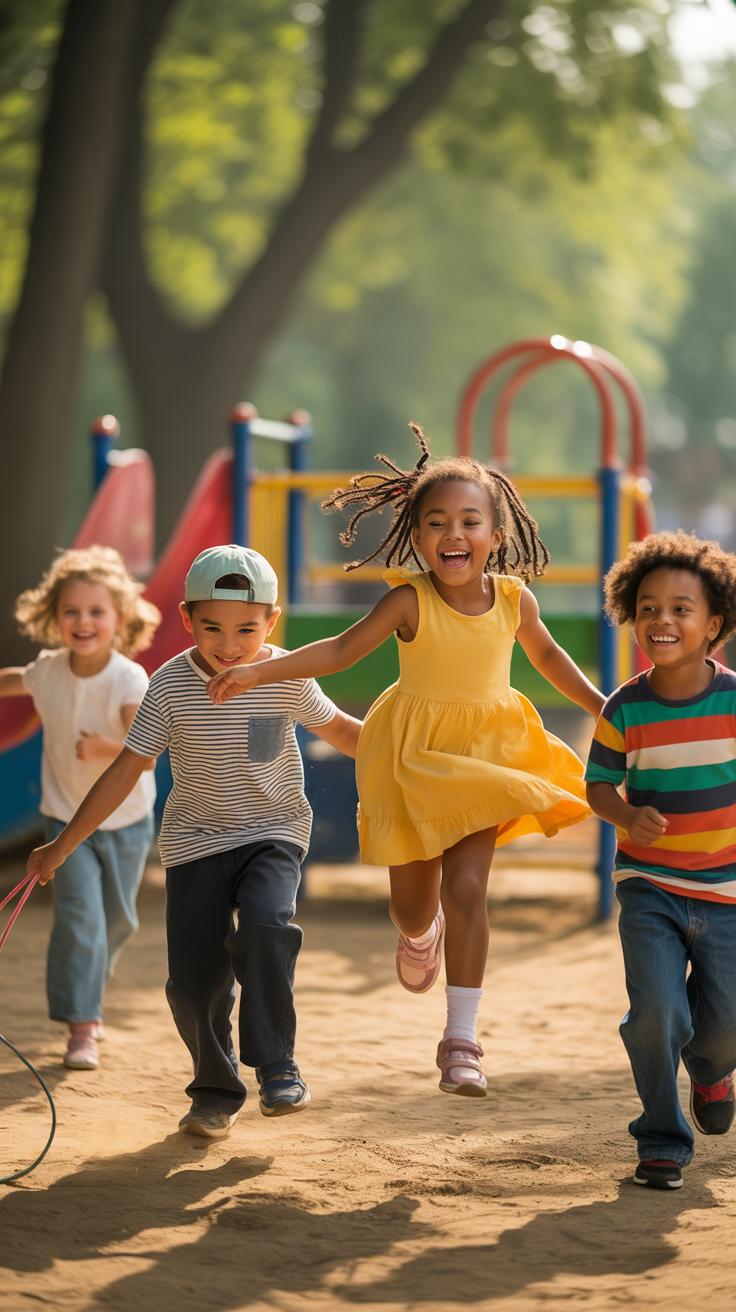
Making sure everyone feels welcome in outdoor games can be tricky, but it’s worth the effort. Sometimes you need to tweak rules or pick games that don’t favor just one kind of player. Maybe younger kids can have extra turns, or slower runners get a head start. Small changes like these keep the fun going for all involved.
Adjusting for Ages
Not everyone moves or reacts the same way, right? You can change game elements to better fit different ages and abilities. For example, in a game of tag, letting younger players tag with a gentle tap instead of a full grab can help. Or in a ball game, using a softer, larger ball makes it easier for smaller hands. Trying out different versions of rules isn’t always perfect on the first go, but it’s worth experimenting until everyone has a fair shot.
Encouraging Fair Play
Sometimes the challenge lies less in the rules and more in how players treat one another. Encouraging kindness and teamwork is key. You might notice kids cheering a friend who’s struggling or teammates offering tips. If the mood turns too competitive, reminding everyone about having fun and supporting each other can help reset things. These moments shape how people remember the game more than who won or lost.
Organizing Outdoor Game Events
Planning Your Event
When planning a group game day, it’s useful to think about the size and age of your group before picking a spot or activity. A large group might need a spacious park or a field, while a smaller bunch could fit comfortably in a backyard. Younger kids might enjoy simpler games that don’t require too much running or complex rules, while teens and adults often like more energetic or strategic games.

Consider mixing things up by choosing a location with some shade or seating—people get tired, or just want to rest and chat during breaks. And, well, don’t overlook the weather. Planning around a cool, cloudy day rather than scorching sun tends to keep spirits higher, though some folks enjoy the challenge of summer heat.
Safety and Fun
Keeping everyone safe while playing outside means thinking beyond just first aid kits. Make sure the playing area is clear of rocks, holes, or other hazards that could cause trips or falls. Encourage everyone to wear appropriate shoes and clothing—they don’t have to be super fancy, but the wrong footwear can lead to sprains or slips.
Also, remind players to stay hydrated—especially if the day is warm or the games are fast-paced. It’s tempting to push through, but breaks matter. You might want to have a shade tent or break area where people can recover and cool down.
Finally, be ready to adjust the rules or game pace if things get too intense. Sometimes, a friendly reminder or a quick pause can keep frustration or injuries at bay. Fun and safety often go hand in hand, even if it means slowing down a bit.
Conclusions
Outdoor games offer more than just fun. They build bonds, help keep you fit, and create good times with those around you. You can easily find games that suit your group and space.
Start playing today. Pick a game, invite your friends or family, and enjoy the fresh air. Outdoor games bring joy and connection that everyone can share. Make outdoor play a special part of your time together.