
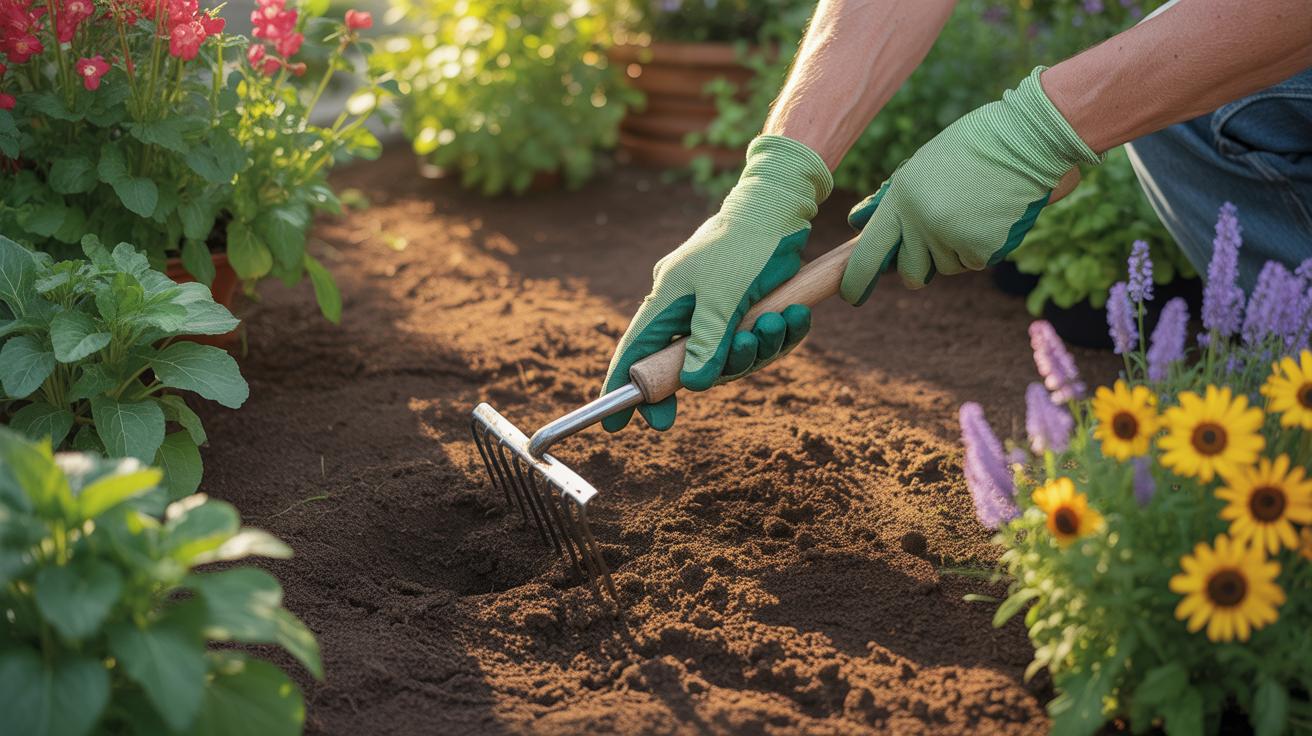
Understanding Your Soil Type Before You Start Any Soil Improvement

How To Identify Whether You Have Sandy Soil, Clay Soil, Or Loam
Perform a simple jar test to identify your soil texture accurately. Fill a glass jar halfway with a soil sample and add water until full. Shake the jar vigorously and let it sit for twenty four hours. Sand particles settle first at the bottom. Silt forms the middle layer. Clay particles stay suspended longest and form the top layer. Measuring these layers reveals your soil composition.
The ribbon test provides immediate results in the field. Squeeze a small ball of moist soil in your hand. Sandy soil feels gritty and falls apart quickly when you open your palm. Clay soil feels sticky and holds its shape firmly. You can roll it into a long thin ribbon. Loam feels smooth and slightly crumbly. It holds its shape but breaks apart under light pressure.
Why Knowing Your Soil Type Is The First Step Toward Meaningful Soil Improvement
Soil type dictates your entire water management strategy. Sandy soil drains too fast and leaves roots dry. Clay soil holds water too long and can suffocate plants through lack of oxygen. Knowing your type allows you to fix these specific drainage issues. You save money by only buying the amendments your ground actually needs. Blindly adding material often wastes resources and can damage your existing soil balance.
Correct identification prevents common gardening failures. You cannot change your basic soil texture easily, but you can manage it effectively. Loam is the ideal balance for most plants because it retains nutrients and water while allowing air to reach roots. If you know you have sand or clay, you must add organic matter to move the soil toward a loamy structure. This knowledge ensures your Soil Preparation Tips actually work.

What Makes Sandy Soil Challenging And How To Work With It
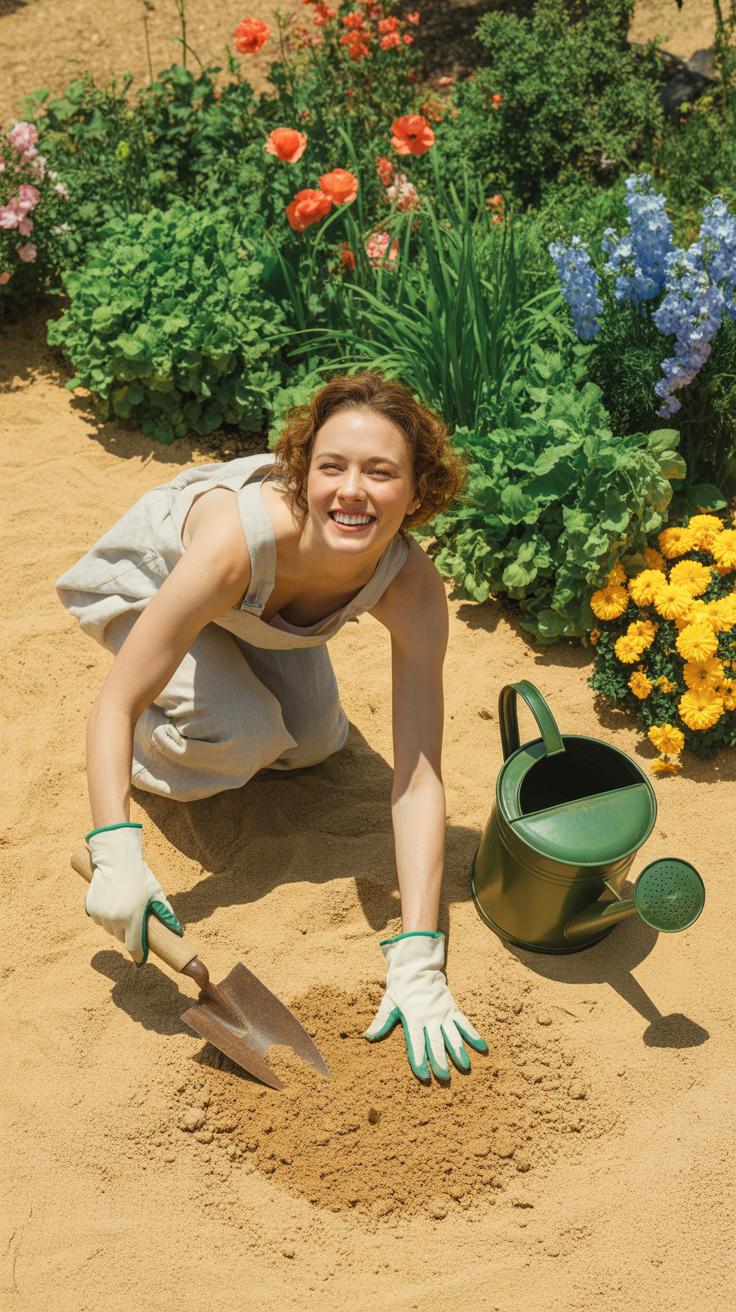
The Drainage Problem: Why Sandy Soil Dries Out Fast And Loses Nutrients Quickly
Sandy soil consists of large particles with significant space between them. These gaps allow water to move straight through the ground. Gravity pulls moisture down before plant roots can extract it. This process creates a constant state of drought for most vegetation. You cannot fix this with extra watering alone. Rapid drainage prevents the soil from maintaining the consistent moisture levels required for cell growth.
Leaching is the second major tactical failure of sandy soil. Because sand particles have a neutral charge, they do not hold onto essential minerals. Water flushes nitrogen, potassium, and phosphorus out of the root zone. You essentially waste money on fertilizer because the soil lacks the physical structure to store these nutrients. Plants in sandy environments often suffer from chronic malnutrition despite regular feeding schedules.
Simple Amendments That Help Sandy Soil Retain Moisture And Support Plant Growth
Organic matter is the primary tool for fixing sandy textures. Adding compost or well-rotted manure introduces microscopic sponges into the ground. These materials fill the gaps between sand grains. They slow down water movement and provide surfaces for nutrients to stick to. You must mix these amendments into the top six inches of soil. This creates a functional root zone that stores water effectively.

Mulching provides a defensive layer against surface evaporation. Bare sand heats up quickly and loses moisture to the air. A thick layer of wood chips or straw keeps the ground cool. It also breaks down over time to further enrich the soil profile. Use biochar or vermiculite for permanent structural improvement. These materials do not decompose. They offer a long-term solution for increasing the cation exchange capacity of your garden.
How To Break Down And Improve Clay Soil For Better Root Penetration
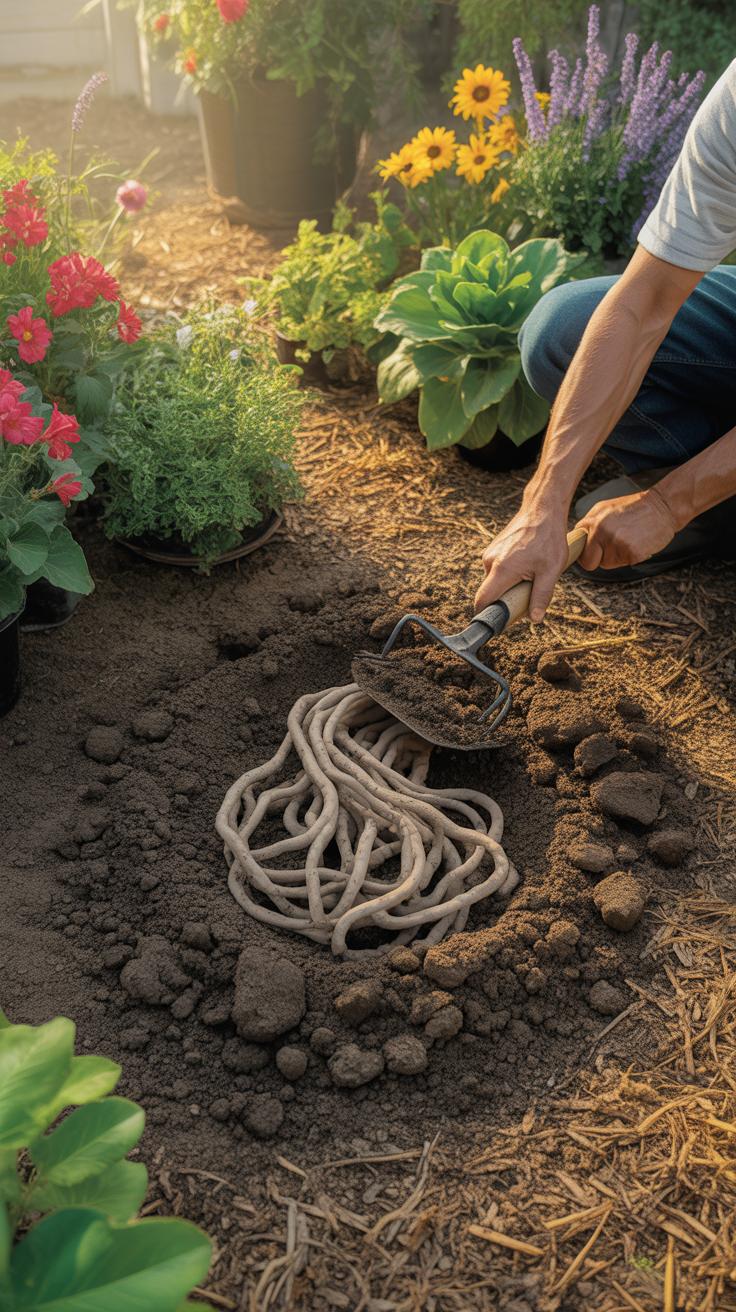
Why Clay Soil Becomes Compacted And What That Means For Your Plants
Clay soil consists of tiny plates that stack tightly together. These particles carry negative electrical charges that attract water and hold it in place. Pressure from foot traffic or heavy rain forces these plates to compress into a solid mass. This density leaves no room for air or water to move. Heavy clay becomes an impenetrable barrier for most garden plant roots.
Compacted clay lacks the oxygen necessary for root respiration and soil biology. Water sits on the surface or saturates the top layer without draining. This stagnation causes root rot and anaerobic conditions that kill beneficial microbes. Plants struggle to push roots through the hard ground. Stunted growth and nutrient deficiencies occur because the root system cannot expand or access minerals locked in the soil.
Practical Techniques To Loosen Clay Soil Without Disrupting Your Garden Layout
Top-dressing is the most effective way to improve existing garden beds. Apply three inches of organic matter like compost or aged manure directly onto the soil surface. Soil organisms will naturally pull these materials down into the clay profile. This process creates stable aggregates and increases pore space over time. You avoid the physical labor of tilling which often destroys soil structure.

Broadforking provides a surgical way to aerate soil without flipping the layers. Insert the metal tines into the ground and rock the handles back to create deep cracks. These fissures allow air and water to penetrate the root zone immediately. Fill these newly created gaps with fine compost to keep them open. This method preserves the fungal networks and prevents new weed seeds from surfacing during the process.
The Role Of Organic Matter In Building Healthy Productive Garden Soil
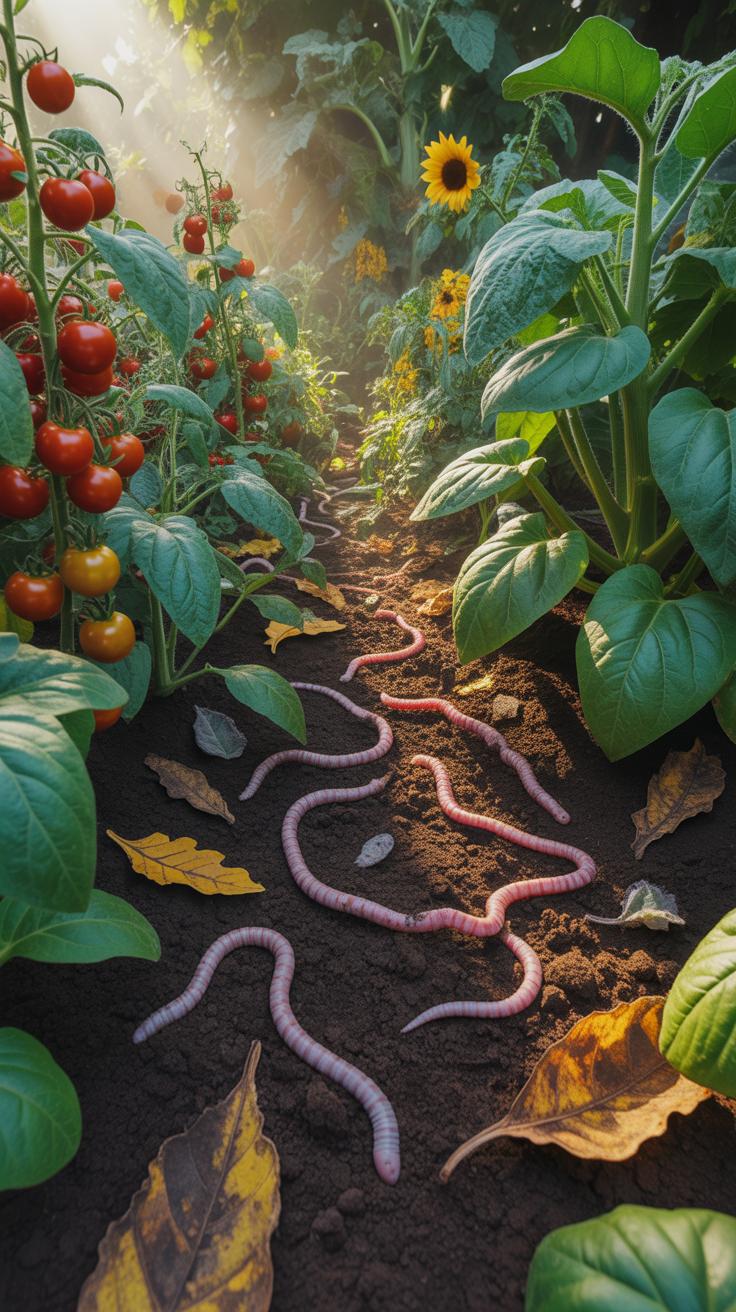
What Organic Matter Actually Does Beneath The Surface Of Your Garden Bed
Organic matter acts as the biological engine of your garden soil. It consists of decaying plant and animal tissues that feed helpful soil microbes and fungi. These organisms break down the material into nutrients that plants can absorb through their roots. This process builds a stable soil structure. It creates pore spaces that hold oxygen and move water efficiently through the profile.
Adding organic material improves the water holding capacity of sandy soils and lightens heavy clay. It binds small soil particles into larger aggregates. This prevents erosion and stops the soil from crusting over at the surface. Better structure allows roots to penetrate deeper into the ground without hitting hard pans. You get a resilient growing environment that buffers against extreme heat and heavy rain events.
Best Sources Of Organic Matter You Can Easily Add To Your Soil At Home
You do not need many tools to find high quality organic matter for your garden beds. Common household waste and yard debris provide the raw materials for fertile soil. Using these local inputs saves money and reduces waste. You must ensure all materials are free from chemical pesticides or herbicides before adding them to your food producing areas for the best results.
- Finished Compost: This is the gold standard for soil health. It contains a diverse mix of decomposed kitchen scraps and yard waste. Adding it introduces beneficial bacteria and provides a slow release of essential nutrients directly to the root zone of your plants.
- Aged Herbivore Manure: Use waste from cows, horses, or chickens that has aged for at least six months. Raw manure can burn plant roots and may contain pathogens. Properly aged manure adds nitrogen and improves the physical texture of heavy or depleted garden soils.
- Leaf Mold: This material comes from shredded leaves that have decomposed over one or two years. It does not provide high nutrient levels like compost. However, it is superior for improving soil structure and increasing the moisture retention of the ground during dry summer months.
- Grass Clippings: Fresh clippings provide an immediate boost of nitrogen to the soil. Spread them in thin layers to avoid matting or mix them into the top few inches of dirt. Only use grass that you have not treated with synthetic weed killers or fertilizers.
- Arborist Wood Chips: These chips work best as a top dressing or mulch layer. Raw wood chips pull nitrogen from the soil if buried deeply. Keeping them on the surface protects the soil from sun damage and slowly breaks down into rich humus over time.
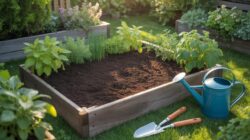
Select the material that matches your current soil needs. Sandy soils benefit more from the moisture retention of leaf mold and compost. Clay soils require bulky materials like aged wood chips or coarse compost to break up heavy particles. Apply these materials annually to maintain high levels of organic carbon. Regular applications ensure your soil stays productive and easy to work every season.
How And When To Use Top Soil To Refresh Your Garden Beds
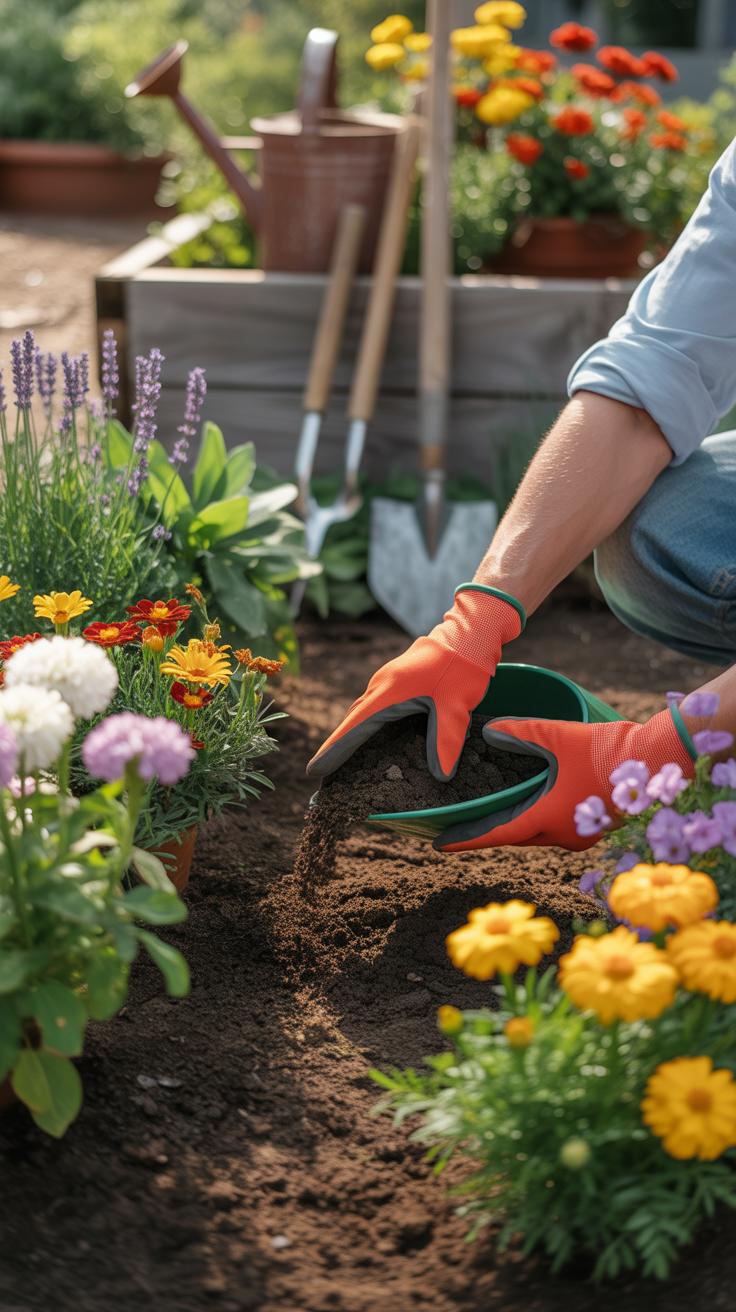
What Top Soil Is And How It Differs From Garden Soil And Potting Mix
Top soil consists of the uppermost layer of the earth. It contains organic matter and minerals filtered from the surface. Distinguish this from garden soil which often contains added fertilizers and conditioners. Potting mix contains no actual soil at all. It uses peat or bark to manage drainage in containers. Top soil provides the structural foundation for your outdoor landscape.
Standard top soil lacks the aeration needed for pots. It will compact and kill roots in a container. Use it only for filling large holes or grading ground levels. Potting mix stays light so roots can breathe. Garden soil is a middle ground designed for specific plant types. Understand these differences to avoid ruining your plant drainage. Choosing the wrong medium leads to root rot.
When Adding Top Soil Makes Sense And How To Apply It Without Smothering Plants
Use top soil to fix low spots in your yard or garden. It creates a level surface for lawn growth and prevents water pooling. Apply it when your existing ground height drops due to erosion. This material works best for structural repairs rather than nutrient boosts. Do not expect it to feed plants like compost does. It mostly adds bulk and minerals.

Apply the soil in thin layers to avoid burying plant crowns. Smothering the base of a plant cuts off oxygen and results in death. Spread no more than one inch at a time around established greens. Use a rake to distribute the material evenly across the surface. Ensure the soil stays away from tree trunks. Compact the layer lightly to prevent immediate washouts during heavy rain.
Using Organic Fertilizer To Improve Soil Quality The Natural Way
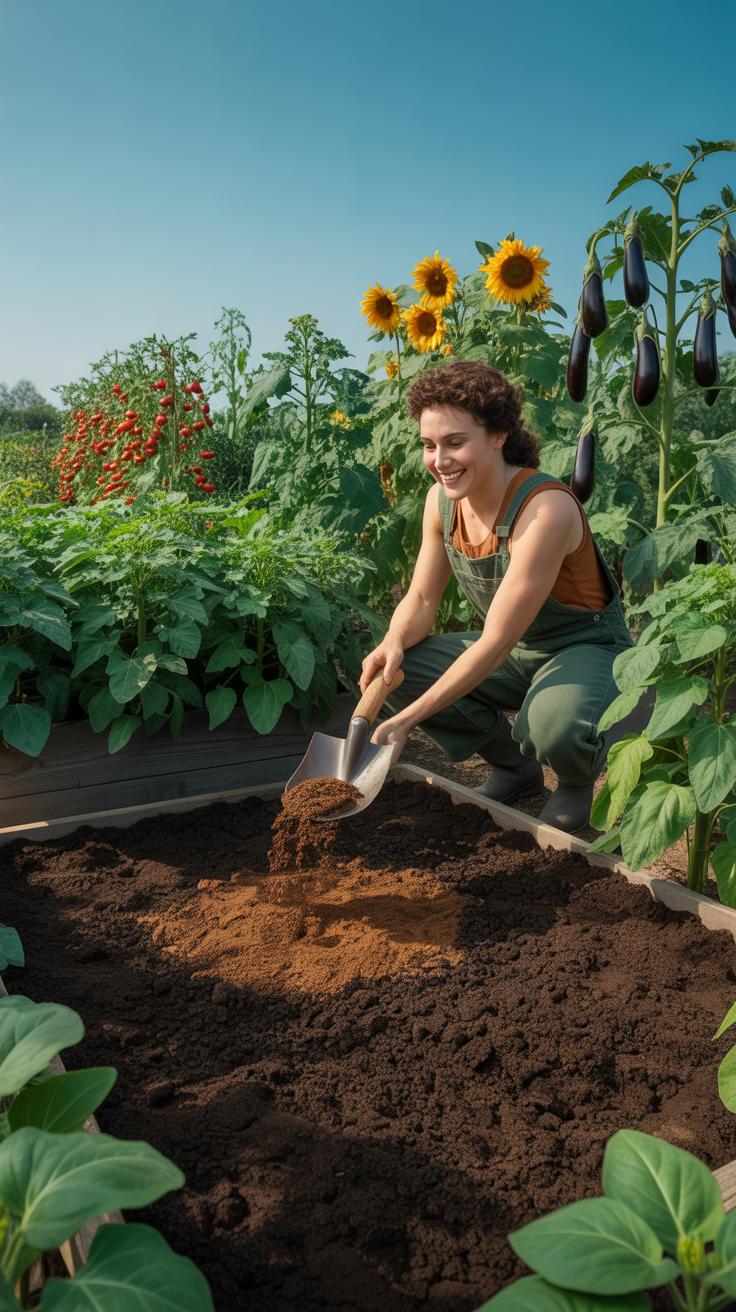
How Organic Fertilizer Feeds Both Your Plants And The Soil Ecosystem Below
Synthetic fertilizers feed plants directly with chemical salts but ignore the ground. Organic fertilizers work differently by providing raw materials for soil microbes to eat. These bacteria and fungi break down complex matter into nutrients that roots can actually absorb. This process creates a living cycle. You are not just feeding a crop for one week. You are building a self-sustaining system that improves over time.
Healthy soil needs good structure to hold water and air. Organic matter acts like glue to bind tiny particles into larger clumps. This creates space for oxygen to reach the roots. Microbes produce sticky substances during decomposition that stabilize these clumps. This prevents the soil from turning into hard crust or washing away during rain. Efficient soil biology reduces your need for supplemental watering and chemical inputs.
Choosing The Right Organic Fertilizer Based On What Your Soil Actually Needs
You must select inputs based on specific nutrient deficits identified in a soil test. Blood meal provides rapid nitrogen for leafy growth. Bone meal delivers phosphorus to support root development and flowering. Compost serves as a general conditioner that adds diverse microbial life. Raw manure requires aging to prevent nitrogen burn and pathogen spread. Match the material to the life cycle of your specific plants.

Timing and application methods dictate your results. Slow release materials like rock phosphate take months to break down. Apply these long before the planting season begins. Concentrated liquids like fish emulsion provide immediate boosts during high growth phases. Always incorporate dry fertilizers into the top few inches of dirt. This keeps biology active and prevents nutrient loss from surface runoff. Target your application to maximize efficiency and minimize waste.
Carrot Growing In Soil What This Root Vegetable Teaches Us About Soil Prep
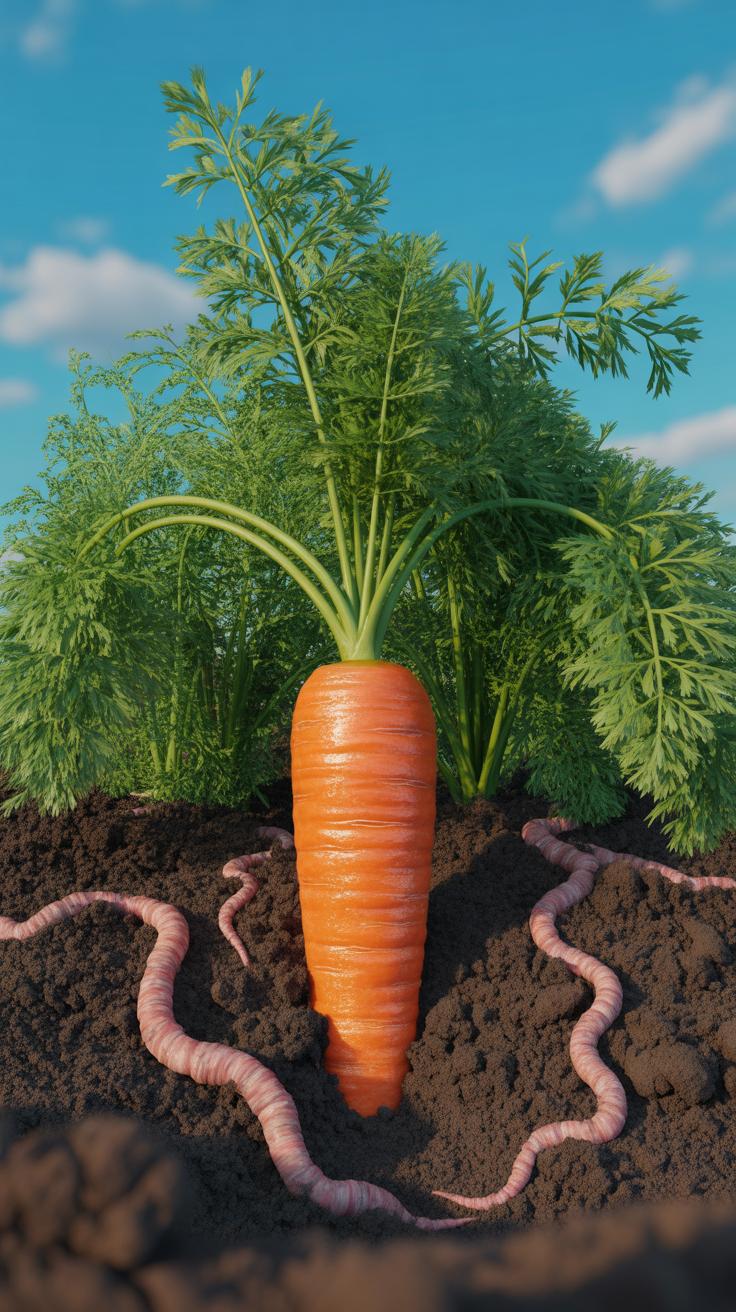
Why Carrots Are A Reliable Indicator Of Well Prepared Loose And Fertile Soil
Carrots act as a diagnostic tool for your garden. If your soil contains rocks or heavy clay, your carrots will fork or stunt. They require deep and loose earth to grow straight. Growing a perfect crop proves you have managed your soil texture correctly. This vegetable shows your success in removing obstructions. It confirms your dirt is soft and consistent.
A harvest of straight carrots signals high soil fertility and proper drainage. Compacted ground limits oxygen and water movement which stops root development. Carrots fail in poor tilth. You can use their growth shape to map out areas that need more organic matter. If the roots are hairy, your soil has too much nitrogen. They tell you exactly what your ground lacks or possesses.
The tiny act of turning the earth is a labor of love that honors the ancestors who did the same. To nurture the soil is to feed the soul and find peace in the simple cycles of nature.
Key Soil Conditions Carrots Need And How To Achieve Them In Your Garden
Carrots demand specific textures to reach their full potential. You must eliminate all physical resistance in the top twelve inches of the bed. Standard garden soil often contains too much clay or stone for root crops. You fix this by working the ground when it is dry. Achieving the right balance ensures the taproot grows downward without hitting hard barriers or rot.
- Mechanical Tilth: Use a broadfork or spade to loosen the earth deep below the surface. You must break up every hard clump of clay. This allows the delicate tip of the carrot to push through the ground without bending or splitting early in the season.
- Sand Integration: Mix coarse builder sand into heavy soils to improve primary drainage and reduce friction. Sand creates air pockets that prevent the soil from crusting over. It allows the root to expand outward and downward easily as the plant matures over several months.
- Obstruction Removal: Sift your soil through a hardware cloth screen to catch every stone and wood chip. Rocks deflect growing roots and cause permanent deformities. A clean bed produces the most uniform crops. This step is critical for any gardener aiming for professional grade vegetable production.
- Potassium Balance: Focus on adding wood ash or sulfate of potash rather than high nitrogen fertilizers. Excess nitrogen causes the plant to grow thick green tops while the roots remain small. Potassium encourages the energy to move downward into the root where the starch builds.
- Moisture Management: Maintain a consistent moisture level by using light mulch or specialized irrigation tapes. Dry soil becomes hard as concrete and stops root elongation immediately. Uniform watering prevents the carrots from cracking open. It keeps the skin smooth and the internal core tender for eating.

Testing your soil pH is also a vital step for success. Carrots prefer a slightly acidic range between 6.0 and 6.8 for nutrient uptake. If the ground is too alkaline, the crop cannot absorb essential minerals. You can add peat moss to lower the pH or lime to raise it. Proper chemistry combined with loose texture guarantees a high quality harvest.
Budget Friendly Garden Ideas To Improve Soil Quality Without Overspending
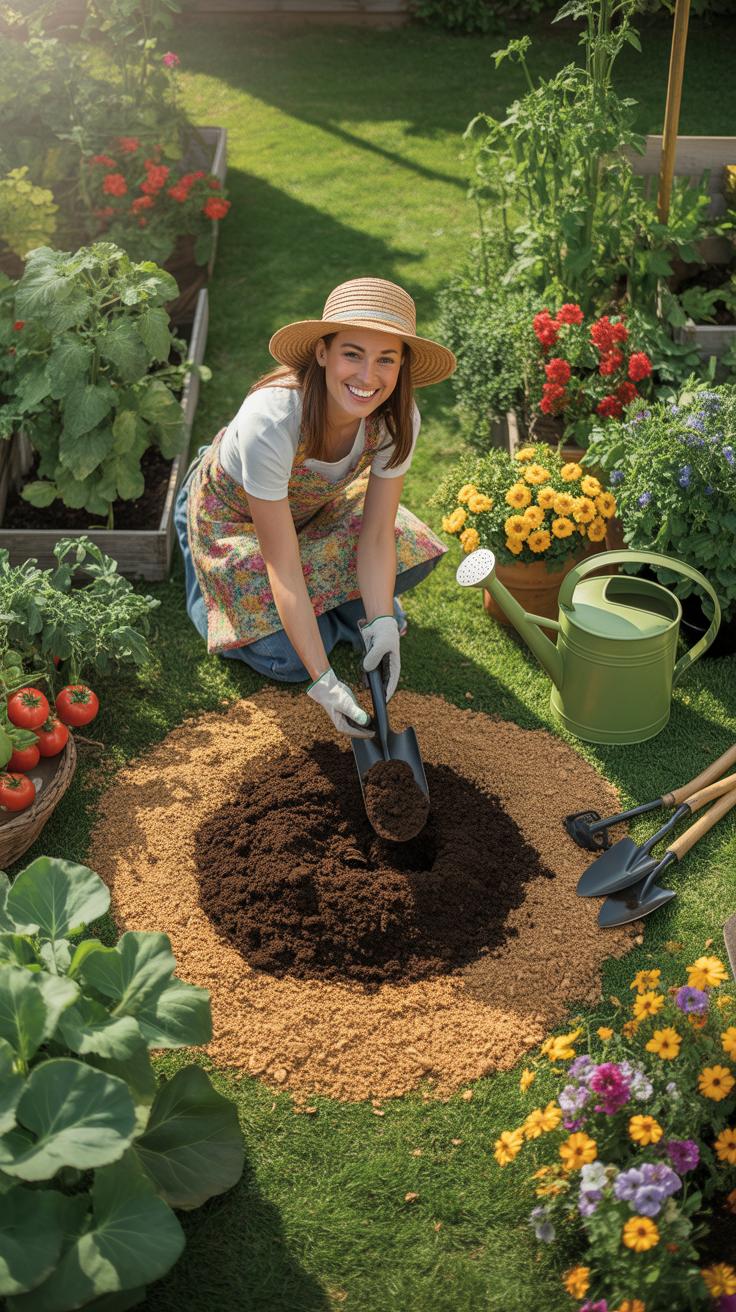
How Composting Kitchen And Yard Waste Gives You Free Soil Amendment Year Round
Composting transforms organic waste into nutrient-dense humus. This process relies on a ratio of nitrogen-rich greens and carbon-rich browns. Kitchen scraps provide the nitrogen. Dried leaves and cardboard provide the carbon. Bacteria and fungi break these materials down into stable organic matter. You do not need expensive bins. A simple pile or a ring of wire fencing works effectively for most residential yards.
Regularly adding compost improves soil structure and water retention. It feeds beneficial microorganisms that make nutrients available to plants. This cycles nutrients back into the earth rather than sending them to landfills. Turn the pile once a week to introduce oxygen and speed up decomposition. Mature compost looks like dark earth and smells like a forest floor. Use it as a top dressing or mix it into planting holes.
Affordable Garden Ideas That Stretch Your Budget While Still Enriching Your Soil
Cover cropping offers a cheap way to build soil health during the off-season. Sow inexpensive seeds like clover, vetch, or cereal rye. These plants prevent erosion and suppress weed growth. Legumes like clover fix nitrogen from the air into the soil through their roots. In the spring, mow these crops down and let them decompose. This green manure adds bulk and nitrogen to the soil for free.

Sheet mulching uses recycled materials to build new garden beds. Layer corrugated cardboard over grass to kill weeds without chemicals. Cover the cardboard with grass clippings and wood chips often available for free from local arborists. Over several months, these layers rot and create deep, fertile soil. This method requires zero tilling and minimal physical labor. It saves money on bagged soil and gas-powered machinery while improving long-term fertility.
Step By Step Soil Preparation Tips To Follow Before Every Planting Season
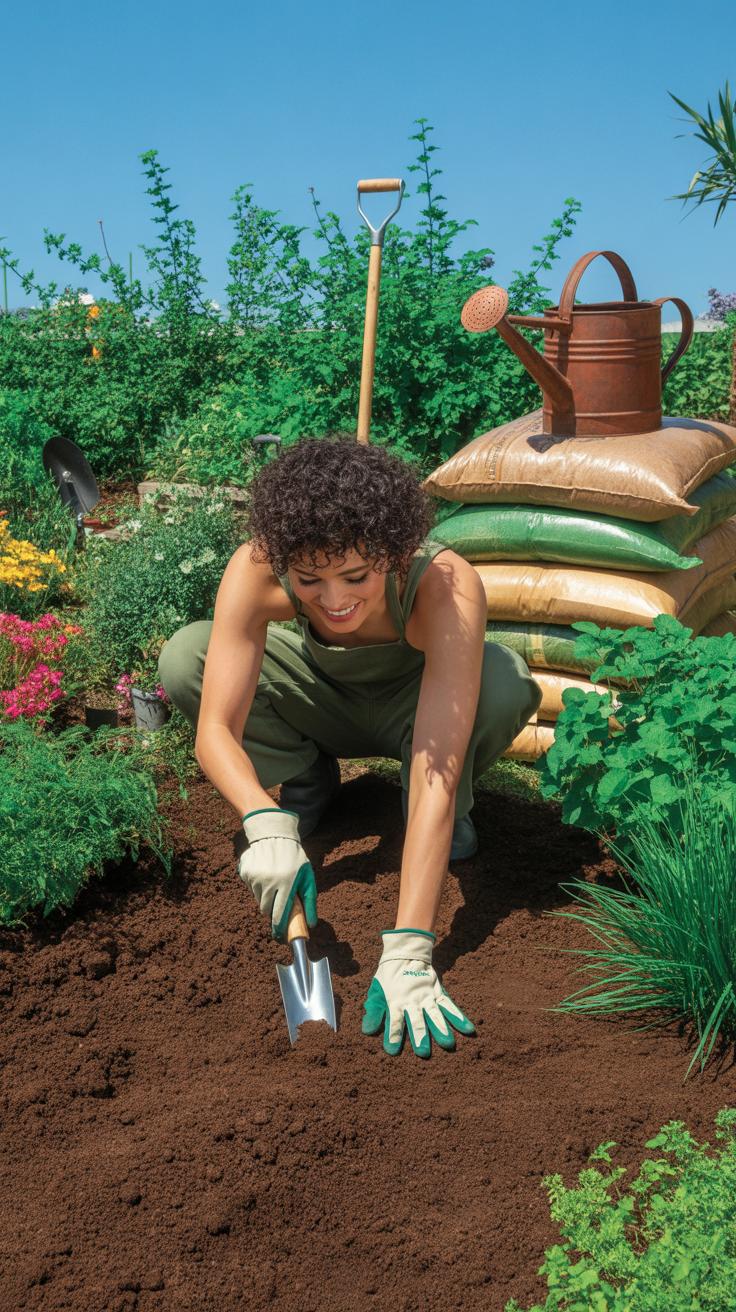
How To Test, Clear, And Loosen Your Soil Before The Growing Season Begins
Success starts with a professional soil test. Buy a kit or send a sample to a local extension office. This test reveals pH levels and nutrient deficiencies. You cannot fix what you do not measure. Testing prevents over-fertilization and saves money. It tells you exactly which minerals your ground lacks. Perform this check every spring before you add any new amendments.
Clear all debris and dormant weeds from the surface. Use a broadfork or garden fork to loosen the earth. Do not flip the soil layers over completely. Turning soil destroys the fungal networks and structure developed over winter. Aeration is the goal here. Break up compacted areas to allow water and air to reach roots. Loose soil ensures young plants establish deep secondary root systems quickly.
Maintaining Soil Health Long Term So Every Season Builds On The Last
Healthy soil requires consistent organic matter inputs. Apply a two-inch layer of finished compost every year. This feeding method mimics natural forest floor cycles. Microbes break down this matter and release nitrogen slowly. Avoid chemical fertilizers that kill beneficial earthworms. High-quality compost improves drainage in clay and holds moisture in sand. This creates a resilient growing environment that resists extreme weather.
Protect the surface with mulch or cover crops during the off-season. Bare dirt loses nutrients to erosion and sunlight. Use straw or wood chips to suppress weeds and regulate temperature. Planting winter rye or clover adds nitrogen back into the earth naturally. This cycle builds topsoil depth over time. Better soil structure leads to higher yields and fewer pests. Consistency is the primary factor in long-term garden success.
Frequently Asked Questions

Why is soil preparation important for a beginner gardener?
Starting with a healthy foundation is the secret to a thriving garden. For beginners, the right soil preparation tips ensure your plants have easy access to essential nutrients, proper drainage, and adequate airflow around the roots. Without prepping the earth first, soil can become compacted, making it difficult for young seedlings to establish themselves. Taking the time to build quality soil now prevents growth issues and plant stress later in the season.
How do I properly amend my garden beds before planting?
To effectively prepare your beds, start by clearing any weeds and debris from the surface. One of the most practical soil preparation tips is to incorporate two to three inches of high-quality organic matter, such as compost or rotted manure, into the top layer of earth. Use a garden fork to gently turn the soil, ensuring the amendments are well-distributed without destroying the natural soil structure or harming beneficial earthworm populations.
Can I prepare high-quality garden soil on a tight budget?
Absolutely! You do not need expensive store-bought fertilizers to achieve great results. Creating a backyard compost pile with kitchen scraps, dried leaves, and grass clippings is a free way to enrich your garden. Additionally, using shredded cardboard as mulch or sourcing free wood chips from local arborists are excellent low-cost methods. These accessible strategies prove that anyone can cultivate nutrient-dense ground without spending a lot of money on professional supplies.