
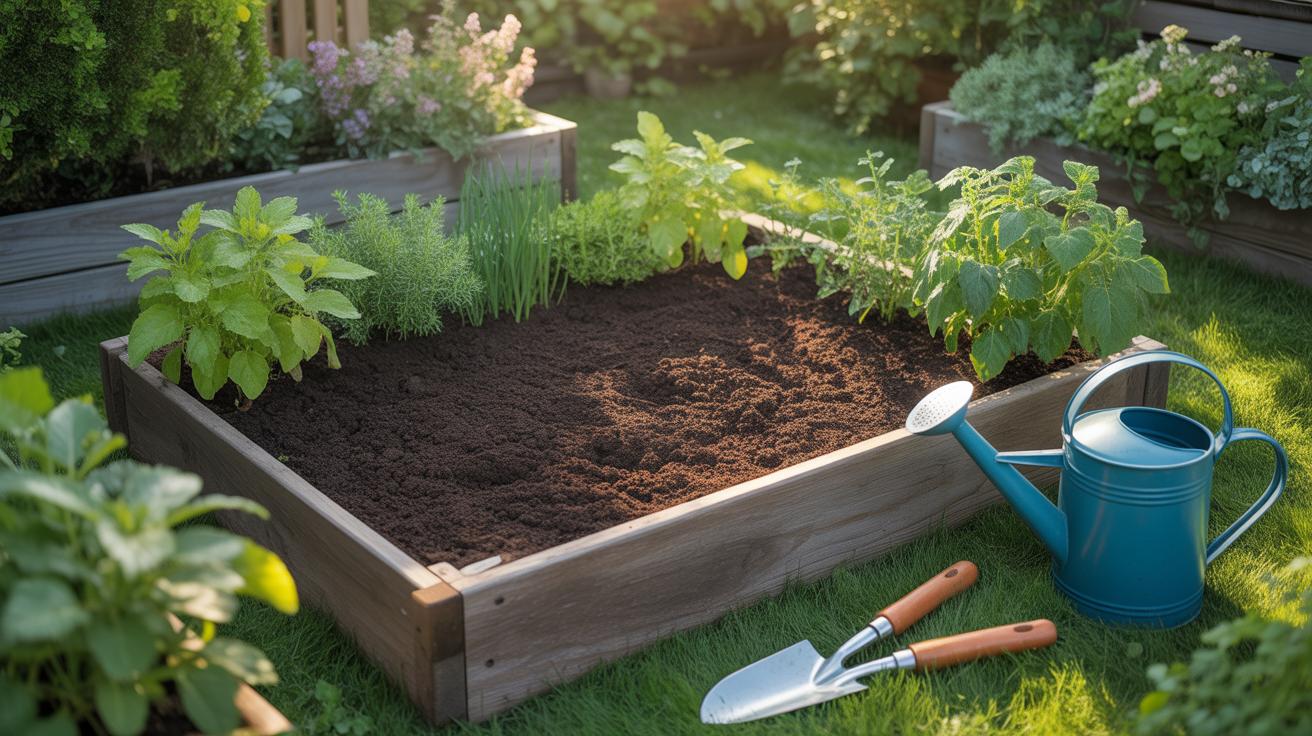
Why The Best Soil For Raised Garden Beds Makes All The Difference
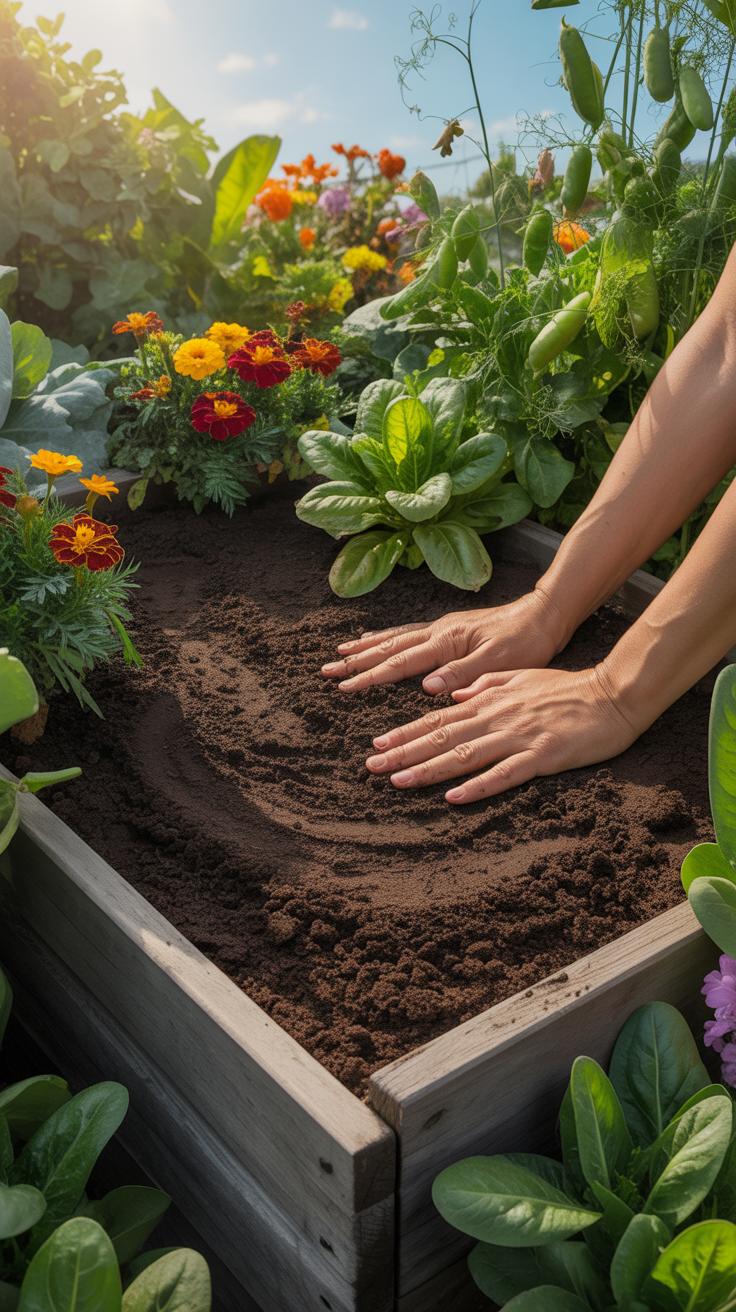
How Soil Quality Directly Affects Plant Health And Yield
Soil serves as the primary delivery vehicle for nutrients and hydration. High-quality soil provides a balance of nitrogen, phosphorus, and potassium. These elements fuel root expansion and fruit production. Proper soil structure ensures that roots can penetrate deep without resistance. Compaction limits oxygen and stunts growth quickly. You cannot fix poor genetic results without first addressing the physical growing medium.
Correct soil drainage prevents root rot and fungal pathogens. Raised beds allow for precision control over moisture levels. Poorly drained soil drowns plants by removing air pockets. High-performing soil allows excess water to pass through while retaining enough moisture for survival. This balance reduces plant stress and increases total yield. Better soil quality leads to stronger plants that resist pests and diseases naturally.
Why Native Ground Soil Is Usually Not Enough For Raised Beds
Native soil often contains high levels of clay or sand. Heavy clay prevents drainage and creates a hard crust when dry. Sand drains too fast and loses nutrients before plants can use them. Most ground soil lacks the organic matter needed for intense vegetable production. It also carries dormant weed seeds and harmful soil-borne pathogens. Using it in a raised bed replicates these existing ground problems.
Ground soil is heavy and loses its structure when placed in a container. Once you move it into a raised bed, it settles and becomes dense. This density stops the flow of air to the root zone. Effective raised bed management requires a mix that stays loose over time. Specialized mixes use peat, coco coir, or compost to maintain aeration. Relying on backyard dirt will lead to poor drainage and weak harvests.

Understanding What Goes Into Raised Bed Soil
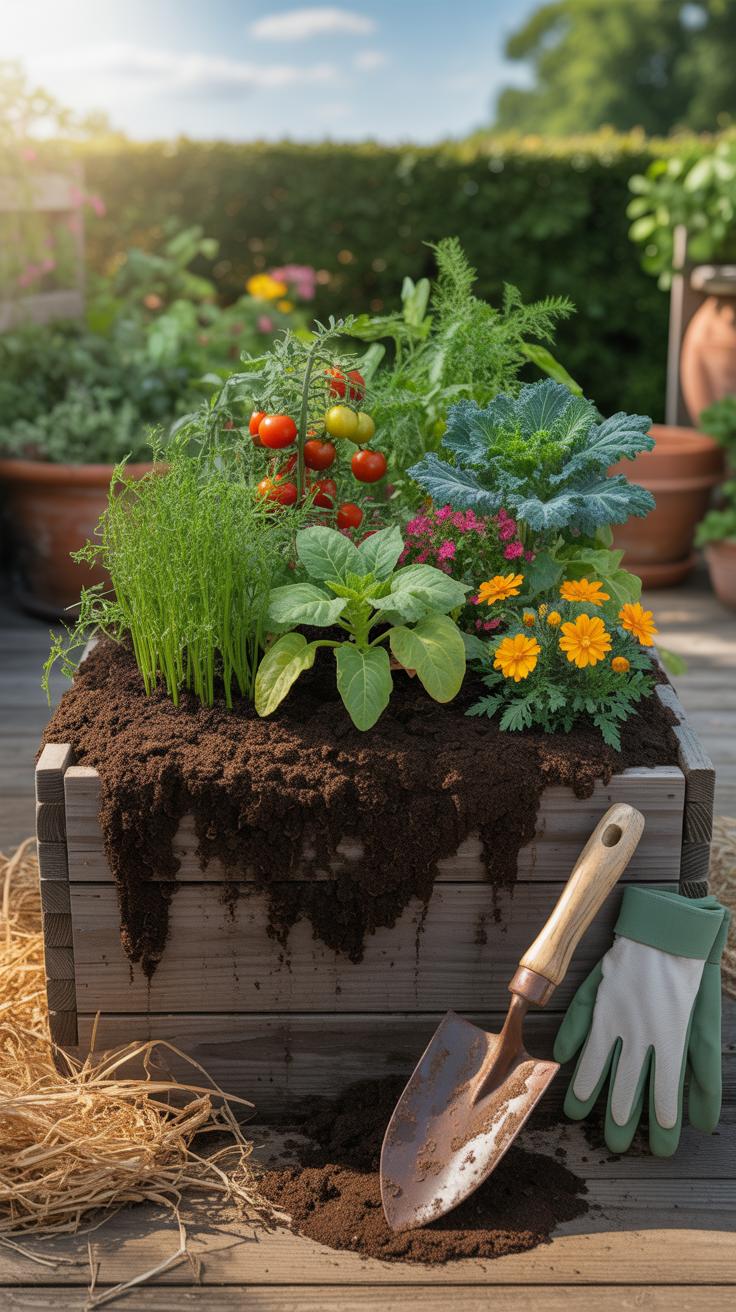
Key Ingredients That Make Up A Healthy Raised Bed Soil Mix
Raised bed gardening requires a specific structural balance that native ground soil rarely provides. You must combine organic matter, mineral components, and bulking agents to create a sustainable environment for roots. The goal is to provide immediate nutrition while maintaining a stable structure. This approach prevents the medium from compacting over time and ensures consistent nutrient delivery to your plants throughout the entire growing season.
- Topsoil: This acts as the primary base for your mix. Use high-quality screened topsoil to provide essential mineral content and weight. It anchors root systems and helps the bed retain moisture during heat waves. Avoid using Fill Dirt as it contains rocks and lacks necessary biological activity.
- Compost: This is your primary source of nutrients and microbial life. Use well-aged leaf mold, mushroom compost, or kitchen scrap compost. It breaks down slowly to feed plants and improves the overall texture of the soil. Aim for a mix that is at least thirty percent organic matter.
- Peat Moss or Coconut Coir: These materials improve moisture retention without adding excessive weight. Peat moss is acidic, which helps balance alkaline water sources. Coconut coir is a renewable alternative that holds water effectively and maintains a neutral pH balance. These inputs help the soil remain fluffy and workable for many years.
- Perlite or Vermiculite: These volcanic glass or mineral additives create permanent air pockets. Perlite is best for drainage as it does not absorb water. Vermiculite holds some moisture and is better for seed starting. Both materials prevent the soil from turning into a hard brick when it dries out during summer months.
- Organic Fertilizers: Add slow-release amendments like bone meal or kelp meal during the initial mixing phase. These provide secondary micronutrients that standard compost might lack. They build long-term soil fertility and support healthy plant immune systems. Organic options prevent the salt buildup often associated with cheaper synthetic chemical fertilizers.
Effective mixing requires an even distribution of these materials before they enter the bed. Do not simply layer them. Use a rake or hoe to blend the components until the texture is uniform. This strategy prevents nutrient pockets and ensures that water moves through the entire profile at the same rate. Proper initial blending saves labor and prevents plant stress later in the year.
The Role Of Drainage And Aeration In A Thriving Raised Bed
Drainage determines whether your plants live or drown during heavy rain. Raised beds solve the drainage issues common in heavy clay soils by sitting above the natural grade. Gravity pulls excess water through the porous mix and away from the root zone. This movement prevents root rot and harmful fungal pathogens from taking hold. Proper drainage keeps the soil oxygenated even after a significant storm event.

Aeration provides the oxygen that roots and beneficial microbes need to survive. Compressed soil lacks the pore space required for gas exchange. When you add coarse materials like perlite or wood chips, you create microscopic tunnels for air to travel. High oxygen levels accelerate the decomposition of organic matter, which releases nutrients faster. Healthy aeration ensures that the soil stays loose, making it easy to pull weeds and harvest root crops.
The Simple Raised Bed Soil Recipe You Need To Know
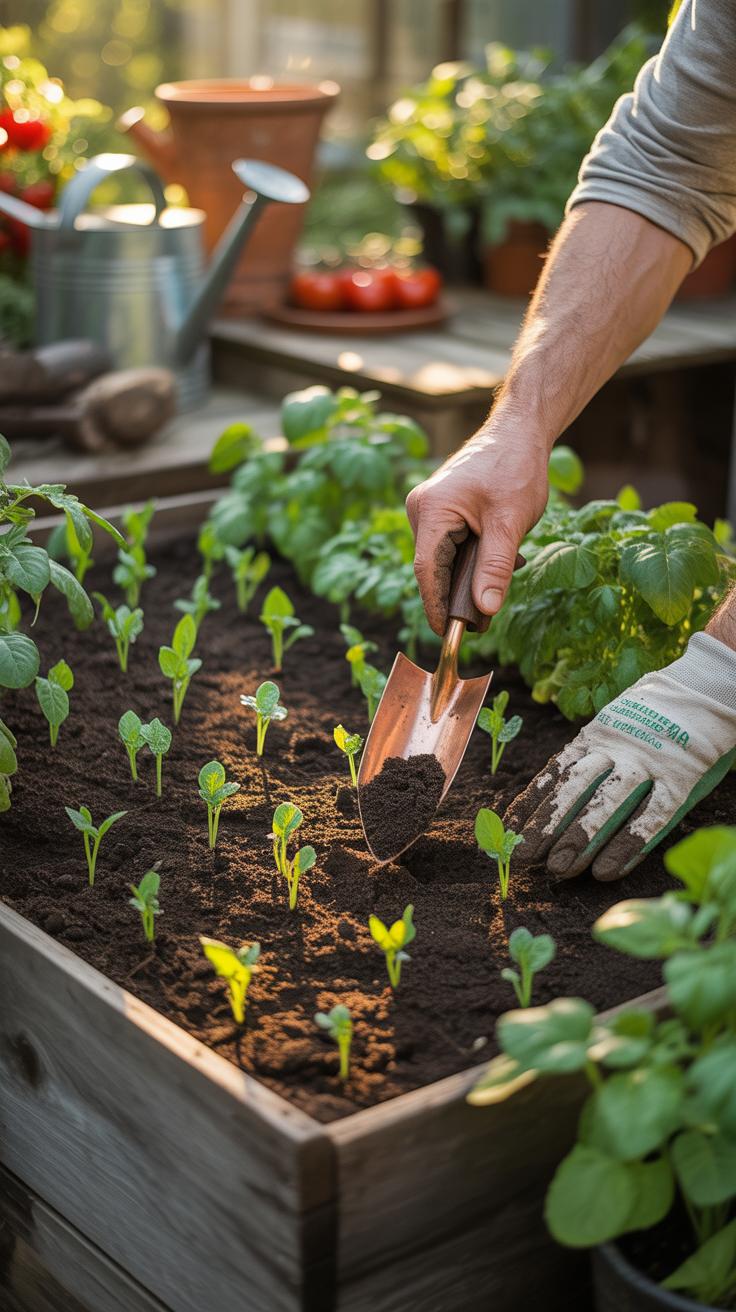
A Beginner Friendly Raised Bed Soil Recipe That Actually Works
Standard native soil is too heavy for raised containers. It lacks the drainage and pore space necessary for intensive gardening. Success requires a balanced medium that provides structural support and nutrient density. You must source clean materials to avoid introducing pathogens or weed seeds into your new beds. Stick to the classic three-part formula known as Mel’s Mix for consistent and predictable plant growth.
- Peat Moss or Coconut Coir: These organic materials provide the bulk structure of the mix. They hold moisture and prevent the soil from compacting over time. Peat moss is acidic while coconut coir has a neutral pH level.
- Vermiculite: This naturally occurring mineral expands under high heat to create a porous structure. It excels at retaining water and nutrients within the root zone. High-grade coarse vermiculite is better than fine grades for drainage.
- Blended Compost: Quality compost provides the essential biology and nutrients for your plants. Use at least three different sources like leaf mold, cow manure, and worm castings. Diverse sources ensure a wider spectrum of minerals and microorganisms.
- Perlite: Use perlite as a cheaper alternative to vermiculite if weight is a concern. These white volcanic glass granules improve aeration and prevent waterlogging. It does not hold moisture as long as vermiculite but prevents soil compression.
- Balanced Organic Fertilizer: Add a granular organic fertilizer to provide an immediate nutrient baseline. Look for a balanced N-P-K ratio to support early root and leaf development. This ensures your plants do not starve while the compost breaks down further.
Mix these components thoroughly on a tarp before filling your beds. Use equal volumes of each main ingredient to create a light and airy environment. This ratio ensures roots can penetrate deeply without resistance. Proper mixing prevents pockets of dry peat or hot manure that can kill young seedlings. Check moisture levels before planting and add water until the mix feels like a wrung-out sponge.
How To Adjust Your Soil Mix Based On What You Plan To Grow
Heavy feeders like tomatoes and peppers require higher levels of organic matter. Increase the compost ratio to forty percent for these crops to ensure steady nutrient release. You should also add crushed eggshells or bone meal to boost calcium levels. This helps prevent blossom end rot which often ruins fruit harvests. Monitor the soil height annually as organic matter decomposes and settles.

Root crops like carrots and radishes need a different physical structure. These plants require loose soil with fewer obstructions to grow straight. Increase the percentage of coarse sand or vermiculite to improve friability. Avoid adding fresh nitrogen-rich manure right before planting root vegetables. Excessive nitrogen causes lush green tops but results in stunted or hairy roots. Always tailor your amendments to the specific biological needs of each plant family.
How Garden Soil Differs From What Your Raised Beds Really Need
Why Bagged Garden Soil Alone Can Compact And Harm Root Growth
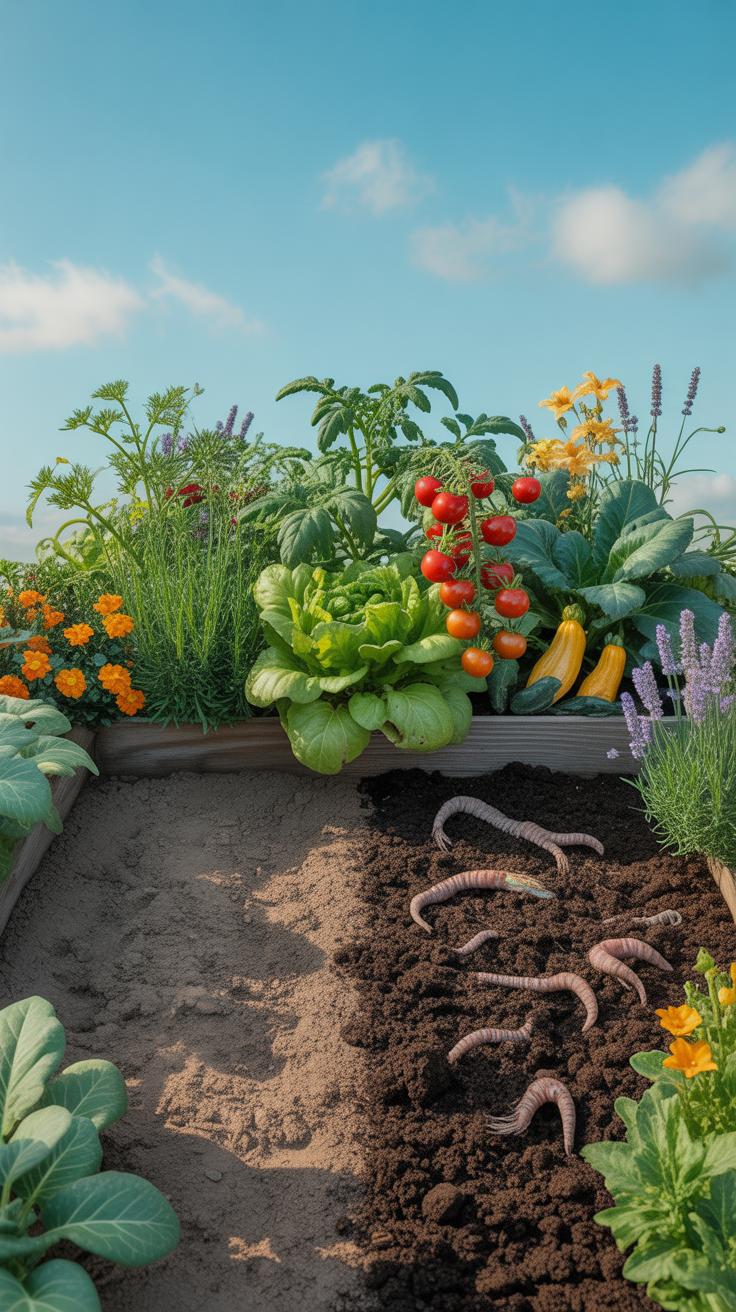
Bagged garden soil contains high percentages of native mineral dirt and clay. These heavy particles work well when mixed into the ground. However, they fail in the confined space of a raised bed. Gravity and watering force these small particles together. This creates a dense mass that lacks air pockets. Roots cannot penetrate this hard surface. Plants suffocate because they cannot access oxygen.
Compaction also stops water from draining correctly. It traps moisture at the bottom of the bed while the top stays bone dry. This saturated environment rot roots quickly. Most garden soil lacks the structural components like perlite or coarse sand found in potting mixes. Without these structural elements, your soil settles into a solid block. You lose the drainage necessary for healthy plant development in elevated structures.
How To Blend Garden Soil Safely Into A Raised Bed Mix
You can use garden soil if you balance it with lighter materials. Never fill a raised bed with 100 percent garden soil. Instead, treat it as a secondary base layer or one third of a total mix. Combine it with equal parts organic compost and a loosening agent like peat moss or coco coir. This ratio ensures the final texture stays crumbly.

Professional growers mix garden soil with coarse amendments to maintain pore space. Adding grit or composted bark prevents the mineral soil from sticking together. This strategy turns cheap garden soil into a functional growth medium. Test your mix by squeezing a handful. It should clump under pressure but fall apart easily when touched. This prevents the structural failure common in unamended raised bed fill.
Choosing The Right Soil For Raised Garden Beds On Any Budget
Affordable Soil Options That Still Deliver Strong Growing Results
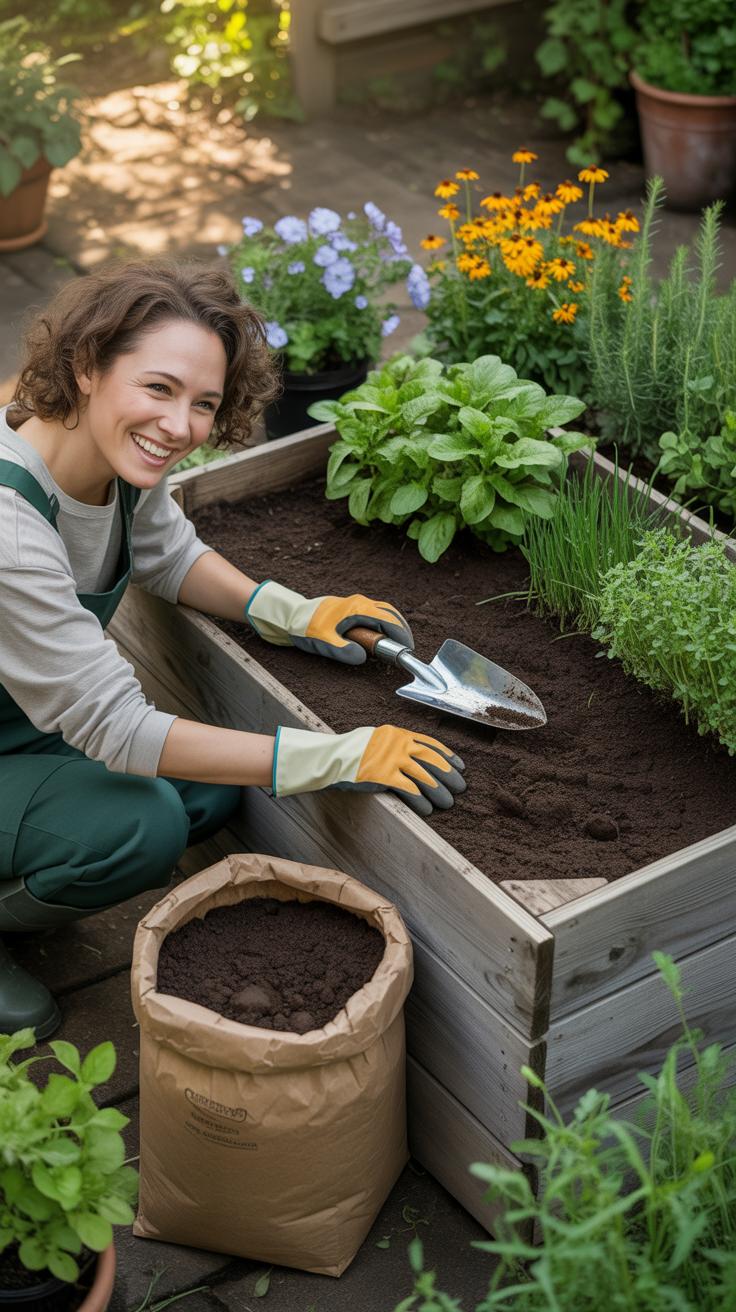
Low-cost gardening relies on bulk purchasing and material sourcing. Buy garden soil in cubic yards from local landscape yards rather than plastic bags from big box stores. This method cuts costs by half or more for large projects. Ensure the supplier provides a screened loam and compost mix. Raw native soil is too heavy for raised containers and lacks proper drainage.
Use the Hugelkultur method to fill the bottom half of deep beds. Pack the base with thick logs, fallen branches, and dried leaves. These organic materials take years to break down and occupy space for free. This technique reduces the amount of expensive soil needed to fill the frame. It also creates a long-term nutrient reservoir for deep-rooted plants as the wood decays.
When To Invest In Premium Mixes And When To DIY Your Own Blend
Invest in premium bagged mixes for shallow beds or specialized crops like greens and herbs. These mixes usually contain high-quality peat moss or coconut coir for moisture retention. They also feature perlite or vermiculite for aeration. Use these expensive products when you have less than six inches of depth. Premium soil ensures high yields in small spaces where every square inch of root zone counts.

Construct a DIY blend for standard beds to gain total control over nutrition. Mix equal parts of native topsoil, coarse sand, and aged compost. This blend replicates the high-performance soils used in intensive market gardening. It provides structure from the soil and drainage from the sand. The compost delivers essential biology and nutrients. Custom mixing prevents the common issue of soil compaction found in cheap, store-bought filler.
How To Improve Your Raised Garden Beds Soil Over Time
Using Compost And Organic Matter To Refresh Tired Raised Bed Soil
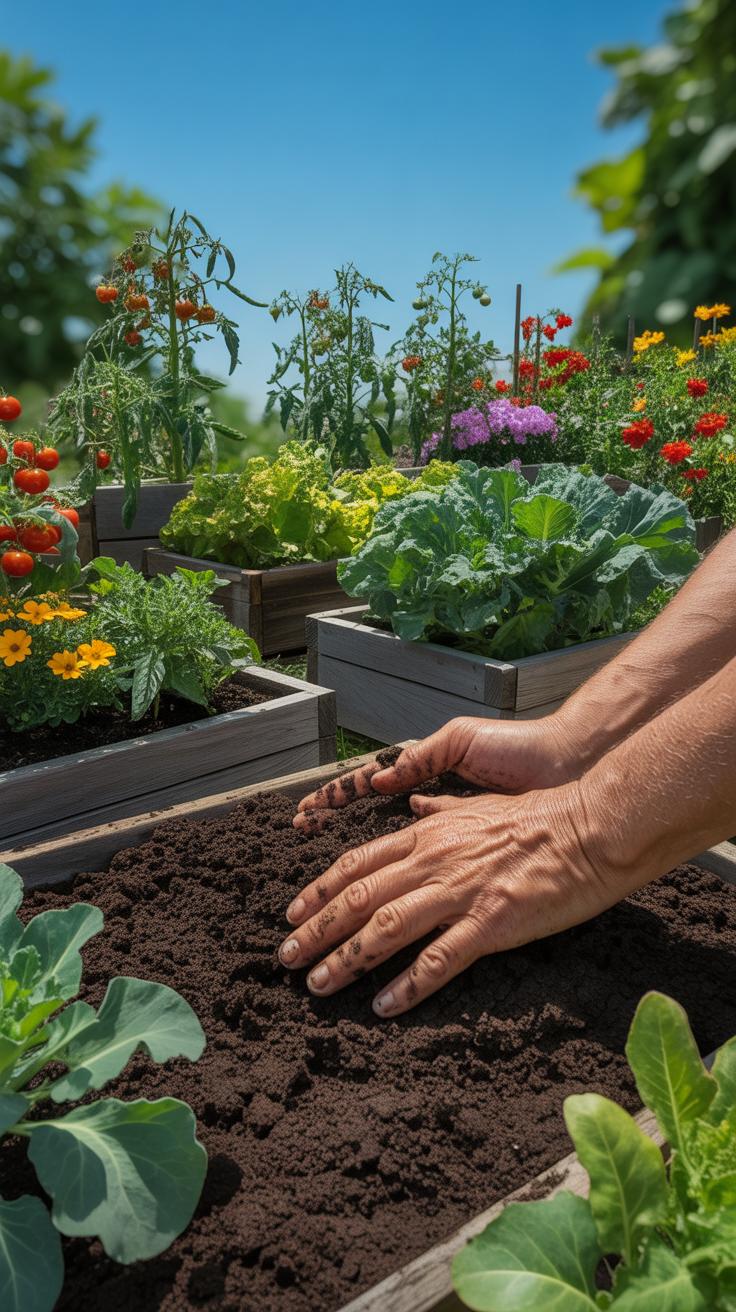
Raised bed soil loses volume and nutrients every year. Plants consume minerals while organic material decomposes and settles. You must replace these losses to maintain soil structure and fertility. Adding high quality compost introduces beneficial microbes and essential carbon. These elements improve water retention and air space. Raw organic matter like leaf mold or aged manure works well for long term soil health.
Apply two inches of fresh compost to the surface before every planting season. Do not till the soil deeply as this destroys fungal networks. Mix the new material into the top few inches of the bed. This practice builds a rich humus layer over time. It mimics the natural forest floor process. Healthy soil requires constant inputs of carbon to support the tiny organisms that feed your plants.
Simple Topdressing Techniques To Keep Nutrients Flowing Season To Season
Topdressing provides a steady supply of nutrients without disturbing plant roots. You spread a thin layer of amendments directly onto the soil surface. Gravity and water move the nutrients down to the root zone. Use worm castings or granular organic fertilizers for this task. This method prevents the nutrient spikes and crashes common with liquid feeds. It keeps the soil chemistry stable throughout the summer.

Apply your topdressing material during the peak growing season. Focus on the area around the base of the plants but avoid direct stem contact. Cover the amendments with a light layer of straw or wood chips. This mulch protects the nutrients from sun damage and prevents runoff during heavy rain. Routine topdressing ensures that your vegetables have the fuel they need to produce high yields until the first frost.
Common Raised Bed Soil Mistakes To Avoid In Your Veg Garden
Why Overfilling With The Wrong Materials Leads To Poor Harvests
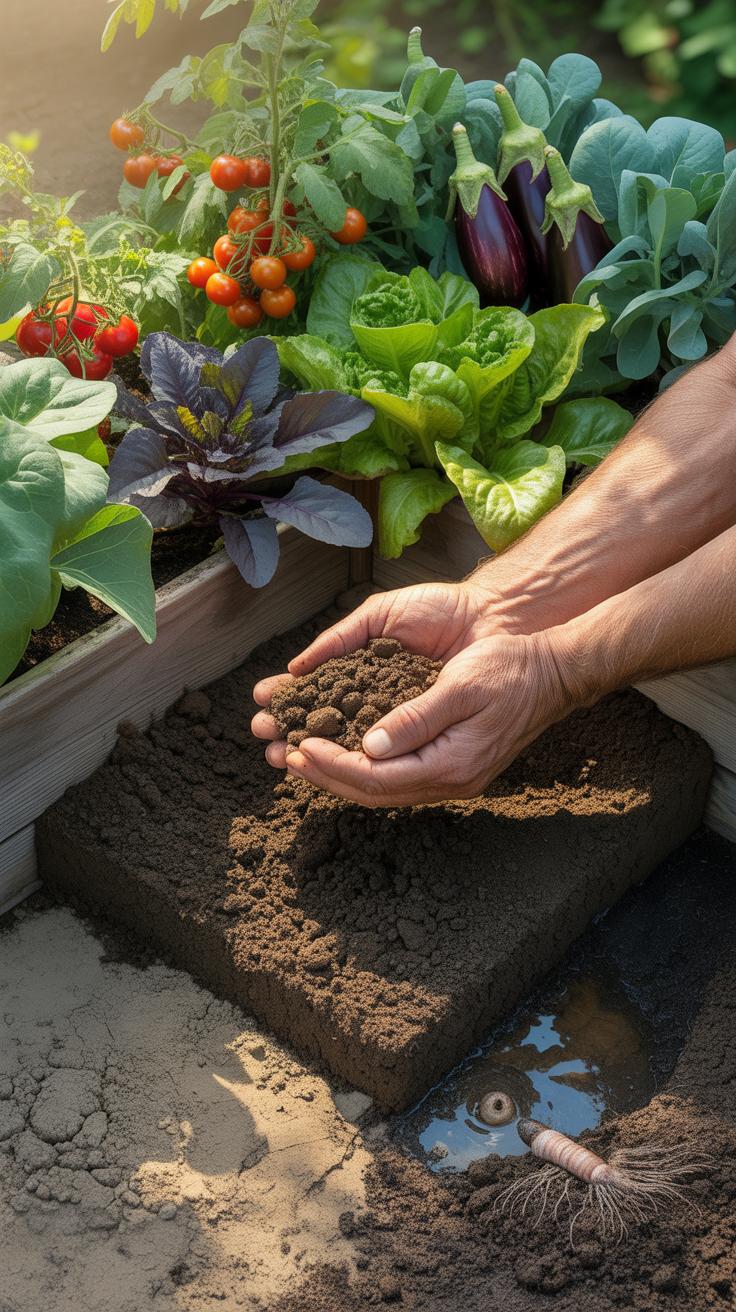
Filling raised beds with heavy topsoil or straight clay creates a drainage disaster. These materials compress easily and lack the pore space needed for oxygen. Roots suffocate in waterlogged conditions because the water cannot move through the dense particles. You lose crop yields when roots fail to expand. Compacted soil also prevents beneficial microbes from thriving and breaking down necessary nutrients.
Avoid using large amounts of uncomposted wood chips or raw sawdust in your mix. These high carbon materials pull nitrogen from the soil as they decompose. This process leaves your vegetables starving for the very element they need for leaf growth. Stick to finished compost and specialized potting mixes designed for drainage. Proper aeration ensures the root system stays healthy and the plant remains productive all season.
Building good soil is like tucking your garden into a warm, handmade quilt where every layer of compost tells a story of rebirth. Just a few simple handfuls of earth and care can turn a humble wooden frame into a legacy of nourishment.
How Ignoring Soil PH Can Silently Stunt Your Vegetable Plants
Soil pH dictates whether your plants can actually absorb the nutrients present in the ground. Most vegetables require a slightly acidic to neutral range between 6.0 and 7.0 for optimal growth. When the pH level swings too high or too low, chemical reactions lock nutrients away from the roots. You might add plenty of fertilizer, but the plants will still show signs of deficiency.

Testing your soil is the only way to confirm these levels accurately. Guessing leads to incorrect applications of lime or sulfur which can ruin your soil for years. Low pH inhibits nitrogen fixation and phosphorus availability while high pH limits micronutrients like iron and manganese. Maintain the correct balance to ensure your vegetable garden reaches its full genetic potential. Constant monitoring prevents long term growth issues and wasted money.
Getting The Most Out Of Your Raised Garden Season After Season

End Of Season Soil Care Habits That Set You Up For Success Next Year
Smart gardeners never leave raised bed soil bare over winter. Rain and wind strip away topsoil and nutrients when the surface stays exposed. You must clear out finished vegetable plants to prevent pests from nesting in the debris. Leave healthy roots in the ground to decompose and feed soil microbes. This simple step keeps the soil structure intact and prevents compaction.
Apply a thick layer of organic mulch or finished compost before the first hard frost hits. This layer acts as an insulator for the living organisms deep within the bed. It also prevents weeds from germinating early in the spring. Adding nutrients now allows them to break down and become available for next year. Tactical fall prep ensures your soil is ready for planting the moment spring arrives.
How Crop Rotation And Cover Crops Help Protect Your Raised Bed Soil Long Term
Crop rotation breaks the life cycle of soil borne pathogens and pests. Growing the same plant family in the same spot every year depletes specific nutrients and invites disease. Shift your plant families like brassicas and nightshades to different beds each season. This strategy balances nutrient draw and keeps the soil chemistry healthy. It is the most effective way to manage soil health without chemicals.

Cover crops like clover or winter rye provide a living mulch for your raised beds. These plants fix nitrogen in the soil and improve drainage through their root systems. Chop them down in early spring before they go to seed to add green manure back into the beds. This process increases carbon levels and feeds the soil biology naturally. Use these plants to build soil health during the off season.
Frequently Asked Questions

What is the best type of soil to use for a new raised garden bed?
For beginners, a balanced blend is the secret to success. The ideal mix usually consists of 60% high-quality topsoil, 30% organic compost, and 10% potting soil or peat moss for aeration. One of the most important raised bed soil tips is to avoid using only garden soil from your yard, as it is often too heavy and can become compacted, preventing roots from breathing and growing deep.
How do I refresh the soil in my raised beds before each planting season?
Refreshing your garden doesn’t require a complete overhaul. Every spring, add two to three inches of fresh organic compost or well-rotted manure to the surface and lightly work it into the top layer. Following these practical raised bed soil tips helps restore depleted nutrients and improves the soil structure, ensuring your vegetables and flowers have the rich, fertile environment they need to thrive throughout the upcoming growing season.
Is there a budget-friendly way to fill deep raised beds without buying bulk soil?
Absolutely! You can use the “Hugelkultur” method to save money. Fill the bottom half of your tall beds with organic debris like rotting logs, branches, dry leaves, and grass clippings. As these materials decompose, they create a nutrient-rich foundation. This approach allows you to fill the top 12 inches with premium soil, significantly reducing your initial costs while providing a sustainable, long-term source of moisture and fertilization for your plants.