

Why Fertilizing Flower Beds Matters For Healthy Blooms
How Nutrients Support Root Development And Flower Growth
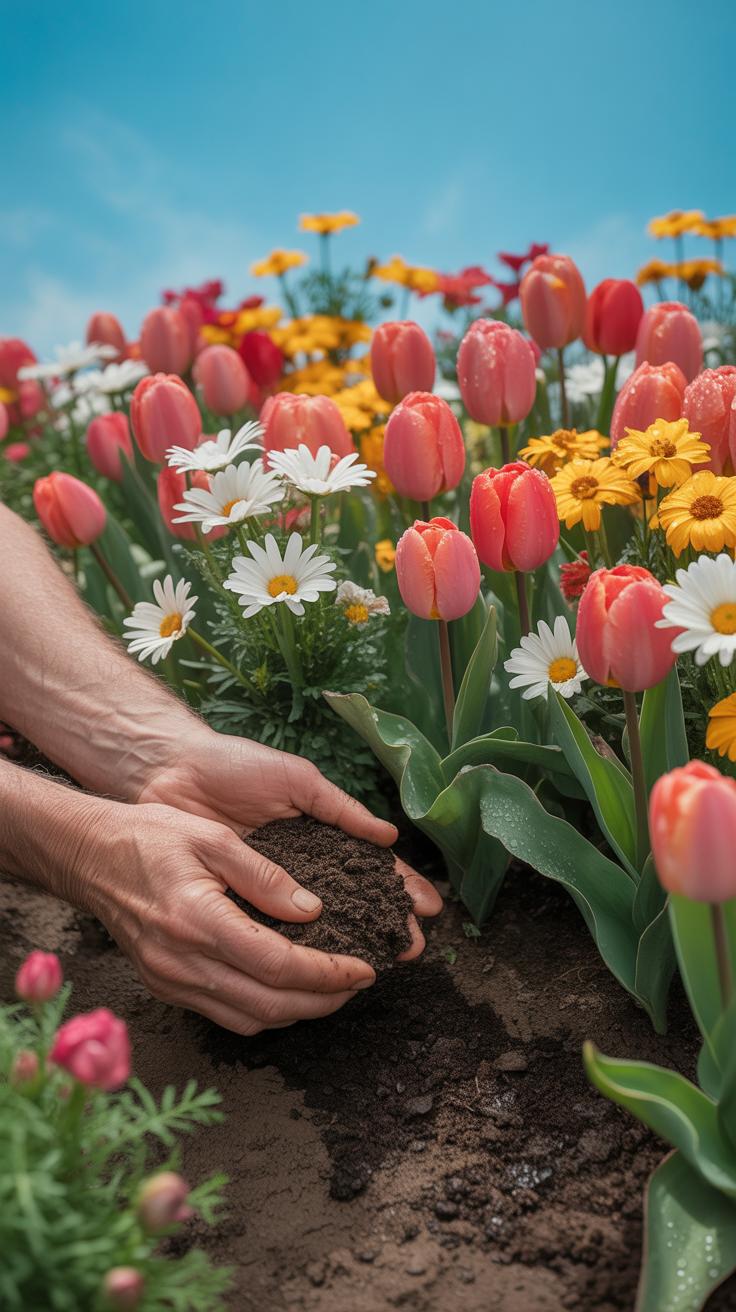
Plants require tactical inputs to build strong systems. Nitrogen drives leaf and stem growth. This creates the energy factory for the plant. Phosphorus focuses on the underground infrastructure. High phosphorus levels trigger rapid root expansion. Robust roots allow the plant to drink more water and stay stable. Potassium regulates internal metabolic functions and improves disease resistance. Healthy plants use these minerals to survive stress.
Flowering requires massive amounts of energy. Soil often lacks the specific mineral density needed for heavy blooming. Adding fertilizer ensures the plant has a surplus of fuel. This surplus allows the plant to transition from survival mode to reproduction. Without these external inputs, flower production slows or stops entirely. Consistent feeding schedules keep the bloom cycle active and predictable throughout the entire growing season.
Signs Your Flower Bed Is Nutrient Deficient
Visual cues reveal when soil chemistry fails. Yellowing leaves often signal a nitrogen shortage. This condition starts at the bottom of the plant and moves upward. Stunted growth is another primary indicator of poor soil health. If your flowers remain small or refuse to expand, they lack phosphorus. These physical symptoms mean the plant is starving. You must intervene quickly to prevent permanent damage.
Discolored foliage or weak stems indicate deeper issues. Purple tints on leaves usually suggest a phosphorus deficiency. Brittle stems and scorched leaf edges point to a lack of potassium. Plants also show distress through poor bud development. If buds drop before opening, the nutrient balance is off. Address these signals with specific fertilizers. Monitoring these signs allows you to adjust your strategy and save your investment.

Understanding The Best Fertilizer For Flowers
The Difference Between Granular And Liquid Fertilizers
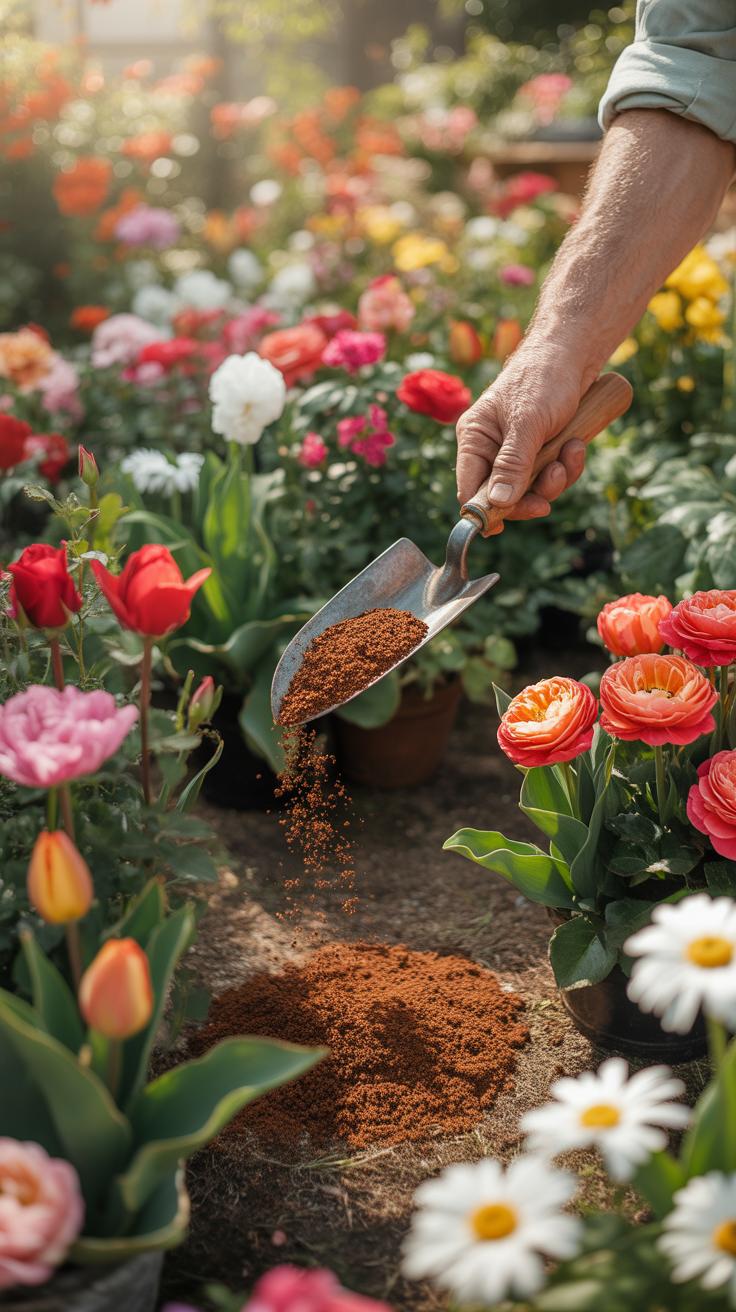
Granular fertilizers come in solid pellets or grains. You apply these directly to the soil surface or mix them into the dirt before planting. These products release nutrients slowly over several weeks or months. This slow delivery prevents nutrient leaching and reduces the risk of root burn. Most gardeners prefer granular options for long-term maintenance. Use them to provide a steady supply of food.
Liquid fertilizers offer an immediate nutrient boost. These products are watersoluble concentrates you mix with water and pour around the plant base. The roots and leaves absorb the nutrients quickly. Use liquids to fix visible deficiencies or support plants during heavy blooming stages. However, the effects fade fast. You must apply liquid options more often than granular types. Frequent application ensures the plants do not starve.
How To Read An NPK Label And Choose The Right Blend
Every fertilizer bag displays three numbers known as the NPK ratio. These numbers represent the percentage of Nitrogen, Phosphorus, and Potassium by weight. Nitrogen promotes green leaf growth and strong stems. Phosphorus supports root development and flower production. Potassium improves overall plant health and disease resistance. You must choose a blend based on the current stage of your flower bed.

Flowering plants require specific ratios to thrive. A balanced fertilizer like 10-10-10 works for general maintenance. To boost blooms, choose a blend with a higher middle number like 10-30-10. High phosphorus forces the plant to focus energy on buds rather than leaves. Avoid high nitrogen blends once flowers emerge. Too much nitrogen creates lush green foliage but stops flowers from growing. Pick the right ratio for maximum impact.
How To Fertilize Garden Beds Without Overwhelming Your Plants
Measuring And Applying The Right Amount Of Fertilizer
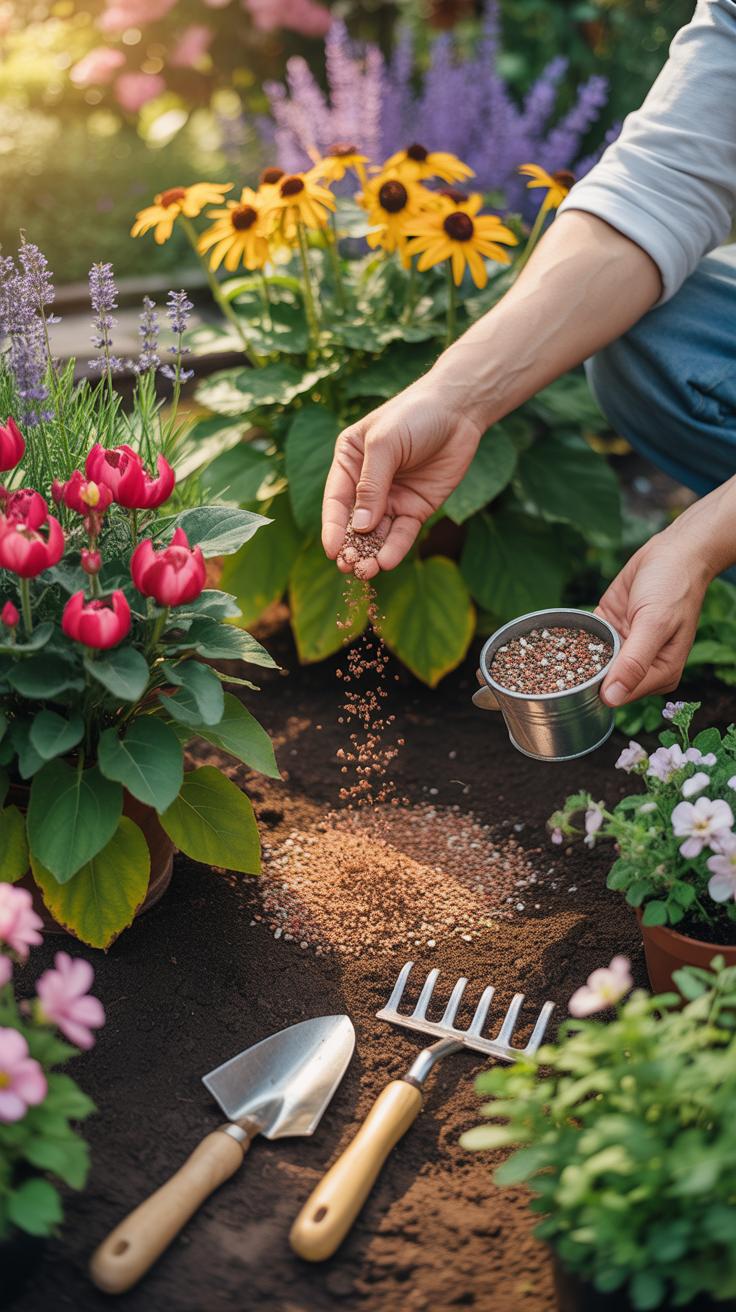
Calculate your garden bed square footage before opening any fertilizer bag. Multiply the length by the width of the planting area. Check the N-P-K ratio on the label to determine the concentration of nitrogen, phosphorus, and potassium. Most manufacturers provide a specific rate for every thousand square feet. Use a handheld spreader for granular products to ensure even coverage across the soil surface.
Avoid guessing the weight of the product. Use a dedicated measuring cup or a small scale for precision. Spread the granules evenly starting from the perimeter and working toward the center. Keep the fertilizer away from the base of the stems to prevent chemical burns on the plant tissue. Water the area immediately after application. This action moves the nutrients down into the root zone.
Common Over Fertilizing Mistakes Beginners Should Avoid
Excessive nitrogen applications create weak and leggy plant growth. This soft tissue attracts pests like aphids and increases the risk of fungal diseases. High salt concentrations from over-fertilization draw moisture out of the roots. This process causes fertilizer burn, which appears as brown or yellow leaf edges. Stop applying nutrients during periods of extreme heat or drought when plants are already under stress.
Do not double the dose to speed up growth. Soil can only hold a limited amount of minerals at once. Runoff from over-applied fertilizer pollutes local water sources and wastes money. Always test your soil pH before adding more amendments. Extreme pH levels lock nutrients in the ground and make them unavailable to plants regardless of how much fertilizer you add to the bed.
The Best Time To Fertilize Plants For Maximum Results

Seasonal Fertilizing Schedules For Spring Through Fall
Timing begins in early spring when plants emerge from dormancy. Apply balanced fertilizer as soon as new growth appears. This provides necessary nitrogen for leaf development and phosphorus for early root establishment. Do not fertilize frozen ground because nutrients will wash away. Early application ensures chemicals are available in the soil the moment the plant needs energy for its first major growth surge.
Mid-summer requires a second application for heavy feeders. Heat speeds up plant metabolism and depletes soil nutrients quickly. Stop all fertilizing six to eight weeks before the first expected frost. Late season feeding encourages soft new growth that cannot survive freezing temperatures. You must allow the plant to harden off for winter. Proper timing prevents winter kill and ensures the perennials return next year.
Why Morning Application Protects Roots And Maximizes Absorption
Apply fertilizer in the early morning hours before the sun hits its peak. Plants open their stomata during the cool morning to breathe and take in moisture. This allows foliage to absorb liquid nutrients more efficiently. Morning temperatures keep the soil cool which prevents chemical reactions from burning sensitive roots. You achieve better coverage and less evaporation when the air is still and the sun is low.

Morning watering after granular application helps move nutrients into the root zone immediately. Wetting the soil during the day can cause leaf scorch as water droplets act like magnifying glasses. Evening application is risky because excess moisture stays on the leaves overnight. This dampness promotes fungal growth and root rot. Morning remains the only tactical window that balances high absorption with low risk of disease.
How To Fertilize Plants Effectively Using Organic Methods
Top Organic Fertilizer Options That Are Safe For Flower Beds
Organic fertilizers release nutrients slowly as soil microbes break down the material. This process prevents chemical burns on sensitive flower roots. Natural options focus on building long-term soil health rather than providing a short-term spike. You must select the right material based on the specific nutrient needs of your blooming plants. Phosphorus promotes flowers while nitrogen supports foliage.
- Blood Meal: This high-nitrogen additive comes from dried animal blood. It provides a fast boost for green growth and leafy stems. Use it sparingly to avoid over-stimulating foliage at the expense of flower development in the early spring.
- Bone Meal: Processed animal bones provide high levels of phosphorus and calcium. This supplement targets root development and healthy flower production. It works best when mixed directly into the soil at the bottom of the planting hole for new flowers.
- Fish Emulsion: This liquid concentrate offers a balanced mix of nitrogen, phosphorus, and potassium. It acts faster than most solids because the nutrients are already dissolved. Apply it to the base of the plant to provide quick nourishment during the growing season.
- Kelp Meal: Dried seaweed contains trace minerals and plant growth hormones. It helps flowers resist stress from heat and drought. This material does not provide much primary nutrition but significantly improves the overall resilience and vigor of the flower bed.
- Alfalfa Meal: This plant-based option contains triacontanol, a natural growth stimulant. It provides a moderate balance of nutrients and improves soil tilth. It is safe for most flowering perennials and helps increase the microbial activity within the top layers of the soil.
Always check the N-P-K ratio on the package before application. Organic sources vary in potency based on their origin. Apply these materials to damp soil to help the decomposition process start immediately. Most organic granular fertilizers require one application every six weeks during the peak growing season. This consistency ensures your flowers have a steady supply of food without risking environmental runoff.
How Compost Improves Soil Structure While Feeding Your Flowers
Compost serves as a complete soil conditioner and a mild fertilizer. It consists of decomposed organic matter that adds essential carbon to the ground. This material creates a crumbly soil texture known as tilth. Good tilth allows flower roots to spread easily and access oxygen. It also increases water retention in sandy soils while improving drainage in heavy clay areas.

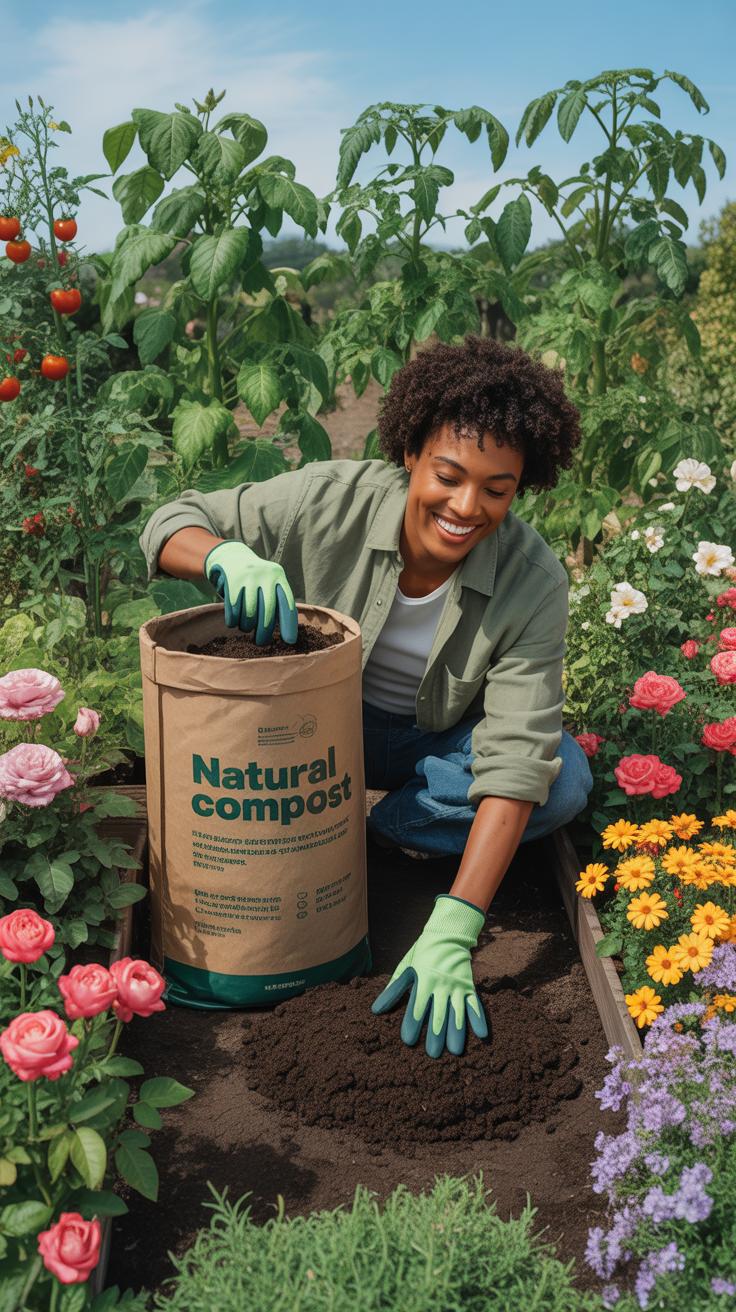
Applying a two-inch layer of compost annually eliminates the need for aggressive chemical feeding. It feeds the beneficial bacteria and fungi that keep the ecosystem balanced. These microbes convert locked nutrients into forms that flowers can actually absorb. Proper compost application prevents soil compaction and crusting. It creates a stable environment where flowers thrive with minimal human interference or chemical inputs.
Making A Homemade Fertilizer For Your Flower Beds

Simple Kitchen And Garden Scraps That Make Effective Fertilizer
Common household waste contains the primary macronutrients your flowers need to thrive. Nitrogen, phosphorus, and potassium exist in high concentrations within organic scraps. Using these materials reduces your reliance on synthetic chemicals and lowers costs. You must prepare these items correctly to ensure the soil microbes can break them down efficiently. Proper application prevents pests while delivering steady nutrition to the plant roots.
- Coffee Grounds: These provide a significant nitrogen boost for acid-loving plants. They also improve soil structure and increase water retention. Spread them thinly over the soil surface to avoid creating a waterproof crust.
- Eggshells: Crushed shells deliver calcium carbonate to the soil which strengthens plant cell walls. Dry the shells first then grind them into a fine powder. This helps the soil absorb the minerals much faster during the growing season.
- Banana Peels: These are rich in potassium which helps flowers develop strong immune systems and better blooms. Bury small pieces near the base of your plants. This ensures the nutrients reach the root zone as the organic matter decays.
- Epsom Salts: While not a kitchen scrap, this mineral provides magnesium and sulfur. Magnesium helps plants produce chlorophyll for greener leaves and better growth. Dissolve one tablespoon in a gallon of water for a quick foliar spray.
- Grass Clippings: Fresh clippings contain high levels of nitrogen that stimulate green leaf growth. Use them as a thin mulch layer around your flower beds. Ensure the grass is free of herbicides or pesticides before applying it to your soil.
Organic waste acts as a slow-release fertilizer that feeds the soil over several months. Unlike synthetic liquids, these solids require time to decompose through microbial activity. This process builds long-term soil health and improves the ground texture. Strategic placement of these items ensures your flower beds receive a consistent supply of nutrients. Direct application saves time and repurposes waste that would otherwise end up in a landfill.
How To Brew And Apply A Compost Tea At Home
Compost tea serves as a potent liquid fertilizer that delivers nutrients directly to the plant foliage and roots. You create this liquid by steeping finished compost in water for several days. This process extracts beneficial bacteria, fungi, and dissolved minerals into a concentrated solution. Aerating the mixture with a simple pump increases the oxygen levels for the microbes. High oxygen prevents the growth of harmful anaerobic pathogens in the brew.

Apply the finished tea using a watering can or a garden sprayer for maximum coverage. Target the underside of the leaves where the plant absorbs nutrients most effectively. You should also drench the soil around the base of the flowers to feed the root system. Use the tea immediately after the brewing cycle ends to ensure the microbes remain active. Regular applications every two weeks will significantly improve the vitality of your flower beds.
Natural Fertilizer For Hydrangeas And Other Specialty Flowers
Why Hydrangeas Respond Well To Acidic Organic Fertilizers
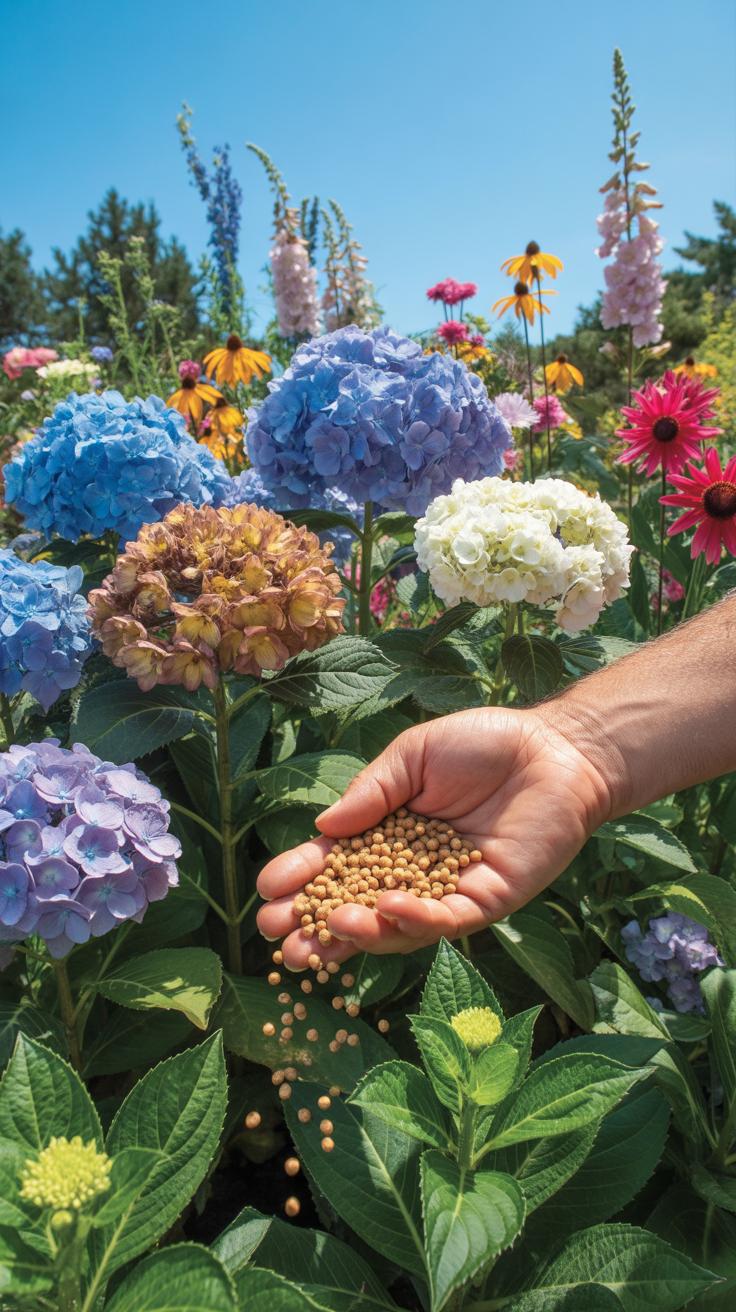
Hydrangeas require specific soil chemistry to thrive and produce vibrant colors. Most varieties prefer slightly acidic soil with a pH between 5.2 and 6.0. Organic matter like pine bark, sulfur, and coffee grounds lowers the soil pH naturally. This acidity allows the plant to absorb aluminum from the earth. Aluminum availability directly dictates the petal color for many Bigleaf species.
Low pH environments support the root systems of these shrubs. Acidic organic fertilizers break down slowly to provide a steady nutrient stream. This prevents the rapid growth spurts that weaken the plant structure. Use composted oak leaves or peat moss to maintain this balance. These materials improve soil texture while keeping the acidity high. Proper acidity ensures the hydrangea remains healthy and disease resistant.
Fertilizer Application For Peonies To Encourage Full Blooms
Peonies are heavy feeders that require precise timing for nutrient application. Apply fertilizer in early spring when new shoots reach three inches in height. Use a low nitrogen blend to focus energy on bloom production rather than leaf growth. High nitrogen levels cause weak stems that cannot support heavy flower heads. Natural bone meal provides the phosphorus necessary for strong stalks and large petals.

Do not over-fertilize these plants or you will kill the blossoms. Apply the organic matter around the base of the plant but keep it away from the crown. Deeply water the area after application to move nutrients to the root zone. A second light application after the blooming cycle helps the plant store energy for next year. Follow these steps to ensure consistent flowering every spring season.
Fertilizing A Cut Flower Garden For Abundant Harvests
Nutrient Needs That Differ Between Cut Flowers And Ornamental Beds
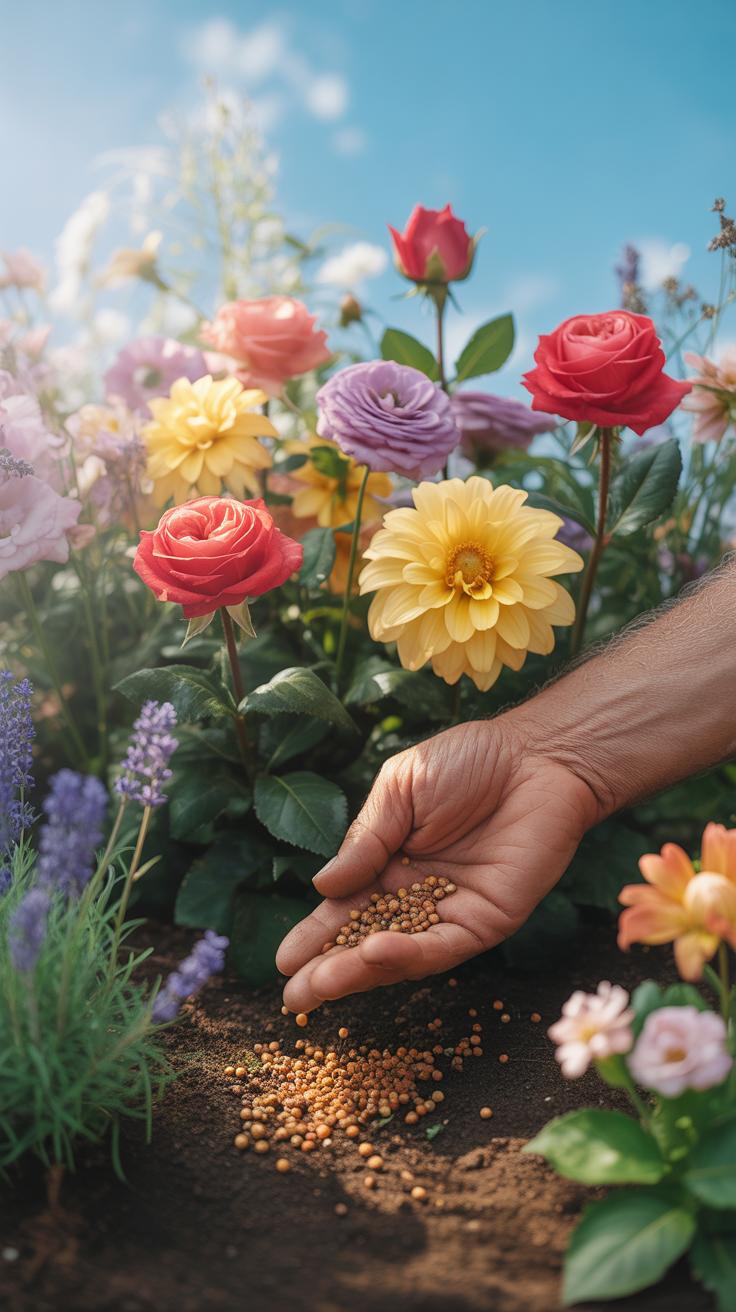
Standard ornamental beds prioritize plant health and garden aesthetics. Cut flower gardens focus on maximum yield and stem strength. You must supply more nitrogen early in the season to build tall stems. Ornamental beds often thrive on slow release formulas. Cut gardens require more frequent feeding to replace nutrients lost during harvest. Every stem you cut removes minerals from the soil that you must replace immediately.
Phosphorus and potassium become critical as soon as buds appear. Cut flowers need these nutrients to develop thick cell walls and vibrant colors. Weak stems fail in a vase and ruin your harvest. You should use water soluble fertilizers for faster uptake during peak production. This method ensures the plant has enough energy to regenerate new blooms after each cut. High turnover requires constant soil monitoring and supplementation.
Feeding your garden should be as simple and natural as a summer breeze. A little care today ensures your flowers will bloom with the same vibrant joy you remember from childhood.
How To Adjust Your Fertilizing Routine As Bloom Cycles Change
Timing your fertilizer application determines the quality of your harvest. Start with a balanced or high nitrogen mix during the vegetative stage. This builds the leafy structure needed to support heavy flowers later. Stop high nitrogen feeds once the plant reaches its target height. Too much nitrogen at the wrong time results in lush leaves but very few flowers. Switch focus to the reproductive phase.

Transition to a high phosphorus formula once you see the first tiny buds. This change tells the plant to stop growing tall and start making seeds and flowers. Apply liquid seaweed or fish emulsion every two weeks during the heat of summer. These supplements help plants recover from the stress of constant harvesting. Always water the soil before applying liquid feeds to prevent root burn.
Applying Natural Fertilizer For Vegetable Garden Principles To Flower Beds
What Flower Growers Can Borrow From Vegetable Garden Fertilizing Techniques
Vegetable gardeners prioritize nutrient density and yield over aesthetics. You can apply this same efficiency to flowers by using organic amendments. Blood meal provides rapid nitrogen for foliage growth in early spring. Bone meal delivers phosphorus to stabilize root systems and increase bloom production. These inputs create stronger plants that resist pests better than those fed with synthetic chemicals. Shift your focus from plant appearance to nutrient supply.
Crop rotation is a standard vegetable practice that helps manage soil depletion. You should apply this logic by varying the types of flowers you plant in specific spots. Heavy feeders like roses or peonies strip the soil of different minerals than shallow-rooted annuals. Monitoring these shifts prevents the soil from becoming sterile. Supplementing with compost tea provides a quick liquid boost during the peak flowering month of July.
Building Long Term Soil Health In Mixed Garden Beds
Healthy soil requires consistent organic matter. This strategy moves away from the quick fix of granular NPK fertilizers. You must incorporate well-rotted manure or leaf mold into the top six inches of your flower beds. This improves the soil structure and increases water retention. Microorganisms break these materials down slowly to provide a steady food source for your plants throughout the entire growing season.
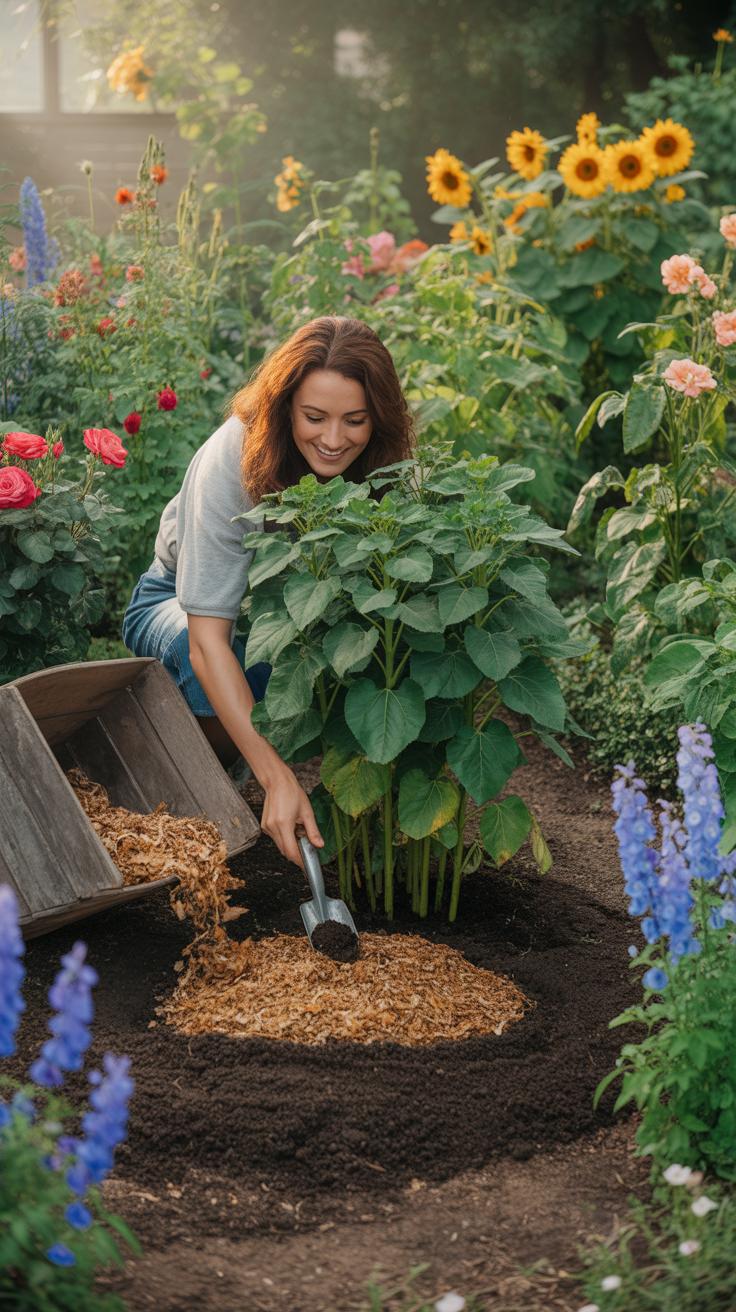
Mulching is a critical tactical tool for soil preservation. Use shredded wood or straw to cover bare earth around your flowers. This prevents the sun from baking the soil and killing beneficial bacteria. As the mulch decomposes, it turns into humus and enriches the ground naturally. This process mimics a forest floor where nutrients recycle constantly. Stop treating soil as a dead medium and start treating it as a living system.
Frequently Asked Questions

Why do I need to start fertilizing flower beds if my plants already look healthy?
Even if your garden looks vibrant now, soil nutrients deplete over time as plants grow. Fertilizing flower beds ensures your blooms have the essential nitrogen, phosphorus, and potassium they need to thrive throughout the entire season. By starting a consistent feeding routine early, you prevent stunted growth and weak stems, helping your flowers maintain their brilliant colors and helping the plants build stronger resistance against common garden pests and diseases.
How do I correctly apply fertilizer to my flowers without damaging them?
To avoid root burn, always water your soil before and after application. When fertilizing flower beds, sprinkle granular formulas around the base of the plants, keeping the product off the foliage and stems. Gently scratch the granules into the top inch of soil using a hand rake. If you prefer liquid options, apply them directly to the root zone during the cool morning hours to ensure maximum absorption and prevent rapid evaporation.
Are there any affordable, DIY alternatives to expensive store-bought fertilizers?
Absolutely! You can nourish your garden beautifully on a budget by using household kitchen scraps. Composted coffee grounds provide nitrogen, while crushed eggshells add vital calcium to the soil. Another great tip is using “compost tea” made from soaking aged manure or finished compost in water. These natural methods are sustainable ways to boost soil health and improve flower production without spending a fortune on premium commercial chemical products.