
Understanding Crop Rotation Basics What It Is And Applied Why It Matters
The Simple Definition Of Crop Rotation Every Beginner Needs To Know
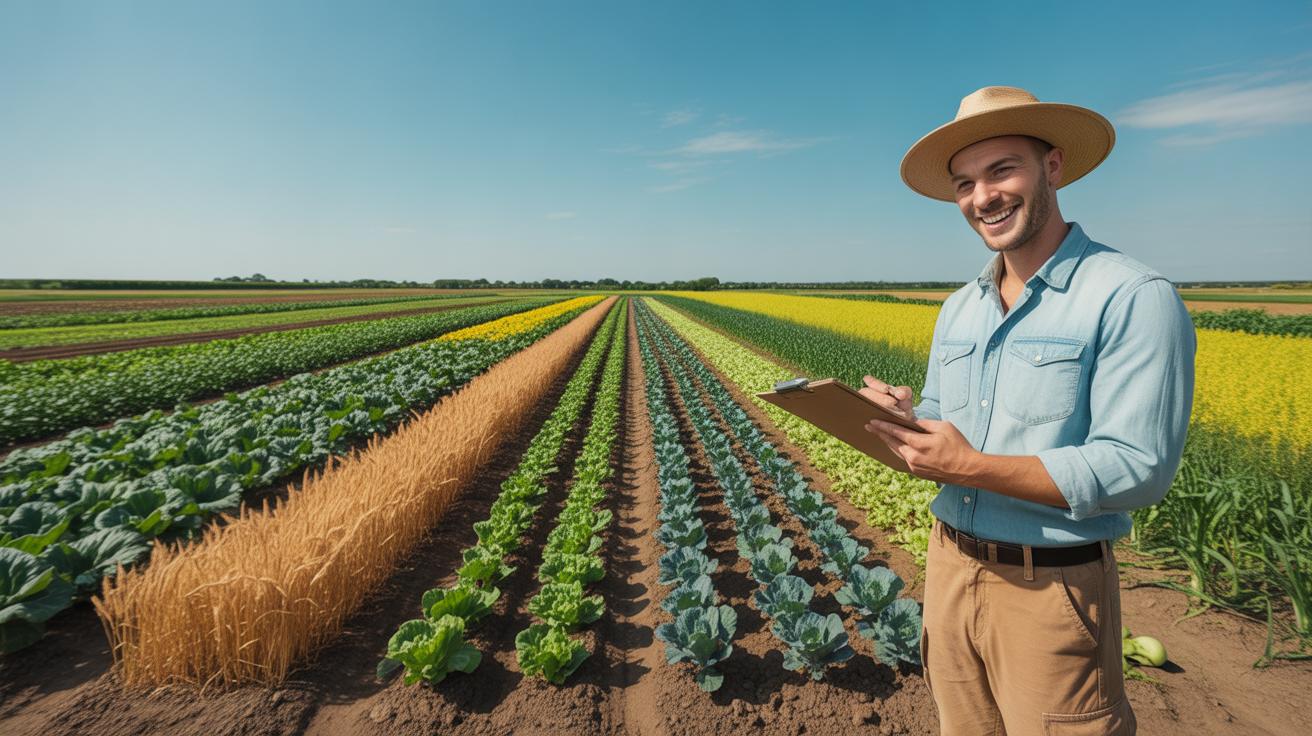
Crop rotation is a planned system of growing different types of plants in the same area across many seasons. Farmers do not plant the same crop in the same spot twice in a row. This method breaks the life cycles of pests and diseases that live in the soil. You categorize plants by their families to ensure a proper sequence that protects the ground.
This strategy manages soil fertility by balancing nutrient use. Some plants consume high levels of nitrogen while others add it back to the dirt. Proper rotation prevents any single nutrient from running out completely. It also improves soil structure and reduces the need for chemical fertilizers. You follow a specific order to keep the ecosystem healthy and productive for years of harvesting.
A Brief History Of Crop Rotation And How Farmers Have Used It For Centuries
Ancient civilizations used basic fallow systems to restore land. Roman farmers documented two-field systems where they planted half the land and let the other half rest. This simple cycle allowed moisture and nutrients to return naturally. By the Middle Ages, European growers shifted to a three-field system. They planted legumes and grains in separate sections to increase food yields and support livestock.
The British Agricultural Revolution introduced the Norfolk four-course system. This method used wheat, turnips, barley, and clover in a strict cycle. It eliminated the need to leave fields empty. The clover added nitrogen to the soil while the turnips provided winter feed for animals. This specific rotation boosted productivity and changed modern food production forever. These historical methods remain the foundation of organic farming today.

Top Crop Rotation Benefits That Will Transform Your Garden
How Crop Rotation Naturally Improves Soil Fertility And Nutrient Balance
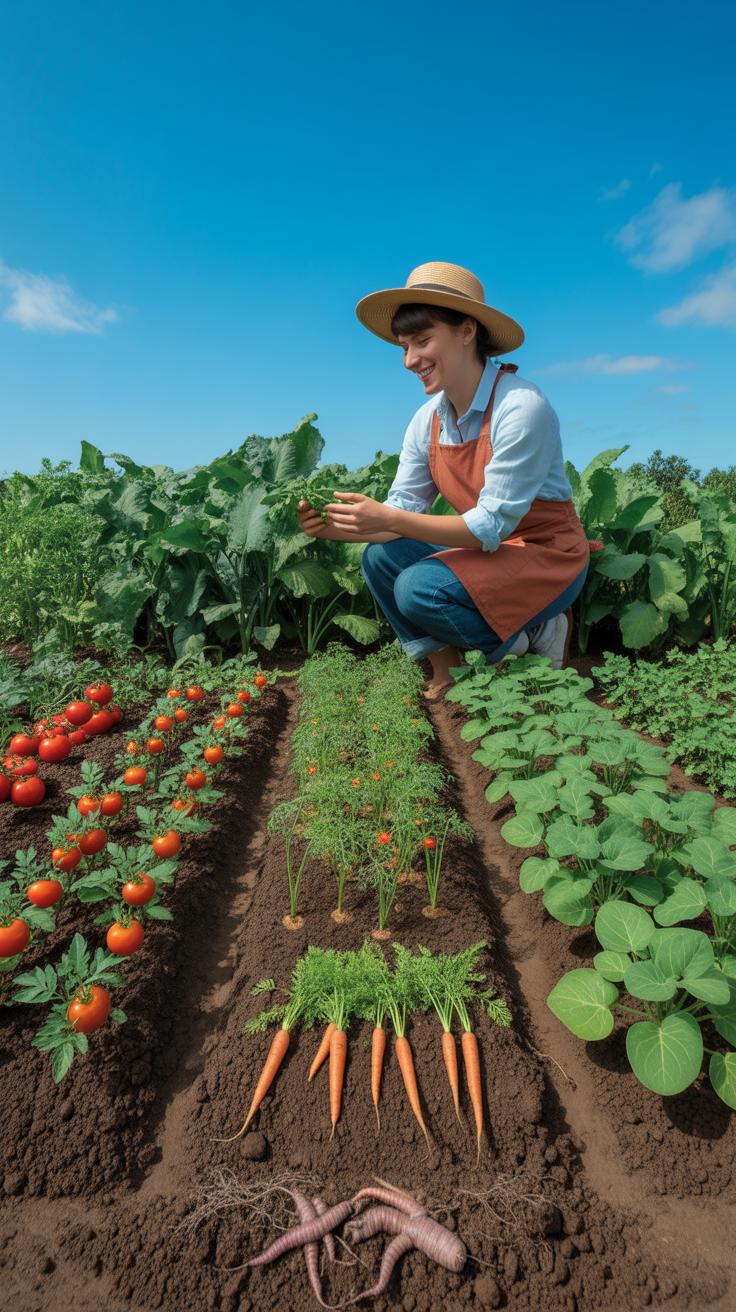
Different plant families extract specific nutrients from the soil at varying depths. Heavy feeders like corn or tomatoes deplete nitrogen rapidly. Follow these with legumes like peas or beans to fix nitrogen back into the earth. This cycle prevents total nutrient exhaustion in a single localized area. Use deep rooted crops to pull minerals from the subsoil for future shallow rooted plantings.
Consistent planting of the same crop leads to soil compaction and structural collapse. Rotating crops varies the root architecture present in the soil beds. Diversified root structures create channels for air and water movement. This practice maintains healthy soil aggregates and promotes stable organic matter levels. Proper timing ensures the soil remains productive without the heavy use of expensive synthetic fertilizers or amendments.
Reducing Pests And Disease Buildup Through Strategic Crop Rotation Benefits
Pests and pathogens often specialize in attacking specific plant families. These organisms overwinter in the soil and wait for their host to reappear next season. Moving the host plant to a new location breaks their life cycle. Without a food source the local pest population starves and dies off. This tactical movement acts as a natural biological control that requires no chemical intervention.

Soil-borne diseases like clubroot or fusarium wilt accumulate when you repeat the same crops. Strategic rotation ensures that disease levels stay below a harmful threshold. Every year of rest for a specific bed lowers the pathogen count significantly. You decrease the risk of total crop failure by managing these populations through physical distance. Efficient vegetable production relies on this disruption to maintain high yields and plant health.
The Four Plant Family Groups Used In Garden Crop Rotation
Breaking Down The Four Main Crop Families: Legumes, Brassicas, Root Crops, And Fruiting Crops
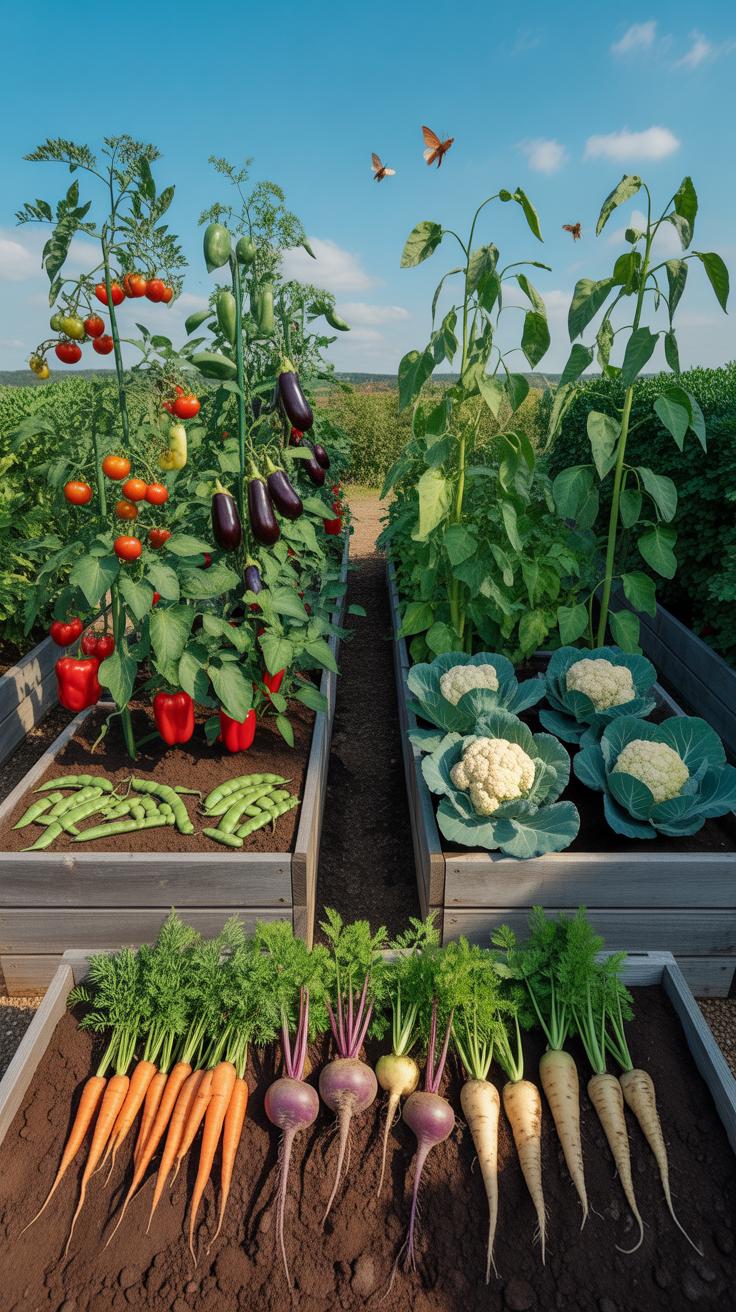
Legumes include peas and beans. These plants host bacteria on their roots that convert atmospheric nitrogen into a form plants use. Brassicas consist of heavy feeders like broccoli, kale, and cabbage. They require high nitrogen levels to produce large leaves. Root crops include carrots, beets, and onions. These plants need more phosphorus to develop their underground structures. Fruiting crops include tomatoes and peppers which demand high potassium.
Botanical classification dictates how you manage these groups. Legumes add nutrients to the soil while brassicas take them away. Root crops prefer loose soil to expand without resistance. Fruiting crops often require support structures and specific mineral balances. Understanding these distinctions allows you to plan where each plant goes next. You must keep these groups separate during the growing season to ensure your rotation strategy works effectively.
Why Grouping Plants By Family Is The Foundation Of Effective Garden Crop Rotation
Grouping plants by family stops the buildup of specific soil pathogens. Most diseases target related species within the same biological family. If you plant the same group in the same spot, pests survive the winter and attack the next crop. Moving the entire family to a new bed starves these organisms. This tactic breaks the life cycle of common garden invaders and reduces reliance on chemicals.

Each plant family also pulls different nutrients from the soil at different depths. Brassicas feed heavily near the surface. Root crops reach deeper for minerals as they grow. Legumes replenish the nitrogen consumed by the previous inhabitants. Grouping by family creates a logical sequence that prevents soil exhaustion. This method keeps the ground fertile without overusing synthetic fertilizers. It is the core strategy for long term garden health.
How To Read And Use Crop Rotation Charts For Your Vegetable Garden
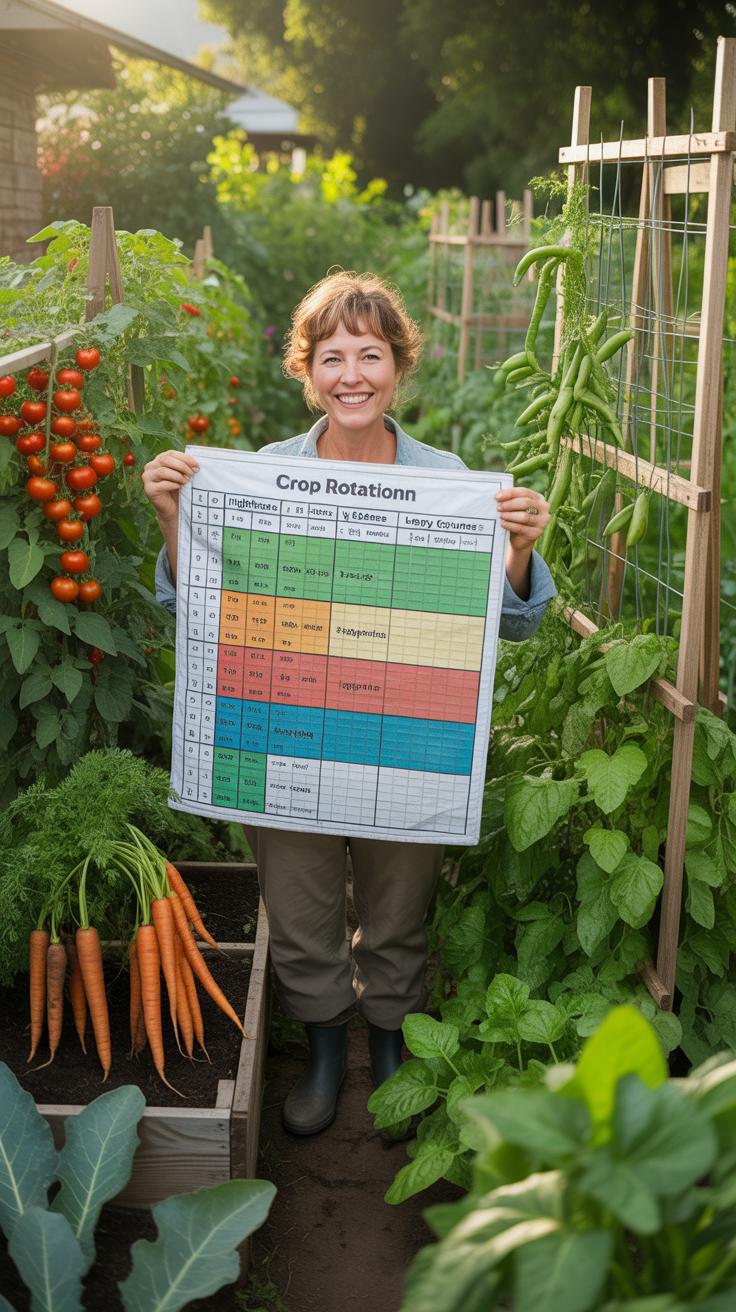
What Crop Rotation Charts Vegetable Garden Layouts Actually Show You
Crop rotation charts serve as a visual blueprint for nutrient management. They categorize common vegetables into specific families based on their biological traits and feeding habits. These charts help you identify which plants consume high levels of nitrogen and which ones restore soil health. You use these visuals to see the relationship between different plant groups over several growing seasons in your garden.
Most layouts display a sequential timeline for your garden beds. They show you exactly where to move heavy feeders like tomatoes or corn after the first year. The chart tracks the movement of legumes, brassicas, and nightshades to prevent soil exhaustion. By following these diagrams, you ensure no single area of your ground loses the same minerals two years in a row.
How To Use A Crop Rotation Infographic To Map Your Garden Beds Year By Year
To map your garden, match each bed number to a specific plant family on the infographic. Start with year one and record which family occupies each physical space. The infographic directs you to shift these groups clockwise or in a set order for year two. This tactical movement disrupts the life cycles of soil-borne pests and diseases that target specific plant types.

Effective mapping requires you to treat each section of your garden as a distinct zone. Take the data from your infographic and apply it to your physical garden rows. If the chart says move brassicas to where beans grew, you execute that change immediately. Consistent mapping prevents the build-up of pathogens. It also maximizes the natural nitrogen fixation provided by previous legume crops in your rotation.
Building Your First Crop Rotation Plan Step By Step
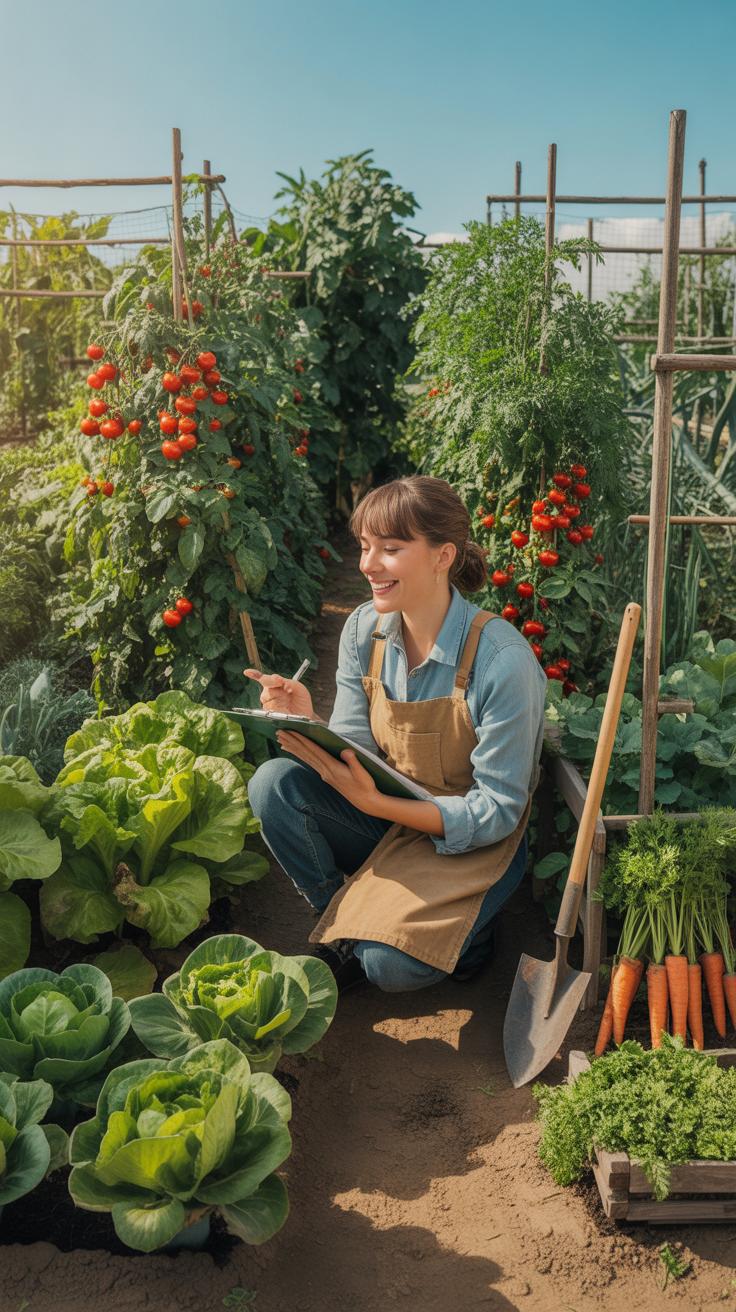
How To Divide Your Garden Into Sections For A Simple Crop Rotation Plan
Establish four distinct zones in your growing space to manage soil nutrients effectively. These sections must remain equal in size to ensure your plant groups move seamlessly each year. Use physical markers like stakes or permanent pathways to define these boundaries. Clear borders prevent cross-contamination of soil-borne pathogens. A rigid layout simplifies your record keeping and ensures every crop follows the correct sequence.
Designate each zone for a specific plant family based on their feeding habits. Heavy feeders like tomatoes and brassicas require different soil conditions than light feeders like carrots. By splitting the garden into quadrants, you control the nutrient draw in each area. This physical division allows you to apply targeted compost or lime to one zone without affecting others. Logical spatial organization is the foundation of long-term soil health.
Just as our ancestors knew to rest the earth, moving your plants each year tells a story of harmony and health for the soil. A simple shift in the garden bed ensures the wisdom of nature continues to bloom in every harvest.
Key Steps To Mapping Out A Four Year Crop Rotation Cycle For Beginners
Begin your cycle by categorizing plants into four groups: legumes, brassicas, nightshades, and roots. Each group impacts the soil differently during its stay in a section. Legumes add nitrogen while brassicas consume high levels of it. Proper sequencing prevents the buildup of specific pests that target one family. Your plan must account for these biological interactions to maximize your harvest and reduce chemical needs.
- Group Identification: Sort your seeds into four taxonomic families. Common groups include the Fabaceae family for nitrogen fixation and the Solanaceae family for heavy feeding requirements. Use these botanical classifications to dictate the movement of plants through your garden zones annually.
- The Primary Sequence: Move heavy feeders into beds previously occupied by nitrogen-fixing legumes. This natural fertilization strategy reduces your reliance on external inputs. Follow heavy feeders with light-feeding root crops like carrots or onions to utilize remaining deep-soil nutrients efficiently.
- Bed Mapping: Create a visual chart or spreadsheet to track the location of each plant group over time. Document the specific year for each zone to avoid repeating the same family too soon. Consistent record keeping prevents the accidental recurrence of soil-borne diseases.
- Winter Cover Cropping: Integrate cover crops into your rotation during the dormant season. Plant rye or clover in empty sections to prevent soil erosion and improve structural integrity. These transition crops protect the soil workspace until the next phase of the rotation cycle begins.
- Soil Amendments: Apply specific organic matter based on the upcoming crop in each zone. Add lime to acidic areas before planting brassicas to prevent clubroot disease. Use well-rotted manure only in sections designated for heavy feeders to avoid burning sensitive root systems.

Execute the rotation by advancing each group one section clockwise every spring. This movement breaks the life cycle of pests that overwinter in the soil. Consistent rotation ensures that no single nutrient profile becomes completely depleted. Monitoring your soil throughout this four-year process allows for tactical adjustments. Stick to the schedule to build a self-sustaining ecosystem within your garden borders.
Crop Rotation Vegetable Garden Guide Best Vegetables To Rotate And When
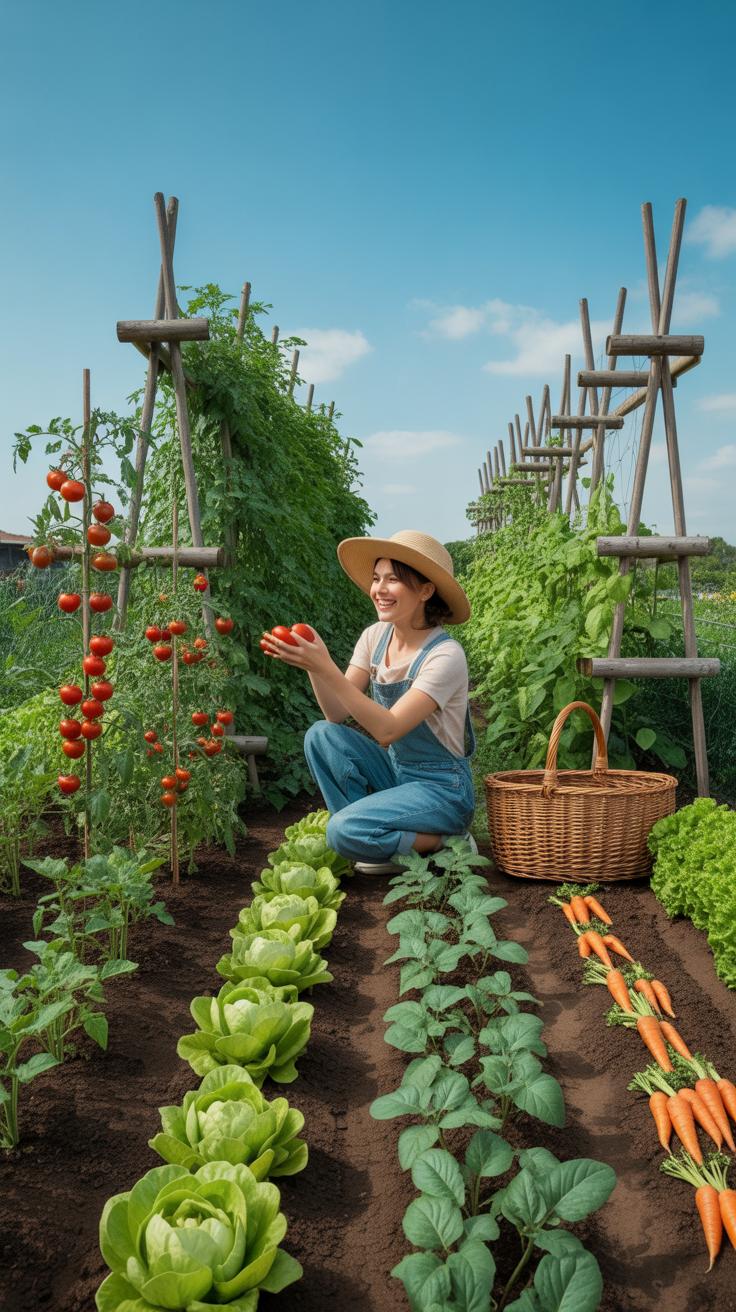
The Best Vegetables To Include In Your Crop Rotation Vegetable Garden Layout
Successful crop rotation begins with grouping vegetables by their botanical families. Pests and diseases often target specific plant groups. You must move these groups to different garden beds every year. This tactic starves out soil-borne pathogens and prevents insect populations from establishing permanent homes. Focus on high-yield crops that offer distinct nutritional and structural benefits to the soil profile during their growth cycle.
- Brassicas: This group includes broccoli, kale, cabbage, and cauliflower. They are prone to clubroot and specific caterpillars. Moving them yearly prevents these issues from decimating your harvest. They prefer firm soil and follow legumes well in a standard rotation sequence.
- Nightshades: Tomatoes, peppers, and potatoes belong to this family. They often suffer from early blight and verticillium wilt. These pathogens survive in the soil for years. Shifting their location ensures a fresh environment and reduces the need for chemical fungicides.
- Legumes: Garden peas and various bean types fix nitrogen from the air into the soil. They are essential for restoring fertility. Use them as a precursor to nitrogen-demanding crops. Their root systems improve soil structure and encourage beneficial microbial activity.
- Alliums: Onions, garlic, and leeks have shallow roots and different nutrient needs than leafy greens. They help break the cycle of pests that target larger root crops. Their distinct root exudates can also suppress certain types of soil bacteria found in other beds.
- Cucurbits: Squash, cucumbers, and melons require significant space and consistent nutrients. They are susceptible to powdery mildew and vine borers. Rotating them prevents the buildup of these specific pests in the immediate area. They thrive in soil previously enriched by decomposed organic matter.
Effective layouts use four or five distinct zones to maximize results. You should keep detailed records of where each family grows every season. This data prevents accidental replanting in contaminated soil. Proper grouping simplifies irrigation and fertilization because plants in the same family often share similar watering needs. Stick to a rigid schedule to maintain long-term soil health and ensure consistent vegetable production.
Vegetables That Are Heavy Feeders Versus Soil Builders And How To Sequence Them
Heavy feeders consume massive amounts of nitrogen, phosphorus, and potassium from the topsoil. Corn, tomatoes, and leafy greens are the primary culprits in this category. They leave the ground depleted after a single growing season. If you plant the same heavy feeder in the same spot twice, your yield will drop significantly. You must replenish the earth before repeating these high-demand crops.

Soil builders like peas, beans, and cover crops perform the opposite function. These plants host bacteria on their roots that convert atmospheric nitrogen into a form plants can use. Following a heavy feeder with a soil builder restores balance naturally. This sequence reduces your reliance on synthetic fertilizers. Always plant heavy feeders after legumes to take full advantage of the stored nitrogen left behind in the soil.
Following An Organic Crop Rotation Guide For Chemical Free Gardening

Why An Organic Crop Rotation Guide Prioritizes Soil Health Over Quick Fixes
Chemical gardening relies on synthetic salts to feed plants directly. This method ignores long-term soil structure and biology. Organic rotation focuses on the soil as a living system. Moving plant families prevents specific nutrient depletion. It stops the buildup of soil-borne pathogens. Successful organic growers manage the ground first. They know healthy soil produces resilient crops without needing toxic sprays or intensive fossil fuel inputs.
Organic systems use biological cycles to manage fertility and pests. Heavy feeders like corn follow nitrogen-fixing legumes to restore balance naturally. This cycle mimics natural ecosystems rather than industrial factory models. You reduce your reliance on external purchases by using what the land provides. Maintaining a diverse rotation keeps the microbial community active. A strong soil food web is your primary defense against disease outbreaks and low yields.
How Cover Crops And Green Manures Strengthen Your Organic Rotation Strategy
Cover crops act as living armor for your garden beds. Planting rye or clover during fallow periods prevents erosion and suppresses weeds. These plants hold onto mobile nutrients that would otherwise wash away in the rain. When you dig these plants back into the earth, they become green manure. This adds massive amounts of organic matter. It improves water retention and provides a feast for beneficial earthworms.

Integrating green manures into your rotation schedule bridges the gap between harvests. Leguminous cover crops like vetch pull nitrogen from the air into the soil. Deep-rooted crops like tillage radish break up compacted layers without a shovel. You save money by growing your own fertilizer on-site. This strategy ensures the soil stays productive for decades. Use diverse cover crops to build a resilient foundation for your organic vegetable production.
Common Crop Rotation Mistakes Beginners Make And How To Avoid Them
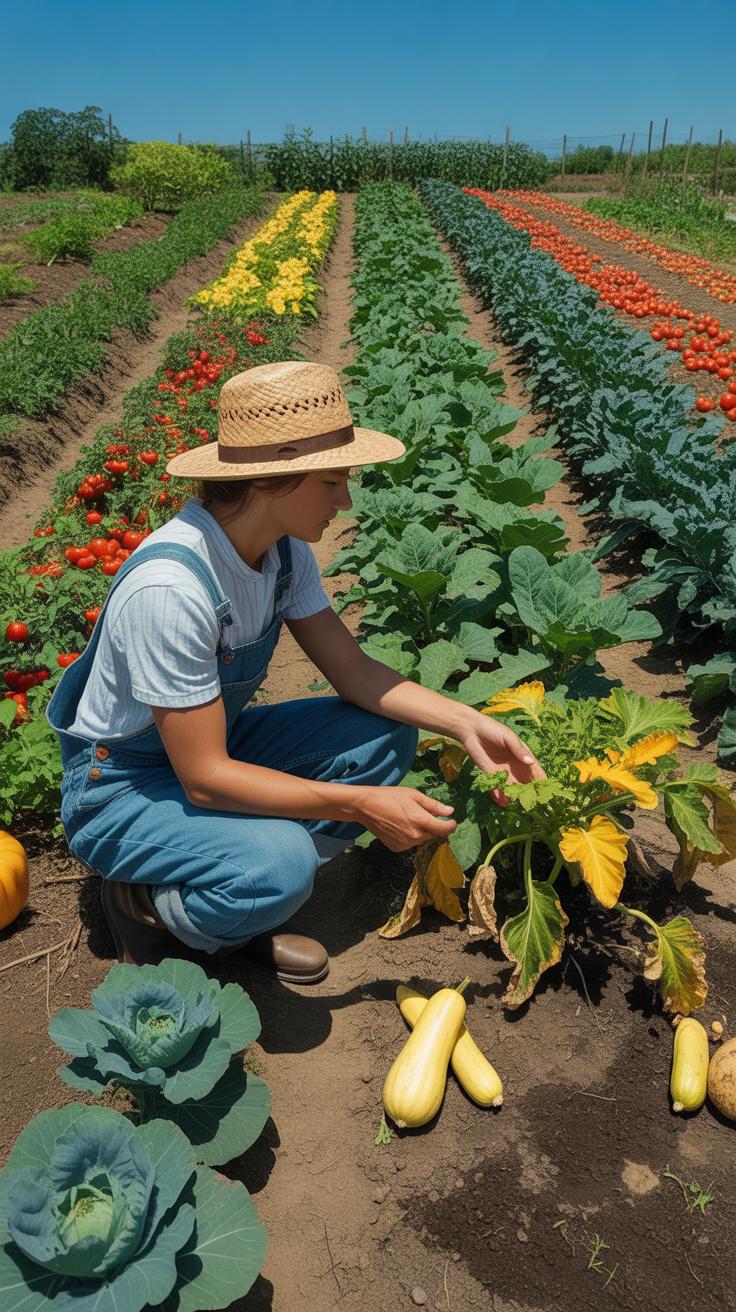
Why Rotating Within The Same Plant Family Defeats The Purpose Of Your Crop Rotation Guide
Beginners often swap one plant for another without checking biological families. Moving from tomatoes to peppers does not count as rotation. Both plants belong to the Solanaceae family. They share the same pests and draw the same nutrients from the soil. Fungal pathogens like blight live in the soil and attack all members of this group. Planting them in succession keeps the disease cycle alive.
True rotation requires moving to a completely different botanical group. You must shift from nightshades to legumes or brassicas to break the life cycle of specialized insects. Legumes fix nitrogen which helps the next crop grow. Growing the same family in the same spot year after year depletes specific minerals. This leads to weak plants and lower yields. Check your seed packets to verify plant families before you transplant.
How To Keep Simple Garden Records So Your Crop Rotation Charts Stay Accurate Season After Season
You cannot rely on your memory to track garden layouts over several years. Successful growers use a simple map or a dedicated logbook for every season. Document exactly what you planted in each bed and when you harvested it. This data prevents you from accidentally planting the same family in the same spot next spring. Use a basic grid system to keep your placement clear and easy to read.

Maintain a four-year history for every garden plot you manage. Many soil-borne diseases require a three-year break to die off completely. Tracking fertilization and soil amendments alongside your plant locations provides a full picture of soil health. Digital photos of your garden at peak season also serve as excellent visual records. Review these notes every winter before you buy new seeds. Consistent record keeping ensures your rotation strategy actually works.
Frequently Asked Questions

What is the simplest way for a beginner to understand crop rotation?
Understanding crop rotation basics begins with the idea of not planting the same vegetable in the same spot two years in a row. By moving plants to different sections of your garden, you prevent soil-borne diseases from building up and ensure that specific nutrients aren’t entirely depleted. It is essentially a strategic moving plan that keeps your garden soil energized and your plants much healthier over the long term.
How do I organize my garden layout to follow these principles?
To implement crop rotation basics, divide your garden into four distinct groups: legumes, root vegetables, brassicas, and nightshades. Each season, shift these groups clockwise to the next bed. For example, if you grow tomatoes in one spot this year, move them to a new section next year. This cycle ensures that heavy-feeding plants, like corn or tomatoes, are followed by nitrogen-fixing plants like peas or beans to replenish the earth.
Do I need a large budget or a big yard to start rotating my crops?
Not at all! You can practice these methods even in small raised beds or large containers without spending any extra money. The main investment is simply keeping a basic garden journal to track where you plant each variety each year. Even for those on a tight budget, this practice actually saves money over time by reducing the need for expensive chemical fertilizers and pesticides, making your homegrown harvest much more cost-effective.