Understanding The Basics Of Flower Watering Schedules
What Is A Flower Watering Schedule And Why Does It Matter
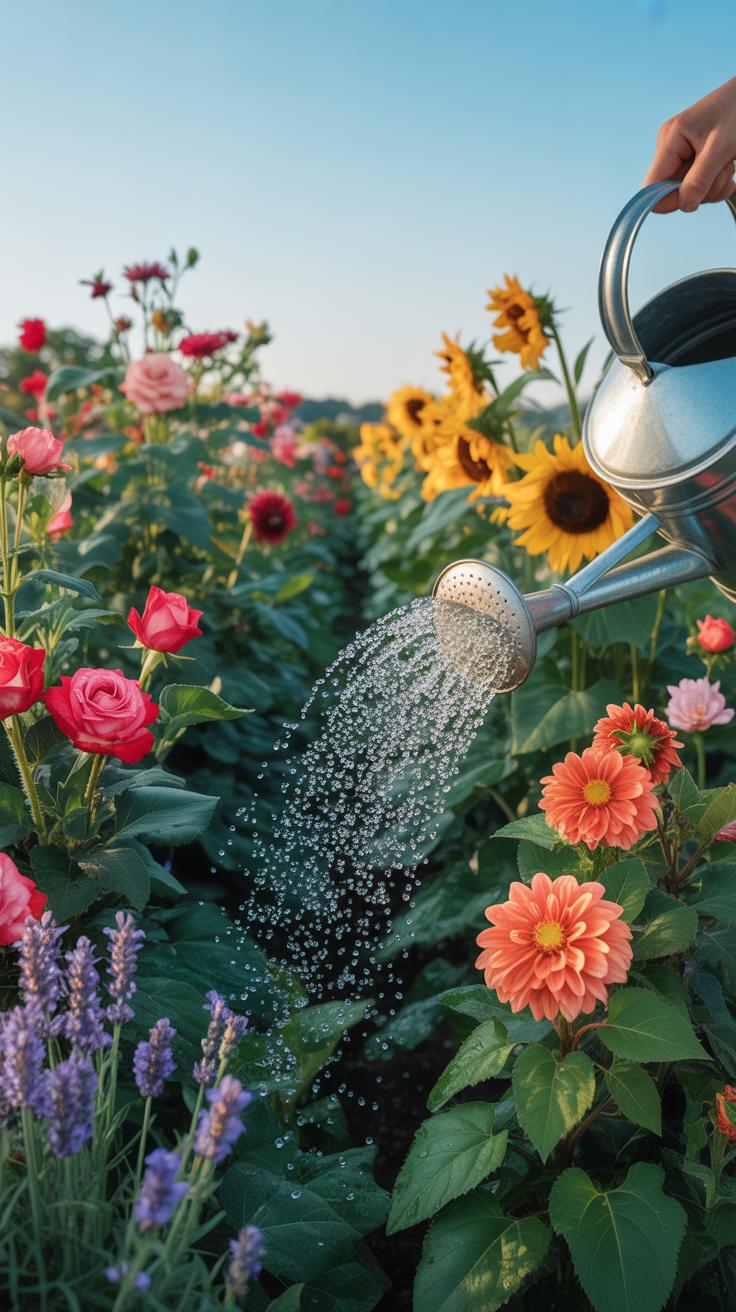
A flower watering schedule is a tactical plan for delivering moisture to plants. It dictates when and how much water a plant receives based on specific environmental factors. You cannot guess when to water. A consistent plan prevents soil from drying out or becoming waterlogged. Successful growers use these schedules to maintain soil moisture levels that support continuous root development and nutrient uptake.
Proper timing reduces water waste and prevents disease outbreaks. Soil type and pot material dictate your specific interval needs. Porous terra cotta dries faster than plastic or glazed ceramic. A schedule creates a predictable environment for the plant. Reliable moisture access allows the plant to focus energy on growth rather than survival. This structured approach is the foundation of professional horticulture and backyard gardening success.
How Watering Frequency Affects Flower Health And Blooming
Watering frequency directly impacts the physiological state of a flower. Too much water displaces oxygen in the soil and causes root rot. This fungal condition stops the plant from absorbing nutrients entirely. Conversely, infrequent watering leads to wilting and leaf drop. The plant enters survival mode and halts flower production to conserve energy. Correct frequency ensures the plant remains in a reproductive state.
Consistent moisture levels trigger the development of healthy flower buds. Fluctuations in moisture cause buds to drop before they open. Regular intervals also keep the vascular system of the plant open. This allows for the efficient transport of sugars and minerals to the bloom site. Active management of these cycles results in larger flowers and longer blooming periods. Monitoring soil moisture before watering remains the most effective tactic.
How To Build Your Own Plant Watering Schedule From Scratch
Key Factors To Consider Before Setting A Watering Routine
Soil composition dictates how fast water leaves the root zone. Sandy soils drain quickly and require frequent moisture application. Clay soils hold water for long periods and can cause root rot if watered too often. You must identify your soil type before setting a fixed calendar. Organic matter like peat or compost increases water retention. Check your soil texture by squeezing a damp handful to see if it crumbles.
Environmental conditions change water needs daily. High light levels and heat increase evaporation and transpiration rates. Wind also strips moisture from leaves and soil surfaces quickly. Potted plants dry out faster than those in the ground because they have less soil mass. You must account for your local climate and the specific microclimate of your garden. Seasonal shifts require you to adjust your routine throughout the year.
The simple act of watering a plant is a conversation between you and nature that keeps the heart young. A little water and a lot of love are all a garden ever truly needs.
Simple Steps To Customize A Plant Watering Schedule For Your Flowers
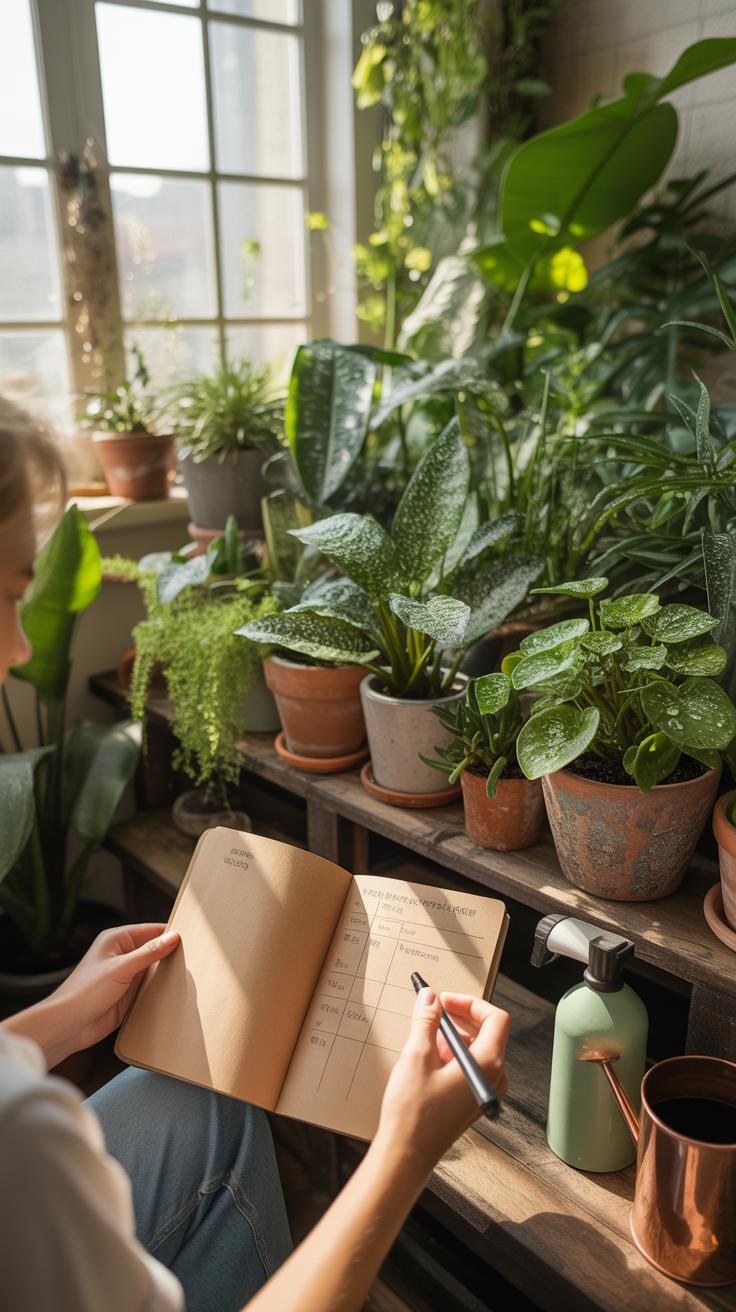
Establish a baseline by monitoring your plants for one week without a set schedule. Observe how long it takes for the top inch of soil to feel dry after a deep soak. Use your finger or a moisture meter to get an accurate reading. Document the weather conditions and any signs of wilting. This data provides the foundation for a predictable and effective watering routine.
- Assess Drainage: Check how quickly your pots or garden beds move water. Poor drainage leads to standing water which kills roots through oxygen deprivation. Ensure containers have holes and ground soil is not compacted.
- Group by Need: Place plants with similar water requirements together in the same area. This technique is called hydrozoning. It prevents you from overwatering drought-tolerant species while trying to keep thirsty flowers alive in the same bed.
- Check Daily: Inspect the soil moisture at the same time every morning. Physical checks are more reliable than digital apps or general advice. Early morning is the best time to water because it reduces evaporation and fungal growth.
- Track Weather: Monitor local rain forecasts to avoid doubling up on moisture. Nature often provides enough water to skip your scheduled session. Adjust your plan based on humidity levels and unexpected heat waves that increase plant stress.
- Document Results: Record how your flowers respond to the frequency you choose. Look for new growth or yellowing leaves to gauge success. Adjust the interval by one day at a time until the plants show consistent health and vigor.

Set a recurring reminder once you determine the ideal interval for your specific environment. Consistency helps plants develop strong root systems. Do not follow a generic weekly plan found online. Your unique combination of sunlight, wind, and soil requires a custom approach. Re-evaluate your schedule every three months as temperatures transition. This proactive method ensures your flowers stay hydrated without wasting water or resources.
Seasonal Flower Care With A Monthly Plant Watering Schedule
How Watering Needs Change Across Spring Summer Fall And Winter
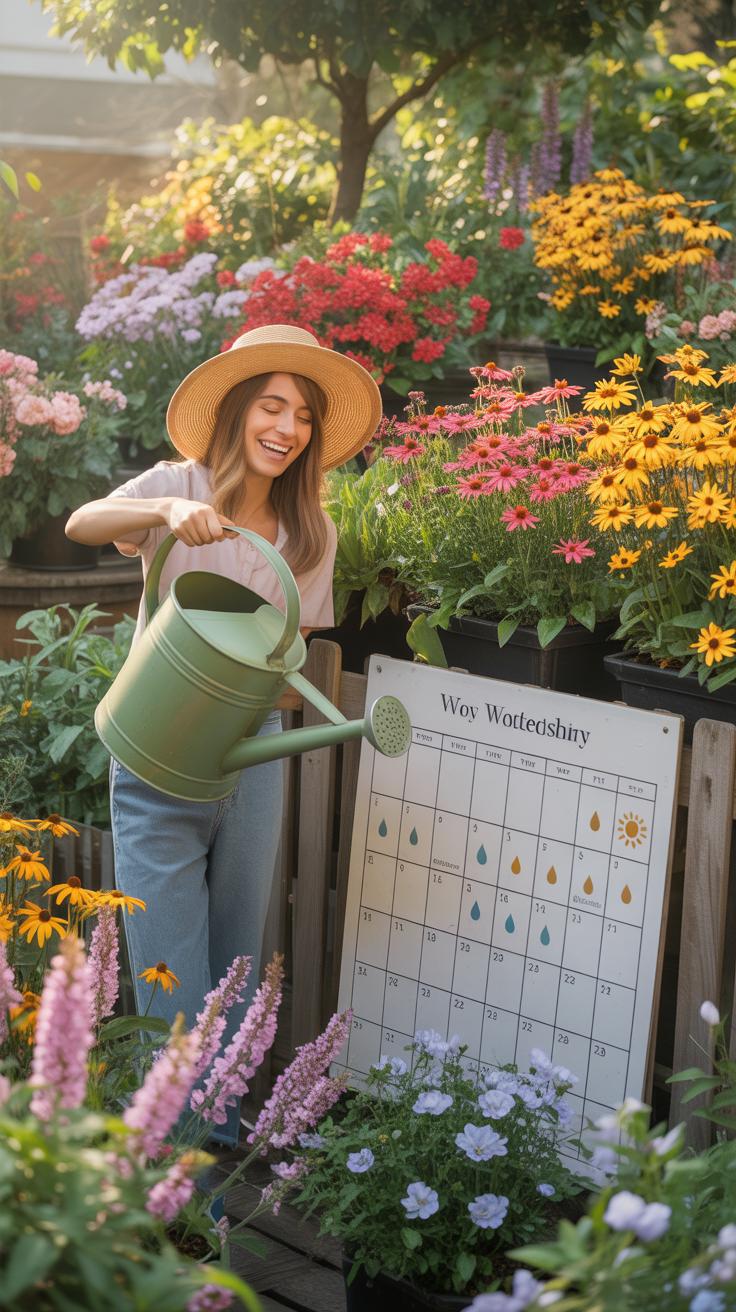
Spring growth requires consistent moisture to support new cell development. As temperatures rise, evaporation rates increase rapidly. You must monitor soil dampness daily during this transition. Summer heat creates the highest water demand for most flowering species. High solar radiation and wind strip moisture from the foliage and soil. You need to water early in the morning to minimize evaporation and prevent fungal diseases on leaves.
Fall signals a reduction in water needs as plants enter dormancy. Shorter days and cooler nights slow down the metabolic processes of the flowers. You must reduce frequency to prevent root rot in cooling soil. Winter dictates the lowest water requirements for outdoor and indoor plants. Most flowers stop active growth during this period. Overwatering in winter is a primary cause of plant death because stagnant water suffocates the roots.
Building A Month By Month Routine That Keeps Flowers Thriving Year Round
Start your routine in March by checking soil moisture as the ground thaws. April and May require increased frequency as blooming begins. Use a finger test to ensure the top inch of soil stays damp. June through August demands a strict daily or twice-daily schedule for container flowers. Mulching helps retain moisture during these peak heat months. You should adjust your timing to avoid the midday sun.
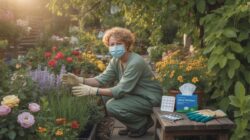
September and October require a shift toward deeper but less frequent watering sessions. This prepares the root systems for colder soil temperatures. In November and December, you only water when the soil feels completely dry to the touch. Indoor plants need extra attention during winter months due to dry heater air. January and February are for maintenance and monitoring. Keep a log to track how different species react to your specific local climate.
Indoor Plant Care Schedule Watering Flowers Inside Your Home
How Indoor Conditions Like Light And Humidity Influence Watering Needs
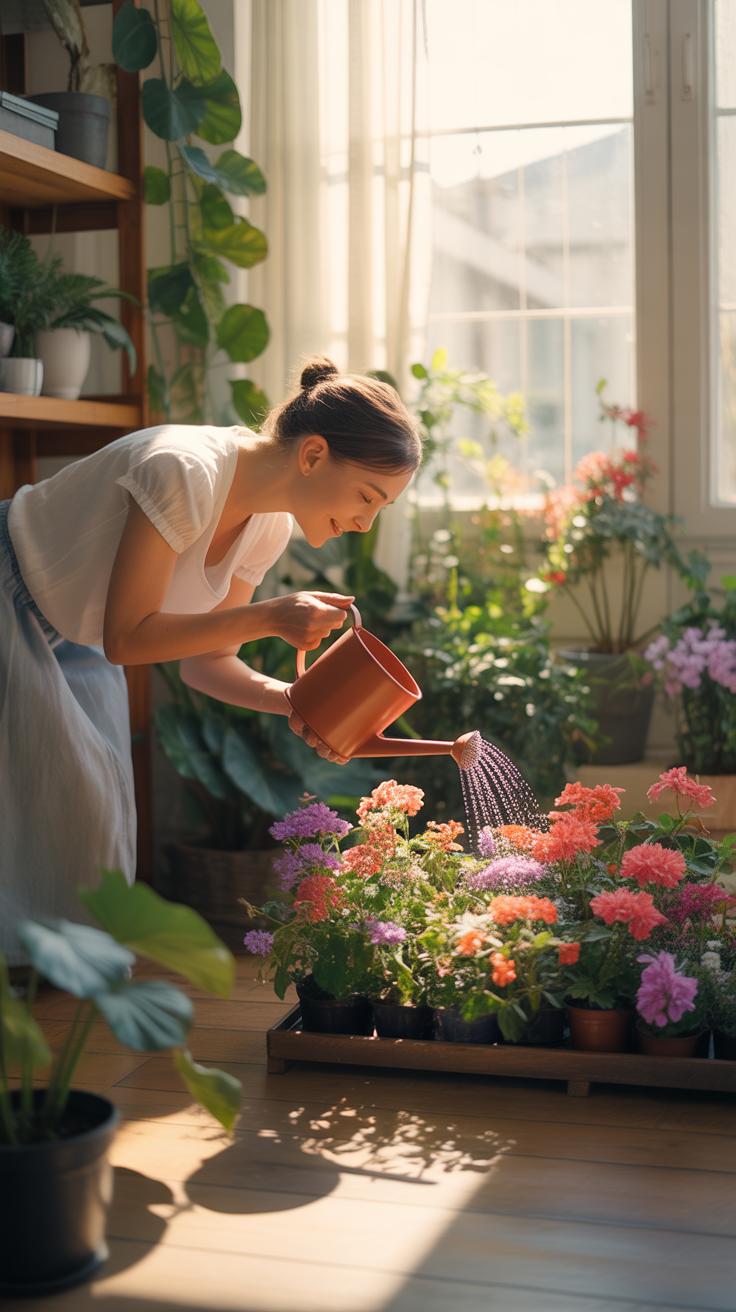
Indoor environments lack natural weather cycles. Lighting dictates how fast a plant processes water. Brighter light from south facing windows speeds up photosynthesis and dries the soil quickly. Low light slows growth and keeps soil wet for longer periods. You must adjust your schedule based on the light exposure of each specific room to avoid waterlogging the roots.
Humidity levels also change how much water plants lose through their leaves. Air conditioning and winter heaters dry out the air. Low humidity forces plants to drink more from the soil. Use a moisture meter to check the dirt before adding any water. Do not water on a fixed day if the soil feels damp. Local room climate overrides any general calendar advice.
Common Indoor Flowering Plants And How Often They Should Be Watered
Different flowering species have unique water storage abilities. Peace lilies signal thirst by drooping their leaves. These plants need consistent moisture but cannot sit in stagnant water. African violets require water when the top inch of soil feels dry. Never pour water on the leaves of these plants. Use bottom watering techniques to keep the crown dry and prevent rot.

Orchids and begonias follow different rules. Orchids grow in bark and need a soaking once a week to hydrate their roots. Let all excess water drain out completely. Begonias prefer slightly damp soil but die in soggy conditions. Always check the drainage holes in your pots. Excess water must leave the container to keep oxygen reaching the root system. Adjust frequency as seasons change.
Using A Flower Zone Chart To Tailor Your Watering Approach
What Plant Hardiness Zones Tell You About Moisture And Climate
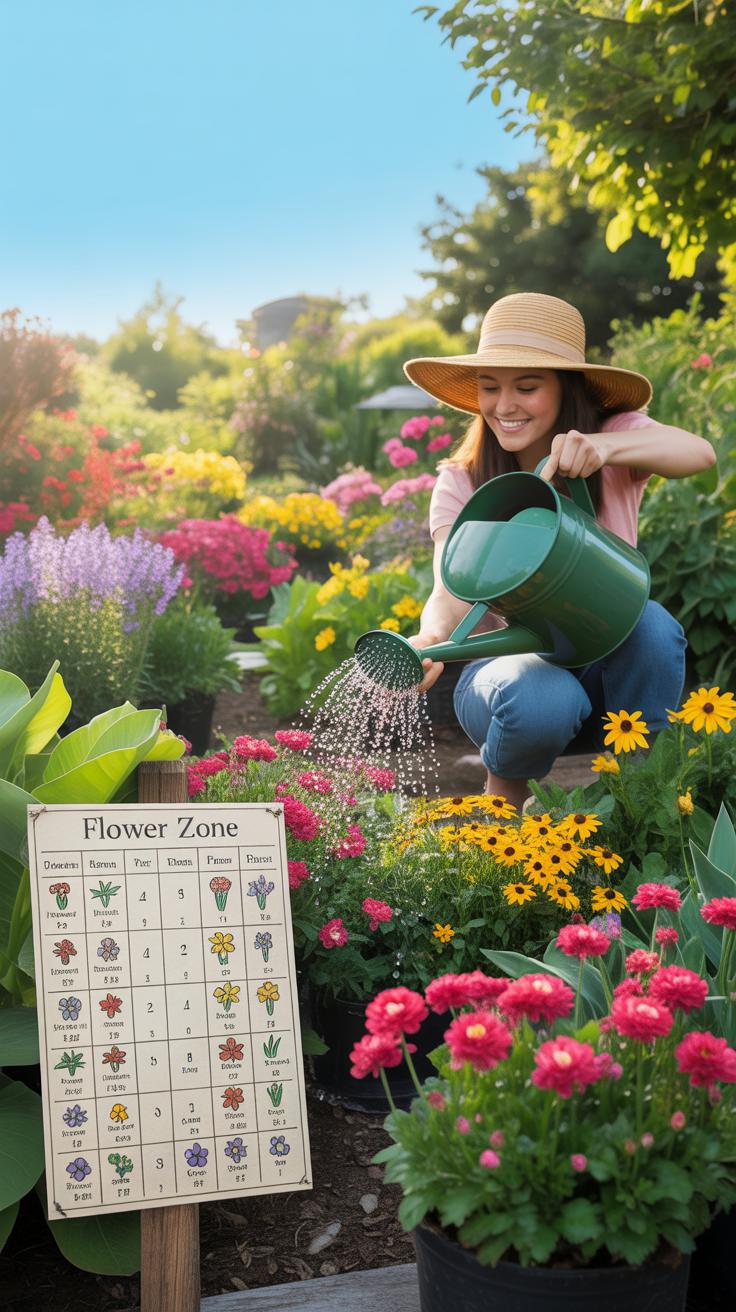
Plant hardiness zones define the average annual extreme minimum temperature in a specific geographic area. The United States Department of Agriculture established this system to help gardeners determine which plants survive the winter. While these zones focus on cold, they directly dictate your local evaporation rate. Higher zone numbers typically experience longer growing seasons and more intense heat. This heat forces plants to move water faster.
Climate determines the baseline atmospheric demand for moisture. In low-numbered zones, the soil stays cool and retains water longer after a rain event. High-numbered zones face rapid soil desaturation due to solar radiation. You must view your zone as a predictor of environmental stress. Knowing your zone helps you anticipate how quickly the ground will dry out. Use this map to set your seasonal watering expectations.
Adjusting Your Flower Watering Schedule Based On Your Growing Zone
Your specific zone number dictates the frequency of your irrigation cycles. Gardeners in zones 3 through 5 often deal with shorter days and higher humidity. These areas require deep watering but less frequent applications because the sun does not strip soil moisture as aggressively. Overwatering in these cool climates leads to root rot quickly. You must monitor soil dampness rather than following a rigid calendar.
Zones 8 through 11 require a more aggressive approach to keep flowers alive. High heat causes plants to lose water through their leaves via transpiration. You will likely need to water daily or twice daily during peak summer months. Focus your efforts on early morning hours to reduce evaporation loss. Adjust your schedule as the seasons shift and temperatures fluctuate. High zones demand constant vigilance to prevent total plant wilt.
Garden Watering Schedule Keeping Outdoor Flower Beds Healthy
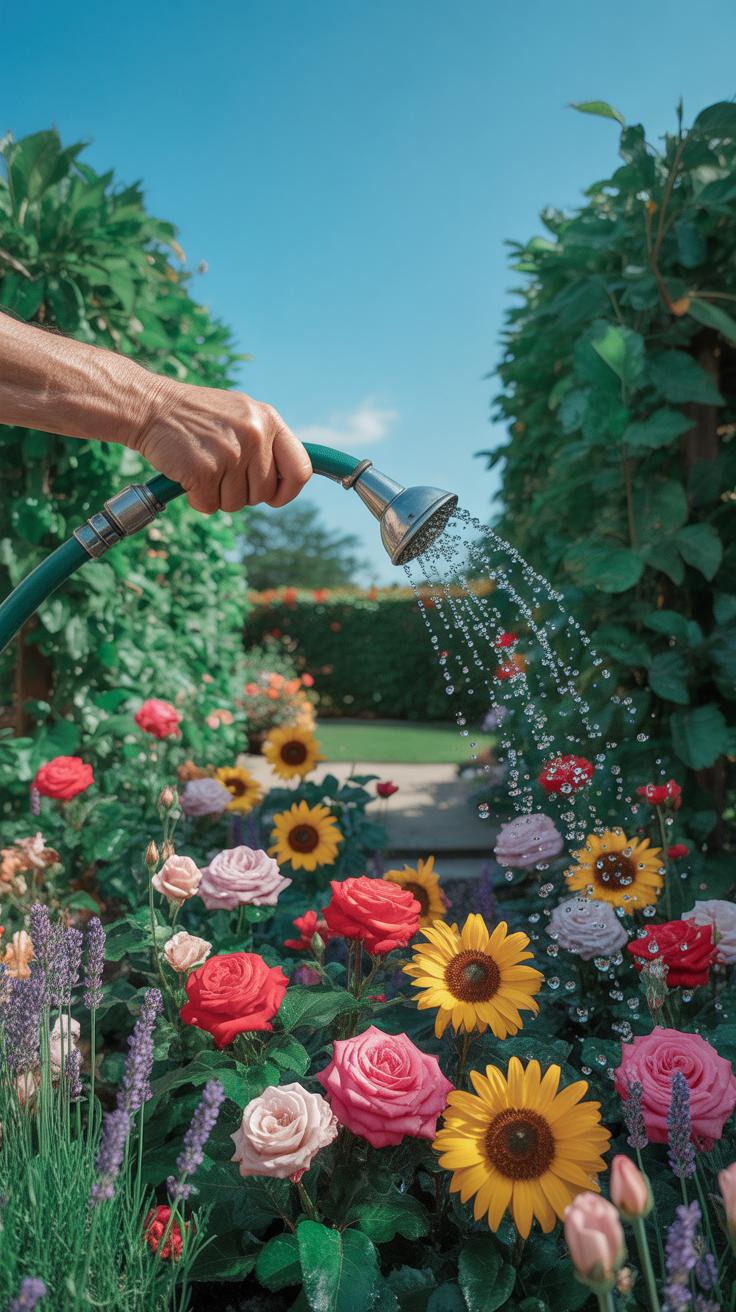
How Soil Type, Sun Exposure, And Rainfall Shape Your Garden Watering Schedule
Soil composition dictates water retention. Sandy soil drains too fast and requires frequent sessions. Clay soil holds water too long and risks root rot. Silt soil provides the best balance for most garden flowers. You must test your soil drainage before setting a firm timeline. Squeeze a handful of damp dirt. If it crumbles instantly, it needs more frequent water to survive.
Sunlight levels move the schedule forward or backward. Full sun beds lose moisture to evaporation within hours. Shade gardens keep moisture for days. Rain gauge data allows you to skip manual watering when nature provides one inch of weekly precipitation. Monitor local weather patterns to adjust your flow rate. Do not water on a fixed timer if the ground is already saturated.
Morning Vs. Evening Watering: Which Is Better For Garden Flowers
Irrigate your garden flowers between 6:00 AM and 10:00 AM for the best results. Morning watering allows plants to absorb moisture before the afternoon heat arrives. It also lets foliage dry quickly in the sun. Dry leaves prevent the growth of fungal diseases and powdery mildew. This timing ensures water reaches the root zone rather than evaporating into the hot air.

Avoid watering your flowers at night or in the evening. Damp leaves sit in the dark and attract slugs or snails. Cool night air prevents evaporation and creates a breeding ground for pathogens. If you must water late, apply liquid directly to the soil surface. Keep the water off the petals and leaves to protect the plant health until the next morning.
Choosing The Right Garden Watering System For Your Flower Schedule
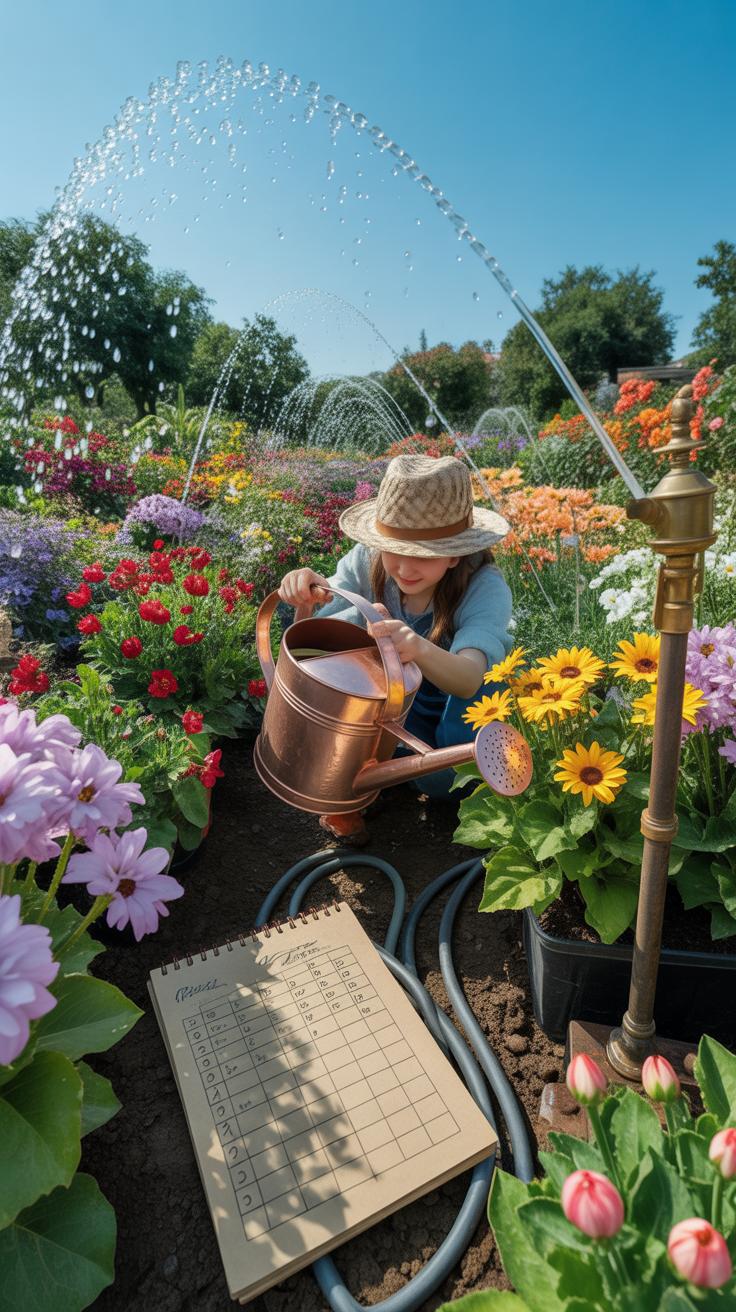
Comparing Drip Irrigation, Soaker Hoses, And Sprinkler Systems For Flowers
Drip irrigation delivers water directly to the soil surface or root zone. This method reduces evaporation and prevents water from hitting flower petals. Precision emitters allow for specific flow rates measured in gallons per hour. You can tailor these systems to different plant needs within a single bed. It is the most efficient choice for high value flower beds and long term conservation.
Soaker hoses seep water through porous membranes along the entire length of the tube. They work best for dense plantings or straight flower rows. Sprinklers throw water through the air to cover large zones quickly. This method often wastes water due to wind drift and evaporation. Wetting foliage also increases the risk of fungal diseases. Use sprinklers only for groundcovers or mass lawn areas.
Tips For Selecting A Garden Watering System That Matches Your Schedule And Budget
Selecting a system requires balancing initial installation costs against long term labor savings. Manual systems cost less but demand your daily time. Automated timers integrate with irrigation hardware to handle watering while you are away. Consider your soil type before purchasing. Heavy clay soils need slow delivery rates to prevent runoff. Sandy soils require frequent short bursts to maintain moisture.
- Smart Timers: These devices connect to local weather stations through the internet. They automatically cancel watering schedules when rain is in the forecast. This saves money on utility bills and prevents root rot from overwatering your flowers.
- Drip Kits: Prepackaged kits offer an affordable entry point for small garden beds. They include all necessary tubing and emitters for a localized area. These setups help beginners understand flow management without hiring a professional for the installation.
- Pressure Regulators: High water pressure can blow apart hose connections and drip emitters. These valves maintain a constant safe pressure level across the entire system. They protect your investment and ensure even water distribution throughout the flower garden.
- Soaker Hoses: Recycled rubber hoses provide a low cost solution for budget conscious gardeners. They require minimal hardware and hook directly to standard outdoor faucets. You can hide them under mulch to improve the look of the garden landscape.
- Backflow Preventers: These components are necessary for safety and local building code compliance. They stop contaminated garden water from flowing back into your clean home drinking water. Install these at the start of any permanent irrigation system line.
Budget for maintenance when choosing your equipment. Drip emitters can clog if your water contains high mineral levels. Soaker hoses may degrade after several seasons of exposure to ultraviolet light. Inspect all connections every spring to find leaks or cracks. Replacing small parts is cheaper than paying for high water bills. Pick a system you can easily repair without specialized tools or professional help.
Tracking Your Progress With A Plant Journal And Plant Care Schedule
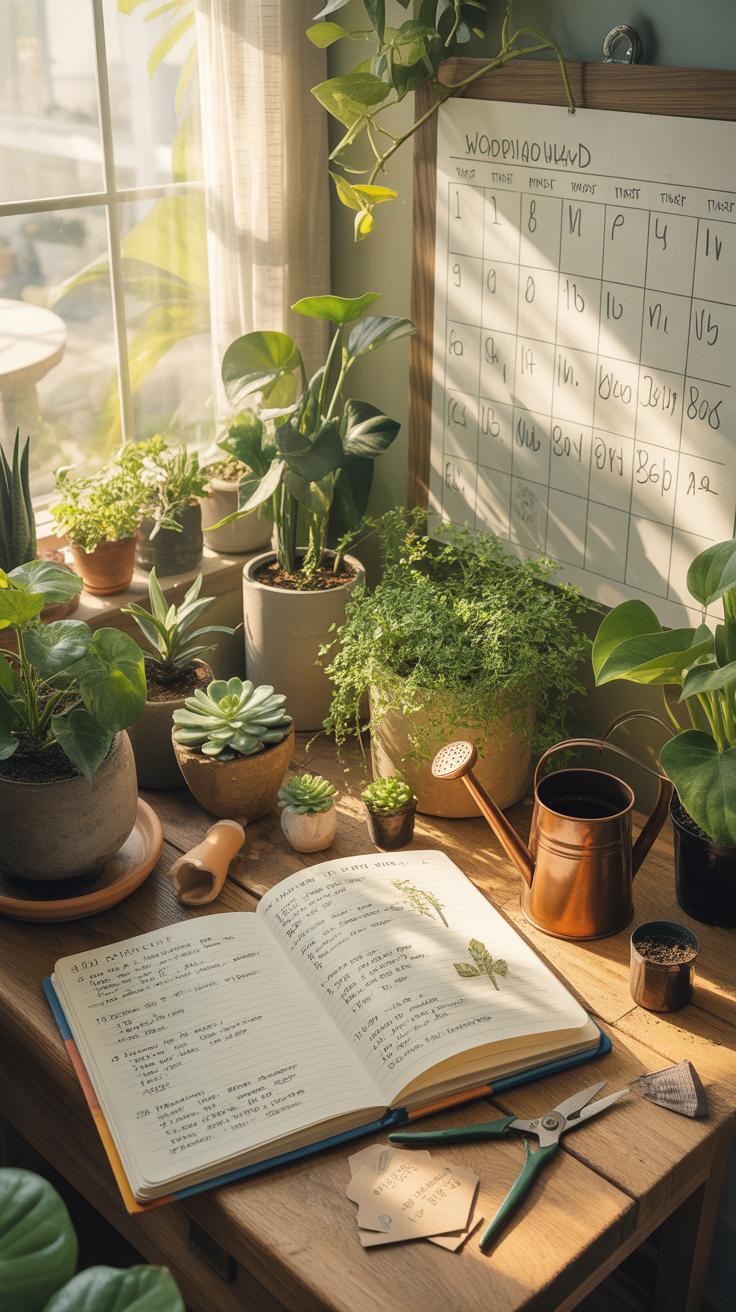
Why Keeping A Plant Journal Helps You Refine Your Watering Habits Over Time
A plant journal removes the guesswork from flower maintenance. Memory is unreliable when managing multiple species with different hydration needs. You need a data-driven approach to identify patterns in soil moisture depletion. Documenting soil conditions helps you spot trends related to seasonal shifts. You will see exactly how rising temperatures or central heating impact your soil. This record creates a custom baseline for every individual plant.
Consistency builds healthy root systems and prevents fungal issues. Use your journal to track how plants respond after every watering session. Look for signs of stress like wilting or yellowing leaves. Compare these symptoms against your recorded dates to find the cause. You will move from reactive care to proactive management. Data allows you to adjust your Flower Watering Schedules before visual damage occurs. Accuracy leads to better plant health.
What To Record In Your Plant Care Schedule To Get The Best Results
Note the specific date and volume of water applied to each pot. Recording the exact amount ensures you do not drown the roots or leaves. Document the current weather conditions and the temperature in your growing space. Sunlight intensity directly dictates how fast a plant processes water. Tracking these environmental variables helps you predict future needs. Precise records turn a basic schedule into a professional management tool.

Include observations about soil drainage and plant growth stages. Flowering plants require more hydration when they produce buds. Dormant plants need significantly less water to avoid root rot. Note the method used such as top watering or bottom soaking. Different techniques yield different moisture levels in the root zone. Review your entries every month to optimize your routine. Better documentation results in fewer plant deaths and higher efficiency.
Frequently Asked Questions

How do I know if I am watering my flowers too often?
Determining the right frequency starts with checking the soil moisture daily. Overwatering often manifests as yellowing leaves or a mushy stem base. For beginners, the best approach is the finger test; if the top inch of soil feels dry, it is time to hydrate. Learning to balance your flower watering schedules prevents root rot and ensures your blooms stay vibrant throughout the growing season without much guesswork.
How can I create a watering routine that works for different plant types?
To simplify your routine, group your plants by their specific thirst levels. Place drought-tolerant species together and moisture-loving blooms in another section. This allows you to set distinct flower watering schedules for each group, such as watering succulents every two weeks while checking hydrangeas every few days. Using a calendar or a smartphone app can help you track these intervals until the process becomes second nature to you.
Can I maintain a healthy garden without buying expensive irrigation systems?
Absolutely! You do not need high-tech gadgets to keep your garden thriving on a budget. Repurposing household items, like a plastic milk jug with small holes poked in the cap, creates a perfect DIY slow-drip tool. This accessible method ensures water reaches the roots directly without waste. Consistency is more valuable than expensive equipment, making simple manual routines the most cost-effective way to care for your plants.