
What Are Gardening Tools And Why Do They Matter

Defining Gardening Tools And Their Role In A Healthy Garden
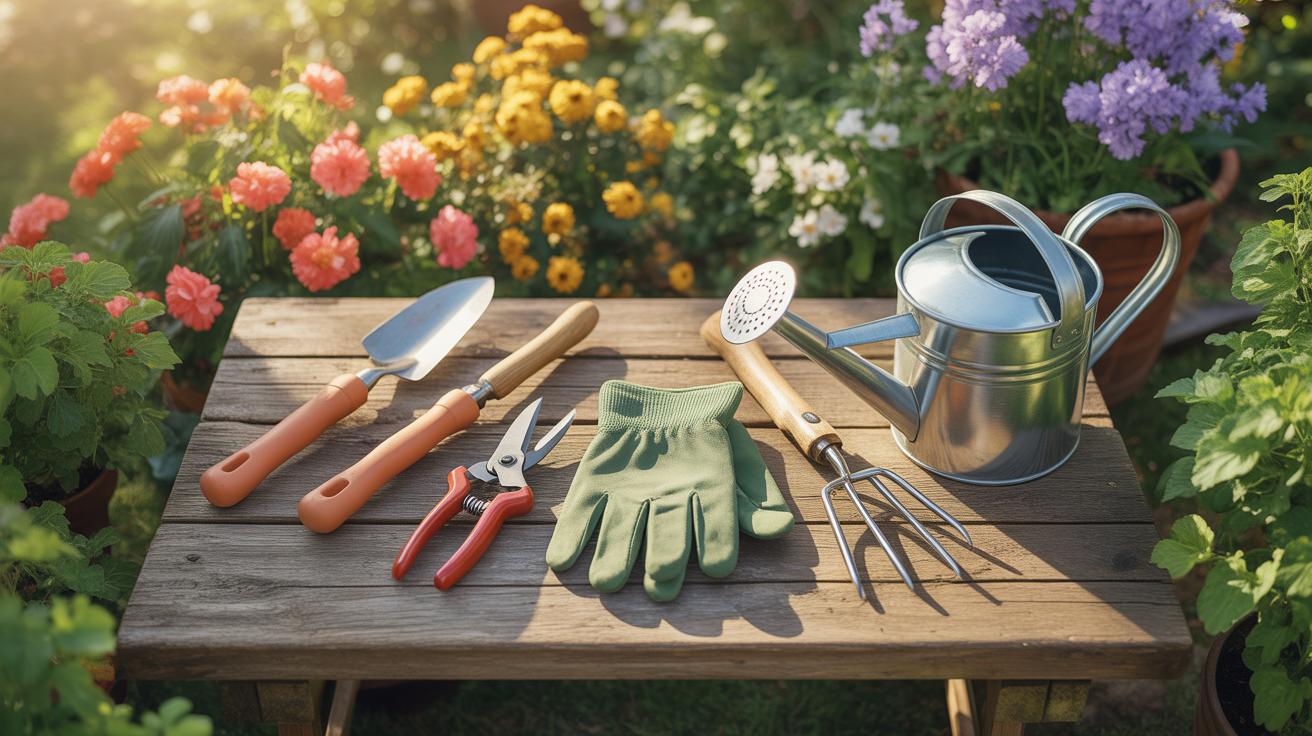
Gardening tools are specialized instruments designed to perform specific tasks in land cultivation. These devices enable the manipulation of soil, the management of water, and the control of plant growth. Historically, tools transitioned from stone and wood to durable forged steel during the Industrial Revolution. This shift allowed gardeners to penetrate compacted earth and manage large scale landscapes with greater precision and far less physical effort.
Modern tools serve as functional extensions of the human hand and arm. They provide the mechanical advantage necessary to prune thick branches or aerate dense clay soils. Proper tool selection ensures the health of the ecosystem. Clean cuts from sharp bypass pruners prevent plant disease. Correct digging depth from a specialized spade protects root systems. High quality equipment remains the foundational requirement for any successful horticultural project or routine maintenance.
How The Right Tools Make Gardening Easier And More Rewarding
The right tools minimize physical strain and maximize operational efficiency. Ergonomic designs reduce repetitive motion injuries by aligning the tool with natural body mechanics. Forged carbon steel maintains a sharp edge longer than stamped metal. This means you spend less time sharpening and more time working. Quality materials like ash wood or fiberglass absorb vibrations and prevent handle breakage under heavy loads during intense soil work.
Using the correct tool for the job prevents unnecessary damage to the landscape. A dedicated weeding tool removes the entire taproot without disturbing surrounding plants. A transplanting trowel with depth markers ensures precise bulb placement for optimal growth. Efficient tools save time and reduce frustration. When the equipment performs reliably, the gardener can focus on technical goals. Tactical tool choices turn difficult labor into a streamlined and predictable process.

Building The Perfect Garden Tool Set For Every Gardener
Guidance What To Look For When Choosing A Garden Tool Set
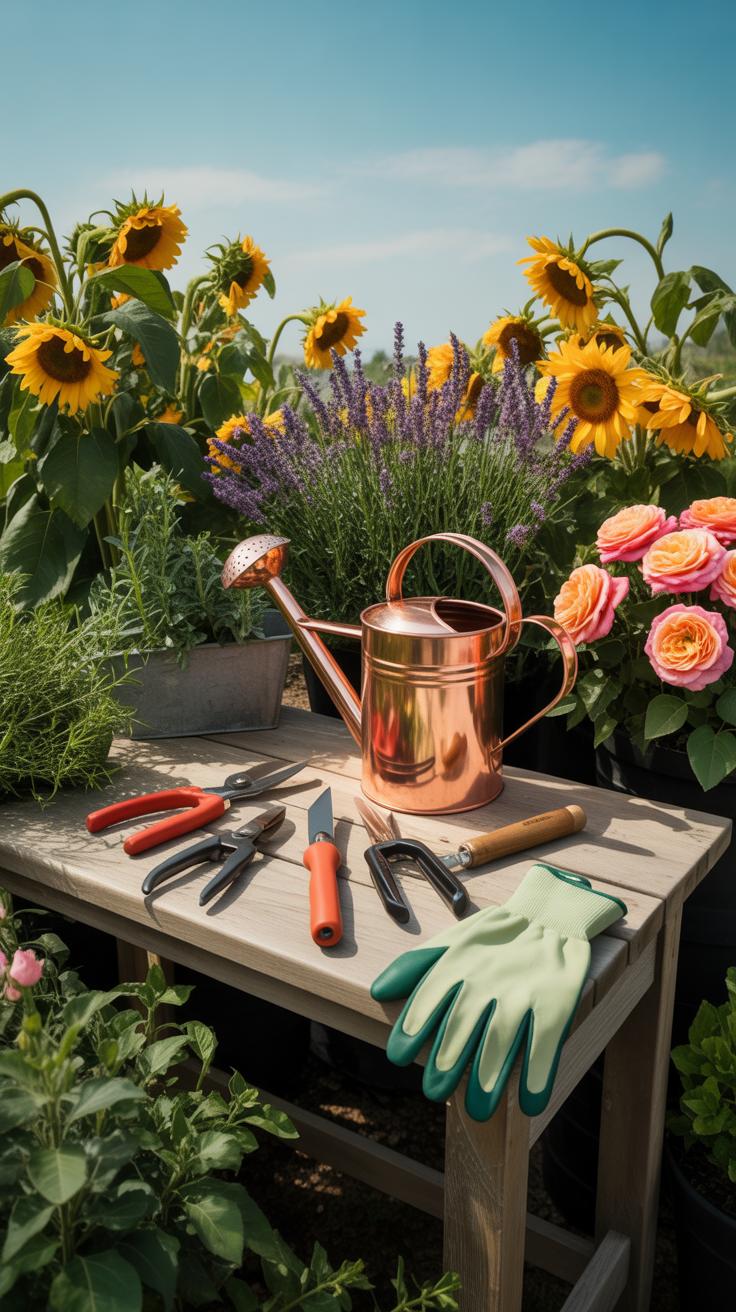
High quality garden tools prioritize material integrity and ergonomic design. Look for forged steel heads rather than stamped metal. Forged steel offers superior strength and maintains a sharp edge longer. Check the tang connection where the metal meets the handle. A solid socket or strap tang provides the most durability. Wood handles should use straight grain ash or hickory to absorb shock effectively.
Focus on the weight and balance of every tool in the set. A tool that feels heavy in the store will cause fatigue in the field. Test the grip diameter to ensure it fits your hand. Synthetic grips must be securely bonded to prevent slipping during use. Stainless steel resists rust but carbon steel offers more rigidity for heavy prying. Choose materials based on your specific soil density.
Starter Sets Versus Comprehensive Sets Which One Is Right For You
Starter sets focus on three core tasks: digging, weeding, and pruning. These kits usually include a trowel, a transplanter, and a hand fork. Beginners benefit from this limited scope because it prevents overspending on specialized equipment. High quality starter sets use the same professional grade materials as larger kits. Buy a small set if you manage containers or a single raised bed.

Comprehensive sets include specialized gear like dibbers, shears, and long-handle spades. These sets serve gardeners managing large plots or diverse plant varieties. Buying a full set at once often reduces the cost per tool. However, low-end comprehensive sets frequently sacrifice material quality for quantity. Professional gardeners usually build custom sets over time to ensure every individual tool meets a high performance standard.
Must Have Garden Tools Every Gardener Should Own
The Core Must Have Garden Tools For Digging, Planting, And Pruning
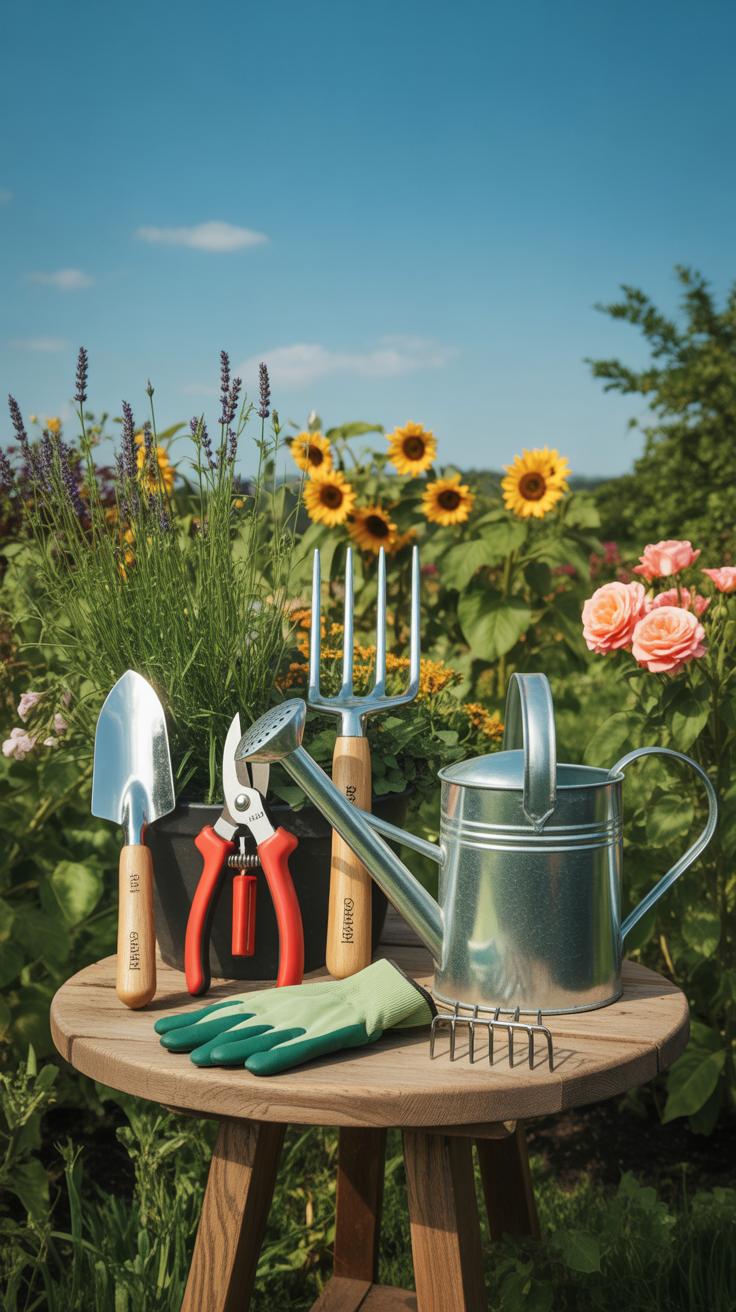
Efficient gardening starts with a foundation of high quality hand tools. You need steel that holds an edge and handles that absorb shock. Digging requires leverage and blade strength to penetrate compacted soil. Planting calls for precision to protect root systems. Pruning helps maintain plant health by removing dead wood. Investing in professional grade materials prevents hand fatigue and tool failure during heavy use.
- Bypass Pruners: Most experts prefer the bypass design over anvil styles for live tissue. These tools act like scissors to make clean cuts. Sharp blades prevent crushing plant stems and reduce the risk of disease. Look for forged steel construction and replaceable parts.
- Hand Trowel: This tool serves as the primary instrument for small scale digging and transplanting. A narrow blade works best for rocky soil while wide blades move more earth. Choose a model with a reinforced neck to prevent bending under pressure.
- Spade Shovel: The flat blade of a spade allows for clean edging and slicing through tough roots. Unlike round point shovels, the spade provides a straight edge for trenching. A high carbon steel head ensures the tool remains sharp after many uses.
- Garden Rake: Leveling soil and clearing debris requires a sturdy bow rake. The tines must be strong enough to break up clods of dirt without snapping. This tool prepares the seedbed by creating an even surface for planting and moisture distribution.
- Hori Hori Knife: This multipurpose Japanese tool features a serrated edge and a sharp point. It excels at weeding, cutting twine, and measuring planting depth. It replaces several smaller tools by performing digging and cutting tasks with a single high carbon steel blade.
Durability depends on material choice. Carbon steel offers a sharper edge but requires oiling to prevent rust. Stainless steel resists corrosion but can be harder to sharpen. Ash wood handles provide natural vibration damping which protects your joints. Avoid cheap plastic tools that flex or break when they hit stones. Proper maintenance of these core tools ensures they last for several decades of work.
The garden is a grand teacher, but it is the worn handle of a faithful spade that connects our hands to the wisdom of the earth. With the right tools, we do not just plant seeds; we tend to the very soul of our homes.
Specialty Tools That Elevate Your Gardening Game
Specialty tools solve specific problems that general equipment cannot handle. Narrow space weeding requires a specialized hoe to avoid damaging shallow plant roots. Deep taproots come out easier with leverage based weed pullers. These tools increase your speed and reduce physical strain. Using the right tool for a specific task prevents damage to your plants and saves your back from unnecessary bending.

Design movements like the Arts and Crafts period emphasized high quality wrought iron and ergonomic shapes. Modern innovations include fiberglass handles and telescopic shafts for reach. Broadforks allow you to aerate soil without flipping the layers and destroying soil biology. Soil blockers replace plastic pots for seed starting. These items are not strictly required for beginners but they significantly improve the efficiency of a manageably sized farm.
A Closer Look At Garden Tools Materials Durability And Design
Steel, Aluminium, And Wood: Understanding Garden Tool Materials
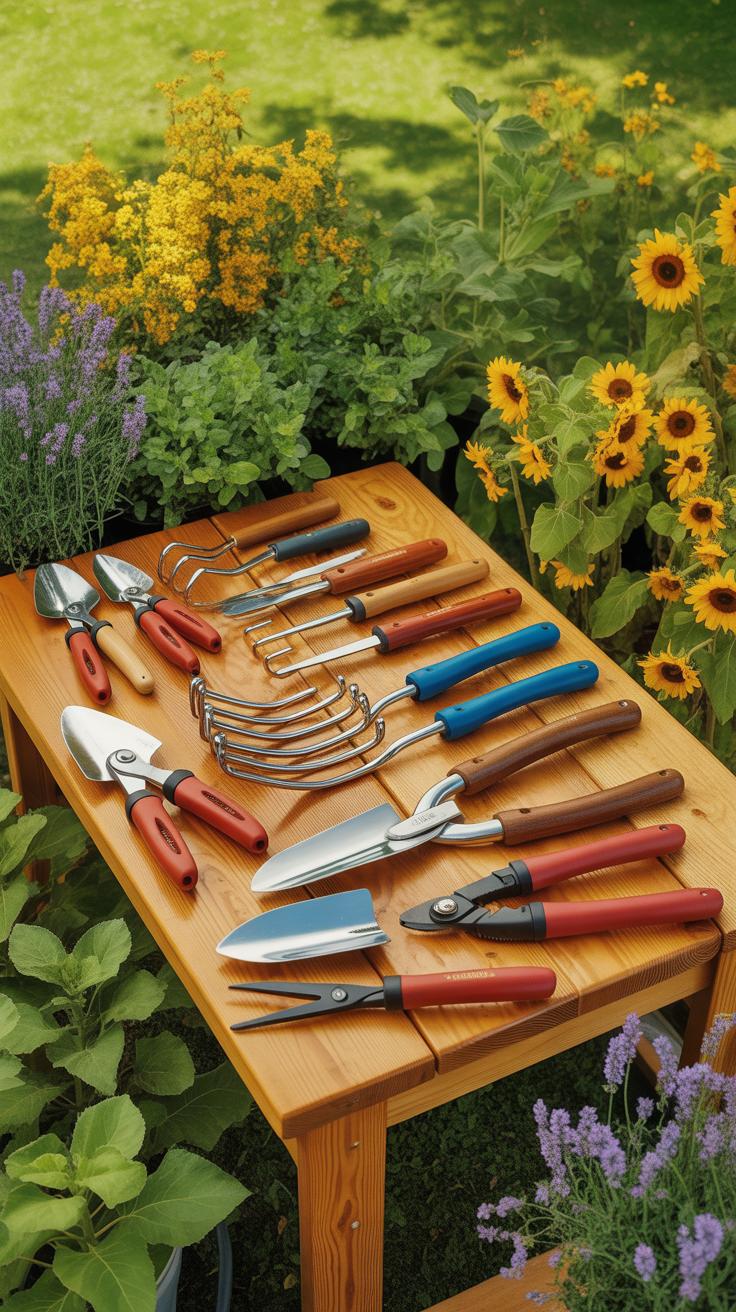
High-carbon steel offers the best edge retention for cutting tools. It remains the industry standard for shears and loppers because it stays sharp under heavy use. However, carbon steel rusts without proper oiling. Stainless steel resists corrosion and cleans easily but cannot hold the same sharp edge. Choose stainless steel for digging tools like spades where soil shedding is more important than a razor edge.
Handle materials determine tool lifespan and shock absorption. Ash wood provides natural flex and absorbs impact well. It has served as the primary handle material for centuries due to its high strength-to-weight ratio. Aluminum offers a lightweight alternative for long-reach tools but lacks flexibility. High-quality aluminum resists rust but can snap under extreme leverage. Boron steel provides the most durability for heavy-duty commercial framing and tines.
How Handle Design And Ergonomics Affect Long Term Comfort
Modern handle design focuses on neutral wrist positioning to prevent strain injuries. Straight handles require more grip force and can lead to carpal tunnel issues over time. Proper ergonomic tools use a slight bend to keep the hand in a natural line with the forearm. This positioning maximizes power transfer from the arm to the tool head. It reduces muscle fatigue during repetitive tasks like weeding or pruning.
Texture and diameter also dictate user control. Thick handles reduce the need for a tight squeeze, which protects smaller hand joints. Rubberized grips provide friction and dampen vibrations from hard ground strikes. Look for D-grip handles on shovels to improve leverage during lifting. T-grips offer better control for twisting motions. Scientific tool design minimizes the physical cost of gardening by distributing force across larger muscle groups.
Mastering Garden Shears Types Uses And Maintenance
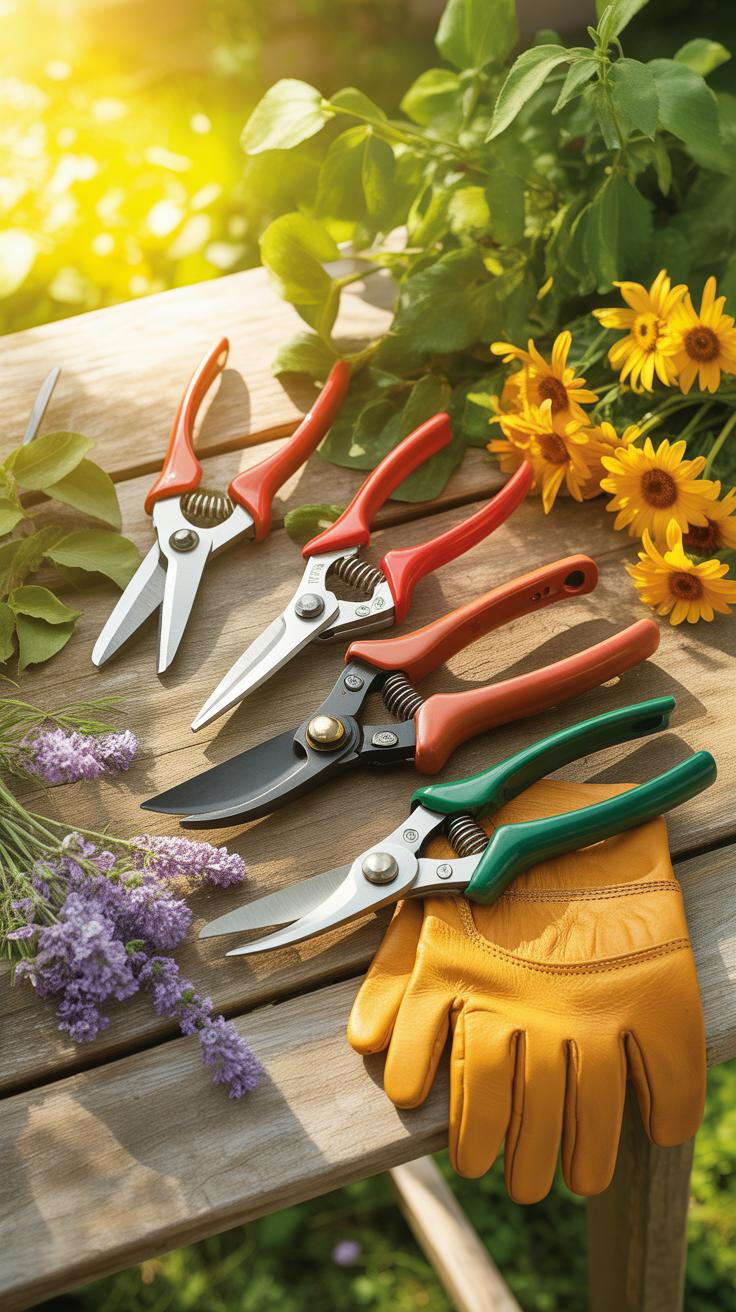
Bypass Versus Anvil Garden Shears: Understanding The Key Differences
Bypass shears act like scissors. Two blades pass each other to create a clean, precise cut. This design works best on live green wood and soft stems. A clean cut allows the plant to heal faster and prevents disease. High carbon steel blades hold an edge longer and resist bending under pressure. Use bypass shears for pruning roses, shrubs, and delicate flowers.
Anvil shears use a single straight blade that closes against a flat metal base. This mechanism crushes the material rather than slicing it. This makes anvil shears ideal for dead, dry, or brittle wood. They provide more cutting power with less effort from the user. Never use anvil shears on live stems. The crushing action damages plant tissue and invites rot into the stalk.
How To Clean, Sharpen, And Store Your Garden Shears Properly
Maintenance begins with removing sap and debris after every use. Use a stiff brush and soapy water to clear the blades. Wipe the metal with isopropyl alcohol to kill pathogens and prevent the spread of fungus between plants. Dry the tools immediately to stop rust from forming on the steel surfaces. Apply a light coat of machine oil to the pivot point and blades.

Sharpen the blades using a diamond file or whetstone. Follow the factory bevel angle to ensure the edge remains effective. Only sharpen the outer side of bypass blades to maintain the tight tolerance needed for cutting. Check the tension of the center nut to prevent the blades from spreading. Store shears in a dry environment. Hang them on a wall to protect the edges.
The Hand Trowel The Most Versatile Tool In Your Garden
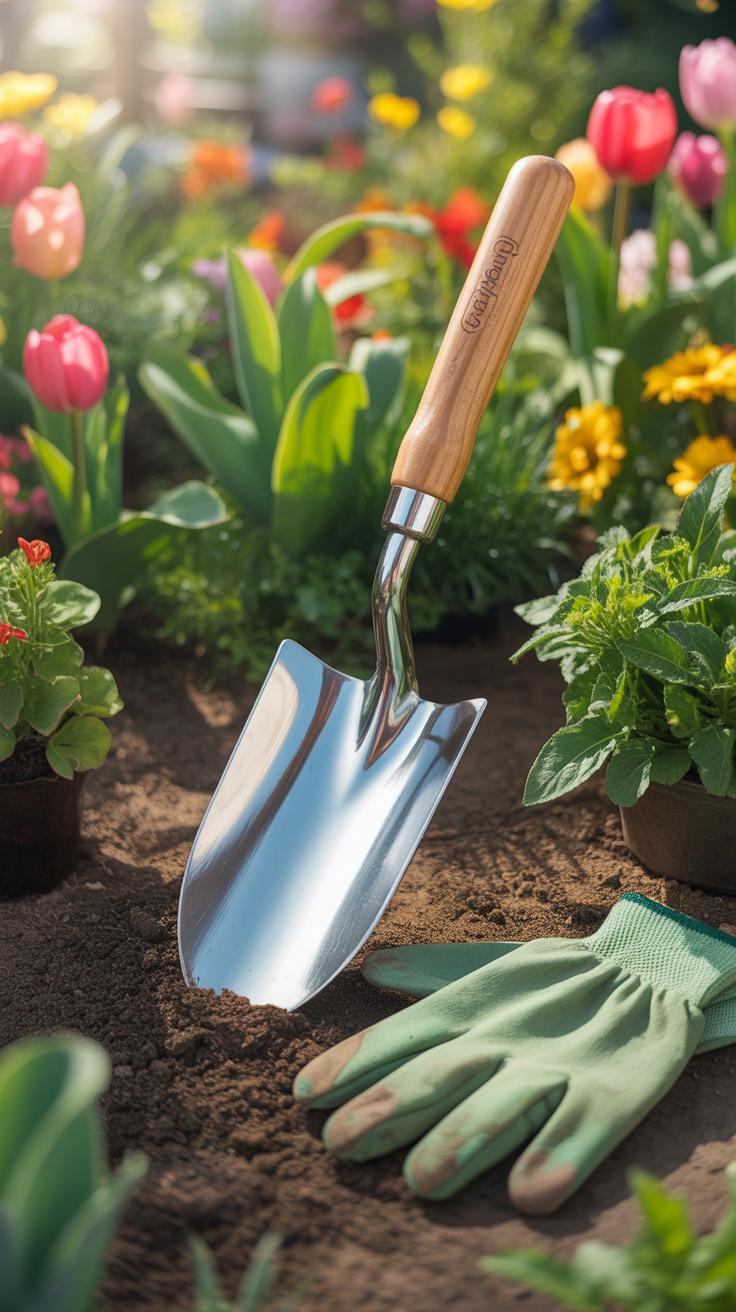
What Makes A Hand Trowel An Indispensable Gardening Companion
The hand trowel is the primary interface between the gardener and the soil. It functions as a miniature spade for precision digging and planting. You use it to transplant seedlings, bulb planting, and removing deep-rooted weeds. Its compact size allows for work in tight spaces where larger shovels fail. High-quality trowels feature a sharp blade that cuts through compacted earth and small roots with minimal physical effort.
This tool also serves as a measuring device for planting depth and spacing. Many modern blades include etched markings in inches or centimeters to ensure seeds sit at the correct depth. The ergonomic handle design reduces wrist strain during repetitive motions. A solid connection between the blade and handle prevents snapping under pressure. This durability makes the trowel a foundational asset for container gardening and traditional beds.
How To Choose The Best Hand Trowel For Your Soil Type And Garden Style
Select a trowel based on your specific soil conditions and intended tasks. Heavy clay requires a narrow, forged steel blade to penetrate the surface without bending. Forged steel offers superior strength compared to stamped metal. If you work in loose, sandy soil, a wide blade is more efficient for moving volume. Look for a rust-resistant finish like stainless steel or a powder coating to prolong the life of the tool.
The handle material dictates comfort and grip during long sessions. Wood handles provide a classic feel but require maintenance to prevent cracking. Synthetics and rubber grips offer better control in wet conditions. Tang-and-ferrule construction provides the best balance and strength for heavy-duty digging. Evaluate the weight of the tool before purchase. A heavy trowel provides better leverage, while a lightweight aluminum model suits light potting and delicate transplants.
Gardening Essentials Beyond Tools Gloves Kneelers And More
Protective Gardening Essentials That Keep You Safe And Comfortable
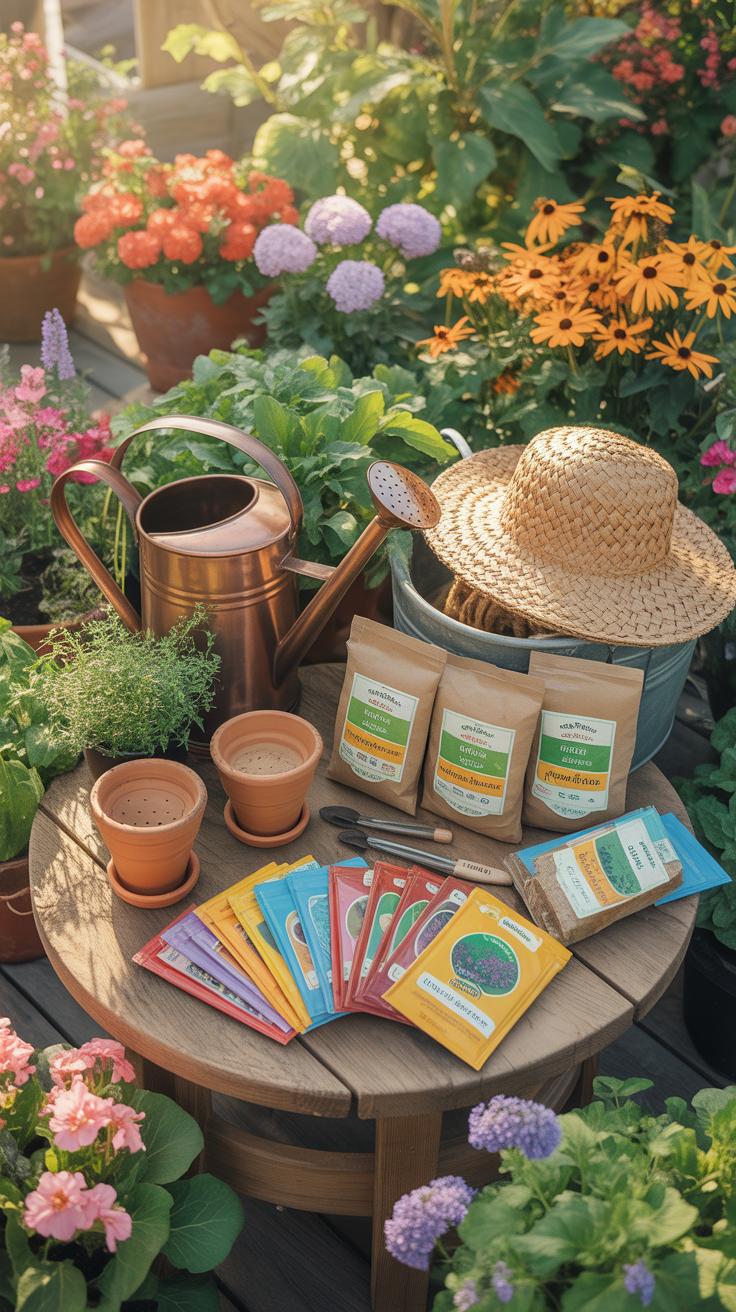
Physical protection prevents injury and long-term joint damage. Leather gloves resist thorns and sharp edges. Nitrile-coated gloves provide grip and tactile feedback for delicate tasks. Sun protection and eye gear are non-negotiable for outdoor labor. These items reduce fatigue and allow for longer work sessions. Quality gear also blocks soil-borne pathogens from entering small cuts. You must prioritize equipment that fits your specific body dimensions.
Kneeling pads or rolling benches protect the patella and lower back from hard surfaces. Modern kneelers often feature metal frames to help gardeners stand back up easily. These designs draw from ergonomic studies to reduce strain on the musculoskeletal system. Proper footwear with steel shanks supports the foot during digging. Durable materials like canvas and reinforced rubber increase the lifespan of your protective gear. Avoid cheap plastics that crack under UV exposure.
Organisational Accessories That Help You Garden More Efficiently
Efficiency depends on how quickly you access your equipment. Tool belts and aprons keep hand tools within reach at all times. This eliminates wasted movement and prevents lost items in the brush. Use buckets or specifically designed caddies to transport larger supplies across the site. Organizing your gear by task frequency speeds up daily maintenance. Digital or physical logs track planting dates and soil amendments for better results.

Modern storage solutions use vertical space to save floor area in sheds. Wall-mounted racks keep sharp blades away from the ground and prevent moisture damage. Plastic bins protect seeds and labels from rodents and dampness. High-visibility markers help you identify plant varieties before they bloom. Accurate record-keeping acts as a strategic map for future seasons. Successful gardeners treat their workspace like a high-production workshop. Proper organization reduces stress and increases total output.
Gardening Tools Aesthetic Style Meets Function In The Garden

How Gardening Tools Aesthetic Trends Are Shaping Modern Garden Design
Modern garden design now treats tools as visual extensions of the outdoor space. Homeowners use open storage and pegboards to display equipment. This shift forces manufacturers to focus on visual cohesion. Clean lines and muted tones replace the bright plastics of the past. Designers integrate these tools into minimalist and industrial landscapes. The tool is no longer hidden in a dark shed.
The biophilic design movement influences current tool shapes and colors. Natural palettes like forest green, copper, and slate help tools blend into the environment. Traditional English garden styles also remain popular, favoring classic wooden handles and forged steel. These choices reflect a desire for timeless quality over disposable goods. High end tools now act as decor items while maintaining their primary role as working instruments.
Choosing Tools That Look Beautiful And Perform Exceptionally Well
Prioritize tools made from high carbon steel and solid hardwoods like ash or hickory. These materials offer a historical aesthetic and superior durability. Forged metal resists bending and maintains a sharp edge longer than stamped steel. The wood handle provides a natural grip that improves with age and use. You get a tool that looks professional and handles heavy soil without failing.

Check the finish of the metal and the grain of the wood. Look for smooth welds and consistent protective coatings like powder surfacing or oil rubs. Avoid tools with heavy paint that hides flaws in the metal. True quality shows in the tight fit between the handle and the tool head. Select designs that balance weight and ergonomics. A well designed tool reduces fatigue and enhances the garden visual.
Caring For A Sustainable Garden With The Right Tools
How Choosing Eco Friendly Tools Supports A Sustainable Garden
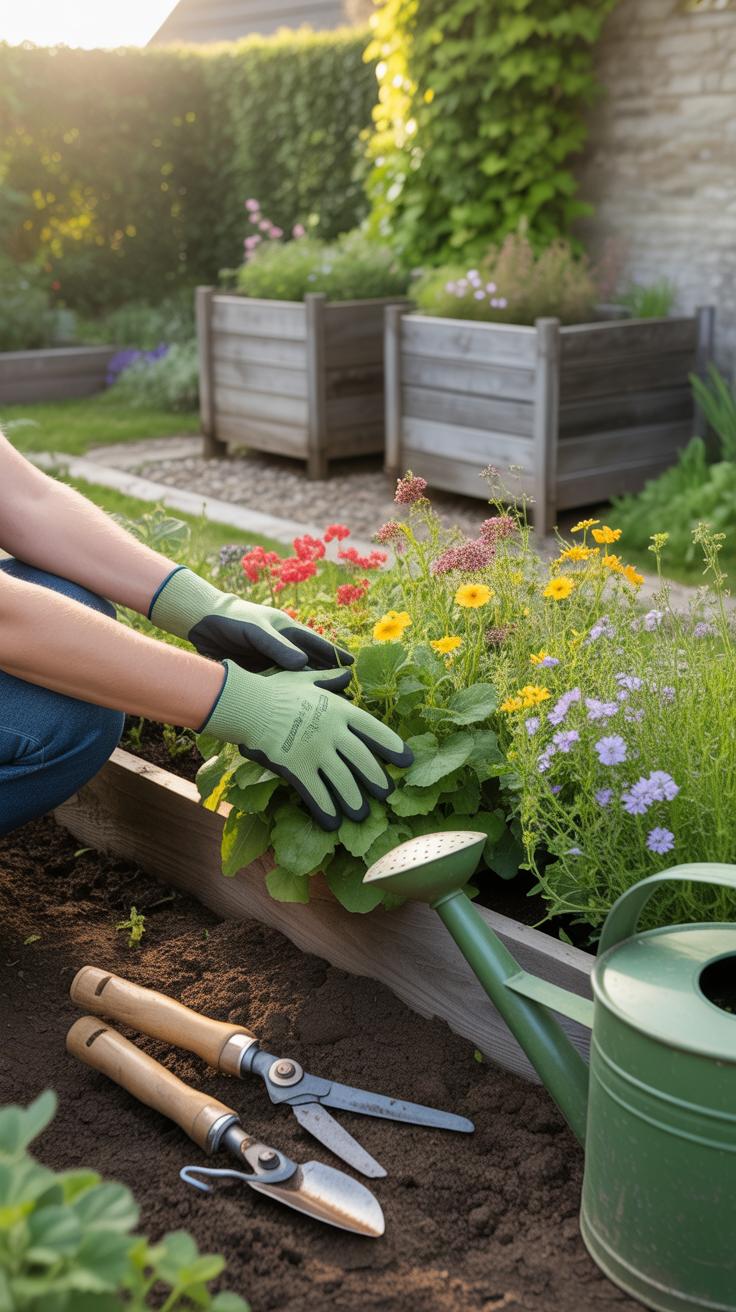
Sustainable gardening starts with tool selection. Low quality plastic tools break quickly and end up in landfills. This creates a cycle of waste and high carbon costs. Choosing tools made from forged steel and FSC certified wood reduces environmental impact. These materials last for decades and eventually biodegrade or recycle back into the earth. Durable tools reduce the need for constant manufacturing and shipping of replacements.
Prioritize hand tools over gas powered machinery to lower emissions. Mechanical tools like push reel mowers and hand shears do not require fossil fuels or electricity. These manual options eliminate noise pollution and keep chemical runoff out of the soil. High quality hand tools also provide better precision for plant health. Selecting specific tools designed for longevity ensures your gardening practices remain regenerative rather than extractive over time.
Tool Maintenance Habits That Reduce Waste And Extend Tool Lifespan
Poor maintenance destroys high quality steel and wood. Rust and rot are the primary causes of tool failure. Proper care prevents the premature disposal of garden equipment. Clean your tools after every use to remove moisture and soil acids that cause corrosion. Regular sharpening reduces the physical force needed to work. This prevents stress on the tool handles and protects the health of your plants.
- Cleaning and Scrubbing: Remove all soil and organic matter after every session. Dirt holds moisture against metal surfaces which triggers oxidation. Use a stiff wire brush or steel wool to strip away stubborn debris. A clean blade prevents the spread of fungal diseases between different garden beds.
- Rust Prevention: Apply a thin layer of oil to all metal components. Use vegetable based oils or linseed oil instead of petroleum products to keep the soil clean. This barrier prevents oxygen from reaching the metal. Store tools in a dry shed or a bucket of oiled sand.
- Sharpening Blades: Use a mill file or whetstone to maintain a sharp edge on shovels and shears. Dull tools tear plant tissue and require more effort to operate. Sharp edges make cleaner cuts that heal faster. Regular honing prevents the need for heavy grinding later in the tool life.
- Handle Care: Sand wooden handles to remove splinters and rough spots. Apply boiled linseed oil once a season to keep the wood flexible. This prevents the grain from drying out and cracking under pressure. Conditioned wood resists water absorption and rot during the wet months.
- Tightening Fasteners: Check nuts and bolts on loppers and moving parts frequently. Loose hardware causes misalignment and increases wear on the joints. Tightening these components ensures the tool operates at peak efficiency. Replace worn washers immediately to keep the mechanical action smooth and safe for use.
Consistent care routines turn a ten year tool into a fifty year tool. This longevity is the core of sustainable gardening. Repairing a loose handle or a chipped blade is faster and cheaper than buying a new product. Knowledge of basic maintenance keeps your inventory functional and out of the waste stream. Professional gardeners view tool preservation as a tactical necessity for long term land management.
Where To Buy Quality Garden Tool Essentials And What To Spend
Top Retailers And Brands Known For Quality Garden Tools
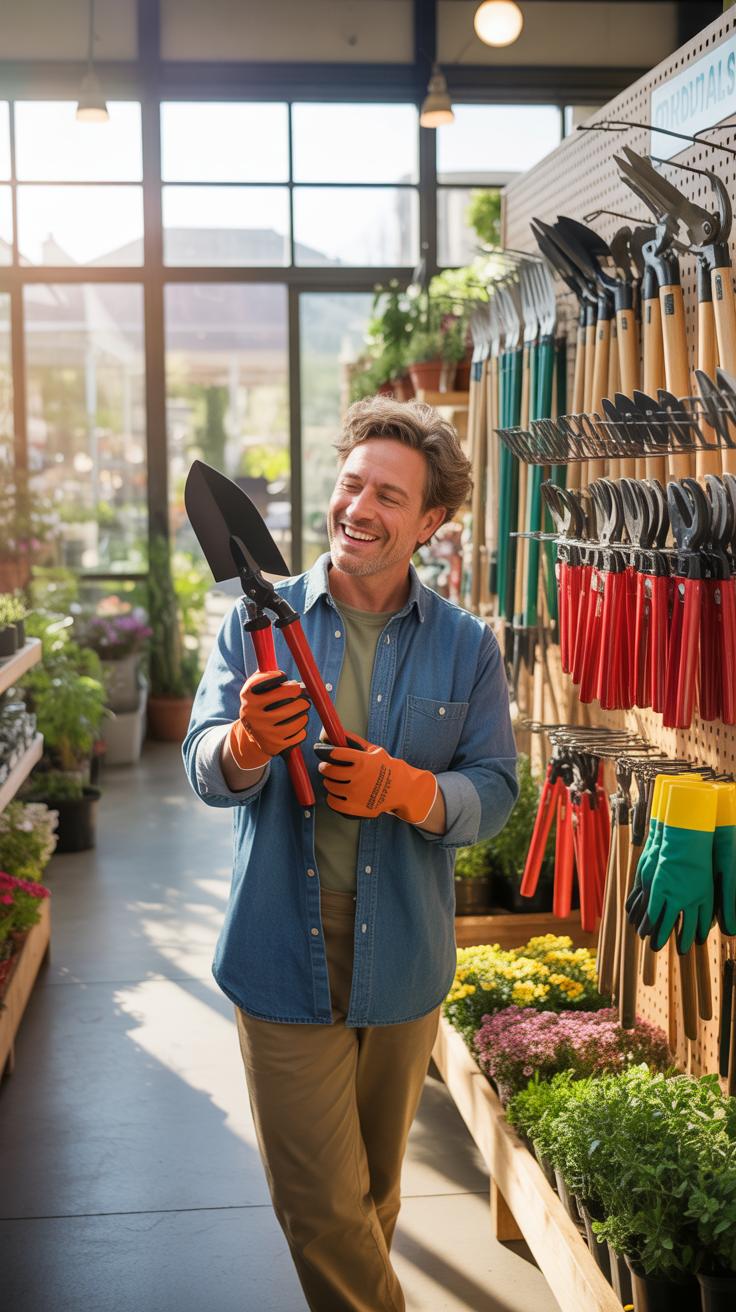
Professional gardeners prioritize forged steel and wood handles over plastic and cheap alloys. Brands like Felco and Okatsune dominate the market for cutting tools due to their precision and replaceable parts. Specialist retailers like A.M. Leonard or Gemplers cater to the commercial industry with high grade materials. These suppliers offer tools that endure heavy daily use and resist common structural failures found in residential hardware stores.
Traditional European manufacturers like Sneeboer and DeWit focus on hand forged stainless steel and FSC certified ash wood. You can find these premium options at boutique garden centers or reputable online distributors specializing in heirloom quality gear. Buying from industrial agricultural suppliers ensures you get tools with high carbon steel blades. These blades hold an edge longer and handle more abuse than mass produced alternatives found at big box retailers.
How To Balance Budget And Quality When Investing In Garden Tool Essentials
Prioritize your spending based on tool frequency and mechanical complexity. Invest heavily in moving parts like pruners and loppers because cheap hinges fail quickly. These tools require high quality steel to maintain a sharp edge under pressure. You can save money on static tools like shovels or rakes if the sockets are welded well. Focus on the connection point between the head and the handle to ensure long term durability.
Avoid buying complete tool sets that often bundle low quality items you do not need. Buy individual pieces as your specific garden tasks require them. Forged steel costs more upfront but prevents the need for frequent replacements. A single expensive spade lasts decades while cheap stamped metal versions bend within one season. Calculate the cost over ten years rather than the initial price tag to see the real value.
Frequently Asked Questions

What are the primary garden tool essentials every beginner needs to start a basic garden?
Starting your gardening journey is exciting, but you don’t need every gadget on the shelf. The most critical garden tool essentials for beginners include a sturdy hand trowel for planting, a pair of sharp bypass pruners for trimming, and a high-quality garden hose or watering can. These basics allow you to manage soil, maintain plant health, and ensure proper hydration, setting a solid foundation for your green space to thrive beautifully.
How do I properly maintain my garden tool essentials to ensure they last for many seasons?
Proper maintenance is key to protecting your investment. After each use, wipe away dirt and debris with a stiff brush or rag to prevent rust. Once a year, sharpen your blades and oil any wooden handles with linseed oil to prevent cracking. Storing your tools in a dry, covered area keeps them in peak condition, ensuring your garden tool essentials remain effective and ready for back-to-back planting seasons without needing replacement.
Is it possible to build a functional tool kit if I am gardening on a tight budget?
Absolutely! You do not need to spend a fortune to be a successful gardener. Focus on versatile, multi-purpose items rather than niche tools. Many gardeners find great success by purchasing high-quality second-hand items at estate sales or choosing reputable entry-level brands. Prioritize a single strong shovel and a durable hand rake first, as these can handle multiple tasks, allowing you to grow your collection slowly as your garden expands over time.