
What Is Drought Resistant Landscaping And Why Every Homeowner Should Care
Understanding The Core Principles Behind Drought Resistant Landscaping
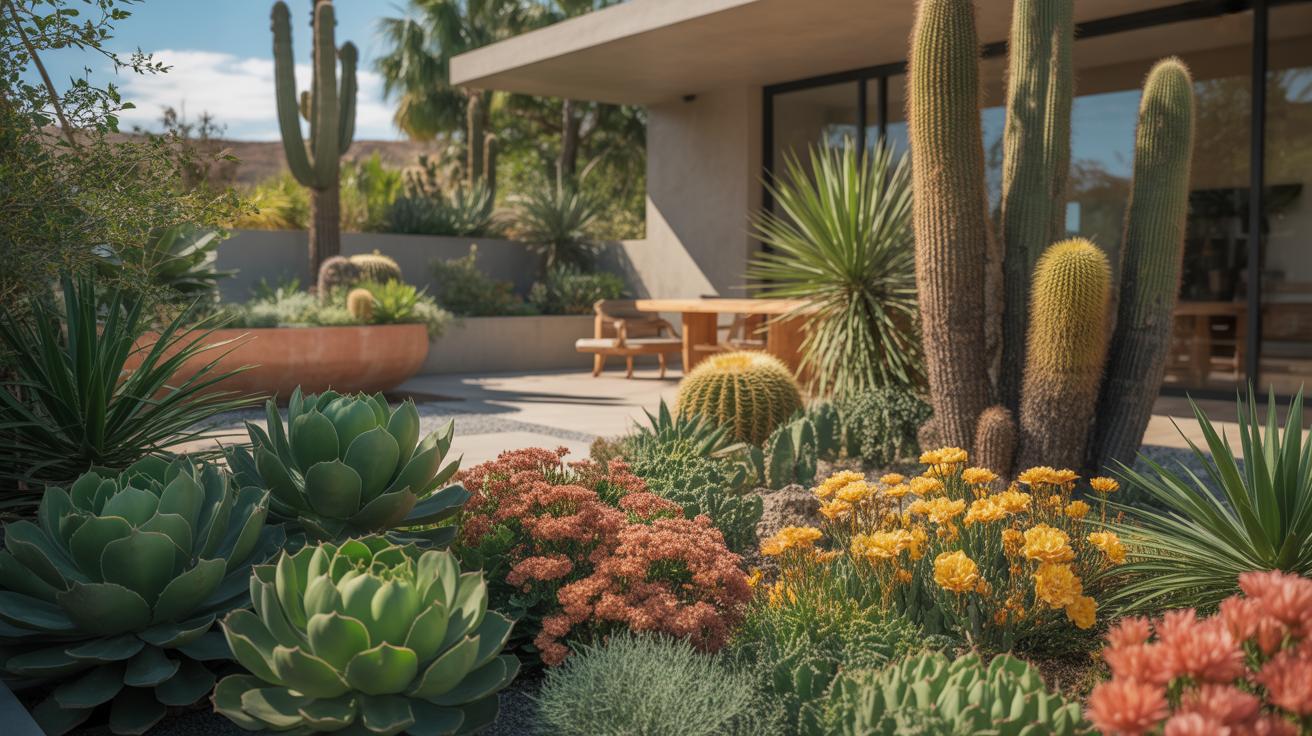
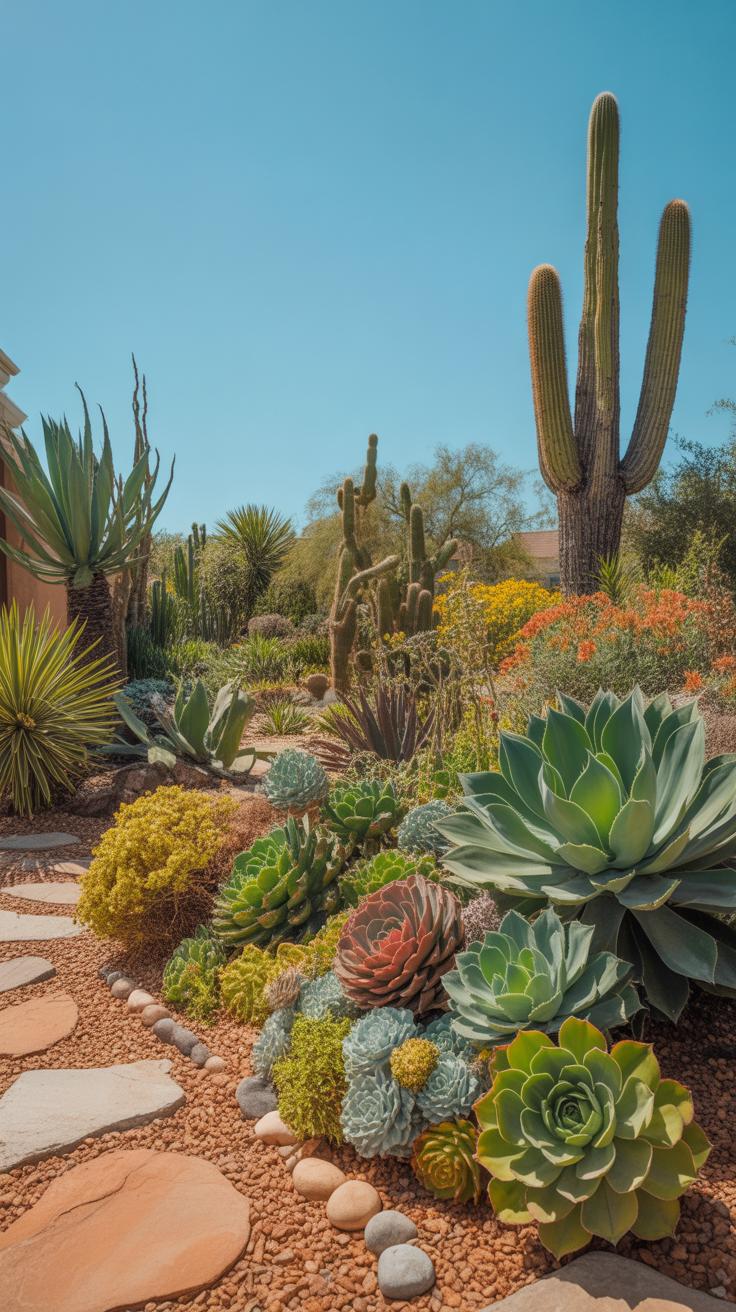
Drought resistant landscaping focuses on water conservation through strategic plant selection and soil management. This method uses native species and plants that naturally thrive on minimal rainfall. You must match vegetation to your local climate zones. This technique reduces the need for supplemental irrigation systems. It also involves improving soil quality to retain moisture better and prevent evaporation during peak heat.
Correct installation relies on grouping plants with similar water needs together. Experts call this hydrozoning. This practice prevents overwatering some plants while underwatering others. You must use inorganic or organic mulches to cover open soil. Mulch blocks sunlight and keeps the ground cool. Smart design also limits the size of traditional turf lawns. Lawns consume more water than any other residential landscape feature.
How Water Scarcity Trends Are Making Drought Tolerant Gardening A Necessity Not A Trend
Groundwater levels are dropping in many regions due to increased demand and shifting weather patterns. Municipalities now enforce stricter water rations and rising utility costs. High water usage for decorative lawns is no longer fiscally responsible. Homeowners face local mandates that penalize excessive consumption. Transitioning to drought tolerant gardens protects your property value. It ensures your landscape survives during mandatory dry periods and heatwaves.
Urban expansion puts extreme pressure on aging water infrastructure. Cities cannot keep up with the delivery needs of traditional green spaces. You must adapt your yard to function with limited resources. Low water landscaping reduces maintenance labor and long term chemical costs. Using fewer resources makes your home more resilient against climate volatility. This shift is a calculated financial move rather than a temporary aesthetic choice for modern homeowners.

Mediterranean Landscaping Front Yard Drought Tolerant Styles That Look Stunning All Year
Key Plants And Design Elements That Define A Mediterranean Front Yard Garden
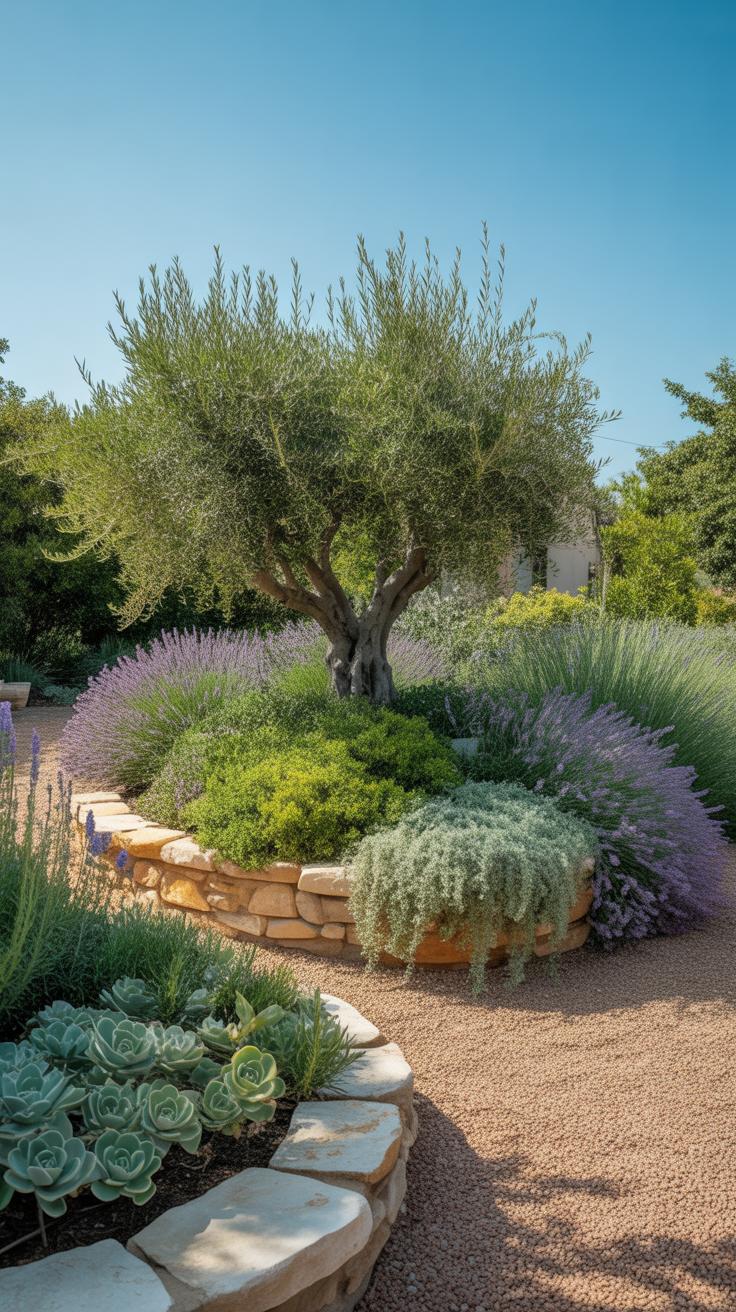
Mediterranean design focuses on plants that evolved in dry summer climates. Olive trees serve as structural anchors due to their deep roots. Lavender and rosemary provide low hedge options that resist heat. These plants use light leaf colors to reflect sunlight. This strategy keeps the plant cool and reduces water loss. Hardscape materials like gravel or decomposed granite replace thirsty lawns to save water.
Structural elements must include stone or terracotta features to mimic traditional coastal Europe. Use light colored mulch to keep soil temperatures down. Paving stones should be permeable to allow rainwater to reach the ground. High density planting creates shade for the root systems of smaller shrubs. This design minimizes evaporation and maintains a cool microclimate. Proper spacing ensures airflow which prevents fungal issues in humid weather.
How To Blend Color Texture And Fragrance In A Mediterranean Drought Tolerant Front Yard
Combine silver foliage with deep greens to create visual depth. Silver leaves often have tiny hairs that trap moisture and reflect heat. Use blue flowering plants like Perovskia to contrast with warm stone walls. This mix creates a professional look without needing extra irrigation. Focus on leaf shape rather than just flowers for year round interest. Sharp textures from agave provide a bold contrast against soft grasses.

Fragrance serves a tactical purpose in mediterranean yards. Essential oils in herbs like thyme and oregano protect the plants from pests. Place these near walkways so foot traffic releases the scent naturally. Use varying heights to move air and distribute these smells across the yard. Grouping plants with similar water needs prevents overwatering sensitive species. This method ensures every plant thrives in its specific zone while maintaining a cohesive look.
Designing A Drought Tolerant Landscape Front Yard That Boosts Curb Appeal
Replacing Traditional Lawns With Low Water Ground Covers And Ornamental Grasses
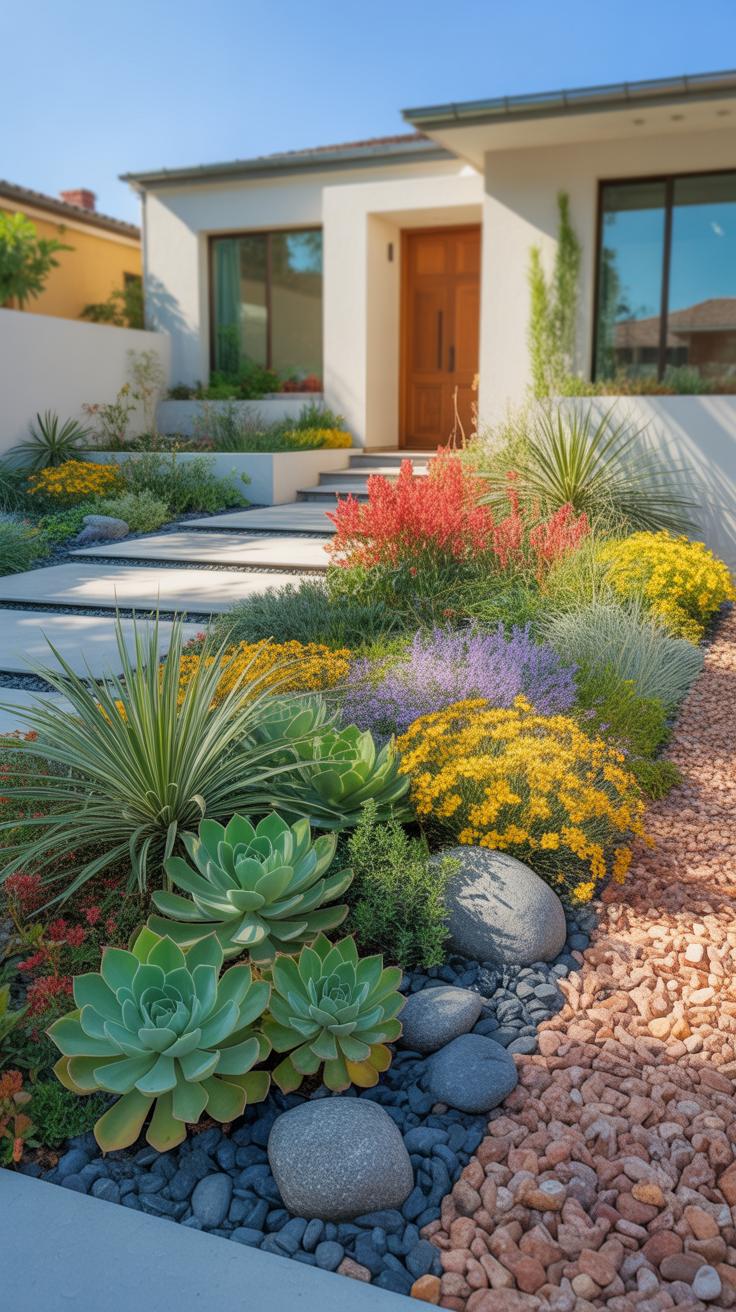
Standard turf consumes excessive water and requires constant chemical inputs. Transitioning to low-water ground covers reduces maintenance costs and water bills immediately. Species like Kurapia or creeping thyme provide green coverage without the high irrigation needs of Kentucky Bluegrass. These plants grow densely to suppress weeds and stabilize the soil. They thrive in poor soils where traditional grass often fails or turns yellow.
Ornamental grasses offer vertical structure and movement that flat lawns lack. Professionals select Muhly grass or Blue Fescue for their deep root systems and heat tolerance. These plants survive on natural rainfall once they finish their first growing season. Proper spacing ensures each plant receives adequate airflow. This design strategy creates a modern look while cutting outdoor water use by over sixty percent compared to turf.
Using Pathways, Mulch, And Rock Features To Enhance Your Drought Tolerant Landscape Front Yard
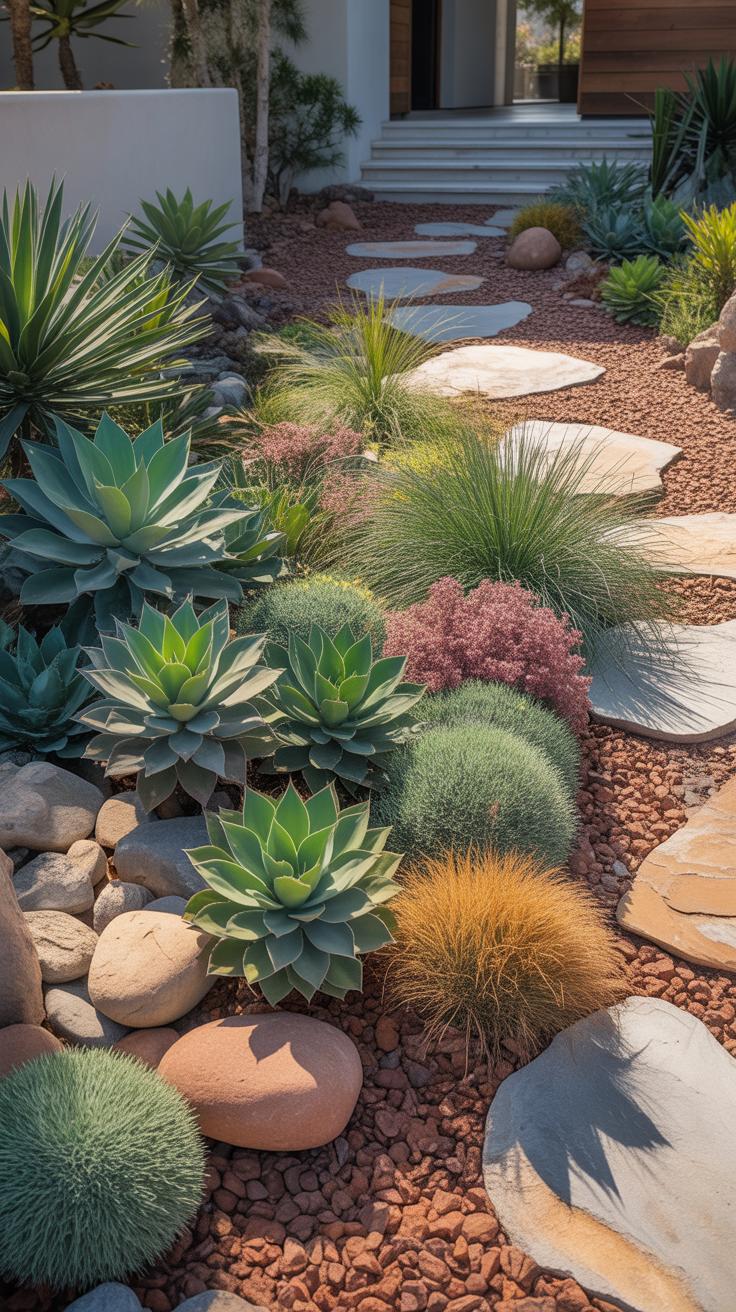
Hardscaping reduces the total plantable area to lower water demand. Defined pathways made of decomposed granite or flagstone guide foot traffic and prevent soil compaction. These materials allow rainwater to permeate the ground instead of running off into storm drains. Well-placed stone features create visual interest even during dormant seasons. This structural approach ensures the yard looks intentional and cared for throughout the year.

Organic mulch and inorganic rock layers protect the soil from extreme temperature swings. A three-inch layer of wood chips or gravel slows evaporation significantly. This keeps moisture near the roots of your drought-tolerant plants. Mulch also prevents weed seeds from germinating and competing for limited water resources. Applied correctly, these materials give the landscape a finished appearance while performing a vital ecological function for the yard.
Drought Tolerant Landscape Design Principles That Work For Any Climate Zone
How To Read Your Yard’S Microclimate Before Planning Your Drought Tolerant Landscape Design
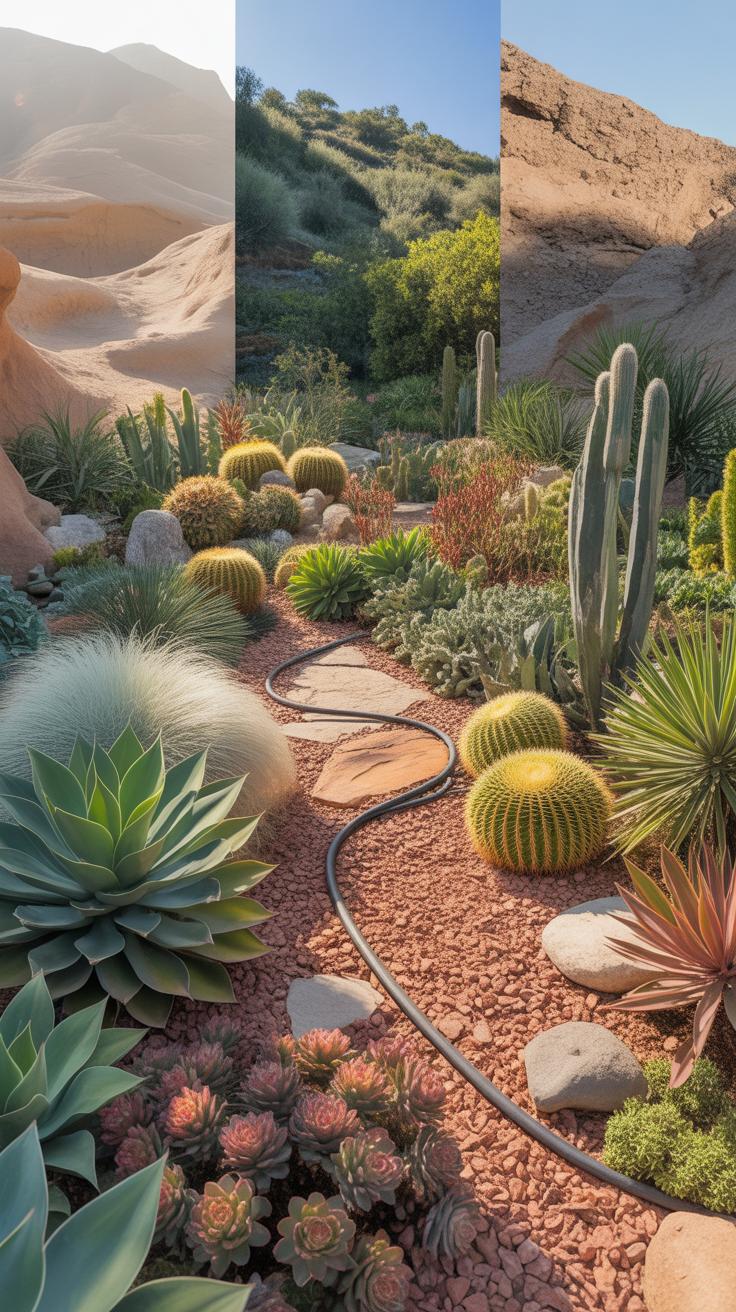
Analyzing your property requires tracking sun patterns and wind tunnels. Southern exposures receive the most intense heat and dry out fastest. Observe how shadows move across your land during peak summer months. Note where buildings or fences block airflow. These structures create heat sinks that trap warmth overnight. You must map these variations to avoid placing thirsty plants in high-stress zones.
Soil composition dictates how long moisture stays in the ground. Heavy clay retains water but drains poorly. Sandy soil lets water pass through too quickly for most root systems. Test your soil drainage by digging a hole and filling it with water. Timing the infiltration rate tells you which areas need organic amendments. Identifying these spots prevents plant loss from root rot or dehydration.
Grouping Plants By Water Needs: The Hydrozoning Strategy In Drought Tolerant Landscape Design
Hydrozoning organizes plants into distinct irrigation blocks based on their biological needs. You place high-water plants in one zone and desert-adapted species in another. This prevents overwatering hardy plants while keeping sensitive ones alive. Smart designers locate the highest water users near the house or water source. This reduces the energy and infrastructure needed to maintain more demanding greenery.

Divide your yard into three primary zones. The oasis zone sits closest to your entrance and gets regular moisture. The transition zone uses moderate amounts of water and relies on mulch for retention. The primary drought zone stays furthest away and depends entirely on natural rainfall once established. Using this layout cuts total water waste by up to fifty percent. It ensures every drop serves a specific purpose.
Building A Beautiful Drought Tolerant Garden With Perennials Shrubs And Succulents

Top Drought Tolerant Perennials And Flowering Shrubs That Thrive With Minimal Water
Perennials and shrubs form the structural backbone of any waterwise landscape. These plants survive dry periods by developing deep root systems or specialized leaf coatings. You must select species that match your local hardiness zone to ensure survival. Proper spacing allows for airflow and reduces competition for limited soil moisture. Grouping plants with similar water needs prevents overwatering and minimizes maintenance labor.
- Lavender: This woody perennial thrives in well-drained soil and full sun exposure. It produces fragrant purple blooms while resisting heat and pests effectively. Once established, it requires almost no supplemental irrigation beyond natural rainfall.
- Russian Sage: This plant features silver stems and airy blue flowers that bloom throughout the summer. It tolerates poor soil conditions and high alkalinity without losing its structural integrity. It provides vertical interest and attracts pollinators to the garden.
- Coneflower: These hardy perennials feature deep taproots that reach water deep underground during droughts. They provide reliable color and seeds for local birds during the fall season. Use them in mixed borders for a naturalistic and resilient aesthetic.
- Butterfly Bush: This deciduous shrub grows rapidly and withstands intense heat and dry spells. Its long flower spikes provide nectar for beneficial insects throughout the warmest months. Prune it heavily in winter to maintain a compact shape and vigor.
- Rockrose: These evergreen shrubs are native to the Mediterranean and excel in coastal or dry environments. They produce delicate flowers and sticky resins that help the plant retain moisture. They serve as excellent ground covers or low hedges in sunny spots.
Tactical planting requires timing your installation for the fall or early spring. This allows roots to establish before summer heat stress arrives. Apply a thick layer of organic mulch around the base of these plants. Mulch keeps the soil cool and prevents evaporation. Avoid high nitrogen fertilizers as they promote thirsty, weak growth. Focus on building soil health to improve water retention over time.
Incorporating Succulents And Cacti Into Your Drought Tolerant Garden For Year Round Interest
Succulents and cacti store water in their fleshy tissues to survive extreme heat. These plants provide unique shapes and textures that remain consistent across all seasons. Use them as focal points or grouped in containers for maximum visual impact. They require gritty soil that drains rapidly to prevent root rot. Position them in locations that receive at least six hours of direct sunlight daily.

Incorporate different heights and colors to create a professional look. Mix tall cacti like San Pedro with low-growing Echeveria for contrast. Use gravel mulch to highlight the plants and prevent moisture from sitting against the stems. This technique mimics natural desert environments and keeps the garden tidy. Avoid planting these near high-traffic paths to protect the plants and people from spines. Sharp drainage remains the most critical factor for success.
Xeriscape Front Yard Ideas That Are Low Maintenance And Environmentally Responsible
The Seven Principles Of Xeriscaping And How To Apply Them To Your Front Yard
Xeriscaping relies on seven core pillars developed in Denver during the late twentieth century. Start with a comprehensive design that zones plants by water needs. Test your soil to determine its drainage capacity and nutrient levels. Improve the soil only if necessary for your specific plant selection. Limit high water turf areas to small functional spots or remove them entirely.
Select native plants that thrive in your local climate without supplemental irrigation. Use organic or mineral mulches to retain ground moisture and suppress weed growth. Install high efficiency irrigation systems such as drip emitters to prevent evaporation losses. Perform regular maintenance by pruning and weeding to keep the system efficient. These steps ensure your front yard survives extreme heat and dry spells.
How A Xeriscape Front Yard Can Reduce Your Water Bill And Support Local Ecosystems
Standard turf lawns consume massive amounts of potable water every year. Replacing grass with xeriscape plants can reduce outdoor water use by over sixty percent. This shift lowers monthly utility costs and reduces the strain on municipal supplies during droughts. You stop paying for chemical fertilizers and mowers that pollute the air. Financial savings accumulate quickly as the landscape establishes itself and matures.

Xeriscaping provides critical habitats for local birds and beneficial insects. Native flora offers the specific food and nectar sources that local pollinators require to survive. This approach creates a biological bridge between fragmented urban spaces. You restore the natural balance of your property by eliminating toxic runoff from lawn chemicals. A healthy ecosystem manages pests naturally without the need for expensive and harmful synthetic interventions.
Creating A Dry Garden That Celebrates The Natural Beauty Of Arid Landscapes
Design Inspiration For A Dry Garden: Gravel, Boulders, Ornamental Grasses, And Drought Hardy Blooms
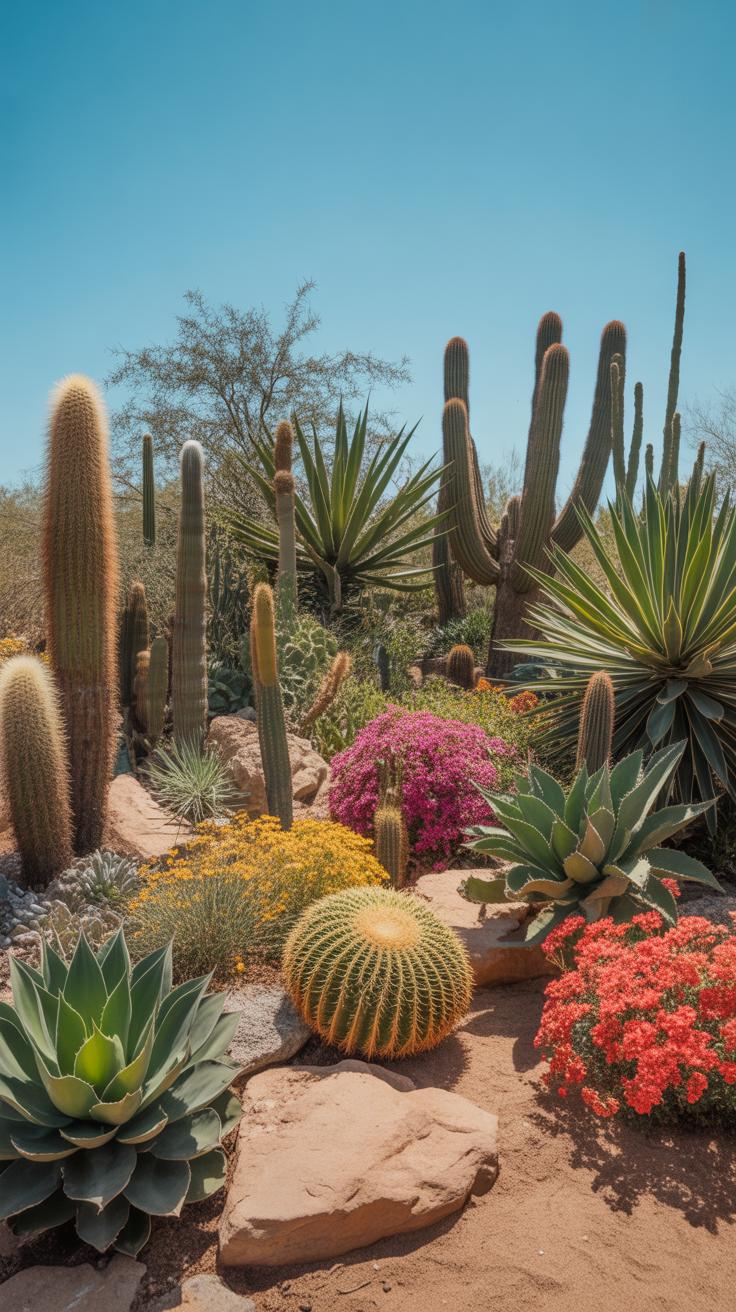
Dry garden design relies on inorganic materials to structure the space. Crushed gravel serves as a functional mulch. It suppresses weeds and retains soil moisture better than wood chips. Large boulders provide thermal mass and wind protection for smaller plants. These heavy elements anchor the landscape. They create a permanent framework that looks complete even when plants are dormant or small.
Ornamental grasses provide movement and texture in arid settings. Species like Bouteloua gracilis or Nassella tenuissima require very little water once established. You must group plants with similar water needs together. This technique is called hydrozoning. It prevents overwatering the most drought-hardy species. Integrate flowering perennials like Lavandula or Perovskia to add vertical interest and attract pollinators without increasing your total water budget.
Seasonal Interest And Color In A Dry Garden Through Thoughtful Plant Selection
Achieving year-round color in a dry garden requires strategic plant choice. Most gardeners focus only on spring blooms. You must select plants with varied peak seasons. Incorporate evergreen shrubs to maintain structure during winter months. Use succulents like Sedum or Agave for consistent foliage color. Many arid plants change leaf hues based on temperature drops. This provides visual variety without the need for high-maintenance seasonal replanting.
Focus on seed heads and bark texture for late-season interest. Many drought-tolerant grasses turn gold in the fall. They hold their shape through frost. Deadheading is not always necessary or desired. Leaving dried flower stalks provides food for birds and adds architectural detail. Map out bloom times on a calendar before purchasing. Ensure at least three species are active during every month of the year to avoid a barren appearance.
Planting A Native Garden To Support Biodiversity And Cut Down On Water Use
Why Native Plants Are The Foundation Of Any Truly Sustainable Native Garden
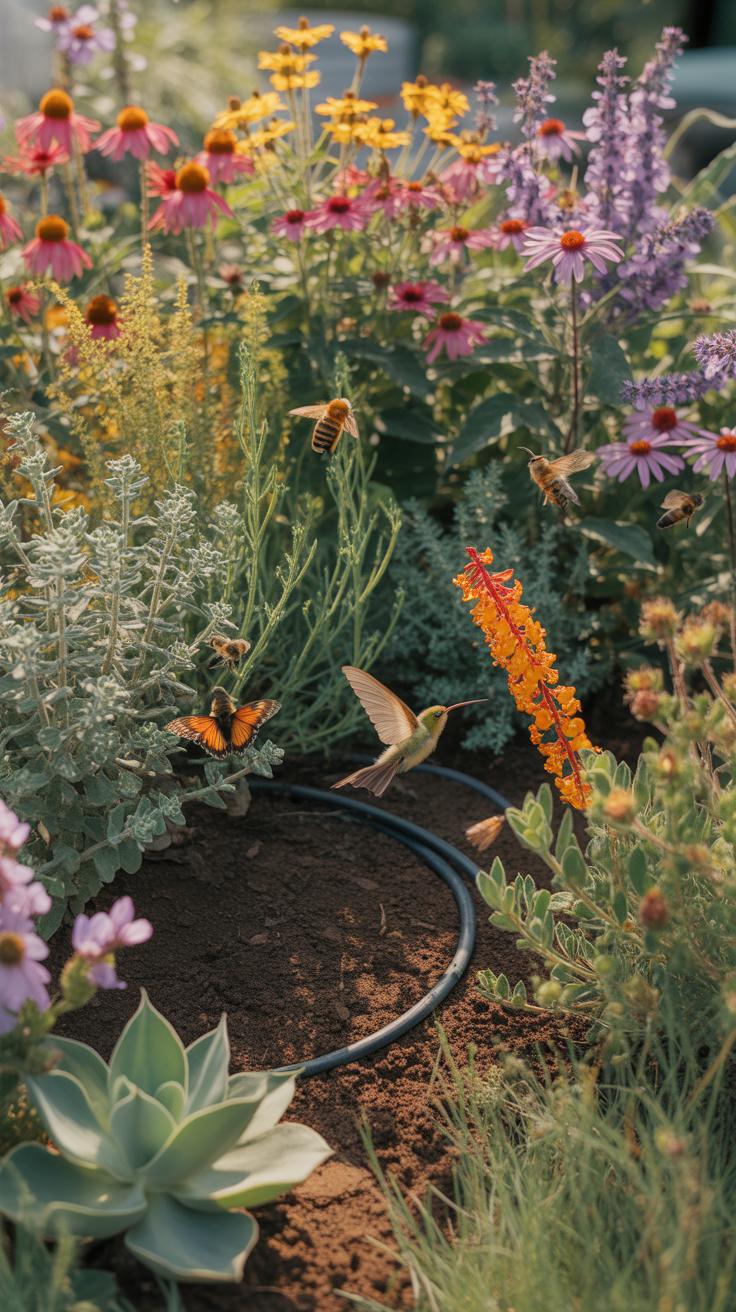
Native plants evolved to survive in your specific local climate without human help. These species require less water because their root systems match the soil and rainfall patterns of the region. They resist local pests and diseases naturally. This eliminates the need for chemical fertilizers or heavy pesticides. You save money and time while creating a garden that functions as a balanced ecosystem.
Using local flora supports the food chain by providing habitat for native insects and birds. Most lawn grasses and exotic shrubs offer zero nutritional value to local wildlife. Native plants create a biological bridge. They restore the natural cycle that urbanization often breaks. You provide essential nectar and seeds for pollinators. This biodiversity strengthens your land against extreme weather events and long term climate shifts.
A garden should be a memory of nature’s resilience, where the sun-kissed earth flourishes with a beauty that asks for little but gives so much.
How To Source And Establish Native Plants For A Thriving, Low Intervention Native Garden
Succesful native gardening starts with accurate species identification and proper timing. You must match each plant to its specific microclimate on your property. This involves checking soil pH, drainage, and sun exposure levels before buying stock. Local non profit nurseries or state plant societies are the best sources for authentic local ecotypes. Avoid big box stores that sell generic hybrids labeled as native but lacks local genetics.
- Site Analysis: Map your yard to find wet spots and dry slopes. Native plants fail when placed in soil that does not mimic their natural home. Check sun patterns throughout the day to ensure correct placement for every new shrub or perennial.
- Sheet Mulching: Remove existing grass without using toxic sprays or tilling. Lay down cardboard and thick wood chips to kill weeds and retain moisture. This process builds organic matter in the soil while protecting the roots of your new native installations.
- Hydrozoning: Group plants with similar water needs together in the landscape. This prevents overwatering drought-tolerant species while ensuring thirstier plants get what they need. You maximize irrigation efficiency and reduce your monthly water bill by targeting only the zones that require it.
- Deep Watering: Irrigate deeply but infrequently during the first two years of growth. This technique forces roots to grow deep into the ground to find water. These deep roots allow the plant to survive severe droughts once the establishment phase ends.
- Minimal Pruning: Leave dead flower heads and stalks until late spring. These provide winter shelter for beneficial insects and food for birds. Over-pruning stresses native plants and removes the natural biomass that protects the soil surface from heat and erosion.

Establishment requires patience during the first two growing seasons. You must provide supplemental water until the root systems take hold. Once established, these plants survive on rainfall alone in most regions. Do not add heavy fertilizers to native beds. High nutrient levels often encourage weed growth and leggy plants. Focus on mulch and natural leaf litter to maintain a healthy and self-sustaining soil profile for years.
Low Water Garden Strategies That Keep Your Landscape Lush Without The Waste
Smart Irrigation Systems And Drip Technology That Make A Low Water Garden Effortless
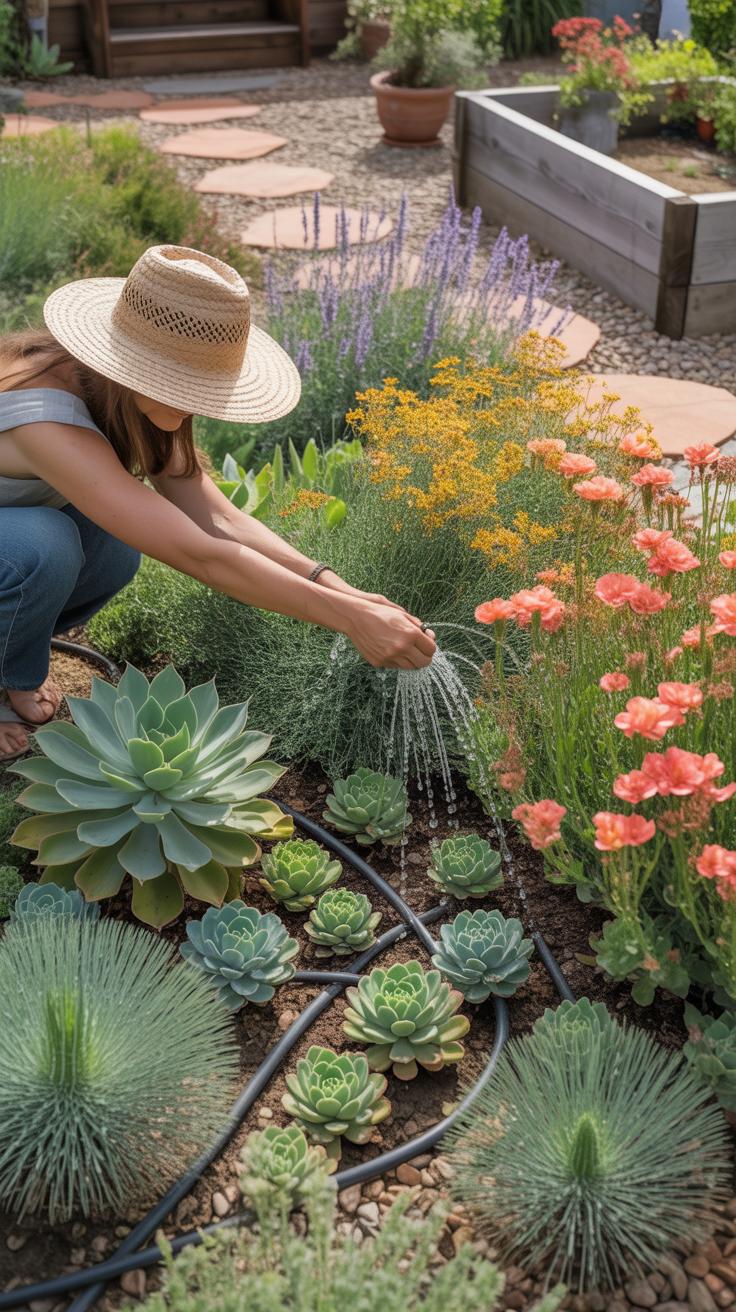
Traditional sprinklers lose significant water to evaporation and wind drift. Smart irrigation fixes this by delivering water directly to the plant root zone. Drip systems use emitters to provide precise amounts of moisture. This method reduces weed growth by keeping surrounding soil dry. You save water and time while ensuring plants get exactly what they need to thrive in dry conditions.
Smart controllers use local weather data and soil sensors to automate watering schedules. These systems cancel irrigation during rain events or high humidity. Modern tech allows for remote monitoring via smartphone apps for instant adjustments. Zoning your garden based on plant water needs prevents overwatering drought-tolerant species. Proper setup eliminates human error and stops water waste across your entire landscape throughout the year.
Soil Amendments And Mulching Techniques That Maximize Moisture Retention In A Low Water Garden
Soil structure dictates how well your garden holds water during a drought. Incorporating organic matter like compost improves water retention in sandy soils and drainage in clay. Mycorrhizal fungi additives help roots absorb more moisture from the earth. Well-amended soil acts like a sponge for your plants. This creates a stable environment that resists rapid drying when temperatures rise during the summer months.
Mulching provides a protective barrier between the sun and the soil. A three-inch layer of organic mulch like wood chips or bark limits evaporation significantly. It also regulates soil temperature to prevent root heat stress. Inorganic options like gravel or river rock work well for desert-style landscapes. Consistent mulching suppresses weeds that compete with your plants for limited water resources in a low water garden.
How To Transition Your Existing Yard Into A Full Drought Tolerant Gardening Landscape
Phased Approach: Gradually Converting Lawn Areas Into Drought Tolerant Gardening Zones
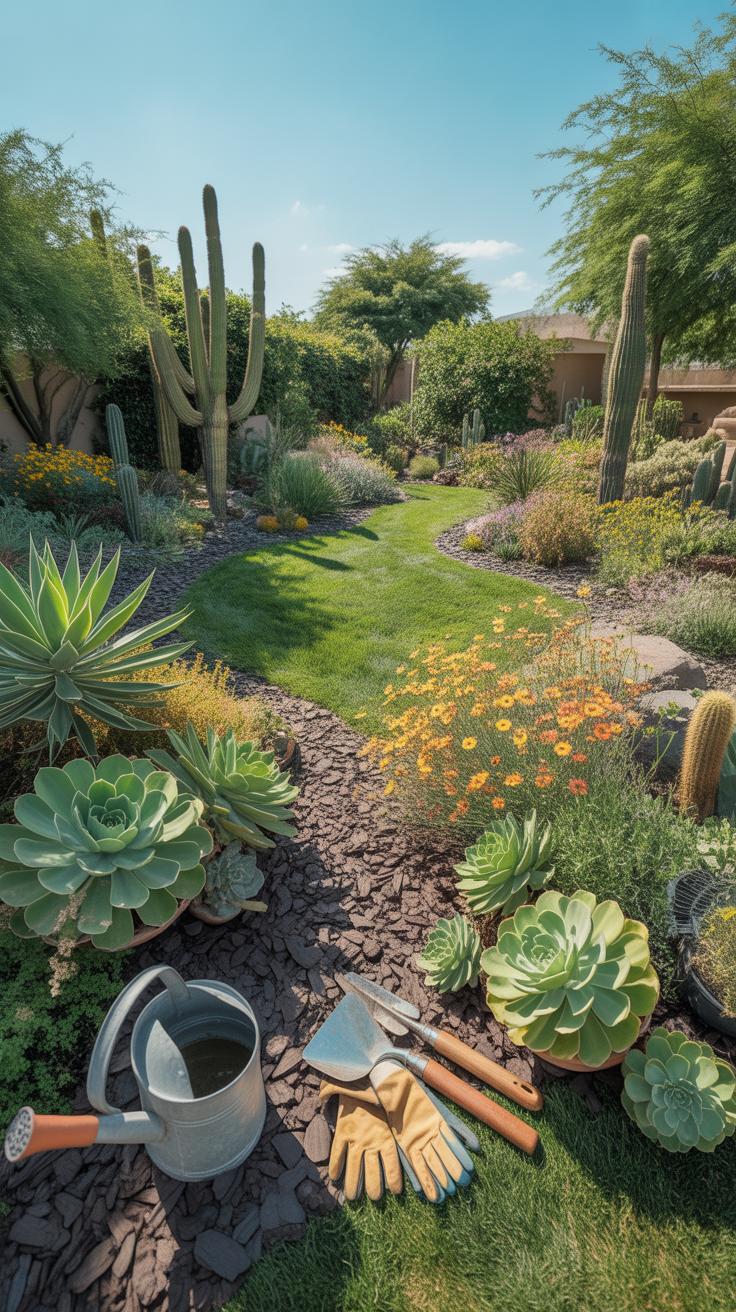
Stop trying to flip your entire yard in one weekend. Start with the areas that use the most water or provide the least value. Sheet mulching is the most effective way to kill grass without chemicals. Lay down thick cardboard over the turf and soak it with water. Cover this with six inches of wood chips. This method builds soil health while suppressing regrowth effectively.
Focus on one zone at a time to manage costs and labor. Begin with the parkway or the perimeter. These areas define the look of the property and act as test plots for local species. Select plants that share the same water needs to simplify irrigation. Grouping plants by hydrozones ensures that no one area gets too much moisture. Move to the next zone once the first is stable.
Common Mistakes To Avoid When Starting Your Drought Tolerant Gardening Transformation
Overwatering established native plants is a frequent tactical error. Many drought-tolerant species evolve to survive dry summers and can rot if they receive water during their dormant phase. Check the drainage of your soil before planting anything. Use a simple percolation test to see how fast water moves. Heavy clay soils require different plant choices than sandy soils. Do not skip this critical assessment.
Ignoring the maintenance needs of a dry landscape is another major pitfall. Low water does not mean no maintenance. You must weed regularly during the first two years while plants establish their root systems. Failing to apply enough mulch leads to soil evaporation and weed outbreaks. Maintain a layer of at least three to four inches. Without this protective barrier, your new plants will struggle against heat and competition.
Frequently Asked Questions

What are the best plants to start with for a water-wise garden?
If you are new to drought tolerant gardening, start with hardy “unbreakables” like lavender, sedum, and ornamental grasses. These varieties are incredibly resilient and provide beautiful textures and scents with minimal upkeep. Succulents are also excellent choices for beginners because they store water in their leaves, allowing them to thrive even if you occasionally forget to water them during the hot summer months.
How do I transition my existing yard into a drought-resistant landscape?
Transitioning your yard begins with improving your soil and adding a thick layer of organic mulch to retain moisture. You should group plants with similar water needs together, a practice known as hydrozoning, to maximize efficiency. By gradually replacing thirsty turf grass with native perennials, you can master drought tolerant gardening while reducing your utility bills and creating a sustainable outdoor sanctuary that thrives in your local climate.
Is it expensive to create a beautiful dought-tolerant garden on a budget?
Not at all! You can save money by starting plants from seeds or taking cuttings from friends’ gardens. Many local municipalities even offer rebates for removing thirsty lawns or provide free mulch to residents. Investing in smaller “starter” plants rather than mature ones is another cost-effective way to design a stunning landscape. Over time, the reduced water costs and low maintenance requirements make this a very budget-friendly lifestyle choice.