
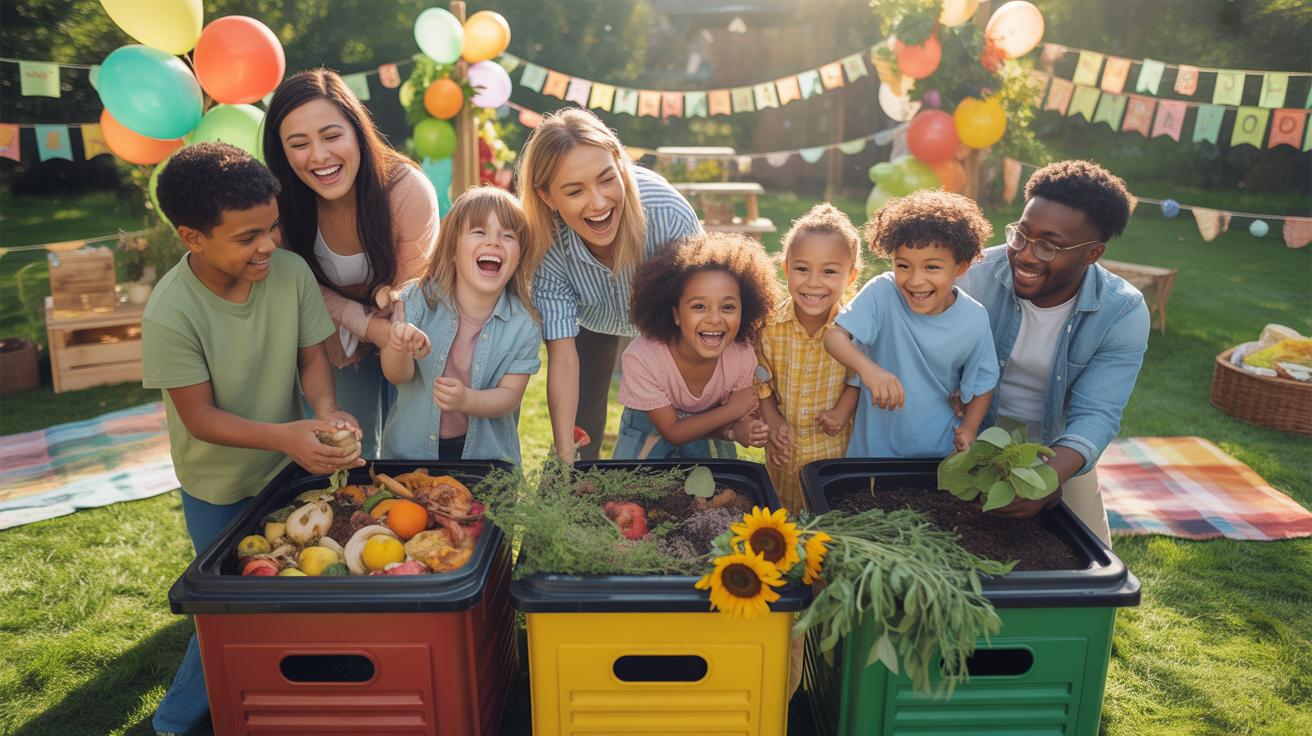
Understanding Composting And Why It Matters For Events And Celebrations
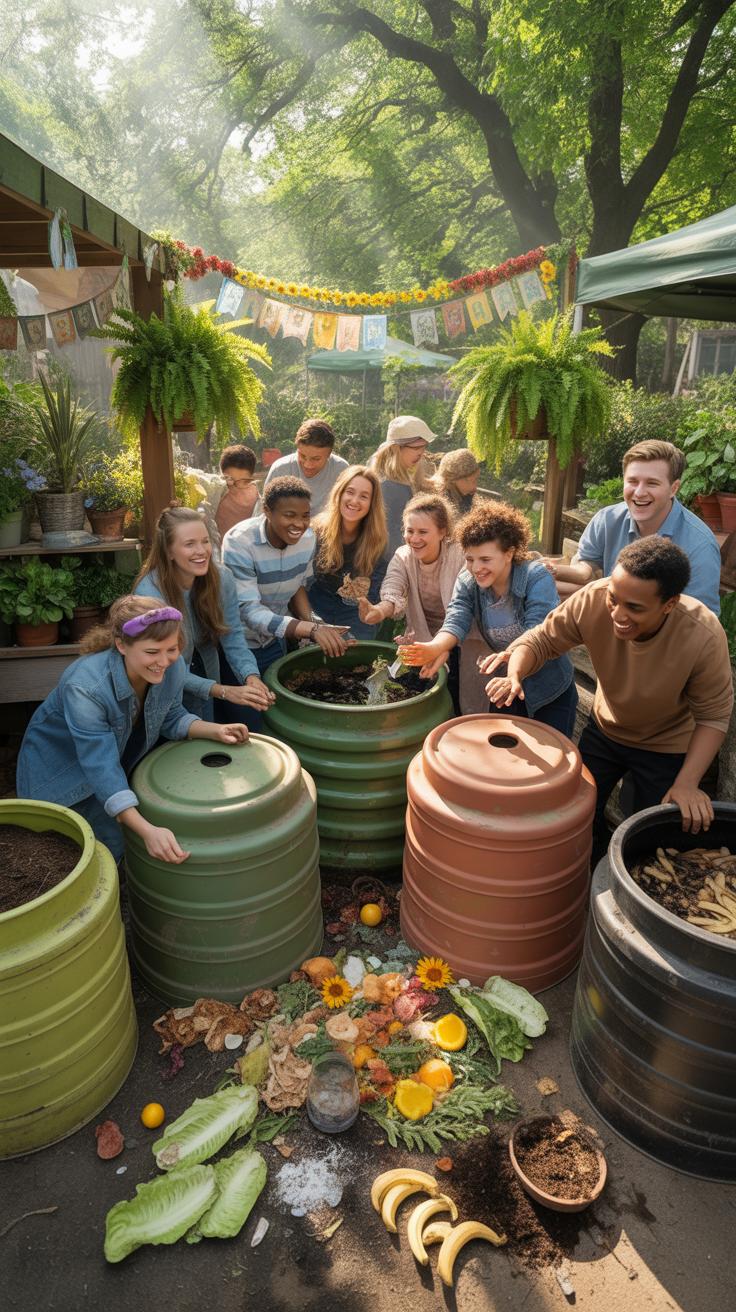
What Is Composting And How Does The Natural Decomposition Process Work
Composting converts organic matter into a nutrient-dense soil amendment through aerobic decomposition. Bacteria, fungi, and actinomycetes break down complex carbon and nitrogen structures. These microorganisms require air, water, and heat to function. The process mirrors the natural forest floor cycle where fallen leaves and dead plants rot over time. Proper management speeds up this natural timeline significantly by controlling environmental variables.
Successful decomposition relies on the balance of green and brown materials. Green materials provide nitrogen for microbial growth and protein synthesis. Brown materials provide carbon for energy and structural support. Oxygen levels dictate the speed of breakdown and prevent foul odors. When particles shrink and darken, the material becomes humus. This stable byproduct improves soil structure, water retention, and microbial activity in gardens.
Why Special Occasions Generate More Organic Waste Than Everyday Routines
Events concentrate heavy resource consumption into a narrow timeframe. Traditional celebrations focus on food service, floral arrangements, and decorative setups. These activities produce high volumes of scraps, leftovers, and botanical trimmings simultaneously. Most households cannot process this sudden influx using standard daily bins. Large crowds increase the probability of plate waste. Without a plan, this organic matter moves directly to local landfills.
Landfills lack the oxygen required for healthy decomposition. Trapped organic waste undergoes anaerobic breakdown, which produces methane gas. This gas is a potent byproduct that impacts the environment more than carbon dioxide. Weddings, parties, and corporate events generate bulk quantities of biodegradable materials like paper plates and wood stirrers. Diversion strategies capture these resources. This prevents waste and creates a valuable product for the soil.

Composting For Beginners Getting Started Before The Big Day Arrives
Choosing The Right Composting Method Based On Your Space And Lifestyle
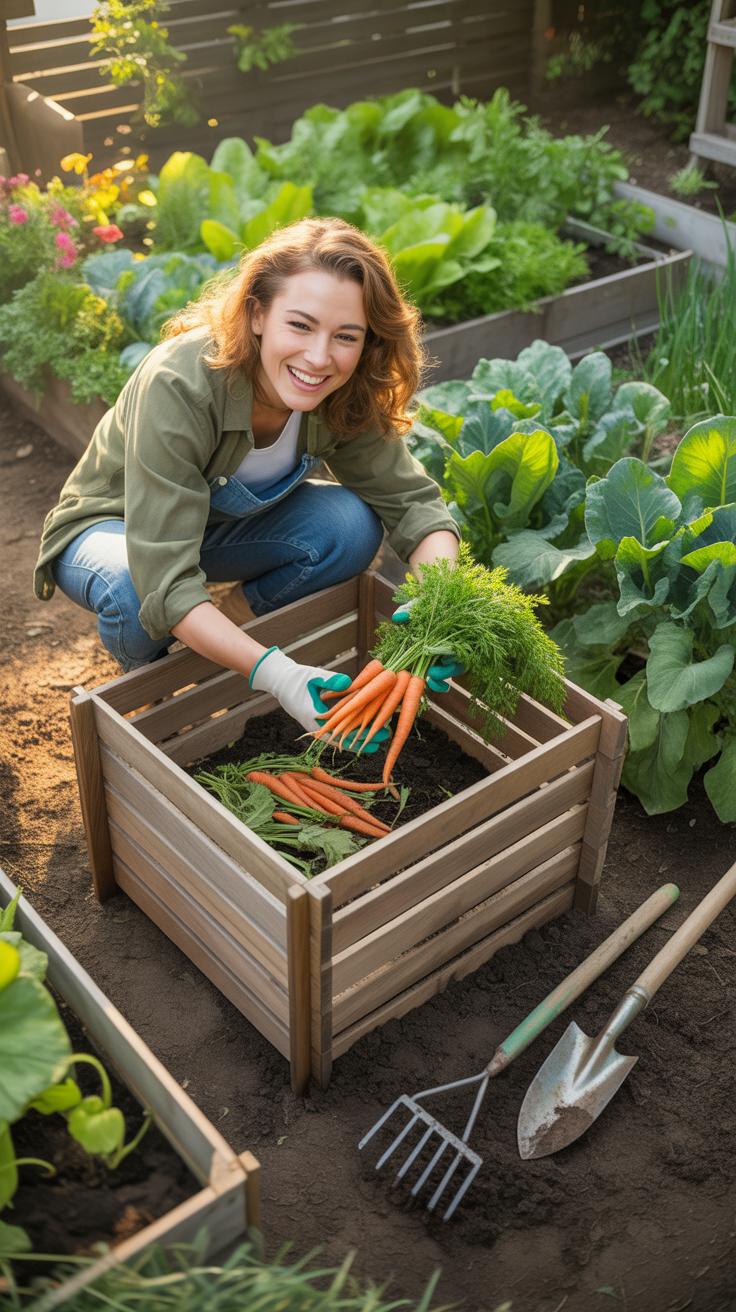
Select a composting system that fits your physical footprint and time availability. Urban dwellers with limited space should use bokashi bins or worm farms. These methods work indoors and handle food scraps quickly. They occupy minimal square footage under sinks or on balconies. Larger outdoor areas accommodate stationary bins or tumbling composters. Select a method that matches your daily routine to ensure consistent maintenance.
Tumbling composters provide the fastest results for planned events. These sealed drums rotate to aerate the organic matter without manual pitchfork labor. This speeds up decomposition through heat retention and oxygen flow. Cold composting in open piles requires the least effort but takes much longer. Match your choice to your deadline. If your event is weeks away, use high-heat methods to break down waste rapidly.
Understanding The Green And Brown Balance That Drives A Healthy Compost Pile
Successful composting requires a specific ratio of nitrogen and carbon materials. Green materials provide nitrogen for microbial growth. These include fresh vegetable scraps, grass clippings, and coffee grounds. Brown materials provide carbon and create essential air pockets. Common browns include dried leaves, shredded cardboard, and straw. A healthy pile typically needs two parts brown material for every one part green material to function effectively.

Microbes die or slow down if the balance fails. Too much green material causes a foul ammonia smell and slimy texture. Excess brown material stalls the decomposition process entirely. You must monitor moisture levels alongside this chemical balance. The pile should feel like a wrung out sponge. Turn the heap weekly to introduce oxygen. Proper oversight ensures the pile stays hot and manages waste without attracting unwanted pests.
What To Compost After Parties Holidays And Family Gatherings
Common Event Food Scraps That Break Down Quickly And Safely In A Compost Pile
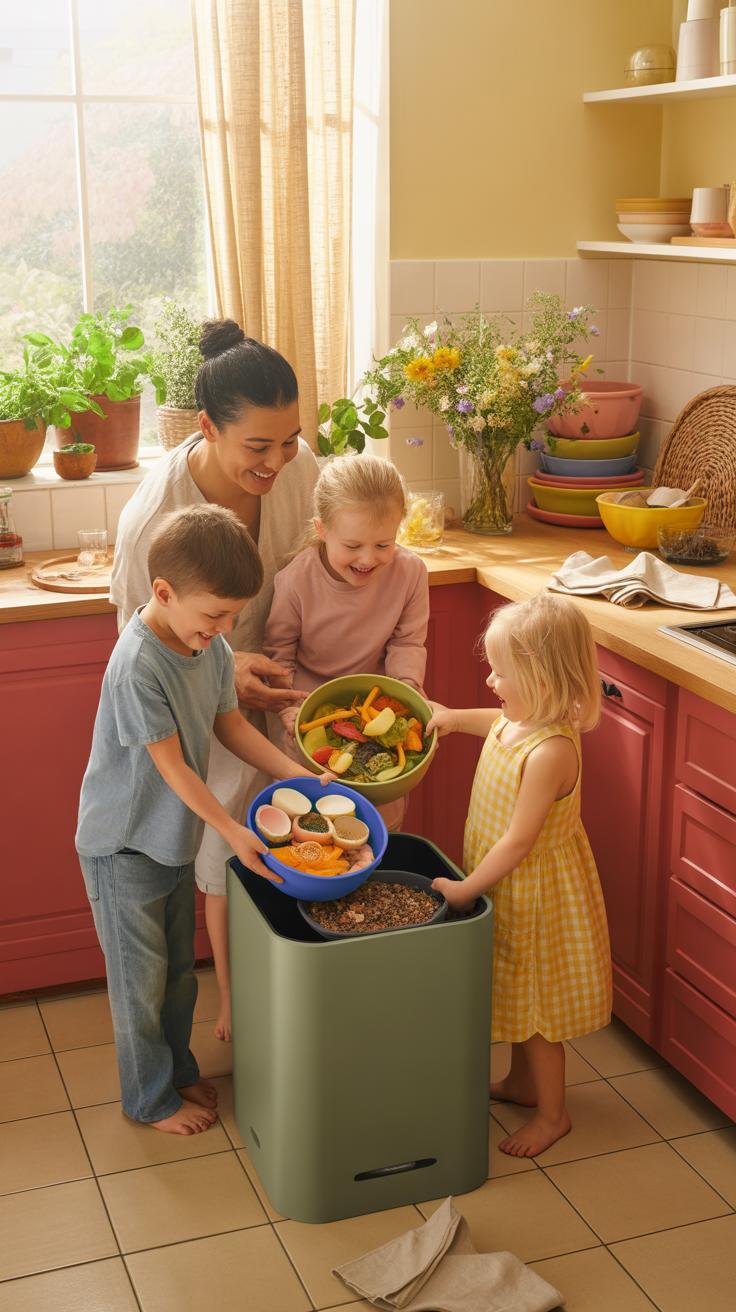
Vegetable platters and fruit salads provide ideal nitrogen sources for your pile. These soft tissues collapse fast under microbial action. Remove any toothpicks or plastic skewers before adding these scraps. Small pieces decompose faster than whole fruits. Chop large leftovers like melon rinds or corn cobs to increase surface area. This tactic speeds up the heating process in your backyard bin.
Avoid adding meat, dairy, or oily dressings to a standard compost pile. These materials attract pests and create foul odors during decomposition. Stick to raw plant matter and coffee grounds from large brewing batches. High nitrogen inputs from event food require a balance of carbon. Mix in dry leaves or shredded cardboard to prevent your pile from becoming a slimy mess. Balance ensures efficient breakdown.
Floral Arrangements, Paper Decorations, And Other Compostable Party Materials
Most floral arrangements belong in the compost once the event ends. Remove any plastic foam, wire, or tape used by florists. Cut woody stems into small sections to help them rot faster. Flowers provide a mix of green and brown materials depending on their freshness. Avoid composting dyed flowers or those treated with heavy preservatives. These chemicals can disrupt the soil biology in your garden.

Paper decorations and uncoated plates serve as excellent carbon sources. Shred brown paper banners and cardboard signs to create helpful air pockets. Avoid paper with plastic coatings, heavy glitter, or metallic foils. These materials do not biodegrade and contaminate your finished soil. Plain napkins and paper tablecloths absorb excess moisture from food scraps. Use these dry materials to maintain the correct carbon to nitrogen ratio.
DIY Compost Bin Diy Solutions You Can Build Before Your Next Celebration
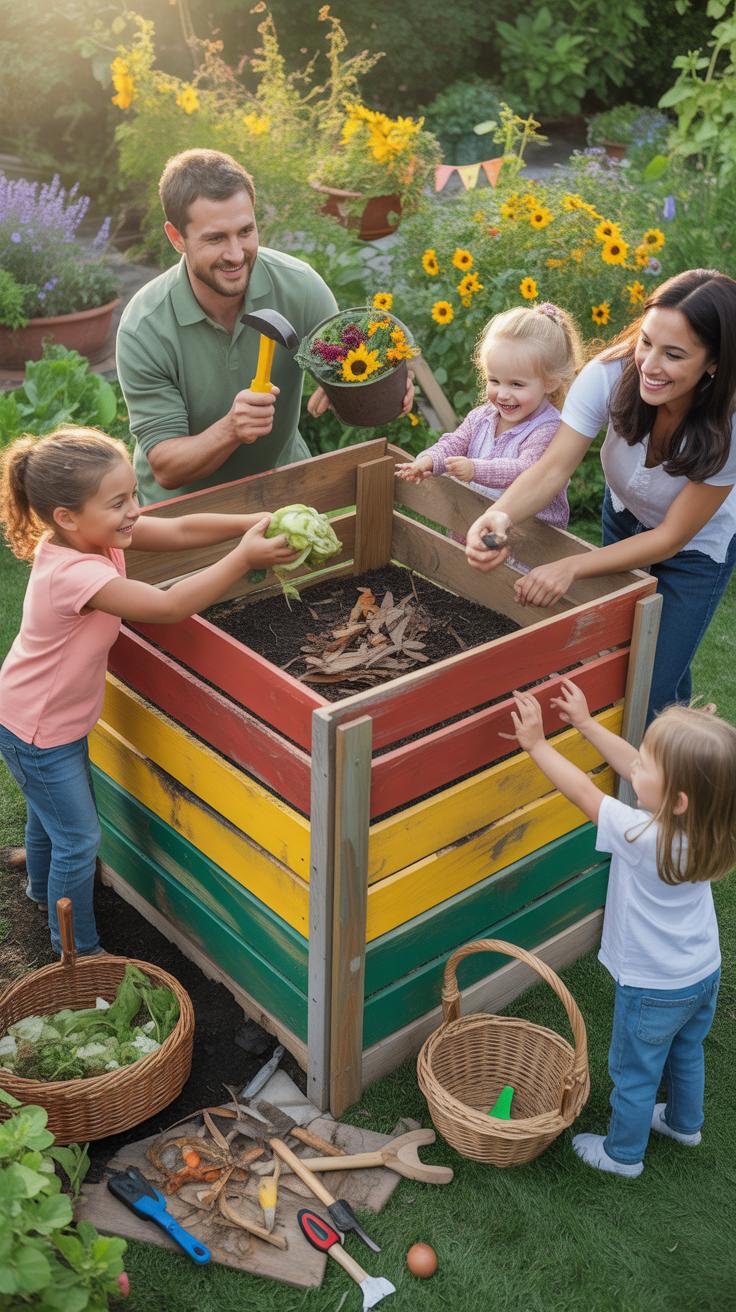
How To Build A Simple Wooden Pallet Compost Bin Using Reclaimed Materials
Wooden pallets offer an efficient way to manage organic waste from large events. Secure four heat-treated pallets marked with the HT stamp to ensure safety from chemicals. Stand three pallets on their ends to form a U-shape. Connect these corners using heavy-duty wood screws or galvanized wire. This structure provides the necessary airflow for aerobic decomposition while keeping the pile contained and organized for the duration of your party.
Attach the fourth pallet to the front using heavy-duty hinges or simple wire loops. This creates a gate for easy access when turning the pile or harvesting finished material later. Level the ground before assembly to prevent the bin from leaning. A stable base ensures the weight of wet organic matter does not collapse the structure. This reclaimed material design follows functionalist principles by prioritizing utility and ventilation over aesthetics.
Essential Tools And Supplies Needed To Set Up Your First DIY Compost Station
Building a functional compost station requires specific hardware to ensure structural integrity and ease of use. You must select tools that handle outdoor conditions and heavy organic loads. Proper assembly prevents the bin from bursting under the pressure of decomposing green waste. Use weather-resistant materials to extend the life of the station through multiple seasons. High-quality fasteners and cutting tools speed up the construction process significantly.
- Impact Driver: Use this tool to drive long ceramic-coated screws into dense pallet wood without stripping the heads. It provides more torque than a standard drill and ensures the joints remain tight as the wood expands.
- Galvanized Wire: Select sixteen-gauge wire for securing corners or creating makeshift hinges on the front gate. Zinc coating prevents rust and corrosion caused by the high moisture levels found within a working compost pile.
- Hand Saw: Keep a sharp crosscut saw nearby to trim protruding boards or adjust the height of your pallets. Clean cuts prevent splinters and allow the pallets to sit flush against one another for better stability.
- Level and Shovel: Use a shovel to clear debris and a level to verify the ground is flat. A level foundation prevents the bin from tipping over when it is full of heavy kitchen scraps and yard waste.
- Protective Work Gloves: Wear heavy leather gloves to protect your hands from splinters, rusty nails, and sharp wood edges. Safety gear is essential when handling reclaimed industrial materials like shipping pallets or coarse wire mesh.
Organize all supplies at the build site before starting construction to maximize efficiency. Once the frame is secure, add a layer of coarse brown material like straw or wood chips at the bottom. This base layer improves drainage and oxygen flow from the ground up. Having these tools ready allows you to finish the project in under an hour. You can then begin processing event waste immediately.
Building A Reliable Compost System That Handles Post Event Waste Surges
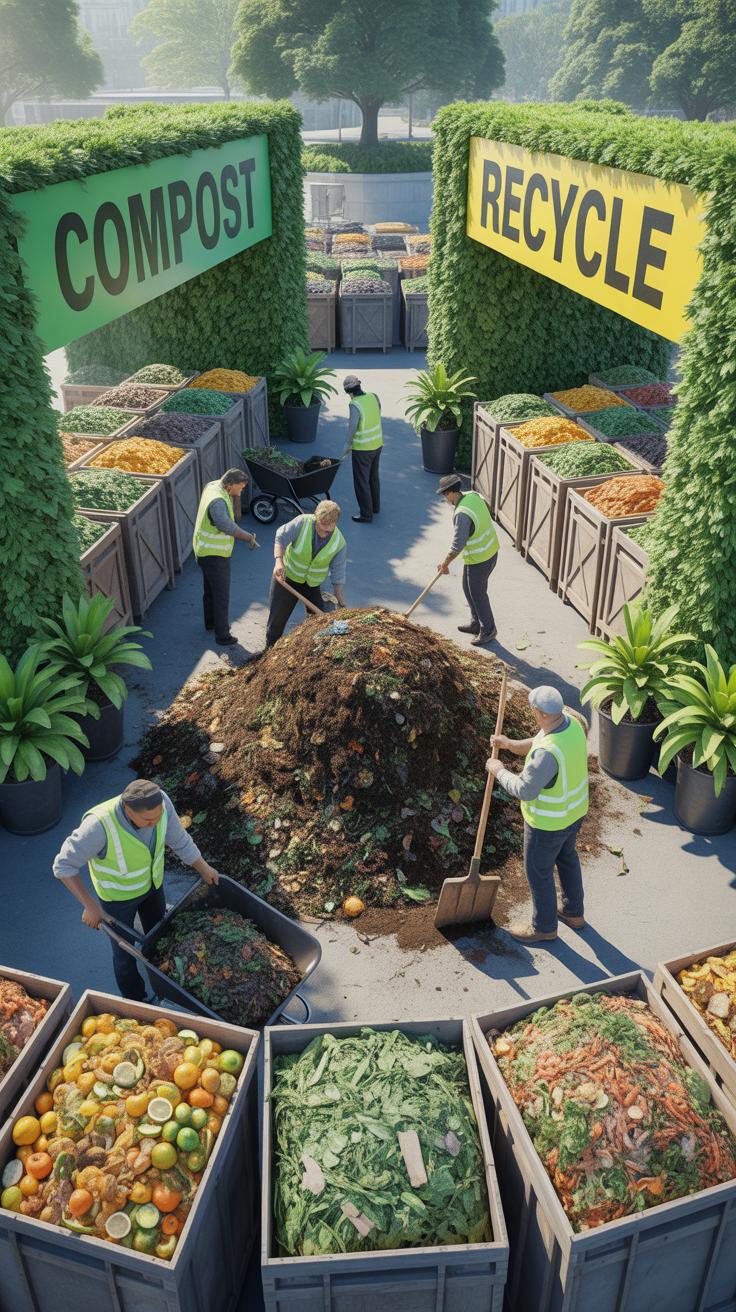
How A Three Bin Compost System Helps You Manage Large Volumes Of Organic Waste
The three-bin system is the industry standard for managing high-volume organic waste. It consists of three distinct cells that facilitate batch processing. The first bin serves as the collection point for raw event scraps and carbon-rich browns. This initial stage handles the heavy input from dinner parties or celebrations without overwhelming the active breakdown process. It keeps new waste separate from older material.
The second and third bins manage the active decomposition and curing phases. You move material to the middle bin once the first bin reaches capacity. This physical transfer aerates the pile and speeds up microbial activity. The final bin allows the compost to stabilize and cure for garden use. This linear flow ensures you always have space for the next surge of party waste.
To plant a garden is to believe in tomorrow, and turning those celebratory bouquets back into earth ensures every special memory blooms again.
Maintaining Proper Aeration And Moisture Levels After Adding Bulk Event Scraps
Large influxes of food waste often compress the pile and block oxygen flow. Anaerobic conditions cause odors and slow down the breakdown process. You must add coarse bulking agents like wood chips or straw during the event cleanup. Use a garden fork to turn the pile immediately after adding scraps. This creates air pockets that fuel the aerobic bacteria needed for hot composting.

Excess moisture from fruit and vegetable scraps can drown the system. High water content prevents heat retention and leads to sludge formation. Check the moisture levels by squeezing a handful of material. It should feel like a damp sponge but not drip. Add dry cardboard or shredded paper to absorb any liquid runoff from the event waste. Balanced moisture and air keep the pile efficient.
Creative Compost Ideas For Seasonal Holidays And Themed Celebrations
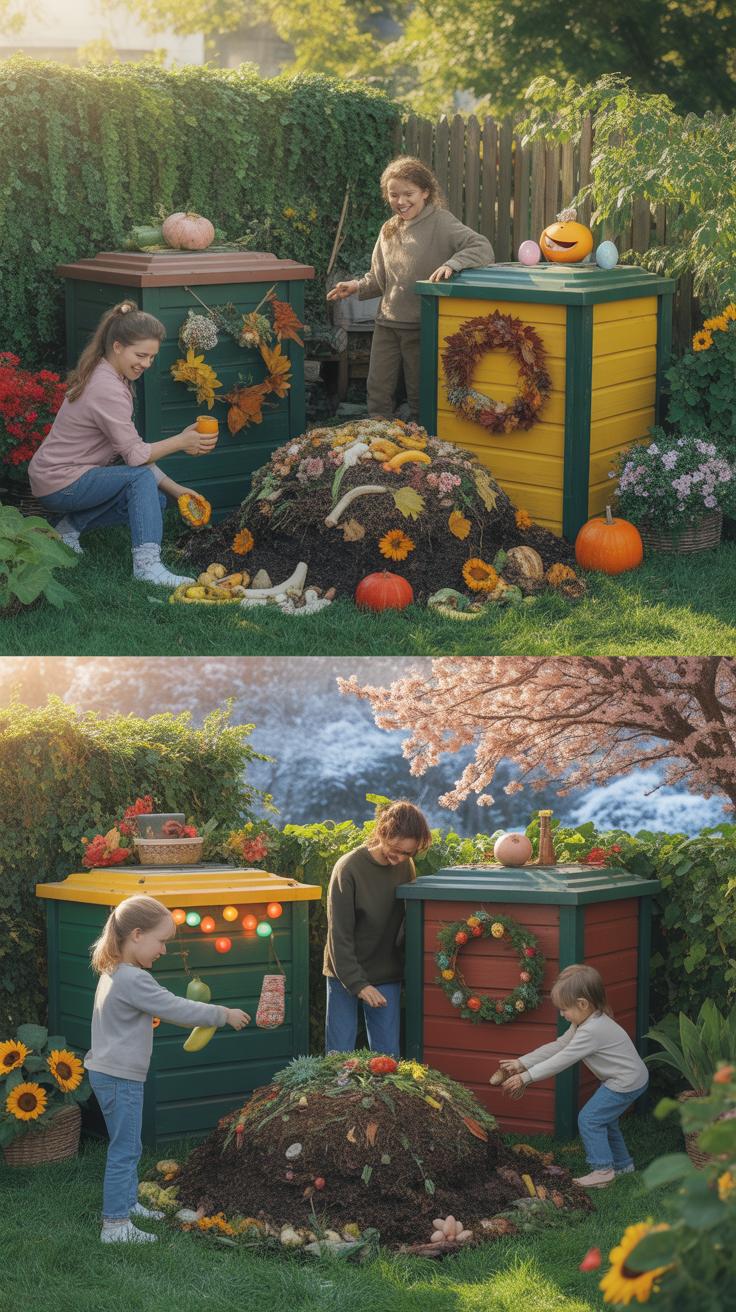
Turning Autumn Harvest Festivals And Halloween Pumpkins Into Rich Compost Material
Halloween generates massive amounts of organic waste. Pumpkins are ideal nitrogen sources for your pile. You must remove all wax, candles, and plastic decorations first. Smash the pumpkins into small pieces to speed up the decay process. Large chunks take too long to break down in cold weather. This high moisture content helps balance dry fallen leaves collected during the autumn season.
Mix these pumpkin fragments with brown materials like shredded corn stalks or dry hay. This creates the correct carbon to nitrogen ratio for hot composting. Turn the pile frequently to keep oxygen flowing through the dense squash flesh. This prevents anaerobic conditions and foul odors. Act quickly before the first deep freeze stops microbial activity. Proper management turns holiday waste into soil nutrients for spring.
Composting Christmas Trees Wreaths And Holiday Food Waste The Right Way
Winter holidays produce specific carbon materials like evergreen trees and woody wreaths. You cannot throw a whole tree into a standard compost bin. Use a wood chipper to turn branches into small mulch pieces. These needles are acidic but will neutralize as they decompose. Remove all tinsel, wire, and ornaments to prevent chemical contamination of your soil. This takes time but yields high quality mulch.

Manage holiday food waste by excluding fats, meats, and dairy. Most festive scraps like potato peels and cranberry remains are safe to add. Ensure you bury these green scraps deep within the pile to deter pests. Use the chipped wood from your tree as a brown layer to cover wet food deposits. This layered technique maintains heat and prevents the pile from becoming a soggy mess during winter months.
Homemade Compost Activators And Boosters To Speed Up Decomposition
Natural Nitrogen Rich Activators You Already Have At Home After A Celebration
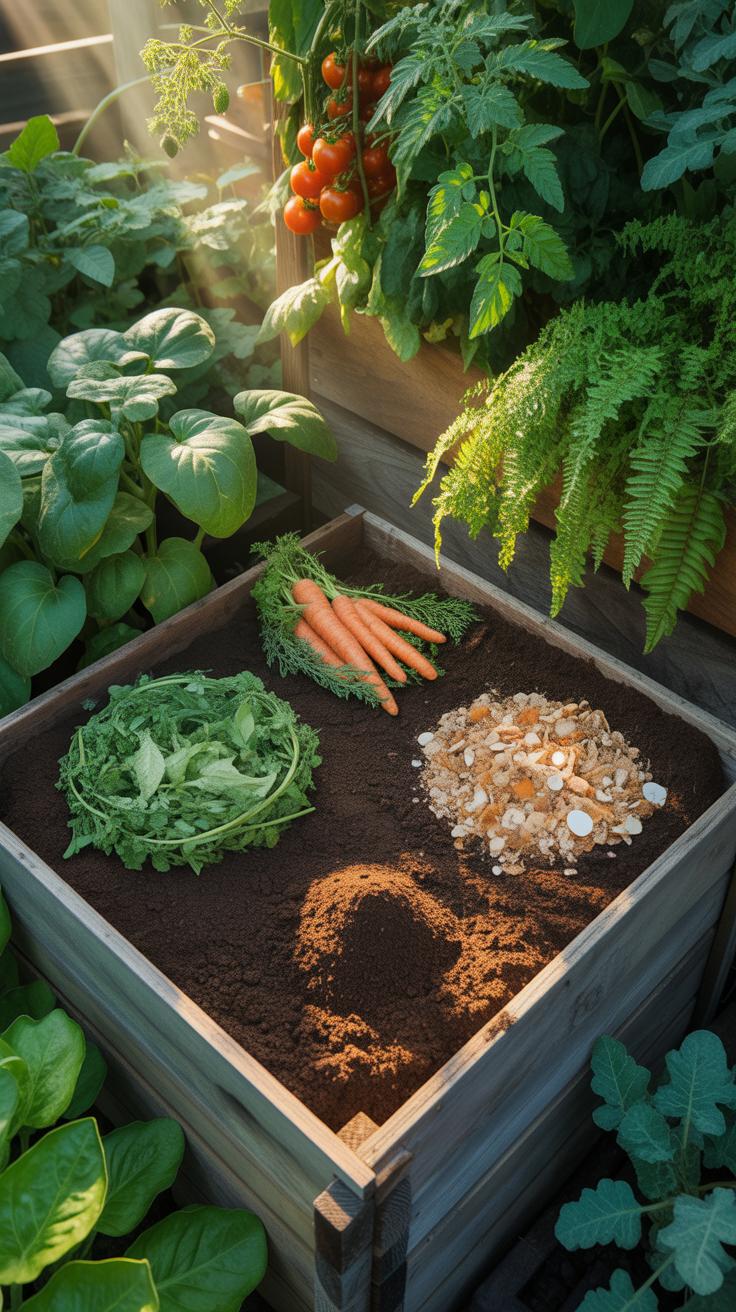
Post-party cleanup offers direct access to free compost activators. High nitrogen materials jumpstart the heating process in your pile. Leftover beer and wine contain yeast and sugars that feed beneficial bacteria. Pouring these liquids onto dry carbon materials triggers rapid microbial growth. Use stale bread or fruit waste as well. These items break down quickly and generate heat to restart cold piles.
Microbes need fuel to turn waste into soil. Nitrogen functions as the protein source for these organisms. Adding concentrated nitrogen sources balances out heavy wood chips or dry leaves. Diluted urine is another effective but often overlooked activator for home systems. It contains high levels of urea and nitrogen. Apply these liquids directly to the center of your bin to maintain the ideal internal temperature.
How Coffee Grounds, Eggshells, And Grass Clippings Accelerate Homemade Compost
Coffee grounds provide a significant nitrogen boost despite their brown color. They possess a fine texture that offers high surface area for bacteria. This creates a thermophilic reaction that kills weed seeds and pathogens. Used grounds also attract earthworms to the pile. These worms aerate the stack as they move. This process speeds up the transition from raw waste to finished humus.

Eggshells add essential calcium to the final mix. Crush them into a fine powder to increase their effectiveness. Whole shells take years to disappear. Grass clippings act as a powerful green fuel source. They decompose fast and release heat almost immediately. Mix them well into the pile. Dense layers of grass can block oxygen and create bad smells. Proper mixing ensures air reaches the bacteria.
Composting Ideas For Wedding Receptions Baby Showers And Milestone Events
Partnering With Caterers And Venues To Collect And Sort Organic Waste At Events
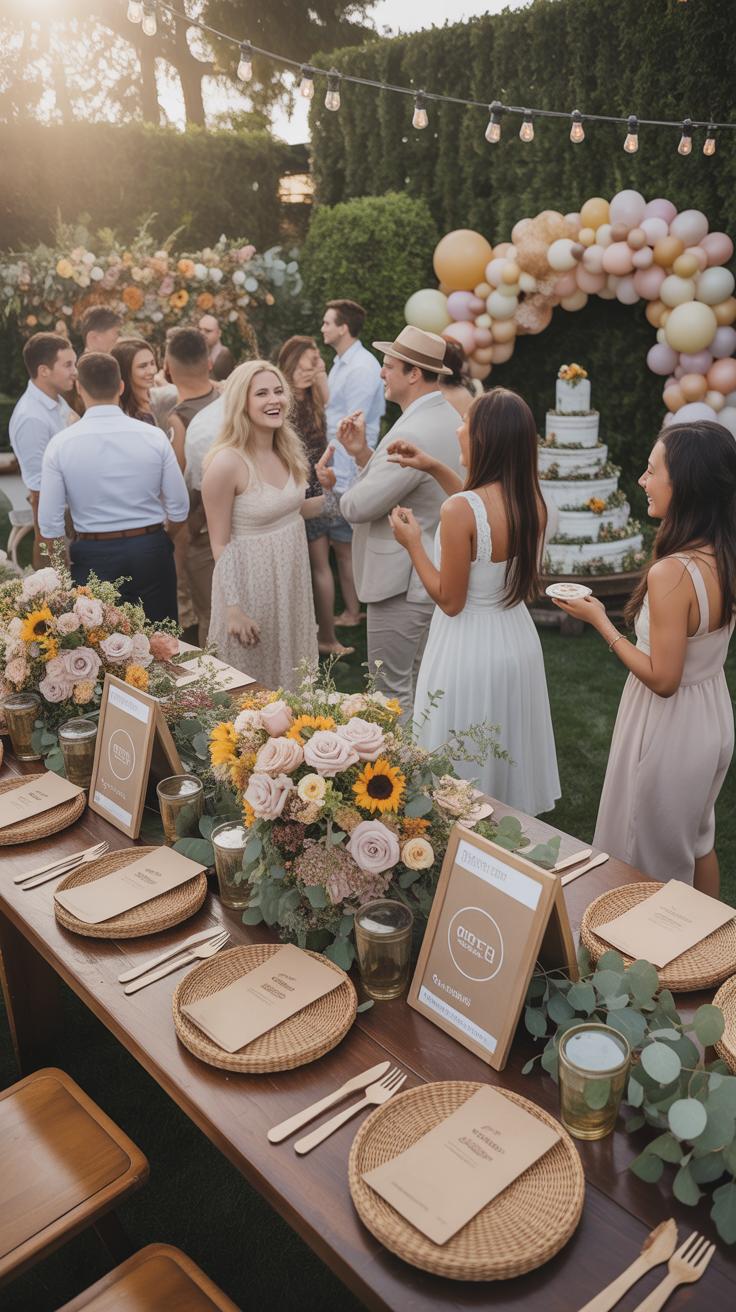
Securing a compost-friendly event requires early coordination with your catering team. You must specify organic waste diversion in the initial contract. Demand that kitchen staff separate prep scraps from landfill trash during the cooking process. Professional kitchens already use high-volume workflows. Adding a dedicated bin for vegetable skins and coffee grounds fits into this existing system. Confirm the venue accepts external pick-up services if they lack on-site bins.
Communication with the venue manager ensures smooth logistics on the event day. Clarify who will transport the heavy organic matter to the final collection point. Proper sorting prevents contamination from plastics or non-compostable service ware. Use clear signage in the back-of-house areas to guide temporary staff. These operational details stop waste from reaching the landfill. Executing these steps transforms a standard party into a zero-waste operation through precise management.
Creative Ways To Present Compost Stations As An Eco Friendly Feature At Your Event
Visible compost stations serve as educational touchpoints for your guests. Position these stations near exit points or plate return areas for maximum efficiency. Use high-contrast signage to distinguish between food scraps, recyclables, and landfill items. Accurate labeling reduces guest confusion and prevents bin contamination. This setup demonstrates a commitment to sustainability without disrupting the event flow. Tactical placement ensures high participation rates from all attendees.

Incorporate the compost bins into the event design by using consistent materials. Wood or metal enclosures hide plastic liners while maintaining a professional look. Use shadow boxes to display real examples of compostable versus non-compostable items. This visual guide helps guests make fast decisions as they clear their tables. Streamlined aesthetics keep the focus on the celebration while managing the waste stream. Proper design turns a utility station into a purposeful feature.
What Not To Compost Avoiding Common Mistakes With Special Occasion Waste
Foods And Materials From Events That Can Contaminate Or Disrupt Your Compost Pile
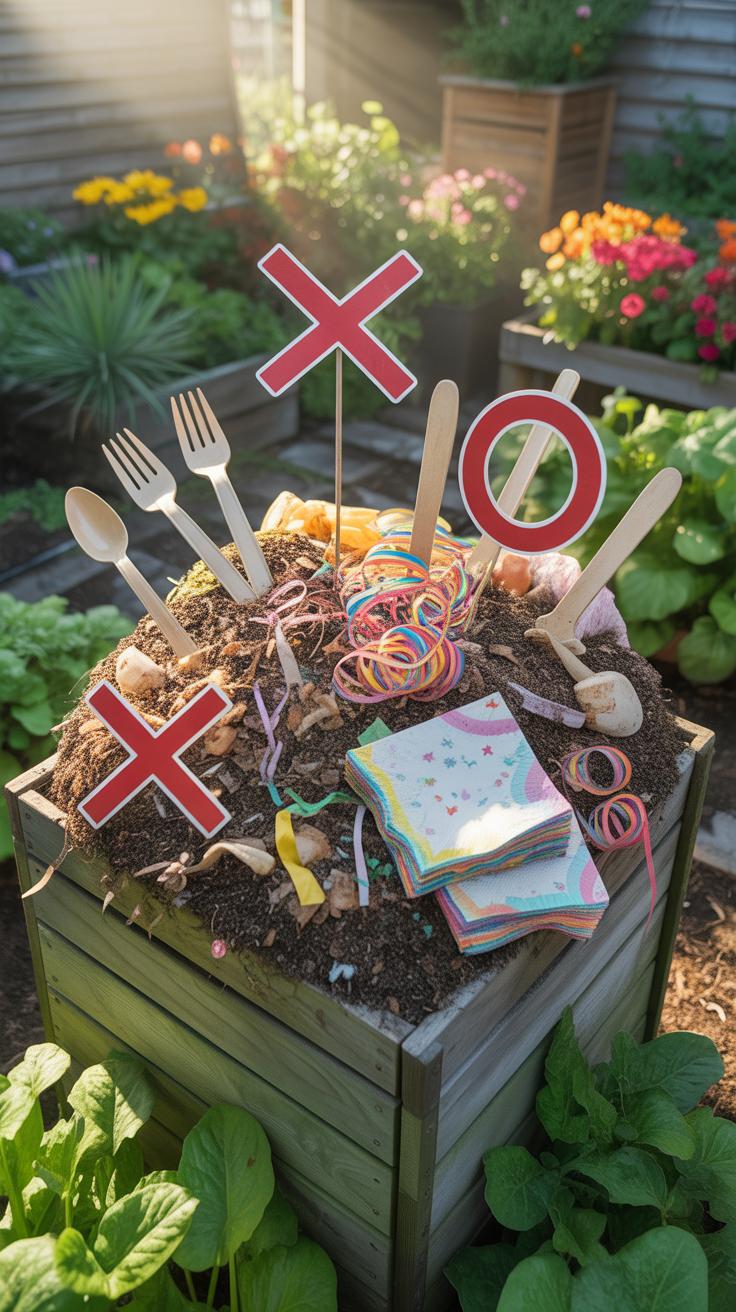
Special events generate specific waste that ruins standard compost piles. Glossy invitations and metallic gift wraps contain heavy metals and plastic films. These materials do not break down in backyard bins. They leak toxins into your soil. You must identify synthetic additives before adding event debris to your pile. If a material feels like plastic or looks shiny, keep it out.
- Glossy Cardstock: Many formal invitations use plastic coatings or metallic foils for aesthetic appeal. These layers prevent natural decomposition and leave microplastic residue in your finished compost. Only use matte, uncoated paper products for safe nitrogen and carbon balancing.
- Coated Paper Plates: Single use plates often feature a thin polyethylene film to prevent leaks. This lining stays intact long after the paper fibers rot away. Use only certified compostable plates that meet ASTMD6400 standards to avoid polluting your garden soil.
- Synthetic Ribbon: Decorative ribbons usually consist of polyester or nylon fibers rather than natural silk or cotton. These synthetic materials wrap around compost turning tools and never degrade. Stick to jute or hemp twine for any ties you plan to compost later.
- Floral Foam: Florists use green plastic foam to hold arrangements in place for parties and celebrations. This material is a non-biodegradable microplastic that is toxic to soil microbes. Always remove flowers from the foam base before adding the organic stems to your bin.
- Bio Plastic Cutlery: Many products labeled as biodegradable require industrial heat levels to break down properly. Home compost piles rarely reach the 140 degree temperatures needed to process these items. Check local industrial facilities instead of dumping these into a small backyard system.
Contamination stops the natural decomposition process and kills beneficial microbes. Chemical dyes from bright napkins or streamers can alter the pH balance of your bin. This leads to a stagnant pile that produces foul odors. Sort all decorations at the source to ensure only raw organic matter enters the system. Managing inputs at the start saves hours of filtration labor later.
How Meat Dairy And Cooked Dishes From Celebrations Differ From Safe Compostables
Celebration leftovers often contain high amounts of fats, oils, and animal proteins. These ingredients differ from raw vegetable scraps because they require specialized bacteria to decompose. In a standard backyard pile, meat and dairy rot slowly and create intense odors. These smells attract rodents and other scavengers to your property. Fat also coats other materials and prevents oxygen from reaching the compost core.
Cooked dishes typically contain salt and seasonings that harm soil health. High sodium levels kill the worms and microorganisms that drive the composting process. While raw plant matter provides easy energy for the pile, processed foods create a greasy mess. Use a separate anaerobic system like a Bokashi bin for these items. Keep your main outdoor pile restricted to raw plant waste to maintain a healthy and fast aerobic environment.
Using Your Finished Compost To Give Back After Every Special Occasion
How To Know When Your Compost Is Ready And How To Apply It In The Garden
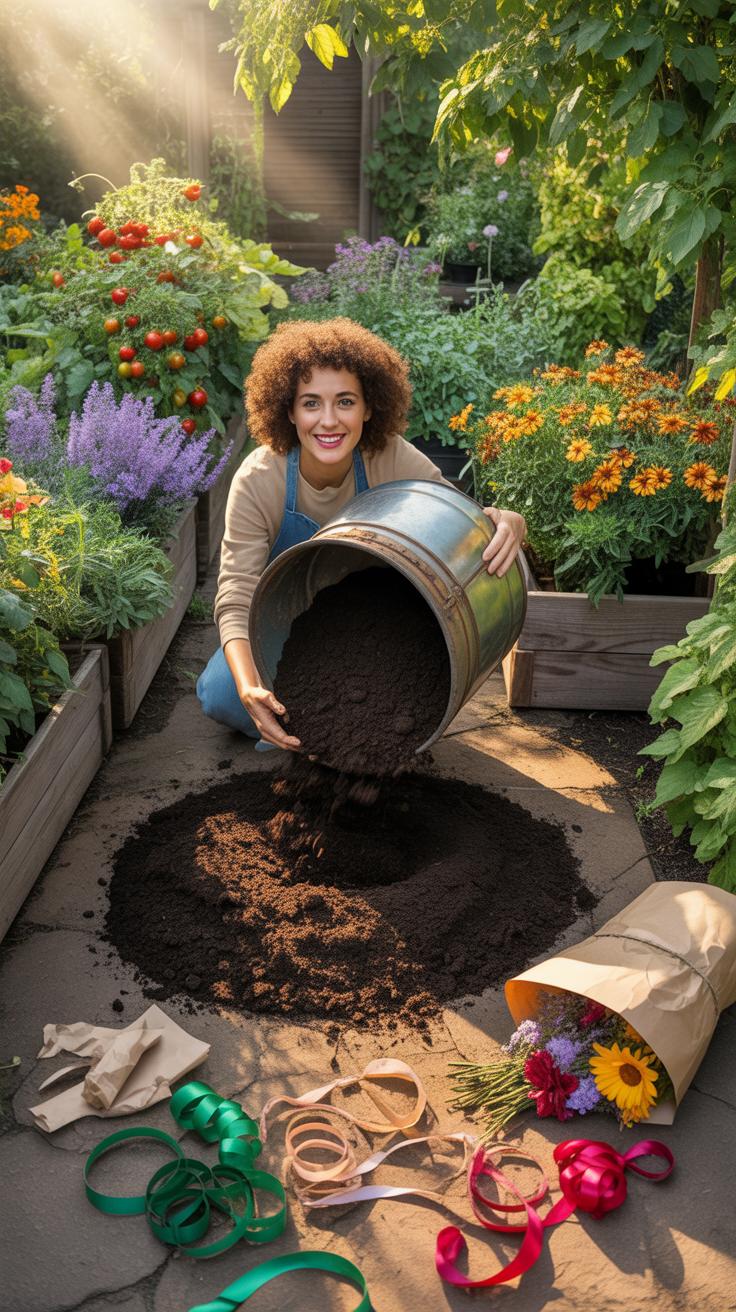
Finished compost looks like dark and crumbly soil. You will not see any remains of food scraps or yard waste. It smells earthy rather than rotten. The volume of the pile will decrease by half. This indicates that the microbes have completed their work. The material should be cool to the touch. If the pile is still hot it is not finished yet.
Apply the black gold directly to your garden beds. Spread a one inch layer across the top of the soil. You do not need to dig it in deep. Rain and worms will move the nutrients down to the plant roots. Use it to top dress indoor plants or lawn areas. This organic matter improves soil structure and holds water. It provides a slow release of essential nitrogen.
Donating Finished Compost To Community Gardens As A Meaningful Post Event Tradition
Excess compost from large events often exceeds the needs of a single home garden. Community gardens and urban farms always need high quality organic matter. These local sites use your waste to grow food for the neighborhood. Contact a local garden manager before dropping off any material. They need to verify that your compost is free of weed seeds and pathogens.
Turning event waste into a donation creates a closed loop system. You keep methane-producing scraps out of the landfill. You turn celebration waste into a physical asset for the public. This process supports local soil health and food security. It connects your personal traditions to the health of your city. This is the most efficient way to handle large volumes of processed organic waste.
Frequently Asked Questions

What are the fundamental composting basics for someone hosting a large garden party?
Understanding composting basics starts with managing the influx of organic waste from your event. For a special occasion, focus on gathering “greens” like vegetable scraps and floral arrangements, mixed with “browns” like shredded cardboard menus. By balancing these nitrogen and carbon sources, you can turn your party leftovers into nutrient-rich soil rather than sending bags of debris to a landfill, keeping your celebration both beautiful and eco-friendly.
How can I discreetly manage food waste during a formal dinner or outdoor wedding?
To maintain a sophisticated atmosphere, set up a designated collection station using a stylish, lidded ceramic crock or a hidden ventilated bin lined with compostable bags. After the event, apply composting basics by layering the collected food scraps with dry leaves or straw in your backyard pile. This prevents odors and pests while ensuring your celebration contributes to a healthy garden ecosystem long after the last guest has departed.
Is it expensive to set up a composting system for a one-time special event?
Not at all! You can easily practice sustainable waste management without a large investment by using repurposed items. Old wooden crates or simple wire fencing can be transformed into temporary bins for event cleanup. Focus on the simple principle of layering organic materials, and you will find that a low-cost, DIY approach is perfectly effective for handling the unique waste generated during your festive gatherings and seasonal holidays.