

How To Use Mulch To Elevate Your HomeS Curb Appeal
Why Mulch Is A Game Changer For Your Home’S Exterior Aesthetic
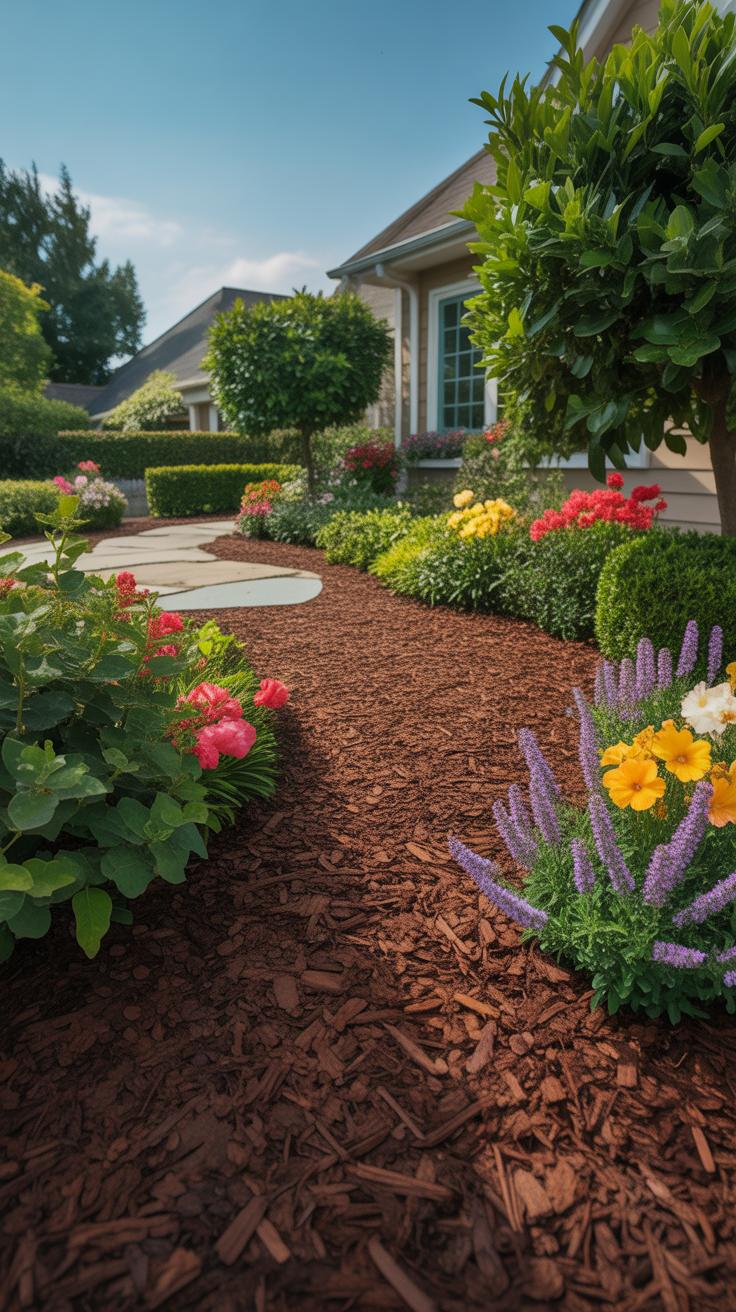
Mulch provides an immediate visual upgrade by creating clean lines between lawn and garden beds. It masks uneven soil and covers exposed irrigation lines or landscape lighting wires. A fresh layer of mulch suggests high maintenance standards and attention to detail. This visual consistency frames your plants and makes architectural features stand out. Homes with well-defined garden beds consistently hold higher market values.
Natural mulch suppresses weed growth which keeps your yard looking tidy over time. Without mulch, bare soil erodes during heavy rain and looks neglected. Mulch acts as a backdrop that increases the color contrast of your flowers and shrubs. It organizes the outdoor space into distinct zones. This structural order makes a landscape feel intentional rather than wild. Use mulch to define paths and borders for a professional finish.
Choosing The Right Mulch Color And Texture To Complement Your Landscaping Style
Match mulch color to your home’s exterior palette for the best results. Darker mulches like deep brown or black provide a modern look. They mimic the rich soil found in old-growth forests. Red mulch works best with brick homes but can clash with certain stone finishes. Always select a color that contrasts with your siding. If your house is light, use dark mulch to anchor the design.
Texture impacts the formality of the yard. Finely shredded hardwood mulch stays in place on slopes and offers a refined appearance. It suits traditional and formal gardens. Large bark nuggets create a rugged look ideal for mid-century modern or rustic landscapes. Avoid dyed mulches near light-colored concrete to prevent staining. Quality materials decompose slowly and maintain their color throughout the season. Pick textures that fit your specific regional climate.

Understanding The Types Of Mulch And Which One Suits Your Garden Best
Organic Mulch Varieties: Wood Chips, Bark, Straw, And Compost Explained
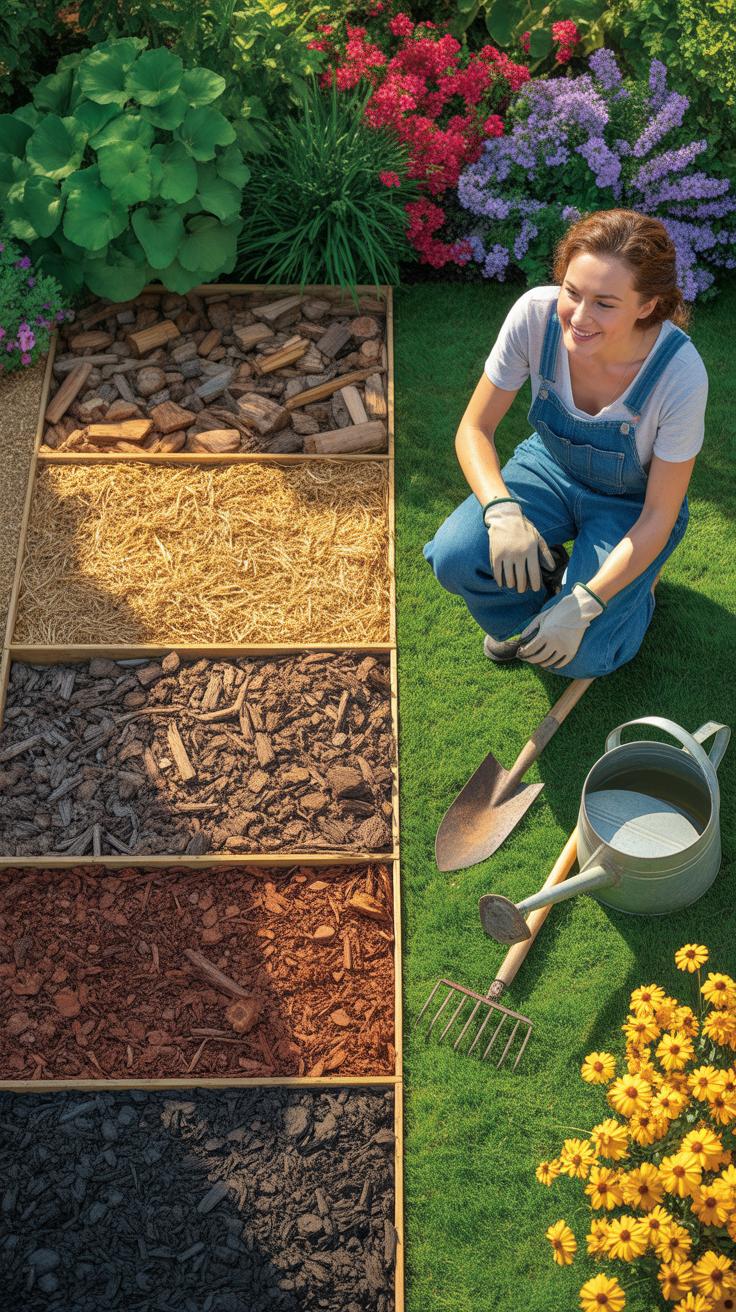
Organic mulches include wood chips, bark, straw, and compost. These materials decompose over time and improve soil structure. Hardwood chips and bark nuggets last longer than softwoods and work well for permanent paths or large garden beds. Straw suits vegetable gardens because it reflects light and regulates moisture. Compost provides immediate nutrients to the root zone while protecting the surface from erosion and temperature spikes.
Success with organic mulch requires monitoring nitrogen levels. Fresh wood chips pull nitrogen from the soil surface during decomposition. You must add supplemental fertilizer to prevent plant yellowing. Apply these mulches at a depth of three inches to suppress weeds effectively. Replenish the layer annually as the bottom material breaks down into humus. This cycle mimics natural forest floors and creates a healthy environment for beneficial microbes.
The ground beneath our feet is a canvas where nature’s colors begin, and a well-laid layer of mulch is like tucking your garden in for a peaceful, beautiful sleep.
Inorganic Mulch Options: Gravel, Rubber, And Landscape Fabric Compared
Inorganic mulches comprise gravel, river rock, recycled rubber, and landscape fabric. These materials do not break down or add nutrients to the soil. Gravel and rock provide a clean look for modern or Mediterranean landscapes. They reflect heat and stay in place during heavy rain. Rubber mulch offers padding for high traffic areas and playgrounds. It resists mold and does not attract common wood boring insects.

Installation of inorganic mulch requires a base layer of professional grade landscape fabric. This textile prevents stones from sinking into the dirt and stops most perennial weeds from emerging. Use these options in areas where you want a permanent look without yearly maintenance. Avoid using dark stones or rubber near heat sensitive plants. These materials absorb solar energy and can cook shallow roots during the peak summer months.
How To Mulch A Garden The Right Way From Start To Finish
Preparing Your Garden Beds Before Laying Mulch For Best Results
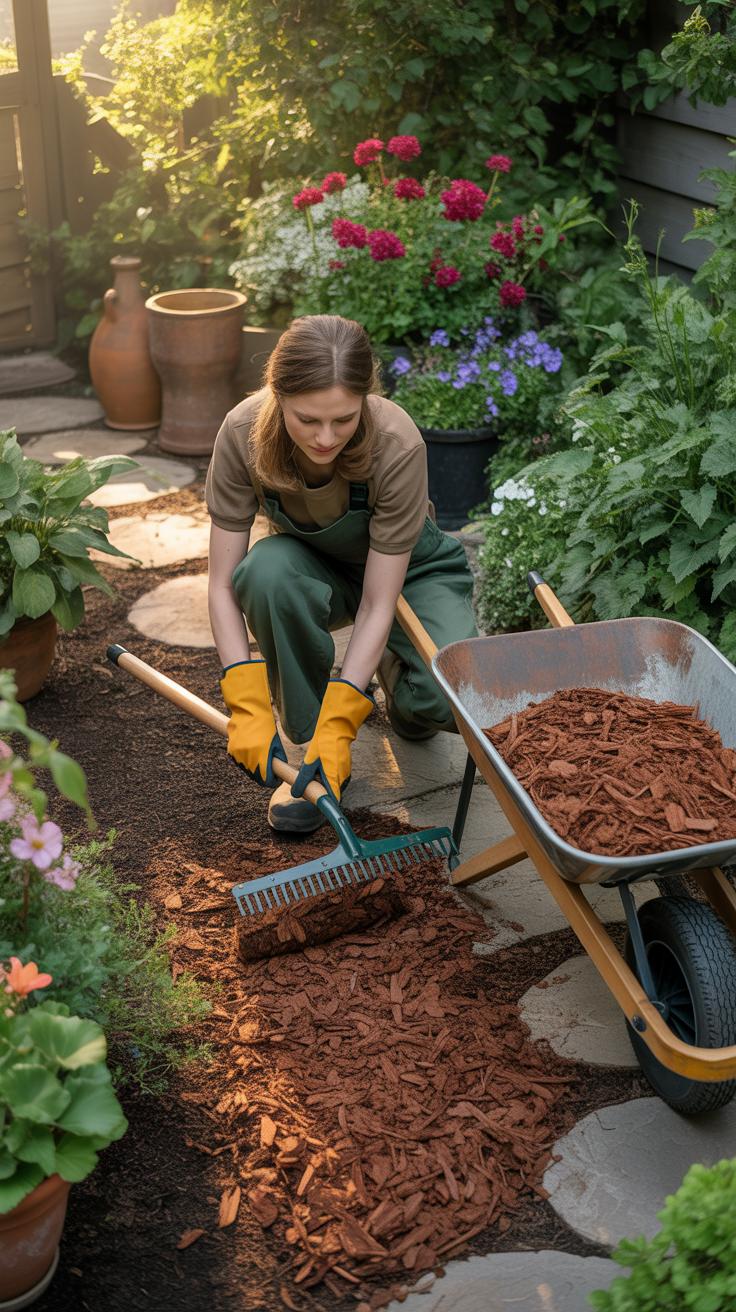
Effective mulching starts with site preparation. You must remove all existing weeds by the root to prevent them from growing through the new layer. Hand pulling or hoeing ensures the soil surface is clean. Bare soil allows the mulch to make direct contact with the ground. This contact is necessary for moisture retention and temperature regulation. Neglecting weed removal leads to immediate maintenance problems later.
Edge your garden beds before applying any material. Use a sharp spade or power edger to create a deep vertical trench between the lawn and the bed. This trench prevents grass roots from invading your planting area. It also creates a professional finish that holds the mulch in place. Water the soil deeply before you begin. Dry soil trapped under mulch stays dry for a long time.
Step By Step Guide To Applying Mulch Evenly Across Your Garden Beds
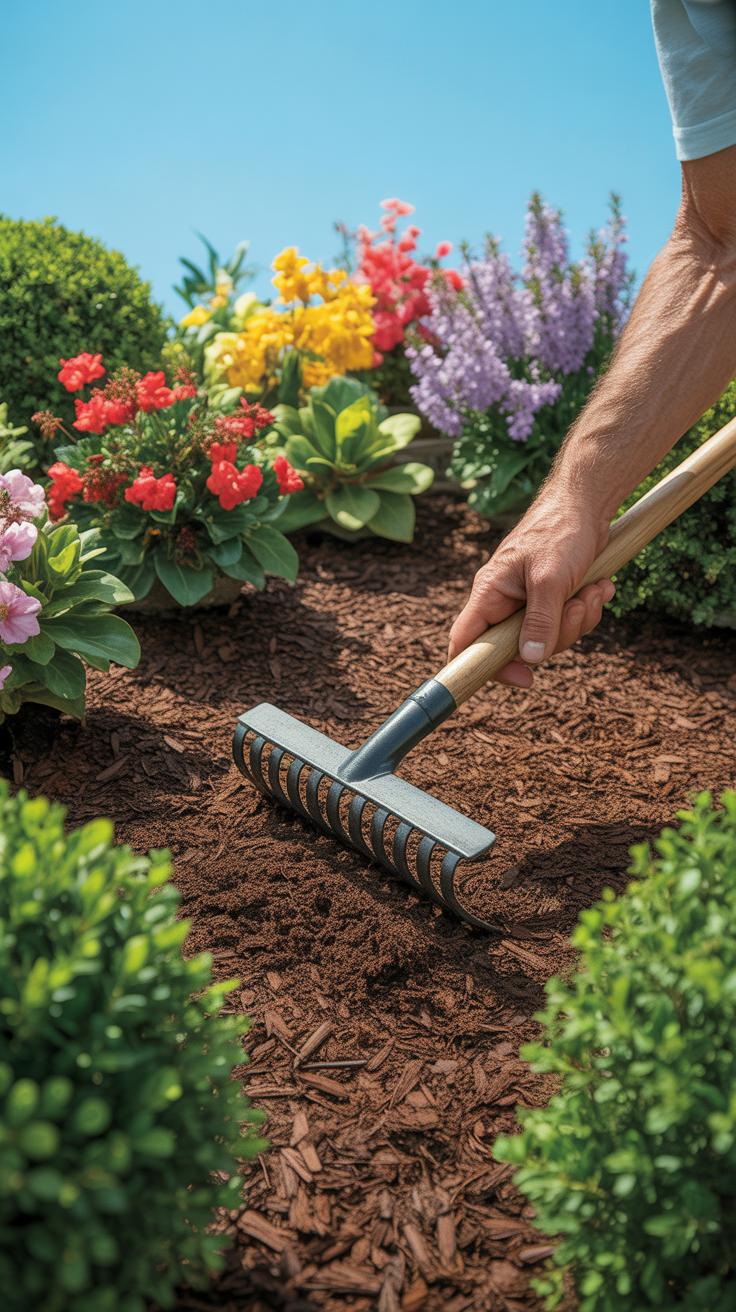
Applying mulch requires precision to avoid damaging your plants. Start by dumping small piles of mulch throughout the bed area. Use a carbon steel rake to spread the material to a consistent depth of two to three inches. This specific depth suppresses weed seeds while allowing oxygen to reach the soil. Monitor the thickness carefully to ensure you do not create thin spots.
- Measure Depth: Use a ruler or your finger to verify the layer is exactly two to three inches deep. Thin layers fail to block sunlight for weeds. Excessive thickness prevents water from reaching the root zone.
- Leave Gaps: Keep mulch at least three inches away from tree trunks and shrub stems. Piling mulch against bark causes rot and provides cover for boring insects. This gap ensures the flare of the plant stays dry and healthy.
- Level Surface: Use the back of a bow rake to smooth the surface for a clean look. A flat surface prevents water from pooling in low spots. Proper leveling ensures the garden bed looks intentional and maintained rather than messy.
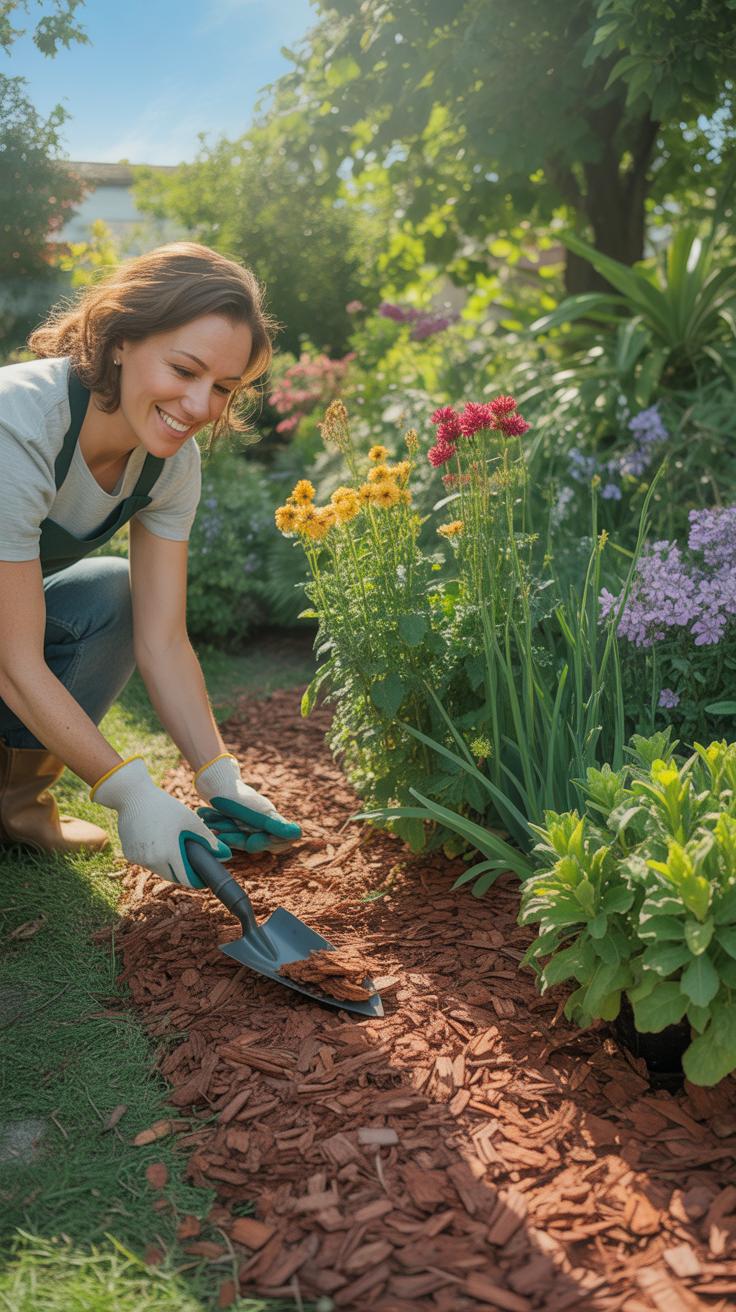
- Tuck Edges: Push the mulch into the pre-cut edge trenches using a hand trowel. This technique creates a clean line between the mulch and the grass. It prevents the material from washing away during heavy rain or wind storms.
- Water Down: Spray the mulch lightly with a hose once you finish spreading it. Wetting the material weighs it down and keeps it from blowing away. This final step also helps the mulch settle into a cohesive and stable layer.

Avoid the common mistake of volcano mulching around trees. High mounds of wood chips against the trunk trap moisture and heat. This promotes fungal growth and can eventually kill the tree. Keep the application flat and even across the entire surface area. Once finished, check the perimeter for any stray pieces on the lawn. Constant maintenance of the edge keeps the design sharp.
How To Mulch Effectively Without Making Common Costly Mistakes
The Danger Of Over Mulching: Why Too Much Mulch Harms Your Plants And Soil
Excessive mulch depth creates a physical barrier that stops oxygen from reaching the roots. Most plants require soil gas exchange to manage metabolic processes. When you apply more than four inches of material, you suffocate the root system. This stress weakens the plant and makes it vulnerable to secondary pests. Thick layers also trap too much moisture against the stems and crown areas.
Over-mulching forces roots to grow upward into the mulch layer rather than downward into the mineral soil. These shallow roots die quickly during dry spells because mulch dries out faster than ground soil. This creates a cycle of dependency where the plant cannot survive without constant irrigation. You also risk sour mulch conditions. Low oxygen levels lead to anaerobic fermentation which produces toxic acids that kill foliage.
How To Avoid Volcano Mulching And Other Widespread Mulching Errors
Volcano mulching occurs when you pile material against the trunk of a tree. This practice traps moisture directly against the bark and causes decay. The inner bark or phloem transports food throughout the tree. If this tissue rots, the tree starves and eventually dies. Always keep mulch three inches away from the base of the trunk. You must see the root flare at the ground level.

Improper timing also wastes money and effort. Applying mulch too early in the spring keeps the soil cold and slows plant growth. Wait until the ground warms up and the rainy season stabilizes. Check the moisture level of your mulch frequently. If it mats together, it can become hydrophobic. This means the surface sheds water like a roof instead of letting it soak into the roots below.
How To Use Mulch In Garden Spaces To Retain Moisture And Suppress Weeds
How Mulch Creates A Natural Barrier Against Weed Growth In Garden Beds
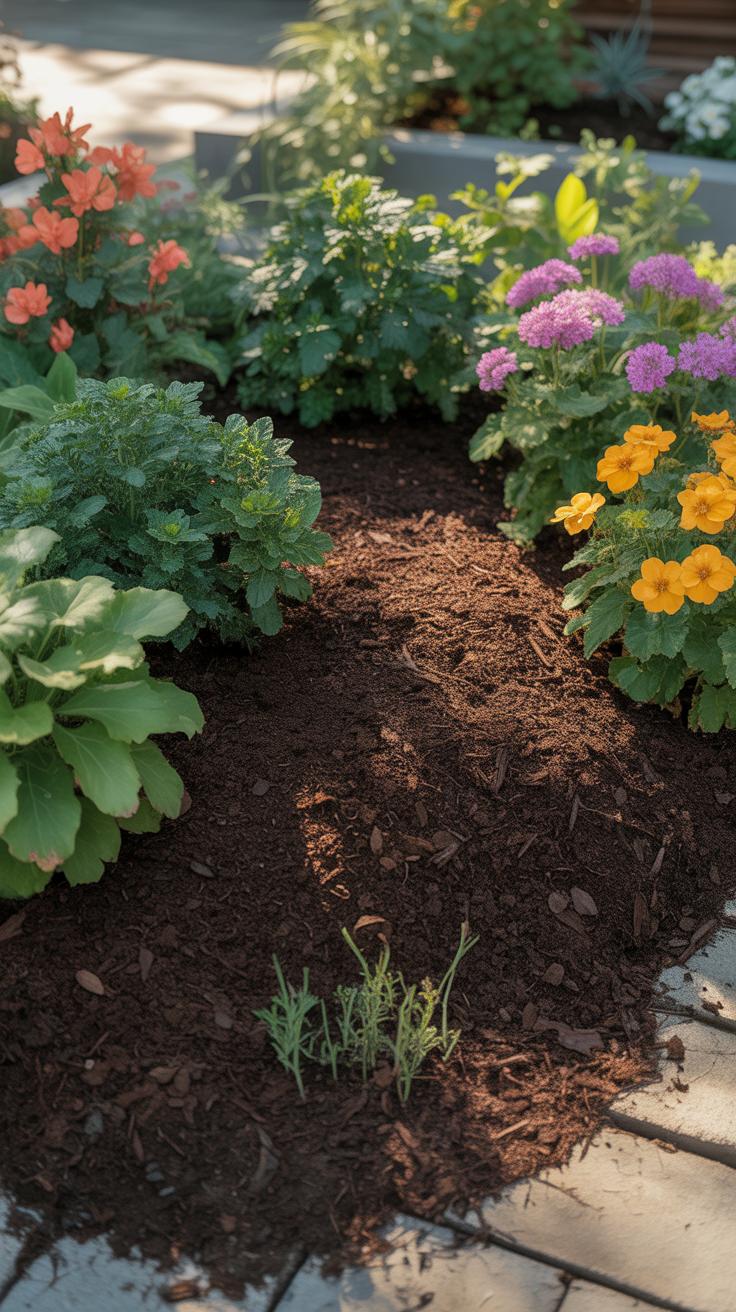
Mulch acts as a physical block against sunlight. Weed seeds require light to germinate and grow. A layer of organic material three inches deep stops photosynthetic triggers. This prevents dormant seeds in the soil from waking up. You reduce the need for chemical herbicides by using this mechanical strategy. This method saves labor and keeps the garden bed looking clean for months.
The material also prevents new seeds from reaching the soil. Wind and birds carry seeds into your garden daily. If these seeds land on dry mulch, they cannot find the soil contact needed for roots. Organic mulches create a hostile environment for surface germination. You must maintain the correct depth to ensure this barrier remains effective. Thin spots allow light through and invite weed invasion quickly.
The Science Behind Mulch And Soil Moisture Retention During Dry Seasons
Mulch serves as an insulation layer for the earth. It lowers the soil surface temperature by blocking direct solar radiation. High temperatures cause water to evaporate from the ground quickly. By keeping the soil cool, mulch slows down this liquid loss. This process ensures that water stays near the root zone where plants need it most. Steady moisture levels prevent plant stress during heat waves.

Capillary action draws water toward the surface where it evaporates into the air. A thick layer of mulch breaks this cycle by creating an air gap. This gap traps humidity at the soil line. You will use less water over time because the ground stays saturated longer. Heavy rains also soak into the mulch rather than running off the surface. This increases the total water volume stored in your garden.
Vegetable Garden Mulching Tips For A Productive And Healthy Harvest
Best Mulch Types For Vegetable Gardens And Why Organic Options Perform Better
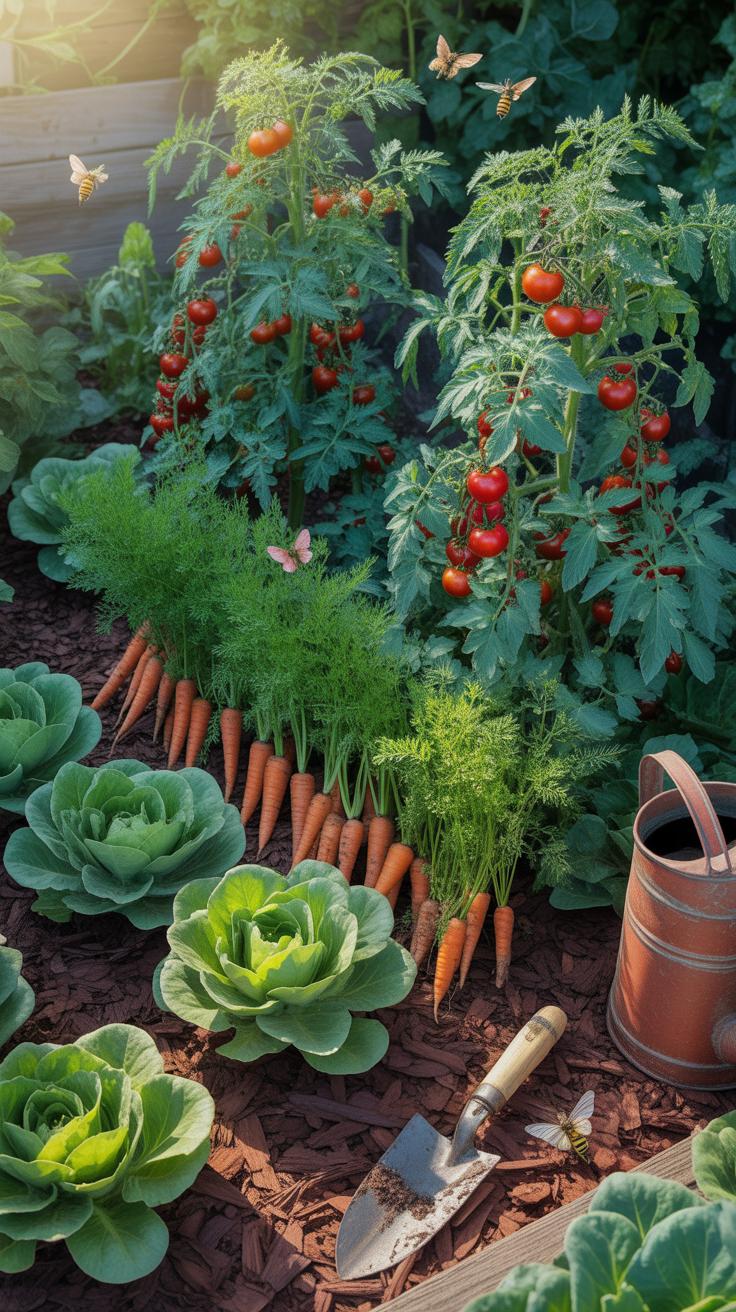
Straw, shredded leaves, and grass clippings provide the best results for vegetable crops. Organic materials decompose over time and return vital nutrients to the soil. This process improves soil structure and supports beneficial microbial activity. Inorganic options like plastic or landscape fabric do not offer these biological benefits. They often trap heat and prevent the soil from breathing properly during extreme weather.
Choose weed-free straw to avoid introducing invasive seeds into your garden beds. Fine textures allow water to reach the roots without causing runoff. Avoid using wood chips in annual beds because they can tie up nitrogen as they break down. Nitrogen is essential for leafy growth and high fruit yields. Organic mulch also regulates soil temperature and keeps moisture consistent. This prevents plant stress and reduces irrigation needs.
Seasonal Mulching Strategies To Protect Your Vegetable Garden Year Round
Apply mulch in late spring once the soil warms up. Applying it too early can trap cold moisture and delay seed germination. Layer the material two to three inches deep to suppress weeds effectively. Keep the mulch back an inch from the plant stems. This prevents rot and deters pests from nesting against your crops. Proper timing ensures your plants have a stable environment during peak growth.

Refresh the layers in autumn to protect the soil from winter erosion. Heavy rain can wash away topsoil if the ground stays bare. A thick winter layer prevents the ground from freezing and thawing repeatedly. This cycle can heave roots out of the earth and kill perennials. Use finished compost as a base layer in the fall. It feeds the ground while the garden rests until the next season.
How To Create A Mulch Garden That Looks Polished And Intentional
Designing A Mulch Garden Layout That Balances Visual Flow And Plant Health
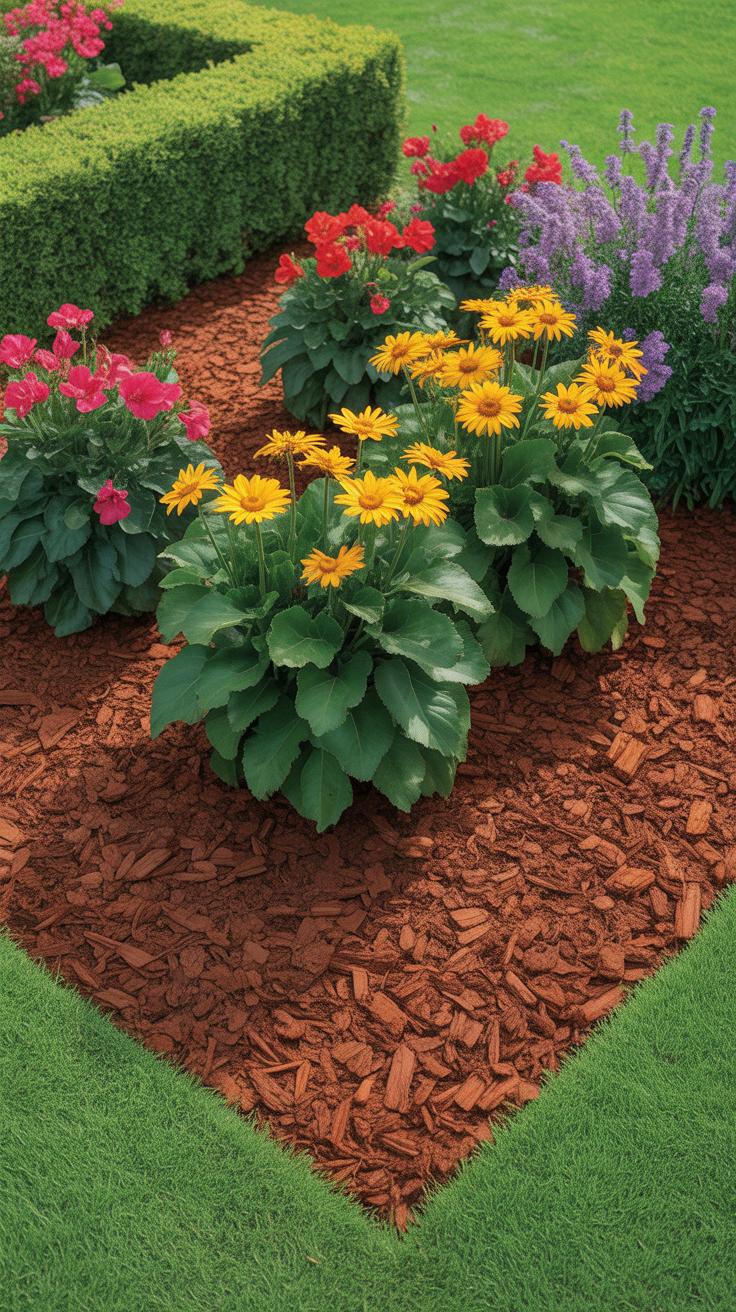
Strategic mulch layouts prioritize plant physiology over simple aesthetics. You must leave a two-inch gap between the mulch and the plant base. This prevents stem rot and keeps pests away from the trunk. High-quality layouts use a depth of three inches to suppress weeds effectively. This thickness also regulates soil temperature during extreme weather. Consistency in depth creates a clean visual line while protecting the root systems below.
Effective garden design follows the natural contours of the land. Use curved bed lines to mimic organic shapes found in nature. This approach draws the eye through the landscape without abrupt stops. Group plants by water needs to ensure the mulch performs its primary function of moisture retention. Proper spacing prevents overcrowding as plants mature. Think ahead to avoid future maintenance issues. A well-planned layout reduces labor and improves long-term plant health.
Using Mulch Borders And Pathways To Define Garden Zones Stylishly
Defined borders separate the mulch beds from the turf. Use spade-edged trenches to create a clean vertical drop. This physical barrier stops grass roots from invading the garden beds. It also holds the mulch in place during heavy rain. Stone or brick edging adds a permanent architectural element to the site. These materials provide a clear frame that makes the garden look professional and organized.

Pathways create designated walking areas to prevent soil compaction. Use coarse wood chips or gravel for high-traffic zones. This keeps feet dry and protects the surrounding plant roots from heavy footfall. Clear paths guide visitors through the space in a logical order. You can use different mulch colors to distinguish between walking zones and planting zones. This tactical use of material creates a sense of purpose and order in any home landscape.
Mulching Tips For Healthy Plants And Long Term Garden Vitality
How Mulch Regulates Soil Temperature To Protect Plant Roots In All Seasons
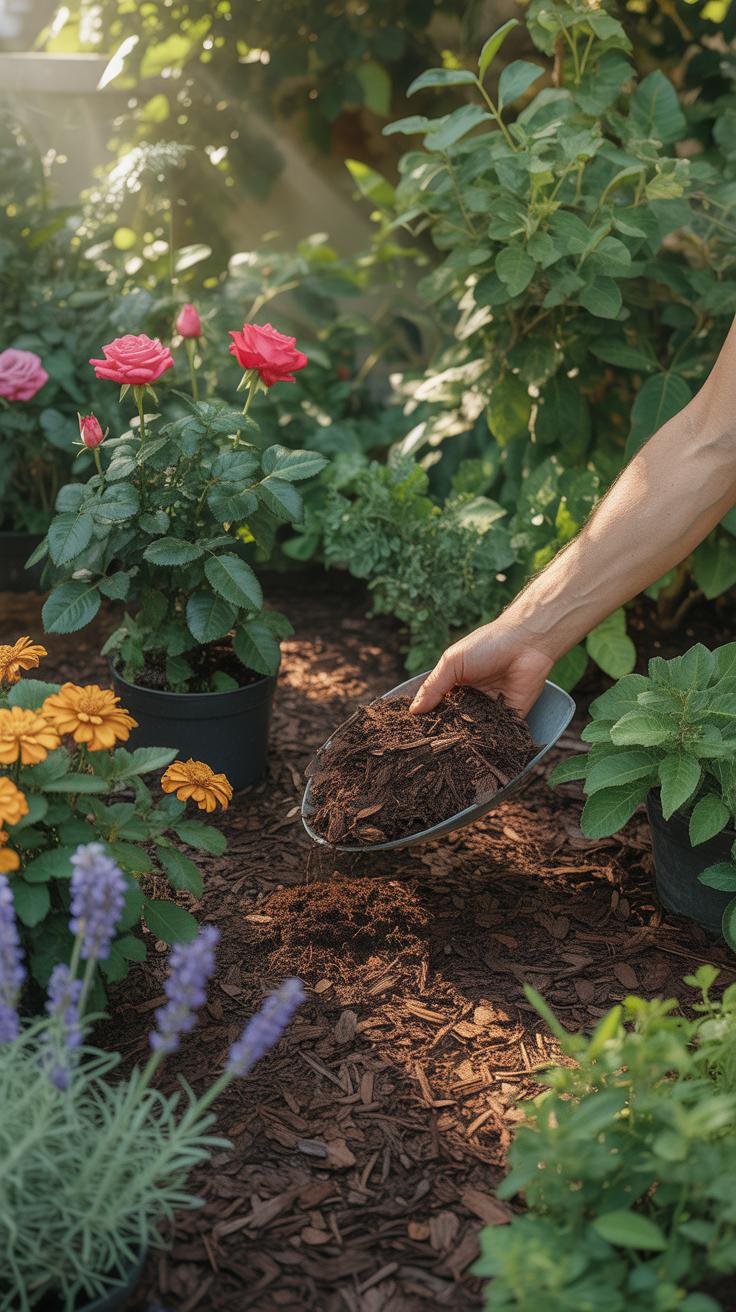
Mulch acts as a thermal buffer for the ground. It insulates the soil against extreme weather shifts. In summer, a thick layer of mulch keeps the soil cool by blocking direct sunlight. This prevents root scorch and reduces moisture loss through evaporation. Cooler soil allows plants to maintain steady growth during heatwaves. Consistent temperatures reduce plant stress and prevent wilting.
In winter, mulch prevents the ground from freezing and thawing rapidly. This cycle can push plants out of the dirt and damage delicate root systems. A proper layer of organic material traps heat from the earth. It protects dormant perennials and shrubs from deep frost damage. Maintaining stable soil temperatures throughout the year ensures the long-term survival of your landscape and protects your investment.
Essential Mulching Habits That Support Strong Root Development And Nutrient Uptake
Proper mulching techniques directly impact how plants absorb food and water. You must apply mulch at the correct depth to allow gas exchange. Roots need oxygen to survive and grow deep into the substrate. If the layer is too thin, it fails to work. If it is too thick, it smothers the root zone and prevents water from reaching the target.
- Maintain Ideal Depth: Apply a layer between two and four inches thick for most garden beds. This depth provides enough coverage to suppress weeds while still allowing water and air to reach the soil below.
- Avoid Mulch Volcanoes: Do not pile mulch against the trunks of trees or stems of plants. This habit traps moisture against the bark and causes rot. Clear a small circle around the base to ensure health.
- Use Organic Materials: Select wood chips or bark that break down over time. These materials add carbon and essential nutrients back into the dirt through decomposition. It creates a natural cycle of fertility for the garden.
- Edge Your Beds: Cut a clean edge before applying your material. A deep edge keeps mulch in place and prevents it from washing away during heavy rain. This ensures the protection stays exactly where the plants need it.
- Apply Over Moist Soil: Mulch your garden beds after a rain or deep watering session. This locks the existing moisture into the ground. It prevents the sun from drying out the surface and helps the roots stay hydrated.

Timing and placement determine the effectiveness of your garden maintenance. Always pull back old mulch before adding a new layer to prevent matting. Matting creates a waterproof barrier that sheds rain instead of absorbing it. Fresh mulch encourages beneficial fungi and earthworms to thrive near the surface. These organisms aerate the soil and improve the overall structure for better nutrient delivery to your plants.
Garden Mulch Maintenance How To Keep Your Mulch Fresh And Effective
How Often You Should Top Up Or Replace Garden Mulch Throughout The Year
Organic mulches require a top up once or twice every year. Hardwood barks and wood chips break down slowly but lose their color and depth over six months. You must maintain a steady three inch layer to suppress weeds and retain soil moisture effectively. Applying a fresh layer in early spring prepares the soil for heat. A secondary thin application in late fall protects roots from freezing temperatures.
Do not remove old mulch unless it shows signs of disease or heavy compaction. Simply rake the existing material to break up surface crusts before adding new layers. This practice saves money and allows the older material to continue its decomposition into nutrient rich compost. Most professionals schedule these updates to coincide with seasonal planting cycles. Consistent maintenance prevents the soil from ever being exposed to harsh sun or eroding rains.
How To Spot Signs Of Mulch Degradation And When To Refresh Your Garden Beds
Visual cues indicate when mulch no longer performs its primary functions. Significant color fading suggests the material has oxidized and lost its aesthetic value. Look for thinning areas where bare soil becomes visible through the cover. Weeds sprouting in the garden bed prove the barrier has failed. Fungal growth or a matted surface indicates the mulch is compacted and blocking water from reaching the plant roots.
Physical inspection reveals the rate of decomposition beneath the surface layer. Poke through the mulch to check the thickness against the soil line. If the layer measures less than two inches, it cannot regulate soil temperature. Check for a sour smell which indicates anaerobic decomposition and poor drainage. Replace the material immediately if these signs appear. Healthy mulch stays loose and allows water to penetrate the earth without any resistance.
Eco Friendly Mulching Tips That Benefit Your Garden And The Environment
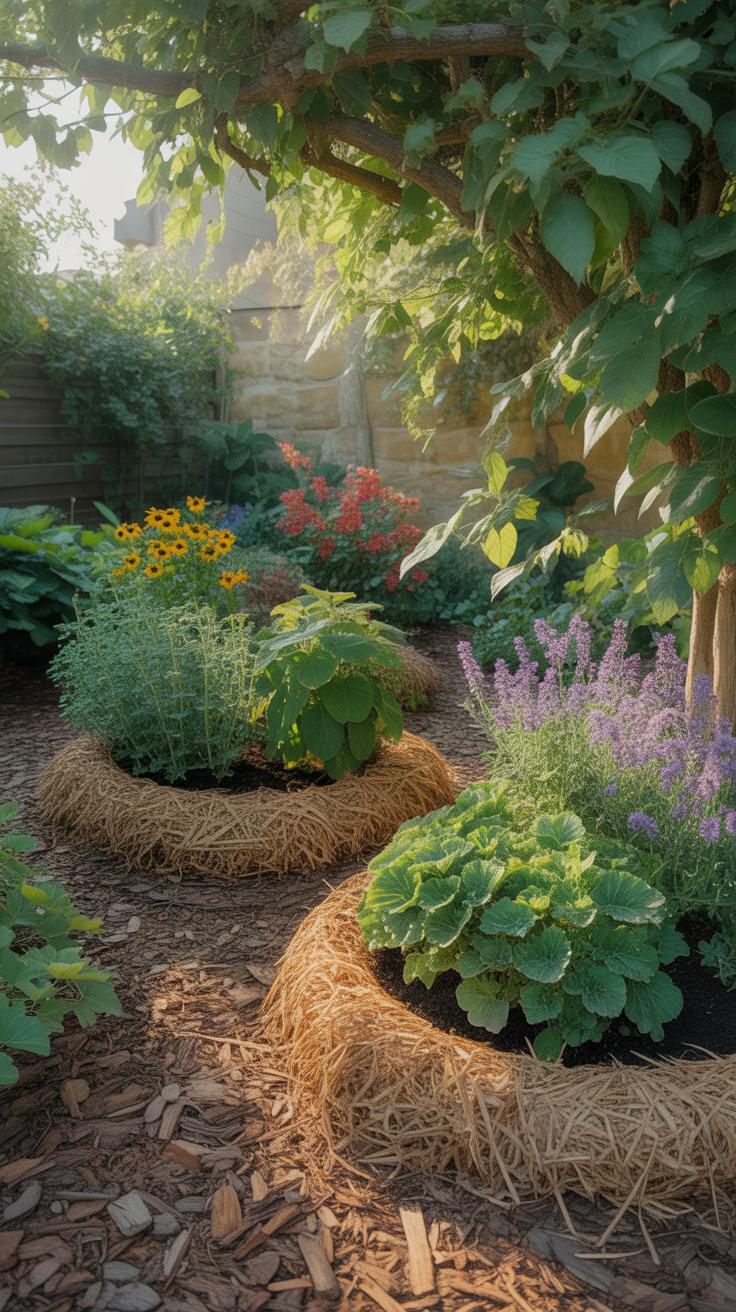
How To Make Your Own Compost Mulch At Home Using Everyday Organic Waste
Stop throwing away kitchen scraps and yard waste. These materials create high-quality compost mulch for free. Combine nitrogen-rich green materials like grass clippings with carbon-rich brown materials like dried leaves. Maintain a balanced ratio of three parts brown to one part green. Keep the pile moist but not soaked. Turn the pile once a week to circulate oxygen and accelerate the decomposition process.
Wait until the organic matter turns dark and crumbly. This finished compost serves as a nutrient-dense mulch layer. Apply a two-inch layer directly onto the soil surface around your plants. This homemade mulch suppresses weeds while slowly releasing essential minerals into the ground. It eliminates the need for plastic-bagged products from stores. You reduce landfill waste and improve your soil structure with one consistent habit.
The Environmental Benefits Of Mulching Including Carbon Sequestration And Soil Health
Mulching plays a critical role in carbon sequestration. Organic mulches trap carbon in the soil instead of letting it escape into the atmosphere. This process builds long-term soil fertility and stabilizes the local ecosystem. Thick mulch layers also prevent soil erosion by shielding the ground from heavy rain impact. This protection keeps nutrient-dense topsoil in place and prevents runoff into local water systems.
Effective mulching regulates soil temperatures throughout the year. It keeps roots cool during summer heat and warm during winter freezes. This stability reduces plant stress and lowers water consumption. Mulch acts as a sponge to hold moisture in the ground for longer periods. You save water and decrease the energy needed for irrigation. Healthy soil life thrives under these conditions and creates a self-sustaining garden environment.
Frequently Asked Questions

What exactly is mulching and why is it important for my garden?
Mulching involves applying a protective layer of organic or inorganic material over your soil surface. It is a fundamental gardening practice because it regulates soil temperature, suppresses pesky weed growth, and retains essential moisture for your plants. Following basic mulching tips not only improves the overall health of your landscape but also provides a polished, professional finish that instantly elevates your home’s curb appeal and outdoor aesthetic.
How deep should I apply mulch to achieve the best results?
For most garden beds, aim for a depth of two to three inches. Applying it too thinly won’t stop weeds, while going too deep can suffocate plant roots and prevent water from reaching the soil. One of the most practical mulching tips is to leave a small gap around the base of trees and shrubs. This prevents moisture buildup against the bark, which can lead to rot or fungal diseases.
What are the best budget-friendly materials for a stylish landscape?
You don’t need to spend a fortune to achieve a high-end look. Wood chips, shredded bark, and even pine needles are affordable, organic options that decompose over time to nourish your soil. Many local municipalities offer free mulch programs for residents as well. By using these accessible materials, you can create clean lines and a cohesive design in your garden beds without exceeding your decorating budget.