
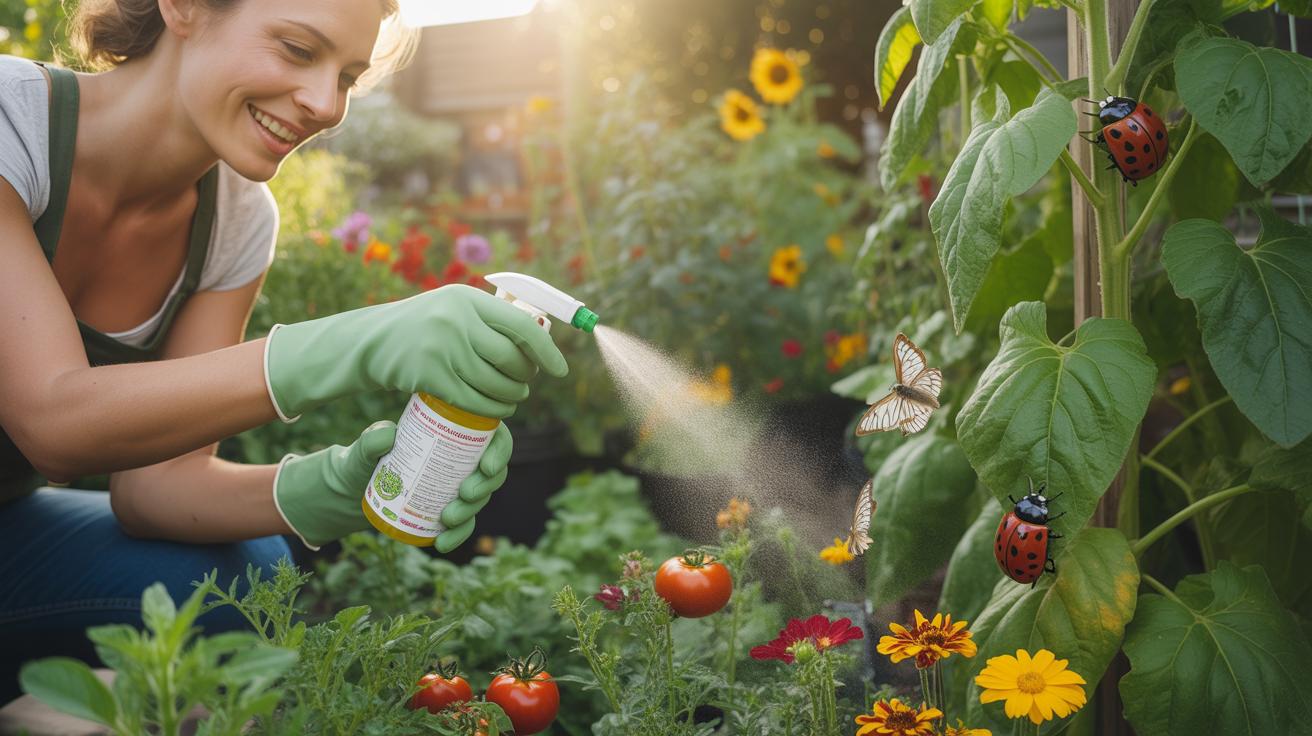
Understanding The Basics Of Garden Pest Control
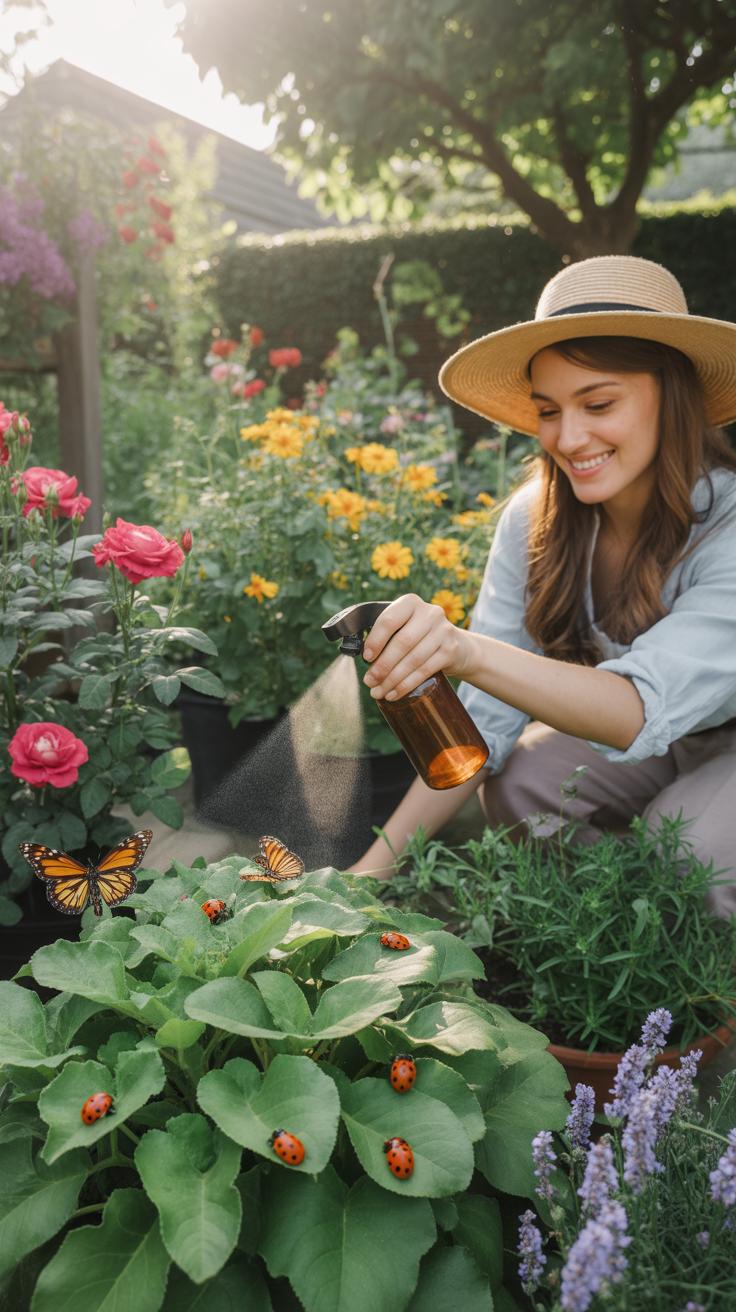
Why Every Beginner Needs A Garden Pest Control Plan From Day One
Waiting for visible damage to appear is a losing strategy. Pests like aphids and spider mites reproduce at exponential rates. A single female can produce hundreds of offspring in a week. Without a plan, you will react too late to save your crop. Early planning allows you to set clear thresholds. You decide exactly when to intervene before the population explodes.
Proactive management relies on the concept of Integrated Pest Management. This strategy focuses on long-term prevention. You must select resistant plant varieties and install physical barriers before planting. A plan ensures you have the right tools ready. If you wait until an infestation occurs, you will likely choose toxic chemicals in a panic. Consistent monitoring keeps small problems from becoming garden-wide disasters.
The Difference Between Harmful Pests And Beneficial Garden Insects
You must distinguish between your enemies and your allies. Harmful pests consume plant tissue or suck vital juices from stems. This damage stunts growth and introduces deadly viral diseases. Common offenders include beetles and caterpillars. These insects focus entirely on destroying your harvest. Failure to identify these pests leads to weak yields. You cannot protect your garden if you do not know what to kill.
Beneficial insects perform two vital roles for your garden. Predatory insects like ladybugs and lacewings eat the pests that destroy your plants. They act as a free and natural security force. Other beneficials like bees and hoverflies handle pollination duties. Killing these insects by mistake ruins your garden ecosystem. You must protect these species to maintain a healthy balance. Accurate identification prevents the accidental slaughter of your best defenders.

How To Identify The Most Common Garden Pests
Visual Signs And Symptoms That Garden Pests Have Moved In
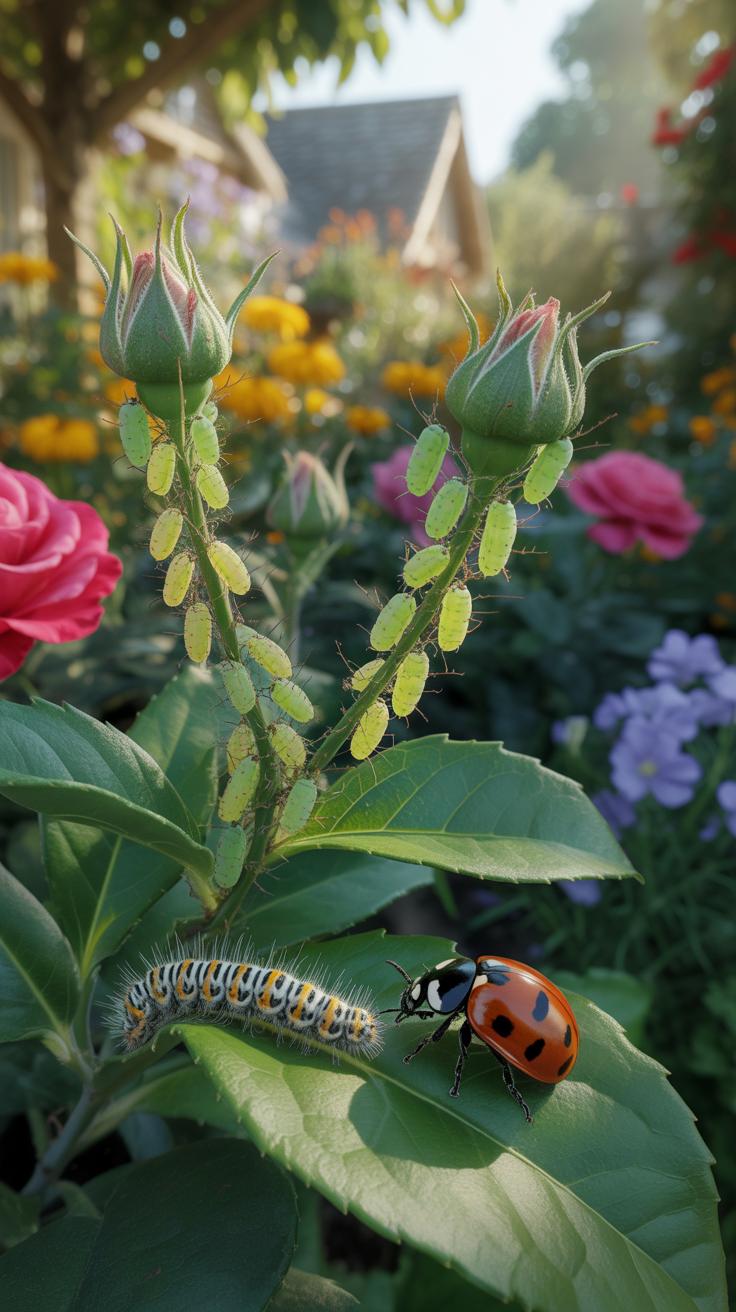
Check your plants daily for physical changes. Look for jagged holes on leaf edges or small punctures in the center. Discolored spots or yellowing foliage often indicate sap-sucking insects. Sticky residue on stems usually points to an aphid colony. Examine the undersides of leaves where many pests hide their eggs. Early detection prevents a small problem from becoming a total crop failure.
Observe the soil surface for tracks or disturbances. Wilting plants that have plenty of water may have root damage from soil-dwelling larvae. Slime trails on rocks or mulch confirm the presence of slugs or snails. Stunted growth often means the plant is fighting an active infestation. Notice if your fruit has small bite marks or soft rot. These visual cues dictate your next move.
The Most Destructive Garden Pests Beginners Should Know About
Beginners must learn to recognize the specific insects that cause the most damage quickly. Each pest leaves a unique signature on your vegetation. Identifying the culprit correctly ensures you use the right treatment. Misidentification leads to wasted time and resources. Watch for these common offenders during the peak growing season to protect your investment. Focus on the most frequent invaders first.
- Aphids: These small pear-shaped insects cluster on new growth and suck plant juices. They secrete honeydew which leads to black sooty mold. They reproduce rapidly and can overwhelm a garden in days.
- Cabbage Worms: Look for green caterpillars and white butterflies near brassica crops like broccoli. These pests eat large ragged holes in leaves. They leave dark green droppings behind as they feed on your plants.
- Japanese Beetles: These metallic green beetles skeletonize leaves by eating tissue between the veins. They emerge from the soil in early summer. They often attack roses, grapes, and beans in large groups during the day.
- Slugs and Snails: These mollusks feed at night and leave shiny slime trails across the garden. They eat large holes in juicy leaves and low-hanging fruit. They prefer damp environments and hide under debris.
- Spider Mites: Tiny red or yellow mites live on the undersides of leaves in hot weather. They create fine webbing between stems and leaves. Infested plants show pale stippling or white dots on the foliage.

Targeted observation keeps your garden productive and healthy. Once you identify the specific pest, you can deploy mechanical or organic controls. Do not wait for the plant to die before taking executive action. Healthy plants resist minor attacks better than stressed ones. Keep a log of what you see and when you see it. Consistent monitoring is your best strategic defense.
Getting Started With Natural Pest Control For Garden Spaces
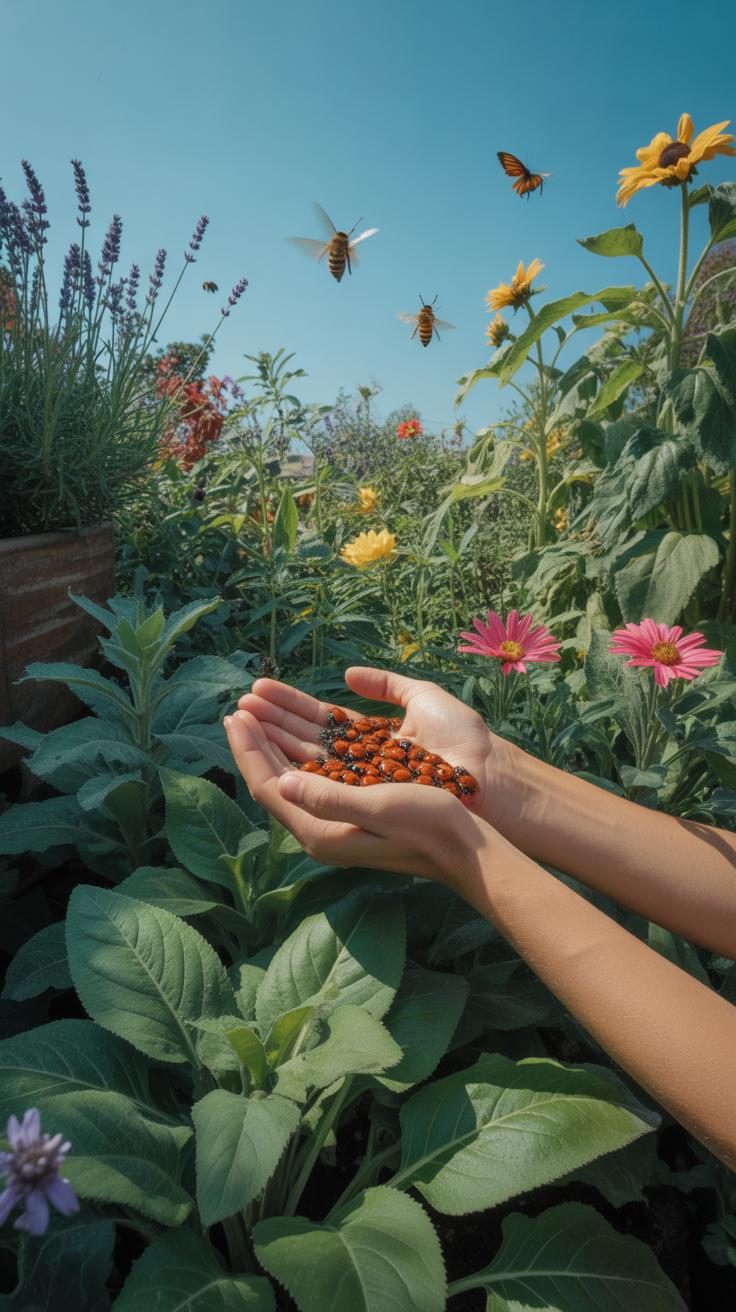
Why Natural Pest Control Methods Are Safer For Your Soil And Plants
Chemical pesticides destroy the biological balance of your soil. These toxins kill beneficial microbes and fungi that help plants absorb nutrients. When you use natural methods, you protect the soil food web. Healthy soil produces stronger plants with thicker cell walls. These plants resist attacks better than those grown in chemically treated dirt. Natural solutions ensure your long term garden health.
Synthetic sprays often leave toxic residues on your harvest. These chemicals leach into the groundwater and harm local pollinators like bees. Natural pest control relies on biological disruption rather than total eradication. You preserve the local ecosystem while targeting specific threats. This approach prevents secondary pest outbreaks caused by killing off natural predators. Clean soil leads to safe food and sustainable growth for every season.
How Companion Planting Works As A Natural Pest Control Strategy
Companion planting uses specific plant combinations to confuse or repel insects. Some plants emit strong scents that mask the smell of target crops. This prevents pests from finding their host plants. Other plants act as physical barriers or decoys. You can use French marigolds to release chemical compounds that deter soil nematodes. This strategy relies on botanical science to reduce your need for external interventions.

Diversifying your garden beds creates a complex environment for pests. Monocultures allow infestations to spread rapidly across entire rows. Mixing different species breaks up these patterns and slows down pest movement. You also attract beneficial insects that hunt garden pests naturally. Ladybugs and lacewings move into these varied habitats to eat aphids. Use strategic placement to build a self regulating defense system in your backyard.
Practical Tips On How To Keep Pests Out Of Garden Beds
Physical Barriers And Row Covers That Block Pests From Reaching Plants
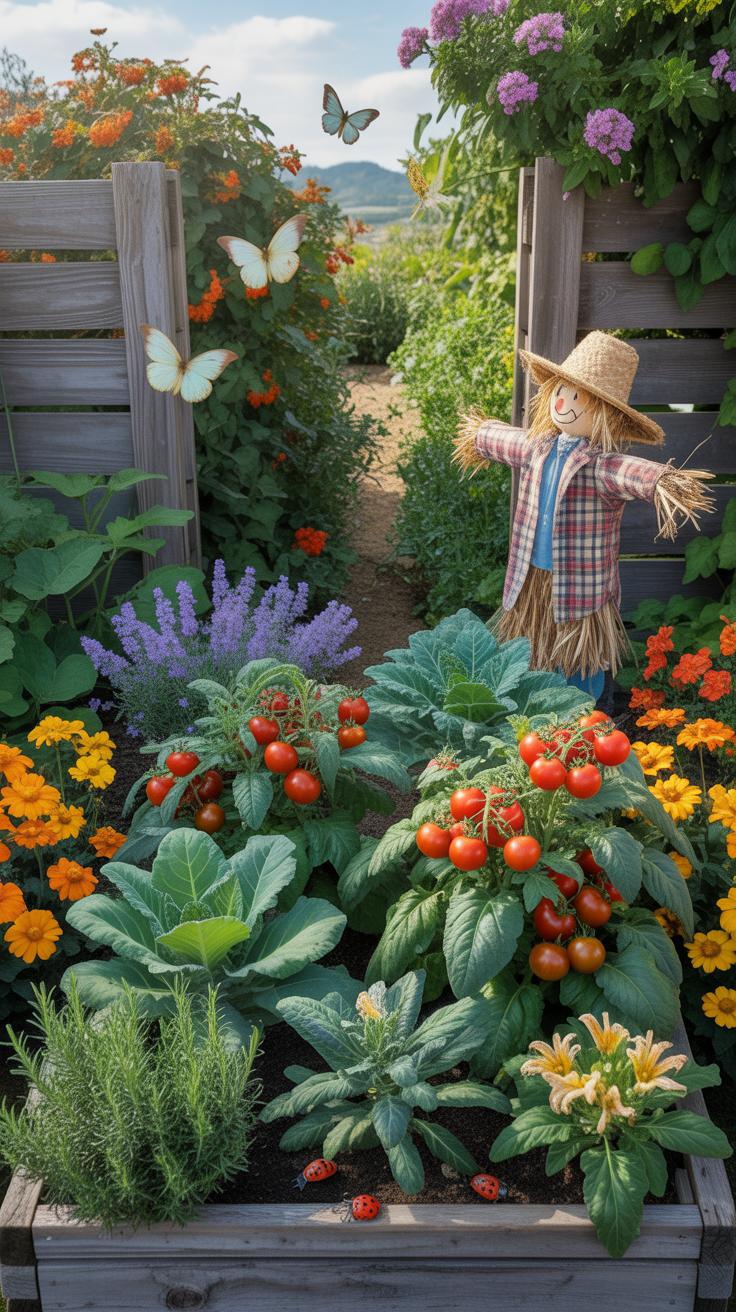
Floating row covers provide a direct shield against airborne insects. These lightweight fabrics allow sunlight and water to reach your plants while stopping beetles and moths from laying eggs. Secure the edges with soil or landscape staples to prevent pests from crawling underneath the mesh. This method works best for leafy greens and root crops that do not require pollination from bees.
Copper tape and bird netting offer specialized protection for specific threats. Apply copper tape around the rims of pots or raised beds to create a mild electric charge that deters slugs. Use heavy netting to stop birds and small mammals from eating ripening fruit. These physical blocks reduce the need for chemical sprays. They provide a high success rate by simply making your plants inaccessible to invaders.
Crop Rotation And Garden Hygiene Habits That Discourage Pest Buildup
Crop rotation prevents soilborne pests from finding an easy meal year after year. Do not plant the same vegetable family in the same spot for at least three seasons. Move tomatoes away from where peppers grew previously to avoid shared diseases and larvae. This tactic starves out pests that overwinter in the dirt. It breaks their life cycle and lowers the total population in your garden beds.
Garden hygiene removes the hiding spots and food sources that pests crave. Pull every weed because they often host harmful insects and viruses. Clean up fallen fruit and dead leaves immediately to prevent rot and mold. Remove spent plants at the end of the season instead of letting them sit through winter. Sharp maintenance habits eliminate the damp and dark environments where most garden pests thrive.
Top Natural Pest Deterrents For Gardens That Actually Work
How Diatomaceous Earth And Neem Oil Deter A Wide Range Of Garden Pests
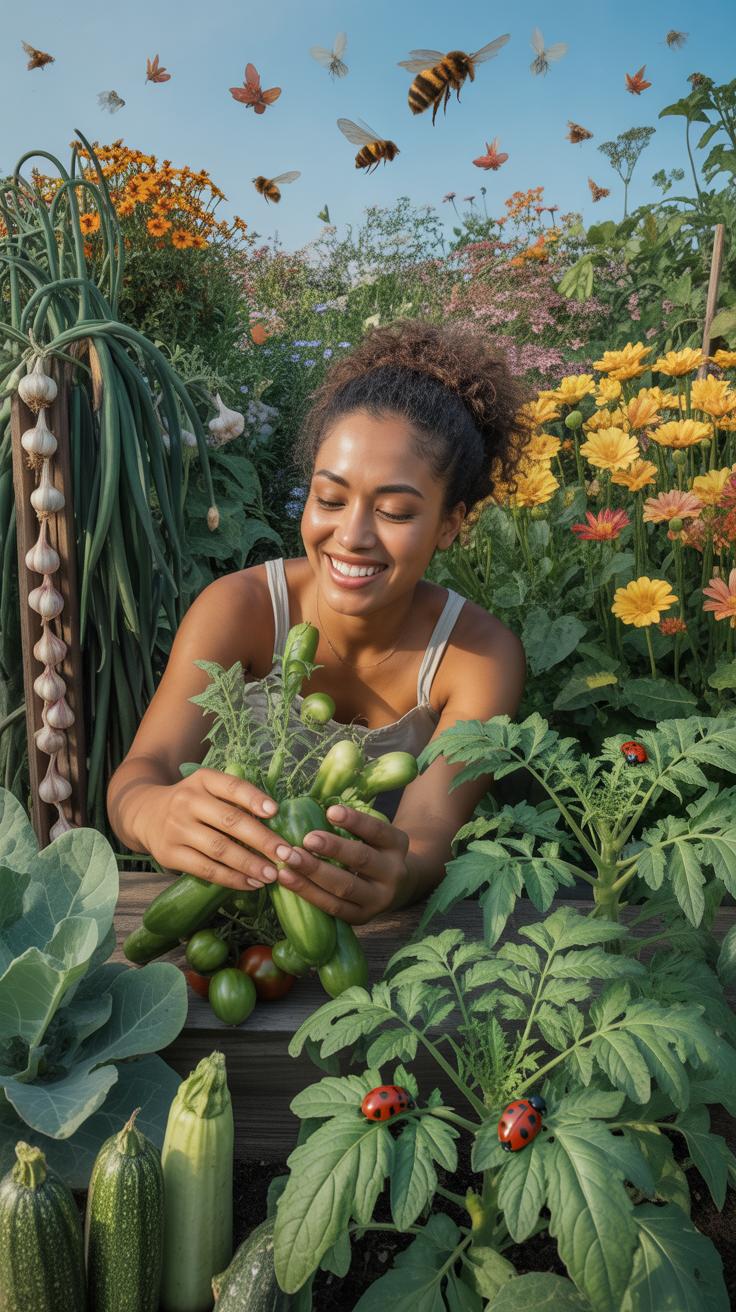
Diatomaceous earth consists of fossilized algae with sharp microscopic edges. These edges slice through the exoskeletons of crawling insects like slugs, beetles, and ants. Once the outer shell breaks, the pest dehydrates and dies quickly. You must apply this powder to dry soil for it to function. Reapply it after every rain or heavy dew to maintain a protective physical barrier around your plants.
Neem oil acts as a systemic growth regulator and repellent. It contains azadirachtin, which disrupts the hormonal systems of sucking and chewing insects. This prevents larvae from maturing and stops adults from feeding on leaves. It works against aphids, mites, and whiteflies without harming most beneficial bugs if applied at dusk. Mix the concentrate with water and a tiny amount of soap for proper leaf adhesion.
Attracting Beneficial Insects To Act As Natural Pest Deterrents For Gardens
Beneficial insects provide free labor by hunting common garden pests. Ladybugs and lacewings act as primary predators for aphid colonies. Hoverflies and parasitic wasps target caterpillars and beetles that destroy vegetable crops. You must provide a diverse habitat to keep these predators on your property. They require nectar and pollen sources to survive between pest outbreaks. This ecological balance reduces the need for chemical interventions.
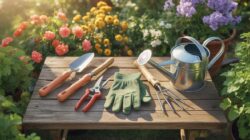
Select specific plants to lure these hunters into your garden space. Flat topped flowers like yarrow, dill, and fennel allow easy access to nectar for small predatory wasps. Marigolds and sweet alyssum provide low level ground cover for ground beetles. Stop using broad spectrum pesticides that kill everything indiscriminately. A healthy population of insects manages itself when you provide the right food and shelter throughout the growing season.
How To Make And Use A Pest Spray For Garden Plants
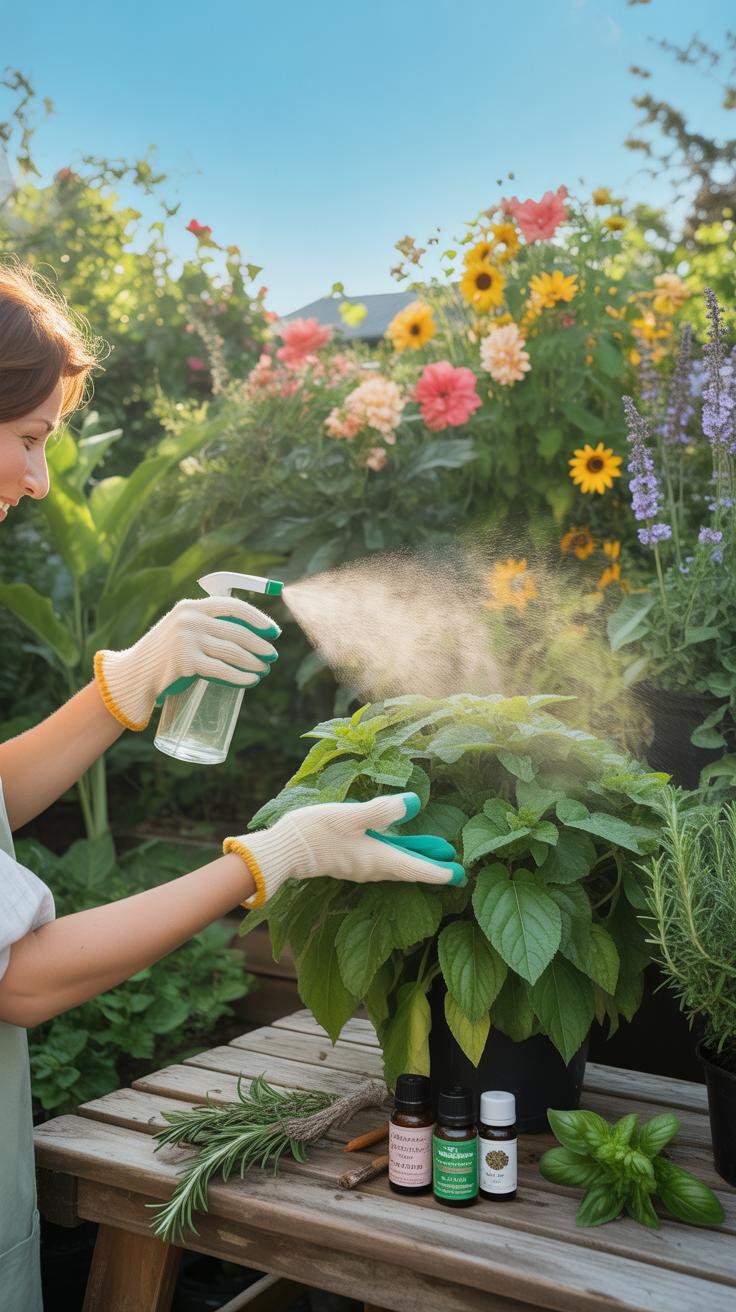
Simple Homemade Pest Spray For Garden Recipes Using Household Ingredients
Effective Garden Pest Control Tips start with basic chemistry. Most soft-bodied insects die when they contact fatty acids or capsaicin. You do not need industrial chemicals to manage aphids or mites. Kitchen staples like liquid castile soap and vegetable oil create physical barriers. These mixtures suffocate pests by blocking their breathing pores. Use clean water to ensure the solution remains stable and effective.
- Liquid Soap Solution: Mix one tablespoon of pure castile soap per quart of water. This basic alkaline solution breaks down the protective outer shells of soft-bodied insects like aphids and whiteflies. Avoid detergents with degreasers or bleach as these ingredients cause severe foliage burn and systemic plant stress.
- Horticultural Oil Mix: Combine one cup of vegetable oil with one tablespoon of mild liquid soap to create a concentrate. Mix two teaspoons of this base per cup of water. The oil coats eggs and adult insects to prevent gas exchange. This method works well for scale and spider mites.
- Hot Pepper Spray: Blend two pungent peppers with one quart of water and strain through a cheesecloth. Add a few drops of dish soap to help the liquid adhere to leaves. The capsaicin acts as a powerful irritant that repels chewing insects and mammals from your vegetable garden beds.
- Garlic Infusion: Crush two entire bulbs of garlic and steep them in one quart of hot water overnight. Strain the solids and dilute the liquid in a gallon of water before spraying. The sulfur compounds in garlic confuse the sensory organs of many flying pests and discourage egg-laying.
- Neem Oil Blend: Mix two teaspoons of high-quality cold-pressed neem oil with one teaspoon of liquid soap in a quart of warm water. Neem contains azadirachtin which disrupts the growth hormones of feeding larvae. It is a long-standing tool in organic gardening for managing persistent fungal and insect issues.
Storage and concentration levels dictate your success rate. Excessive soap concentrations will strip the waxy cuticle from plant leaves. This leads to moisture loss and eventual plant death. Always label your spray bottles with the date and ingredients. Test your mixture on a single leaf before treating the whole garden. Natural sprays degrade quickly so apply them immediately after mixing for peak potency.
When And How To Apply Pest Spray Without Harming Pollinators Or Plants
Timing determines if your spray kills pests or beneficial insects. Apply solutions during the early morning or late evening when the sun is low. Never spray during the heat of the day. High temperatures cause the liquid to evaporate too fast or intensify UV rays. This combination scorches the plant tissue. Apply the spray when bees and butterflies are less active to minimize direct contact.

Focus your application on the undersides of leaves where most pests hide and reproduce. Saturated coverage is essential because homemade sprays work on contact. They provide no residual protection once dry. Check the weather forecast before you begin. Rain will wash away your work instantly. Reapply after heavy dew or rain to maintain a protective barrier. Consistent monitoring ensures you only spray when necessary rather than on a schedule.
Building And Maintaining A Healthy Garden That Resists Pests Naturally
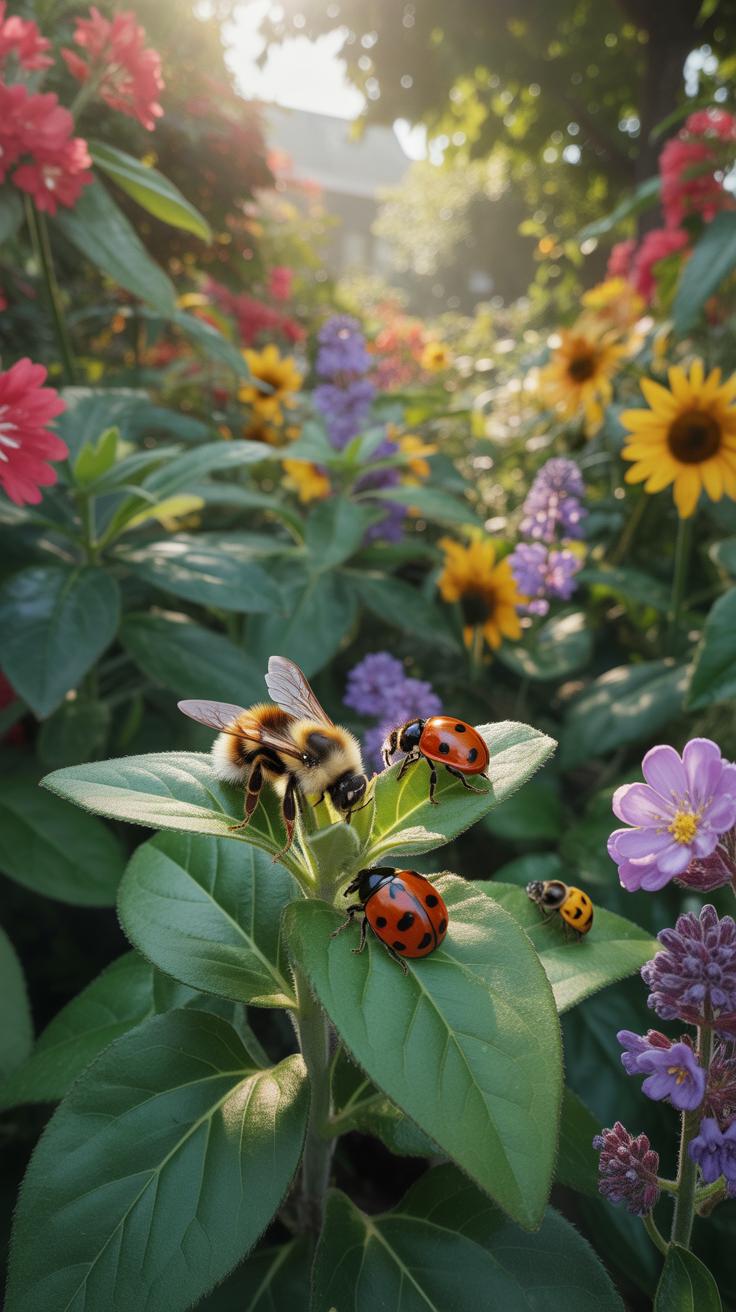
How Healthy Soil And Proper Watering Practices Reduce Pest Vulnerability
Healthy soil acts as the primary immune system for your garden. Nutrient-dense soil produces strong plants that can survive minor insect damage. Pests target weak plants first because these plants lack the chemical defenses found in vigorous specimens. You must test your soil to ensure the correct pH and mineral balance. Adding organic matter like compost improves soil structure and supports beneficial microbes.
Watering habits directly influence pest populations and fungal growth. Overwatering creates root rot and attracts fungus gnats and slugs. Watering from above wets the foliage and invites powdery mildew and leaf spot. Use drip irrigation or soaker hoses to deliver water directly to the roots. This keeps the leaves dry and reduces the chances of disease. Consistent moisture levels prevent the plant stress that signals pests to attack.
Working with nature is much better than fighting her, like using simple soaps and herbs to keep the peace in your backyard. A garden should be a place of gentle harmony where every living thing has its small purpose.
The Role Of Plant Diversity In Keeping Your Healthy Garden Pest Resistant
Monocultures fail because they provide a concentrated food source for specific pests. If you plant only one crop, a single pest species can destroy your entire garden. Plant diversity disrupts the search patterns of harmful insects. It makes it harder for them to find their preferred host plants. Growing various species together creates a physical and chemical barrier. This strategy is essential for long-term garden stability.
Diversity also supports a balance of beneficial insects that kill common pests. Flowers like marigolds and dill attract ladybugs and predatory wasps. These natural predators control aphids and caterpillars without any chemical intervention. A diverse garden mimics local ecosystems and creates better resilience. Use companion planting to maximize space and protection. Mixing scents and leaf shapes confuses pests and keeps your garden healthy and productive.
Protecting Fall Garden Vegetables From Late Season Pest Pressure

Which Fall Garden Vegetables Are Most Vulnerable To Cool Season Pests
Brassicas face the most intense pressure during the fall cooling period. Cabbage, broccoli, and kale attract specialized pests that thrive in mild temperatures. Cabbage loopers and imported cabbageworms are highly active until the first hard frost. These insects consume large amounts of foliage and can stunt plant growth quickly. You must monitor these specific crops daily because their dense leaves provide excellent hiding spots.
Root crops and leafy greens also remain high-risk targets. Carrots and beets often suffer from root maggots that tunnel through the edible portions. Spinach and lettuce face threats from aphids and slugs as moisture levels increase. These pests take advantage of the slower plant metabolism caused by shorter days. Heavy infestations at this stage can ruin an entire season of work before the harvest begins.
End Of Season Pest Control Steps To Protect Your Fall Harvest
Effective late-season control requires physical barriers and strict sanitation. Deploy floating row covers immediately after planting to block egg-laying insects. This mechanical strategy prevents moths from reaching your brassicas. You should also hand-pick any visible larvae during your morning inspections. Removing dead or yellowing leaves eliminates hiding places for slugs and snails. Maintain a clean garden perimeter to reduce pest migration from surrounding weeds.

Strategic irrigation and soil management represent your final line of defense. Water your plants early in the day so the foliage dries before sunset. Damp leaves at night attract pests and encourage fungal diseases. Once the harvest ends, remove all plant debris from the beds. Tilling the soil lightly helps expose overwintering pupae to predatory birds and freezing temperatures. These tactical steps ensure your garden remains productive and pest populations do not carry over.
Frequently Asked Questions

What are the most effective garden pest control tips for someone just starting out?
For beginners, the best approach is to start with prevention and observation. Focus on building healthy soil, as strong plants are naturally more resistant to infestations. Inspect your leaves regularly for holes or discoloration to catch issues early. These foundational garden pest control tips help you manage problems before they escalate, ensuring your new green space remains vibrant and productive without needing complex chemical interventions or professional help.
How can I safely get rid of aphids and small insects without using harsh chemicals?
You can easily manage small insects by creating a simple insecticidal soap spray at home. Mix a few teaspoons of mild liquid soap with a quart of water and spray it directly onto the affected foliage. This is one of the most practical garden pest control tips because it targets pests like aphids and spider mites while remaining safe for your family, pets, and the beneficial pollinators visiting your backyard.
Is it possible to protect my garden from pests on a very tight budget?
Absolutely! You don’t need expensive gadgets to maintain a healthy garden. Many kitchen scraps and household items work wonders; for instance, crushed eggshells can deter slugs, while marigolds planted around your vegetables act as a natural, low-cost repellent. Utilizing these recycled materials and companion planting strategies allows you to achieve professional results and protect your harvest without spending extra money on specialized commercial products or heavy equipment.