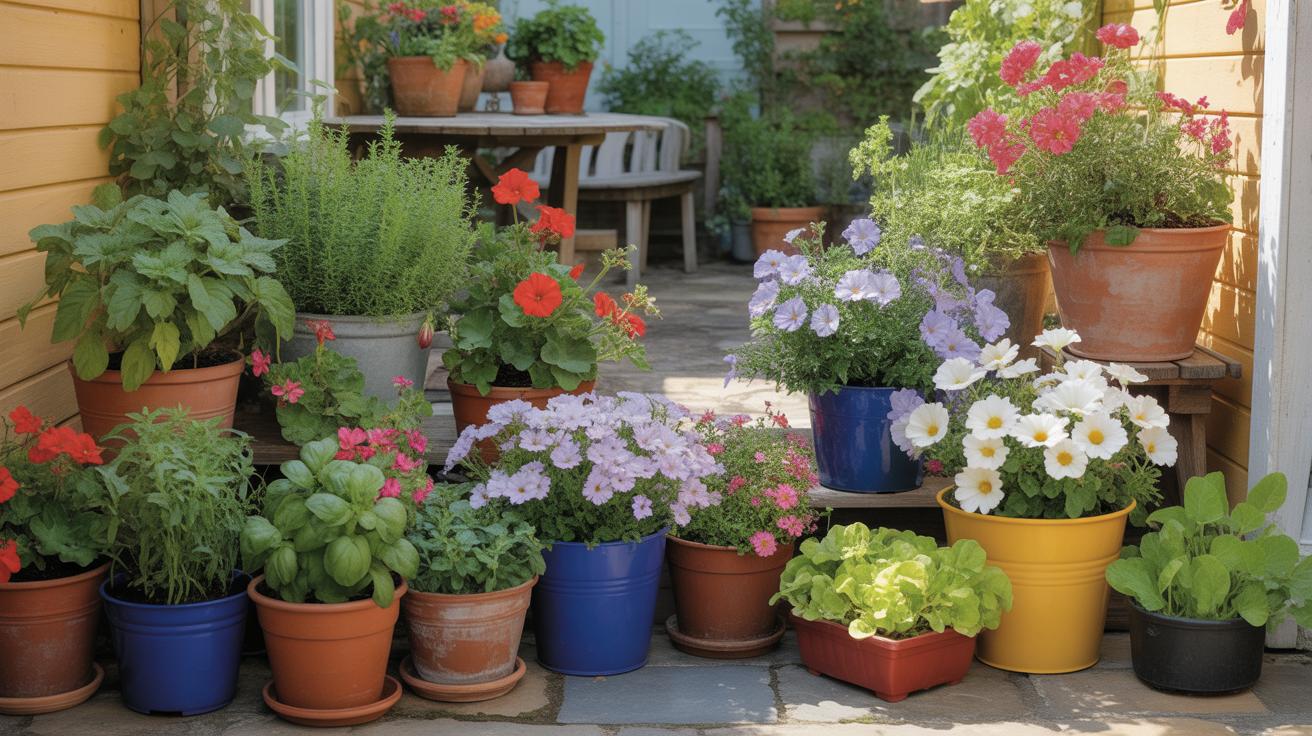
What Is Patio Container Gardening And Why Beginners Love It
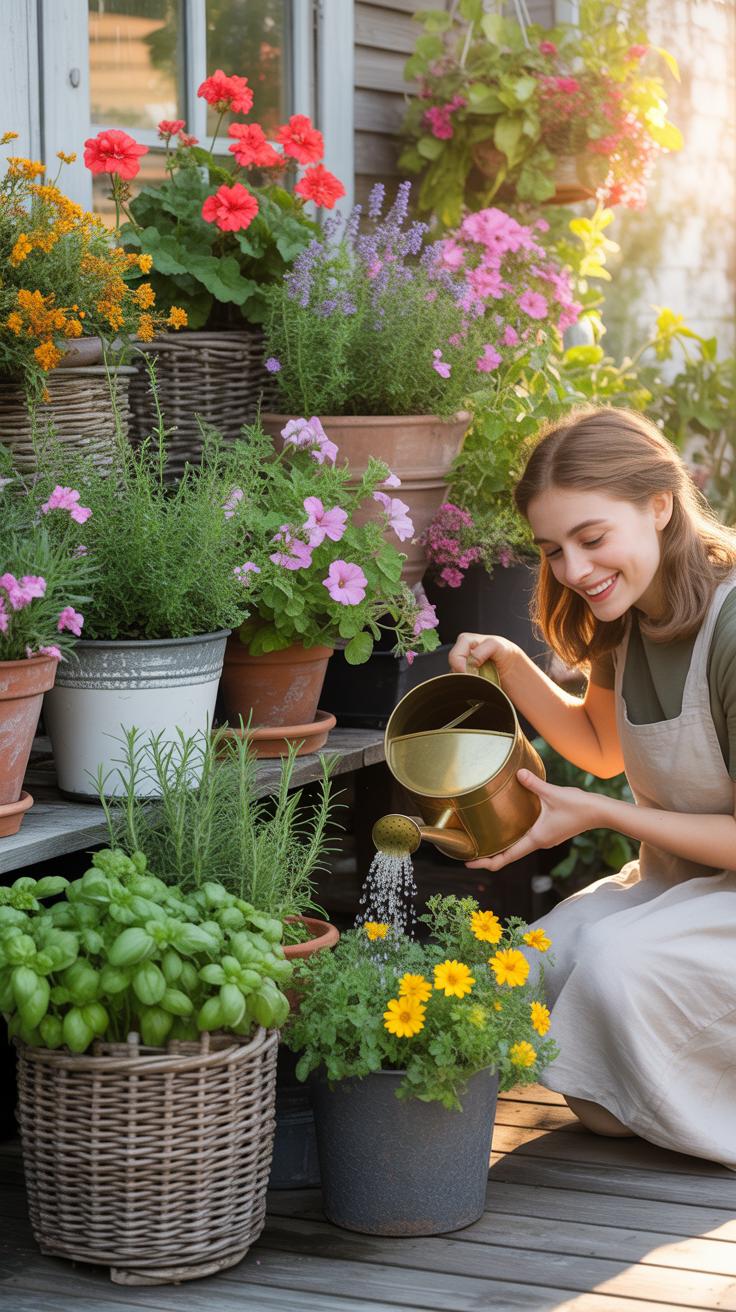
Understanding The Basics Of Growing Plants In Containers On A Patio
Patio container gardening involves growing plants in portable pots instead of the ground. This method grants growers total control over soil quality and drainage. It solves the problem of poor backyard dirt or limited space. You place containers on decks, balconies, or paved areas to maximize sun exposure. This strategy allows beginners to start small and manage their garden without heavy power tools or tilling.
The portability of containers provides a tactical advantage against changing seasons. You can move pots to follow the sun or protect them from frost. This flexibility reduces the risk of plant death for new gardeners. Beginners prefer this method because it limits weed growth and contains pests. You focus on individual pots rather than an entire yard. This targeted approach ensures higher success rates for edible and decorative plants.
Essential Supplies Every Beginner Needs Before Planting Their First Container
Successful gardening starts with the right hardware. You cannot use dirt from the yard because it lacks aeration and carries pathogens. Buy high quality potting mix designed for containers to ensure water moves correctly. Select pots with pre drilled drainage holes to prevent root rot. Proper supplies act as the foundation for your plant health. Do not skip these basics if you want results.
- Potting Mix: Use a lightweight blend of peat, perlite, and pine bark. This mix provides aeration and holds moisture better than ground soil. It stays loose so roots can expand quickly without hitting hard clay or rocks.
- Containers: Purchase plastic, ceramic, or terra cotta pots with drainage holes at the bottom. The size must match the mature root ball of your plant. Proper drainage prevents water from pooling and killing the plant through lack of oxygen.
- Watering Can: Buy a can with a removable rose nozzle for gentle watering. This tool allows you to deliver water directly to the soil surface. It prevents soil washout and keeps the foliage dry to stop fungal diseases from spreading.
- Hand Trowel: This small shovel is vital for digging holes and moving mix into pots. Choose a stainless steel blade for durability and rust resistance. It provides the precision you need for planting seedlings without damaging their delicate root systems.
- Fertilizer: Get a balanced, water soluble fertilizer to replenish nutrients lost during drainage. Containers lose minerals every time you water them. Regular feeding keeps plants productive and healthy throughout the growing season since they cannot reach deeper soil minerals.
Organize your workspace before you buy any living plants. Keep your tools clean to avoid spreading bacteria between containers. Set up a dedicated area on your patio for planting and maintenance. Having your supplies ready reduces stress and prevents mistakes during the transition from nursery pot to patio container. Preparation dictates the longevity of your garden. Stick to these core items for a focused start.
Inspiring Container Gardening Ideas To Spark Your Creativity
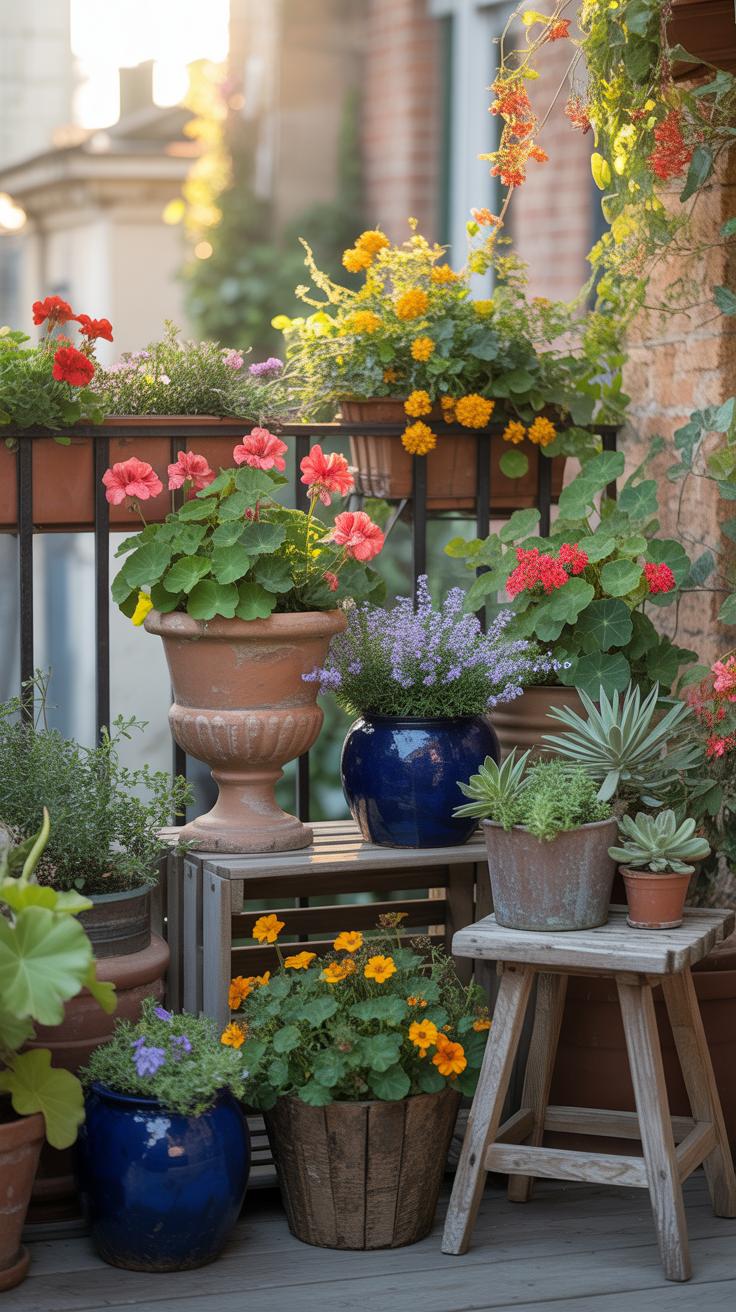
How To Theme Your Container Garden Around Color, Texture, And Season
Theming starts with a specific color palette to create visual order. Warm colors like red and yellow advance toward the eye and make large patios feel smaller. Cool colors like blue and silver recede and create an illusion of space. Effective gardeners use the color wheel to choose complementary or monochromatic schemes. This strategy prevents the chaotic look common in many beginner container gardens.
Texture and seasonality provide depth and longevity to the display. Combine fine-textured grasses with broad-leafed hostas to create contrast. Plan for seasonal transitions by choosing plants that peak at different times. Early spring bulbs give way to summer annuals. Late-season perennials like chrysanthemums or ornamental kales maintain the visual appeal through autumn. This rotational approach ensures your patio remains high-value throughout the entire growing year.
Mixing Edibles And Ornamentals For A Beautiful And Functional Display
Interplanting edibles and ornamentals maximizes limited patio space. This practice dates back to French potager gardens where aesthetics met food production. Swiss chard and kale offer structural leaves and vibrant colors that rival traditional decorative plants. Herbs like rosemary and lavender provide evergreen structure and scent. Placing these functional plants in visible containers creates a productive landscape that does not sacrifice the clean look of the space.
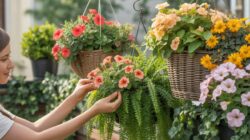
Successful mixed containers require plants with identical moisture and light needs. Do not pair water-heavy tomatoes with drought-tolerant succulents. Use edible flowers like nasturtiums or pansies to fill gaps between vegetable starts. These flowers attract pollinators which increases your total crop yield. This tactical approach turns every pot into a multi-purpose asset. You get food and visual interest from a single footprint on your patio floor.
Top Patio Container Gardening Ideas That Work In Any Climate

Choosing Plants That Thrive In Containers Based On Your Local Growing Zone
Successful patio container gardening requires matching plant biology to your USDA hardiness zone. These zones dictate the minimum winter temperatures a plant can survive. In cold regions like zones 3 through 5, perennials in pots face higher risks because roots lack ground insulation. You must select plants rated two zones colder than your current location. This buffer ensures the root ball survives the freeze-thaw cycles.
Heat zones also matter for patio success. High pavement temperatures cook roots in thin plastic pots. In southern zones 8 through 10, choose heat-tolerant species like succulents or Mediterranean herbs. Use light-colored ceramic or wood containers to deflect sun rays. Proper drainage remains a non-negotiable technical requirement. Every container must have holes to prevent root rot regardless of the plant species or your specific climate zone.
Seasonal Swaps That Keep Your Patio Looking Fresh All Year Round
Maximizing patio utility requires a rotation strategy. You replace expiring plants with new ones as temperatures shift. In spring, focus on frost-tolerant species like pansies or snapdragons. These survive early season fluctuations. Once the soil warms, swap these for high-performance summer annuals. This tactical transition ensures your patio remains productive and visually consistent. You avoid the sight of dying foliage by planning these swaps ahead of time.
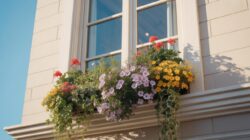
Fall requires another shift to cold-hardy varieties such as ornamental kale or chrysanthemums. These plants withstand the first few frosts while maintaining color. In winter, switch to evergreen boughs or resilient shrubs like boxwoods in large insulated pots. This year-round approach prevents the container from sitting empty. It also protects your soil biology from drying out during the off-season. Consistent movement keeps the garden healthy and visually sharp.
Small Patio Container Garden Ideas For Tight Spaces And Balconies
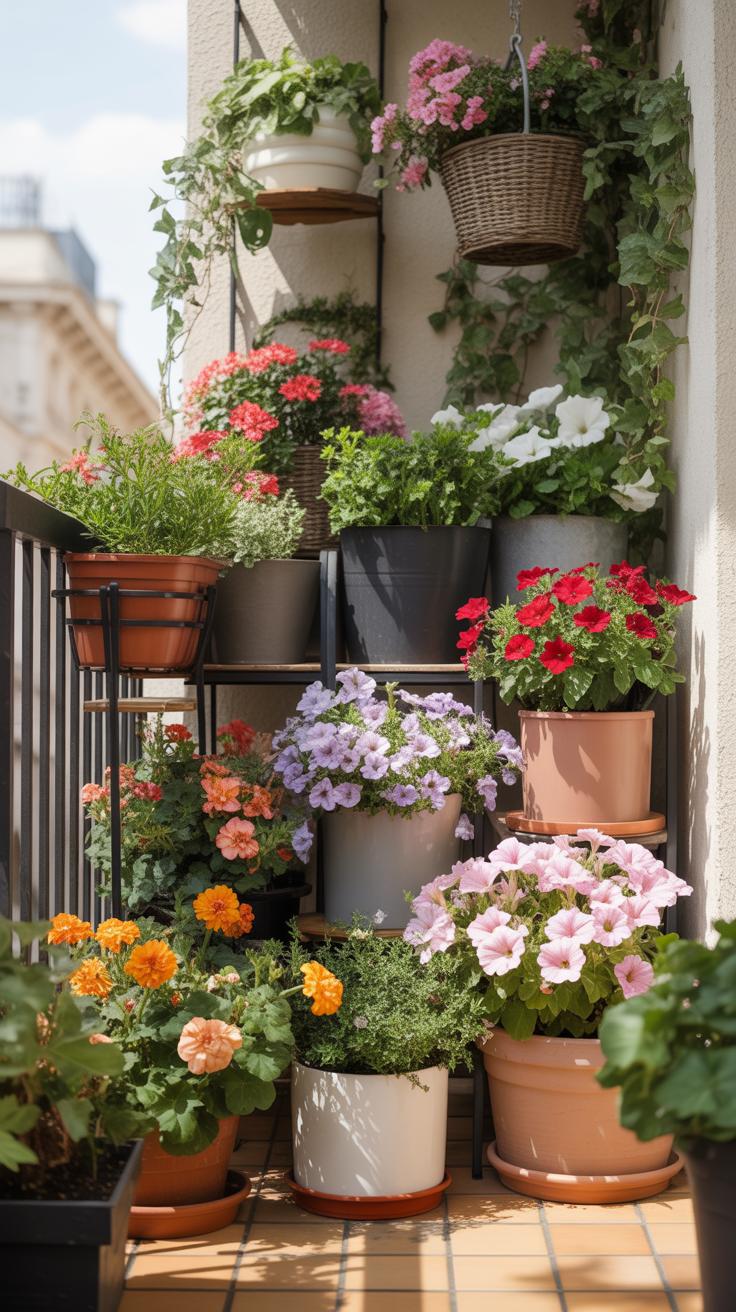
How To Maximize Vertical Space With Stacked And Hanging Container Arrangements
Stop looking at the floor for more space. Vertical gardening shifts the focus to walls and railings to increase your planting area. Use wall-mounted planters or modular pocket systems to grow greens and herbs. Secure these units directly into masonry or wood studs for stability. Gravity helps with drainage in these setups. Water the top units and let the excess reach the bottom.
Hanging baskets and railing planters utilize the perimeter of your balcony. Choose heavy-duty brackets that can support the weight of wet soil. Position hanging pots at different heights to create a tiered effect. This method improves air circulation around your plants. Better air flow reduces the risk of fungal diseases. Stackable tiered planters also offer a high yield in a single square foot of floor space.
Compact Plant Varieties That Perform Beautifully In Small Container Setups
Successful small space gardening relies on dwarf and determinate plant varieties. These plants have a genetic cap on their physical size. Look for seeds or starts labeled as patio or bush types. Determinate tomatoes grow to a specific height and stop. This prevents them from overtaking your limited balcony area. They provide a heavy crop in a short window without needing massive support structures.
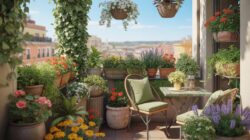
Choose leafy greens and herbs for high-density planting. Loose-leaf lettuce and spinach thrive in shallow containers only six inches deep. Herbs like thyme and chives take up very little root space. You can pack these into small troughs or window boxes easily. These compact choices allow for a diverse garden even on a tiny footprint. Always match the pot size to the ultimate spread of the mature plant variety.
Building Your First Patio Container Garden From The Ground Up
How To Choose The Right Container Size And Material For Each Plant Type
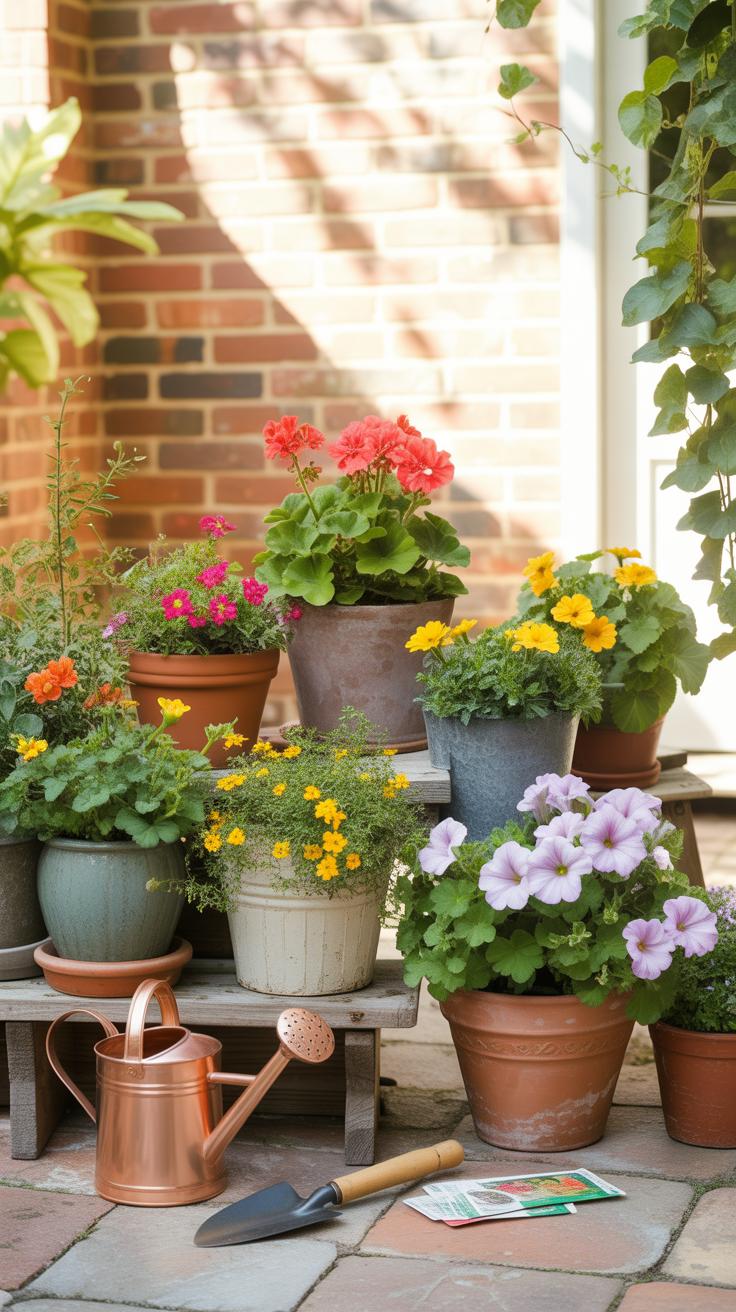
Container volume dictates root health and plant size. Small pots dry out fast and stunt growth. Large pots hold moisture longer but can be heavy. Use terracotta for plants that prefer dry soil like succulents or herbs. These porous clay pots allow air and water to move through the walls. Plastic or resin pots work best for tropicals because they retain moisture.
Match the pot diameter to the mature spread of your plant. A pot that is too small limits nutrient intake. A pot that is too large stays wet and rots roots. Choose heavy stone or concrete for tall plants to prevent wind from tipping them over. Metal containers heat up quickly in direct sun. Avoid metal for edible crops to prevent cooking the root systems.
Understanding Drainage, Soil Mixes, And Watering Needs For Healthy Container Plants
Never use garden soil in patio containers. Native dirt compacts and kills roots by blocking oxygen. Use high-quality potting mix containing peat moss or coconut coir and perlite. These materials create air pockets and manage water retention. Good drainage holes are mandatory at the bottom of every vessel. Without holes, water pools at the base and causes root rot through anaerobic bacteria growth.
Watering frequency depends on the material of the pot and local weather. Check soil moisture by sticking a finger one inch into the surface. Water until liquid runs out of the drainage holes to ensure the entire root ball is wet. Morning watering is most efficient because it reduces evaporation. Group plants with similar water needs together to simplify your maintenance routine and maximize growth.
Container Garden Design Principles That Make A Lasting Visual Impact
Using The Thriller, Filler, And Spiller Formula To Design Stunning Containers
The Thriller, Filler, and Spiller method is a tactical framework for vertical arrangement. This system ensures every container has structural depth and visual balance. Designers use three distinct plant types to occupy specific spatial zones within the pot. The method prevents flat or messy compositions. It provides a reliable blueprint for beginners to achieve professional results with minimal trial and error.
- Thriller: These are the focal points of the container. Position these tall, striking plants in the center or back. Use upright grasses, canna lilies, or dracaena to provide essential height and bold texture.
- Filler: These mid-sized plants surround the thriller to hide the soil and add volume. Choose mounding species like petunias, coleus, or begonias. They create a lush appearance and bridge the gap between high and low elements.
- Spiller: These plants trail over the edges of the pot. Use ivy, sweet potato vine, or lobelia to soften the rim. This technique connects the container to the ground and breaks up harsh vertical lines.
- Scale Maintenance: Ensure the scale of each plant matches the container size. Thrillers should not exceed twice the height of the pot. Proper scaling prevents the arrangement from looking top-heavy or cluttered over time.
- Cultural Consistency: Group plants based on their specific light and water needs. A sun-loving thriller must remain paired with sun-loving fillers and spillers. Mixing plants with different survival requirements leads to uneven growth and plant death.
Sunlight and hydration dictate plant selection within this formula. Strategic designers verify that all species in one pot share identical environmental requirements. Selecting high-contrast colors for the filler plants reinforces the impact of the central thriller. This approach maximizes the aesthetic return on your investment. Following this mathematical balance creates a dense, healthy look that lasts throughout the entire growing season.
To plant a garden is to believe in tomorrow, and even a simple pot on a porch can hold the whole of summer’s promise.
How Pot Placement, Grouping, And Height Variation Create A Cohesive Patio Look
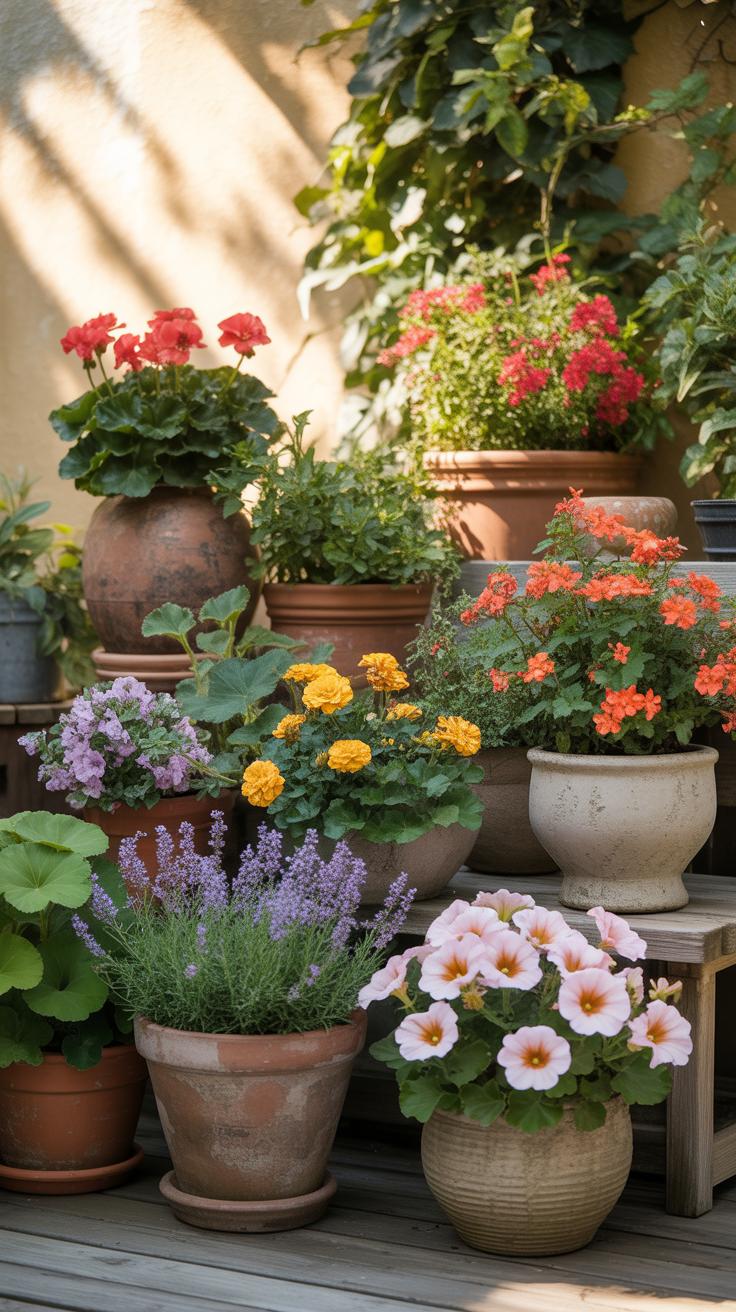
Effective patio design requires grouping containers in odd numbers. Threes and fives create more natural visual paths than even pairs. Vary the heights by using tiered stands or upturned empty pots as risers. Placing taller containers in back and shorter ones in front mimics natural landscapes. This layering technique ensures every plant receives sunlight and remains visible to the viewer.
Unity comes from repeating specific materials or colors across the patio. Choose a limited palette of pots made from terracotta, stone, or glazed ceramic. Mix different sizes of the same style to build a cohesive theme without looking repetitive. Strategic placement near entryways or seating areas anchors the space. Correct grouping turns individual pots into a singular, high-impact landscape feature instead of a scattered collection.
Best Container Garden Flowers For Color Fragrance And Long Bloom Times
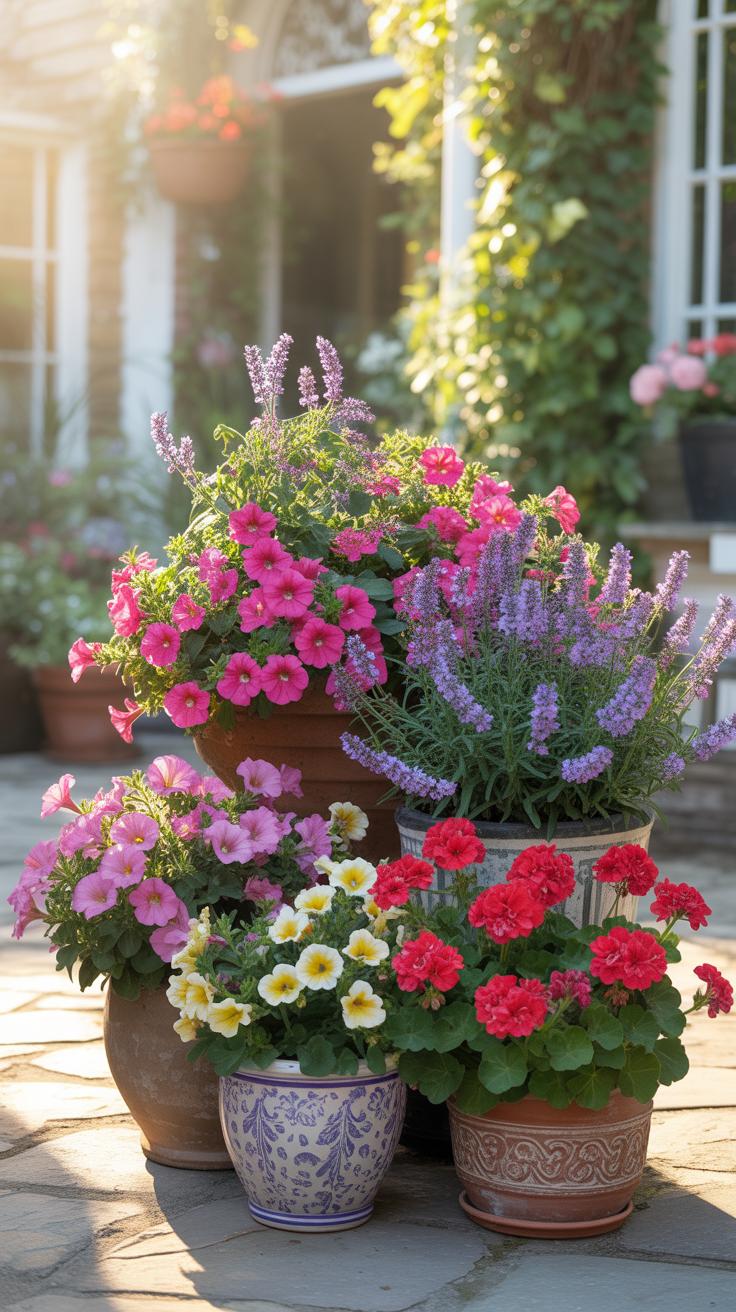
Sun Loving Annual Flowers That Put On A Show All Summer Long In Containers
Sun-loving annuals require at least six hours of direct light daily to maintain peak bloom production. Petunias and geraniums dominate this category because they tolerate high heat and restricted root zones. You must use high-quality potting soil to ensure drainage and nutrient retention. Constant solar exposure dries out containers rapidly. Water these plants early in the morning to prevent wilting and fungal growth on the leaves.
Deadheading remains the most important maintenance task for sun-loving varieties. This process involves removing spent flowers to prevent the plant from producing seeds. It forces the plant to redirect energy into new blossoms rather than reproduction. Use a liquid fertilizer high in phosphorus every two weeks to sustain heavy flowering cycles. Aggressive feeding compensates for the limited nutrient supply found in small patio pots during the peak summer months.
Shade Tolerant Flowering Plants That Brighten Up Low Light Patio Corners
Shade-tolerant plants thrive in areas receiving less than four hours of direct sun. Fuschias and begonias are the standard choices for these low-light environments. These species evolved under forest canopies and cannot handle intense afternoon heat. They rely on consistent moisture levels because their thin leaves dry out quickly. Keep these containers in sheltered spots to protect plants from wind damage and excessive evaporation.
Managing moisture is more difficult in the shade because water evaporates slowly. Overwatering causes root rot, which kills shade plants faster than sunlight. Check the soil depth with your finger before adding water. Use light-colored pots to reflect what little light is available toward the foliage. Grouping shade containers together creates a microclimate with higher humidity. This helps the plants survive dry indoor or urban patio air during heat waves.
Creative Plant Container Ideas Outdoors Beyond The Basic Terracotta Pot
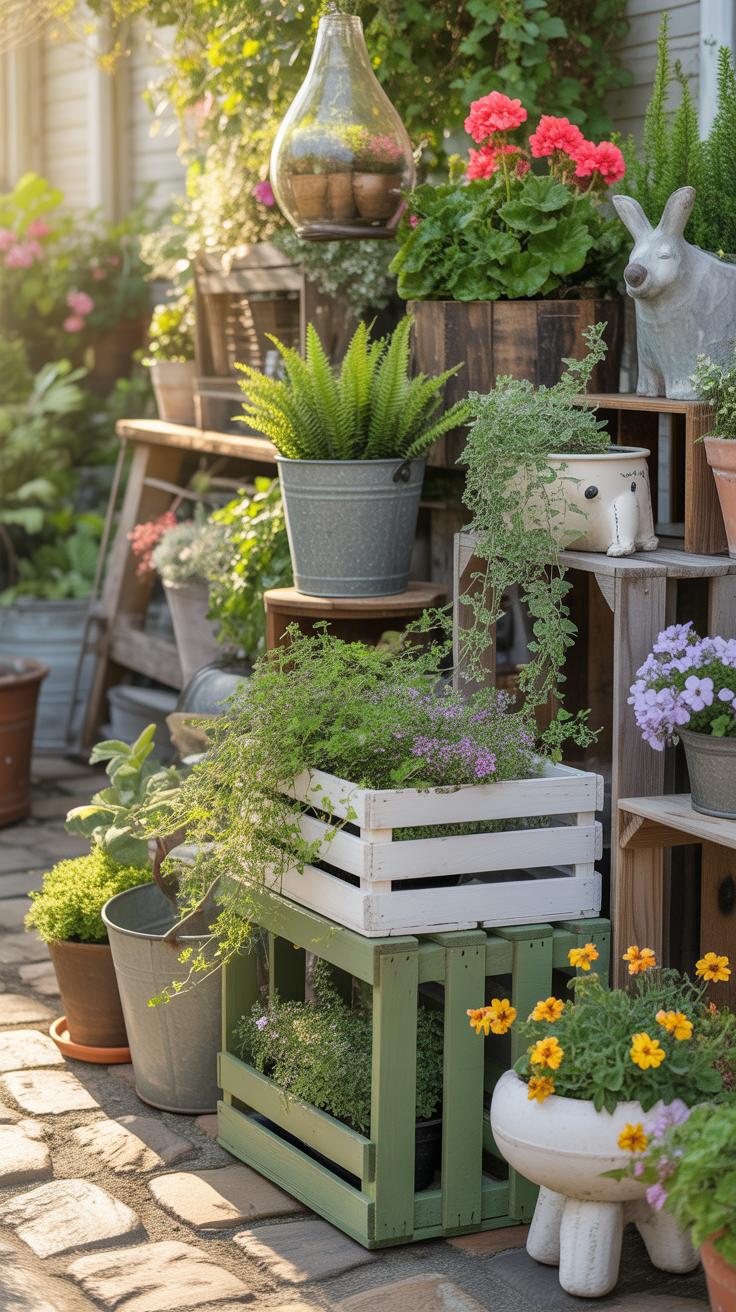
Repurposing Everyday Objects As Unique And Charming Outdoor Plant Containers
Repurposing objects requires a focus on drainage and volume. Old galvanized buckets, wooden crates, and rubber tires serve as durable vessels for patio gardening. You must drill holes in the bottom of metal or plastic items to prevent root rot. Large vessels provide better insulation for roots against temperature swings. Ensure any salvaged material is free of lead paint or toxic chemicals.
Vertical space adds value to small patios. Hanging colanders and shoe organizers allow for high density planting of herbs or succulents. These items offer natural drainage through their mesh or fabric construction. Choose heavy materials for windy areas to prevent tipping. Repurposed items save money and reduce waste. Match the scale of the object to the mature size of the plant to ensure long term growth.
Comparing Container Materials Like Fabric, Resin, Wood, And Ceramic For Outdoor Use
Material choice dictates your watering schedule and plant health. Fabric pots provide superior aeration and prevent root circling. These bags allow heat to escape and keep roots cool. Resin and plastic containers retain moisture effectively and weigh very little. They work well for plants that require consistent hydration. Ceramic pots offer a classic look but crack in freezing temperatures. Consider the local climate before selecting heavy breakable options.

Wood containers like cedar or redwood offer natural rot resistance and insulation. These materials stay cool under direct sunlight and protect sensitive roots. Resin mimics the look of stone without the physical weight. Use heavy wood or ceramic for top heavy plants like citrus trees. Match the porosity of the material to the needs of the species. Non porous materials like glazed ceramic reduce the frequency of manual irrigation tasks.
Fun DIY Garden Projects To Personalize Your Patio Container Setup
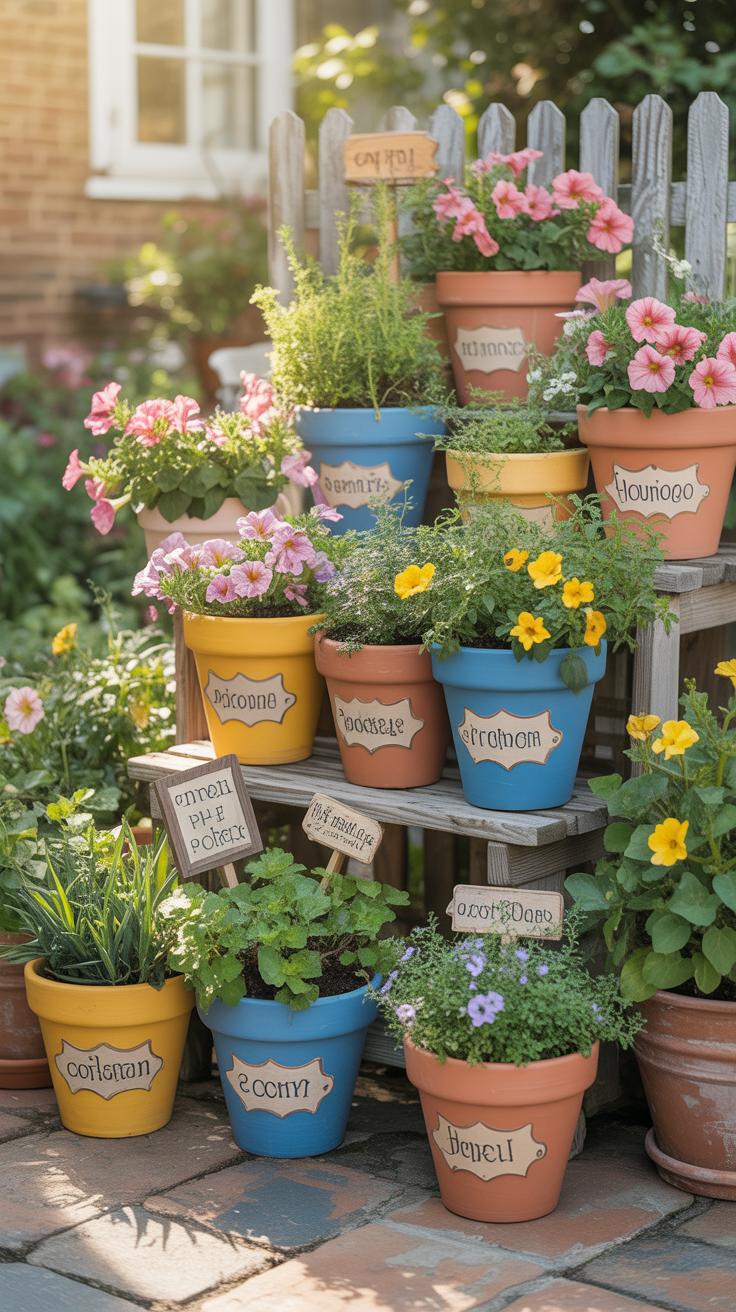
How To Build A Simple Tiered Plant Stand To Display Multiple Containers At Once
Vertical organization maximizes limited square footage on a patio. You can build a basic A-frame or ladder stand using pressure-treated pine or cedar. These woods resist rot and insect damage. Use deck screws instead of nails to ensure structural integrity over time. Standard dimensions often follow three-foot widths to prevent the wood from sagging under the weight of wet soil and heavy ceramic pots.
Start by cutting your side supports at a 15-degree angle to create a stable slant. Attach horizontal cleats at even intervals to hold the shelves. Use a level to verify every surface is flat before securing the final boards. This design creates a stadium seating effect for your plants. It gives every container equal access to sunlight and improves airflow around the foliage to prevent fungal diseases.
Painting, Stenciling, And Decorating Plain Containers To Match Your Patio Style
Plain terra cotta and plastic pots are cheap but look generic. You can upgrade them using professional-grade acrylic paints or specialized spray paints for plastics. Always clean the surface with a wire brush or sandpaper first to remove loose debris. Apply a Masonry sealer to the inside of terra cotta pots. This prevents moisture from seeping through the clay and bubbling the paint on the outside.
Stenciling adds geometric patterns or clean lines that fit modern design styles. Use low-tack painter tape to mask off sections for crisp edges. For a weathered look, use the dry-brush technique inspired by the Shabby Chic movement. This involves using very little paint to highlight the natural texture of the pot. Once dry, apply a clear UV-resistant topcoat to prevent the sun from fading your work.
Frequently Asked Questions

What are the best plants for someone starting their first patio container garden?
If you are new to patio container gardening, start with hardy varieties that tolerate a range of conditions. Herbs like basil and mint, leafy greens like lettuce, and vibrant flowers like marigolds or pansies are perfect choices. these plants are forgiving and grow quickly in pots. Choosing low-maintenance options helps build your confidence as you learn the basics of watering schedules and sunlight requirements for your outdoor space.
How do I ensure my container plants have proper drainage?
Proper drainage is the secret to successful patio container gardening. Always choose pots with pre-drilled holes at the bottom to prevent water from pooling around the roots, which can cause rot. If you find a decorative planter without holes, use it as a “cachepot” by placing a plain plastic nursery liner inside. Additionally, using a high-quality potting mix rather than garden soil ensures that water flows through the medium effectively.
Can I start a patio garden if I am on a tight budget?
Absolutely! You don’t need expensive designer pots to create a beautiful display. Many household items like old buckets, wooden crates, or even sturdy food tins can be repurposed into charming planters—just remember to add drainage holes. You can also save money by starting plants from seeds rather than buying mature starts and making your own organic compost at home. Small investments in quality soil will yield impressive results without breaking the bank.