
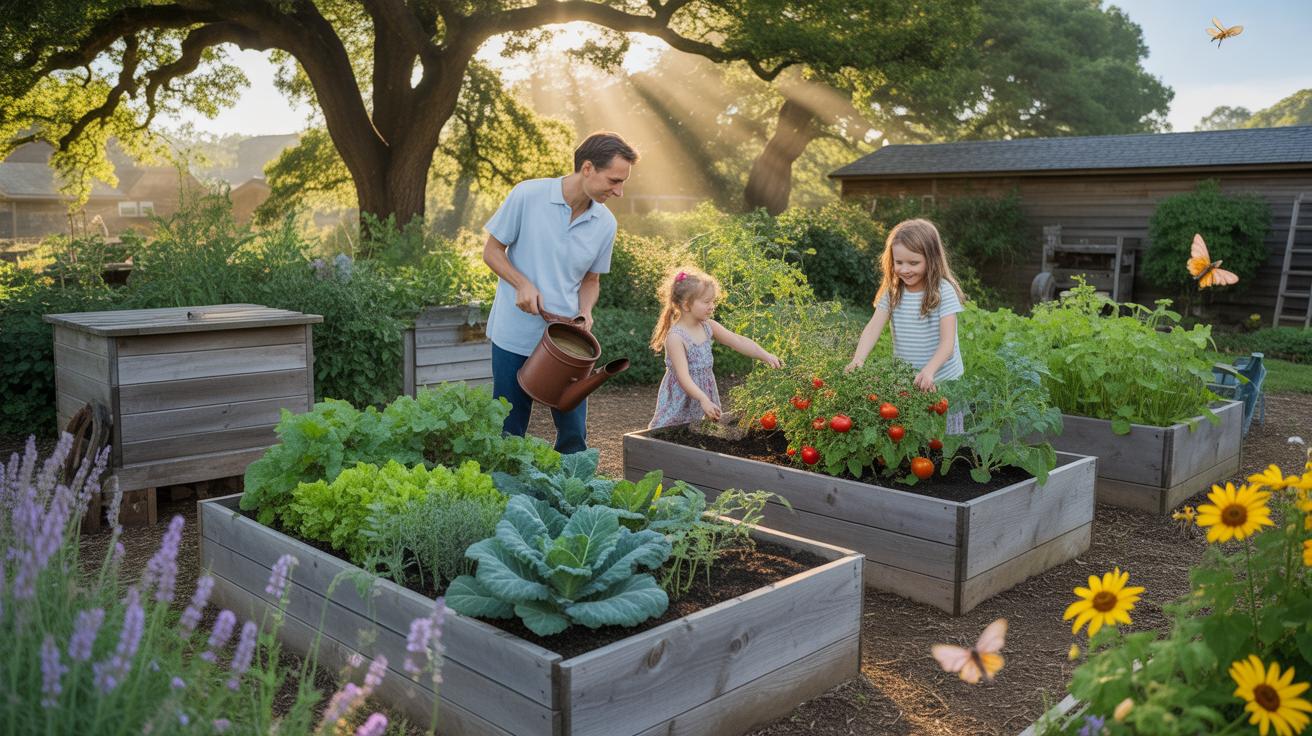
What Are Organic Gardening Tips And Why They Matter For Every Home
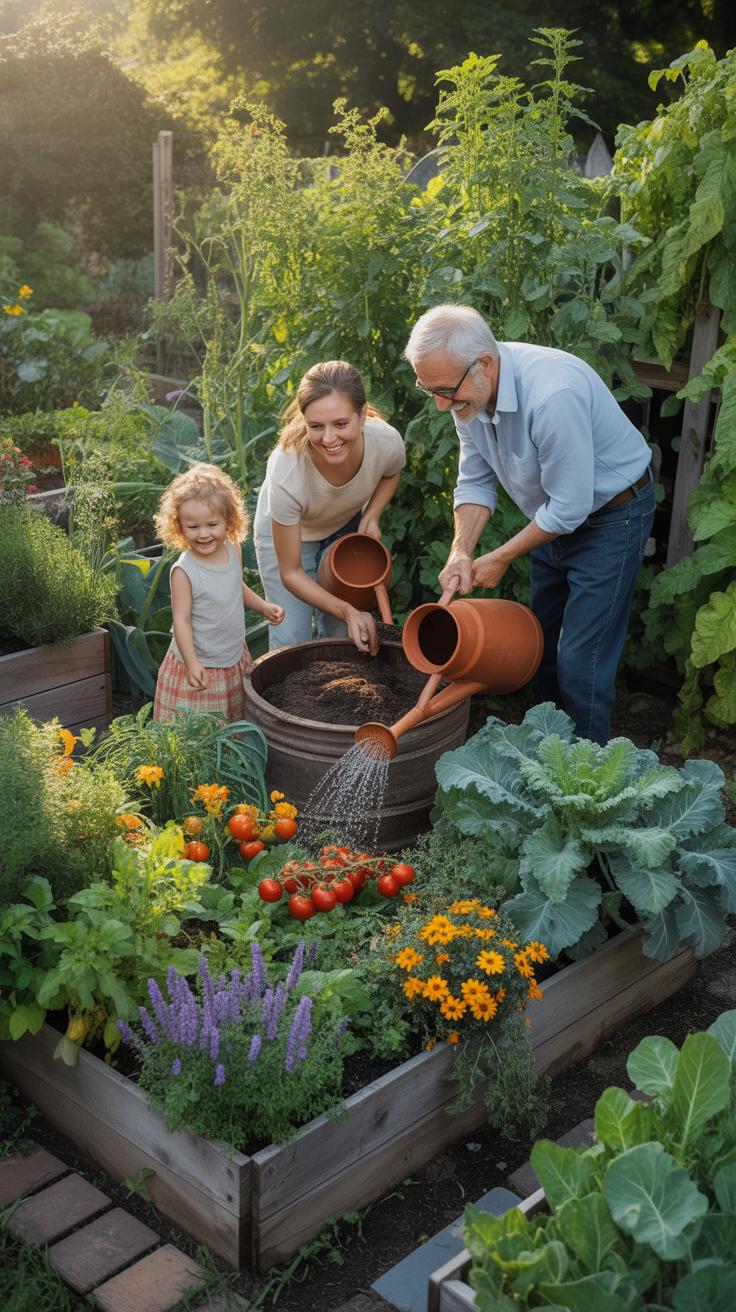
Understanding The Core Principles Behind Organic Gardening Tips
Organic gardening relies on natural systems to grow plants. You treat the garden as a whole ecosystem. This method focuses on soil health rather than just feeding the plant. You use compost and mulch to build nutrients. These practices encourage beneficial microbes and insects to thrive. Healthy soil creates strong plants that resist pests and diseases without any outside help.
Every home benefits from these methods because they protect local water and soil quality. You avoid runoff that poisons nearby streams. This strategy creates a self-sustaining cycle in your backyard. You recycle kitchen waste into fertilizer through composting. By closing this nutrient loop, you save money on supplies. These tips provide a clear roadmap for growing safe food and flowers at home.
How Organic Gardening Differs From Conventional Gardening Practices
Conventional gardening uses synthetic chemicals to force growth and kill pests. These fast-acting fertilizers often provide a quick boost but damage long-term soil structure. Toxic pesticides kill both bad and good insects. This disrupts the natural balance and makes the garden dependent on more chemicals. Conventional methods focus on short-term yields. This approach often leads to compacted soil and nutrient depletion over several years.
Organic practices reject all synthetic inputs. You use integrated pest management to handle bugs. This means you use barriers, traps, or natural predators instead of poison sprays. Organic gardeners manage the land for the long term. You prioritize biodiversity and natural cycles. This keeps the environment safe for children and pets. Choosing organic methods ensures your garden remains productive and healthy for many decades to come.

Your Complete Organic Gardening Guide To Planning The Perfect Home Garden

How To Choose The Right Garden Layout And Space For Organic Growing
Successful organic gardening requires a site with at least six hours of direct sunlight. You must place your beds near a clean water source to maintain soil health. Effective layouts use raised beds or intensive row planting to maximize space. This setup prevents soil compaction by keeping foot traffic away from root zones. Good drainage is nonnegotiable to prevent root rot and fungal diseases.
North-south row orientation ensures even light distribution for all crops. You should avoid low spots where frost settles or water pools after heavy rain. Use permanent paths to define growing areas clearly. Consider wind patterns as strong gusts can damage tall plants and dry out soil. Proximity to your home increases your ability to monitor pests and Manage weeding tasks daily before they become overwhelming.
Selecting The Best Organic Friendly Plants For Your Climate And Region
You must match plant varieties to your specific USDA Hardiness Zone or local climate. Choose native species because they adapt better to local rainfall and temperature shifts. These plants require fewer inputs and resist local pests naturally. Open-pollinated and heirloom seeds allow you to save seeds for future seasons. This practice builds a garden stock that is regionally adapted to your specific soil and conditions.

Consult local planting calendars to time your sowing with frost dates. Group plants with similar water and light needs together to increase efficiency. Short-season varieties work best in northern areas with limited summer heat. In hot regions, choose heat-tolerant greens and drought-resistant legumes. Proper selection reduces the need for external interventions. Healthy plants in the right environment defend themselves against most common environmental stressors.
Soil Health Is The Foundation Of Every Thriving Organic Garden
How To Test And Improve Your Soil Health Before Planting Season Begins
Professional gardeners test soil before adding any inputs. You must know your current pH levels and nutrient deficiencies. Use a laboratory soil test for accuracy. Home kits often provide unreliable data. A lab report identifies nitrogen, phosphorus, and potassium levels. It also measures cation exchange capacity. This data tells you exactly what the ground needs. Do not guess based on plant appearance alone.
Once you have results, adjust the soil chemistry immediately. High acidity requires agricultural lime to raise the pH. High alkalinity requires elemental sulfur to lower it. Apply these amendments weeks before planting. This allows time for chemical reactions in the dirt. Aerate compacted areas with a broadfork to improve oxygen flow. Good airflow supports the aerobic bacteria necessary for plant growth and root development.
Building Rich, Living Soil With Compost And Natural Organic Amendments
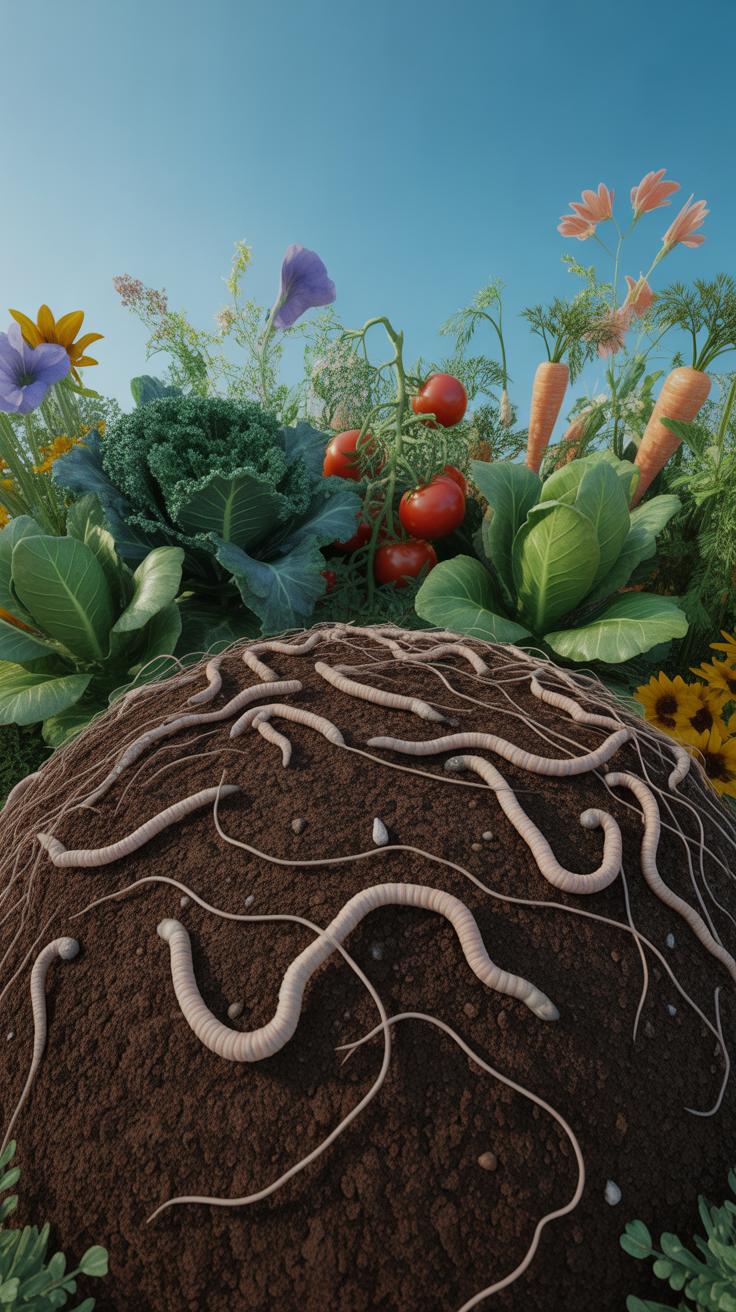
Living soil requires a constant supply of organic matter. Spread two inches of high quality compost over your beds annually. Decomposed plant material feeds the soil food web. This network includes fungi, bacteria, and earthworms. These organisms break down minerals into forms plants can absorb. Compost also improves water retention in sandy soils. It increases drainage in heavy clay soils. Use local feedstock sources.

Add specific organic amendments to target proven deficiencies. Use bone meal for phosphorus or kelp meal for trace minerals. Blood meal provides a fast nitrogen boost for leafy growth. Avoid synthetic fertilizers because they kill beneficial microbes. They also cause salt buildup in the ground. Focus on long term fertility instead of short term yields. Healthy soil biology creates a resilient garden. This system suppresses pests and diseases naturally.
Organic Gardening Tips With Fertilizer To Feed Your Plants Naturally
The Best Natural And Organic Fertilizers To Use In A Home Garden
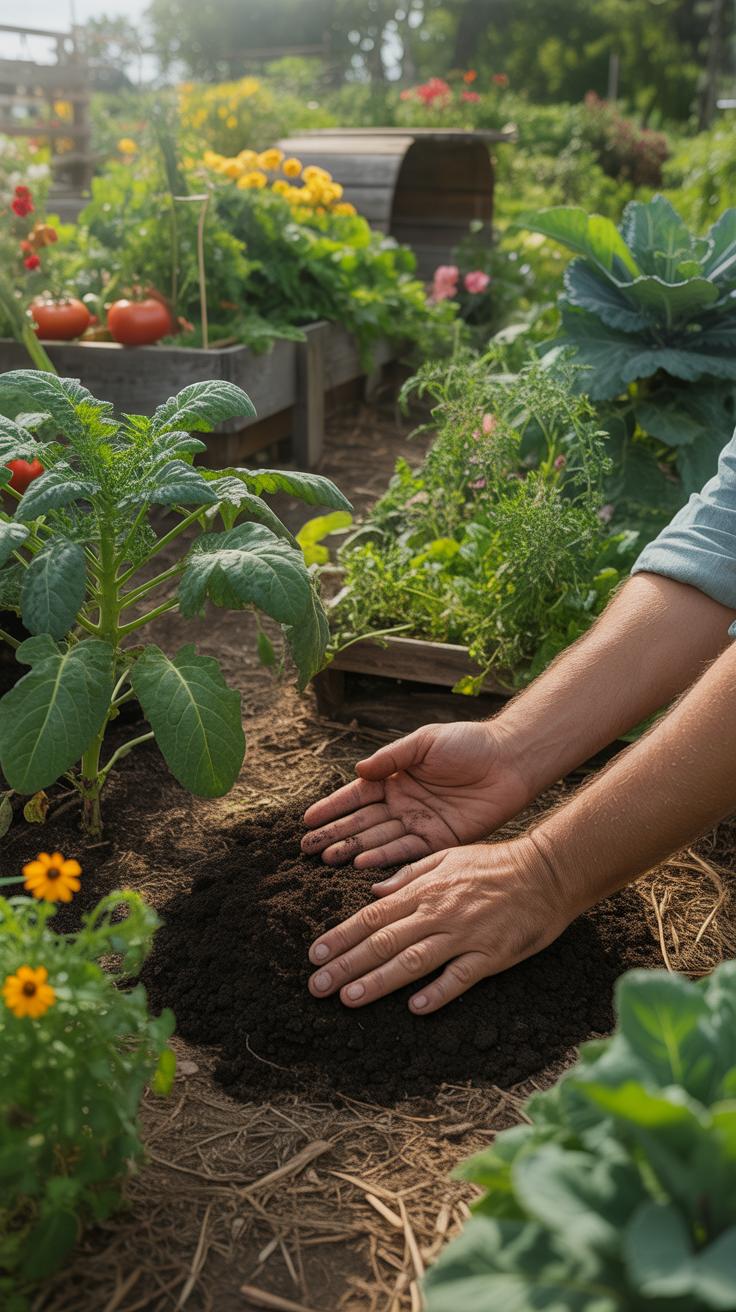
Organic fertilizers release nutrients slowly by working with soil biology. These materials improve soil structure rather than just feeding the plant directly. You must choose inputs based on specific nutrient deficiencies. Nitrogen, phosphorus, and potassium are the primary goals. Using high quality organic matter prevents the salt buildup common with synthetic options. This approach builds long term soil health.
- Compost: This decomposed organic matter serves as the foundation for any organic garden. It provides a full spectrum of micronutrients and beneficial microbes. Compost improves water retention in sandy soils and drainage in clay soils.
- Blood Meal: This high nitrogen amendment comes from dried animal blood. It provides a rapid boost to leafy green crops and helps rectify nitrogen deficiencies. Use it sparingly to avoid burning young plant roots or attracting scavengers.
- Bone Meal: Processed animal bones provide high levels of phosphorus and calcium. This supplement is essential for strong root development and flower production. It works best when mixed into the soil at the time of planting bulbs or shrubs.
- Fish Emulsion: This liquid fertilizer offers a concentrated source of nitrogen and trace elements. It acts faster than solid amendments because plants can absorb it through leaves and roots. It is ideal for giving young seedlings a quick growth start.
- Kelp Meal: Dried seaweed provides over sixty trace minerals and growth hormones. It does not offer much N-P-K but strengthens plant immunity against stress and cold. It helps plants better handle heat waves and common garden pests.
Select your fertilizer based on the specific growth stage of your crop. Leafy greens require more nitrogen while fruiting plants need phosphorus and potassium. Check your soil pH before adding heavy amendments. Some materials like wood ash can raise pH levels quickly. Always source certified organic products to ensure they contain no heavy metals or synthetic chemicals. This keeps your food safe.
How And When To Apply Organic Fertilizers For Maximum Plant Growth
Timing determines the success of your fertilization strategy. Apply slow release granular fertilizers in early spring before the growing season peaks. This gives soil microbes time to break down the material into plant available forms. You should mix these solids into the top two inches of soil. This placement prevents nutrient runoff and ensures the minerals reach the root zone where they are needed.
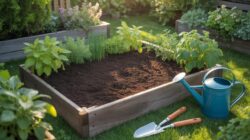
Liquid feeds provide immediate support during the heavy production phase of midsummer. Use foliar sprays in the early morning to avoid leaf scorch from the sun. Stop all heavy fertilization for perennial plants in late summer. Forcing new growth late in the year makes plants vulnerable to winter kill. Watch your plants for signs of overfeeding like dark green leaves with no fruit. Balance is the key.
Starting Seeds Indoors The Organic Way For A Head Start On The Season
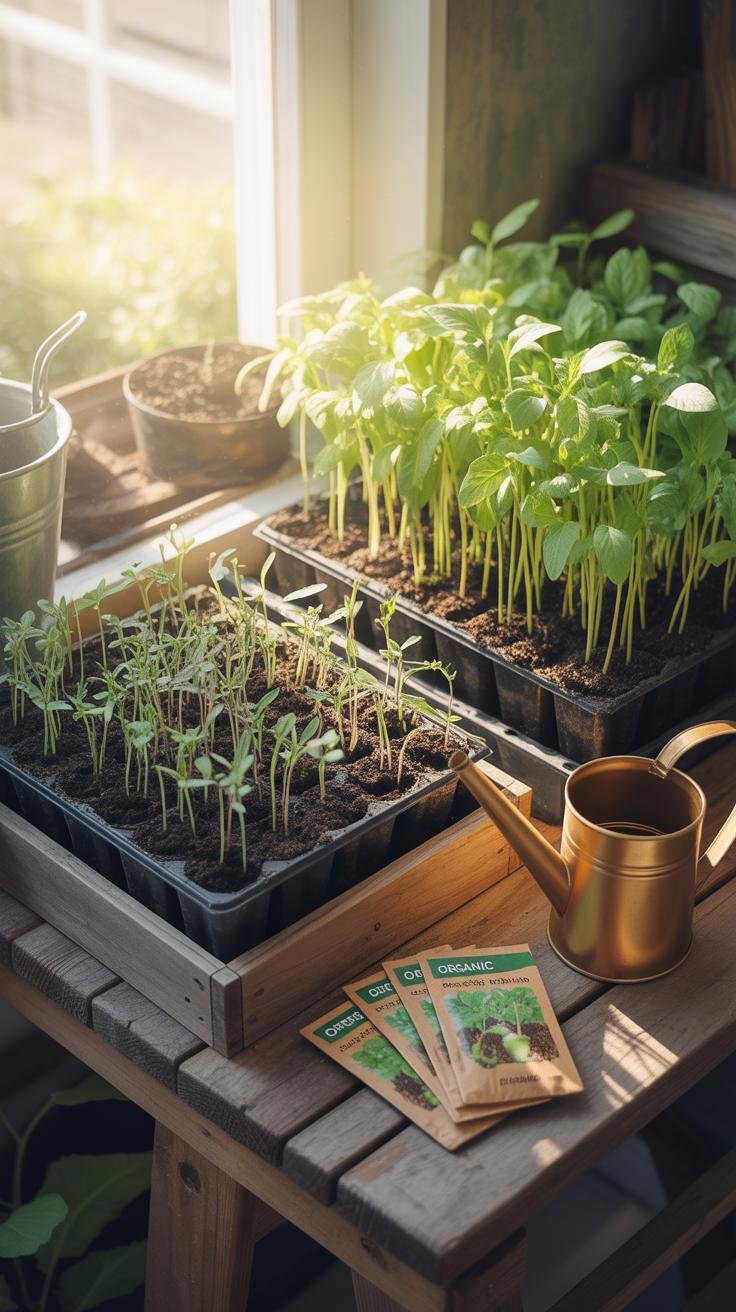
What You Need To Successfully Begin Starting Seeds Indoors Organically
Select high quality organic seeds and a sterile potting medium. Avoid standard garden soil because it carries pathogens and weighs too much. Use a peat free mix containing coconut coir, perlite, and finished organic compost. This combination ensures proper drainage and keeps roots healthy. Standard plastic trays or biodegradable pots provide the necessary structure for young seedlings to grow roots safely.
Light remains the most critical factor for indoor growth. Windows often fail to provide enough intensity for young plants. Use full spectrum LED grow lights positioned inches above the foliage. Maintain a consistent temperature between sixty five and seventy five degrees. Use a heat mat to speed up germination for warm season crops. Proper air circulation from a small fan prevents fungal diseases and strengthens plant stems.
To nurture a garden is to feed not just the body, but the ancient soul of a home. There are no happier residents than those who live among the soil and the ladybugs.
Common Mistakes To Avoid When Starting Seeds Indoors For Organic Gardens
Overwatering causes most indoor seed failures. Excess moisture leads to damping off which is a fatal fungal disease. Keep the soil damp but never saturated. Check soil moisture daily by touching the surface. If the top layer feels dry then add water from the bottom of the tray. This method encourages roots to grow downward and keeps the stems dry to prevent rot.

Inadequate light creates weak and leggy plants. These thin stems cannot support heavy leaves once moved outside. Lower your grow lights as the plants grow to keep them close to the source. Neglecting the hardening off process also kills healthy starts. Gradually expose seedlings to wind and sun over ten days. This transition period builds the physical strength required for the plants to survive the outdoor environment.
Using Organic Mulch To Protect Your Garden Beds And Retain Moisture
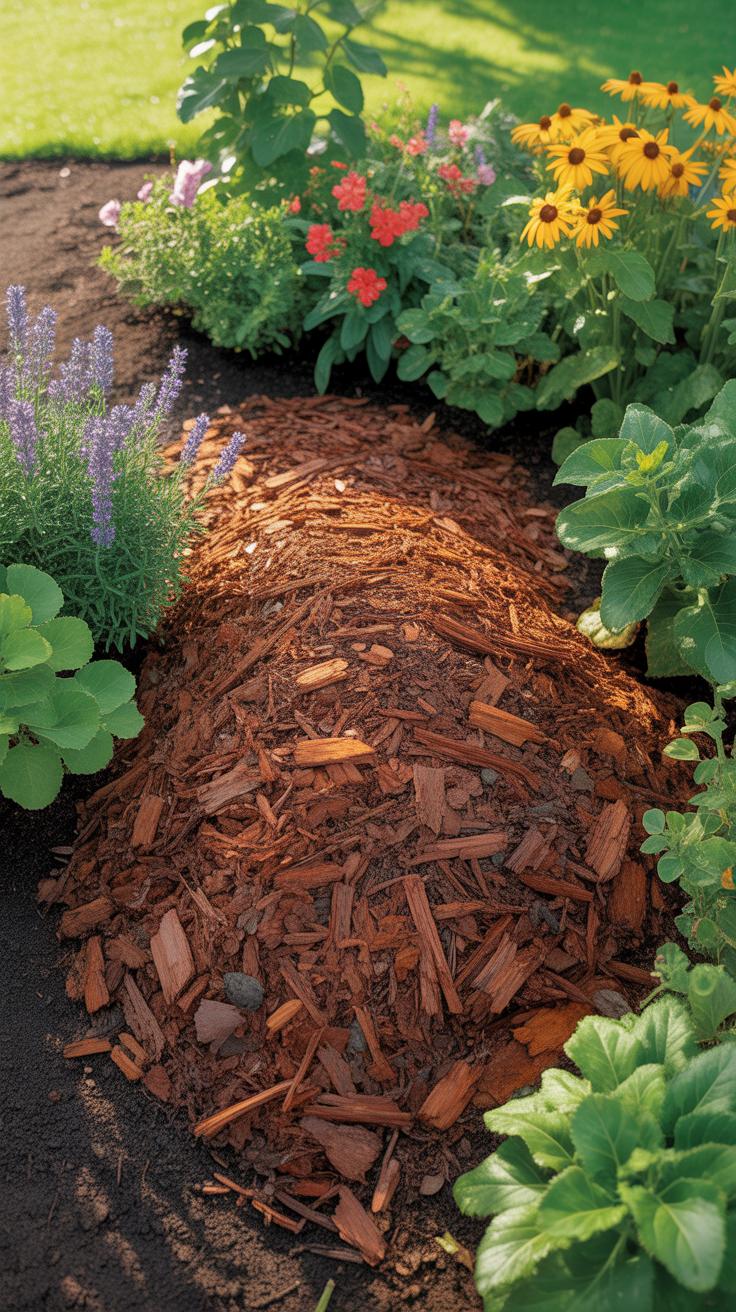
The Key Benefits Of Applying Organic Mulch Around Plants And Garden Beds
Organic mulch acts as a physical barrier between the soil and the atmosphere. This layer slows down water evaporation significantly. It keeps the root zone cool during intense summer heat. Stable soil temperatures reduce plant stress and prevent root damage. Constant moisture levels mean you spend less time watering your garden. This efficiency saves money and protects your local water supply while keeping plants hydrated.
Beyond moisture control, organic mulch improves soil structure as it decomposes. Microorganisms and earthworms break down the material over time. This process adds vital nutrients back into the earth without synthetic chemicals. It also suppresses weed growth by blocking the sunlight that seeds need to germinate. A thick layer of mulch prevents soil erosion during heavy rains. It keeps your topsoil in place and prevents nutrient runoff.
Best Types Of Organic Mulch Materials And How To Apply Them Correctly
Select your mulch based on the specific needs of your plants and soil type. Wood chips and bark work best for permanent landscapes or around trees and shrubs. Straw or shredded leaves suit vegetable gardens because they break down faster. Always clear existing weeds before you start the application process. Check the soil moisture levels to ensure you are not trapping dry air against the roots.
- Wood Chips: These are durable and ideal for paths or around established trees. They take a long time to break down and provide excellent weed suppression. Avoid using fresh chips against tender green stems to prevent nitrogen tie-up in the top layer.
- Arborist Mulch: This material contains a mix of bark, wood, and leaves from local tree pruning. It provides a diverse range of nutrients as it decays. It is often free or cheap through local tree service companies.
- Pine Needles: Also known as pine straw, these are lightweight and do not compact easily. They allow water and air to reach the soil surface quickly. They work exceptionally well for acid-loving plants like blueberries, azaleas, or rhododendrons.
- Straw: Use weed-free straw for vegetable beds to keep produce off the bare dirt. It reflects sunlight and keeps the ground cool during the peak of summer. It decomposes within one growing season, adding organic matter to the garden.
- Shredded Leaves: This free resource adds high levels of carbon to your garden beds. Run a lawnmower over dry leaves to break them into smaller pieces before applying. This prevents the leaves from matting together and blocking water infiltration.

Apply the mulch in a layer two to three inches deep for maximum effectiveness. Do not pile the material against the trunks of trees or stems of plants. This mistake causes rot and creates a home for harmful pests. Leave a small gap of two inches around the base of every plant. Reapply the material annually as it settles and thins out. Maintaining this depth ensures your garden remains protected and productive all year.
Organic Farming Tips For Natural Pest And Disease Control At Home
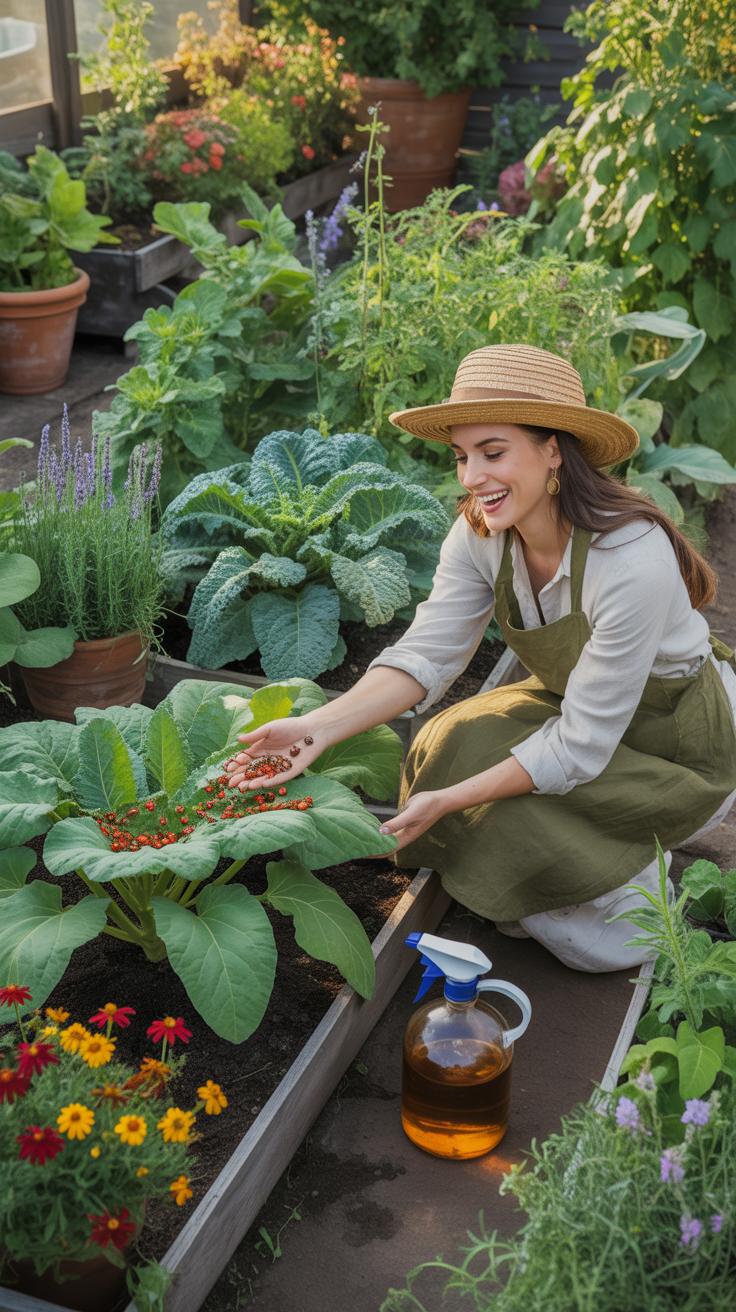
How To Identify And Manage Common Garden Pests Without Chemical Pesticides
Identification starts with scouting. Check the undersides of leaves and stems every morning. Look for holes, discoloration, or sticky residue called honeydew. Smaller pests like aphids and spider mites suck sap from plant tissues. Larger pests like hornworms or beetles consume foliage directly. You must verify the specific insect species before acting. Misidentifying a beneficial insect as a pest ruins your garden ecosystem and wastes your time.
Mechanical control offers the fastest results for small home plots. Handpick large larvae and drop them into soapy water to kill them. Use concentrated water streams to blast aphids off sturdy plants. Barrier methods protect crops from initial contact. Floating row covers prevent insects from laying eggs on leaves. Diatomaceous earth creates a physical abrasive layer that dehydrates soft-bodied pests. These physical tactics resolve infestations without introducing toxic synthetic residues.
Using Companion Planting As A Natural Organic Pest Deterrent Strategy
Companion planting uses specific plant interactions to disrupt pest movements. Aromatic herbs like basil, mint, and cilantro release volatile oils that mask the scent of host plants. This confuses flying insects searching for a place to feed or lay eggs. Marigolds emit root chemicals that repel harmful soil nematodes. Diversifying your plant layout prevents pests from finding a concentrated food source. Monoculture gardening makes your home crops easy targets.
Intercropping also attracts beneficial predatory insects to your garden. Plant dill or fennel to provide nectar for lacewings and ladybugs. These predatory species eat aphids and mites throughout the growing season. High-nectar flowers act as a biological control station within your vegetable beds. This method creates a self-regulating environment where nature manages the pest population for you. You reduce your workload by letting the ecosystem balance itself effectively.
Organic Garden Care Tips For Watering Pruning And Seasonal Maintenance

Smart Organic Watering Techniques That Conserve Water And Support Plant Health
Water at the soil level to prevent fungal diseases. Overhead watering wets leaves and creates a breeding ground for pathogens. Use drip irrigation or soaker hoses to deliver moisture directly to roots. This method reduces evaporation and ensures efficient resource use. Early morning is the best time to water. It allows plants to hydrate before heat peaks and lets surface moisture dry quickly.
Monitor soil moisture by hand before adding water. Stick a finger two inches into the dirt to check for dryness. Overwatering drowns roots and leaches vital nutrients from the organic matter. Apply a thick layer of wood chips or straw mulch to retain ground moisture. Mulch regulates soil temperature and prevents the sun from baking the earth hard. Consistent moisture levels prevent fruit cracking.
Seasonal Pruning And Crop Rotation Practices Every Organic Gardener Should Know
Prune plants to improve airflow and remove dead wood. Dense foliage traps humidity and invites pests like aphids or mites. Use sharp, clean bypass pruners to make precise cuts. Sanitize tools with rubbing alcohol between plants to stop the spread of infection. Proper pruning directs energy to fruit production instead of maintaining excess leaves. This tactic increases your total harvest yield and plant longevity.

Practice a four year crop rotation cycle to break pest life cycles. Never plant the same family in the same spot two years in a row. For example, move tomatoes to a new bed to avoid soil borne diseases like early blight. Follow heavy feeders with legumes like beans to fix nitrogen back into the soil naturally. This strategy maintains soil fertility without using synthetic chemical fertilizers or toxic pesticides.
Building A Sustainable Garden That Grows Stronger And Greener Each Year
How To Incorporate Biodiversity Into Your Sustainable Garden For Long Term Resilience
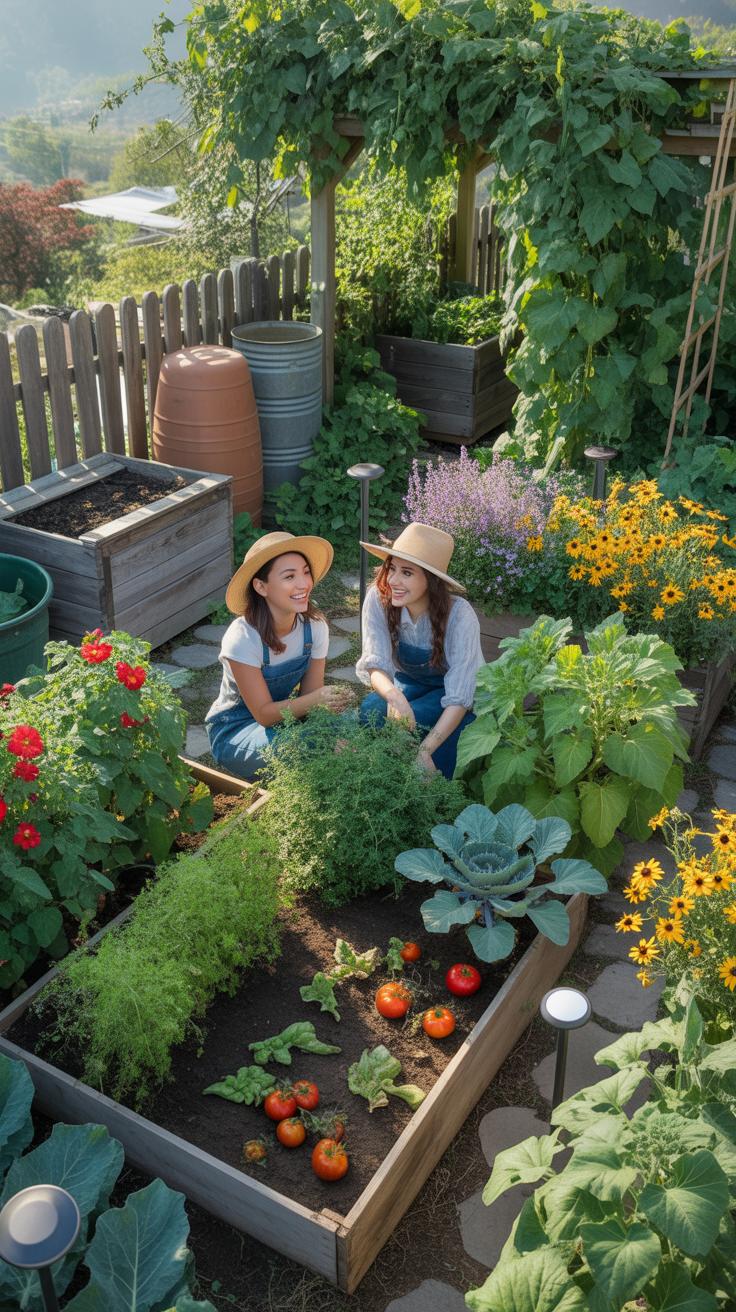
Monoculture crops fail because they invite specific pests and deplete narrow nutrient ranges. You must mix plant families to break pest cycles and balance the soil. Polycultures create a stable environment that mimics natural systems. Use companion planting to shield vulnerable crops. Deep-rooted plants pull minerals to the surface for shallow-rooted neighbors. This diversity prevents total crop loss when weather or insects attack your garden plot.
Strategic biodiversity requires native plants to support local predatory insects. These insects eat the pests that destroy your vegetables. Avoid high-maintenance hybrids that require chemical inputs to survive. Select heirloom varieties that adapt to your specific regional climate over time. A diverse garden builds its own immune system. You spend less money on external fixes when the ecosystem regulates itself through variety and natural competition.
Simple Habits That Make Your Home Garden More Eco Friendly And Self Sustaining
Stop throwing away organic waste. You must compost all kitchen scraps and yard trimmings to return carbon to the soil. This habit eliminates the need for synthetic fertilizers. Mulch your beds with straw or wood chips to prevent water evaporation. This step reduces your utility bills and stops soil erosion. Consistency in these two habits builds a closed-loop system where your garden feeds itself without outside help.
Collect rainwater to irrigate your plants during dry periods. Tap water often contains chlorine that can harm beneficial soil microbes. Switch to manual tools to reduce your carbon footprint and noise pollution. Observe your garden daily to catch problems before they spread. Early intervention saves time and resources. These small shifts in your routine create a resilient space. You build a garden that thrives on minimal external energy and investment.
Frequently Asked Questions

What are the best organic gardening tips for someone just starting a home garden?
The best way to begin is by focusing on your soil health. Start small with easy-to-grow herbs or greens and avoid synthetic fertilizers. One of the most essential organic gardening tips is to use high-quality compost to nourish your plants naturally. By prioritizing natural drainage and choosing native plant varieties, you create a resilient ecosystem that thrives without harsh chemicals, making your transition to eco-friendly gardening both successful and sustainable.
How can I naturally control pests in my garden without using toxic chemicals?
Effective pest management starts with biodiversity and observation. Encourage beneficial insects like ladybugs and lacewings by planting marigolds or dill near your vegetables. For active infestations, you can use a simple spray made of diluted neem oil or biodegradable castile soap. Applying these practical organic gardening tips helps maintain a healthy balance in your backyard, ensuring that you manage unwanted visitors while keeping your home-grown harvests safe for your family to consume.
Is it possible to start a beautiful organic garden if I have a very small budget?
Absolutely! Organic growing is often cheaper than conventional methods because it relies on recycling resources. You can save money by starting plants from seeds, making your own compost from kitchen scraps, and repurposing household containers for planters. Additionally, many gardeners share cuttings or heirloom seeds for free. Focus on building rich soil over time, which reduces the need for expensive store-bought amendments while creating a lush, stunning outdoor space.