
What Is Cottage Garden Design And Why ItS Perfect For Beginners
The Origins And Character Of The English Cottage Garden Style
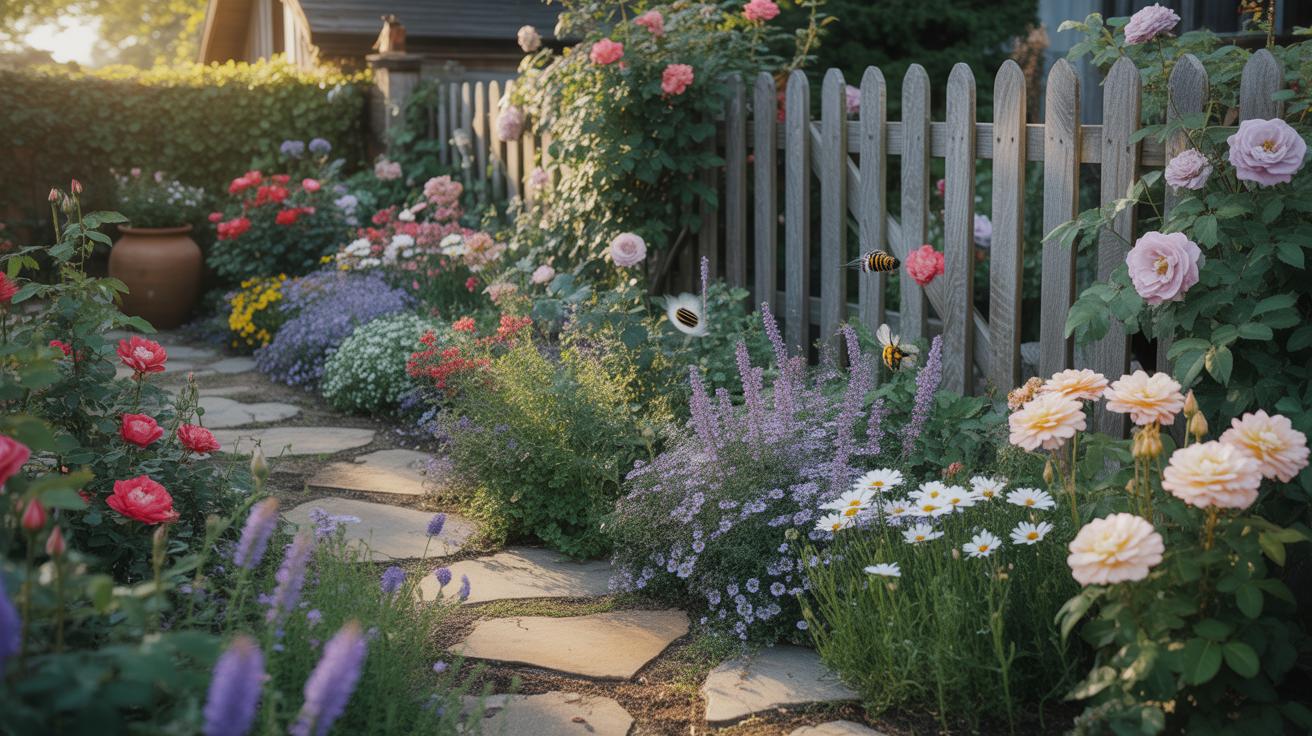
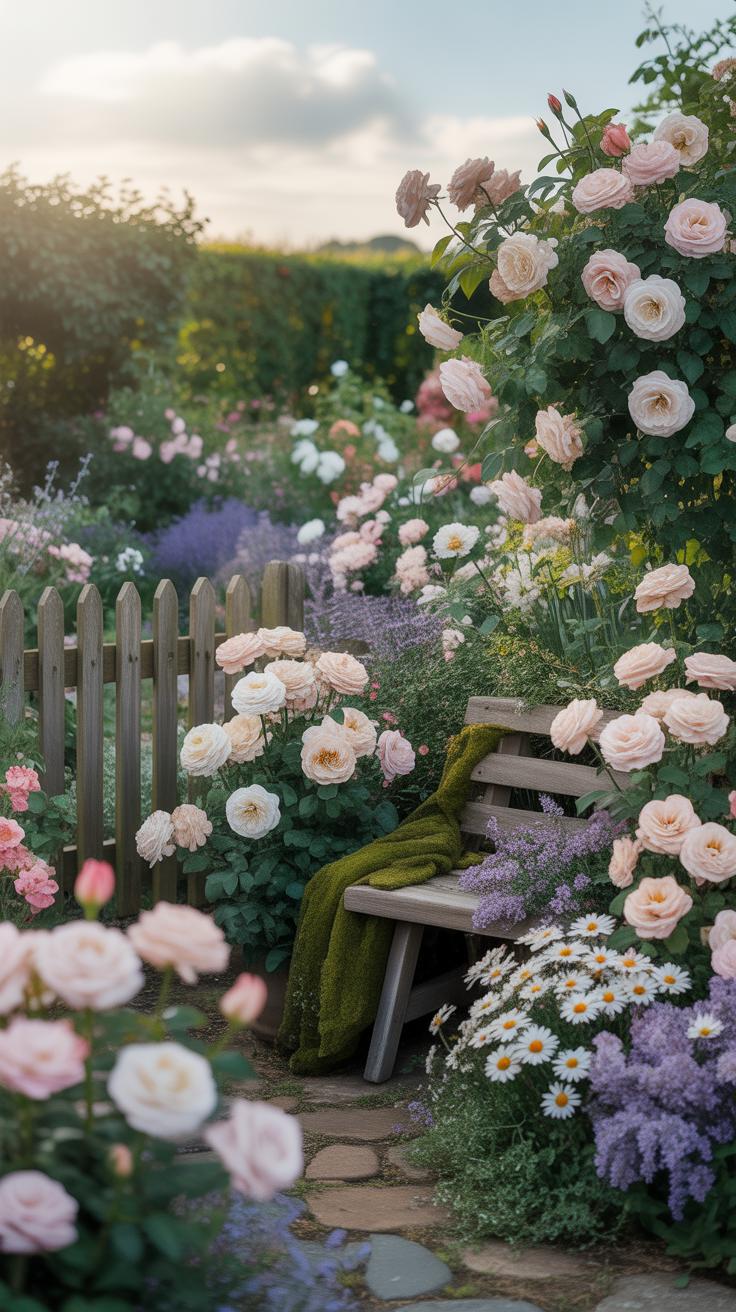
Cottage garden design started with laborers in Elizabethan England. These workers relied on small plots for survival. They used every inch of soil to grow food, herbs, and fruit. Over time, flowers filled the gaps to attract bees or provide medicine. This style prioritizes utility over decoration. Function drove the original layout. You see this today in dense, mixed plantings that maximize limited ground space.
The style changed during the Victorian era. Wealthy owners adopted the look for its charm. They added ornamental plants but kept the crowded feel. Modern cottage design still uses this high density. It rejects open lawn space and straight lines. You focus on local materials like stone, wood, and brick. This design relies on variety rather than symmetry. Successful gardens mix heights and colors to create a full look.
Why Cottage Gardens Are More Forgiving Than Formal Garden Styles
Standard formal gardens require strict symmetry and precision. One dead plant ruins a geometric row. Cottage gardens do not have this problem. The design relies on a crowded and informal layout. If a plant fails, its neighbors simply grow into the gap. You do not need to measure exact distances between stems. This flexibility reduces the pressure on new gardeners to achieve a perfect visual balance.
Maintenance tasks like weeding become easier over time. The dense planting strategy shades the soil. This prevents weed seeds from getting light and germinating. You spend less time hauling mulch or pulling invasive plants. Formal styles demand constant pruning to maintain shapes. In a cottage layout, plants can grow to their natural size. This reduction in labor makes it a tactical choice for people with limited free time.

Planning Your Cottage Garden Ideas Layout Before You Plant A Single Seed
How To Assess Your Outdoor Space And Map A Workable Garden Layout
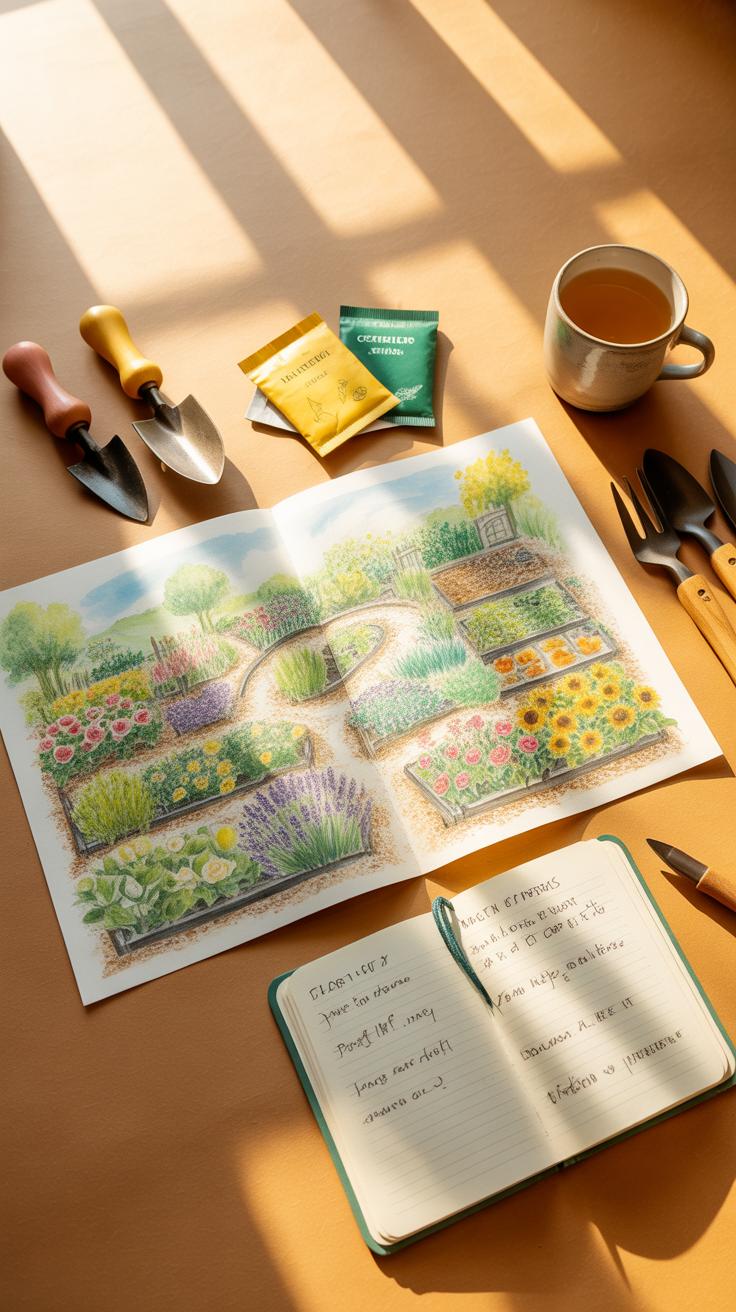
Identify your property boundaries and track the sun movement across your plot. Most cottage garden plants require six hours of direct sunlight. Note the locations of existing structures like sheds or fences. Check for low spots where water pools after rain. Soil quality often varies across a single yard. Test the drainage and pH levels before you decide on a final plant list.
Draw your layout on paper using a fixed scale. Historically, cottage gardens served a functional purpose and stayed close to the home for easy access. Map out paths that lead from your doors to your gate. Allocate space for dense planting beds that minimize open ground. This density prevents weeds from taking root. Keep your beds narrow enough to reach the center without stepping on the soil.
Choosing A Focal Point And Creating Natural Flow Through Your Garden
Select one anchor to ground your design. Modern cottage gardens often use a sundial, a birdbath, or a wooden arbor as a central eye-catcher. Position this object where it draws the viewer into the space. A strong focal point prevents the garden from looking like a mess of plants. It provides a clear destination and gives the eye a place to rest.

Design paths with soft curves to create a sense of discovery. Straight lines feel industrial and clash with the informal nature of this style. Use natural materials like gravel, brick, or bark for your walkways. These materials drain well and look better as they age. Plan for your plants to spill over the edges of the path. This softening of the borders creates a seamless transition.
Essential Cottage Garden Ideas To Inspire Your Planting Scheme
Using Color, Texture, And Repetition To Achieve That Classic Cottage Look
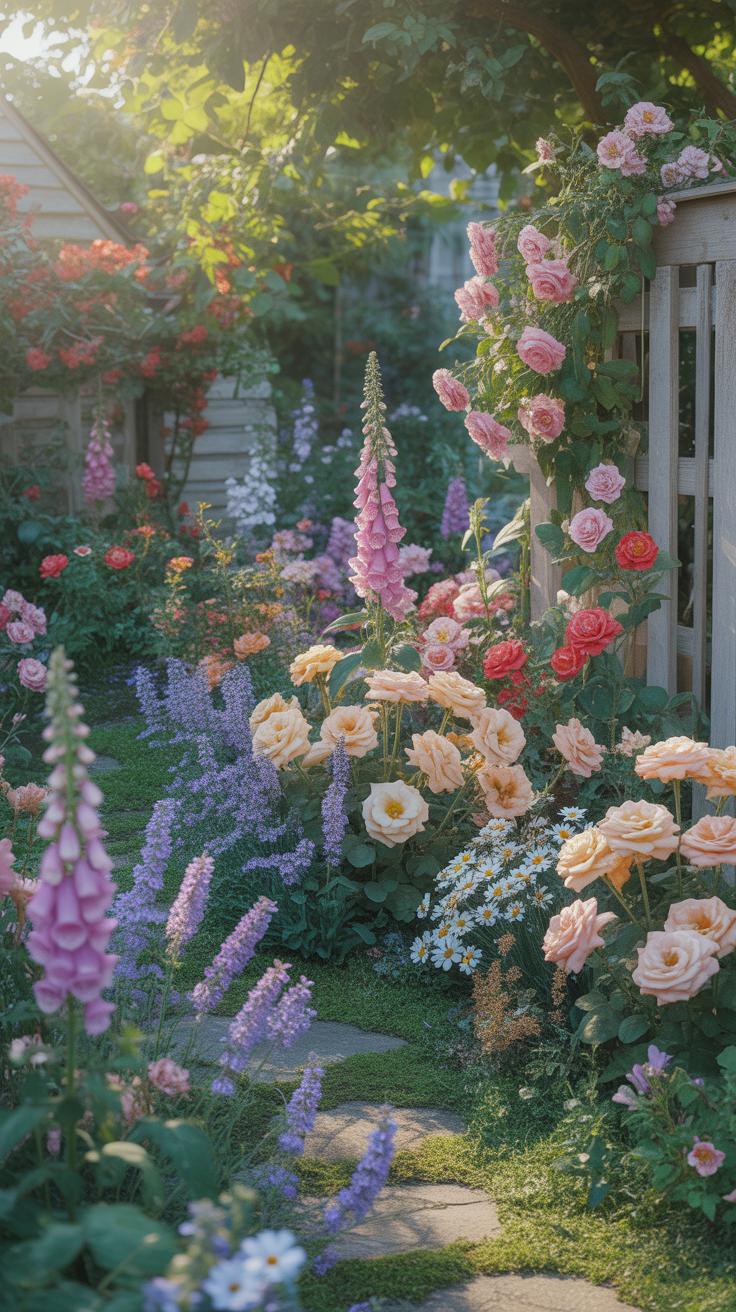
Cottage gardens rely on a restricted color palette to prevent visual chaos. Stick to three primary colors to create harmony. Use cool tones like blue, violet, and white to make small spaces feel larger. Warm tones like red and orange draw the eye forward. Group plants with similar water needs together. This simplifies maintenance and ensures uniform growth across your garden beds.
Repetition creates the rhythm necessary for a professional landscape. Plant the same species in odd-numbered groups throughout the garden. This guides the eye and provides a sense of order amid the dense planting style. Mix fine-textured foliage with bold, broad leaves to create contrast. Use vertical elements like foxgloves to break up horizontal masses. Strategic repetition makes a random layout look intentional.
Best Beginner Friendly Cottage Garden Plants To Start With
Select plants that thrive with minimal intervention. Hardy perennials form the backbone of a low-maintenance cottage garden. These species survive winter and return larger each year. Focus on plants that tolerate various soil types and resist common pests. Prioritize varieties that offer long blooming periods to maximize visual impact. Choose established cultivars rather than temperamental rare species for your first planting phase.
- Lavender: This aromatic shrub provides gray-green foliage and purple flower spikes. It requires full sun and sharp drainage. It creates silver texture in winter and attracts pollinators throughout the summer months.
- Geranium Rozanne: This hardy crane’s bill serves as an excellent ground cover. It produces blue flowers from late spring until the first frost. It suppresses weeds effectively and grows well in sun or partial shade.
- Lady’s Mantle: This plant offers unique scalloped leaves that catch water droplets. It produces frothy lime-green flowers in early summer. It fills gaps between larger shrubs and tolerates poor soil conditions without failing.
- Coneflower: This sturdy perennial features large daisy-like blooms with prominent centers. It withstands heat and drought once established. It provides height in the middle of borders and supports local bird populations during the winter.
- Peonies: These long-lived plants produce massive flowers and glossy deep green leaves. They require very little care once planted at the correct depth. They offer structural reliability and classic aesthetic value for decades.

Balance your plant selection by considering bloom times. Aim for a sequence of flowering from spring through autumn. Use taller plants at the back of borders and shorter ones near pathways. This layering technique prevents larger plants from shading out smaller ones. Incorporate self-seeding annuals like cosmos to fill empty spots quickly. These tactics ensure your garden remains productive and visually interesting all year.
Designing A Beautiful English Cottage Garden From The Ground Up
Key Design Principles That Define The Traditional English Cottage Garden
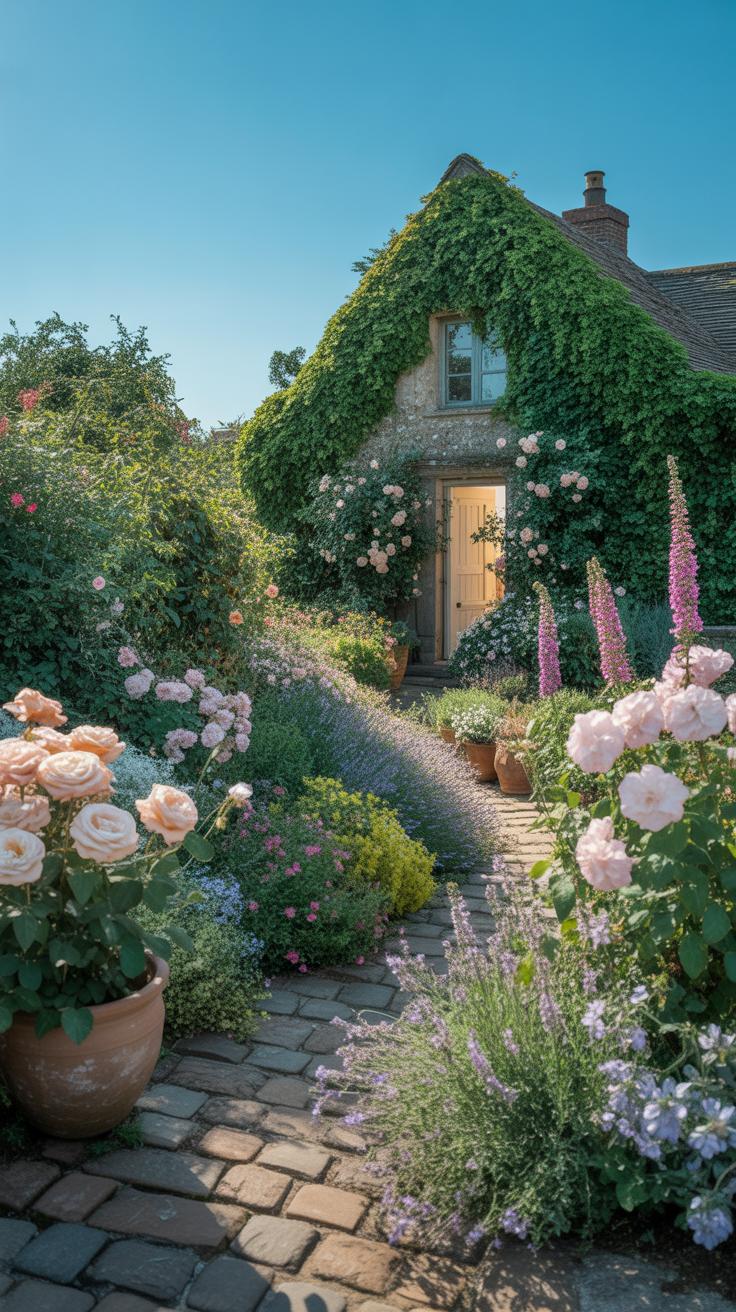
Traditional cottage gardens focus on utility and density. Historically, rural workers used every inch of soil to grow food, herbs, and flowers together. This layout ignores formal grid systems. You must prioritize a lived-in look over rigid symmetry. Use local materials like weathered brick or timber for paths. These hardscapes provide a necessary frame for the chaotic plant growth.
Density prevents weed growth and retains soil moisture. You should pack plants closely to eliminate bare earth. This mimics the self-seeding patterns found in 19th-century English landscapes. Avoid straight lines in your borders. Curved paths create mystery and make small spaces feel much larger. Focus on hardy perennials that return every year. This strategy reduces long-term labor and stabilizes the garden ecosystem.
How To Layer Plants By Height To Create Depth And Natural Abundance
Productive layering requires a three-tier strategy. Place tall structural plants like delphiniums or foxgloves at the back of the border or against walls. Mid-sized plants like cranesbill geraniums or roses fill the center. Use low-growing spreaders like thyme or lobelia at the front edges. This vertical arrangement ensures every plant receives sunlight. It also creates a wall of color that hides structural gaps.

Effective depth depends on staggered spacing. Do not plant in straight rows. Instead, use a triangular pattern to offset different heights. This technique forces the eye to move through the garden rather than over it. Ensure your tallest plants have proper support from fences or stakes. Good airflow between layers prevents disease and fungal growth. Proper layering turns a flat plot into a dense and functional landscape.
How To Design A Tiny Cottage Garden That Feels Full And Lush
Smart Space Saving Techniques For Small Cottage Garden Plots
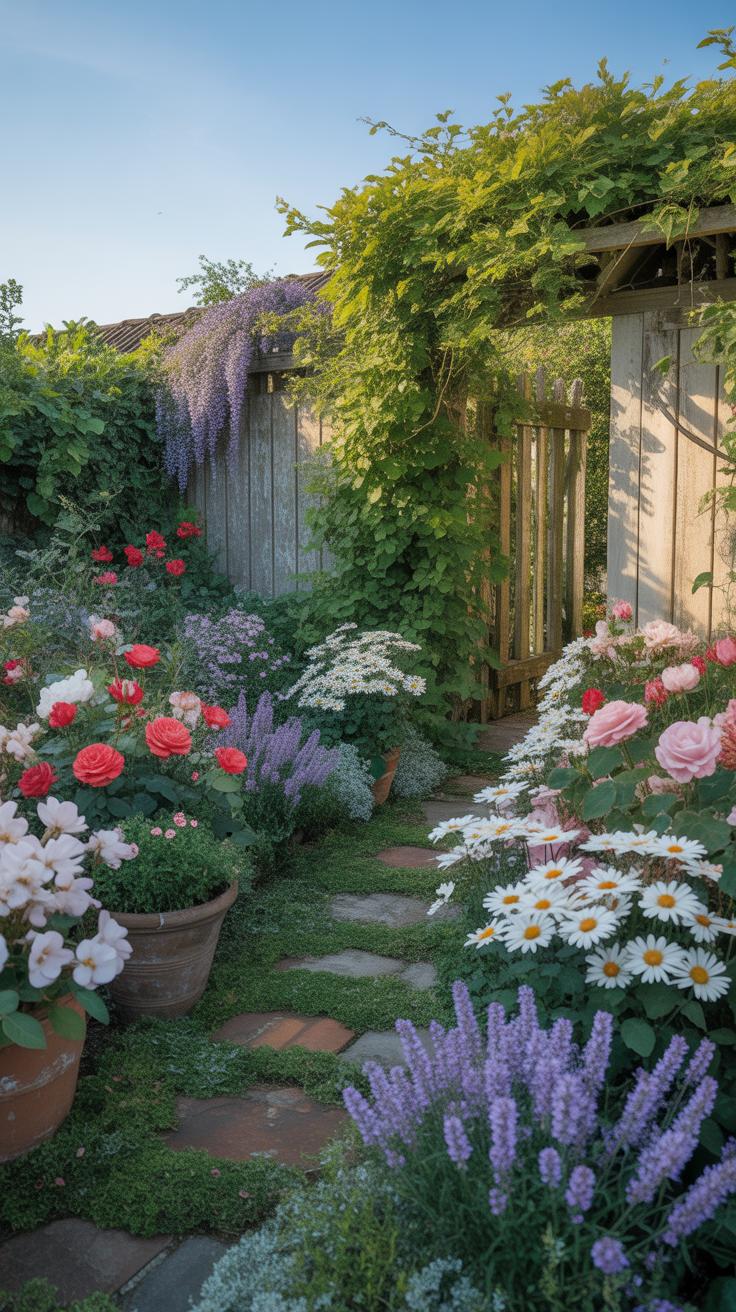
Small plots require high plant density to achieve the traditional aesthetic. Align paths in a winding “S” shape to create an illusion of depth. This prevents the eye from seeing the entire boundary at once. Use narrow walking paths made of gravel or reclaimed brick. These materials allow water to drain and plants to spill over the edges without blocking the route.
Select plants with a long bloom period rather than those with short flowering windows. This ensures the garden stays full throughout the season. Layer plants by height to maximize ground coverage. Place low growing herbs like thyme at the front. Position medium height roses in the middle. Put tall foxgloves at the back. This tiered system hides bare soil and prevents weed growth.
Vertical Planting And Container Strategies That Maximize A Tiny Garden
Vertical growth is essential when horizontal ground is limited. Use wall mounted trellises or wooden obelisks to support climbing plants. Clematis and climbing roses utilize the air space above the ground. Secure these structures to sturdy fences or masonry. This technique draws the eye upward and makes a small yard feel larger. Properly pruned climbers provide a lush green backdrop for smaller perennials.

Containers offer flexibility in tight urban spaces. Use terra cotta or weathered stone pots to maintain the historical design theme. Group pots in odd numbers to create visual interest. Move these containers to fill seasonal gaps in the garden beds. This maintains a constant look of abundance. Deep pots hold moisture better than shallow ones. High quality potting soil ensures these intense plantings remain healthy.
Crafting English Garden Border Ideas That Look Effortlessly Natural
How To Build A Mixed Herbaceous Border In The Classic English Tradition
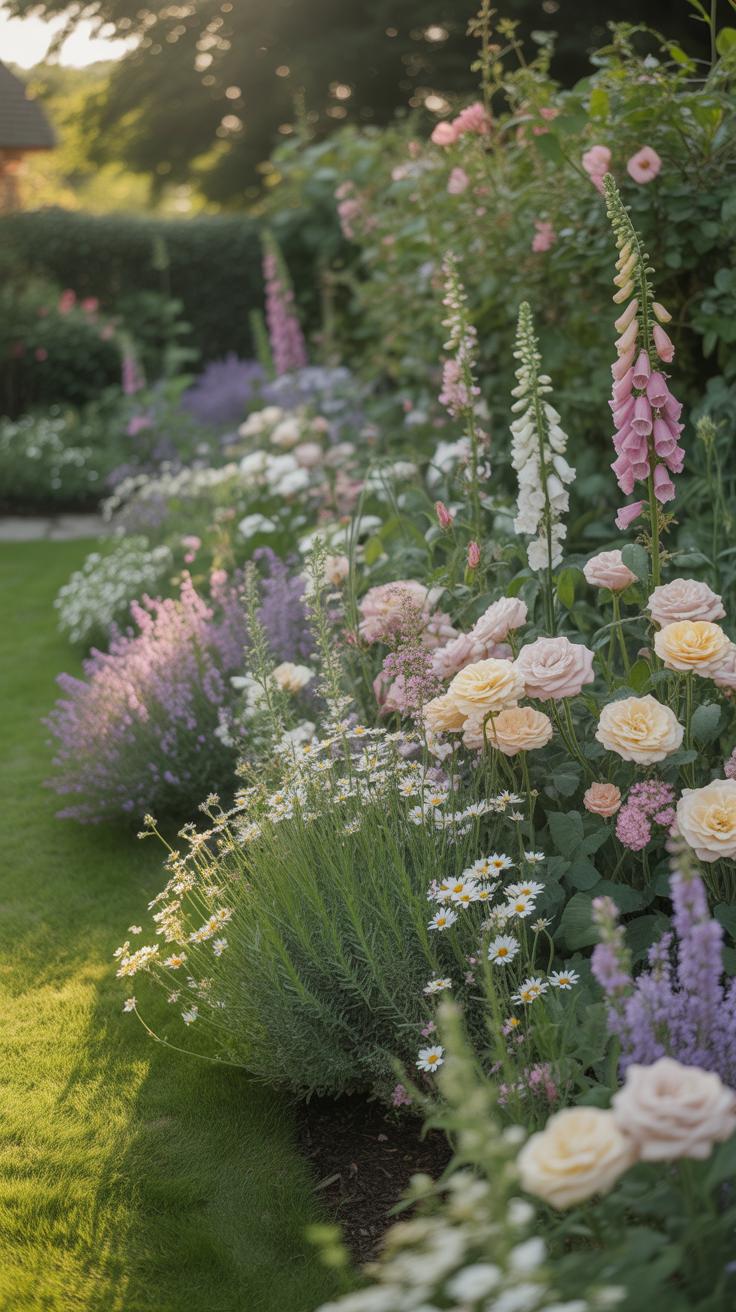
The mixed herbaceous border relies on layering heights to create depth. Place tall perennials like Delphiniums or Foxgloves at the back of the bed. Middle rows feature mounded plants like Phlox or Peony. Lower growing species such as Geranium settle at the front. This structure prevents taller plants from shading out smaller ones. It also ensures the border looks full from every angle.
Professional designers use drifting rather than straight rows. Plant in groups of three, five, or seven to avoid a rigid appearance. This technique mimics natural growth patterns seen in historical cottage landscapes. Select plants with staggered bloom times to maintain color throughout the season. Use evergreen shrubs like Boxwood to provide structural bones. This prevents the garden from looking empty during the dormant winter months.
Edging Materials And Techniques That Define Cottage Garden Borders Beautifully
Defined edges prevent turf from invading planting beds. Proper edging keeps the Cottage Garden Design looking intentional rather than messy. Traditional materials offer durability and a clean visual break. Select materials that match the local stone or architecture of your home. This creates a cohesive look between the structure and the landscape. Install edging deep enough to block aggressive grass roots effectively.
- Reclaimed Brick: Use old bricks set in a soldier course or a jagged sawtooth pattern. Bricks offer a classic look that fits the Arts and Crafts movement style. They are easy to install and replace if they shift over time.
- Natural Fieldstone: Large, flat stones provide a rustic and sturdy barrier for garden beds. Use stones sourced locally to ensure they blend with the environment. Stacking them low creates a small dry stone wall effect that adds vertical interest.
- Woven Willow Hurdles: These provide a traditional English aesthetic and help support low plants. Low willow edging works well for raised beds or sloped borders. This organic material eventually breaks down, adding nutrients back into the soil over several years.
- Victorian Rope Top Tiles: These terracotta tiles feature a decorative scrolled edge. They represent a formal touch within a casual garden setting. Use these to define pathways and keep mulch from spilling onto gravel or stone walkways.
- Spade Cut Trenches: This technique involves cutting a sharp V-shaped groove into the turf. It costs nothing but requires regular maintenance two or three times per season. A clean spade edge is the most traditional way to separate lawn from soil.

Physical barriers also help with water retention by keeping mulch in place. Metal edging offers a modern, slim profile that disappears from view. This allows the plants to spill over the edge without losing the bed shape. Wooden planks provide an affordable way to create straight lines. Regardless of the material, maintain a height of two inches above the soil line for best results.
Creating A Charming English Cottage Garden Front Yard That Welcomes Visitors
How To Frame Your Entrance With Climbing Plants, Paths, And Gates
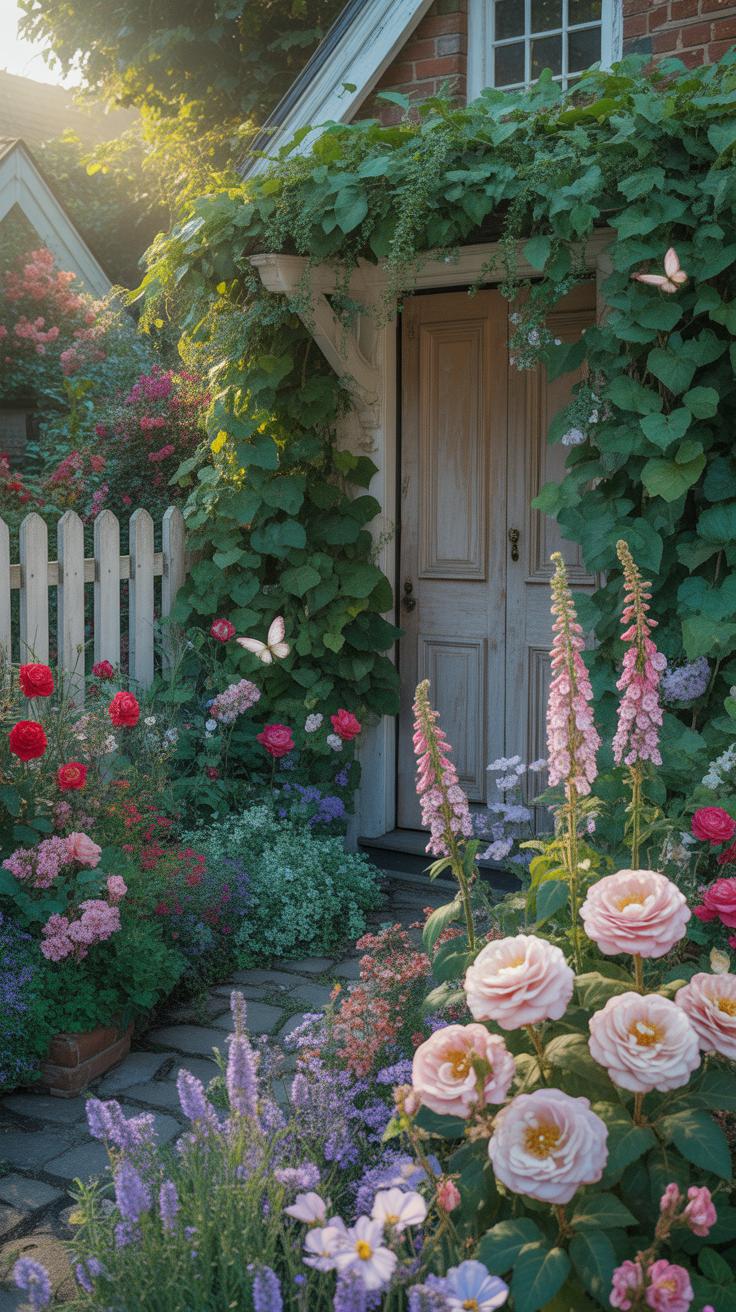
Primary entrances require a clear focal point to guide movement. Use a timber or wrought iron gate as the main anchor. This structure provides a physical boundary while maintaining visibility. Attach climbing plants like Lonicera or Clematis to the frame. These plants add vertical interest without blocking the view. Keep the gate width at least four feet for comfortable access.
Hardscaping must feel permanent and functional. Lay paths using reclaimed brick or local gravel. Straight lines work for short distances but slight curves add visual depth. Ensure the path connects the sidewalk directly to the doorway. Use stone edging to prevent soil from washing onto the walkway. This creates a clean break between the planting beds and the pedestrian traffic area.
Balancing Curb Appeal With The Relaxed Charm Of A Front Yard Cottage Garden
Curb appeal relies on structure within the perceived chaos. Plant larger shrubs near the house foundation to anchor the design. Place smaller perennials near the walkway to create layers. Use repeating groups of three to five plants to create rhythm. This prevents the front yard from looking cluttered or accidental. Select a limited color palette to maintain a cohesive look from the street.

Productive plants belong in the front yard for historical accuracy. Mix culinary herbs like rosemary and sage with flowering perennials. These plants provide scent and texture near the entrance. Maintain clear sightlines to the front door for safety and navigation. Prune any overhanging branches that obstruct the path. A well managed garden demonstrates intent while keeping the soft look of a traditional cottage space.
Landscape Garden Ideas That Blend Cottage Style With Your Natural Surroundings
How To Work With Your Existing Landscape Instead Of Fighting Against It
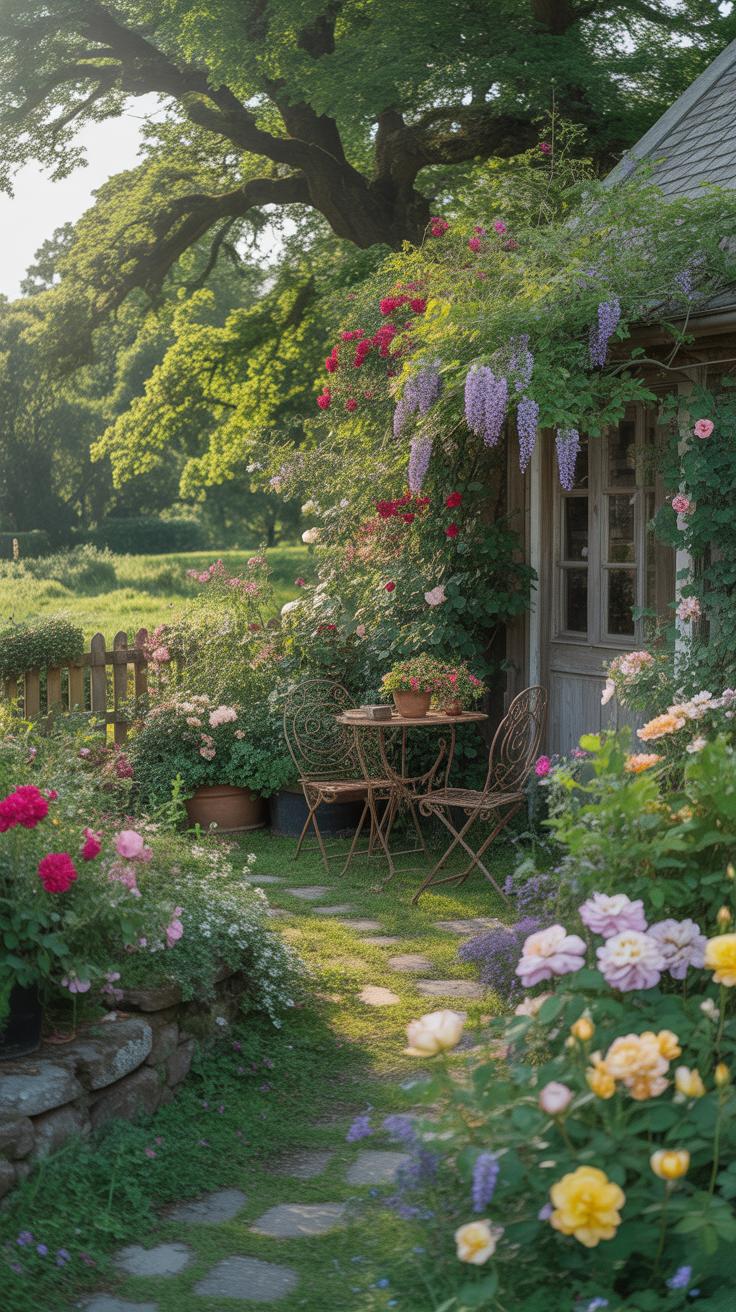
Stop trying to flatten your yard. Effective cottage garden design uses the natural slope and soil of your land. Observe the sun patterns across your property for one full day. Map out the dry spots and the boggy areas. Match your plant selection to these specific microclimates. Choosing plants that thrive in your existing conditions reduces your workload and ensures survival.
Analyze your soil texture before you buy any plants. Do not attempt to turn clay into sand. Use organic compost to improve soil structure over time. Research native species that naturally grow in your region. These plants resist local pests and tolerate weather extremes better than imports. Lean into the natural curves of your property lines. Straight lines look rigid and require more maintenance to keep sharp.
A cottage garden is a place of wild harmony where nature does the heavy lifting for you. Simply plant what you love and let the beauty unfold in its own sweet time.
Incorporating Paths, Arbors, And Water Features Into Your Cottage Landscape
Hardscaping defines the structure of a cottage garden. Use local materials like gravel, weathered brick, or flagstone for your paths. Avoid poured concrete because it lacks the necessary texture. Install paths that meander rather than follow a straight line. This slows down the viewer and creates a sense of depth. Ensure your paths are wide enough for two people to walk comfortably.

Add vertical elements like wooden arbors to support climbing roses or vines. These structures create visual height and divide the garden into distinct rooms. Place a simple stone basin or a small pond to attract wildlife. Water features provide a focal point and introduce sound into the space. Keep these elements proportional to the size of your plants. Scale is critical for a balanced garden layout.
Maintaining Your Beautiful Cottage Garden Through Every Season
Simple Seasonal Care Routines That Keep A Cottage Garden Thriving Year Round
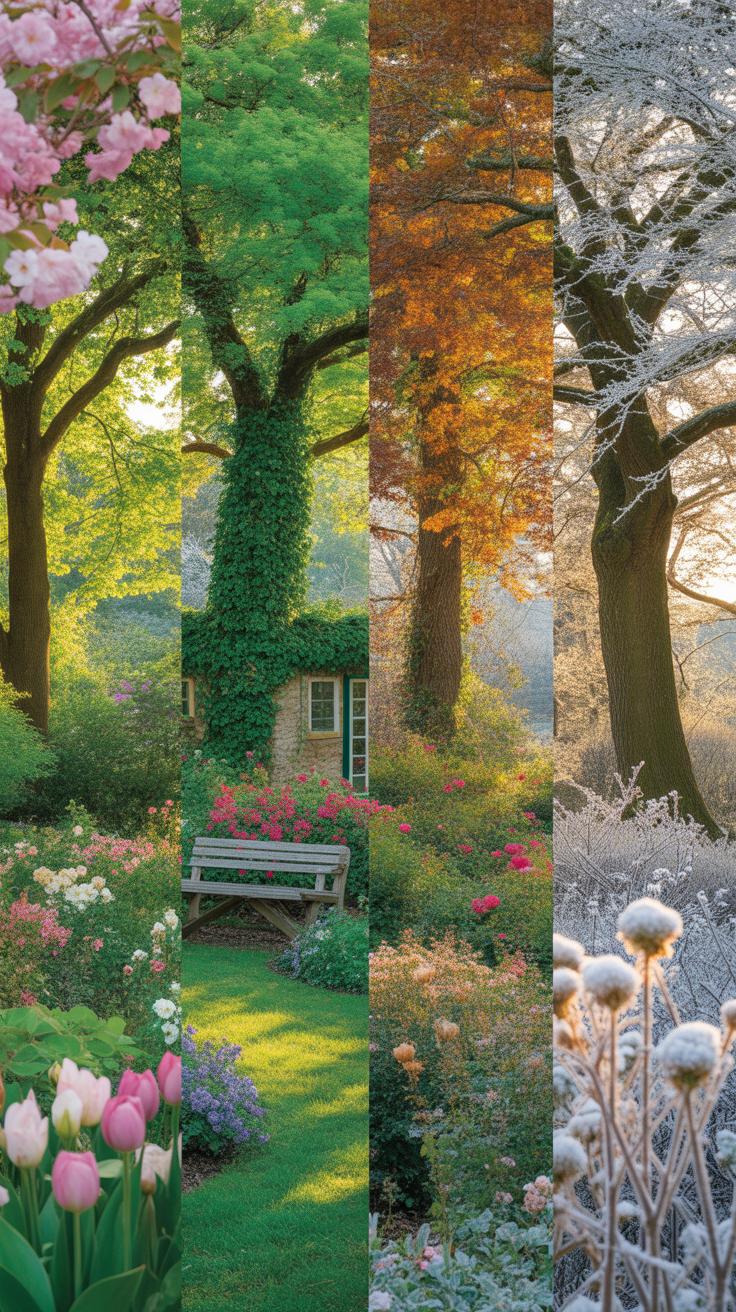
Cottage gardens require specific maintenance to prevent chaos. In spring, clear dead debris to expose soil for dormant perennials. Apply a layer of organic mulch to suppress weeds and retain moisture. Early summer tasks involve deadheading spent blooms to encourage a second flush of flowers. Stake tall species like delphiniums before they flop. Proper airflow prevents mildew in crowded beds during humid months.
Winter prep starts in late autumn. Leave seed heads on plants like sunflowers and teasels for local birds. This practice also protects the plant crown from frost damage. Cut back invasive woody stems to maintain the structural layout. Avoid over-cleaning the site. Natural decay returns vital nutrients to the soil. Consistent monitoring prevents pests from establishing early colonies in the spring growth.
How To Let Your Garden Self Seed And Evolve Naturally Over Time
Successful cottage design relies on natural recruitment. Allow plants like foxgloves and poppies to drop seeds directly onto open soil. This process fills gaps without extra cost or labor. You must identify young seedlings versus common weeds. Do not disturb the top layer of soil in late summer. This allows the seeds to settle and germinate during the next growing cycle.
Manage the evolution by thinning out excess growth. Move young volunteers to areas that need more density. This technique replicates the historical English style where plants moved freely across borders. Controlled neglect allows the garden to find its own balance. You act as the editor rather than the creator. This approach ensures the landscape remains dynamic and resilient as environmental conditions change.
Frequently Asked Questions

What are the essential elements needed to start a cottage garden for the first time?
Starting a successful cottage garden design begins with embracing a relaxed, informal layout rather than strict lines. Focus on high-density planting using a mix of hardy perennials, fragrant roses, and self-seeding annuals. The goal is to create a lush, overflowing look that minimizes visible soil. Incorporating organic textures like gravel paths or weathered wooden fences will instantly provide that classic, whimsical charm every beginner desires for their outdoor space.
How do I arrange plants to achieve that classic, overflowing cottage look?
To achieve a professional cottage garden design, use the “layering” technique. Place taller specimens like foxgloves and hollyhocks at the back, mid-sized shrubs like hydrangeas in the center, and low-growing spillers like cranesbill geraniums along the edges. Don’t worry about perfect spacing; allow plants to mingle and lean into one another. This intentional “organized chaos” creates the romantic, dense aesthetic that defines the style while naturally suppressing weeds.
Is it possible to design a cottage garden on a small budget?
Absolutely! You can create a stunning landscape without a huge investment by starting with seeds rather than mature nursery plants. Focus on easy-to-grow varieties like cosmos, zinnias, and sunflowers. Another great tip is to divide perennial clumps from friends or neighbors. Repurposing vintage items, such as old galvanized buckets or wooden crates as planters, adds authentic character to your garden while keeping your overall project costs incredibly low.