

Introduction
Your next family adventure can be full of fun and learning with camping activities. Camping offers a great way to enjoy nature, bond with your family, and create lasting memories. The outdoors provides a perfect setting for various activities that keep everyone engaged, from young kids to adults.
This article will guide you through ten camping activities that you can enjoy with your family today. We cover games, educational tips, and best practices to ensure safety and enjoyment. Whether you camp in a tent, cabin, or RV, these activities will help you make the most of your outdoor experience.
Setting Up Your Campsite
Choosing Your Spot
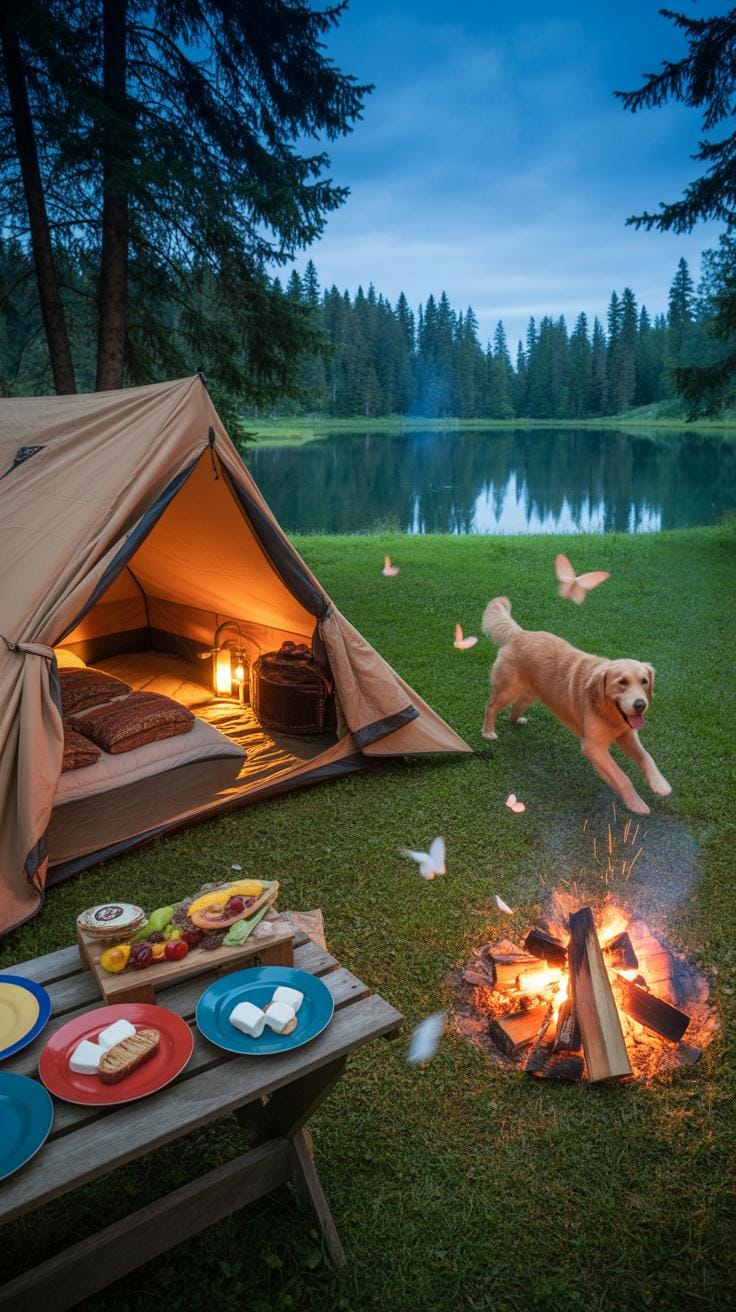
Picking the right place for your family campsite can be a bit trickier than it sounds. You want a spot that’s flat enough so no one ends up sliding in their sleeping bag overnight. Shade usually feels like a bonus, especially if you’re camping under the sun all day. But too much shade might make the ground damp or cool, so it’s a bit of a balance. Have you thought about how close you want to be to water? Being near a stream or lake makes cooking and cleaning easier, but you might also deal with more bugs or noise from flowing water. Sometimes, a spot that looks perfect from a distance might have hidden roots or rocks—so take a moment to walk around before pitching your tent.
Organizing Equipment
Once you’ve settled on your spot, the real challenge begins—figuring out where everything goes. Tents usually come first; try to position them a bit apart from the cooking area. It helps keep smells and smoke away from where you sleep. Cooking areas should have a flat surface nearby, maybe a picnic table or a cleared patch of ground. Keeping your food stored properly is another puzzle. Using bear-proof containers or hanging food bags from a tree might sound complicated but it keeps critters at bay. Don’t forget to create a little drop zone where shoes and muddy gear can go, so you don’t track dirt everywhere—it’s amazing how quickly a campsite can feel chaotic without a plan. You might discover that setting up the space together as a family makes it easier—and maybe even kind of fun, despite the hassle.
Nature Scavenger Hunts
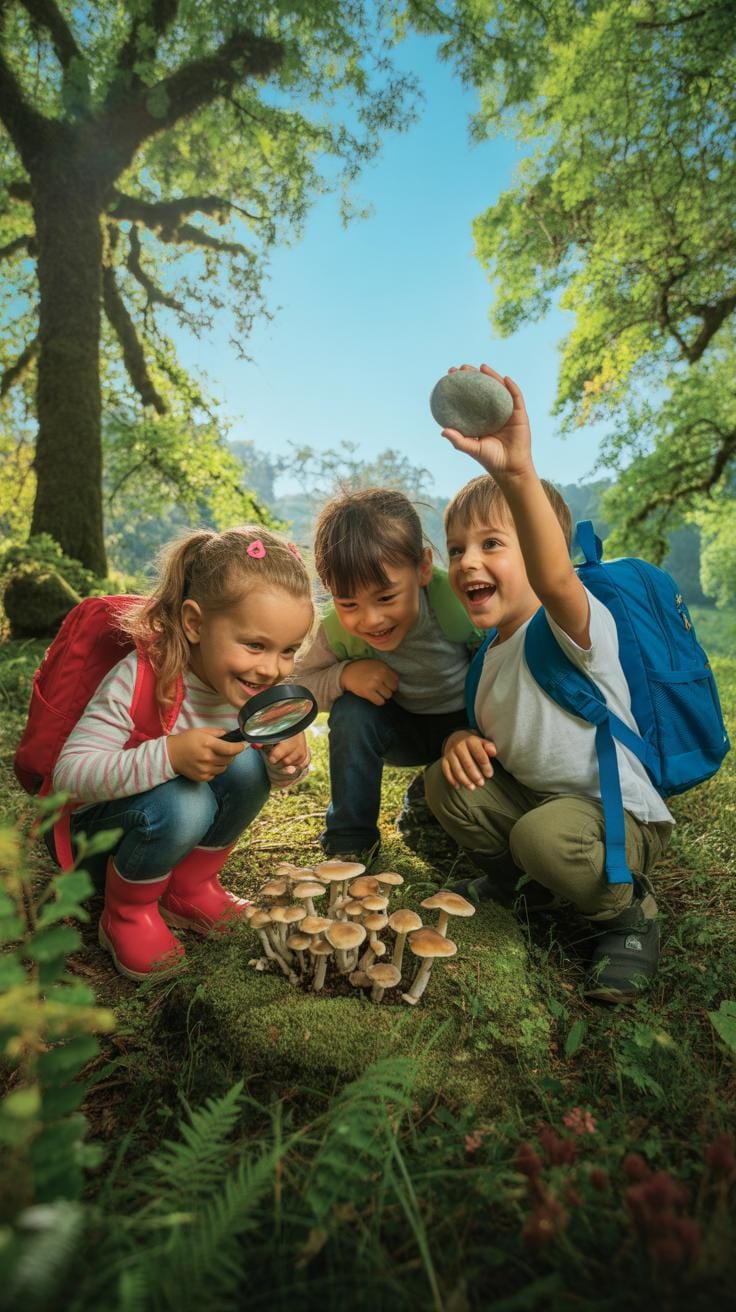

Planning a nature scavenger hunt can be a wonderful way to keep the whole family engaged—kids, teens, even adults. Start by creating a simple list of natural items everyone can find nearby. Think about including things like a uniquely shaped leaf, a smooth rock, a feather, or even spotting a bird or squirrel. You might want to add textures too—“something rough,” or “something soft.” It doesn’t have to be complicated; sometimes the easiest things spark the most curiosity.
While hunting, use pauses to talk about what you find. For example, pick up a leaf and ask if anyone knows which tree it came from. Or notice how different rocks feel, or why certain plants grow only in one spot. These questions get people thinking without feeling like a quiz. You could even wonder aloud about the animals that live nearby. This kind of casual exploration makes learning feel natural, and sometimes kids surprise you with what they observe or guess.
Give different age groups different challenges—maybe the little ones collect items, while older kids identify them with a book or an app. This way, everyone feels involved. Plus, as you move along, the hunt becomes less about just checking things off and more about noticing life all around you. You might end up learning a few things yourself.
Playing Hide and Seek Outdoors
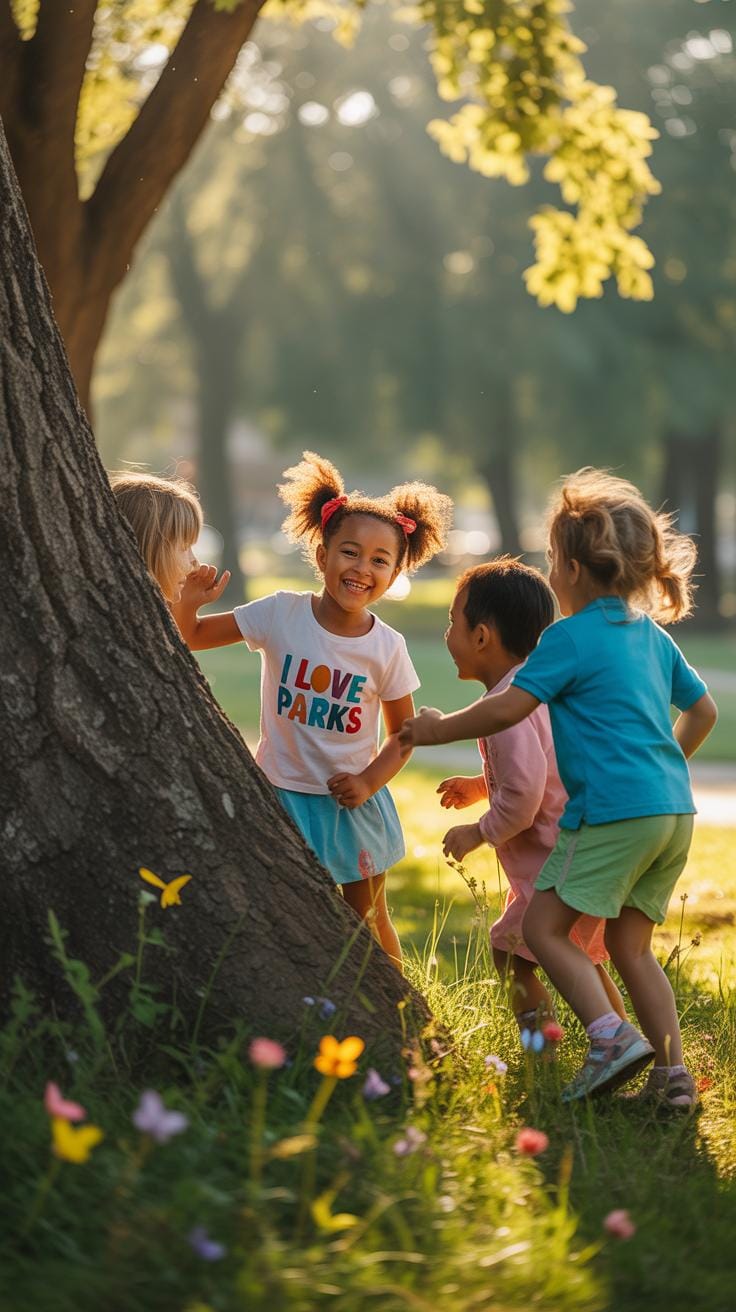
Hide and seek is a timeless game, and when taken outdoors during camping, it feels quite different—more open, less predictable. The natural setting offers nooks and crannies like tree trunks, bushes, or rocks that simply can’t be replicated indoors. Kids often seem more engaged, moving cautiously, eyes darting around, listening for footsteps or whispers. It encourages them to read their surroundings and think creatively about hiding spots. Plus, it’s a way to burn energy and enjoy fresh air without needing any gear or preparation.
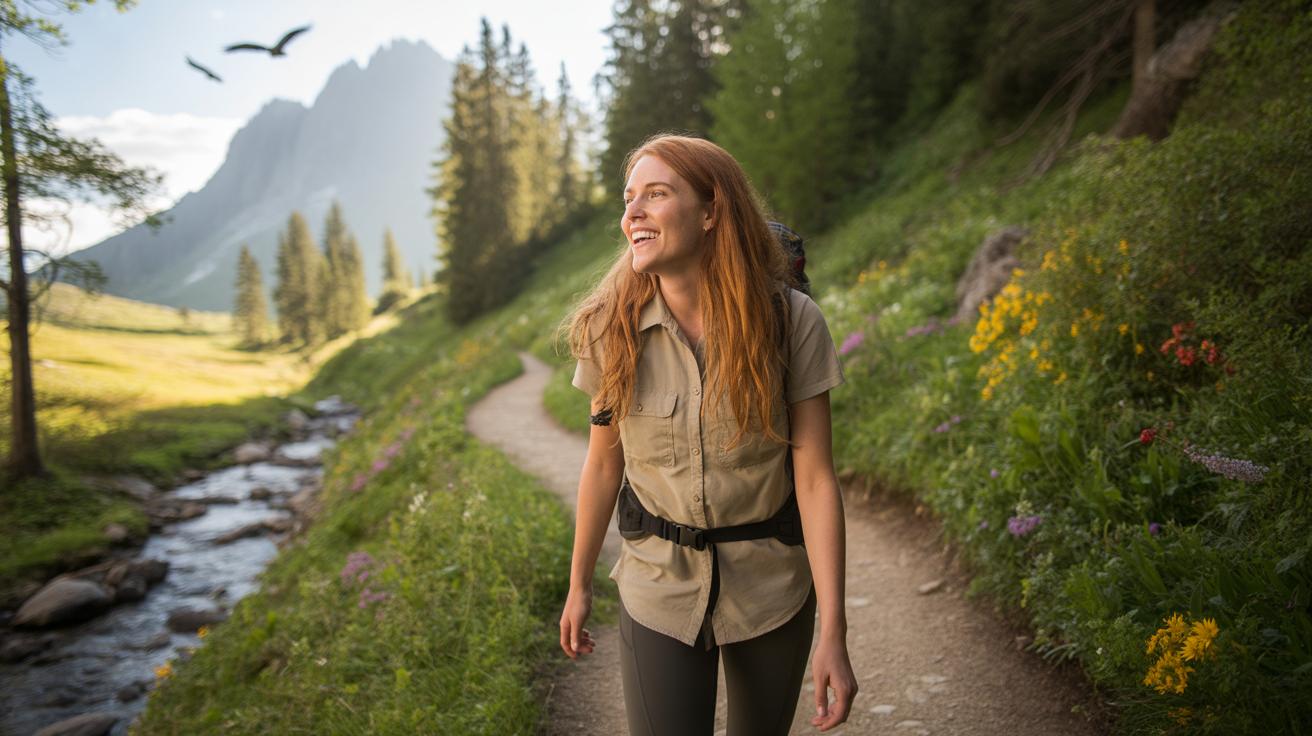
The benefits for kids are pretty clear. Beyond the fun, it builds spatial awareness and sharpens observation skills. It also gently teaches patience and social cues, since they have to wait, seek, and sometimes work together.
Rules for Safety
When playing hide and seek outdoors, simple safety rules help prevent mishaps. For example:
- Set clear boundaries so no one wanders too far or into unsafe areas like steep slopes or thick underbrush.
- Choose a safe “base” where everyone starts and returns after each round.
- Make sure each child stays visible to adults at least part of the time, even if well hidden.
- Avoid hiding spots near water or on unstable ground.
- Use a whistle or call system so anyone can signal if they need help or want to stop.
These rules keep things manageable without spoiling the fun. It’s sometimes tricky to balance freedom and oversight outdoors, but children tend to respect boundaries more when they understand why.
Adding Challenges
To spice things up, try mixing in some variations or mini-challenges. For example:
- Use a time limit for hiding to encourage quick thinking.
- Introduce “safe zones” where seekers can’t tag, encouraging strategy.
- Play a version where seekers have to solve a riddle before searching, adding a mental twist.
- Try hiding with eyes closed or relying on hearing only. It changes the focus and can be quite funny.
- Make it a scavenger hide and seek—children collect small natural items while hiding or seeking.
These tweaks can keep the game fresh, especially for older kids who might get bored with the classic version. It’s these little additions that sometimes create memorable moments, sometimes unexpected laughter, or even some mild frustration—but that’s part of learning and playing outdoors.
Campfire Cooking Adventures
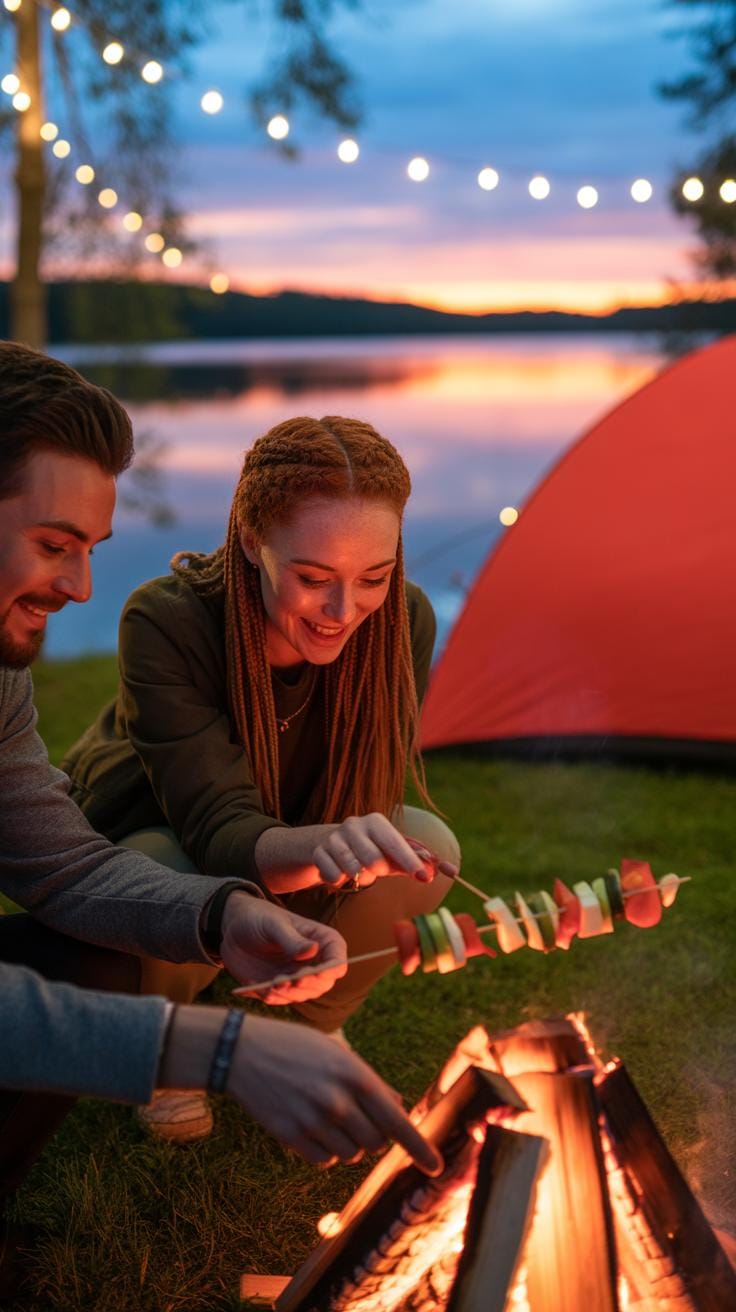
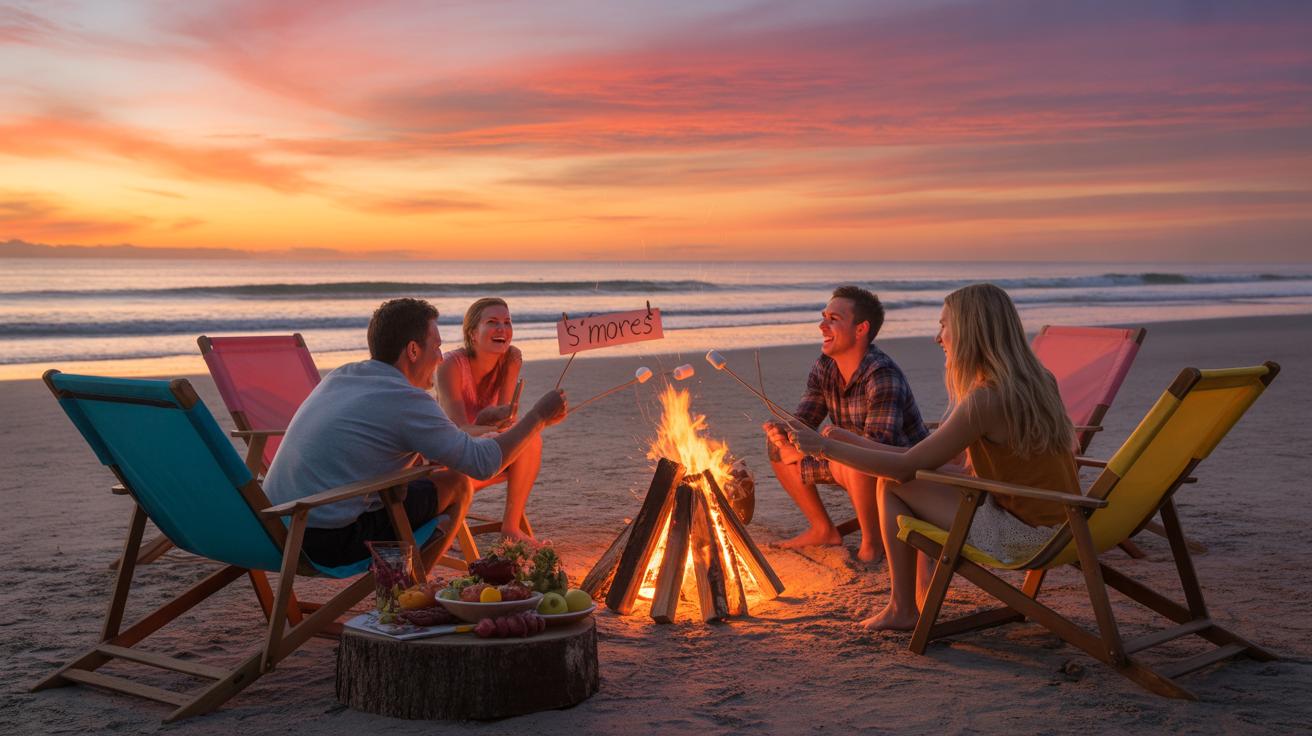
Cooking over a campfire with kids can be a bit messy, but it’s also rewarding. It’s not just about making food; it’s about the whole experience—gathering around the warm fire, sharing tasks, and watching meals come together slowly. Start with simple recipes that don’t need too many ingredients or complicated steps. Think hot dogs on sticks, toasted marshmallows for s’mores, or even foil packet dinners with chopped veggies and a bit of seasoning.
Safe Fire Building
Building a campfire ready for cooking takes care and attention. First, clear a circle on bare soil, digging out leaves, twigs, or grass. Surround that with rocks if you can find them. Always keep a bucket of water or sand nearby—quick access can prevent a minor spark from turning into a problem. When lighting, begin with kindling—small, dry sticks—and build up gradually. Don’t pile on too much wood all at once. Your fire should burn steadily, with manageable flames and hot coals for cooking. It’s tricky, but keeping the fire small and contained is safer for everyone, especially when kids are involved.
Family-Friendly Recipes
Here are easy recipes that let the whole family jump in without stress. For breakfast, try pancake batter in a pan set over the coals—kids love flipping their own pancakes. For dinner, foil packets filled with sliced potatoes, bell peppers, and a splash of oil cook evenly and taste good. And of course, don’t skip the classic s’mores. Just remember, roasting marshmallows takes patience; some kids get frustrated, but it’s all part of learning how the fire works. Maybe next time you’ll try kabobs or even campfire popcorn. Cooking outside isn’t just about meals—it’s about time together.
Storytelling Under the Stars
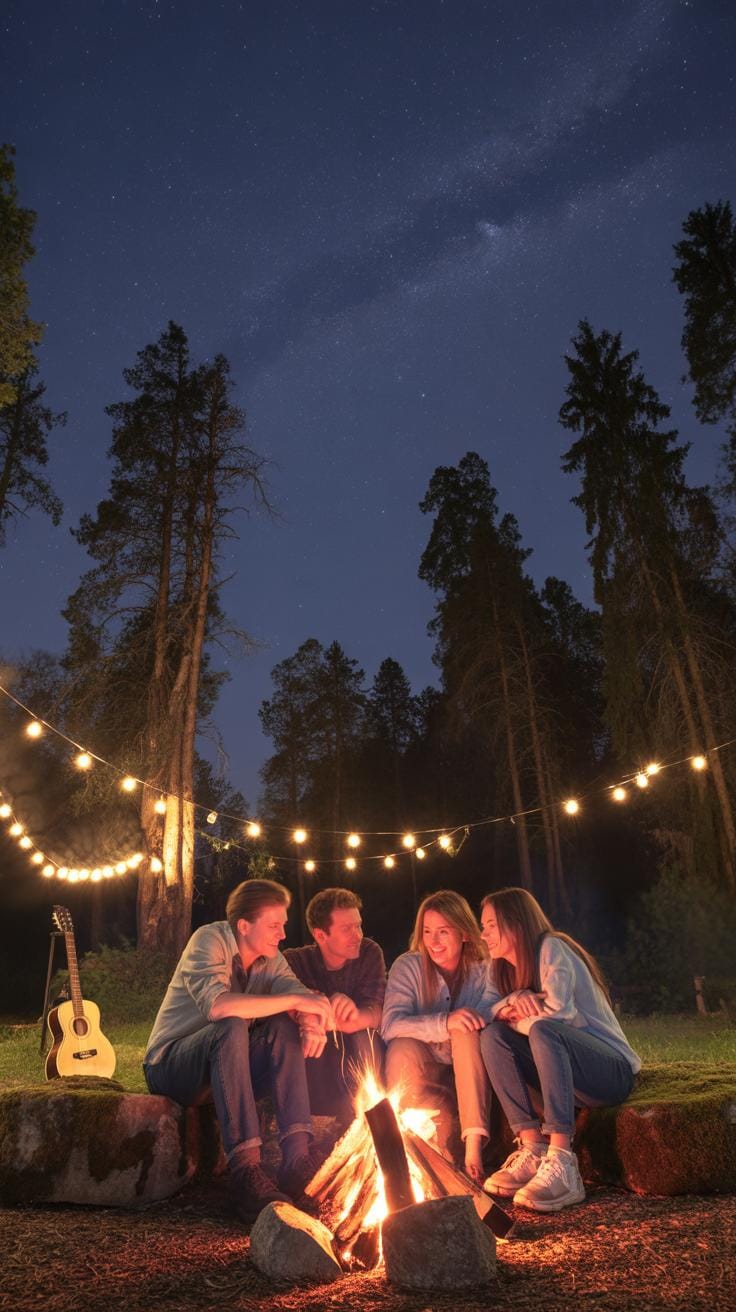
Sitting around a campfire and sharing stories feels like a natural part of camping, doesn’t it? It’s a tradition that goes back ages, bringing families together in that warm, flickering light. Yet, keeping everyone interested – especially kids and grown-ups with different tastes – can be tricky. The key is choosing stories that fit the group, but also knowing how to draw out each person’s voice so the night stays lively.
Choosing Stories
Think about stories as tools that can match the mood or the ages of those listening. For younger kids, short fairy tales or legends with funny characters usually work well. Older children might prefer mysterious or adventure stories, while adults often appreciate a mix of humorous family anecdotes or even local lore about the place you’re camping.
You might try:
- Classic fables that teach simple lessons
- Folktales from different cultures that spark curiosity
- Personal stories from past camping trips that everyone can connect with
It’s fine to mix things up because you never quite know who will react to what. Sometimes a silly ghost story gets a laugh rather than a scare, or a tall tale invites eye-rolling but breaks the silence just right.
Involving Everyone
Getting the whole family involved can turn a simple story session into something much livelier. You could try going around the circle, with each person adding a sentence to a made-up story. Or maybe assign roles for acting out parts, encouraging kids to use expressions or funny voices. Even shy family members might open up under the campfire’s glow, especially if you gently invite them without pressure.

One idea is to ask questions like, “What do you think happens next?” or “How would you make the hero brave?” This turns listeners into participants—making stories feel less like a lecture and more like a shared experience.
Remember, it’s okay if some stories end abruptly or if some voices get quieter. The goal isn’t perfect storytelling but creating moments where everyone feels included under those stars.
Wildlife Watching Basics
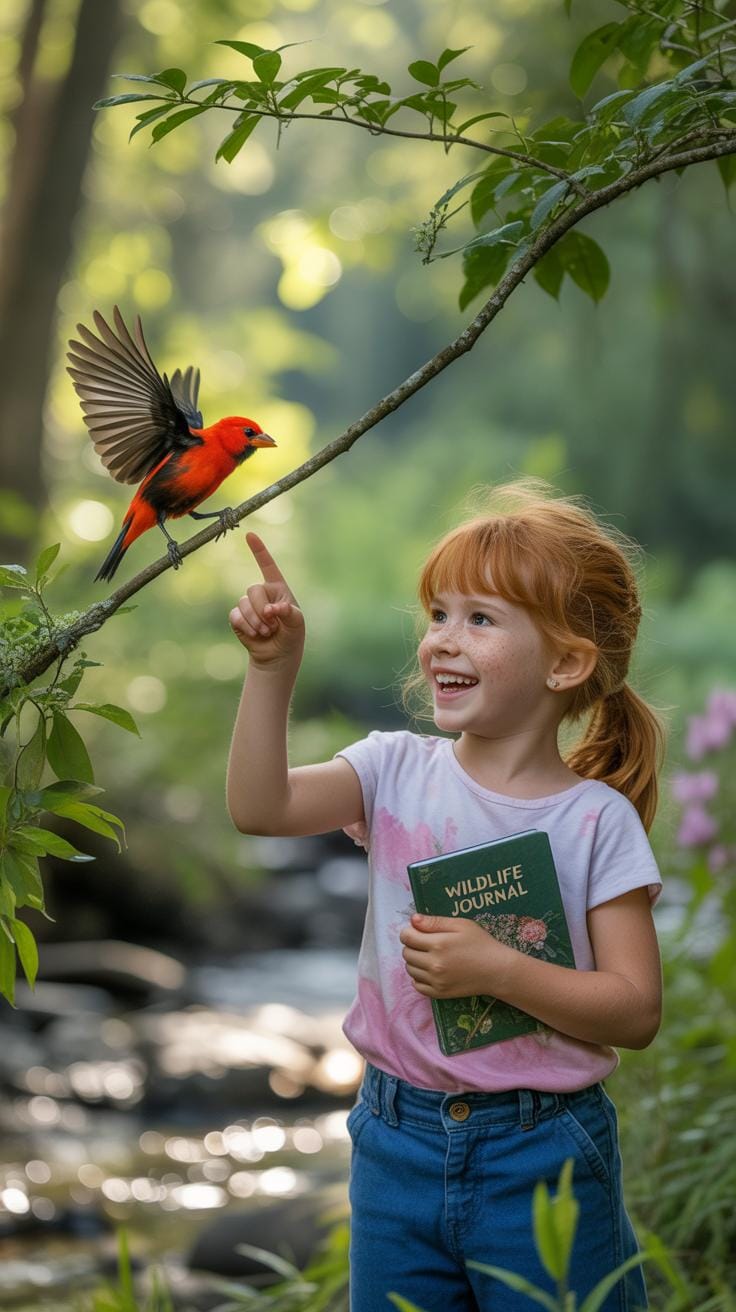
Watching wildlife with your family during a camping trip can be memorable, but it takes some care. The key is to stay quiet and keep a respectful distance. Kids might get excited and want to run after animals, but that usually scares them away. Instead, try to teach patience—maybe even make a quiet game out of waiting and watching.
Animals can be unpredictable. Sometimes you see them, sometimes you don’t. What you do see might be signs rather than the animals themselves—like tracks, nests, or droppings. These give clues about who’s nearby and what they’re up to. It makes the experience more like a small detective hunt.
What to Look For
Depending on where you camp, the wildlife changes a bit. Here are some common things to spot:
- In forests, watch for squirrels, deer, woodpeckers, and maybe raccoons.
- Near lakes or rivers, ducks, frogs, turtles, and sometimes beavers show up.
- In open fields, you might catch sight of rabbits, hawks, or foxes.
- Don’t forget the smaller things—ant hills, spider webs, or bird calls can tell you a lot.

Spotting these isn’t always straightforward. Sometimes you might only hear rustling or see movement out of the corner of your eye. That’s part of the thrill.
Using Binoculars
Binoculars are a great tool, especially for children’s curious eyes. But they can be tricky at first. Show your kids how to adjust the focus slowly, and encourage them to hold the binoculars steady—rocky hands blur everything.
Start with big, slow scans of the area, then focus on smaller details. Sometimes it’s better to look near water or along trails where animals tend to move. Remember to put the binoculars down from time to time, too; focusing just through your eyes can surprise you with unexpected sightings.
And if you can, bring a simple field guide. Matching what you see through those lenses with pictures helps bring the whole thing to life. It also keeps everyone more involved, speculating about what they’re seeing and learning together.
Star Gazing and Night Activities
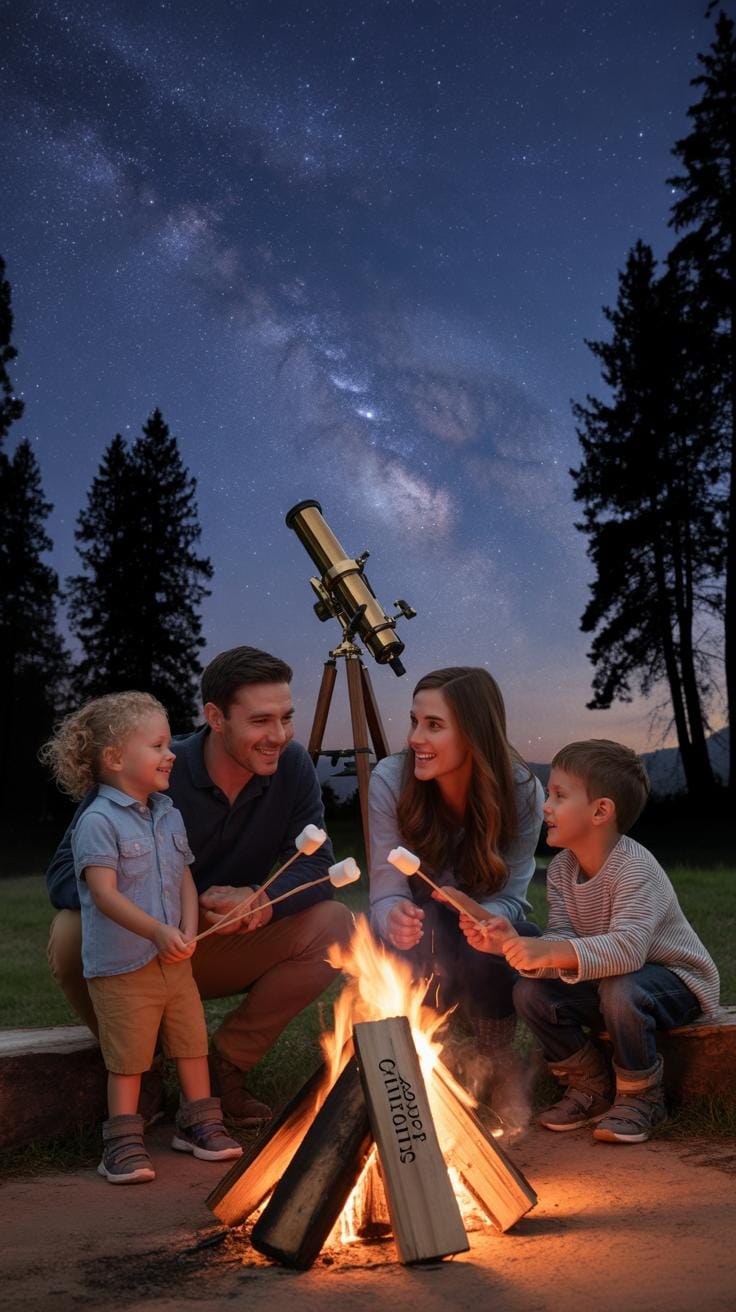
When the sun sets and the campfire glows, the night sky becomes a playground for families. Stargazing offers a quiet way to connect, and it doesn’t require fancy equipment—just a clear patch of sky and a bit of curiosity. You might want to bring a simple star map or use a free app on your phone to help spot familiar shapes.
Identifying Stars
Start with the easiest stars and constellations. The Big Dipper is usually a good bet, and it points toward the North Star—this can feel pretty satisfying to find, even if you’re not entirely sure what comes next. Look for bright stars like Sirius or planets like Venus, which shine differently than regular stars. Kids often enjoy making up stories about the constellations, which helps them remember their shapes. You could also try tracing main stars with a flashlight, creating a constellation right on the ground to compare.
Fun Night Games
Once the stars are out, consider some safe games that don’t need much light but keep the fun alive. “Flashlight Tag” works well; just be sure the area is free of hazards. Or try “Glow Stick Hide and Seek” by handing out glow sticks, giving a new twist to a classic. Another option is a storytelling circle—each person adds a line to a spooky or silly tale inspired by the night sky. Sometimes, quiet, simple moments like lying back and guessing shapes or making shadow puppets feel just as memorable as more active games.
Crafting with Nature
When you’re out camping, you might find all sorts of natural materials scattered around—leaves, pinecones, stones, even bits of bark. These simple things can turn into memorable crafts that everyone in the family can enjoy. The best part? You don’t need fancy supplies, just a little imagination and some patience.
Collecting Materials
Before picking anything up, think about how your actions affect the environment. It’s better to gather items that have already fallen to the ground rather than pulling them off plants or trees. Fallen leaves, smooth stones by the river, or small twigs make great craft supplies and don’t disturb living things.
You might want to bring along a small bag or container to keep your finds safe. Look around carefully—sometimes the best pieces are hiding in plain sight. Don’t rush; this part of the activity encourages observation, which is almost as fun as the crafting itself.
Simple Craft Projects
One easy project to try is leaf rubbings. Place a leaf under a sheet of paper and gently rub over it with the side of a crayon or pencil. It’s simple but creates a nice keepsake that shows the fine details of leaf veins. You can even write the leaf’s name or the date on the paper, making it a mini nature journal entry.
Stone painting is another option. Find some smooth, flat stones and bring along non-toxic paints or markers. You can paint animals, patterns, or even just color blocks. It’s surprisingly calming, and kids often love deciding what to paint, though sometimes they just want to cover the entire rock in one bright color.
These activities might not keep kids busy forever, but they offer a quiet, creative break from hiking or setting up camp. Plus, they give you something to take home—a small reminder of your time in nature.
Learning Basic Survival Skills
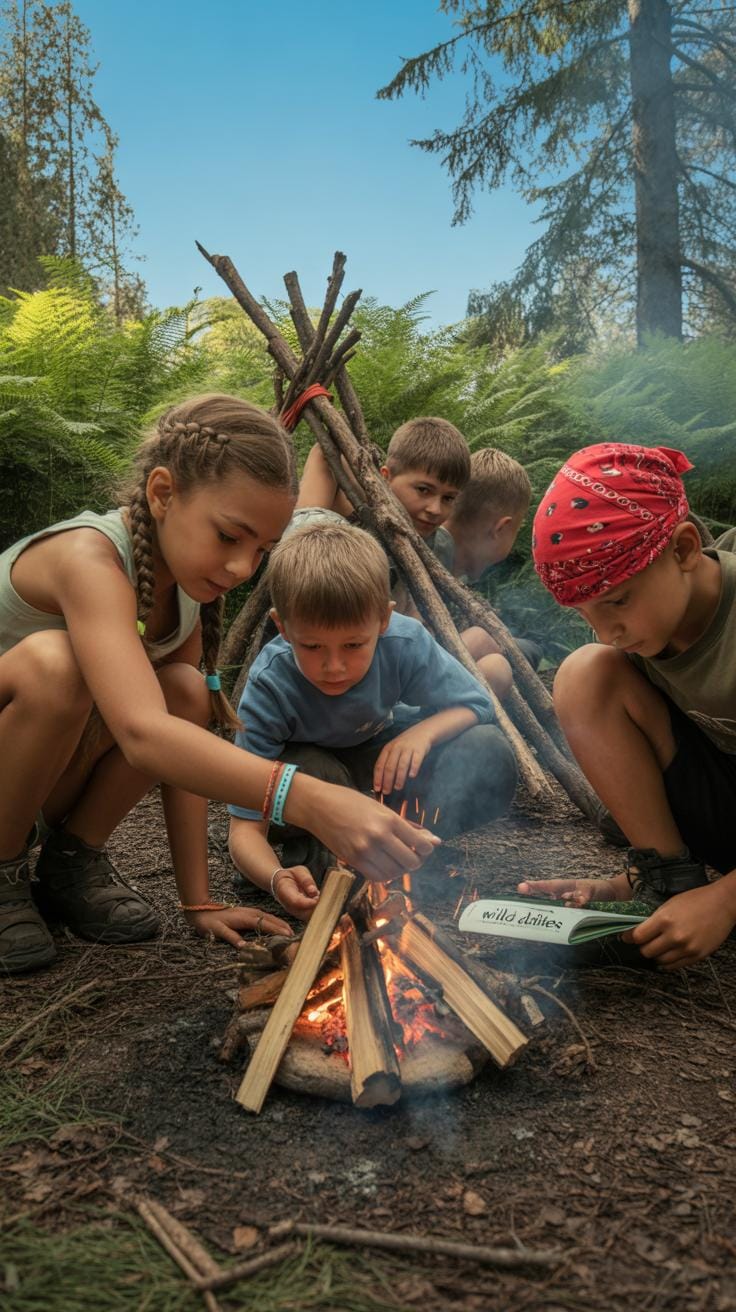
Camping offers a great chance to pick up some survival skills that are useful—whether you’re stuck unexpectedly or just want to feel more confident outdoors. Both kids and adults can get involved with simple lessons that don’t require much prior knowledge but teach practical know-how.
Building Shelters
Start with basic shelters you can build using what’s around you. You don’t need complex tools or gear to create a sheltered spot. For example, lean-to structures made from branches and leaves work well and don’t take long to set up. Using a tarp or even your sleeping bags, you can add a layer of protection over natural materials. Teaching kids to tie knots or arrange sticks in a stable way gives them something hands-on and boosts problem-solving skills. Sometimes, doing this as a family sums up to a small project that everyone contributes to, which can be surprisingly satisfying.
Finding Food and Water
Knowing where to find water and safe food in the wild is something you’ll want to practice—not just read about. Look for clear streams or collect rainwater if possible; stagnant pools usually aren’t good, though the reasons why might not always be obvious to younger ones. Teaching a simple method like boiling water before use or using purification tablets makes the idea less abstract. When it comes to food, identifying wild edibles can be tricky, but you can start with commonly known safe plants like dandelions or berries that your family is familiar with. It’s a good way to mix caution with curiosity. You might even spot insects like ants or grasshoppers—surprisingly nutritious, though not everyone’s preference. Asking your family what they think they’d dare to try sparks a lot of interesting conversations too.
Camping Safety Essentials
Fire and Wildlife Safety
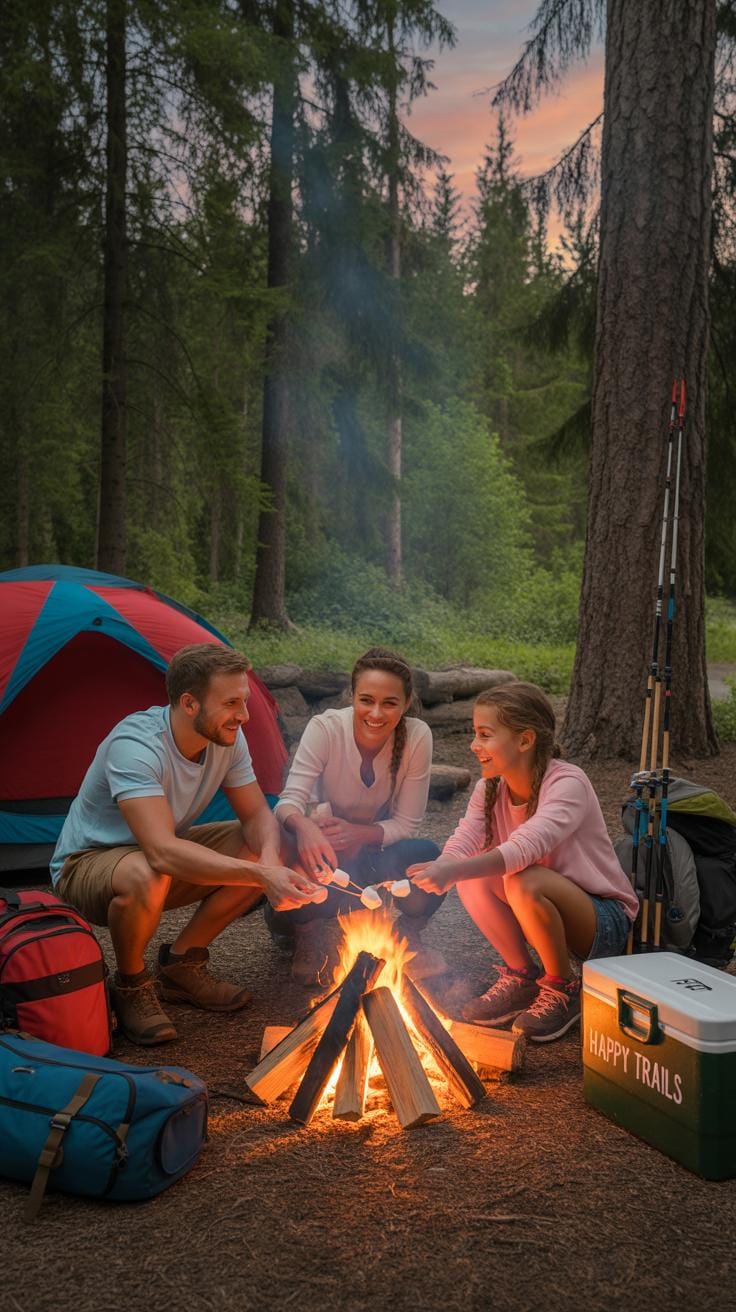
When managing campfires, you want to keep things simple but strict. Always build your fire in designated spots, away from tents and low branches. Never leave it unattended — even for a minute. One thing I’ve learned the hard way is to keep water or dirt nearby to put it out quickly if needed. That little extra preparation can make the difference between a cozy night and an emergency.
Wildlife encounters are tricky. Stay calm and avoid sudden moves if you see an animal. Don’t feed wildlife — it messes with their habits and could lead to dangerous situations later. When hiking, make noise to avoid surprising animals. Sometimes, I’ve noticed kids get too curious, which is understandable but risky. Teach everyone to observe from a distance, and always store food in secure containers to keep critters out of your camp.
First Aid Basics
Having a first aid kit tailored for your family’s needs truly comes in handy. Apart from bandages and antiseptics, include items like tweezers, insect bite relief, and allergy medicine if needed. I usually pack an extra pair of gloves and some pain relief tablets too. It might feel like overpacking, but when a small injury happens — and it often does — you’ll appreciate being prepared.
Knowing a few first aid steps can calm panic. For example, cleaning a cut thoroughly before bandaging reduces infection risk a lot. If someone sprains an ankle, remember to rest, ice, compress, and elevate — it sounds straightforward but works. Practice minor first aid with your family before the trip. It could make you feel more confident, and honestly, it prepares kids for handling small emergencies without freaking out.
Conclusions
Camping activities are a great way to connect with your family and the natural world. You don’t need fancy equipment to have fun outside. Simple games and hands-on learning can create enjoyable moments for everyone. Trying different activities enriches the camping experience and builds skills and confidence in children and adults alike.
Remember to keep safety in mind during every activity. Prepare ahead and follow basic rules to ensure a trouble-free trip. With the right plans and enthusiasm, your family can enjoy many camping adventures and create memories that last a lifetime. Get ready to explore and play outdoors with your loved ones.