
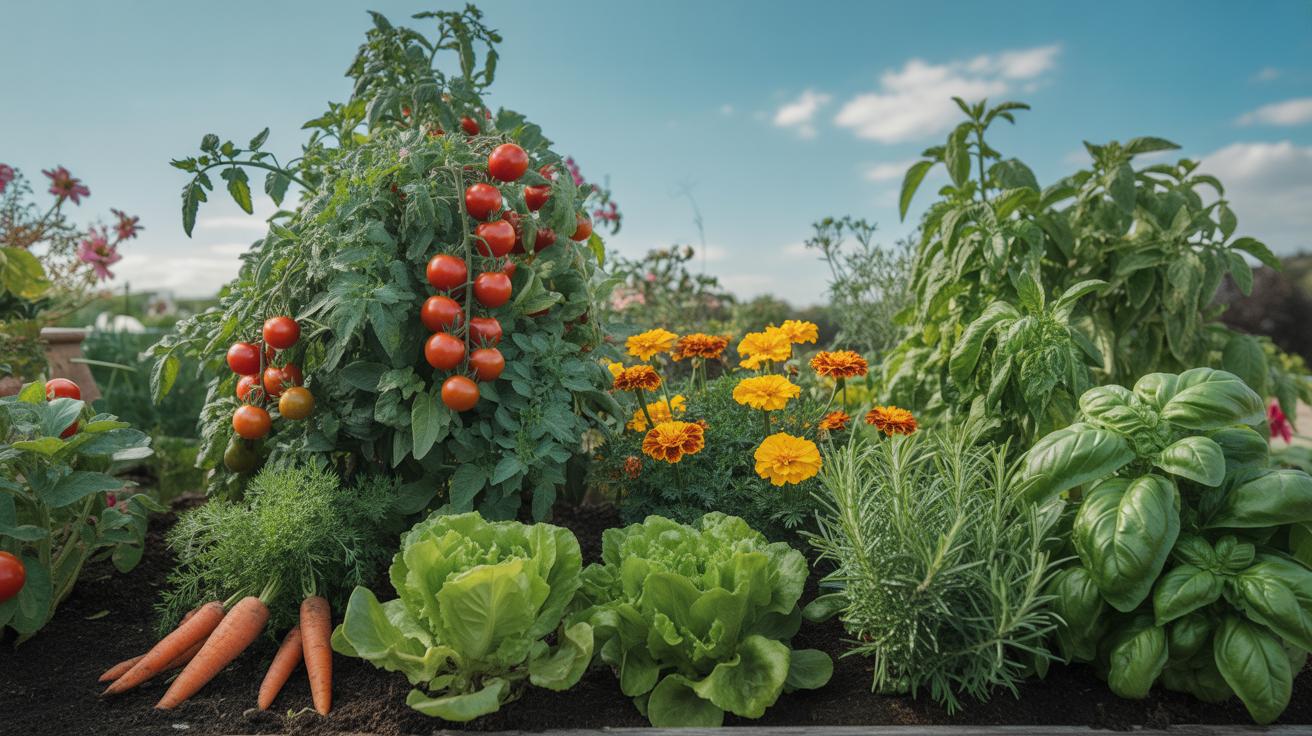
What Is Companion Planting A Beginner Friendly Guide To Growing Plants Together
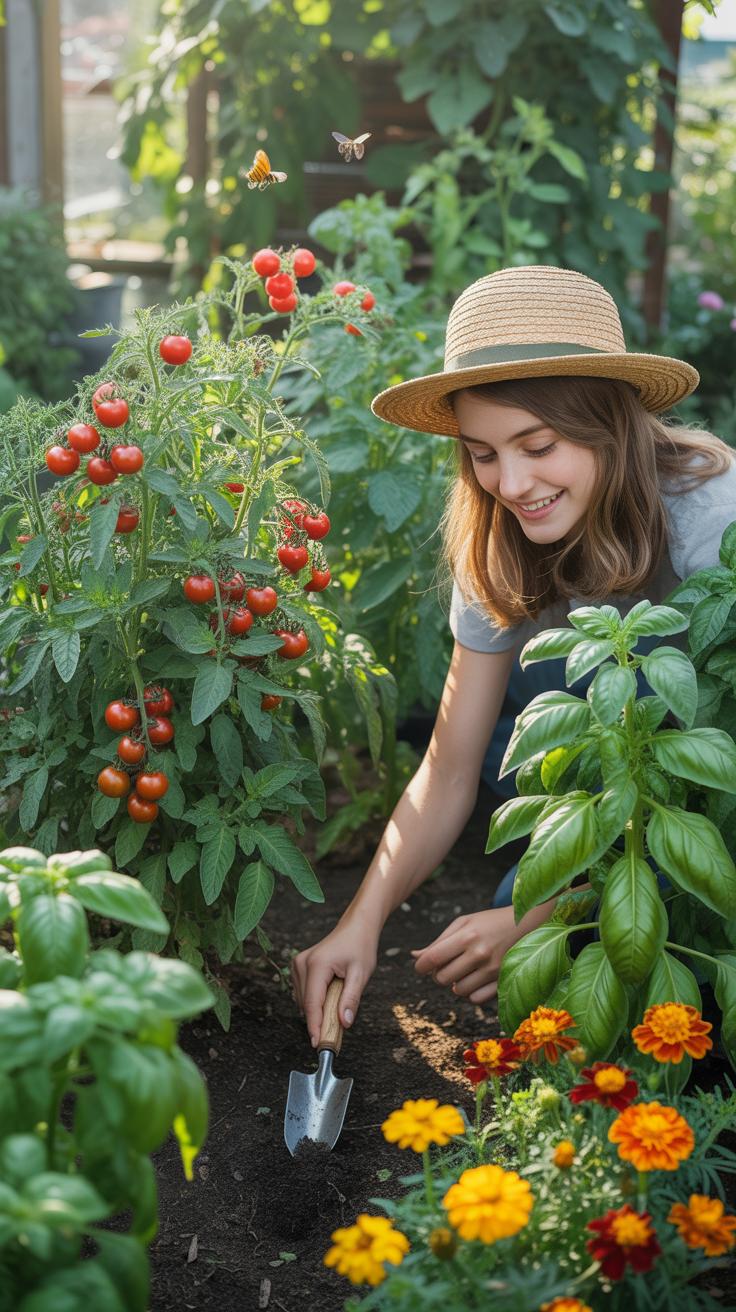
The Basic Concept Behind Companion Planting
Companion planting is a tactical strategy where you place different plant species close together to improve growth. This method uses the natural traits of plants to help their neighbors thrive. Some plants repel harmful insects with strong scents. Others attract beneficial bugs that eat garden pests. This approach creates a small ecosystem where every plant serves a specific purpose for the group.
You choose companions based on how they interact below and above the soil. Deep-rooted plants break up hard ground for shallow-rooted neighbors. Tall plants provide necessary shade for smaller species that scorch in direct sun. Plants also share nutrients or fix nitrogen in the dirt. This system reduces the need for chemical fertilizers and toxic pesticides. It maximizes your garden space and increases your overall food yield.
A Brief History Of Companion Planting And Why It Still Works Today
Indigenous cultures practiced companion planting for thousands of years before industrial farming. The Three Sisters method is the most famous historical example. Native American tribes planted corn, beans, and squash together to ensure food security. Each plant provided a physical or nutritional benefit to the others. This traditional wisdom focused on long-term soil health and biodiversity rather than single-crop profit. These techniques survived because they follow natural biological laws.
Modern science confirms that these ancient methods provide real mechanical and chemical advantages. We now understand how plants communicate through root secretions and airborne chemicals. Monoculture farming exhausts the soil and relies on heavy chemicals to stop outbreaks. Companion planting prevents these issues by breaking the cycle of pests and disease. It works today because it builds a self-sustaining environment. This method remains the most efficient way to manage a small-scale garden.

How To Read And Use A Companion Planting Chart For Your Garden
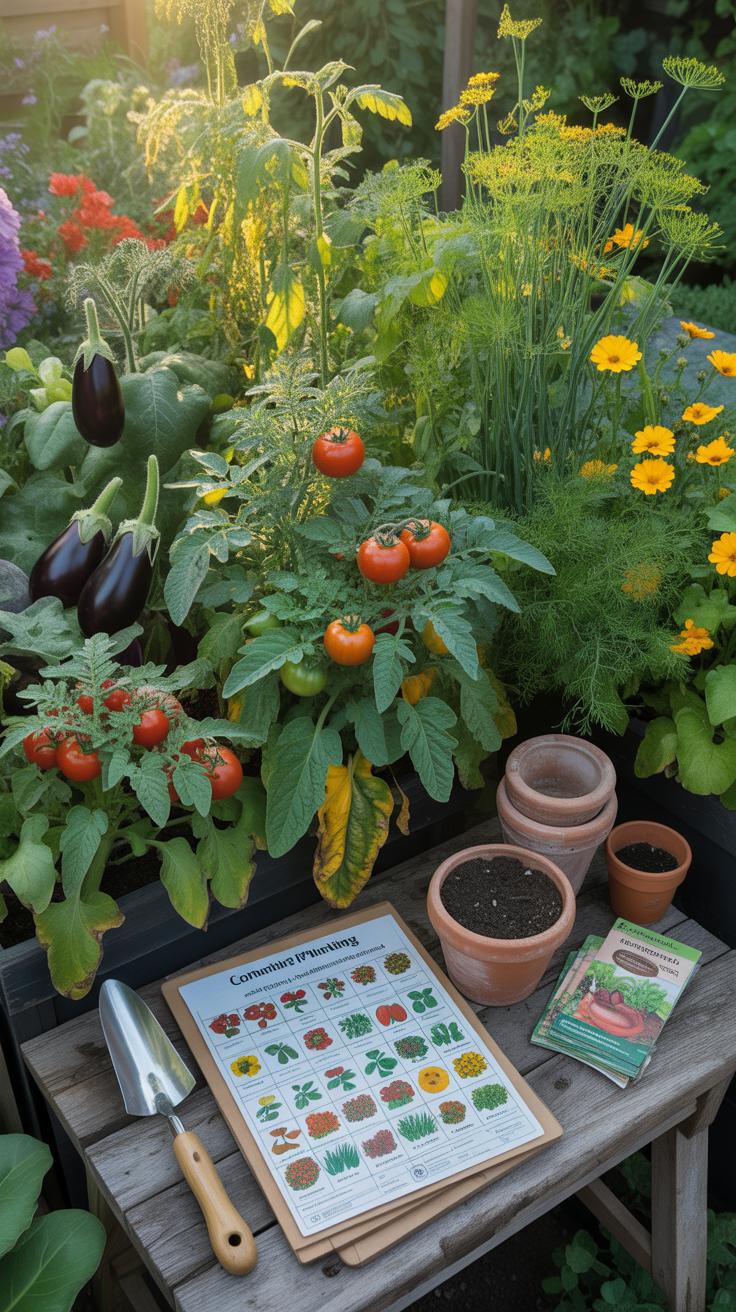
Understanding The Symbols And Pairings On A Companion Planting Chart
Standard charts use a grid system to show plant relationships. The vertical axis lists main crops while the horizontal axis repeats them. Most charts use a plus sign or green dot to signal a helpful match. A minus sign or red X marks a bad pairing. Look for these visual cues to identify which plants improve growth or deter common garden pests.
Accuracy matters when reading these symbols. Most pairings reflect biological facts or historical success. For example, legumes fix nitrogen in the soil which helps leaf crops. Heavy feeders should not sit next to each other because they fight for nutrients. Always check the legend at the bottom of your chart. This ensures you do not confuse a neutral pairing with a beneficial one.
How To Apply A Companion Plant Chart To Your Specific Garden Layout
Move from the chart to your physical garden beds. Group plants based on their needs for sun and water first. Use the chart to fine-tune exactly where each seedling goes within those groups. Put tall plants like corn on the north side. They provide shade for low-growing plants like lettuce. This tactical placement maximizes your vertical space while following the chart advice.

Avoid crowding even when plants are friendly. The chart tells you who gets along but not how much room they need. Leave enough space for air to move between leaves. This prevents disease from spreading through your rows. Use your chart to create a diverse ecosystem. Mix flowers like marigolds with vegetables to confuse insects. A diverse layout is your best defense against total crop failure.
The Science Of Companion Planting Why Certain Plants Thrive Together
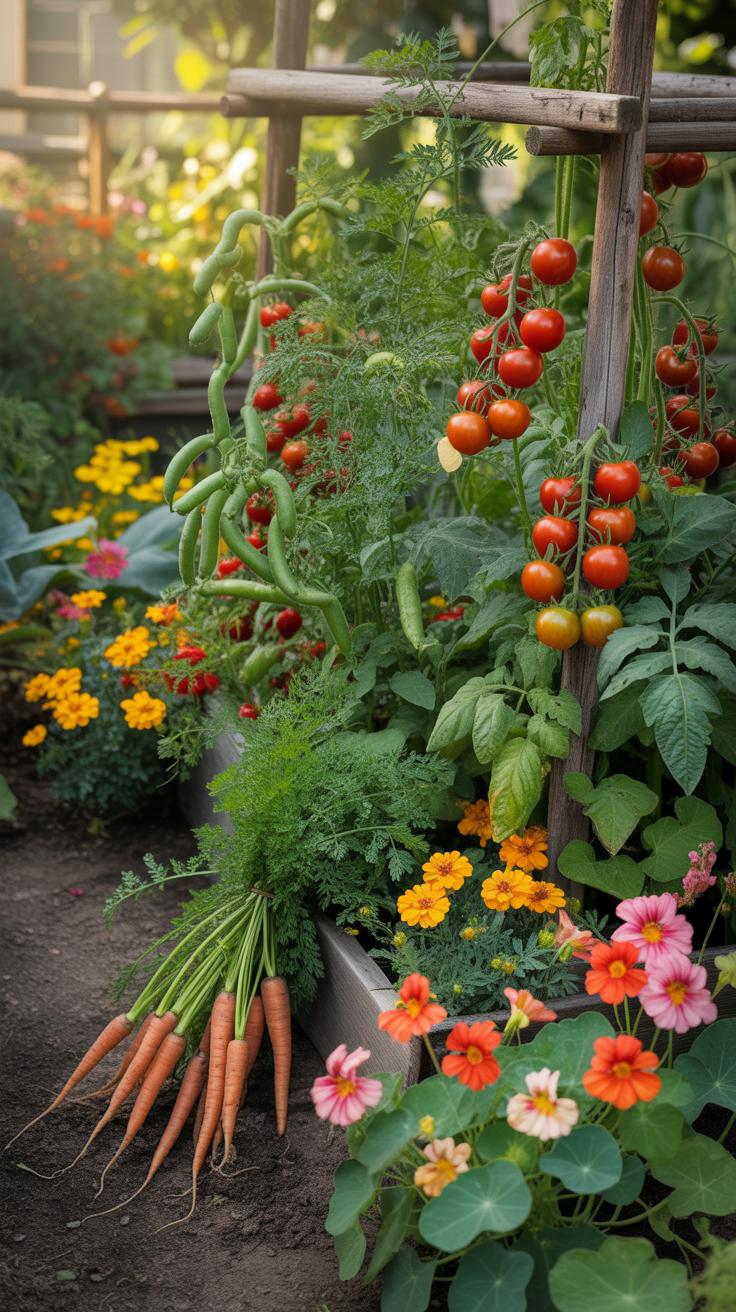
How Plants Communicate Through Roots And Soil Chemistry
Plants interact through the rhizosphere using chemical signals called allelochemicals. These root exudates can inhibit or promote the growth of nearby species. Legumes host bacteria that convert atmospheric nitrogen into a form other plants can use. This biological process enriches the soil naturally. Shallow rooted plants often thrive next to deep taproots. These taproots pull nutrients and water from lower soil levels to the surface.
Mycorrhizal fungi create vast underground networks that connect different plant systems together. These fungi exchange phosphorus for carbon provided by the host plants. This network allows plants to share resources and send stress signals. Some plants release chemicals that suppress weeds or harmful soil pathogens. These interactions happen below ground and determine the health of your garden. Strategic placement ensures your crops help rather than hinder each other.
Natural Pest Control And Pollination Benefits Explained
Companion planting uses volatile organic compounds to confuse or repel insects. Strong smelling plants like marigolds or alliums mask the scent of vulnerable crops. This prevents pests from locating their hosts. Some plants act as trap crops by attracting harmful insects away from your main harvest. Using biodiversity creates a balanced ecosystem. This reduces the need for toxic chemical pesticides in your vegetable garden or farm.

Flowering companions attract beneficial insects and essential pollinators to the area. Hoverflies and ladybugs eat small pests like aphids. These predators keep pest populations under control naturally. Specialized flowers provide nectar to bees and butterflies throughout the entire season. Higher pollination rates lead to larger fruit yields and better seed production. Integrating flowers with vegetables increases overall garden productivity. This method mimics natural systems to protect your food sources.
Best Companion Planting Vegetables Combinations For A Thriving Garden
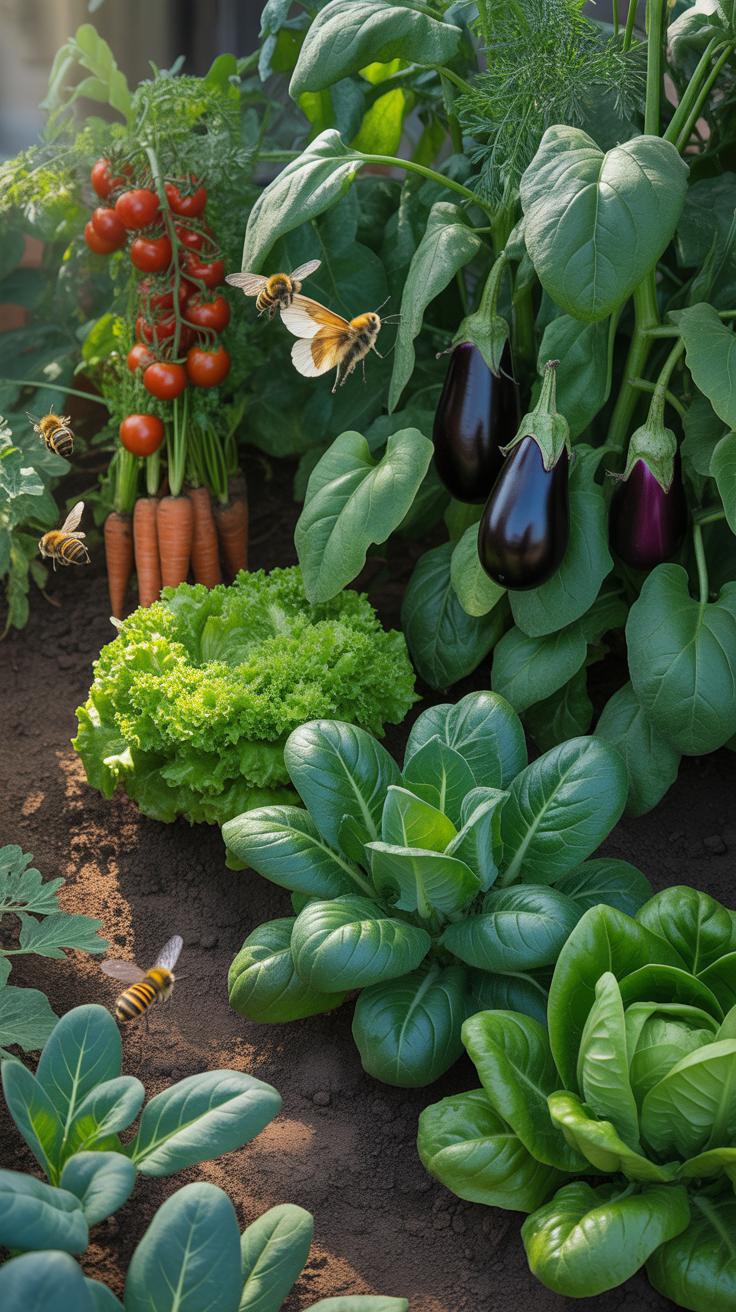
Top Vegetable Pairings That Boost Growth And Deter Pests Naturally
Strategic vegetable pairings maximize garden yields by utilizing vertical space and natural chemical defenses. High-nutrient feeders benefit from proximity to nitrogen-fixing legumes. Tall plants provide necessary shade for delicate leafy greens during peak heat hours. These combinations exploit biological traits to create a self-sustaining ecosystem. Select pairings based on root depth and nutrient requirements to prevent competition while ensuring maximum soil coverage throughout the season.
- Tomatoes and Basil: Basil repels hornworms and thrips while improving the flavor of the fruit. The aromatic oils in the herbs act as a natural shield for the heavy feeders.
- Carrots and Onions: Onions mask the scent of carrots to confuse the carrot rust fly. Carrots break up the soil as they grow which helps onion bulb expansion and drainage.
- Corn and Pole Beans: Corn provides a living trellis for climbing beans to access sunlight. The beans stabilize the stalks and convert atmospheric nitrogen into a form the corn can use.
- Cucumbers and Radishes: Radishes deter cucumber beetles that carry bacterial wilt. Planting them together early in the season protects young seedlings during their most vulnerable stage of growth.
- Lettuce and Tall Flowers: Sunflowers or tall zinnias provide critical afternoon shade for lettuce crops. This shade prevents the soil from overheating and stops greens from bolting or becoming bitter.
Pest management relies on masking scents and attracting beneficial predatory insects. Marigolds emit powerful odors that deter nematodes and whiteflies from attacking vulnerable vegetable roots and foliage. Interplanting diverse species breaks up monocultures and prevents rapid pest spread across your garden beds. Use these interactions to reduce your reliance on chemical pesticides. Monitor your soil moisture levels as dense planting increases total water demand in the garden.
What Vegetables Can Be Planted Together Chart: Reading The Relationships
Reading a companion chart requires understanding specific plant families and their shared vulnerabilities. Successful charts categorize relationships as beneficial, neutral, or harmful based on resource competition and shared diseases. Nightshades and hilling crops often clash due to heavy nutrient demands and common blight risks. Mapping these interactions allows you to rotate crops effectively and maintain long-term soil health without depleting specific minerals or encouraging pathogen buildup.

Mastering these charts involves identifying heavy feeders versus soil builders. Heavy feeders like broccoli and cabbage require intense nitrogen levels and should sit near nitrogen-fixing beans or peas. Avoid placing competitive pairs like potatoes and tomatoes in the same zone because they attract identical fungal issues. Use the chart to plan a multi-tiered canopy that maximizes light absorption. Correct placement ensures each plant receives the precise resources needed for a full harvest.
Plants To Keep Apart Understanding Companion Gardening Incompatibilities
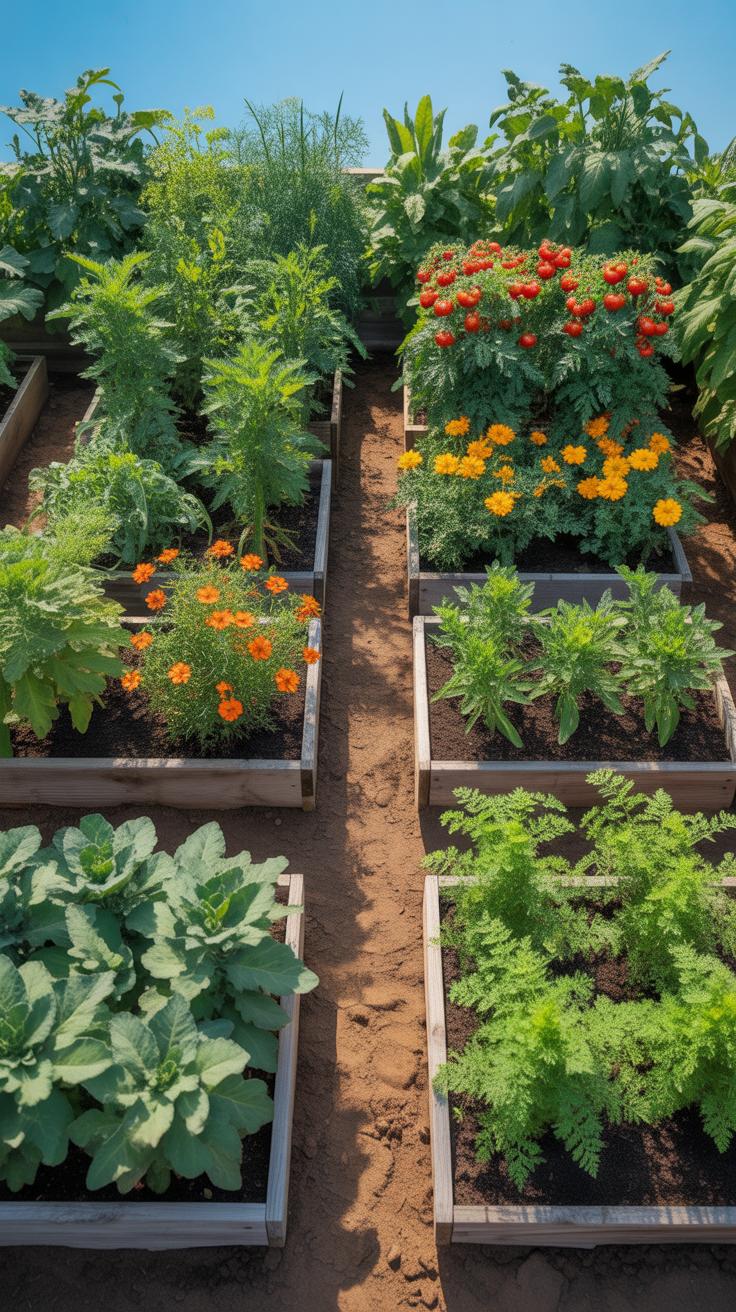
Common Plant Combinations That Stunt Growth Or Invite Pests
Gardeners often fail by mixing heavy feeders with the same nutrient needs. Placing onions near peas or beans stops the growth of the legumes. Onions produce chemicals that kill the beneficial bacteria on legume roots. These bacteria help the plant fix nitrogen in the soil. Without this process, your beans will stay small and produce very little food for your kitchen harvest.
Pest management suffers when you group plants from the same family. Planting tomatoes near potatoes is a major tactical error. Both plants attract the same blights and beetles. If one plant gets sick, the disease spreads to the entire patch instantly. You must separate these crops to create a firebreak against pests. Strategic spacing prevents a single infection from wiping out your entire seasonal food supply.
Why Allelopathy Causes Some Plants To Suppress Their Neighbors
Allelopathy is a biological survival tactic used by specific plants. Some species release toxic chemicals from their roots or leaves into the surrounding soil. This chemical warfare stops competition from nearby plants. Black walnut trees are the most famous example because they produce juglone. This toxin wilts and kills nightshades like peppers and tomatoes. You cannot grow sensitive vegetables within the root zone of these trees.

Sunflowers also use allelopathy to dominate their environment. Their seed husks contain substances that prevent other seeds from germinating. While sunflowers look harmless, they effectively poison the ground for small, delicate greens. Keep your lettuce and spinach far away from sunflower patches. Understanding these natural chemical defenses allows you to plan a garden layout that supports growth instead of triggering a hidden subterranean war.
Using A Planting Companions Chart For Smarter Garden Planning
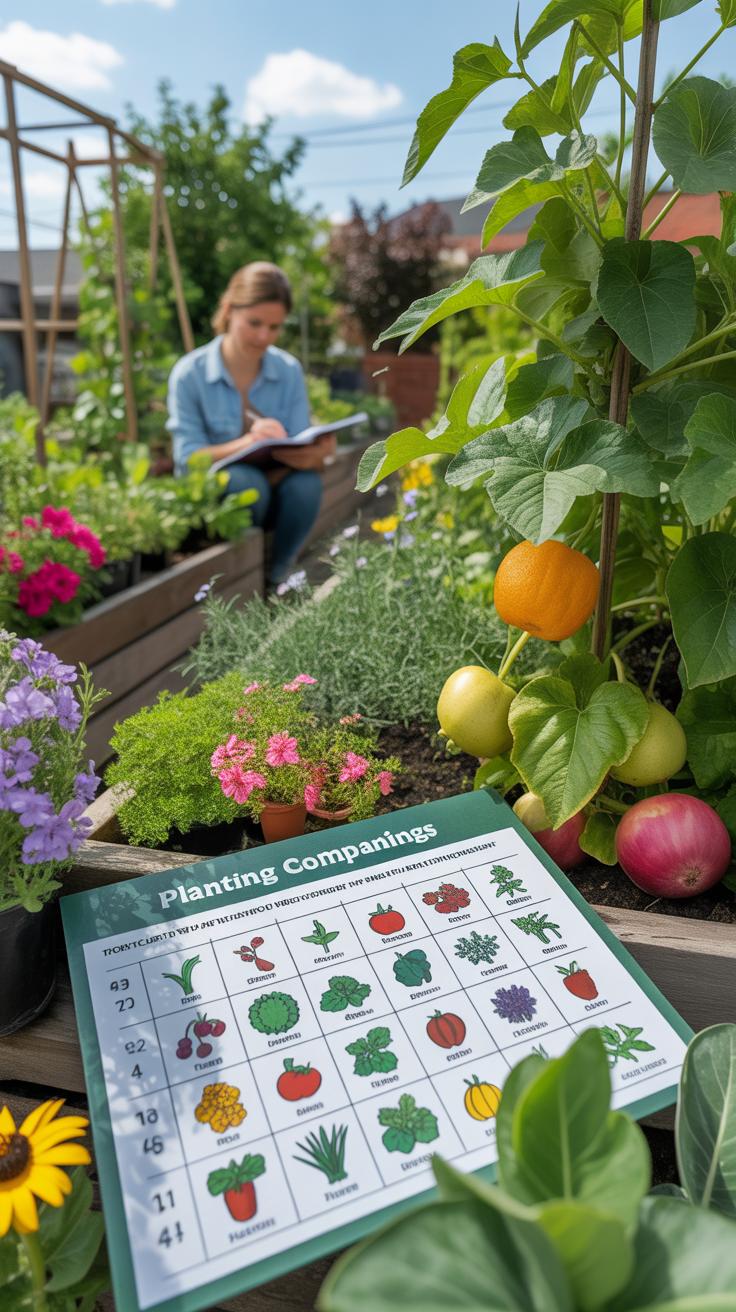
How To Map Out Your Garden Beds Using A Planting Companions Chart
A chart serves as your tactical blueprint for spatial efficiency. Start by identifying your primary heavy feeders like tomatoes or brassicas on the grid. Look for compatible partners that occupy different root zones or height levels. Place deep rooted carrots near shallow rooted onions to maximize soil volume. This layering prevents resource competition and utilizes every inch of your garden bed for maximum output.
Use the chart to identify natural enemies before you break ground. Never place members of the same botanical family together in small spaces. Avoid putting beans near alliums or potatoes near tomatoes to stop rapid disease spread. Mapping your plot on paper first prevents costly mid season mistakes. A structured grid ensures that tall sun seekers like corn provide necessary shade for delicate leafy greens during peak heat.
Seasonal Garden Planning Tips That Make Companion Planting Easier
Timing is as critical as placement in any successful garden layout. Coordinate your planting schedule with the natural lifecycle of your chosen companions. Early spring crops must vacate the soil before your main summer heavy hitters need the space. Short season radishes function as space fillers between slow growing peppers. This strategy keeps the ground covered and suppresses weeds throughout the entire growing season.
- Crop Rotation Cycles: Move plant families to new beds every season to break pest life cycles. This practice prevents soil borne pathogens from building up in one specific area over time.
- Succession Planting: Sow seeds at two week intervals to ensure a steady harvest. This method prevents a massive glut of produce and keeps your companion pairings active for several months.
- Vertical Integration: Use trellises for climbing peas or pole beans to save ground space. This allows you to plant smaller shade tolerant herbs or greens directly underneath the vertical structures.
- Intercropping Speed: Mix fast growing greens with slow maturing root vegetables in the same row. You will harvest the greens before the larger plants require the extra room to expand.
- Temperature Synchronization: Group plants with identical heat or frost tolerance levels together under one row cover. This simplifies your protection strategy during early spring frosts or extreme summer heat waves.

Effective garden planning requires you to look ahead to the next frost date. Clear out finished crops immediately to make room for cool weather companions like kale or spinach. Maintain a detailed log of what grew well together to refine your chart for next year. Consistent observation allows you to adjust your tactical approach based on your specific microclimate and soil conditions for better results.
The Three Sisters Method A Classic Example Of Companion Planting In Action
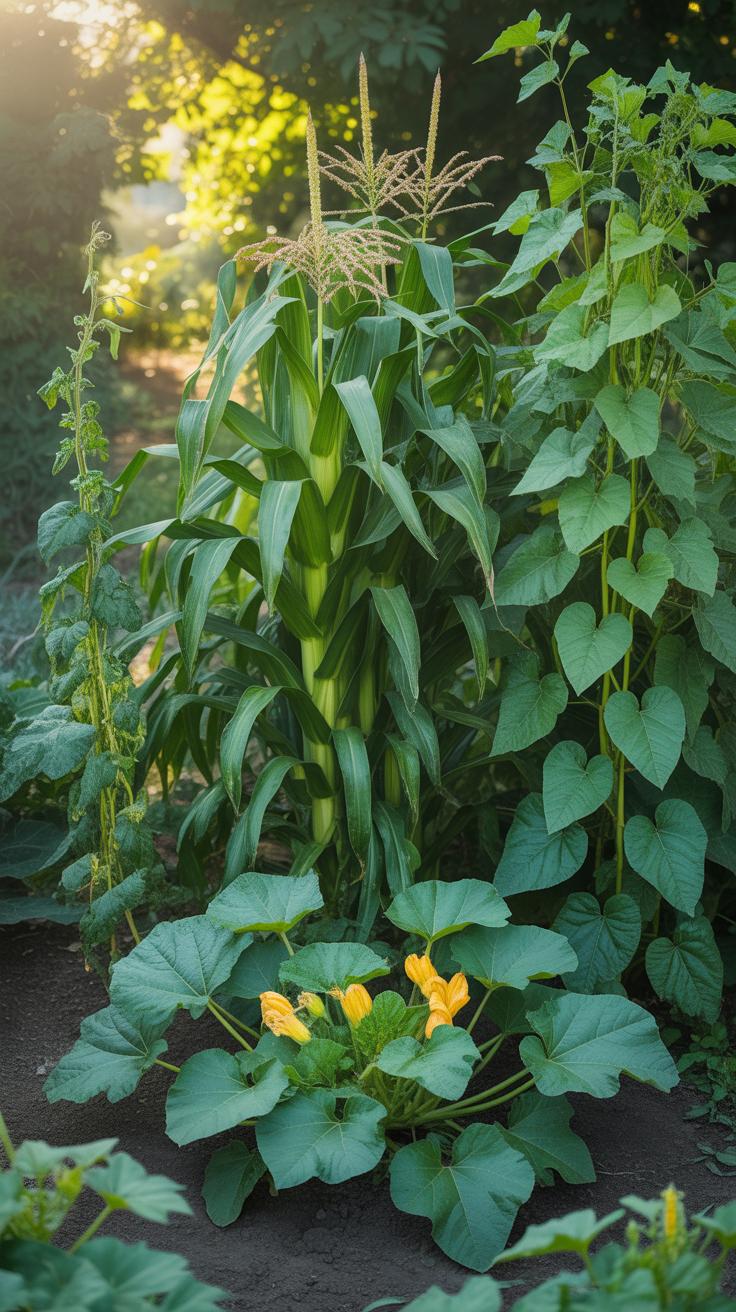
What Are The Three Sisters And How Do They Support Each Other
The Three Sisters consist of corn, beans, and squash. This system comes from Indigenous agricultural traditions in North America. Each plant provides a specific physical or chemical benefit to the others. Corn gives the beans a solid structure to climb. This keeps bean vines off the ground where they might rot. It serves as a living trellis for maximum vertical space use.
Beans pull nitrogen from the air and fix it into the soil through their roots. Corn requires heavy amounts of nitrogen to grow tall and strong. Squash grows large leaves that shade the ground. These leaves act as a living mulch to hold moisture in the soil. Prickly squash vines also deter pests like raccoons from eating the corn. This creates a self sustaining ecosystem.
The glory of gardening: hands in the dirt, head in the sun, and your heart at peace with the friendly neighbors you plant side by side.
How To Grow The Three Sisters In Your Own Backyard Garden
Start by building a flat topped mound of soil about one foot high and four feet wide. Plant the corn seeds first in the center of the mound. Wait until the corn reaches six inches in height before planting the beans and squash. This timing ensures the corn is strong enough to support the weight of climbing vines. Place beans around the corn stalks.

Plant the squash seeds along the edge of the mound. Space the mounds at least four feet apart to give the squash room to spread. Water the base of the plants regularly to keep the soil moist. Harvest the corn and beans first as they ripen earlier than the squash. Leave the squash on the vine until the shell hardens and the stems turn brown.
Herbs And Flowers That Supercharge Your Companion Planting Strategy
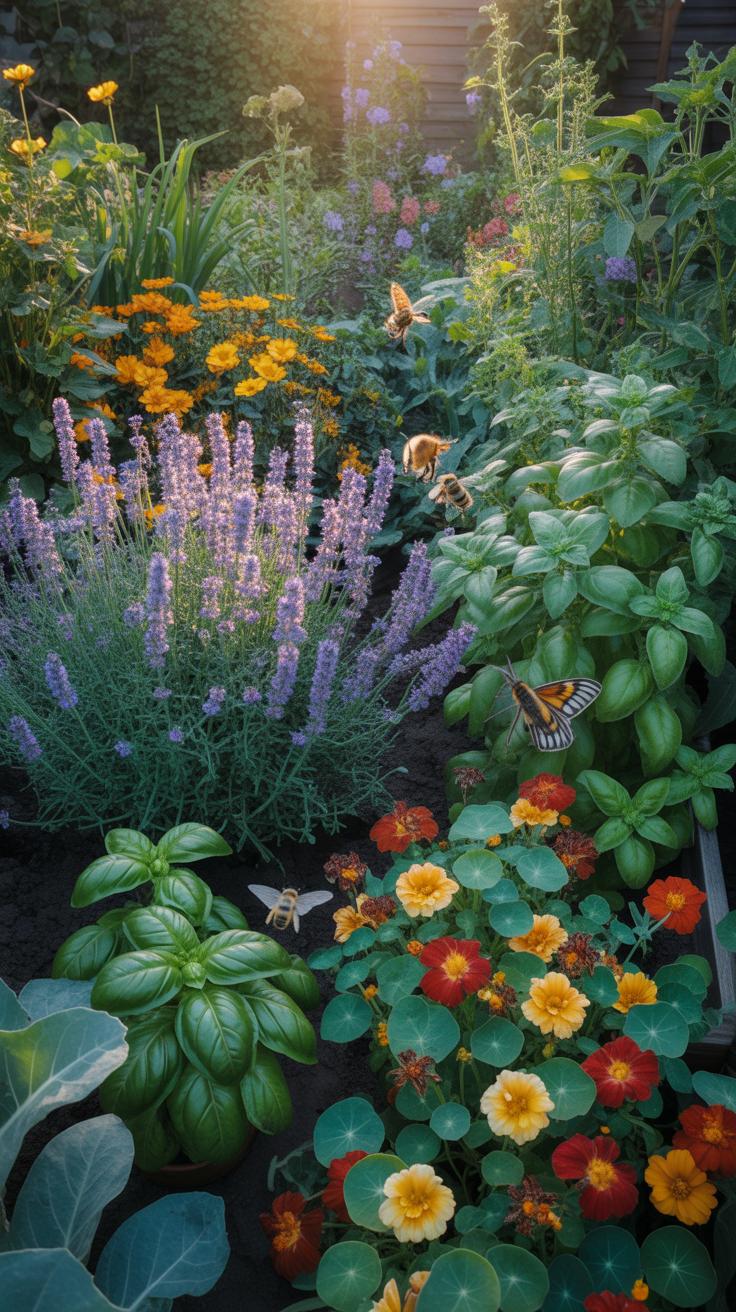
The Best Herbs To Interplant With Vegetables For Natural Pest Deterrence
Herbs serve as tactical shields for your vegetables. They produce strong oils and scents that confuse many common garden pests. Rosemary and sage mask the scent of cabbage plants from moths. Basil emits a chemical signal that deters thrips and flies from attacking tomatoes. These plants act as biochemical barriers. You save time and money by using biology instead of synthetic chemical sprays.
Strategic placement is the key to success. Interplant mint near brassicas to repel aphids and beetles. Keep mint in containers to prevent it from seizing control of your garden bed. Place chives around carrots to hide the smell from carrot rust flies. Thyme provides ground cover and stays effective throughout the season. Proper herb integration builds a self-defending system. It creates a complex environment that disrupts pest life cycles.
Flowers That Attract Beneficial Insects And Strengthen Your Garden Ecosystem
Flowers are functional tools for population control. They attract predatory insects like hoverflies and parasitic wasps. These beneficial bugs eat the pests that destroy your crops. Marigolds emit root chemicals that kill harmful nematodes in the soil. They also act as a physical trap for slugs. Use bright flowers to draw pollinators toward your fruiting vegetables. This increases your total harvest yield.

Nasturtiums function as sacrificial trap crops. They lure aphids away from your prized beans and kale. This keeps the damage confined to the flowers while your food remains clean. Select flat-faced flowers like zinnias for easy nectar access. Diverse blooms ensure that predatory insects stay in your garden year round. You must treat flowers as essential infrastructure. They provide the biological services necessary for a high-performance garden.
Frequently Asked Questions

What is companion planting and why should beginners try it?
Companion planting is a gardening method where different plants are grown together to benefit one another. This technique helps manage pests naturally, improves soil nutrients, and maximizes small garden spaces. Beginners love this approach because it reduces the need for chemical fertilizers and pesticides. By following a basic companion planting guide, you can create a diverse, self-sustaining ecosystem that makes your gardening journey much more successful and rewarding from the very first season.
How do I start planning my first companion-based garden layout?
Start by identifying your “anchor” crops, like tomatoes or peppers, and research which neighbors they prefer. For example, planting basil near tomatoes can improve flavor and repel flies. Use a companion planting guide to map out pairs that share similar sun and water needs while offering mutual benefits. Focus on simple combinations first, ensuring you leave enough space for airflow between different species to prevent mold and promote healthy, vibrant growth.
Is companion planting expensive to implement for a small home garden?
Not at all! In fact, this method is one of the most budget-friendly ways to garden. Instead of buying pricey chemical treatments, you can use inexpensive seeds for “helper” plants like marigolds or nasturtiums to deter pests. Most beneficial companions are common culinary herbs or flowers that are easy to grow from seed. It is a cost-effective strategy that saves money on soil amendments and pest control while increasing your overall harvest yield.