What Are Flower Food Recipes And Why Are They Worth Trying
The Growing Popularity Of Cooking With Edible Flower Food
Edible flowers represent a shift toward functional and aesthetic ingredients in modern kitchens. Cooks now use marigolds, pansies, and nasturtiums as primary flavor components rather than simple garnishes. This movement stems from an increased interest in local foraging and plant-based diets. Chefs apply these botanical elements to create distinct seasonal profiles. Historic culinary practices from Victorian and Roman eras provide the foundational techniques for today’s applications.
Consumers value transparency in their food sources and seek out natural additives. Flowers offer a clean alternative to synthetic dyes and artificial flavorings. High-end restaurants and home cooks alike utilize these plants to enhance nutritional variety. Modern cultivation methods ensure these blooms are free from pesticides and safe for consumption. This trend reflects a broader push for sustainable and diverse ingredient sourcing in daily meal preparation.
How Flower Recipes Add Unique Flavor And Visual Appeal To Everyday Meals
Botanicals introduce specific chemical compounds that provide peppery, citrusy, or sweet notes to a dish. For example, nasturtiums contain mustard oils that mimic the heat of radishes. Squash blossoms offer a mild vegetable flavor suitable for stuffing or frying. These profile additions allow cooks to manipulate the sensory experience of a meal without heavy seasoning. Scientific research confirms that certain flowers contribute essential vitamins and minerals to the human diet.
Visual presentation impacts the perceived quality of food through color contrast and texture. Petals provide vibrant hues that are difficult to achieve with traditional vegetables alone. This tactical use of color improves the plate’s balance and attracts the diner’s eye. Using flowers also signals freshness and seasonality to the consumer. Strategically placing edible blooms can transform a basic salad or dessert into a professional-grade presentation with minimal technical effort.
Flowers You Can Eat A BeginnerS Guide To Safe And Delicious Edible Blooms
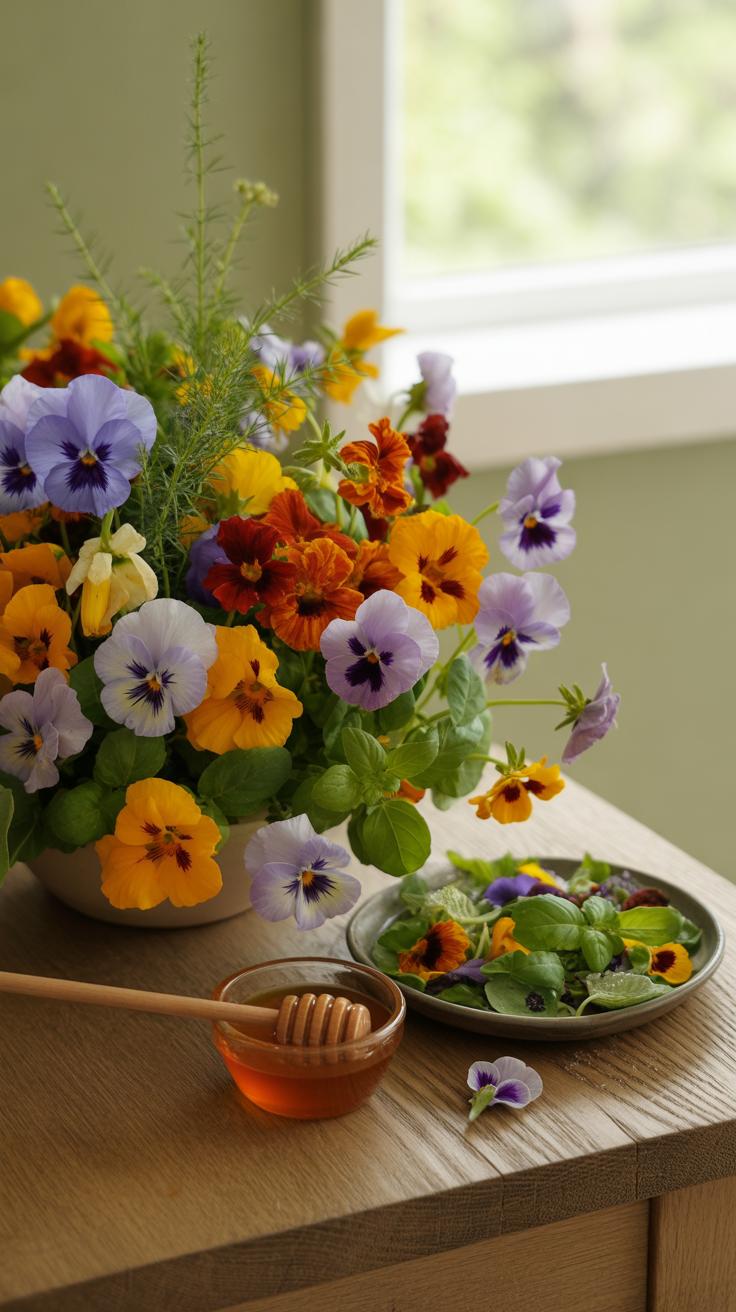
Identifying Common Flowers You Can Eat Safely At Home
Edible flowers provide unique flavors and nutrients to home cooking. You must identify plants correctly to avoid toxic lookalikes. History shows that humans have consumed specific blooms for centuries across many cultures. Stick to varieties grown without synthetic pesticides or heavy chemicals. Only harvest flowers when you are certain of their botanical identity. This ensures your safety and improves the quality of your meals.
- Nasturtiums: These blooms offer a bright pepper flavor similar to watercress. Use both the petals and leaves in salads for a sharp kick. They grow fast and resist most common garden pests naturally.
- Pansies: These flowers have a mild and grassy flavor profile. They work well as garnishes for cakes or cold summer soups. Their wide range of colors makes them a versatile choice for food presentation.
- Calendula: Often called poor man’s saffron, these yellow petals add golden color to rice dishes. The taste ranges from bitter to tangy depending on the soil conditions. They have a long history in traditional European cooking.
- Borage: These blue star-shaped flowers taste remarkably like fresh cucumbers. They are a classic addition to cold drinks and fruit salads. Bees love these plants, making them great for garden health and pollination.
- Squash Blossoms: These large yellow flowers have a soft texture and mild vegetable taste. Chefs often stuff them with cheese or fry them in a light batter. Harvest the male flowers to avoid reducing your squash harvest.
Avoid flowers from commercial florists or nurseries. These plants often contain systemic pesticides not labeled for human consumption. Always use a reliable field guide to verify the species before picking. If you have asthma or severe hay fever, introduce edible flowers slowly. Start with small amounts to check for any allergic reactions. High quality control at the source prevents health risks.
How To Properly Wash And Prepare Edible Flowers Before Cooking
Clean your harvest immediately to maintain freshness and texture. Shake the blooms gently to remove small insects and loose dirt. Submerge the flowers in a bowl of cold water for a few seconds. Do not use high pressure sprayers because they bruise delicate petals. Drain the water and place the flowers on a clean paper towel to air dry out of direct sunlight.

Remove the reproductive parts of the flower before you serve them. Pull out the stamens and pistils to improve the flavor and texture. These parts often carry bitter pollen that can ruin the taste of your dish. Discard the green sepals at the base unless the recipe specifically calls for them. Keep the prepared petals in a sealed container in the fridge until the moment you serve.
Edible Dandelion Recipes Simple And Nutritious Dishes From Your Own Backyard
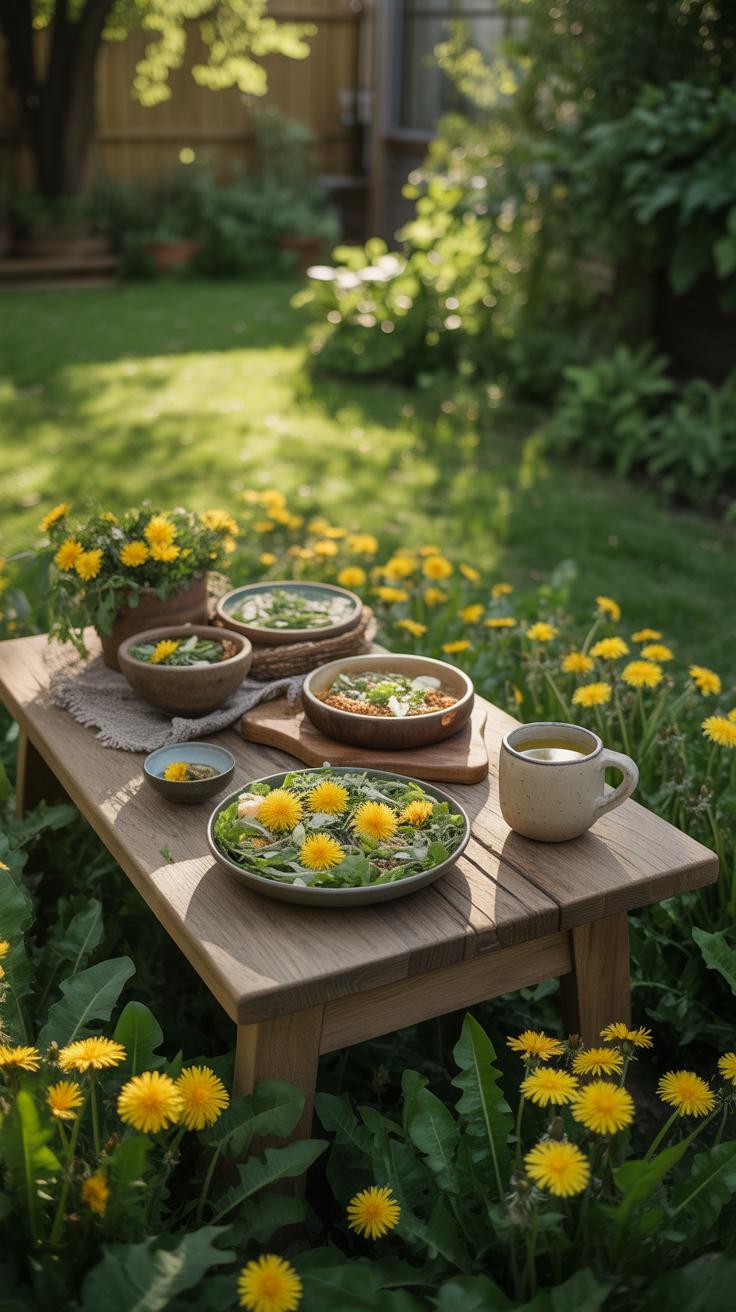
A Classic Dandelion Recipe: SautéEd Dandelion Greens With Garlic And Olive Oil
Harvest young dandelion leaves before the plant flowers to avoid excessive bitterness. Wash the greens thoroughly in cold water to remove soil and debris. Blanch the leaves in boiling water for two minutes to soften the fiber and reduce the sharp flavor profile. Drain the greens and squeeze out excess moisture quickly. This preparation step ensures a balanced taste and better texture for the final dish.
Heat extra virgin olive oil in a heavy skillet over medium heat. Add thinly sliced garlic cloves and cook until they turn golden brown. Toss the blanched greens into the pan and sauté for three to five minutes. Season the mixture with sea salt and black pepper before serving. This method preserves the high levels of vitamins A and K found naturally within the dandelion plant leaf.
Dandelion Flower Fritters: A Fun And Easy Edible Dandelion Recipe For Beginners
Select fully open dandelion flower heads from areas free of chemical pesticides or herbicides. Trim the green sepals at the base of the yellow petals to prevent a bitter aftertaste. Prepare a simple batter using flour, eggs, and milk. Ensure the batter consistency is thick enough to coat the yellow blossoms evenly. Dip each cleaned flower head into the mixture until the petals are fully covered.

Fry the coated blossoms in shallow vegetable oil until they reach a golden color. Turn them once during the cooking process to ensure even crispness on both sides. Remove the fritters and place them on a paper towel to drain excess oil. Serve them immediately while the exterior remains crunchy. This technique transforms a common garden weed into a high-protein snack that utilizes the entire flower head.
Recipes With Edible Flowers Beautiful Dishes That Are As Stunning As They Are Tasty
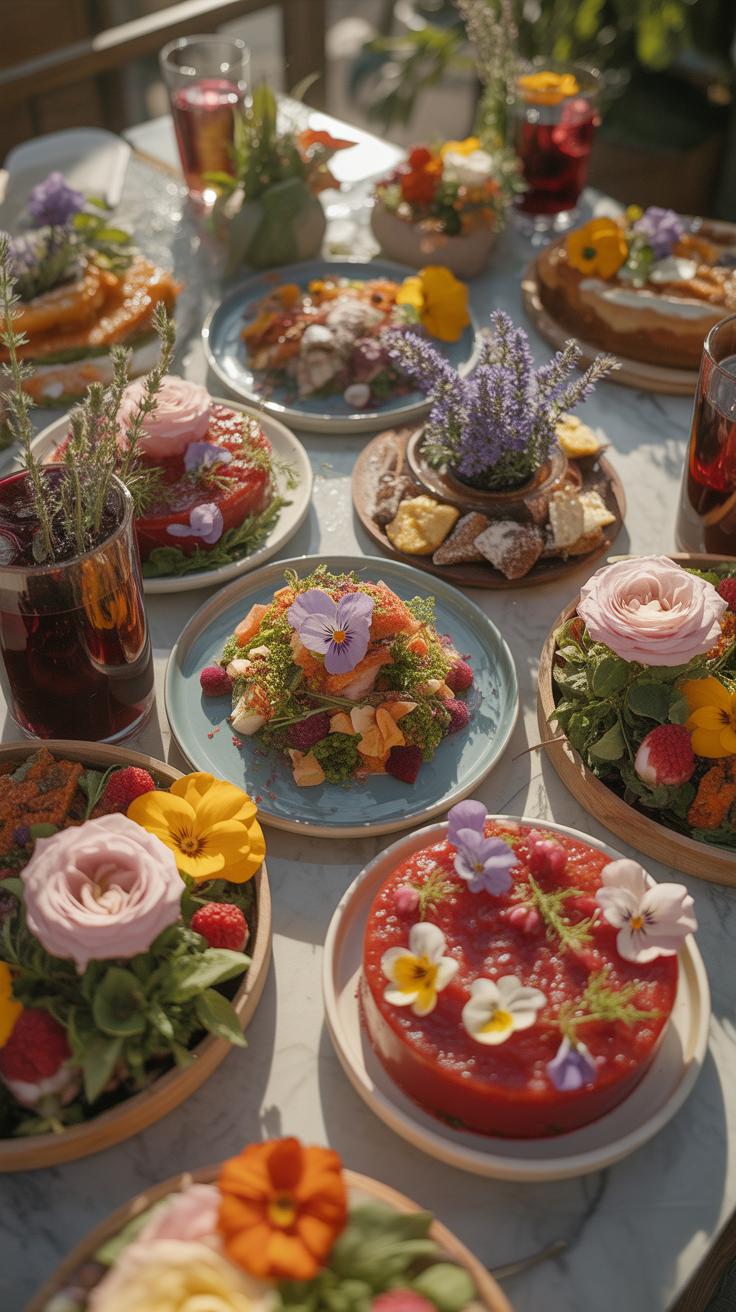
Lavender Honey Shortbread: One Of The Most Beloved Recipes With Edible Flowers
Lavender shortbread relies on English lavender for its culinary profile. You must use Lavandula angustifolia because other varieties taste like soap. Producers often dry the buds to concentrate the essential oils. Mill these buds into a fine powder with granulated sugar. This process ensures the flavor distributes evenly throughout the high-fat butter dough. It prevents the texture from becoming gritty or uneven.
Cold butter is the critical technical requirement for this dough. You rub the fats into the flour to inhibit gluten development. This creates the snap characteristic of traditional shortbread. Add the honey at the end to maintain moisture balance. Chill the dough for thirty minutes before baking at a low temperature. This prevents the lavender from scorching and turning bitter during the baking process.
Rose Petal Jam: A Timeless Flower Recipe With A Sweet Floral Finish
Rose petal jam is a traditional conserve from Middle Eastern and Indian cuisines. You must use highly scented roses like Damask or Gallica for the best results. Remove the white base of each petal. This part of the flower contains bitter tannins that ruin the flavor profile. Wash the petals in cold water to remove insects and debris before you start cooking.

The cooking process uses a simple sugar syrup and lemon juice. The acid in the lemon juice reacts with the rose pigments. This reaction brightens the color of the jam. Simmer the petals until they become tender and translucent. Add natural pectin if you want a thicker set. Store the finished product in sterilized glass jars. This preserves the floral aroma for several months.
Edible Flowers Recipes Food Art How To Make Your Plates Look Like A Masterpiece
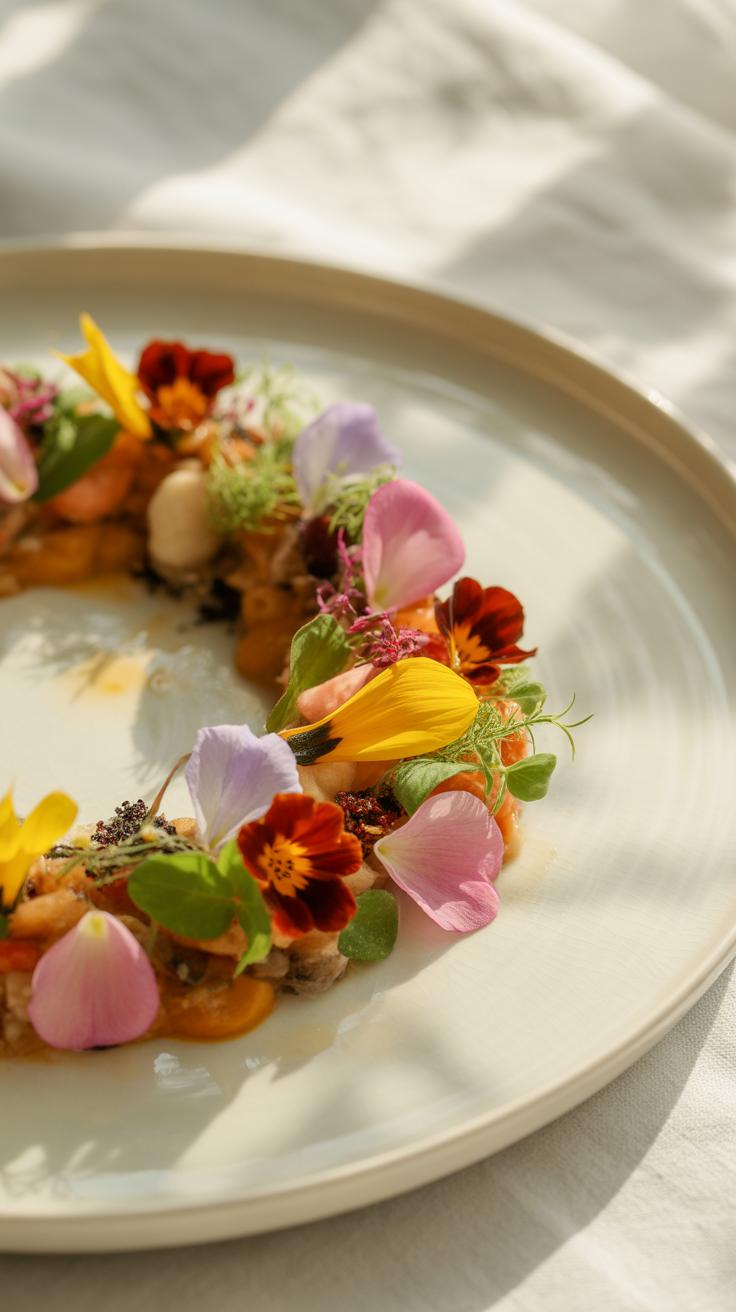
Using Edible Flower Food To Create Stunning Garnishes And Color Rich Presentations
Edible flowers serve as functional tools for plating. Chefs use them to add color and specific flavor profiles to dishes. Nasturtiums provide a peppery bite similar to radishes. Pansies offer a mild grassy taste. You must wash all blooms in cold water to remove insects and dirt. Pat them dry with paper towels immediately. Moisture causes rapid wilting and ruins the visual impact.
Placement requires a strategic approach to balance and scale. Use tweezers to position small blossoms like violas on delicate proteins or desserts. Do not overcrowd the plate. Focus on contrasting colors to make the main ingredients stand out. Store fresh garnishes in an airtight container with a damp paper towel. Use them within twenty-four hours to ensure maximum structural integrity and vibrant color.
To nurture a garden is to feed the soul, and even the simplest kitchen remedy keeps a memory in bloom.
Pressed Flower Cake Decorating: Where Edible Flowers Recipes Meet Food Art
Pressed flowers offer a vintage aesthetic found in Victorian design movements. This technique preserves the shape and color of the bloom for long periods. Select thin flowers like cosmos or marigolds for the best results. Place them between sheets of parchment paper inside a heavy book. Apply pressure for at least two weeks. This process removes moisture and flattens the petals for application.

Apply pressed flowers to cakes using a thin layer of edible glue or corn syrup. Work carefully to avoid tearing the brittle petals. These decorations work best on smooth surfaces like fondant or chilled buttercream. Ensure every flower used is strictly food grade. Avoid florists who treat plants with systemic pesticides. Safe sourcing is the most critical step in creating edible food art for consumers.
Food With Edible Flowers Refreshing Drinks And Light Bites For Any Occasion
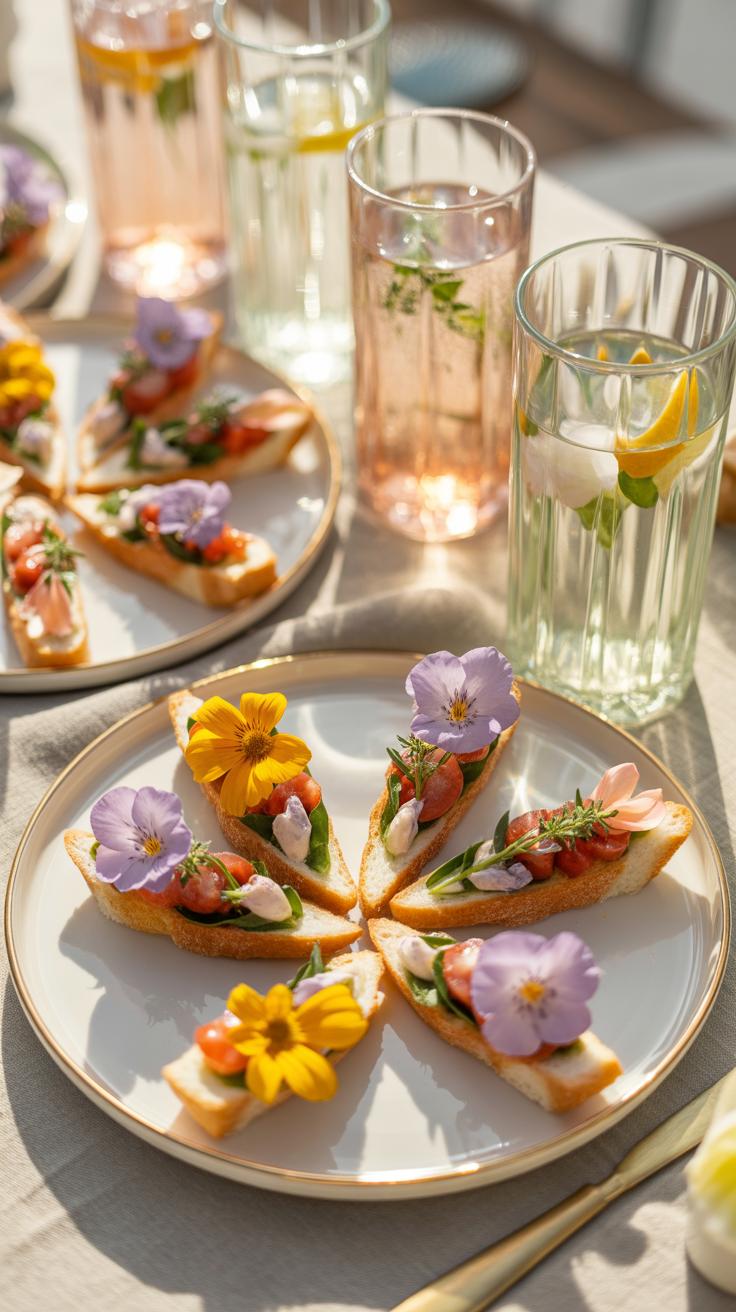
Hibiscus Iced Tea: A Refreshing And Vibrant Drink Made With Food With Edible Flowers
Hibiscus iced tea utilizes the dried calyces of the Hibiscus sabdariffa plant. This flower provides a deep red color and a tart flavor profile similar to cranberries. You must steep the dried flowers in boiling water to extract the anthocyanins and organic acids. This process creates a concentrated base for the drink. It is a stable ingredient that maintains color even when chilled.
Use a ratio of one cup of dried hibiscus to eight cups of water. Add a sweetener while the liquid is still hot to ensure full dissolution. You can balance the natural acidity with citrus juice or mint leaves. This drink serves as a functional beverage because it contains high levels of vitamin C and antioxidants. Chill the tea completely before serving over ice for maximum flavor impact.
Violet And Cucumber Finger Sandwiches: A Light And Elegant Flower Food Recipe
Violet and cucumber finger sandwiches rely on the sweet and mild flavor of Viola odorata. You must use flowers grown without chemical pesticides or heavy fertilizers. Wash the blossoms gently and pat them dry before use. Violets contain salicylates and provide a subtle floral note that complements fresh vegetables. They add visual contrast to the sandwich filling without overpowering the other ingredients.
Begin by spreading a thin layer of unsalted butter or cream cheese on white bread. This fat layer prevents the bread from becoming soggy once you add the cucumber. Place thinly sliced cucumbers on the base and top with whole violet petals. Remove the crusts and cut the bread into small rectangles. Serve these sandwiches immediately to maintain the crisp texture of the cucumber and the freshness of the flowers.
Low Carb Recipes Cauliflower Meets Floral Ingredients A Healthy Twist On Flower Cooking
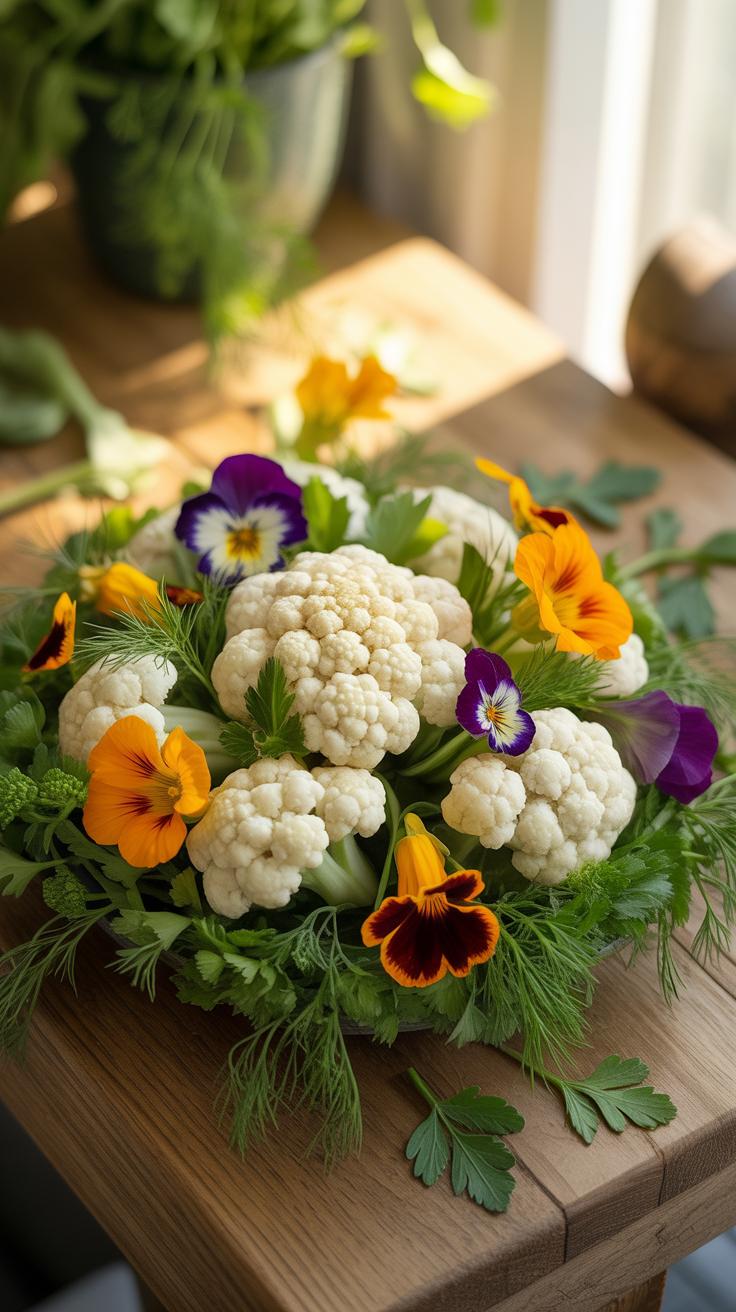
Cauliflower Rice With Nasturtium Blossoms: Combining Low Carb Recipes With Edible Flower Food
Cauliflower rice serves as a neutral base for culinary applications. It replaces high glycemic grains to reduce total carbohydrate intake. Nasturtium blossoms add a distinct peppery flavor similar to watercress or radish. These edible flowers contain high levels of vitamin C and lutein. You must add the blossoms at the final stage of plating. Exposure to high heat wilts the delicate petals and destroys their vibrant color.
Technique matters when blending these ingredients. Pulse raw cauliflower florets in a food processor until they reach grain size. Sauté the rice in a dry pan or with minimal oil to prevent sogginess. Fold in fresh nasturtium petals just before serving to maintain texture. This combination targets the sensory experience while adhering to strict dietary goals. Use yellow and orange varieties for maximum visual contrast against the white cauliflower base.
Roasted Cauliflower Steaks Topped With Herb Flowers: A Nutritious Low Carb Flower Recipe
Roasted cauliflower steaks provide a dense and fibrous structure for substantial meals. Slicing the head into thick slabs allows for even caramelization through the Maillard reaction. This process enhances the inherent sweetness of the vegetable. Herb flowers offer concentrated aromatic oils that complement the charred surface. Using blossoms from rosemary, chive, or thyme provides a more subtle flavor profile than the leaves themselves.
- Chive Blossoms: These purple pompon shaped flowers deliver a mild onion profile. They work best when broken apart into individual florets. Scatter them over warm roasted steaks to release their light aromatic scent without overpowering the main dish.
- Rosemary Flowers: These small blue blossoms carry the woody essence of the herb but with less intensity. They provide a sophisticated floral note that pairs well with the earthiness of roasted vegetables. Use them sparingly as their flavor is potent.
- Thyme Flowers: These tiny white or pink flowers offer a concentrated herbal hit. They are visually delicate but chemically stable. They add a layer of complexity to the savory crust of the cauliflower while maintaining a clean finish on the palate.
- Borage Blossoms: These star shaped blue flowers contribute a surprising cucumber taste. They provide a cool contrast to the heat of the roasted cauliflower. They are rich in gamma-linolenic acid which adds a nutritional benefit to the low carb meal.
- Lavender Florets: Use culinary grade lavender in very small quantities to avoid a soapy taste. The floral notes cut through the richness of any oils used during the roasting process. This pairing bridges the gap between savory and aromatic profiles effectively.
Prepare the steaks by brushing them with heat stable fats like avocado oil. Roast at four hundred degrees Fahrenheit until the edges turn golden brown. Remove the pan from the heat source before applying the floral toppings. Residual heat is sufficient to activate the volatile oils in the blossoms. This tactical approach preserves the nutritional integrity of the flowers while ensuring the cauliflower reaches the correct internal temperature.
Essential Tips For Beginners Exploring Flower Food Recipes At Home
Where To Source High Quality Edible Flowers For Your Flower Recipes Safely
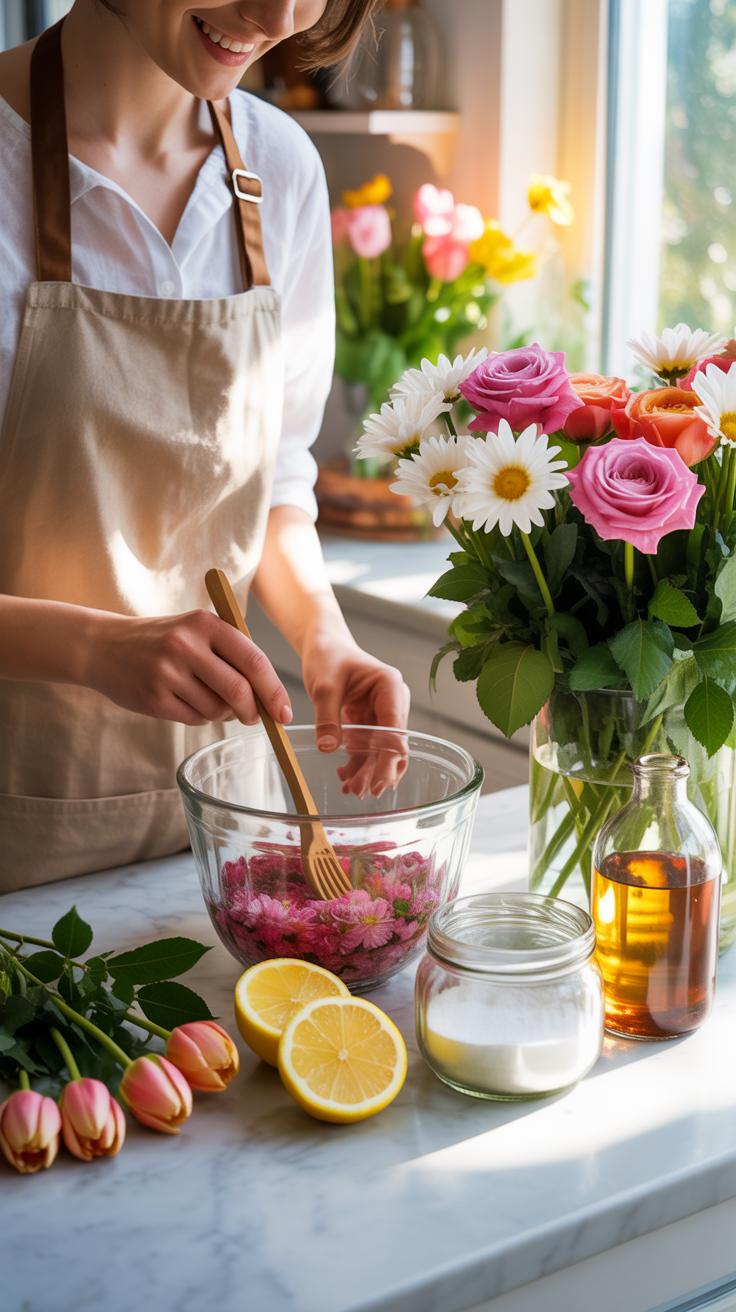
Safely sourcing flowers requires strict verification of their origin. Do not buy flowers from traditional florists or garden centers for consumption. These businesses often treat plants with systemic pesticides and fungicides not approved for human ingestion. Instead, purchase from certified organic farmers or reputable grocery stores that label products specifically for culinary use. Farmers markets provide the best transparency regarding chemical applications and soil health.
Foraging offers another sourcing route but carries high risks. Only harvest plants from areas far from roads or industrial sites to avoid heavy metal contamination. Identify every species with 100 percent certainty before picking. Use several reputable botanical guides to confirm the plant is non-toxic. If you cannot verify the absence of chemical sprays or the exact species identity, do not use the flower in your food recipes.
Common Mistakes To Avoid When Cooking With Edible Flowers For The First Time
Beginners often ignore the bitter parts of the flower. Most recipes require you to remove the stamens, pistils, and the white base of the petals. These parts usually carry a bitter or metallic taste that ruins the flavor profile of your dish. Stick to the petals only unless the recipe specifically calls for the whole head. Proper cleaning is also vital to remove hidden insects and trapped dirt.
Introducing too many varieties at once is a tactical error. Some edible flowers cause allergic reactions or digestive upset in sensitive individuals. Test small amounts of a single variety before incorporating large quantities into a meal. Document your physical response over 24 hours. This controlled approach prevents widespread health issues. Always cross-reference your choices with a current list of toxic plants to ensure safety for all guests.
Frequently Asked Questions

Why do I need to use special flower food for my bouquets?
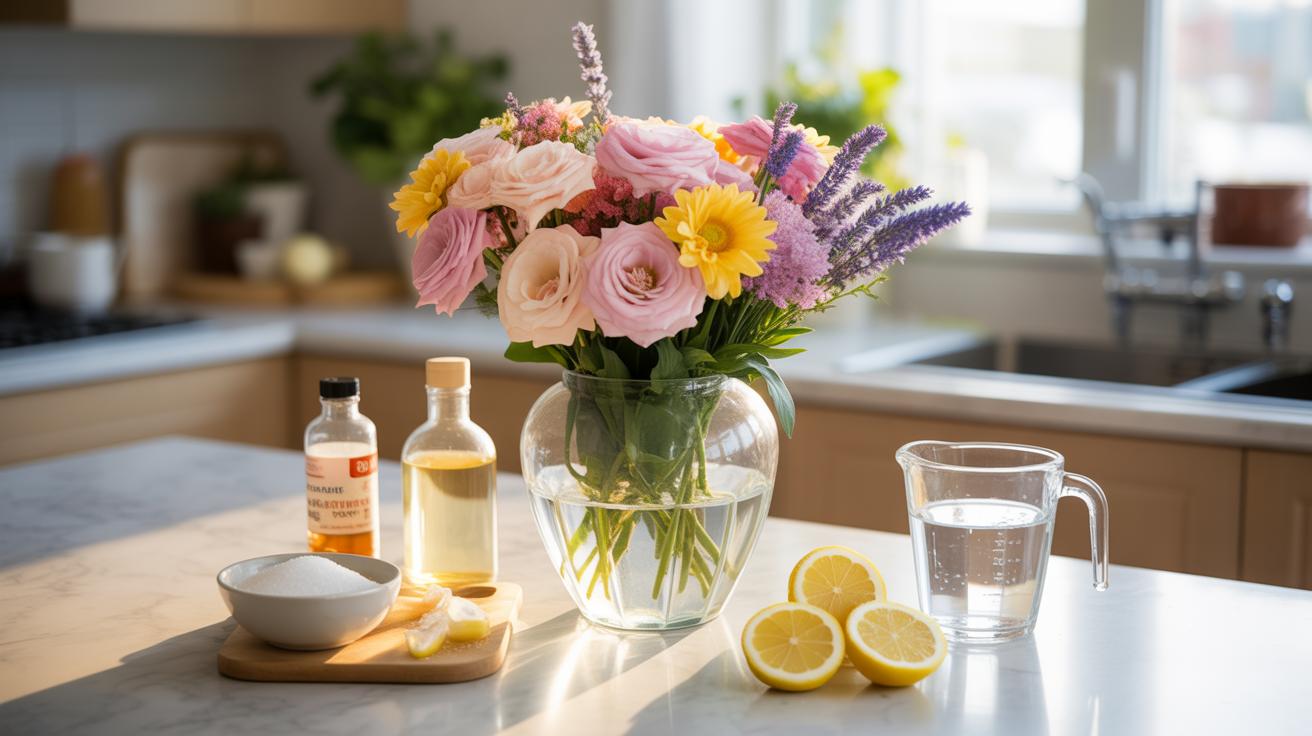
Freshly cut flowers are no longer connected to their roots, meaning they lose their natural source of nutrients and water regulation. Using homemade flower food recipes helps mimic that environment by providing sugar for energy, citric acid to lower the pH level for better water absorption, and a touch of bleach to prevent bacterial growth. This simple combination ensures your beautiful blooms stay vibrant and hydrated for much longer than plain water alone.
How do I mix a basic DIY solution at home?
Creating your own solution is incredibly simple and takes less than recurring two minutes. To follow one of the most effective flower food recipes, start with one quart of lukewarm water. Stir in two tablespoons of fresh lemon juice, one tablespoon of granulated white sugar, and just a half-teaspoon of household bleach. Whisk the mixture until the sugar completely dissolves before adding your stems, ensuring the water remains clear and nourishing for your floral arrangement.
Can I make effective flower food using common pantry staples?
Absolutely! You do not need expensive store-bought packets to keep your flowers fresh. Most household staples like clear soda, vinegar, and sugar serve as excellent ingredients for budget-friendly flower food recipes. Soda provides the necessary glucose and acidity, while a splash of white vinegar can help control microbial growth. Utilizing these accessible items allows you to extend the life of your supermarket or garden bouquets without spending extra money at the florist.