Understanding Why Flowers Trigger Allergies In The First Place

How Pollen Works And Why Some Flowers Produce More Of It
Pollen consists of microscopic grains that carry male reproductive cells for plants. These grains contain proteins that the human immune system often identifies as or classifies as invaders. When you inhale these particles, your body releases histamines to fight them off. This biological reaction causes the sneezing and itching known as hay fever. Understanding this mechanism is the first step toward effective management.
Plants produce different quantities of pollen based on their survival strategy. Some species generate massive amounts to ensure at least one grain reaches a female flower. High-pollen producers often have lightweight grains that stay airborne for hours. You experience more severe symptoms when these concentrations reach high levels in your local environment. Knowing which plants produce the most pollen helps you avoid the primary sources of your discomfort.
The Difference Between Wind Pollinated And Insect Pollinated Flowers
Wind-pollinated flowers are the primary cause of seasonal allergies. These plants lack bright colors or strong scents because they do not need to attract animals. Instead, they produce small, light, and dry pollen grains designed to travel long distances on air currents. This buoyant pollen enters your nose and eyes easily. Most trees and grasses utilize this method to ensure their reproduction over vast areas.
Insect-pollinated flowers pose a much lower risk to allergy victims. These plants produce heavy, sticky pollen that clings to bees or butterflies. This pollen is too heavy to float in the air you breathe. You generally must touch the flower or put your nose directly into it to trigger a reaction. Choosing these types of flowers for your garden reduces the amount of biological irritants around your home.
Best Plants For Allergies To Grow In Your Garden
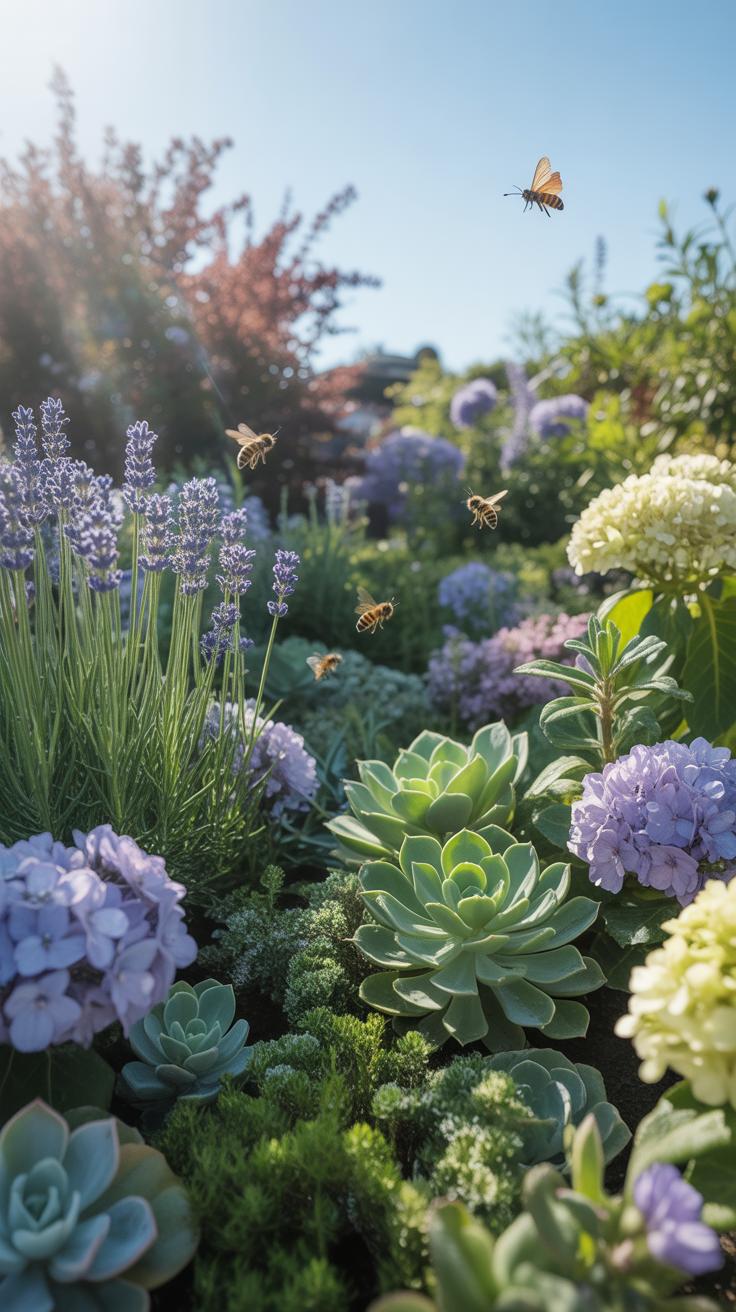
Low Pollen Garden Plants That Are Beautiful And Safe For Allergy Sufferers
Select plants that rely on birds or insects for pollination rather than the wind. These species produce heavy, sticky pollen grains that do not float in the air. This physiological trait prevents the pollen from entering your nasal passages. Focus on flowers with trumpet shapes or closed petals. These physical barriers keep the allergens trapped inside the bloom and off your skin.
Choose hybridized sterile varieties to eliminate pollen production entirely. Many modern ornamental flowers come in pollen-free versions designed for the floral industry. These plants offer vibrant colors without the respiratory risk. Maintain your soil moisture to prevent dust and mold spores from joining the air. Proper hydration keeps the plants healthy and reduces the overall concentration of airborne irritants in your immediate environment.
Plants To Avoid In Your Garden If You Struggle With Seasonal Allergies
Avoid wind-pollinated plants that release fine powder into the atmosphere. Many common shrubs and trees produce light pollen that travels miles on a breeze. These particles are small enough to bypass natural filters in the human nose. High-risk plants often have inconspicuous green flowers that lack scent. Their primary reproductive strategy depends on flooding the air with millions of microscopic male gametes.
Remove composite flowers with open centers from your planting plan. These structures allow easy wind access to the pollen stores. Steer clear of many common weeds and grasses that serve as primary triggers for hay fever. Male versions of dioecious plants are particularly dangerous for allergy sufferers. They produce huge quantities of dust to reach the female plants. Stick to female-only or “perfect” flower varieties to stay safe.
Allergy Friendly Flowers You Can Actually Enjoy Without The Sneezing
Why Double Petaled Flowers Tend To Release Far Less Pollen Into The Air
Double petaled flowers feature extra layers of petals that often replace the male reproductive parts. These botanical mutations result in fewer stamens producing pollen. The dense petal structure physically traps any remaining dust inside the bloom. This prevents particles from becoming airborne and entering your nasal passages. You avoid the typical respiratory reaction because the irritant stays locked within the flower head.
Botanists bred these varieties specifically for their aesthetic density and lack of mess. These plants focus their energy on petal growth rather than seed production through wind pollination. Because they do not rely on the wind to spread genetic material, they produce heavier, stickier pollen. These large grains fall to the ground instead of floating. Choosing these cultivars minimizes your exposure to common outdoor allergens successfully.
Popular Allergy Friendly Flower Varieties Worth Adding To Your Home Or Garden
Selecting the right species reduces the risk of an allergic flare up significantly. Focus on flowers that rely on insects for pollination rather than the wind. These plants produce heavy pollen that sticks to bees and butterflies. This biological design ensures the grains do not drift into your home. High moisture plants also tend to keep their pollen damp and stationary.
- Hydrangeas: These shrubs are mostly sterile and produce very little pollen. Most modern garden varieties like Mopheads rely on thick petals that do not shed irritants into the air. They are safe for indoor arrangements and outdoor landscaping.
- Orchids: These plants hold their pollen in hard, waxy packets called pollinia. The material is not powdery and cannot become airborne under normal conditions. This makes them one of the safest choices for people with severe hay fever or asthma.
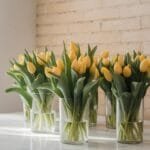
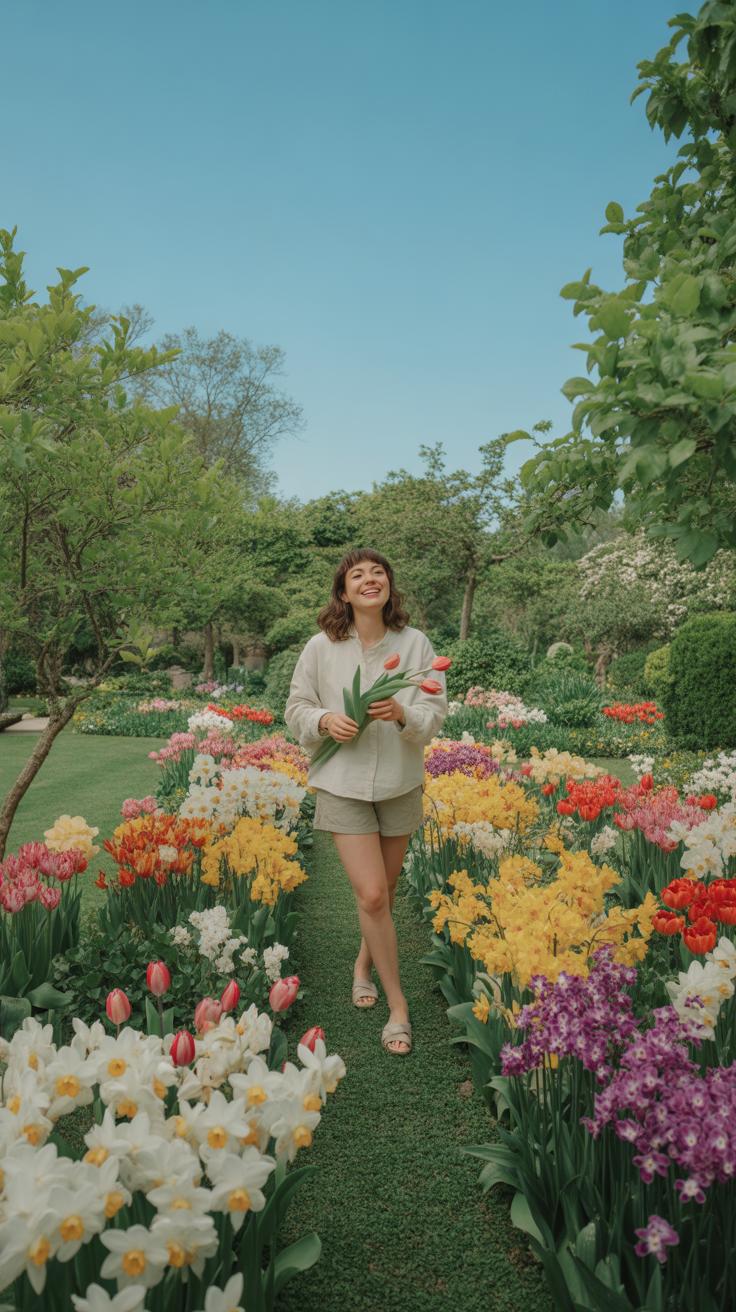
- Tulips: While they have pollen, it is heavy and stays trapped inside the deep cup of the bloom. Formal gardens have used these for centuries because they rarely cause sneezing. Keep them away from strong fans to ensure the particles remain settled.
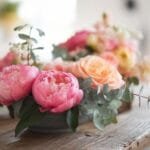
- Roses: Most tea roses have heavy pollen that does not travel by wind. Their scent can sometimes trigger sensitivity, but the physical pollen is rarely the culprit. Choose tight, double-petaled varieties to ensure the reproductive parts remain covered and contained.
- Snapdragons: These flowers keep their reproductive organs hidden inside a closed petal structure. An insect must physically force the flower open to reach the pollen. This mechanical barrier prevents any dust from escaping into the environment surrounding the plant.

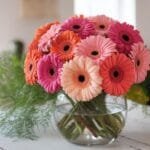
Avoid wind pollinated species like sunflowers or daisies if you want to keep your symptoms low. Stick to the varieties listed above to maintain a clean air environment. These plants offer vibrant colors without the tactical disadvantage of microscopic triggers. Proper selection allows you to enjoy floral displays while keeping your immune system calm. Verified plant choices make indoor decorating possible for everyone.
Hypoallergenic Flowers That Make Perfect Gifts And Floral Arrangements
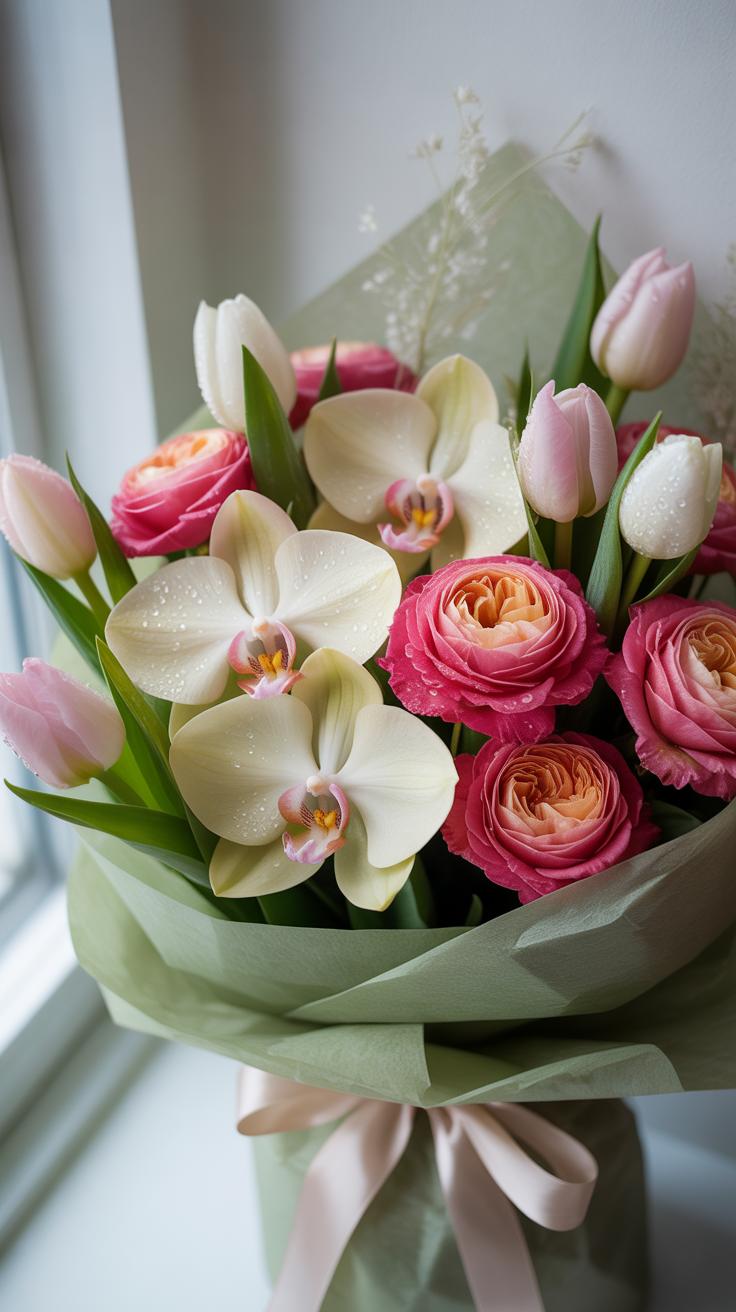
What Makes A Flower Truly Hypoallergenic And How To Identify Them
Hypoallergenic flowers possess specific biological traits that prevent the spread of airborne allergens. The primary factor is pollen weight. Non-allergic flowers produce heavy, sticky pollen grains. These grains do not float in the air. Instead, they require insects or birds for transportation. Wind-pollinated plants cause the most reactions because they release lightweight dust. Check for flowers with tubular shapes that hide their reproductive organs.
Identify safe plants by examining the stamen. Avoid any bloom with visible, powdery yellow dust on the exterior. Highly hybridized flowers often feature double petals. These extra layers of petals frequently replace the pollen-producing parts of the plant. This structural change makes the flower safer for indoor use. Always choose species that botanists classify as entomophilous. These rely on direct contact for pollination and keep your air clean.
Beautiful Hypoallergenic Flowers To Choose For Bouquets And Special Occasions
Roses are a tactical choice for arrangements because their pollen is too heavy to travel through the air. You can gift them without risking a sinus reaction. Hydrangeas also provide a safe option for indoor decor. Most varieties produce very little pollen. Select tight-budded flowers like tulips or lilies that have their anthers removed. Sniping the pollen-heavy anthers off a lily makes it instantly safer for sensitive recipients.

Orchids and carnations serve as reliable alternatives for professional floral gifts. Orchids do not have loose pollen. Their reproductive material stays contained in a sticky mass called a pollinium. Snapdragons use a closed-mouth structure that keeps allergens trapped inside the flower head. These choices ensure the recipient enjoys the visual appeal without physical irritation. Stick to these proven species to maintain a clean environment while providing a high-quality floral display.
Best House Plants For Allergies To Keep Indoors Year Round
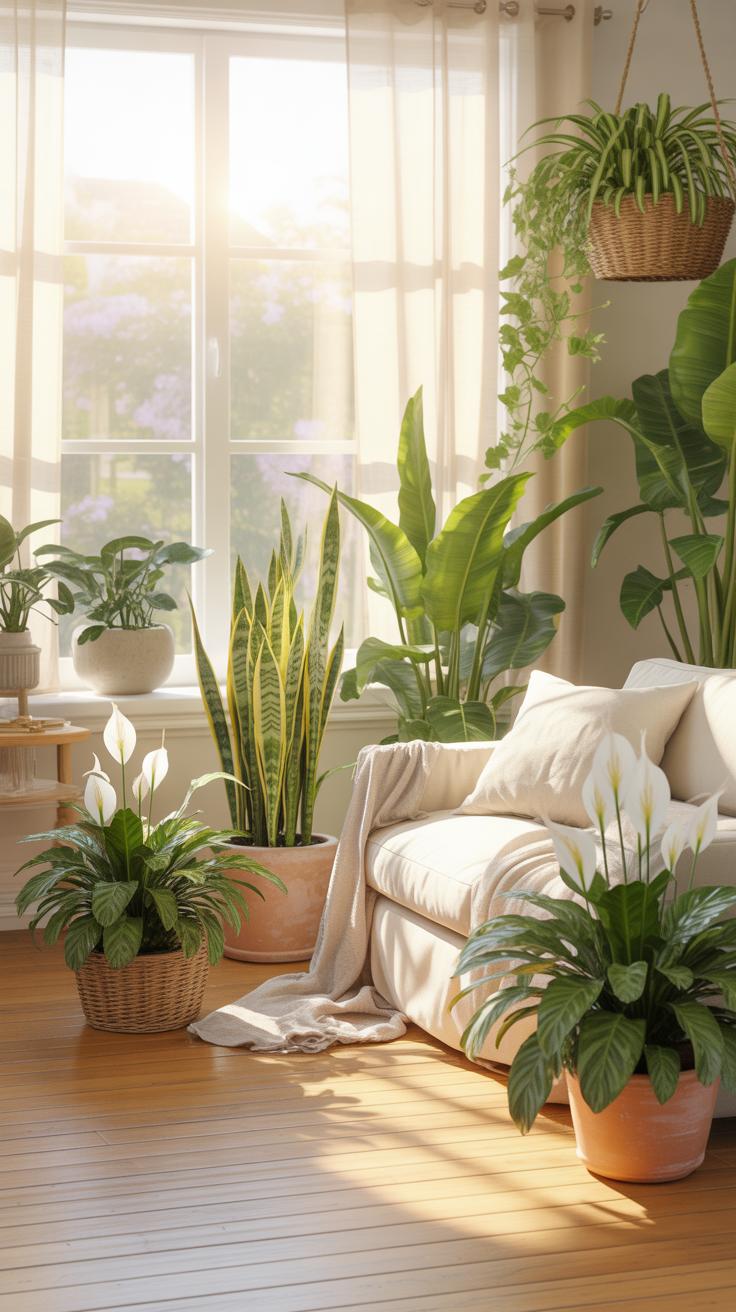
Houseplants For Allergies That Can Actually Help Improve Your Indoor Air Quality
Selecting the right vegetation reduces airborne irritants inside your home. Focus on foliage plants that do not produce showy flowers or heavy pollen. Most NASA research confirms that specific species like the snake plant and spider plant scrub volatile organic compounds from the air. These plants thrive in indoor environments without releasing the reproductive spores that trigger seasonal allergy symptoms or sinus pressure.
Avoid plants with high fragrance or visible pollen dust on their leaves. Dracaena and bamboo palm are effective choices because they lack the floral structures that cause respiratory distress. These varieties focus their energy on leaf growth rather than flowering cycles. Keeping these plants indoors creates a natural filtration system. You get cleaner air without the risk of an accidental pollen spike during the spring or fall.
How To Care For Allergy Safe Houseplants Without Making Your Symptoms Worse
Maintenance dictates whether a plant helps or hurts your allergies. Dust gathers on broad leaves and acts as a primary trigger for sneezing. Wipe every leaf with a damp cloth once a week to remove these particles. This practice prevents dust buildup and keeps the plant pores open for better gas exchange. Clean plants function more efficiently as air purifiers while remaining inert to your immune system.

Overwatering creates a significant risk for mold growth in the soil. Mold spores are common allergens that thrive in damp potting mixes. Use well-draining soil and containers with proper holes to prevent standing water. Top your soil with decorative stones or pebbles to create a physical barrier. This prevents mold spores from entering the air. Always check the moisture level before adding more water to the pot.
How To Choose Allergy Friendly Plants For Any Space In Your Home
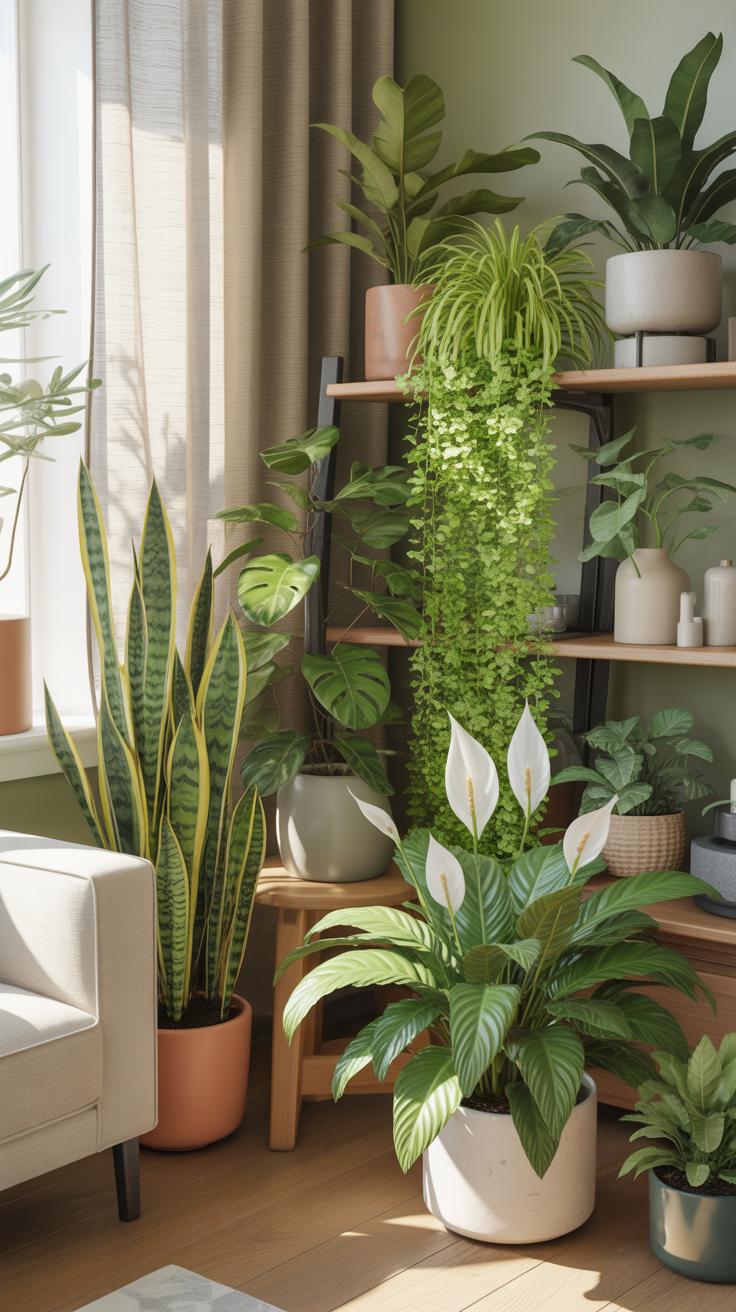
Key Factors To Consider When Selecting Plants If You Have Flower Allergies
Target plants with heavy pollen that falls straight to the ground. These grains are too large and sticky for the wind to carry into your nose and lungs. Focus on the pollination method of each species. Biotic pollination uses insects or birds to transfer pollen directly between plants. This process keeps allergens out of the air you breathe inside your home.
- Pollination Method: Insect-pollinated plants produce heavy, sticky pollen. This material stays on the flower or the insect rather than floating through your room. Wind-pollinated plants are the main cause of hay fever and should be avoided entirely in indoor spaces.
- Moisture Requirements: High-humidity plants can encourage mold growth in soil or on ceramic pots. Mold spores act as a secondary allergen that triggers respiratory distress. Choose plants that prefer drier soil to keep indoor fungal levels low and manageable.
- Fragrance Levels: Strong scents often indicate high concentrations of volatile organic compounds. These chemicals can irritate your nasal passages and mimic the symptoms of a pollen allergy. Select unscented varieties to ensure your indoor air quality remains neutral and safe for sensitive occupants.
- Leaf Surface Area: Smooth leaves are easier to clean and do not trap passing dust or airborne irritants. Plants with fuzzy or textured foliage act like filters that collect allergens over time. Wiping smooth leaves with a damp cloth prevents the buildup of common household triggers.
- Plant Gender: Many dioecious species have separate male and female plants. Male plants produce pollen while female plants do not. Look specifically for female specimens when shopping to eliminate the source of allergens from your living room or office.
Evaluate the physical structure of the flower before making a purchase. Double-flowered varieties often produce less pollen because their reproductive organs have evolved into extra petals. These hybrids are safer for allergy sufferers. Always prioritize plants with deep, trumpet-shaped blooms. The deep structure keeps pollen trapped at the base of the flower where it cannot escape and circulate through your ventilation system.
Happiness is the seed, and simple care allows your garden memories to bloom without the sting of a sneeze. Even a delicate nose can find peace among the petals when we learn to walk gently through the spring air.
How To Read Plant Labels And Research Pollen Levels Before You Buy
Examine the botanical name on the plant tag to verify the exact species. Common names are often misleading and can hide the allergenic risks of a plant. Use the Ogren Plant Allergy Scale to check the potential for reactions. This rating system assigns a number from one to ten based on how much pollen a plant produces. Lower numbers indicate a safer choice.
Look for specific keywords like sterile or hybrid on the nursery label. Sterile plants do not produce seeds or pollen, making them the gold standard for indoor gardening. Ask the staff for female-only cultivars of dioecious species. Do not rely on visual appeal alone. Research the plant family online to see if it belongs to a group known for causing skin or respiratory sensitivity.
Spring Allergy Protection Tips To Help You Get Through The Season

How To Relieve Spring Allergies By Adjusting Your Daily Outdoor Habits
Monitor local pollen counts every morning before leaving your home. Wind carries microscopic pollen grains over long distances during the early daylight hours. Plan your outdoor activities for the late afternoon or after a heavy rain. Moisture in the air weighs down pollen particles and pulls them to the ground. This physical barrier stops them from entering your respiratory system while you move.
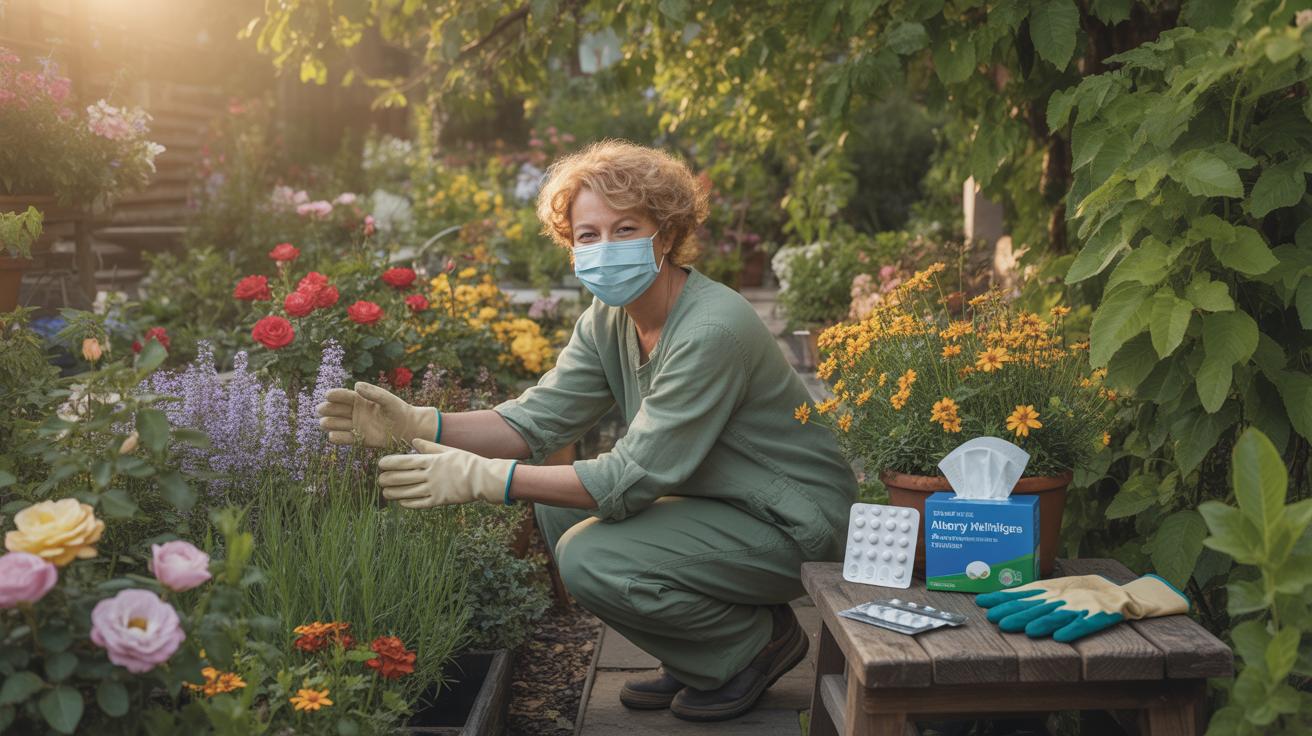
Wear a high quality mask and wraparound sunglasses when you work outside. These tools provide a mechanical shield against airborne allergens. Avoid touching your face or rubbing your eyes while you are near flowering plants. This prevents the direct transfer of pollen from your hands to your mucous membranes. Wash your hands with soap immediately after coming back inside to remove any lingering irritants.
Simple Home Routines That Reduce Pollen Exposure During Peak Bloom Seasons
Keep all windows and doors closed during the height of the spring season. Use your air conditioning system to circulate filtered air instead of letting outdoor breezes inside. High efficiency particulate air filters trap small particles that window screens cannot stop. You must change these filters every ninety days to maintain their effectiveness. This creates a clean zone inside your living space.
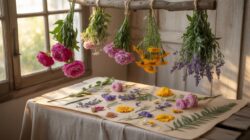
Remove your shoes and outer clothing in a designated mudroom or entryway. Pollen sticks to fabric fibers and shoe soles throughout the day. Take a shower and wash your hair before going to bed. This routine removes allergens before they transfer to your pillowcases and bedding. Clean your pets with a damp cloth after they spend time outdoors to prevent them from carrying pollen.
Plants That Help With Allergies By Naturally Filtering Indoor Air
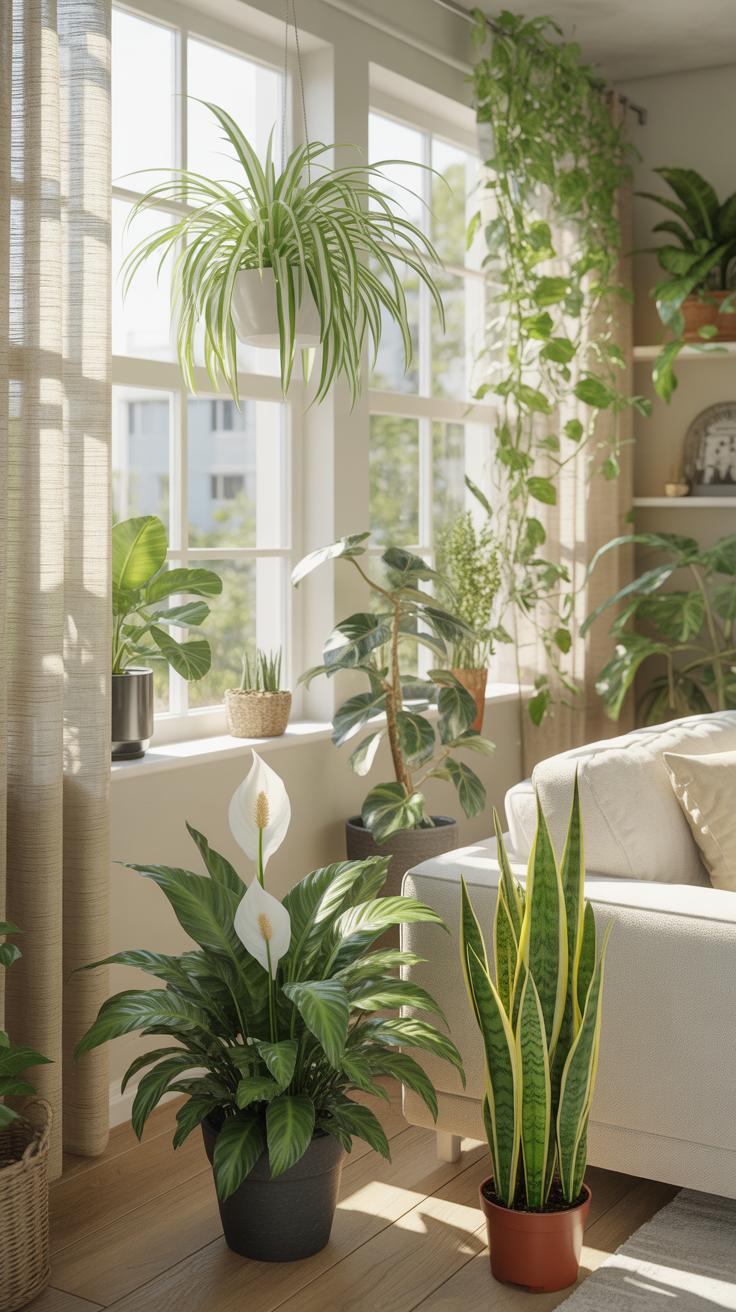
The Science Behind Air Purifying Plants And Their Effect On Allergen Levels
Indoor air contains volatile organic compounds and particulate matter that trigger respiratory distress. Certain plants remove these toxins through a process called phytoremediation. Roots and soil microbes absorb chemicals like benzene and formaldehyde from the air. This biological filtration system lowers the concentration of airborne irritants. It creates a cleaner environment for people with high sensitivity to seasonal pollen and dust.
Research shows that plants increase local humidity levels through transpiration. Moist air causes heavy pollen particles to settle on surfaces faster rather than remaining airborne. This prevents allergens from entering your nasal passages during the day. You must maintain these plants properly to avoid mold growth in the soil. Clean leaves regularly to ensure maximum gas exchange and efficiency in removing harmful indoor pollutants.
How To Position Air Filtering Plants In Your Home For The Greatest Allergy Relief
Strategic placement determines the effectiveness of your natural air filters. Place high-transpiration plants in the bedroom to improve air quality while you sleep. Keep them at least three feet from the head of the bed. This distance prevents accidental contact with soil or potential moisture buildup near your face. Focus on areas with high airflow to help the plants process larger volumes of air.

Put air-purifying greenery near entryways and windows to intercept external pollen. These locations act as first lines of defense against incoming outdoor triggers. Avoid clustering too many plants in small, unventilated corners where stagnant air can breed fungi. Use elevated stands to keep pots off carpets and improve circulation around the base. Proper spacing ensures each plant functions as an active part of your allergy management plan.
Frequently Asked Questions

Which types of indoor plants and flowers are safest for people with sensitivities?
If you are just starting to decorate with greenery, look for low-pollen varieties like orchids, hydrangeas, or tulips. These plants are excellent for beginners because their pollen is typically too heavy to become airborne. One of the most effective flower allergy tips is to prioritize species with deep, trumpet-shaped blooms, which keep allergens contained and away from your nose, ensuring your home remains a stylish and sneeze-free sanctuary.
How can I enjoy fresh cut flowers at home without triggering my allergies?
To enjoy bouquets safely, try removing the nutrient-rich anthers from lilies or other visible stamens as soon as the buds open. This simple step prevents loose pollen from circulating in your living space. Another practical suggestion among flower allergy tips is to change the vase water daily and mist the petals lightly with water. This traps stray particles and keeps the indoor air quality much clearer for sensitive household members.
Are there any low-cost ways to reduce floral allergens in my living space?
Absolutely! You do not need expensive air purifiers to enjoy a floral aesthetic. Simply placing your arrangements near a cracked window or in a well-ventilated area can naturally disperse potential irritants. Additionally, wiping down the leaves of potted plants with a damp cloth every week is a budget-friendly way to prevent dust and pollen buildup. These accessible habits ensure your home feels fresh and vibrant without costing you extra money.