How To Make Fresh Flowers Last Longer Starting With The Right Cut
Why The Angle Of Your Stem Cut Matters More Than You Think
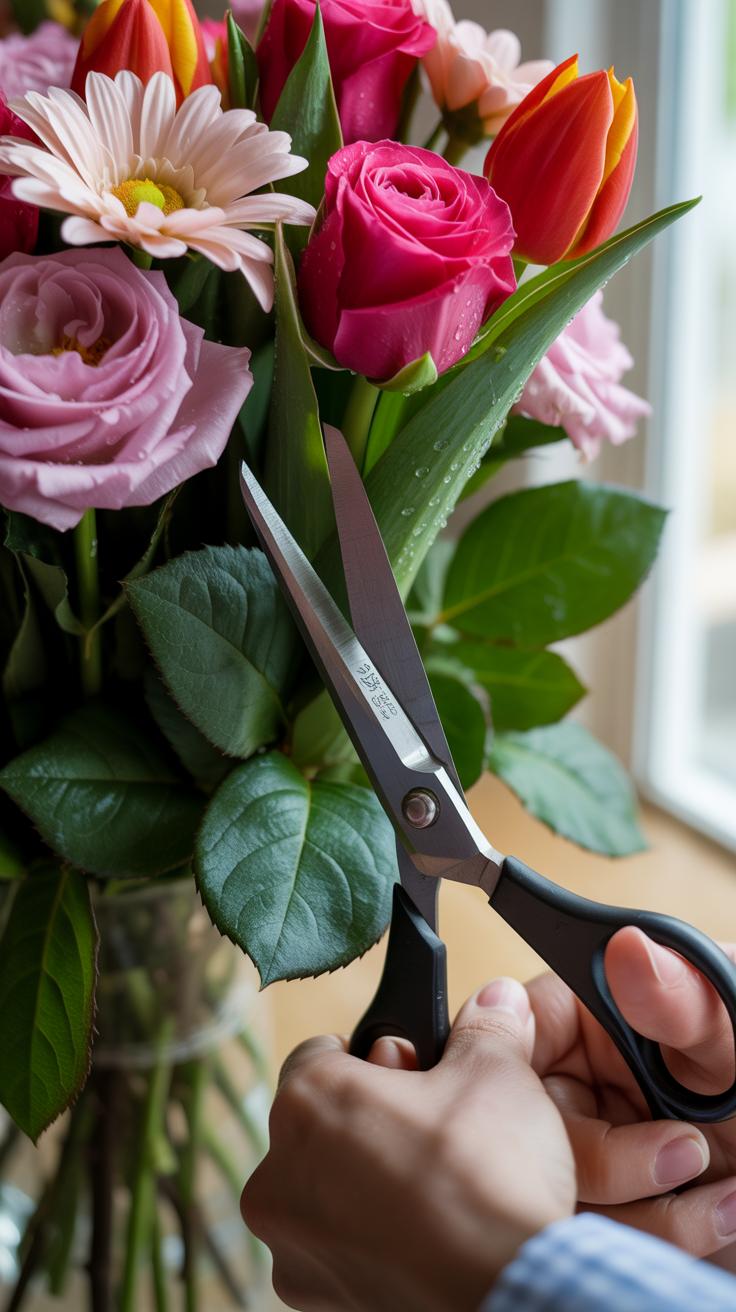
A flat cut is a tactical error. When you cut a stem straight across, the bottom sits flush against the vase floor. This position seals off the vascular system and prevents water intake. Cutting at a forty-five-degree angle solves this problem immediately. This specific technique increases the surface area of the exposed xylem. More surface area allows the flower to pull more nutrients.
Air bubbles pose a major threat to flower longevity. When you cut a stem, the flower creates a small air pocket called an embolism. This blockage stops water from moving up the stalk. You must use sharp, bypass shears to make a clean slice. Dull blades crush the delicate tissue and restrict flow. Professional florists often cut stems underwater to prevent any oxygen from entering the fresh wound.
How Often You Should Re Cut Stems To Maintain Healthy Water Uptake
One cut is never enough. Flower stems begin to scab or rot within forty-eight hours of being in water. Bacteria quickly colonize the base of the stem and create a physical barrier. This slime prevents the plant from drinking effectively. You must re-cut the stems every two days to expose fresh cells. Removing a half-inch of material restores the direct path from the water to the bloom.
Clean water alone does not guarantee freshness. You must combine water changes with fresh cuts to keep the vascular system open. Inspect the stem ends for any brown or soft tissue during each water change. Trim away any foliage that falls below the water line. Decay in the water speeds up the aging process. Regular maintenance ensures the flower maintains turgor pressure and stays upright for several extra days.
How To Keep Flowers Fresh Longer By Choosing The Best Water Temperature
The Science Behind Warm Vs. Cold Water For Different Flower Types
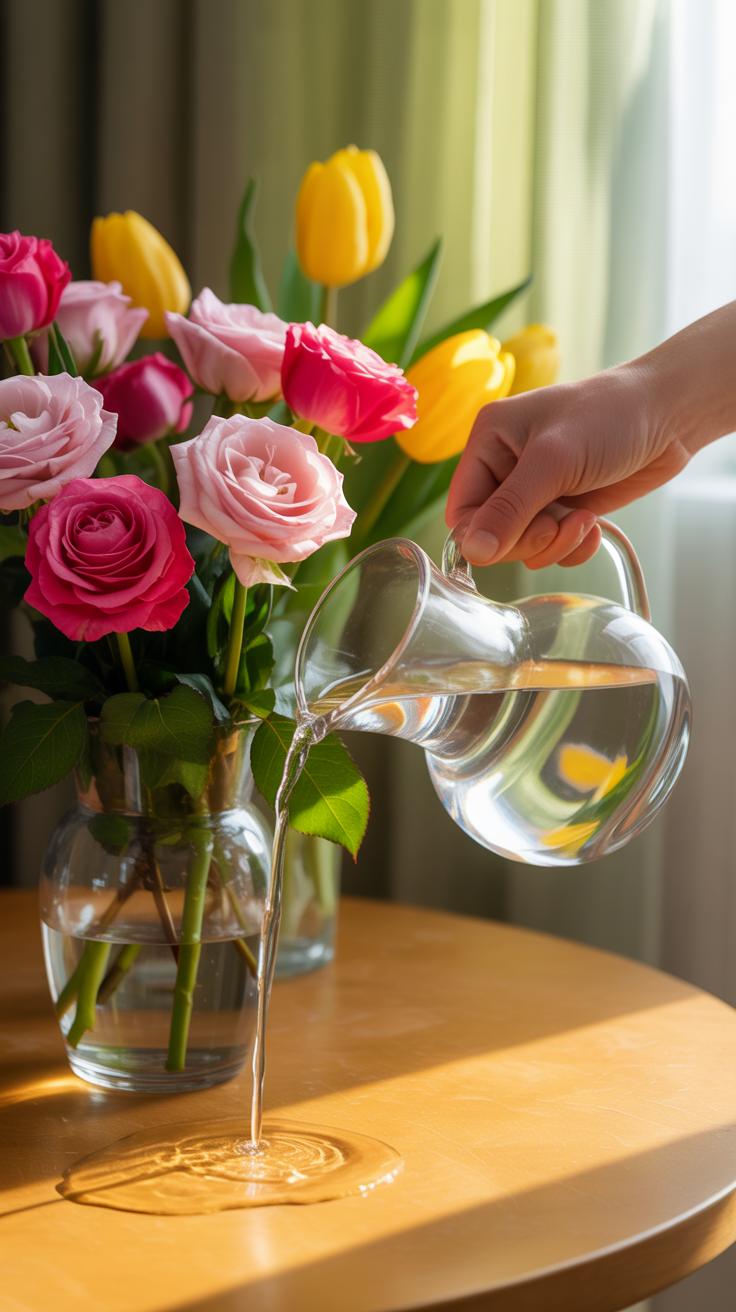
Standard floral care requires lukewarm water between 100 and 110 degrees Fahrenheit. Molecules move faster in warm water. This allows the stem to drink more efficiently. Rapid hydration prevents air bubbles from blocking the vascular system. Most common garden flowers respond best to this temperature. It stabilizes the bloom quickly after the stress of cutting from the plant.
Bulb flowers like tulips and daffodils require cold water instead. These plants grow in cool soil during early spring. Warm water shocks their cellular structure and causes stems to go limp. Use cold water to mimic their natural environment. This slows down the metabolism of the flower. Slower metabolism prevents the head from drooping and keeps the petals firm for several extra days.
How Frequently You Should Change The Water In Your Flower Vase
Bacteria kill flowers faster than any other factor. Microbes multiply in standing water and clog the stem endings. You must change the water every two days to maintain health. Fresh water provides a clean environment and prevents the buildup of toxic waste. If the water looks cloudy, change it immediately. Cloudy water indicates a high bacterial load that will rot the tissue.

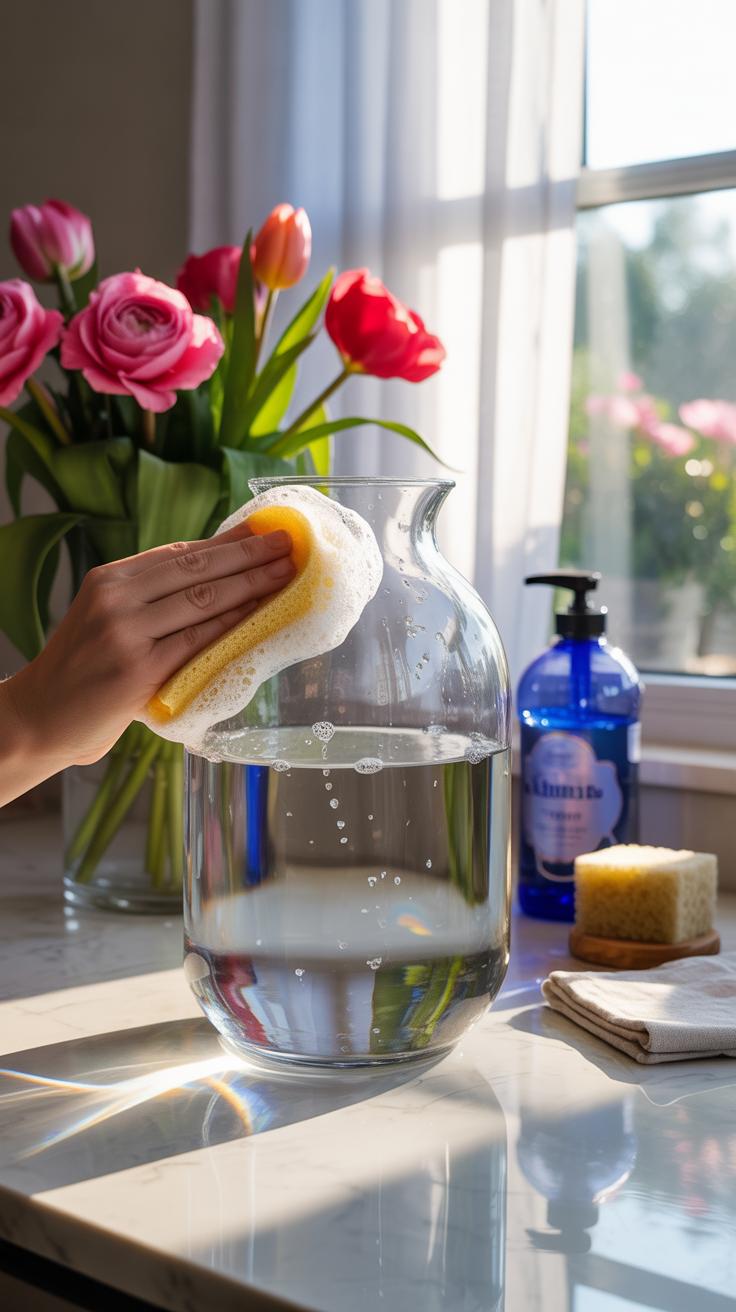
Clean the vase with soap every time you replace the water. Rinsing alone does not remove the biofilm on the glass walls. Use this time to trim one half inch off the stems at an angle. This fresh cut opens new pathways for hydration. Constant monitoring ensures the stems never sit in stagnant fluid. Consistent maintenance is the most effective way to prevent premature wilting and petal drop.
How To Make Flowers Last Longer In Vase With Proper Cleaning Habits
Why A Clean Vase Is Essential For Preventing Bacterial Growth
Bacteria represent the primary threat to extending flower freshness after harvest. Microbes multiply rapidly in stagnant water. They create a physical blockage inside the xylem of the flower stem. This blockage prevents the plant from absorbing water and nutrients. When the vascular system fails, the flower wilts prematurely. A dirty vase acts as a breeding ground for these harmful organisms.
Contamination often stems from decaying organic matter left by previous bouquets. Old leaf fragments and stem tissue rot quickly in water. This decay releases ethylene gas and pathogens into the environment. These elements stress new flowers and accelerate their aging process. You must keep the water clear to ensure vascular health. A sterile environment is the only way to maximize the life of your floral display.
Simple Vase Cleaning Methods That Remove Hidden Residue And Bacteria
Standard rinsing is insufficient for removing stubborn biofilm from glass or ceramic surfaces. You must use a solution of hot water and chlorine bleach to kill remaining microbes. Scouring the interior with a bottle brush ensures you reach every corner. Pay close attention to the rim and the base. Bacterial colonies often hide in small scratches or textured areas of the vessel.

Dishwashers provide high heat that can sanitize glass containers effectively. If the vase is delicate, use a mixture of white vinegar and baking soda to lift mineral deposits. Acidic cleaners dissolve the scale where bacteria cling. Always rinse the vase thoroughly after cleaning to remove chemical residues. Residual soap or bleach can damage sensitive flower tissues if not eliminated before you add fresh water.
How To Keep Fresh Flowers Alive Longer By Removing Leaves Below The Waterline
How Submerged Leaves Speed Up Bacterial Contamination In Vase Water
Submerged foliage rots quickly when trapped underwater. This decay creates a breeding ground for harmful bacteria. These microorganisms multiply fast and clog the vascular tissues of the flower stems. When the stem tubes get blocked, the flower cannot pull up water. This lack of hydration leads to premature wilting. You must stop bacterial growth to keep flowers healthy and vibrant.
Clean water is the most important factor for extending flower freshness. Decaying leaves release organic matter that feeds microbes. High bacteria levels produce foul odors and cloudy water in your vase. These pathogens attack the cut end of the stem immediately. Eliminating underwater leaves keeps the water clear and the stems open. This simple step doubles the vase life of most floral varieties.
Which Parts Of The Stem You Should Strip Before Placing Flowers In Water
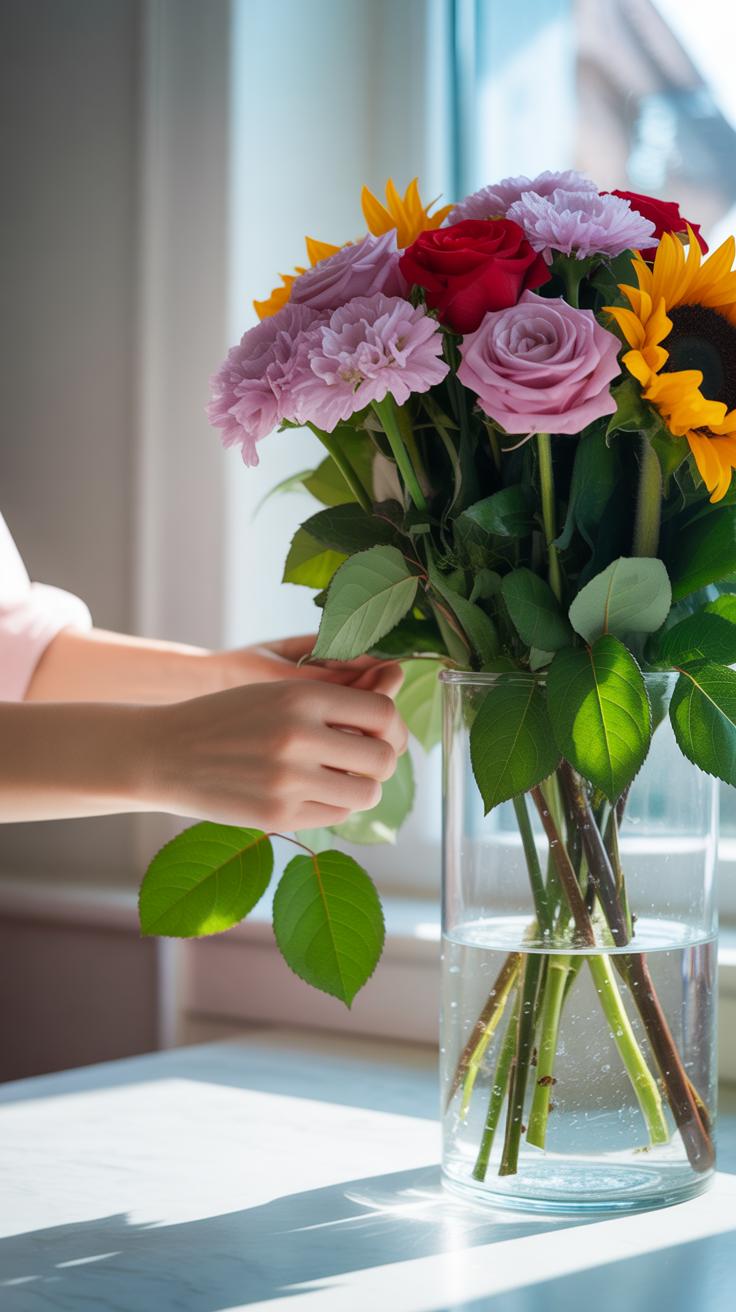
Identify the expected water level in your vase before you start trimming. Hold each stem next to the container to find the waterline. Remove every leaf, thorn, and side shoot that sits below this point. Use sharp shears or your thumb to pull growth away cleanly. Ensure the bottom half of the stem is completely bare. Avoid tearing the outer bark or skin.

Check the stems daily for any new growth or missed debris. Even small leaf fragments can trigger rapid rot in the vase. Focus on the bottom four to six inches for standard tabletop arrangements. If you use a tall vase, strip the stem higher. Clean stems prevent slime from coating the glass. Maintaining a bare stem allows the flower to focus all energy on the bloom.
How To Make Flowers Last With The Right Flower Food Or Homemade Preservative
What Commercial Flower Food Actually Contains And How It Works
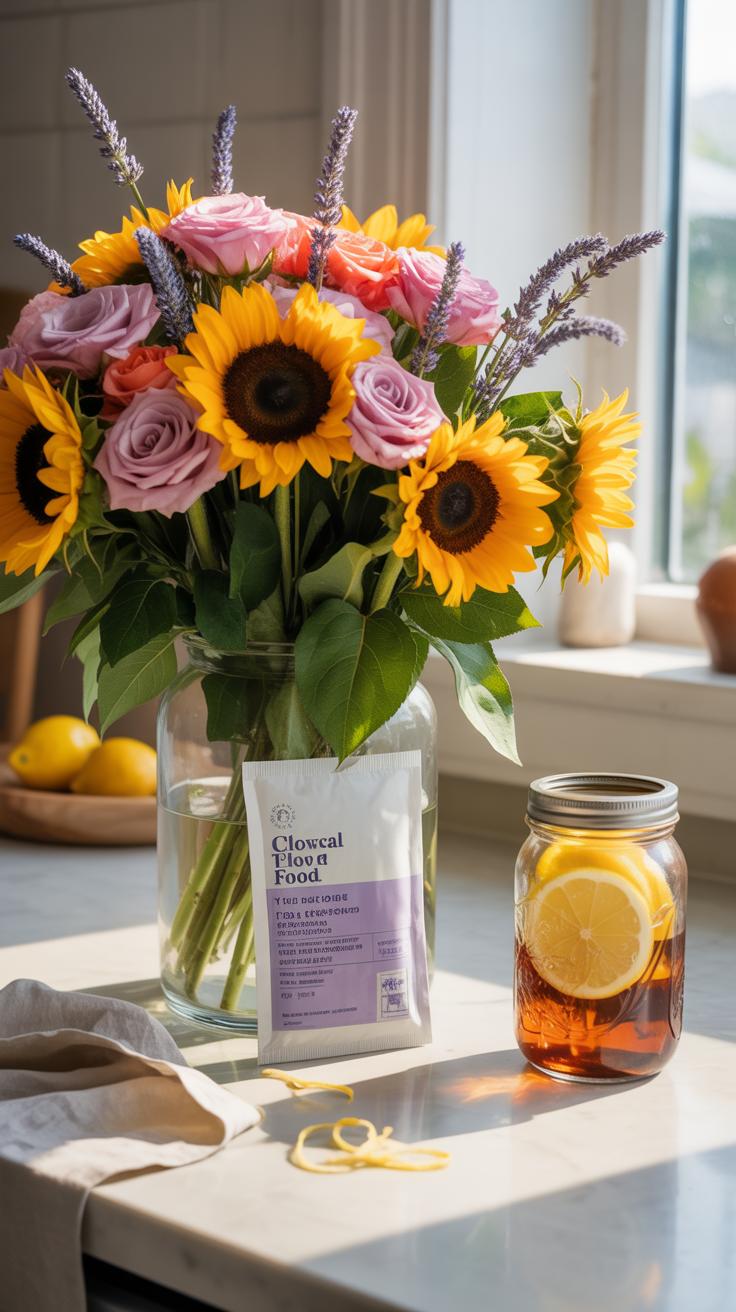
Commercial flower food uses a precise chemical balance to keep stems alive. It contains three main parts. Carbohydrates provide energy for the bloom. Citric acid lowers the pH level of the water. This acidic environment helps the stem pull water up quickly. Biocides stop the growth of bacteria and fungi in the vase. This combination prevents the stem from clogging and rotting.
The sugar in the mix acts as a food source to replace the lost photosynthesis process. Without a root system, the flower cannot produce its own energy. The acidifier works to improve the flow of nutrients through the xylem. Biocides keep the water clear and free of slime. Using the correct ratio of powder to water is vital for successful results every time.
Trusted Homemade Flower Preservative Recipes Using Common Household Items
You can replicate professional formulas using kitchen staples. These recipes target the same three goals as commercial products. You need a sugar source for energy and an acid to maintain flow. You also need a disinfecting agent to kill microbes. Mixing these items in clean water creates a stable environment. Use warm water to help the sugar dissolve and move through the stems.
- Sugar and Bleach Solution: Mix two tablespoons of white sugar with half a teaspoon of liquid bleach per quart of water. The sugar feeds the plant cells. The bleach kills harmful bacteria that cause stem decay. This is the most common DIY method used by professionals today.
- Citrus Soda Mix: Combine one part lemon-lime soda with three parts water. Use regular soda, not diet versions. The sugar provides energy while the citric acid lowers the water pH. Add a few drops of bleach to prevent any microbial growth in the sweet liquid.
- Vinegar and Sugar Blend: Add two tablespoons of white vinegar and two tablespoons of sugar to a liter of water. Vinegar acts as a powerful acidifier to help water transport. This mixture is ideal for woody stems that struggle to drink. It creates a very hospitable environment for most blooms.
- Aspirin and Lemon Juice: Crush one aspirin tablet and mix with a teaspoon of lemon juice in your vase. Aspirin contains salicylic acid which boosts the immune response of the flower. Lemon juice provides the necessary acidity. This combination keeps the water clear and the flower heads upright longer.
- Copper Coin Method: Drop a copper penny from before 1982 into the vase with a sugar solution. Copper acts as a natural fungicide to stop slime. Use it alongside sugar to provide food for the petals. This classic technique relies on the chemical properties of metal to preserve water quality.

Always measure these ingredients accurately to avoid shocking the plant. Too much bleach will turn the stems white and kill the flower. Too much sugar will cause rapid bacterial blooms if you forget the disinfectant. Change the water and add a fresh batch of your mixture every two days. Keeping the water clean is the most important part of extending flower freshness.
Make Flowers Last Longer By Placing Them In The Ideal Location At Home
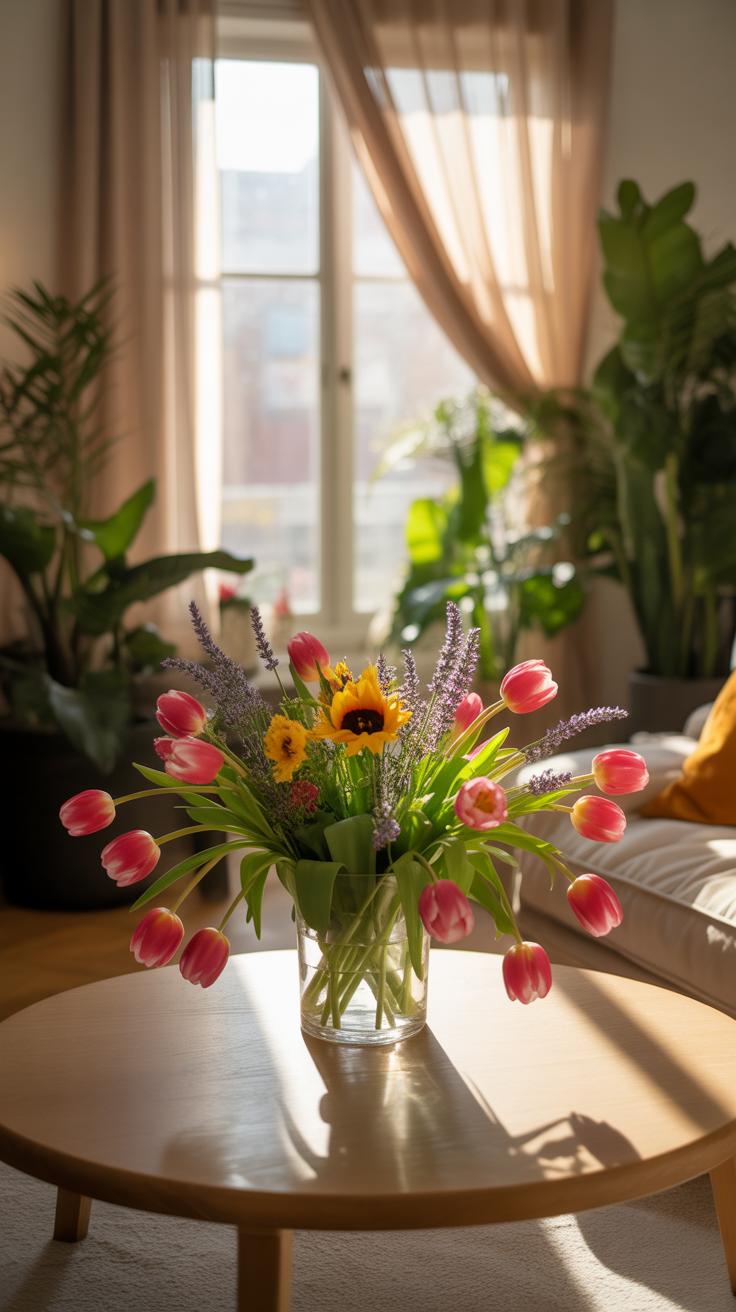
Why Direct Sunlight And Heat Sources Shorten A Flower’S Lifespan
Direct sunlight triggers rapid transpiration in cut flowers. This process forces the plant to lose moisture faster than its severed stem can absorb it. Intense light also speeds up the metabolic rate and the production of ethylene gas. These factors combined cause petals to wilt and drop prematurely. Keep your arrangement away from window sills and glass doors to avoid this solar heat gain.
Radiators and heating vents present another major threat to floral longevity. High temperatures accelerate the aging process by drying out the surrounding air. Low humidity pulls moisture directly from the flower head and leaves. This dehydration causes the stems to become brittle and lose their structural integrity. For the best results, place your vase far away from all active heating elements and kitchen appliances.
Love is the flower you’ve got to let grow, but a little care keeps the bloom in the heart much longer.
The Best Spots In Your Home For Displaying Cut Flowers To Maximize Freshness
Identify cool and draft-free areas for the best display results. Look for rooms with consistent temperatures that stay below seventy degrees. Entryways often stay cooler than kitchens or living rooms with fireplaces. A stable temperature helps the flower maintain its natural sugar levels. This stability prevents the plant from entering a state of stress. Proper placement can add days to the life of the bloom.
Avoid placing your flowers near ripening fruit or vegetables. Bananas and apples release high amounts of ethylene gas as they age. This invisible gas acts as a plant hormone that signals the flower to die. Keep vases on solid tables away from air conditioning blasts or ceiling fans. Moving air increases evaporation and causes the petals to brown. Select a quiet corner with indirect lighting to ensure maximum freshness.
How To Make Flowers Last Longer By Managing Humidity And Air Circulation
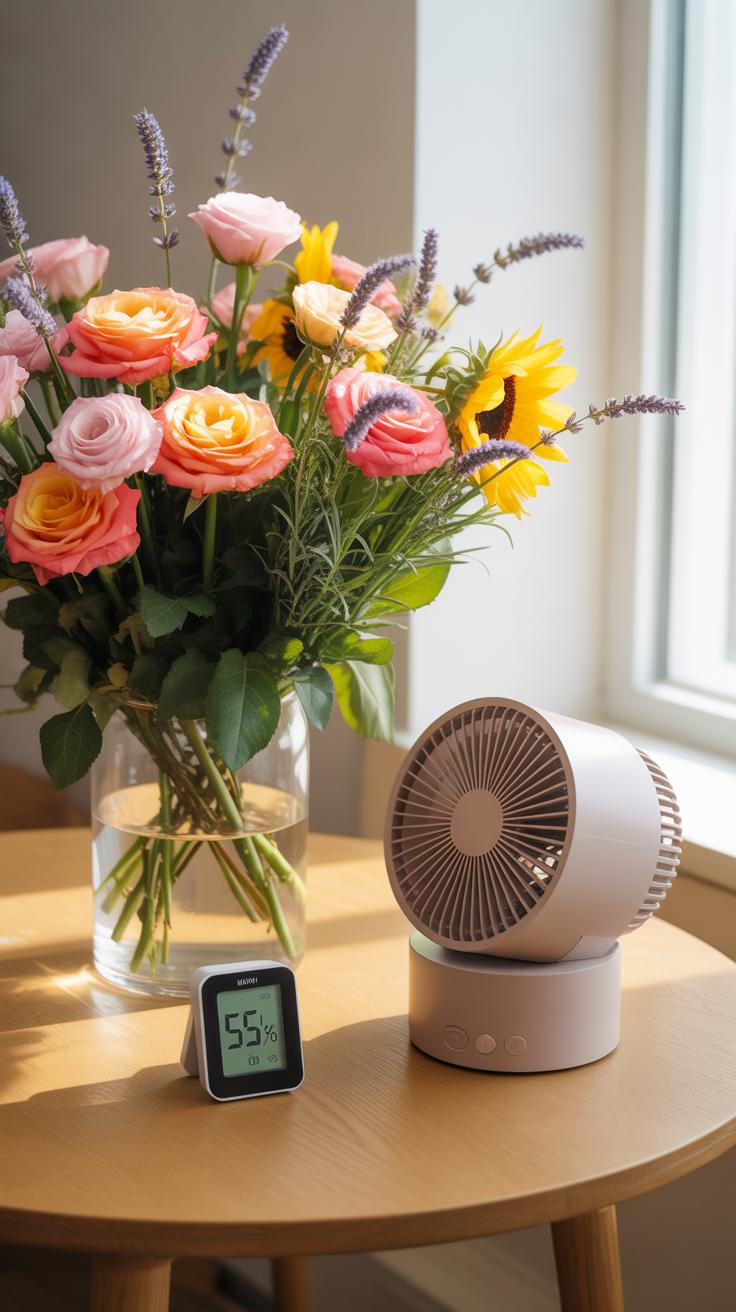
How Low Humidity And Drafts Cause Petals To Wilt Prematurely
Flowers lose water through tiny pores called stomata. This process is transpiration. Dry indoor air accelerates this water loss beyond what the stem can replace. When evaporation exceeds water intake, the cells lose turgor pressure. The flower structure collapses and petals turn brown. Low humidity effectively sucks the life out of the plant tissue. You must maintain cell hydration to prevent wilting.
Drafts from vents or open windows increase the rate of evaporation. Moving air strips the thin layer of moisture away from the petal surface. This creates a vapor pressure deficit that forces the flower to release more water. Constant airflow causes rapid dehydration and premature death of the bloom. Stagnant air is bad, but direct wind is worse. Keep arrangements away from high traffic or breezy areas.
Practical Ways To Maintain Stable Humidity Around Your Flower Arrangements
Control the microclimate around your vase to extend life. Professional florists use coolers to maintain high humidity levels near ninety percent. At home, you can group plants together to create a localized humid zone. Mist the air around the flowers lightly with distilled water. Avoid spraying the blooms directly to prevent fungal growth. Keep the arrangement away from heaters and air conditioning units.
Temperature stability is a critical factor for humidity control. Hot air holds more moisture but pulls it out of the plant faster. Cold air slows down the biological processes of the flower. Place your arrangement in a cool spot overnight to reduce transpiration rates. Use a humidifier in dry winter months to keep the air saturated. Proper environmental management ensures the cells remain plump and the colors stay vibrant.
How To Keep Flowers Fresh In Vase Overnight Using The Refrigerator Method
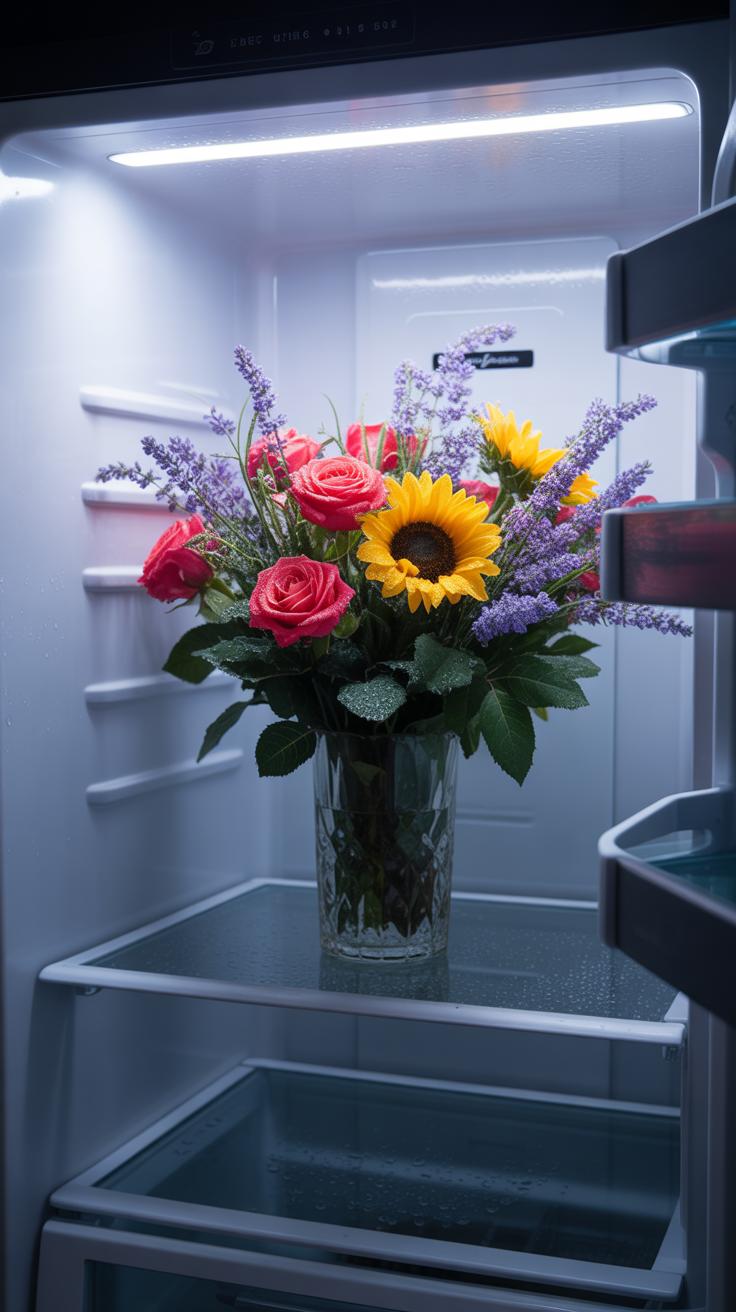
Why Florists Use Cold Storage To Slow Down The Wilting Process
Florists use commercial refrigeration to drop the metabolic rate of cut flowers. Heat triggers the aging process and forces the bloom to open faster. Cold temperatures suppress the production of ethylene gas which causes petals to drop and turn brown. By maintaining a steady low temperature, the plant conserves its limited energy reserves. This strategic cooling keeps the stems firm and the colors vibrant for much longer periods.
Low temperatures also slow down the growth of bacteria in the vase water. Microbes thrive in warm environments and clog the vascular system of the stem. When the stem cannot drink water, the flower head droops and dies. Keeping the environment cold stops this biological breakdown before it starts. This technique is the standard industry practice for preserving inventory. It works because it puts the flower into a state of suspended animation.
Step By Step Guide To Safely Storing Cut Flowers In Your Home Refrigerator
You can replicate professional floral coolers using your kitchen refrigerator to increase flower longevity. Clear out any ripening fruits like apples or bananas first. These fruits release ethylene gas which kills flowers quickly in confined spaces. Check your thermostat to ensure the temperature stays between 34 and 40 degrees Fahrenheit. Lower temperatures risk freezing the delicate cell walls of the petals. High temperatures will fail to stop the wilting.
- Remove Ethylene Sources: Clear out all ripening produce from the refrigerator shelves. Apples, pears, and tomatoes emit high levels of ethylene gas. This gas acts as a ripening hormone that causes flowers to wilt and drop petals overnight.
- Check Temperature Settings: Set your refrigerator between 34 and 40 degrees Fahrenheit for optimal preservation. Use a thermometer to verify the interior temp is consistent. Avoid the back wall where items often freeze. Freezing will destroy the flower tissue instantly.
- Hydrate Before Storing: Fill the vase with clean water and floral preservative before cooling. The stems must have full access to moisture while the air is dry. Cold air pulls moisture from the petals so the roots must replace it. Use a stable vase.
- Adjust Shelf Height: Move the refrigerator racks to allow the flowers to stand upright. Crowding the blooms against the top or sides causes bruising and prevents air circulation. Ensure the flower heads do not touch the cooling elements or the refrigerator walls directly.
- Seal Odorous Foods: Place any strong-smelling foods in airtight containers to prevent scent transfer. Flowers can absorb odors which ruins their natural fragrance. Clean the shelves to remove any mold spores. A clean environment ensures the flowers remain healthy and vibrant.

Place the vase in the center of the middle shelf for the most stable air temperature. Leave the flowers in the dark for at least six to eight hours. This rest period allows the plant to recover from heat stress. Remove the vase in the morning and keep it away from direct sunlight or heating vents. Repeating this cooling cycle every night will double the life of your bouquet. Use this method for maximum results.
How To Keep Flowers Fresh At Home By Choosing Long Lasting Flower Varieties
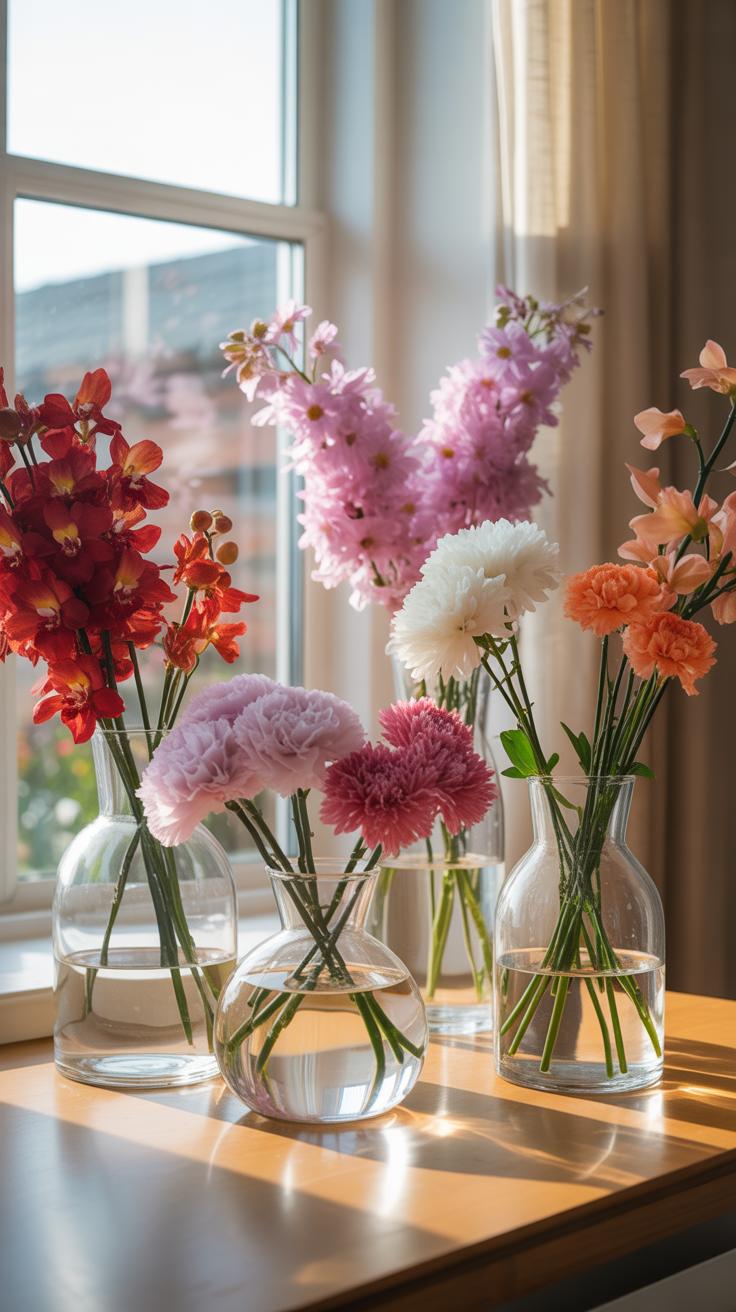
Which Flower Varieties Are Naturally Known For Their Extended Vase Life
Genetics determine the baseline for flower longevity. Chrysanthemums and carnations possess thick, hardy stems that resist vascular clogging. These species often last three weeks with basic care. Anthuriums and tropical varieties like orchids have waxy cuticles that slow down moisture loss. Selecting these breeds reduces the rate of cellular breakdown. You cannot force a short-lived flower to survive past its biological limits.
Reliable performance comes from flowers with sturdy structural integrity. Zinnias and Alstroemeria provide consistent results because they tolerate temperature shifts well. Lilies offer a staggered bloom cycle which extends the visual life of an arrangement. Always prioritize flowers with woody or semi-woody stems over soft, hollow stems. These choices ensure the vascular system remains open for water transport. Proper selection is the first step in successful preservation.
How To Select The Freshest Flowers At The Market Before You Even Get Home
Visual inspection at the point of purchase prevents early decay. Check the undersides of petals for spotting or discoloration which indicates fungal growth. Squeeze the calyx or the base of the flower head to ensure it feels firm. Soft or mushy textures signal the start of rot. Look for tightly closed buds that show a hint of color. These will open slowly in your home.
Examine the stems and foliage for mechanical damage or slime. Clean, green stems indicate fresh water changes and healthy bacteria levels. Avoid buckets with cloudy water or leaves submerged below the water line. Check for shedding pollen which suggests the flower has peaked in its reproductive cycle. Fresh flowers have vibrant, turgid leaves that do not droop. Buy from vendors who store inventory in cool, shaded areas.
Extending Flower Freshness By Avoiding The Most Common Mistakes People Make
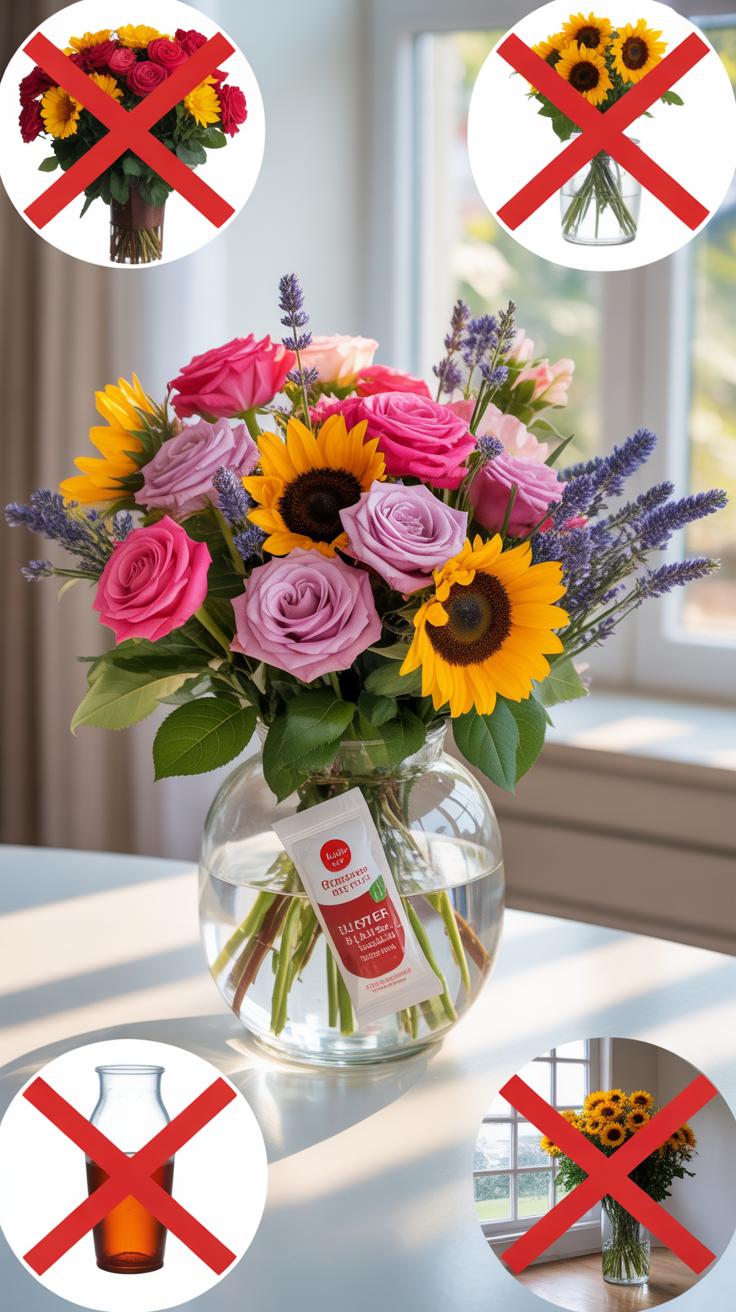
Everyday Habits That Unknowingly Shorten The Life Of Your Cut Flowers
Most people ruin flowers by using dull scissors. This action crushes the vascular system of the stem instead of slicing it. A crushed stem cannot absorb water or nutrients effectively. You must use a sharp blade to make a clean 45-degree cut. This angle increases the surface area for hydration. Change the water every two days to prevent bacteria from clogging the stems.
Bacteria growth is the primary cause of premature wilting in floral arrangements. Do not leave leaves below the water line. Decaying foliage creates a toxic environment that kills the flower from the bottom up. Keep your vase away from direct sunlight and drafts. Heat increases the rate of transpiration and causes the flower to lose moisture faster than it can drink.
How Ethylene Gas From Nearby Fruits Can Cause Flowers To Age Faster
Ethylene is a colorless gas that acts as a ripening hormone in plants. Many fruits like apples and bananas release high levels of this gas. When flowers face ethylene exposure, they drop petals and yellow prematurely. This process is irreversible and accelerates the natural aging cycle of the bloom. Storing your floral arrangement in a kitchen near a fruit bowl ensures a shorter lifespan.
Avoid placing your flowers near any ripening produce or exhaust fumes. Professional florists use inhibitors to block ethylene, but home enthusiasts should rely on strategic placement. Ensure the air around your bouquet remains clean and free of gas sources. Tactical separation is the most effective way to prevent rapid wilting. Keep the flowers in a cool, neutral environment to maximize their display time and structural integrity.
Frequently Asked Questions

Why do flowers wilt so quickly after being placed in a vase?
Flowers typically wilt because bacteria block their stems, preventing water absorption. When blooms are cut from their roots, they lose their natural life support system. By focusing on extending flower freshness through clean water and proper stem preparation, you can keep them hydrated. Air bubbles in the stems and high temperatures also accelerate wilting, so it is essential to create a stable environment that mimics their natural growing conditions.
How should I cut the stems to help my flowers last longer?
For the best results in extending flower freshness, use sharp, sterilized shears to cut stems at a 45-degree angle. This slanted cut increases the surface area for water intake and prevents the stem from sitting flat against the bottom of the vase. Always perform this underwater or under a running tap to prevent air pockets from forming, and remember to re-trim the stems every two days for maximum longevity.
Can I use household items to keep my bouquet fresh if I don’t have flower food?
Absolutely! You can create an effective DIY solution using items already in your pantry. Mix one teaspoon of sugar for nourishment, one teaspoon of bleach to kill bacteria, and two tablespoons of lemon juice to balance the pH levels. This simple homemade mixture is a cost-effective way of extending flower freshness, ensuring your beautiful arrangement stays vibrant and healthy without needing to buy expensive professional floral preservatives from a shop.