
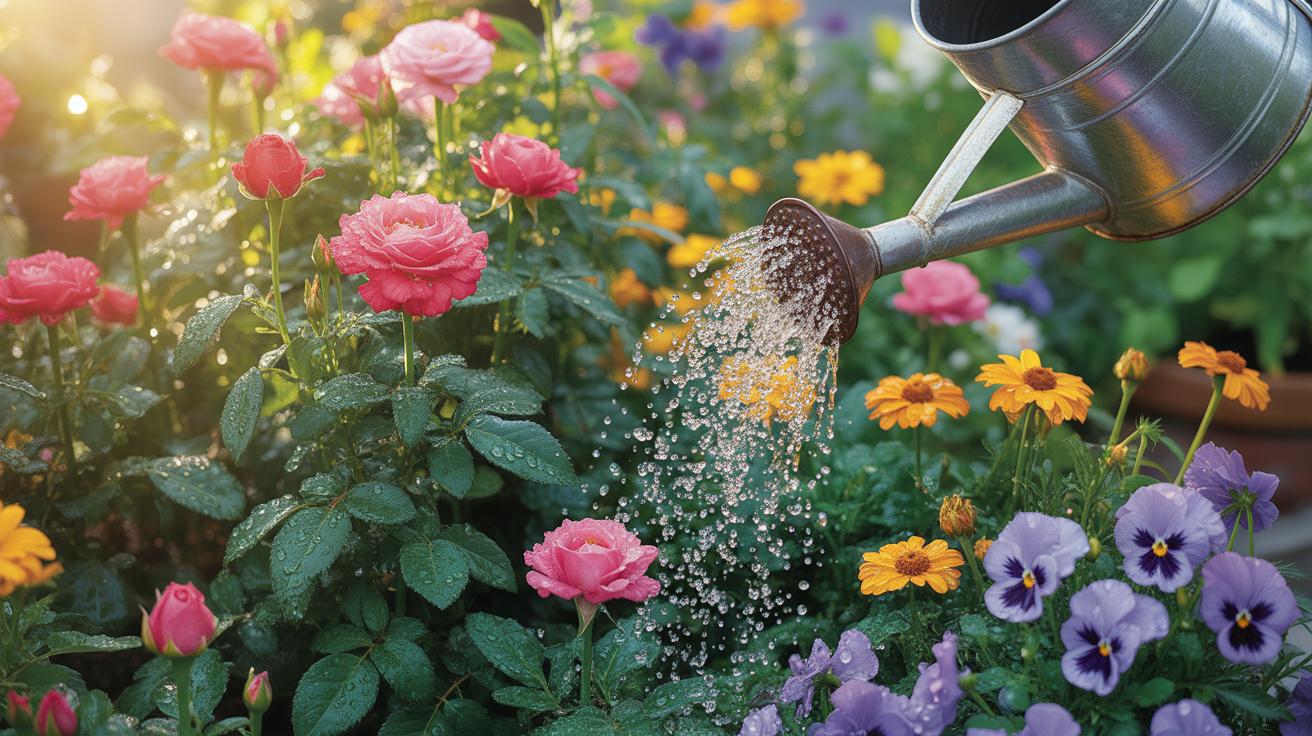
Why Flower Hydration Is The Foundation Of Good Flower Care
How Water Moves Through A Cut Flower Stem
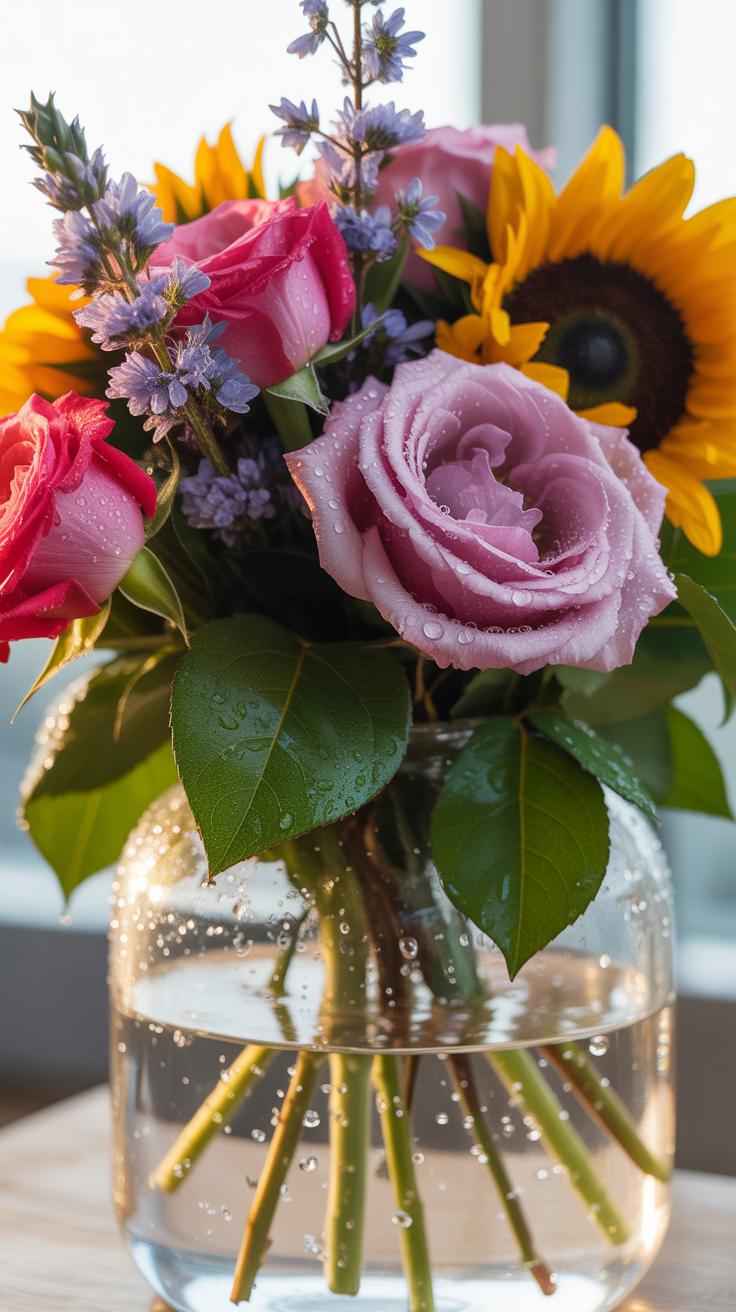
Cut flowers rely on a vascular system called the xylem to transport water. This system works like a series of tiny pipes. Water enters through the cut end of the stem and moves upward against gravity. This process depends on transpiration. As water evaporates from the leaves and petals, it creates a vacuum. This vacuum pulls new water up from the vase to replace it.
Maintaining a clear pathway is critical for hydration. Air or bacteria can block these internal pipes easily. When a stem stays out of water for too long, air enters the xylem. These air bubbles create a lock that stops water flow. You must cut the stem ends to remove these blocks. This ensures the flower can pull enough moisture to keep its cells firm and rigid.
The Most Common Hydration Mistakes That Shorten A Flower’S Life
Using dirty equipment is a major error in flower care. Bacteria grow quickly in stagnant vase water and clogged containers. These microbes enter the stem and create physical blockages. Once the vascular system plugs up, the flower cannot drink even if the vase is full. You must sanitize all buckets and shears before use to prevent this premature decay and wilting.
Improper water temperature and high pH levels also cause problems. Cold water contains more dissolved air which can form bubbles in the stem. Lukewarm water moves more freely through the vessels. Many people also fail to remove leaves that sit below the water line. These leaves rot and provide food for bacteria. Removing foliage ensures that the water remains clean and the stems stay clear.

How To Keep Flowers Fresh Overnight Without Losing A Single Petal
The Role Of Temperature In Overnight Flower Preservation
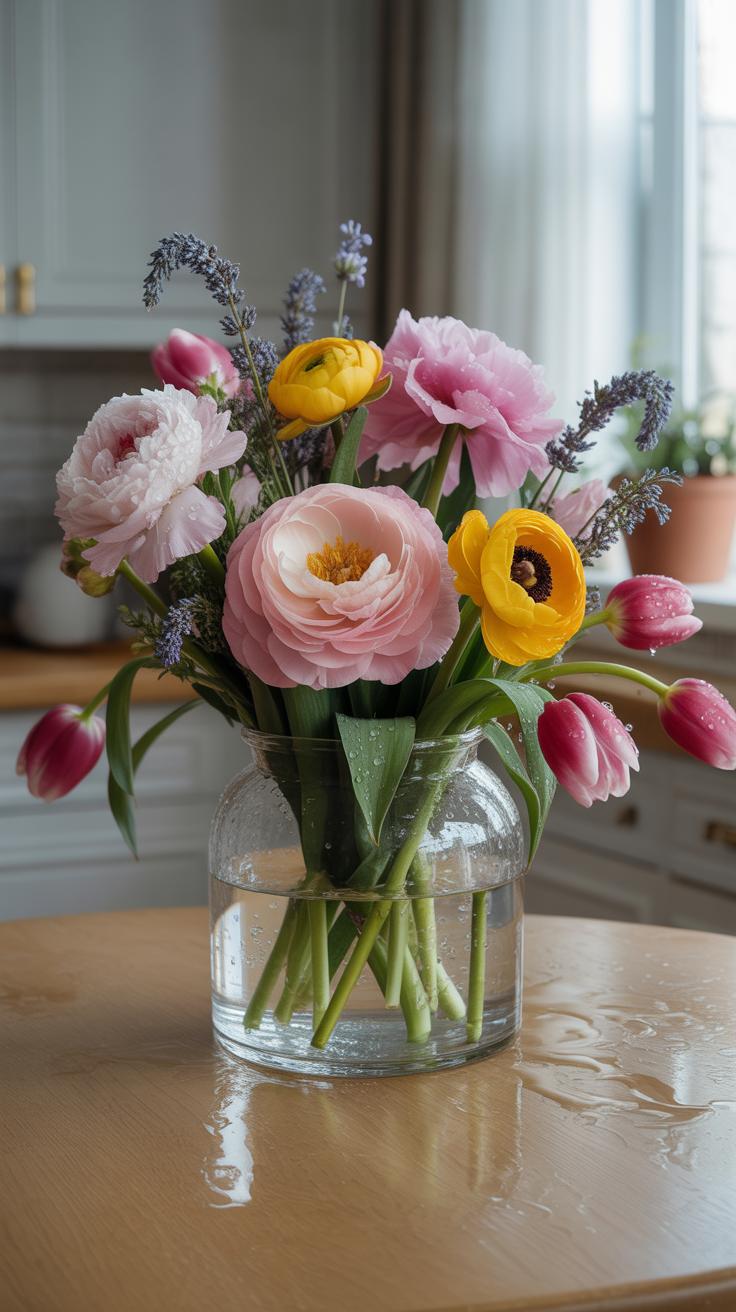
Temperature controls the metabolic rate of cut flowers. Heat accelerates respiration and water loss. Cold air slows these biological processes down. Florists use commercial refrigerators to keep blooms in a state of suspended animation. Lowering the temperature to 34 or 36 degrees Fahrenheit preserves the energy stored in the stems. This prevents the flower from blooming too fast or wilting prematurely.
Avoid placing flowers near heat sources or drafty windows overnight. Fluctuating temperatures stress the vascular system of the plant. Stable cool air maintains cell turgor pressure. This pressure keeps the petals firm and upright. Professional handlers prioritize a consistent cold chain from the farm to the vase. Matching these professional conditions at home ensures the flowers remain hydrated and structurally sound for the next day.
Best Overnight Storage Practices For Cut Flowers At Home
Proper overnight storage requires clean water and a dark environment. Bacteria growth in the vase water blocks the stems from absorbing liquid. You must use a sanitized container to prevent this blockage. Cut the stems at a 45 degree angle before setting them for the night. This increase in surface area allows for maximum water intake. Removing submerged leaves prevents rot and keeps the water supply clean.

Place the vase in a cool and dark room like a basement or garage. Darkness triggers the plant to close its stomata. Closed stomata reduce transpiration and conserve moisture within the foliage. Keep flowers away from ripening fruit. Fruit releases ethylene gas which triggers rapid aging and petal drop. Controlling the environment this way doubles the lifespan of the bouquet. These tactical steps ensure the flowers look fresh by morning.
Watering A Flower Fresh Trends In Proper Hydration Techniques
How Much Water Do Cut Flowers Actually Need Each Day
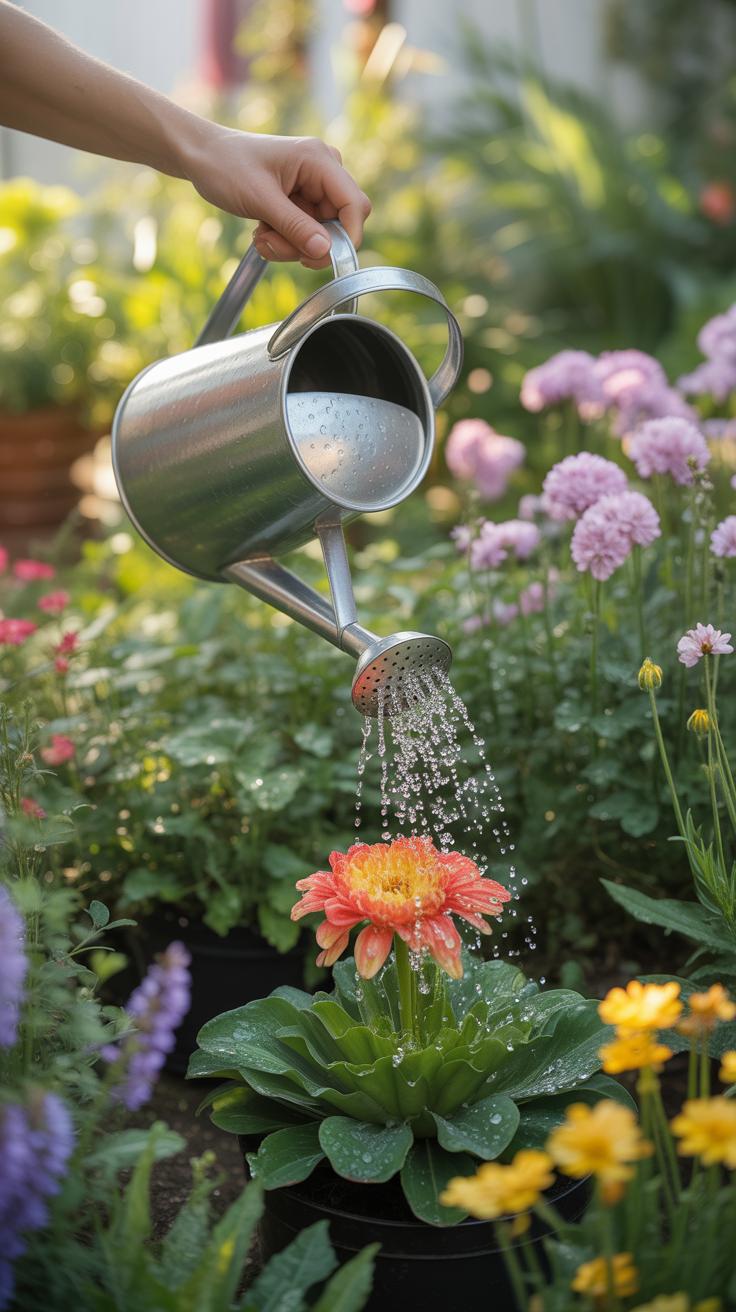
Most cut flowers require a vase filled halfway with clean water. Woody stems like roses or lilacs need deeper water to create more upward pressure. Soft stems like tulips or daffodils prefer lower water levels to prevent tissue rot. You must check the water level every twenty four hours. Flowers consume a large volume of liquid shortly after the first cut.
You must replace the entire water volume every two days. Bacteria grow fast in standing water and block the stem vessels. This blockage stops the flower from drinking. Top off the vase daily to keep the specific pressure stable. Consistent levels ensure the bloom stays turgid. Use room temperature water to avoid shocking the plant tissue. Proper volume prevents premature wilting.
Deep roots are not reached by the frost, and the simplest drink of water keeps a garden’s memory alive in the vase. Freshly cut stems and cool water are the secrets to preserving nature’s fleeting beauty.
Submerging Vs. Misting: Which Watering Method Works Best
Submerging stems is the only way to ensure deep hydration. Cut stems under water to prevent air bubbles from entering the vascular system. These bubbles create envonmental plugs that kill the flower. Focus on the base of the plant where the intake happens. Most flowers do not absorb significant moisture through their petals. Stems move water through the xylem to reach the head.

Misting is largely ineffective for most flower varieties. It increases humidity but does not hydrate the internal cells. Excess moisture on petals often leads to fungal growth and gray mold. Only tropical plants with aerial roots benefit from high surface moisture. For standard floral arrangements, skip the spray bottle. Use a clean vase and sharp tools instead. Direct stem contact with water remains the priority.
How To Keep Cut Hydrangeas Fresh Using Proven Hydration Methods
Why Hydrangeas Wilt Faster Than Other Cut Flowers
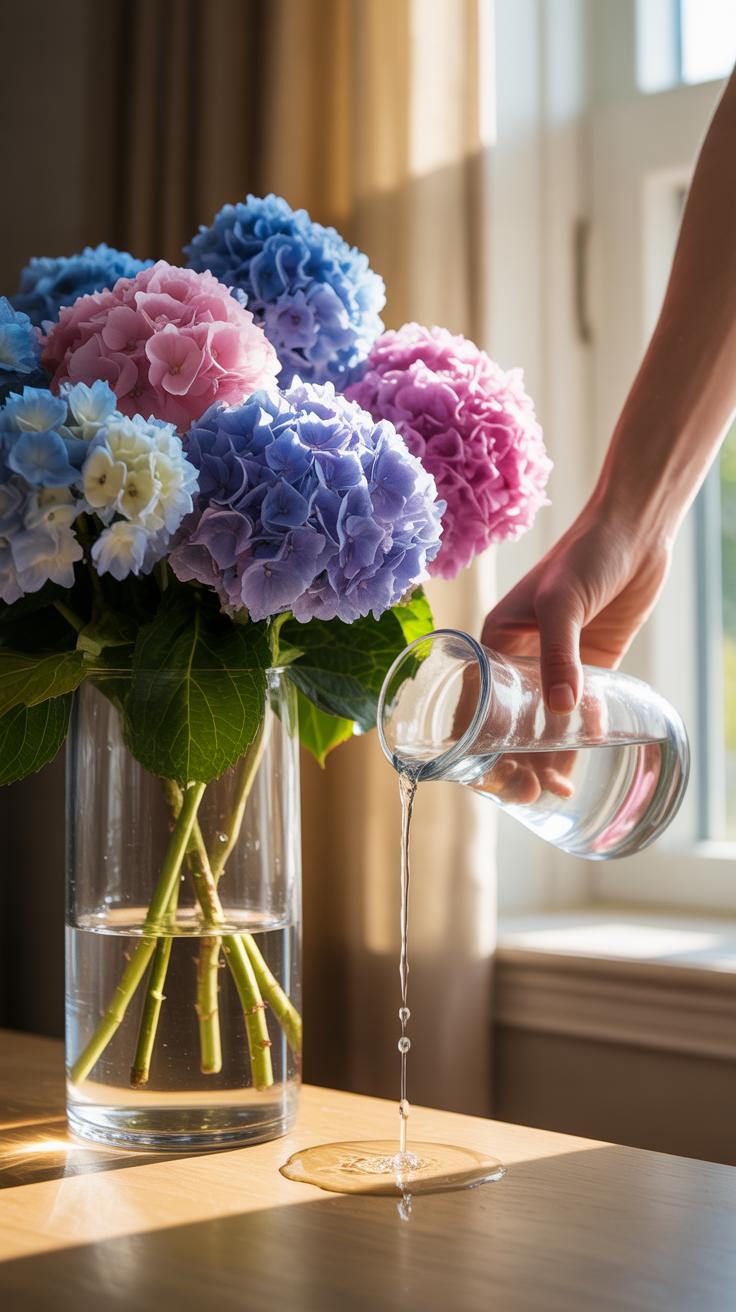
Hydrangeas possess a unique physiological structure that makes them struggle in vases. Their name stems from Greek words meaning water vessel. This reflects their high moisture requirements. Unlike most flowers, these plants lose water quickly through their large petal surface areas. They also produce a sticky latex substance in their stems. This substance clogs the vascular tissue and prevents water from reaching the heavy flower heads.
When you cut a hydrangea stem, the sap hardens almost instantly. This creates a physical seal that blocks hydration even in full vases. Air bubbles also enter the open stem ends and create blockages called embolisms. These factors cause the blooms to droop within hours of being cut. Professional florists must use specific intervention techniques to bypass these natural biological barriers and keep the petals turgid.
The Boiling Water Stem Trick That Revives Wilting Hydrangeas
The boiling water method is a proven tactical solution for extreme wilting. You must first trim the stems at a sharp forty-five-degree angle. Pour one inch of boiling water into a heat-safe container. Place the bottom of the hydrangea stems into the hot water for thirty seconds. This intense heat forces out trapped air bubbles and dissolves the hardened sap that clogs the stem.

After the short hot water bath, immediately transfer the flowers into a vase filled with room-temperature water. The heat treatment clears the vascular pathways so the flower can drink effectively again. Most wilted heads will regain their firmness within two to four hours after this process. You can repeat this method every few days to extend the life of the arrangement and maintain peak flower hydration.
How To Make Roses Last Longer With Smart Hydration Habits
The Correct Way To Cut And Condition Rose Stems For Maximum Water Uptake
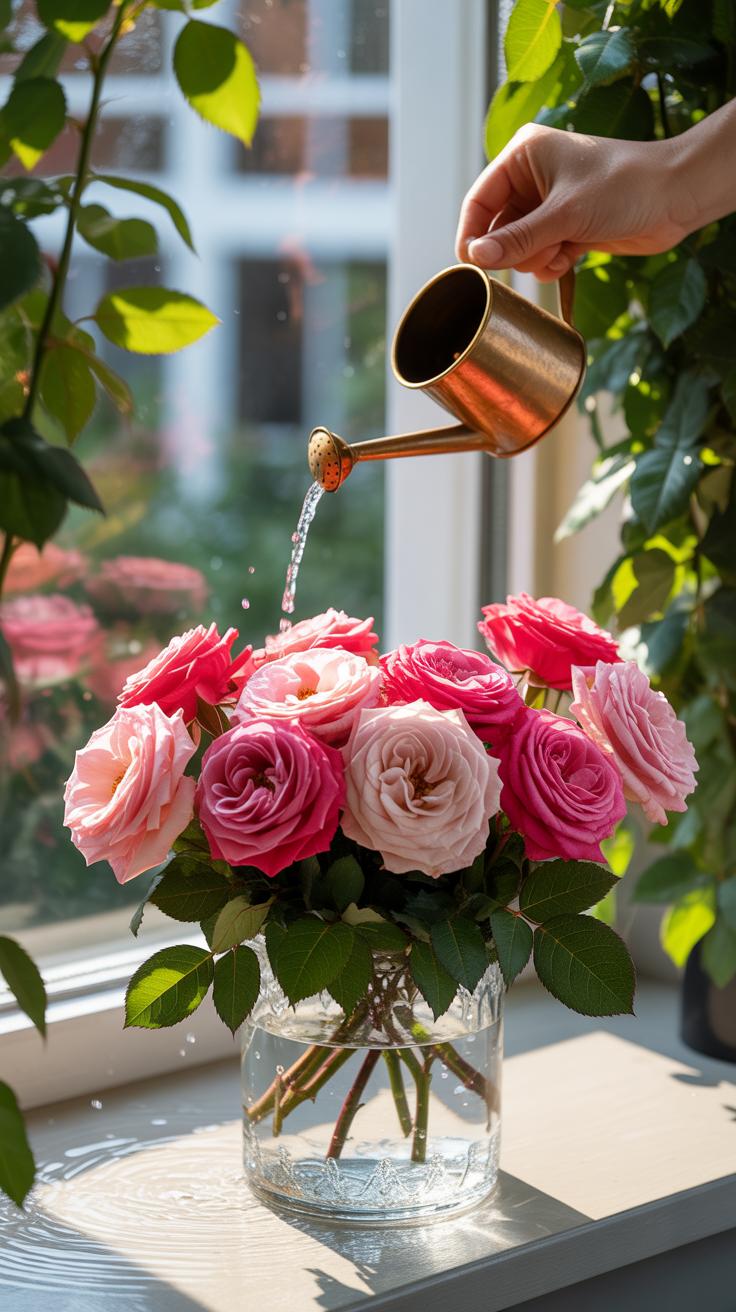
Successful rose hydration starts with a clean cut. Use sharp shears to avoid crushing the vascular tissue. A blunt blade collapses the xylem and blocks water flow. Cut the stems at a forty-five degree angle. This increases the surface area for water absorption. Perform this task under water or under a running faucet. This prevent air bubbles from entering the stem and causing a blockage.
Remove all foliage that sits below the water line. Leaves rotting in the vase create bacteria. This bacteria clogs the stem ends and kills the flower quickly. Check the water daily for clarity. If the water looks cloudy, bacteria has already taken over. Re-cut the stems by one inch every two days. This opens fresh tissue and keeps the hydration cycle moving without any physical interruptions.
Water Temperature And Ph: How They Affect Rose Hydration
Water temperature dictates how fast a rose drinks. Use lukewarm water between one hundred and one hundred ten degrees Fahrenheit. This temperature helps move water through the stem faster than cold water. It also helps air bubbles escape the vascular system. Hotter water can damage organic tissue. Cold water moves slowly and can shock the flower. Consistent temperature ensures the rose head stays upright and firm.

The acidity of the water also determines the lifespan of the bloom. Roses prefer a slightly acidic environment. Aim for a pH level between three point five and five point zero. Highly alkaline water prevents the stem from drawing moisture. Use citric acid or commercial floral preservatives to lower the pH. This environment limits bacterial growth and mimics the natural conditions found in a rose bush. Consistent pH balances keep the petals bright.
Flower Food What It Is And How It Supercharges Hydration
The Three Key Ingredients Found In Commercial Flower Food
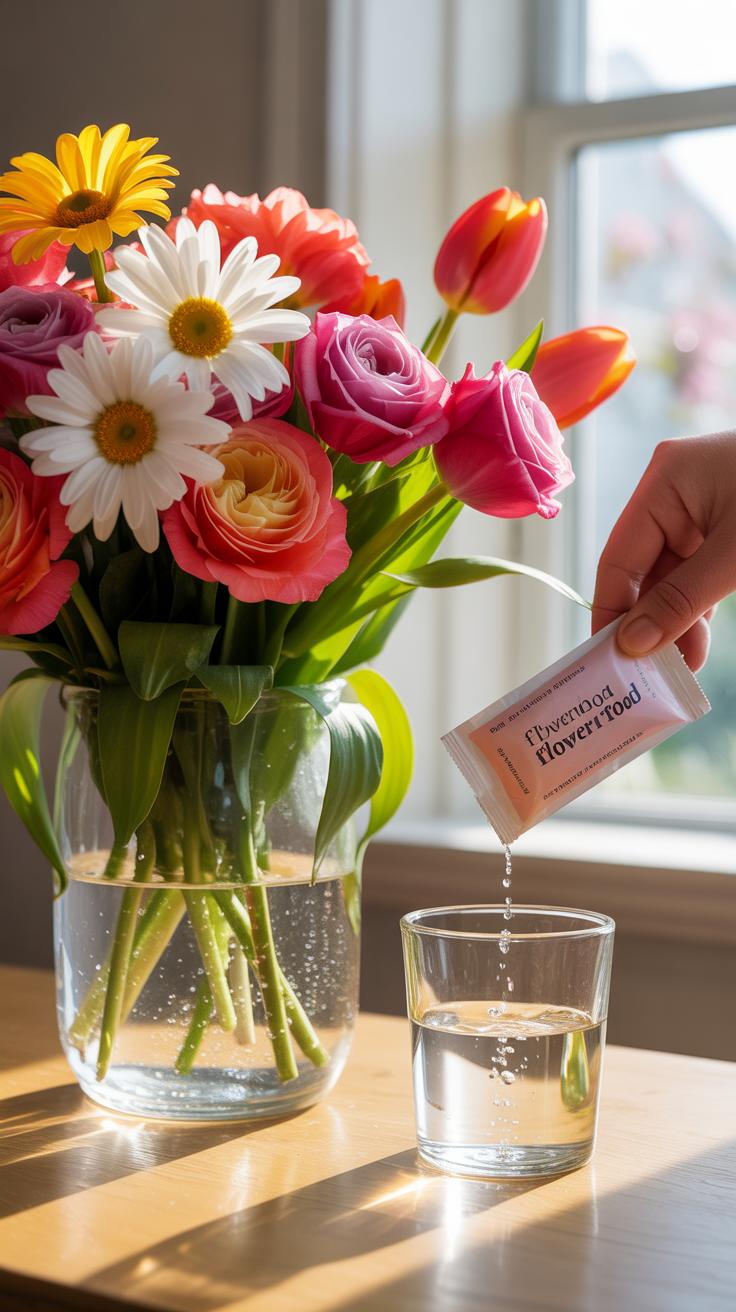
Commercial flower food uses a precise chemical balance to keep cut stems alive. These packets solve three specific problems that occur once you sever a flower from its root system. Without these additives, bacteria grow fast and stems clog. This prevents the flower from drinking water. You must use the correct ratio of powder to water for maximum results.
- Carbohydrates: Success depends on a steady energy source. Sugar provides the necessary calories that the flower no longer receives from the leaves through photosynthesis. This fuel maintains the cell structure and helps closed buds open fully.
- Acidifiers: Most tap water has a high pH level which slows water uptake. Citric acid lowers the pH to a range between 3.5 and 5.0. This acidity helps the water move up the stem faster through the xylem.
- Biocides: Bacteria and fungi thrive in stagnant vase water. These antimicrobial agents kill microorganisms that cause stem rot and blockages. Keeping the water clear ensures the vascular system of the plant remains open for hydration.
- Surfactants: These chemicals break the surface tension of the water. When surface tension is low, the stem absorbs water more easily. This allows for deep hydration even in woody stems that typically struggle to pull moisture upward.
- Respiratory Inhibitors: These specialized compounds slow down the natural aging process of the plant. By reducing the rate of respiration, the food extends the life of the bloom. This prevents the flower from burning through its energy reserves too quickly.
Properly mixed flower food increases vase life by up to thirty percent. Florists rely on these stabilized formulas to maintain inventory quality. Always follow the instructions on the packet strictly. Adding too much powder can burn the stems because the salt concentration becomes too high. Adding too little fails to provide enough energy to keep the petals firm and hydrated.
How To Make An Effective DIY Flower Food Solution At Home
You can replicate commercial formulas using common household items when packets are unavailable. You need a sugar source for energy and an acid to lower the pH. Use white granulated sugar rather than honey or brown sugar. Sugar provides the glucose necessary for cell respiration. Mix it thoroughly in warm water to ensure the crystals dissolve completely before adding stems.

Bleach acts as the necessary biocide in homemade mixes. Adding a few drops of clear liquid bleach prevents the water from turning cloudy. This keeps the stem ends from plugging with slime. Use lemon juice or crushed aspirin to provide the acidic environment that flowers prefer. Change this solution every two days to maintain its effectiveness. Dirty water will kill your flowers regardless of the food used.
Flower Care Tips For Choosing The Right Vase And Water Level
How Vase Shape And Size Influence Flower Hydration
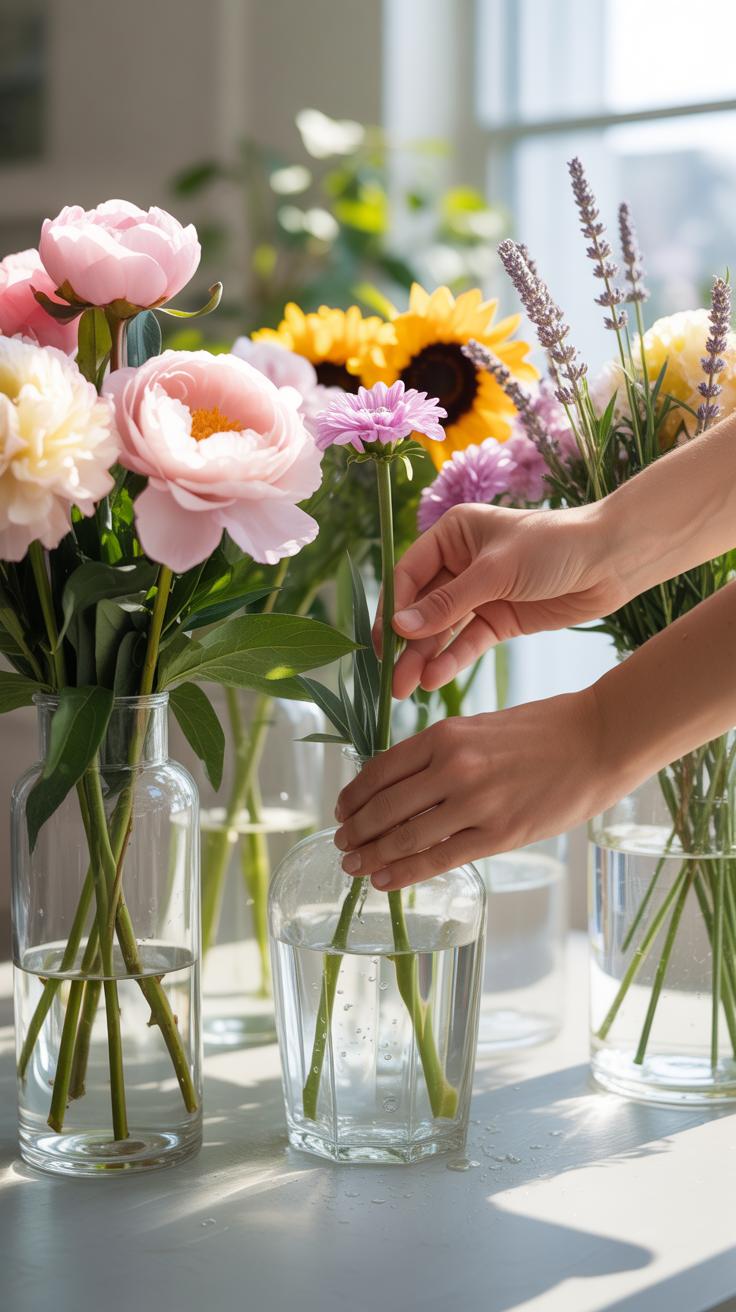
Vase geometry dictates how much oxygen reaches the water surface. Wide neck vases increase the surface area for gas exchange. This helps keep the water fresh but speeds up evaporation. Narrow neck vases restrict airflow and trap heat inside the container. You must match the vessel diameter to the stem count. Crowding stems prevents proper circulation and encourages rapid bacterial growth.
Support is the secondary function of vase shape. Tall vases keep heavy headed flowers upright to prevent stem kinking. A kinked stem blocks the vascular system and stops hydration immediately. Heavy glass or ceramic materials provide the necessary weight to prevent tipping as flowers drink and change balance. Always choose a container that can hold enough water to last at least two full days.
Why Water Level Matters More Than Most People Realize
Water depth creates physical pressure that forces liquid up the stem. High water levels benefit woody stems like roses or hydrangeas. These plants need more force to move water through thick fibers. Conversely, soft stems like tulips or calla lilies require shallow water. Deep water causes soft tissue to decompose. This decay releases pathogens into the reservoir and kills the flower.

Consistent water levels prevent the formation of air bubbles in the xylem. When the water level drops below the stem base, air enters the plant. This creates a blockage called an embolism. You cannot fix an embolism by simply adding more water. You must cut the stem again to restore flow. Check levels daily because flowers consume more water during the first forty eight hours.
How To Take Care Of Flowers By Changing Water The Right Way
How Often You Should Change The Water In Your Flower Vase
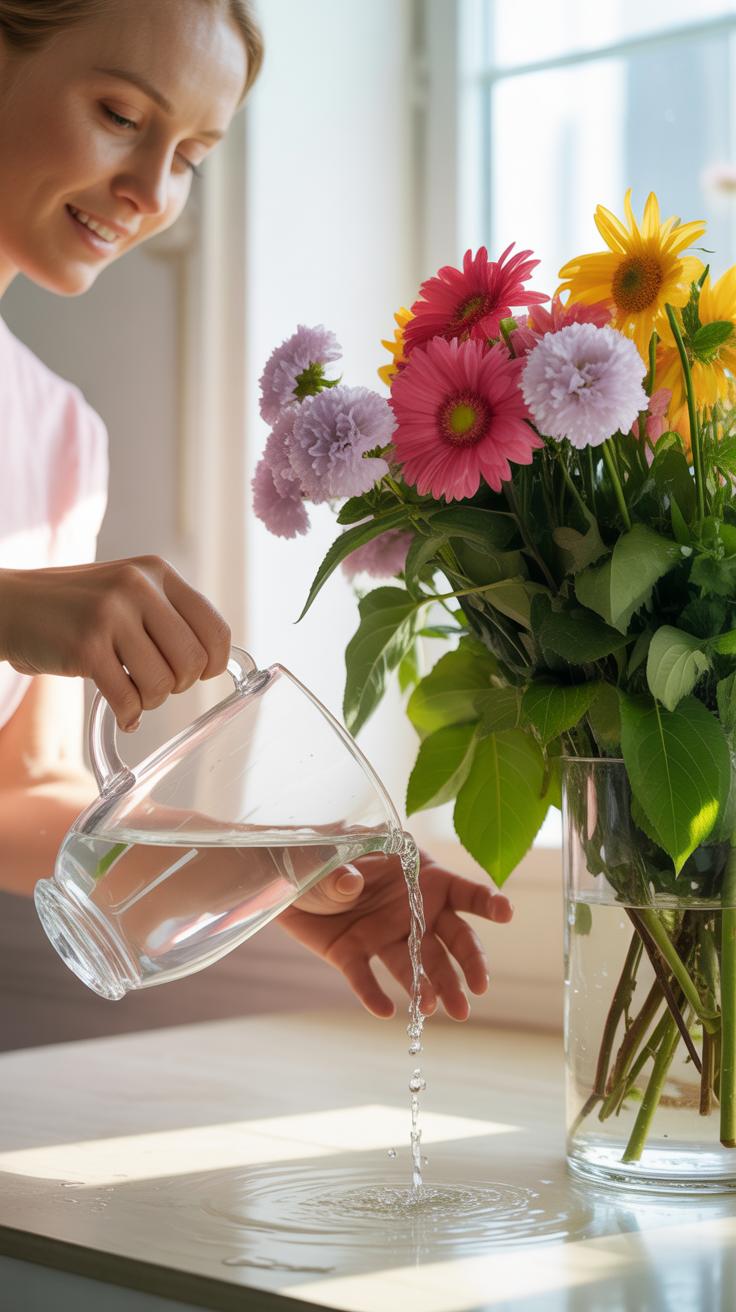
Change the water every forty-eight hours to maintain stem health. Bacterial growth begins immediately after you place stems in a vessel. Stagnant water loses oxygen and develops microbes that block the vascular system of the plant. If the water looks cloudy, you have waited too long. Immediate replacement prevents the early onset of petal wilt and stem collapse in luxury displays.
Monitor the water level daily because thirsty flowers consume significant volume in the first two days. Top off the vase between full changes to keep all stem ends submerged. Use room temperature water to avoid shocking the plant tissue. Cold water can slow down the intake process in most temperate species. Consistent hydration ensures the nutrients reach the head of the flower without any interruption.
Cleaning The Vase Between Changes: Why It Is Non Negotiable
A clean vase is the only way to stop the spread of rot. Simply dumping old water is not enough to protect your flowers. Bacteria cling to the interior walls and create a biofilm that survives new water fills. You must scrub the container with soap and hot water during every change. This step removes the microorganisms that trigger premature death in cut stems.

Residual debris from decomposing leaves will contaminate fresh water in minutes. Use a diluted bleach solution for glass containers to ensure total sterilization. This practice mirrors professional floral industry standards for maximizing shelf life. Clean vessels prevent the production of ethylene gas which causes flowers to drop their petals. You protect your investment by keeping the environment free from decay and harmful fungal spores.
Advanced Flower Tips New Trends In Hydration Technology And Tools
Floral Foam Vs. Water Only Vases: What The Latest Research Shows
Recent floral studies highlight a shift away from traditional phenolic resin foam. This material acts as a physical barrier that can restrict water uptake in certain woody stems. Foam also contains microplastics that contaminate water supplies. Research shows that flowers in clean, nutrient-rich water often outlast those in foam. Direct water submersion allows for unrestricted vascular flow and easier monitoring of hydration levels.
Professional designers now favor sustainable mechanics over traditional foam blocks. Foam causes air embolisms if it dries out even slightly. In contrast, water-only vases maintain a consistent hydraulic pressure within the stems. This method requires strictly sterilized vessels to prevent bacterial growth. Bacteria block the xylem and cause premature wilting. Using clear water allows you to see debris and change the solution before it harms the blooms.
Top Tools And Products Trending For Keeping Cut Flowers Hydrated
Modern hydration relies on precision instruments and chemical engineering to extend bloom life. High-quality tools ensure clean cuts without crushing the delicate vascular tissue of the stem. Maintaining the integrity of the stem surface is the first step in successful hydration. Professional-grade products now focus on pH regulation and specialized nutrient delivery systems. These tools remove the guesswork from floral care and improve overall longevity.
- Hydration Pre-treatments: These citric acid-based solutions lower the water pH and improve flow. Using a quick dip before the final vase prevents air bubbles from blocking the stem. This step is critical for roses and gerberas that struggle with water transport.
- Stainless Steel Snips: High-carbon steel blades provide the sharpest possible edge for a clean cut. Dull blades crush the stem and seal off the water-conducting tubes immediately. Precision snips allow for a forty-five-degree angle cut to maximize the surface area for water absorption.
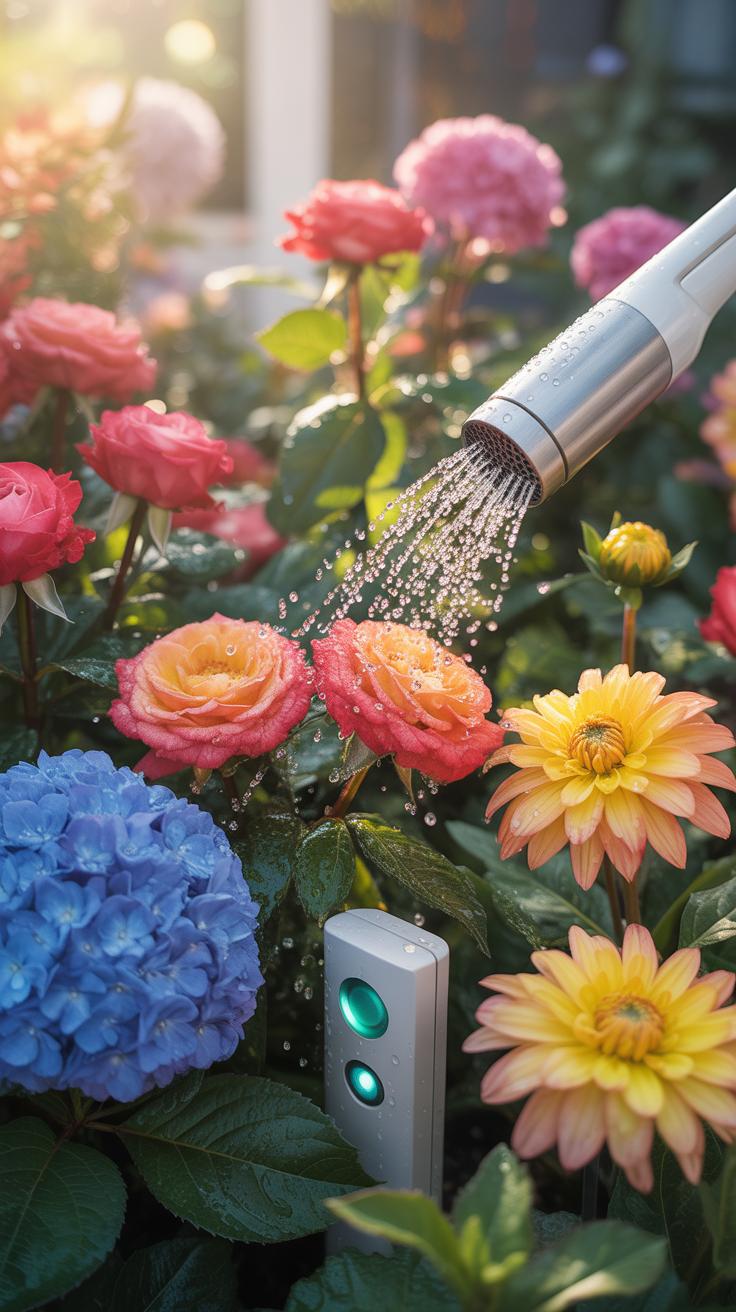
- Electronic Water Sensors: These digital tools monitor moisture levels and temperature in the vase environment. Sensors alert you when the water level drops below the stem ends. Maintaining a consistent water volume prevents the vascular system from collapsing due to sudden dehydration.
- Reusable Floral Frogs: These metal pin holders provide support without the environmental impact of foam. They allow stems to sit directly in open water for maximum hydration efficiency. These tools are the preferred choice for modern sustainable design because they allow for easy water changes.
- Antibacterial Dosing Pumps: Automation tools deliver the exact ratio of flower food and sanitizer to the water. Correct dosing prevents toxic levels of chemicals while inhibiting rapid bacterial growth. These systems ensure the water remains clear and the stems stay Unclogged over several days.
Chemical additives serve a functional purpose beyond basic nutrition. Proper floral food contains a biocide to kill microbes and a buffer to stabilize the acidity. It also includes carbohydrates to provide energy for the opening of the buds. Always measure These additives accurately to avoid damaging the plant tissue. Technology and chemistry now work together to keep flowers fresh longer than traditional tap water alone.
Frequently Asked Questions

Why do my fresh flowers wilt so quickly after I bring them home?
Flowers often wilt prematurely due to air bubbles blocking the stems or bacteria growth in the water. To keep your blooms vibrant, start with basic flower hydration tips like using lukewarm water and removing any leaves that sit below the waterline. These simple steps prevent rot and ensure that your stems can effectively drink, extending the life of your beautiful arrangements for several extra days.
How should I properly cut stems to ensure maximum water absorption?
For the best results, always cut your flower stems at a sharp 45-degree angle using sharp, sterilized shears. This increases the surface area for intake and prevents the stem from sitting flat against the bottom of the vase. Implementing these flower hydration tips immediately after purchase—and re-trimming every few days—guarantees a fresh pathway for moisture, keeping your floral displays looking lush and hydrated throughout the week.
Can I make my own floral preservative using common household items?
Absolutely! You don’t need expensive store-bought packets to keep your bouquet fresh. A simple DIY mixture of lemon juice, a teaspoon of sugar, and a drop of bleach works wonders for hydration and cleanliness. The sugar provides necessary nutrients, while the acid helps water travel up the stem and the bleach kills harmful bacteria. It is an affordable way to maintain professional-level floral health on a budget.