
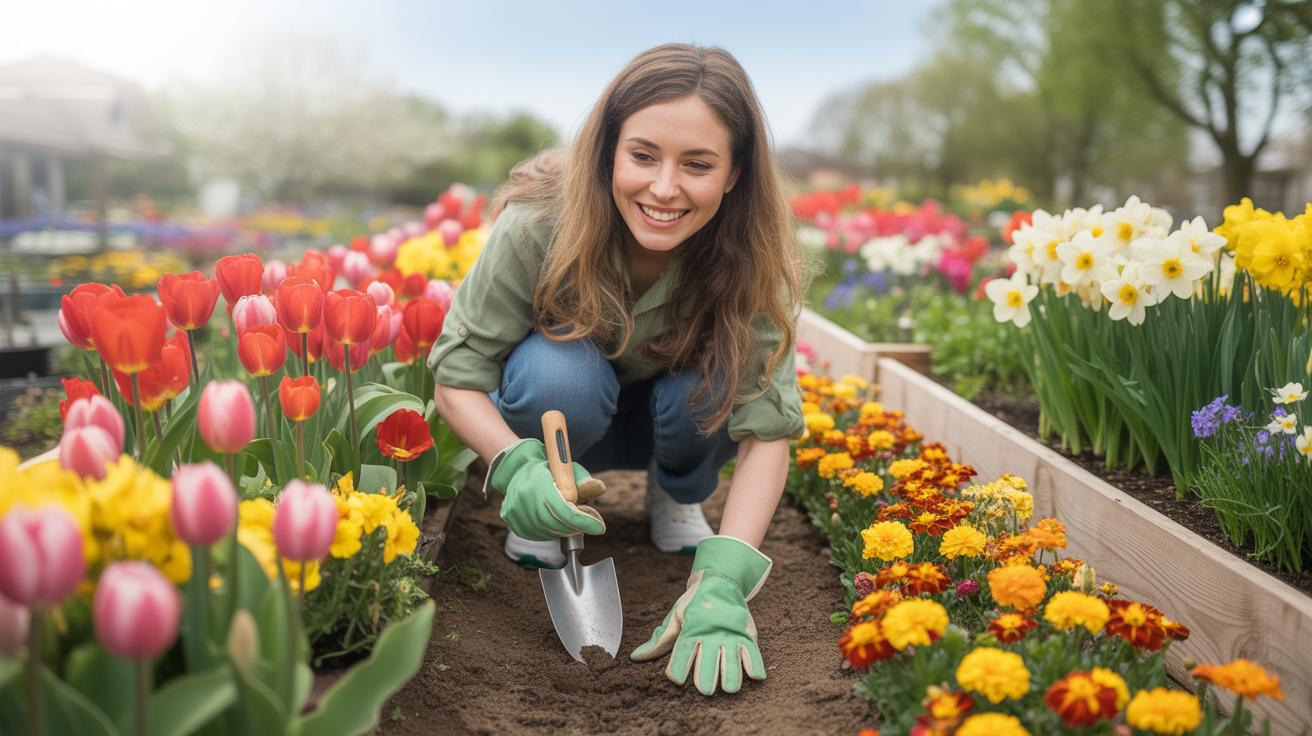
What Is Seasonal Flower Care And Why It Matters For Beginner Flower Care
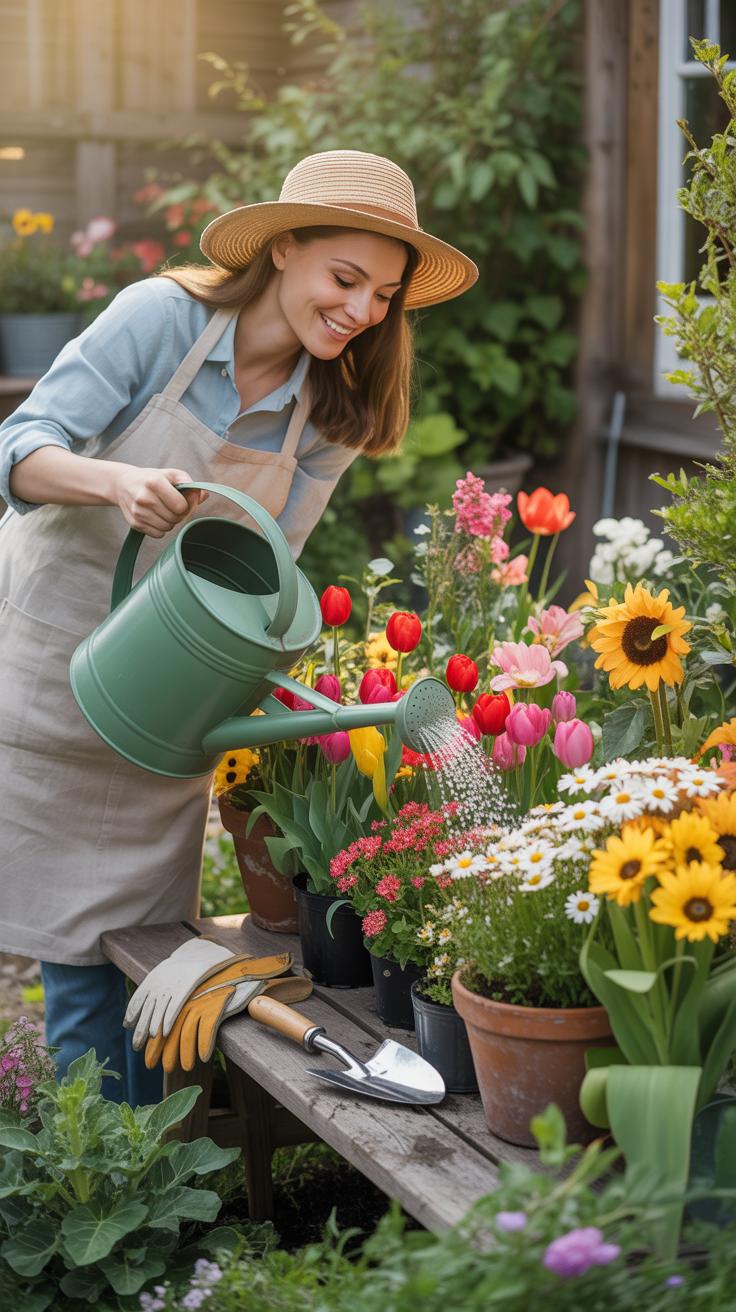
Understanding The Basics Of Flower Care Through The Seasons
Seasonal flower care is the practice of adjusting maintenance routines based on external environmental shifts. Plants respond to changes in temperature, light duration, and moisture levels throughout the year. As a beginner, you must recognize that a single care plan cannot work for twelve months. You must synchronize your watering, feeding, and pruning actions with the specific needs of each calendar quarter to ensure plant survival.
Proper maintenance requires knowing when a plant is active or dormant. Strategic care involves preparing soil in the spring and protecting root systems before the winter freeze. You eliminate waste by applying fertilizer only when the plant can use it for growth. Mastering these cycles prevents common mistakes like overwatering during cold months. This foundational knowledge allows you to control the growing environment and produce consistent results every year.
How Seasonal Rhythms Directly Affect Your Flowers Health And Bloom Cycles
Seasonal rhythms dictate the metabolic rate of every flowering plant in your garden. Light intensity increases in the spring and summer which triggers photosynthesis and flower production. Plants shift their energy from leaf growth to bud formation based on day length. If you ignore these patterns, your flowers will fail to bloom or may experience stunted development. Success depends on your ability to predict these biological shifts.
Temperature fluctuations directly impact moisture evaporation and soil chemistry. High summer heat increases water demand while cold winter air forces many perennials into a protective state of dormancy. Beginners often kill plants by providing too much water when the plant is resting. You must monitor local weather patterns to adjust your tactics. Aligning your labor with these natural cycles ensures your plants remain healthy and resilient against pests and diseases.
Spring Flower Planting How To Get Your Garden Off To A Strong Start
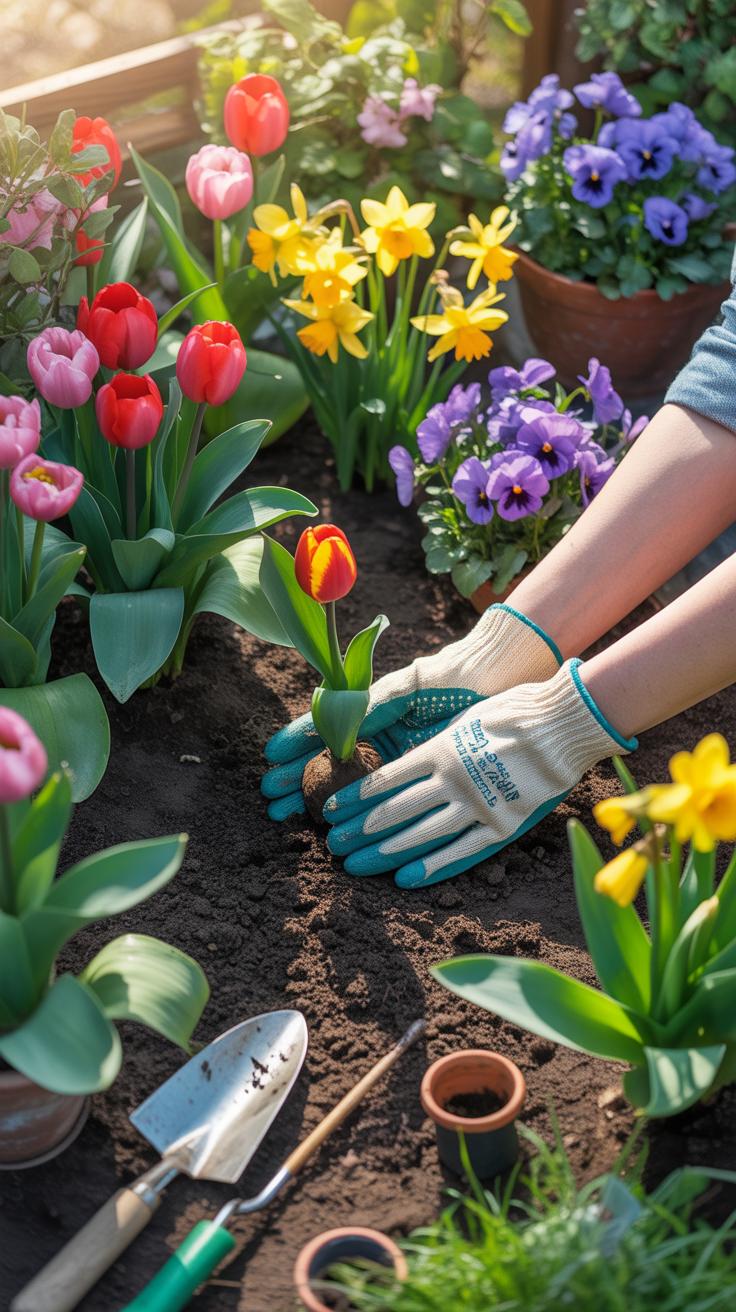
Choosing The Right Spring Blooms And Preparing Your Beds Before The Last Frost
Success begins with cold-hardy species that survive early temperature swings. Select pansies, snapdragons, or sweet alyssum for early color. These plants tolerate light frosts without dying. Check your local hardiness zone to time your planting correctly. Buying established starts from a nursery saves three weeks of growth time. Always inspect roots for white color and firm texture before you buy any new plants.
Prepare the soil as soon as the ground thaws and dries. Test soil moisture by squeezing a handful of dirt. If it crumbles, it is ready for work. Turn the top six inches of soil to improve aeration. Mix in two inches of finished compost to provide immediate nutrients. Remove all winter debris and emerging weeds to prevent competition. Clean beds allow roots to spread quickly and reduce disease risk.
Watering, Mulching, And Feeding Techniques For Healthy Spring Flower Planting
Monitor soil moisture daily during the first two weeks. New transplants have shallow root systems that dry out fast. Water the base of the plant in the morning to prevent leaf fungus. Aim for one inch of water per week through rain or manual irrigation. Use a soaker hose to deliver water directly to the soil. Consistent moisture levels prevent transplant shock and encourage deep root development.

Apply a two-inch layer of organic mulch around your flowers immediately. Wood chips or straw keep the soil temperature steady and hold moisture. Keep mulch away from the green stems to avoid rot. High-phosphorus fertilizer supports strong bloom production after the plants establish themselves. Apply feed according to the product label instructions to avoid chemical burns. Proper feeding and mulching create a sustainable environment for the entire growing season.
Zone 6 Flower Planting Calendar Timing Your Garden For Maximum Blooms
What Zone 6 Means And Which Flowers Thrive In Its Climate Window
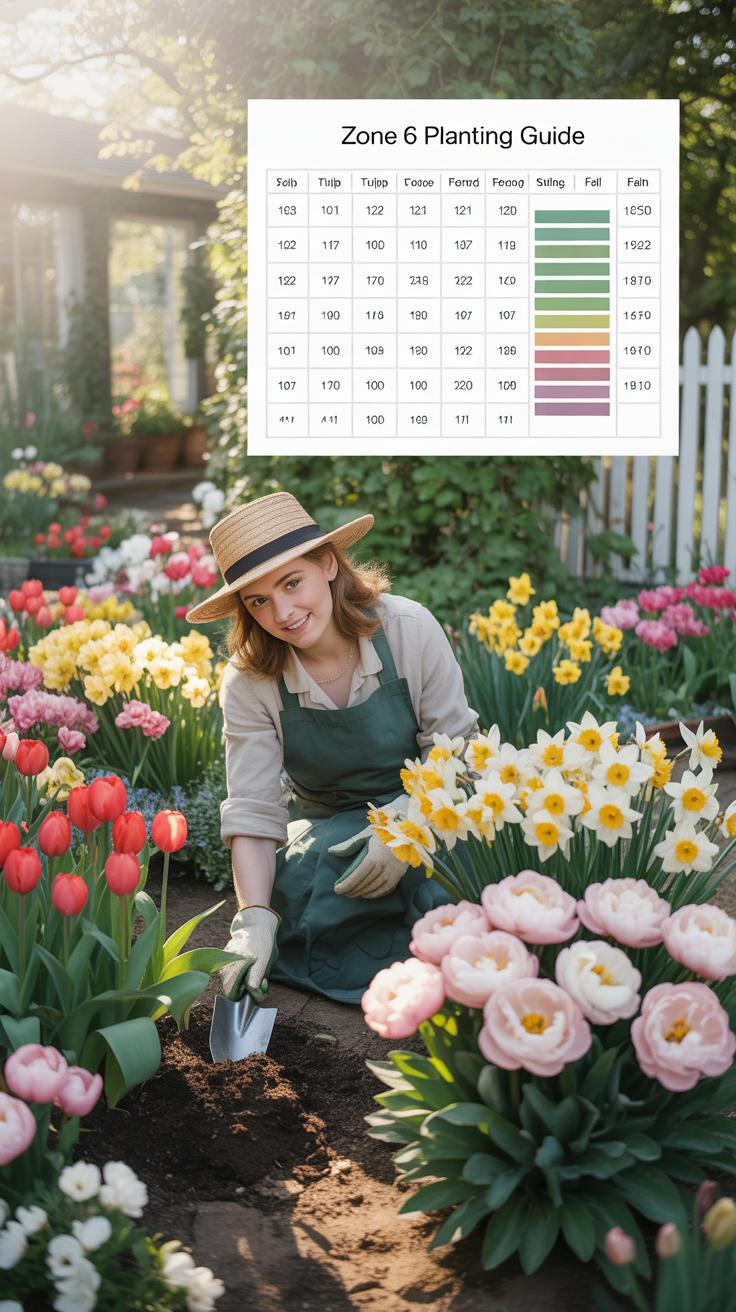
USDA Hardiness Zone 6 experiences average minimum winter temperatures between negative ten and zero degrees Fahrenheit. This region has a medium length growing season that usually lasts from early May until late October. You must select plants that can tolerate cold winters and hot summers. Understanding your local frost dates is the most critical step for success. You cannot rush the spring planting process here.
Perennials like coneflowers, hostas, and daylilies dominate Zone 6 landscapes because they survive deep freezes. For annuals, focus on heat-loving varieties like zinnias and marigolds once the soil warms up. Spring bulbs such as tulips and daffodils require the winter chill of Zone 6 to bloom properly. You should choose native species when possible to ensure high resistance to local pests and typical weather fluctuations.
Month By Month Zone 6 Flower Planting Calendar Guidance For Beginners
Start your indoor seeds in February and March to prepare for the spring transition. Plant cool-season flowers like pansies and snapdragons in April when the soil becomes workable. Wait until after the last expected frost in mid-May to put tender annuals into the ground. Mulching your beds in early June helps retain moisture as temperatures rise. Consistent watering during July and August keeps your blooms from wilting.

Begin planting spring-flowering bulbs in September and October before the ground freezes solid. This timing allows roots to establish without triggering top growth. Clean your garden beds in November by removing dead annuals and cutting back specific perennials. Apply a thick layer of mulch in December to protect dormant roots from temperature swings. Follow this cycle strictly to maintain a healthy and productive Zone 6 flower garden.
Flower Planting Calendar Zone 7 A Warmer Climate Approach To Seasonal Blooms
Key Differences Between Zone 6 And Zone 7 And What That Means For Your Flowers
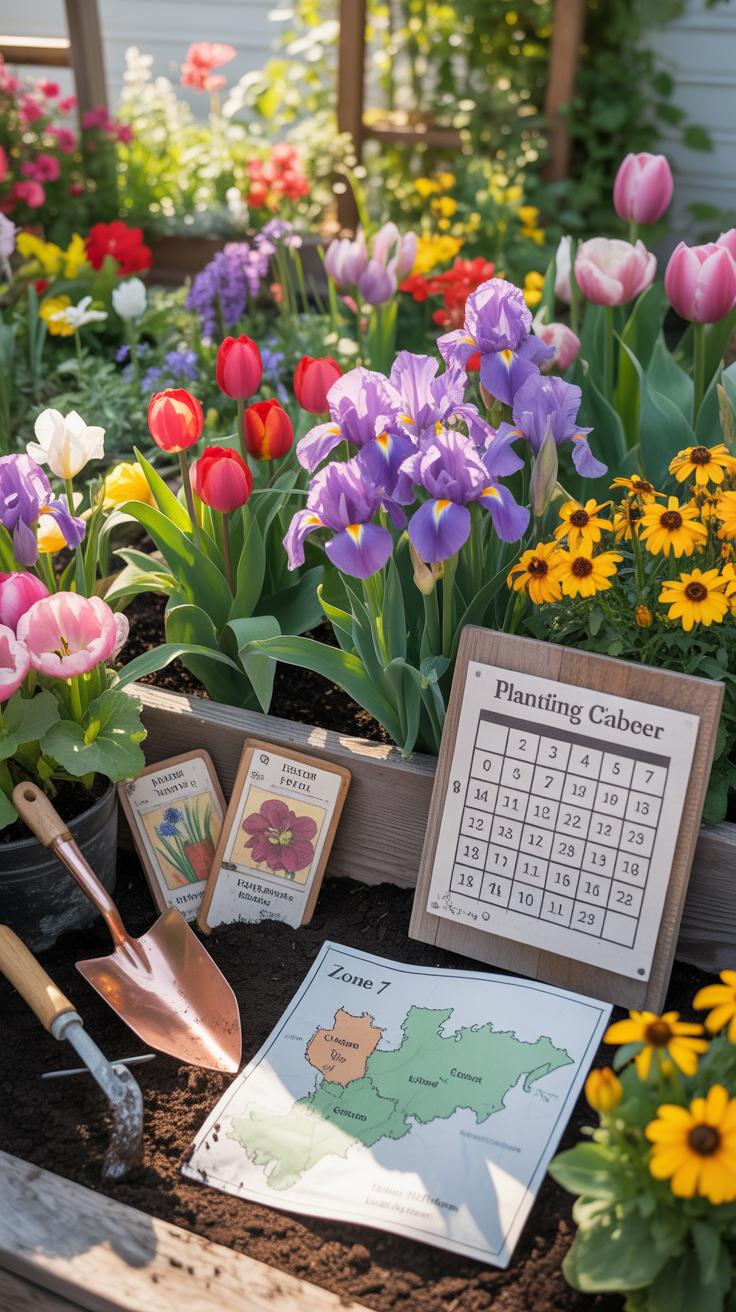
Zone 7 offers a longer growing season than Zone 6. The average minimum winter temperature stays between 0 and 10 degrees Fahrenheit. This warmer floor allows earlier spring planting and later autumn harvests. You gain roughly three to four weeks of active growth. This shift changes your tactical timing for frost sensitive species. You must adjust your schedule to prevent premature heat stress.
Heat arrives faster in Zone 7. High summer temperatures often stall bloom production in cool weather annuals by late May. In Zone 6, these same plants might last through July. You must prioritize heat tolerance when selecting mid-summer varieties. Soil dries out quicker here due to higher evaporation rates. Use mulch to maintain consistent root temperatures. Proper timing ensures your flowers survive the intense southern sun.
The earth laughs in flowers, and tending their simple seasonal needs is like keeping a gentle promise to spring.
Best Flowers To Plant Each Season Using A Flower Planting Calendar Zone 7 Framework
Plant pansies and violas in early March. These species handle light late season frosts without damage. Move to heat loving plants like zinnias and marigolds by May. These varieties thrive when soil temperatures hit 65 degrees. Follow a strict watering schedule during the July heat peak. Provide supplemental irrigation during dry spells to keep petals from wilting. This maintains color through the harshest months.

Sow fall crops like snapdragons in late August. The cooling air encourages a second flush of growth. You can plant spring bulbs from October through December. The ground rarely freezes solid enough to block late season work. This flexibility allows for staggered bloom times in the following year. Focus on drainage for wintering plants. Wet soil kills more plants in Zone 7 than cold temperatures do.
What Does Soil Level Mean In Gardening And How It Impacts Flower Care
Defining Soil Level In Gardening: Grade, Depth, And Why It Matters For Drainage
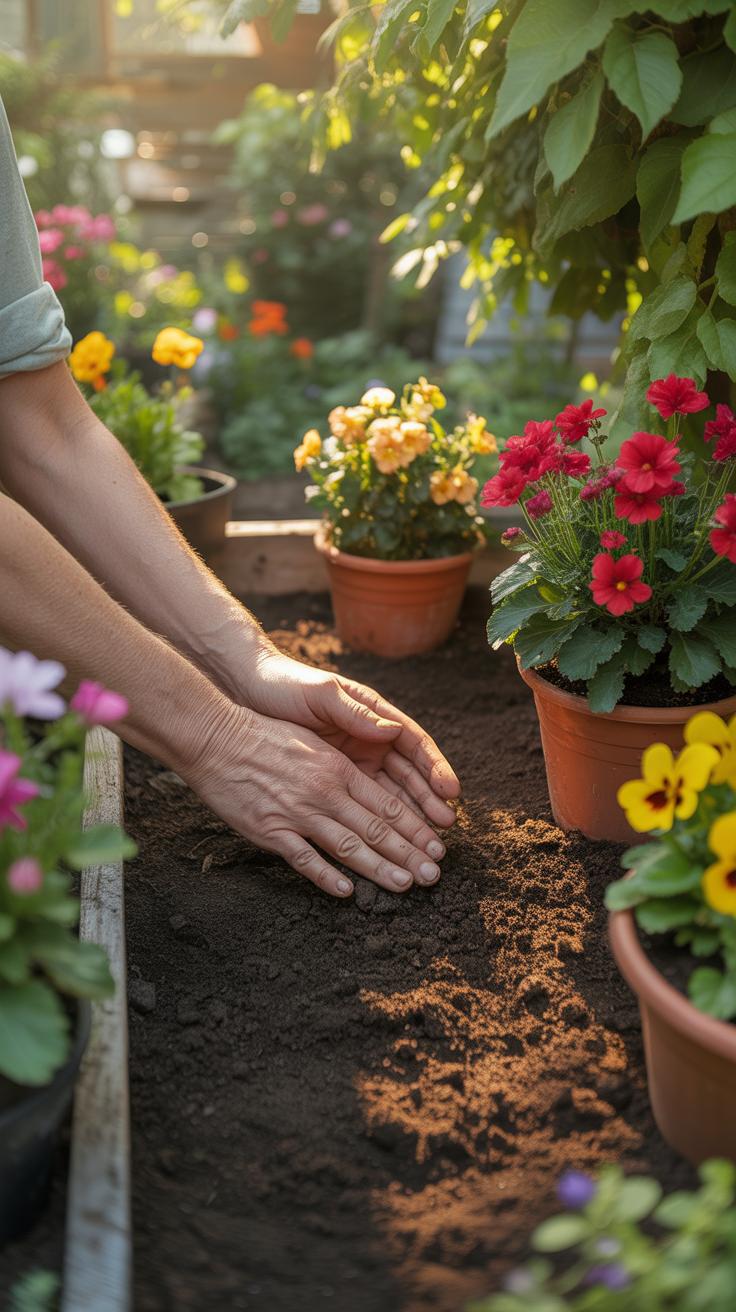
Soil level refers to the finished surface of the dirt relative to the surrounding landscape and plant crowns. In professional gardening, this is called the grade. A proper grade slopes away from structures to prevent water pooling. If the soil level sits too high against a plant stem, it causes decay. If it sits too low, it exposes sensitive roots to air and heat.
Correct soil depth ensures adequate water retention and nutrient access for seasonal flowers. Proper leveling manages surface runoff and prevents erosion during heavy rain. You must maintain a level that covers the root ball but stops exactly at the flare of the stem. This precise height allows for gas exchange and prevents fungal infections. Monitoring these levels is vital for long term flower health and drainage.
How To Adjust Soil Level In Your Garden Beds For Healthier Flower Root Systems
To adjust soil levels, you must first remove existing mulch to see the true dirt surface. Add a high quality compost mix to raise areas that sit too low. Use a metal rake to spread the material evenly across the bed. Avoid burying the base of your flowers while you work. Focus on creating a flat or slightly mounded surface to improve water distribution.

If the soil level is too high, you must excavate the excess material carefully. Use a hand trowel near delicate root systems to avoid structural damage. Compact the new surface lightly to prevent immediate sinking after the first watering. Seasonal flowers need consistent soil density to support their weight. Check these levels every spring and fall to account for natural settling and organic matter decomposition.
Attracting Beneficial Insects To Support Your Seasonal Flower Garden
Guidance Which Beneficial Insects Help Pollinate And Protect Your Flowers Naturally
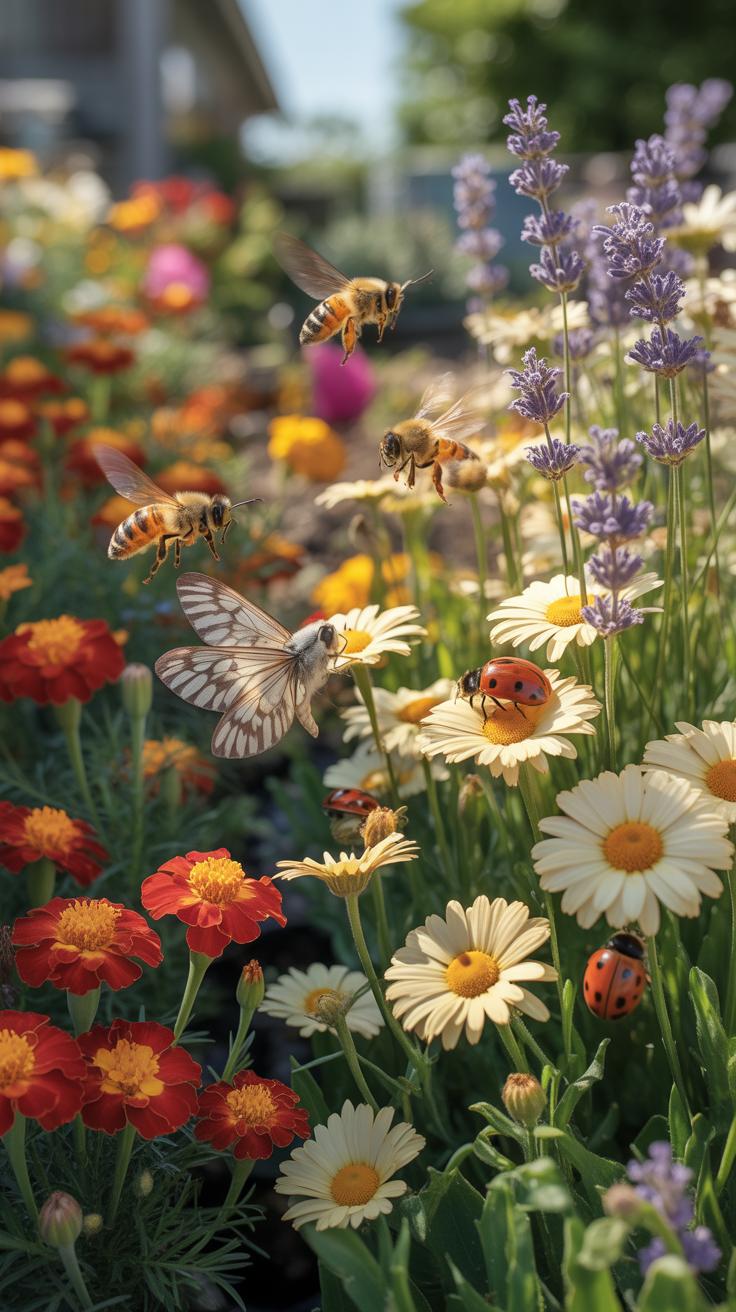
Beneficial insects fall into two primary categories: pollinators and predators. Pollinators like honeybees and solitary bees transfer pollen to ensure fruit and seed production. Hoverflies also pollinate while their larvae consume aphids. These insects improve the reproductive success of your flowers. Without them, your garden yields fewer blooms. Understanding these roles allows you to manage your garden as a functional ecosystem.
Predatory insects provide free pest control by hunting harmful bugs. Ladybugs and lacewings eat aphids, mites, and scale insects that drain plant sap. Parasitic wasps lay eggs inside caterpillars to stop them from eating your foliage. Using these natural hunters reduces the need for manual intervention. You gain a self-regulating environment where beneficial species keep pest populations below the threshold of significant damage.
Beginner Tips For Attracting Beneficial Insects Without Using Harmful Chemicals
Chemical pesticides kill indiscriminately and destroy the balance of your garden. To attract helpful bugs, you must provide reliable food and shelter. Plant a variety of flowers that bloom at different times throughout the year. Avoid highly bred double blooms because they often hide nectar and pollen from insects. Create a habitat that supports the entire life cycle of these creatures.
- Diversify Bloom Shapes: Flat, open flowers like dill or yarrow allow small beneficial wasps to reach nectar easily. Tubular flowers attract bees and butterflies with specialized mouthparts. Providing multiple shapes ensures different species can feed throughout the season without struggle.
- Provide Water Sources: Insects need hydration to survive heat and maintain energy levels. Place shallow dishes filled with pebbles and water around the garden. The stones give bees and ladybugs a safe place to land so they do not drown while drinking.
- Leave Some Garden Litter: Dead hollow stems and leaf piles provide vital nesting sites for solitary bees and overwintering ladybugs. Cutting everything back in the fall removes these natural homes. Keep certain areas messy to protect the next generation of beneficial insects during cold months.
- Eliminate Broad Pesticides: Synthetic sprays kill the very insects you want to attract. These toxins linger on petals and poison pollinators during feeding. Switch to targeted physical removal or wait for predators to arrive. A small pest population is necessary to keep the beneficial hunters fed.
- Plant Native Species: Local insects evolved alongside native plants and prefer them for food and egg-laying. Native flowers generally require less maintenance and offer better nutritional value than exotic imports. Check local guides to select species that naturally thrive in your specific hardiness zone.

Consistent availability of resources keeps beneficial insects on your property. If they find food and water, they will stay and reproduce. This long-term strategy builds a resilient garden that defends itself. Monitor your plants regularly to see these insects in action. Success looks like a garden filled with diverse life rather than a sterile, silent environment.
Creating A Beautiful Flower Display Seasonal Arrangement Ideas For Every Skill Level
How To Plan A Flower Display That Looks Stunning Across All Four Seasons
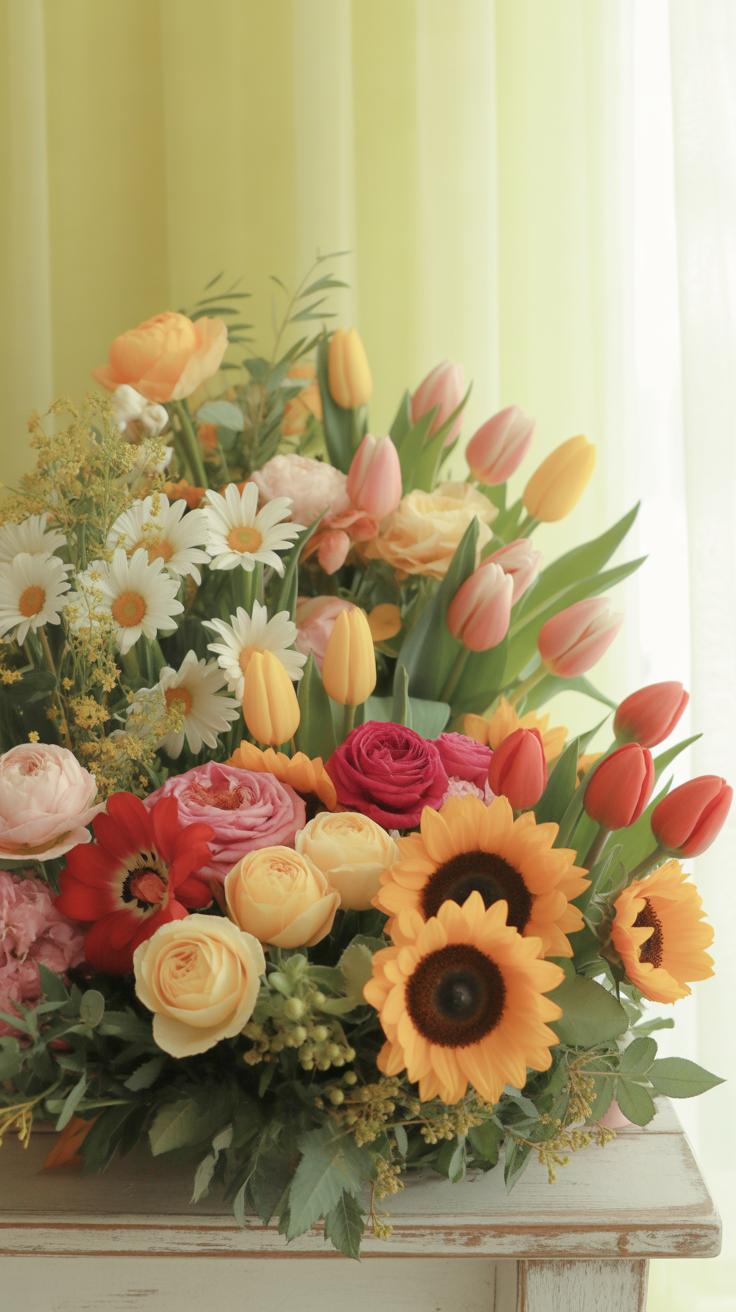
Successful seasonal flower care requires a rotation schedule based on local hardiness zones. You must select plants that peak at different times to avoid empty gaps in the garden. Early spring relies on bulbs like tulips and narcissus planted the previous autumn. These provide immediate color while summer perennials finish their dormant phase. Tactical planning ensures that as one species fades another begins its primary bloom cycle.
Maintain visual interest during transition months by integrating structural plants. Use shrubs or evergreens to provide a permanent framework for the display. High summer demands heat tolerant species like zinnias or salvia to maintain density. Autumn displays require late bloomers such as asters or sedum to extend the season. Proper spacing prevents overcrowding and reduces disease risk. A strategic layout focuses on consistent soil nutrition and aggressive deadheading.
Combining Color, Height, And Bloom Time For An Eye Catching Flower Display
Designers use the thrillers fillers and spillers method to organize plants by height and function. Place tall specimens at the center or back of the arrangement to create a vertical anchor. Layer medium height plants around the base to add volume and shield stems. Low growing varieties should edge the front to soften borders. This tiered approach mimics natural growth patterns and maximizes sun exposure for every plant layer.
Color selection follows the principles of the color wheel to influence visual impact. Complementary colors like purple and yellow create high contrast and energy. Analogous colors like red and orange provide a harmonious and calm look. You must coordinate bloom times so these colors appear simultaneously. Select a primary species for each month and build the supporting cast around its specific requirements. Consistent pruning keeps the display balanced and healthy.
Gardening Images And Visual Inspiration To Guide Your Seasonal Flower Care
How To Use Gardening Images As A Practical Reference For Plant Identification And Layout
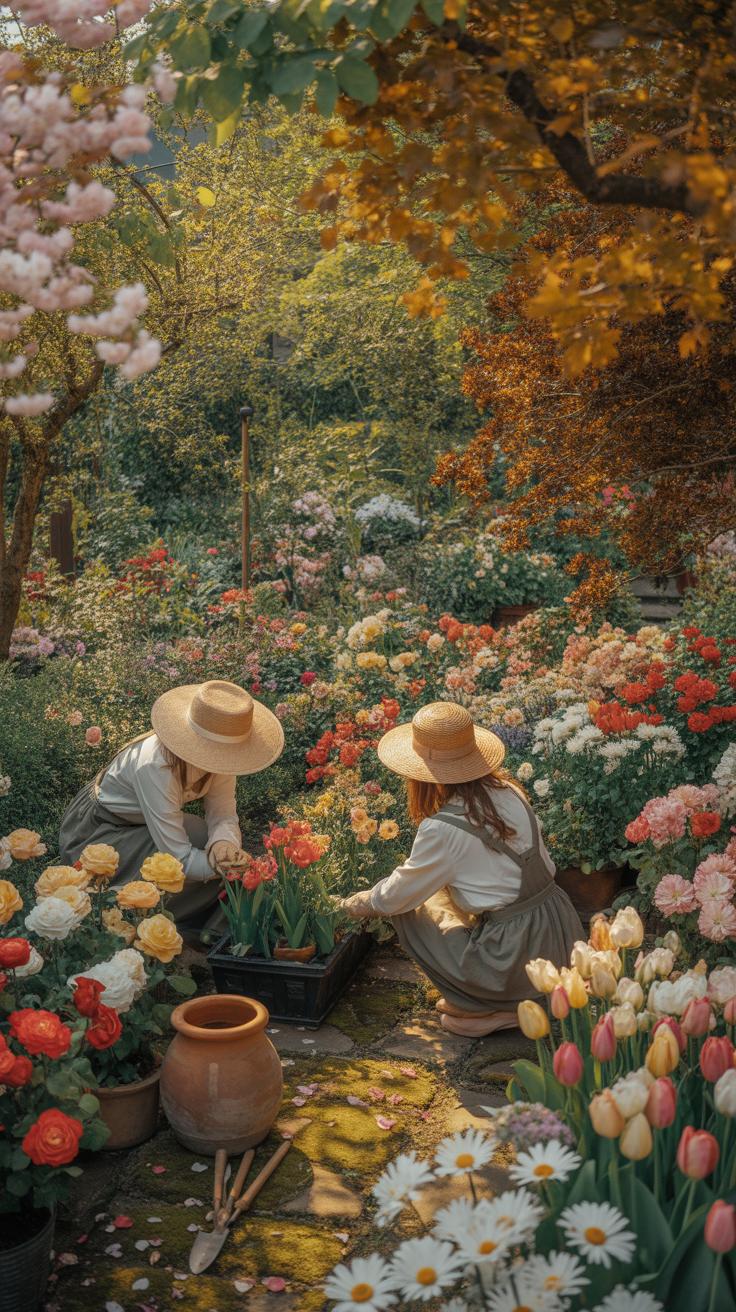
Visual references provide a baseline for physical plant health. Use high-resolution images to compare leaf shape, stem structure, and petal color against your own crops. Accurate identification prevents costly maintenance errors like overwatering weeds or pruning dormant perennials. Detailed photos clarify the difference between disease and natural seasonal fading. Beginners must rely on these visual markers to determine when a plant reaches peak maturity.
Strategic garden layouts require spatial awareness that text alone cannot provide. Study images of established flower beds to understand mature heights and spread. Use these visuals to plan the physical gap between root balls during spring planting. Proper spacing ensures adequate airflow and reduces fungal risks. Photos of professional borders demonstrate how to layer tall back-row species with low-growing groundcovers. This visual planning ensures every plant receives sufficient sunlight.
Where To Find Reliable Gardening Images That Accurately Reflect Seasonal Growth Stages
University extension websites offer the most reliable visual data for seasonal growth stages. These institutions provide massive photo databases categorized by local climates and specific hardiness zones. Images from academic sources show plants in various states including dormancy, budding, and senescence. This factual imagery helps you recognize what a healthy plant looks like in mid-winter. Avoid filtered social media posts that distort true plant colors and scale.

Botanical garden archives and horticultural societies maintain strict standards for botanical accuracy. These organizations document the structural changes of flowers from seed to soil. Use these specialist libraries to see how specific varieties respond to heat or frost. Many archives include historical sketches that highlight essential anatomical features. Reliable images allow you to track developmental milestones with precision. Consult these technical resources to confirm your garden follows a predictable growth timeline.
2026 Vision Board Gardening Planning Your Dream Flower Garden In Advance
What Is Vision Board Gardening And How It Helps Beginners Plan Seasonal Goals
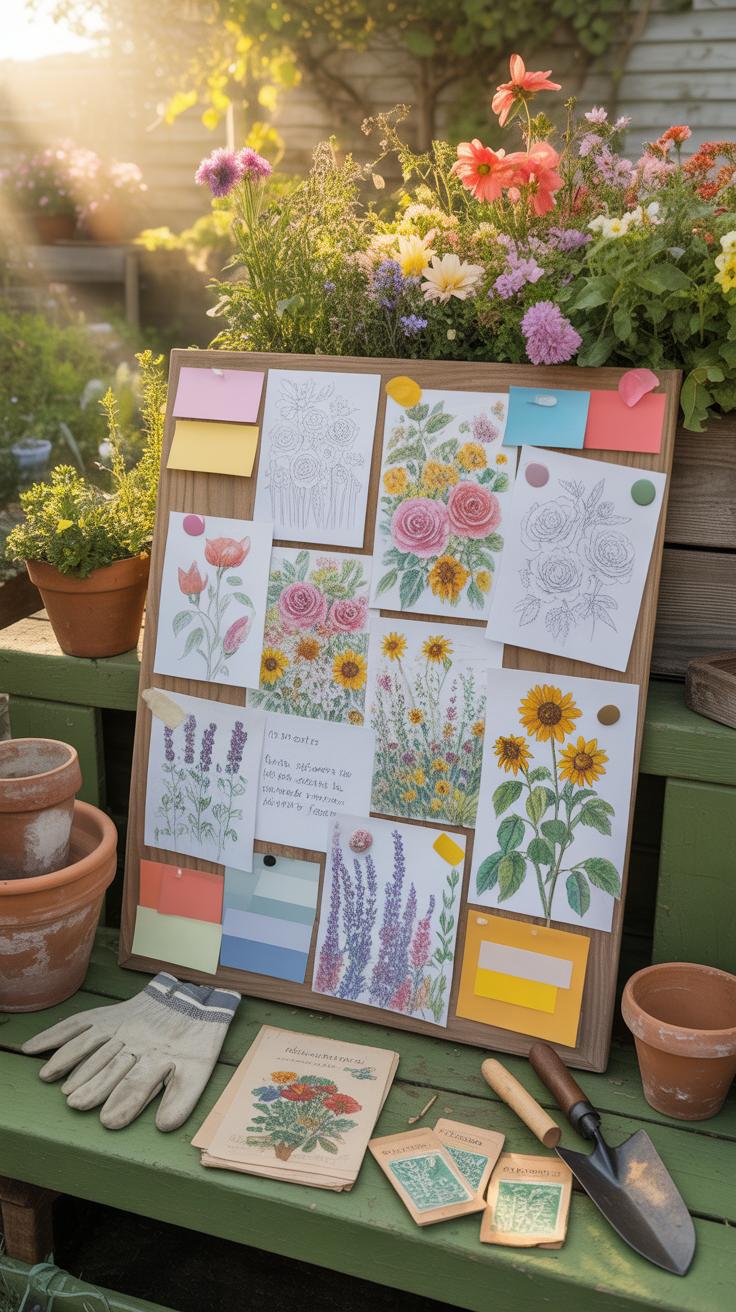
Vision board gardening is a strategic mapping technique. It uses visual cues to align planting schedules with climate realities. Beginners often fail because they buy plants on impulse. A vision board forces you to look at the full year. You track sunlight patterns and soil drainage before spending money. This method creates a clear roadmap for your specific hardiness zone and soil type.
Planning years in advance prevents common landscape errors. You can visualize how perennials grow over time. Most beginners ignore mature plant dimensions. A board helps you organize plants by height and bloom time. This ensures your garden has color every month. You stop reacting to the current weather. Instead, you anticipate the needs of each season. Proper planning reduces plant loss and saves significant capital.
Steps To Build Your 2026 Vision Board Gardening Plan Around Seasonal Flower Care
Start by identifying your USDA Hardiness Zone. This number dictates which flowers survive your local winter temperatures. Document the physical characteristics of your site. Note where the sun hits at different times of the year. Gather images of plants that thrive in those specific light levels. Use a physical board or a digital tool to arrange these specimens by their bloom seasonality.
- Hardiness Zone Verification: Research your specific climate zone using updated meteorological maps. This data prevents you from purchasing flowers that cannot survive your local minimum temperatures. It is the most critical step for long term plant survival and budget management.
- Light Exposure Mapping: Observe your yard for one full day to track sun movement. Distinguish between full sun, partial shade, and full shade areas. Place sun loving plants like Zinnias in bright spots and shade dwellers like Hellebores in protected corners.
- Bloom Sequence Chronology: Organize your chosen flowers by their expected flowering month. Ensure you have a mix of early spring bulbs, mid summer perennials, and late fall annuals. This tactic eliminates gaps in your garden color profile throughout the entire growing season.
- Soil Analysis Testing: Conduct a pH and nutrient test on your garden beds. Use these results to select plants that match your existing soil chemistry. Trying to change soil pH is difficult so choosing compatible plants is a more efficient and successful strategy for beginners.
- Mature Growth Scaling: Research the final height and width of every plant on your vision board. Space them according to their size at three years of age rather than their size at the nursery. This prevents overcrowding and reduces the risk of fungal diseases.
Compare your visual plan against a realistic maintenance schedule. Note when each species requires pruning or supplemental feeding. Assign specific tasks to months based on the growth cycles of your selected flowers. This step turns a conceptual board into a tactical operations manual. A well constructed plan removes guesswork from your daily routine. Stick to the list to ensure a healthy and productive 2026 garden.
Common Seasonal Flower Care Mistakes Beginners Make And How To Avoid Them
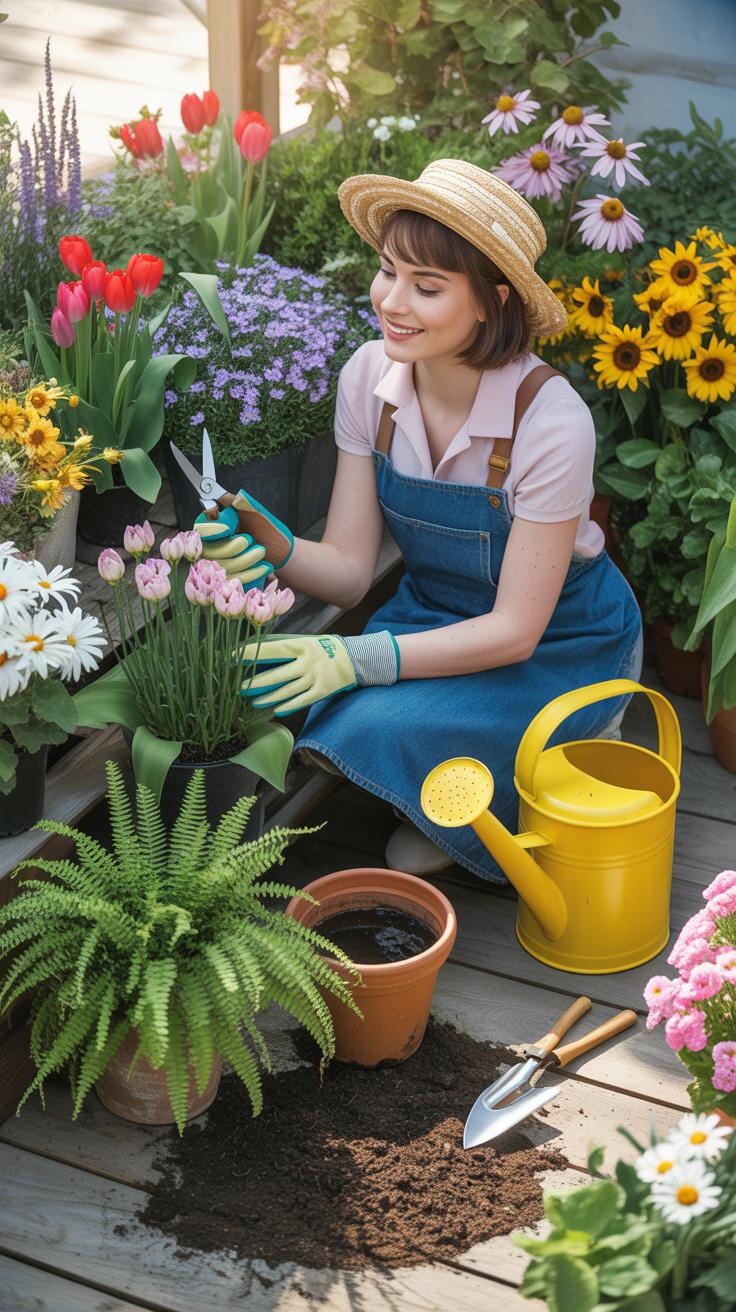
Overwatering, Wrong Timing, And Soil Neglect: The Top Flower Care Pitfalls
Beginners often kill plants by providing too much water. Excessive moisture drowns roots and triggers fungal diseases like root rot. You must check the soil depth for dryness before adding more water. Many gardeners also plant flowers out of season. Placing frost-sensitive annuals in the ground too early leads to immediate plant death. Timing dictates the success of every seasonal bloom.
Soil neglect is another major error that ruins flower health. Most beginners assume any dirt will work for every plant. High-performance seasonal flowers require specific nutrient levels and proper drainage. Compacted soil prevents oxygen from reaching the root zone. Without the right soil texture, plants cannot absorb nutrients effectively. This lack of preparation forces the plant to struggle from day one.
Simple Corrective Habits That Keep Your Seasonal Flowers Thriving Year After Year
Successful flower care requires a consistent observation routine. You should inspect your plants daily for signs of stress or pests. Removing faded blooms, known as deadheading, encourages the plant to produce more flowers instead of seeds. This simple habit extends the blooming season significantly. Use sharp, clean tools to make precise cuts. This prevents the spread of disease between different plants.
Healthy plants start with proper spacing and nutrient management. Follow the spacing guidelines on plant tags to ensure adequate airflow. Good circulation reduces the risk of powdery mildew and other airborne pathogens. Apply fertilizer based on the specific needs of the growth stage. High phosphorus promotes better blooming while nitrogen supports green foliage. Testing your soil annually helps you apply only what the flowers need.
Frequently Asked Questions

What are the most important things for a beginner to know about keeping seasonal flowers alive?
The foundation of successful seasonal flower care starts with understanding your specific environment and the light requirements of your blooms. Beginners should focus on consistent watering schedules and ensuring proper drainage to prevent root rot. By matching the right plant to the current season’s temperature, you simplify the process. Taking these small, intentional steps ensures your home stays vibrant and your new gardening hobby feels rewarding rather than overwhelming.
How do I transition my flower containers from one season to the next?
To transition your containers, start by removing spent annuals and refreshing at least the top third of the potting soil with nutrient-rich compost. When implementing seasonal flower care for the new weather cycle, choose plants with similar water and light needs to group together. Always clean your pots thoroughly between seasons to prevent lingering pests or diseases from affecting your fresh, beautiful new arrangements and ensuring long-lasting color.
Can I maintain a beautiful seasonal flower display if I am on a strict budget?
Absolutely! You can master seasonal flower care without spending a fortune by purchasing young “starter” plants instead of full blooms or growing hardier varieties from seed. Additionally, reusing high-quality potting mix by revitalizing it with organic granules saves money. Swapping cuttings with neighbors or shopping at local nurseries during end-of-season clearances are also fantastic ways to keep your home floral and stylish while staying well within your target budget.