What Makes A Ceramic Pot Plant The Perfect Choice For Indoor And Outdoor Gardening
The Natural Properties Of Ceramic That Benefit Plant Health
Ceramic pots utilize kiln-fired clay to create a stable environment for roots. The natural density of the material provides excellent thermal mass. This keeps soil temperatures consistent during rapid weather shifts. Heat does not transfer quickly through thick ceramic walls. This insulation prevents root shock in summer and winter. Stable temperatures promote steady nutrient uptake and consistent plant development.
Porosity is the most critical feature of unglazed ceramic. This material allows air and moisture to move through the pot walls. Microscopic pores facilitate gas exchange between the soil and the atmosphere. Oxygen reaches the root zone more effectively than in airtight containers. This gas movement prevents carbon dioxide buildup. Proper aeration creates a healthy microbiome within the growing medium for better growth.
Why Ceramic Outperforms Plastic And Metal Pots For Long Term Plant Growth
Plastic pots degrade under ultraviolet light and become brittle over time. Metal containers conduct heat rapidly and can cook roots in direct sunlight. Ceramic resists sun damage and maintains structural integrity for decades. Heavy ceramic bases also provide physical stability for top-heavy plants. This weight prevents tipping in high winds or high traffic areas. It is a one-time investment for long-term landscaping.
Moisture management is superior in ceramic vessels compared to non-porous alternatives. Plastic and metal trap water which leads to anaerobic soil conditions and root rot. Ceramic wicks excess moisture away from the root ball through evaporation. This process helps prevent overwatering mistakes common in indoor gardening. You gain a wider margin of error for plant care. The material works with the plant’s natural hydraulic needs.
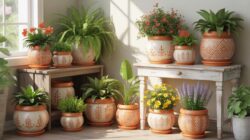
Top Ceramic Plant Pot Ideas To Inspire Your Home DCor Style
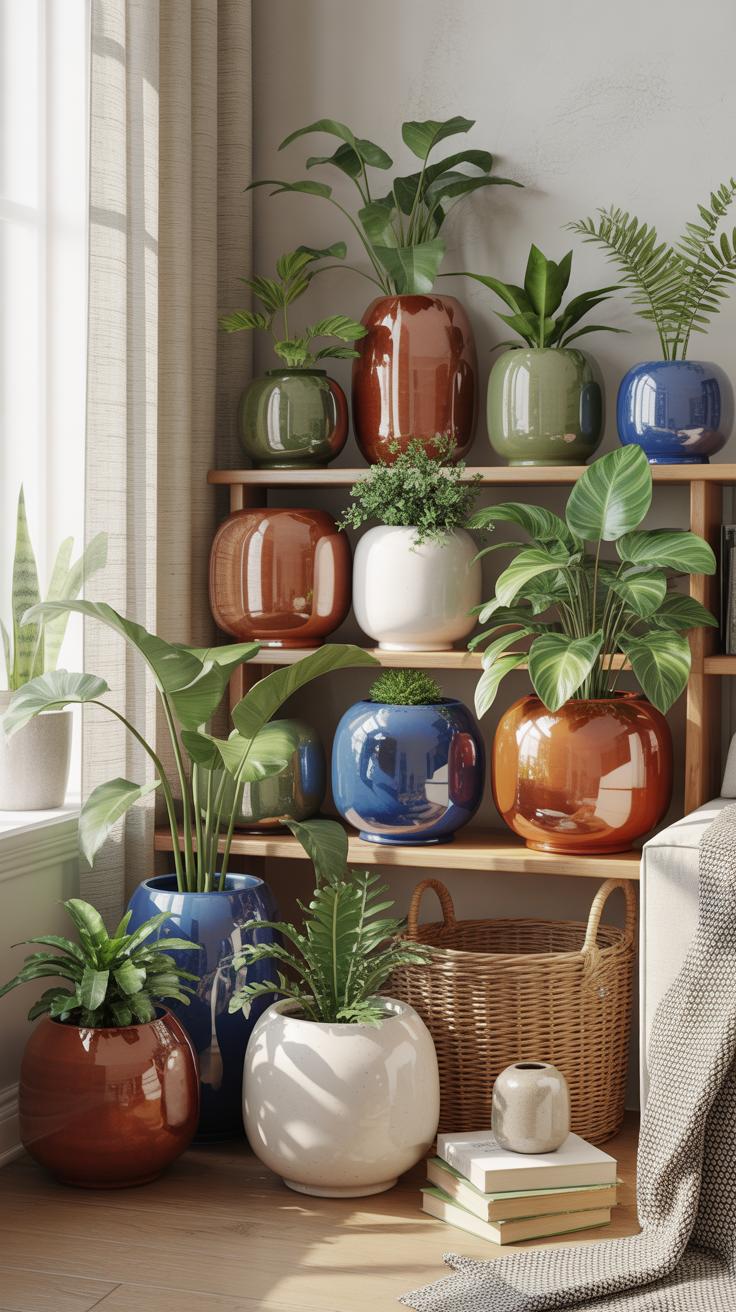
Minimalist And Modern Ceramic Designs That Complement Contemporary Interiors
Modern minimalist design relies on geometric precision and neutral color palettes. These planters use matte glazes or raw unglazed surfaces to emphasize shape over decoration. Cylindrical and conical forms fit best in professional settings or open floor plans. The lack of visual noise allows the plant structure to become the primary focal point. Choose high-fire stoneware for durability and a consistent finish that reflects industrial standards.
Tactical placement of minimalist ceramics creates balance in a room. Use monochromatic groupings of various heights to add depth without adding clutter. These pots often feature hidden drainage systems or internal reservoirs to maintain a clean exterior profile. Select whites, grays, or charcoal tones to match architectural finishes. This approach ensures your greenery looks intentional and integrated rather than scattered. High-quality clay bodies prevent cracking and maintain structural integrity.
Bohemian And Artisan Painted Ceramic Pots That Add Character To Any Room
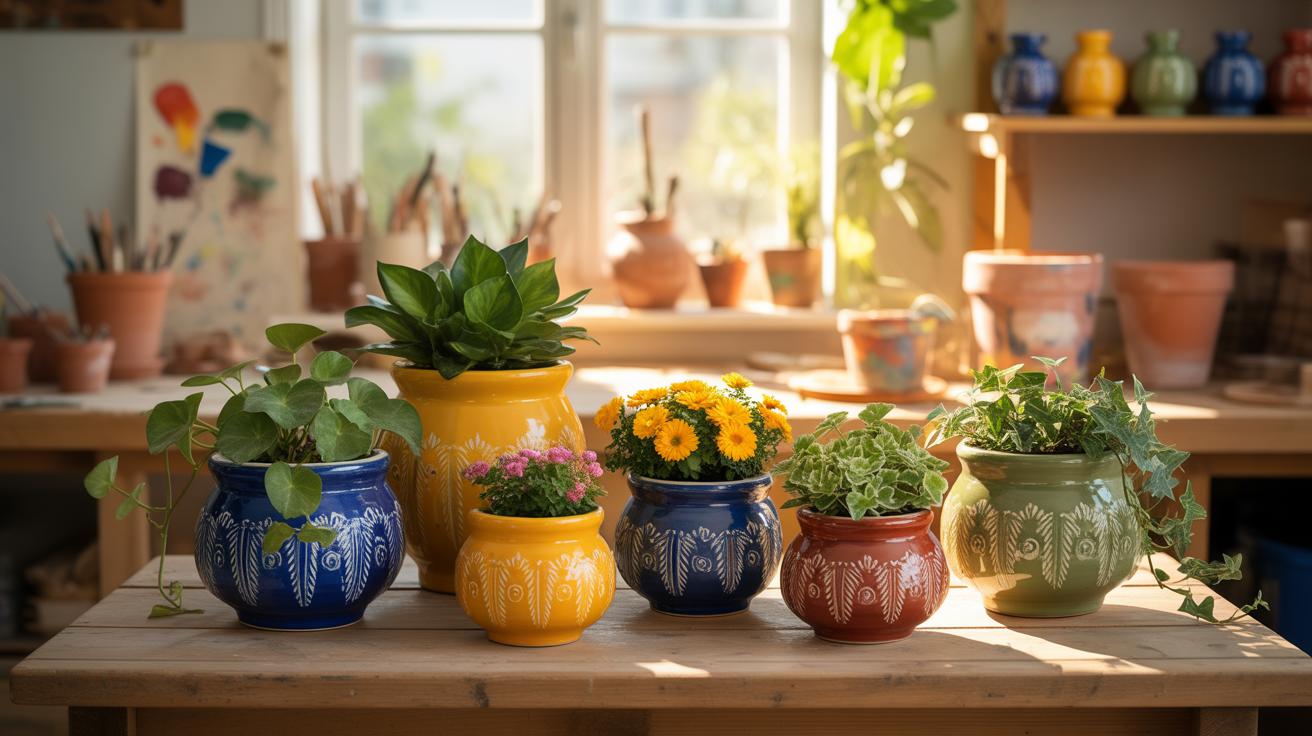
Bohemian ceramic styles focus on hand-applied textures and global influences. These pots often utilize sgraffito techniques to scratch designs into the clay surface. Artisans use wax resist methods to create intricate patterns that highlight the contrast between glaze and raw earth. Earthy tones like terracotta, ochre, and cobalt dominate this category. These pieces reflect a human touch and break the rigidity of standard factory-made housing containers.
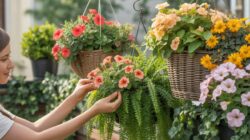
Integration of artisan ceramics requires a focus on tactile variety. Mix different glazing styles like crackle, drip, or reactive finishes to build a curated aesthetic. These pots often feature irregular rims or hand-molded shapes that celebrate material imperfection. This style works well in casual living areas where comfort is the goal. Use these planters to introduce warmth into cold spaces. The dense walls of these ceramic pots provide excellent insulation for roots.
How To Choose The Right Plant Pots Ceramic Style For Every Plant Type
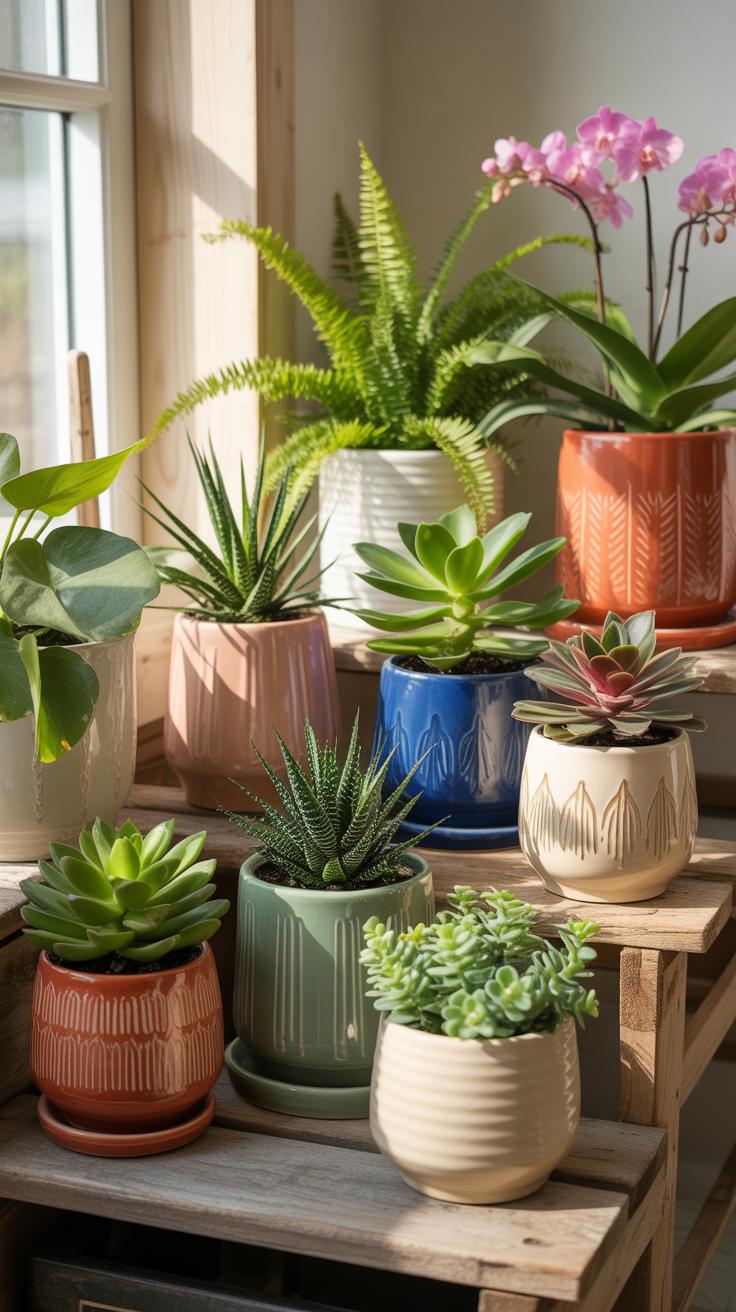
Matching Pot Size And Drainage Design To Your Specific Plant’S Root Needs
Root systems determine your choice of vessel. Taproots require deep cylindrical pots to grow downward without hitting the base too early. Fibrous root systems need wider bowls to spread out near the surface. You must match the pot diameter to the current root ball size. Leave only one inch of space on all sides. Too much soil holds excess water and causes root rot.
Drainage holes are mandatory for most species. Ceramic pots often lack these holes unless specified. Use a masonry bit to drill your own or use the ceramic pot as a cachepot. High-drainage designs prevent salt buildup in the growing medium. Always check the bottom of the pot before buying. Proper airflow at the root level keeps the plant alive and healthy over time.
Selecting Glazed Vs. Unglazed Ceramic Pots Based On Moisture And Climate Conditions
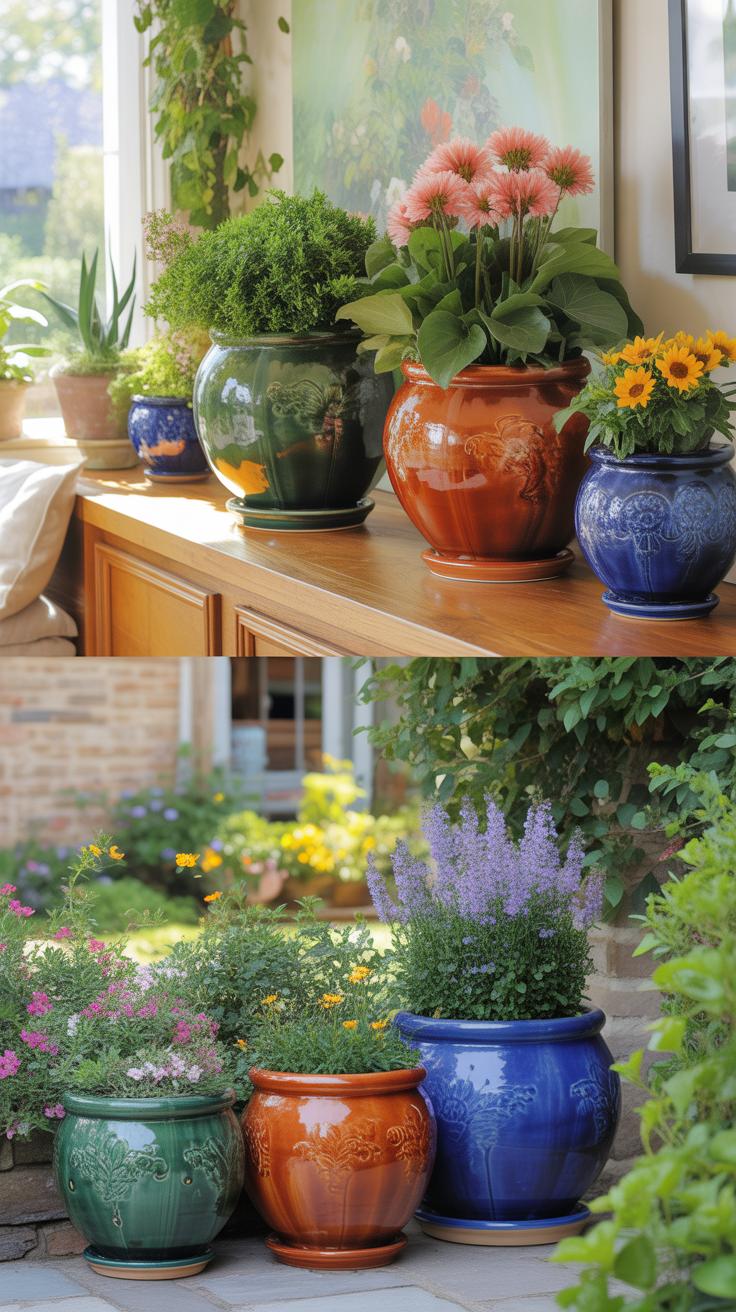
Glazed ceramic acts as a vapor barrier. The fired glass coating prevents water from escaping through the clay walls. This setup suits tropical plants that need constant moisture. Use glazed pots in dry indoor climates to reduce your watering frequency. The finish stays cool to the touch but does not breathe. This makes it ideal for ferns or peace lilies that thrive in damp soil.
Unglazed ceramic like terracotta and stoneware is porous. These pots allow air and water to move through the material. This evaporation cools the roots and prevents soil saturation. Cacti and succulents require this breathability to simulate desert conditions. Choose unglazed options for outdoor use in humid areas. The natural material helps move moisture away from the plant to prevent fungal issues and rot.
Cute Plant Pot Designs That Bring Personality And Playfulness To Your Space
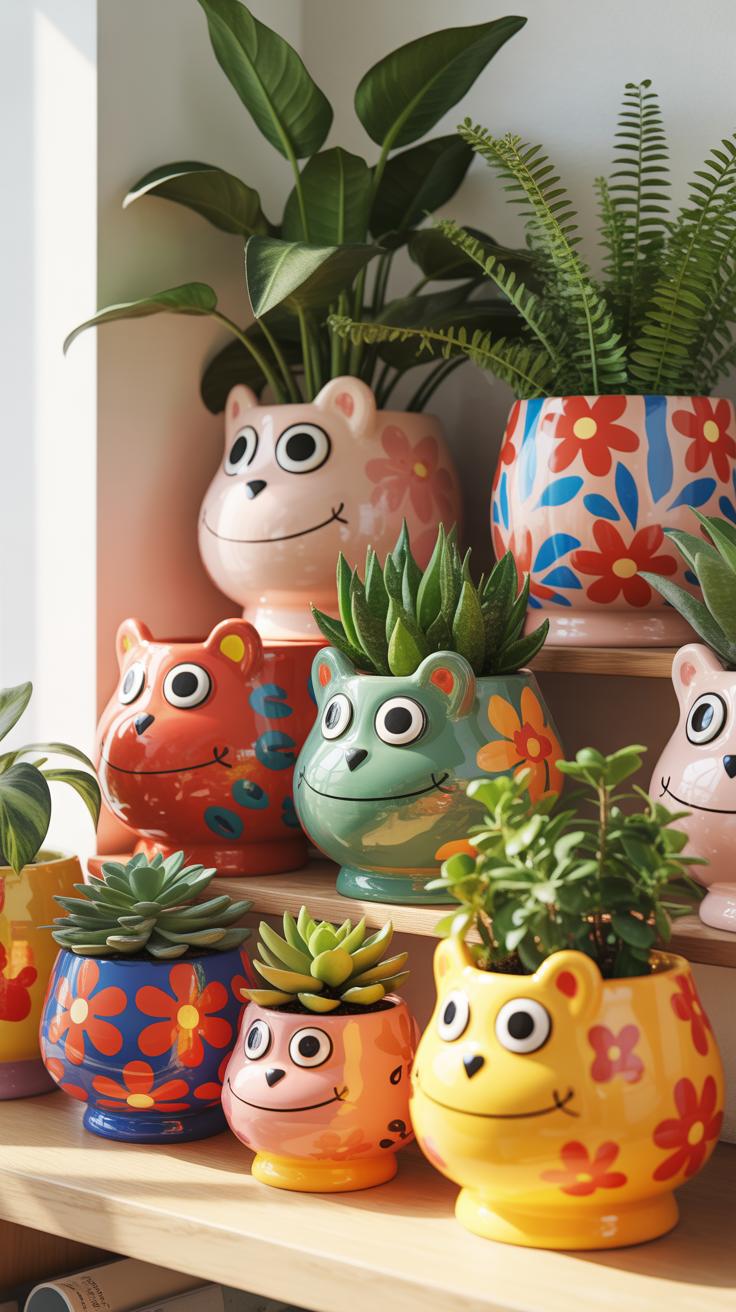
Animal Shaped And Novelty Ceramic Pots That Make Thoughtful Gifts And DéCor Pieces
Animal-shaped ceramic pots provide immediate visual interest through zoomorphic forms. Designers use slip casting to mass-produce complex shapes like hedgehogs or cats reliably. High-fire stoneware ensures these novelty items remain durable and waterproof. Owners use them as focal points on side tables or mantels. These pots work best with succulents or small cacti. The plant height must balance the scale of the animal figure for visual stability.
Novelty ceramics often reference specific historical styles like mid-century anthropomorphism. Strategists recommend these pieces for corporate gift programs or residential staging. Use unglazed terracotta for a rustic look or glazed porcelain for a modern finish. Low-maintenance plants reduce the risk of root rot in pots without drainage holes. Proper sizing prevents the organic form from overwhelming the plant. Select neutral colors to maintain a professional aesthetic in office environments.
Pastel Toned And Hand Painted Cute Ceramic Pots Perfect For Desk And Shelf Styling
Pastel ceramic pots utilize mineral-based pigments added to glazes. Colors like mint green or lavender create a calm workspace environment. Hand-painting adds unique texture that industrial manufacturing cannot replicate. These pots usually feature satin or matte finishes to reduce glare from desk lamps. Small scales allow them to fit between books or computer monitors. They serve as functional art in compact urban living spaces.
Shelf styling requires varied heights and textures to maintain visual balance. Ceramicists apply underglazes to create detailed patterns before the final firing. This technique protects the design from fading under UV light near windows. Use these pots to hold air plants or small ferns that require high humidity. Grouping three pots of different heights creates a professional arrangement. Choose high-quality ceramic over plastic to ensure product longevity and weight.
Exploring Clay Planter Ideas From Hand Built Pots To Wheel Thrown Masterpieces
Understanding The Difference Between Earthenware, Stoneware, And Porcelain Clay For Planters
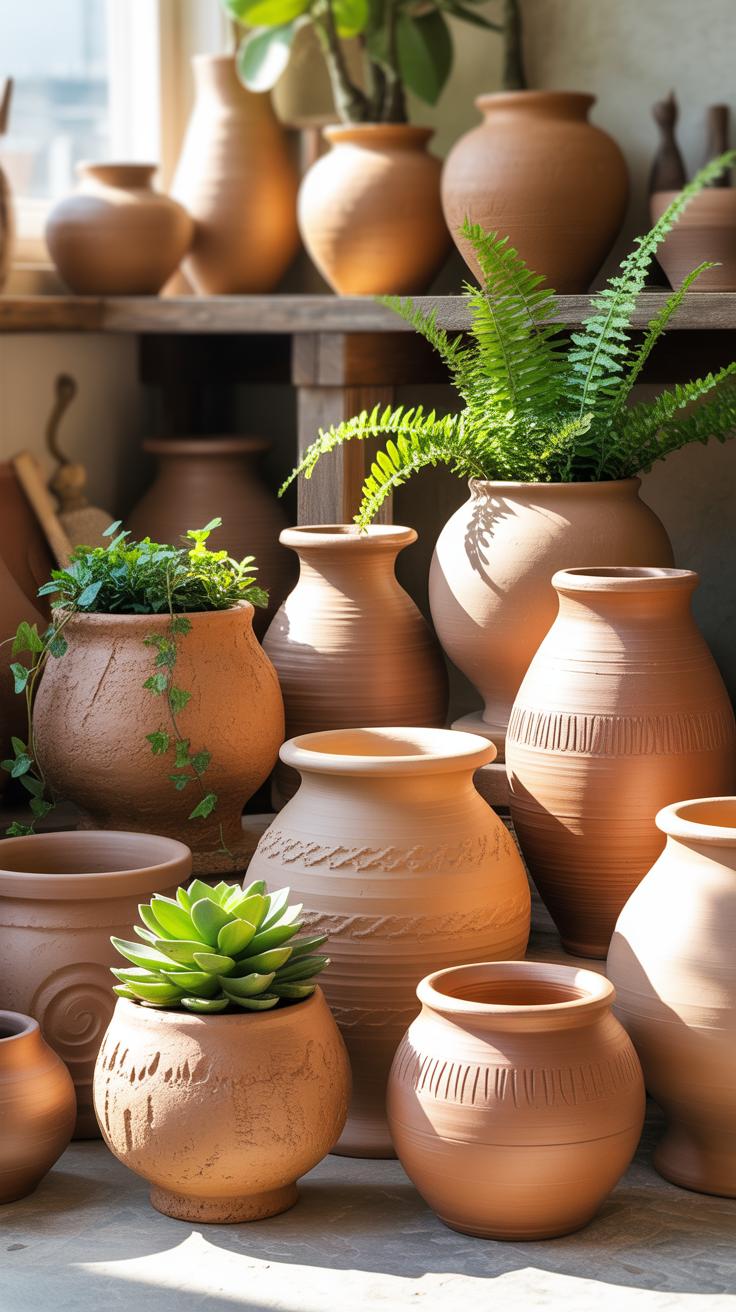
Earthenware tiles and pots represent the most common Ceramic Planter Ideas for outdoor use. This clay fires at low temperatures and remains porous after the kiln cycle. This porosity allows soil to breathe but makes the material prone to cracking in freezing weather. You must seal these pots if you live in cold climates. Terracotta is the primary example of this clay type.
Stoneware and porcelain offer superior durability for permanent garden fixtures. Stoneware fires at high temperatures to create a dense, stone-like material that resists water absorption. Porcelain uses fine kaolin clay to achieve a glass-like finish that is extremely strong yet thin. Use stoneware for heavy large-scale outdoor planters. Reserve porcelain for high-end indoor decorative pieces that require fine detail and light colors.
Step By Step Guide To Hand Building Your Own Clay Planter At Home
Hand-building allows you to create custom shapes without a pottery wheel. You start with a flat slab of clay for the base. Use the pinch technique or coil method to build the walls upward. Ensure you compress the clay to remove air bubbles. Trapped air causes the pot to explode during the firing process. Always maintain even wall thickness for consistent drying.
- Wedge the Clay: Force out air bubbles by kneading the clay on a porous surface. This step prevents structural failure during the drying and firing stages. It ensures the texture remains uniform throughout the entire build.
- Create the Base: Roll a flat slab of clay to a half-inch thickness. Cut out your desired shape using a needle tool or knife. This foundation must support the weight of the entire planter and the wet soil.
- Score and Slip: Scratch the edges of your clay pieces before joining them. Apply a liquid clay mixture called slip to act as glue. This creates a chemical and physical bond that prevents the seams from splitting apart later.
- Build the Walls: Stack rolled coils or flat slabs vertically on the base. Smooth the joints with your fingers or a wooden tool to create a solid surface. This reinforcement ensures the planter can hold the outward pressure of growing roots.
- Pierce Drainage Holes: Use a hollow tube or drill bit to cut holes in the bottom while the clay is leather-hard. Proper drainage prevents root rot and water stagnation. Complete this step before the clay becomes too dry and brittle.
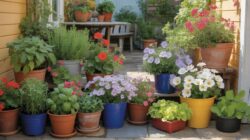
Dry your finished piece slowly under a plastic sheet to prevent warping. Rapid drying causes uneven shrinking and leads to visible cracks. Once the pot is bone-dry, it is ready for the first kiln firing. This initial bake turns the raw clay into ceramic. Apply glazes after this stage to add color and waterproof the interior walls of your planter.
Creative Pots Unique Ceramic Planter Concepts That Stand Out In Any Garden
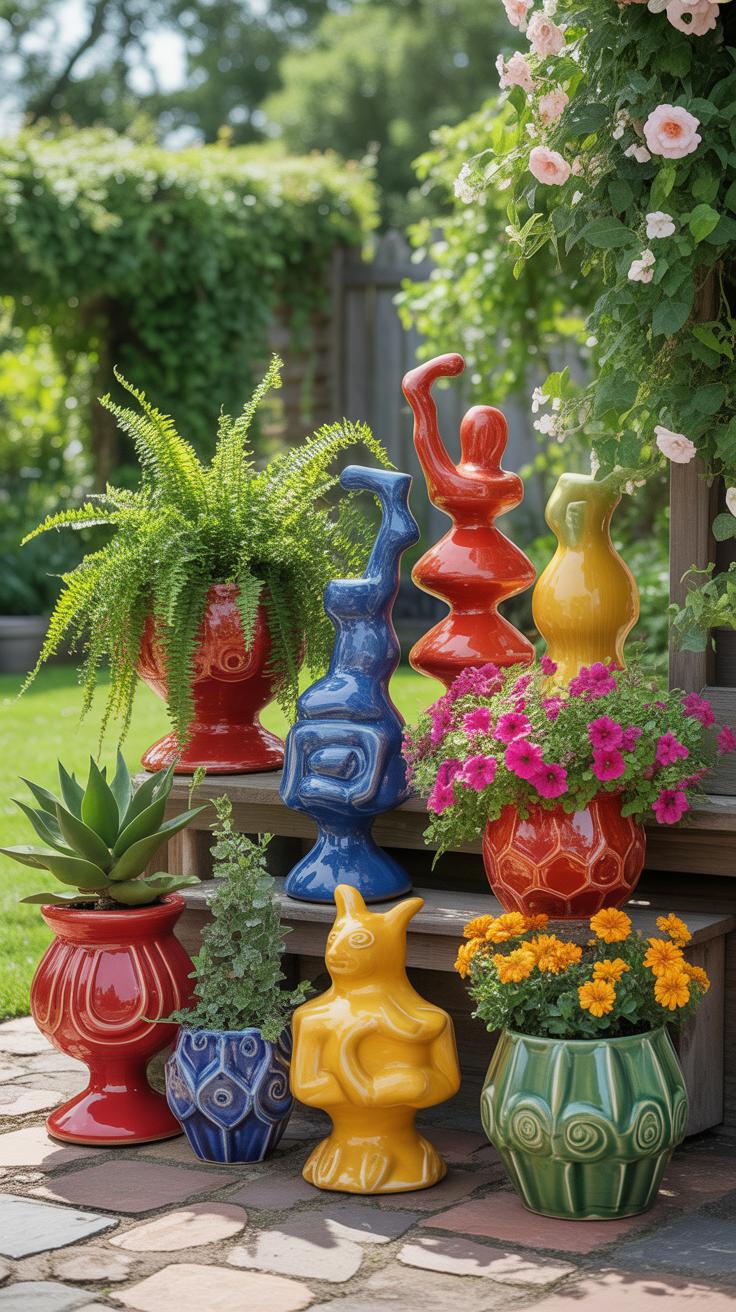
Stackable, Hanging, And Wall Mounted Ceramic Planter Arrangements For Small Spaces
Vertical ceramic systems maximize yields in tight footprints. Stackable modular units use interlocking feet to prevent tipping. These designs often feature central drainage holes that pass water from top tiers to bottom levels. This gravity-fed system reduces water waste. High-fired stoneware provides the necessary compressive strength to support the weight of multiple saturated soil loads without cracking under the pressure.
Hanging and wall-mounted ceramics require specific hardware integration. Use galvanized steel cables for hanging pots to prevent rust. Ensure wall planters have flat rear surfaces for stability against vertical planes. Glazed interiors reduce moisture loss in these exposed positions. Strategic placement near light sources improves plant health. These arrangements turn blank walls into functional growing zones. They keep floors clear and improve airflow around the foliage.
Your hands shape the clay into a vessel where memories and nature can grow together in beauty. The earth is the right place for love to take root in every handcrafted bowl.
Textured, Geometric, And Sculptural Ceramic Pot Designs Inspired By Global Art Traditions
Modern ceramic designs often pull from historical movements like Bauhaus or Brutalism. Geometric planters use sharp angles and unglazed planes to emphasize raw clay bodies. These sculptural forms focus on structural integrity and mathematical balance. Designers use slip-casting techniques to ensure precise edges and uniform thickness. These pots serve as focal points in minimalist landscapes. They provide a stark contrast to organic plant shapes.
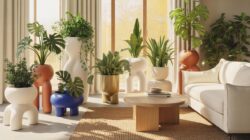
Global influences like Japanese Wabi-sabi or Mediterranean terra cotta offer distinct surface textures. Artisans use sgraffito or stamping to create rhythmic patterns on the pot exterior. Salt glazing creates a unique orange-peel texture that resists environmental wear. These traditional methods provide tactical durability for outdoor use. Choosing textured ceramics adds visual depth to a garden. The varied surfaces react with natural light to create shifting shadows throughout the day.
Pottery For Plants How Handmade Ceramic Vessels Elevate Your Plant Collection
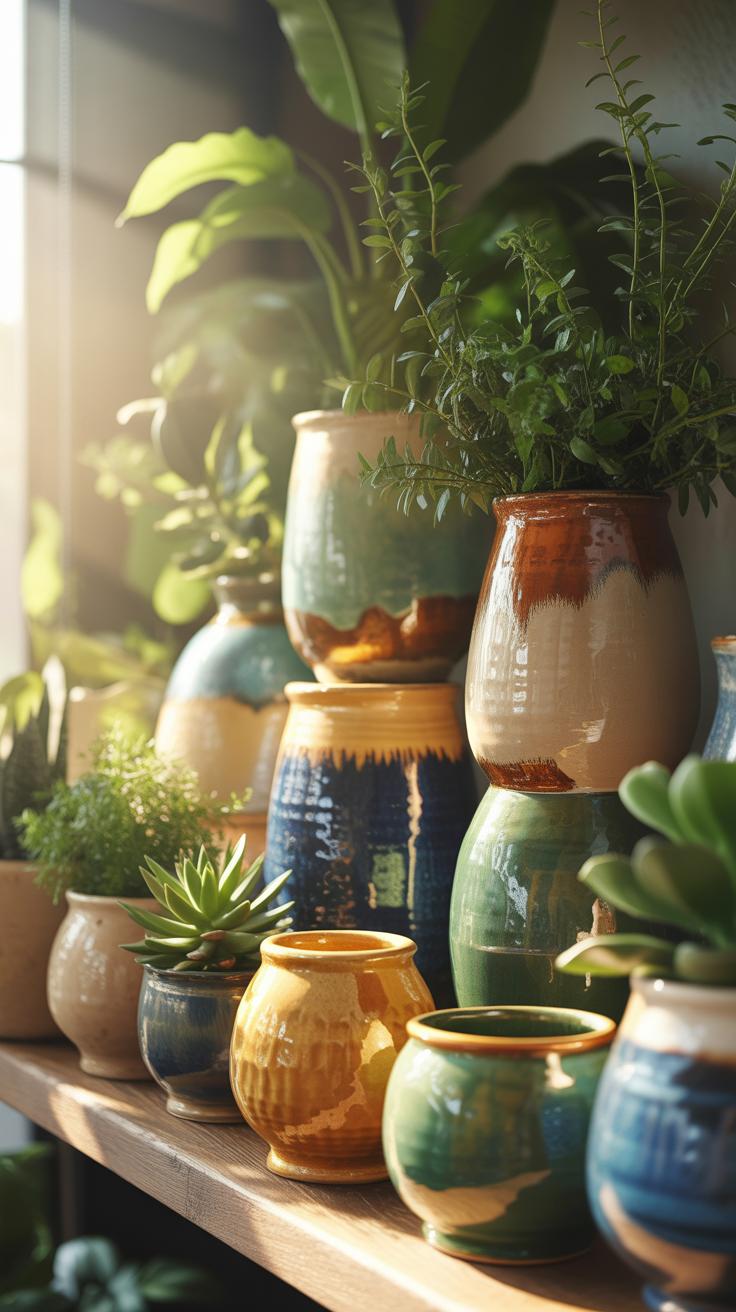
Why Handmade Pottery Adds Authentic Artisan Value Compared To Mass Produced Planters
Mass produced planters use slip casting for speed. This method creates uniform thin walls but lacks structural soul. Handmade pottery uses wheel throwing or slab building techniques. These methods leave evidence of the makers hands. You get unique variations in the clay body and glaze finish. This craftsmanship turns a functional object into a piece of art. It creates a focal point that factory items cannot match.
Artisan ceramics offer better material density and heat management. Cheap pots often use low fire clay that cracks easily. Studio potters use high fire stoneware or porcelain. These materials survive temperature changes better than mass market alternatives. You invest in longevity and durability. The custom glazes also react with the kiln atmosphere. This produces colors and textures that machines cannot replicate. Each vessel tells a specific geological and technical story.
Best Plants To Showcase In Handmade Pottery For A Curated Gallery Style Display
Handmade vessels require plants that complement their specific textures. You must match the growth habit of the plant to the shape of the pot. Sculptural plants work best with minimal glazes. Trailing plants suit tall or textured cylinders. The goal is to create a visual balance between the organic life and the fired earth. Choose species that highlight the unique glaze patterns.
- Sansevieria Cylindrica: These upright architectural spikes contrast with rough stoneware textures. The vertical lines draw the eye upward while the heavy ceramic base provides necessary stability for the tall foliage. It creates a modern look.
- Pachira Aquatica: The braided trunk of a Money Tree pairs well with large hand thrown pots. Use a neutral glaze to let the green canopy stand out. This combination creates a professional and clean gallery aesthetic.
- Ceropegia Woodii: String of Hearts features delicate trailing vines. These vines look best spilling over the edge of a high fire ceramic bowl. Use a vessel with a speckled glaze to mimic the patterns on the leaves.
- Ficus Elastica: The dark glossy leaves of the Rubber Tree require a bold vessel. A matte black or deep blue handmade pot provides a sophisticated backdrop. The thick leaves hold their own against heavy ceramic walls and rims.
- Euphorbia Trigona: This succulent has a distinct jagged shape. It fits perfectly in a slab built planter with sharp angles. The geometric form of the pot mirrors the natural growth of the African Milk Tree for a cohesive design.
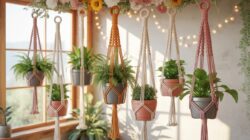
Properly pairing your plant with a handmade vessel increases the perceived value of your collection. A standard plastic pot lowers the visual impact of even the rarest specimen. High quality ceramics signal intentionality in your design choices. They provide the weight needed for top heavy plants. The porous nature of certain clays also improves root health. Investing in quality pottery ensures your interior landscape looks professional and curated.
How To Care For Your Flower Pot Ceramic To Ensure Lasting Beauty And Durability
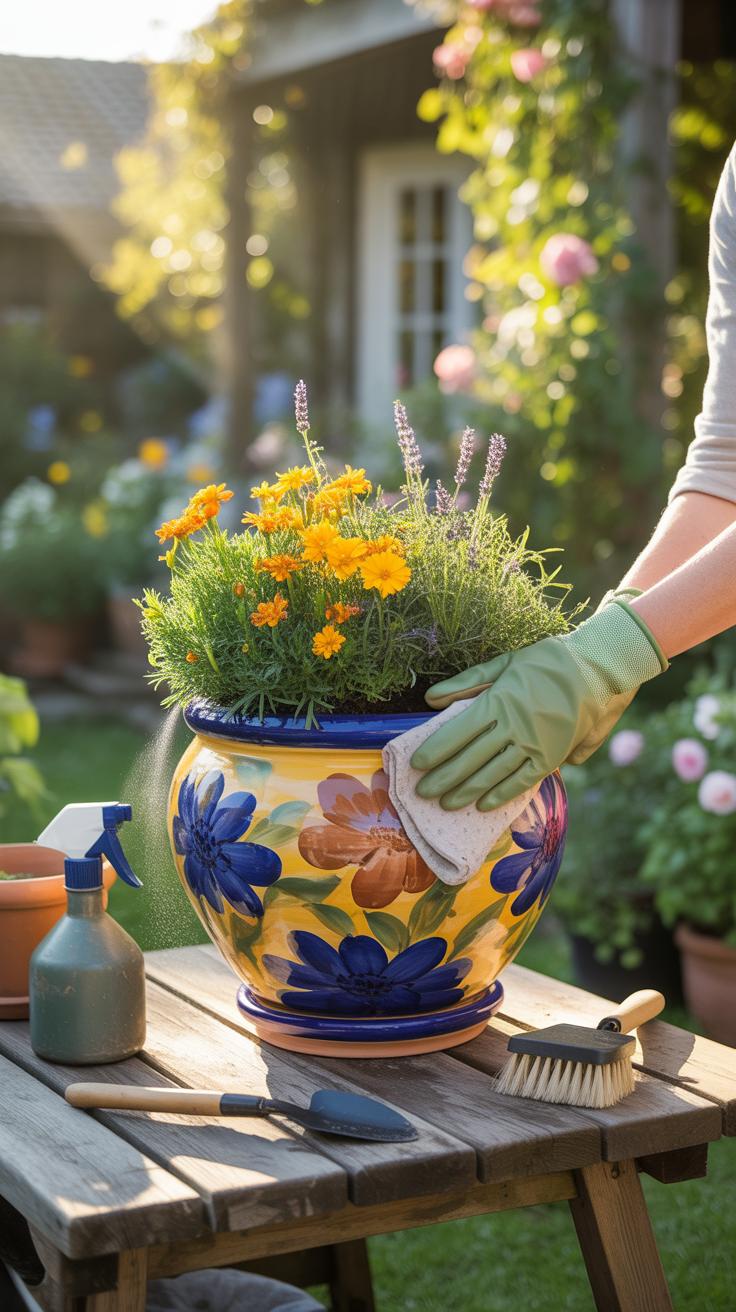
Cleaning And Maintaining Ceramic Planters To Prevent Mineral Buildup And Cracking
Mineral deposits appear as white crusts on ceramic surfaces. Soluble salts from tap water and fertilizers cause this buildup. To remove these deposits, scrub the surface with a stiff brush and a mixture of water and white vinegar. This acidic solution breaks down calcium carbonate without damaging the fired glaze. Rinse the pot thoroughly with clean water to prevent any leftover acid from harming plant roots.
Glazed ceramics resist moisture better than unglazed terracotta. However, dirt still accumulates in microscopic surface cracks. Deep clean your pots annually to prevent pathogens from spreading between plant cycles. Use a mild soap solution and avoid abrasive steel wool. Dry the pot completely before adding new soil. Proper cleaning prevents the structural degradation of the clay body and keeps the colors sharp for years of use.
Seasonal Storage And Weatherproofing Tips To Protect Outdoor Ceramic Pots Year Round
Water expands when it freezes and exerts pressure on ceramic walls. This pressure causes hairline fractures or total structural failure. In cold climates, move ceramic pots into a garage or basement before the first frost. If the pot is too heavy to move, empty the soil and flip the container upside down. Covering the pot with a waterproof tarp prevents moisture from entering the porous clay material.
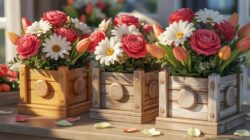
Elevating pots off the ground prevents them from sealing to frozen surfaces. Use pot feet or bricks to allow airflow underneath the base. This tactic ensures drainage holes remain clear and reduces thermal shock from the cold earth. Never leave water-filled saucers beneath pots during winter months. These simple steps protect your investment from ice damage and ensure the ceramic remains intact for the next growing season.
Frequently Asked Questions

Why are ceramic planters a good choice for beginners?
Ceramic is an excellent material for new plant parents because it offers durability and weight, preventing top-heavy plants from tipping over. Unlike plastic, many ceramic options are porous enough to allow for subtle air circulation around the roots. When exploring different ceramic planter ideas, you will find that their thick walls also provide a protective thermal layer, helping to insulate sensitive root systems against sudden temperature fluctuations in your home.
How can I safely add drainage to a ceramic pot without cracking it?
If you find a beautiful vintage vessel but it lacks a hole, you can still execute your ceramic planter ideas with a masonry bit. Slowly drill through the bottom while keeping the surface wet to prevent overheating. Alternatively, utilize the “cachepot” method by keeping your plant in its plastic nursery liner and dropping it inside the ceramic pot. This allows for easy watering and prevents root rot without damaging the decorative exterior.
Are there ways to get the luxury look of ceramic on a tight budget?
Achieving high-end style doesn’t require a massive investment if you get creative with DIY techniques. You can transform inexpensive thrift store finds or dated pottery using textured spray paints or a mixture of acrylic paint and baking soda. This “faux terracotta” or stone-effect hack is a popular way to test out trendy ceramic planter ideas without the designer price tag, giving your space a cohesive, sophisticated look for just a few dollars.